In the footsteps of a leading philosopher and scientist
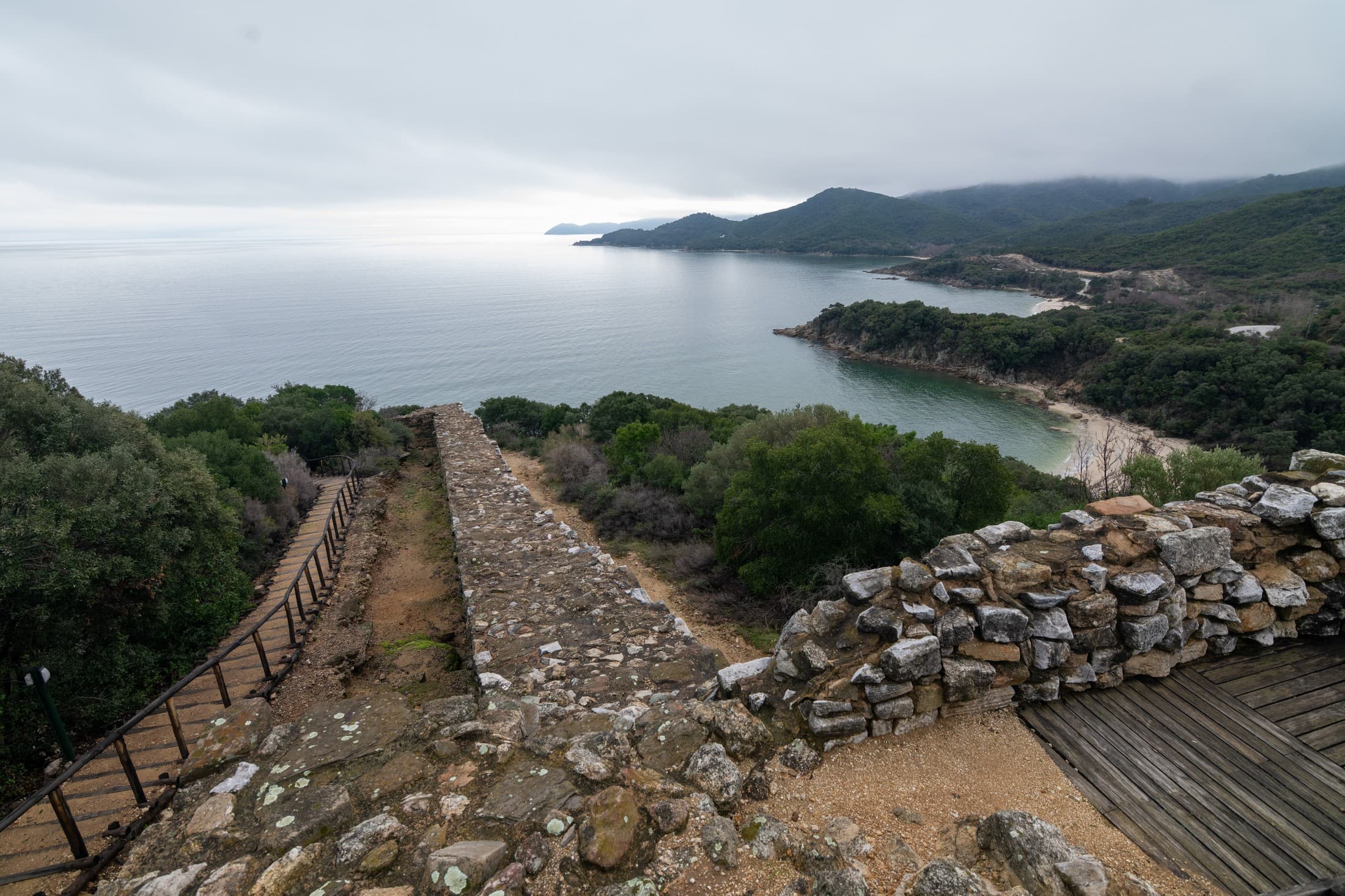
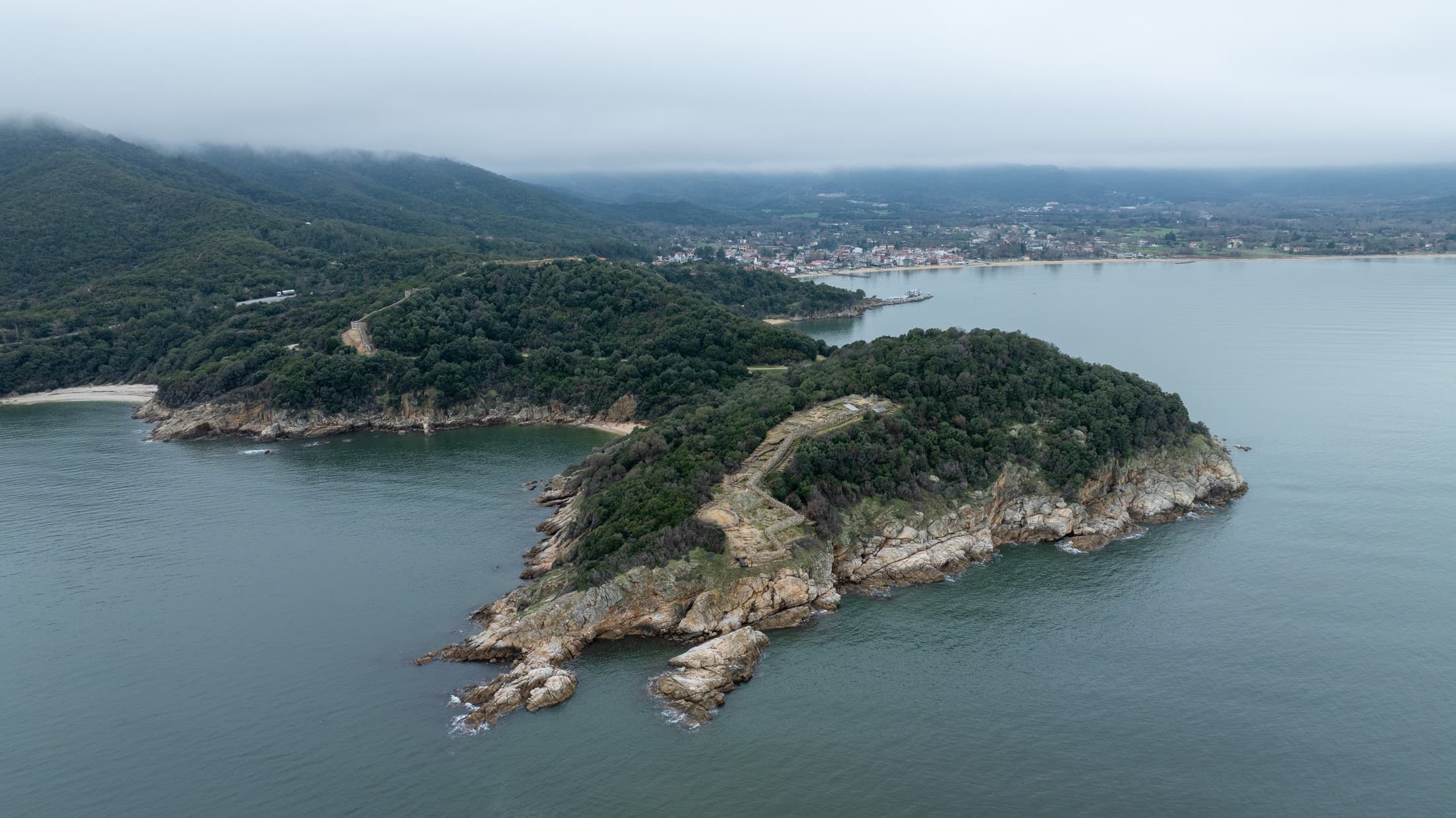
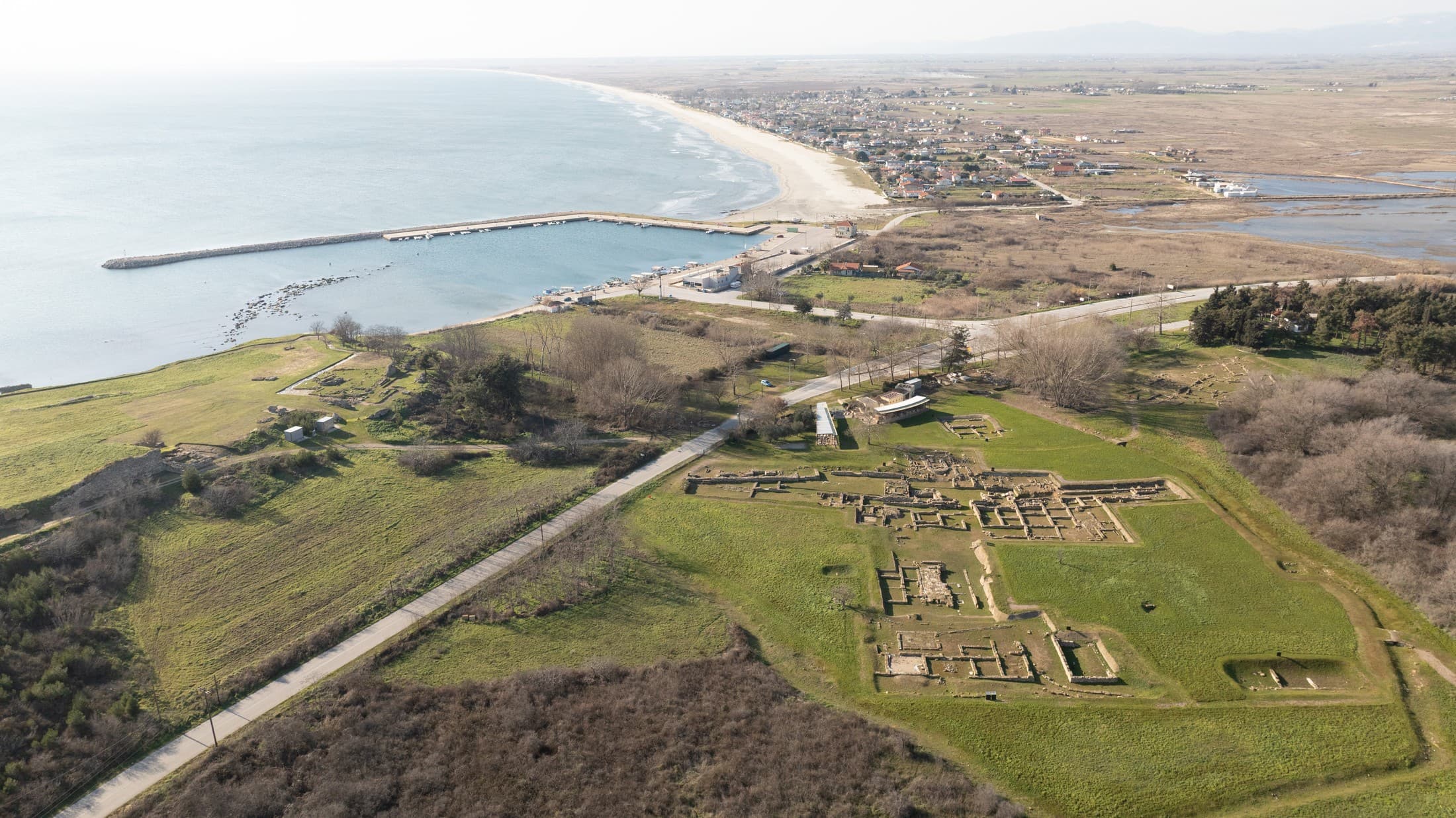
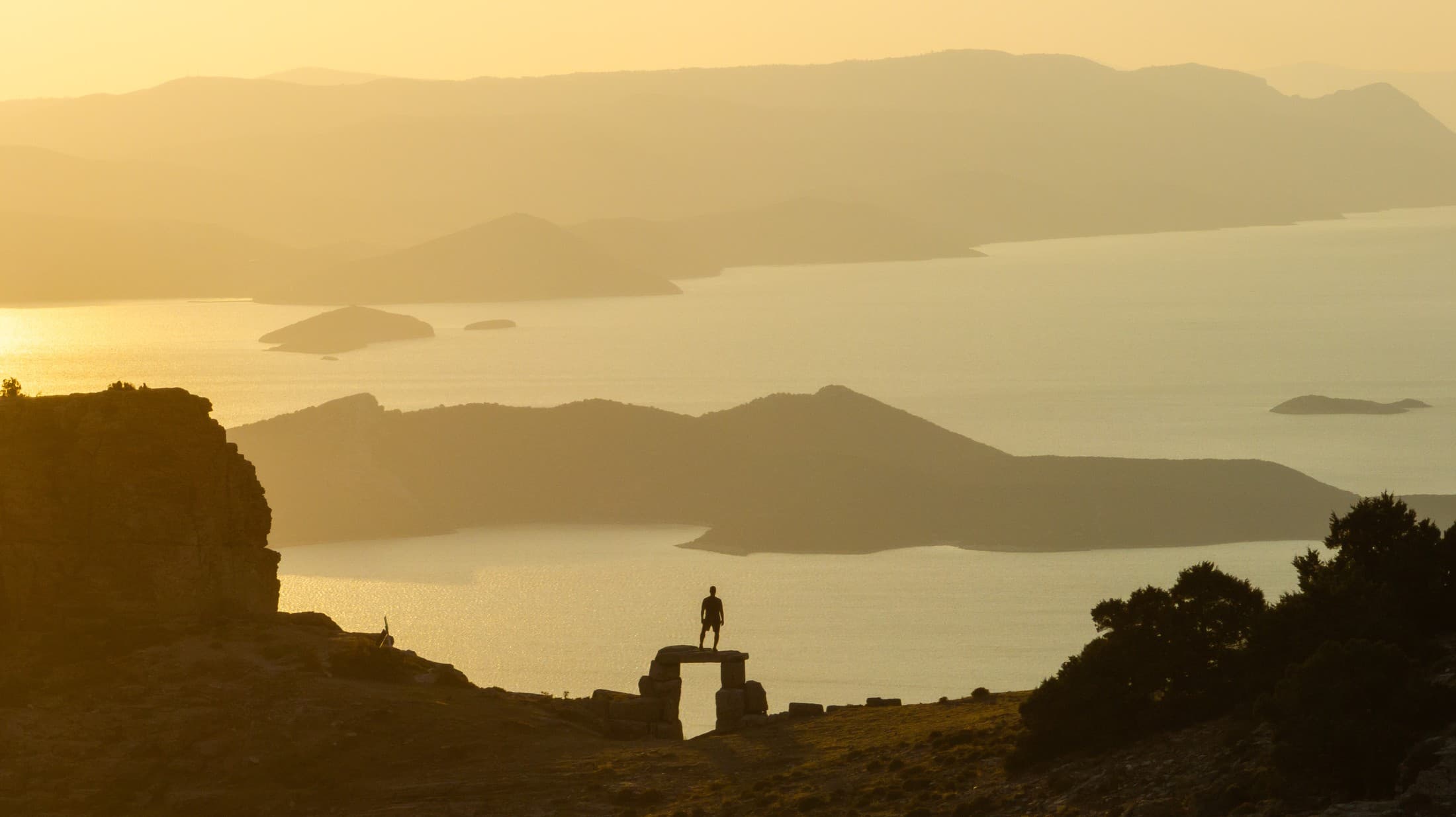
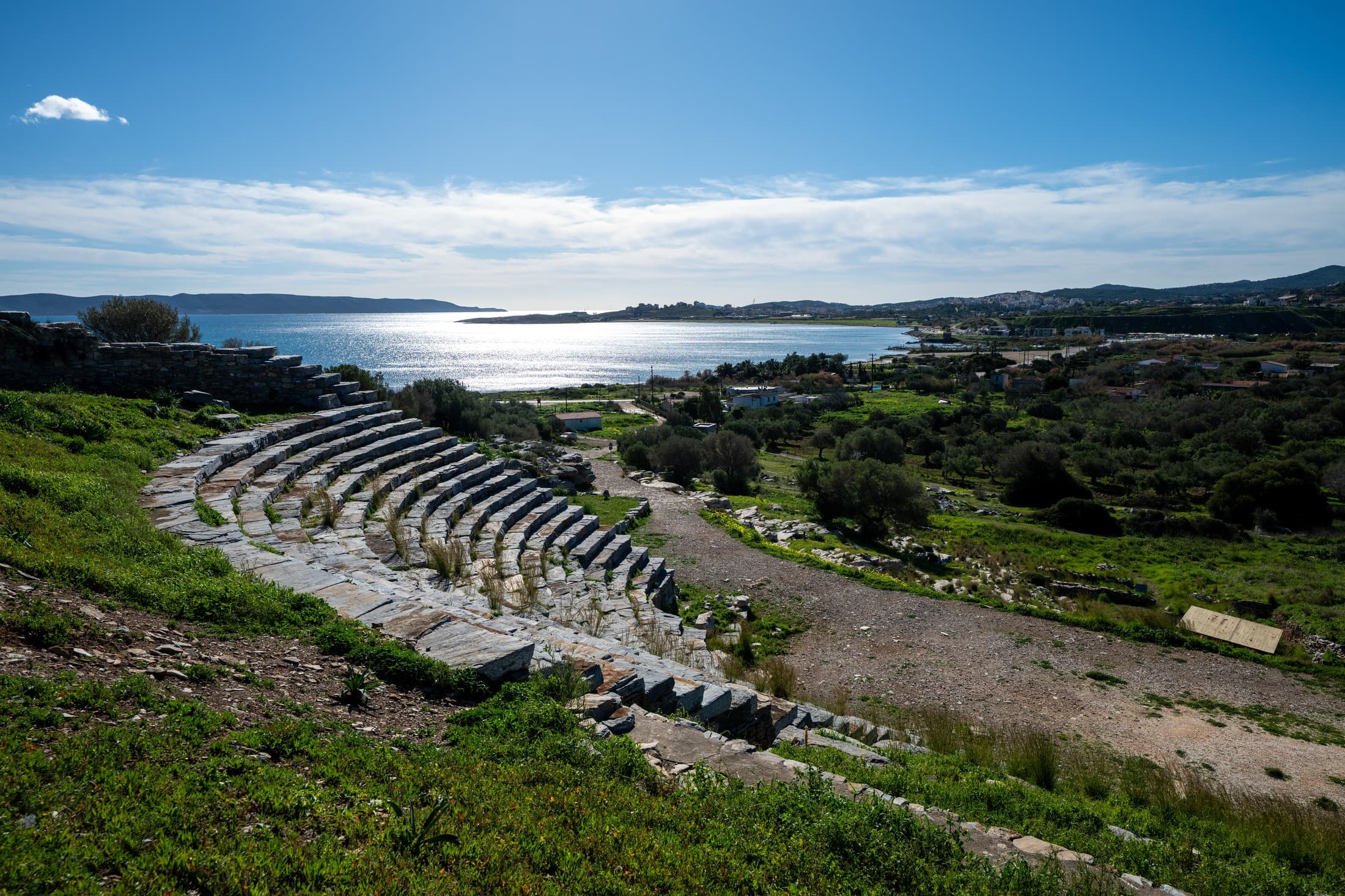
In the mountainous peninsula of "Liotopi", right next to the present-day village of Olympiada, lies one of the most important archaeological sites of Chalkidiki, Ancient Stagira. It is the glorious birthplace of Aristotle, one of the most significant philosophers of antiquity and the teacher of Alexander the Great.
The city was founded around 655 BC and its history is inextricably linked with major conflicts of antiquity, such as its destruction by Philip II, who rebuilt it again at the request of Aristotle.
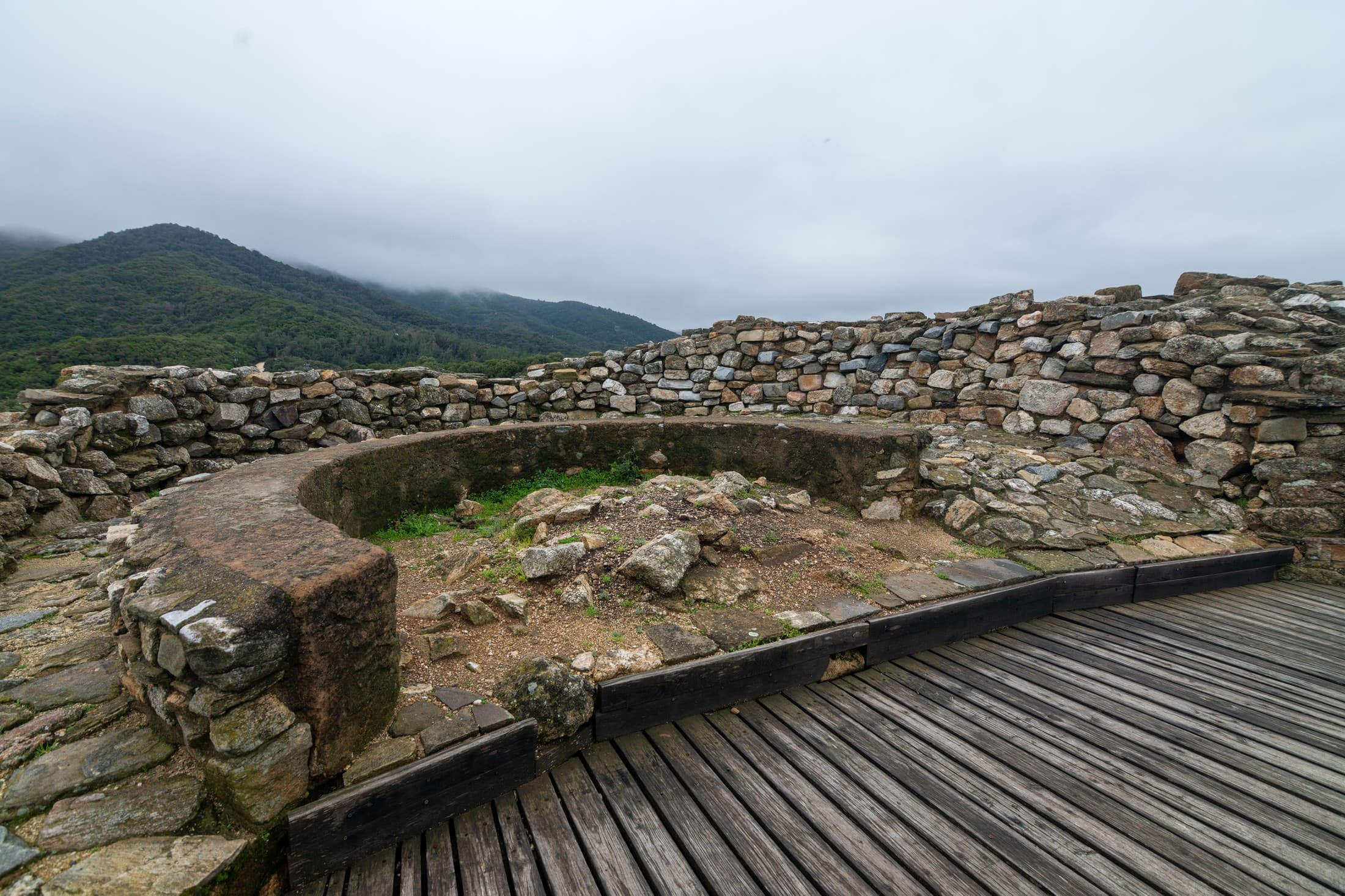
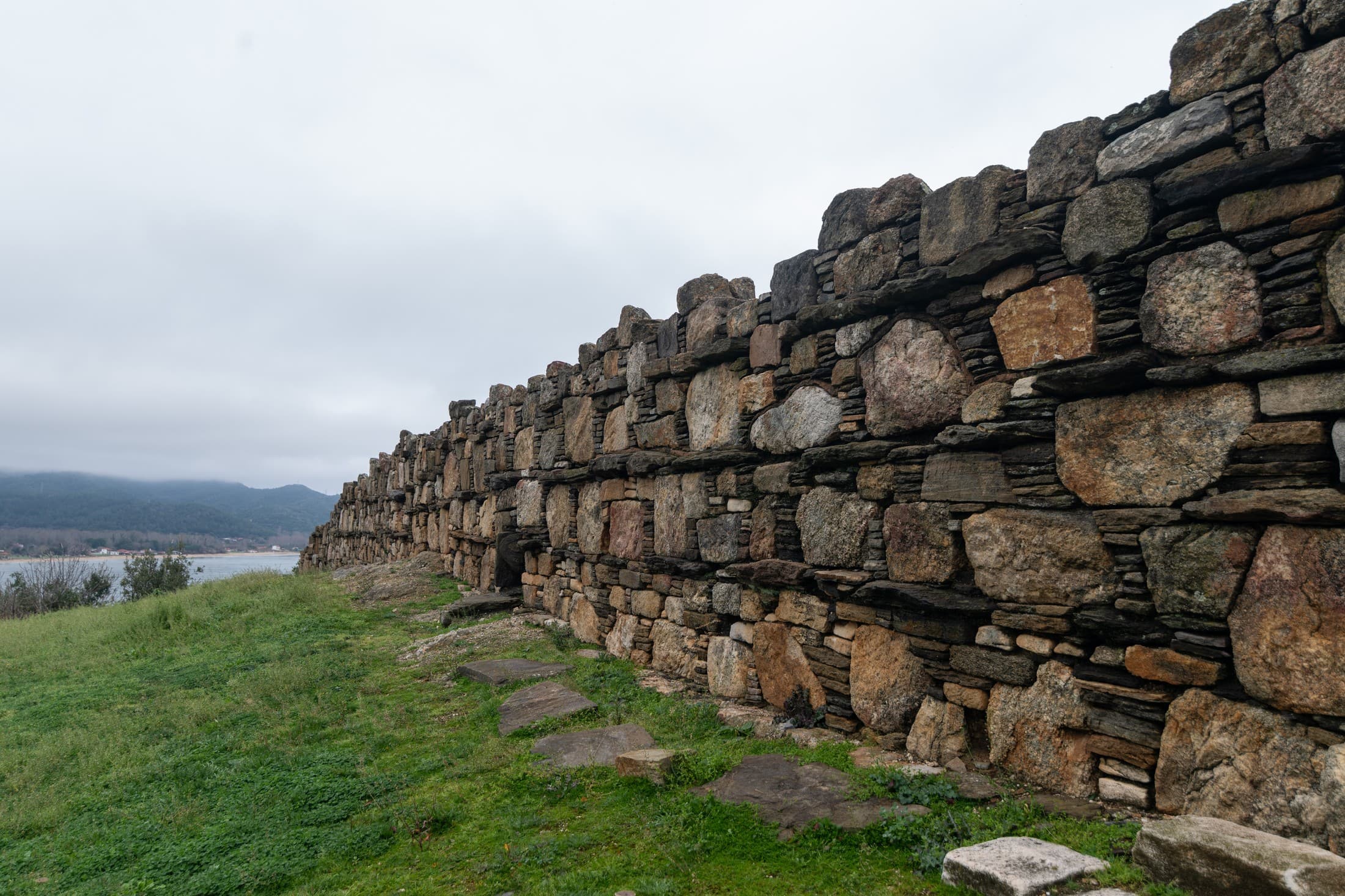
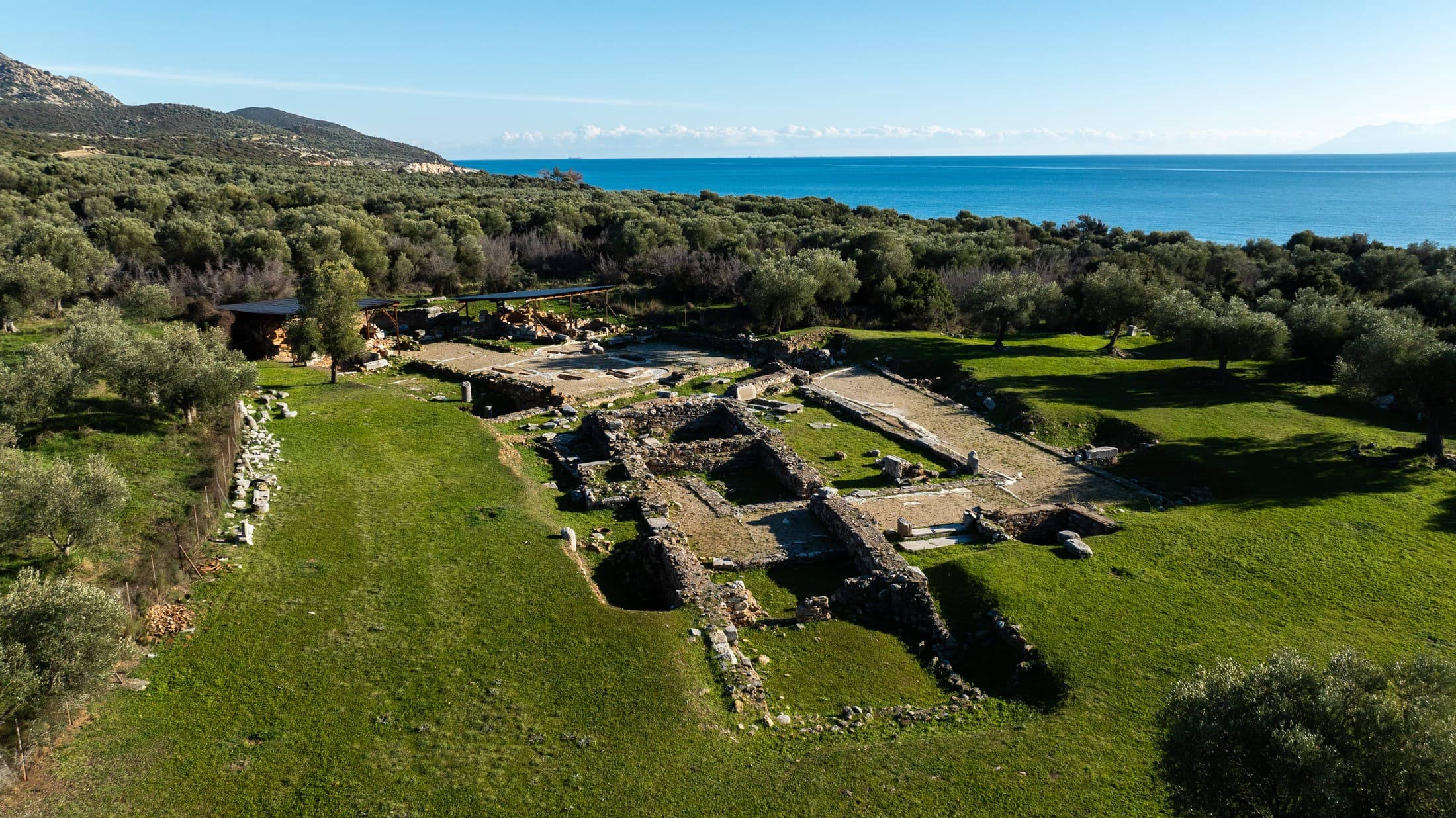
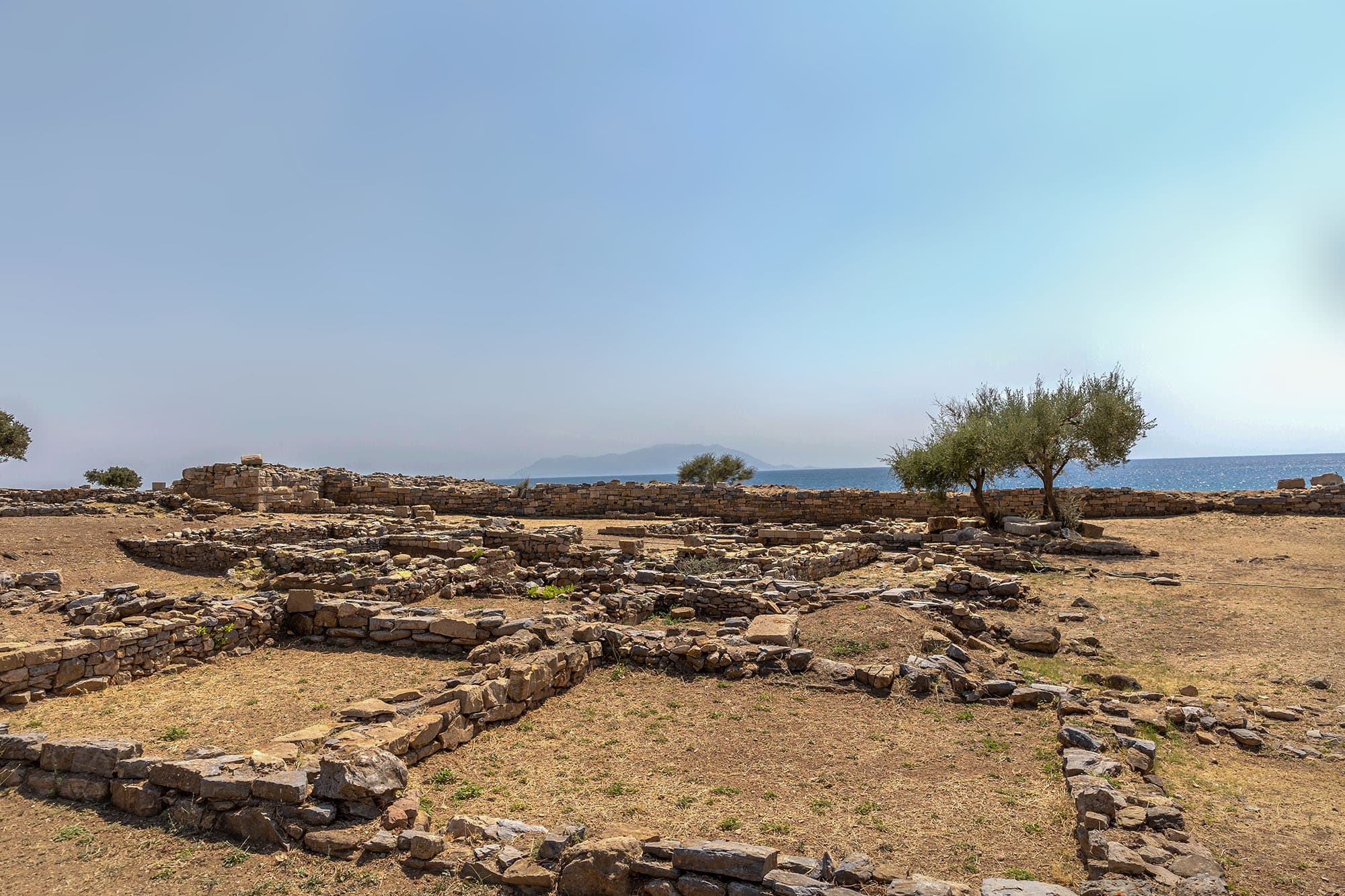
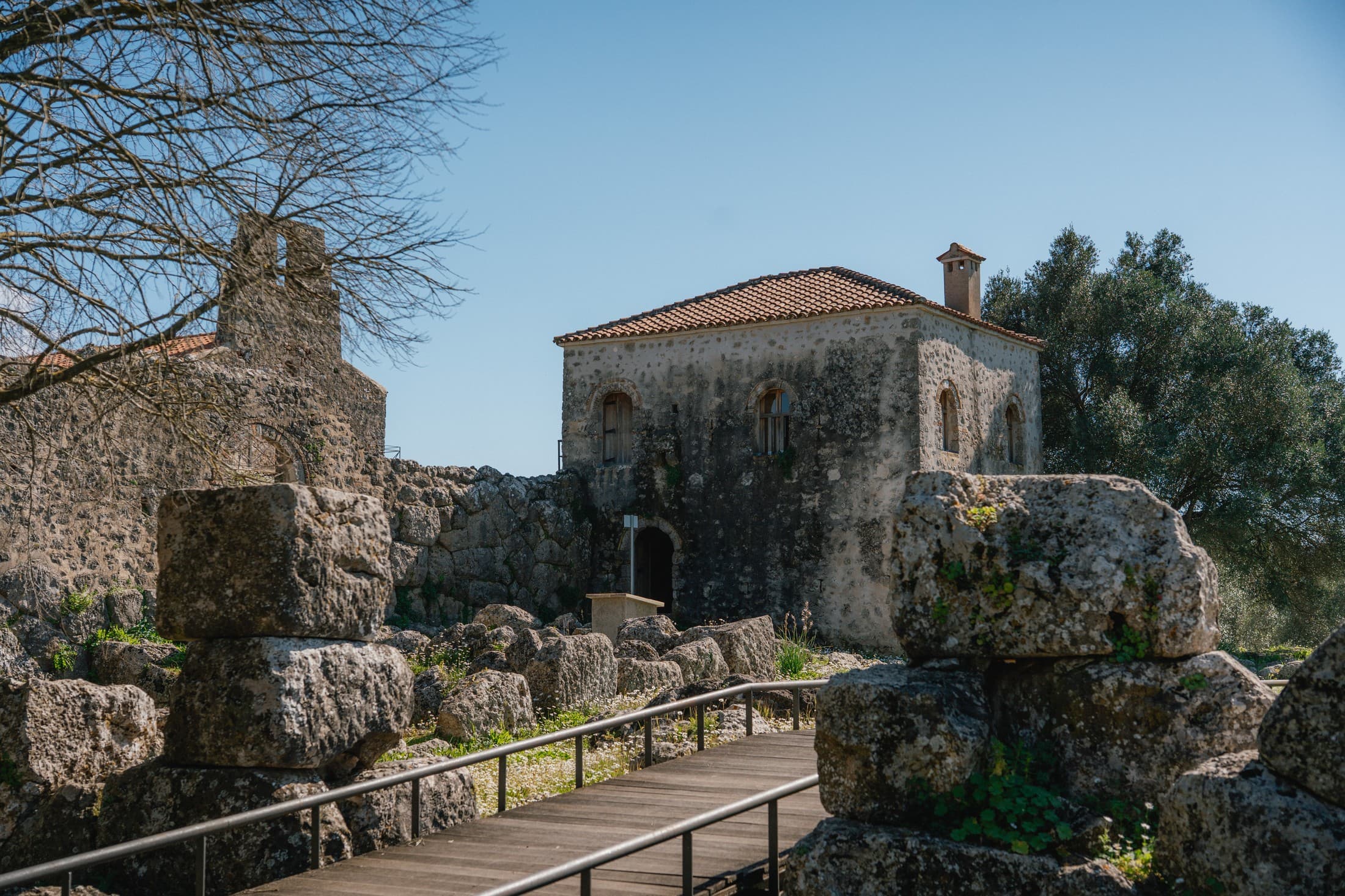
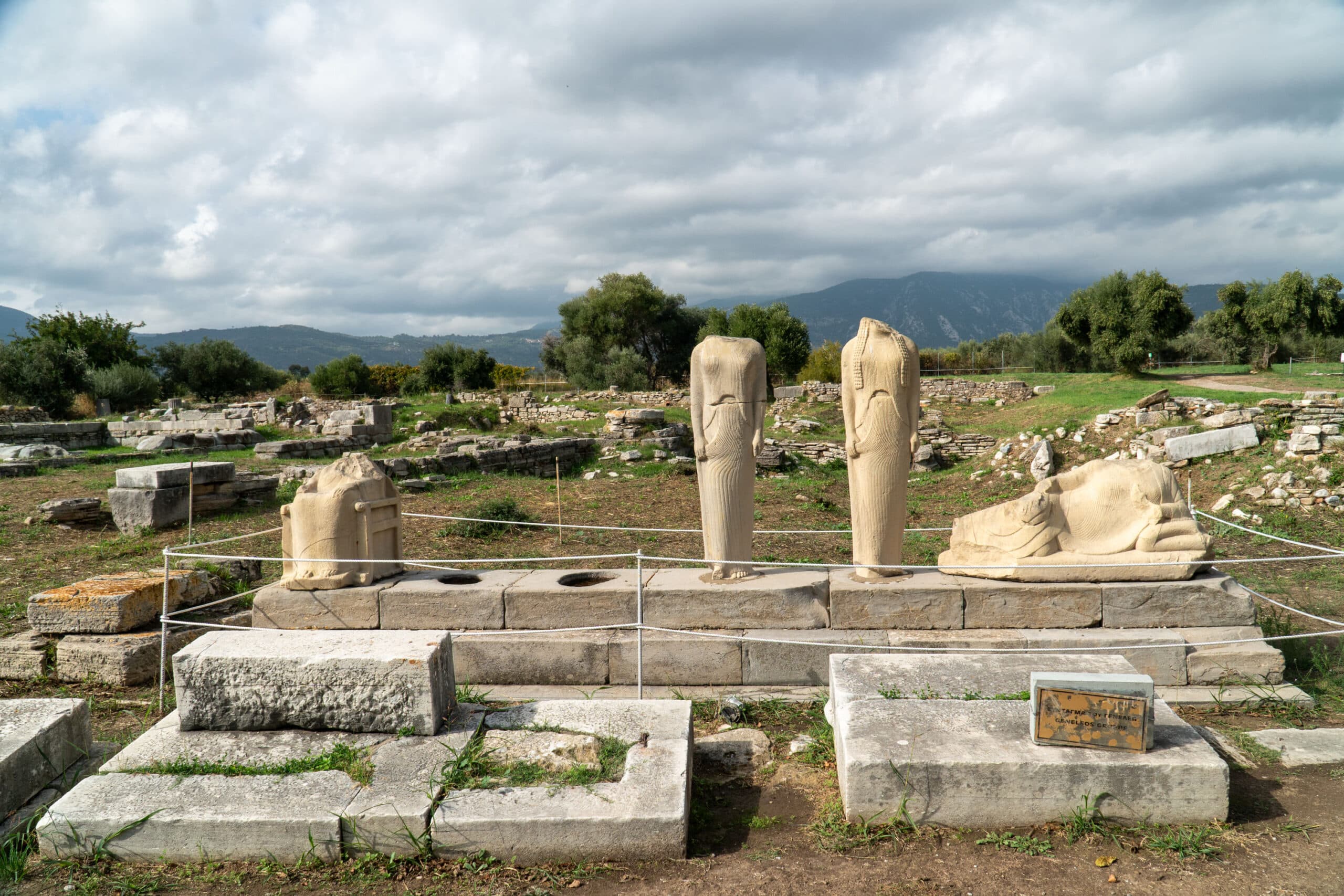
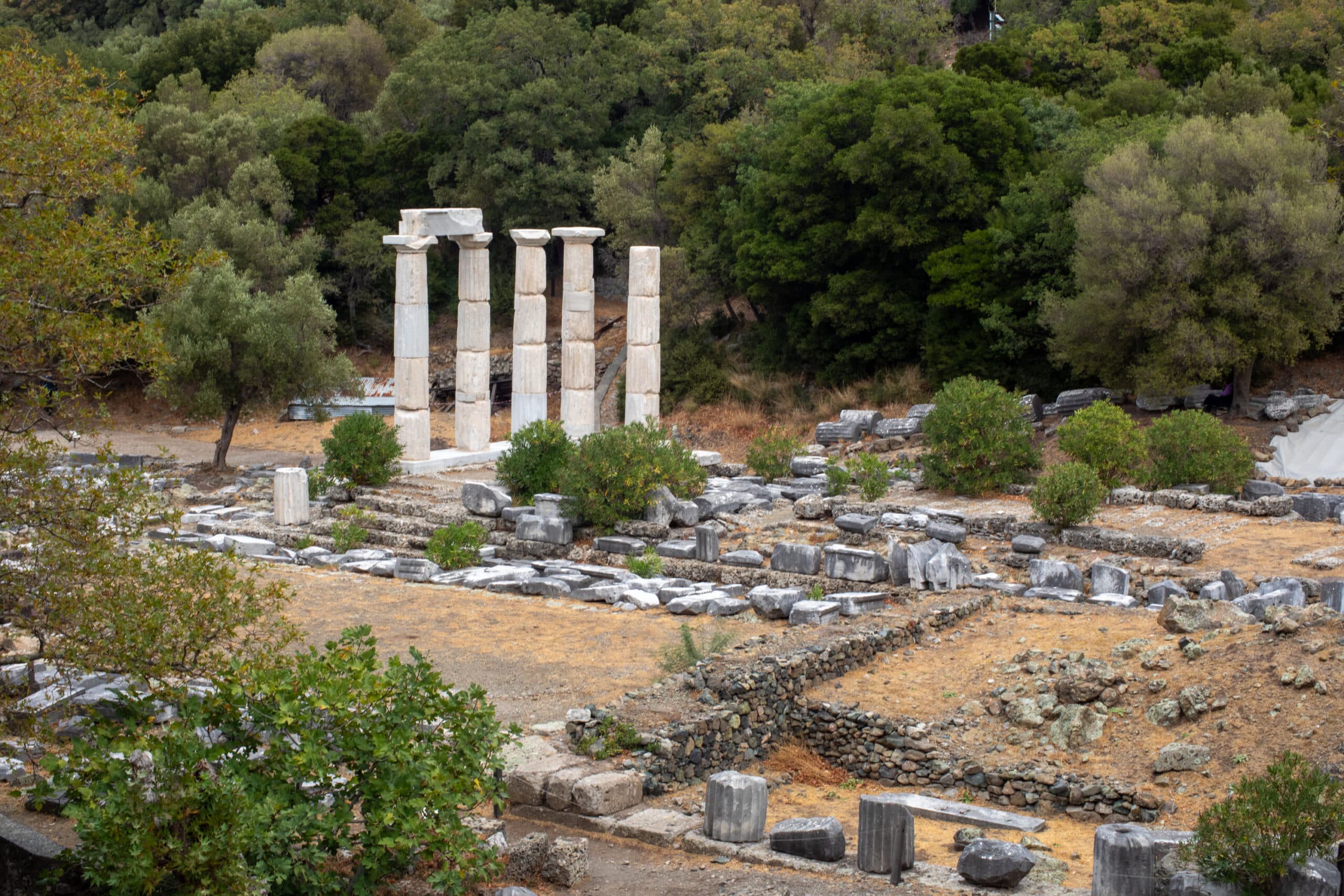
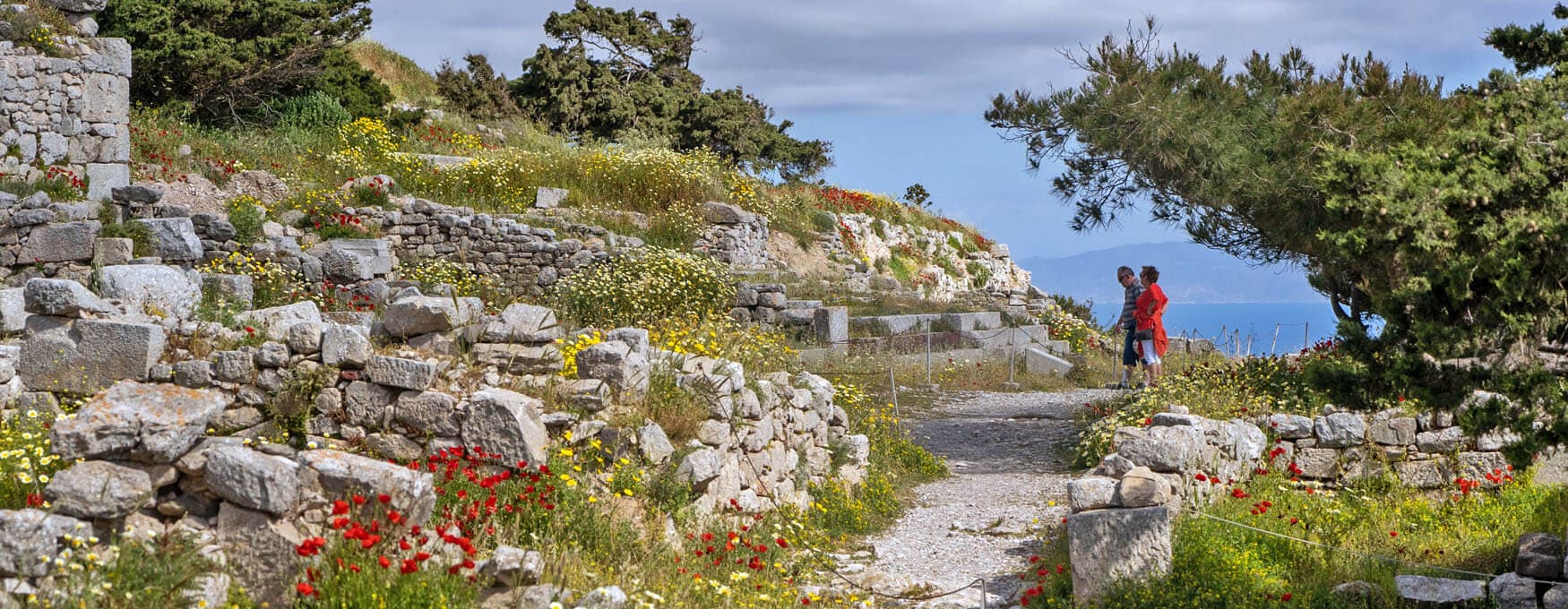
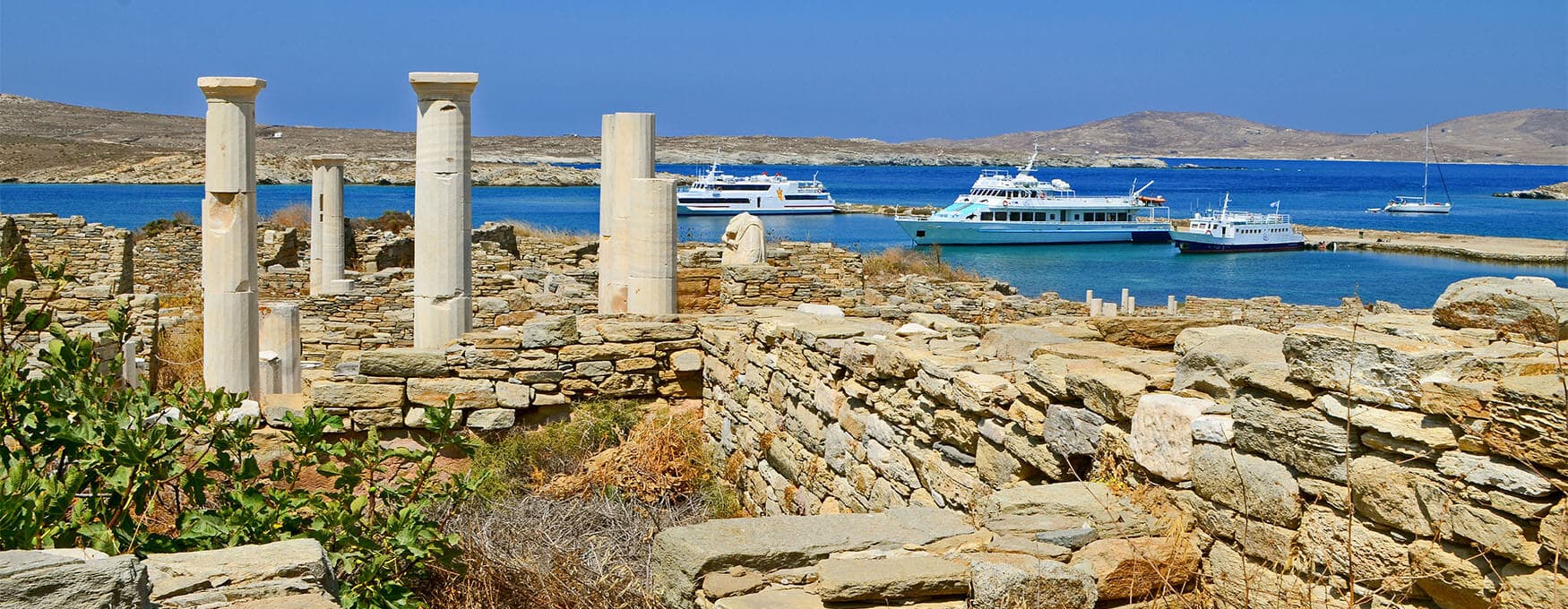
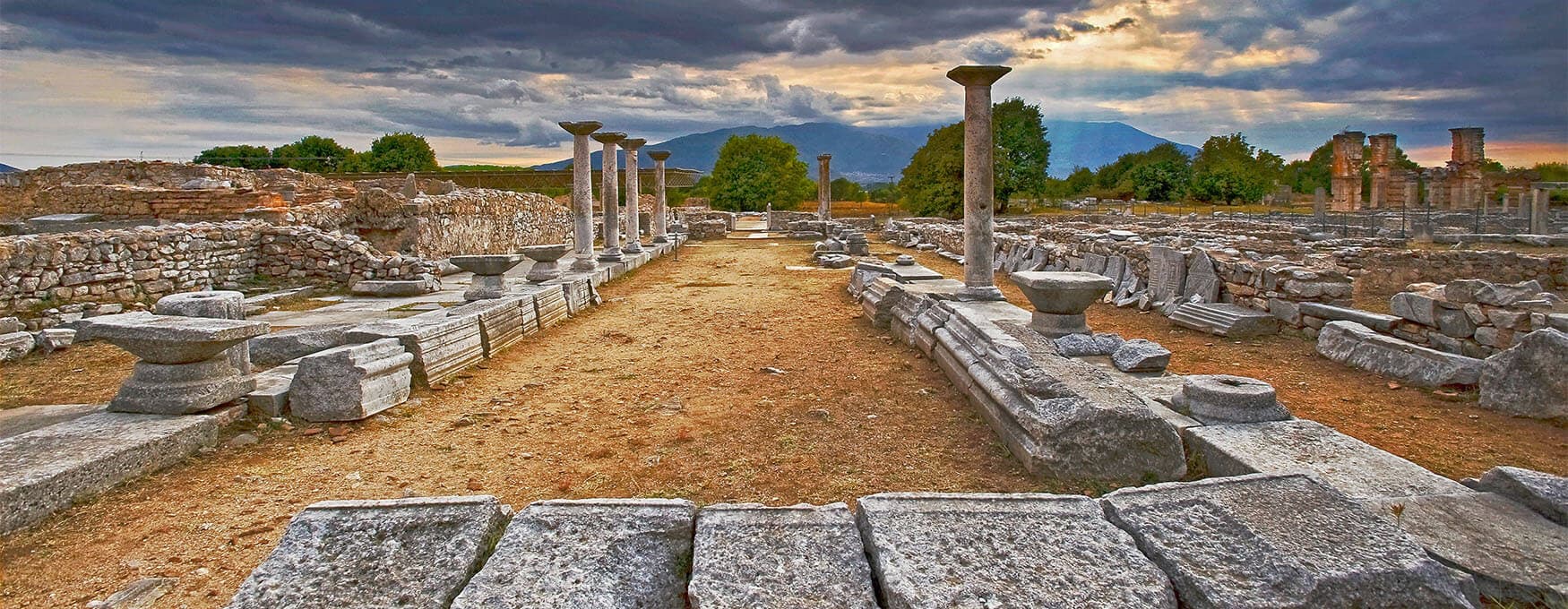
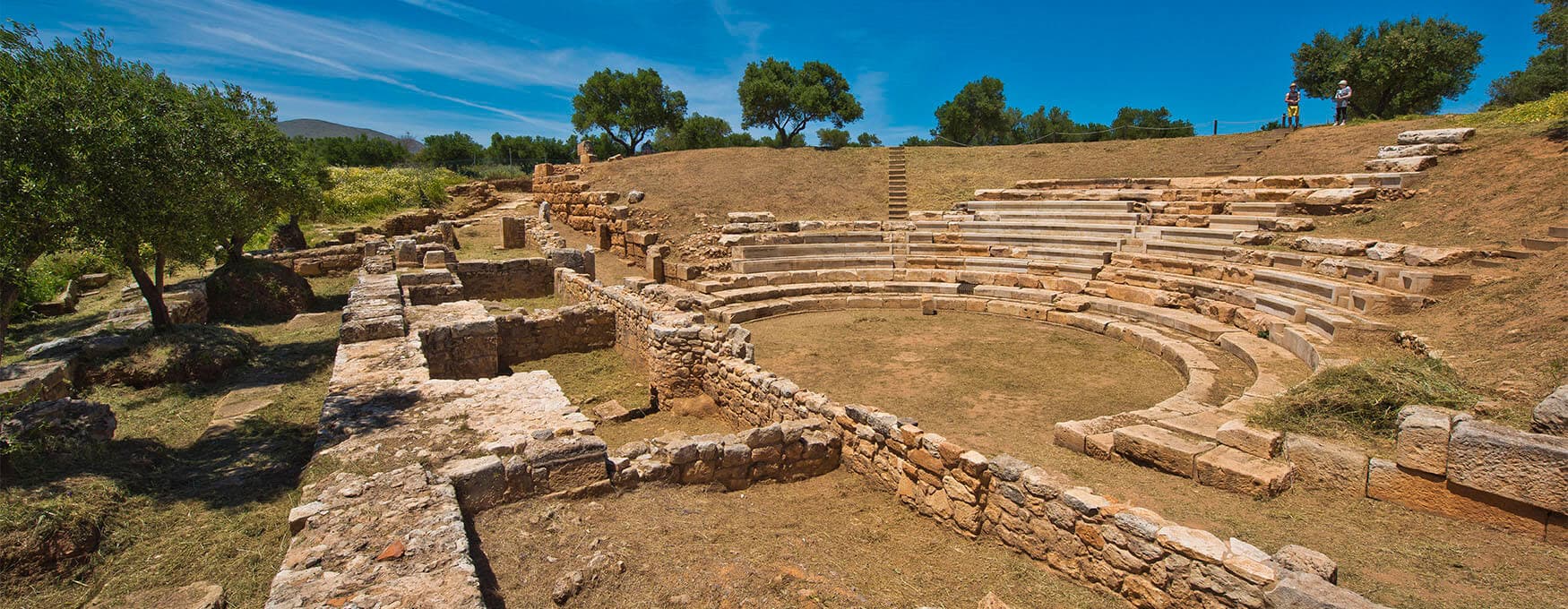
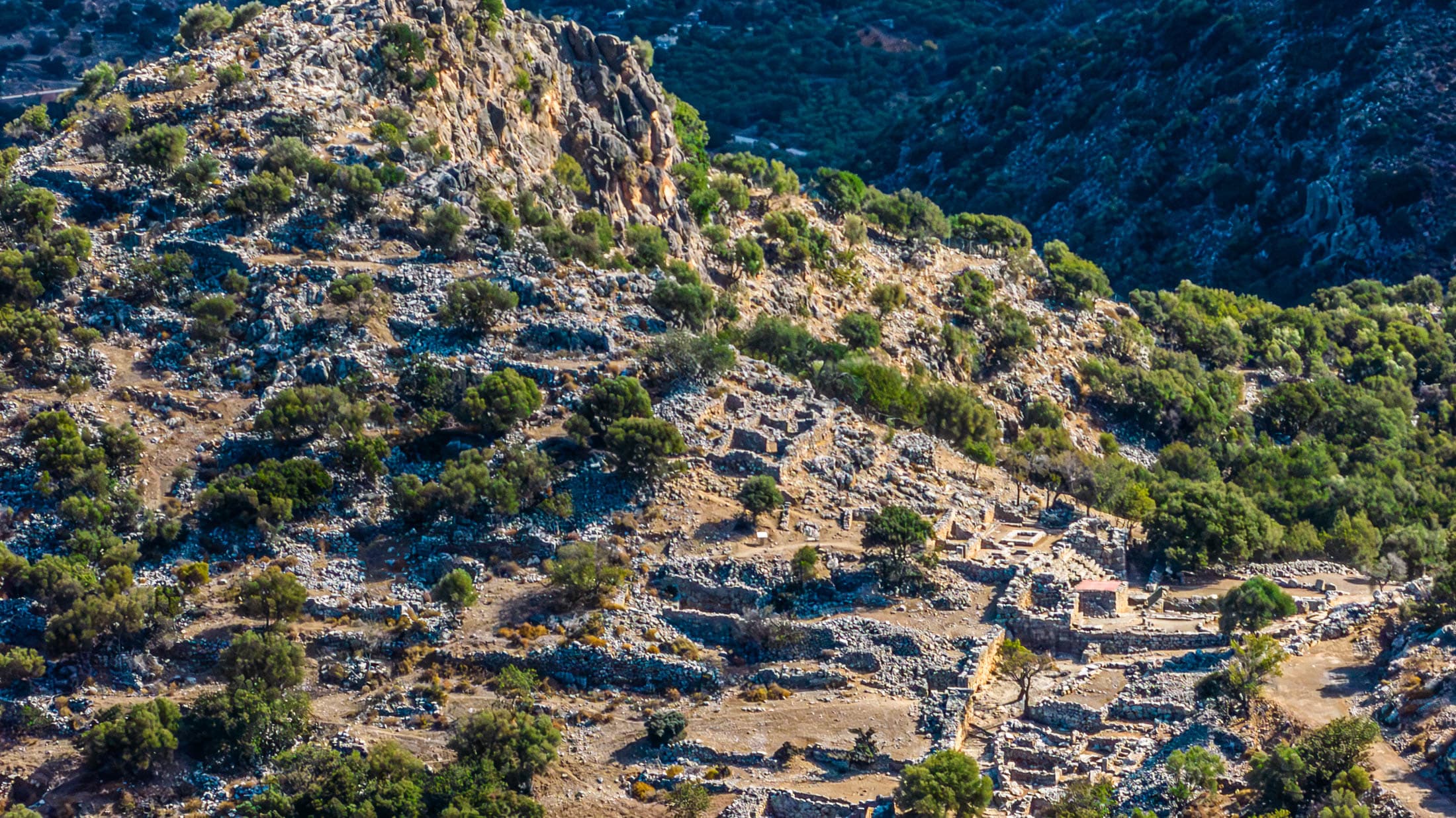
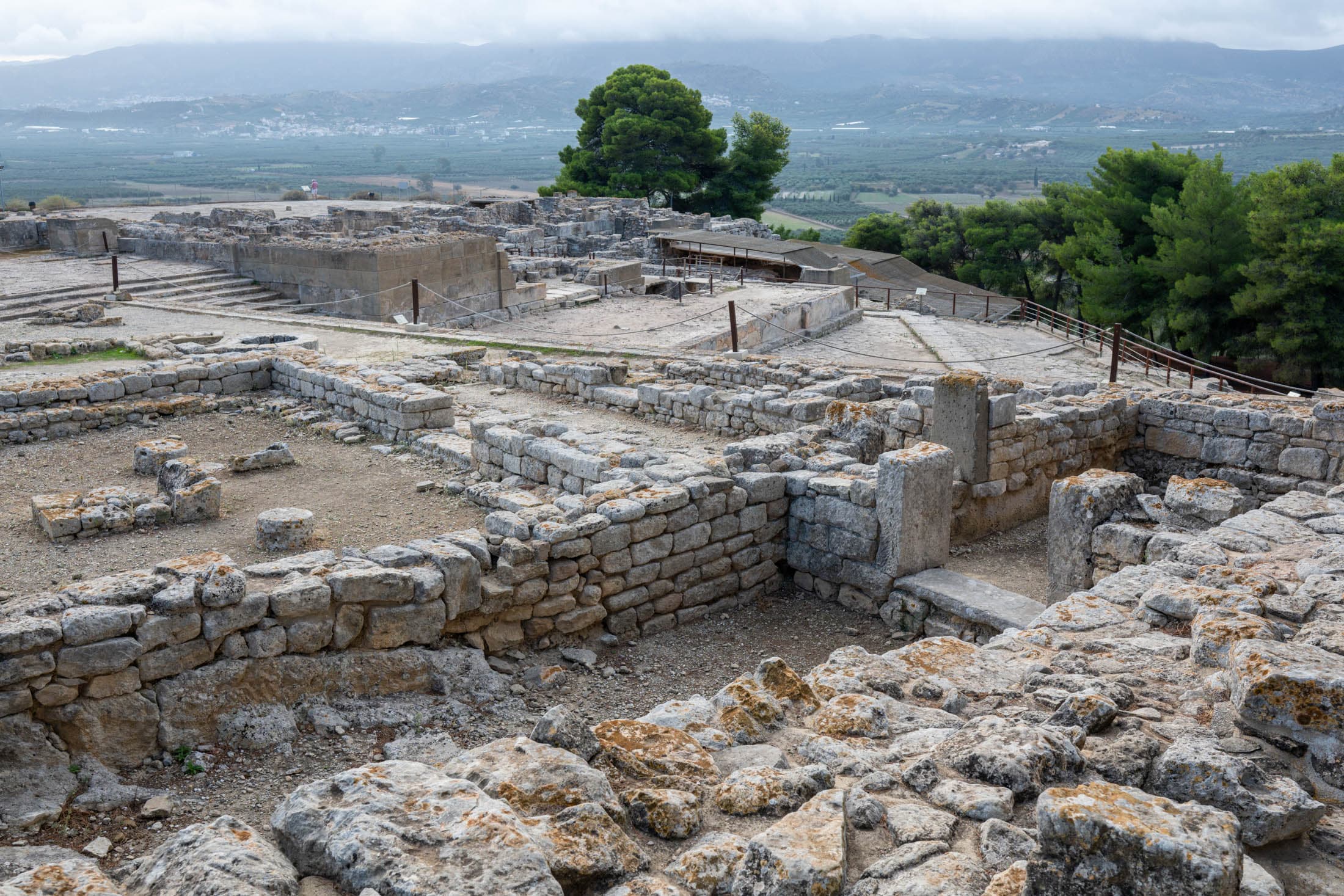
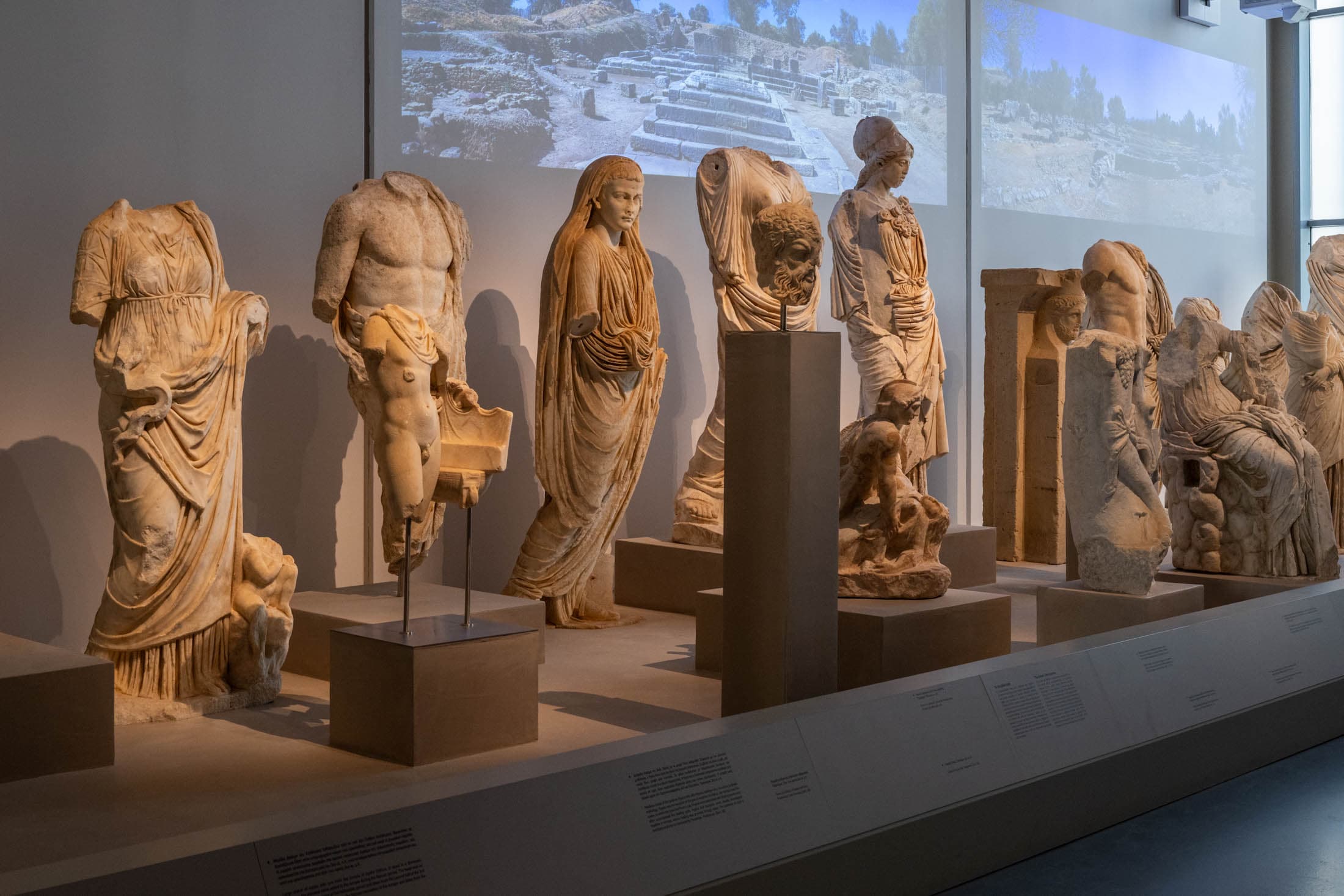
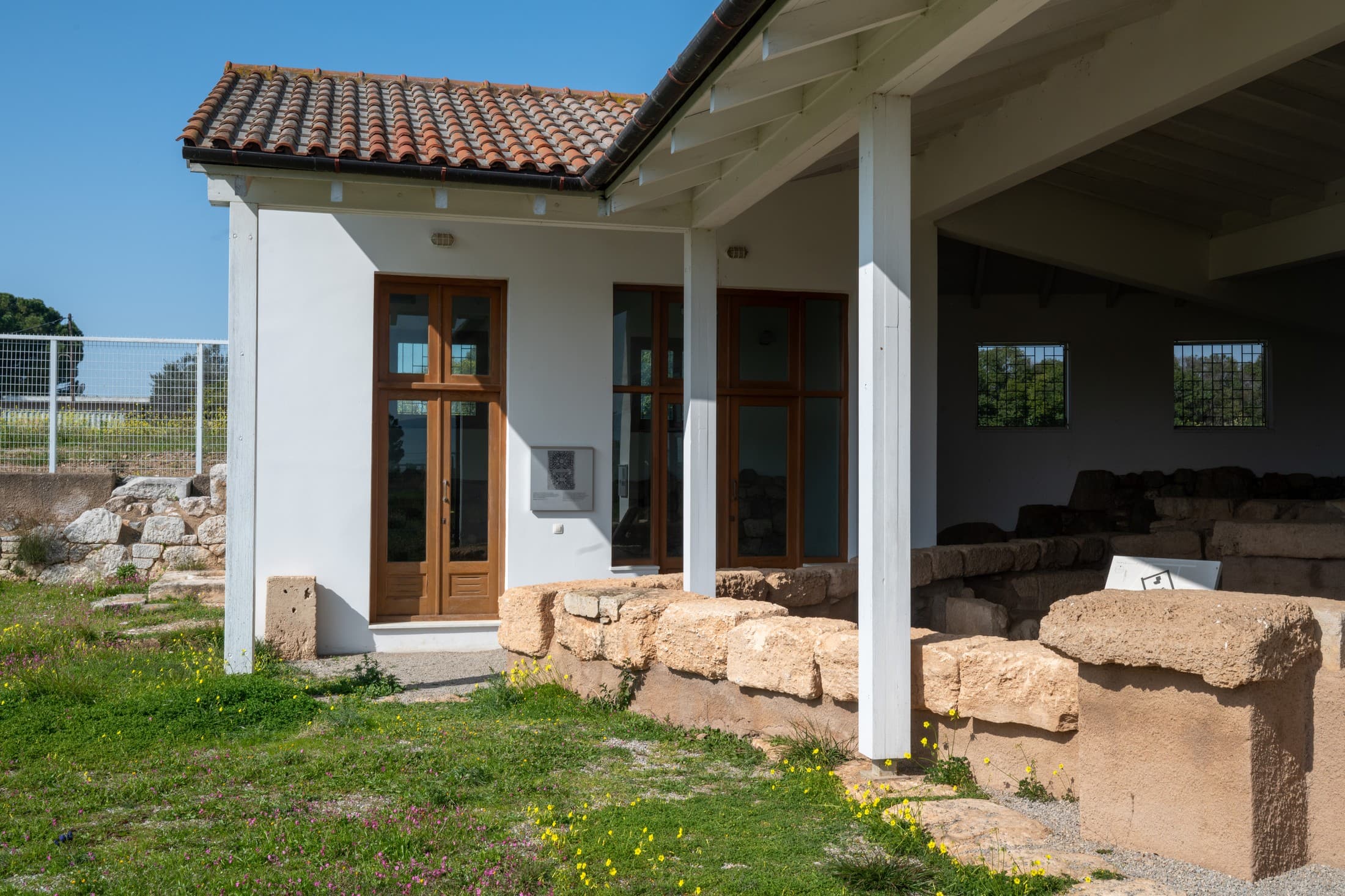
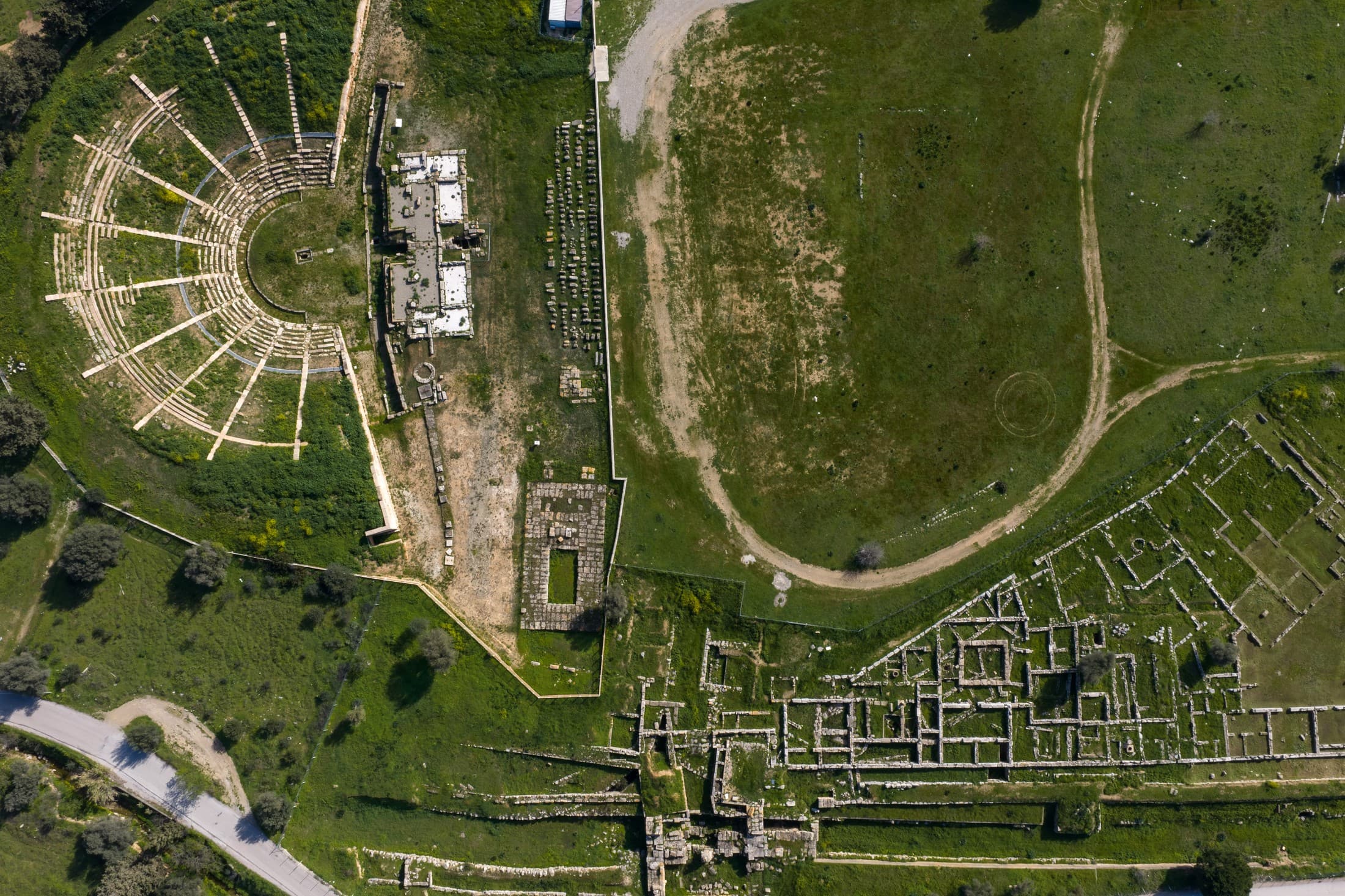
Tour the site and discover examples of early classical fortification, the walled acropolis and the central water supply conduit. Observe with emphasis the agora, the stoa of the classical period and parts of the stone-built Hellenistic houses. Here, you can see the location considered to be the tomb of Aristotle, a symbol of the city's history throughout the centuries.
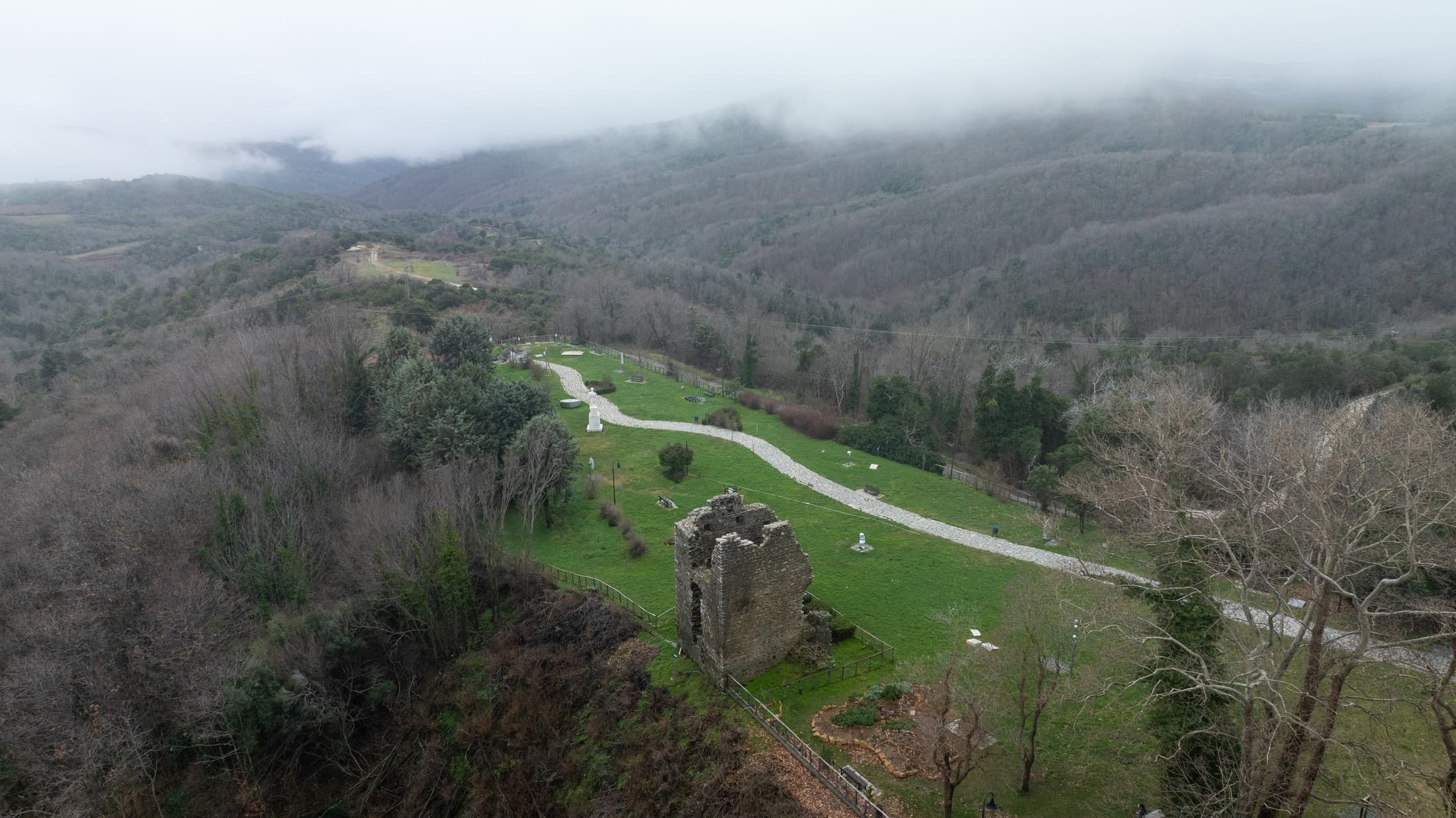
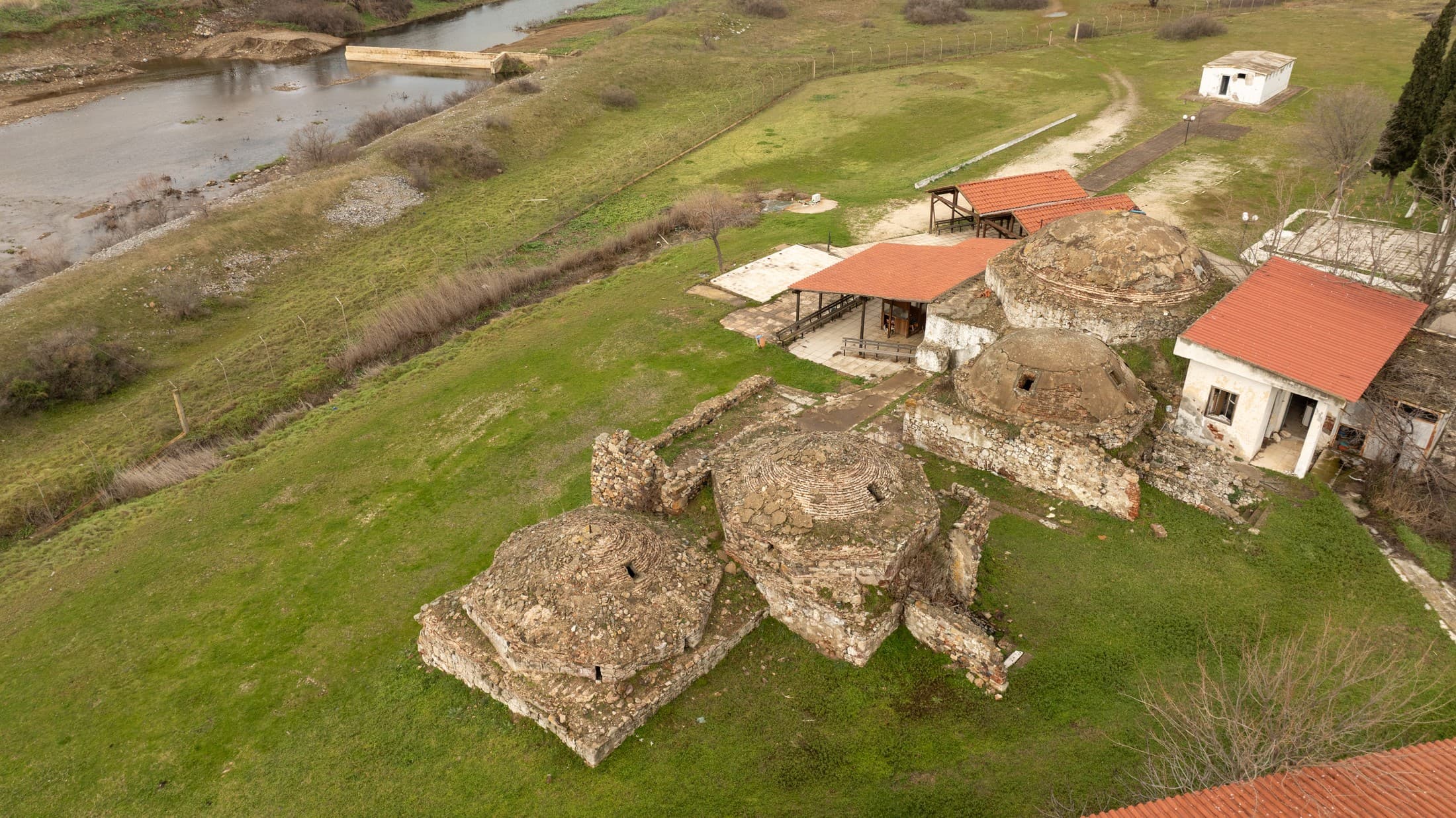
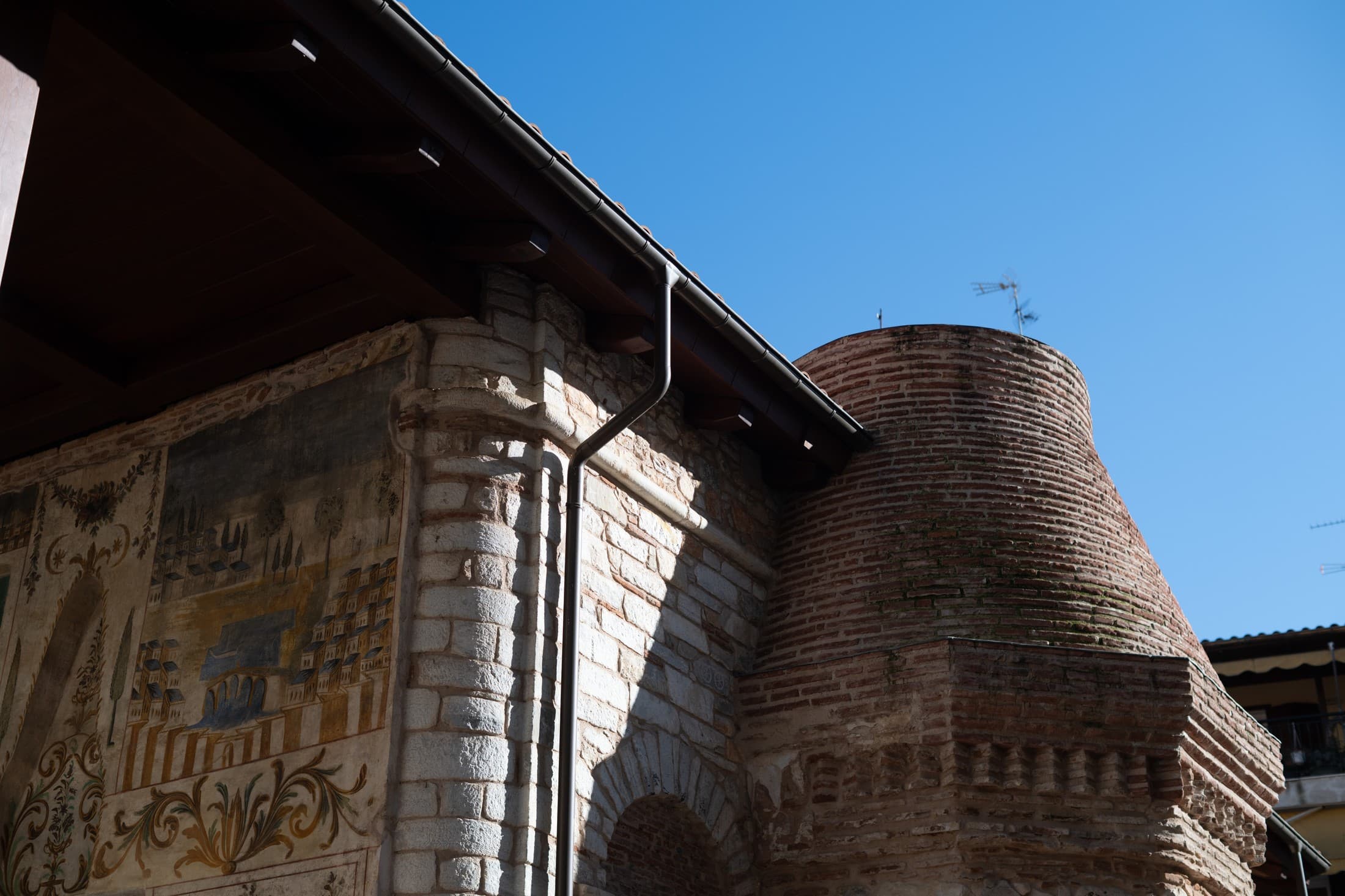
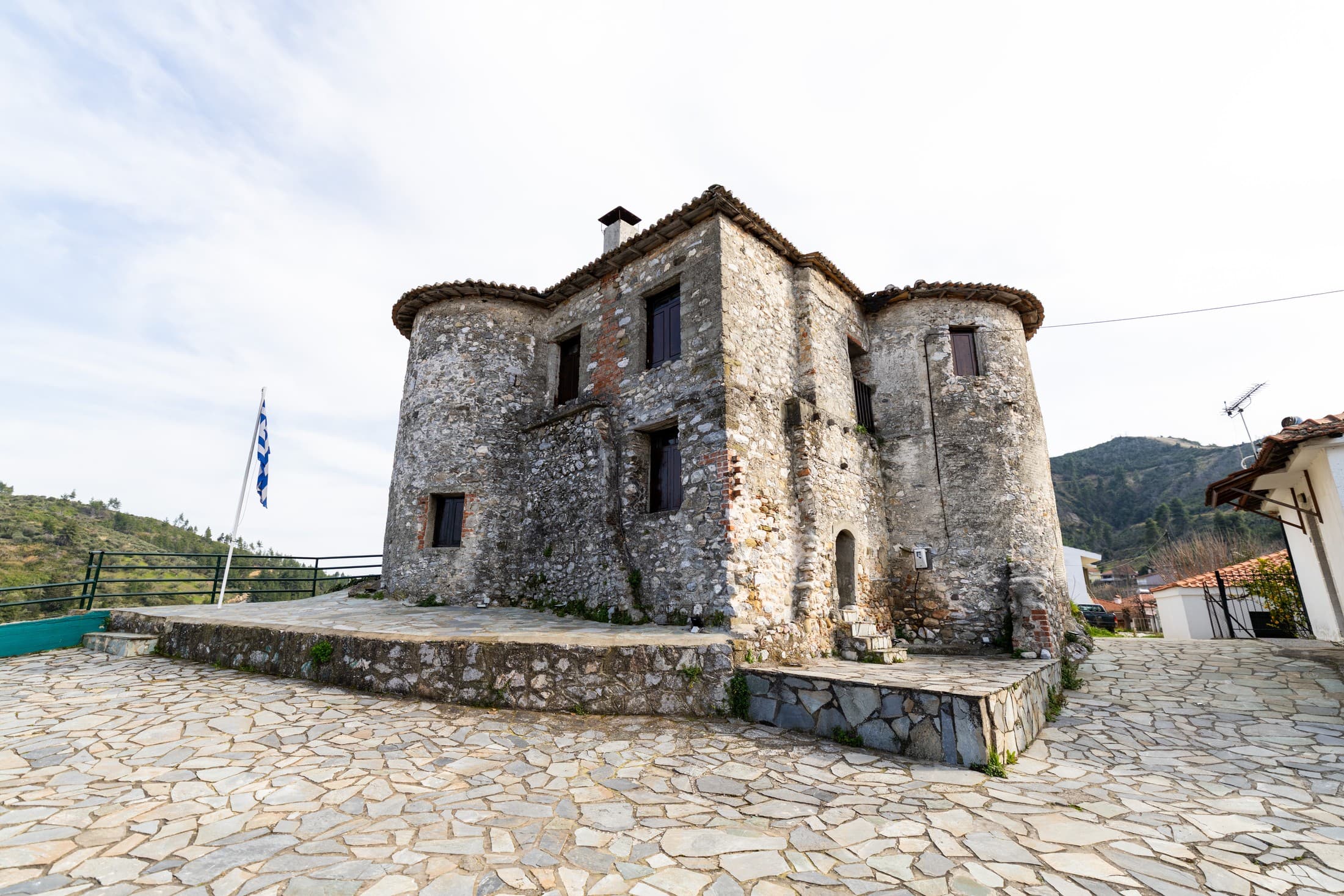
A few kilometres from the ancient city lies Aristotle’s Grove, the only thematic park in Chalkidiki. Passing through the entrance, you will see the imposing statue of Aristotle. The site hosts historical buildings, such as the 16th-century Tower and the Konaki of Madem Aga, remains from the era of Sidirokausia, as well as public baths.
The Grove is an ideal destination for families, students and anyone seeking an original combination of entertainment and education. Here, you have the opportunity to experiment with a series of interactive instruments operating on the basis of the laws of physics described in Aristotle’s writings.
Try to understand motion with the Pendulum, observe the analysis of light with the Prism and measure time with the Sun Dial. Children and teenagers will find a particular interest in instruments that turn abstract theory into a tangible experience, such as the Hydro-turbine, the Optical Discs and the Pentaphone.
The city was founded around 655 BC and its history is inextricably linked with major conflicts of antiquity, such as its destruction by Philip II, who rebuilt it again at the request of Aristotle.
Tour the site and discover examples of early classical fortification, the walled acropolis and the central water supply conduit. Observe with emphasis the agora, the stoa of the classical period and parts of the stone-built Hellenistic houses. Here, you can see the location considered to be the tomb of Aristotle, a symbol of the city's history throughout the centuries.
A few kilometres from the ancient city lies Aristotle’s Grove, the only thematic park in Chalkidiki. Passing through the entrance, you will see the imposing statue of Aristotle. The site hosts historical buildings, such as the 16th-century Tower and the Konaki of Madem Aga, remains from the era of Sidirokausia, as well as public baths.
The Grove is an ideal destination for families, students and anyone seeking an original combination of entertainment and education. Here, you have the opportunity to experiment with a series of interactive instruments operating on the basis of the laws of physics described in Aristotle’s writings.
Try to understand motion with the Pendulum, observe the analysis of light with the Prism and measure time with the Sun Dial. Children and teenagers will find a particular interest in instruments that turn abstract theory into a tangible experience, such as the Hydro-turbine, the Optical Discs and the Pentaphone.