A journey to the Neolithic heart of Thessaly
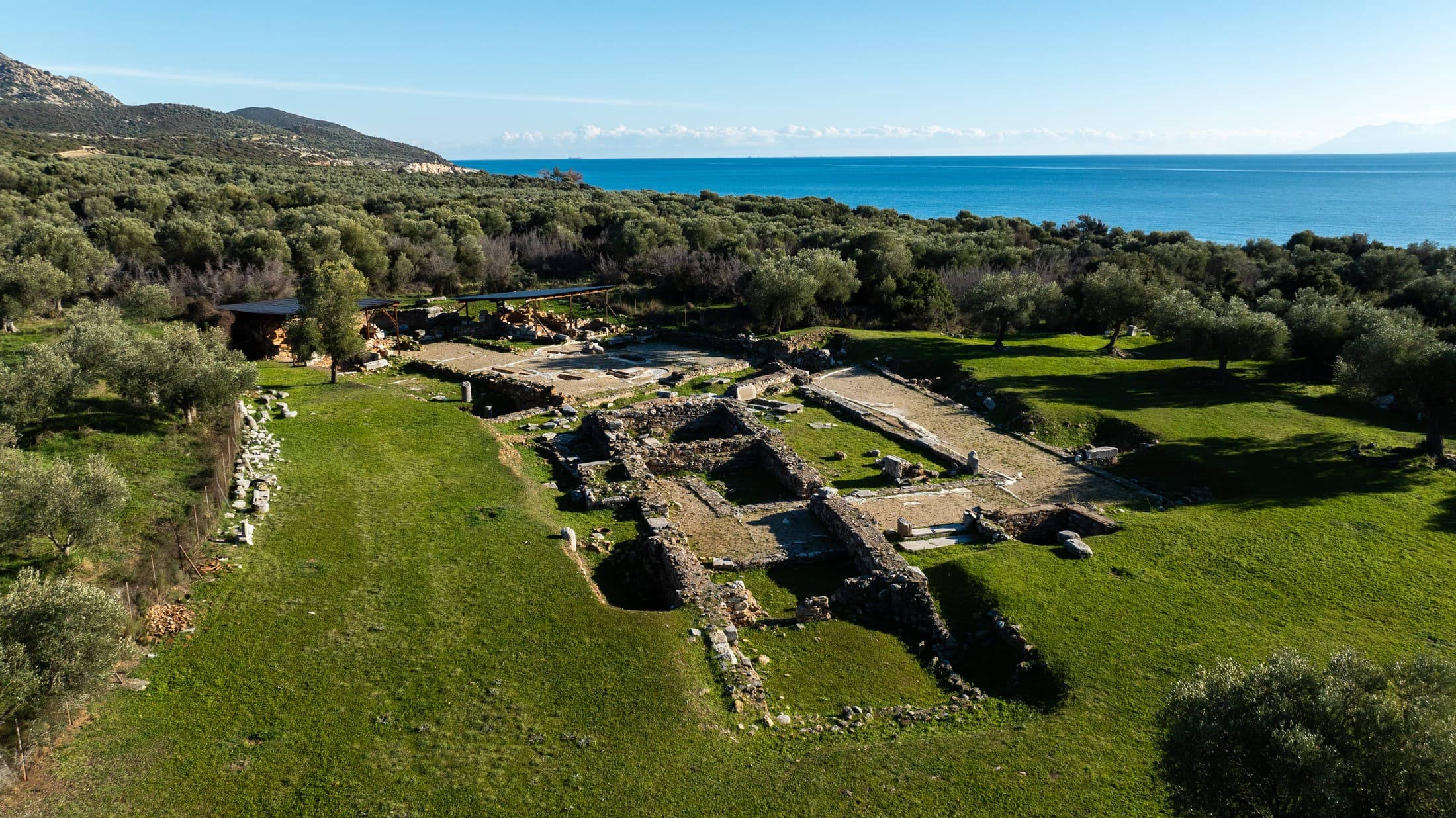
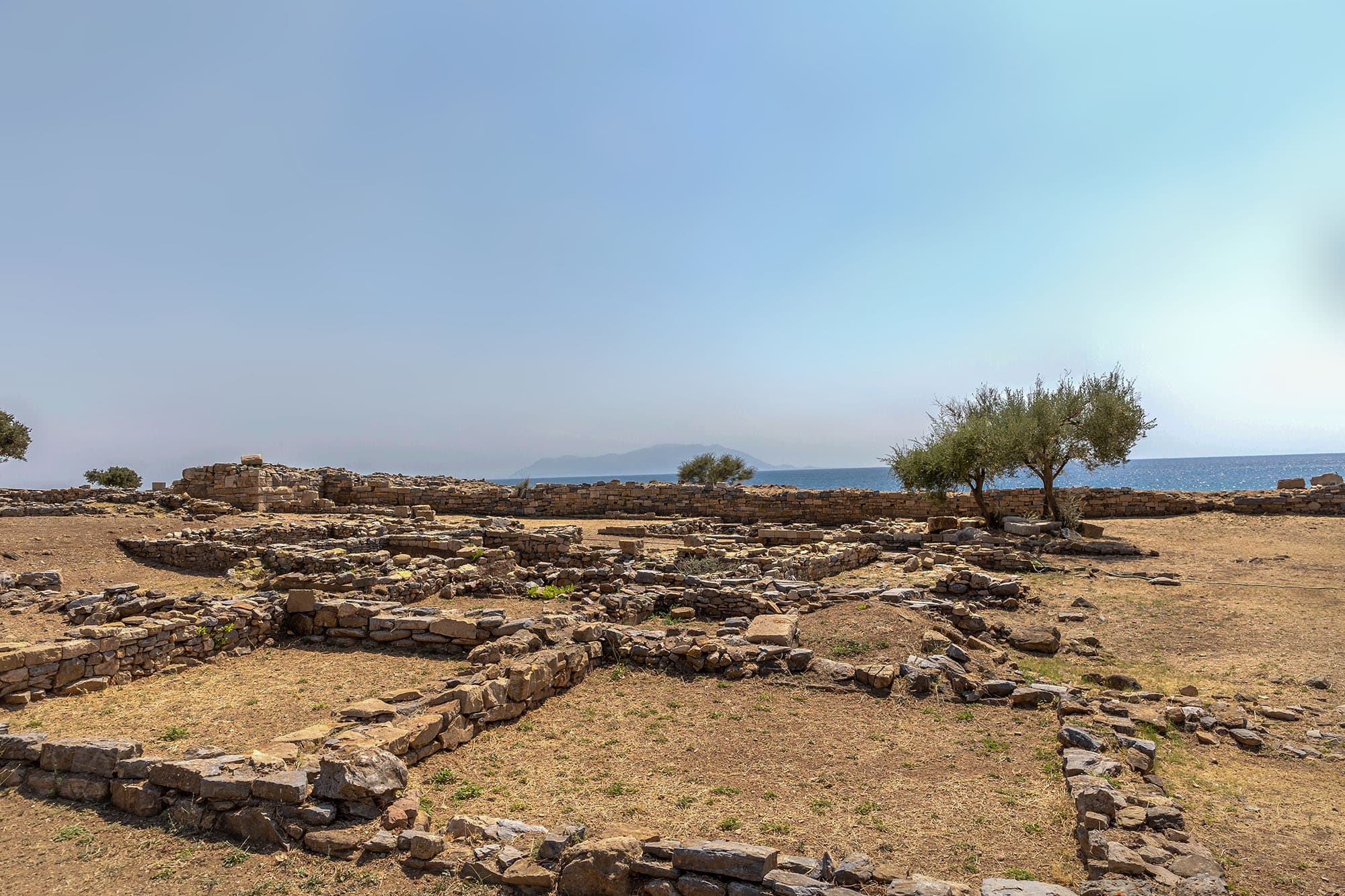
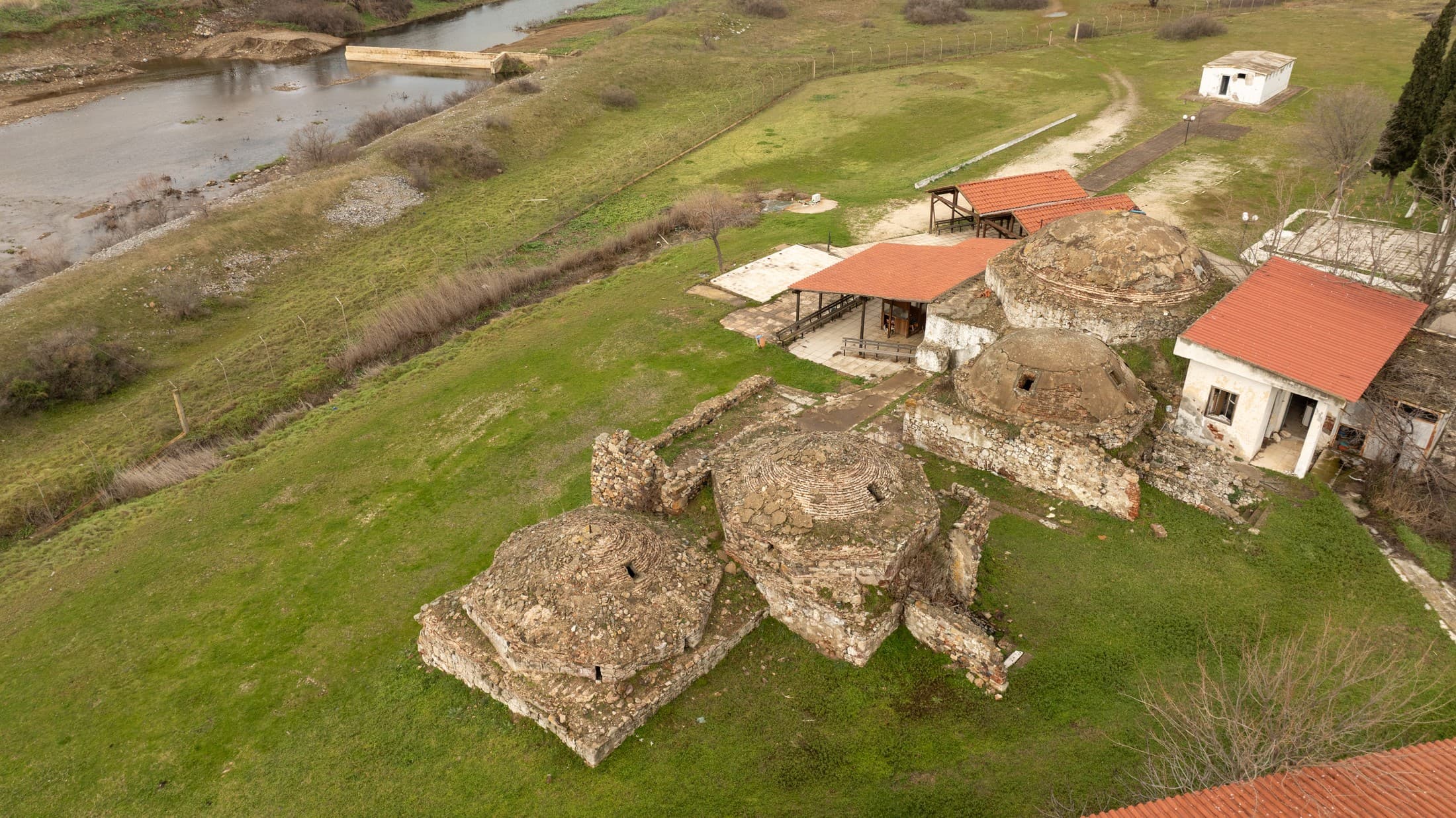
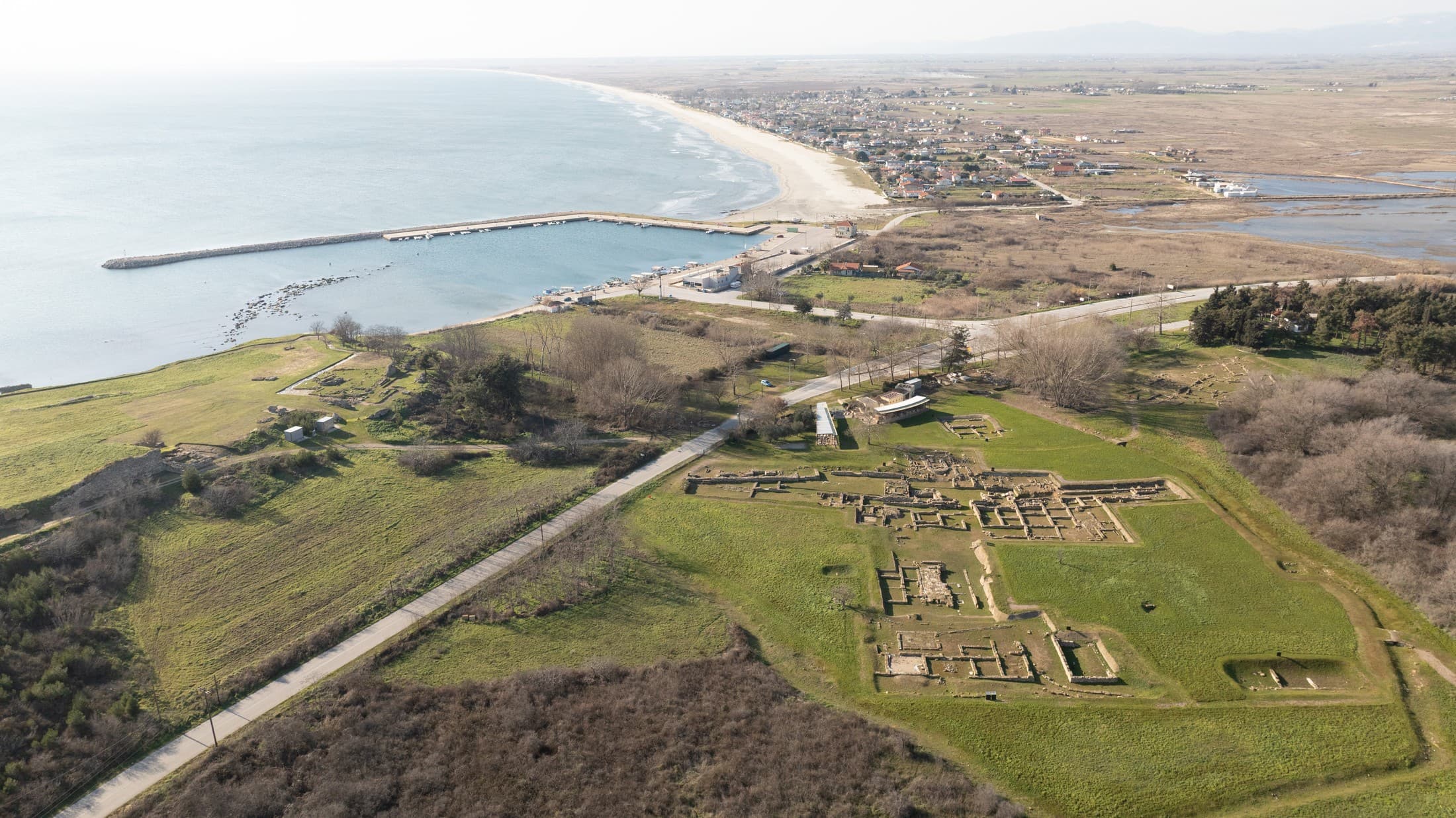
Discover two excellent prehistoric settlements, among the most important not just in Thessaly, but also in all of Greece: Dimini and Sesklo. They are considered the most systematically excavated sites in the region, offering an excellent insight into the organisation, architecture and culture of the early Neolithic period.
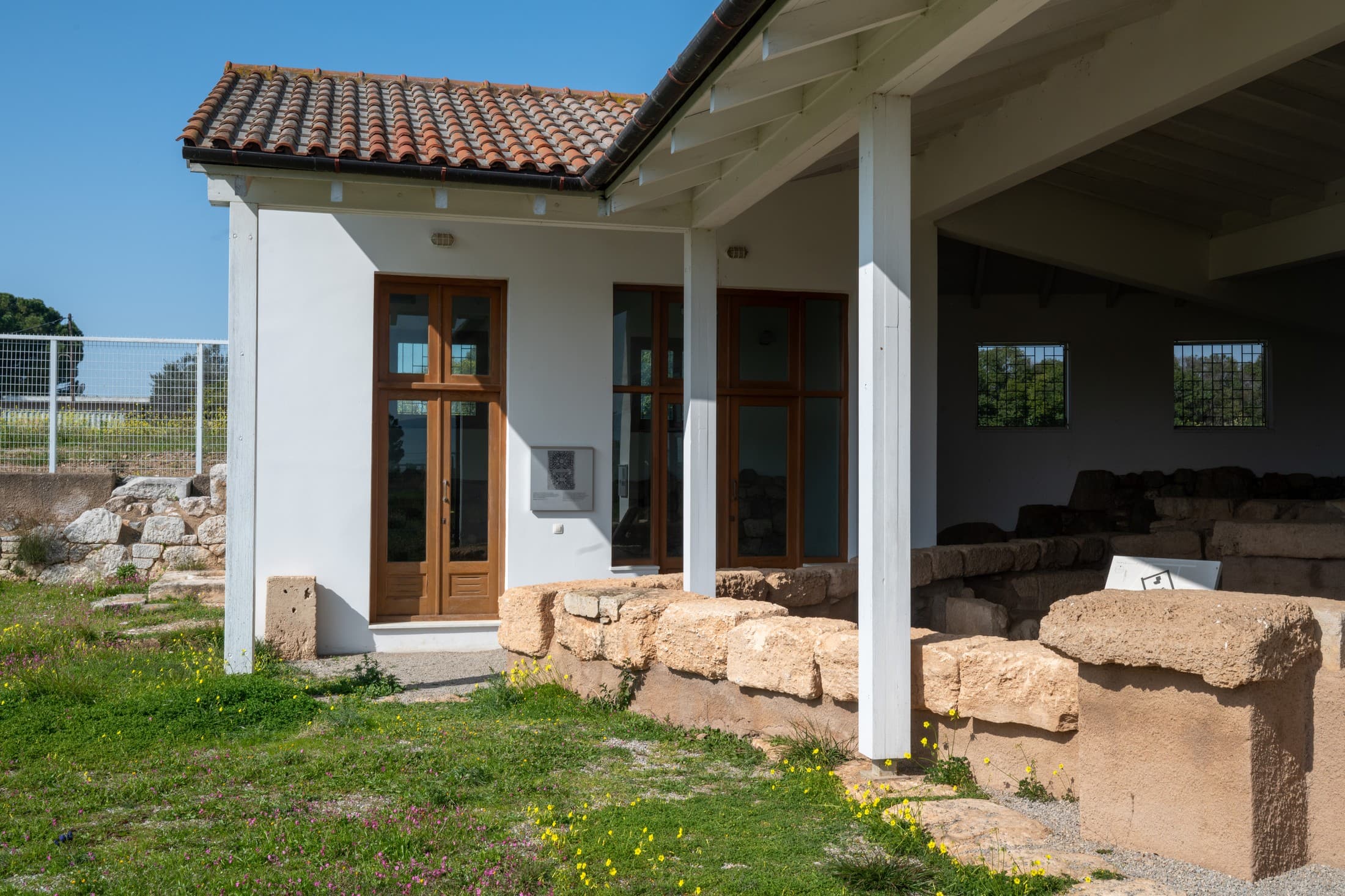
Dimini, perched on a low hill near Volos, kept developing from the 5th millennium BC to the end of the Late Bronze Age. The choice of location was no accident: lying near the sea and the fertile plains, it was a continuously inhabited for millennia.
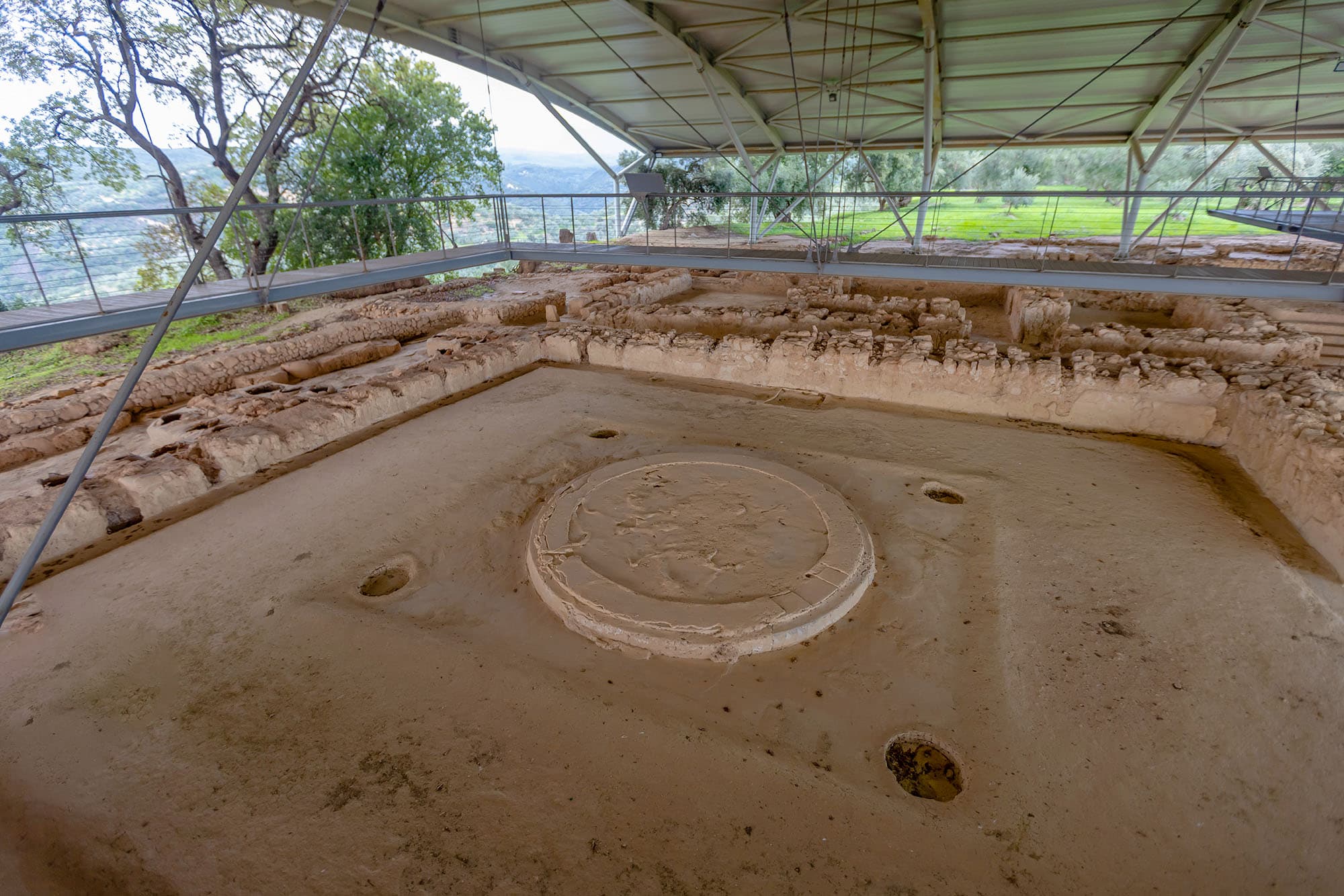
The Neolithic settlement of Dimini stands out for its innovative architecture, with six concentric stone enclosures and intelligent space design. The structures probably served functional needs, such as ground support and demarcation of uses. During the Middle Neolithic period, pottery was developed, with rare examples of decoration and construction, such as the almost closed ceramic kiln.
After reaching its peak in the Neolithic era, the region also flourished during the Mycenaean period. Impressive finds include vaulted tombs (“Toumba” and “Lamiospito”) and traces of a palace complex, possibly part of the settlement of the mythical city of Iolkos.
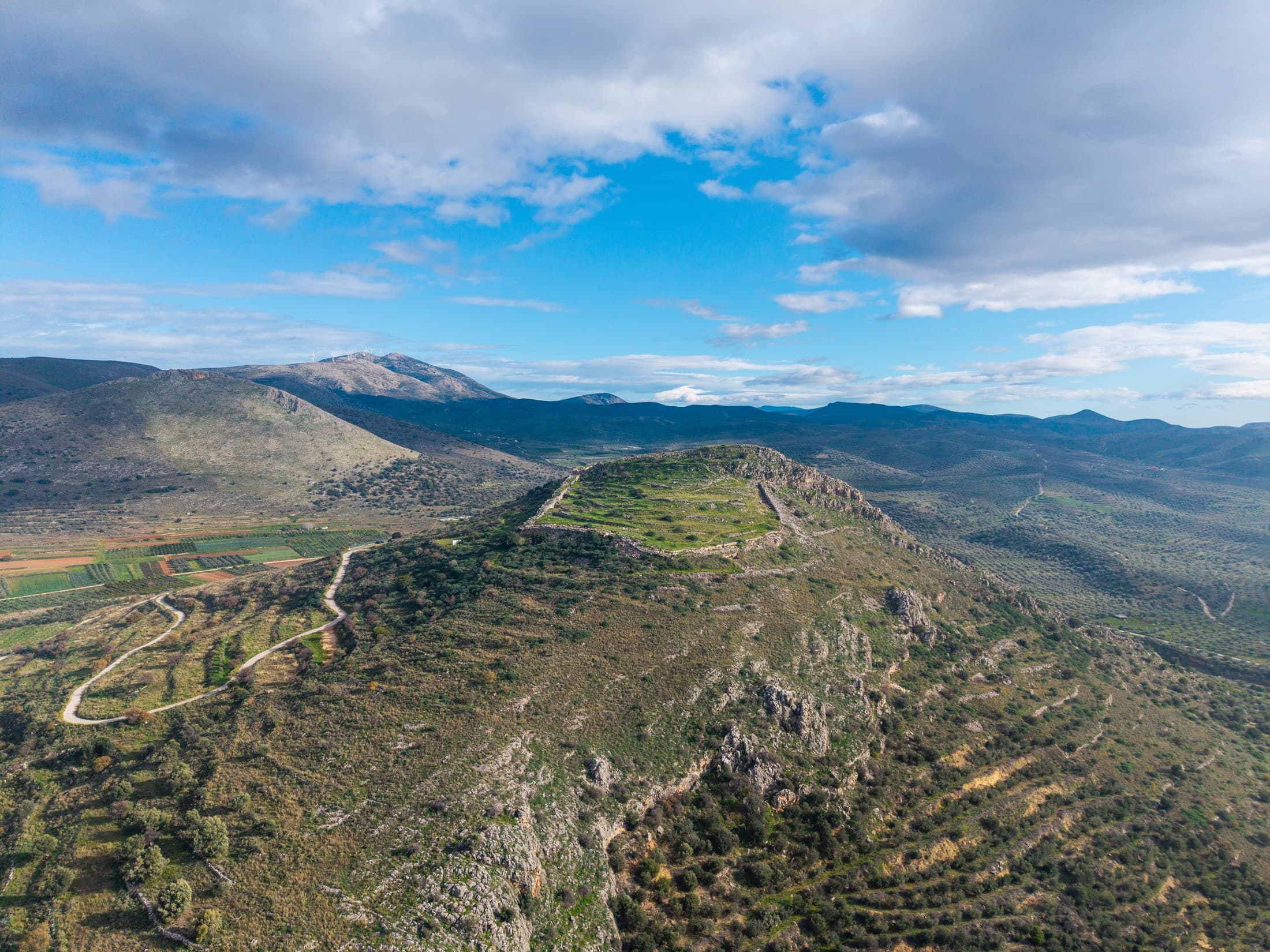
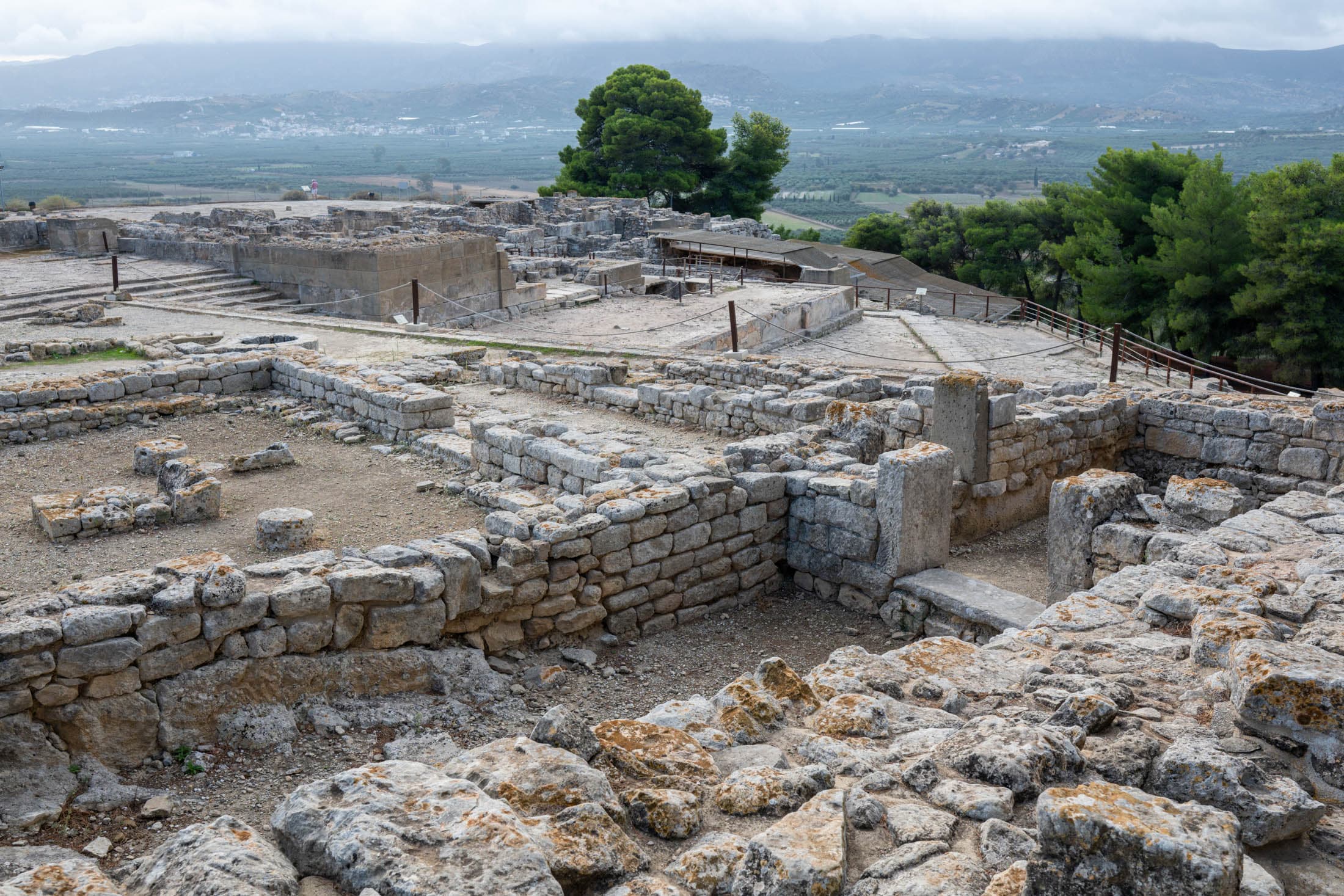
Just a few kilometres away, Sesklo holds a key position for understanding the Neolithic period in Greece, as it clearly illustrates its key elements: permanent establishments, cultivation of land and development of livestock farming. The archaeological site is divided into Sesklo A, the main settlement on “Kastraki” hill, and Sesklo B, which was inhabited later. The foundations of houses, fortification works and indications of social organisation attest to the development of the Neolithic community.
Visit Dimini and Sesklo to view places that tell the story of our ancestors.
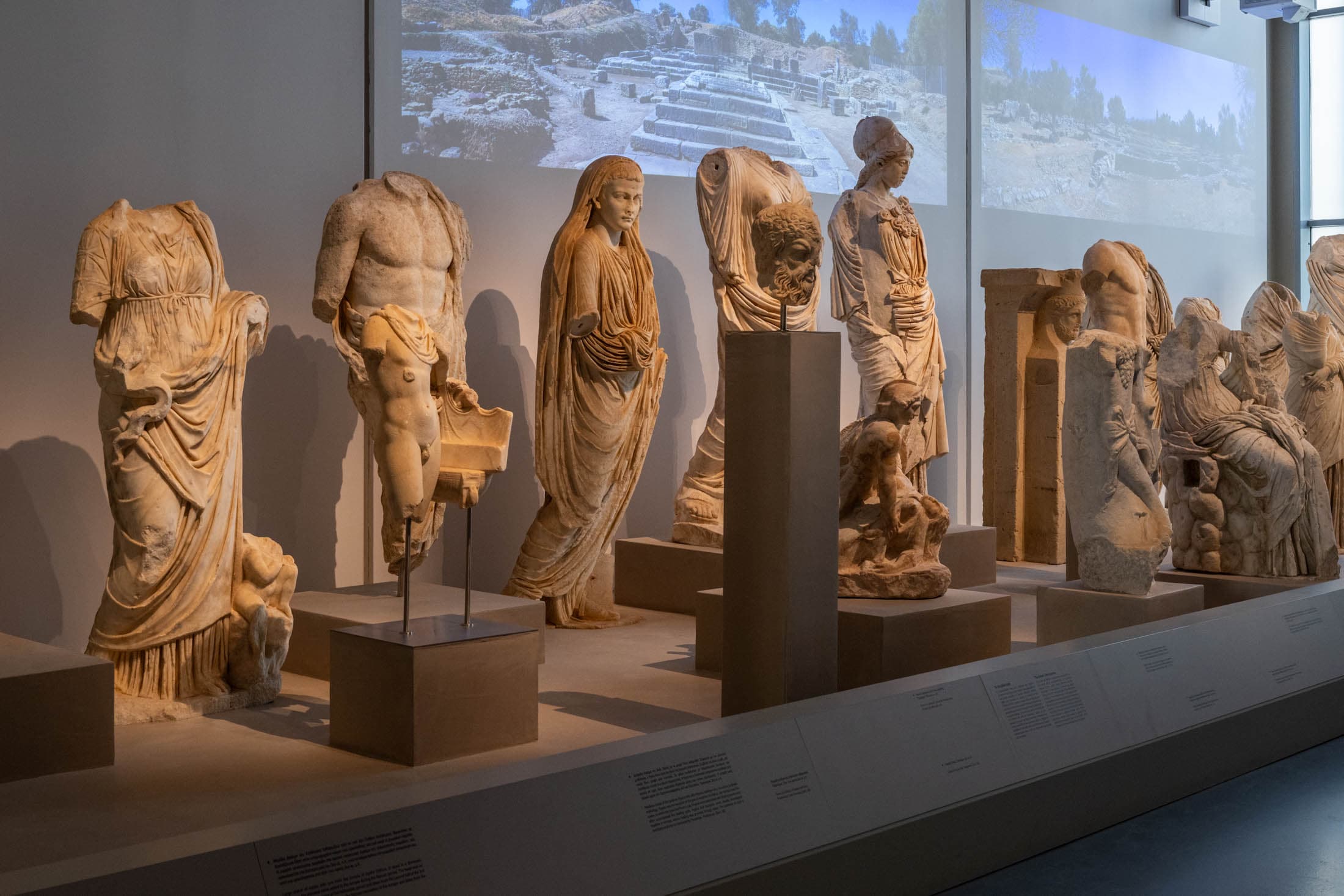
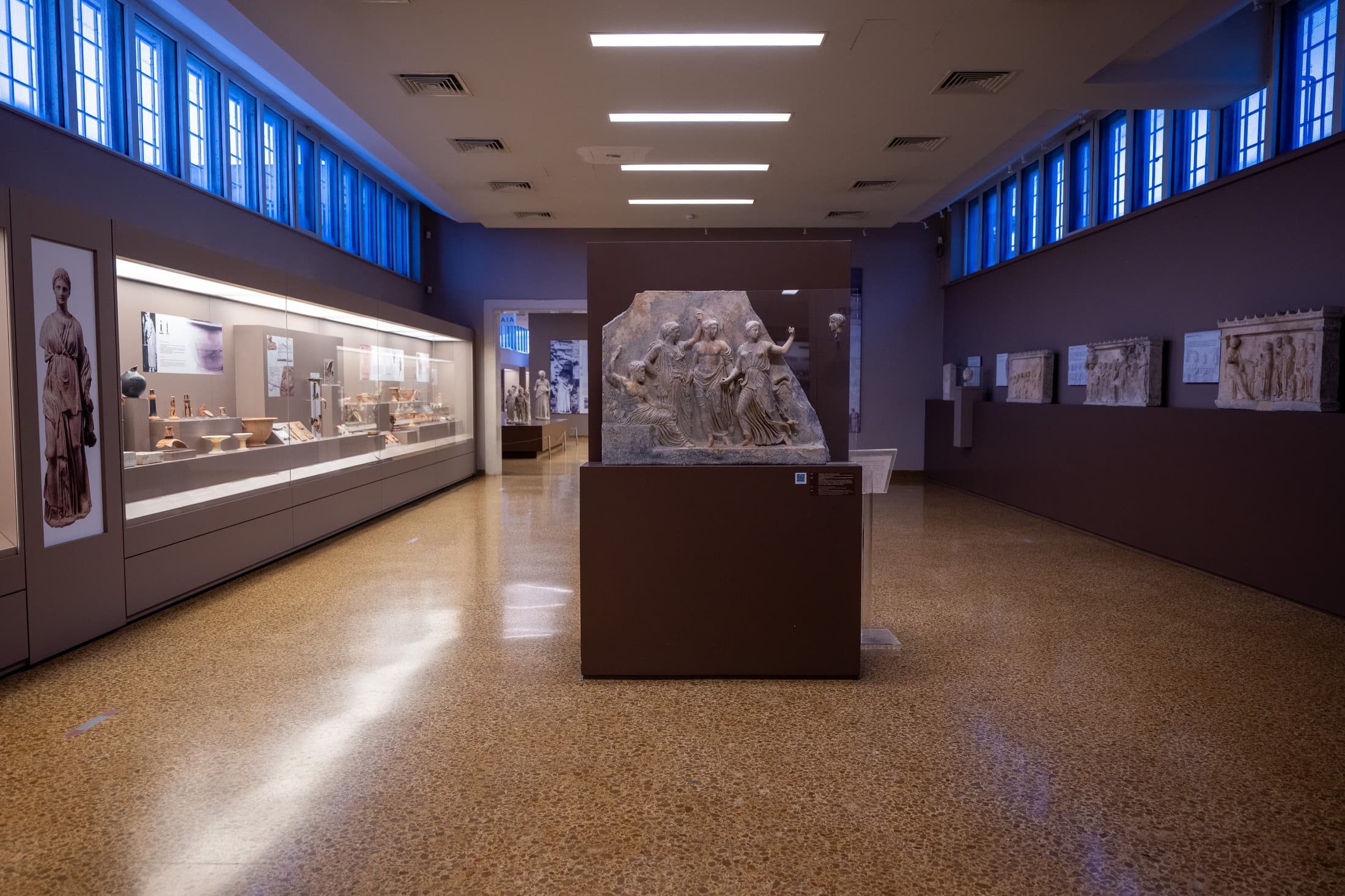
NB: The Athanasakeio Archaeological Museum of Volos hosts exhibits from both settlements, such as vases, tools and figurines, all of them offering valuable insights into the life of the Neolithic community.
Dimini, perched on a low hill near Volos, kept developing from the 5th millennium BC to the end of the Late Bronze Age. The choice of location was no accident: lying near the sea and the fertile plains, it was a continuously inhabited for millennia.
The Neolithic settlement of Dimini stands out for its innovative architecture, with six concentric stone enclosures and intelligent space design. The structures probably served functional needs, such as ground support and demarcation of uses. During the Middle Neolithic period, pottery was developed, with rare examples of decoration and construction, such as the almost closed ceramic kiln.
After reaching its peak in the Neolithic era, the region also flourished during the Mycenaean period. Impressive finds include vaulted tombs (“Toumba” and “Lamiospito”) and traces of a palace complex, possibly part of the settlement of the mythical city of Iolkos.
Just a few kilometres away, Sesklo holds a key position for understanding the Neolithic period in Greece, as it clearly illustrates its key elements: permanent establishments, cultivation of land and development of livestock farming. The archaeological site is divided into Sesklo A, the main settlement on “Kastraki” hill, and Sesklo B, which was inhabited later. The foundations of houses, fortification works and indications of social organisation attest to the development of the Neolithic community.
Visit Dimini and Sesklo to view places that tell the story of our ancestors.
NB: The Athanasakeio Archaeological Museum of Volos hosts exhibits from both settlements, such as vases, tools and figurines, all of them offering valuable insights into the life of the Neolithic community.