On the Sacred Rock of the Acropolis
Historical Background and Construction
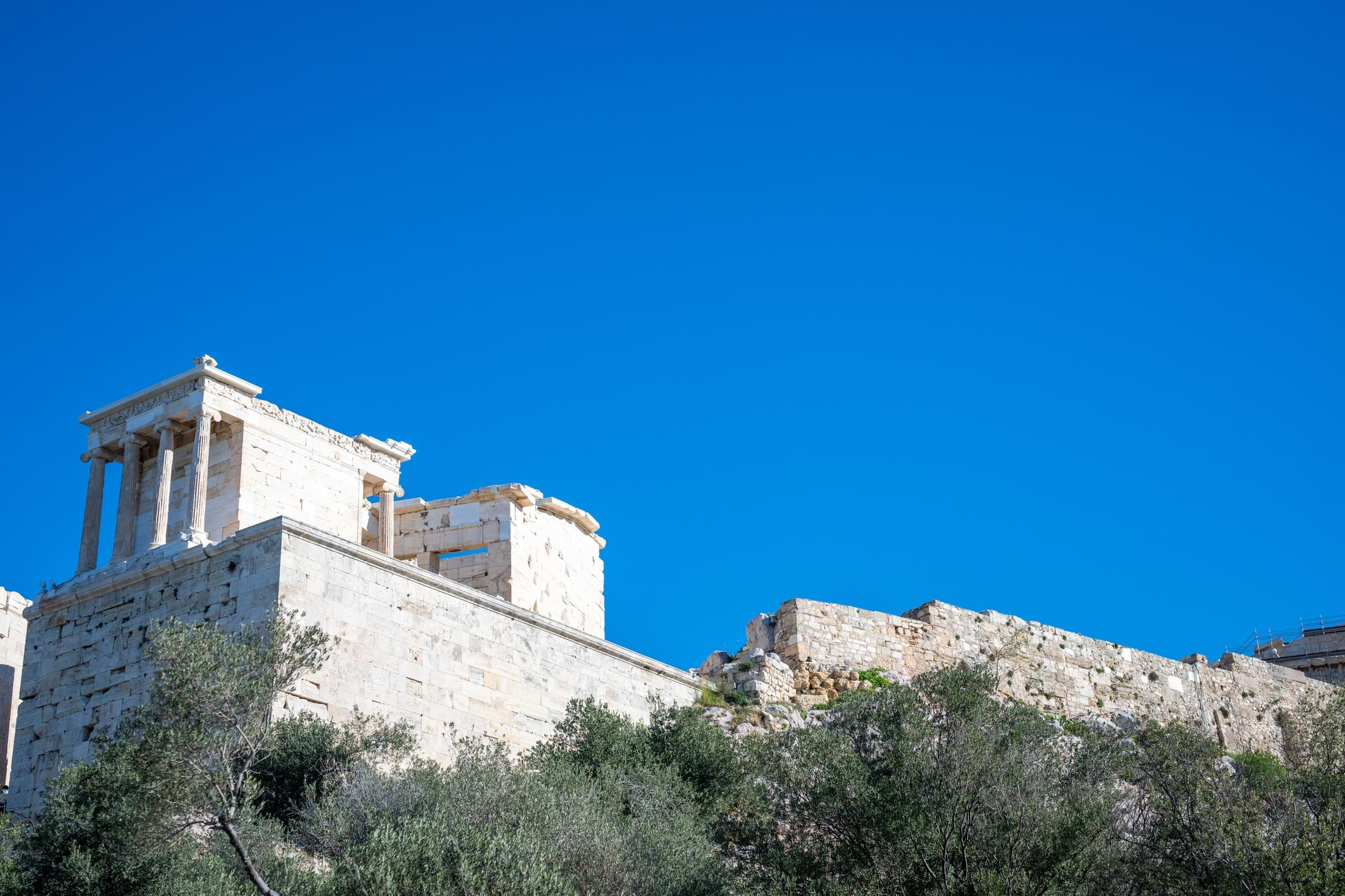
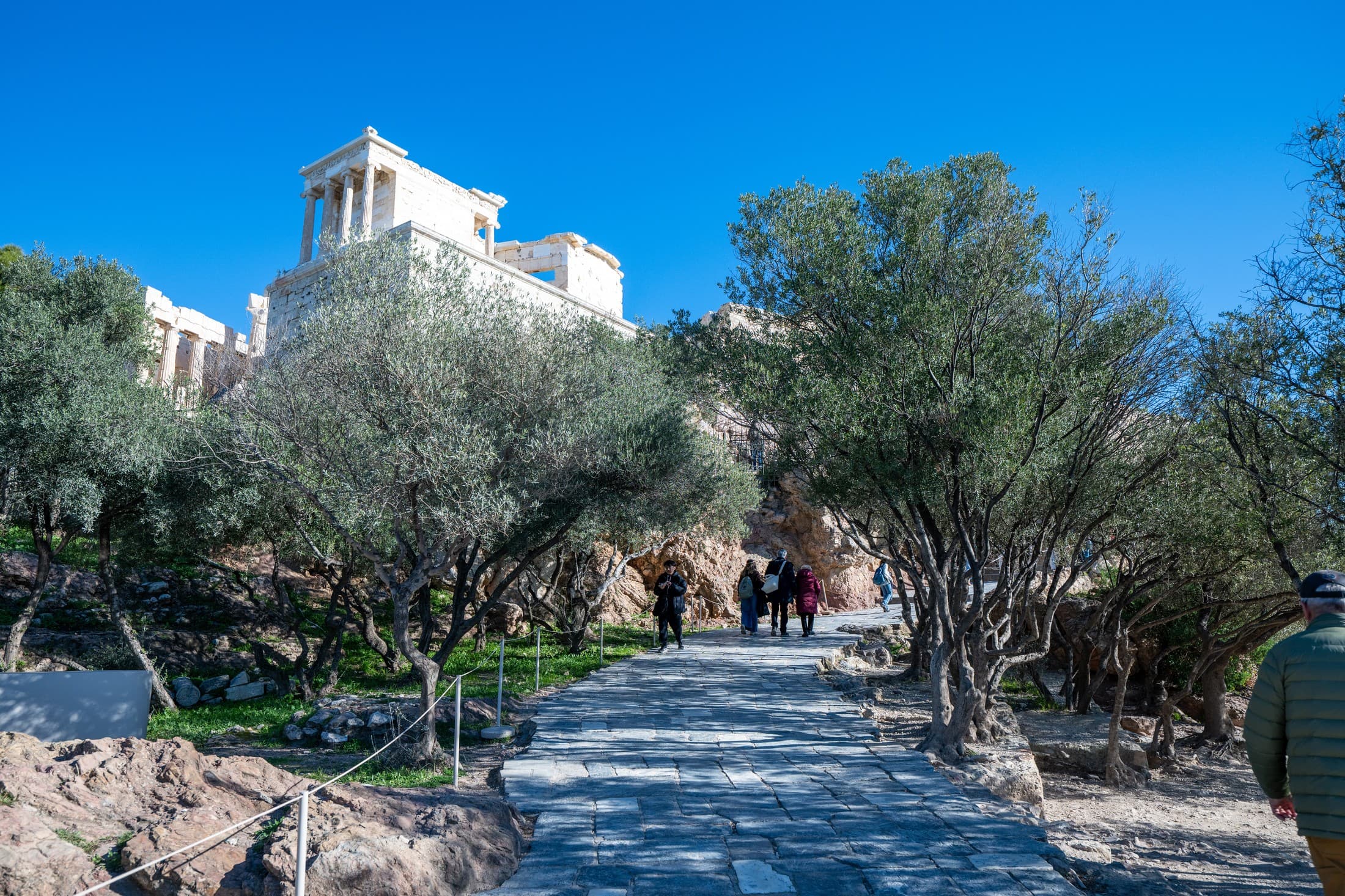
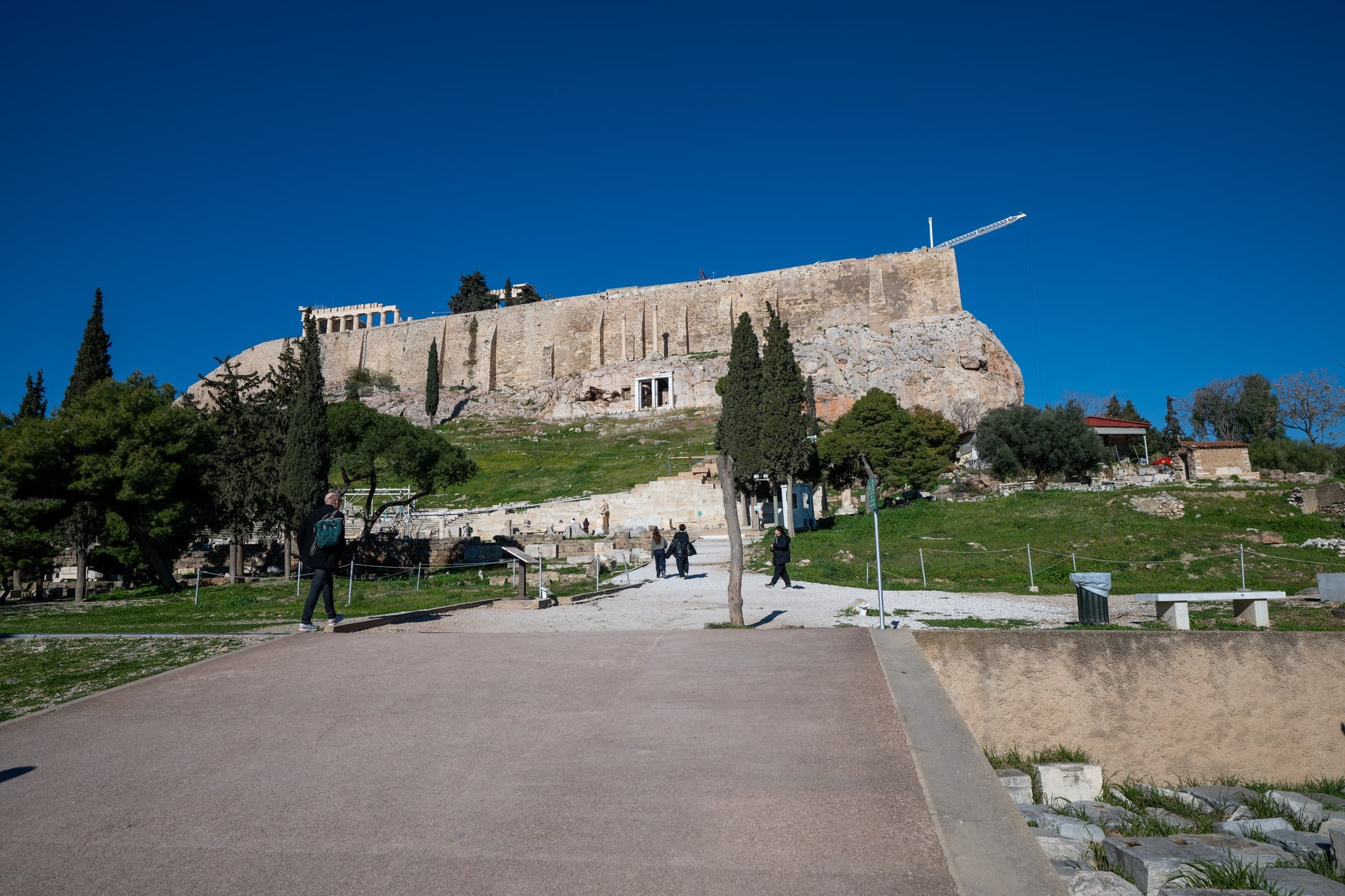
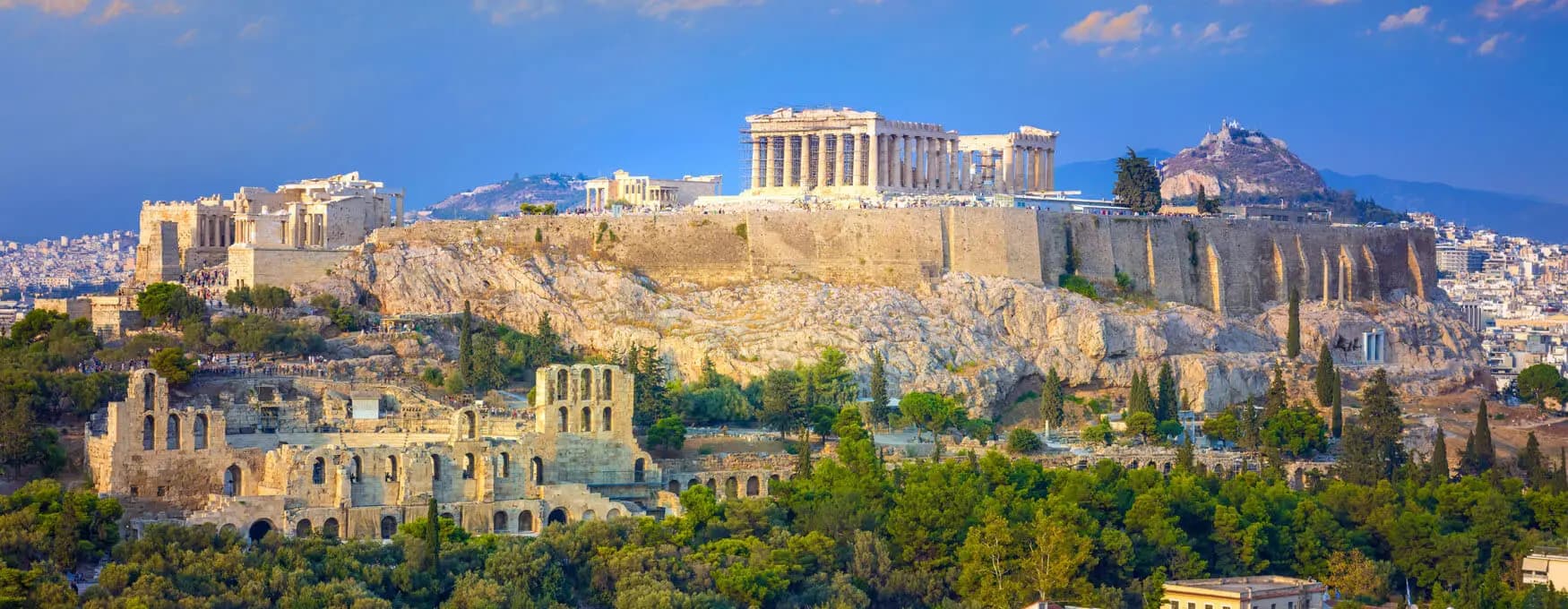
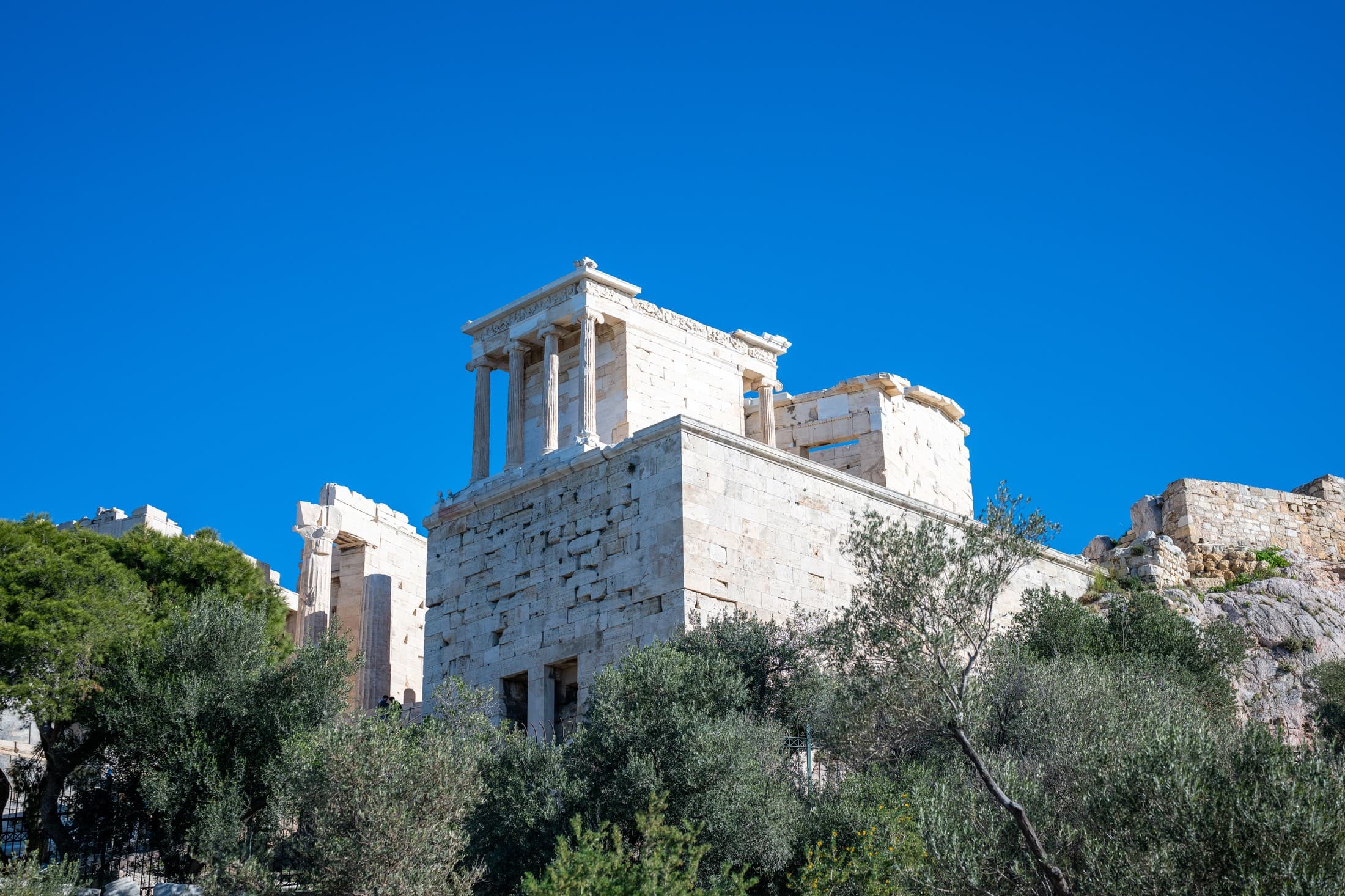
The Temple of Athena Nike dominates the south-western side of the Sacred Rock, at the location where, during the Mycenaean era, a tower that protected the entrance to the Acropolis stood. The classical temple, designed by the architect Callicrates, was built between 426 and 421 BC. It is the successor to earlier structures, such as a wooden temple from the 6th century BC that was destroyed by the Persians, and a small stone shrine from the time of Kimon. Within the tower, the foundations of the earliest altars and the ancient “eschara” (hearth) are still preserved.
The Cult of Apteros Nike
The traveller Pausanias refers to the monument as a temple of Apteros Nike (Wingless Victory). According to tradition, the deity’s cult statue lacked wings, so that Nike would forever remain in the city of Athens. In addition to Athena, earlier cults existed in the same area, such as those of the Graces and Hecate Epipyrgidia (“on the towers”), which were housed in shrines near the entrance.
Architecture and Sculptural Decoration
In architectural terms, the temple is an elegant, Ionic, peripteral structure with four monolithic columns on each narrow side. It does not possess a pronaos but rather a small cella, the openings of which between the antae were closed with metal railings. The frieze, a work by Agorakritos, depicts the gods of Olympus on the eastern side, and historical scenes of battles between Greeks and Persians on the remaining sides.
The Parapet and Destruction
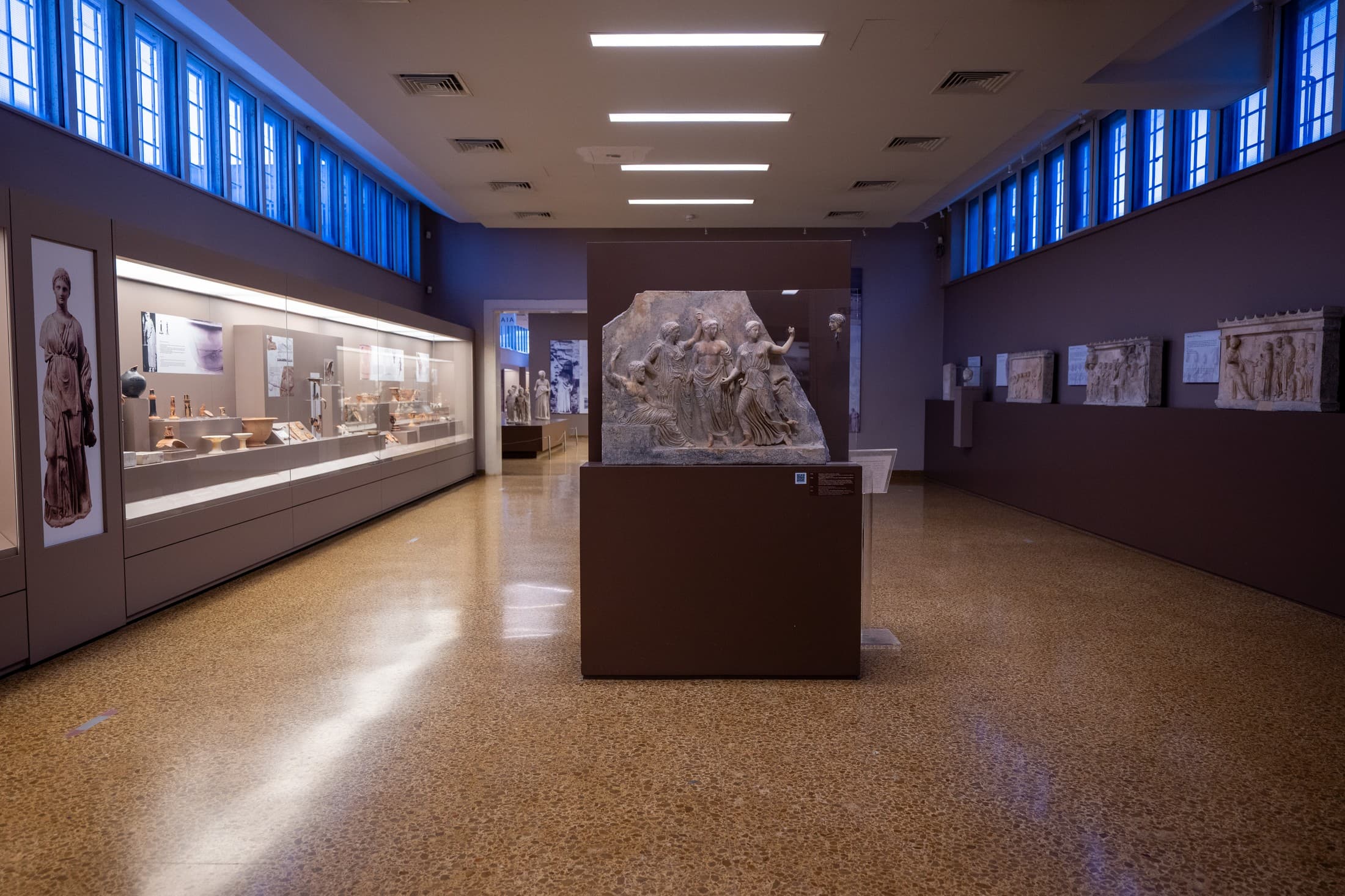
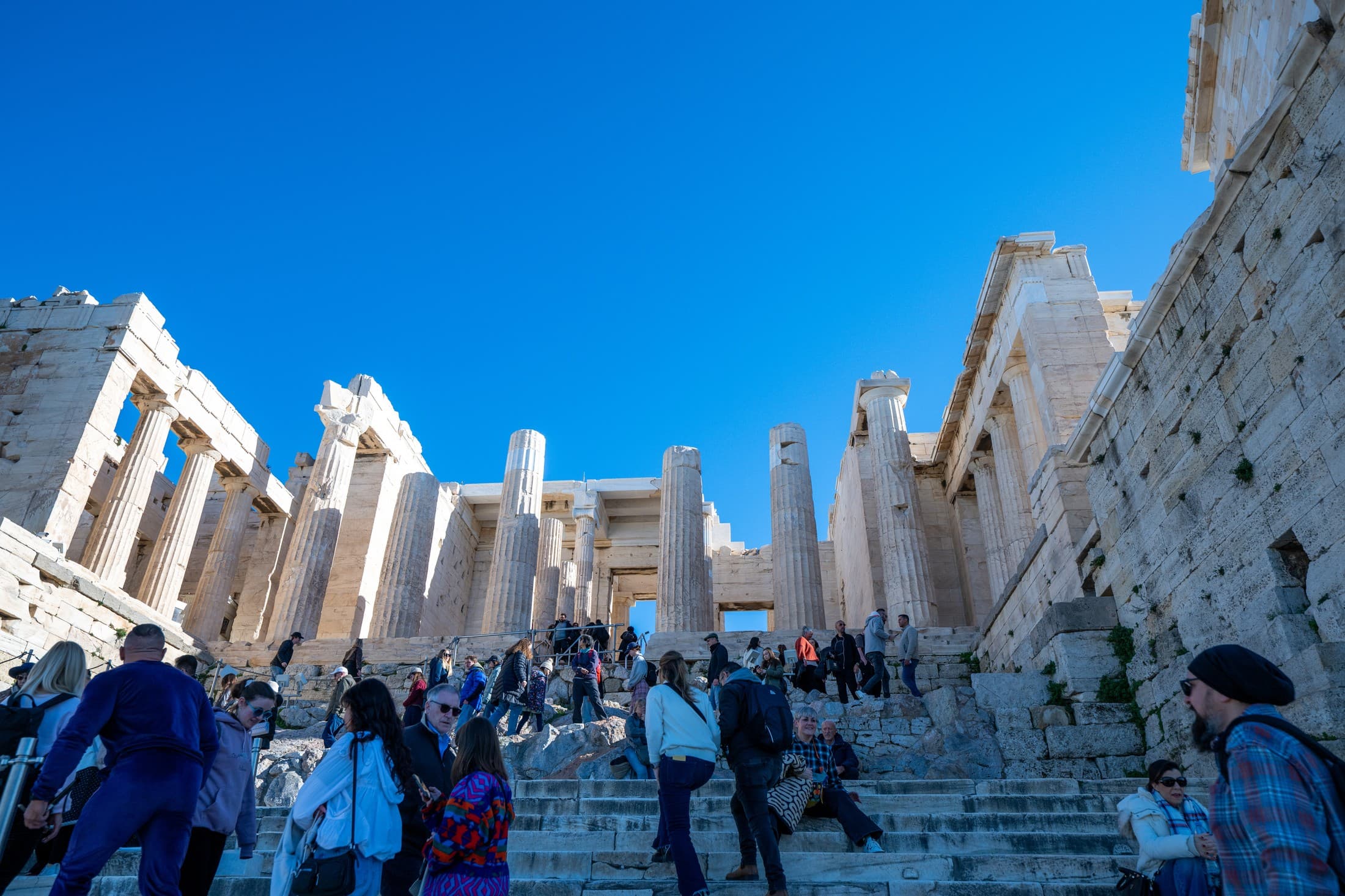
In 409 BC, a marble parapet was added, featuring relief winged Victories leading bulls to sacrifice. Many of these sculptures are now housed in the Acropolis Museum and the British Museum. The temple’s history was violently interrupted in 1686, when the Turks demolished it to use its material to reinforce the fortifications of the Propylaea against Morosini’s Venetians.
The Temple of Athena Nike dominates the south-western side of the Sacred Rock, at the location where, during the Mycenaean era, a tower that protected the entrance to the Acropolis stood. The classical temple, designed by the architect Callicrates, was built between 426 and 421 BC. It is the successor to earlier structures, such as a wooden temple from the 6th century BC that was destroyed by the Persians, and a small stone shrine from the time of Kimon. Within the tower, the foundations of the earliest altars and the ancient “eschara” (hearth) are still preserved.
The Cult of Apteros Nike
The traveller Pausanias refers to the monument as a temple of Apteros Nike (Wingless Victory). According to tradition, the deity’s cult statue lacked wings, so that Nike would forever remain in the city of Athens. In addition to Athena, earlier cults existed in the same area, such as those of the Graces and Hecate Epipyrgidia (“on the towers”), which were housed in shrines near the entrance.
Architecture and Sculptural Decoration
In architectural terms, the temple is an elegant, Ionic, peripteral structure with four monolithic columns on each narrow side. It does not possess a pronaos but rather a small cella, the openings of which between the antae were closed with metal railings. The frieze, a work by Agorakritos, depicts the gods of Olympus on the eastern side, and historical scenes of battles between Greeks and Persians on the remaining sides.
The Parapet and Destruction
In 409 BC, a marble parapet was added, featuring relief winged Victories leading bulls to sacrifice. Many of these sculptures are now housed in the Acropolis Museum and the British Museum. The temple’s history was violently interrupted in 1686, when the Turks demolished it to use its material to reinforce the fortifications of the Propylaea against Morosini’s Venetians.