The Grandest Monument of Athenian Democracy
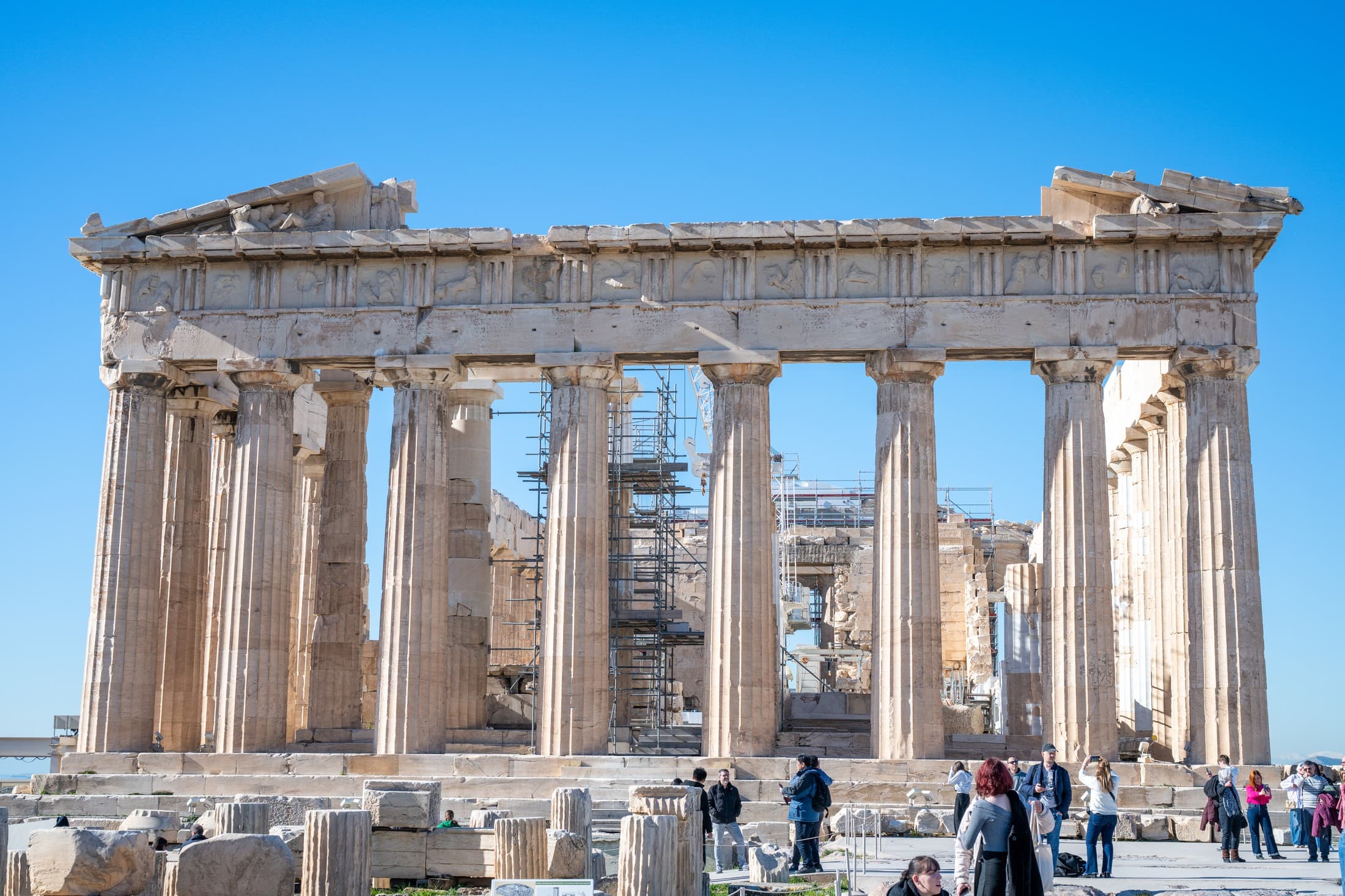
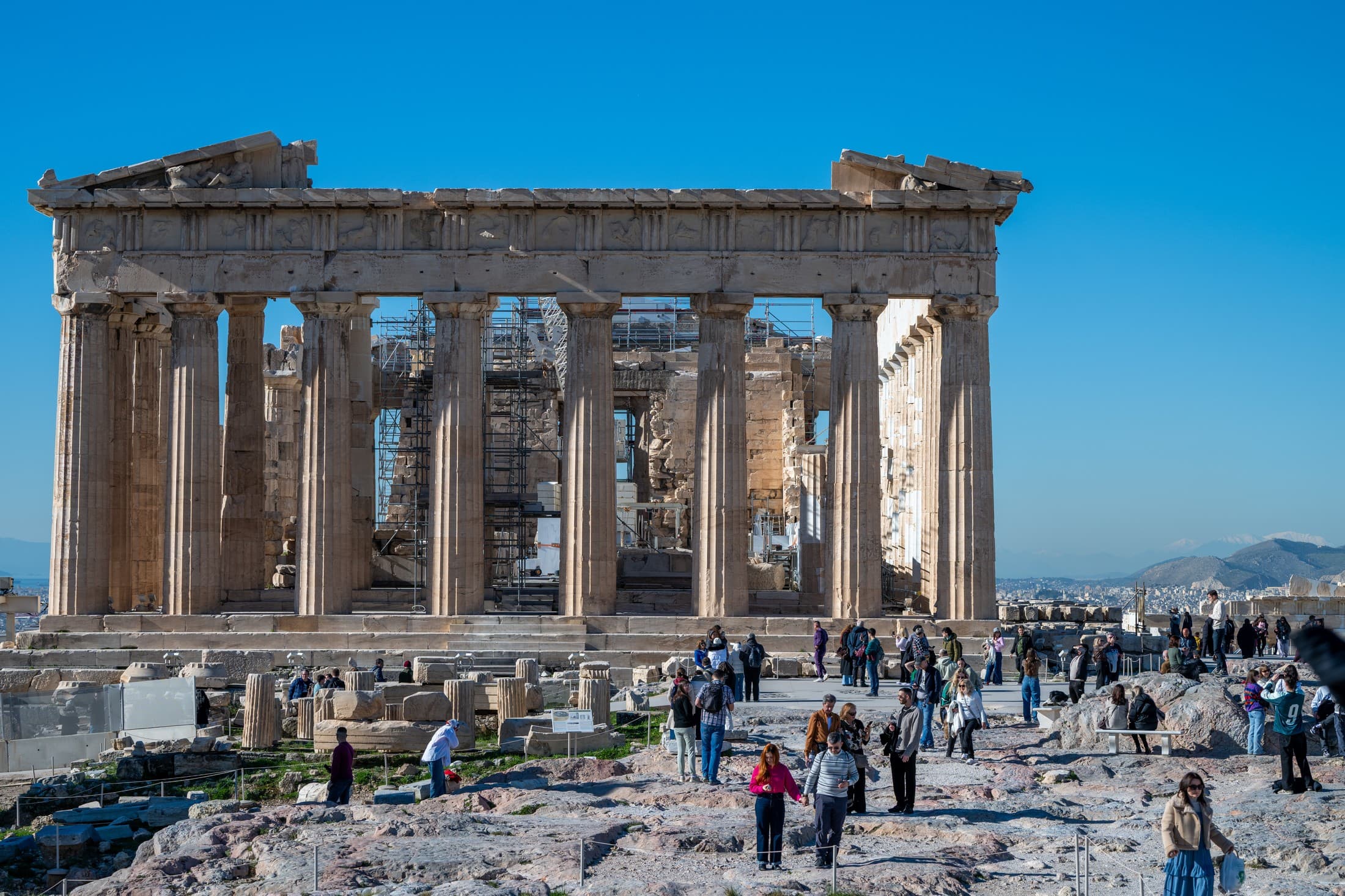
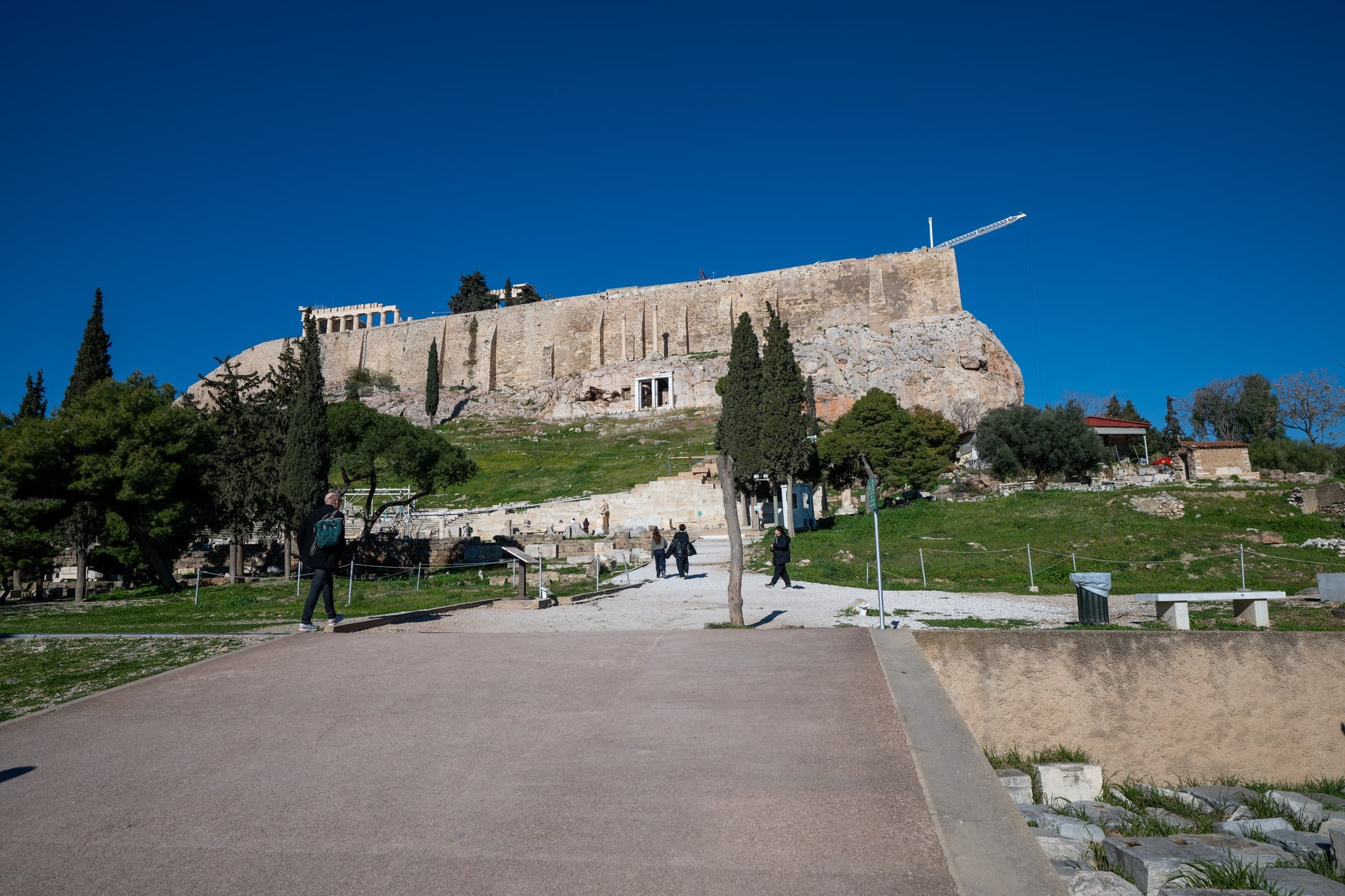
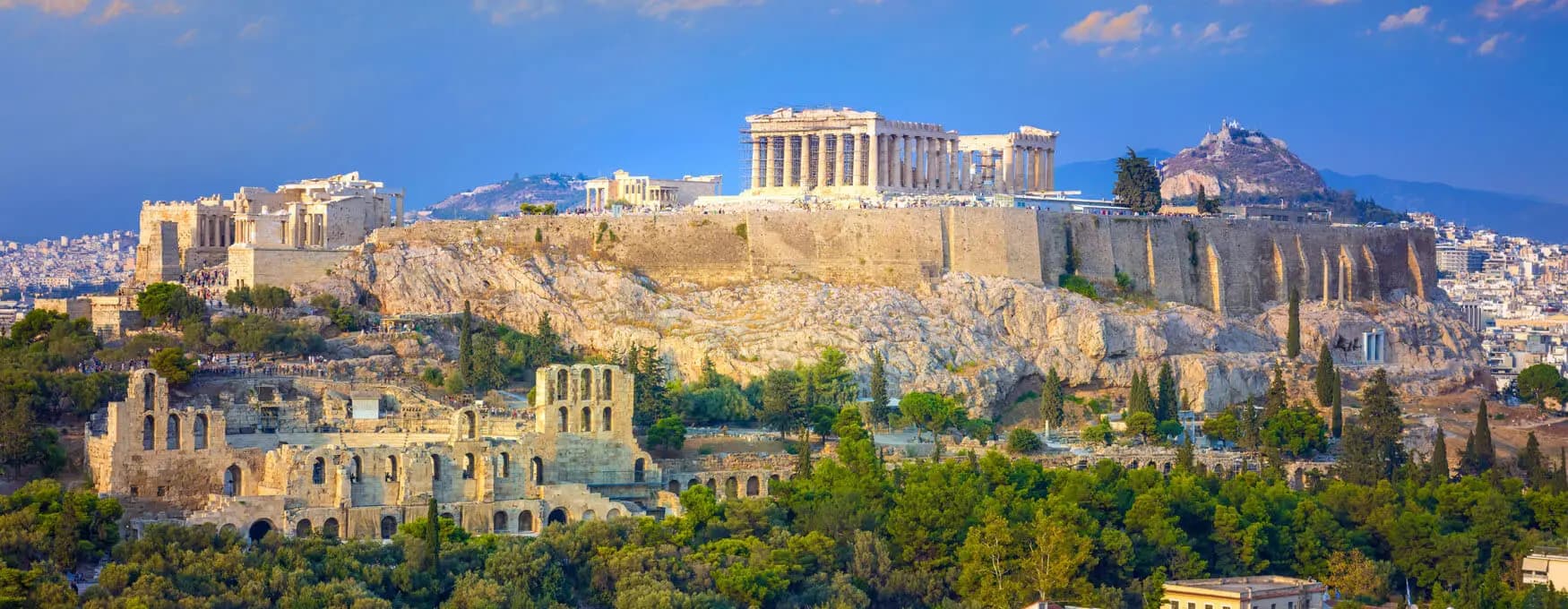
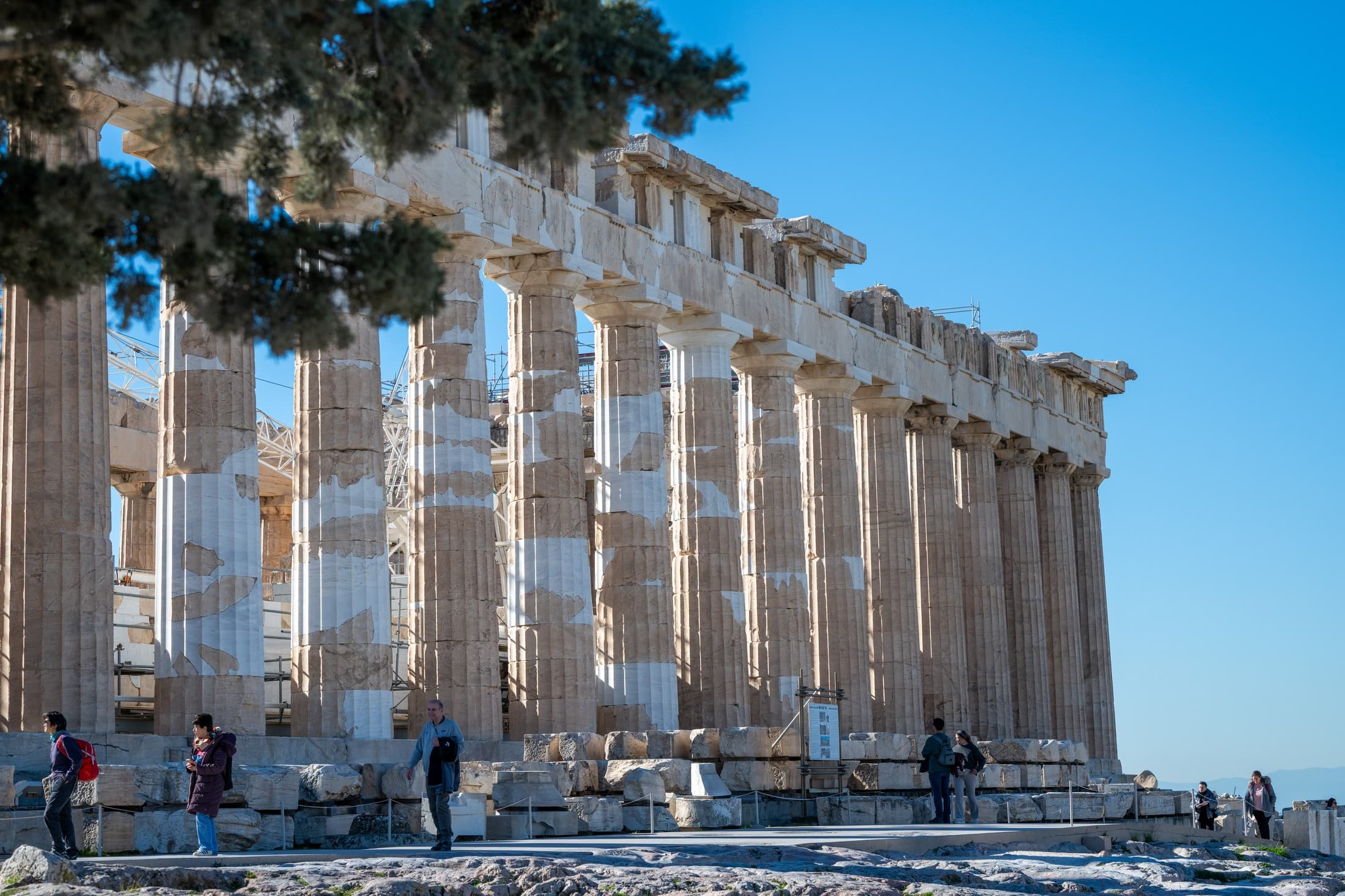
The Parthenon, dedicated to the patron goddess Athena Parthenos, stands as the pinnacle of Athenian democracy during its golden age. Built between 447 and 438 BC at the initiative of Pericles, it replaced the marble Pro-Parthenon, which was destroyed by the Persians in 480 BC, and the original temple built in 570 BC. It was designed by the architects Ictinus and Callicrates, while Phidias oversaw the sculptural decoration and the gold and ivory statue.
Architecture and Interior Design
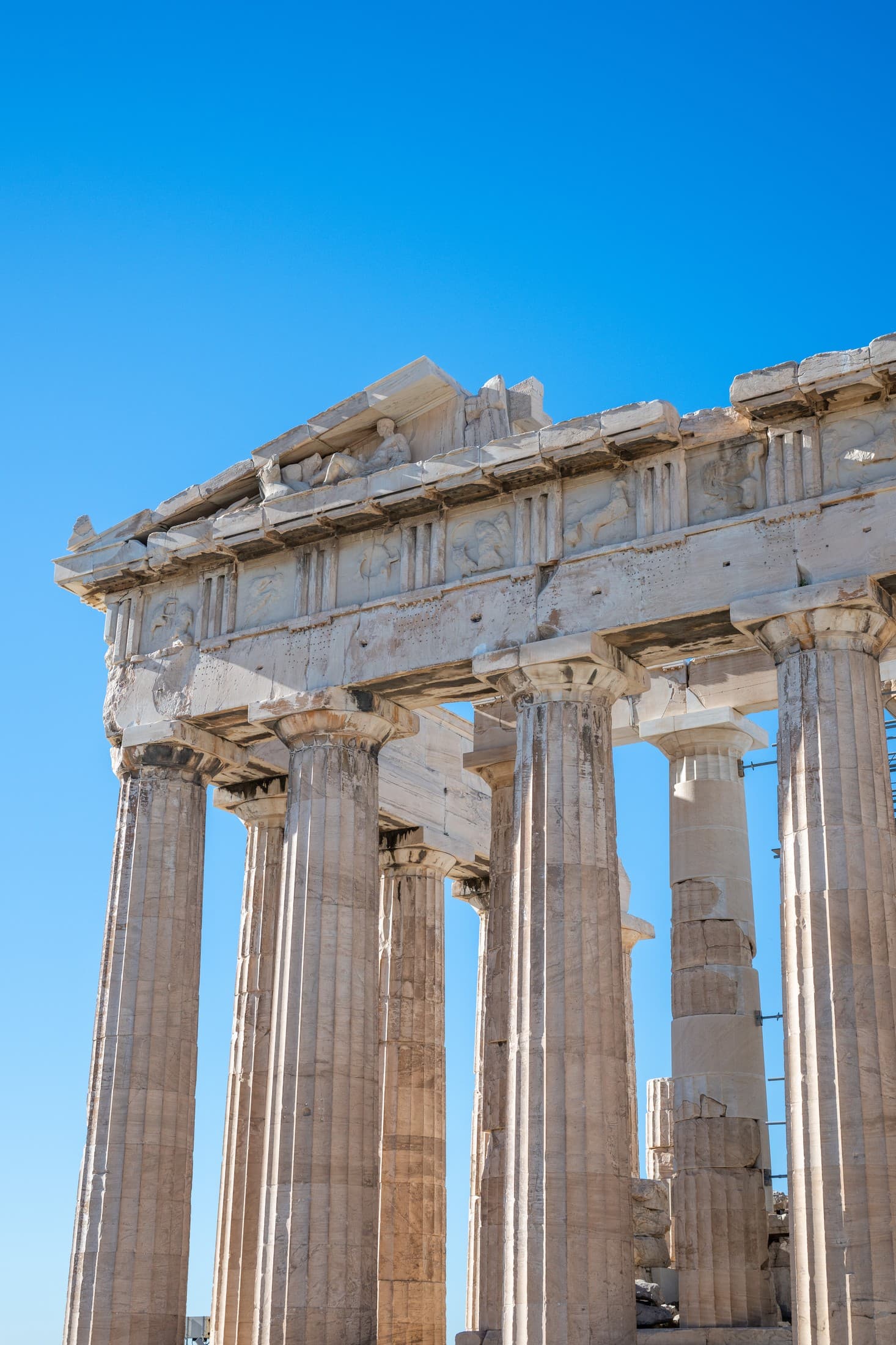
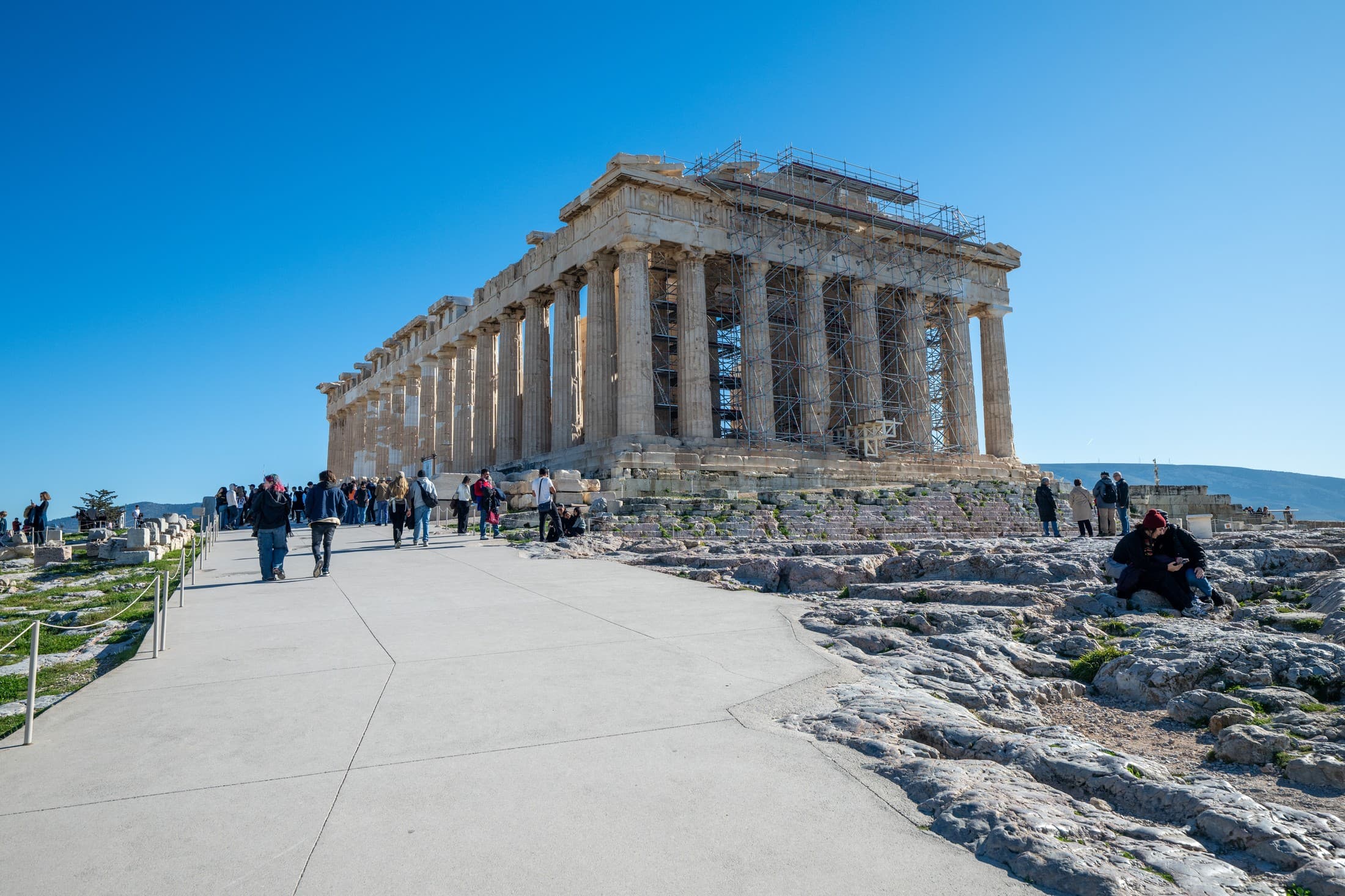
It is a peripteral Doric temple with 8 columns on the narrow sides and 17 columns on the long sides. Marble prepared for the previous temple was utilised for its construction, a fact that influenced the diameter of the columns. Inside the cella, there was a double-tiered Doric colonnade in a Pi-shaped arrangement, dominated by the fully-armed statue of Athena carrying Nike (Victory). In the western compartment, where the city’s treasury was kept, four Ionic columns were placed. The roof featured marble tiles, anthemia, and lion-head gutters, while impressive statues stood as akroteria at the corners of the pediments.
Sculptural Decoration
The pediments depict the birth of the goddess from the head of Zeus and her contest with Poseidon for patronage of Attica. The 92 relief metopes represent mythical battles: the Gigantomachy, the Trojan War, the Amazonomachy, and the Centauromachy. The Ionic frieze, which ran around the upper part of the cella, depicts the magnificent Panathenaic procession, the city’s most important festival.
Journey Over Time
The Parthenon served as a church dedicated to the Virgin Mary and later as a mosque. In 1687, during the siege by Morosini, the temple was blown up by a Venetian bomb, resulting in the collapse of a large section. In the early 19th century, Lord Elgin looted the sculptural decorations, part of which is now housed in the British Museum. Despite the damage, the monument remains a global symbol of the classical spirit.
Architecture and Interior Design
It is a peripteral Doric temple with 8 columns on the narrow sides and 17 columns on the long sides. Marble prepared for the previous temple was utilised for its construction, a fact that influenced the diameter of the columns. Inside the cella, there was a double-tiered Doric colonnade in a Pi-shaped arrangement, dominated by the fully-armed statue of Athena carrying Nike (Victory). In the western compartment, where the city’s treasury was kept, four Ionic columns were placed. The roof featured marble tiles, anthemia, and lion-head gutters, while impressive statues stood as akroteria at the corners of the pediments.
Sculptural Decoration
The pediments depict the birth of the goddess from the head of Zeus and her contest with Poseidon for patronage of Attica. The 92 relief metopes represent mythical battles: the Gigantomachy, the Trojan War, the Amazonomachy, and the Centauromachy. The Ionic frieze, which ran around the upper part of the cella, depicts the magnificent Panathenaic procession, the city’s most important festival.
Journey Over Time
The Parthenon served as a church dedicated to the Virgin Mary and later as a mosque. In 1687, during the siege by Morosini, the temple was blown up by a Venetian bomb, resulting in the collapse of a large section. In the early 19th century, Lord Elgin looted the sculptural decorations, part of which is now housed in the British Museum. Despite the damage, the monument remains a global symbol of the classical spirit.