The Oracle of the Rock
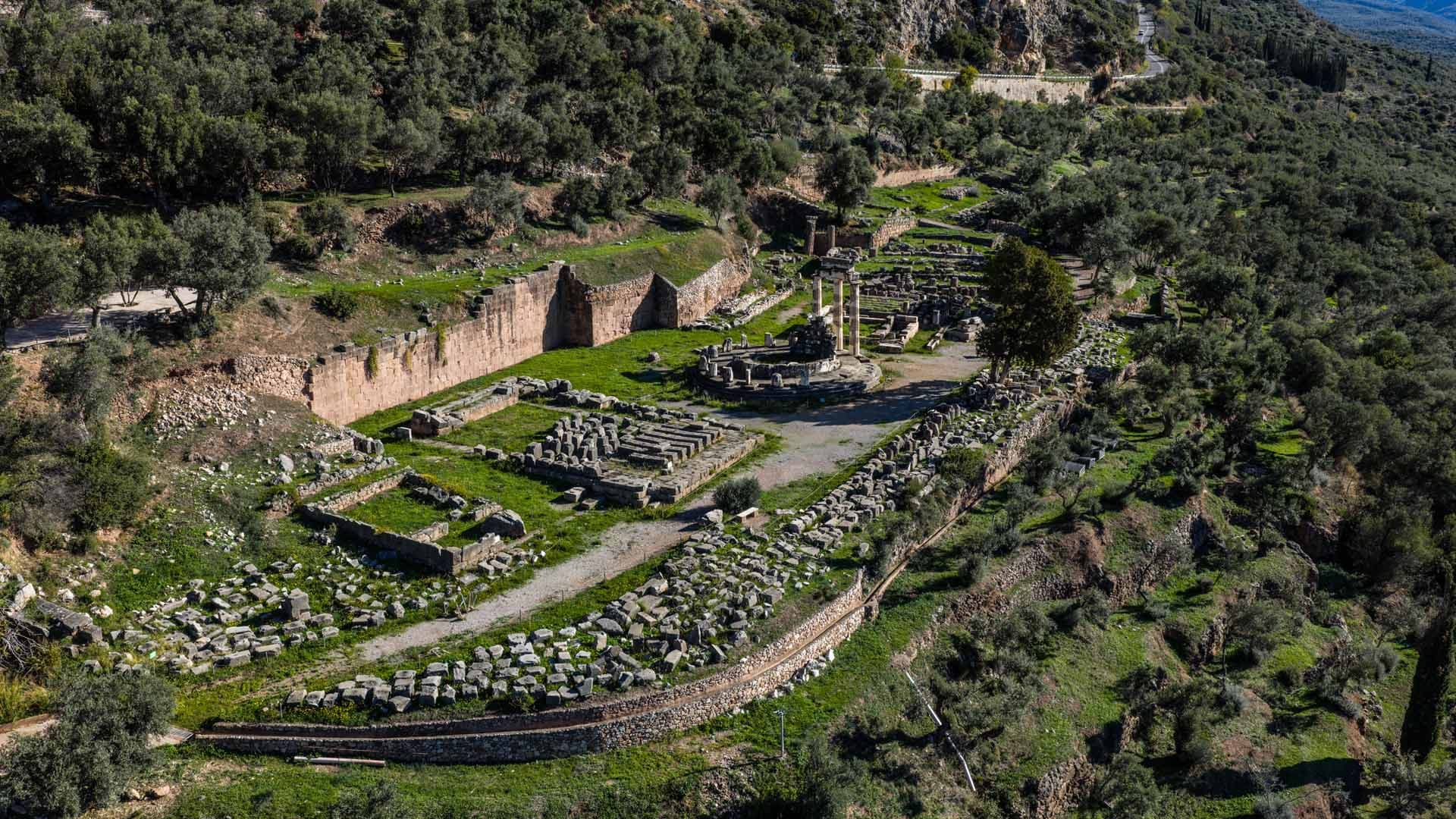
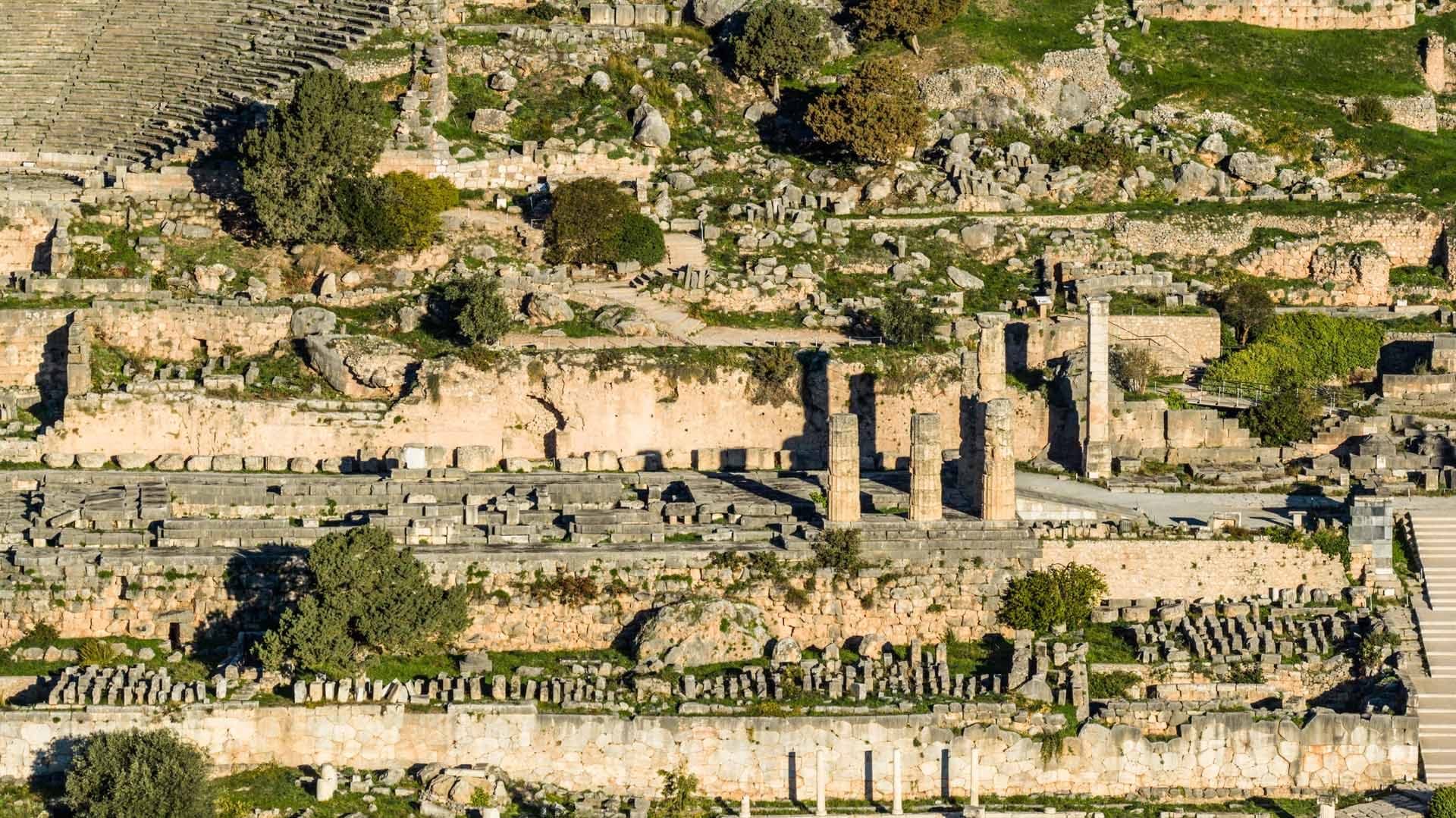
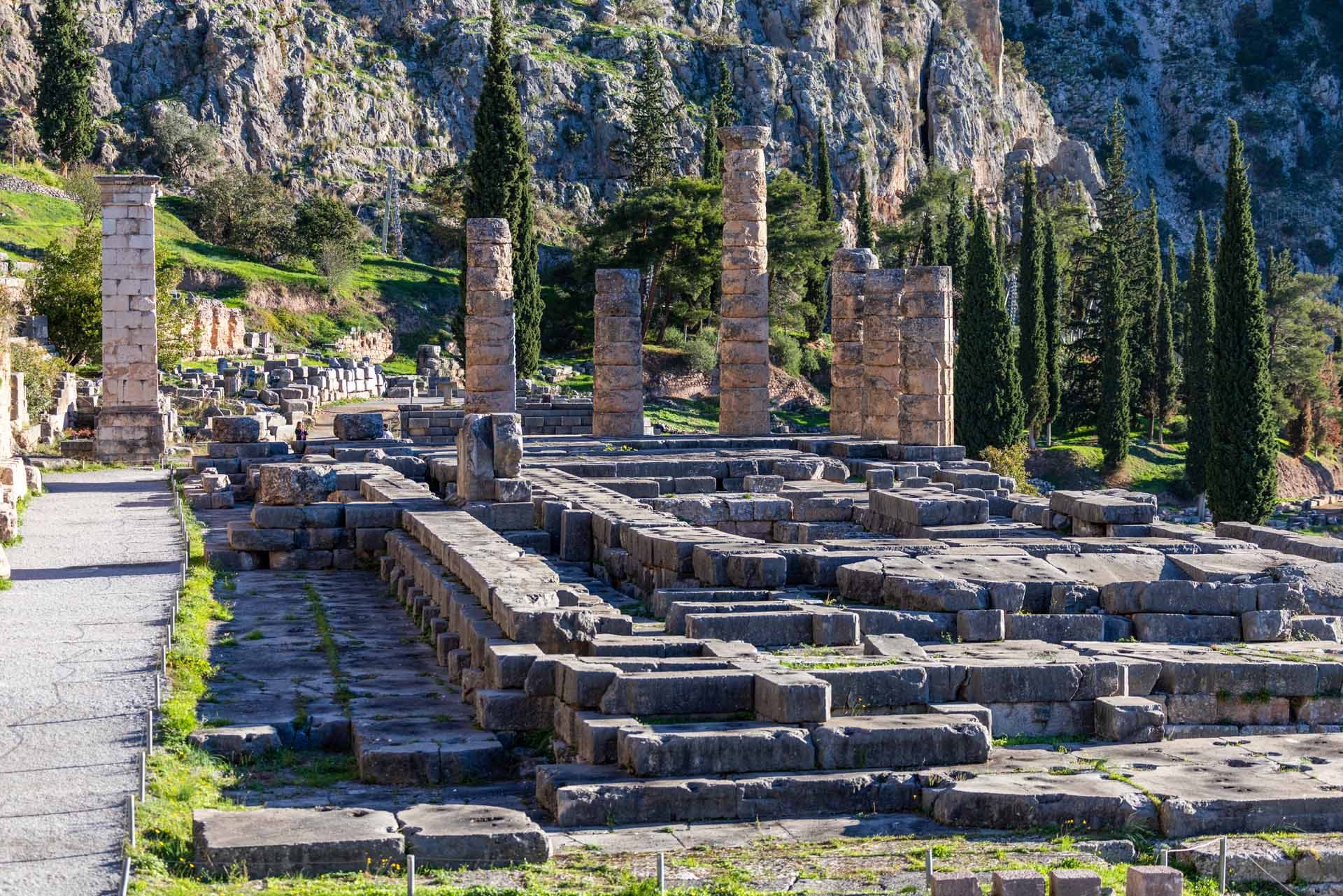
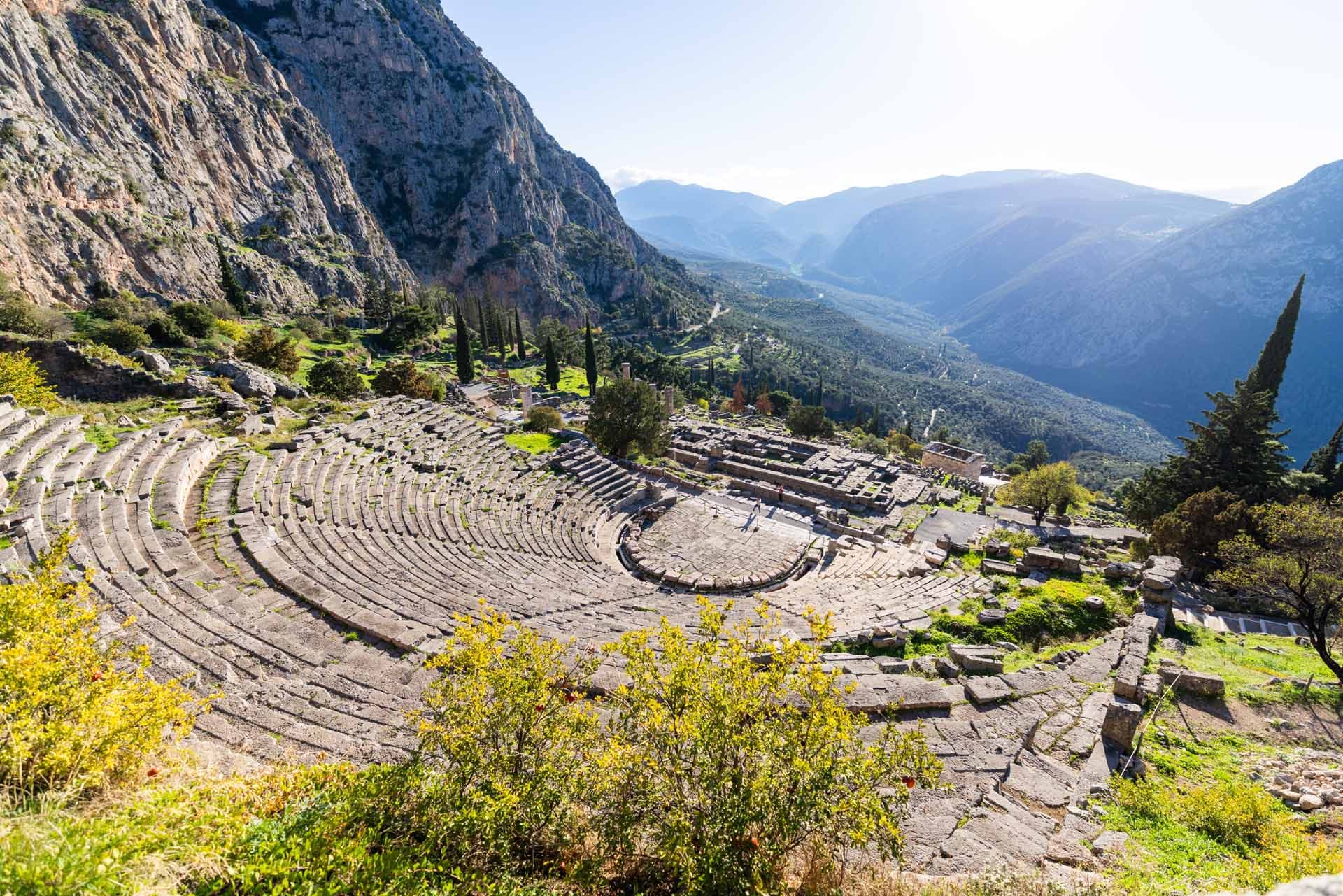
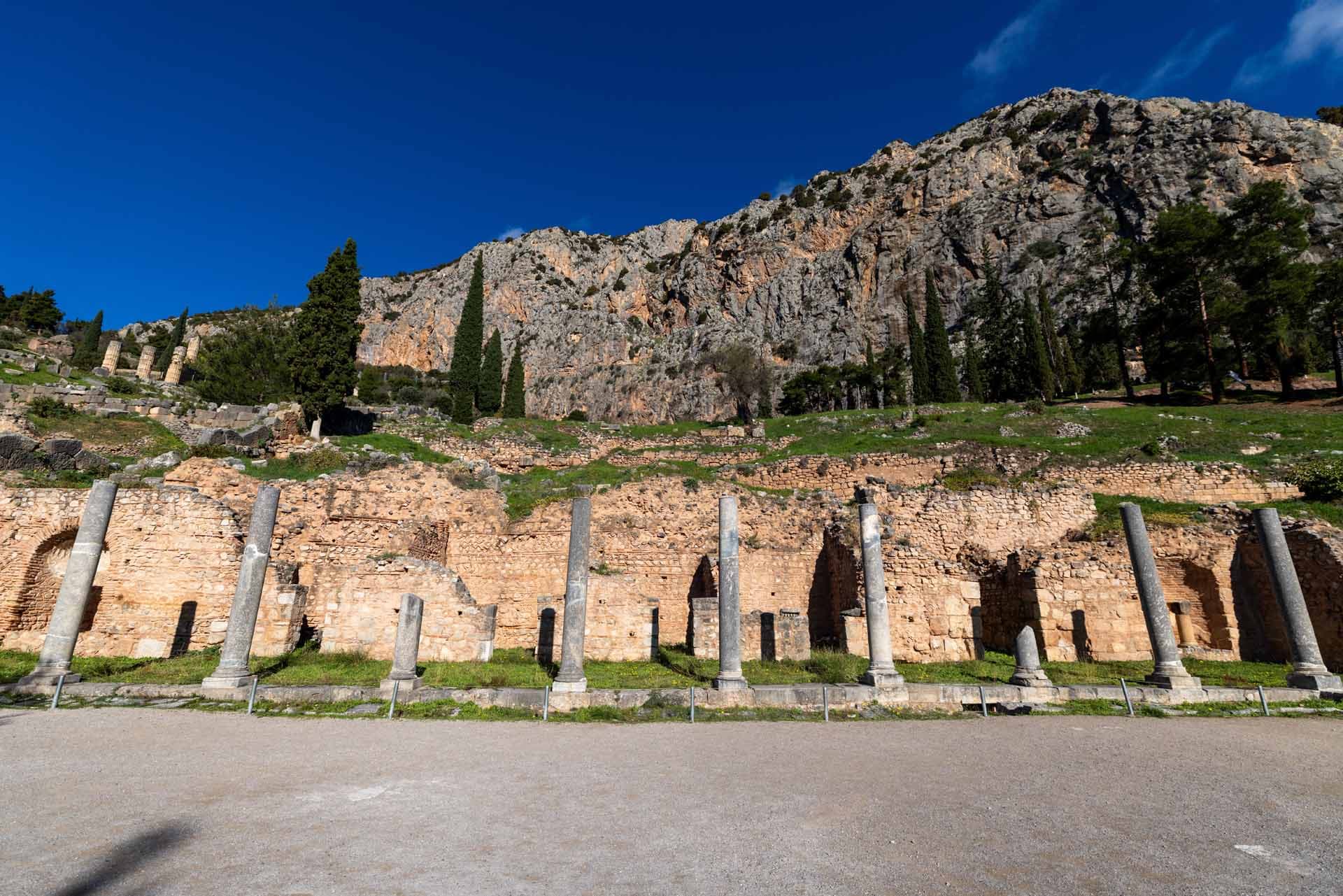
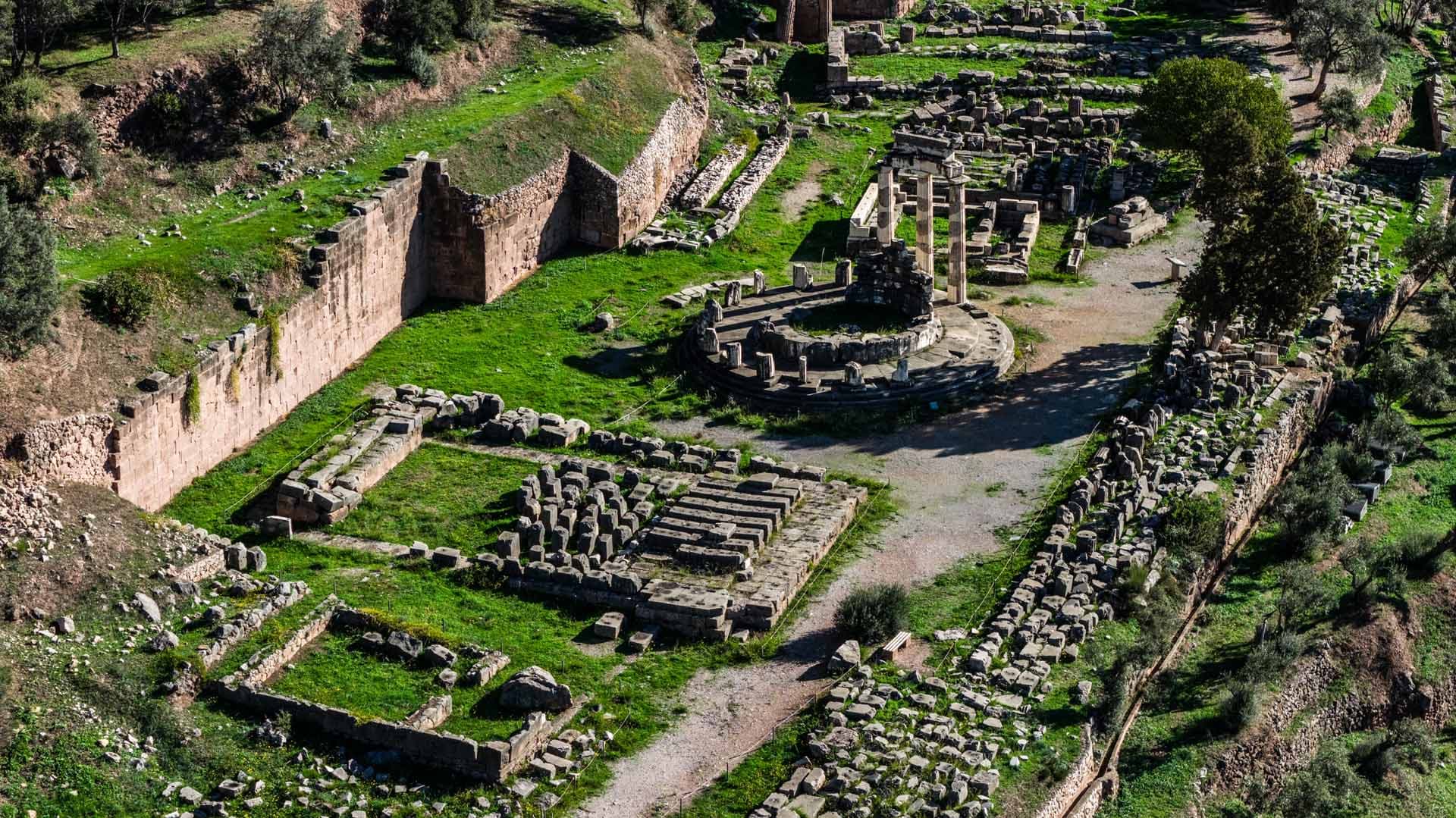
In the shadow of Mount Parnassos, the Oracle of Delphi served as the spiritual heart of the ancient world for over one millennium. The art of divination, said to have been bestowed upon humankind by Prometheus, found its ultimate expression in the phrase "of the oak or of the rock". While the former refers to the sacred oak of Dodona, the "of the rock" is associated with the navel of the world, Delphi, above which the Pythia delivered her oracles.
From Gaia to Apollo
Originally dedicated to Gaia, the oracle later came under the patronage of Apollo after his victory over Python. The Pythia, chosen by the local community for her virtuous character, served the god for life. The sanctuary reached its zenith between the 6th and 4th centuries BC, attracting thousands of visitors, until its closure in AD 392 by Emperor Theodosius.
Ritual and Divination
The official oracular consultation took place on the seventh day of each month, except during the three winter months when Apollo was considered absent and the sanctuary was overseen by Dionysus. Alternative methods also existed, such as the drawing of lots at the Corycian Cave. Those seeking consultation (chromenoi - those seeking consultation - or theopropoi - delegates) would purify themselves at the Castalian Spring and offer the pelanos (sacred cake), paying fees that differed for individuals and cities. Residents of Delphi and members of the Amphictyonic League were given priority, unless someone possessed the privilege of pre-divination.
The Adyton and Ambiguity
Deep within the adyton (inner sanctum), the Pythia, in a state of ecstatic trance, uttered incomprehensible phrases, which the prophetai (interpreters) interpreted into metered verse. The proverbial ambiguity of the oracles (“ixis afixis”- “you will come, you will leave") safeguarded the reputation of the oracle. As Heraclitus noted, the god at Delphi "neither reveals nor conceals, but gives a sign", offering moral guidance and admonitions that influenced the course of ancient civilization.
From Gaia to Apollo
Originally dedicated to Gaia, the oracle later came under the patronage of Apollo after his victory over Python. The Pythia, chosen by the local community for her virtuous character, served the god for life. The sanctuary reached its zenith between the 6th and 4th centuries BC, attracting thousands of visitors, until its closure in AD 392 by Emperor Theodosius.
Ritual and Divination
The official oracular consultation took place on the seventh day of each month, except during the three winter months when Apollo was considered absent and the sanctuary was overseen by Dionysus. Alternative methods also existed, such as the drawing of lots at the Corycian Cave. Those seeking consultation (chromenoi - those seeking consultation - or theopropoi - delegates) would purify themselves at the Castalian Spring and offer the pelanos (sacred cake), paying fees that differed for individuals and cities. Residents of Delphi and members of the Amphictyonic League were given priority, unless someone possessed the privilege of pre-divination.
The Adyton and Ambiguity
Deep within the adyton (inner sanctum), the Pythia, in a state of ecstatic trance, uttered incomprehensible phrases, which the prophetai (interpreters) interpreted into metered verse. The proverbial ambiguity of the oracles (“ixis afixis”- “you will come, you will leave") safeguarded the reputation of the oracle. As Heraclitus noted, the god at Delphi "neither reveals nor conceals, but gives a sign", offering moral guidance and admonitions that influenced the course of ancient civilization.