On the trail of the first European civilization
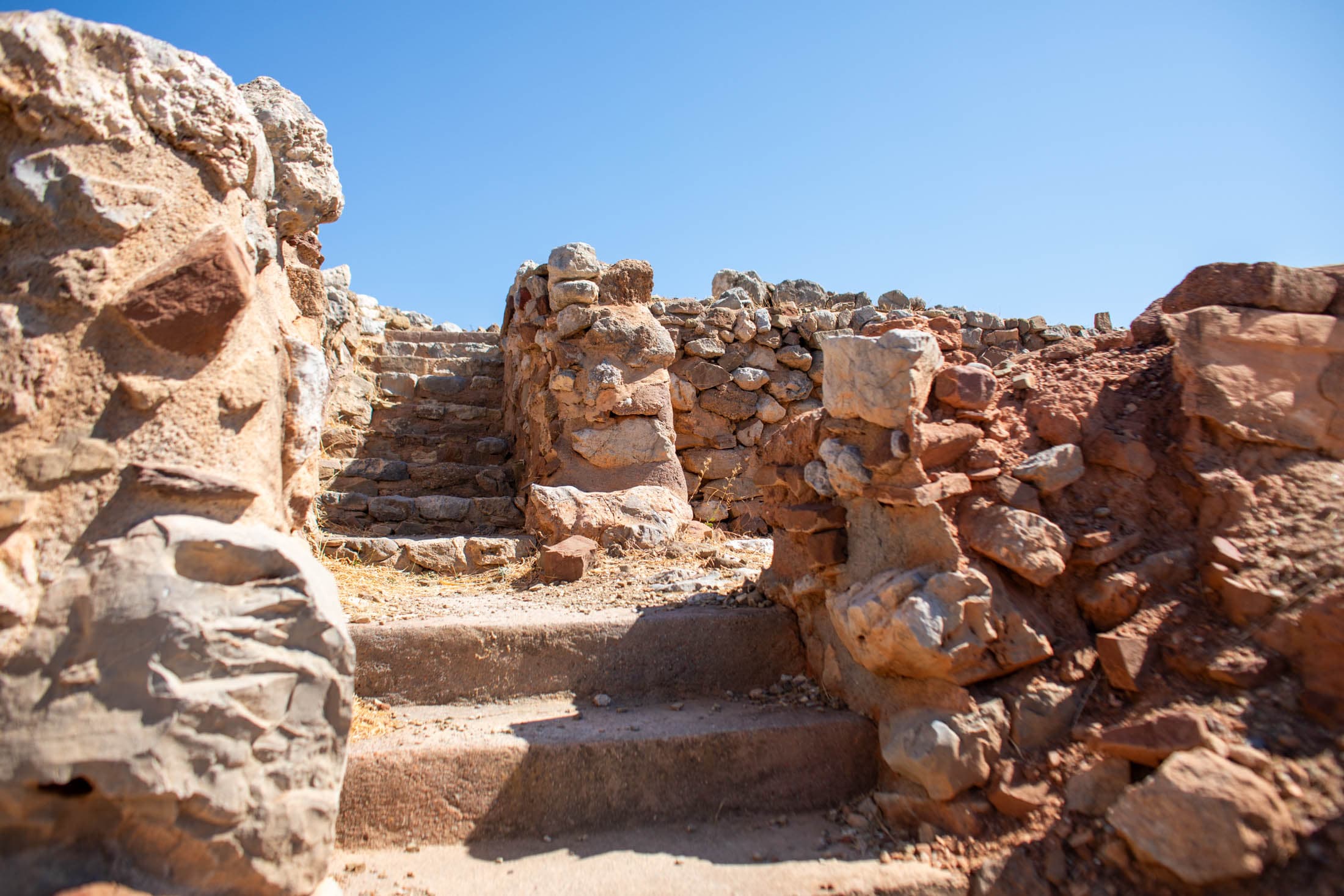
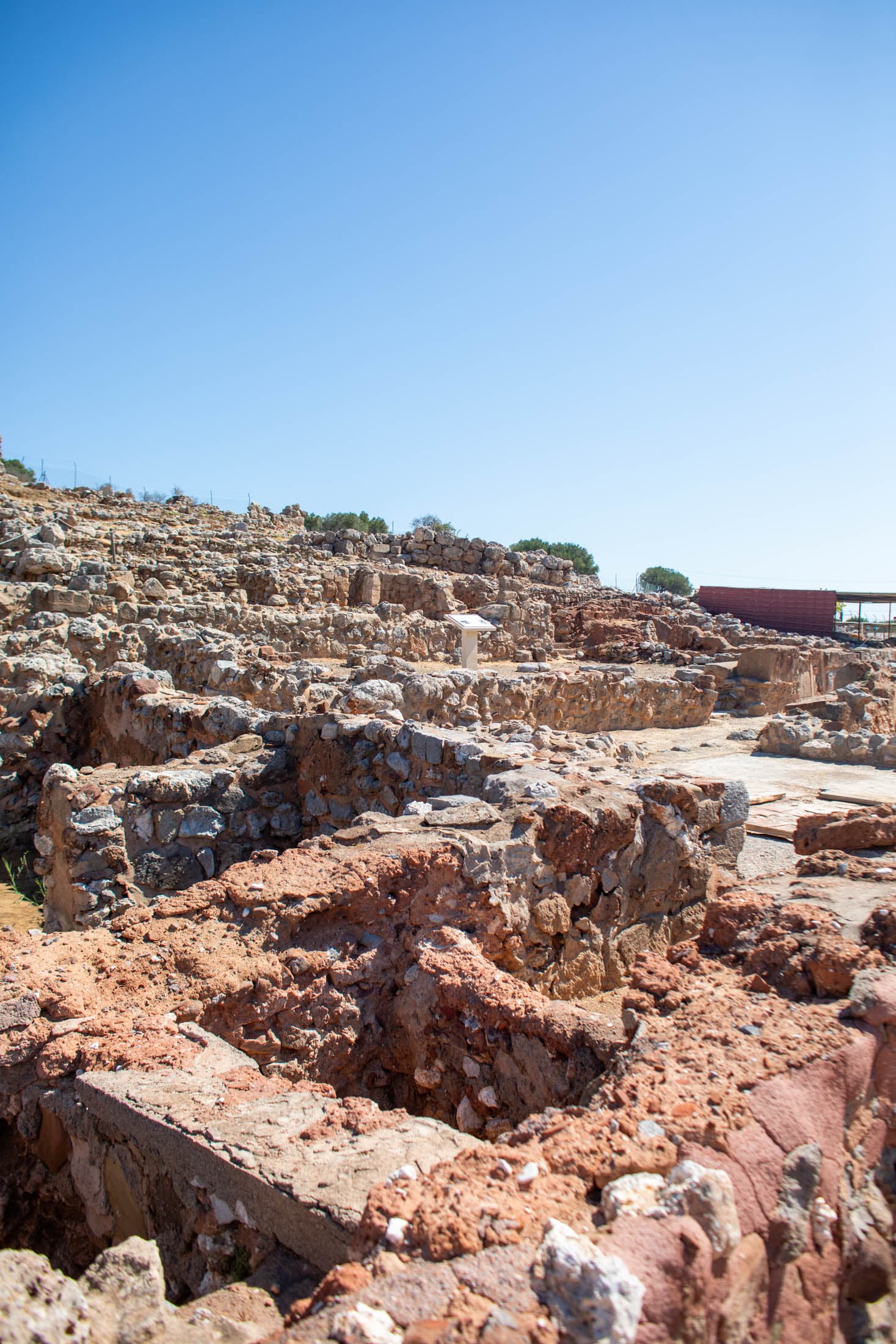
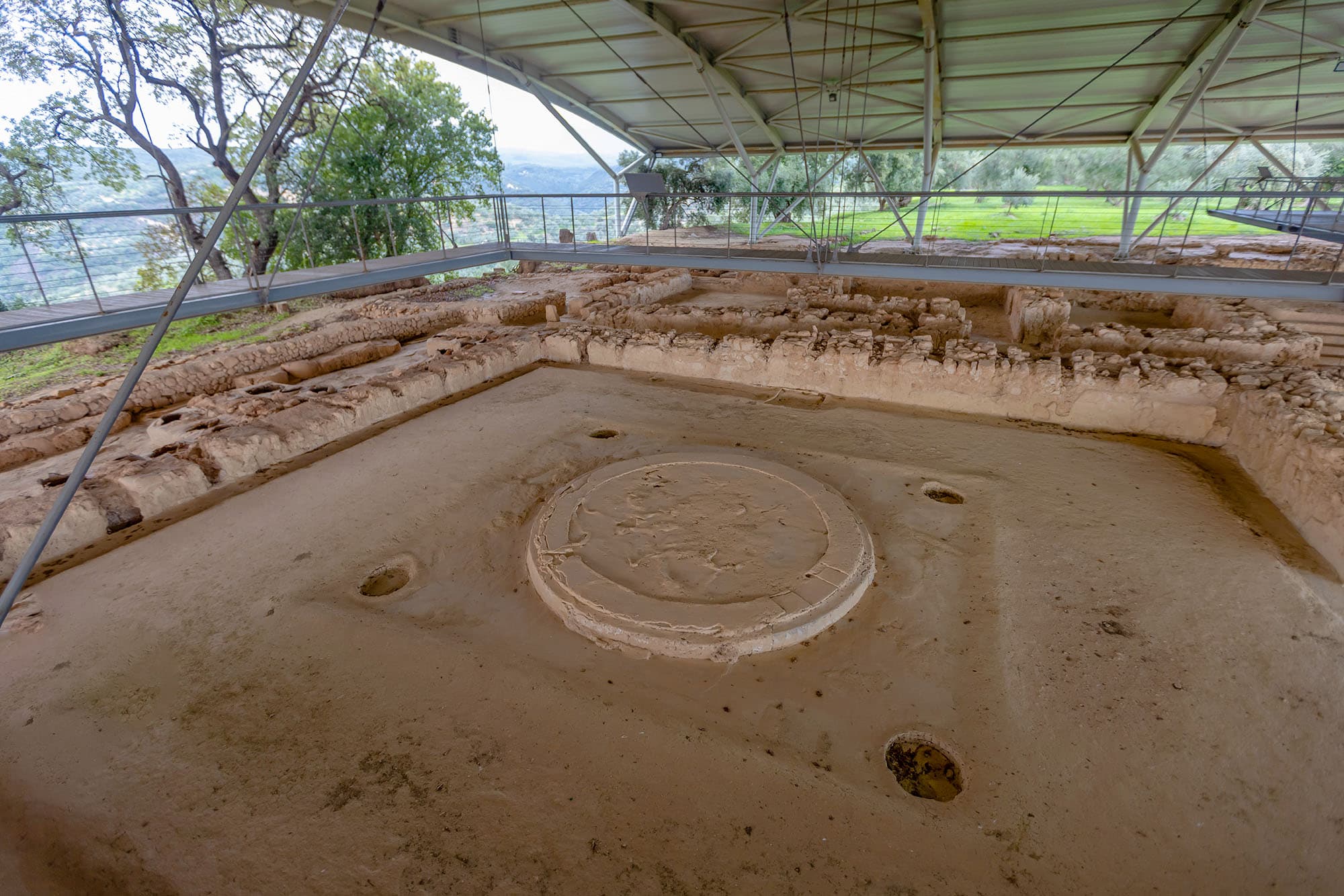
Crete is the cradle of Minoan civilization, the first great civilization in Europe. Minoan palaces, centres of power, worship, and commerce, reveal a world of high art and exceptional organisation. Taking tours of these palaces will send you on a journey back to the myth of Minos, the Labyrinth, and the Minotaur.
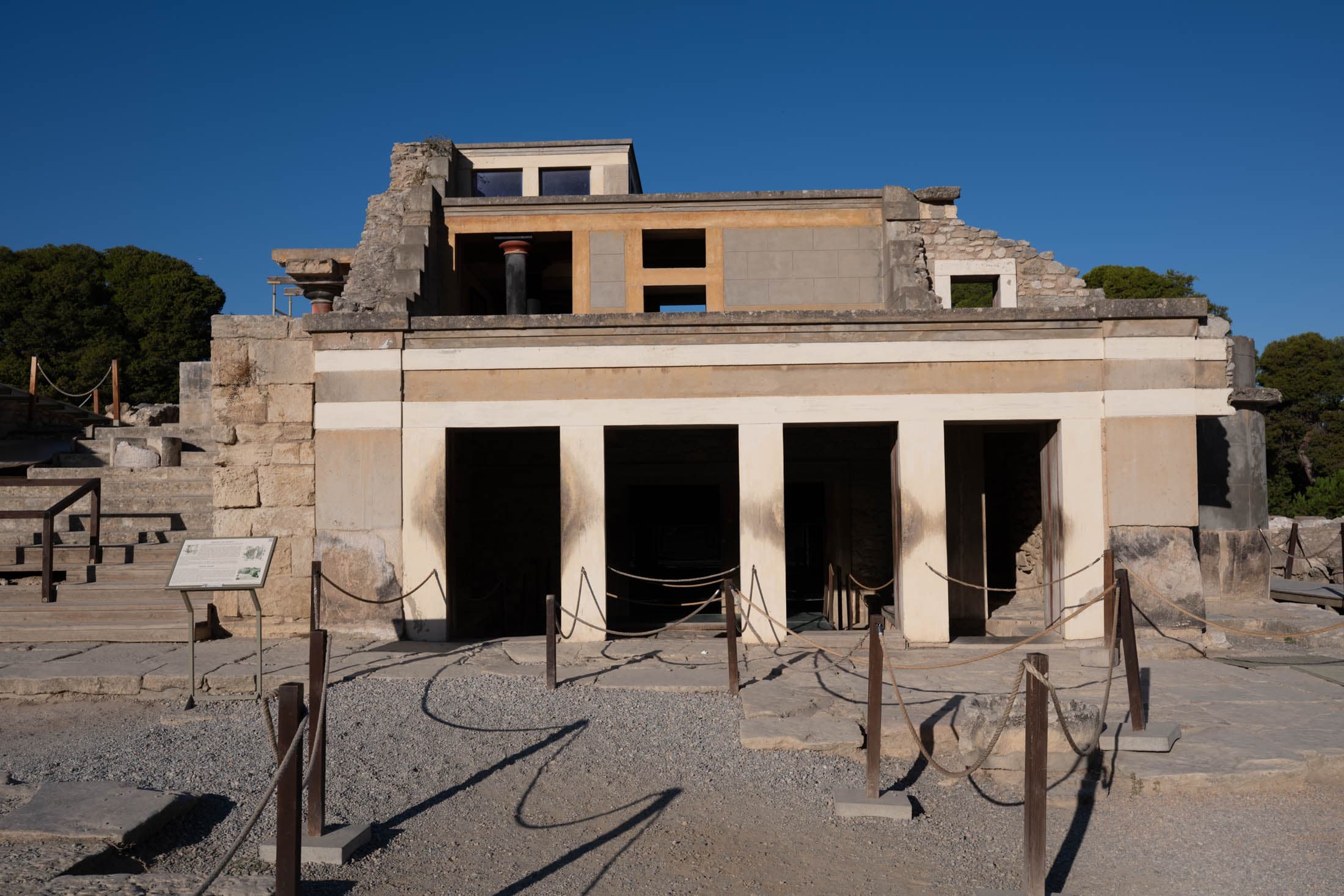
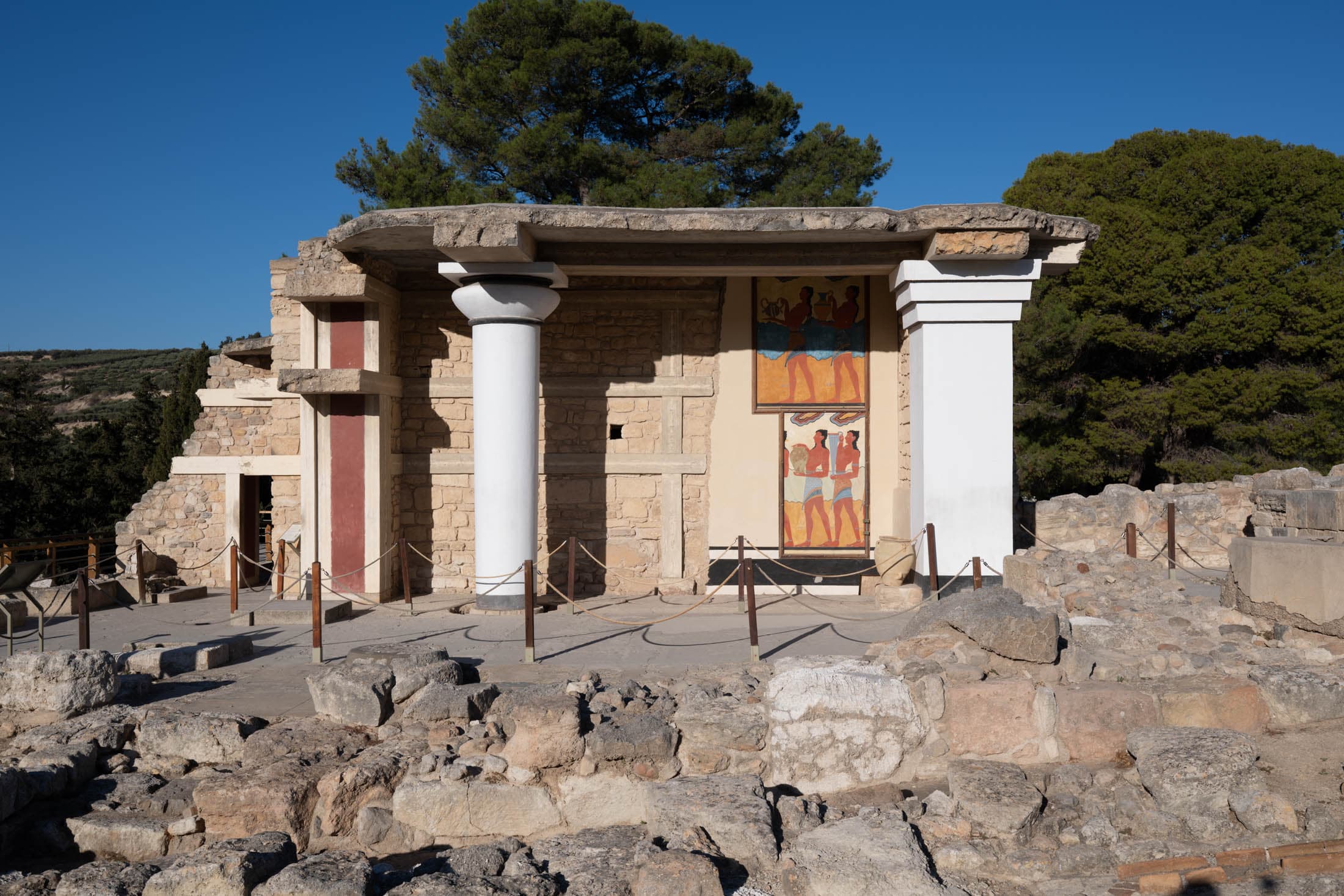
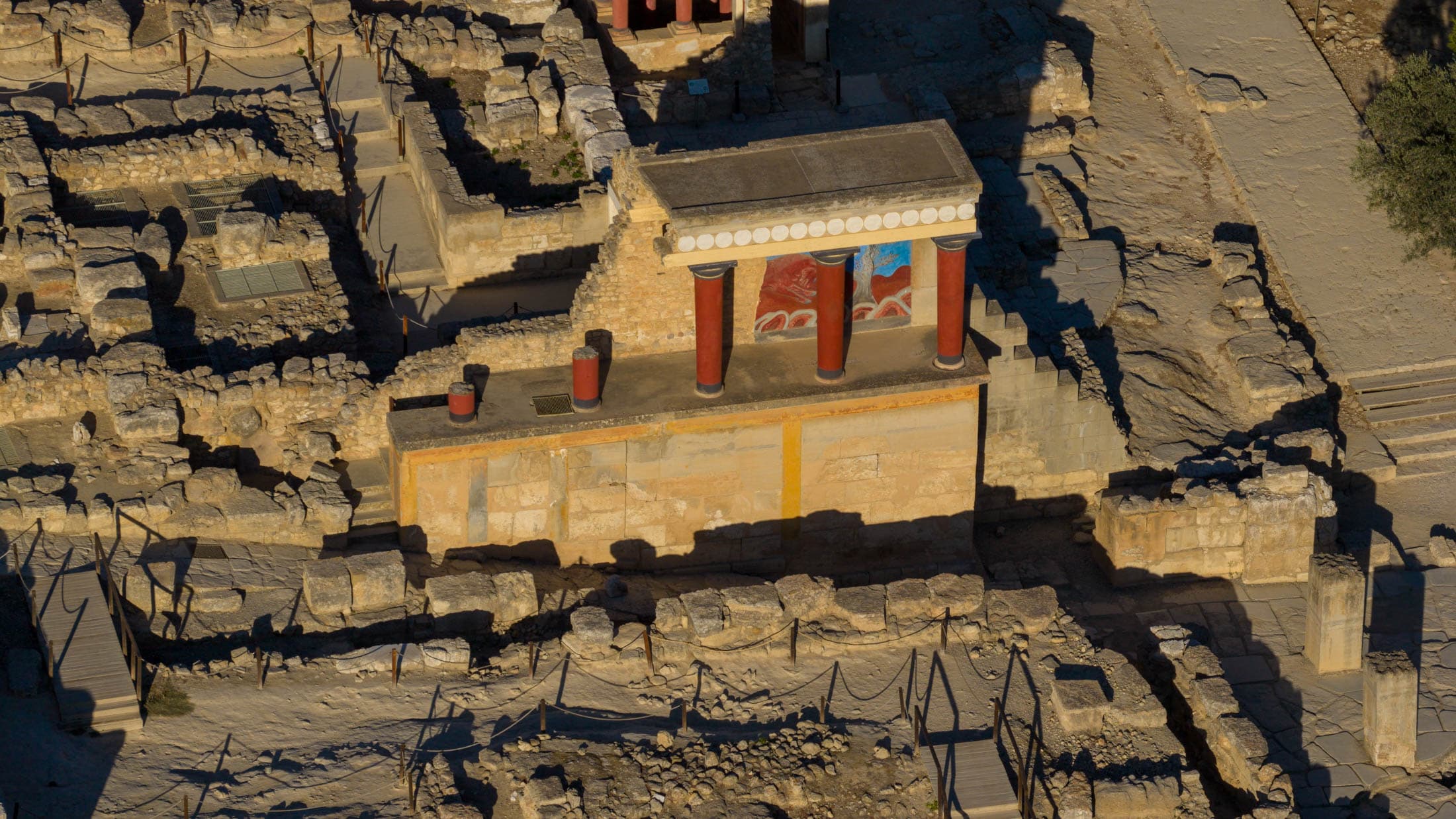
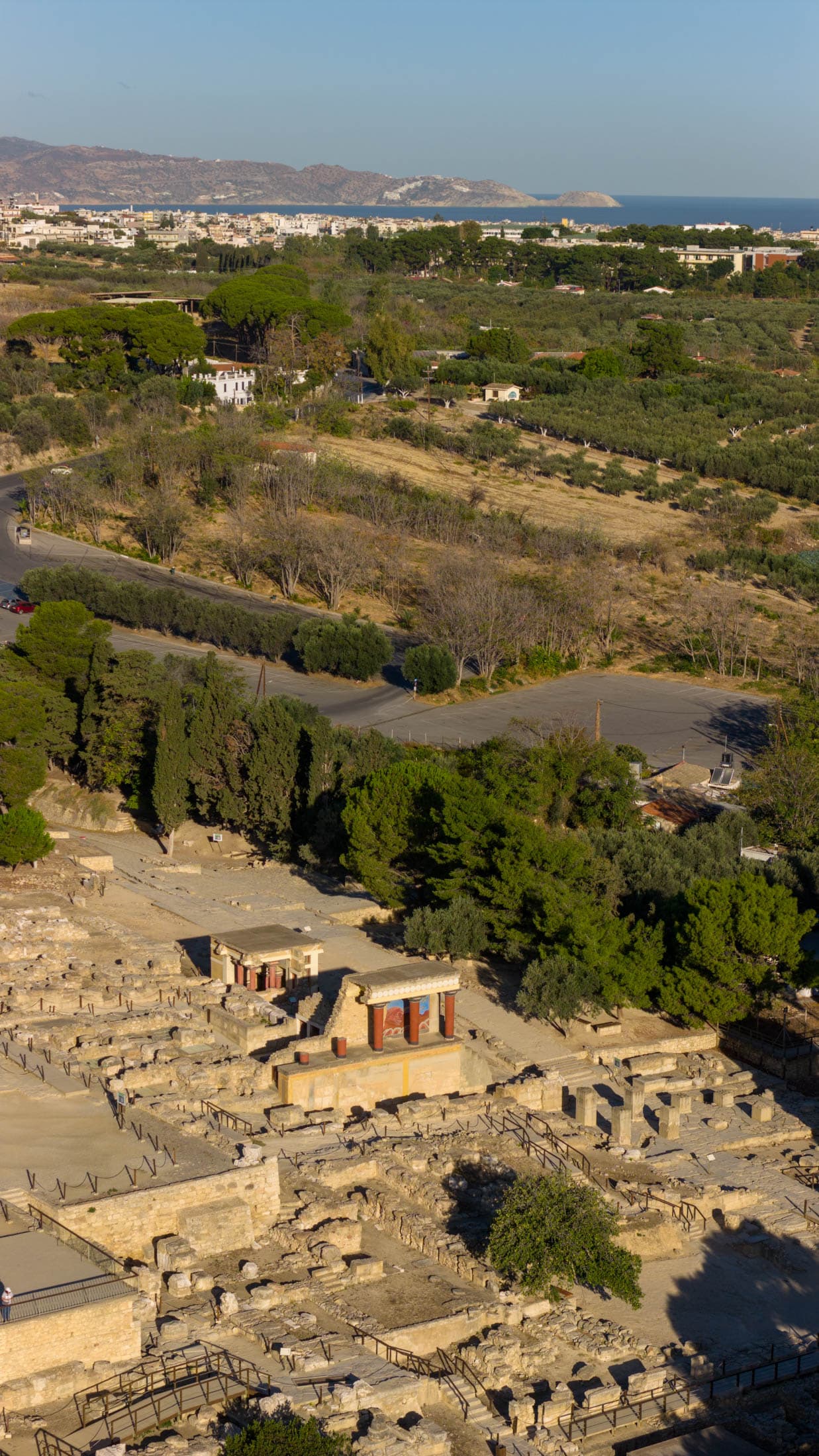
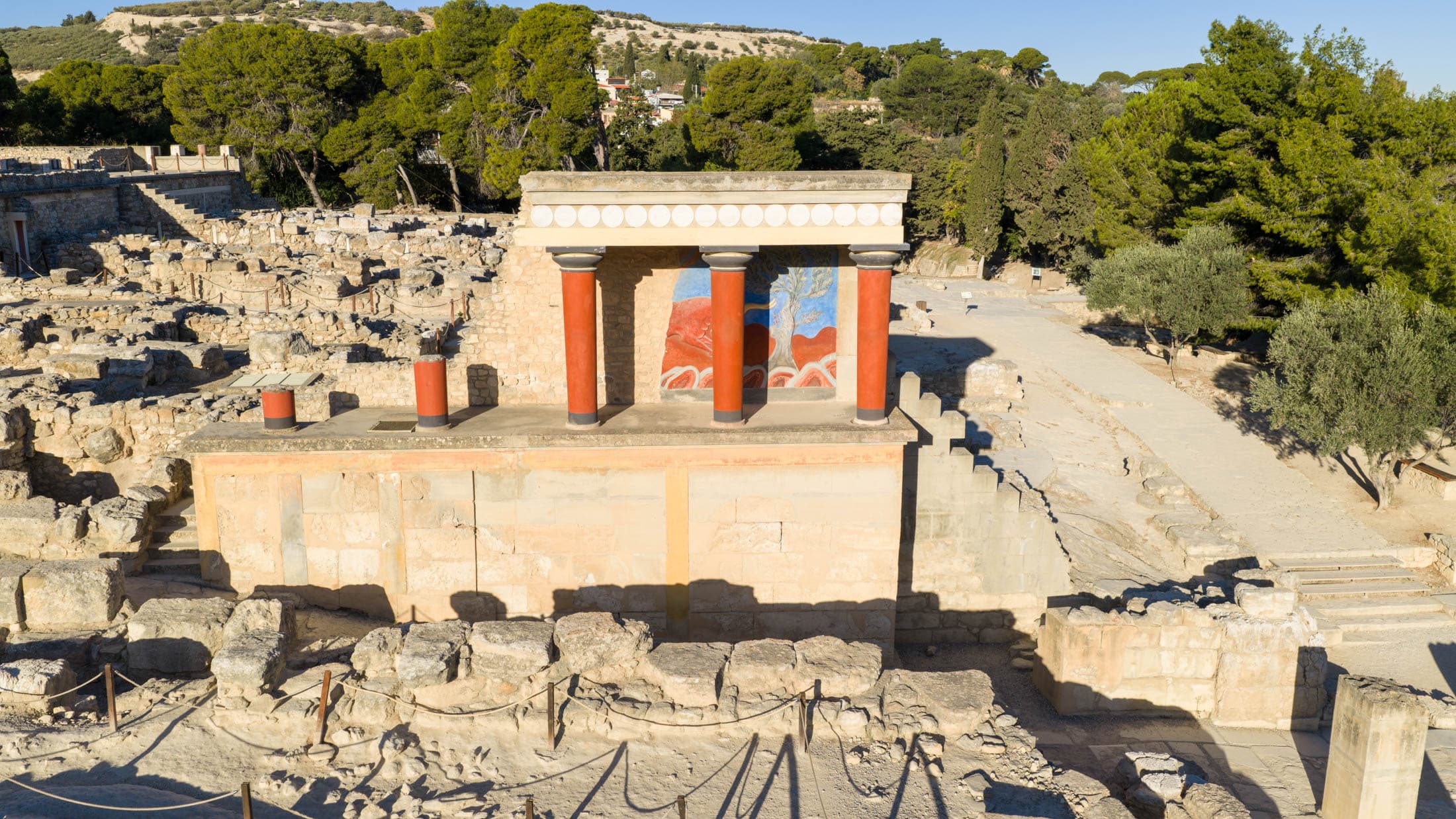
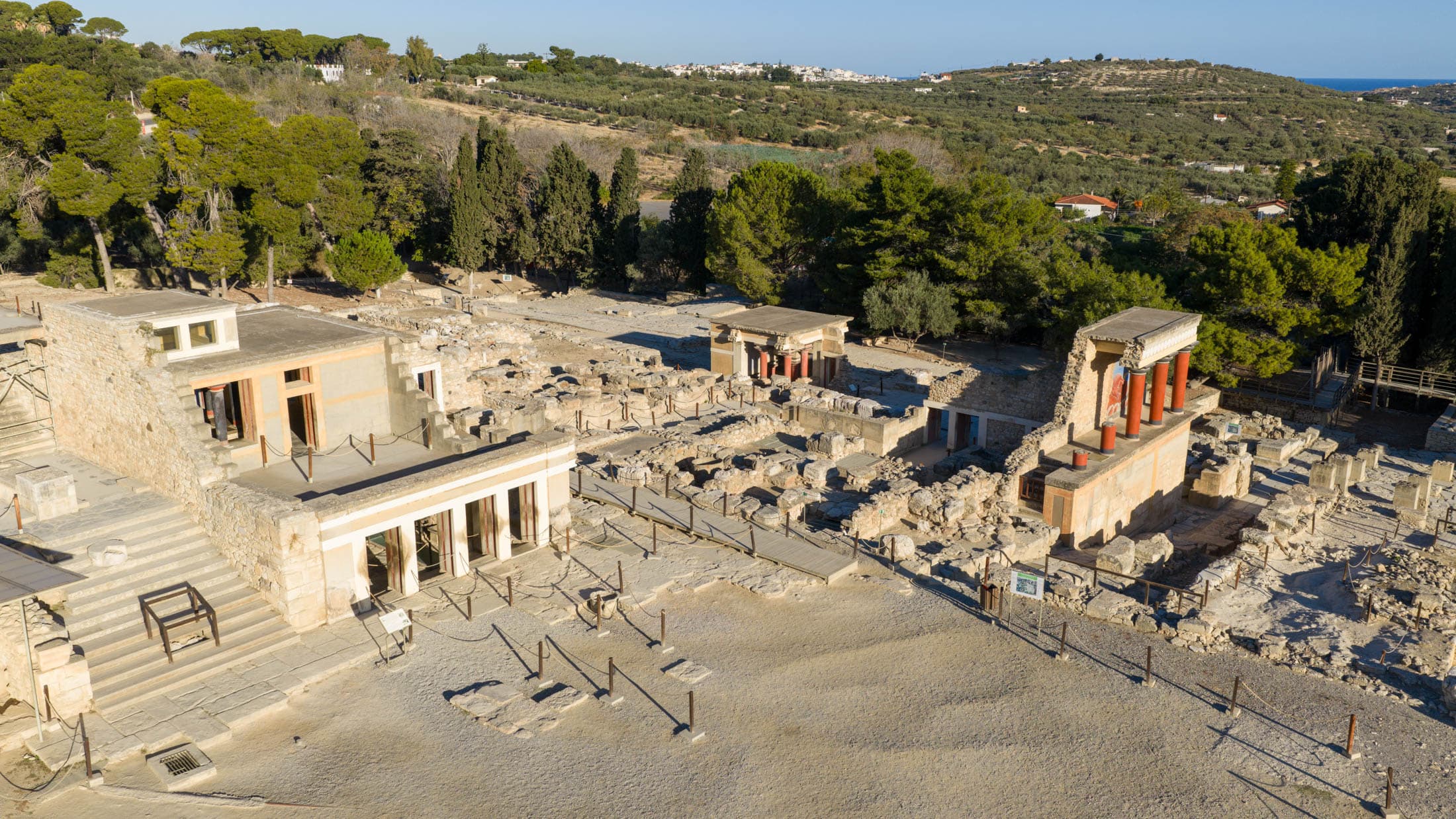
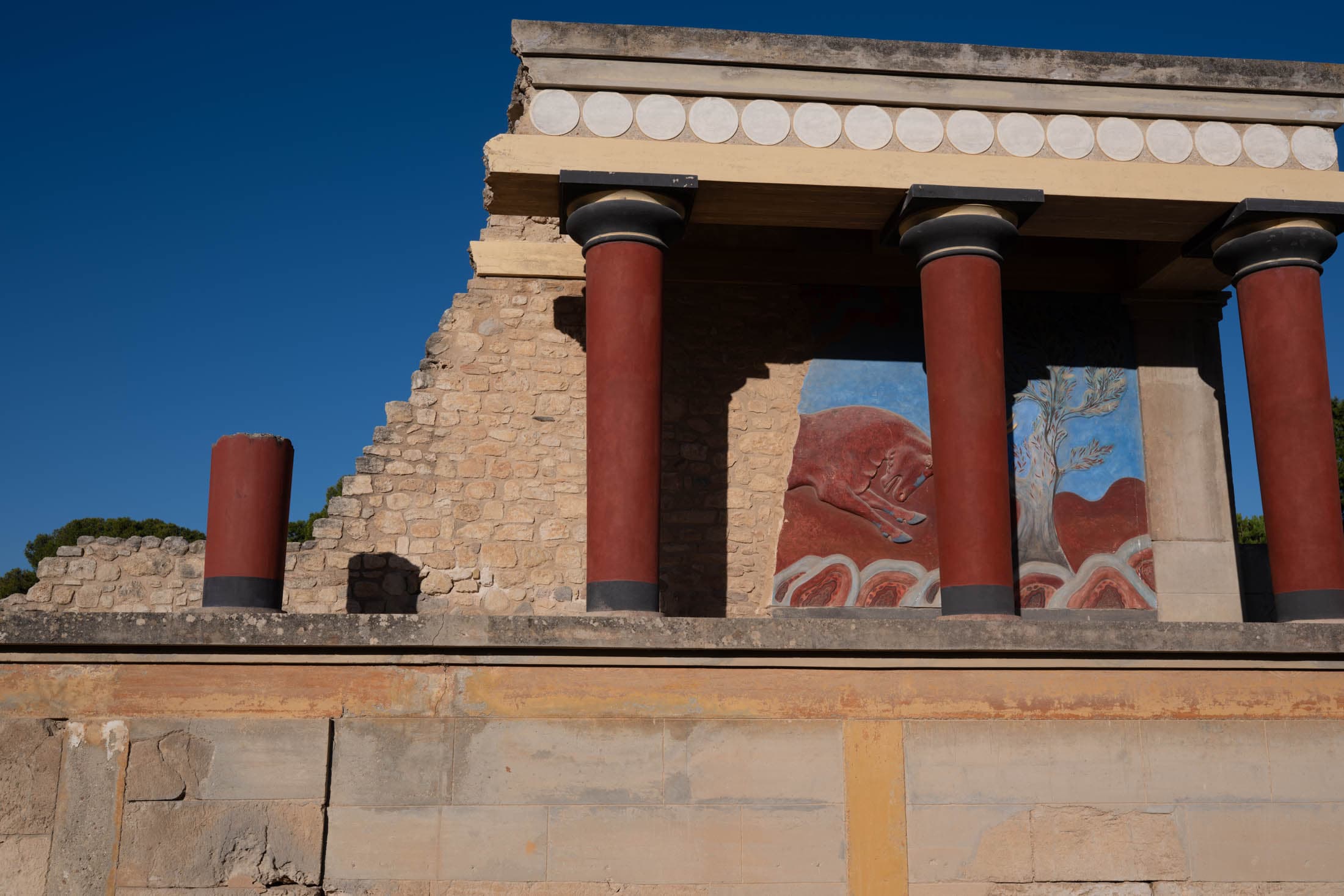
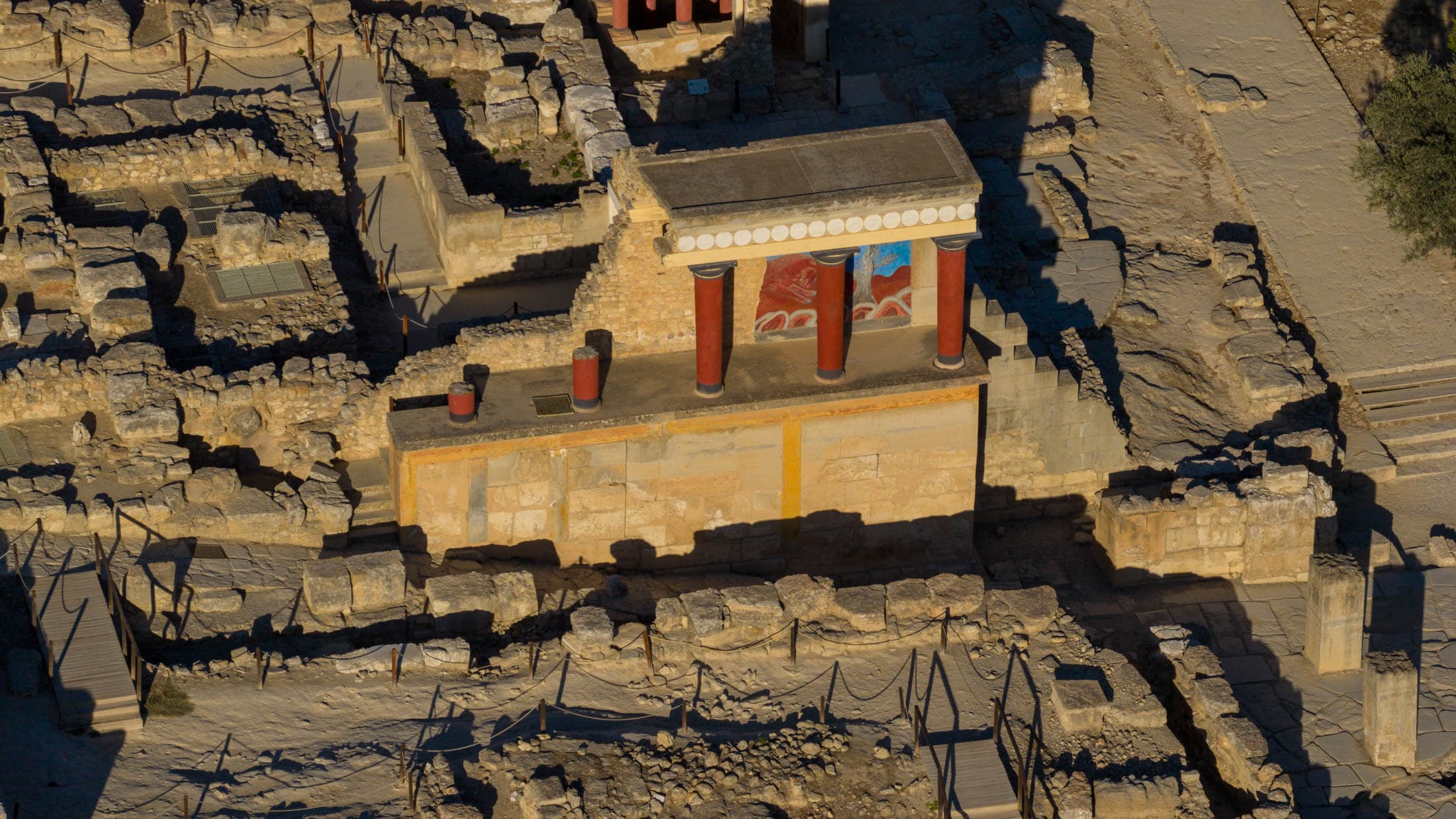
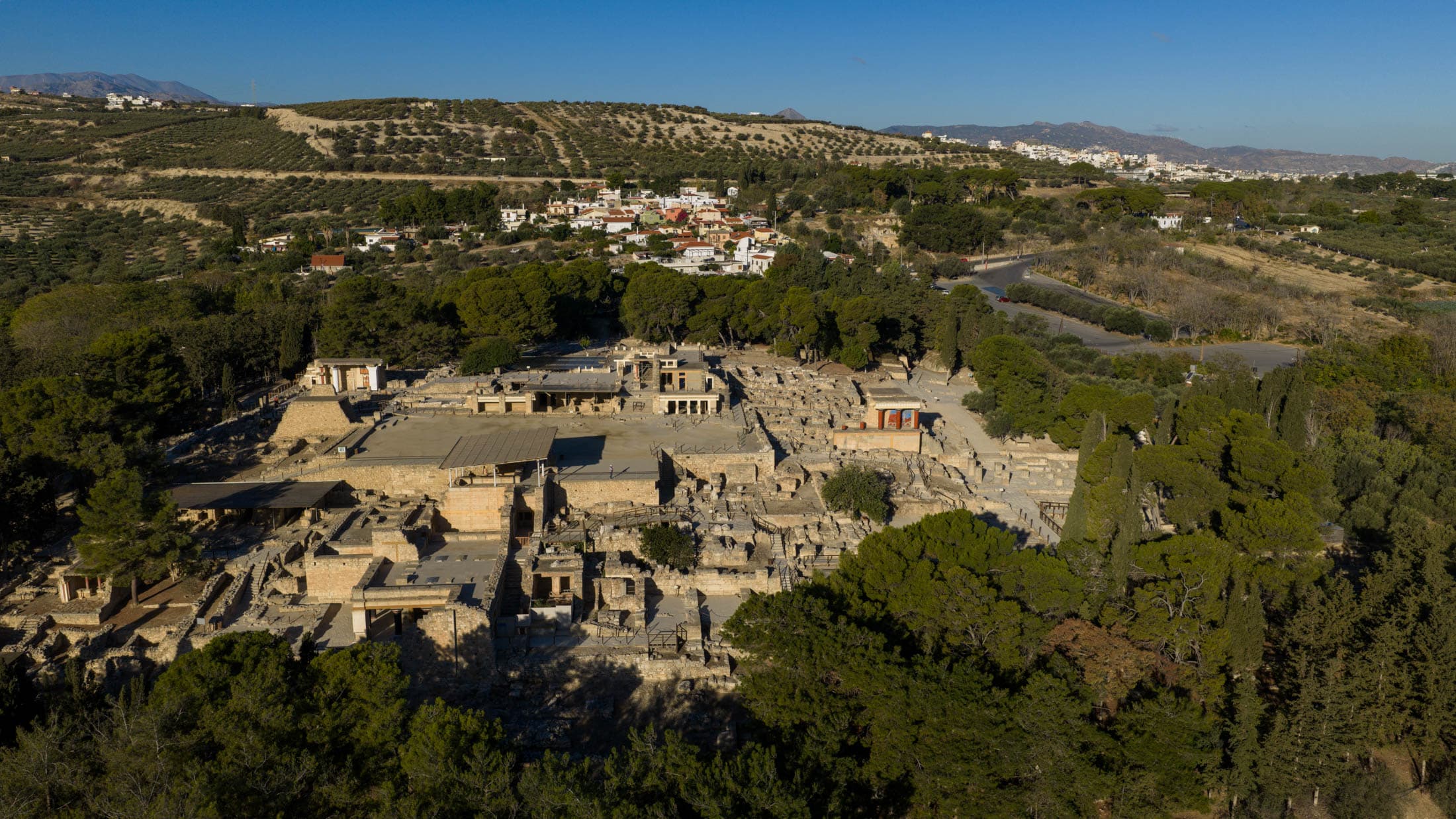
Knossos, a few kilometres south of Heraklion, is the most extensive Minoan palace and the seat of mythical king Minos. This is where many emblematic finds originate, such as the frescoes of the Prince of the Lilies, the Dolphins, and La Parisienne, the Bull’s-Head Rhyton, the Throne of King Minos, and the sacred vessels, on exhibit at the Archaeological Museum of Heraklion.
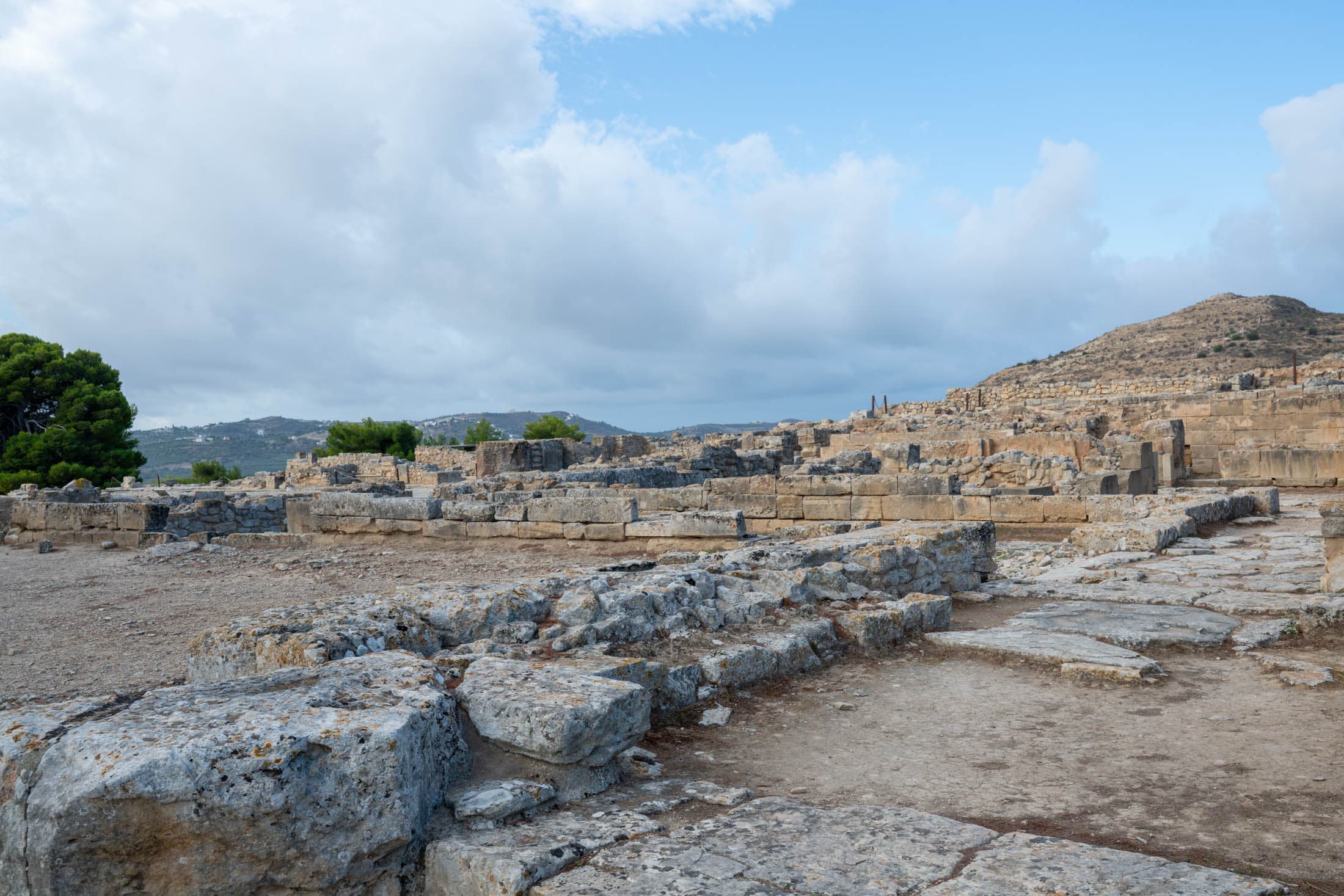
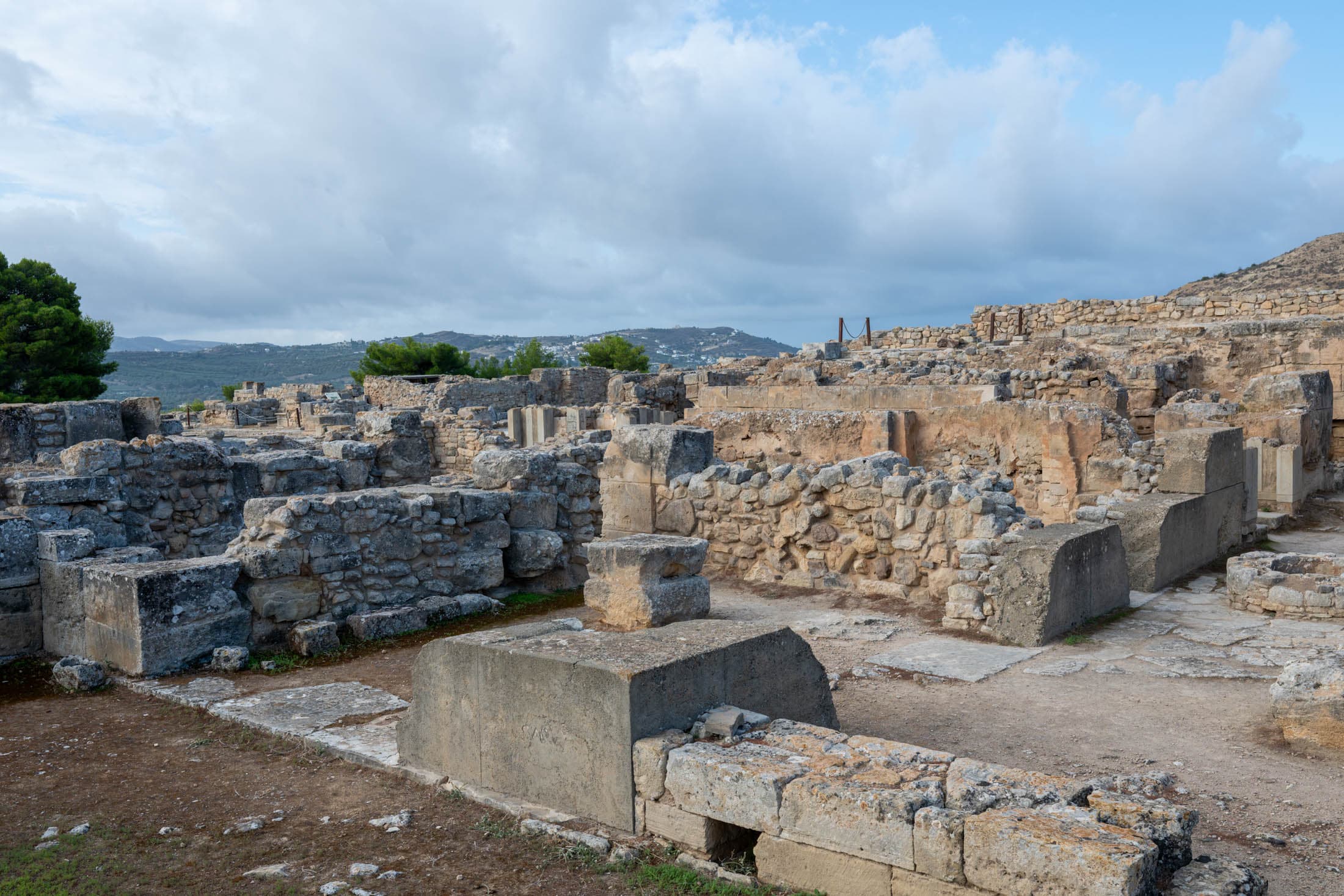
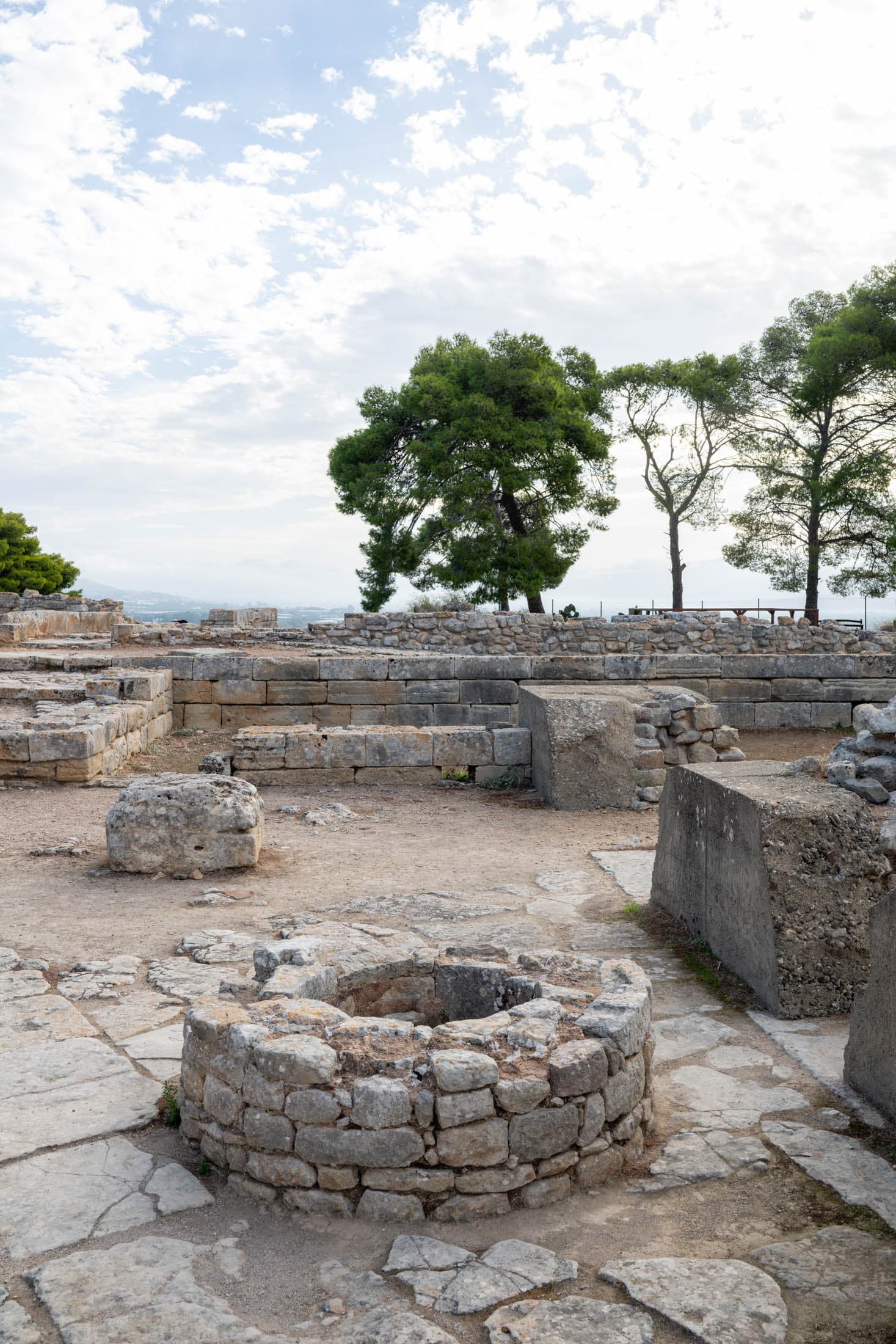
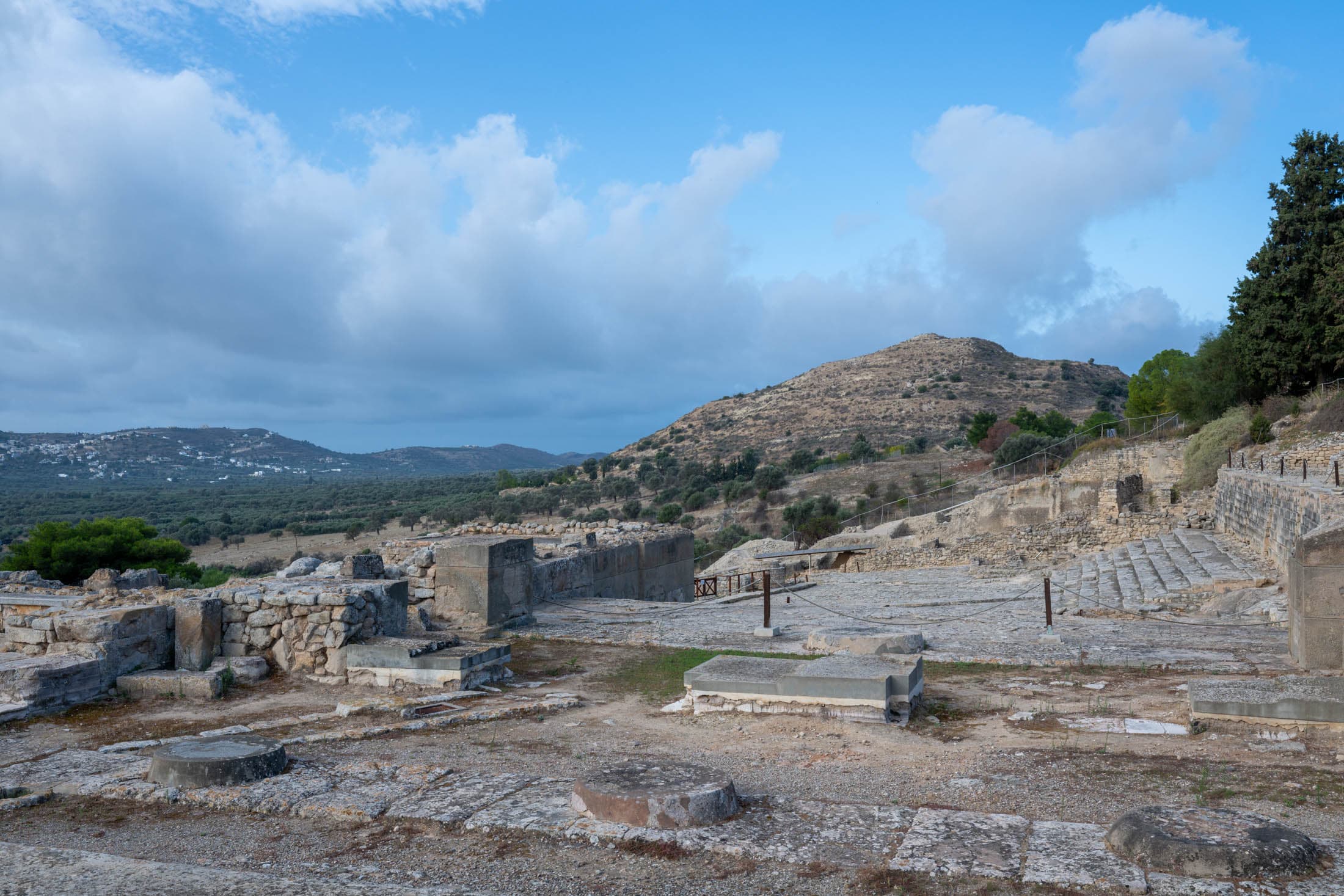
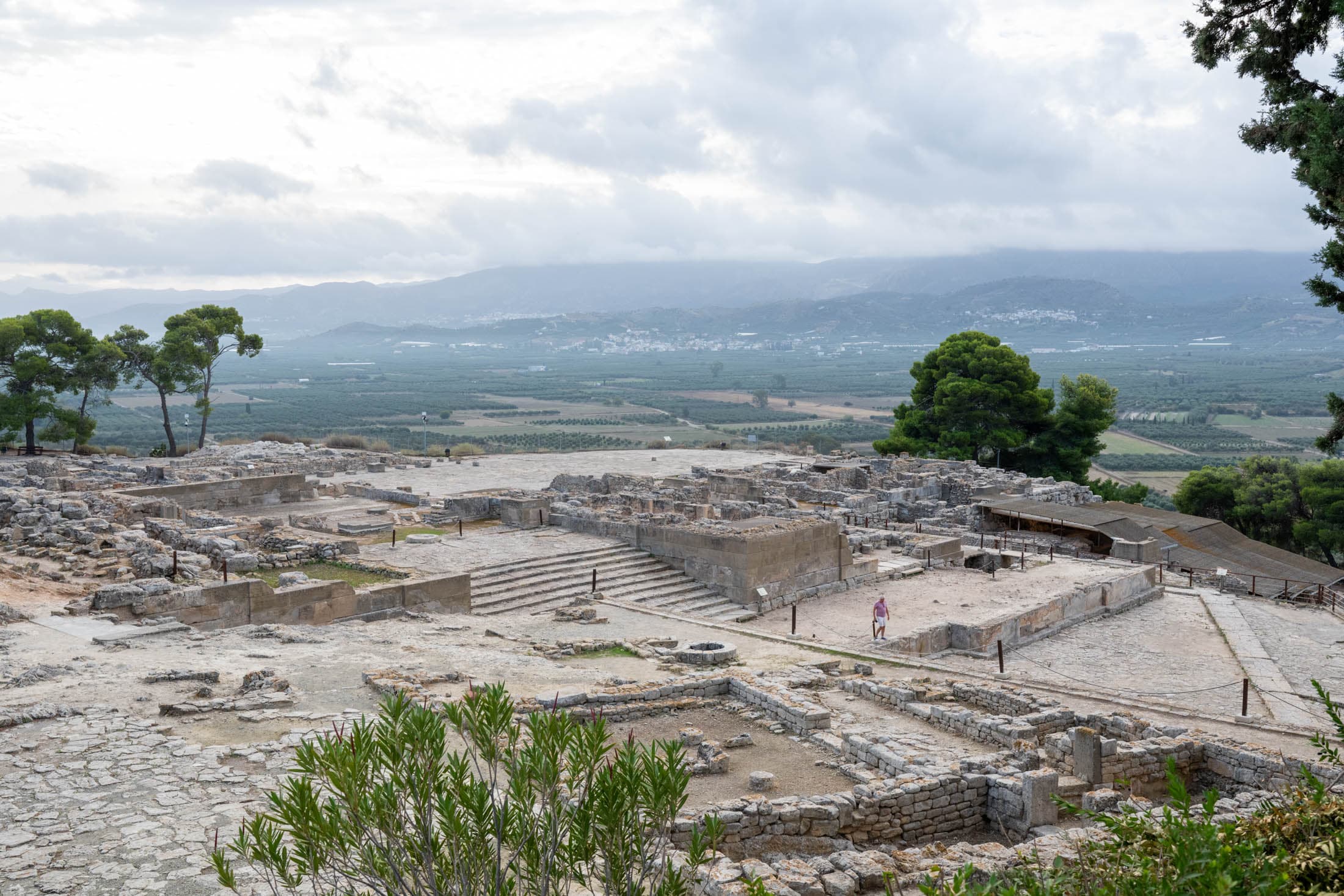
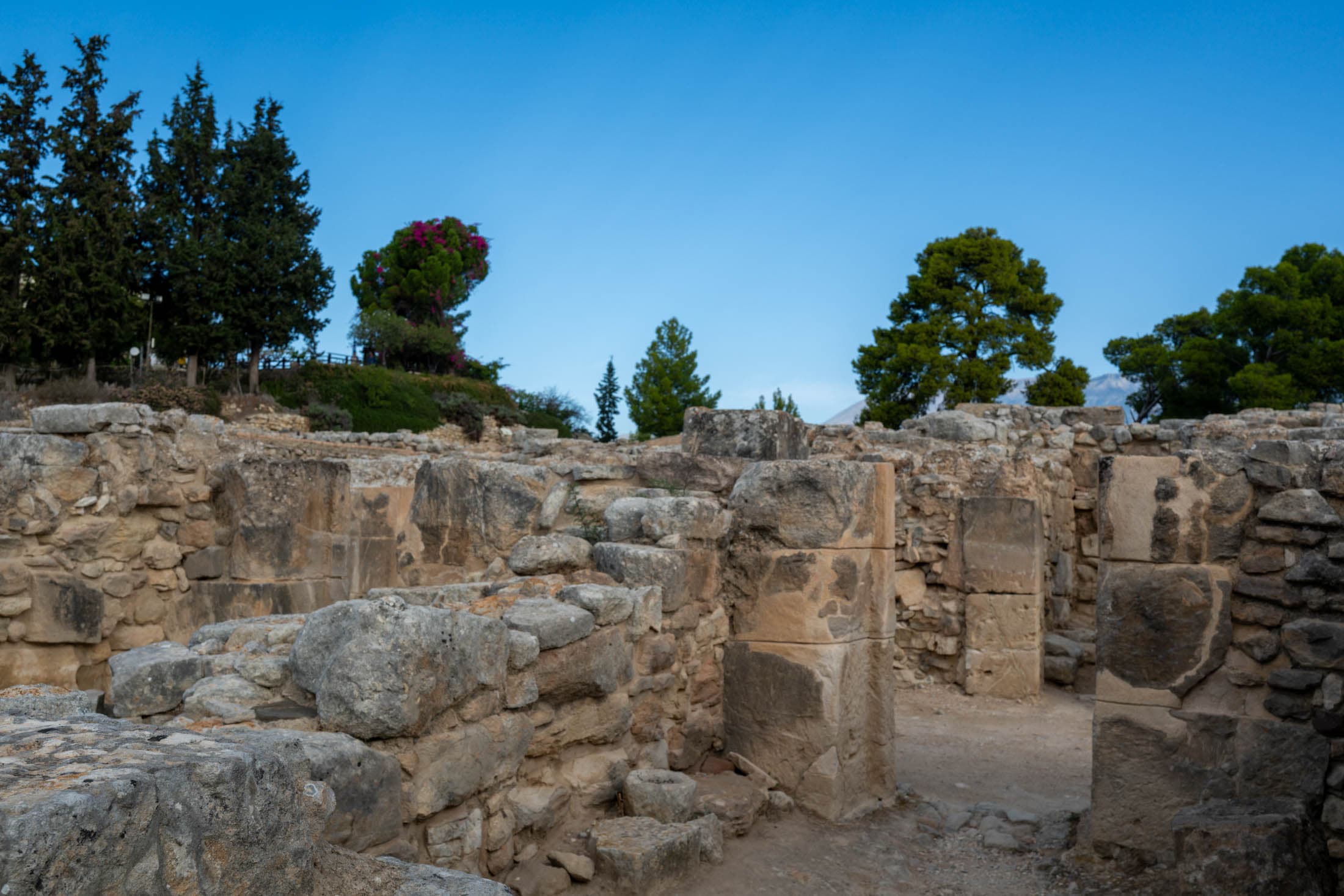
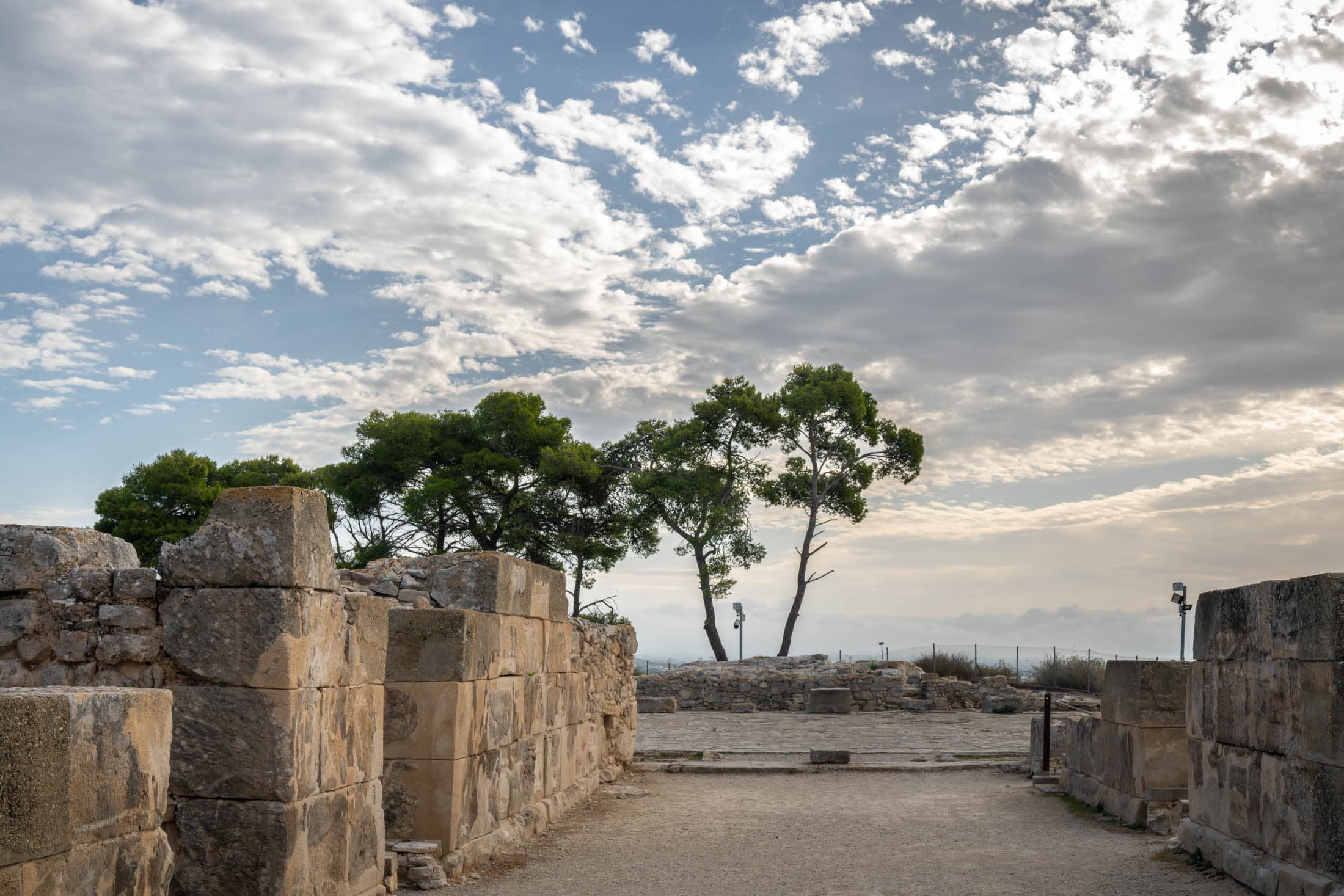
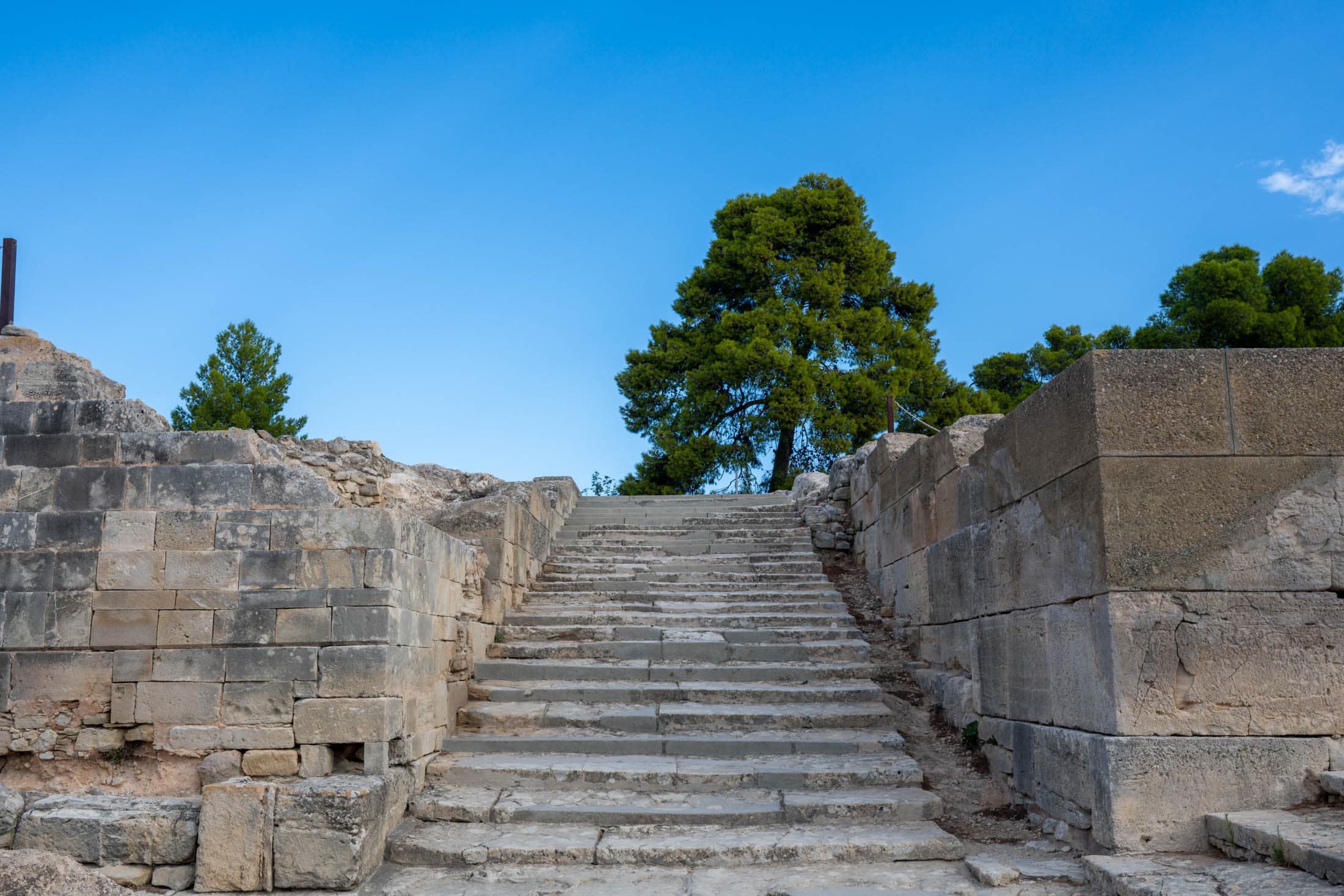
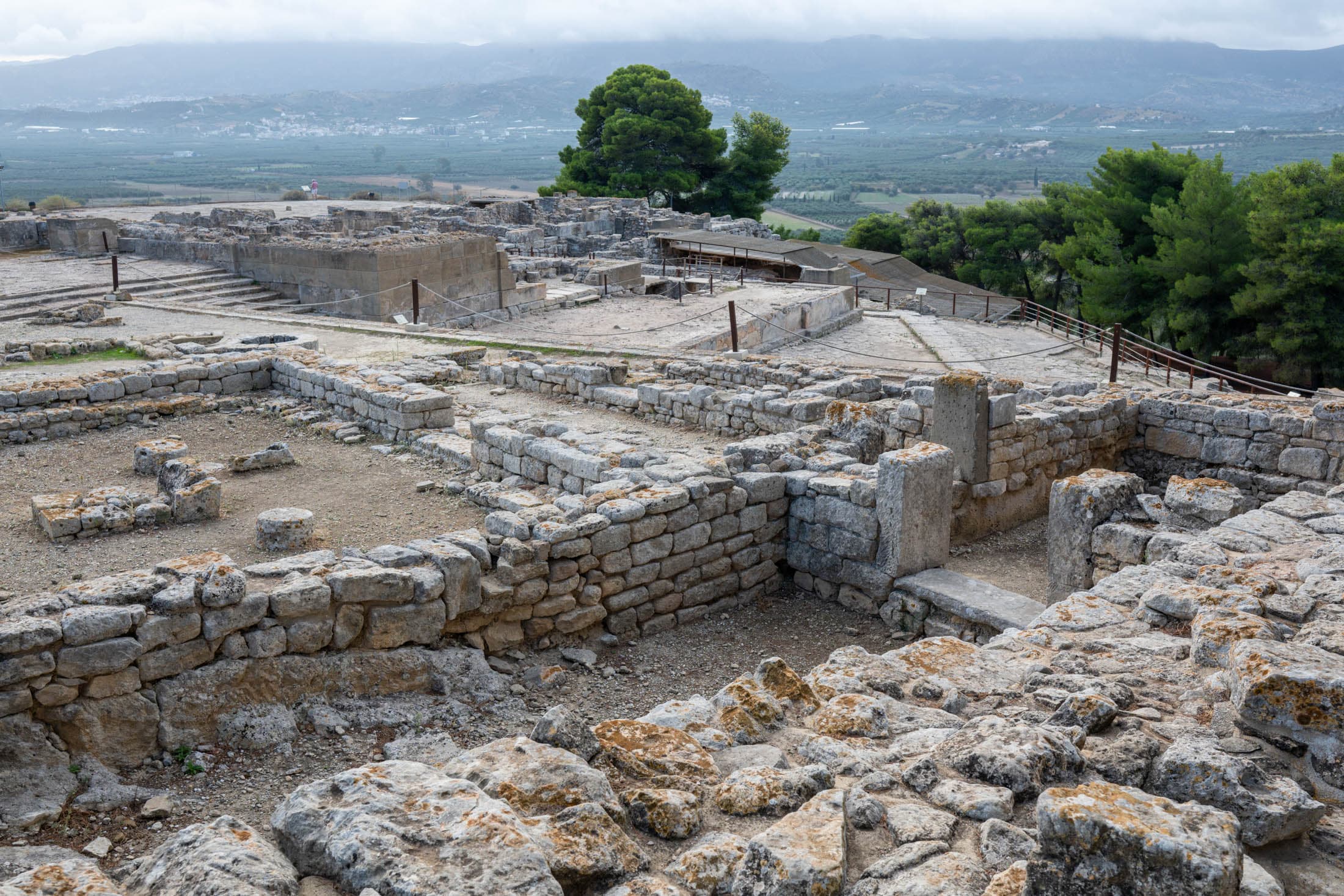
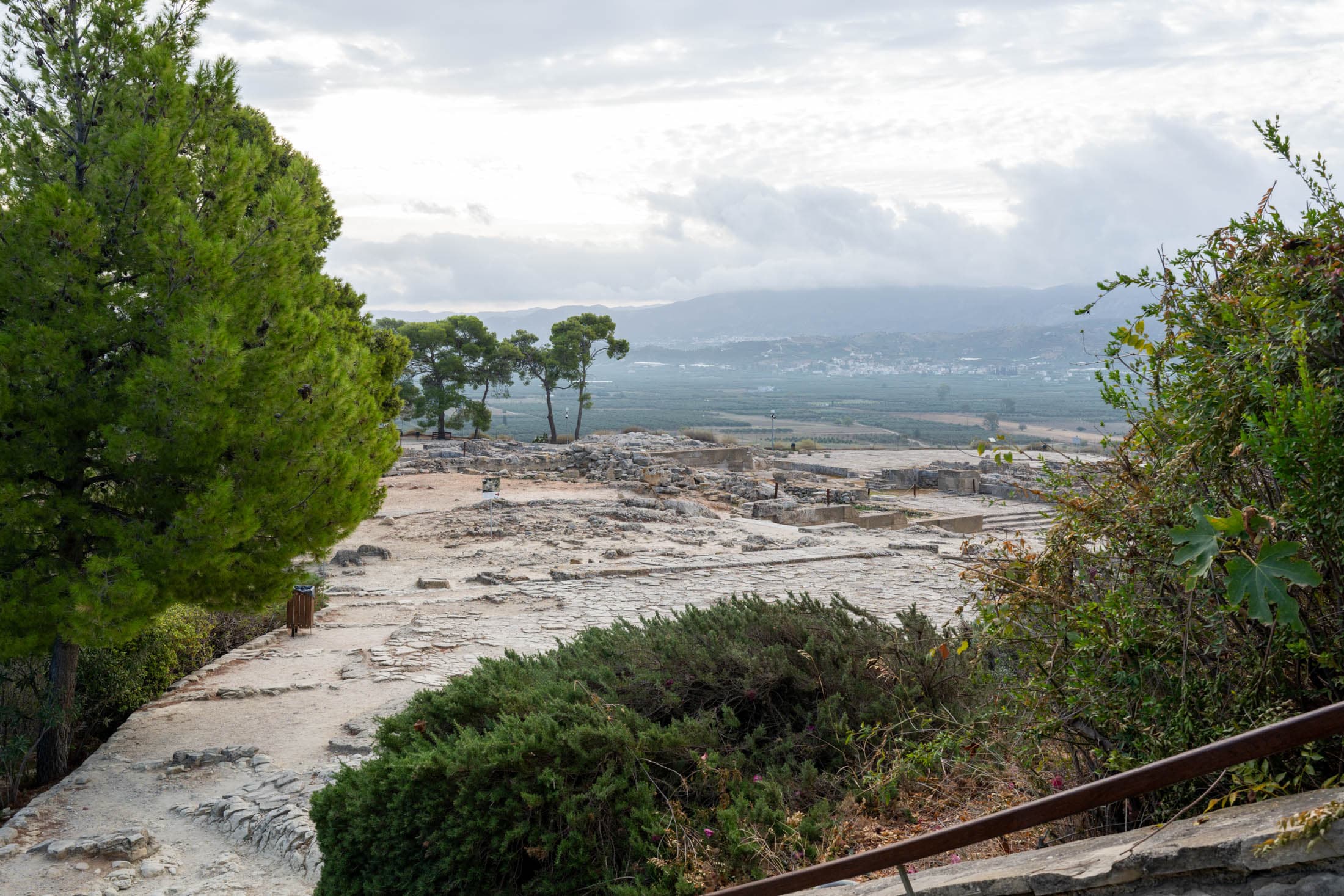
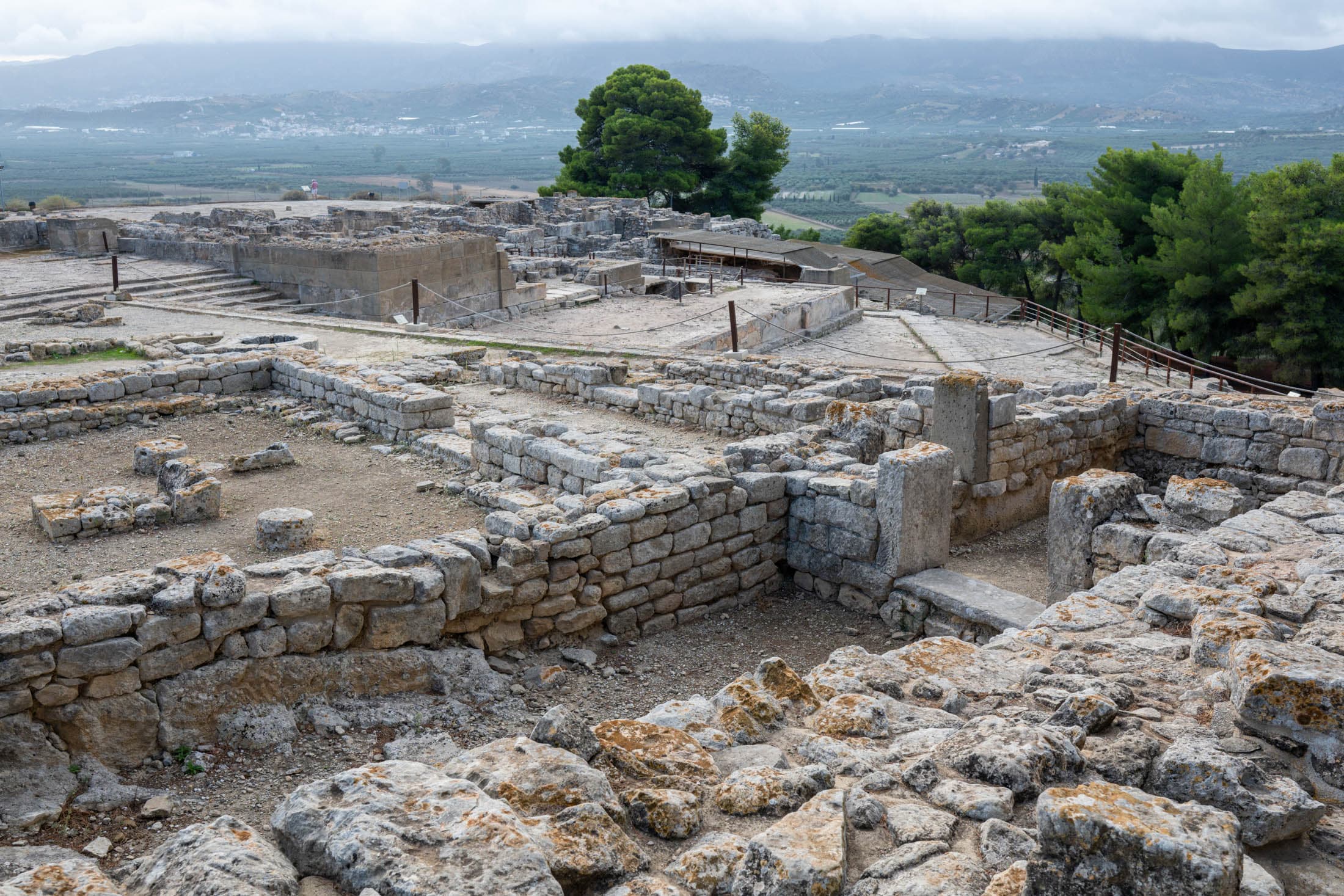
Phaistos, the second most important palace of Crete, was the kingdom of Rhadamanthus, brother of Minos, and is mentioned by Homer as one of the great cities of Crete. This is the place of origin of the renowned Phaistos Disc, one of the most recognisable finds of Minoan civilization, kept at the Archaeological Museum of Heraklion.
In Malia, the palace of Sarpedon revealed excellent examples of art, such as the Bees of Malia pendant, a goldsmithing masterpiece.
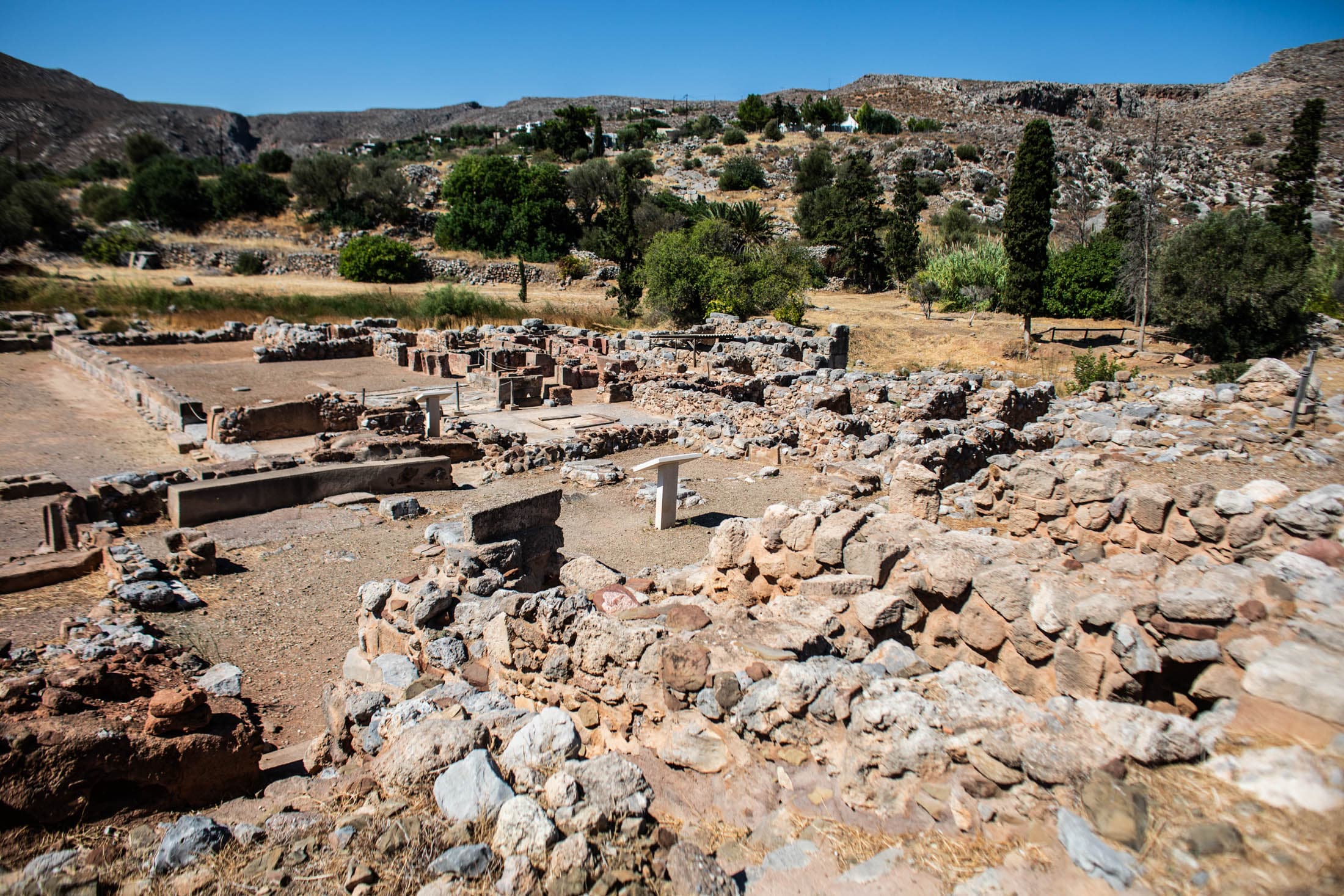
Zakros, on the eastern edge of Crete, reveals the naval power of the Minoans and their trade relations with the East. The relevant finds are exhibited at the Archaeological Museum of Sitia.
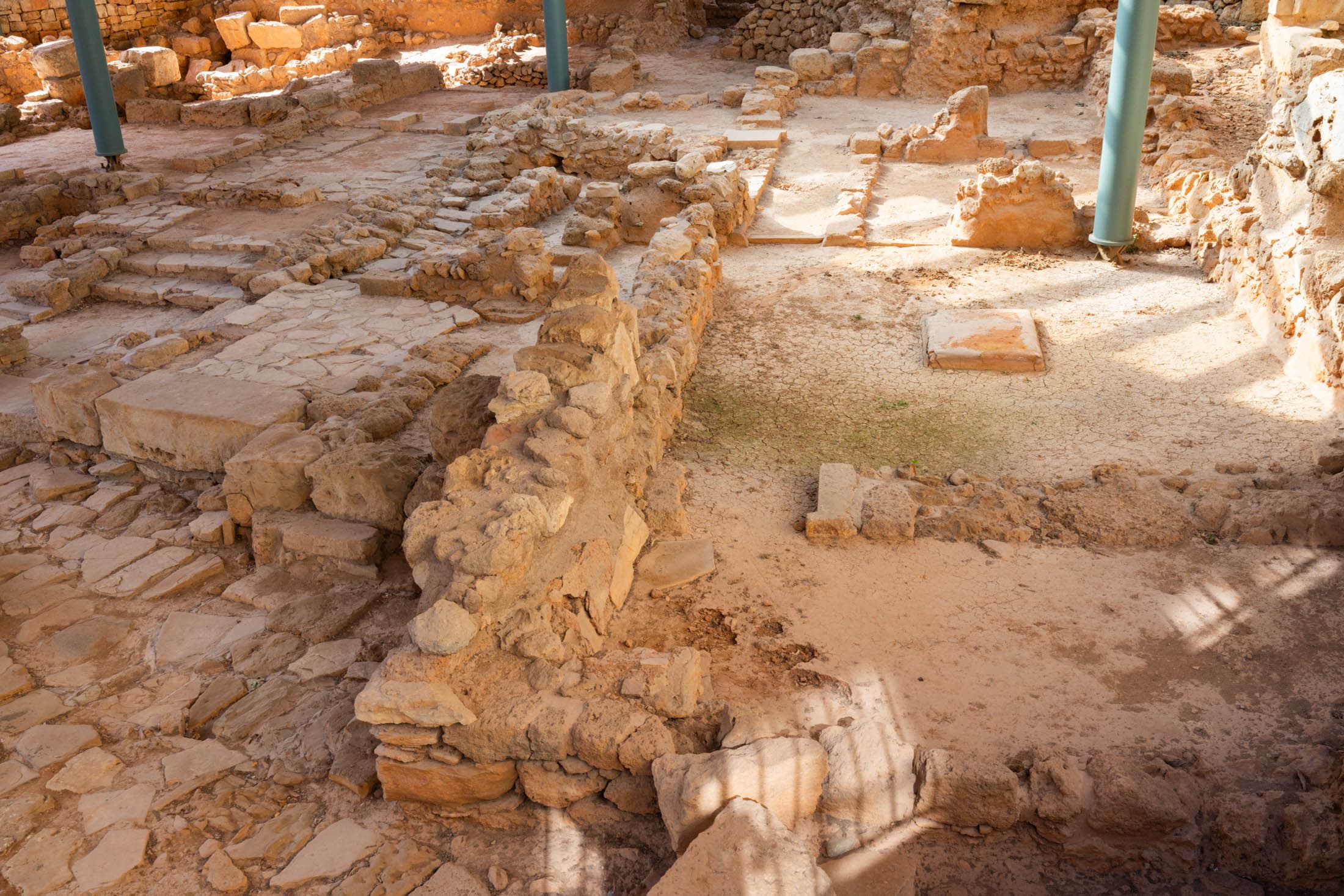
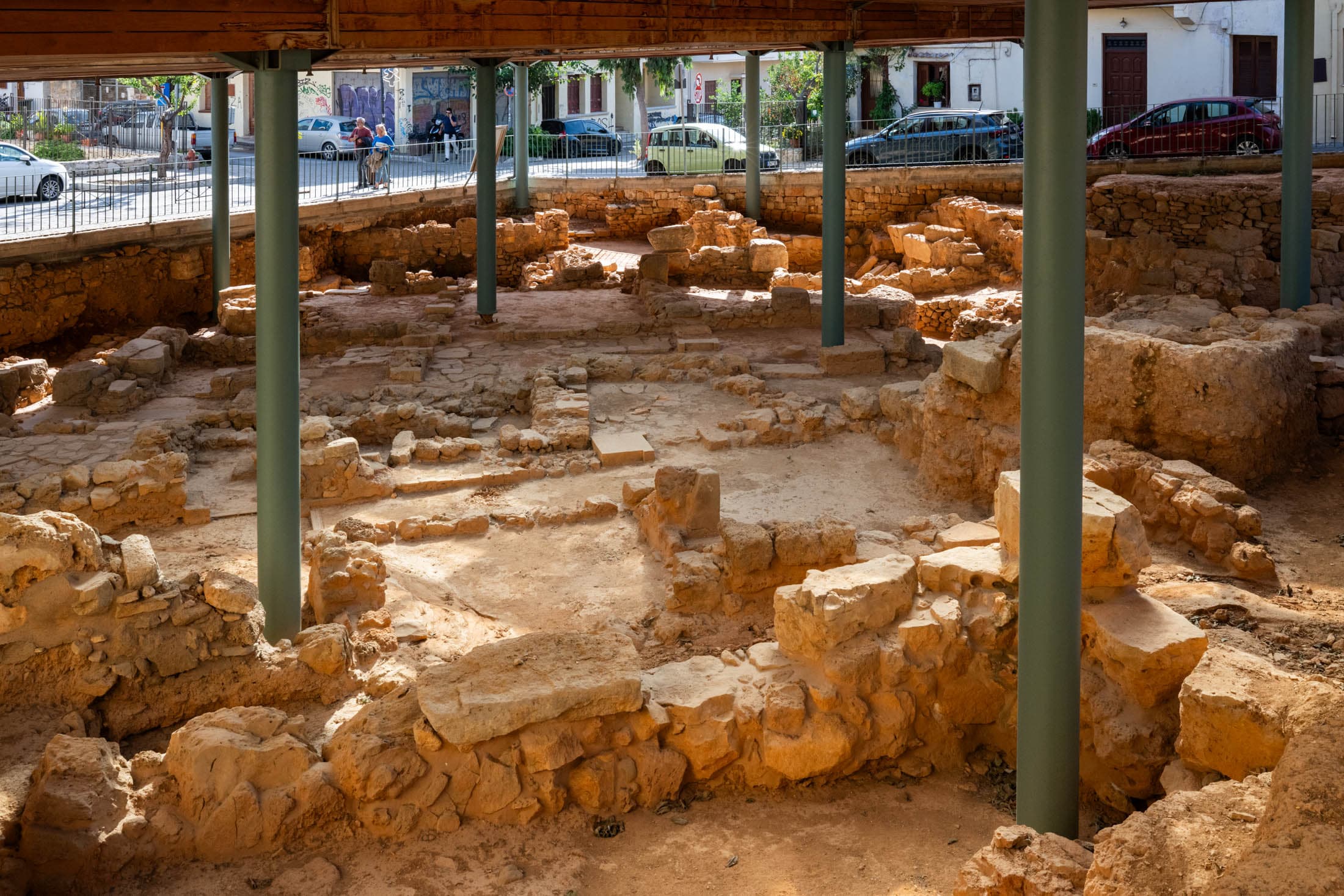
Cydonia, hidden under the modern city of Chania, is revealed through excavations on Kastelli hill and at neighbouring sites. The Seal of the Ruler stands out among other important finds. This unique example of Minoan artistic mastery is kept at the Archaeological Museum of Chania.
Knossos, a few kilometres south of Heraklion, is the most extensive Minoan palace and the seat of mythical king Minos. This is where many emblematic finds originate, such as the frescoes of the Prince of the Lilies, the Dolphins, and La Parisienne, the Bull’s-Head Rhyton, the Throne of King Minos, and the sacred vessels, on exhibit at the Archaeological Museum of Heraklion.
Phaistos, the second most important palace of Crete, was the kingdom of Rhadamanthus, brother of Minos, and is mentioned by Homer as one of the great cities of Crete. This is the place of origin of the renowned Phaistos Disc, one of the most recognisable finds of Minoan civilization, kept at the Archaeological Museum of Heraklion.
In Malia, the palace of Sarpedon revealed excellent examples of art, such as the Bees of Malia pendant, a goldsmithing masterpiece.
Zakros, on the eastern edge of Crete, reveals the naval power of the Minoans and their trade relations with the East. The relevant finds are exhibited at the Archaeological Museum of Sitia.
Cydonia, hidden under the modern city of Chania, is revealed through excavations on Kastelli hill and at neighbouring sites. The Seal of the Ruler stands out among other important finds. This unique example of Minoan artistic mastery is kept at the Archaeological Museum of Chania.