A monument of theatrical architecture with a long history
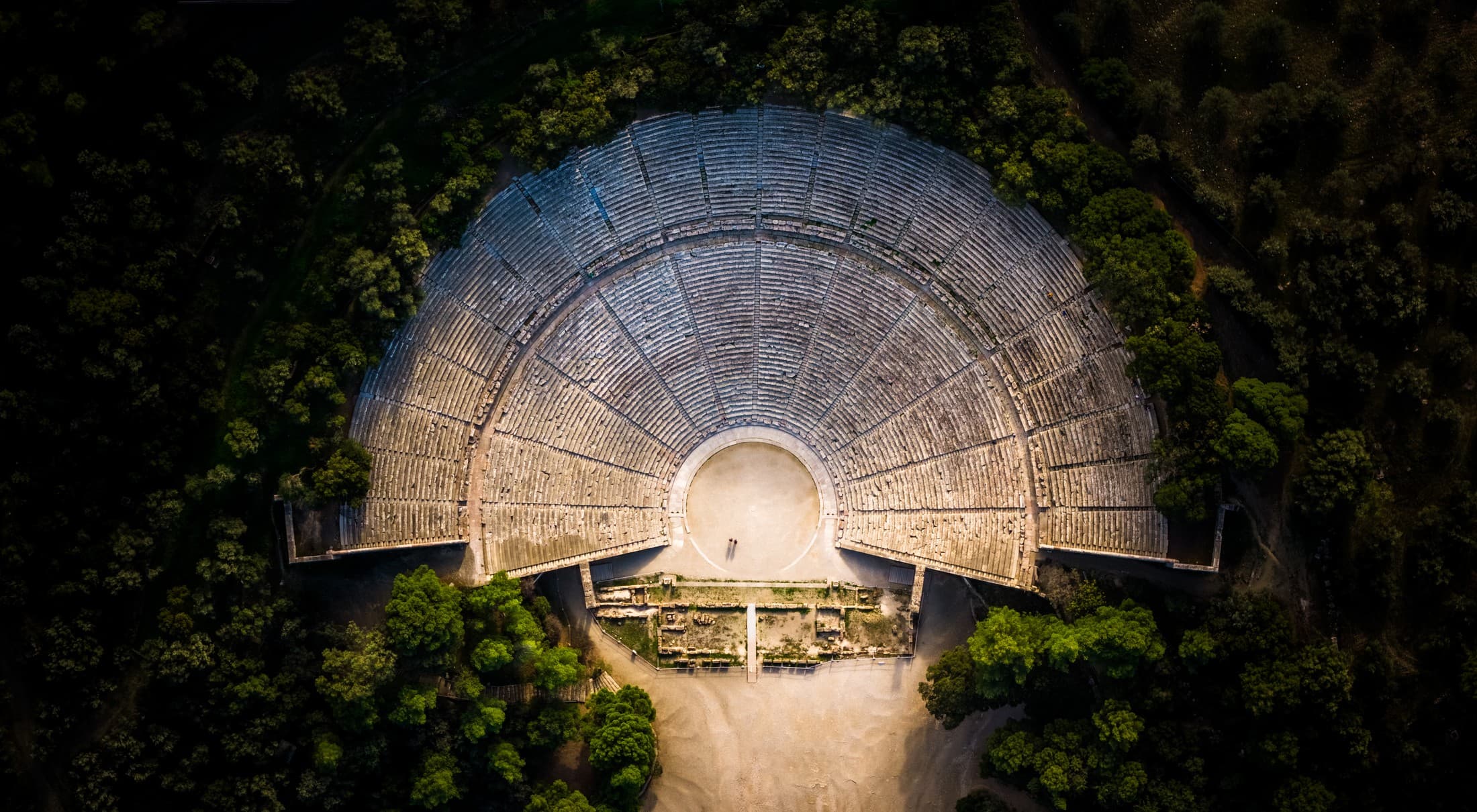
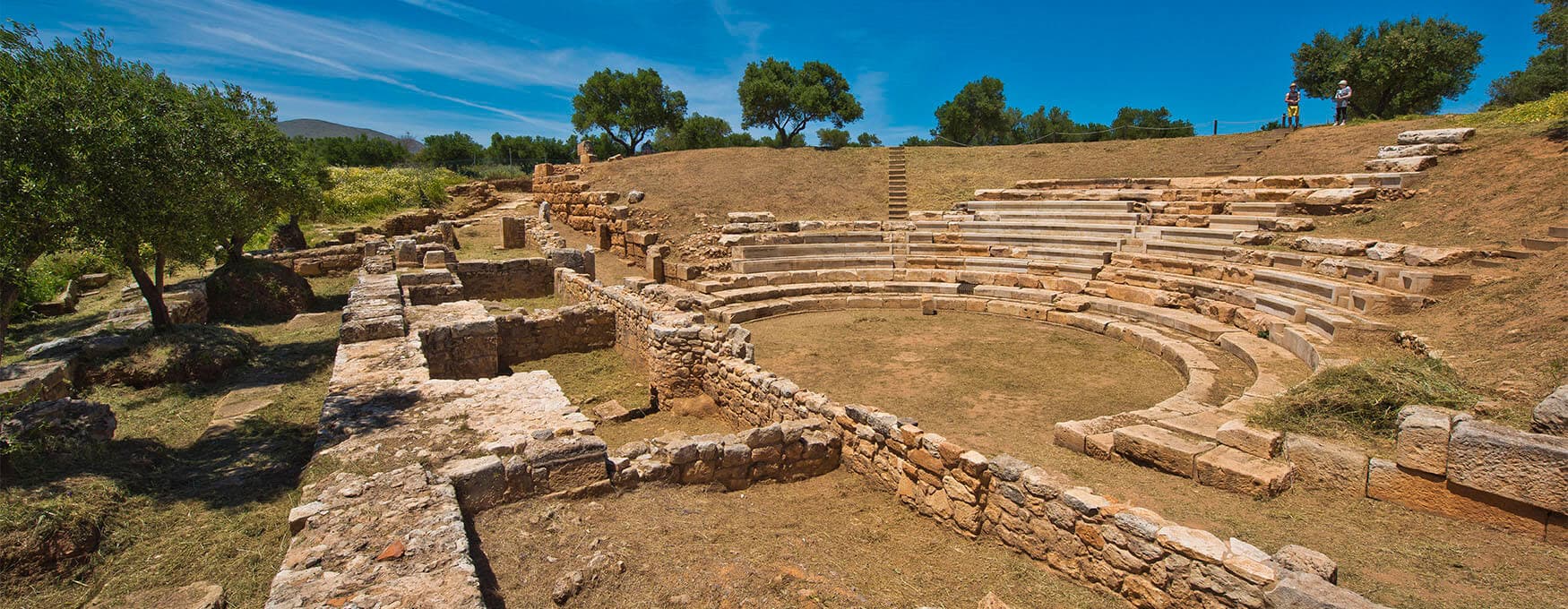
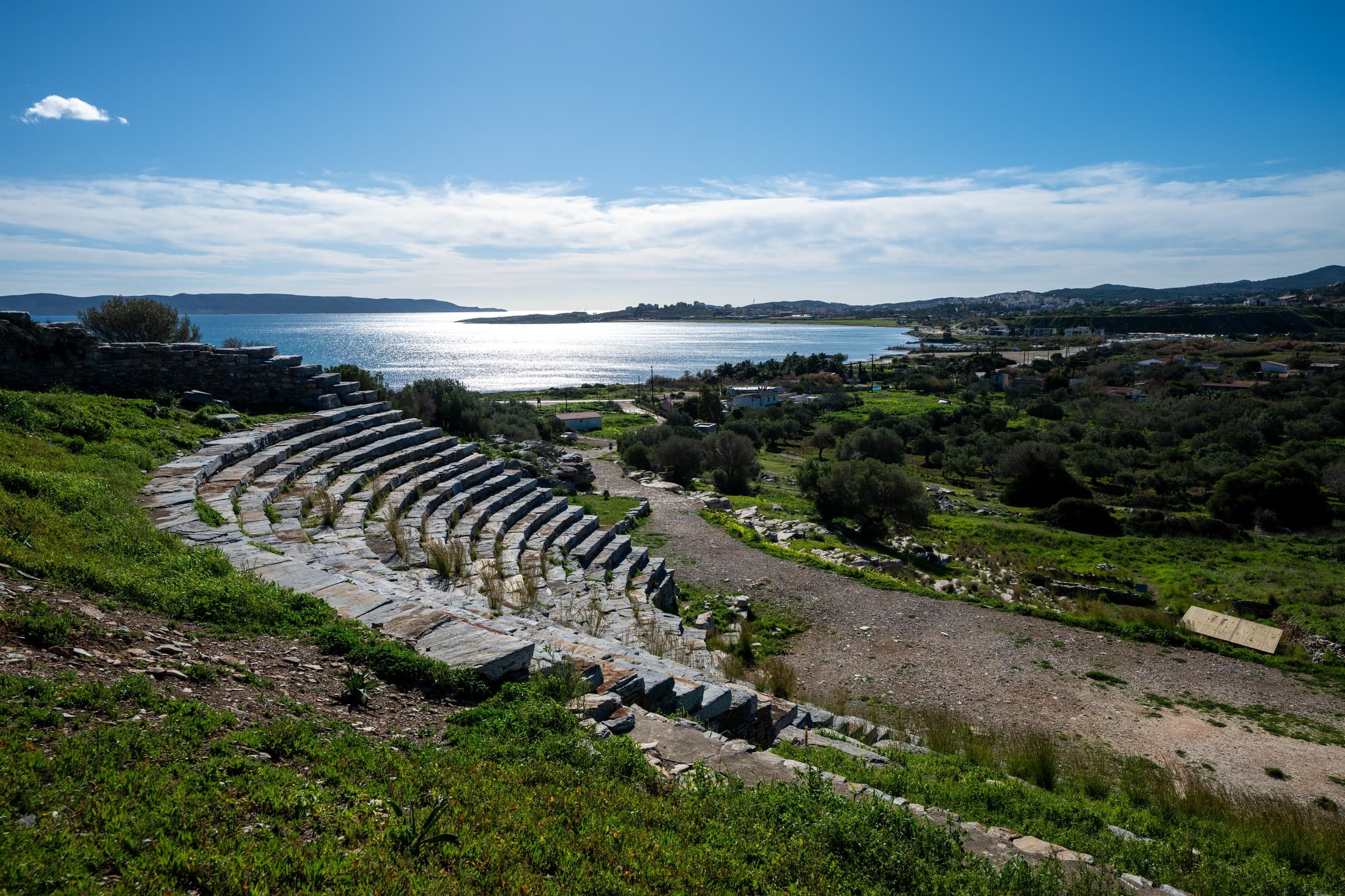
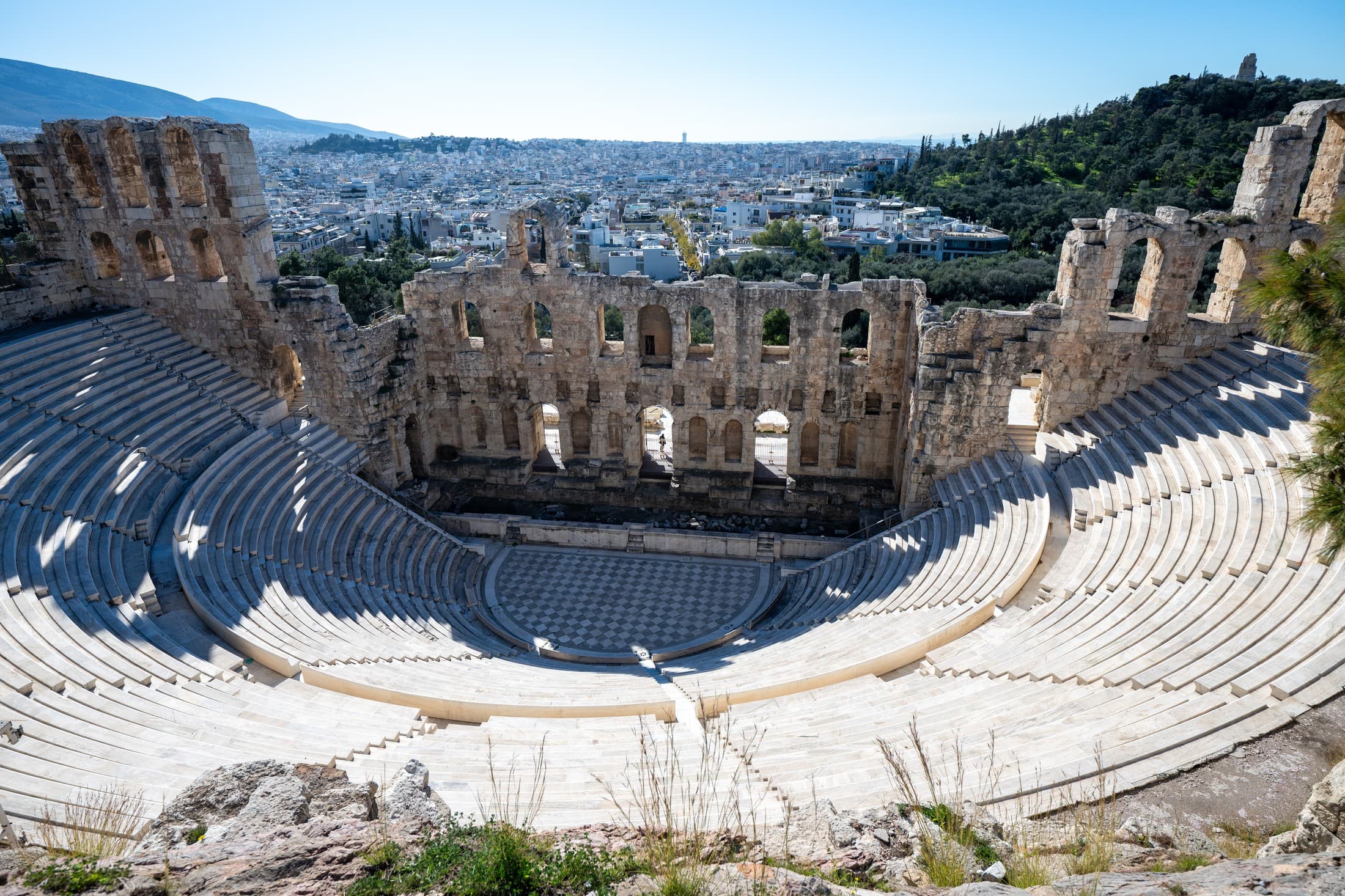
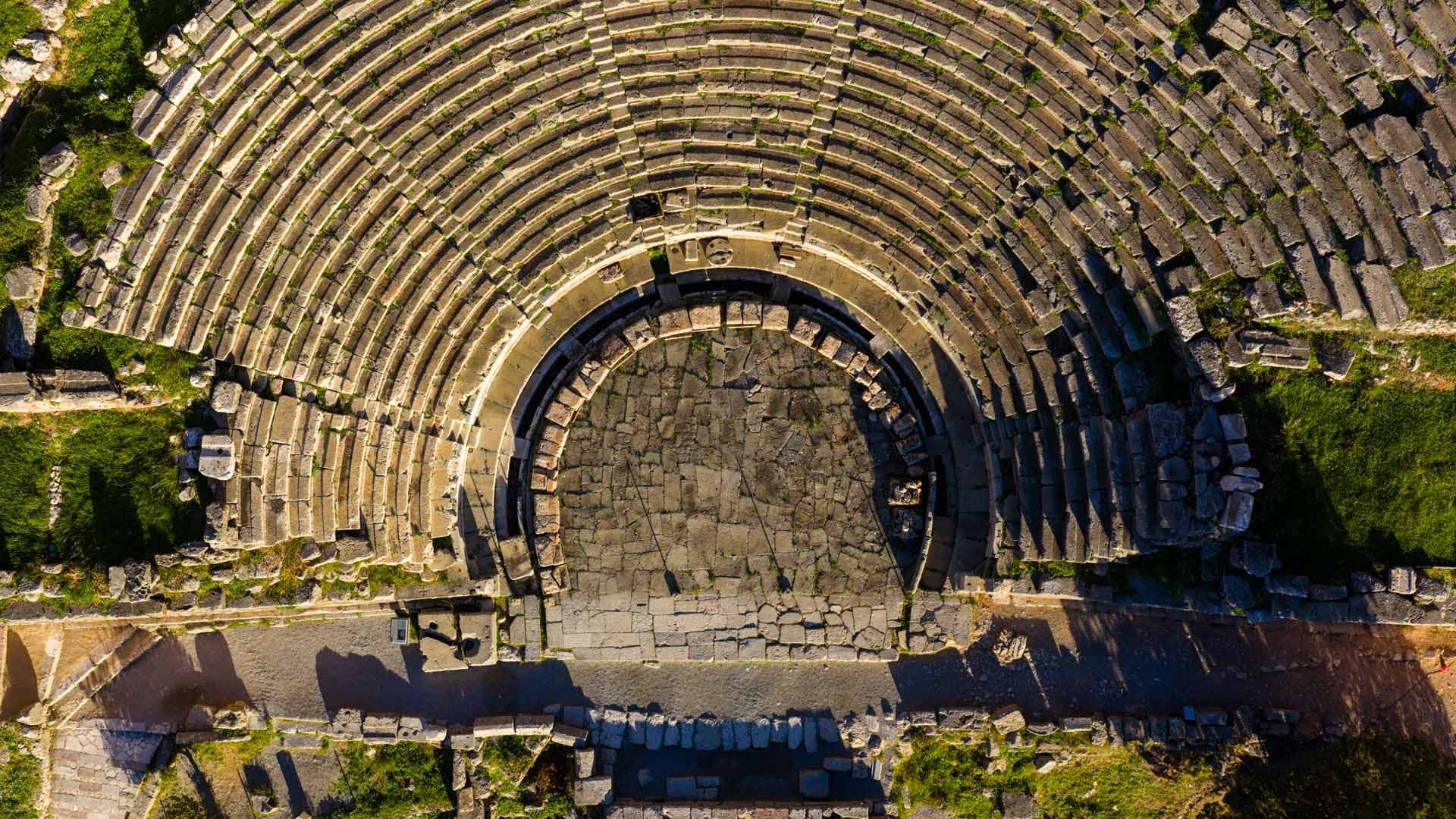
Eleven seating sections, ten stairways, and a capacity of 6,300 spectators—these are the defining features of the Ancient Theatre of Eretria, one of the oldest known monuments of its kind. The theatre, along with the city itself, reached its peak during the 4th century BC.
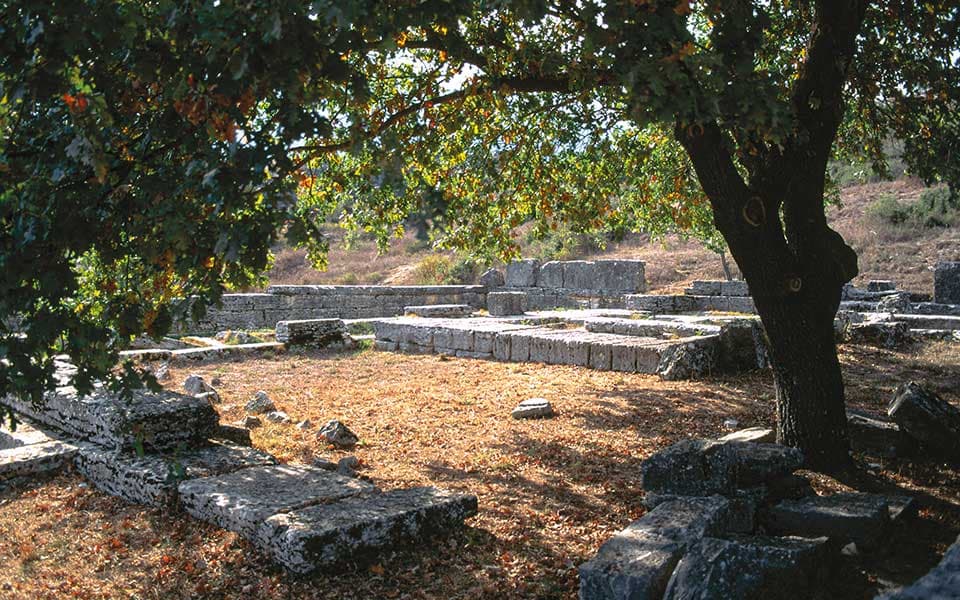
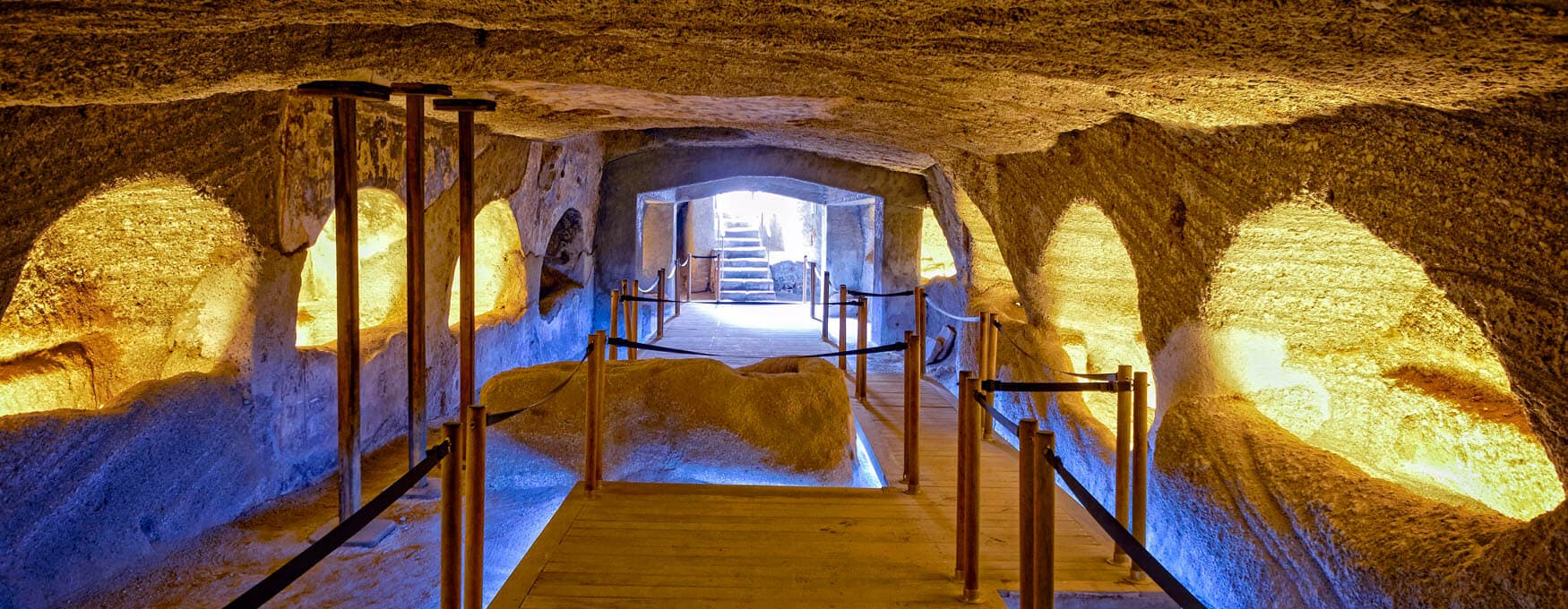
Although most of the stone seats have been stolen, you can still form a vivid impression of its former grandeur. One of its most striking elements is the impressive underground vaulted passage, built in the same period, which allowed actors to enter directly into the orchestra. Equally remarkable was the stage, with its Ionic façade, parts of which still survive today.
Archaeological finds have revealed that an earlier theatre stood on the same site as early as the 5th century BC—one that appears to have resembled a palace more than a traditional theatre. Built on an artificial hill, it was destroyed by the Romans in 198 BC, along with the rest of the city. It was later rebuilt, though not to its original splendour.
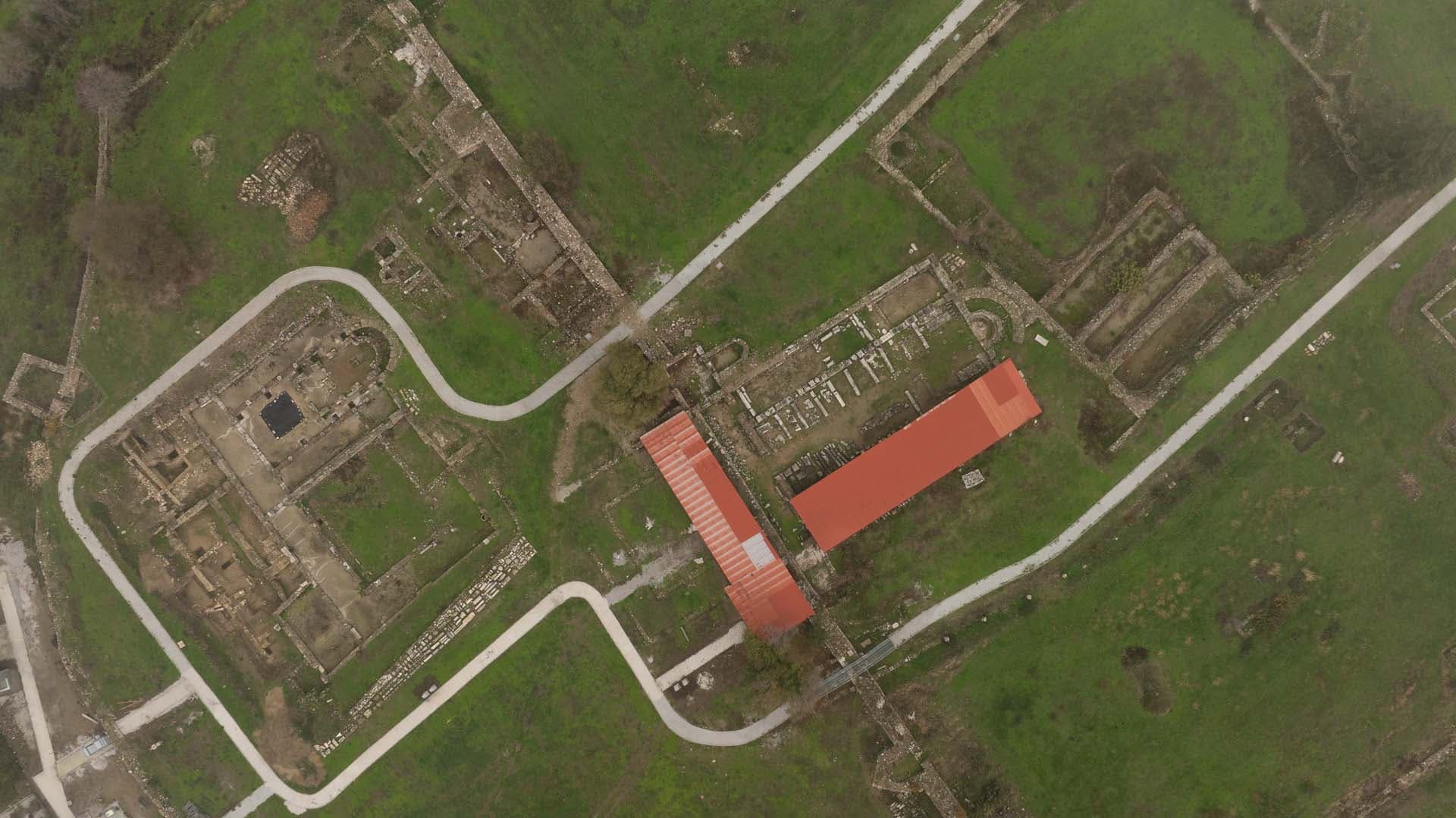
The theatre is part of a wider complex of public spaces in the ancient city, located between the western gate, the stadium, and the upper gymnasium, while a sanctuary of Dionysus has been uncovered nearby. This prominent position highlights its central role in the social and cultural life of Eretria’s inhabitants thousands of years ago.
Although most of the stone seats have been stolen, you can still form a vivid impression of its former grandeur. One of its most striking elements is the impressive underground vaulted passage, built in the same period, which allowed actors to enter directly into the orchestra. Equally remarkable was the stage, with its Ionic façade, parts of which still survive today.
Archaeological finds have revealed that an earlier theatre stood on the same site as early as the 5th century BC—one that appears to have resembled a palace more than a traditional theatre. Built on an artificial hill, it was destroyed by the Romans in 198 BC, along with the rest of the city. It was later rebuilt, though not to its original splendour.
The theatre is part of a wider complex of public spaces in the ancient city, located between the western gate, the stadium, and the upper gymnasium, while a sanctuary of Dionysus has been uncovered nearby. This prominent position highlights its central role in the social and cultural life of Eretria’s inhabitants thousands of years ago.