The elusive first sanctuary of the Aegean
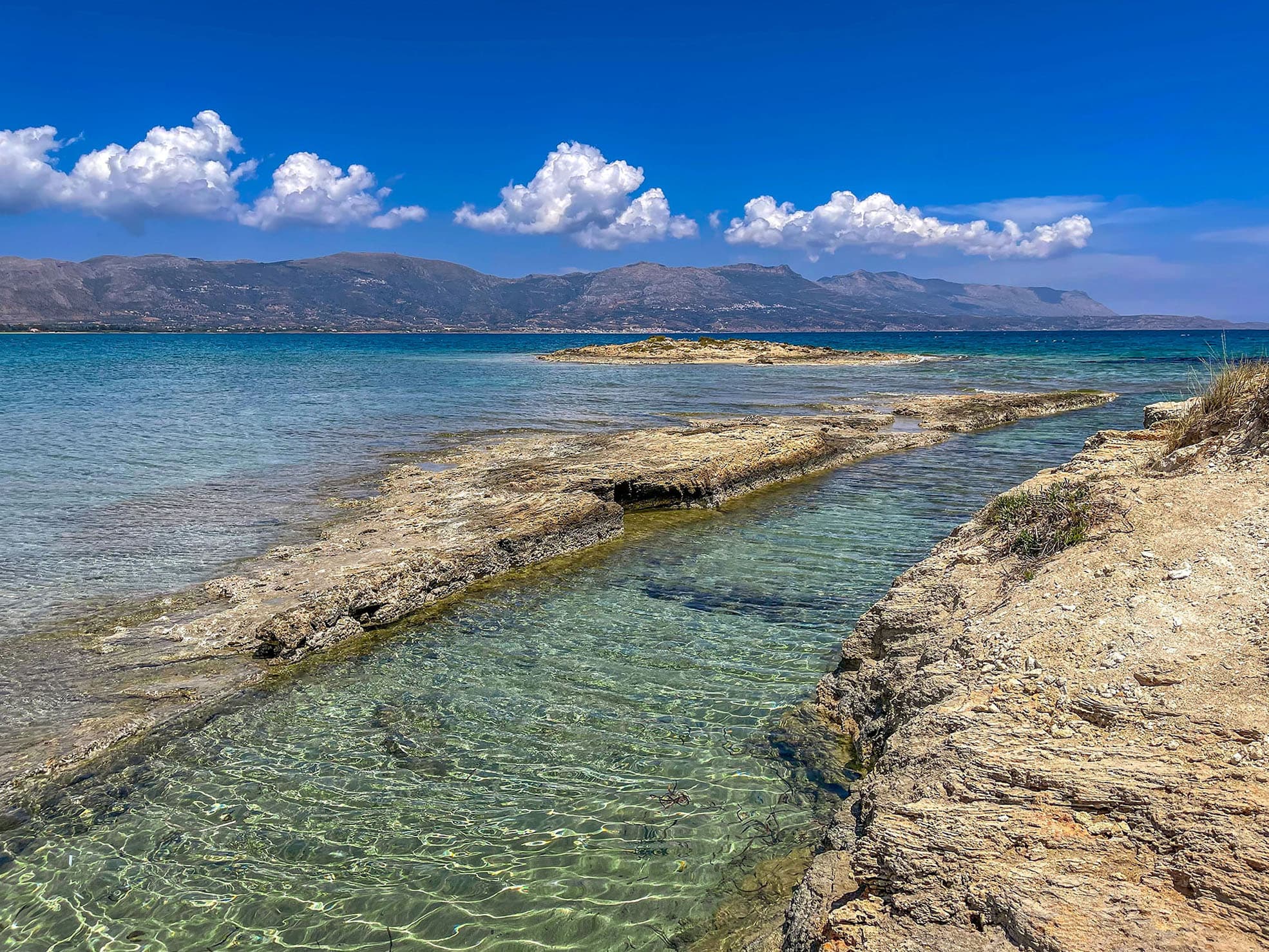
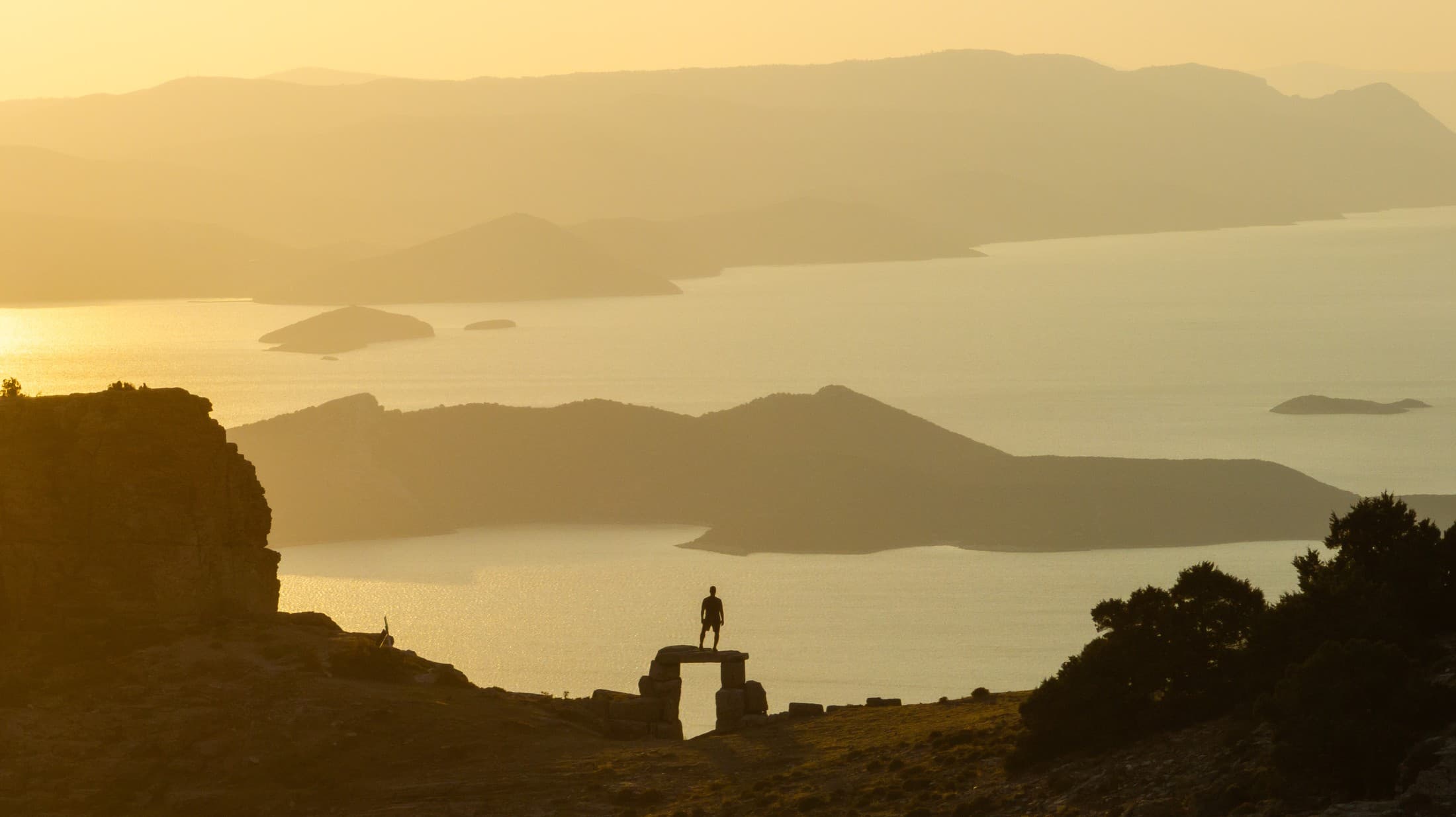
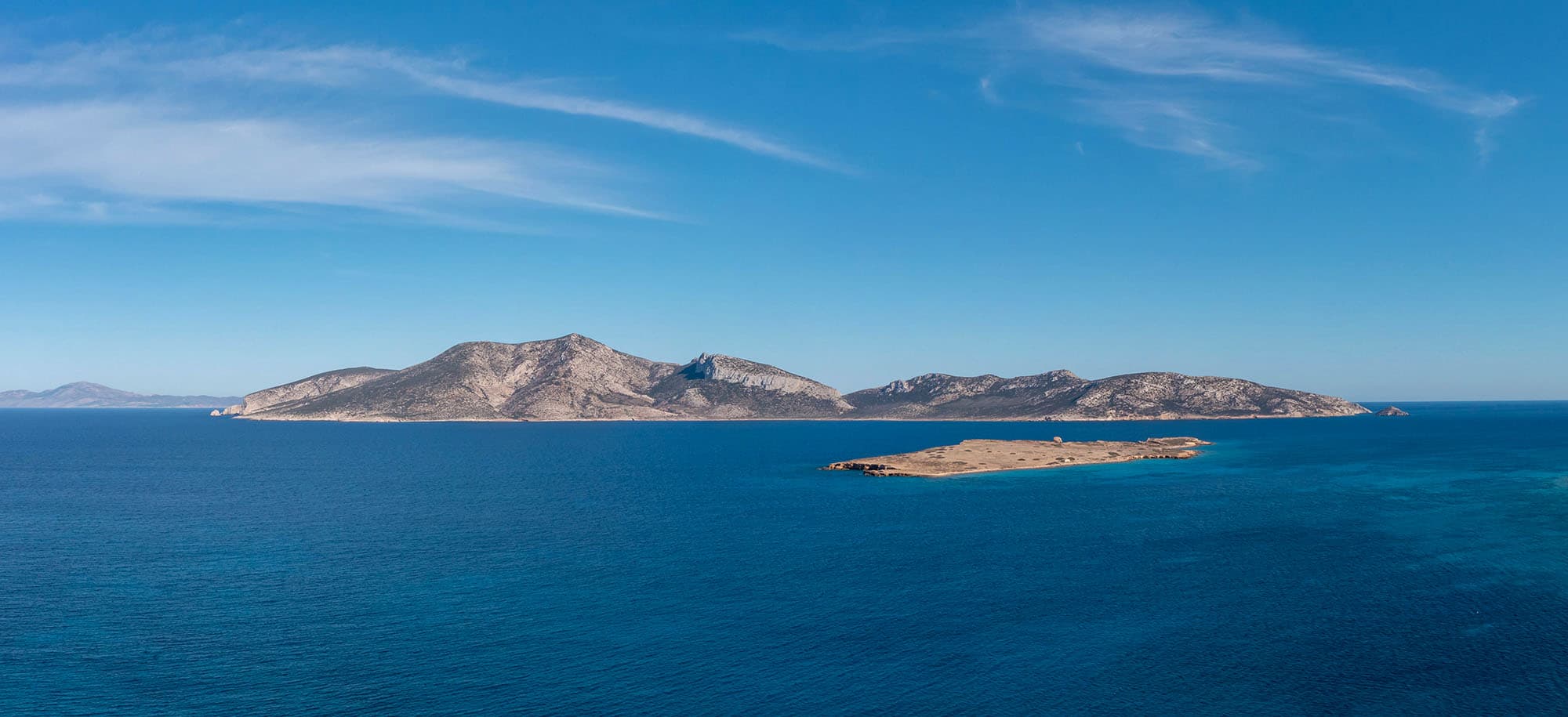
Opposite Koufonisia lies Keros, an uninhabited island that whispers the beginnings of the Aegean. Small, arid, almost otherworldly – yet utterly magnetic. Keros was the sacred centre of the Early Cycladic civilisation, a place of rituals and depositions where, five millennia ago, people left fragments of marble figurines as secret offerings to the gods or in memory of their dead.
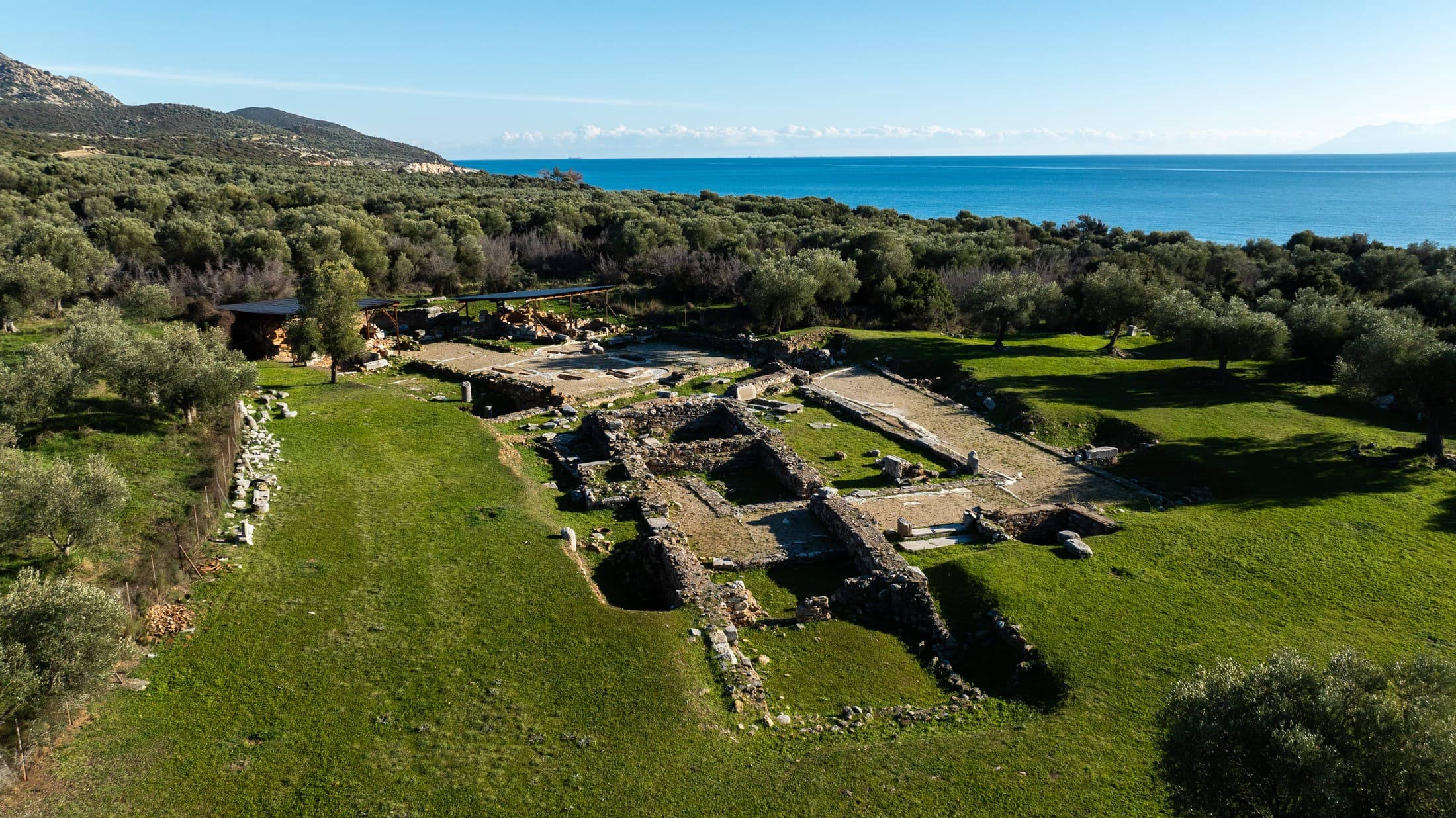
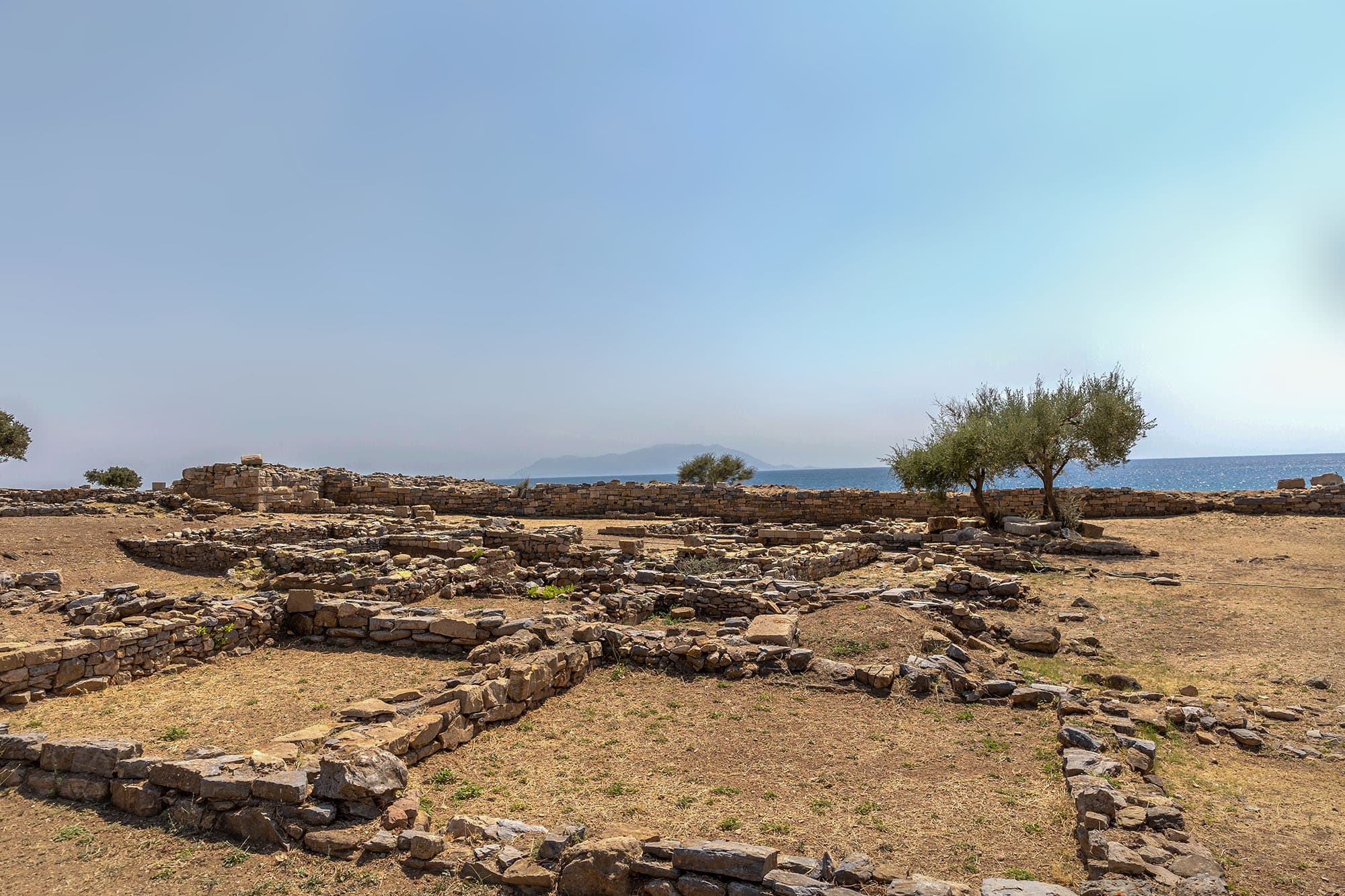
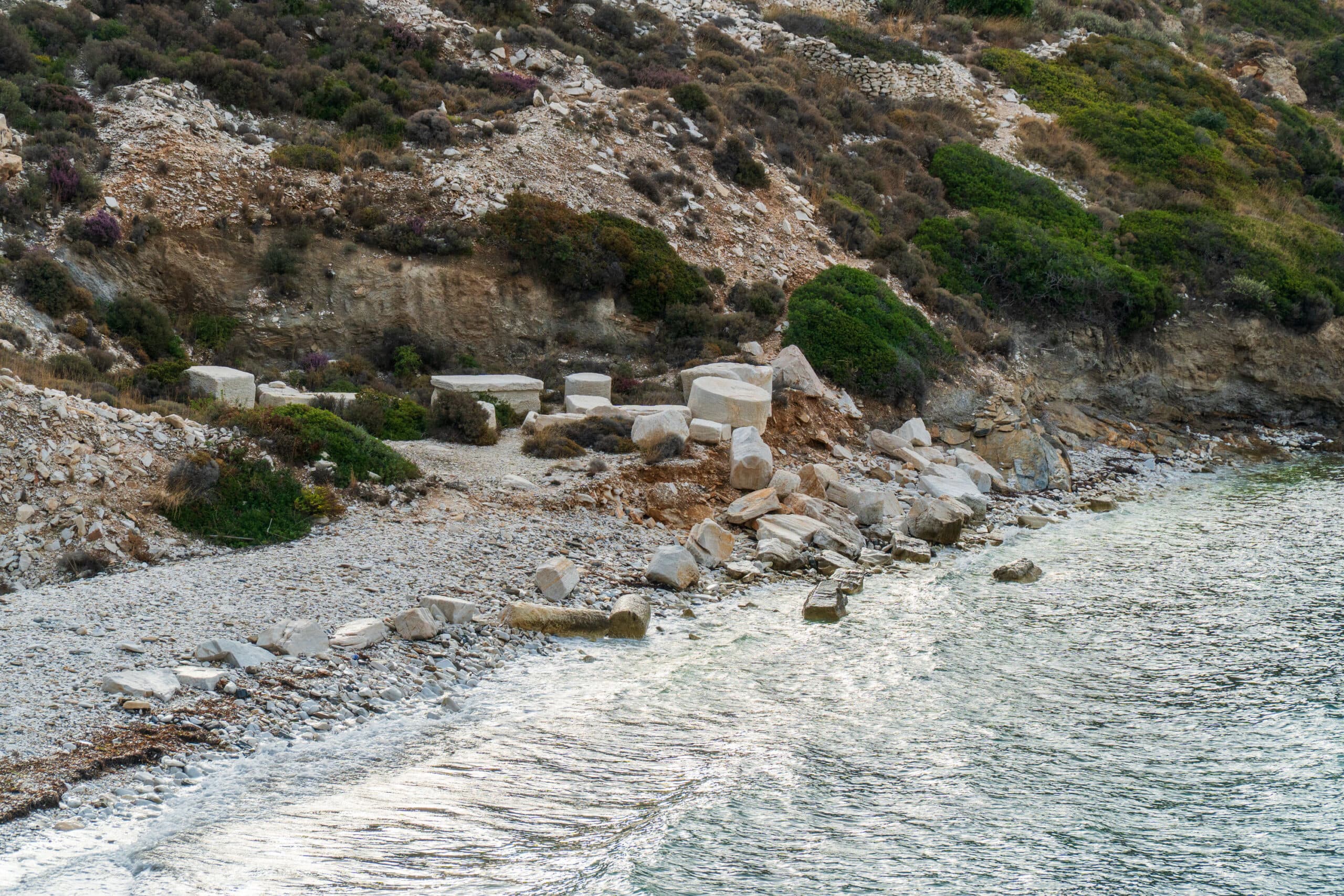
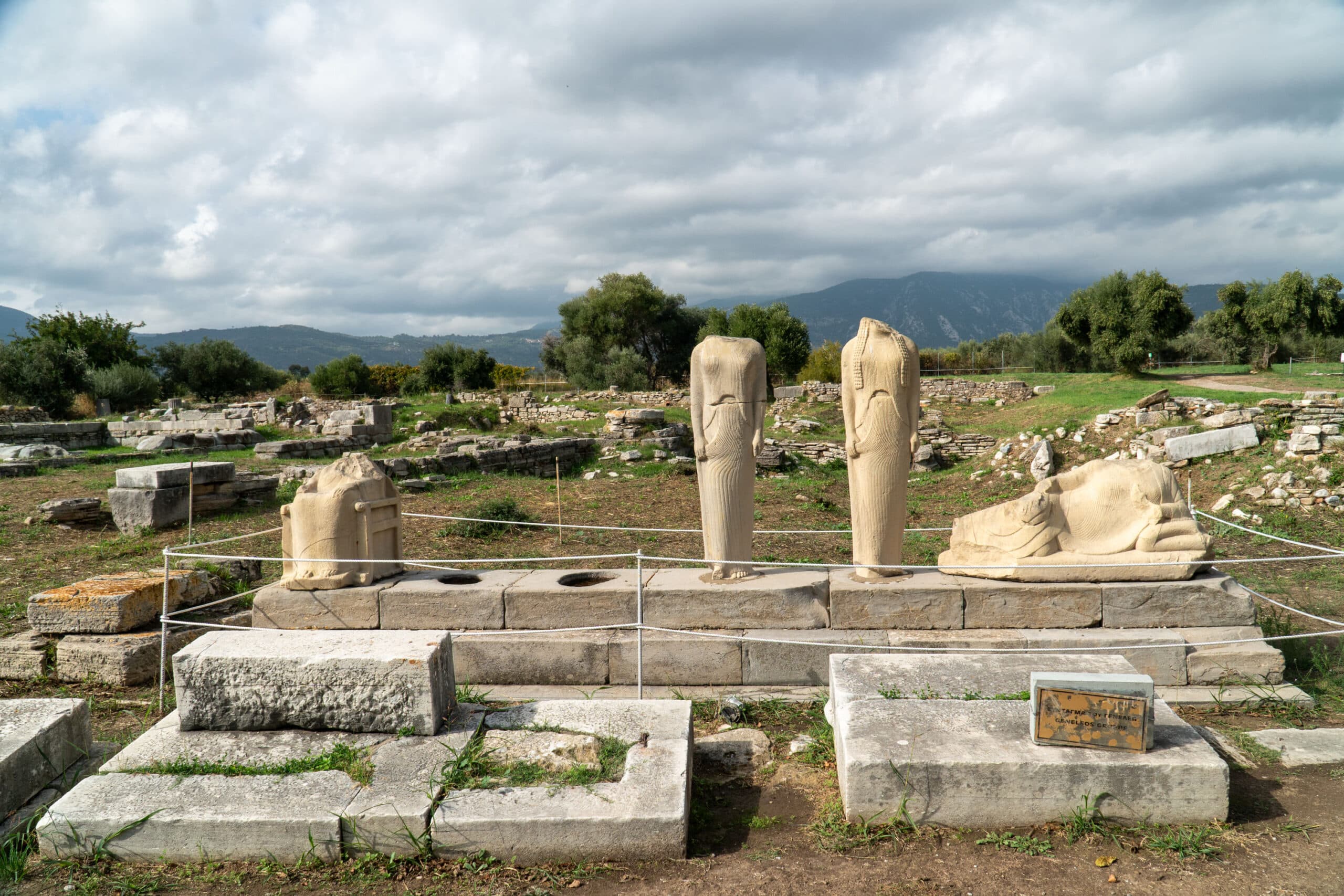
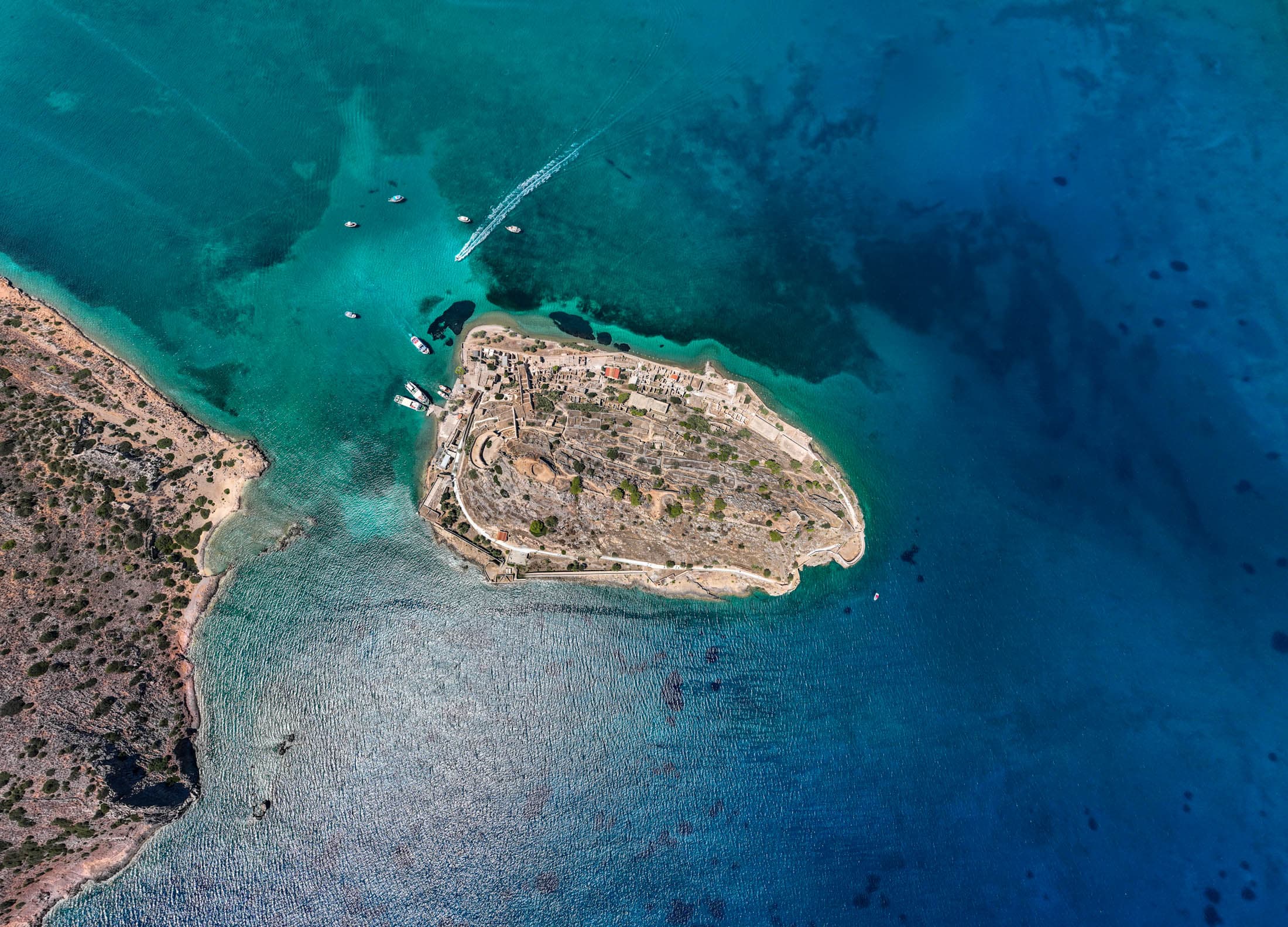
Archaeologists call it “the first sanctuary of the Aegean”. At its western tip, at the site of Kavos, hundreds of broken figurines from the Early Cycladic period came to light. This enigmatic collection that led to the theory of a pan-Cycladic place of worship. A little further away, the small islet of Daskalio —today separate but once joined to Keros by a narrow strip of land— revealed an impressive settlement built with marble from Naxos, perhaps the first “city” in the Aegean.
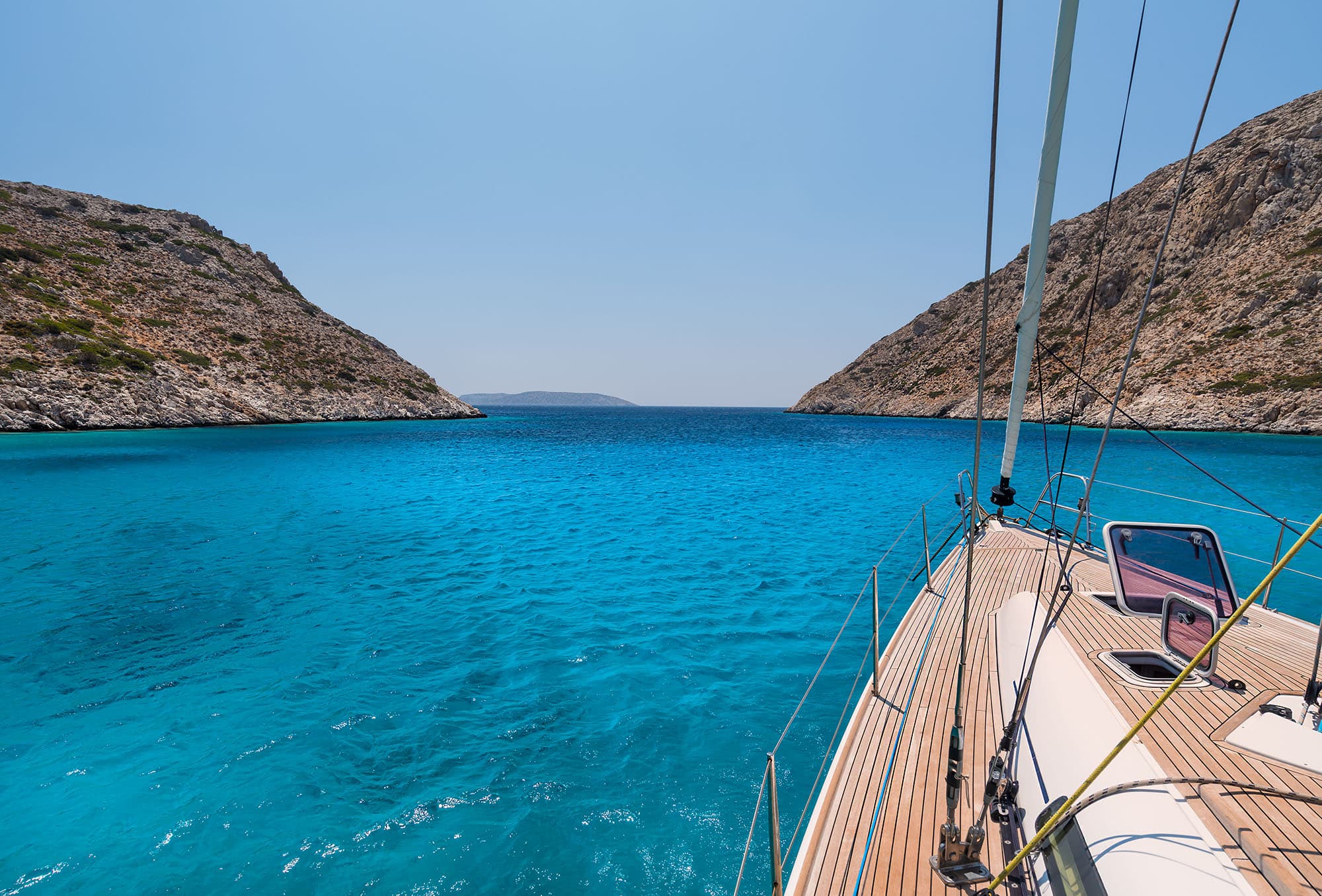
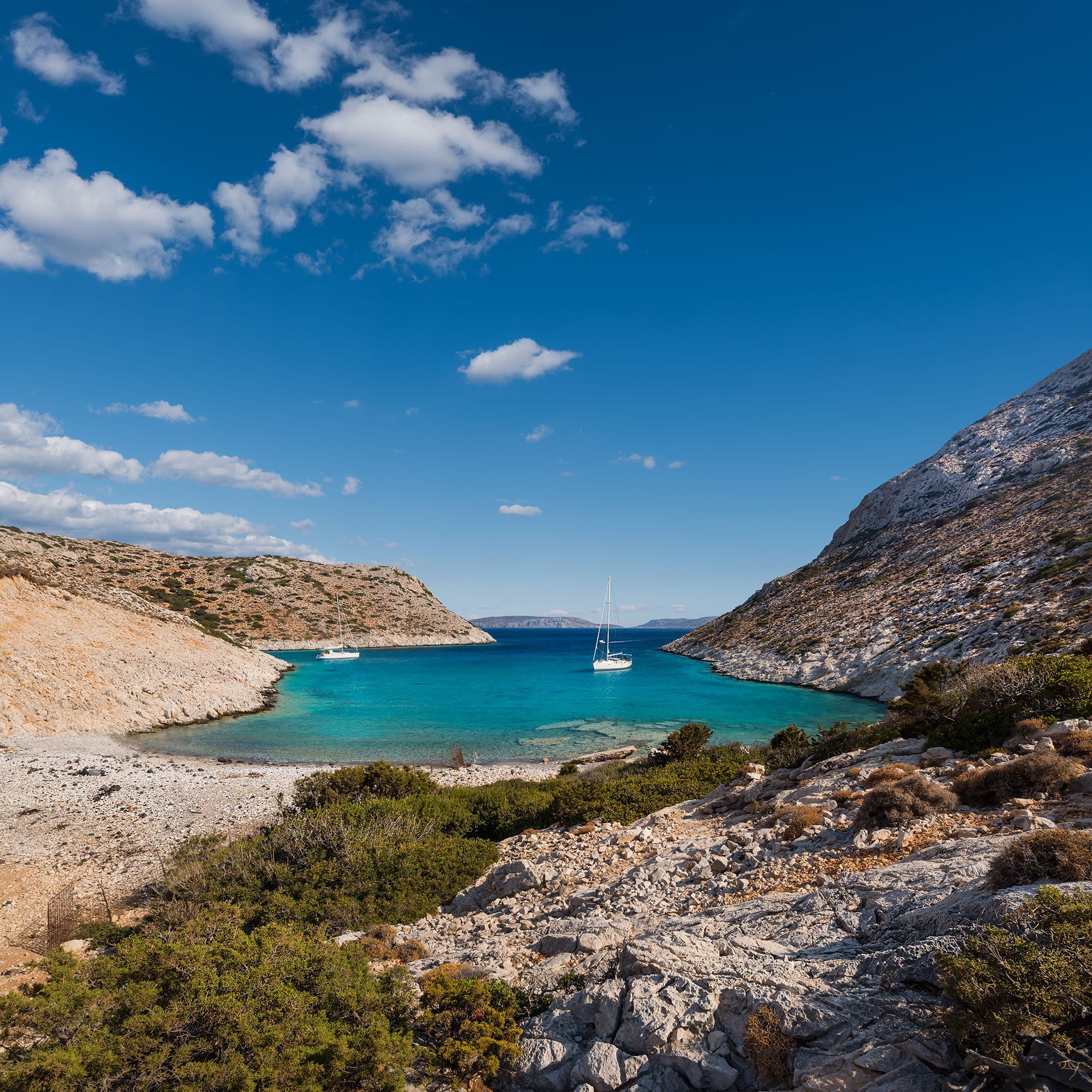
Keros has remained uninhabited since 1968 and retains a mysterious aura. The entire island has been declared an archaeological site under absolute protection, and landing or staying overnight is not permitted. However, you can approach it by caique from Pano Koufonisi and sail around its coasts, observing the light change upon the rocks to reveal for a few seconds the human form etched by its ridgeline: a reclining woman next to a bearded man, like a memory of an ancient deity.
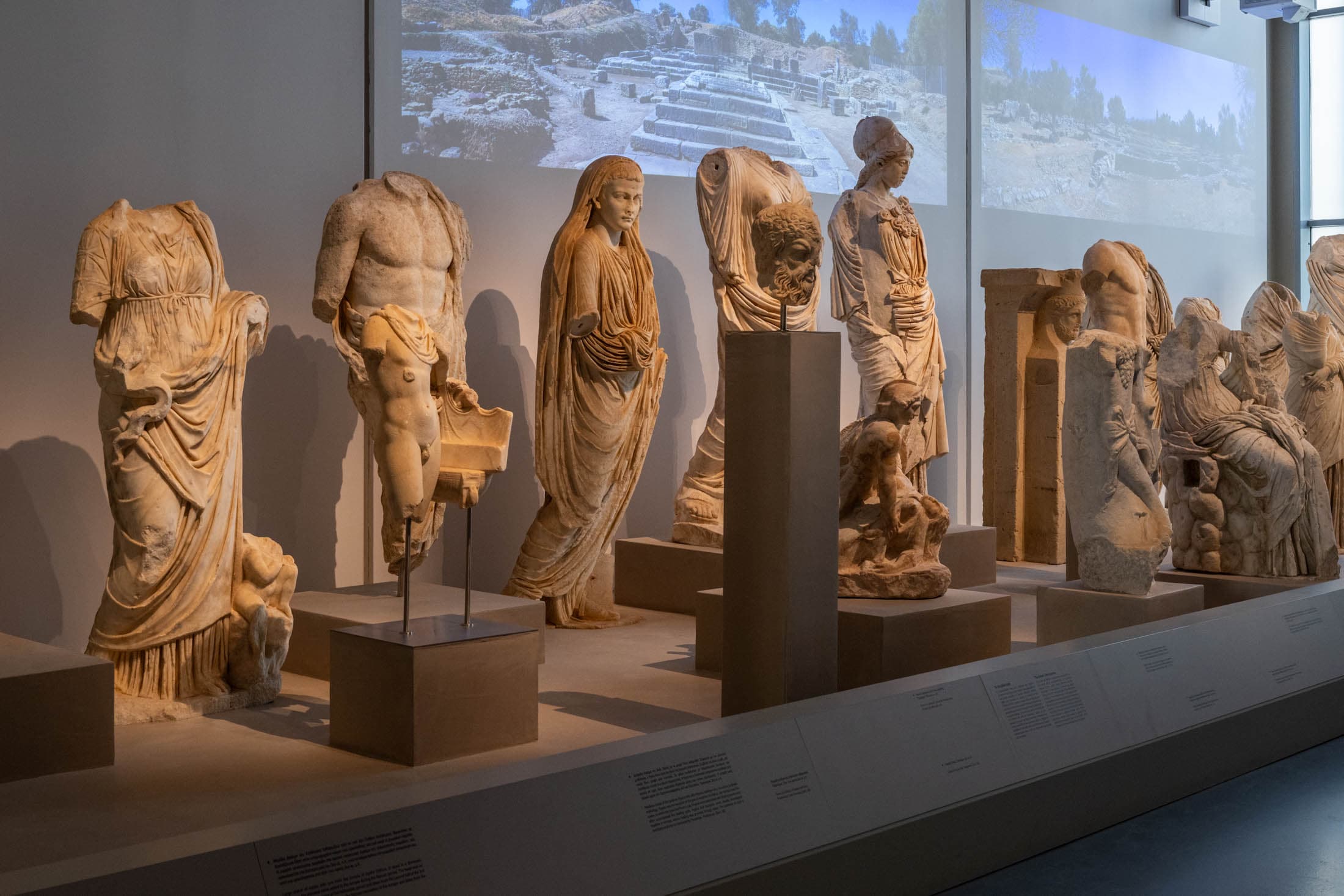
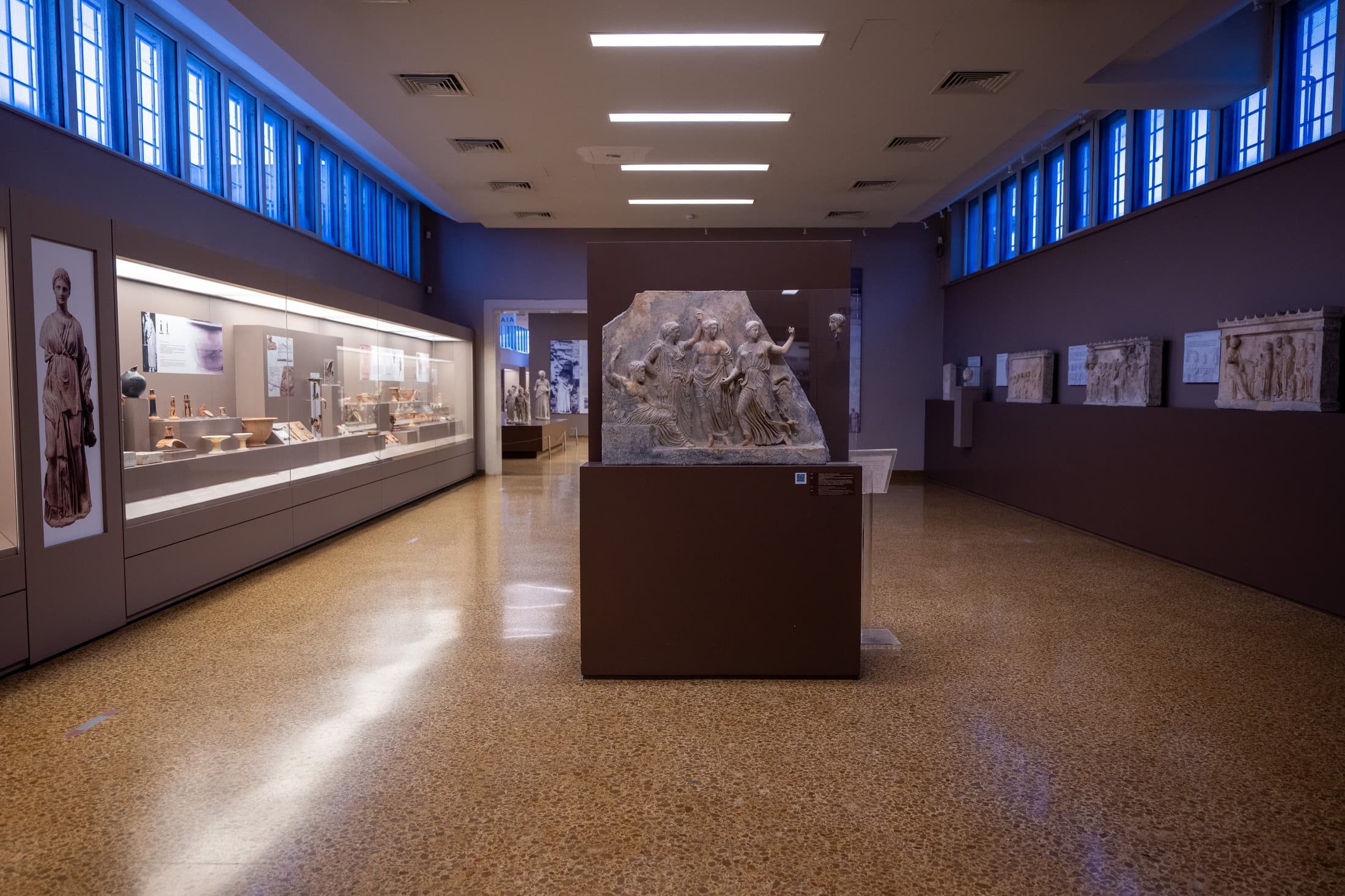
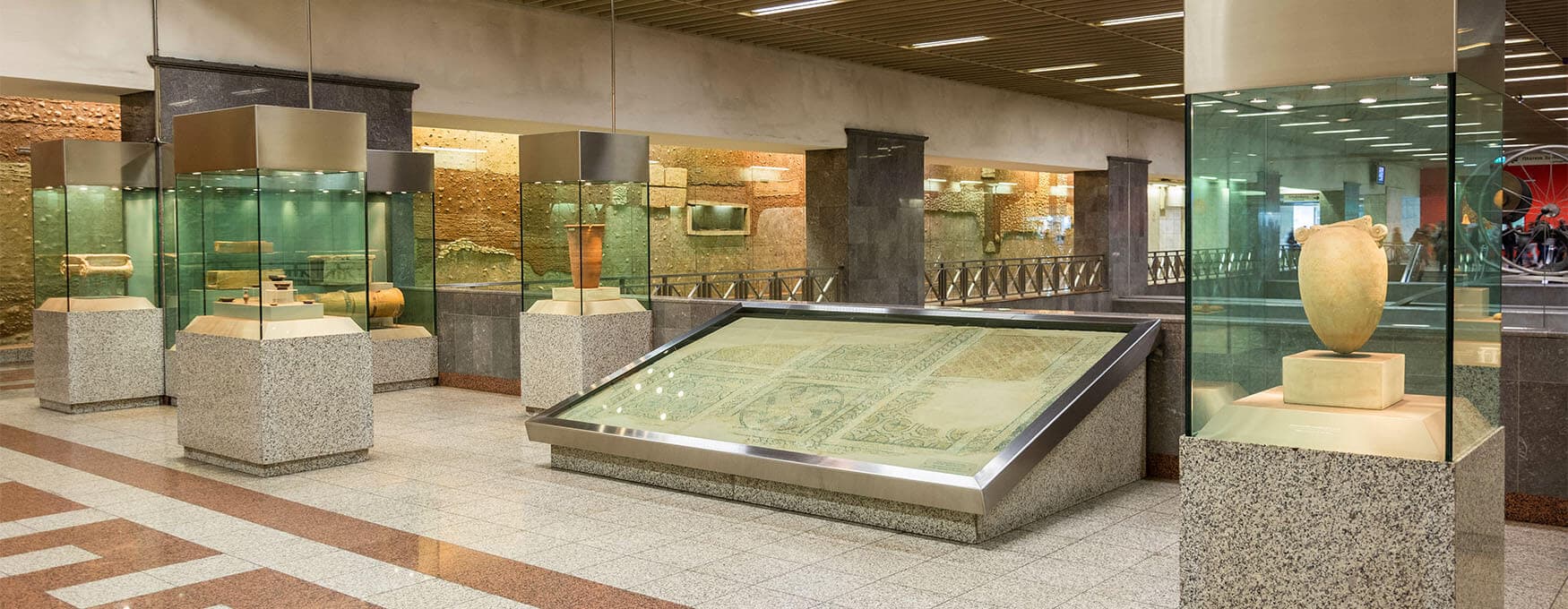
To see the finds from the so-called “Treasure of Keros” up close, you will need to visit the Museum of Cycladic Art or the Archaeological Museum of Naxos, where they are exhibited. The charm of sailing around the island serves as a powerful incentive.
Archaeologists call it “the first sanctuary of the Aegean”. At its western tip, at the site of Kavos, hundreds of broken figurines from the Early Cycladic period came to light. This enigmatic collection that led to the theory of a pan-Cycladic place of worship. A little further away, the small islet of Daskalio —today separate but once joined to Keros by a narrow strip of land— revealed an impressive settlement built with marble from Naxos, perhaps the first “city” in the Aegean.
Keros has remained uninhabited since 1968 and retains a mysterious aura. The entire island has been declared an archaeological site under absolute protection, and landing or staying overnight is not permitted. However, you can approach it by caique from Pano Koufonisi and sail around its coasts, observing the light change upon the rocks to reveal for a few seconds the human form etched by its ridgeline: a reclining woman next to a bearded man, like a memory of an ancient deity.
To see the finds from the so-called “Treasure of Keros” up close, you will need to visit the Museum of Cycladic Art or the Archaeological Museum of Naxos, where they are exhibited. The charm of sailing around the island serves as a powerful incentive.