Where Hippocrates once taught
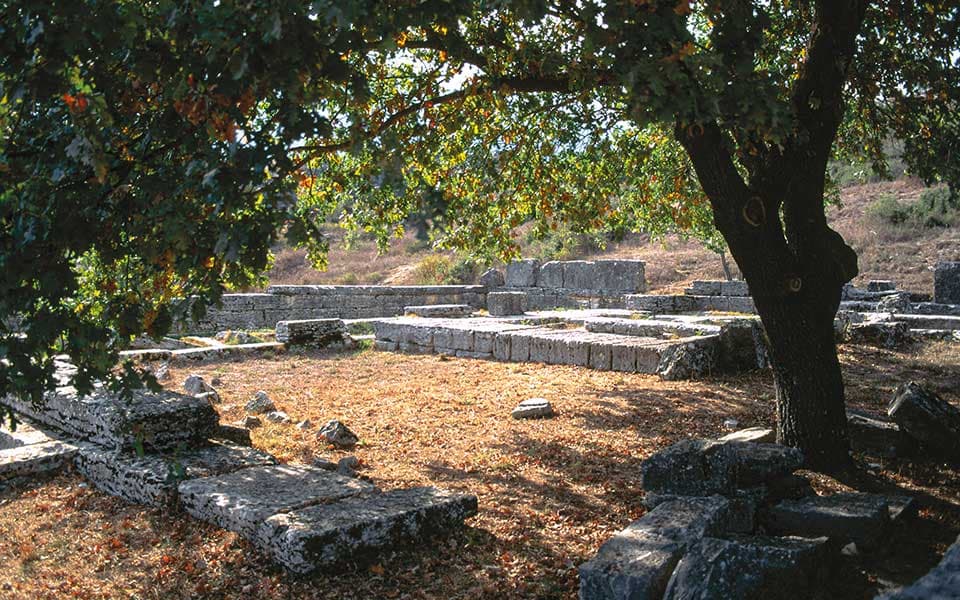
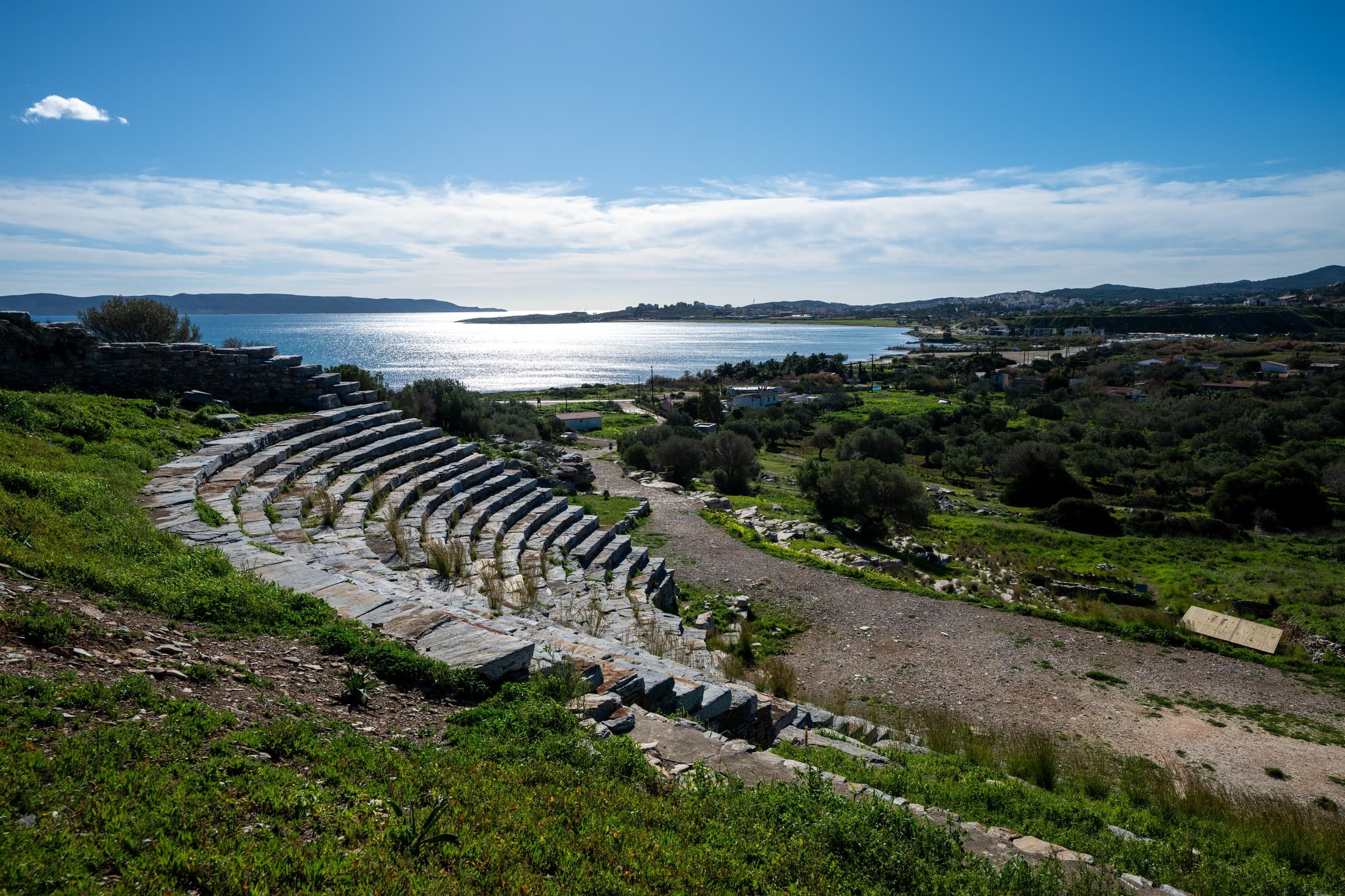
Kos, the island of Hippocrates, invites you to explore its most significant archaeological site: the Asklepieion, which flourished during the Hellenistic and Roman periods.
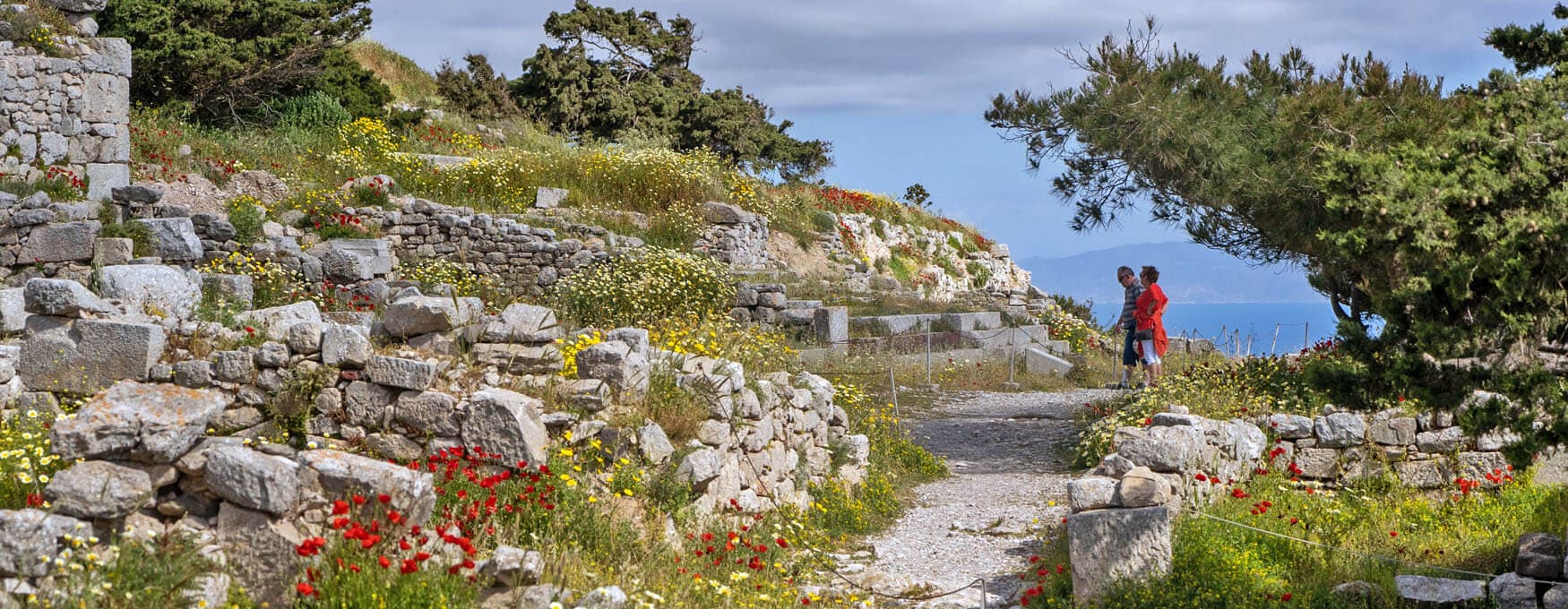
Nestled on a lush hillside, it offers panoramic views over the sea. Its name derives from Asclepius, the god of medicine, once venerated on this very site. It was here that Hippocrates, the ‘father’ of modern medicine, established his school and taught.
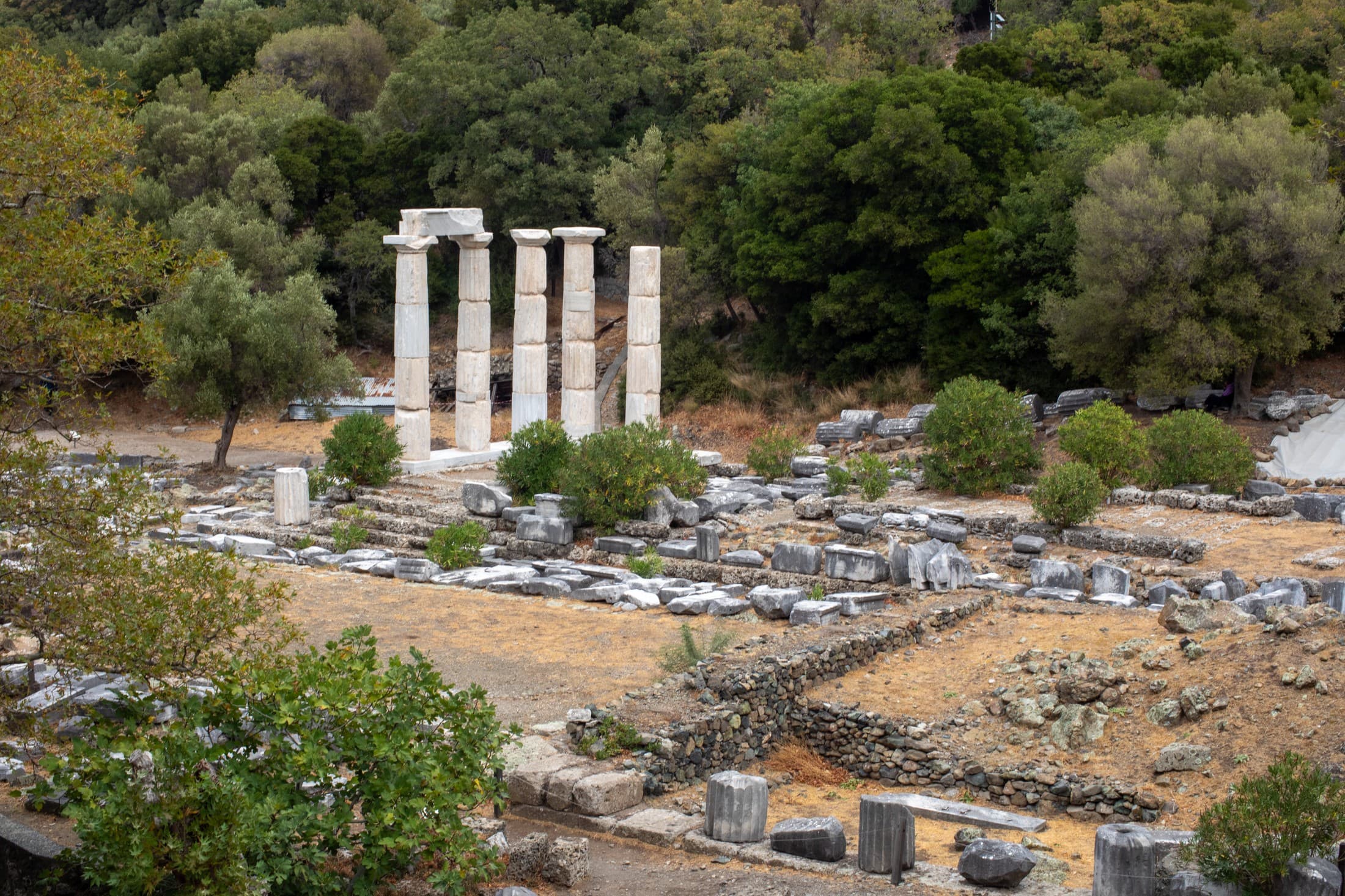
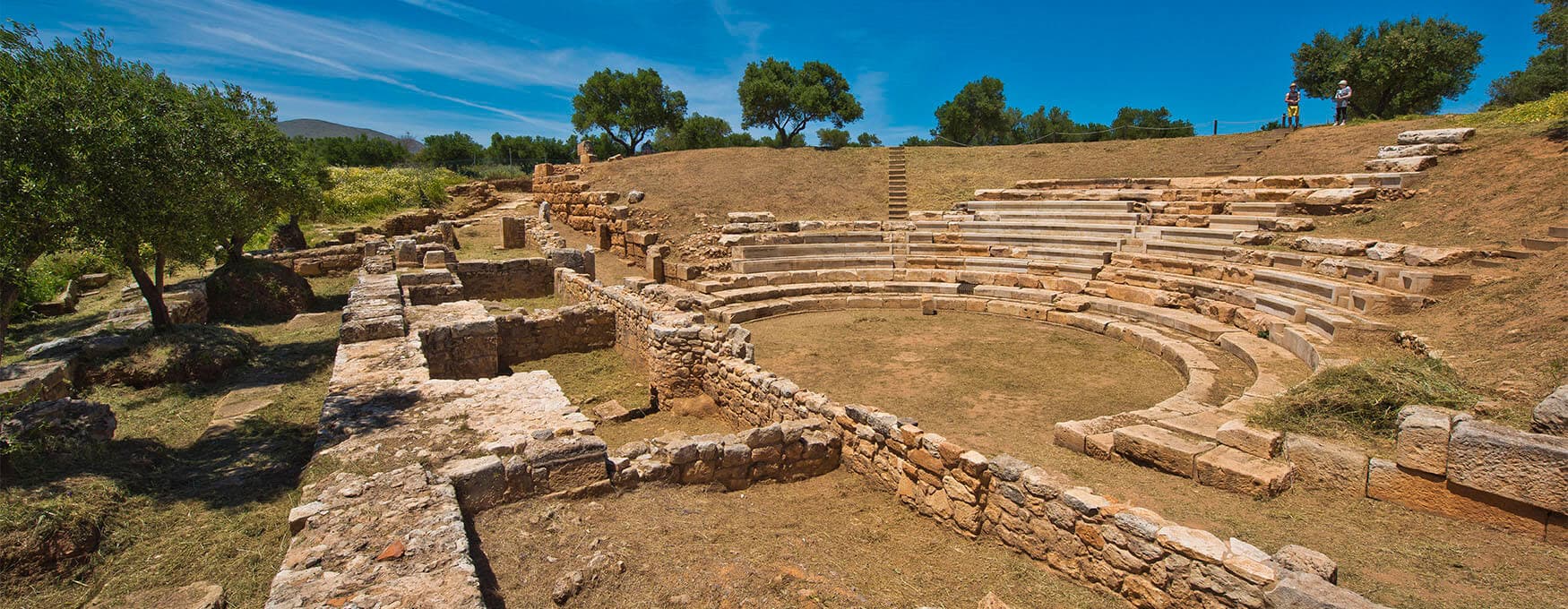
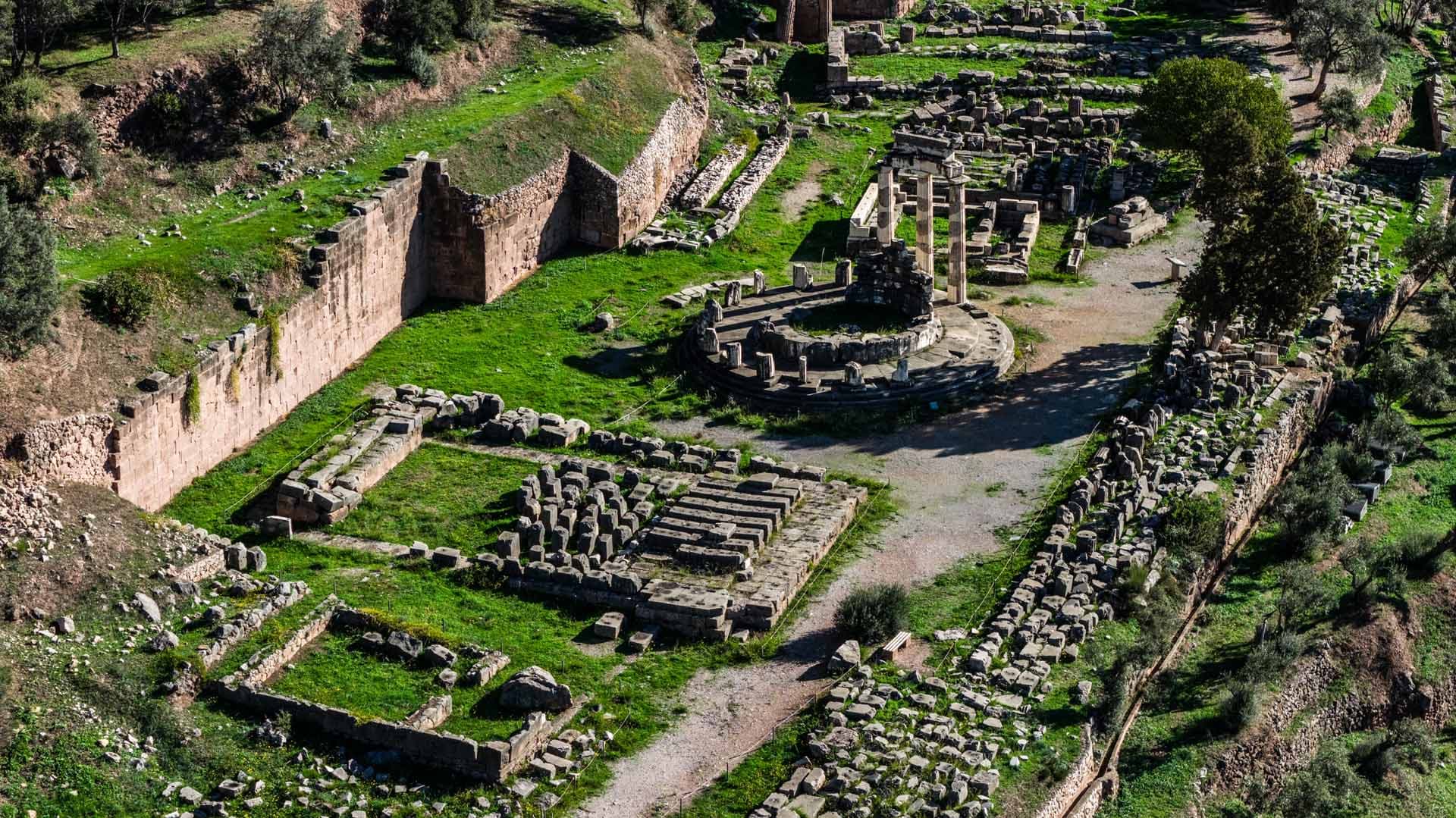
Legend has it that his academy stood on the lowest of the Asklepieion’s three tiers, marked by four columns and twenty-four steps. Climb these to see the ruins of the 4th-century BC temple of Asclepius and the restored columns of the temple of Apollo.
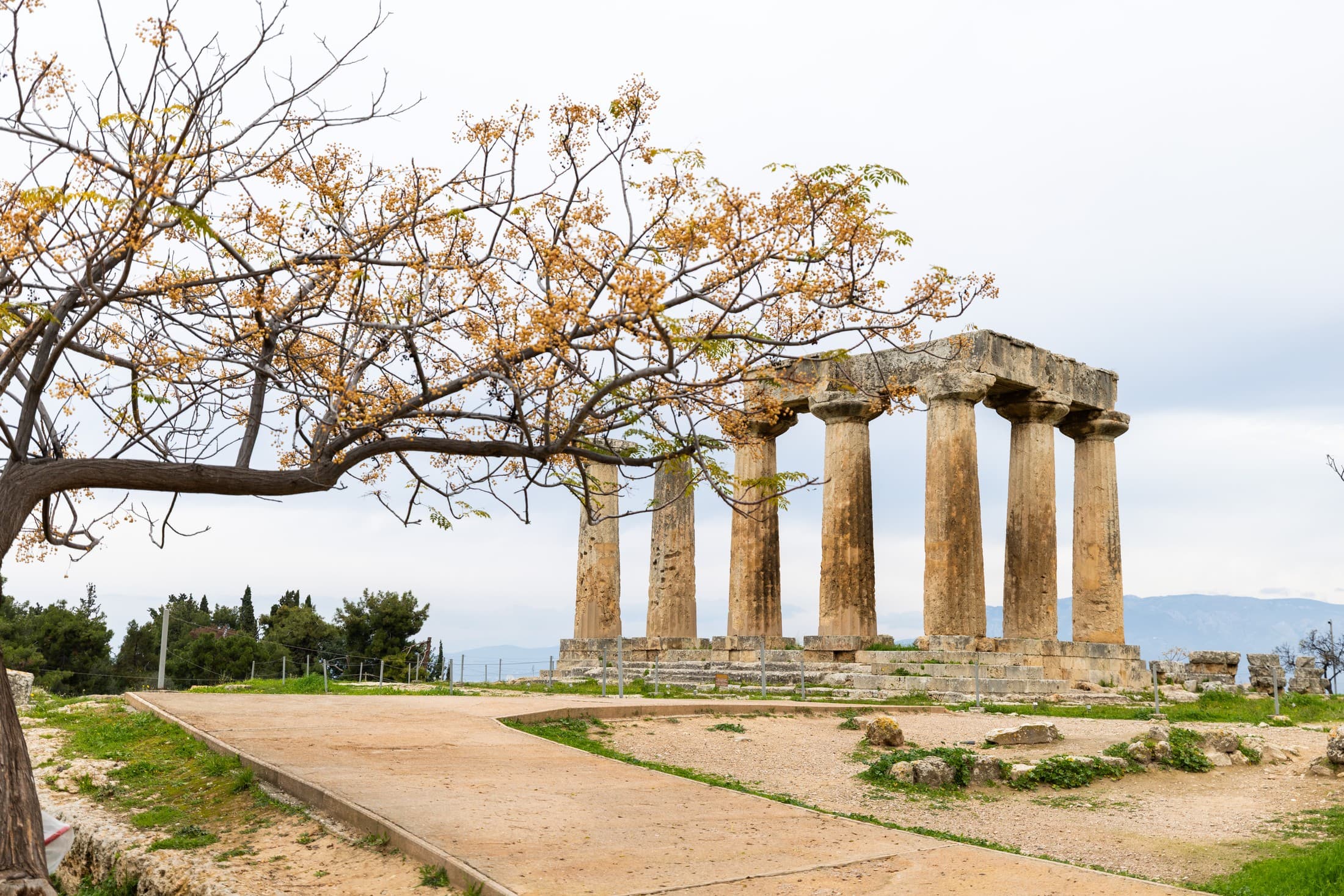
Next, climb a larger staircase of roughly 60 steps to see the impressive Doric peripteral temple of Asclepius (170–160 BC), which was once flanked by colonnades for visitors and patients.
During the post-Byzantine era, the church of Panagia Tarsou (a dependency of the Monastery of Saint John the Theologian on Patmos) was built atop the temple of Apollo; a single capital survives today. Stone from the site was later used by the Knights Hospitaller to build a medieval castle.
Before leaving the island, be sure to visit Neratzia Castle and the famous plane tree of Hippocrates, under which he is said to have taught. Furthermore, explore the International Hippocratic Foundation of Kos, housing a museum and botanical garden.
Nestled on a lush hillside, it offers panoramic views over the sea. Its name derives from Asclepius, the god of medicine, once venerated on this very site. It was here that Hippocrates, the ‘father’ of modern medicine, established his school and taught.
Legend has it that his academy stood on the lowest of the Asklepieion’s three tiers, marked by four columns and twenty-four steps. Climb these to see the ruins of the 4th-century BC temple of Asclepius and the restored columns of the temple of Apollo.
Next, climb a larger staircase of roughly 60 steps to see the impressive Doric peripteral temple of Asclepius (170–160 BC), which was once flanked by colonnades for visitors and patients.
During the post-Byzantine era, the church of Panagia Tarsou (a dependency of the Monastery of Saint John the Theologian on Patmos) was built atop the temple of Apollo; a single capital survives today. Stone from the site was later used by the Knights Hospitaller to build a medieval castle.
Before leaving the island, be sure to visit Neratzia Castle and the famous plane tree of Hippocrates, under which he is said to have taught. Furthermore, explore the International Hippocratic Foundation of Kos, housing a museum and botanical garden.