The sacred city of Zeus in the shadow of Mount Olympus
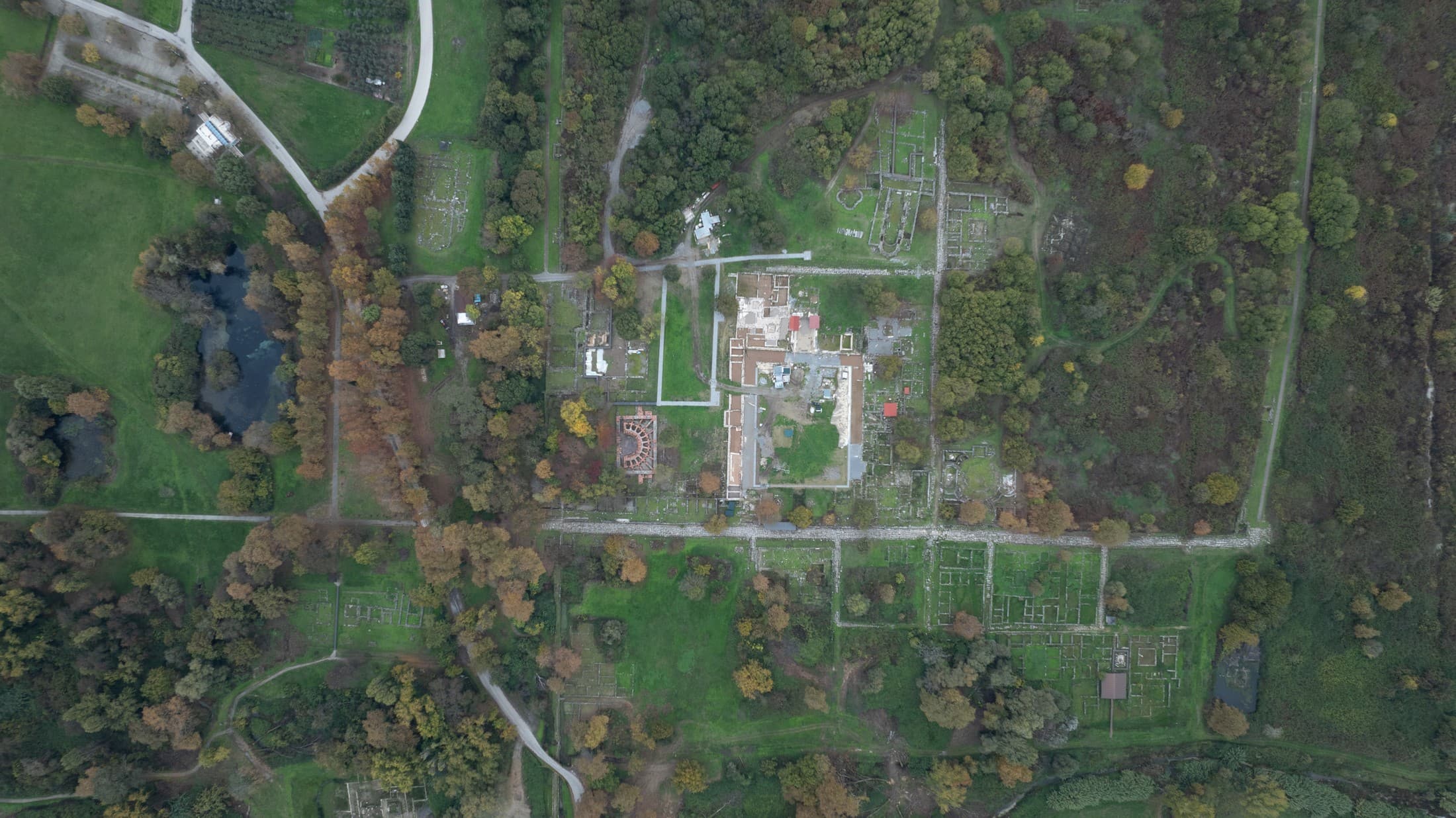
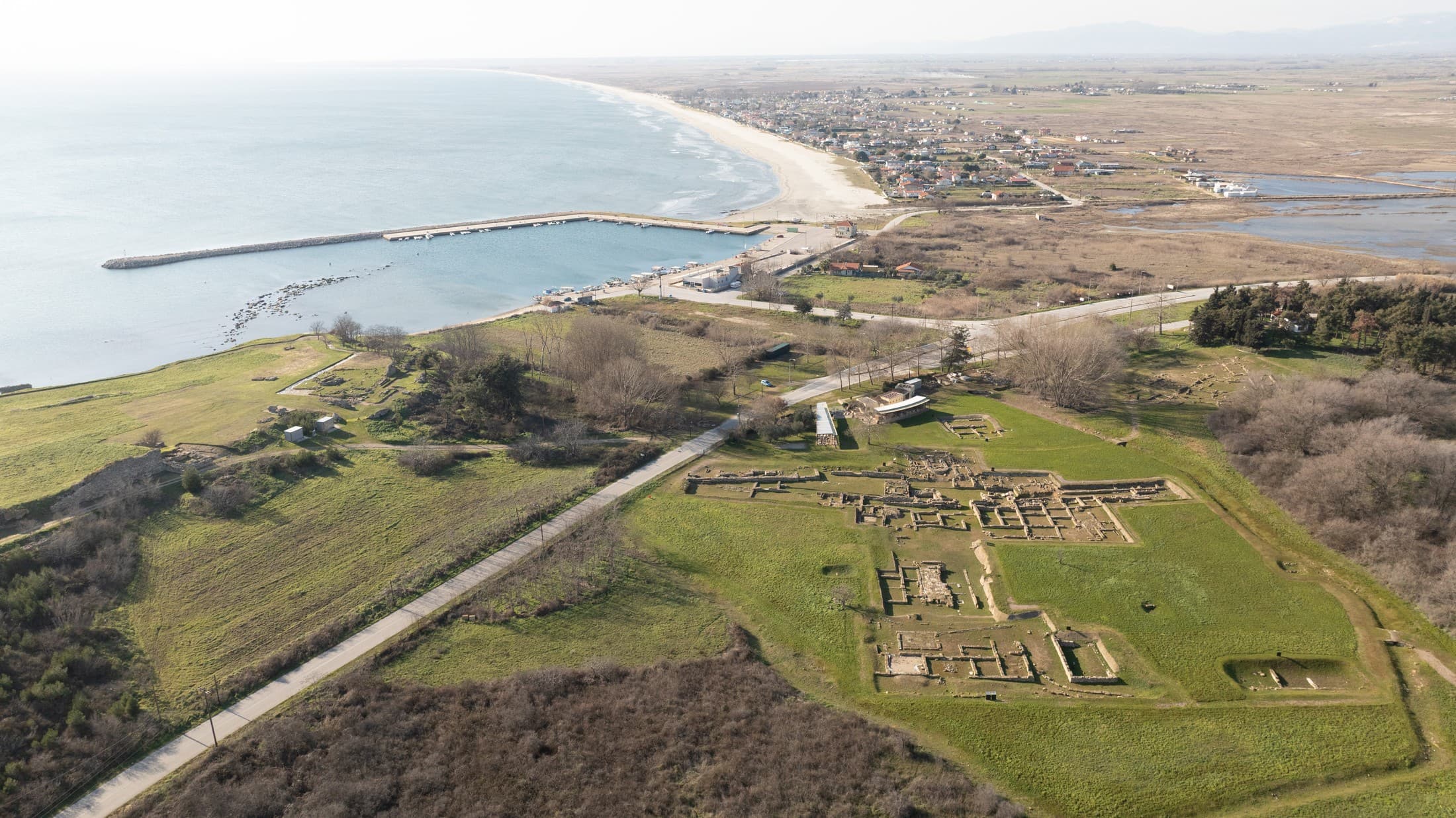
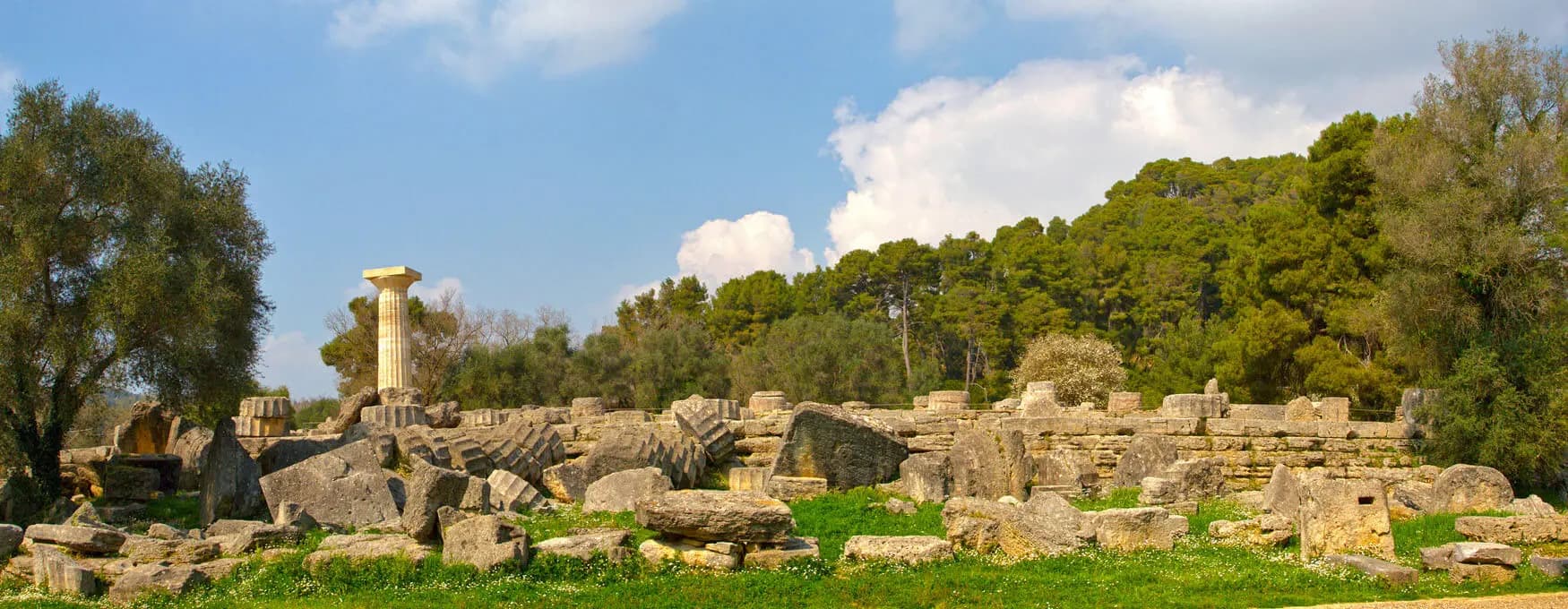
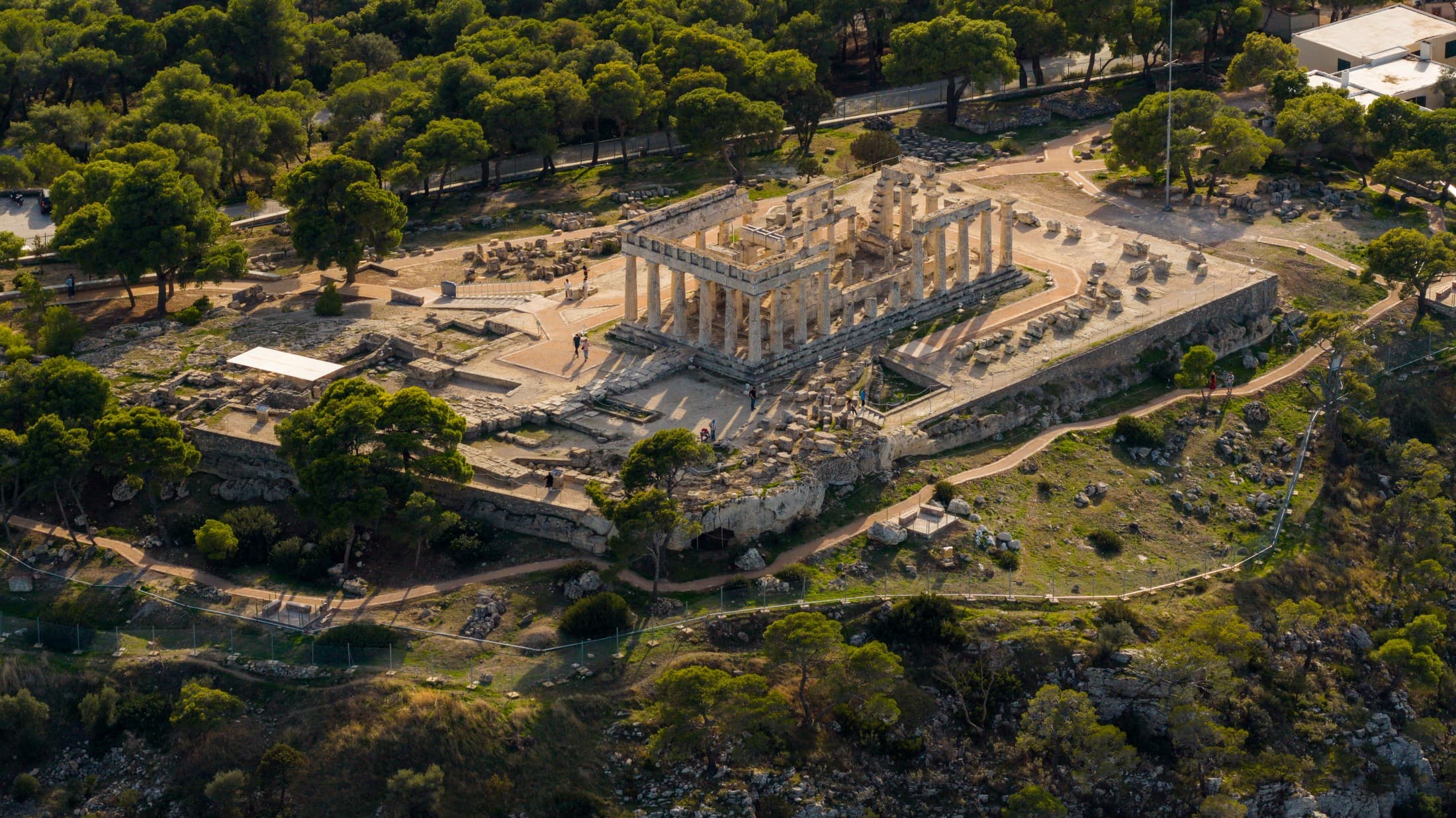
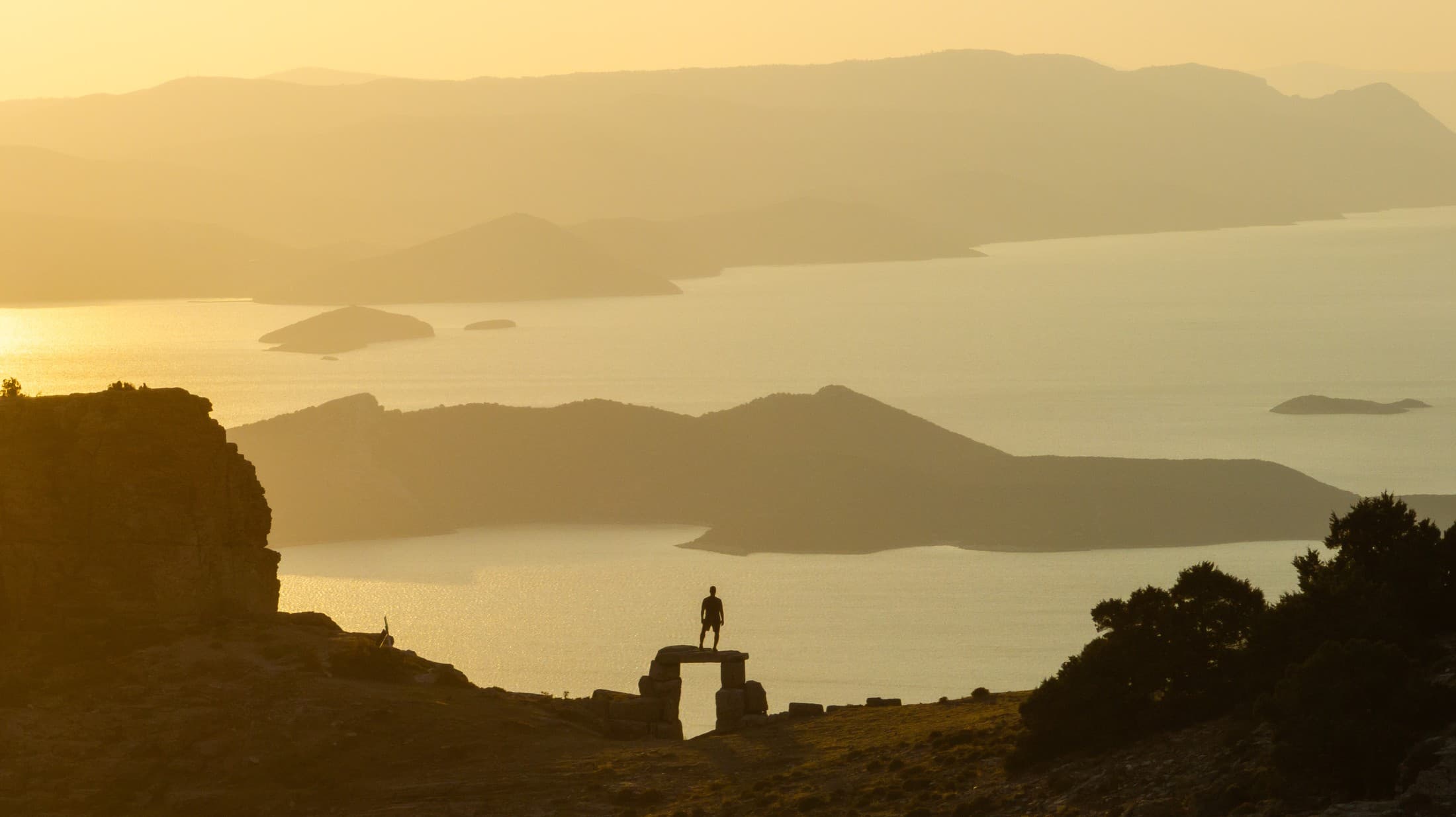
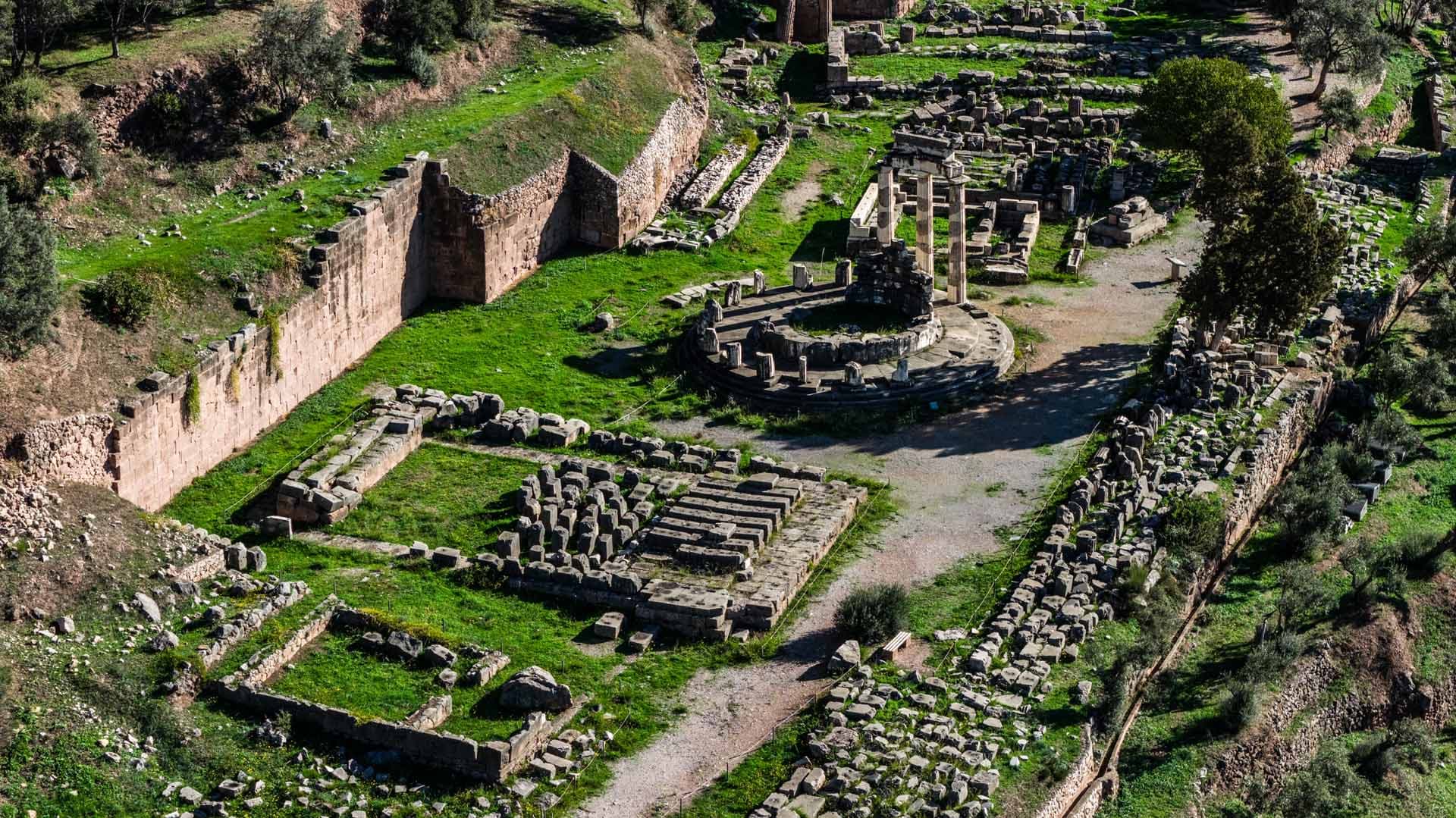
At the foothills of imposing Mount Olympus, the mountain of the gods, lies the Archaeological Park of Dion, one of the most important archaeological sites in Greece, extending over 1,500 stremmata (approx. 370 acres). Dion was the sacred city of the Macedonians, dedicated to Zeus and the twelve gods. It functioned as a centre for religious ceremonies and as a military base, especially for Philip II and Alexander the Great, who set off from here for his campaign in Asia. Today, the ruins of the ancient city coexist harmoniously with the natural environment.
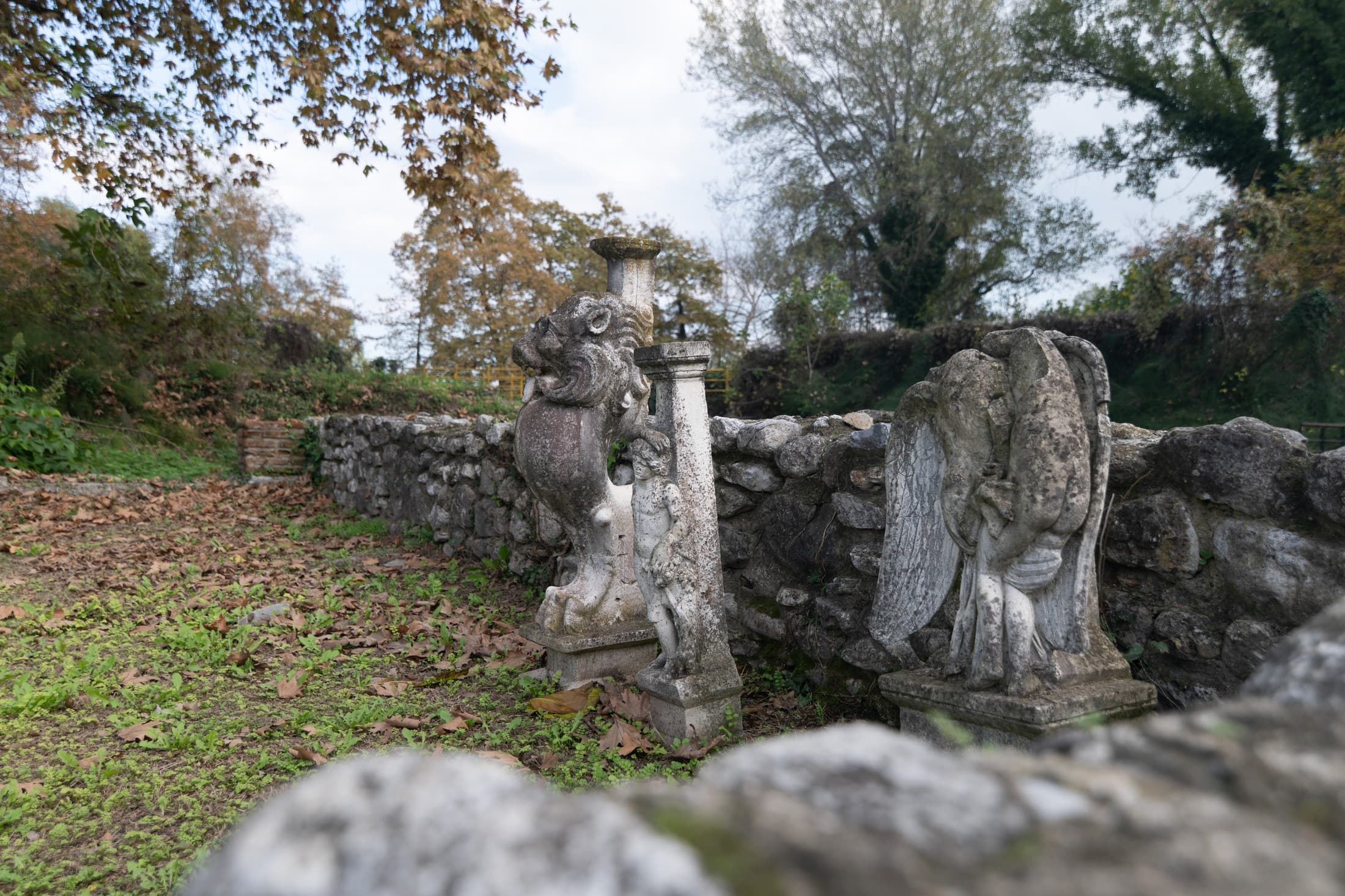
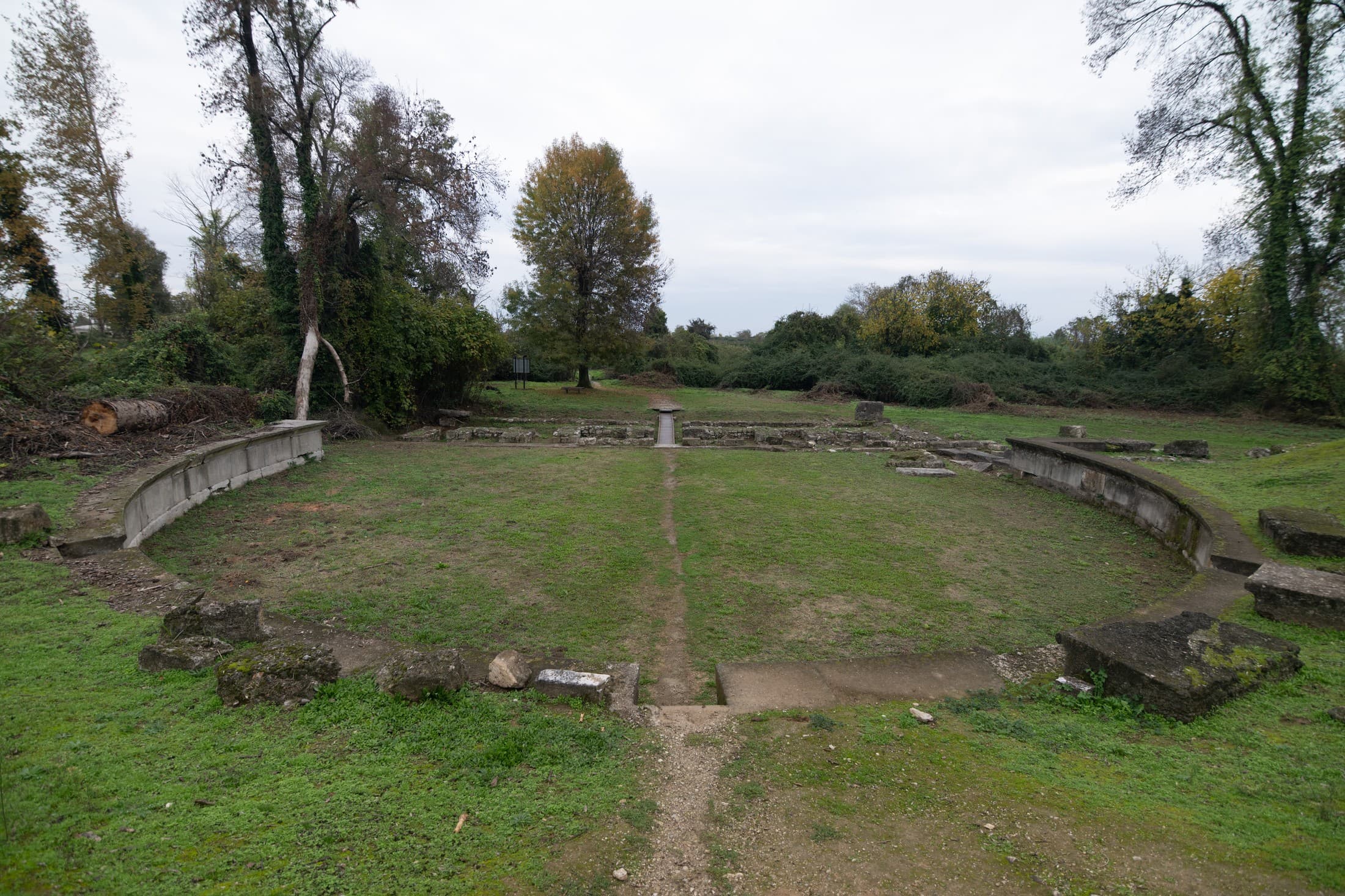
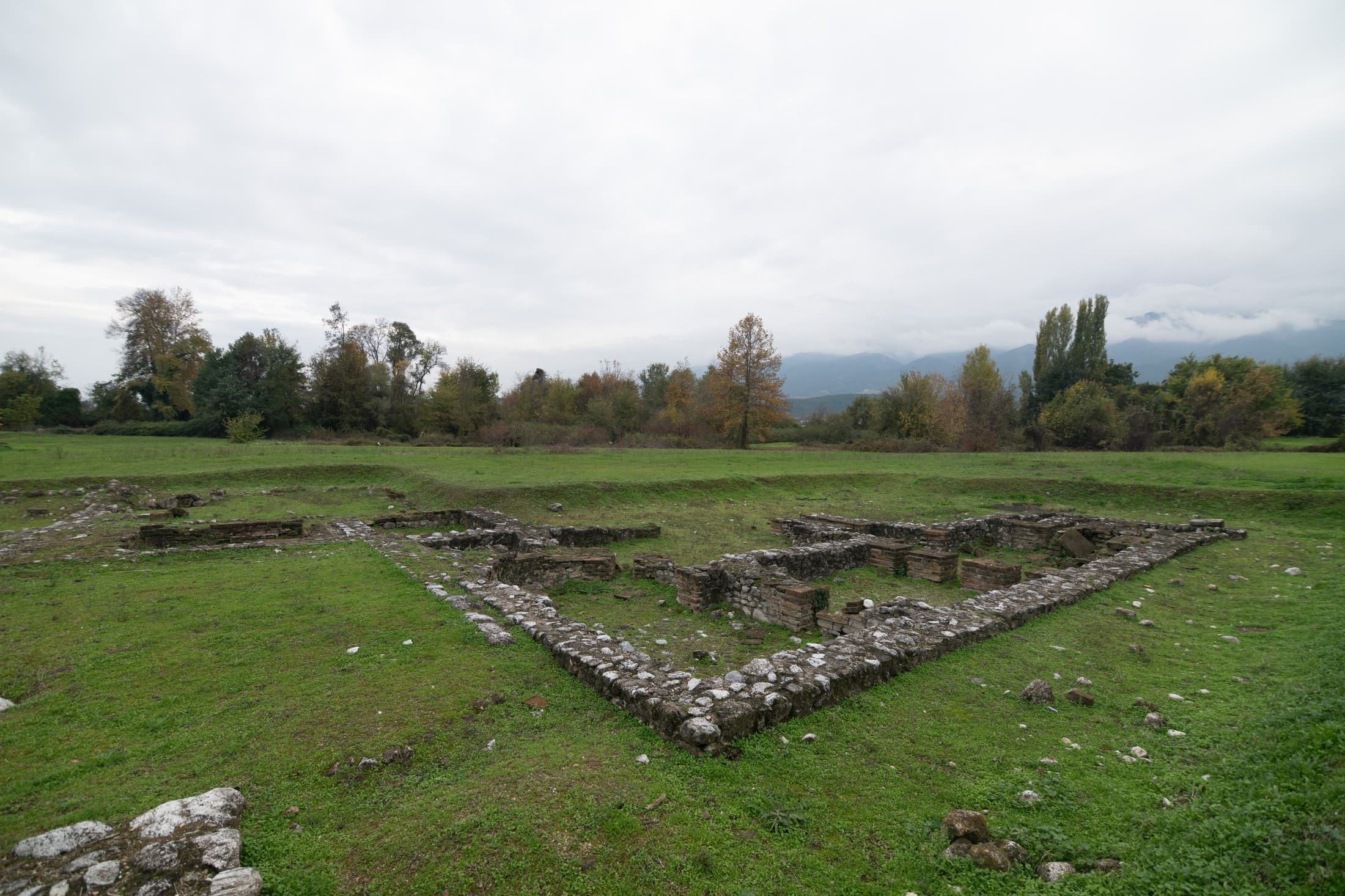
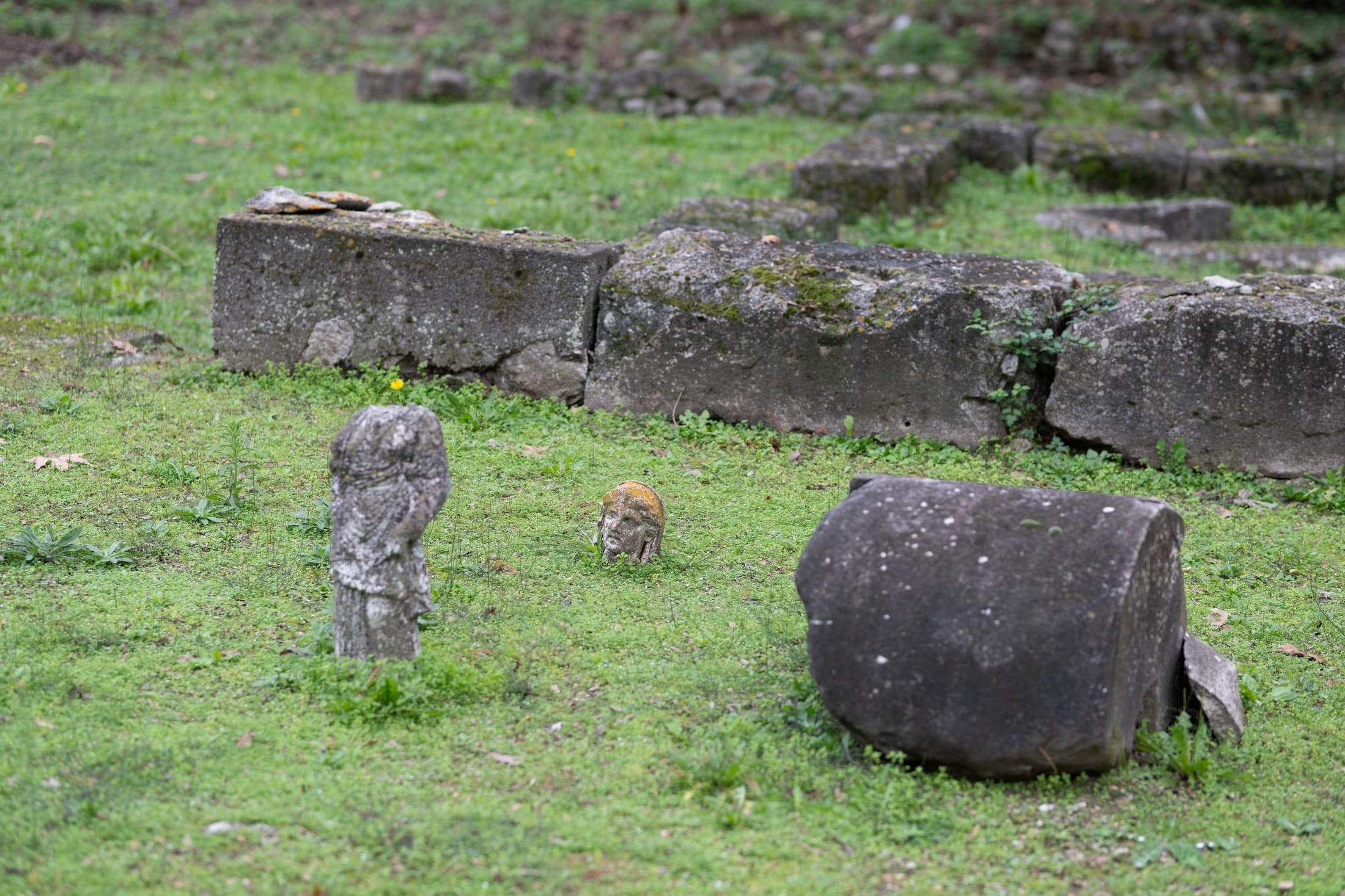
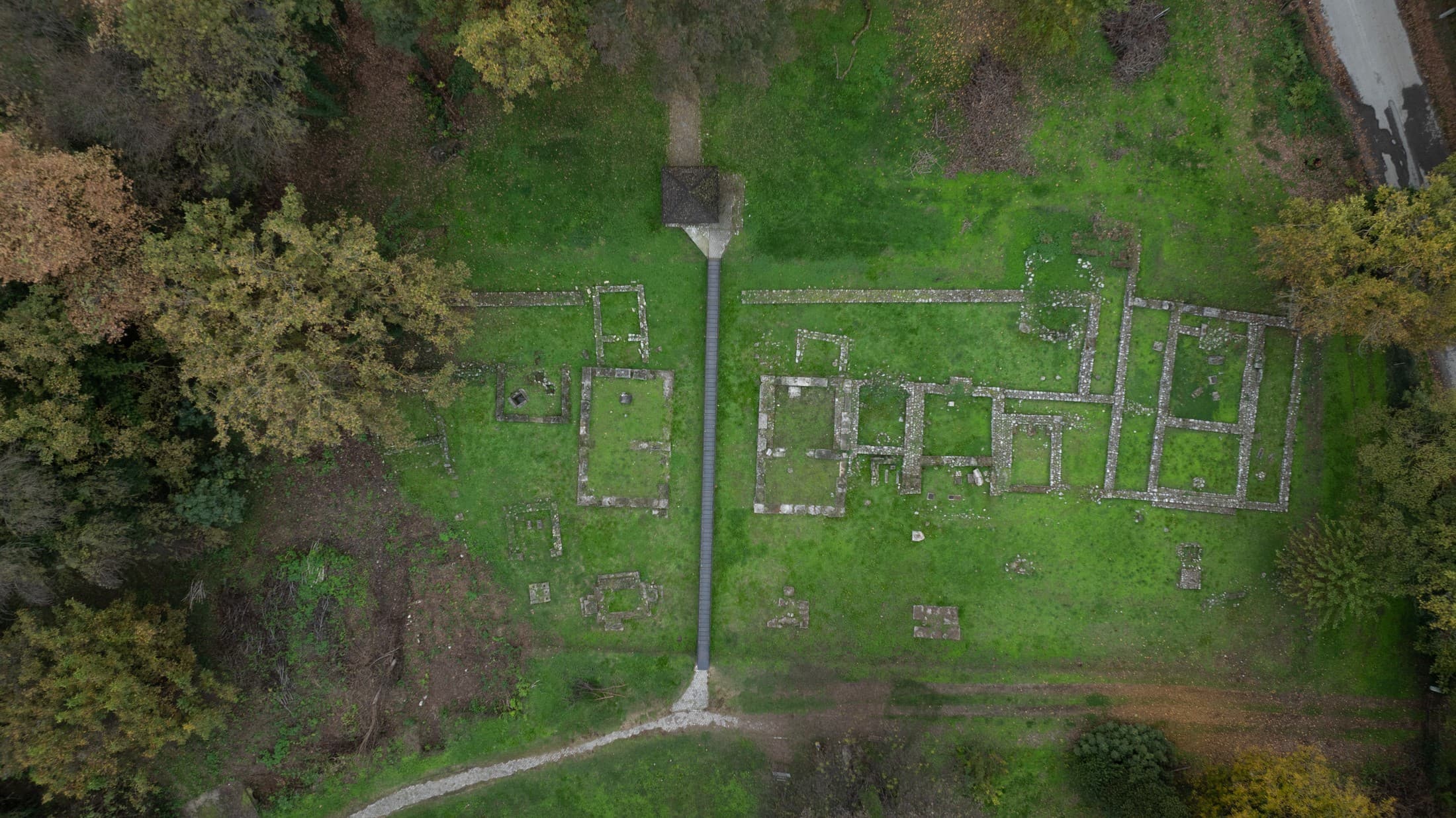
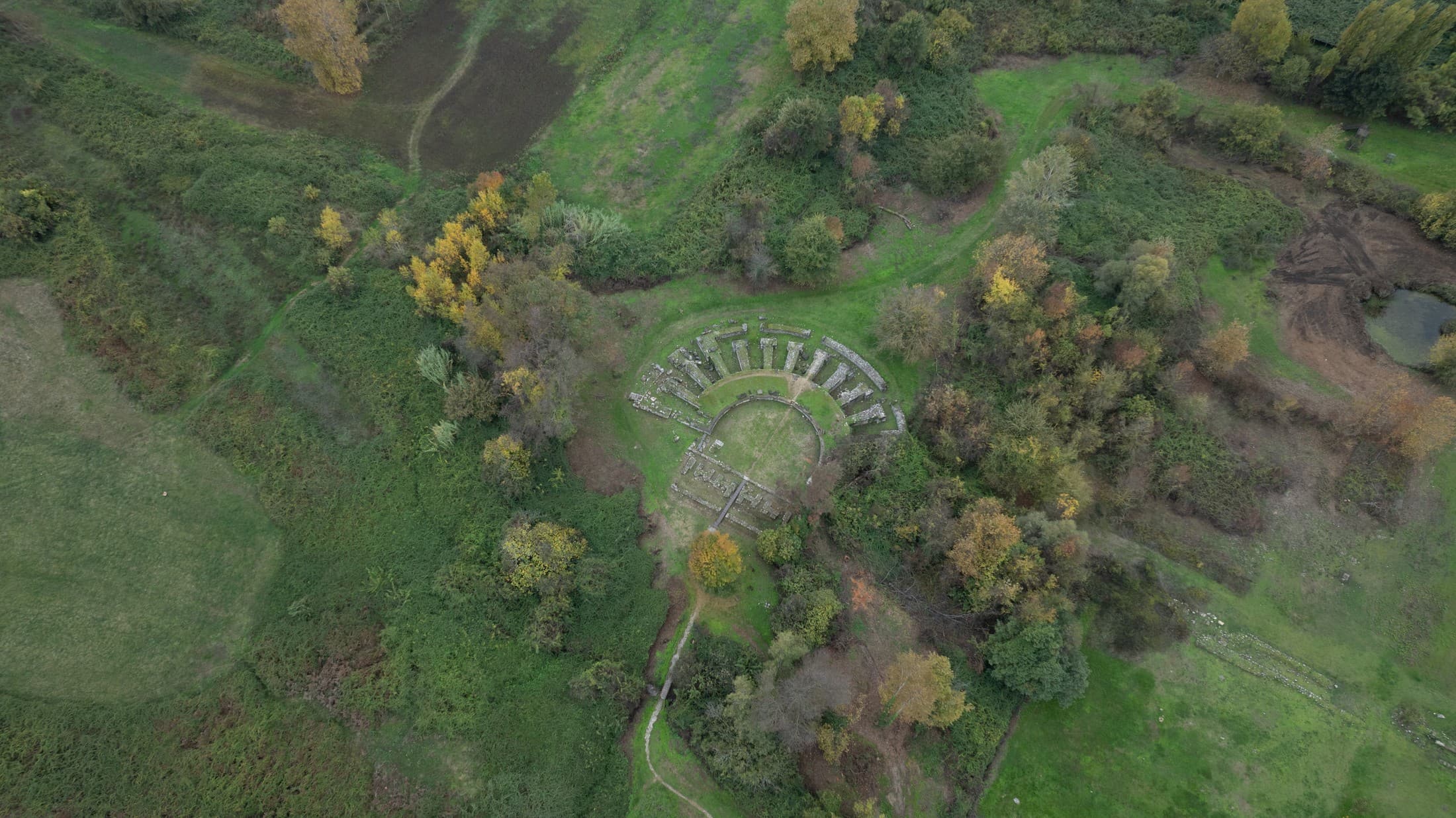
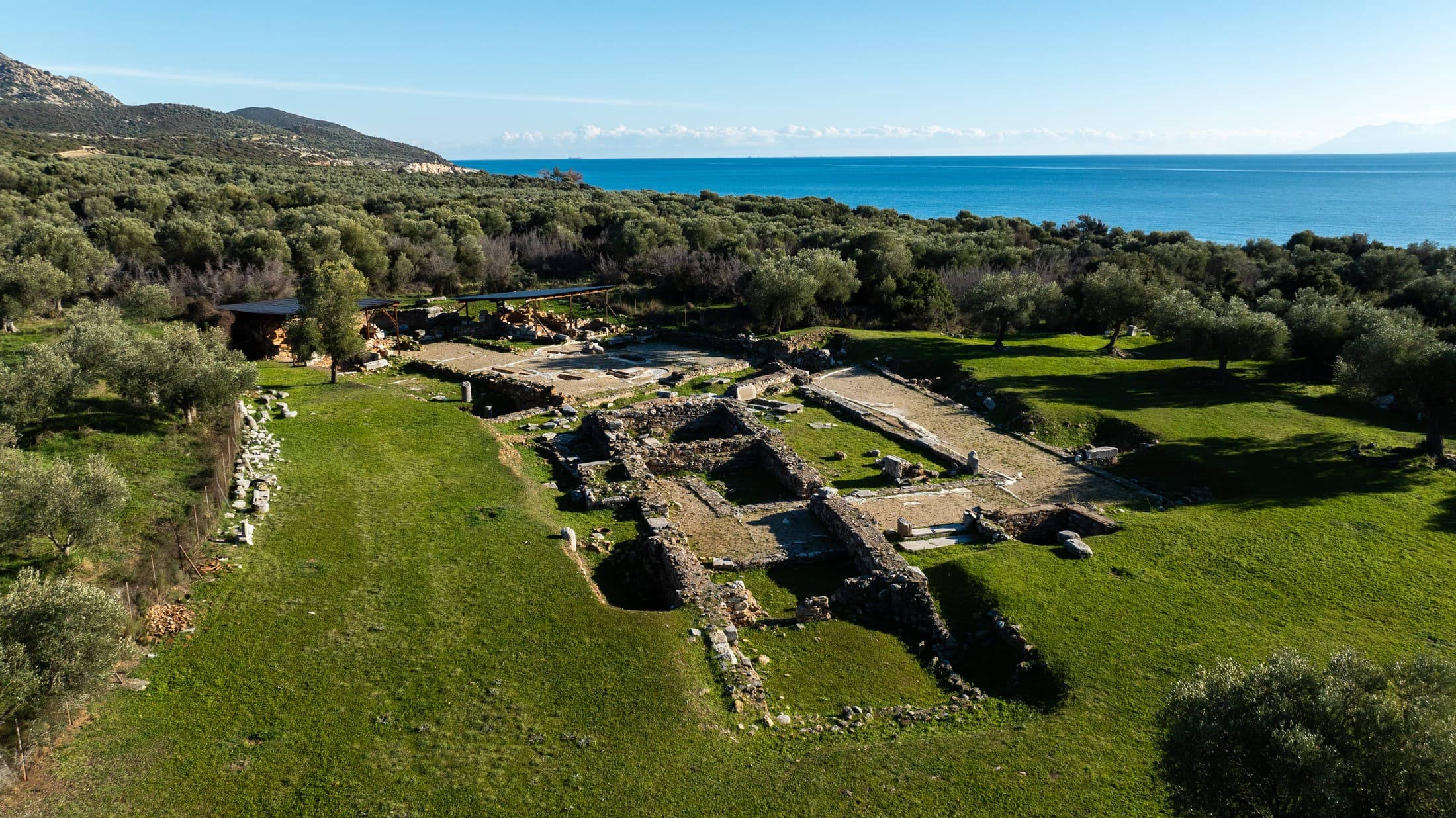
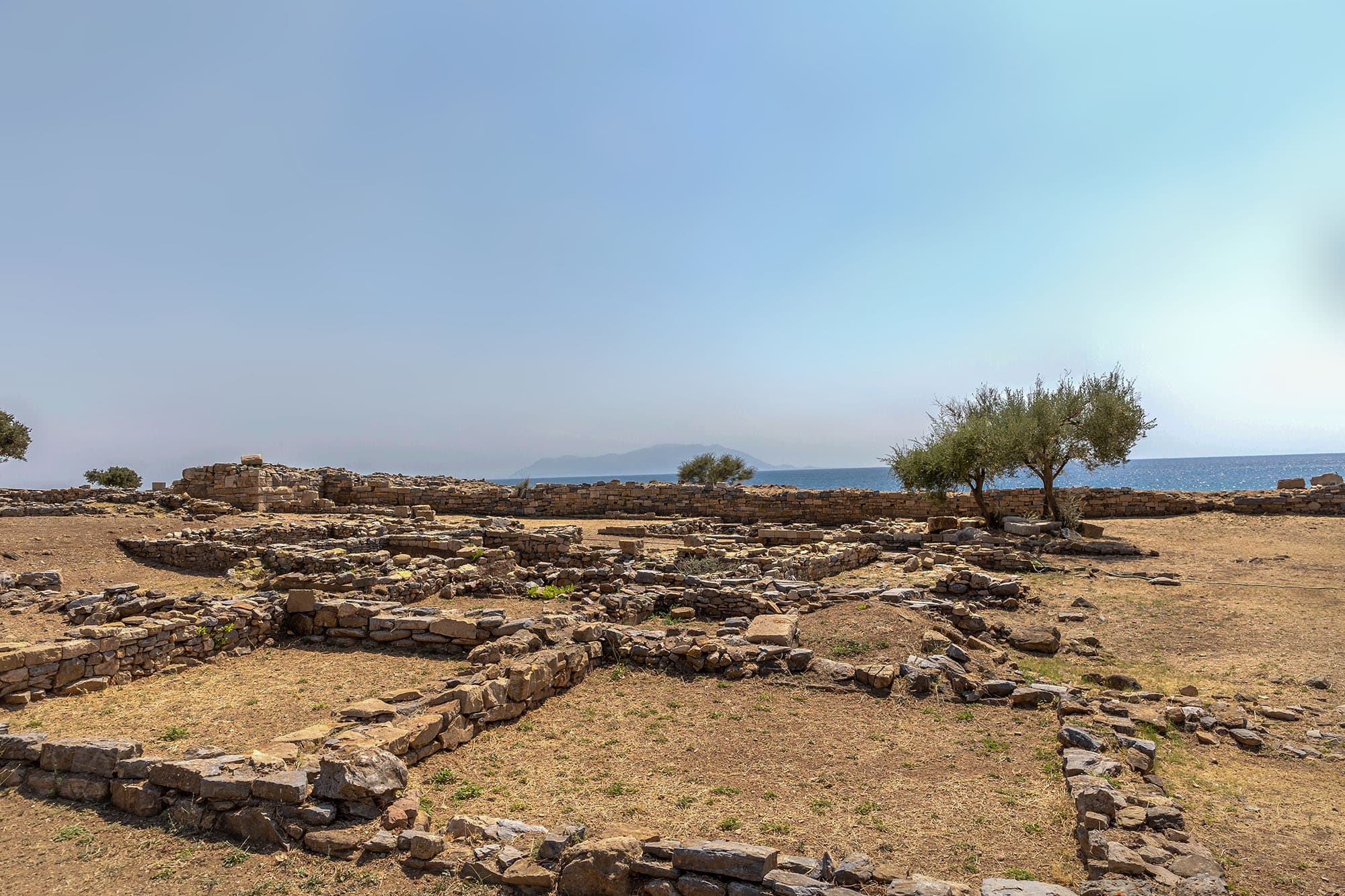
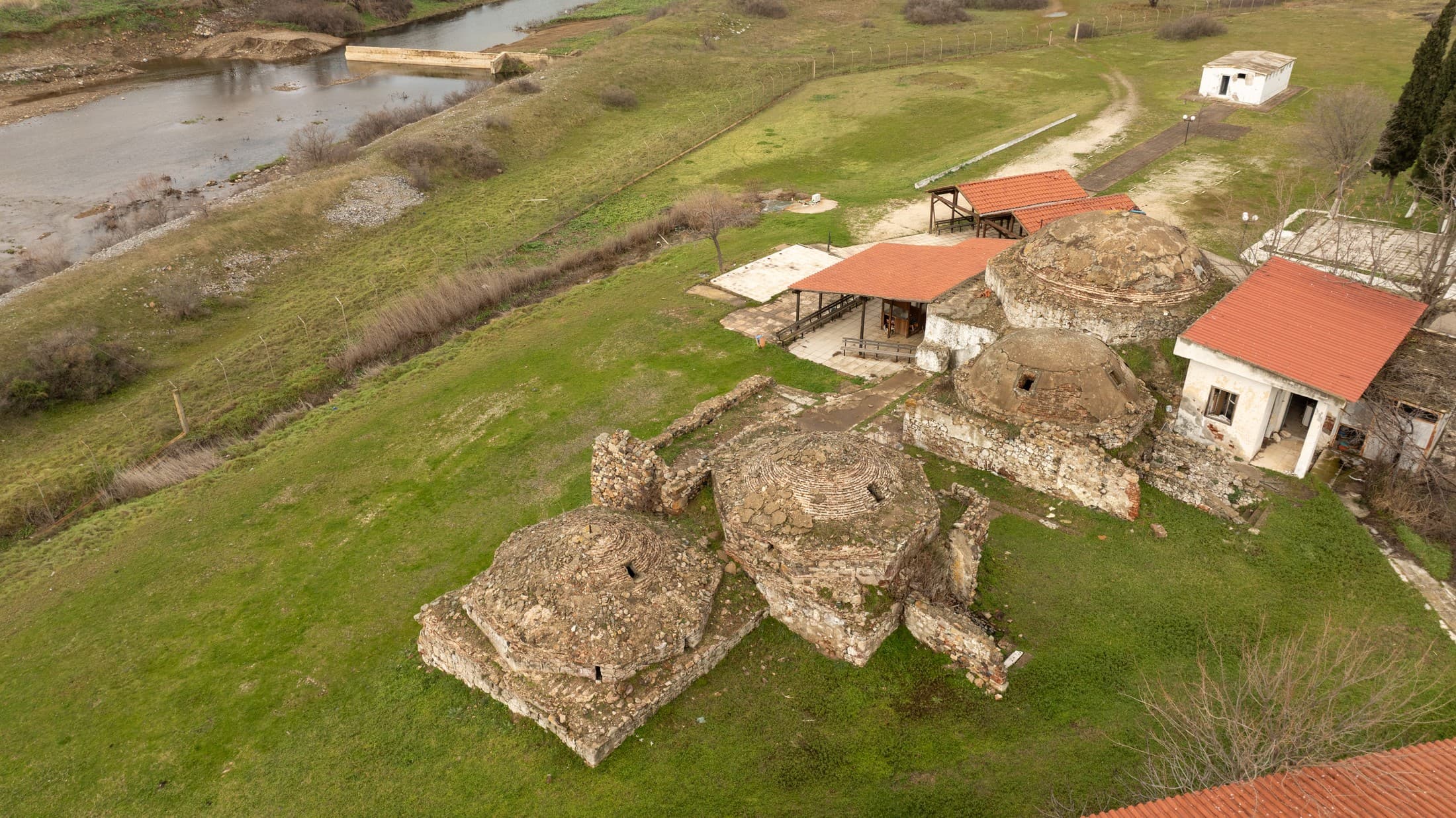
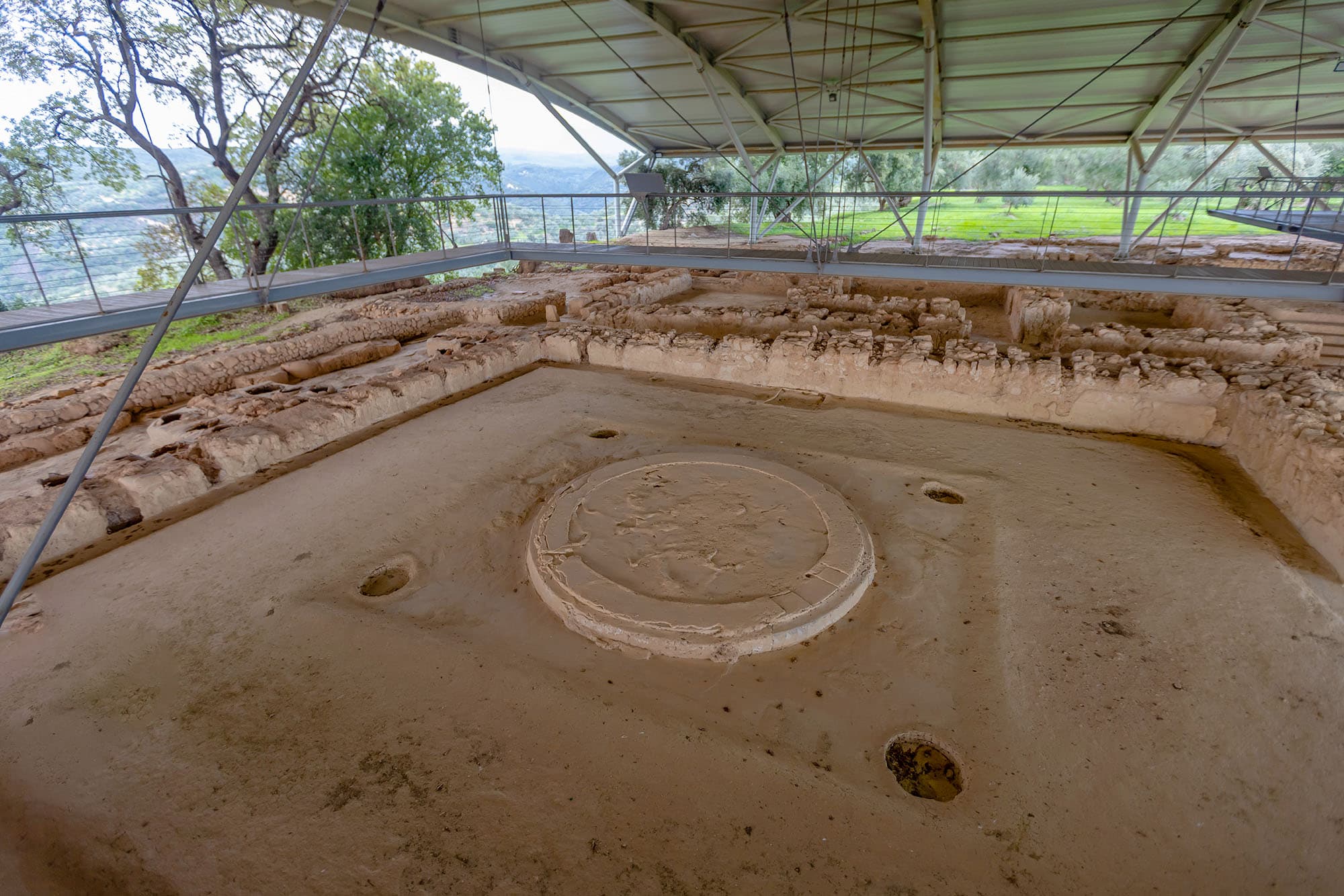
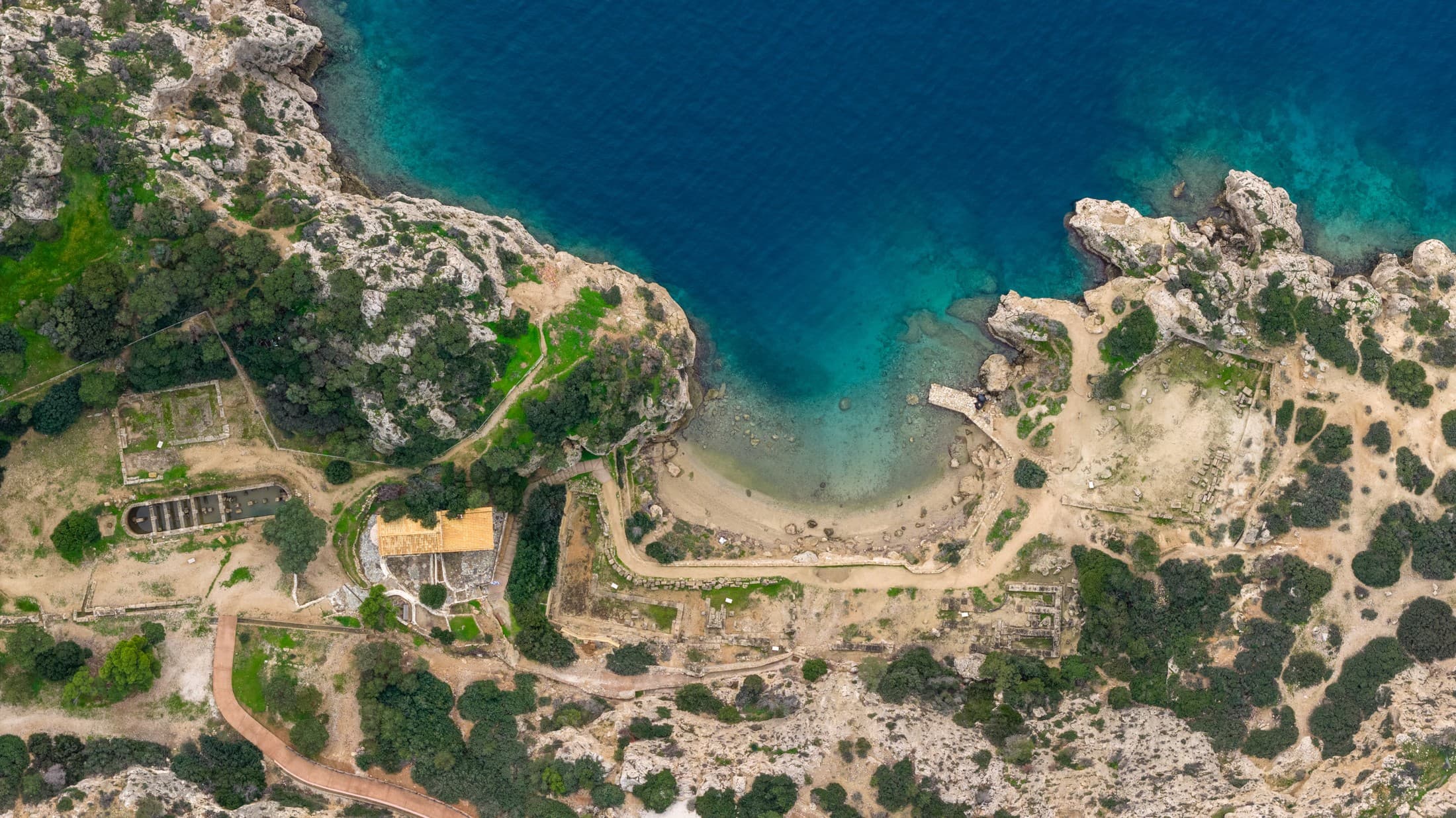
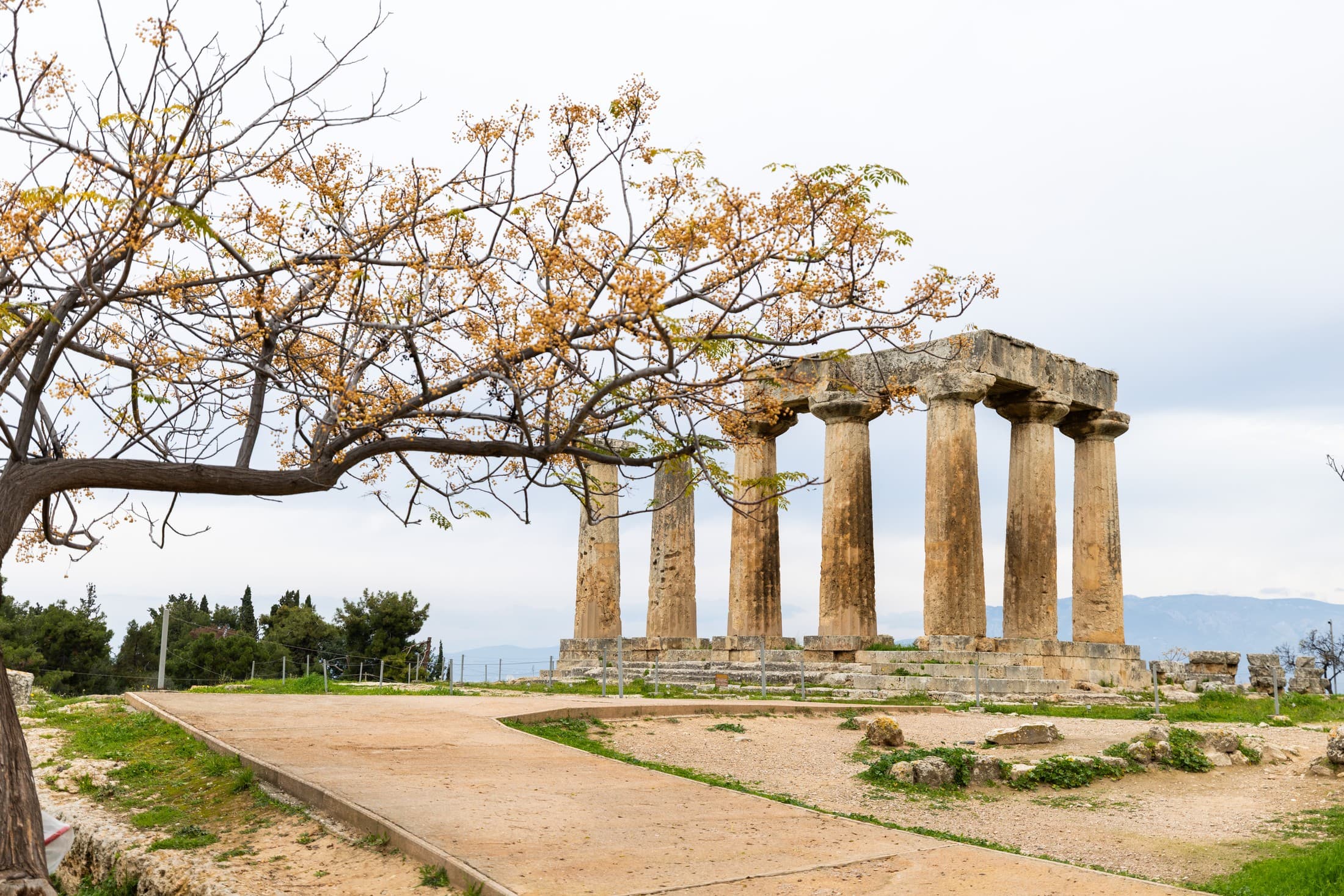
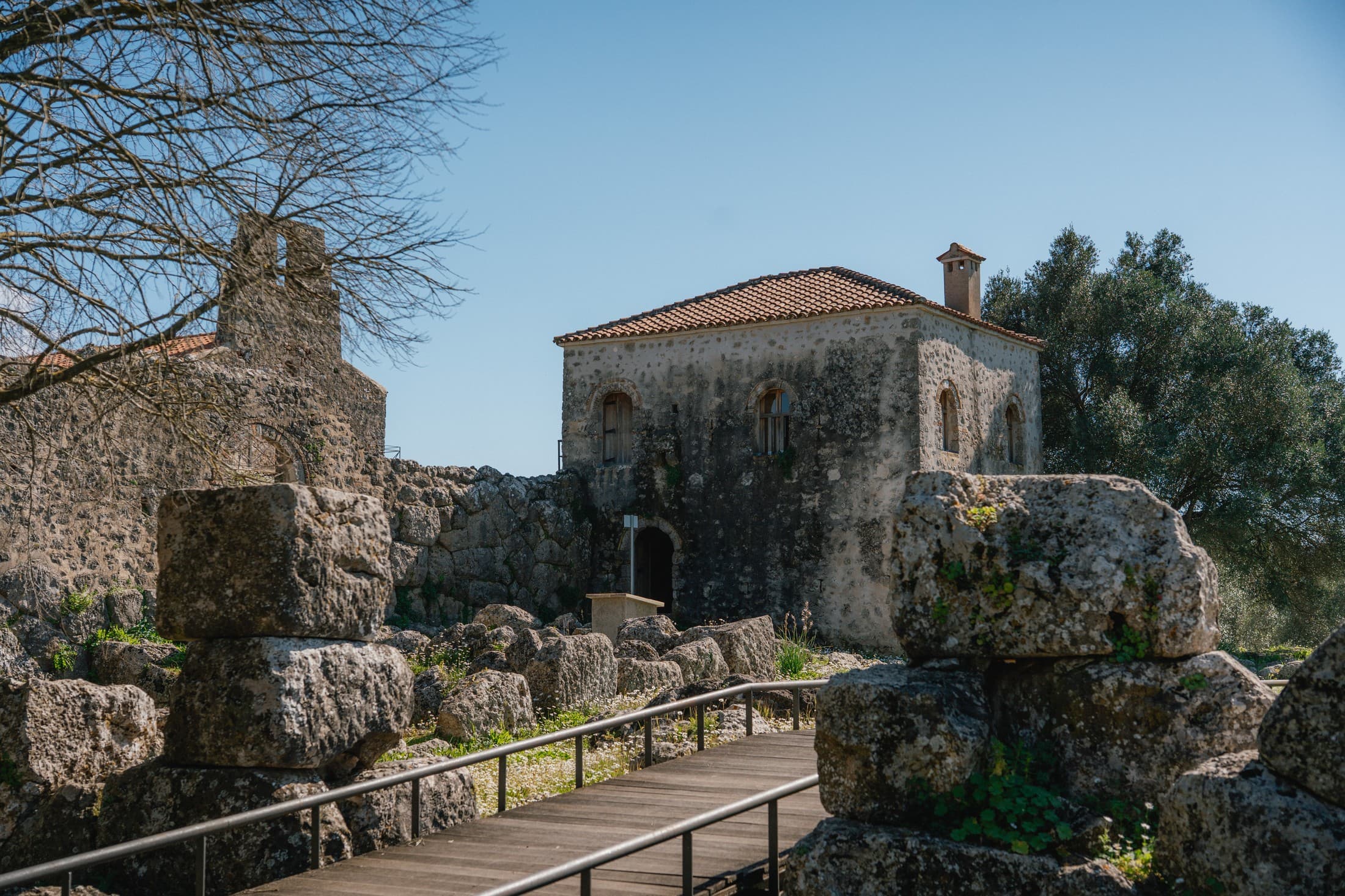
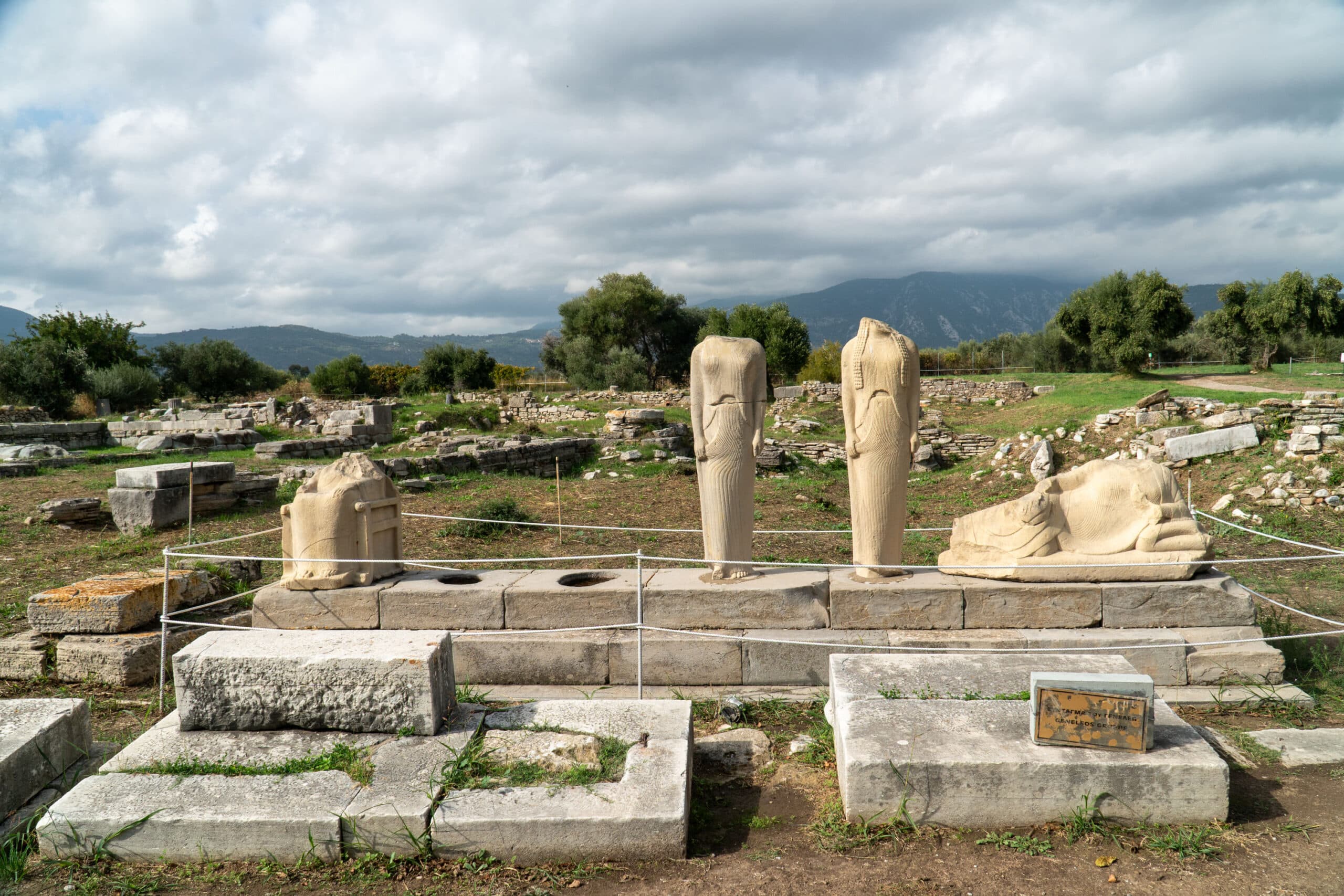
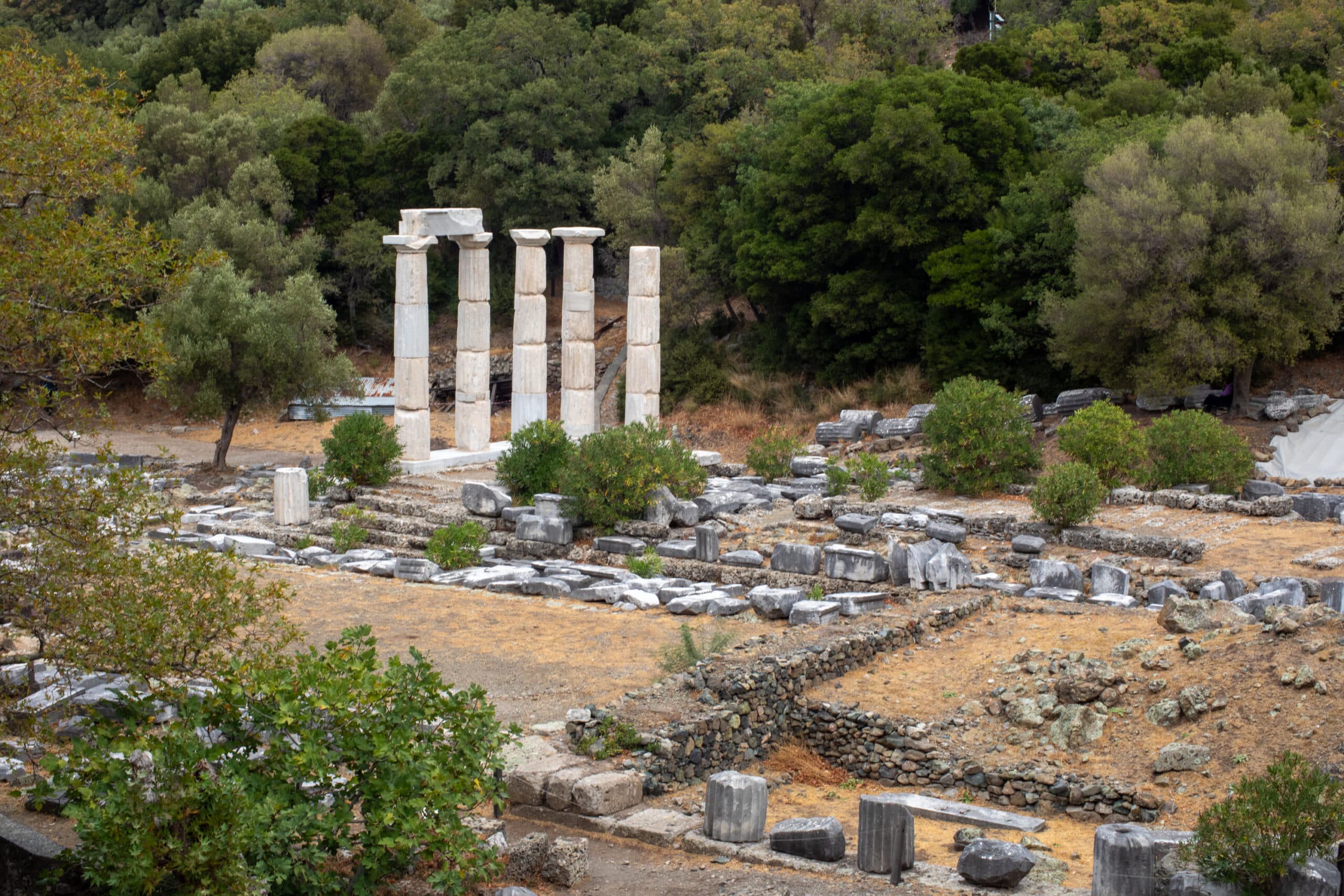
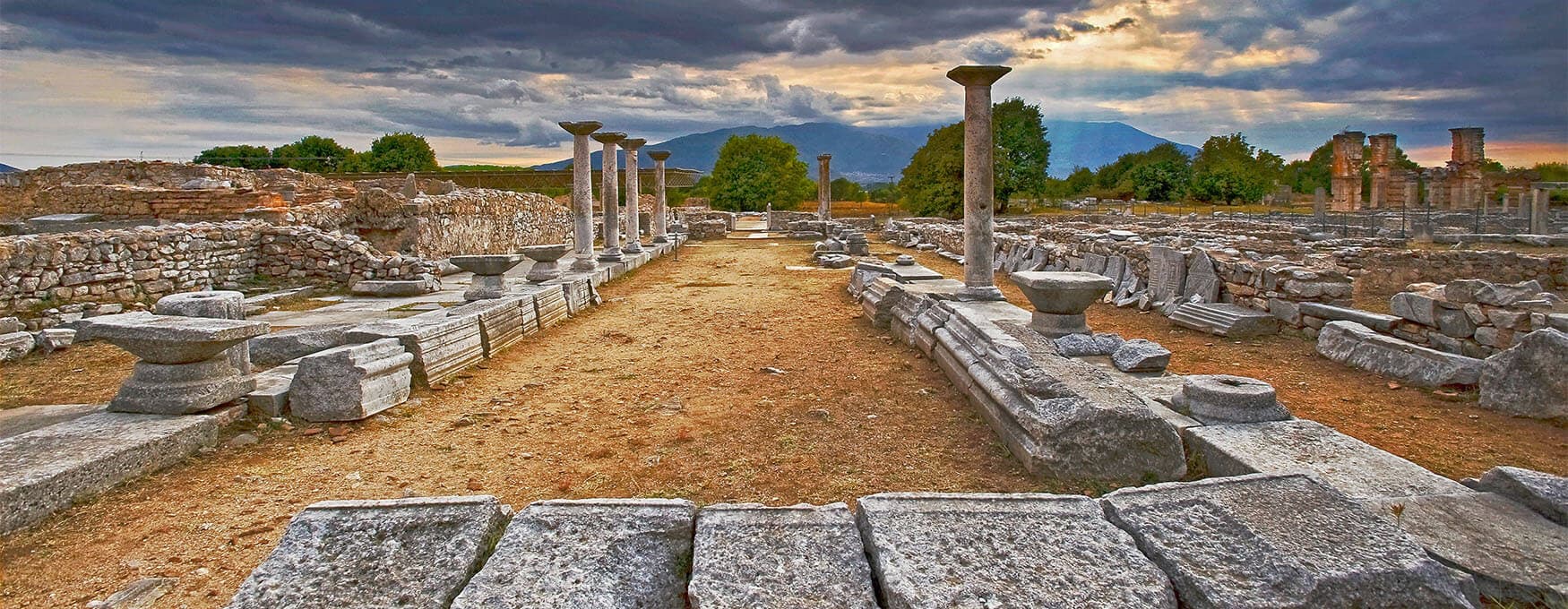
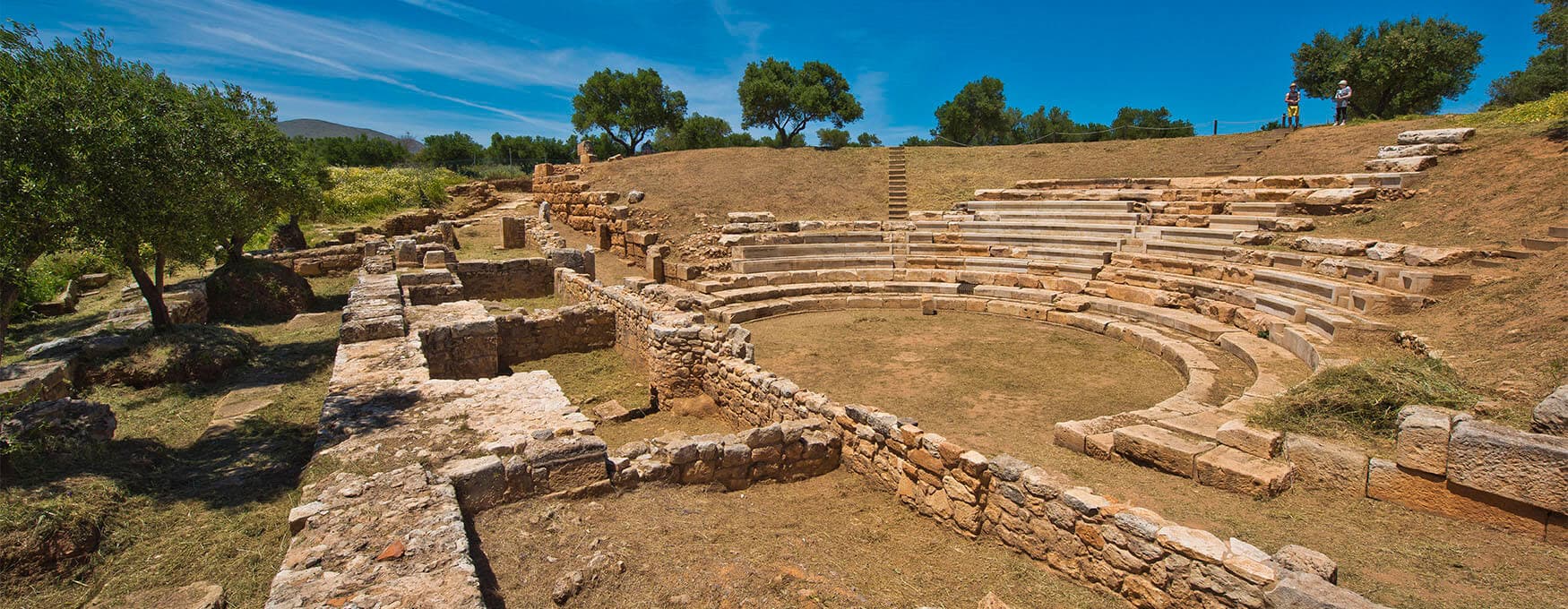
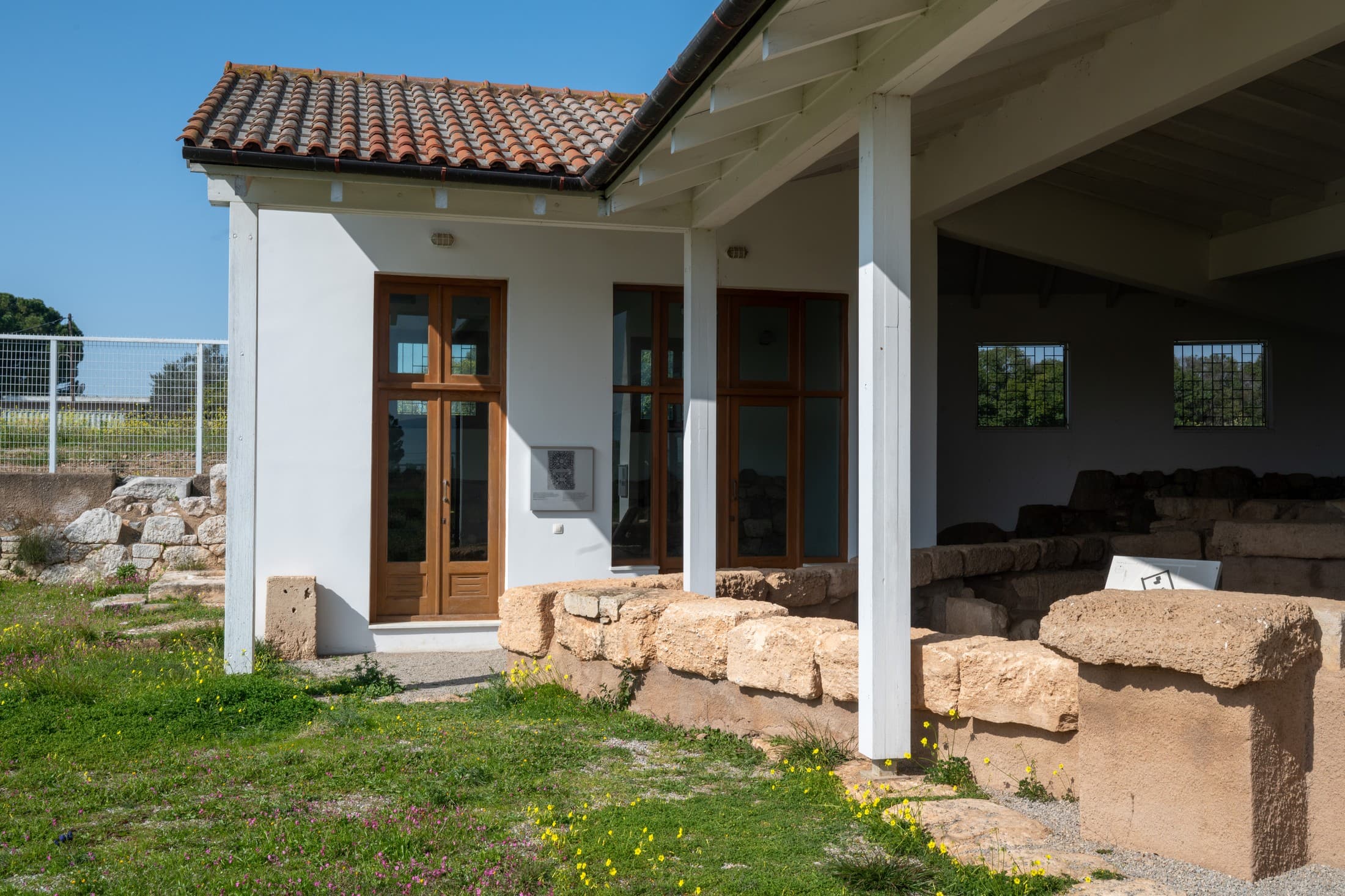
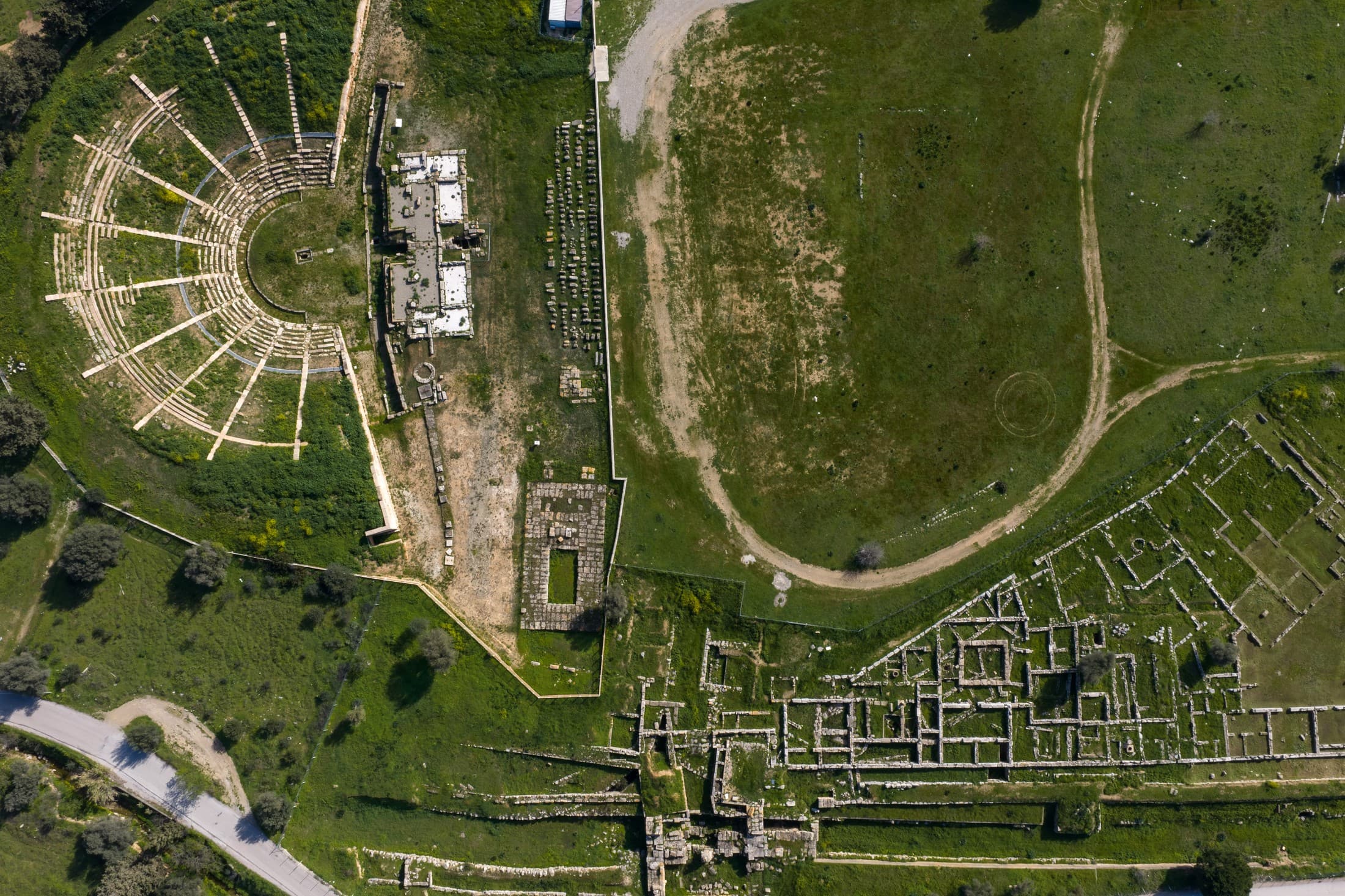
During your tour, you will have the opportunity to discover Roman and Hellenistic history through the surviving monuments. Admire the imposing walls, the ancient theatre, where performances are still hosted today, and the impressive Roman villa of Dionysus, known for the famous mosaic with the rare representation of the deity. Of particular interest are the two sanctuaries dedicated to the Egyptian deity Isis and the goddess Demeter, as well as the large complex of the Roman baths. These monuments, along with the columns and paved streets, give a clear picture of the size and luxury of life in the city during the Roman era.
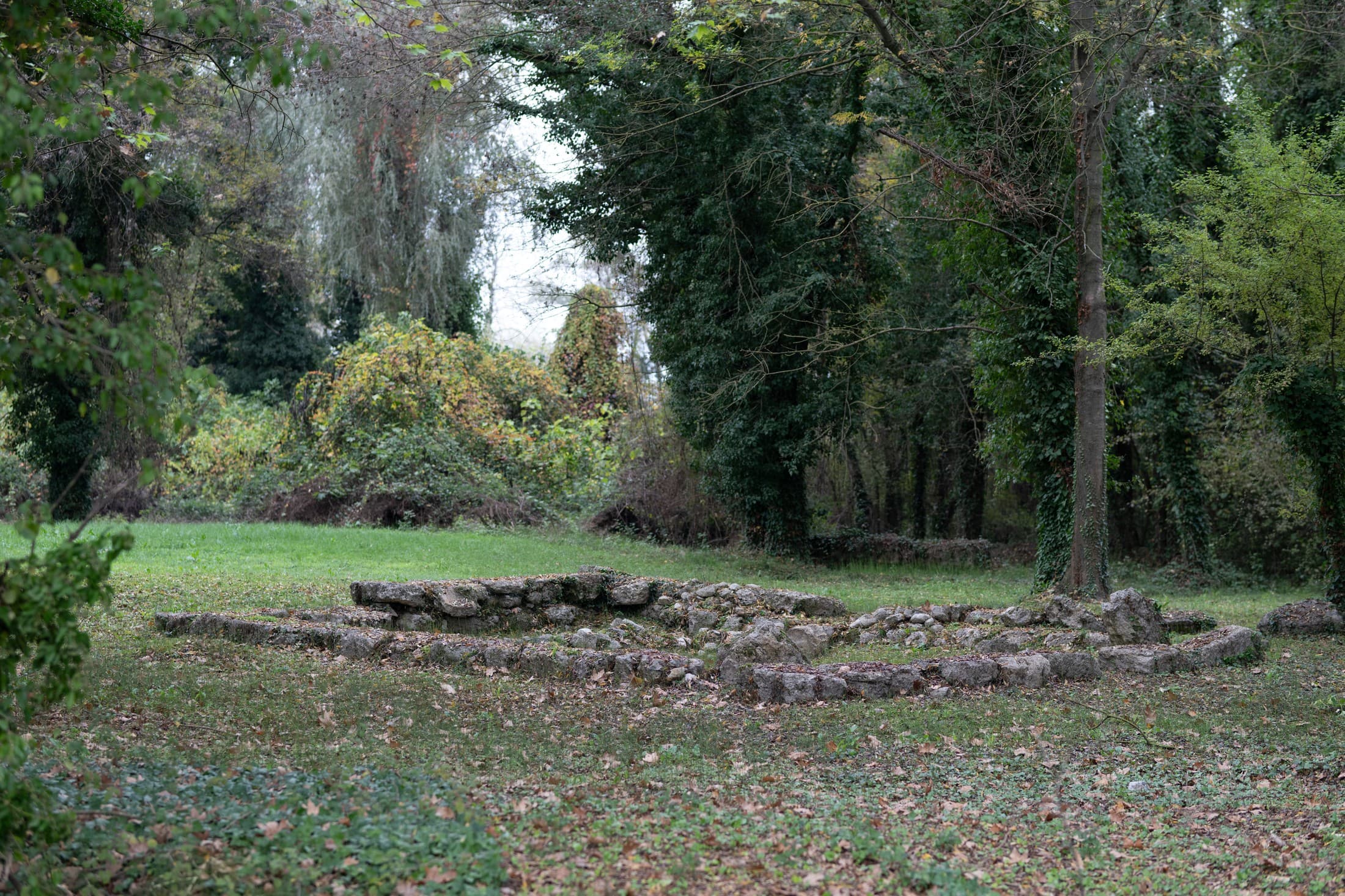
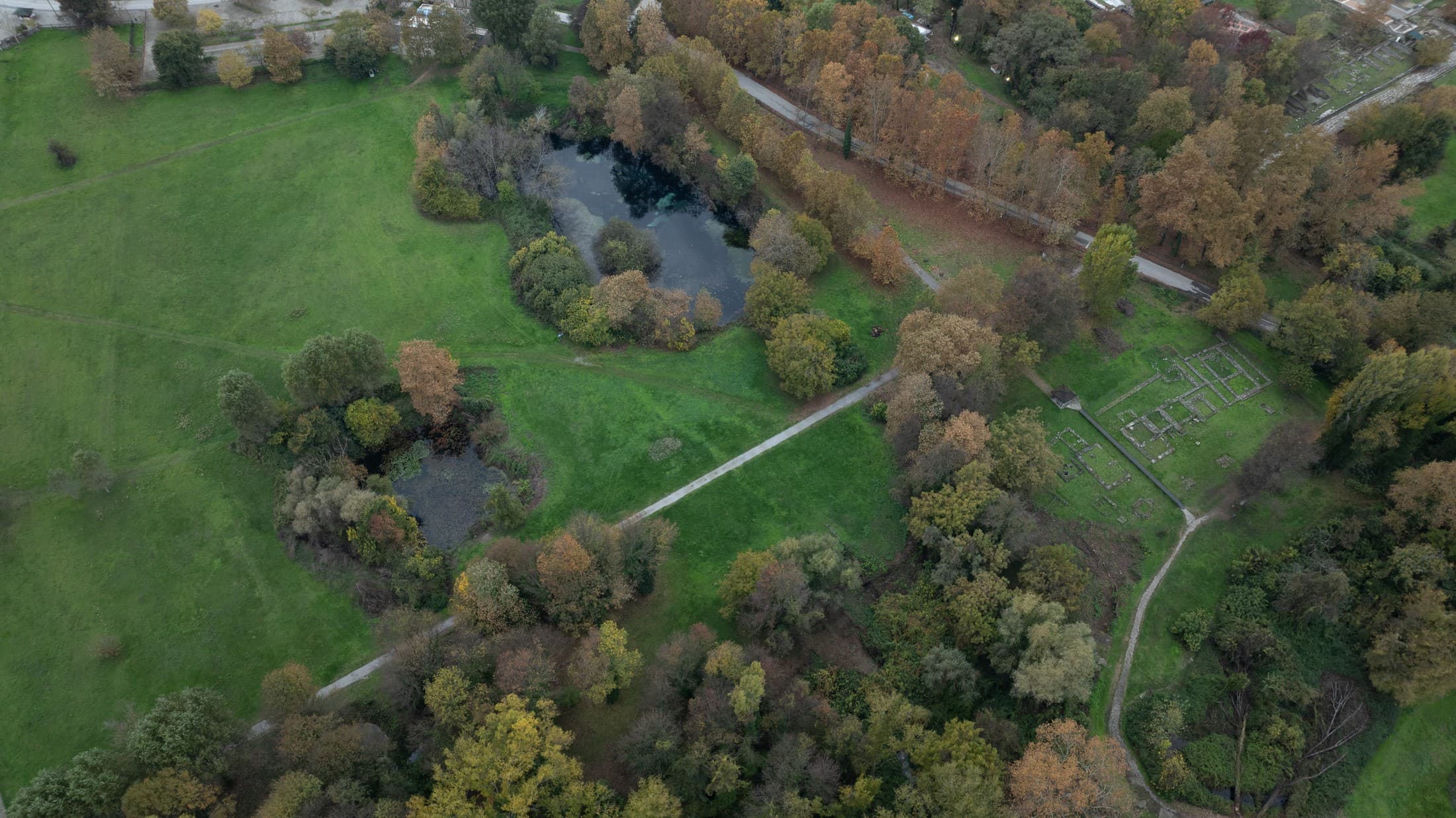
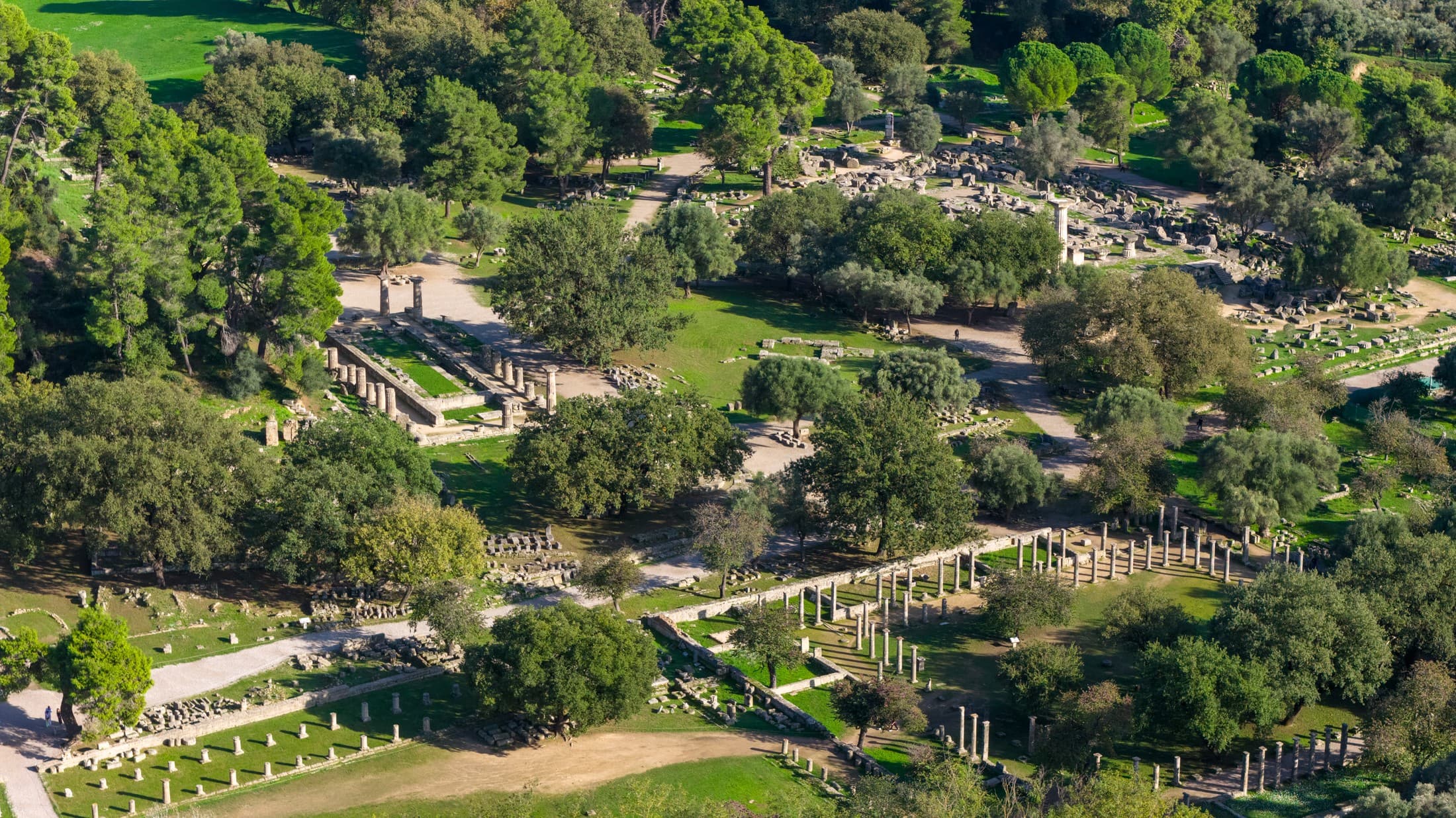
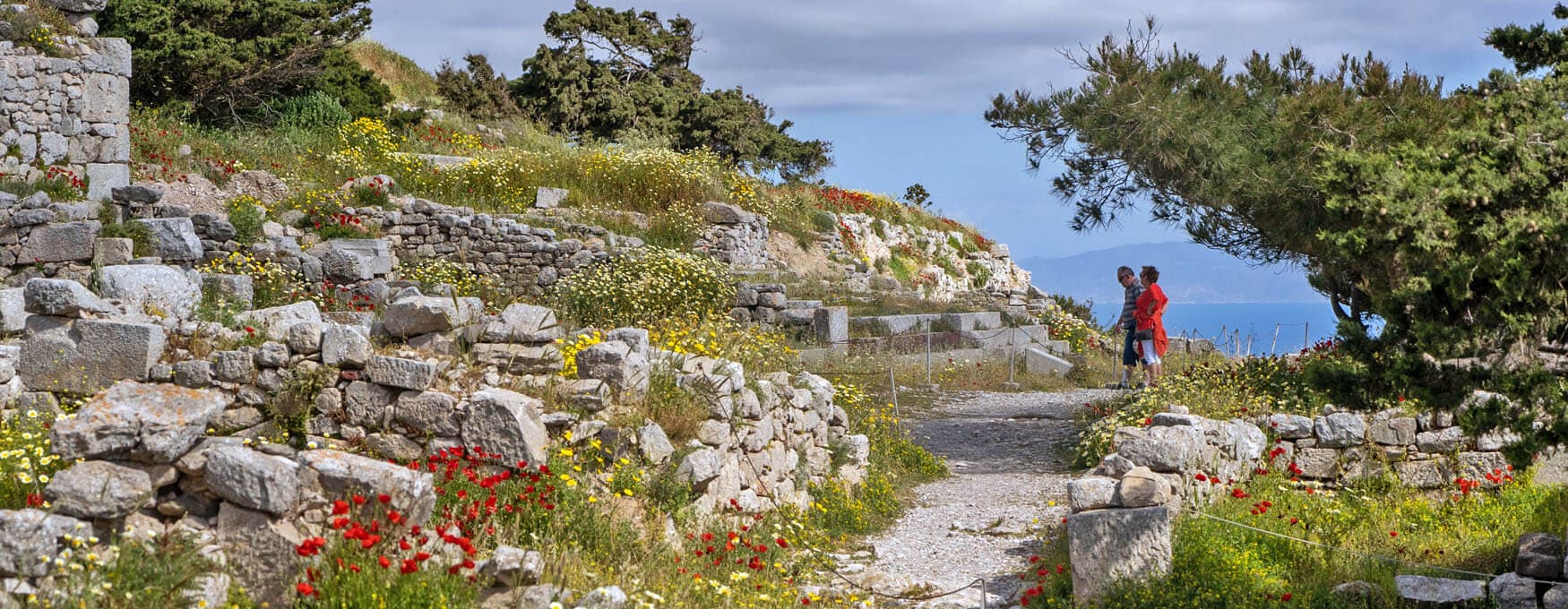
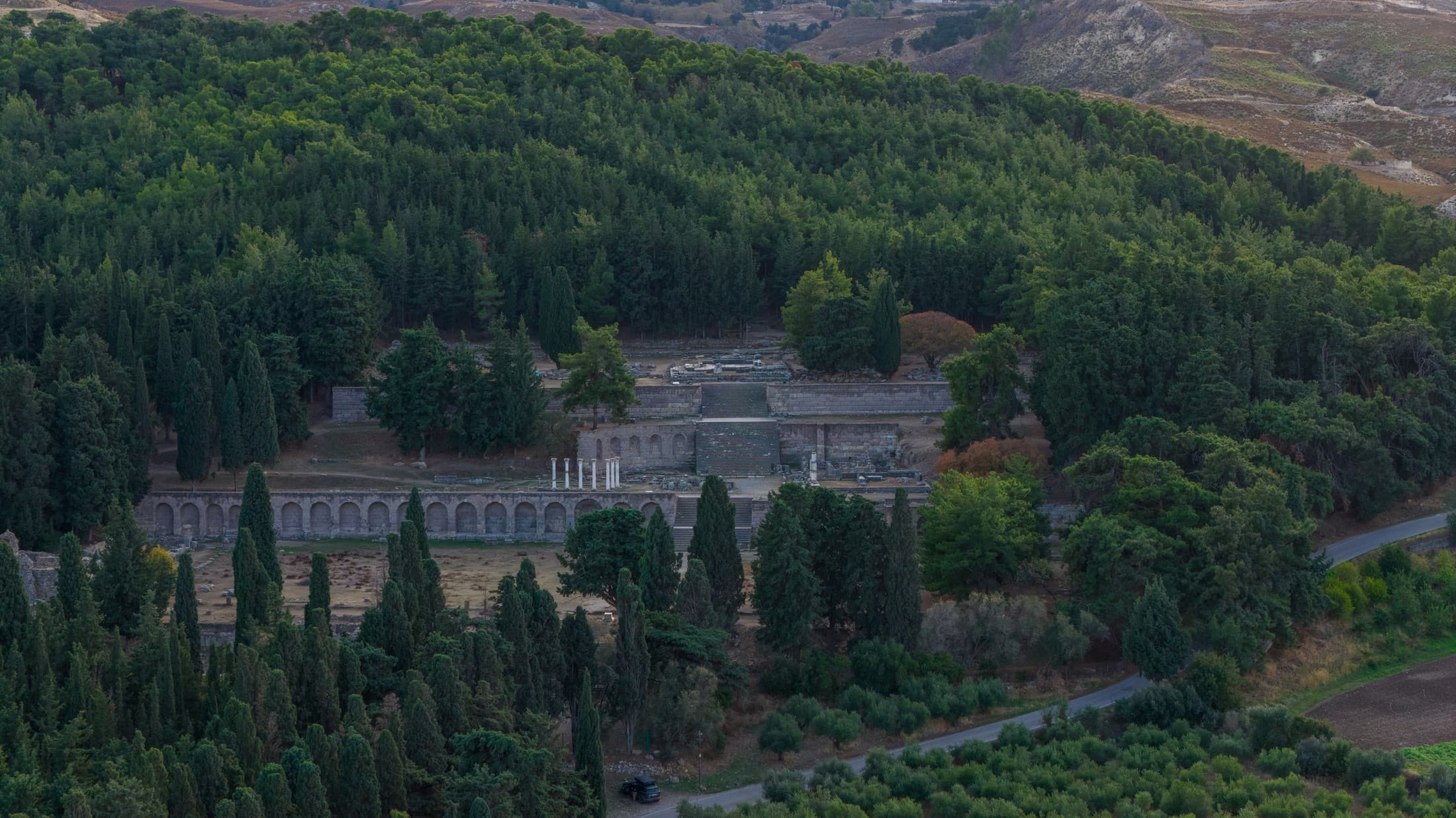
Beyond being an archaeological site, Dion is an integrated park in which nature is an integral part of the experience. The ancient ruins are surrounded by lakes, streams, and vegetation, creating a wonderful open-air museum. The water element running through the area comes from the springs of Mount Olympus and has played a decisive role in the preservation of monuments, such as the mosaics.
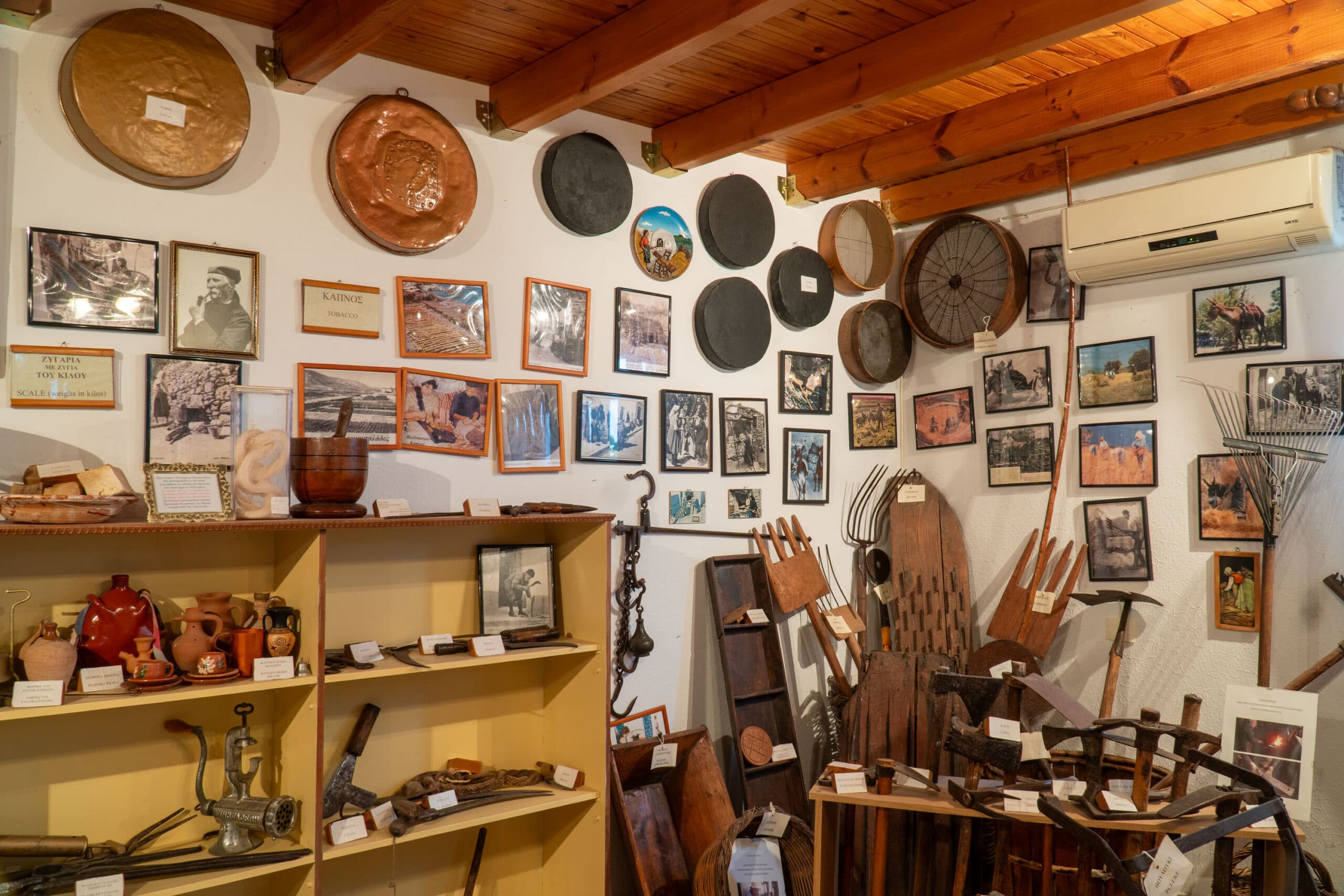
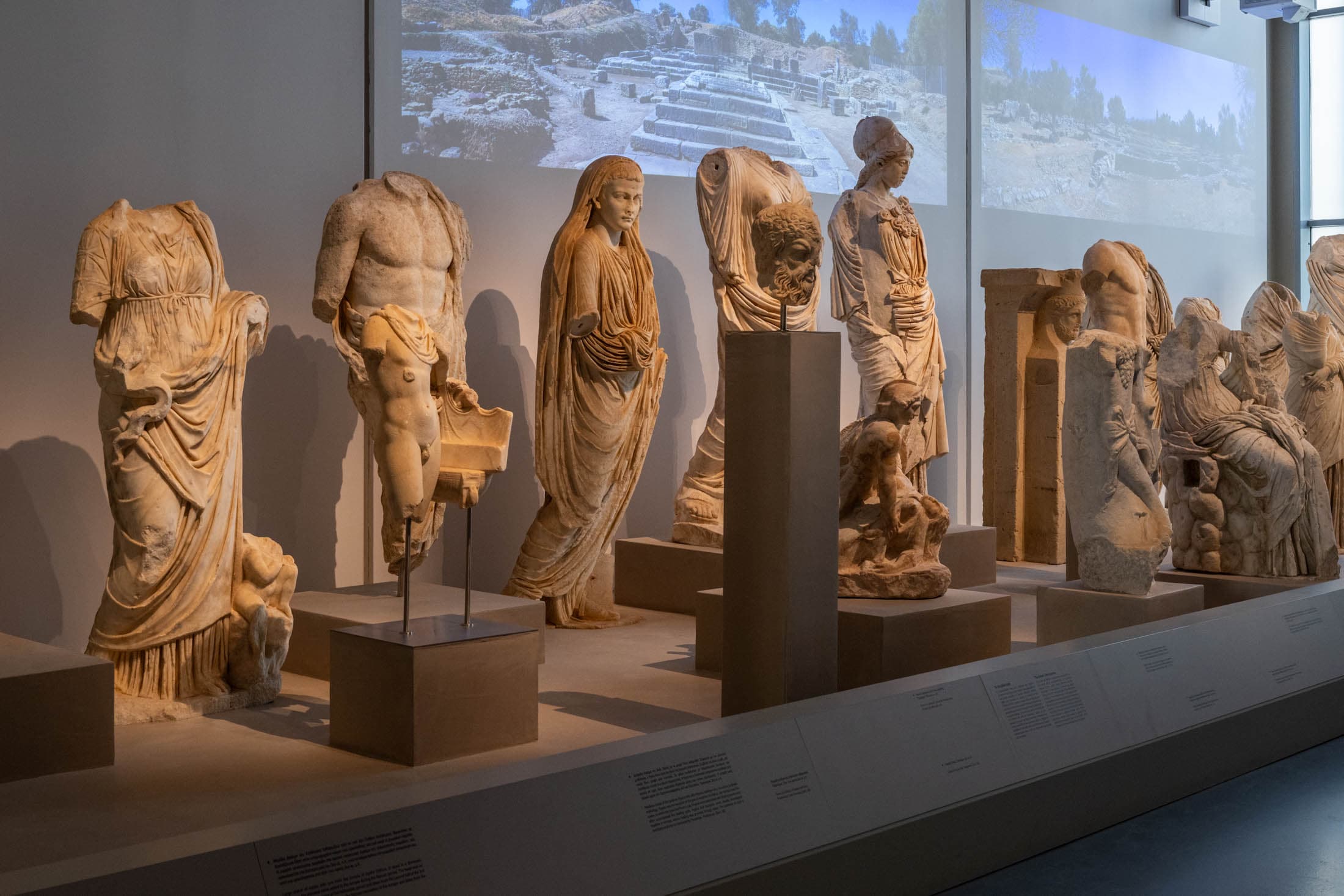
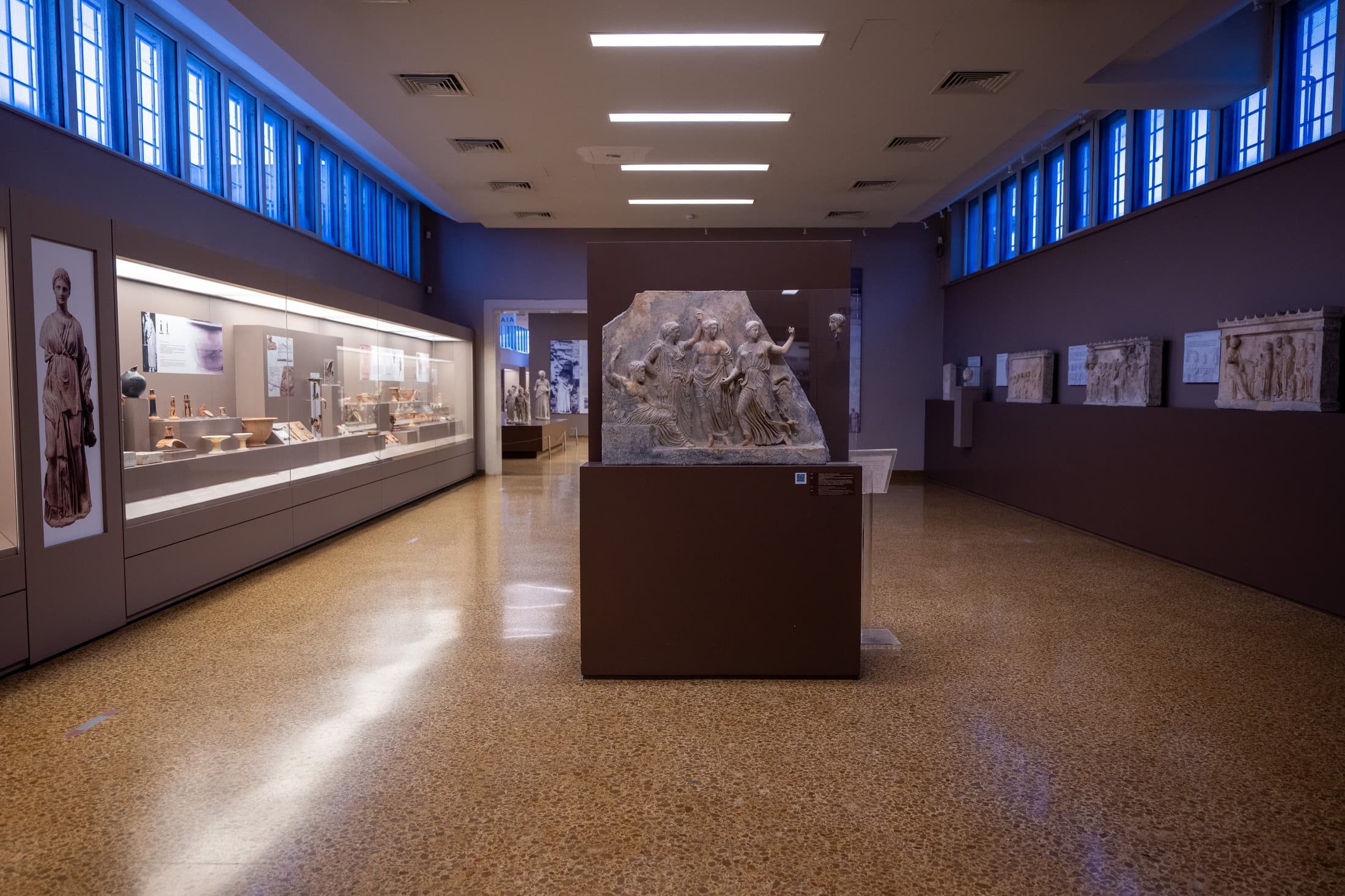
Also visit the modern Archaeological Museum of Dion located near the site. There you will see finds from the excavations, such as the Hydraulis, the oldest surviving keyboard wind musical instrument.
During your tour, you will have the opportunity to discover Roman and Hellenistic history through the surviving monuments. Admire the imposing walls, the ancient theatre, where performances are still hosted today, and the impressive Roman villa of Dionysus, known for the famous mosaic with the rare representation of the deity. Of particular interest are the two sanctuaries dedicated to the Egyptian deity Isis and the goddess Demeter, as well as the large complex of the Roman baths. These monuments, along with the columns and paved streets, give a clear picture of the size and luxury of life in the city during the Roman era.
Beyond being an archaeological site, Dion is an integrated park in which nature is an integral part of the experience. The ancient ruins are surrounded by lakes, streams, and vegetation, creating a wonderful open-air museum. The water element running through the area comes from the springs of Mount Olympus and has played a decisive role in the preservation of monuments, such as the mosaics.
Also visit the modern Archaeological Museum of Dion located near the site. There you will see finds from the excavations, such as the Hydraulis, the oldest surviving keyboard wind musical instrument.