A True Gem of a Museum
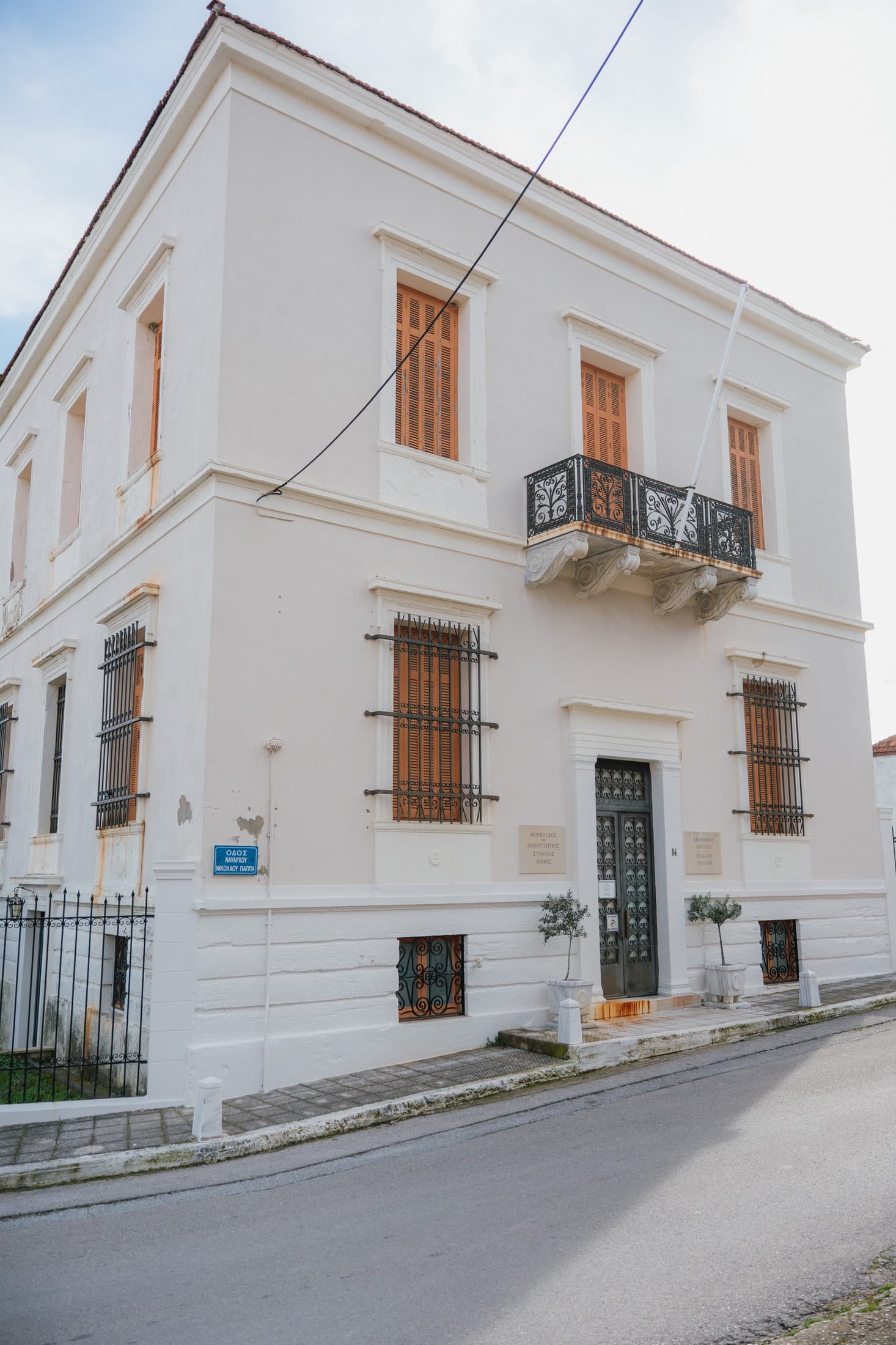
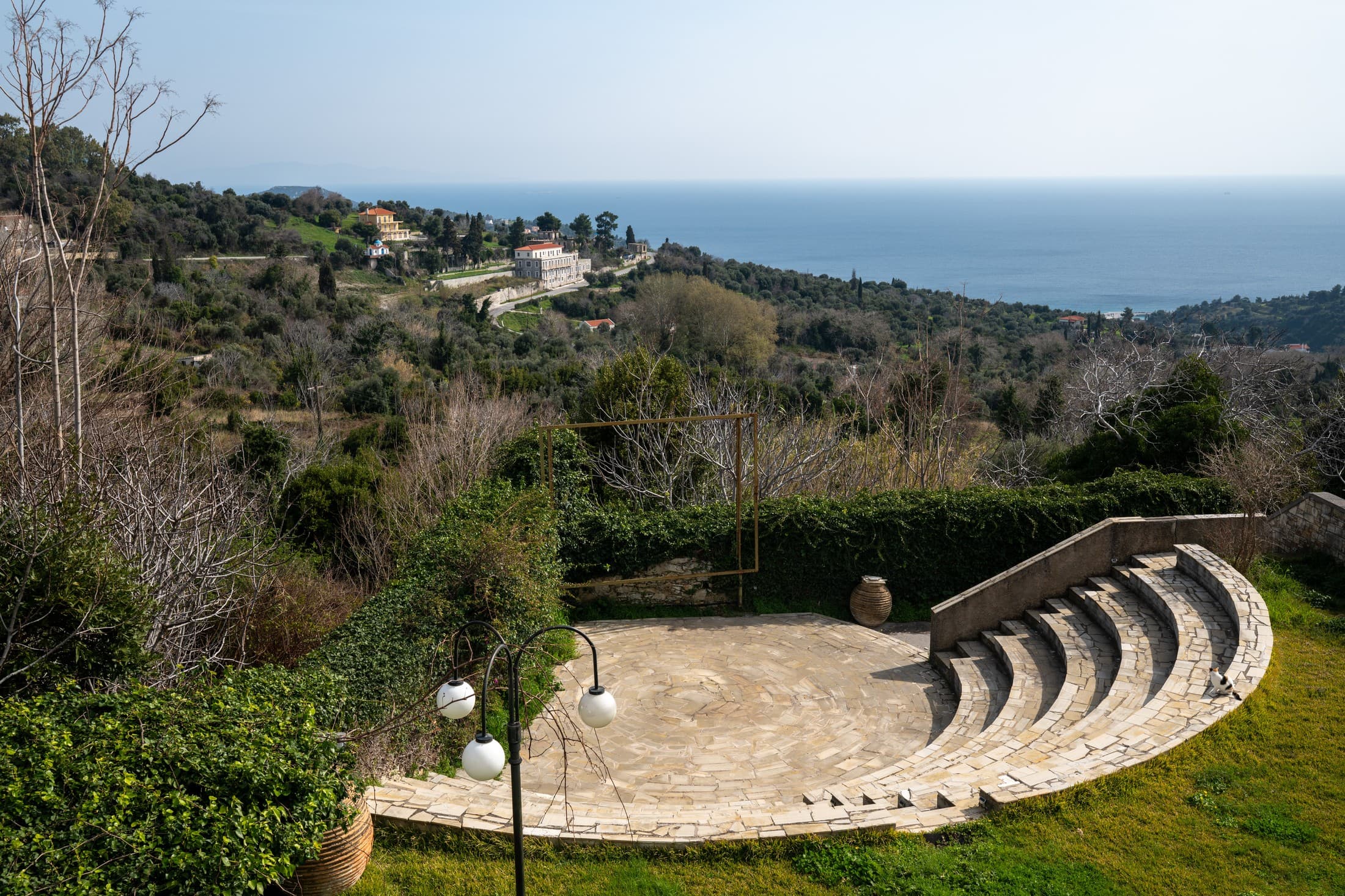
The Folklore Museum of Kymi stands out among all the folk museums you may have visited. One of the largest and richest of its kind in Greece, the museum of the Kymi Cultural and Educational Association is highly active, with its own publications, library, and extensive archive. It maintains collaborations with universities, institutions, and organisations, while also organising events, exhibitions, and educational programmes in the open-air theatre located in its garden or in the multipurpose hall.
The well-documented collection is housed in a beautiful neoclassical building, highlighting the city’s prosperity from 1800 to 1930, thanks to the wine trade of the rare Kumiotiko variety, known for its deep crimson, almost black colour.
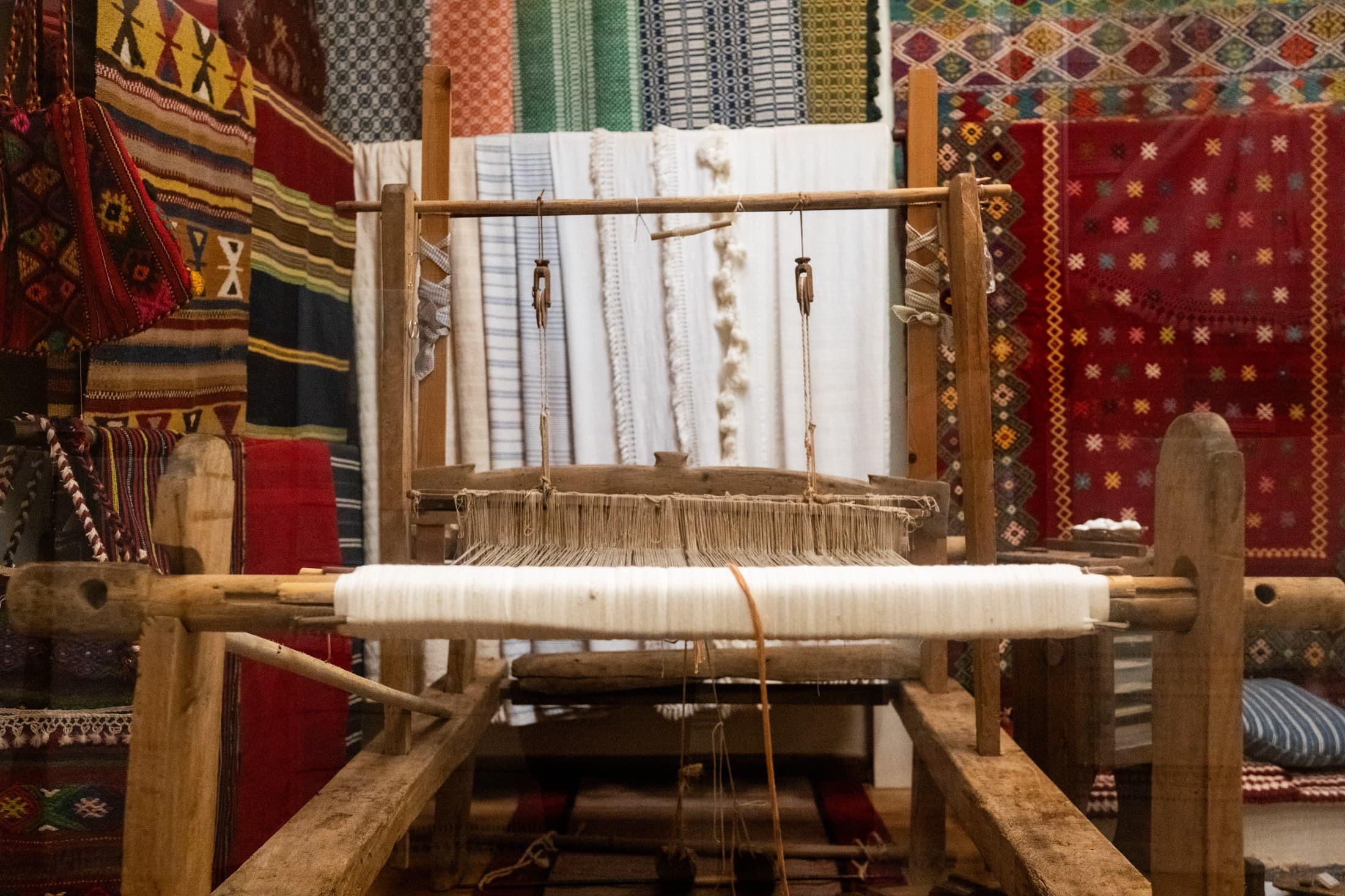
You will explore the rooms of a traditional Kymi home, along with household utensils and agricultural tools. On the first floor, for example, you’ll find the living room and bedroom, while the basement houses the cellar and laundry area. But there’s even more to discover: beautiful traditional costumes, uniforms from the Balkan Wars, vestments of Saint Nektarios, and a significant collection of sacred vessels, wood carvings, and jewellery. A space dedicated to the loom, woven textiles, and the embroidery created by the women of Evia could not be missing, while the candle-making workshop in the basement is also of great interest.
Additionally, the museum offers a journey through time and local history with photographs and documents on display, including a special tribute to the renowned physician and researcher Georgios Papanikolaou, inventor of the Pap smear test, who was born in Kymi.
In the village of Pyrgos, you’ll find a branch of the Kymi Folklore Museum, housed in a beautiful neoclassical building. The branch opens during the summer for special exhibitions and features works by the 19th-century folk artist Sotiris Chrysanthopoulos.
The well-documented collection is housed in a beautiful neoclassical building, highlighting the city’s prosperity from 1800 to 1930, thanks to the wine trade of the rare Kumiotiko variety, known for its deep crimson, almost black colour.
You will explore the rooms of a traditional Kymi home, along with household utensils and agricultural tools. On the first floor, for example, you’ll find the living room and bedroom, while the basement houses the cellar and laundry area. But there’s even more to discover: beautiful traditional costumes, uniforms from the Balkan Wars, vestments of Saint Nektarios, and a significant collection of sacred vessels, wood carvings, and jewellery. A space dedicated to the loom, woven textiles, and the embroidery created by the women of Evia could not be missing, while the candle-making workshop in the basement is also of great interest.
Additionally, the museum offers a journey through time and local history with photographs and documents on display, including a special tribute to the renowned physician and researcher Georgios Papanikolaou, inventor of the Pap smear test, who was born in Kymi.
In the village of Pyrgos, you’ll find a branch of the Kymi Folklore Museum, housed in a beautiful neoclassical building. The branch opens during the summer for special exhibitions and features works by the 19th-century folk artist Sotiris Chrysanthopoulos.