The engineering innovations of the ancient Greeks come to life once more
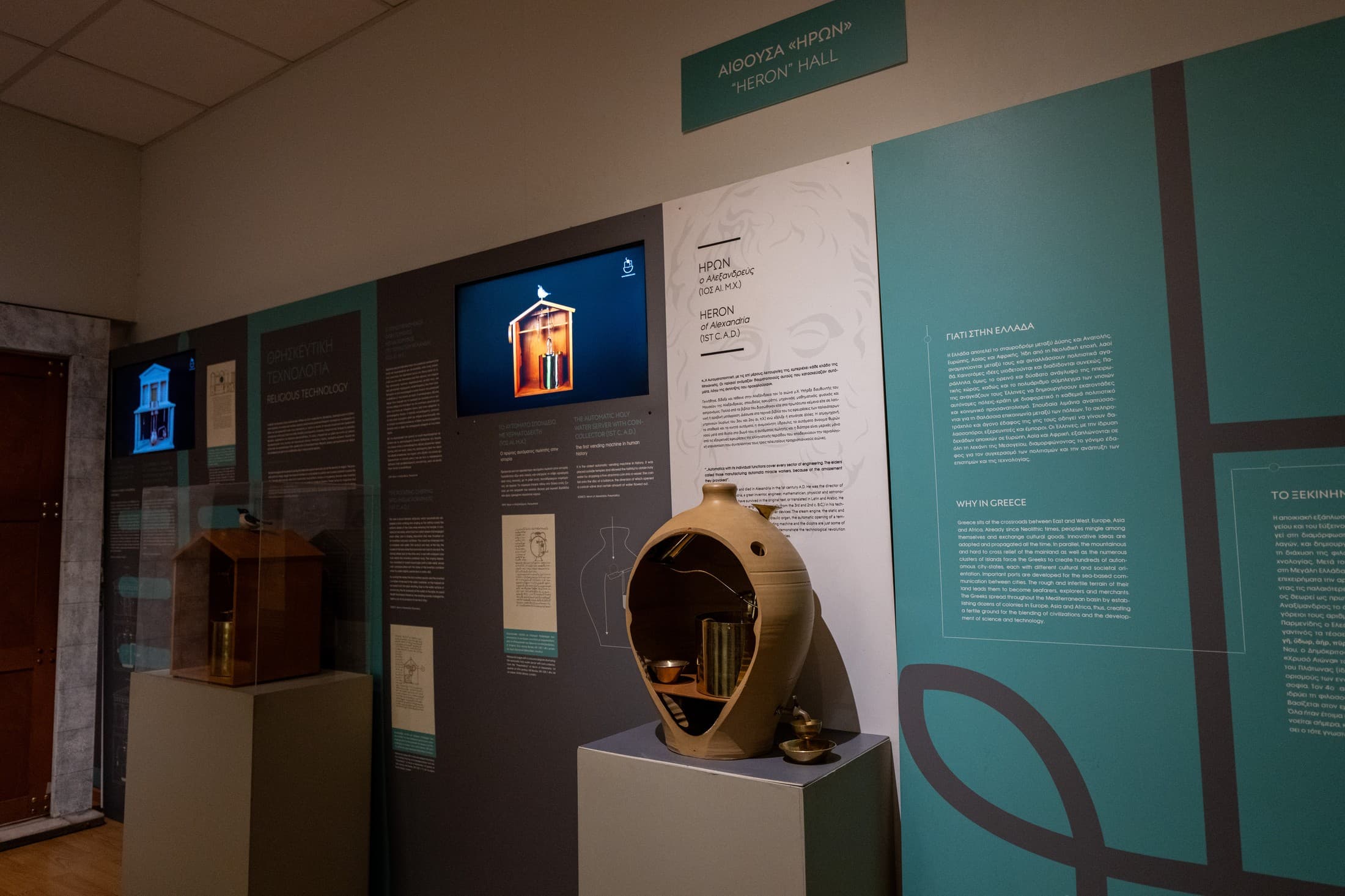
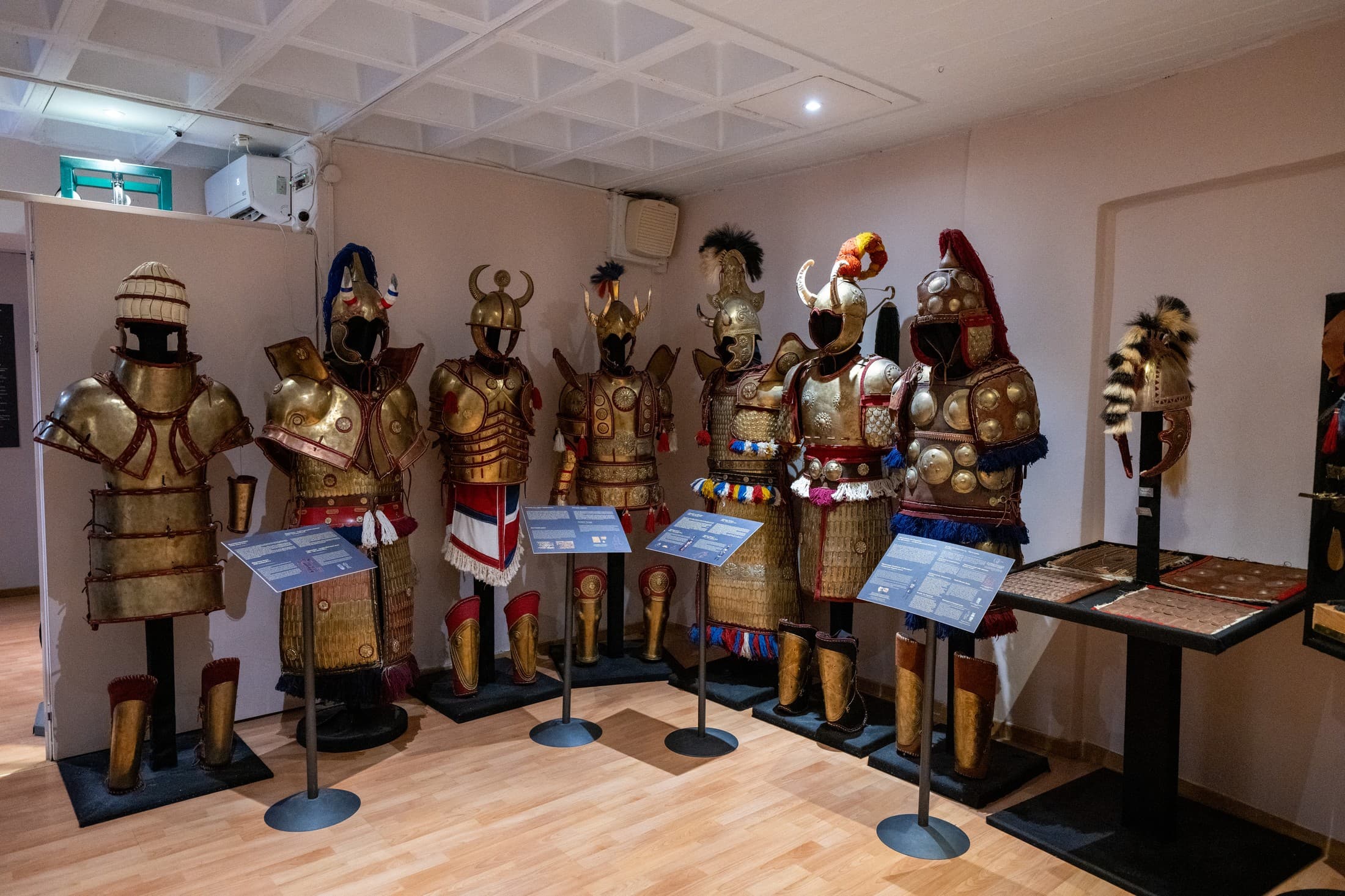
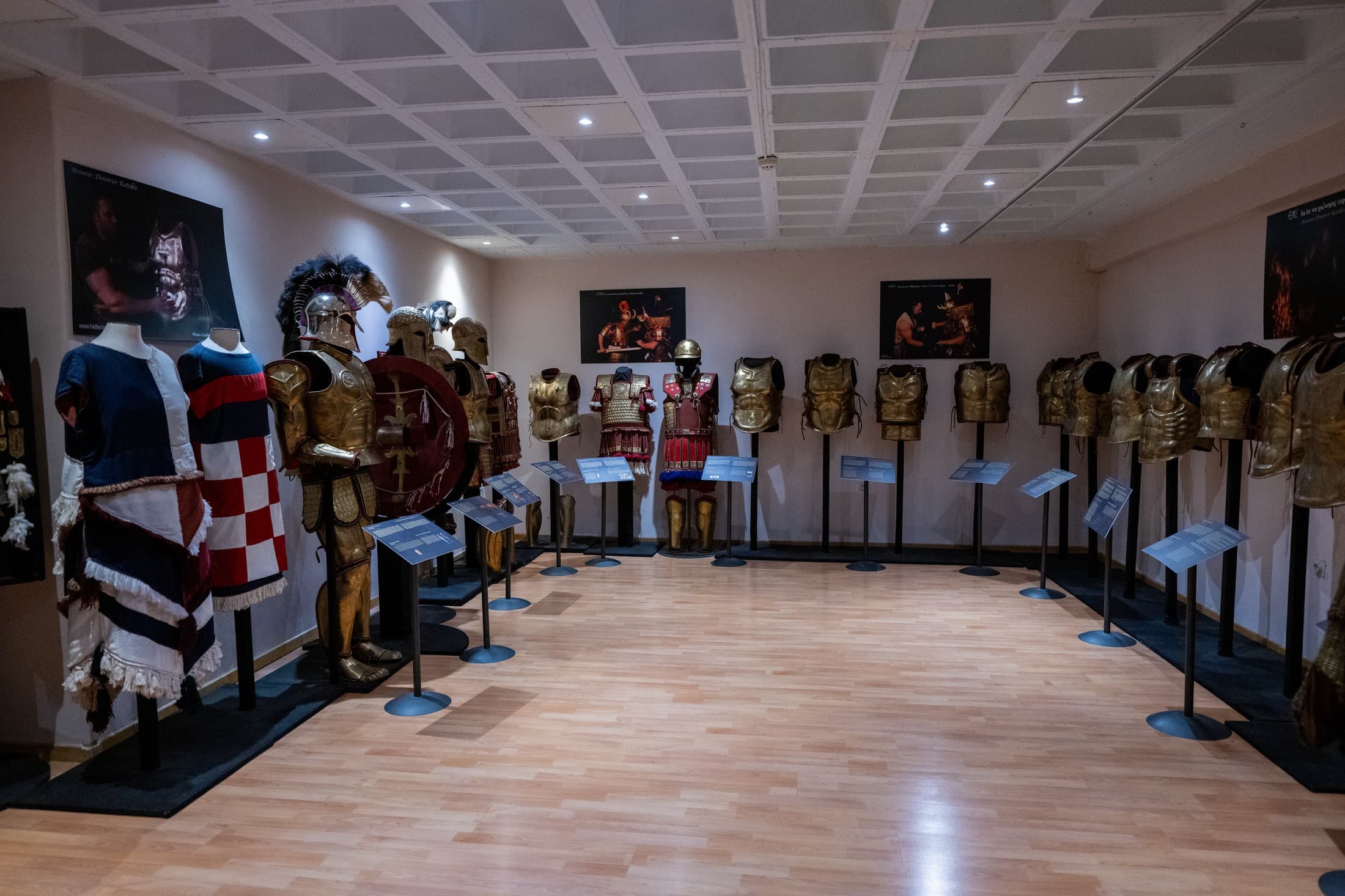
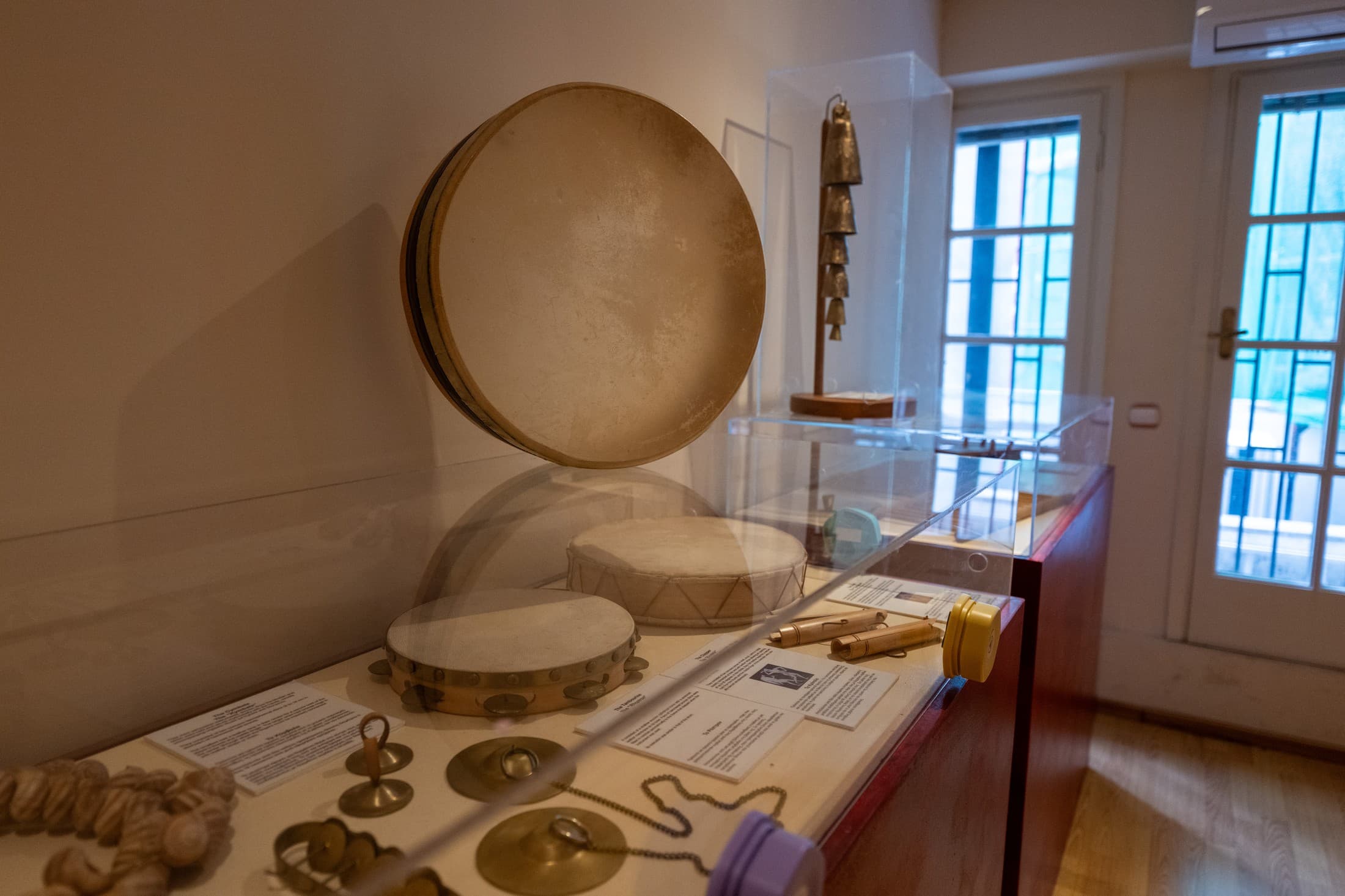
In the heart of Athens, in Kolonaki, the Kotsanas Museum of Ancient Greek Technology reveals an aspect of Greek civilization that is often obscured by philosophy and art: Engineering innovation. Housed in an elegant 19th-century neoclassical building, the museum presents more than 300 recreations of functional machines of the ancient Greeks, based on authentic sources and scientific documentation.
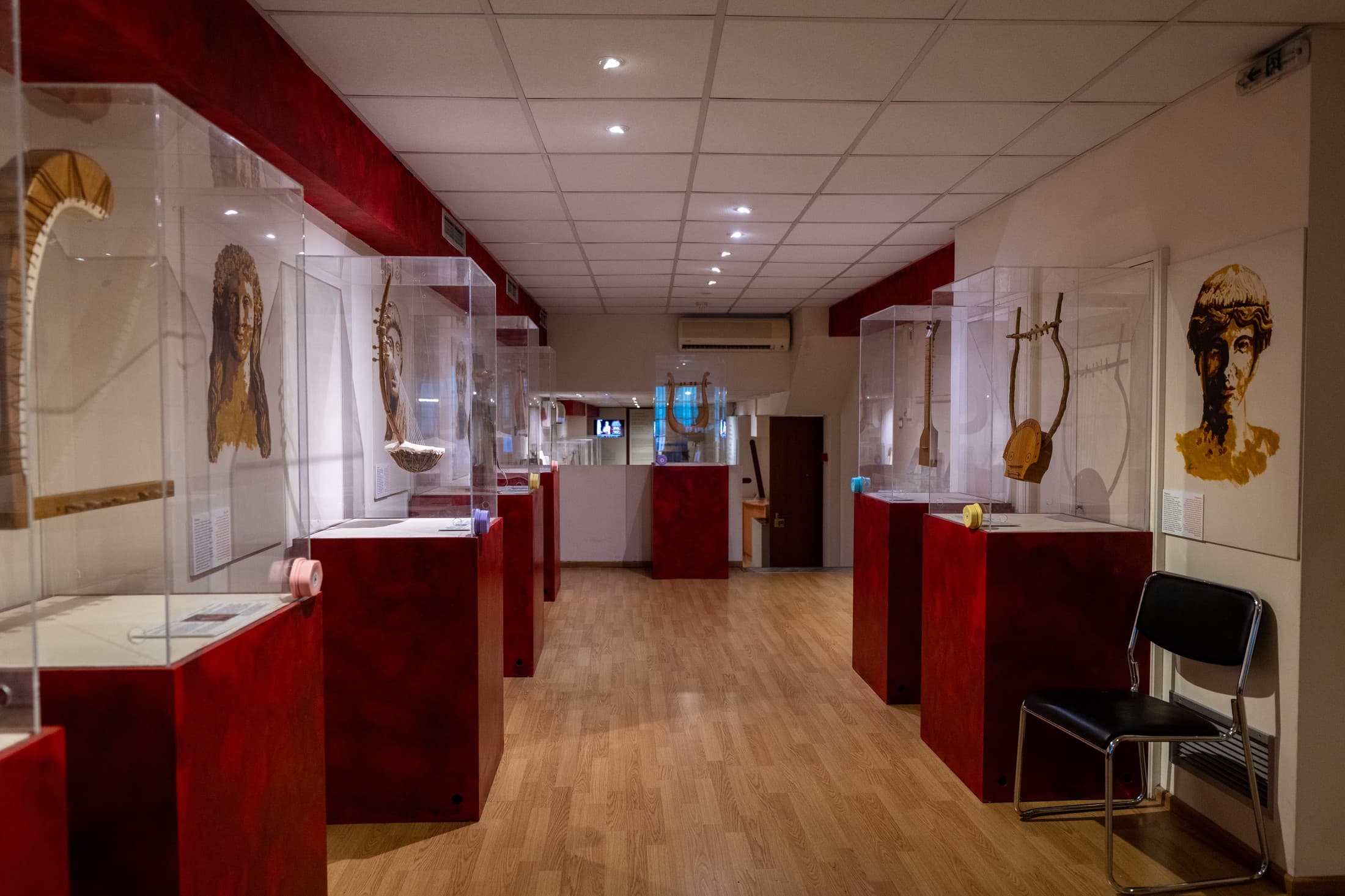
The man behind the museum, Kostas Kotsanas, a mechanical engineer and researcher, dedicated more than thirty years to the study of ancient technological achievements, proving that Greek civilization was both intellectual and deeply technological. From automata, astronomical clocks, and hydraulic devices to siege machines and musical instruments, the collection presents the genesis of engineering thought in antiquity.
The rooms are organised thematically and they offer an interactive experience: You can activate the exhibits yourself, see how Philon's Automatic Servant works, operate Plato's alarm clock, admire the hydraulic kithara (a box-shaped string instrument), and discover Heron of Alexandria’s robot servant. One of the most striking recreations is the Heron’s Automaton Theatre, a mechanical miracle that tells a whole story through the pulling of pulleys and levers, a herald of film editing.
The museum offers specially designed guided tours and discovery games for families, aiming to acquaint children with the magic of ancient engineering through play.
Apart from its technological value, the museum also operates as a centre for education and research, hosting educational programmes, lectures, and robotics workshops for children and adults. Connecting ancient technology with modern STEM studies makes it a dynamic learning space, where the past and future meet creatively.
The man behind the museum, Kostas Kotsanas, a mechanical engineer and researcher, dedicated more than thirty years to the study of ancient technological achievements, proving that Greek civilization was both intellectual and deeply technological. From automata, astronomical clocks, and hydraulic devices to siege machines and musical instruments, the collection presents the genesis of engineering thought in antiquity.
The rooms are organised thematically and they offer an interactive experience: You can activate the exhibits yourself, see how Philon's Automatic Servant works, operate Plato's alarm clock, admire the hydraulic kithara (a box-shaped string instrument), and discover Heron of Alexandria’s robot servant. One of the most striking recreations is the Heron’s Automaton Theatre, a mechanical miracle that tells a whole story through the pulling of pulleys and levers, a herald of film editing.
The museum offers specially designed guided tours and discovery games for families, aiming to acquaint children with the magic of ancient engineering through play.
Apart from its technological value, the museum also operates as a centre for education and research, hosting educational programmes, lectures, and robotics workshops for children and adults. Connecting ancient technology with modern STEM studies makes it a dynamic learning space, where the past and future meet creatively.