A Hymn to Macedonian History
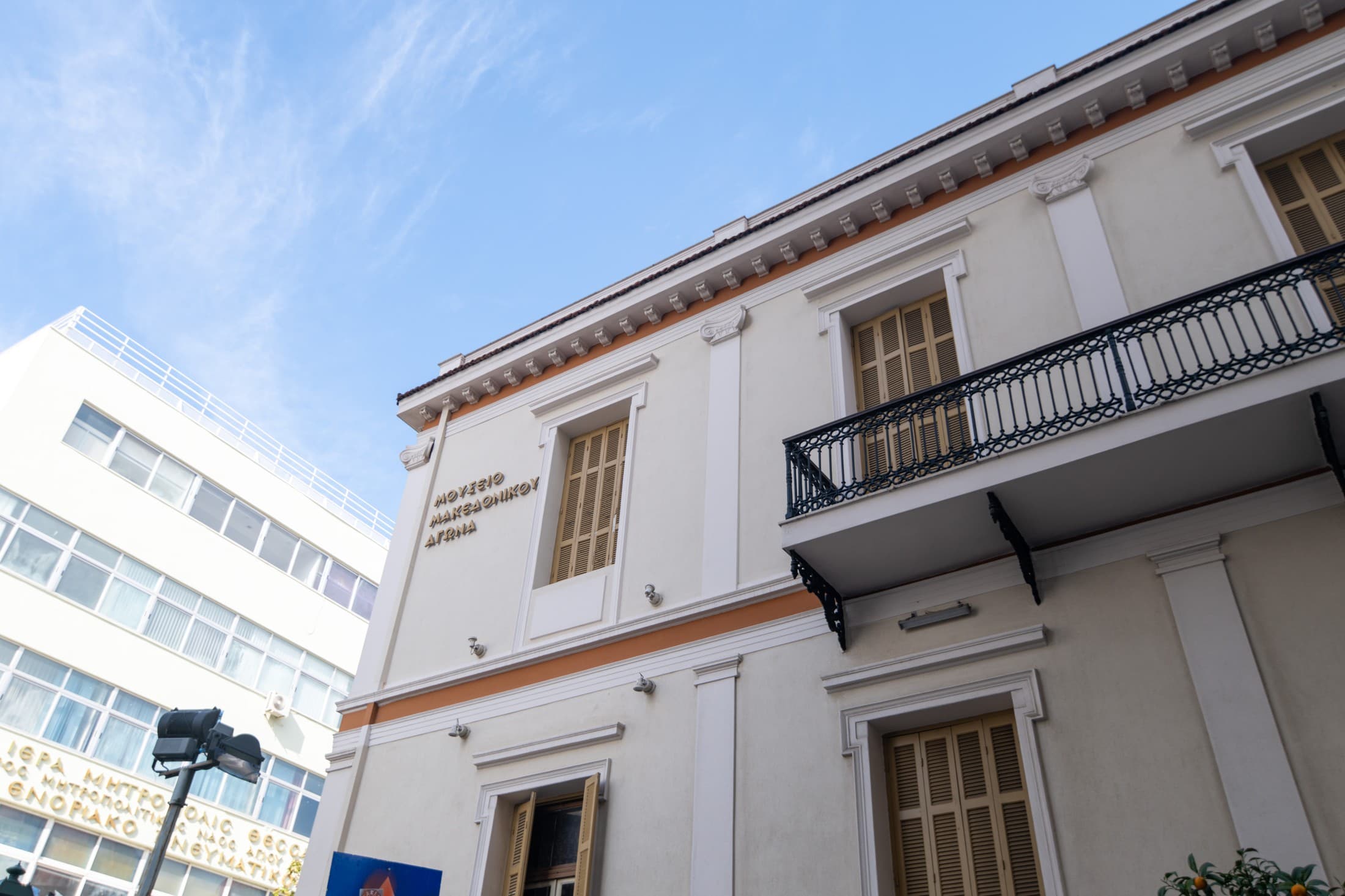
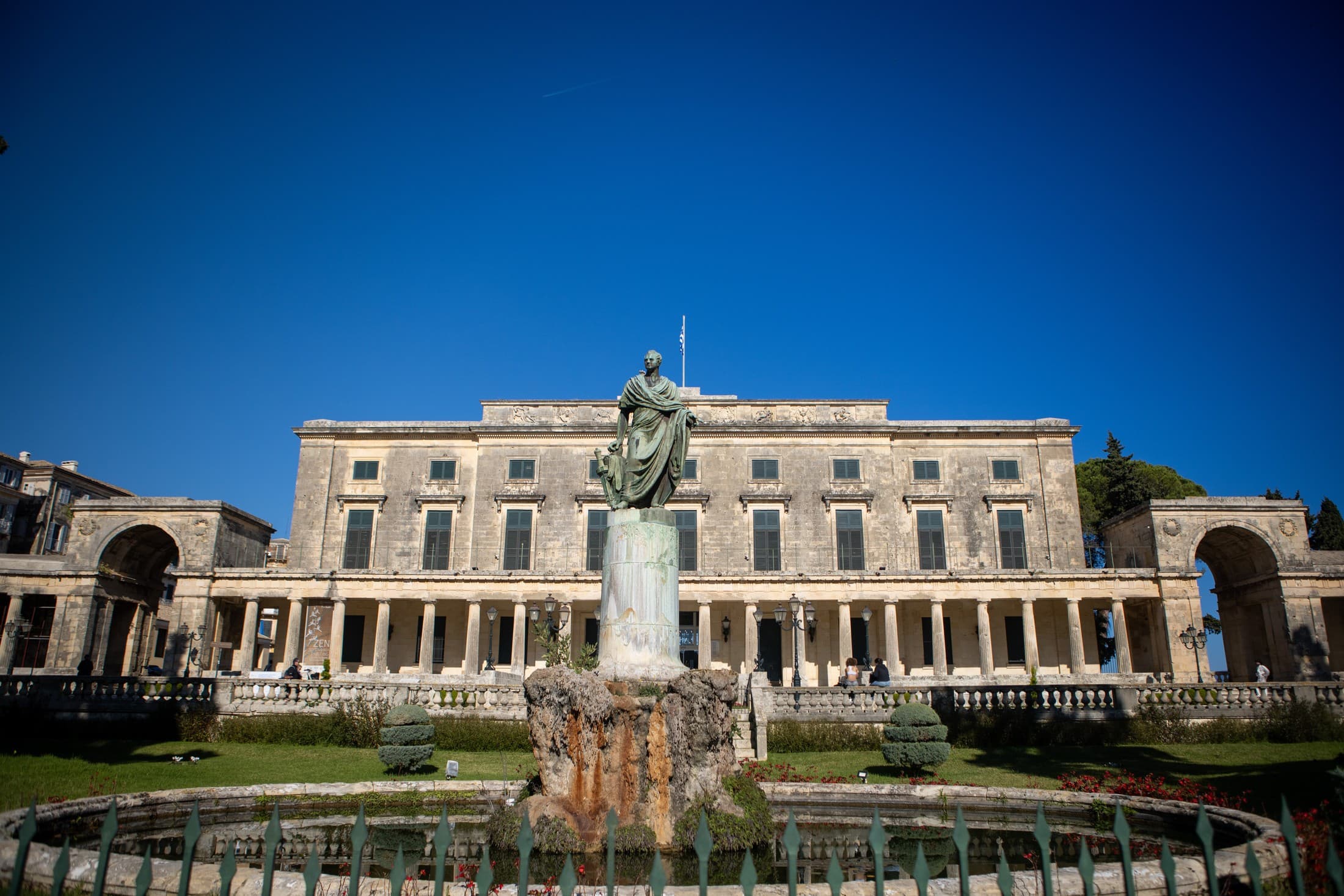
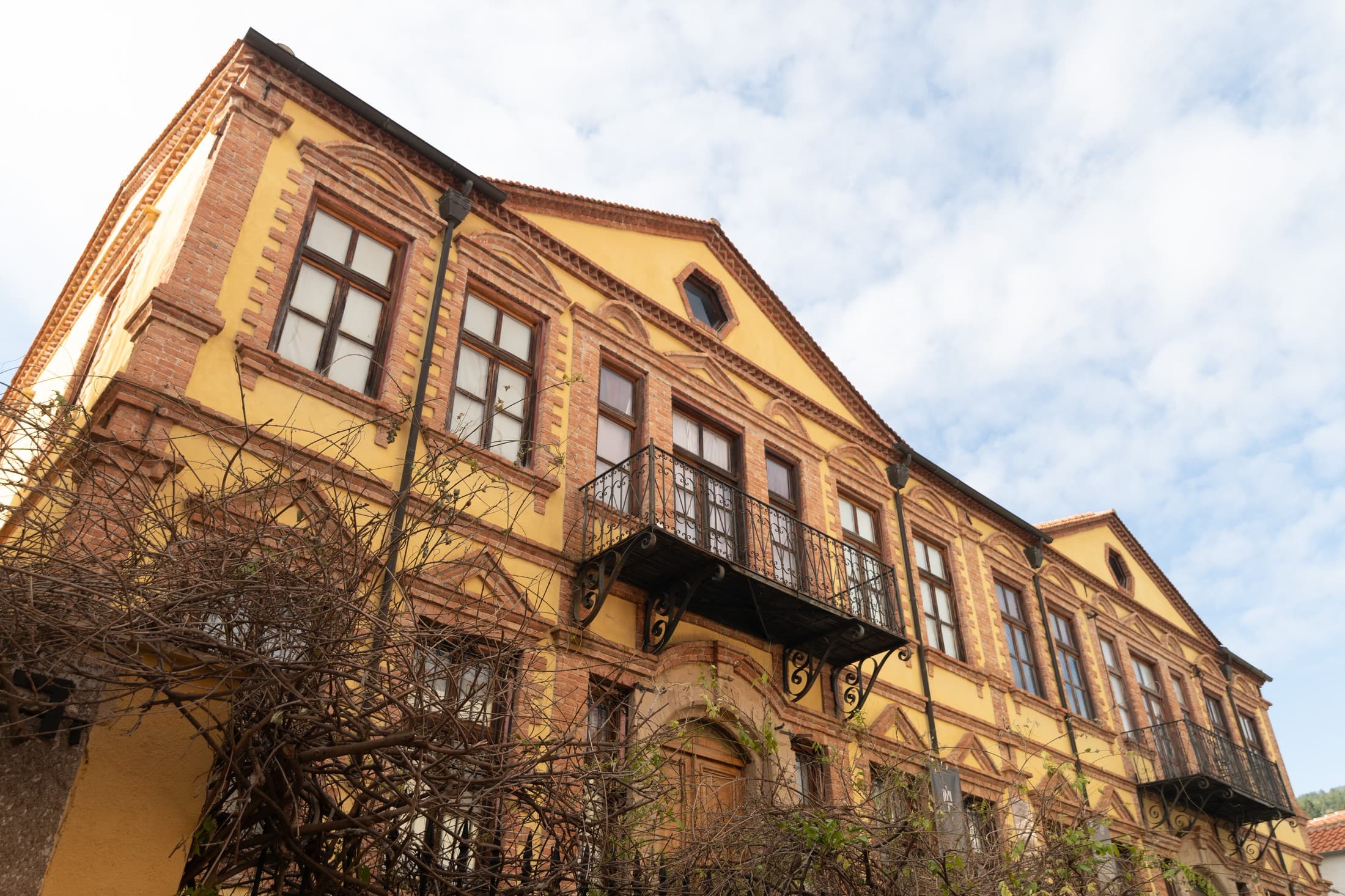
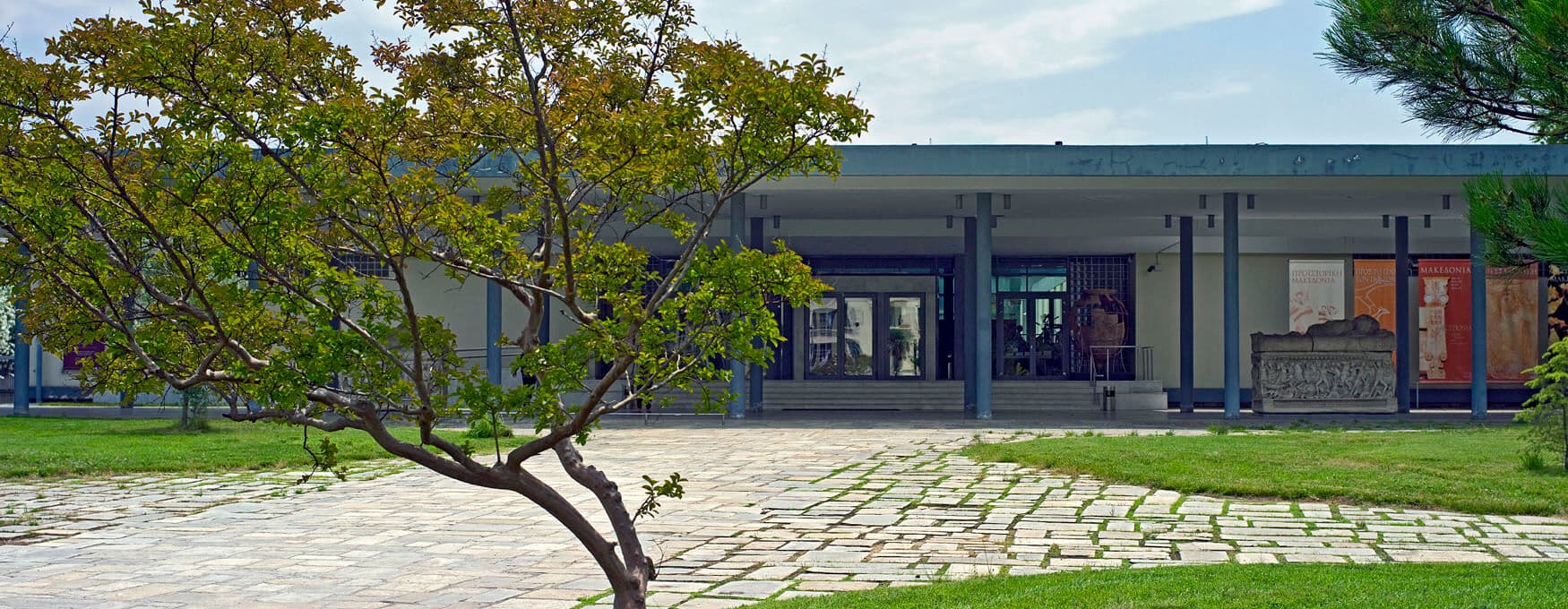
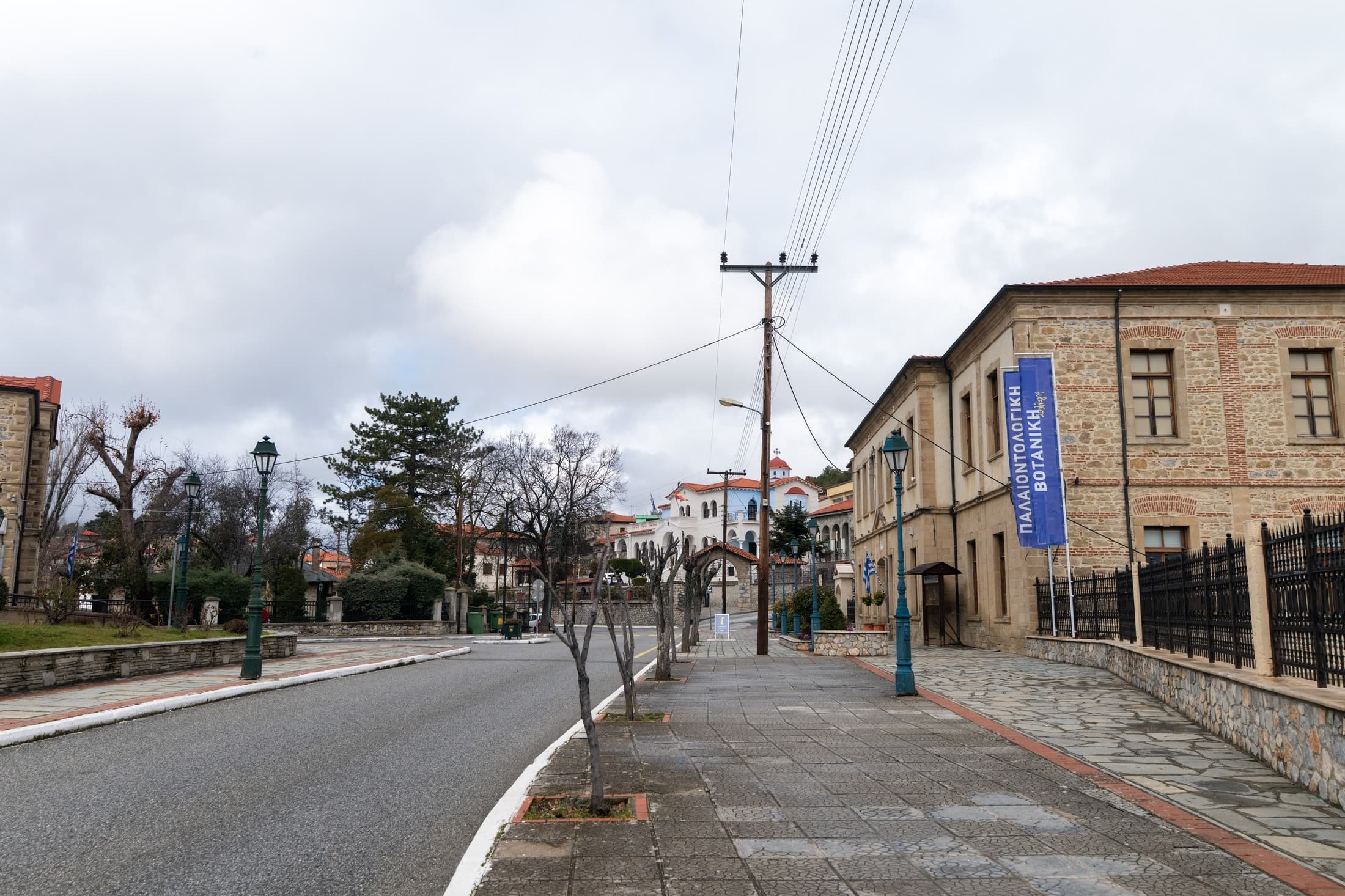
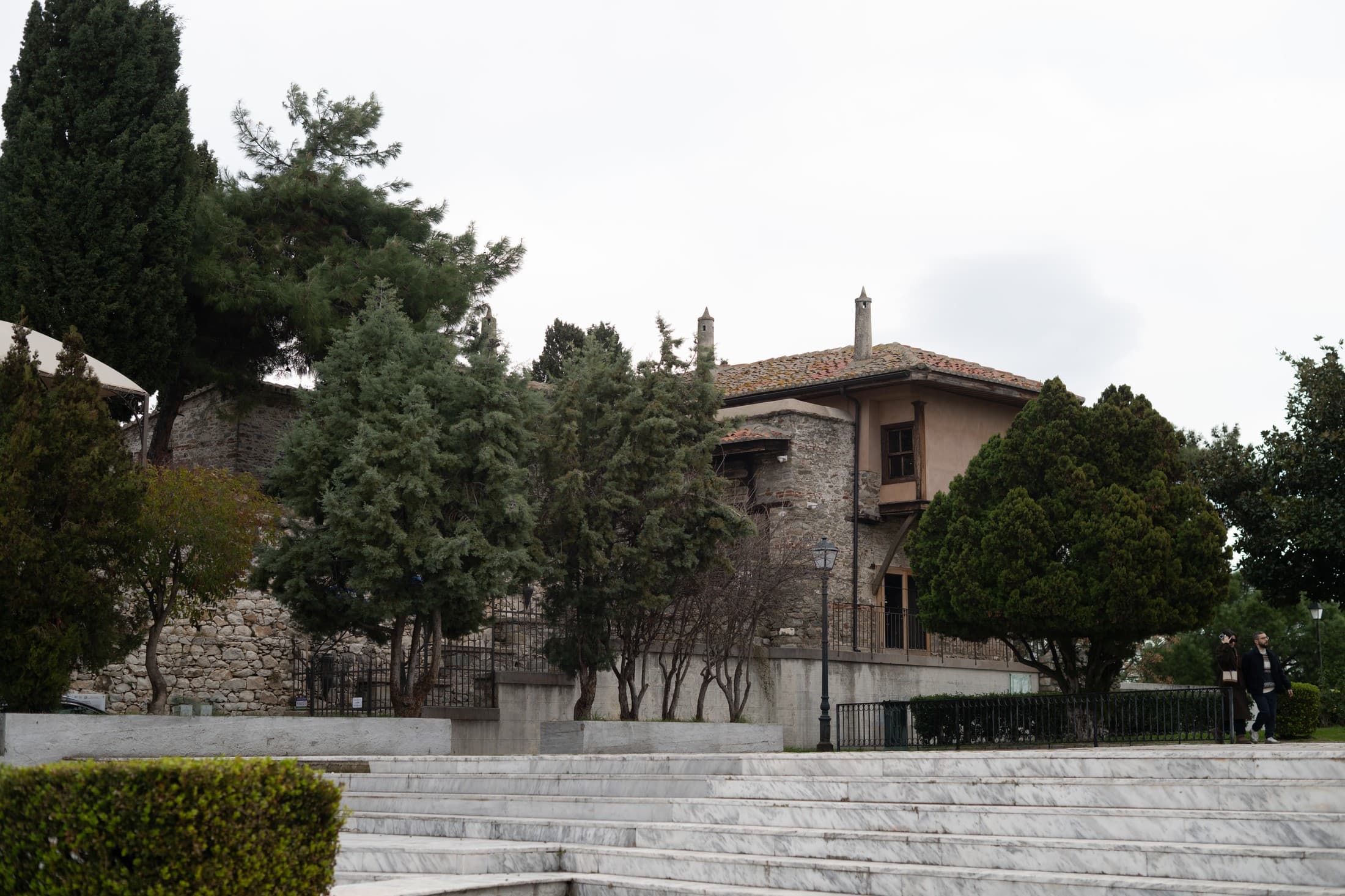
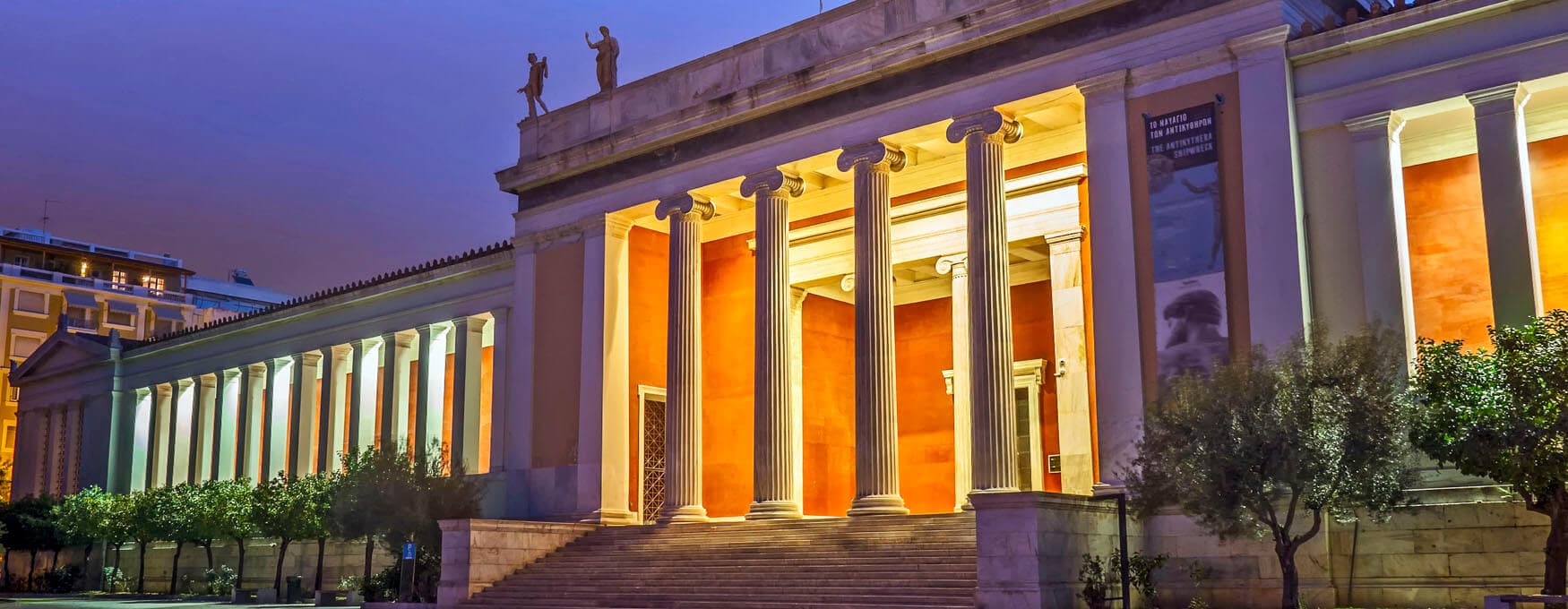
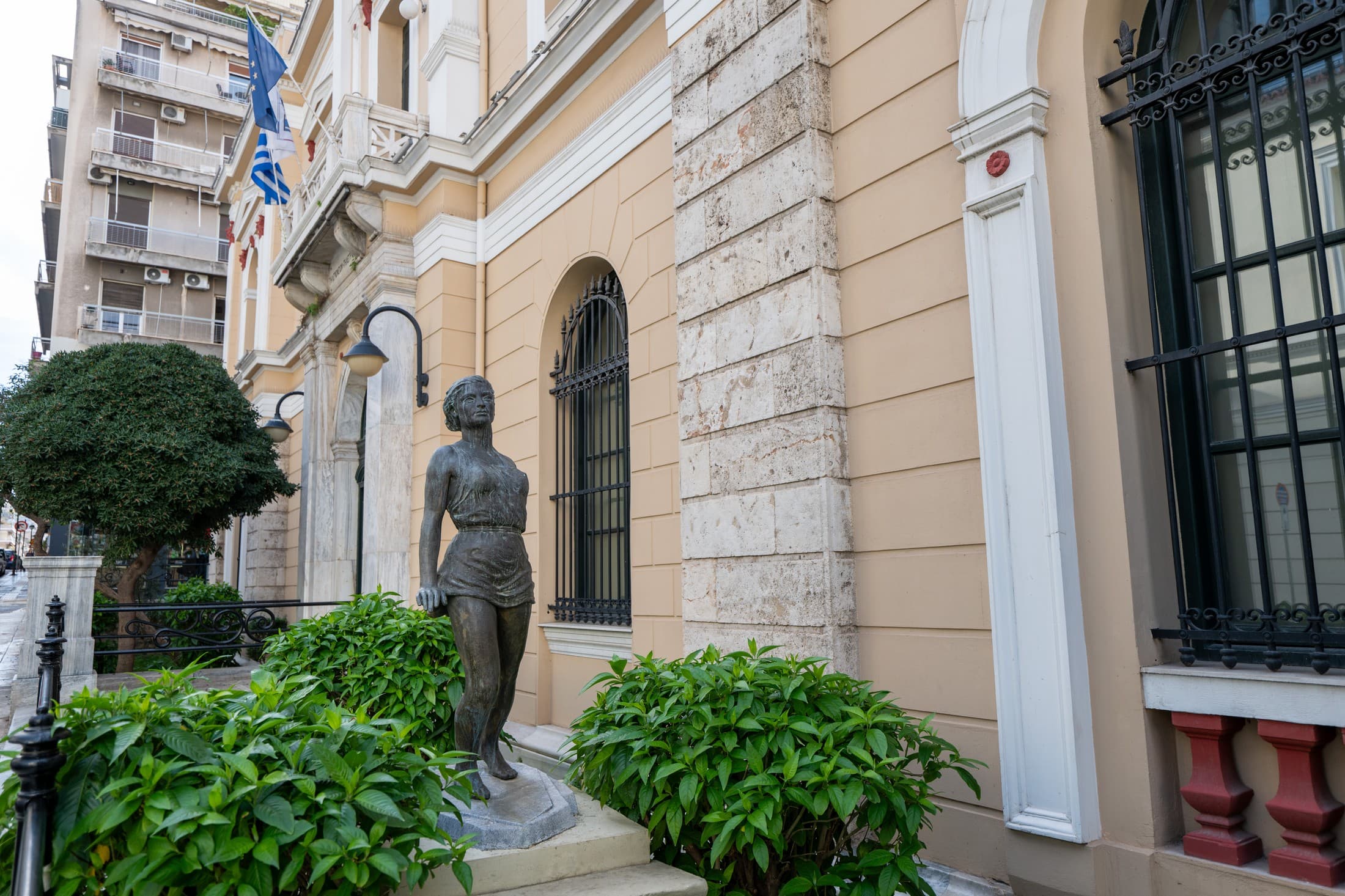
In the heart of Thessaloniki, the Museum of the Macedonian Struggle is housed in an imposing neoclassical building, designed by Ernst Ziller, after a donation by Andreas Syngros.
The exhibition has been shaped through three consecutive museological approaches, which reflect the evolution of historical narrative and museum practice in Greece:
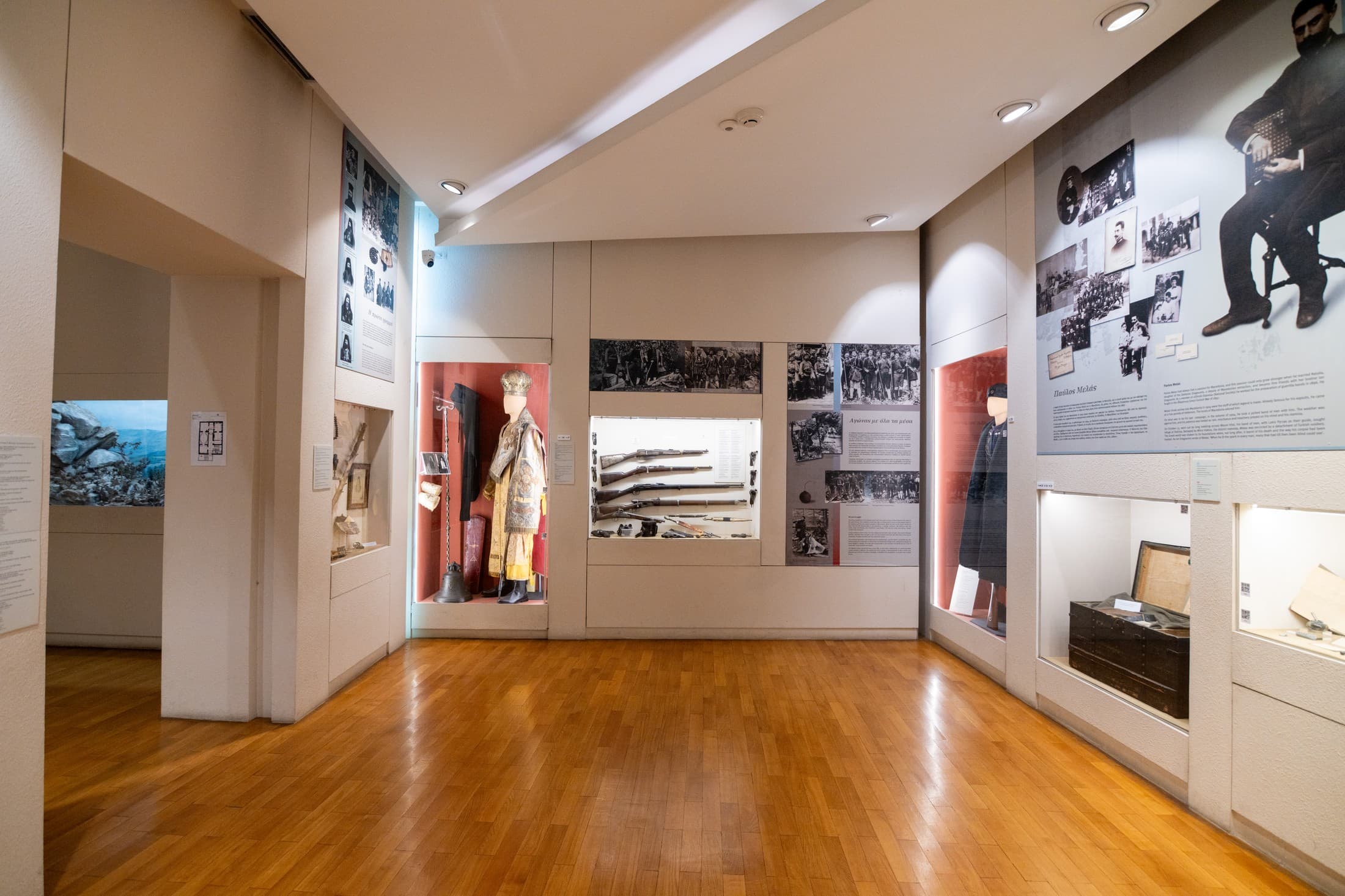
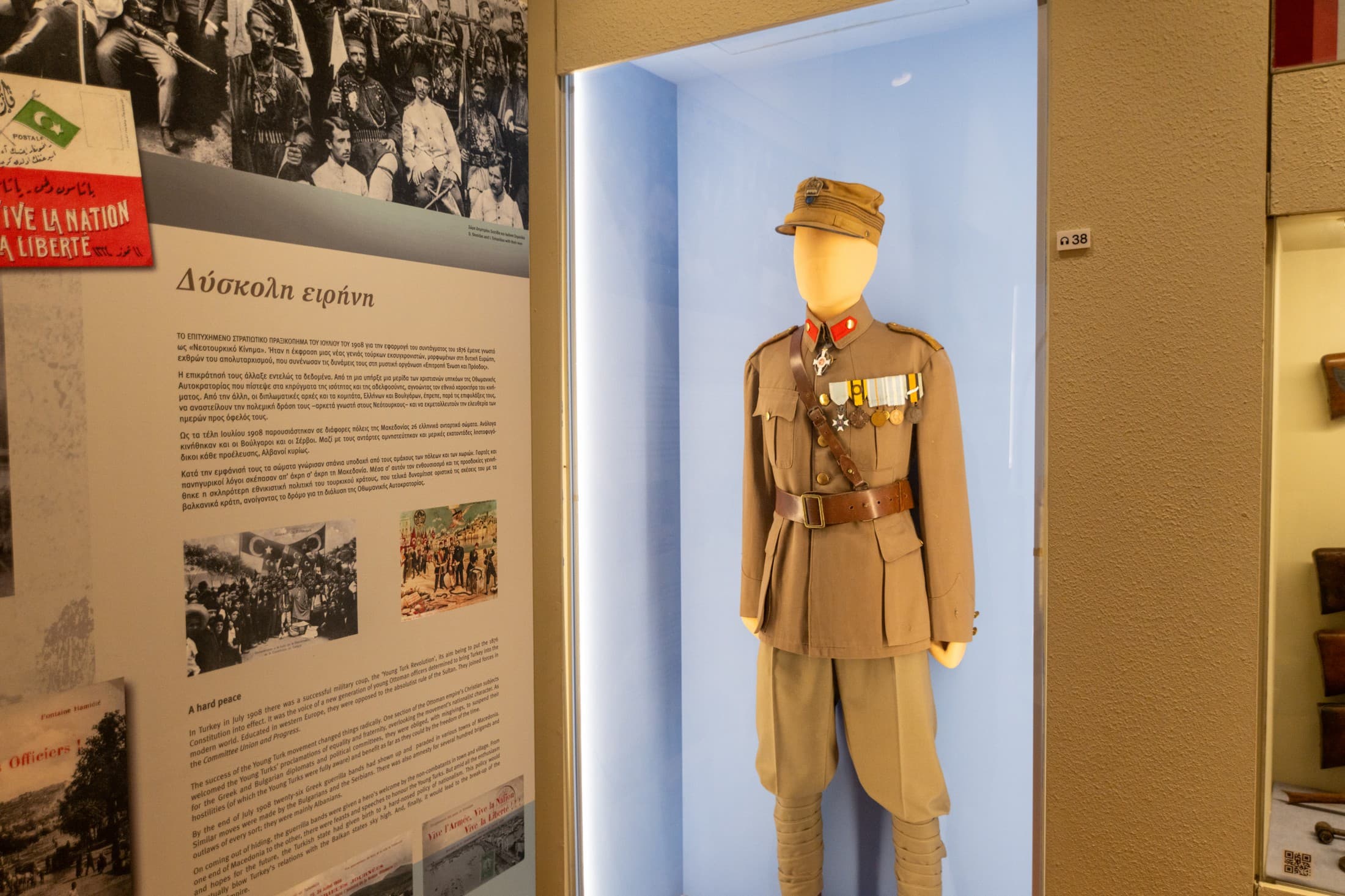
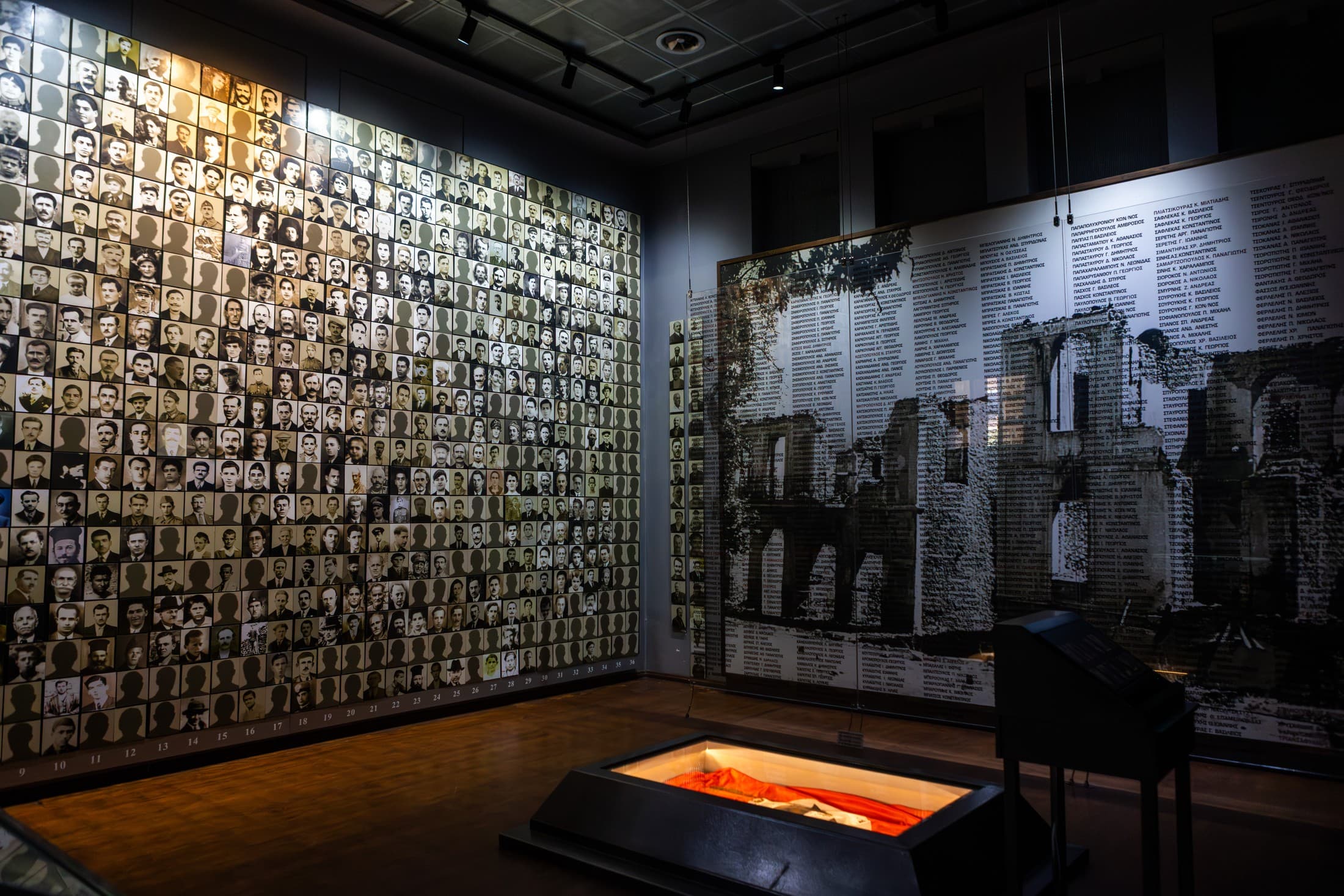
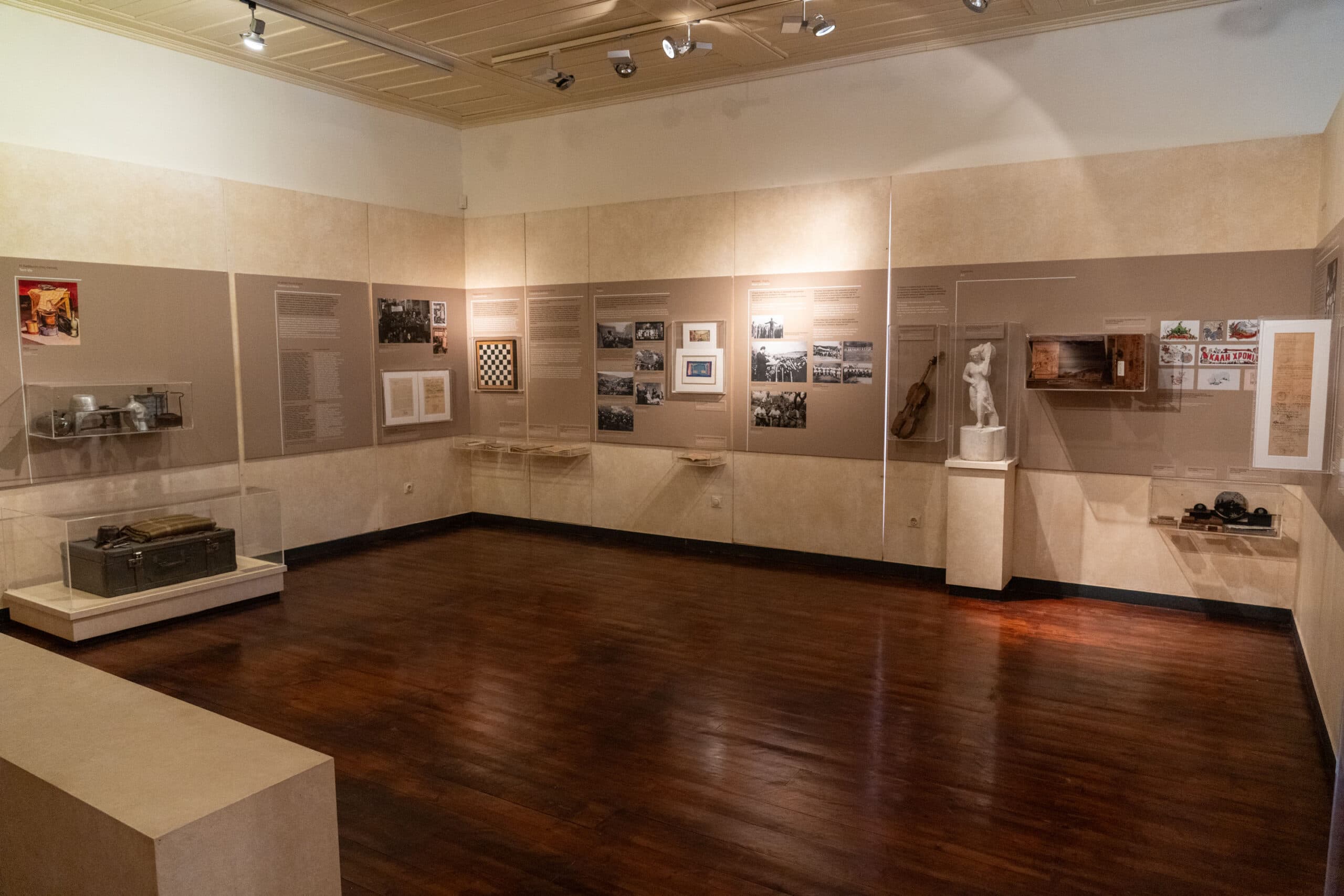
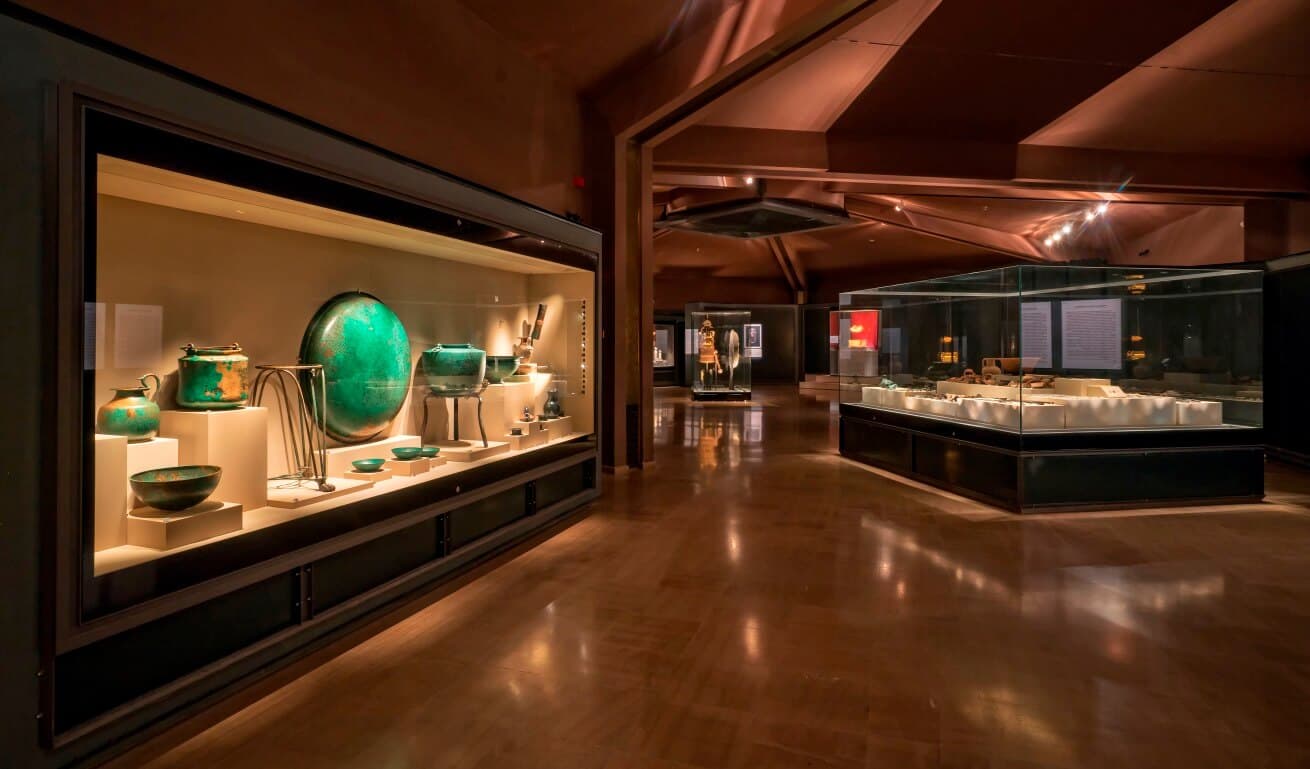
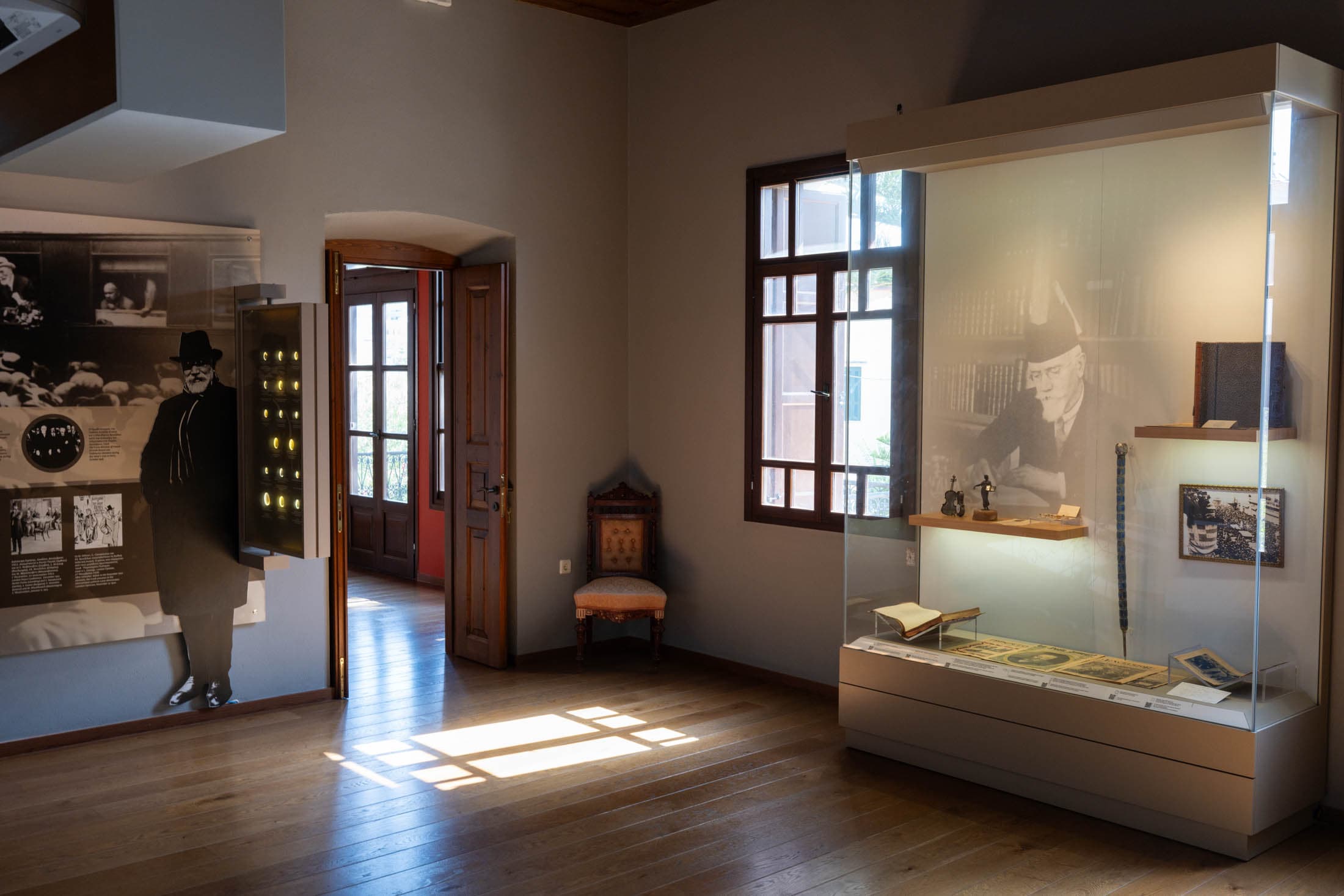
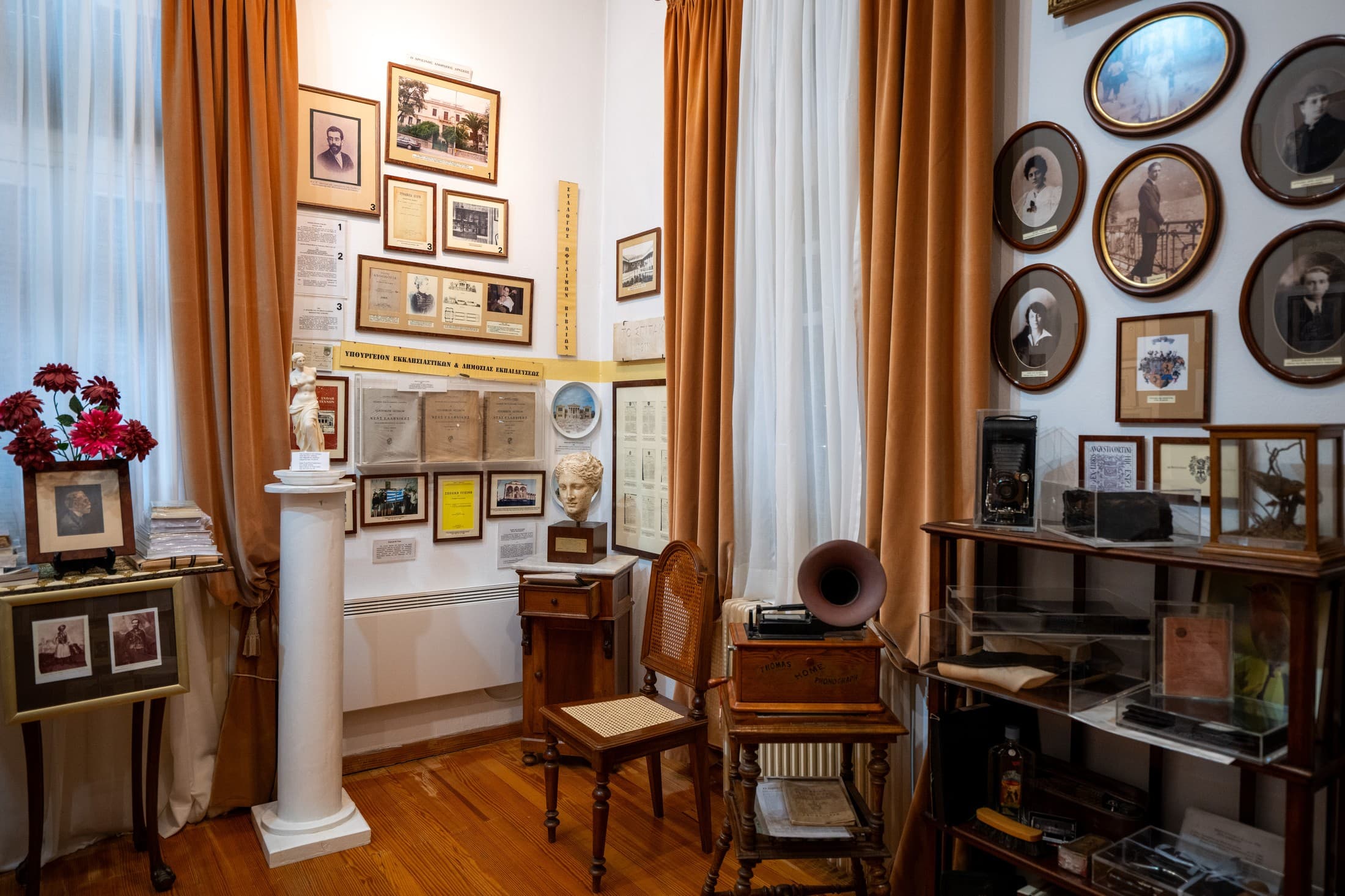
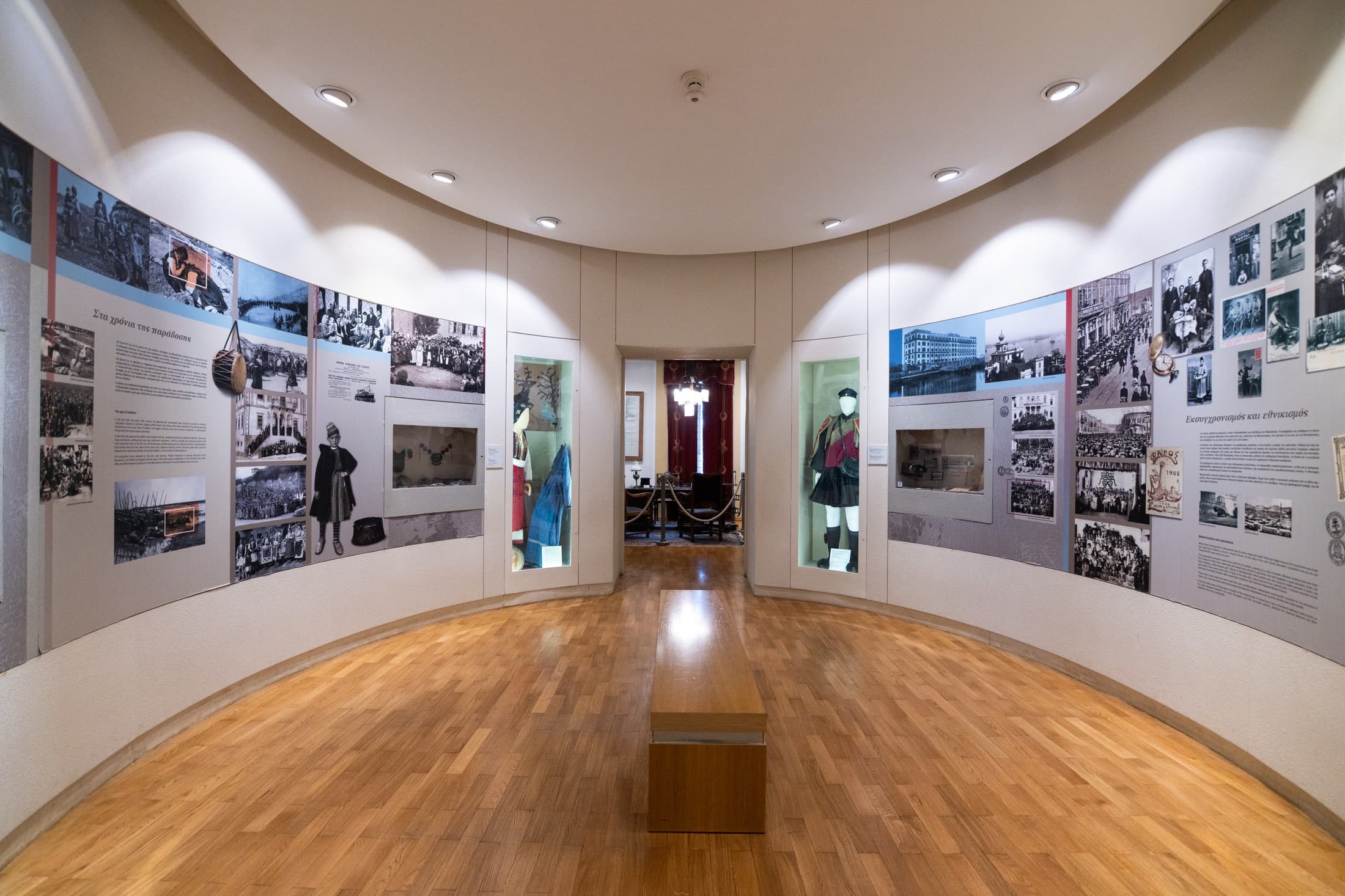
In the seven halls of the ground floor, you can follow a chronological and thematic course that unfolds the social, economic, political and military conditions of Macedonia during the 19th and early 20th centuries. The sections include the Macedonian society, the role of the Greek Consulate of Thessaloniki, the characteristics of the Struggle, the action in the cities and villages, the end of the armed struggle and the developments that followed.
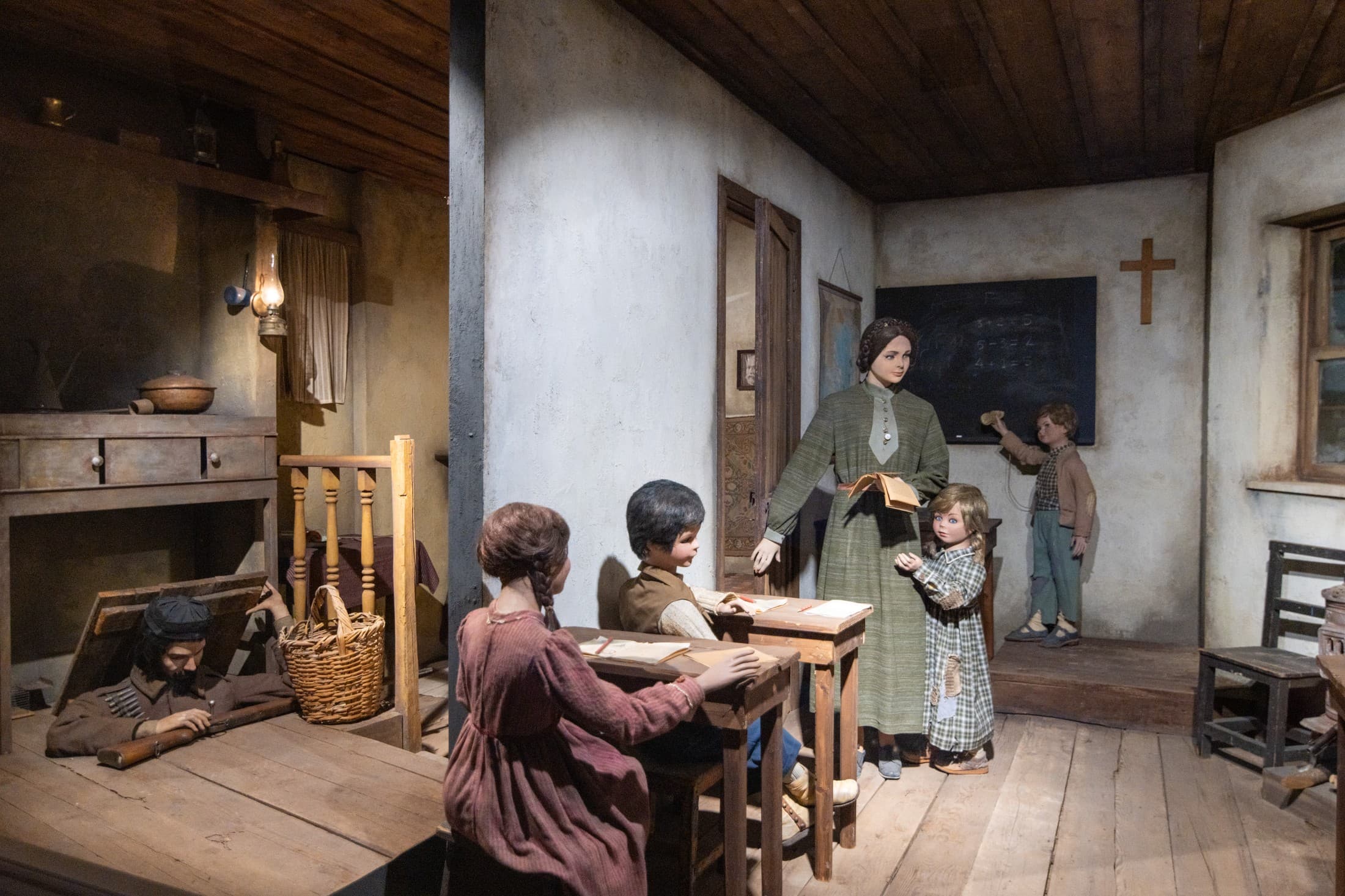
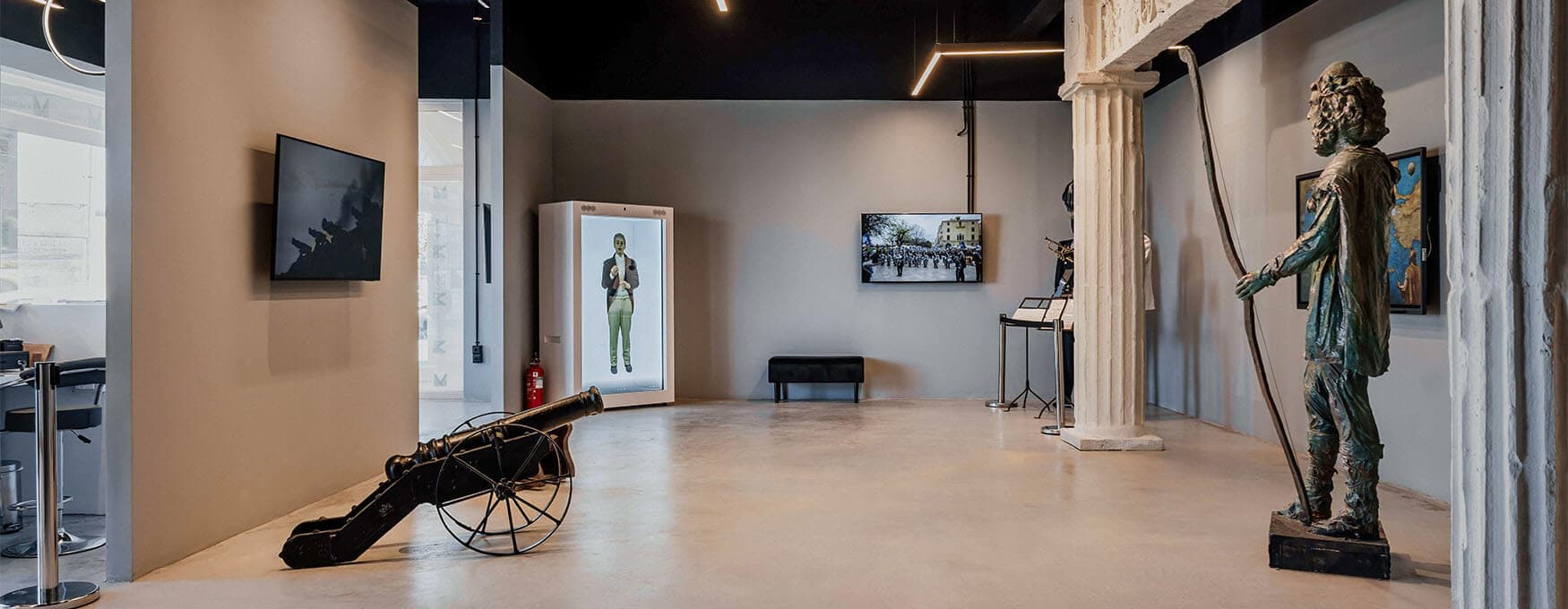
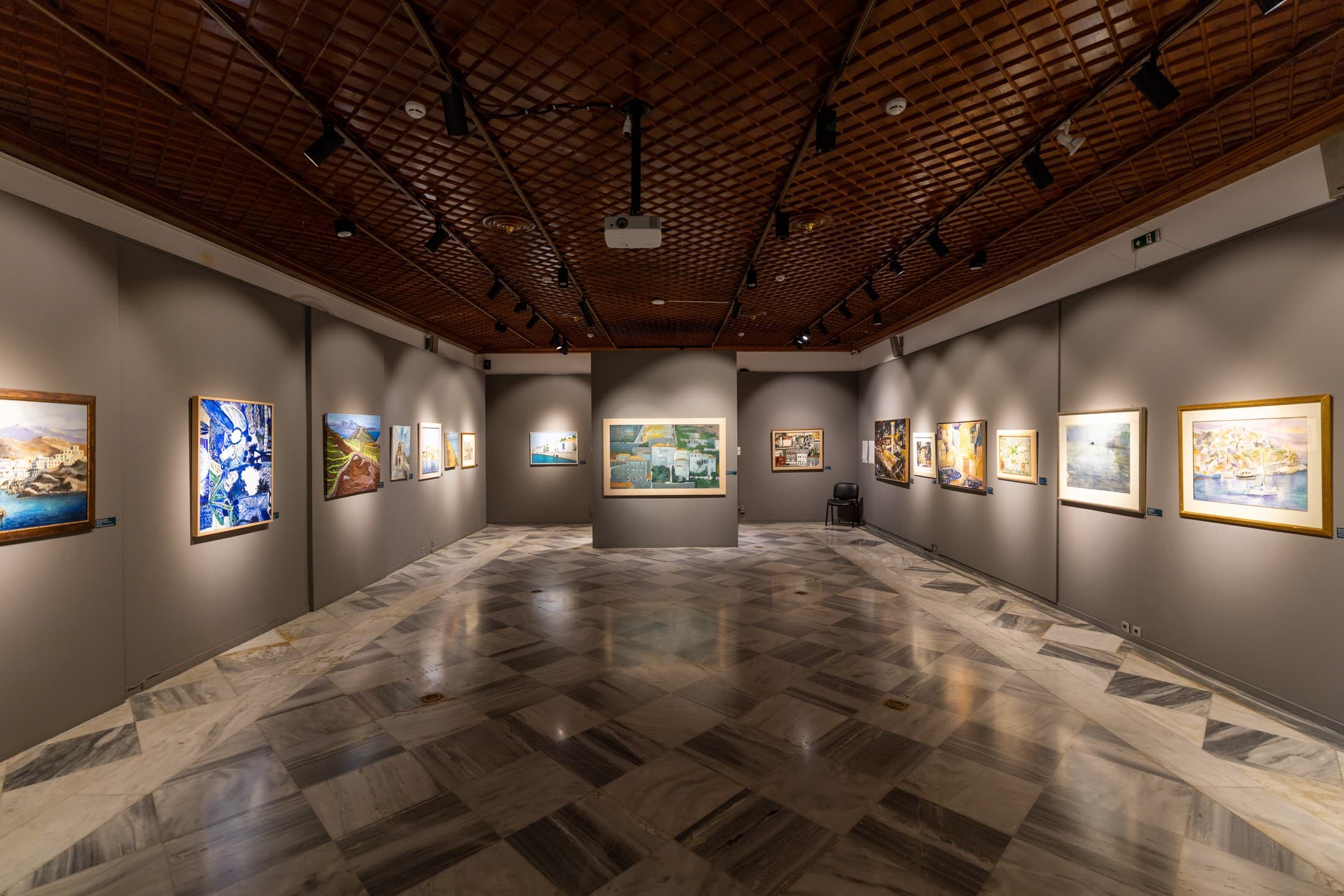
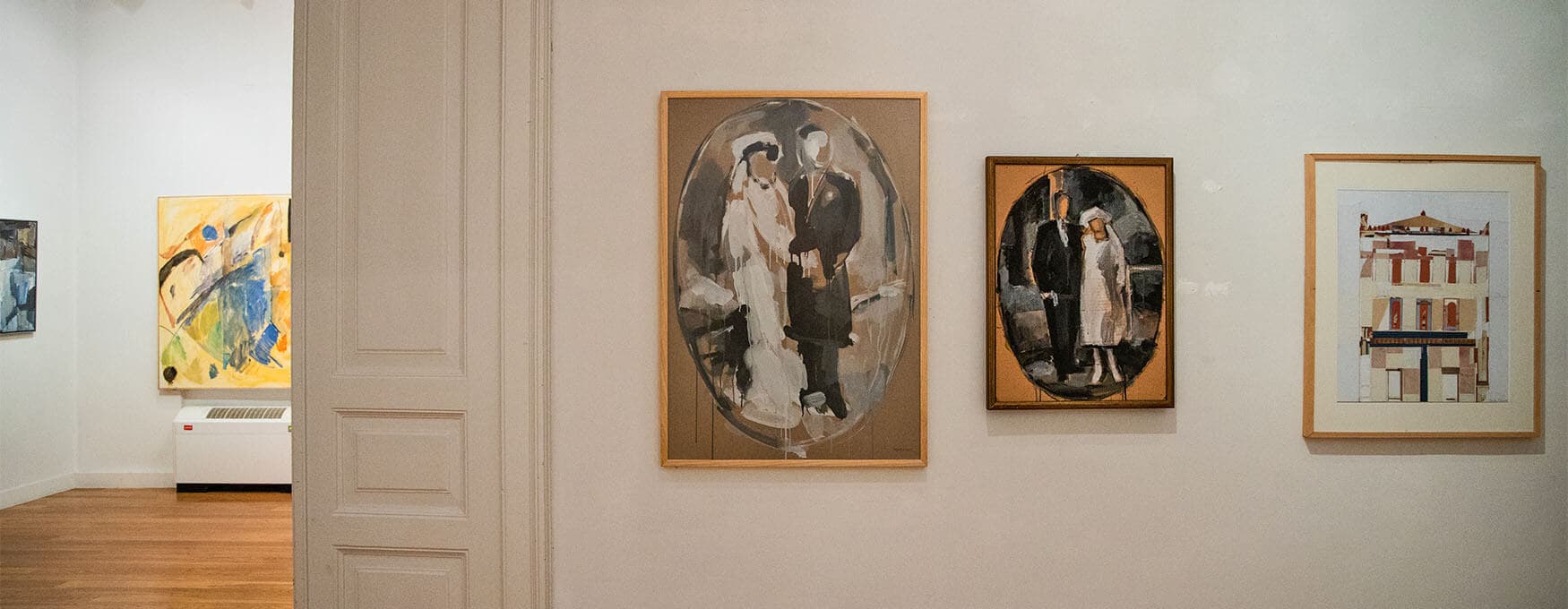
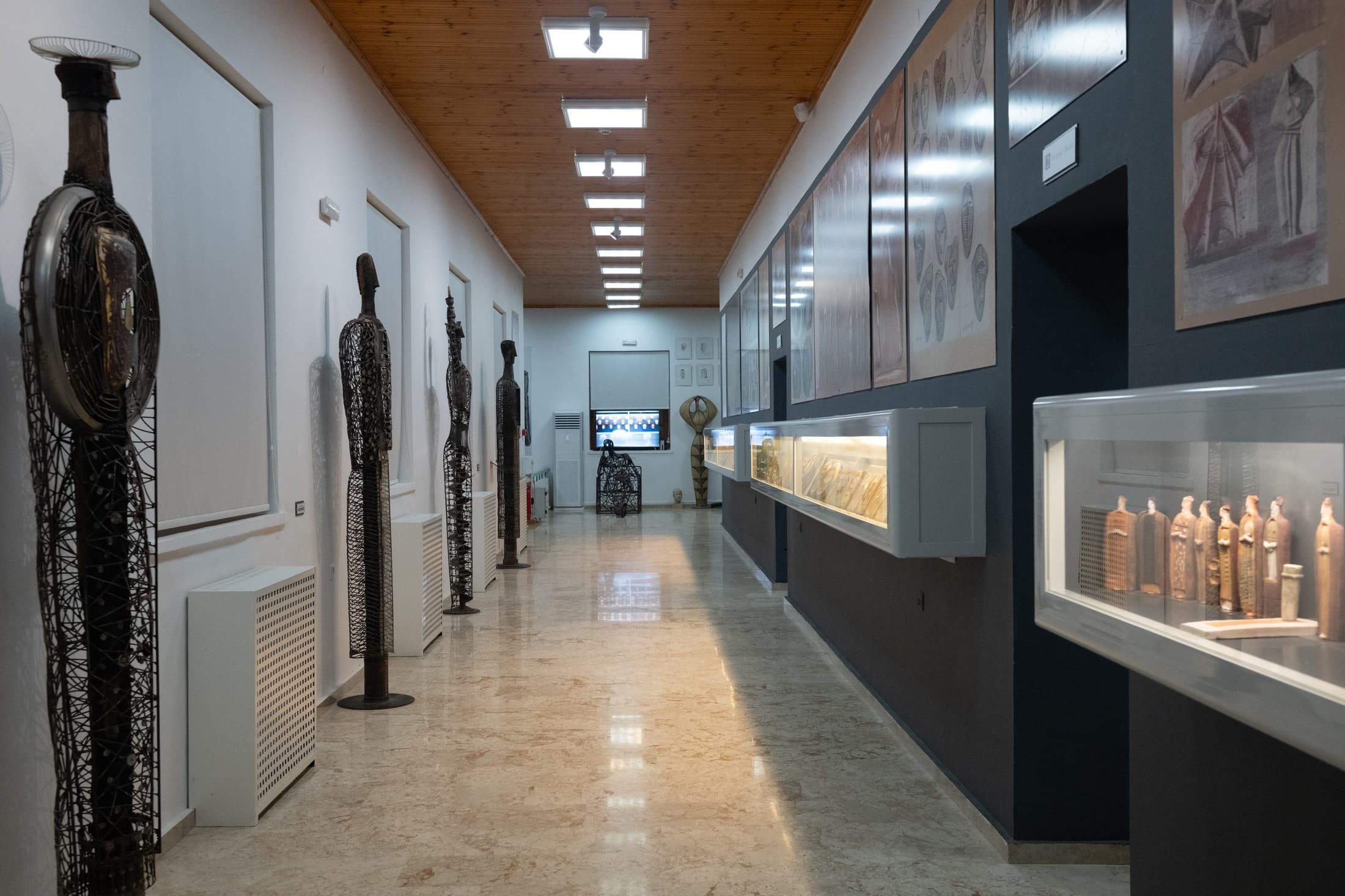
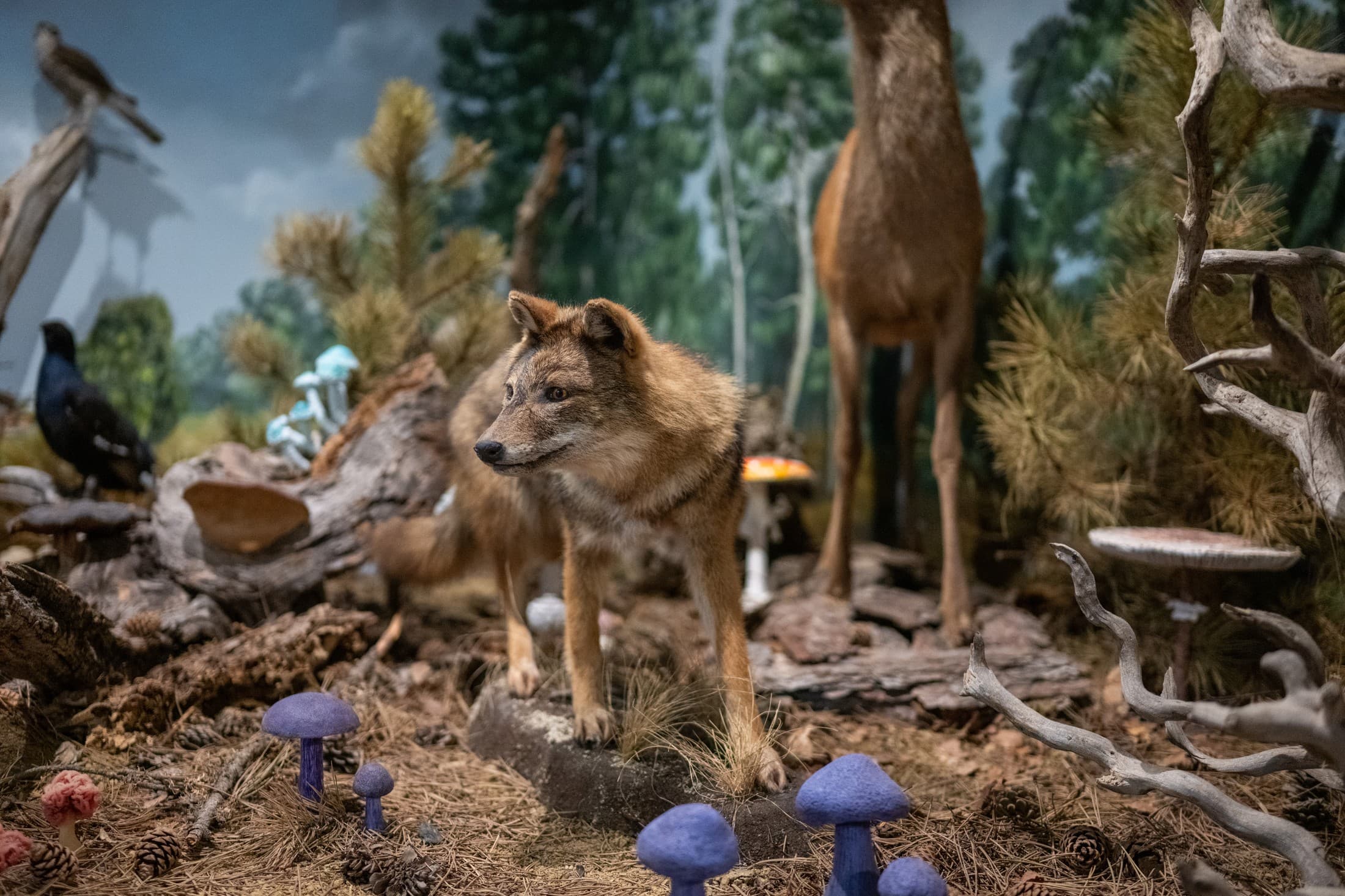
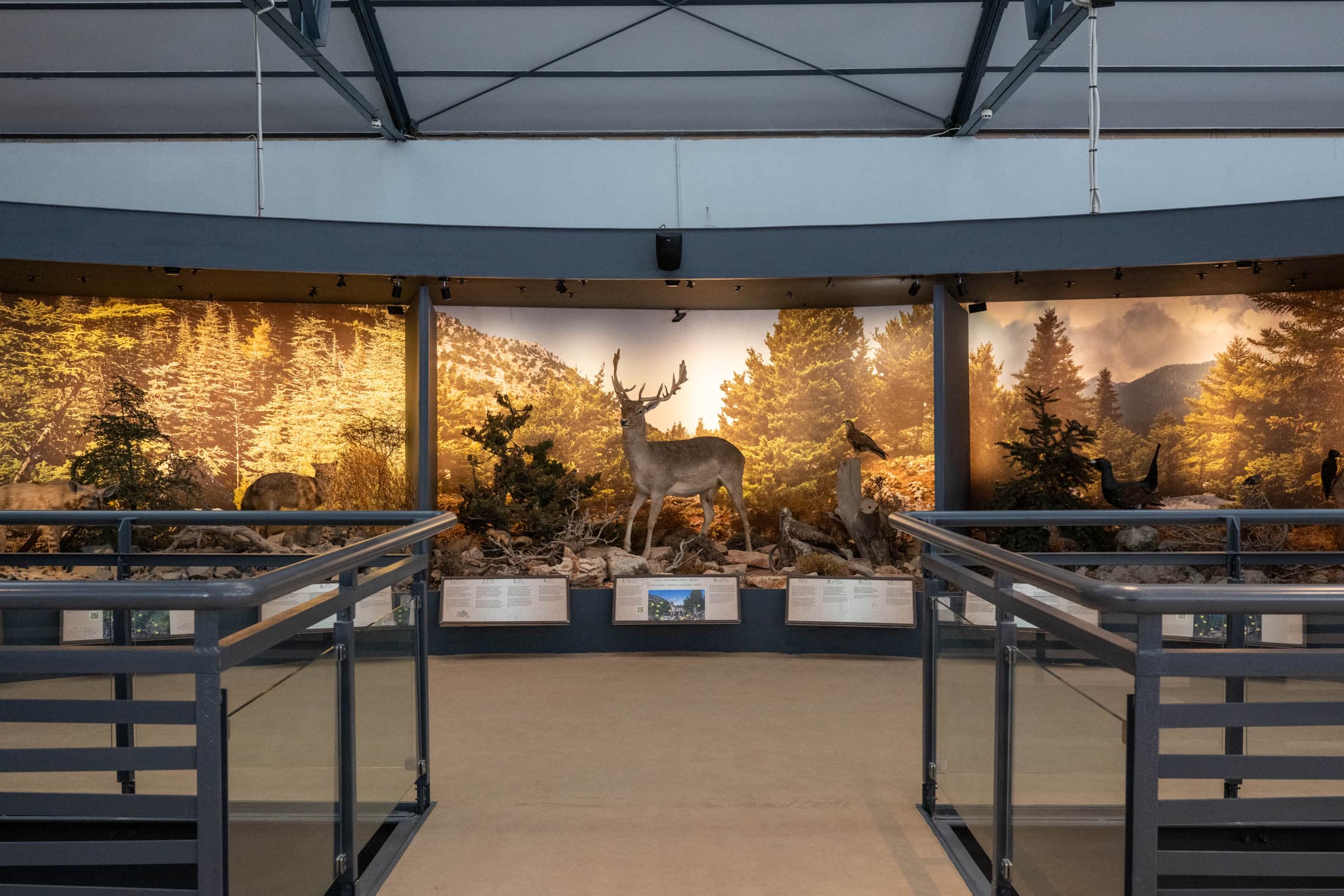
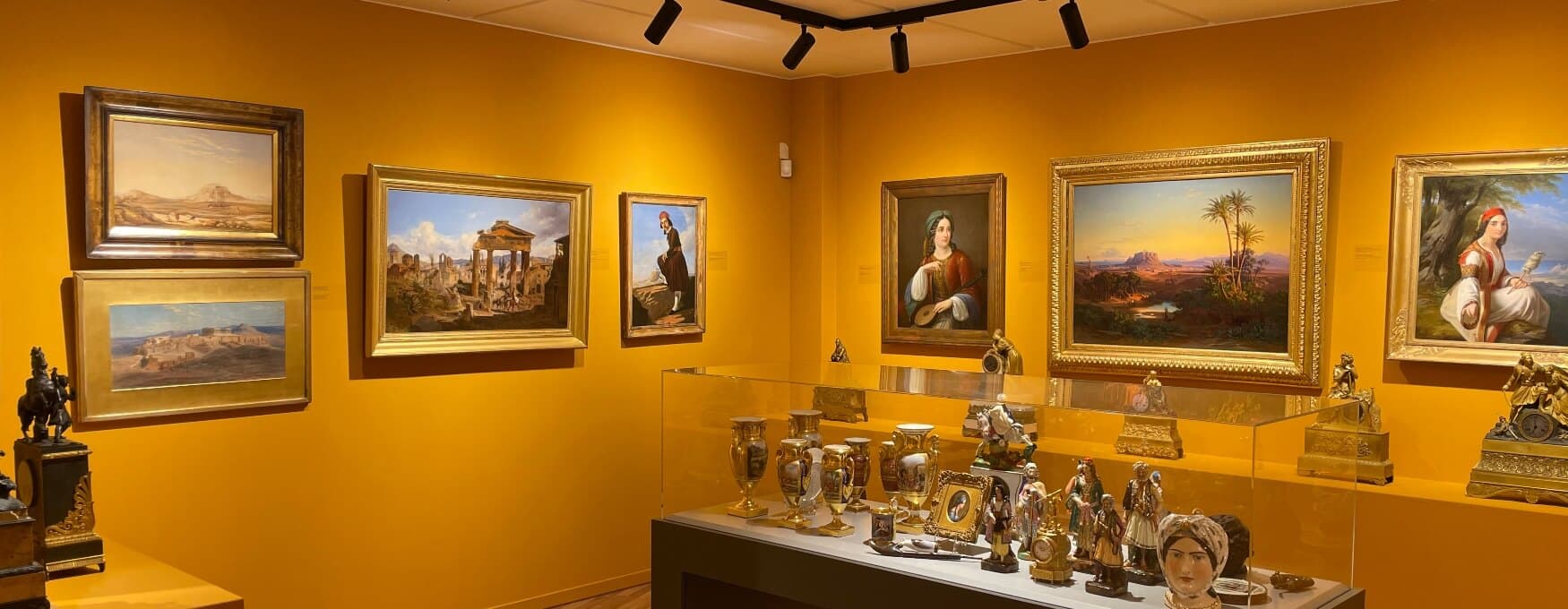
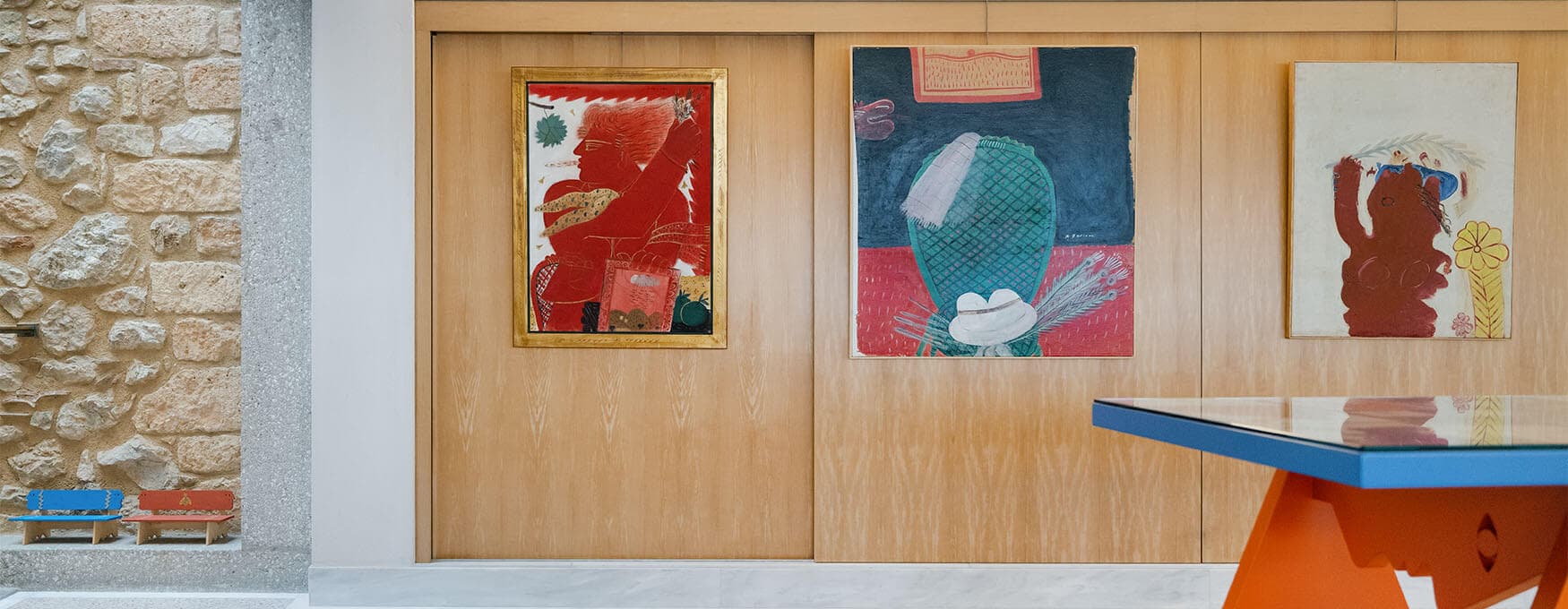
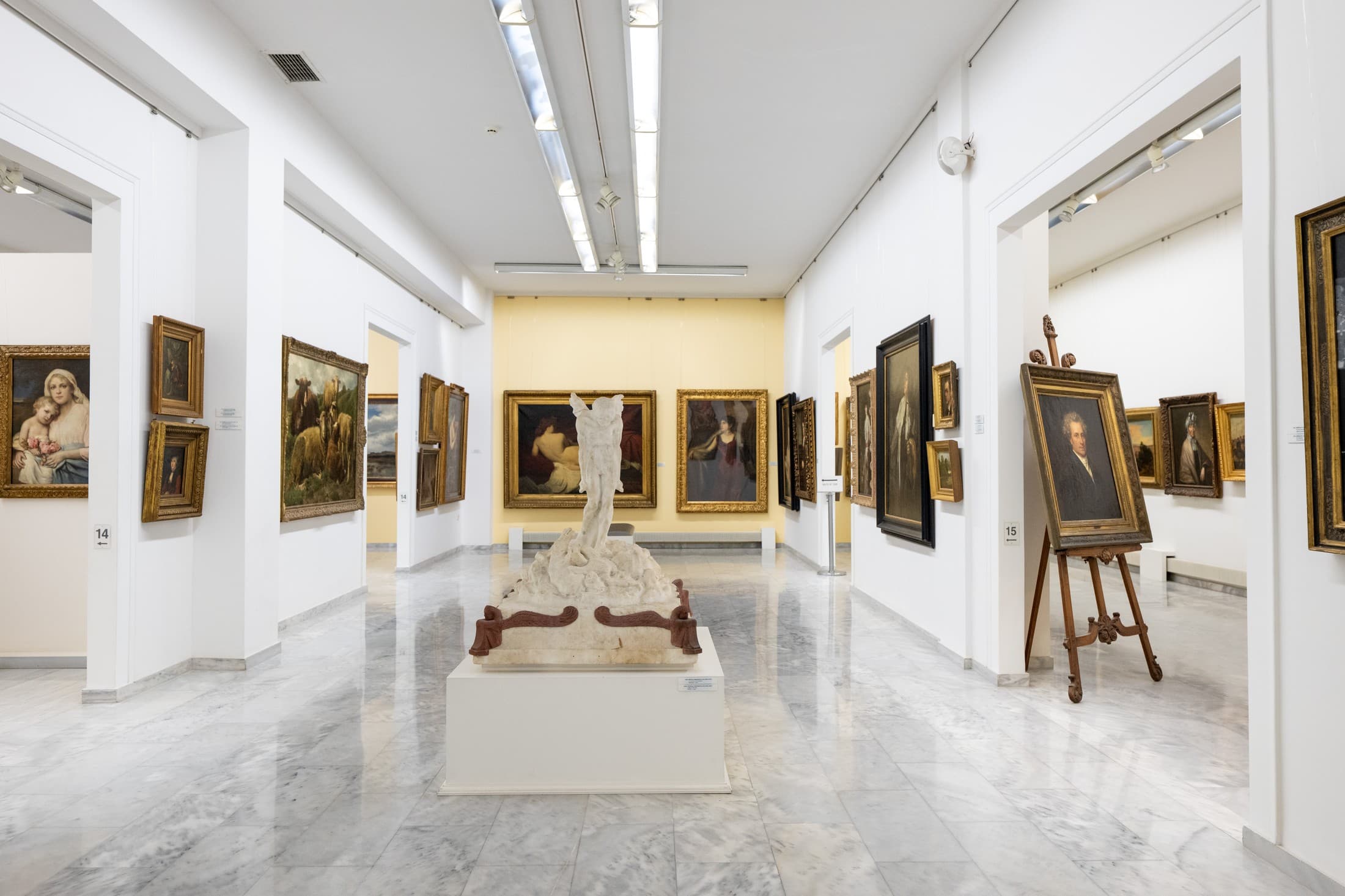
A special place is held by the "Alexandros Haitoglou" Hall with a collection of military vehicles, elaborate dioramas representing critical moments of the Struggle and important works of art.
The museum also serves as an educational hub with the Research Centre for Macedonian History and Documentation (Kemit), where researchers, students and visitors can study the archive and participate in seminars on modern Greek history.
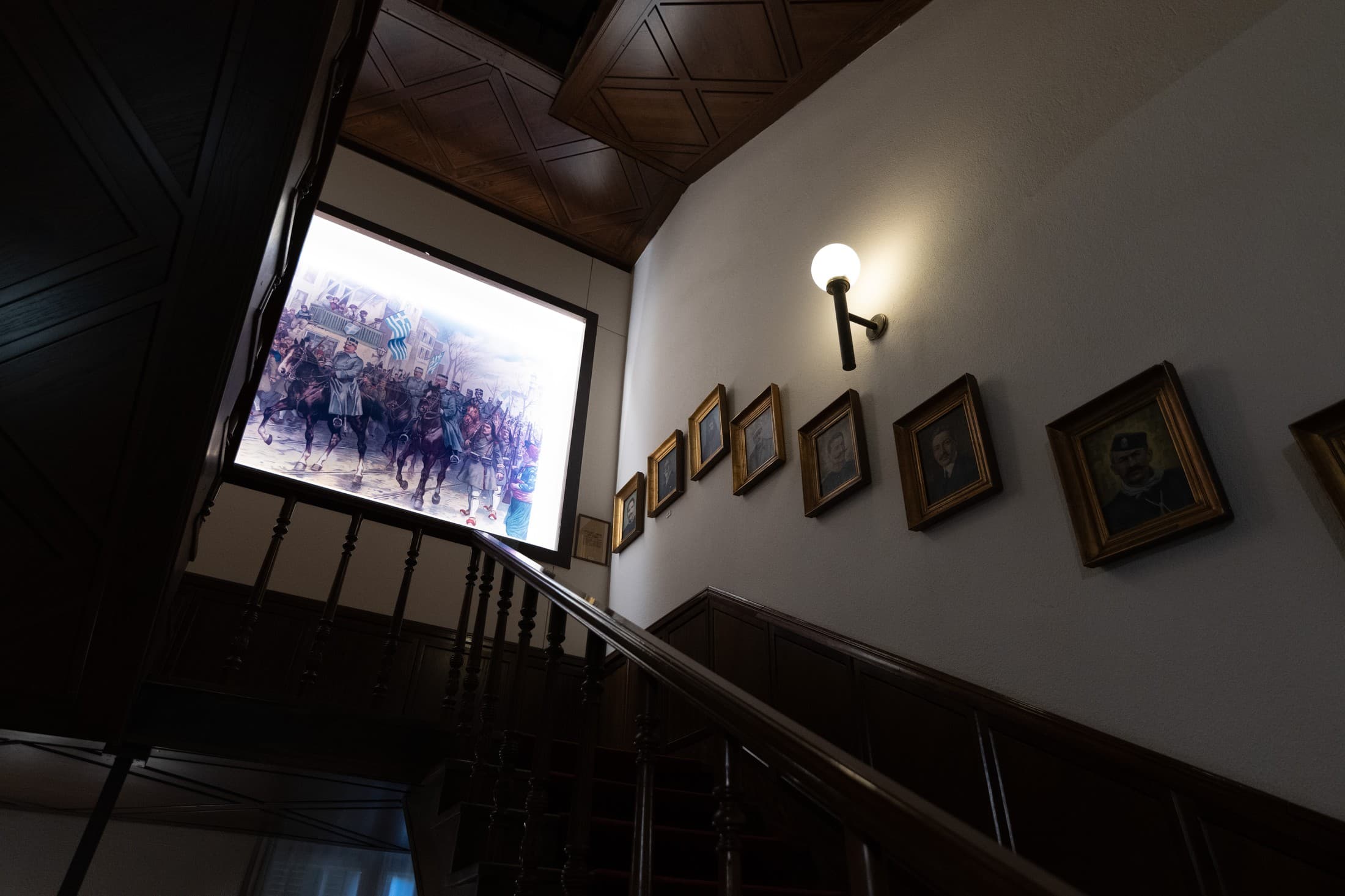
A visit to the Museum of the Macedonian Struggle transforms history into an immersive experience. The exhibits are an active reminder that Macedonia has memory and identity. The building, the objects and the narrative compose a mosaic of collective memory that is worth getting to know on your trip to Macedonia.
The exhibition has been shaped through three consecutive museological approaches, which reflect the evolution of historical narrative and museum practice in Greece:
- The first lays the foundations for the presentation of the Macedonian Struggle, with documents, maps and authentic objects.
- In 1990, following a radical reformation, theatrical elements and dioramas were introduced that brought the historical experience to life.
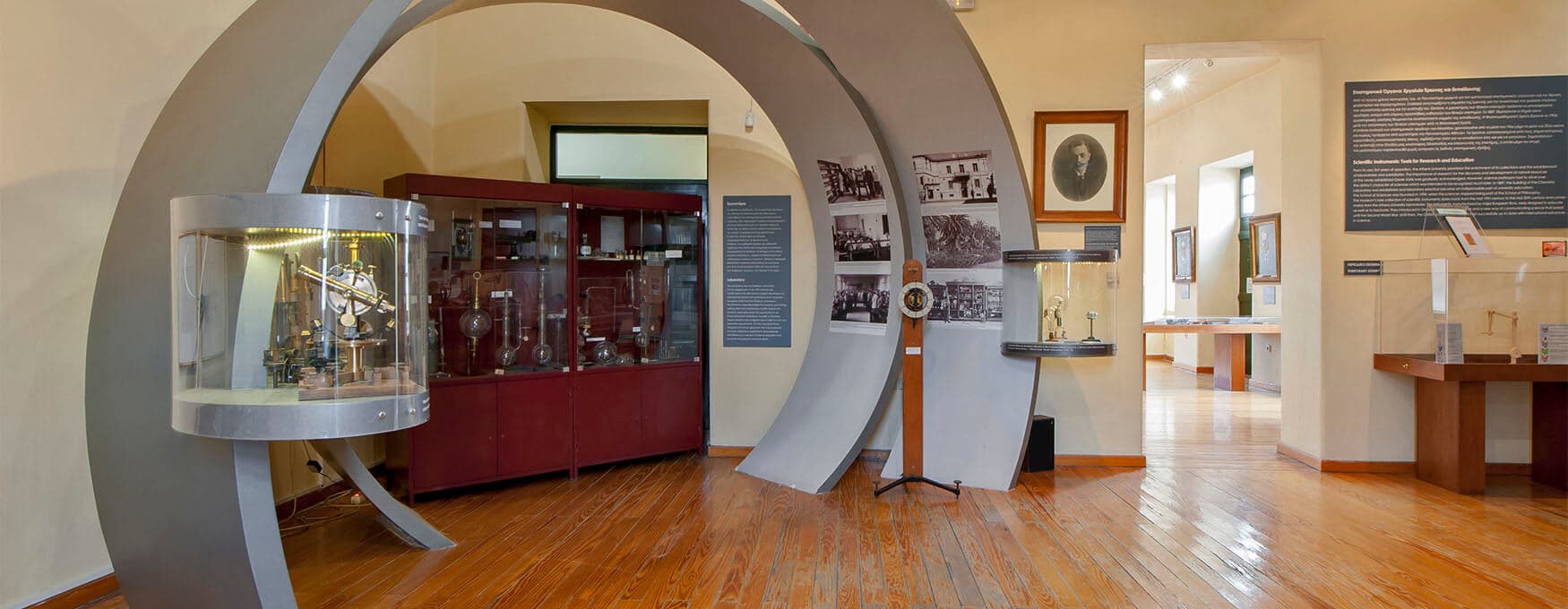
- In 2009, the museum was fully modernised and the exhibition was enriched with interactive applications, offering a more direct contact of the public with the exhibits.
In the seven halls of the ground floor, you can follow a chronological and thematic course that unfolds the social, economic, political and military conditions of Macedonia during the 19th and early 20th centuries. The sections include the Macedonian society, the role of the Greek Consulate of Thessaloniki, the characteristics of the Struggle, the action in the cities and villages, the end of the armed struggle and the developments that followed.
A special place is held by the "Alexandros Haitoglou" Hall with a collection of military vehicles, elaborate dioramas representing critical moments of the Struggle and important works of art.
The museum also serves as an educational hub with the Research Centre for Macedonian History and Documentation (Kemit), where researchers, students and visitors can study the archive and participate in seminars on modern Greek history.
A visit to the Museum of the Macedonian Struggle transforms history into an immersive experience. The exhibits are an active reminder that Macedonia has memory and identity. The building, the objects and the narrative compose a mosaic of collective memory that is worth getting to know on your trip to Macedonia.