Time capsules of everyday life and tradition
In the past, homes on Karpathos were typically single-room dwellings, yet cleverly arranged to accommodate a family’s needs. In mountainous Othos, the island’s highest village, nestled on the southern slopes of Mount Meloura, discover how life unfolded in times past.
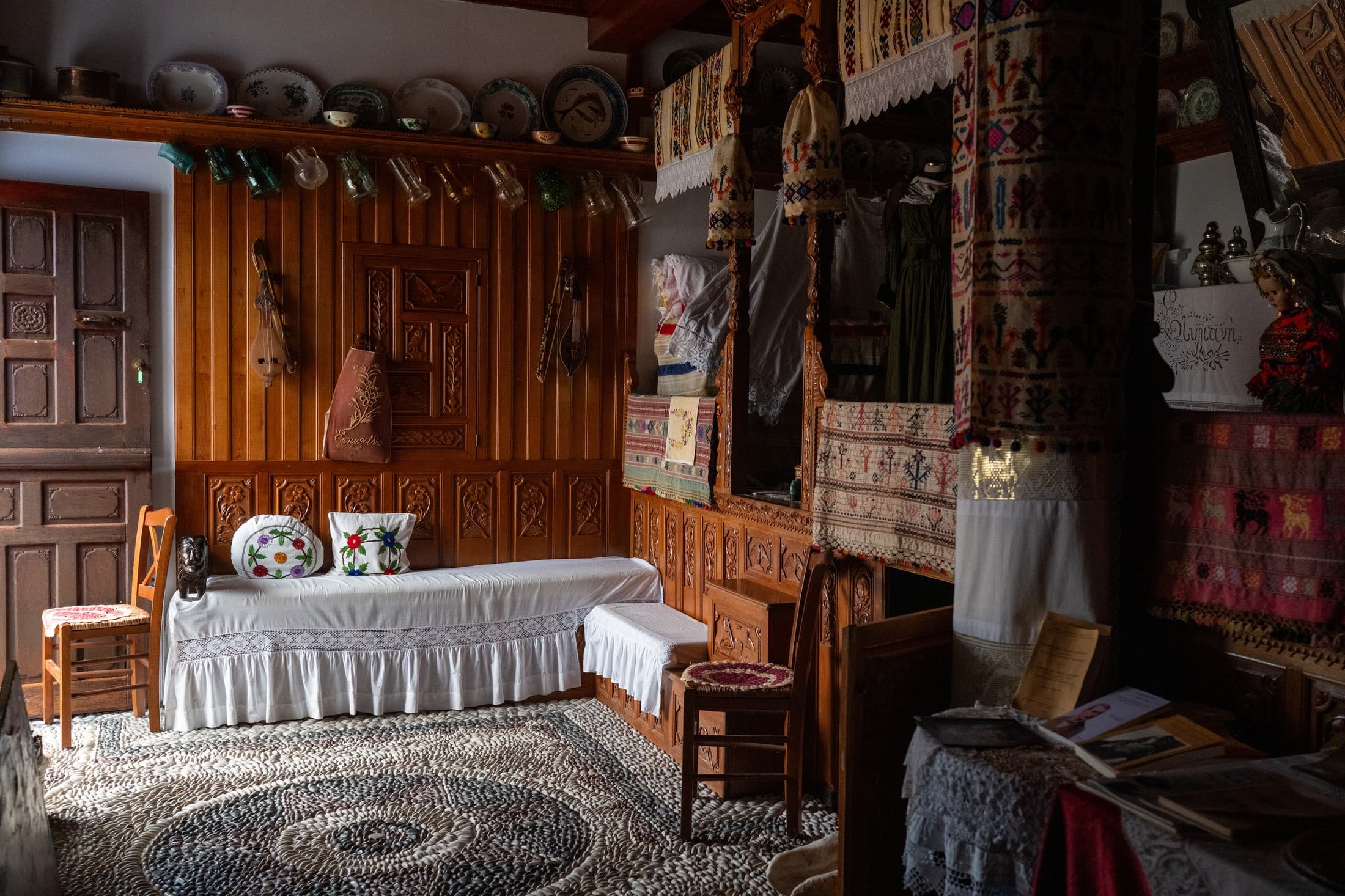
Step inside the traditional house that houses the Othos Folk Museum, admire its pebble-stone floors, and observe spatial economy in practice. The house is divided into two levels: the lower section features a wooden divan and a low table (sofras) for dining, while an elevated mezzanine, the soufas, serves as the residents' bedroom.
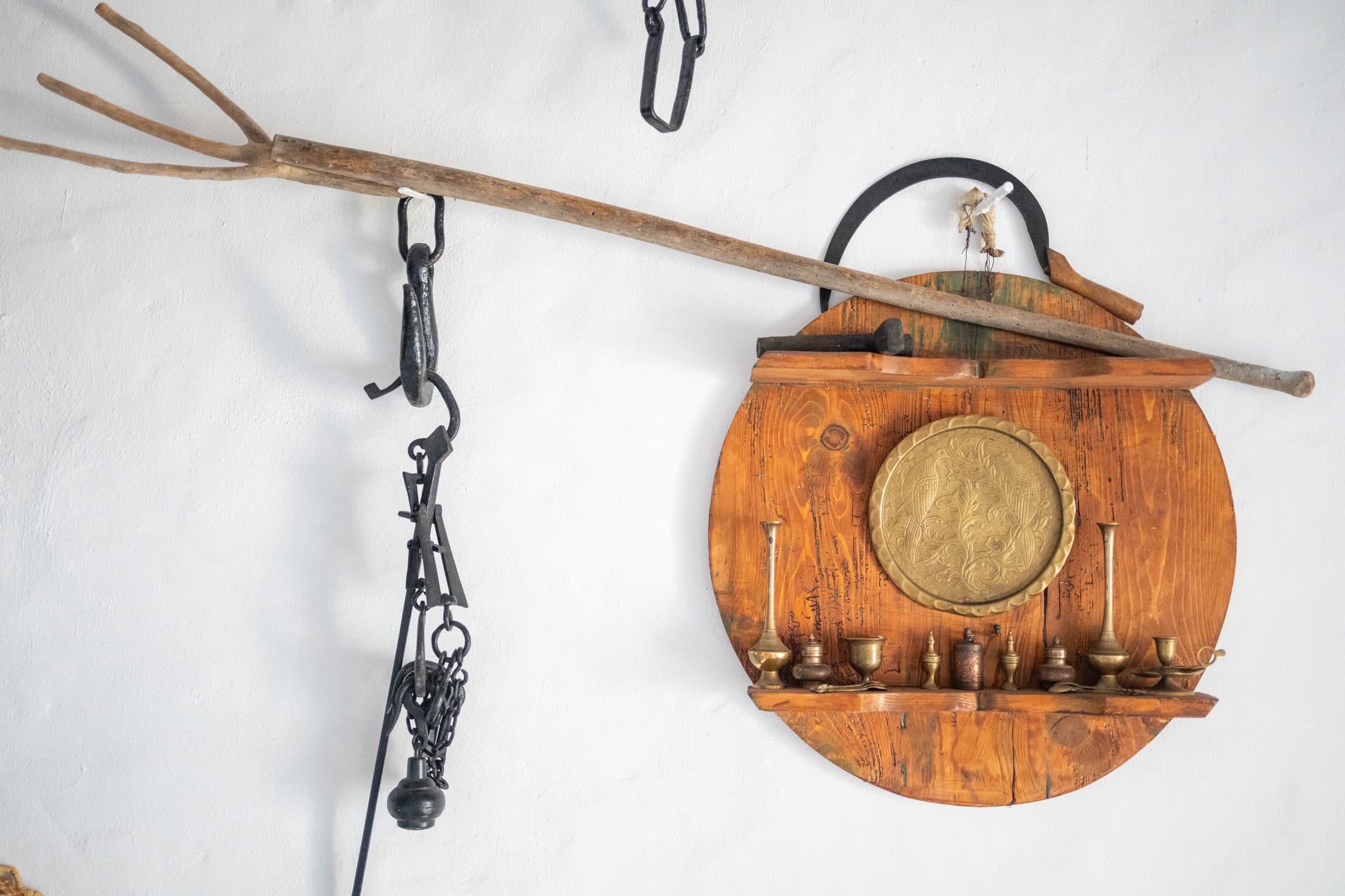
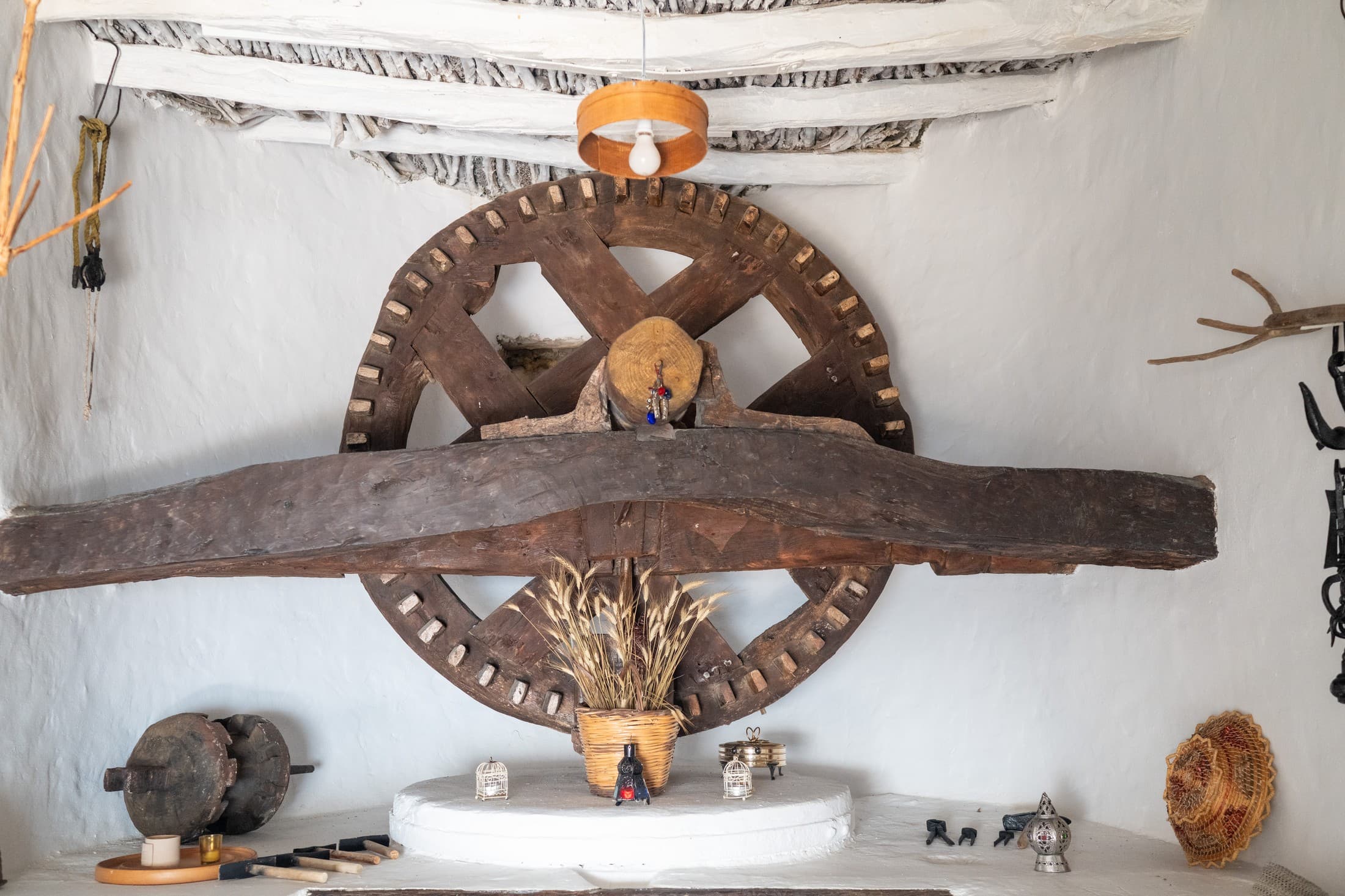
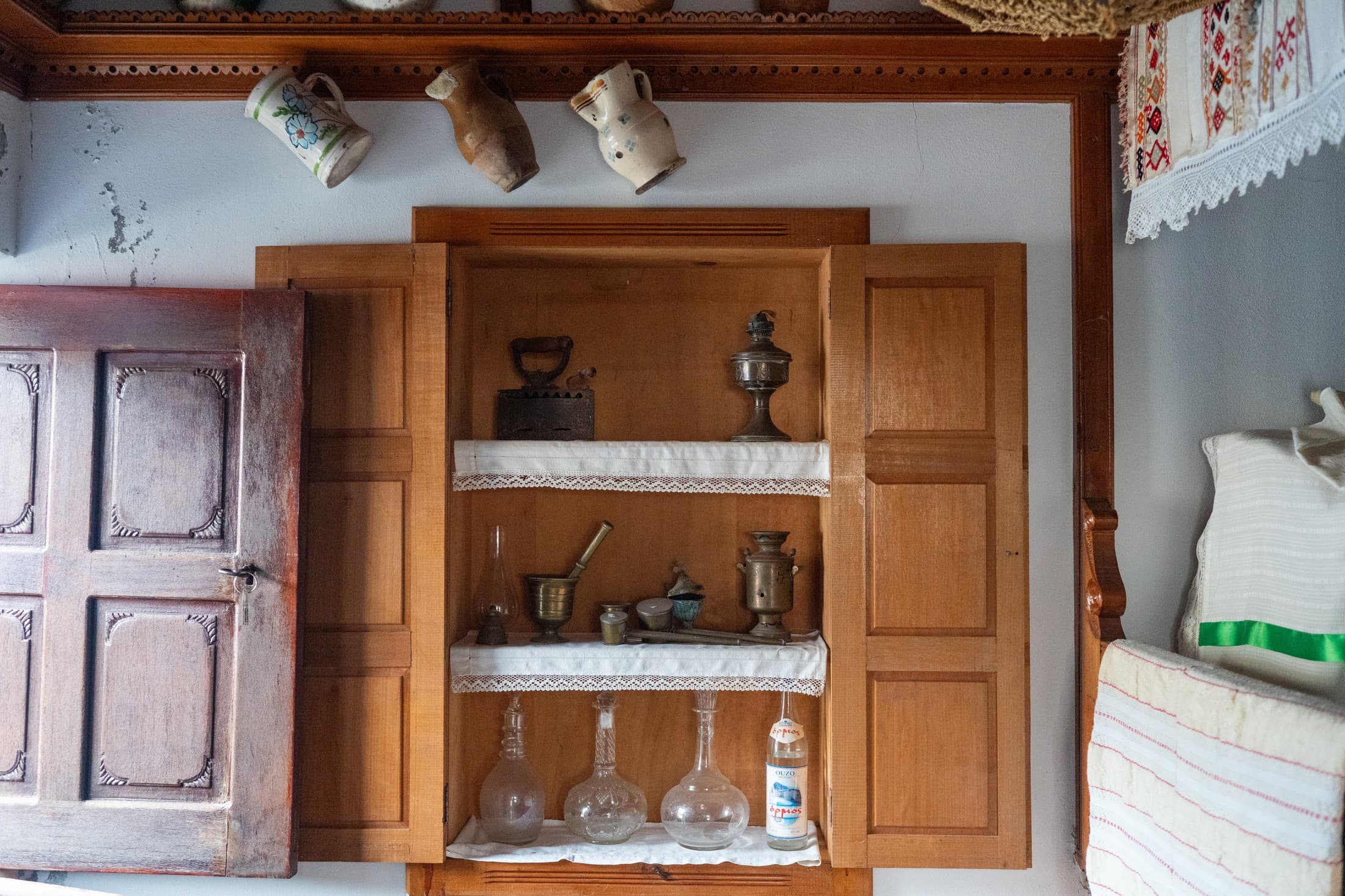
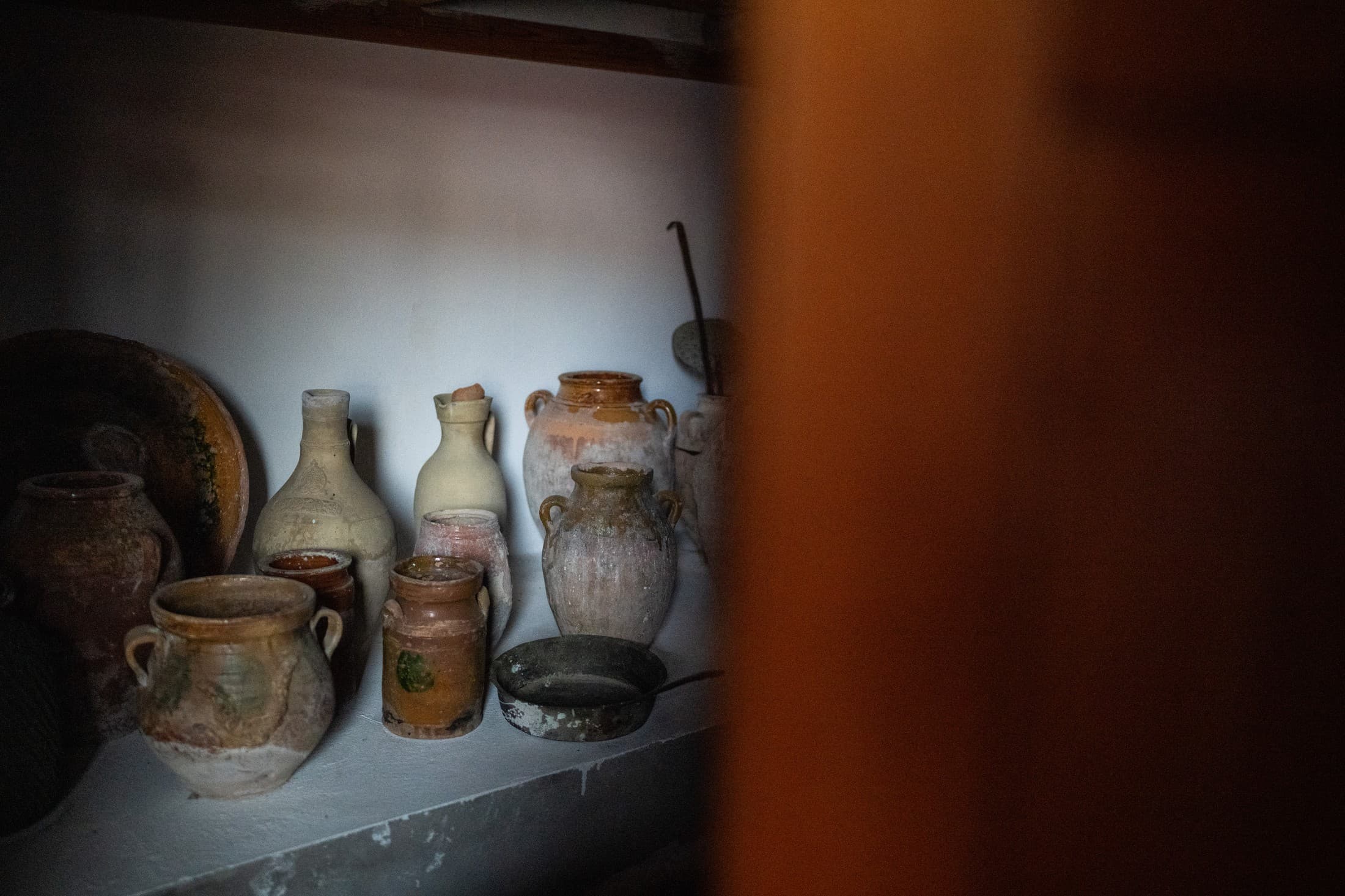
Throughout, the home showcases textiles, framed embroidery, woven tapestries, cast-iron implements and ceramic vessels. Also displayed are tools, including rakes, hoes, scales and mattocks, alongside a loom and musical instruments.
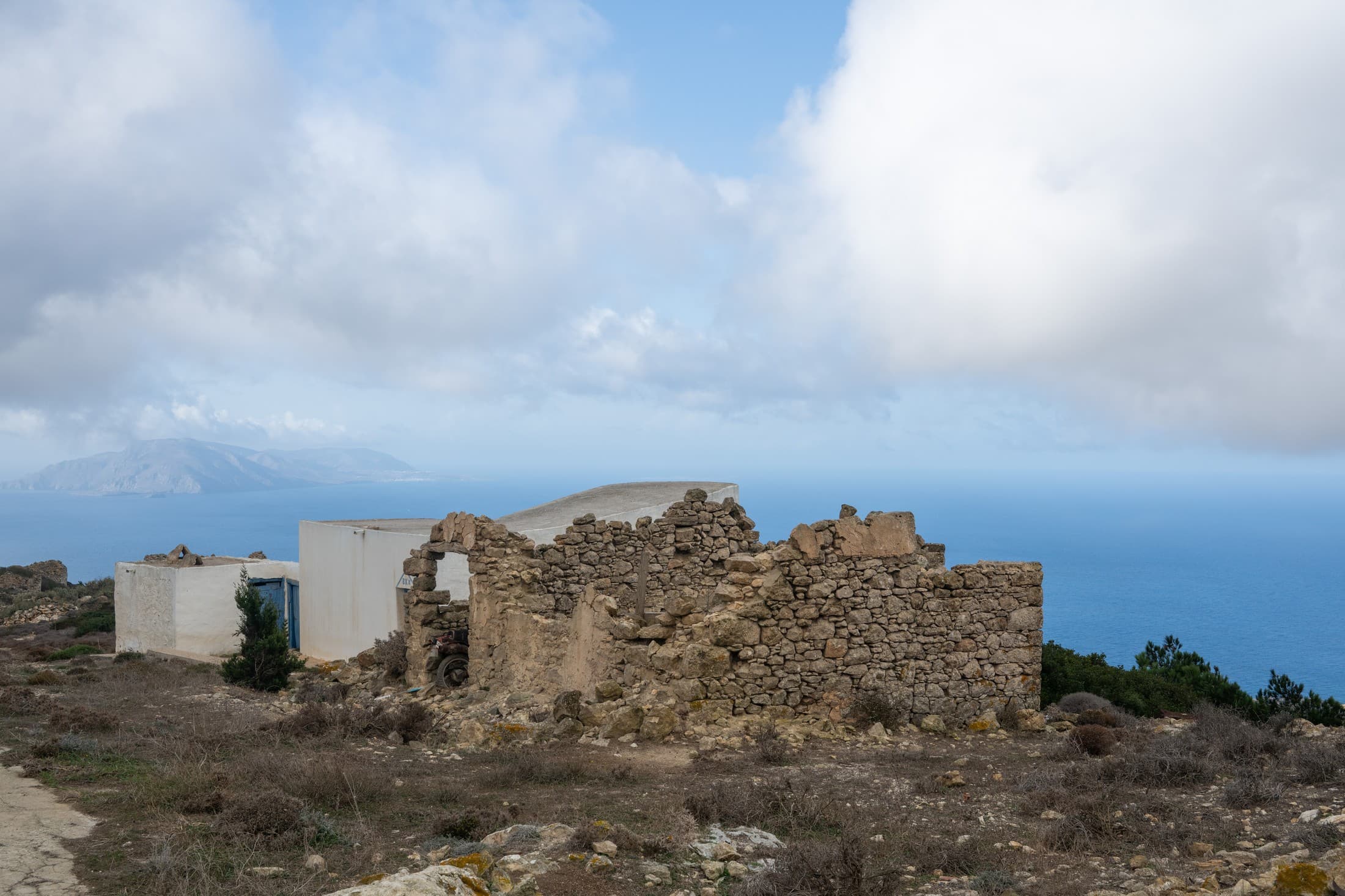
Nestled within the vibrant Menetes, on the northern slope of Profitis Ilias mountain, lies the Menetes Folk Museum. A modest, two-storey building, steeped in 200 years of history, it portrays the lives and daily toil of the villagers. Originally intended as a chapel, the lower level once housed the village ossuary. Today, it preserves the memories of a bygone way of life through everyday objects, folk art, furniture and tools.
Step inside the traditional house that houses the Othos Folk Museum, admire its pebble-stone floors, and observe spatial economy in practice. The house is divided into two levels: the lower section features a wooden divan and a low table (sofras) for dining, while an elevated mezzanine, the soufas, serves as the residents' bedroom.
Throughout, the home showcases textiles, framed embroidery, woven tapestries, cast-iron implements and ceramic vessels. Also displayed are tools, including rakes, hoes, scales and mattocks, alongside a loom and musical instruments.
Nestled within the vibrant Menetes, on the northern slope of Profitis Ilias mountain, lies the Menetes Folk Museum. A modest, two-storey building, steeped in 200 years of history, it portrays the lives and daily toil of the villagers. Originally intended as a chapel, the lower level once housed the village ossuary. Today, it preserves the memories of a bygone way of life through everyday objects, folk art, furniture and tools.