Memories and exhibits from the “Cimolian earth”
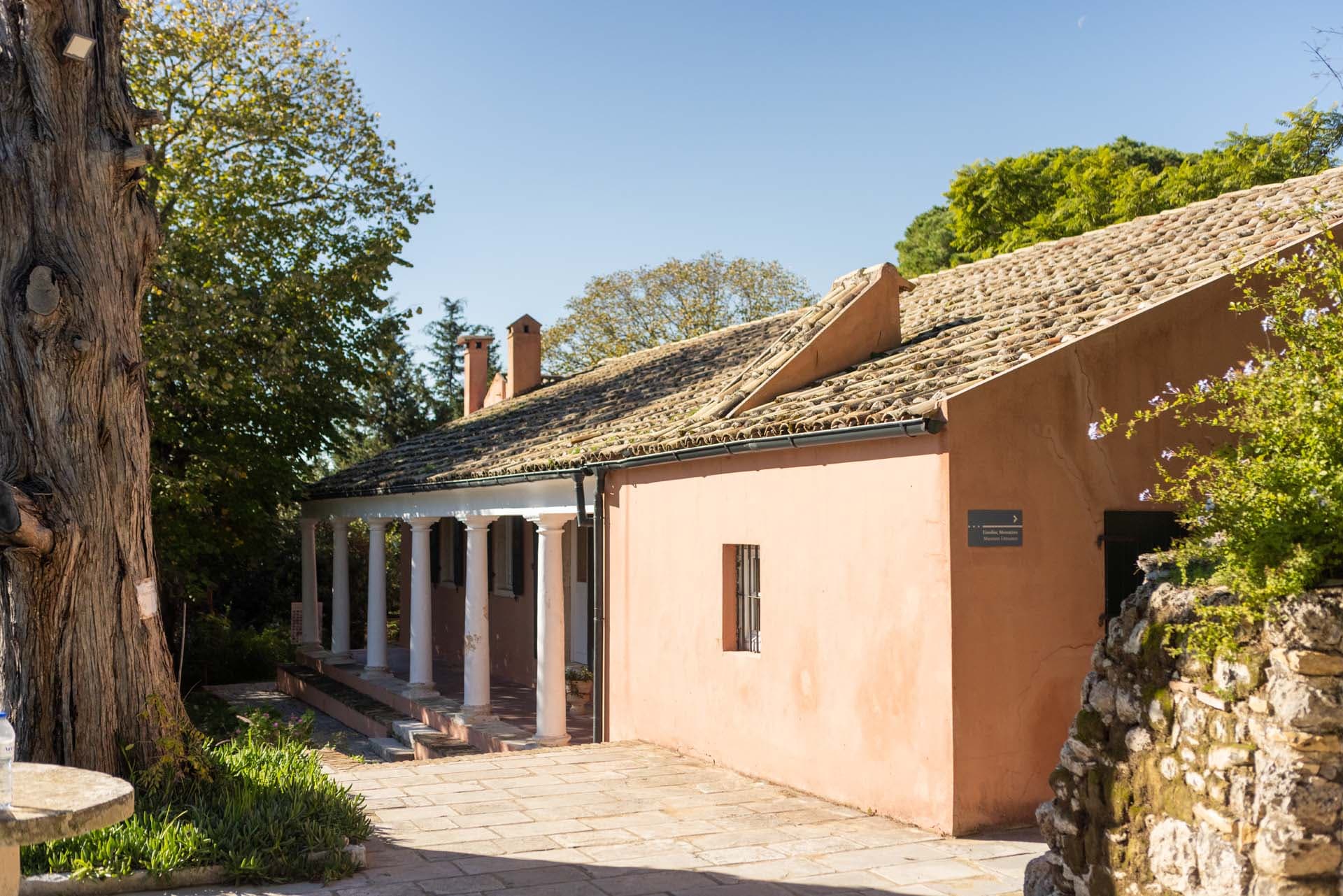
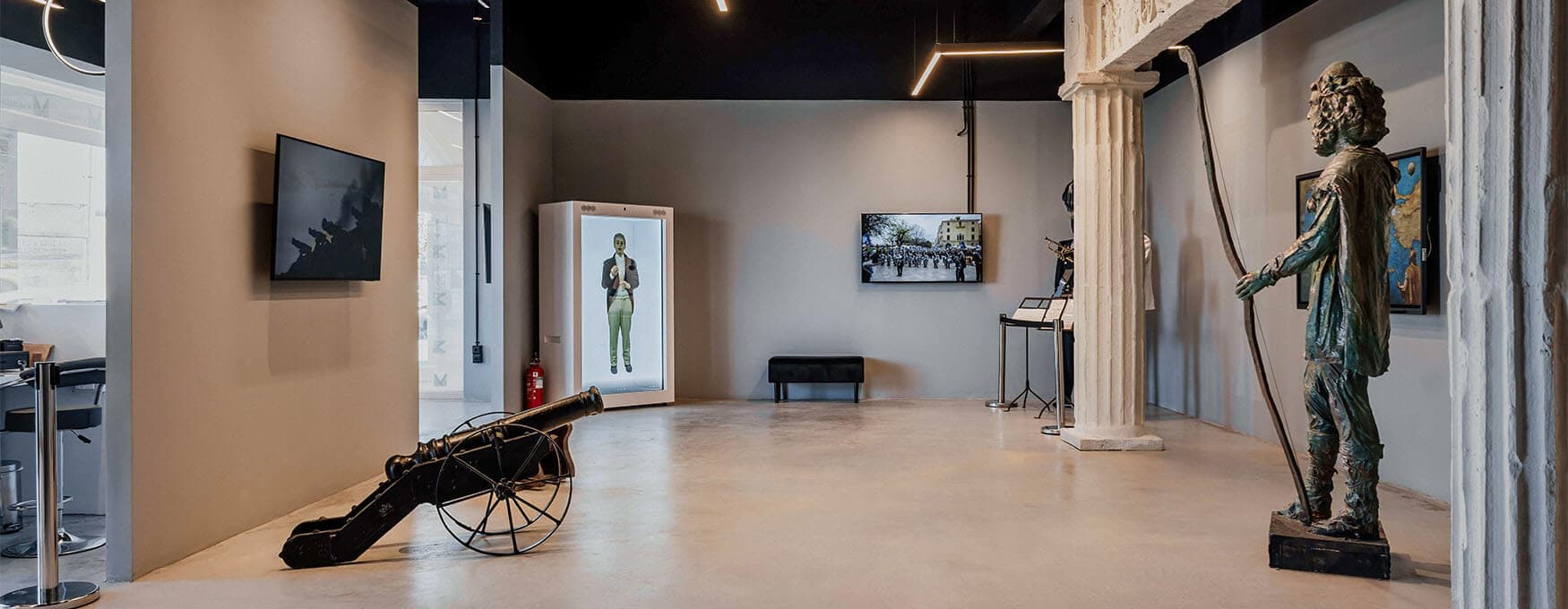
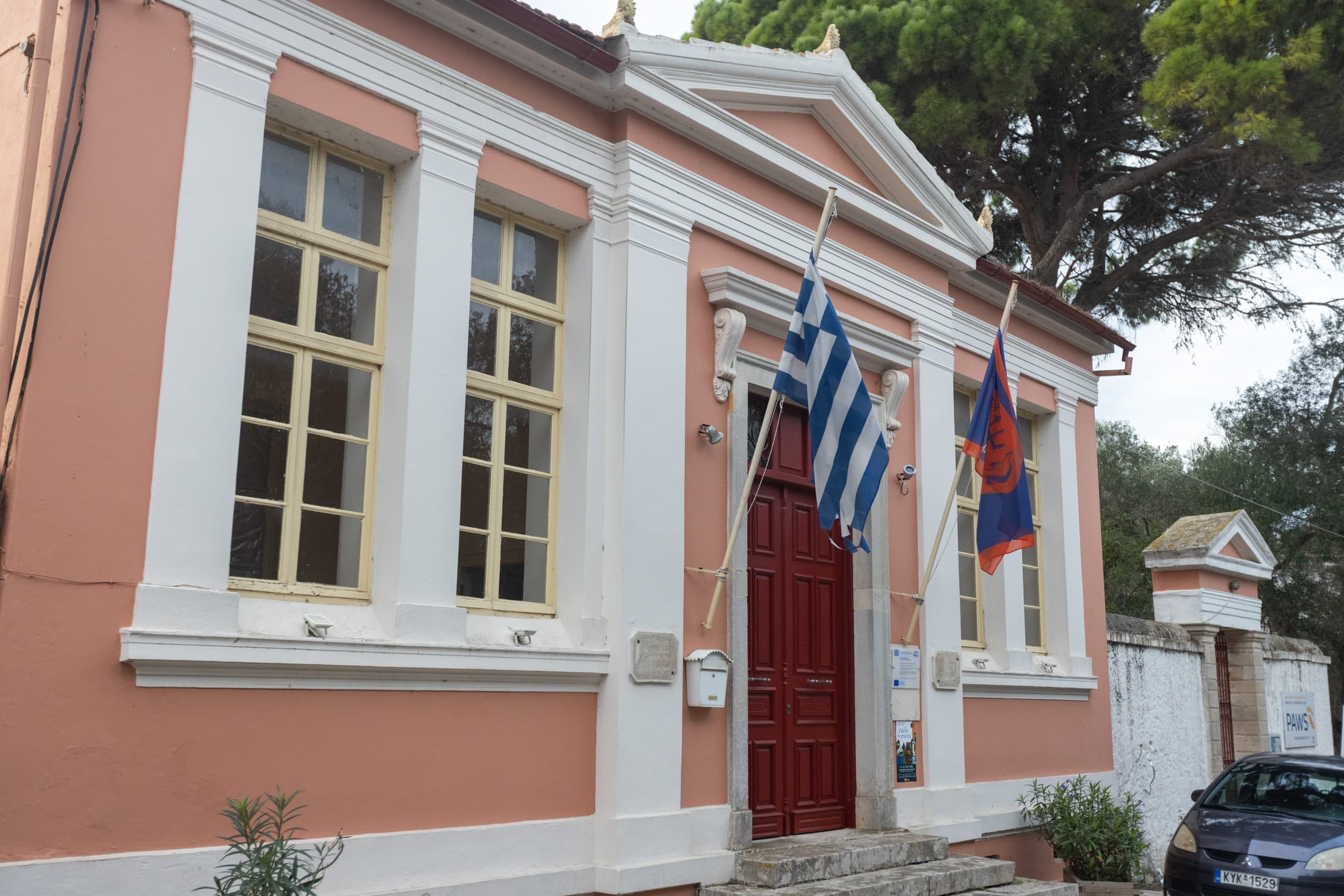
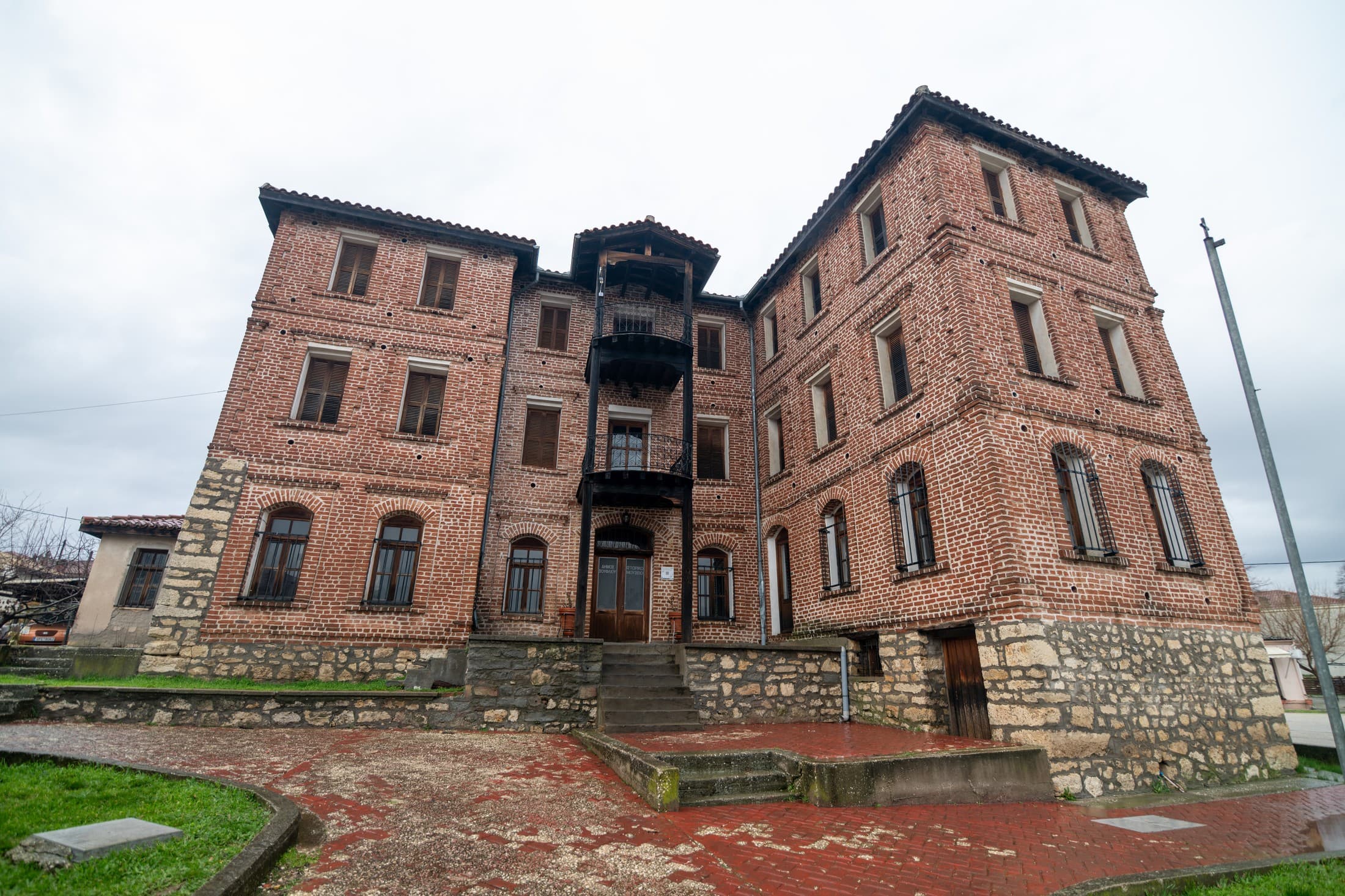
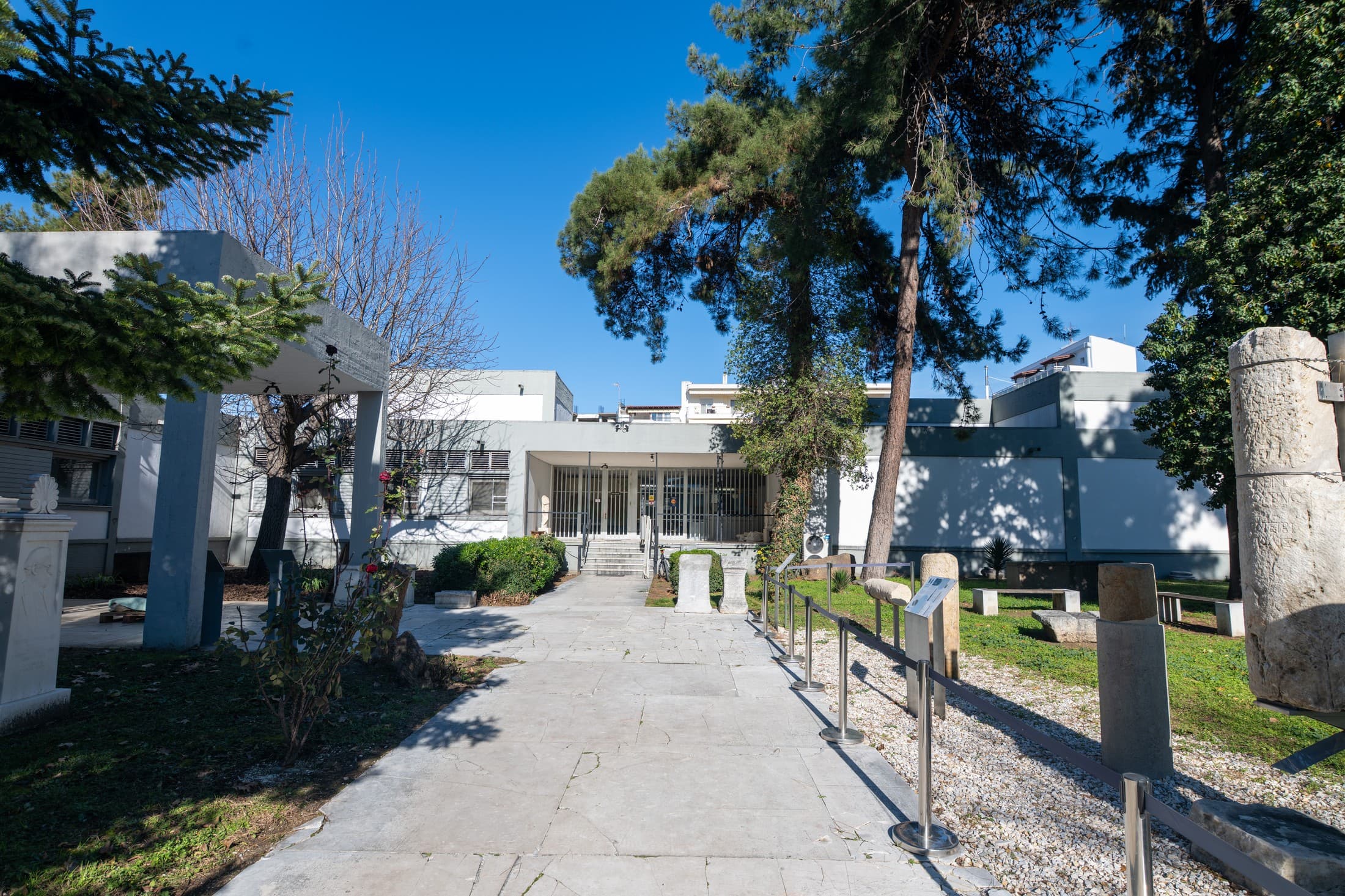
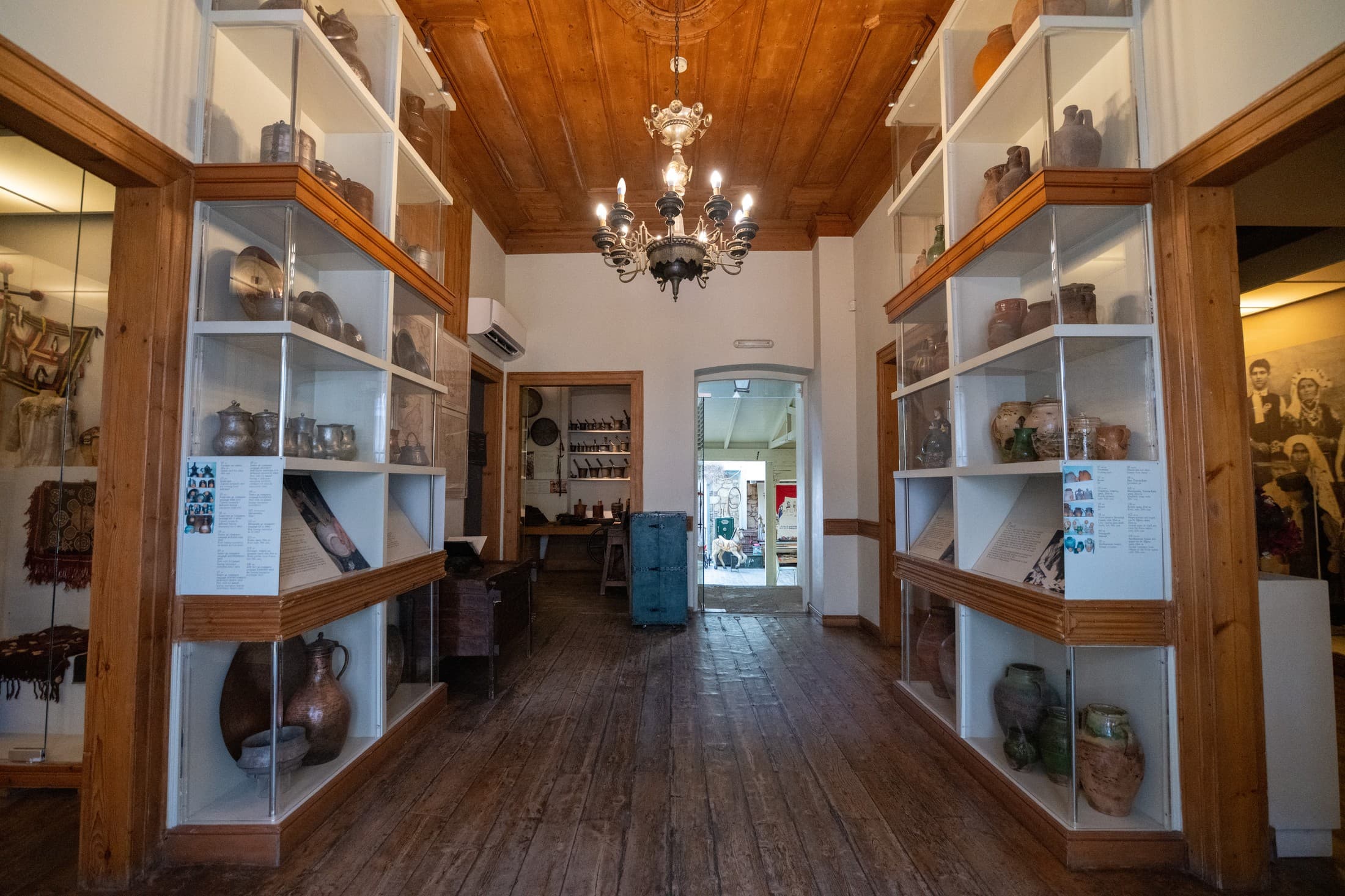
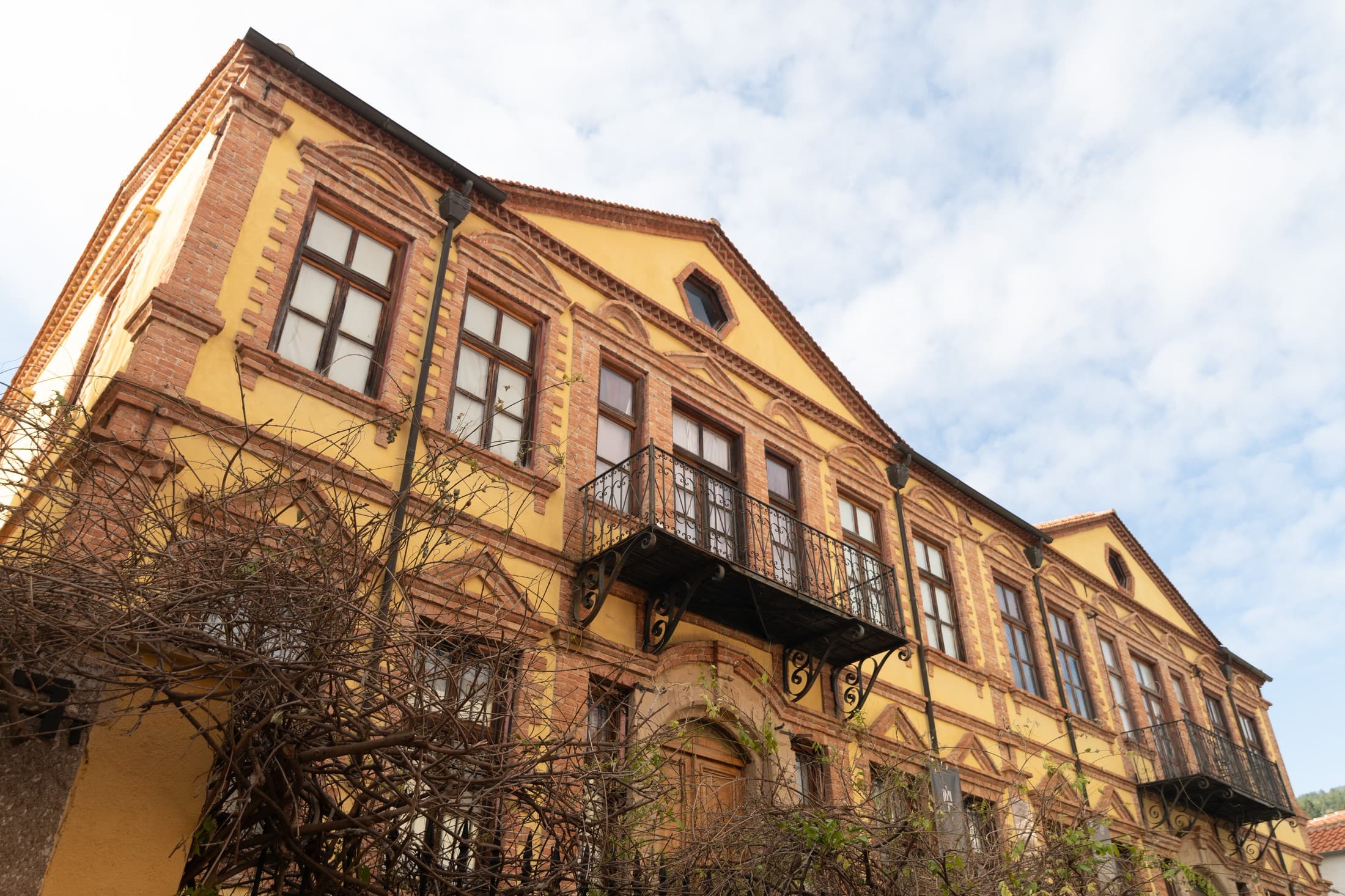
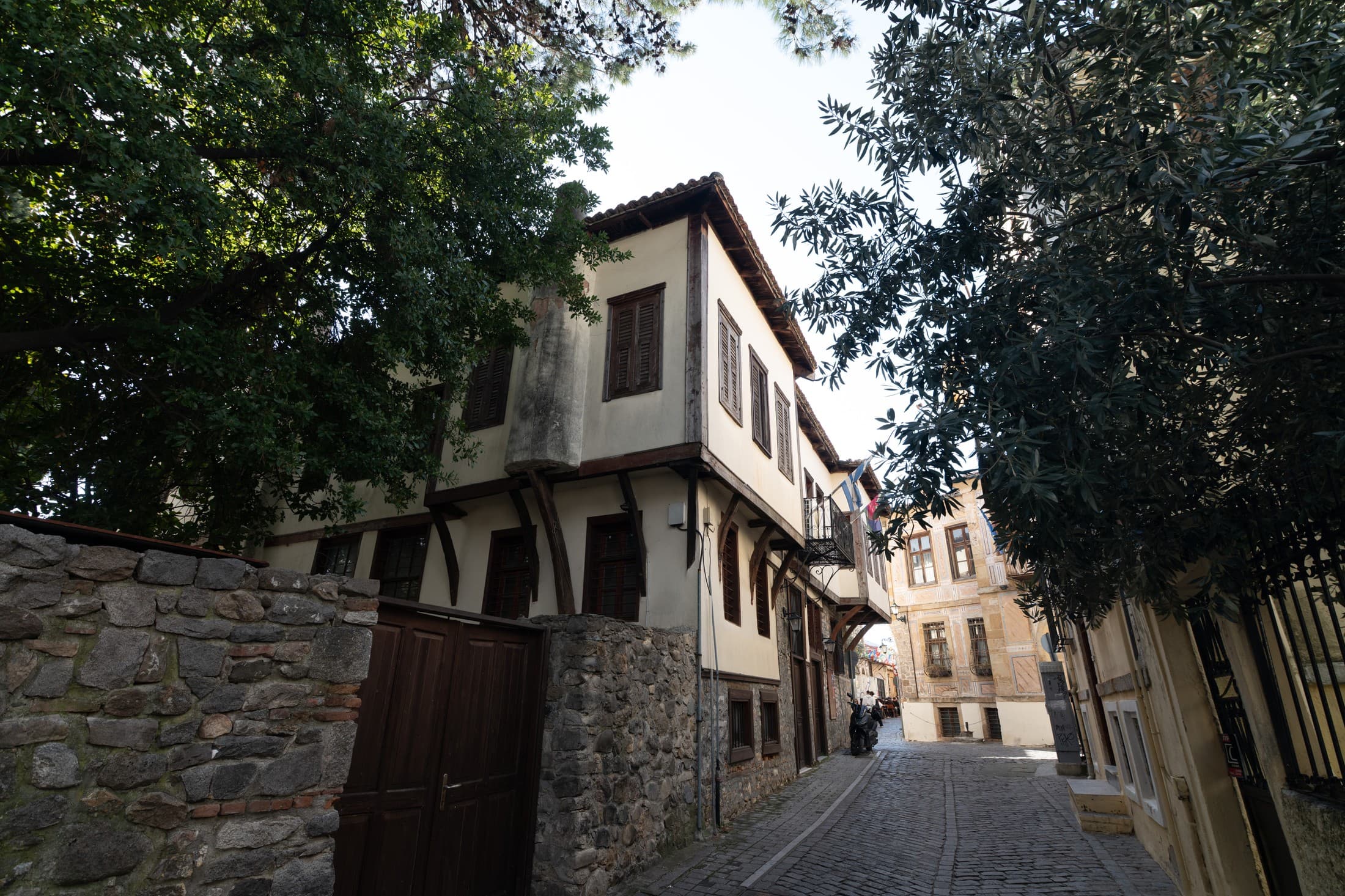
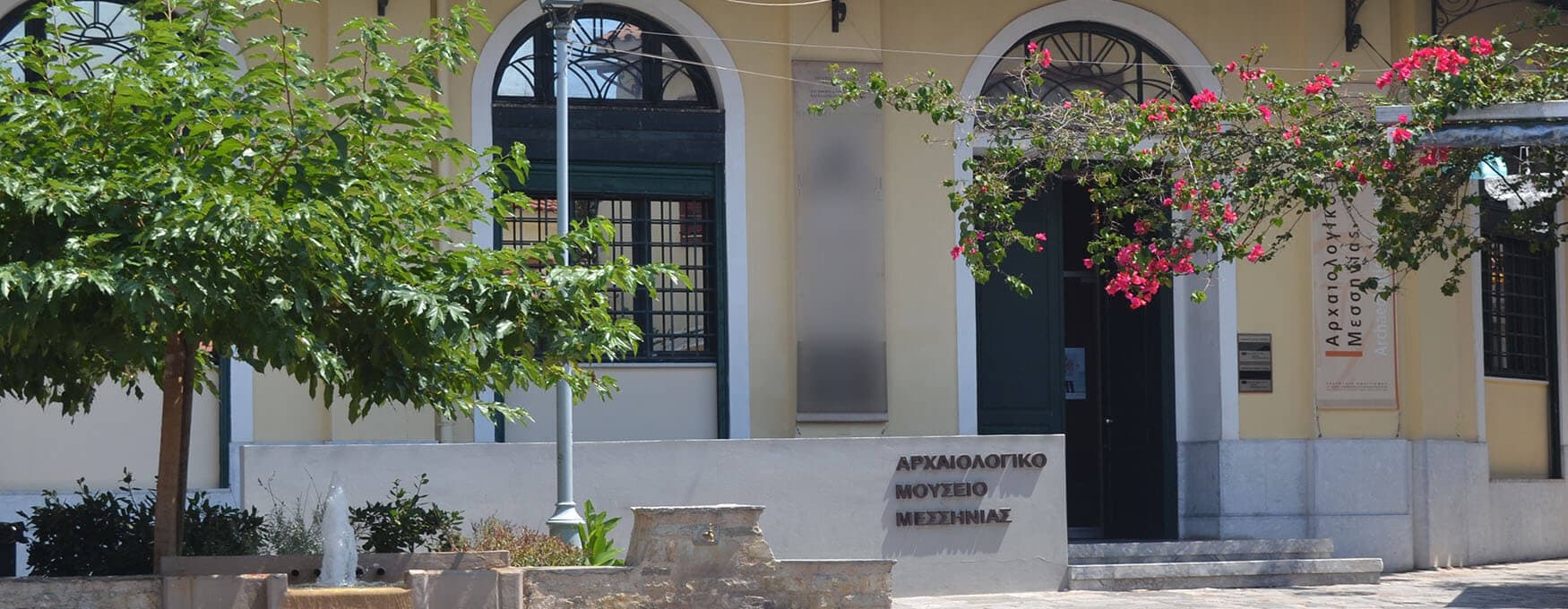
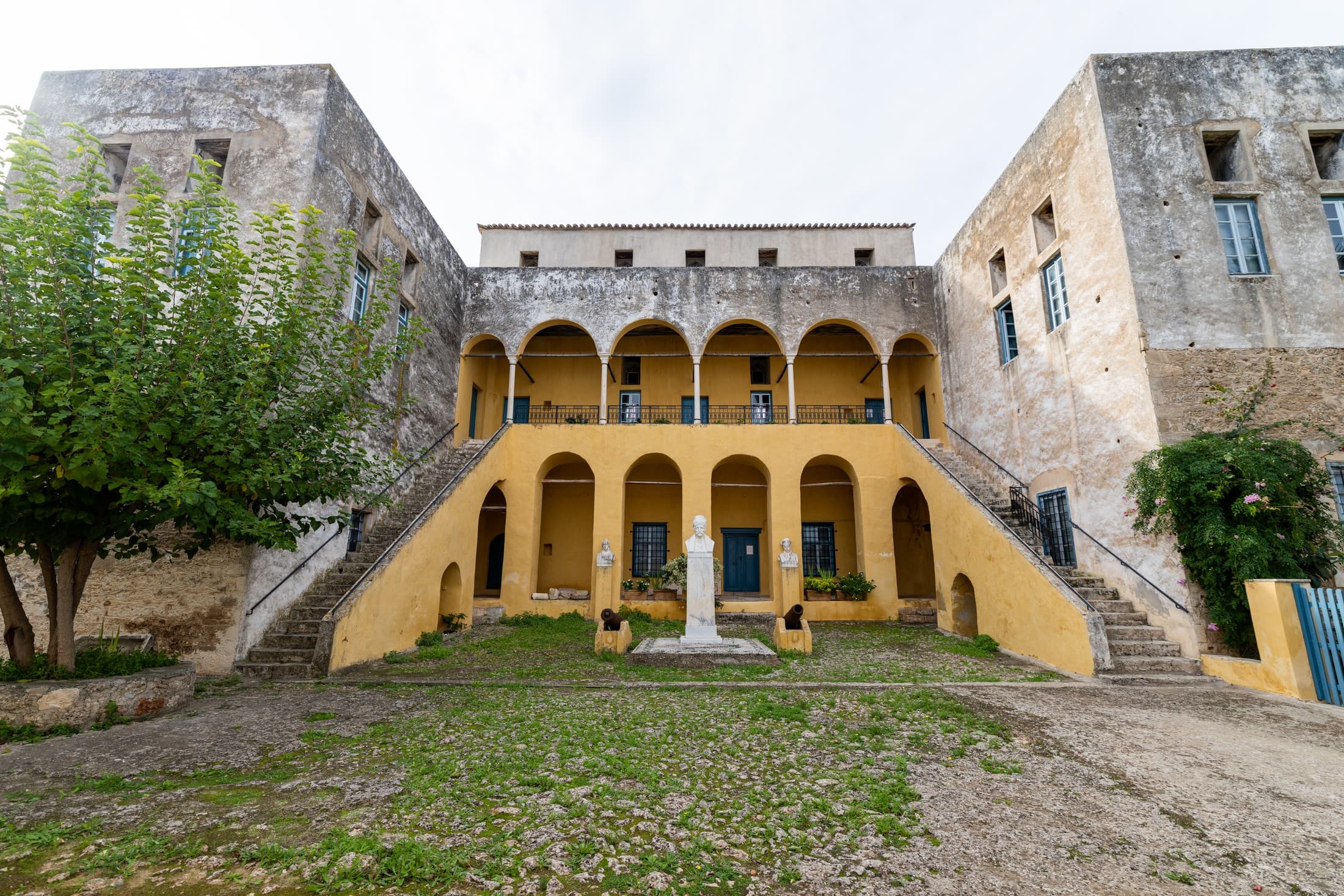
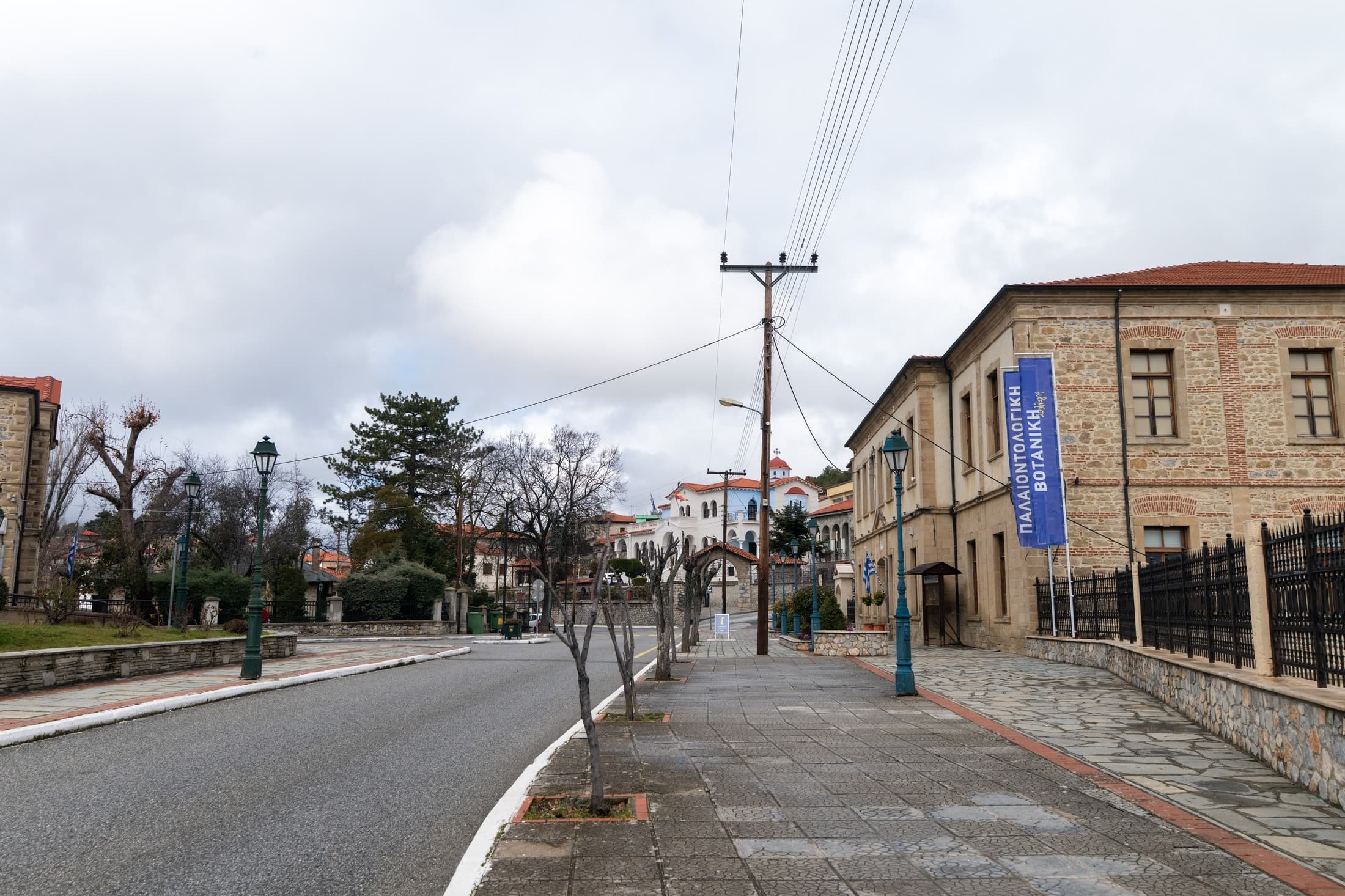
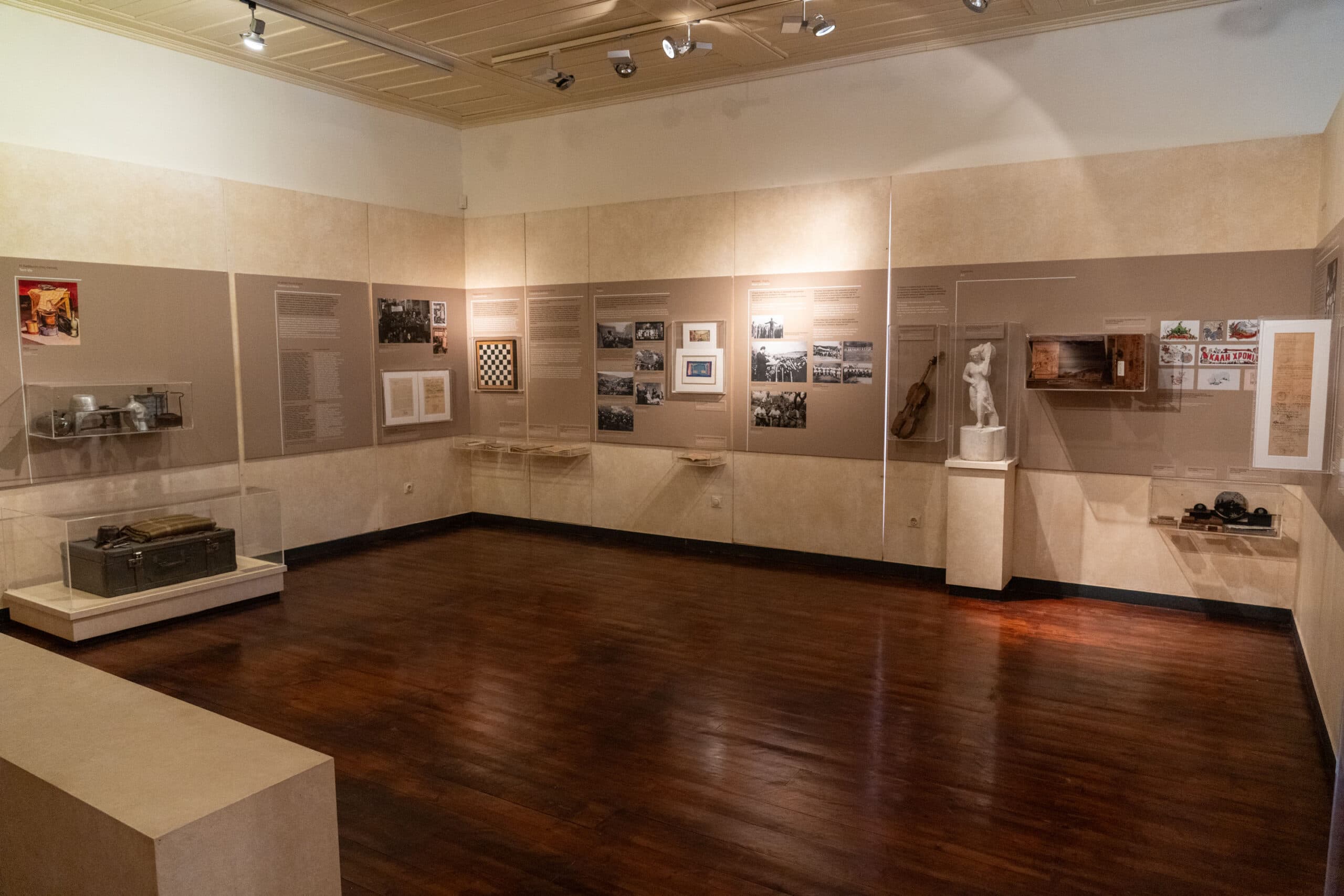
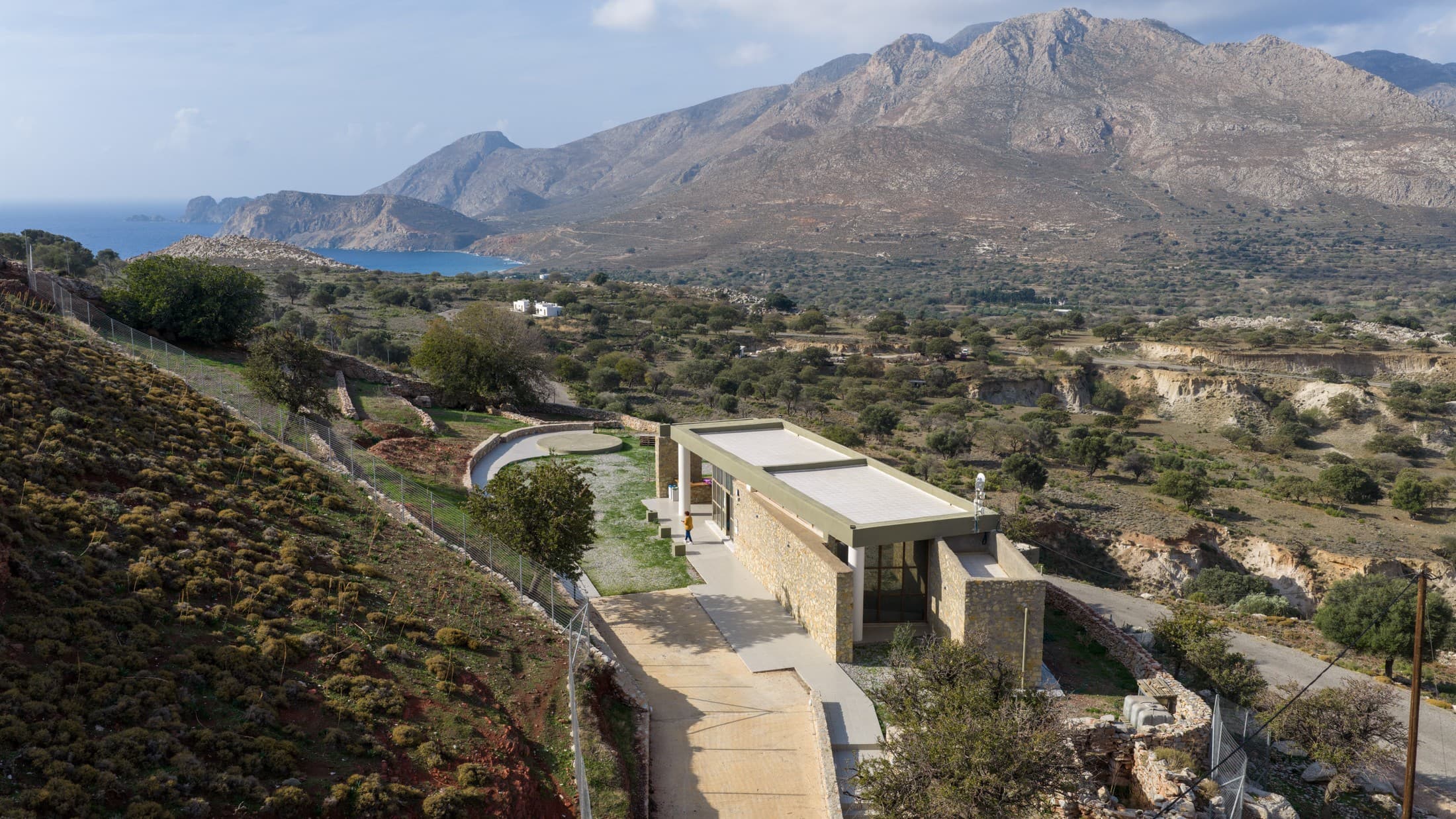
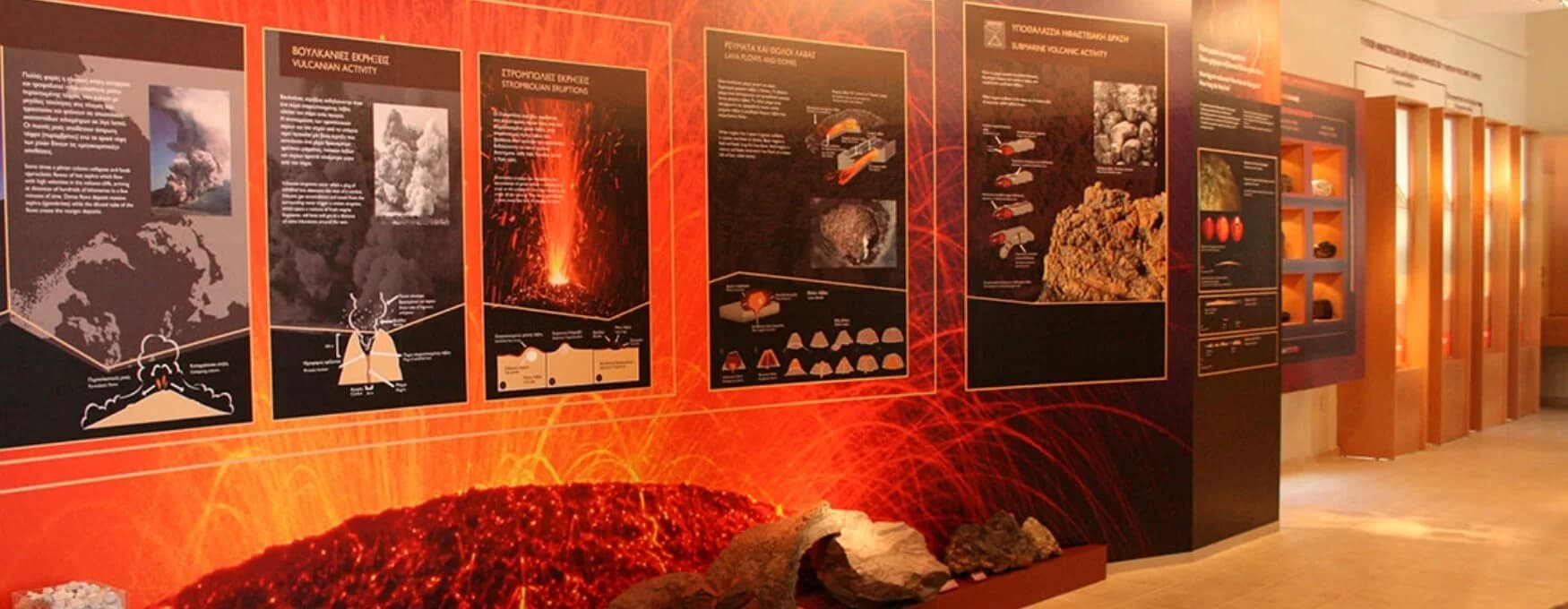
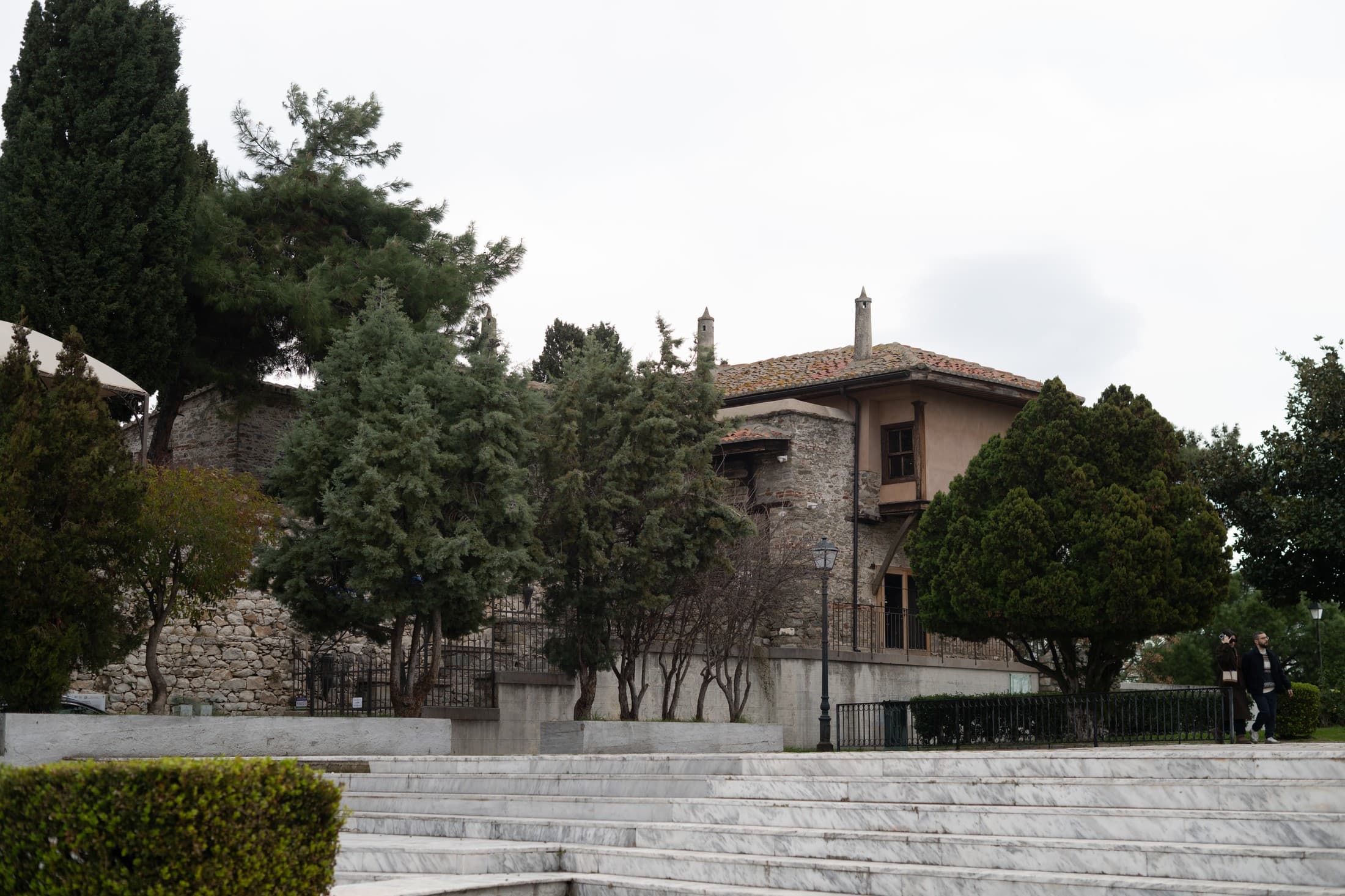
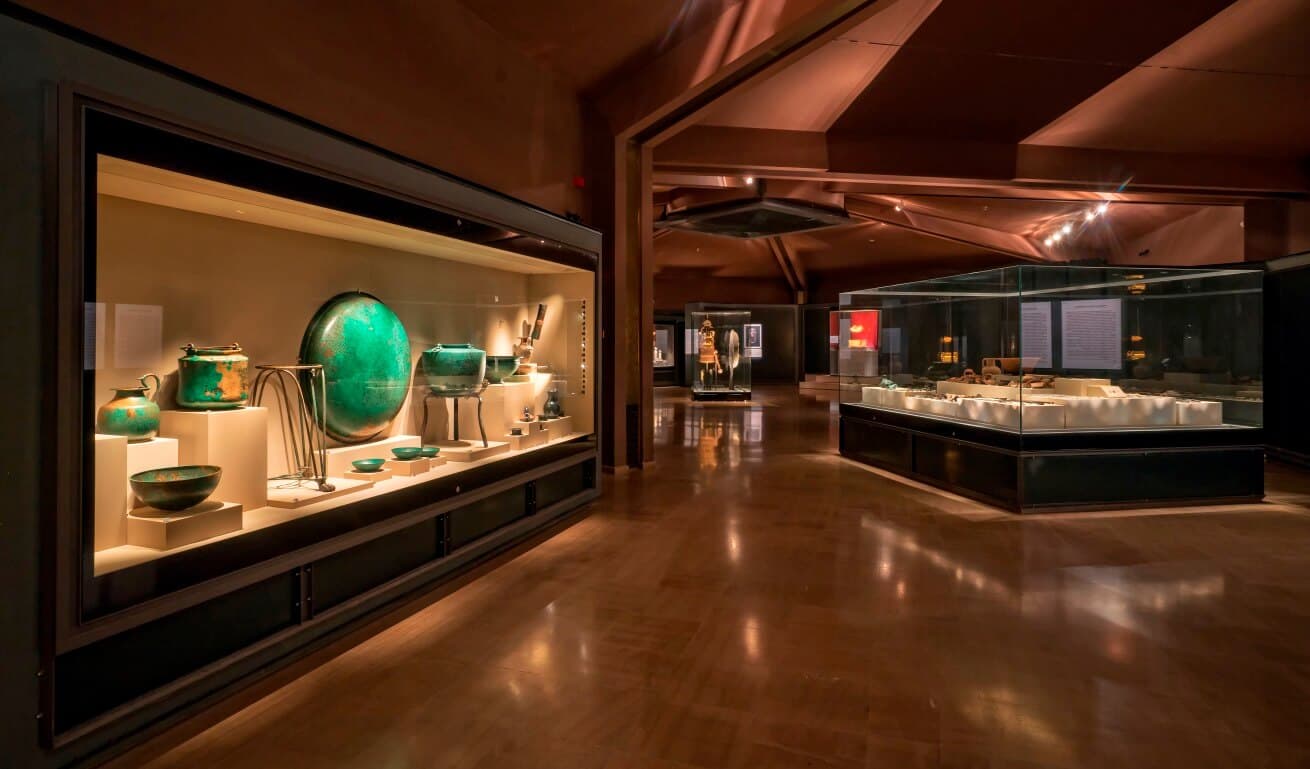
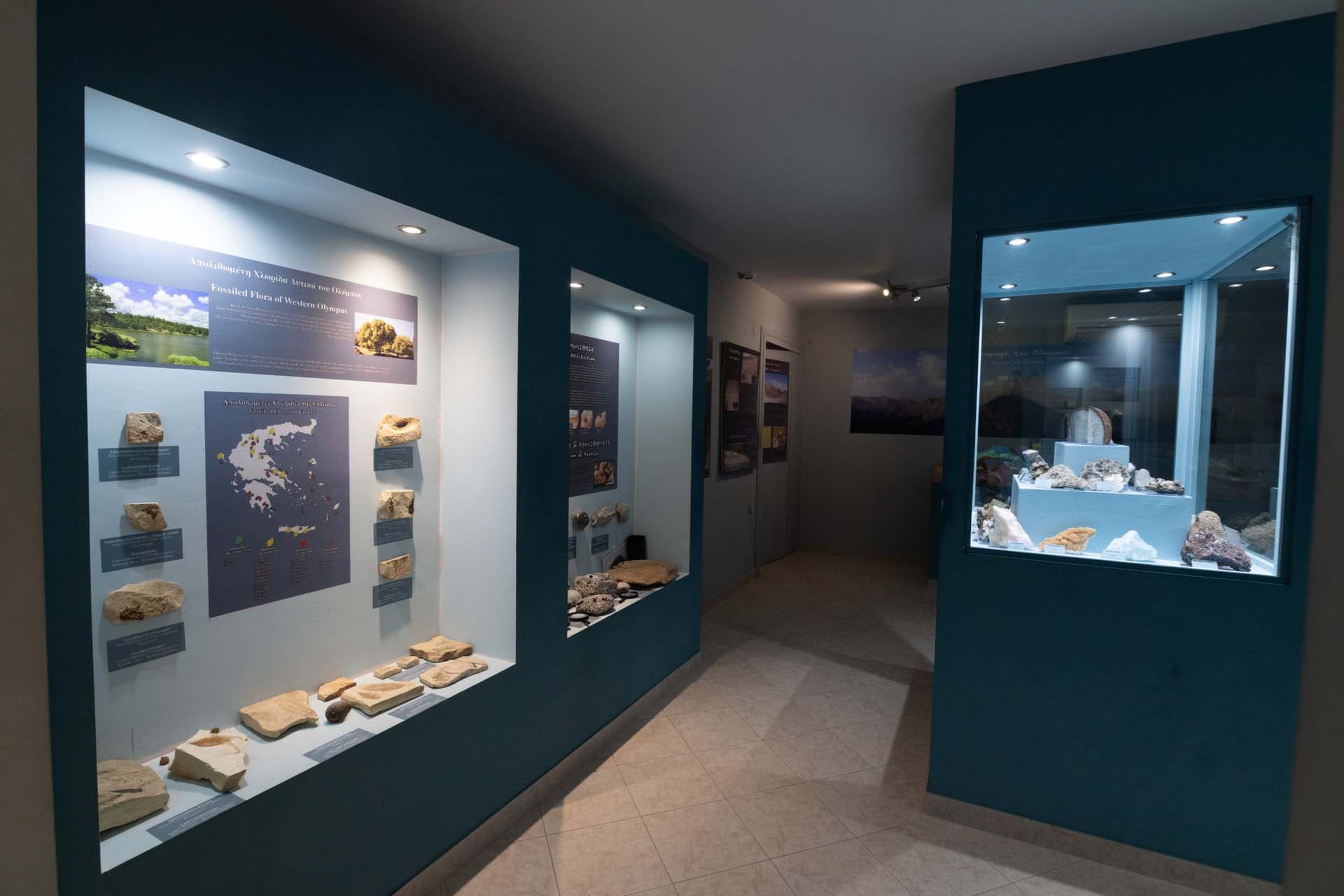
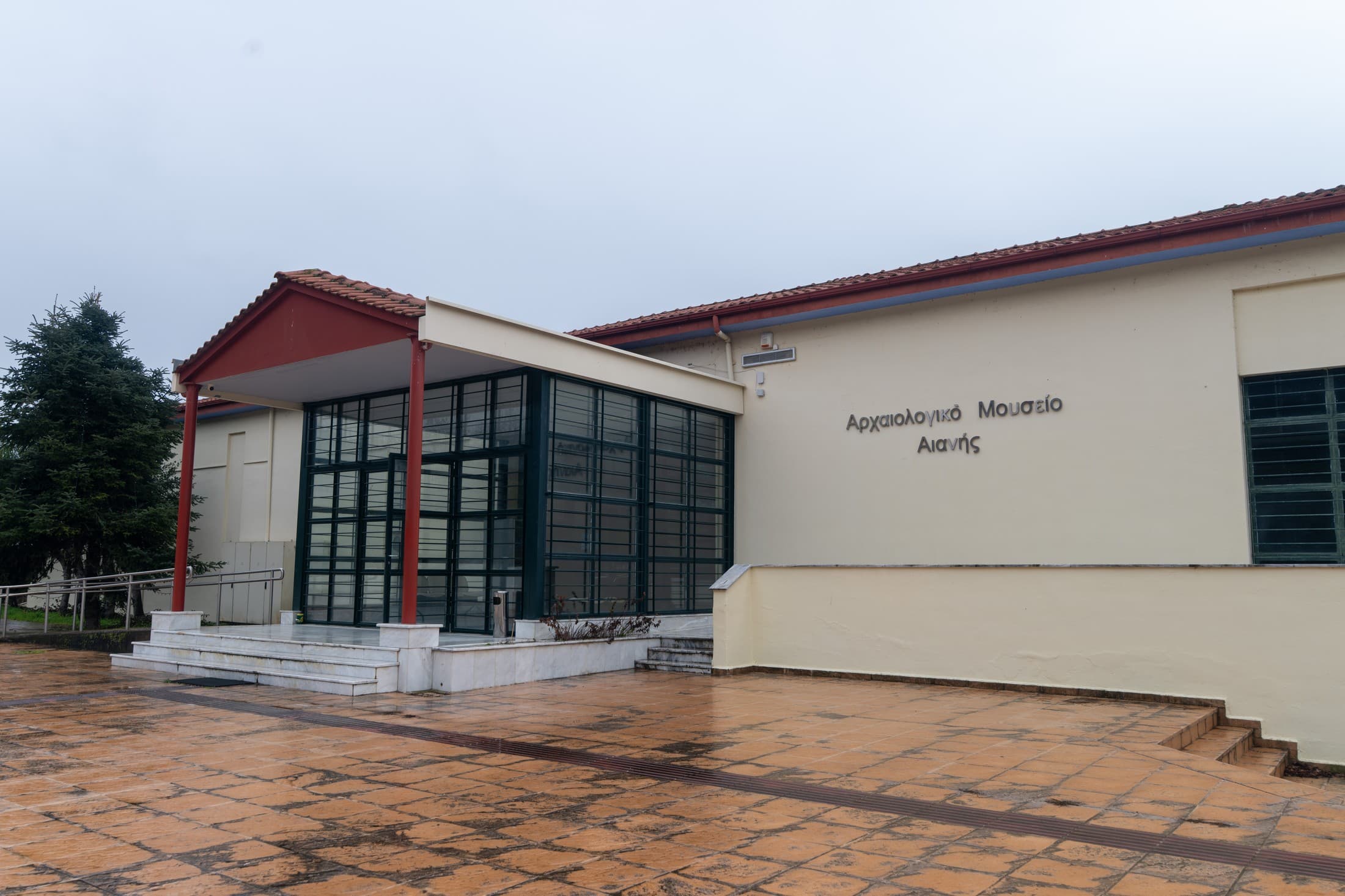
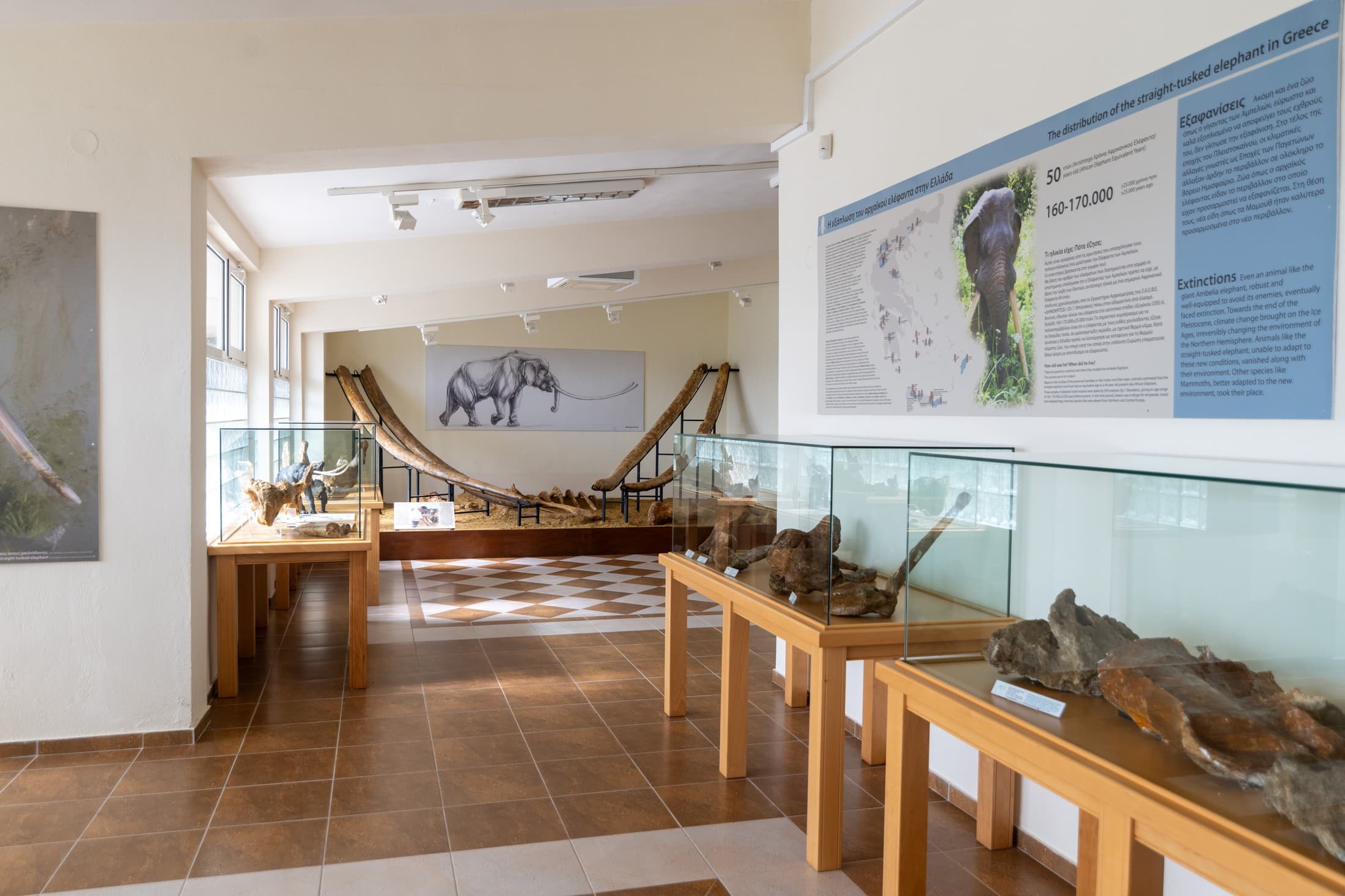
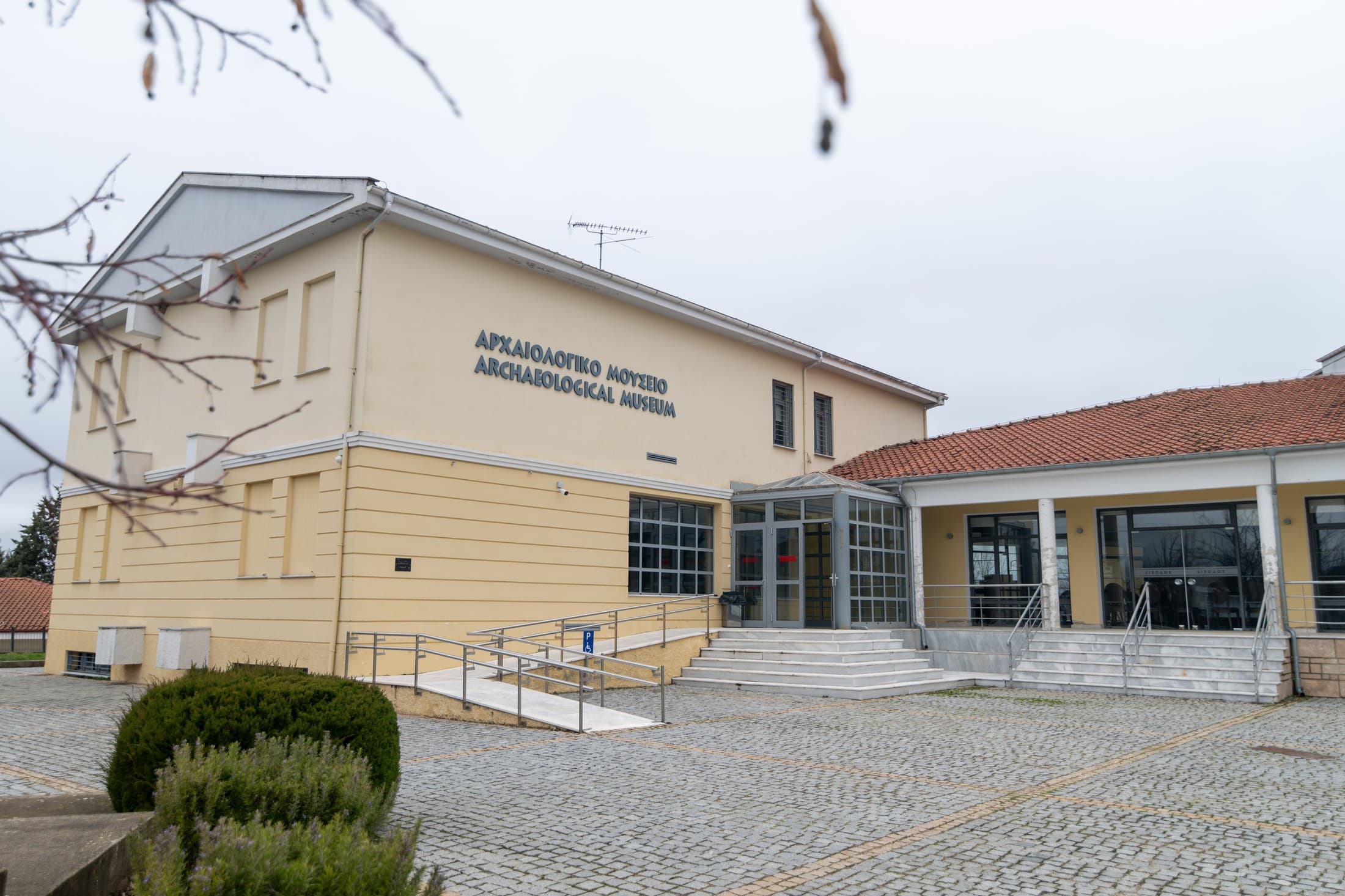
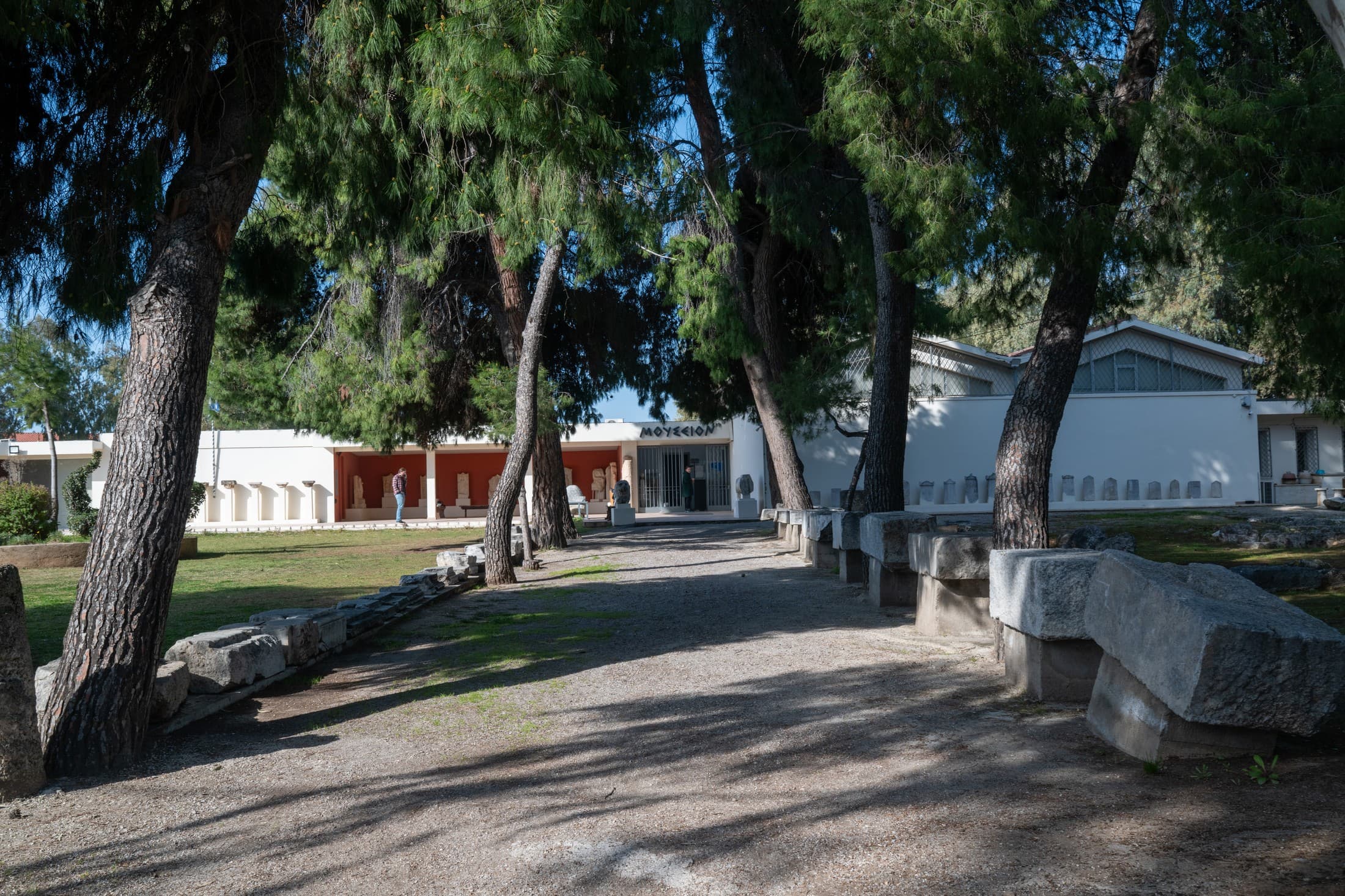
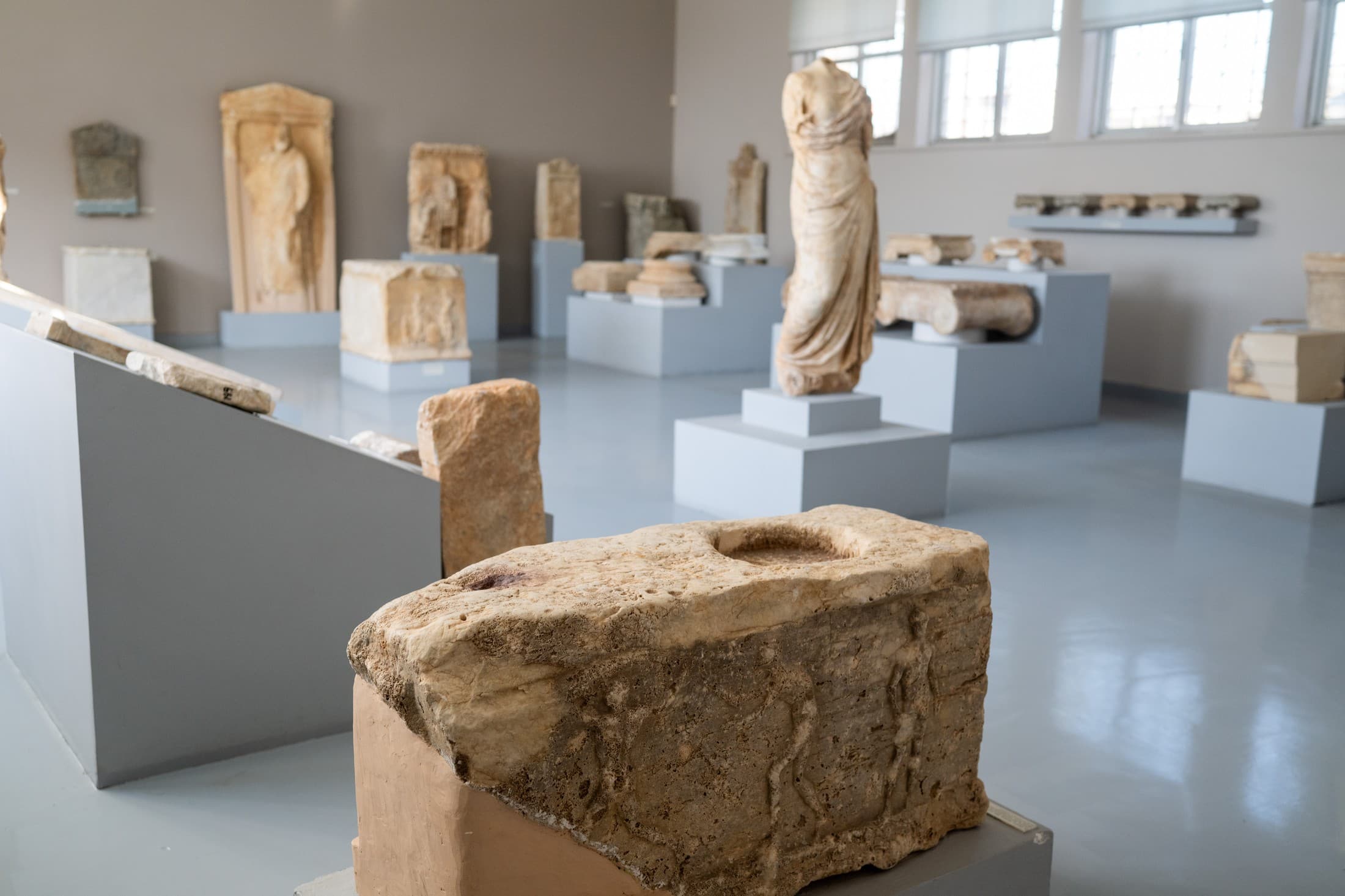
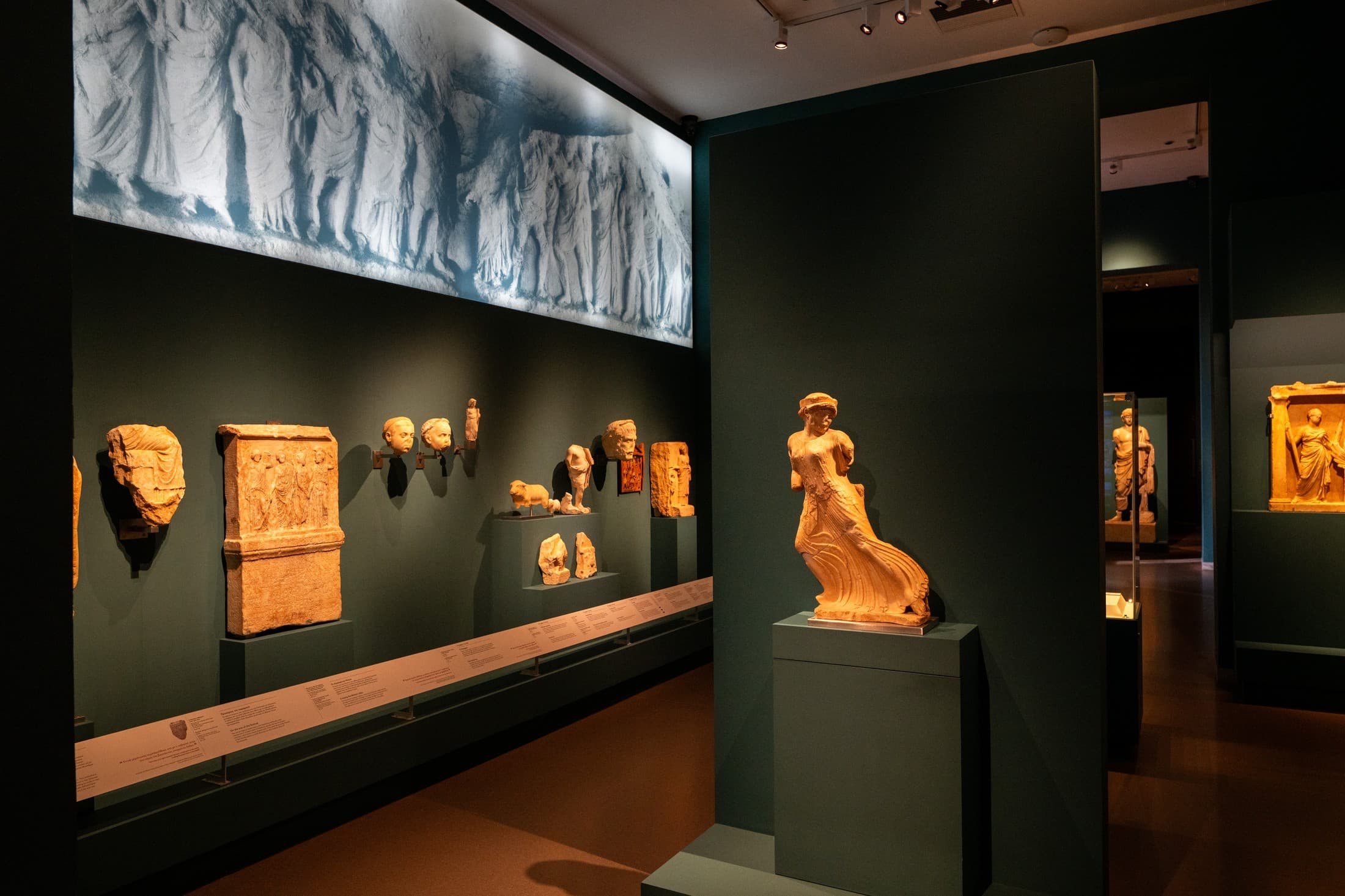
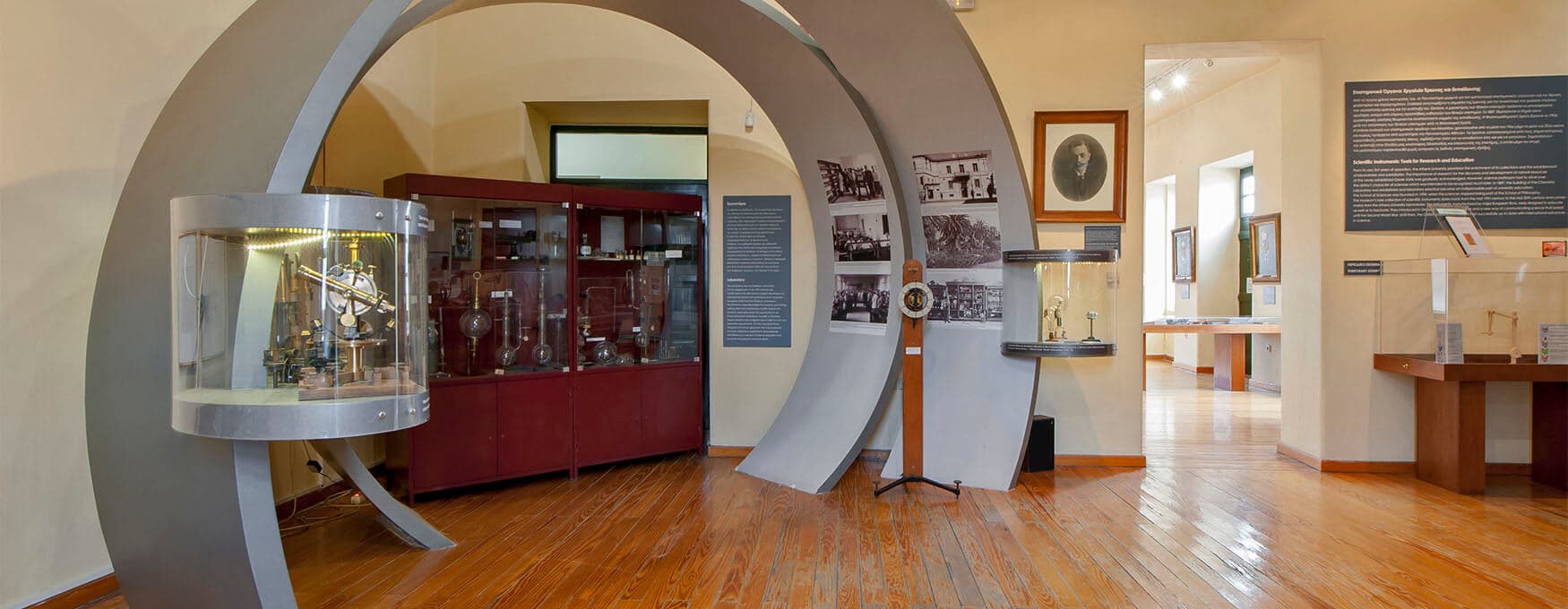
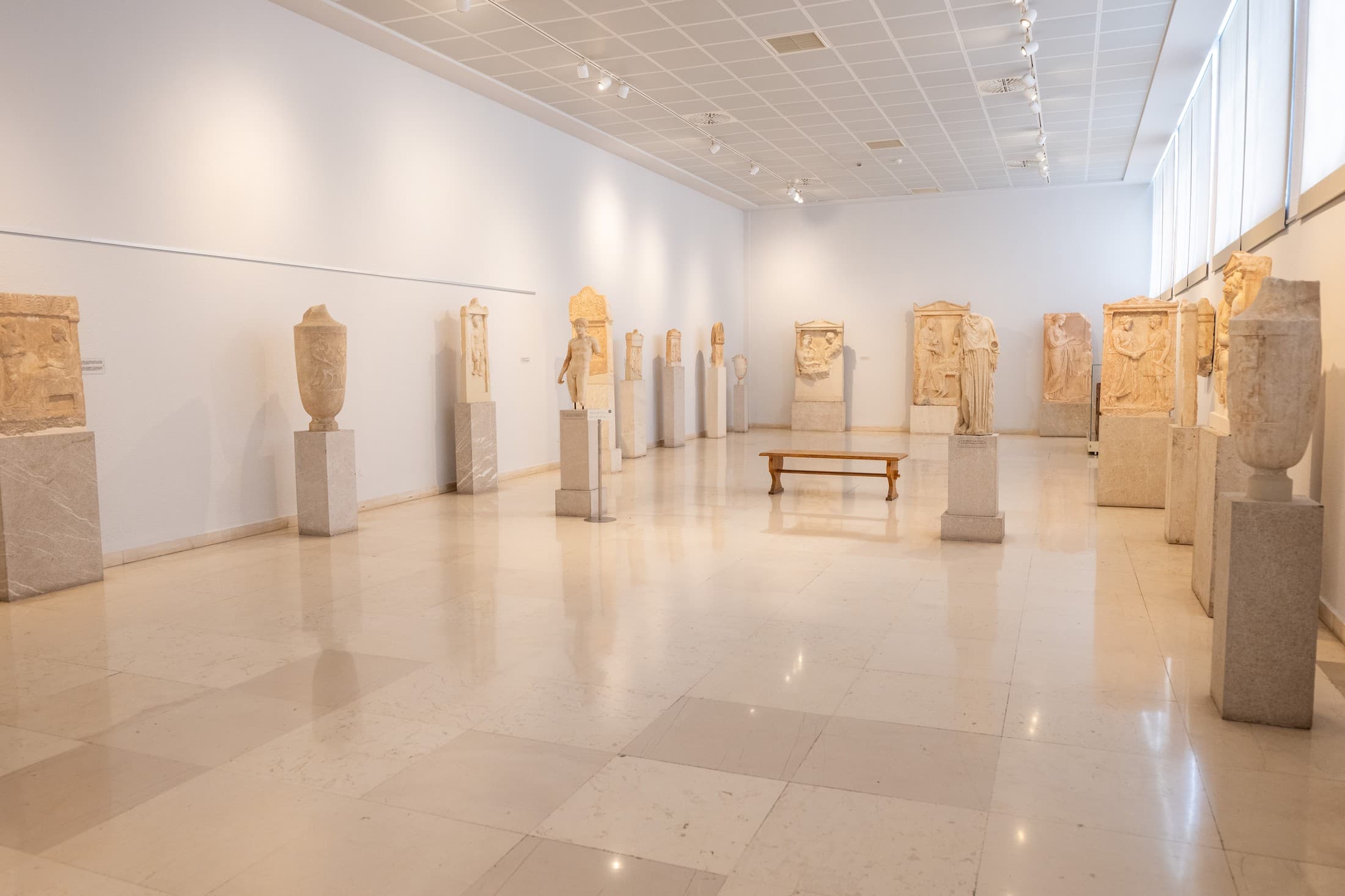
In the heart of Chorio, an old two-storey house has been transformed into a small but fascinating museum. Here you will see the history of Kimolos from the Neolithic to the Roman era: obsidian and flint, geometric burials with dozens of vessels, inscriptions, figurines and traces of a city that once looked out to sea from Ellinika and Agios Andreas. The narrative blends beautifully with the landscape: the “Cimolian earth”, the white clay that made the island famous, is the invisible thread connecting the exhibits with the volcanic rocks of Kimolos.
Notable exhibits
- Traces of everyday life from the Late Neolithic Era: obsidian and flint tools, pottery shards.
- Early Cycladic finds, including a violin-shaped figurine and a small marble krater.
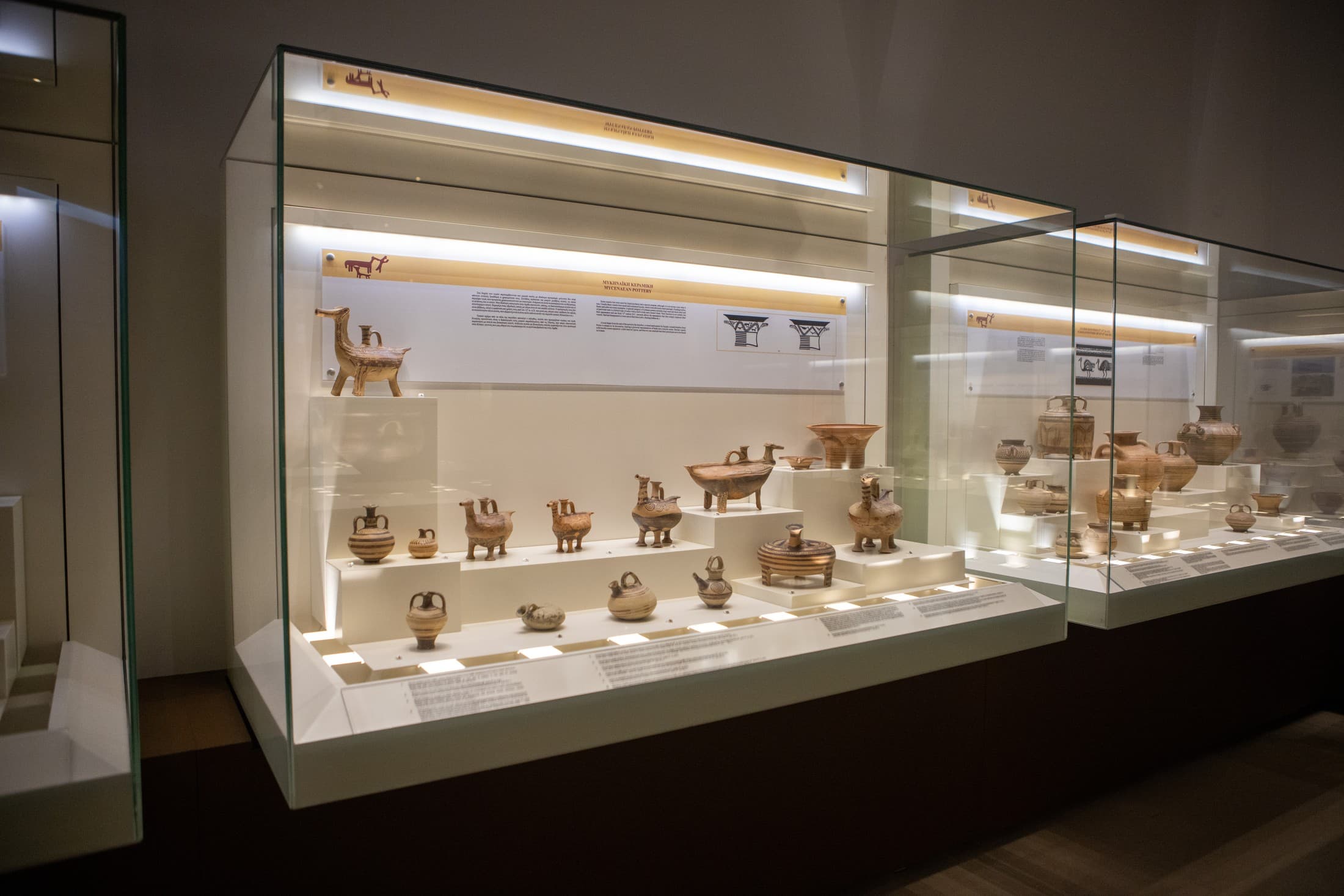
- Mycenaean fragments from Ellinika indicating early settlement and trade contacts.
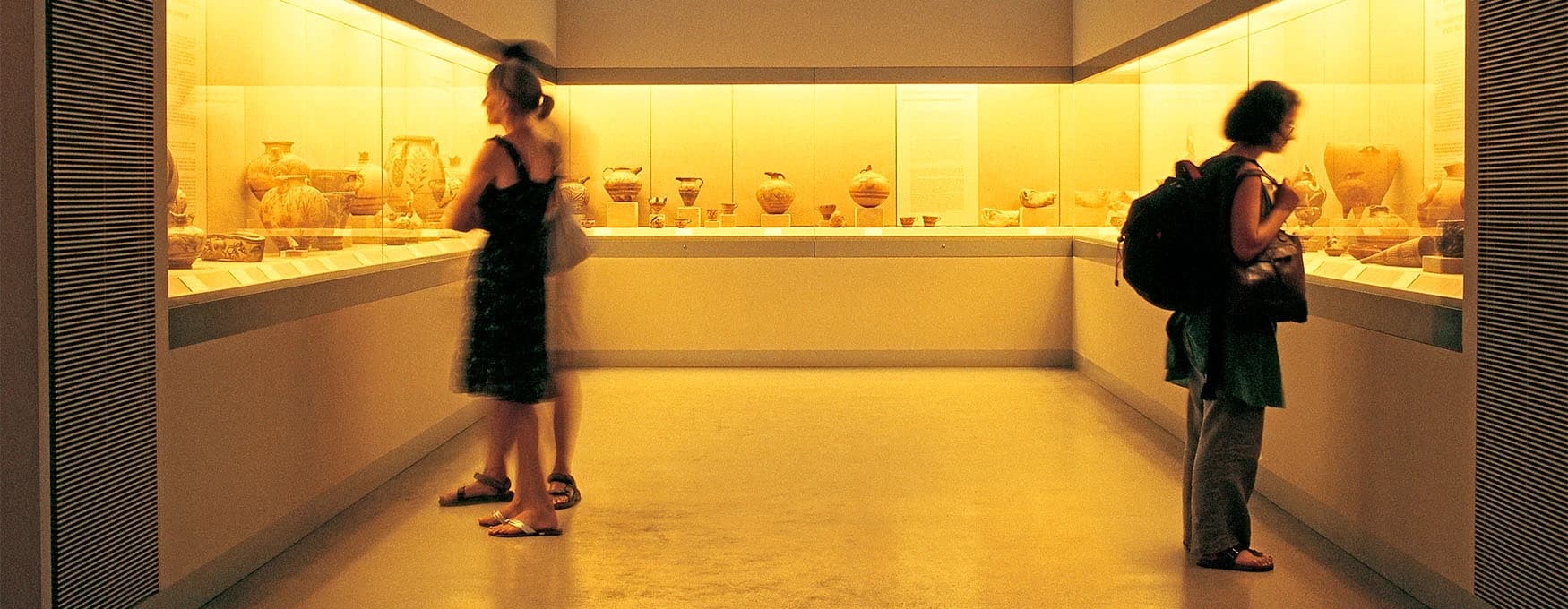
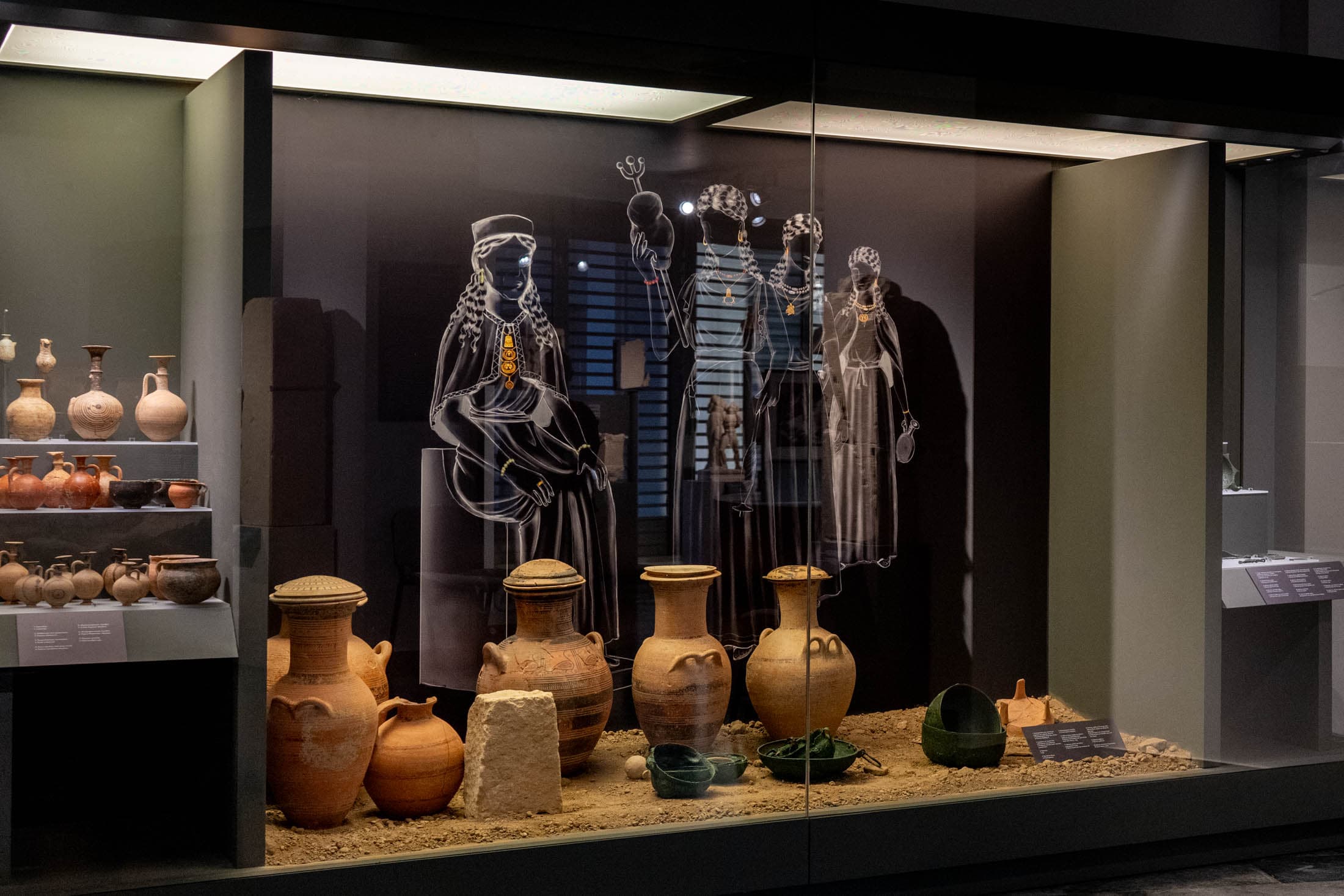
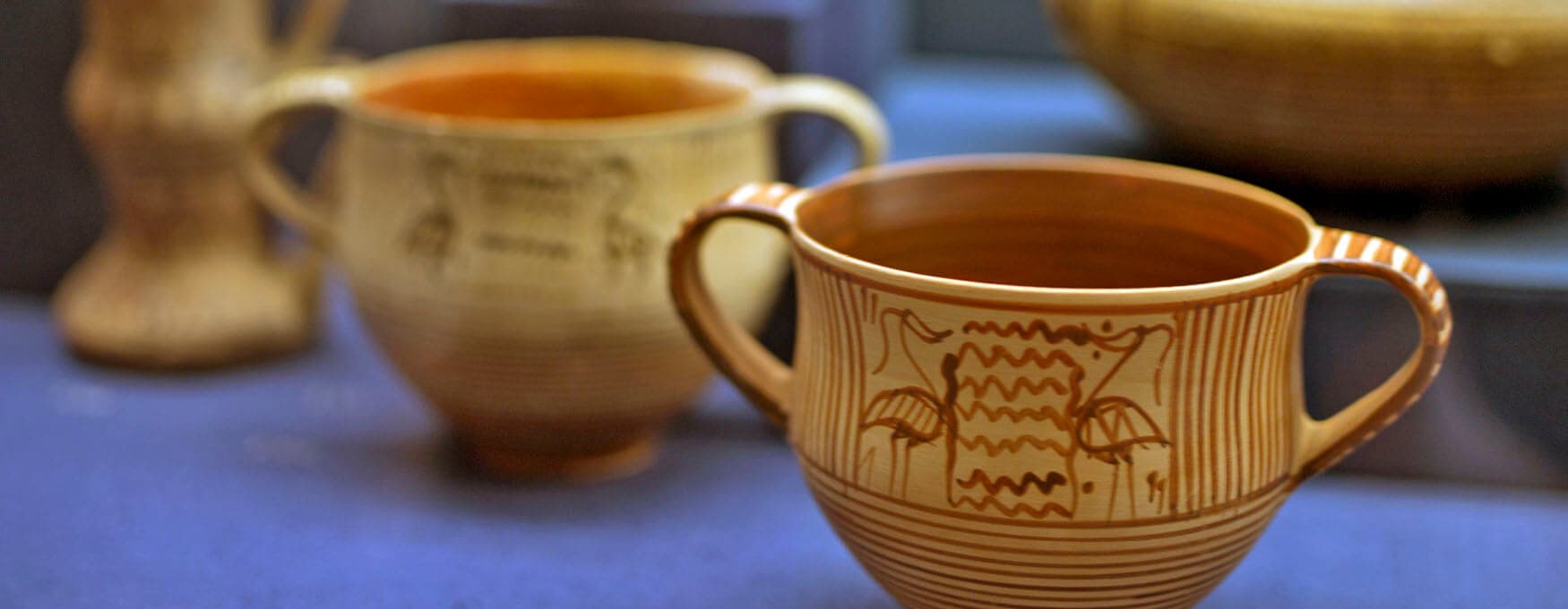
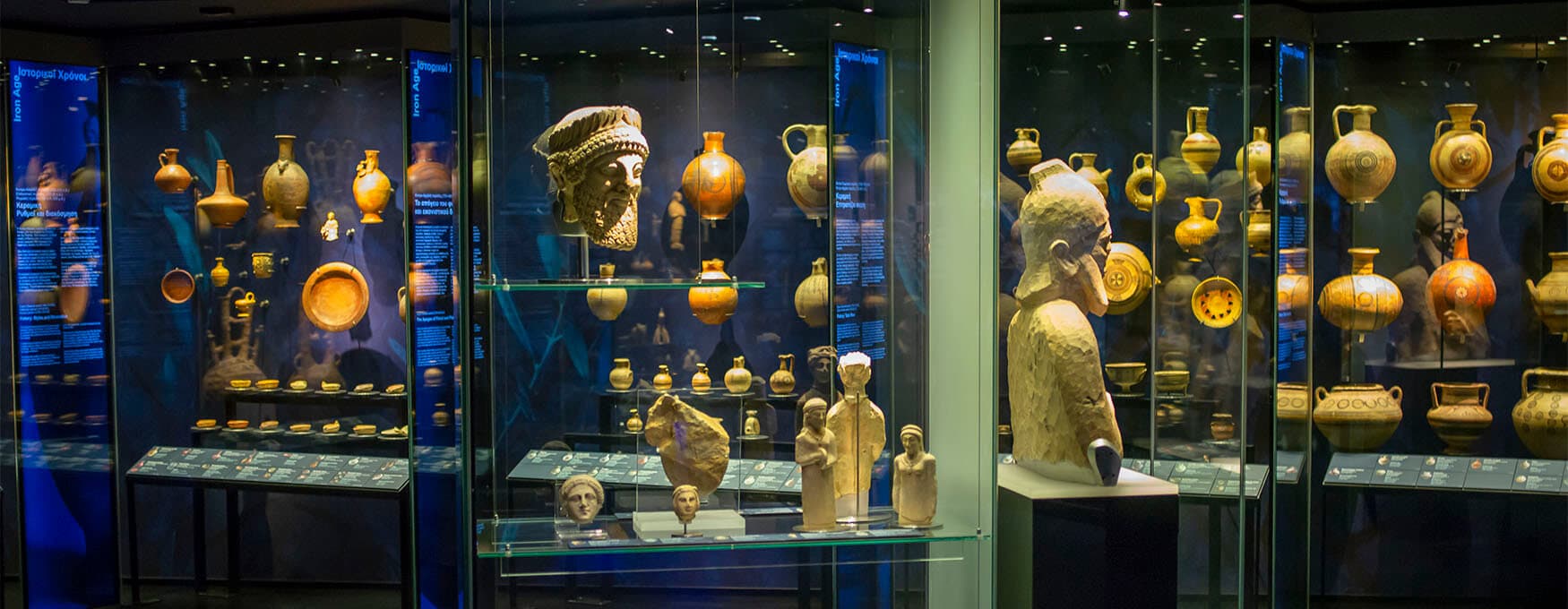
- An impressive collection of over 300 vessels from the geometric cemetery at Ellinika, with cremations dating from the 8th century BC.
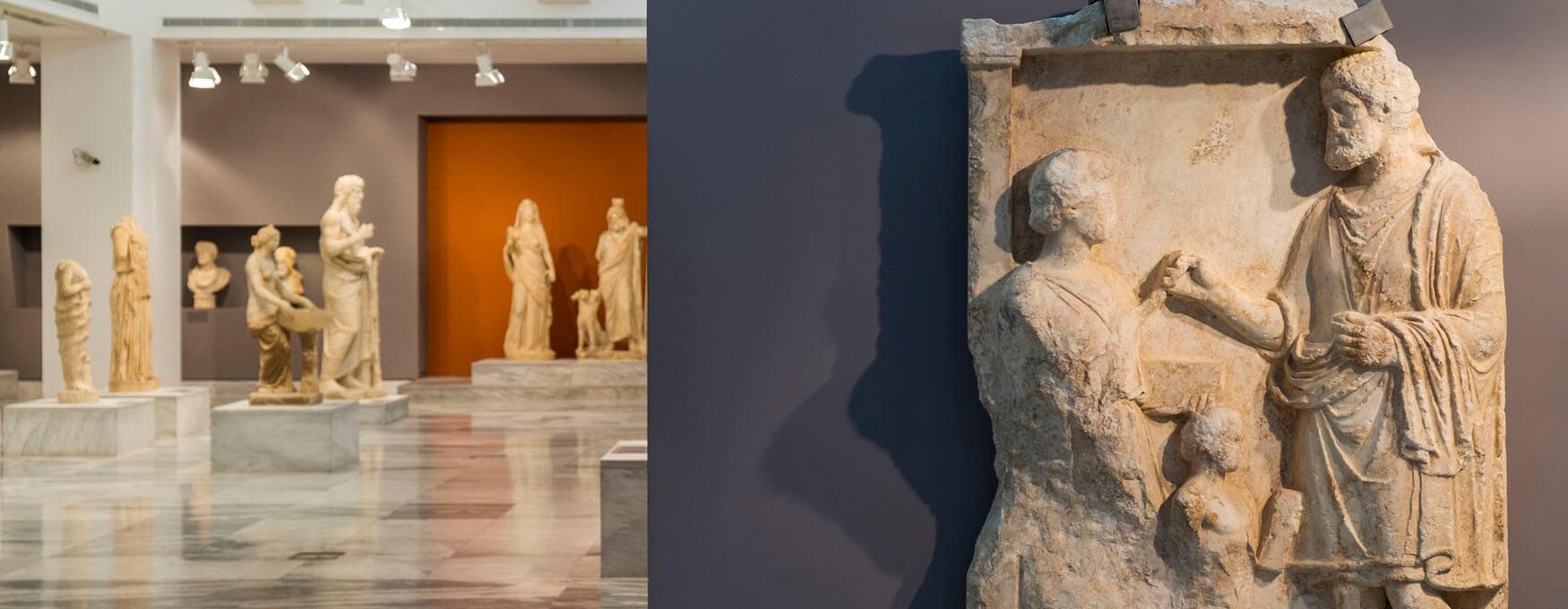
- A tufa funerary stele with a female figure (7th century BC), one of the earliest decorated stone stelae.
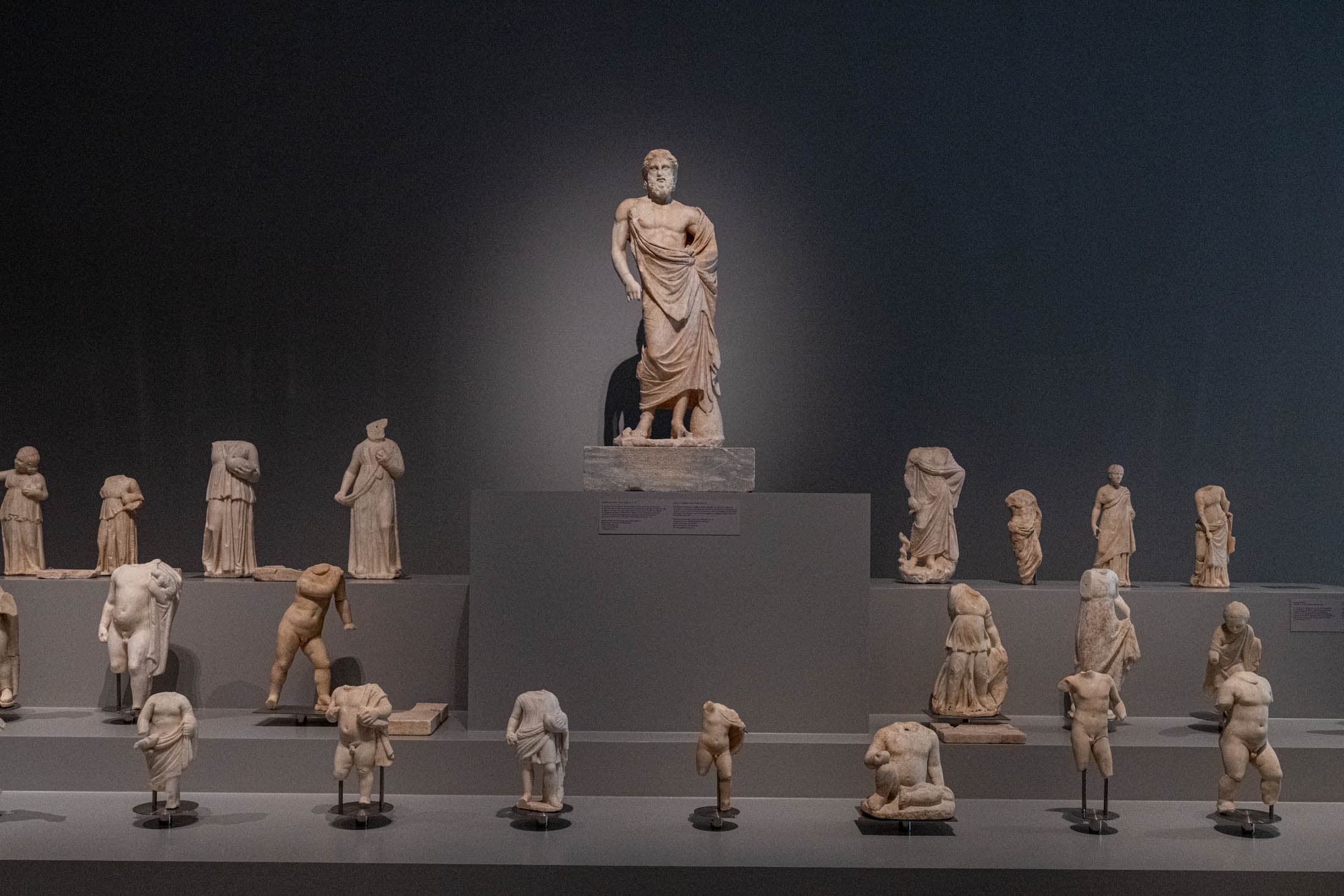
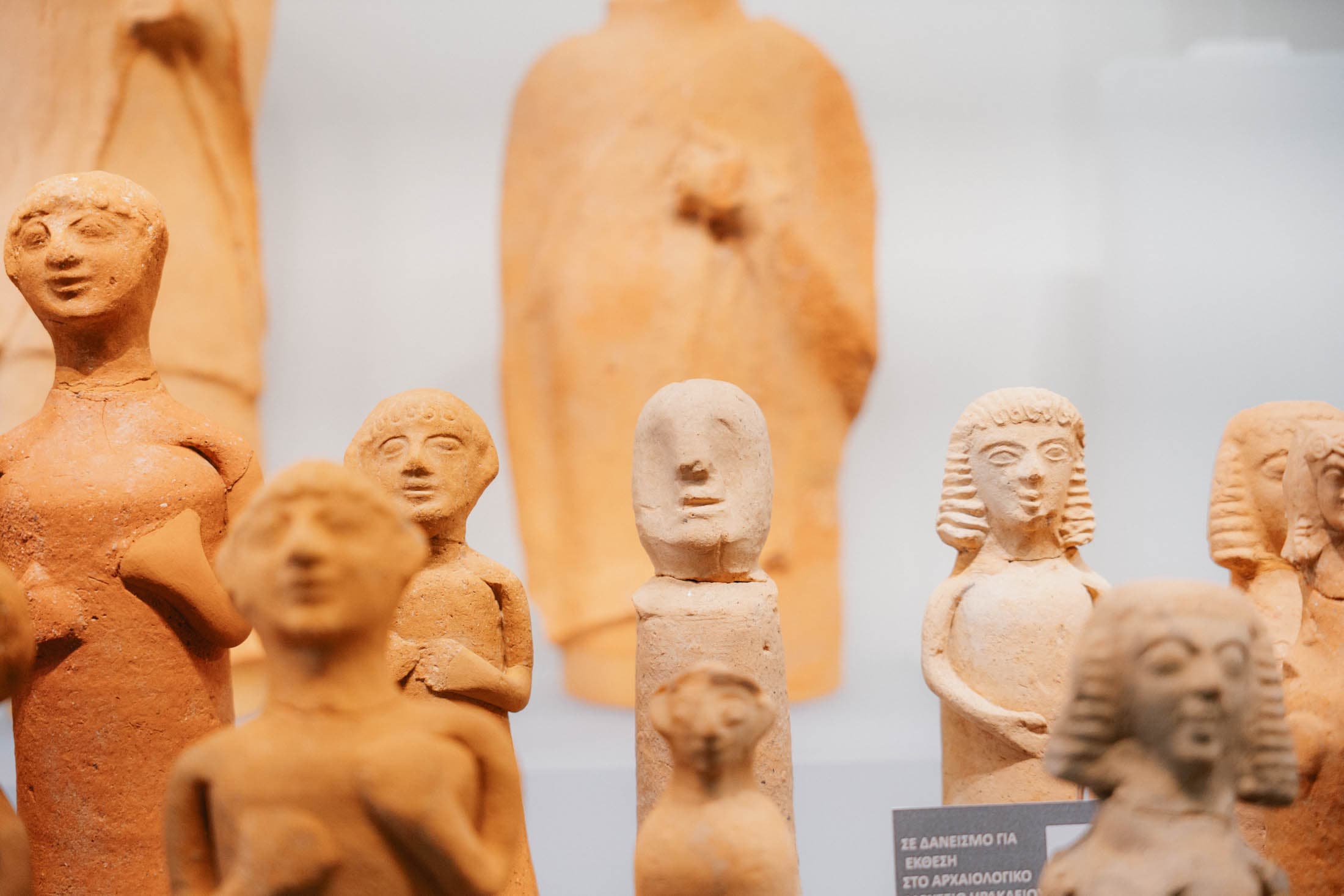
- Hellenistic and Roman lamps, figurines and small objects attesting to the city's lifespan until the early Christian centuries.
- A decree honouring the judge Charianthos which sheds light on the political organisation of the Kimolians during the Hellenistic era.