A Journey to the Inhabitants of the Earth
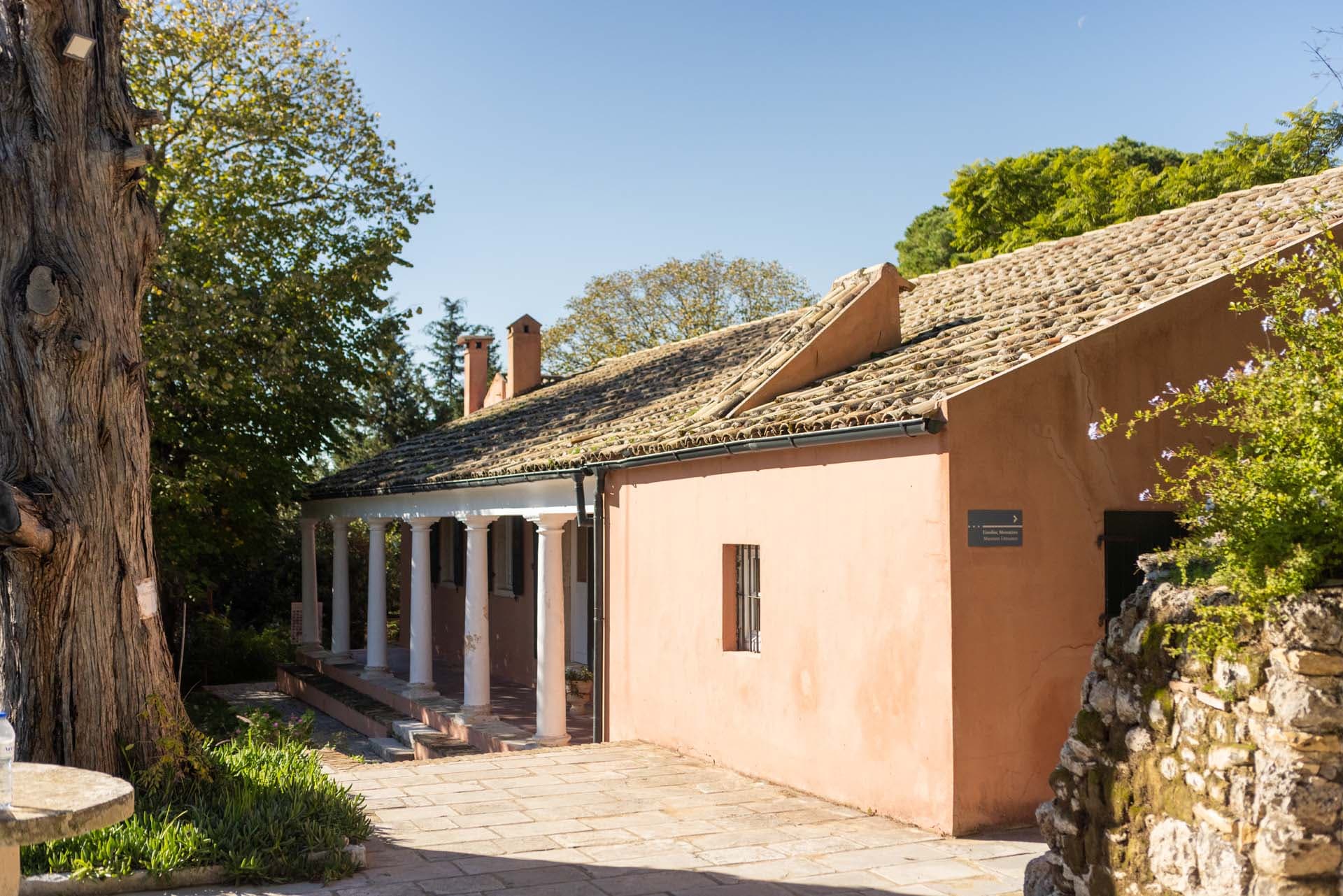
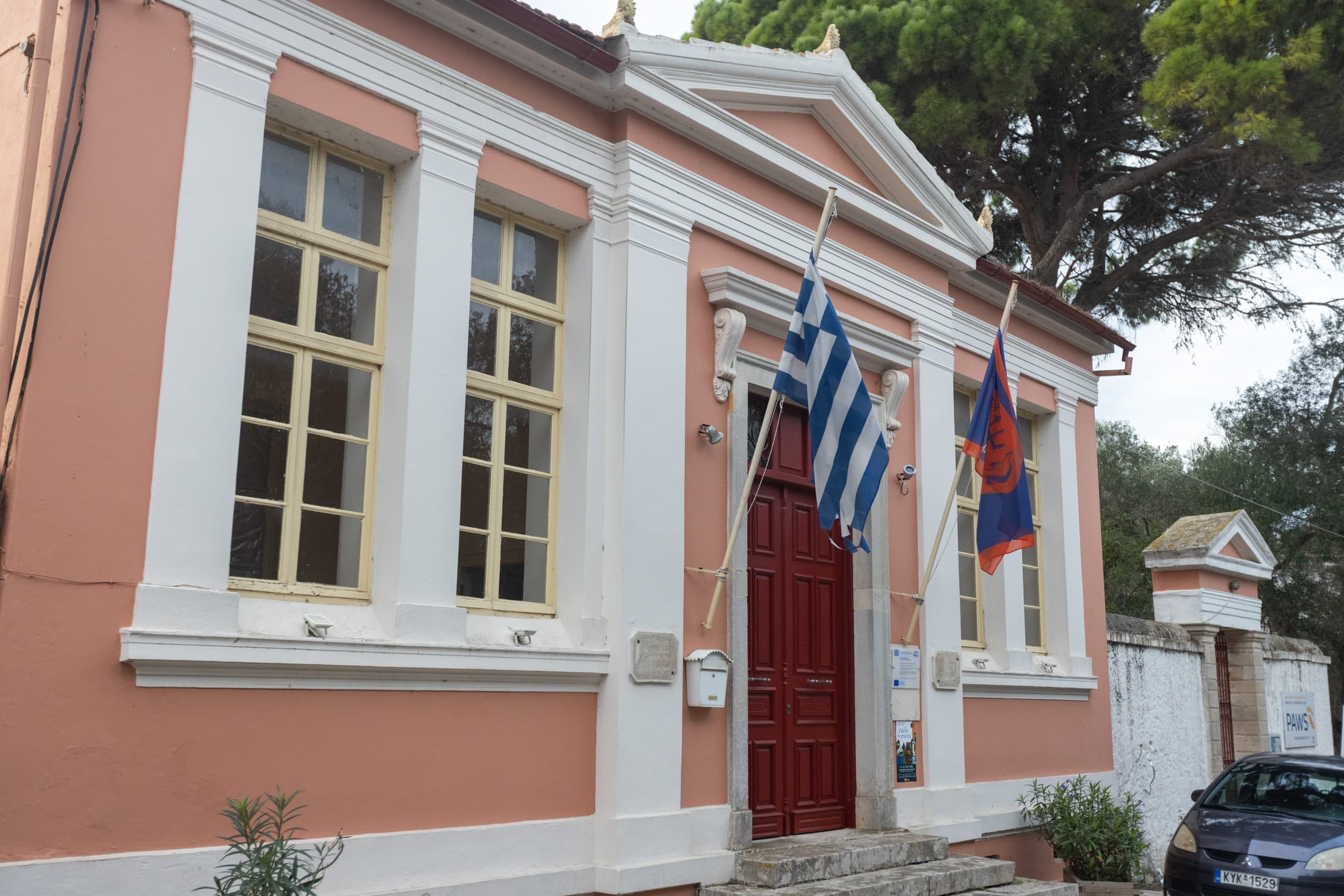
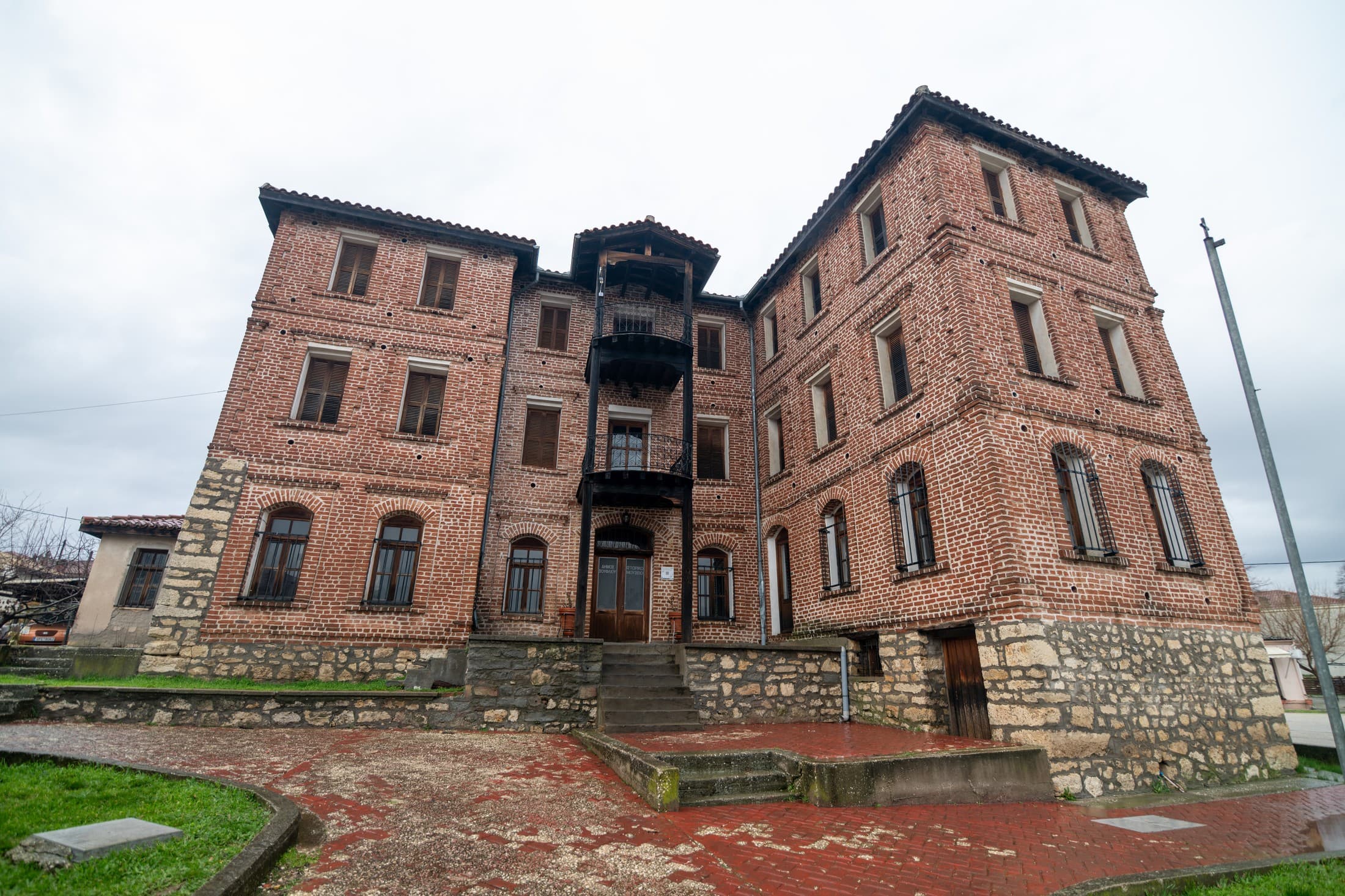
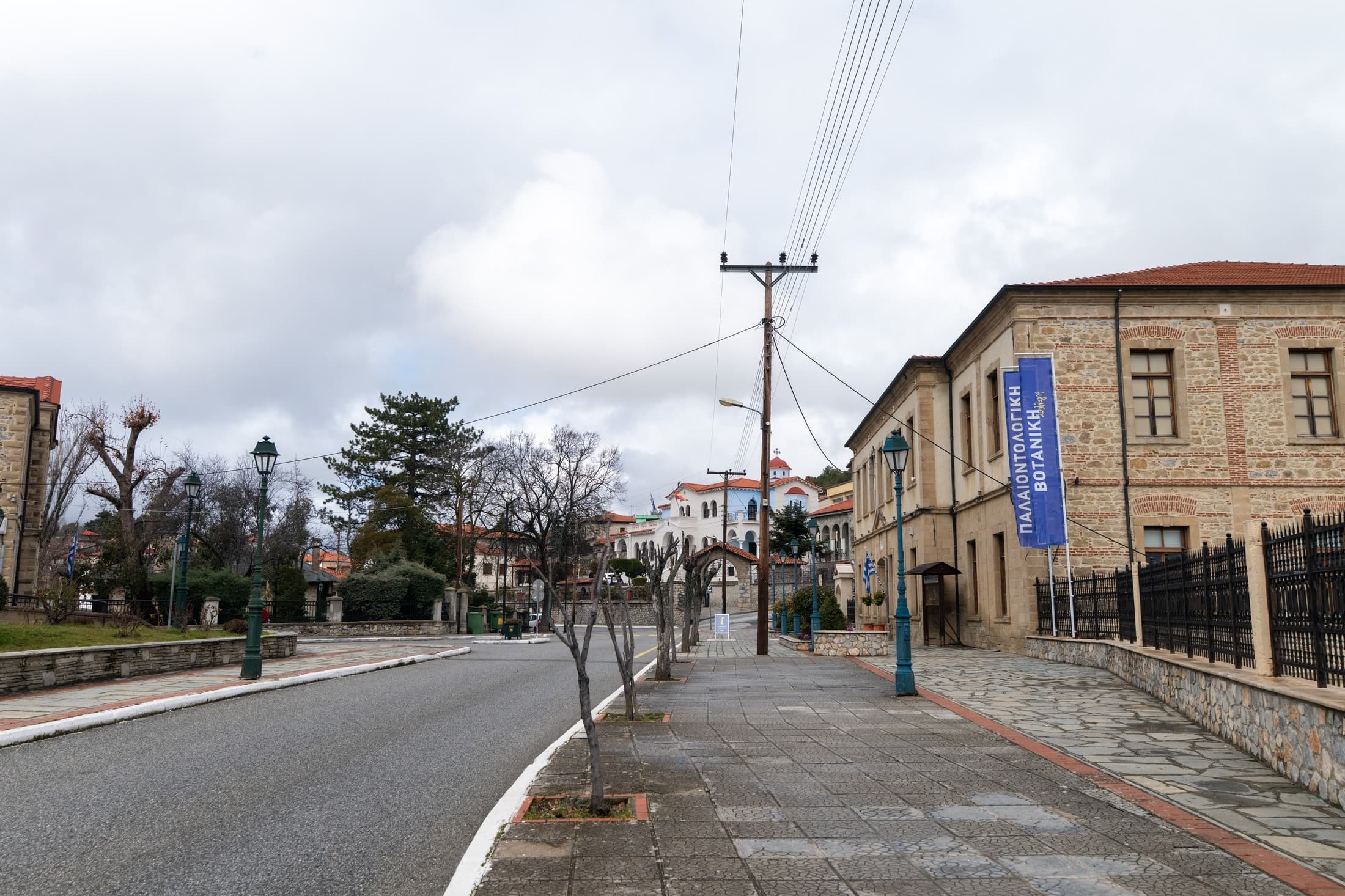
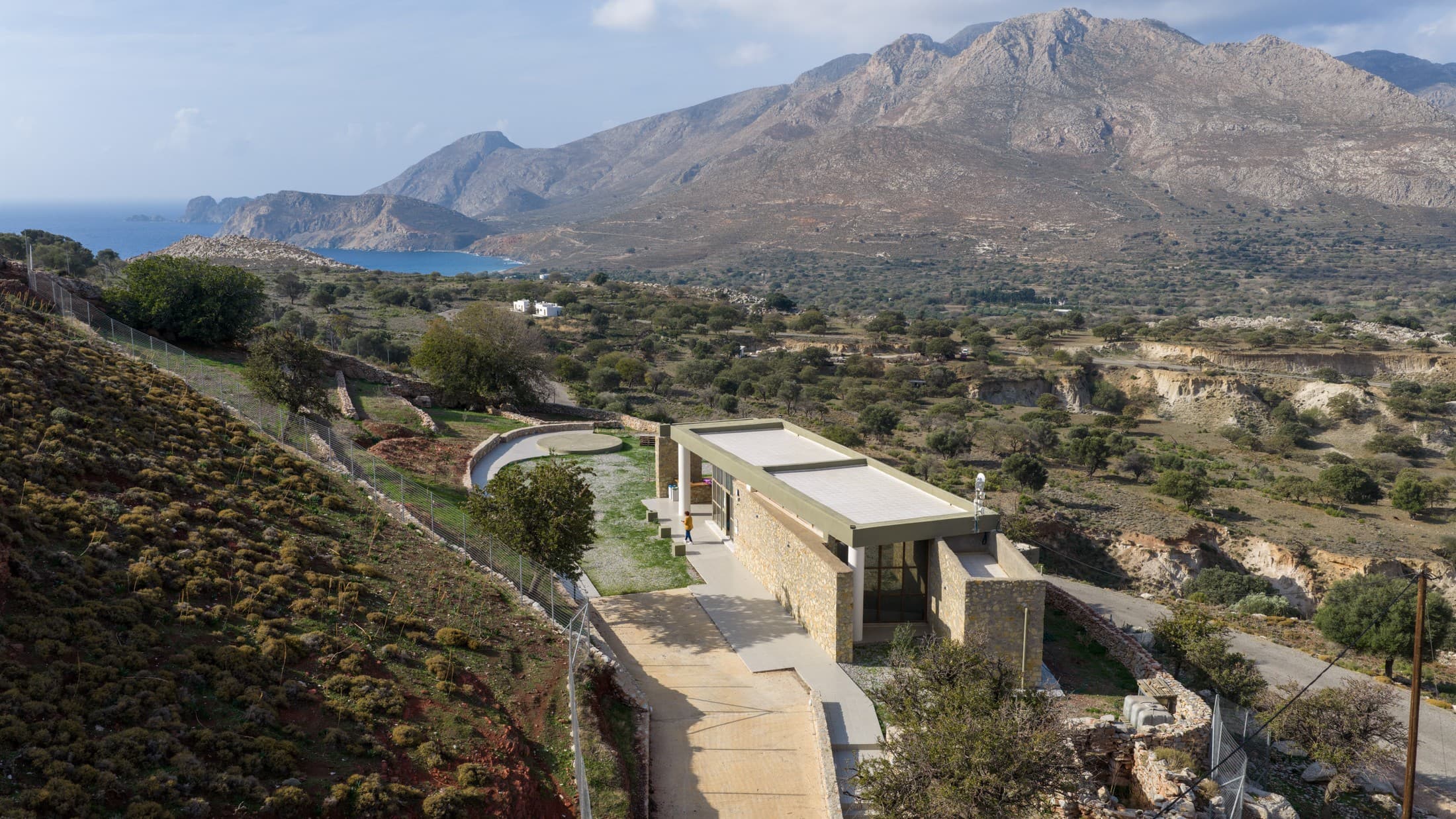
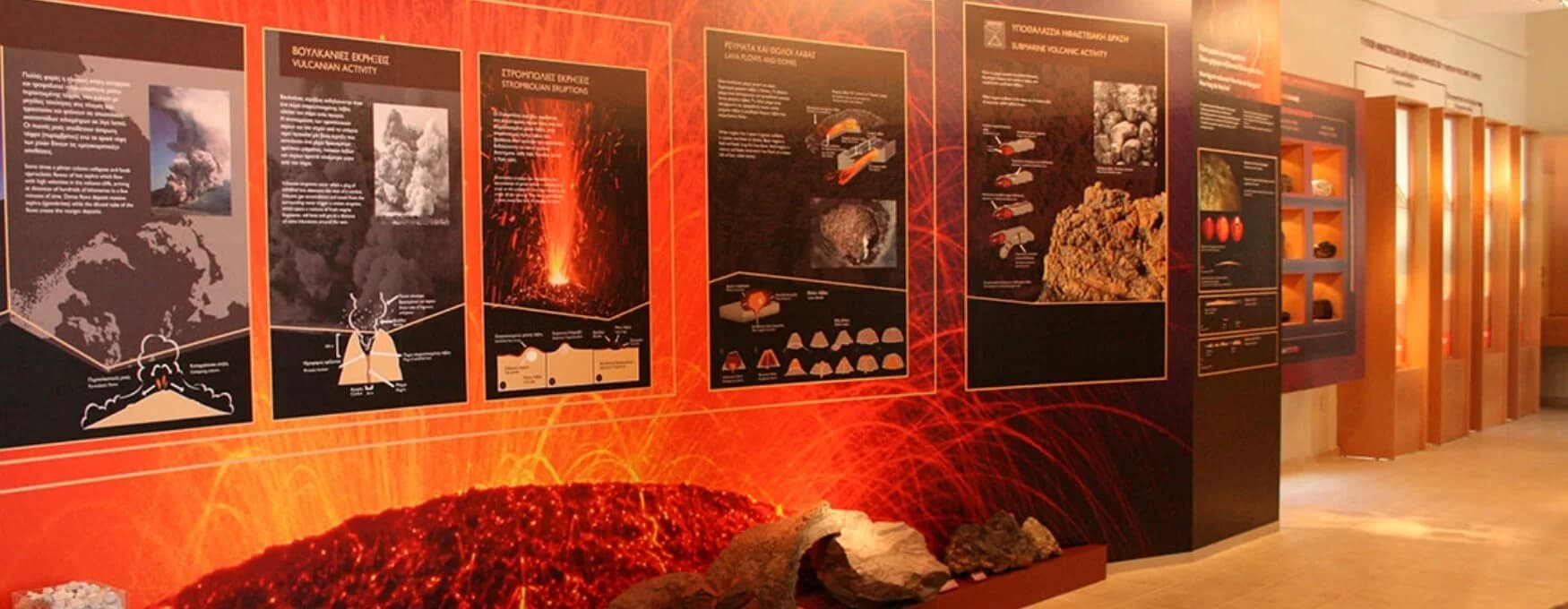
In the picturesque village of Nikia, built on the rim of the impressive caldera, the Volcanological Museum of Nisyros offers a unique experience of initiation into the secrets of the Earth. Housed in an old school with panoramic views of the volcano, the museum proves that an eruption is not only destructive, but also a great creative force.
The "Genesis" of Nisyros
The island is the result of an ejection of eight billion tons of lava 45,000 years ago. Its volcanic nature has "sculpted" a place full of strange formations and vivid colours, decisively affecting its flora and fauna. The preserved caldera today allows direct observation of the internal structure of the volcano and its active hydrothermal craters.
From Myth to Science
The Ancient Greeks were already aware of the geological connection between Nisyros and Kos. The myth of Poseidon who broke a piece of Kos to bury the giant Polyvotis was a symbolic interpretation of volcanic action. Today, the museum transforms this myth into scientific knowledge through six thematic sections:
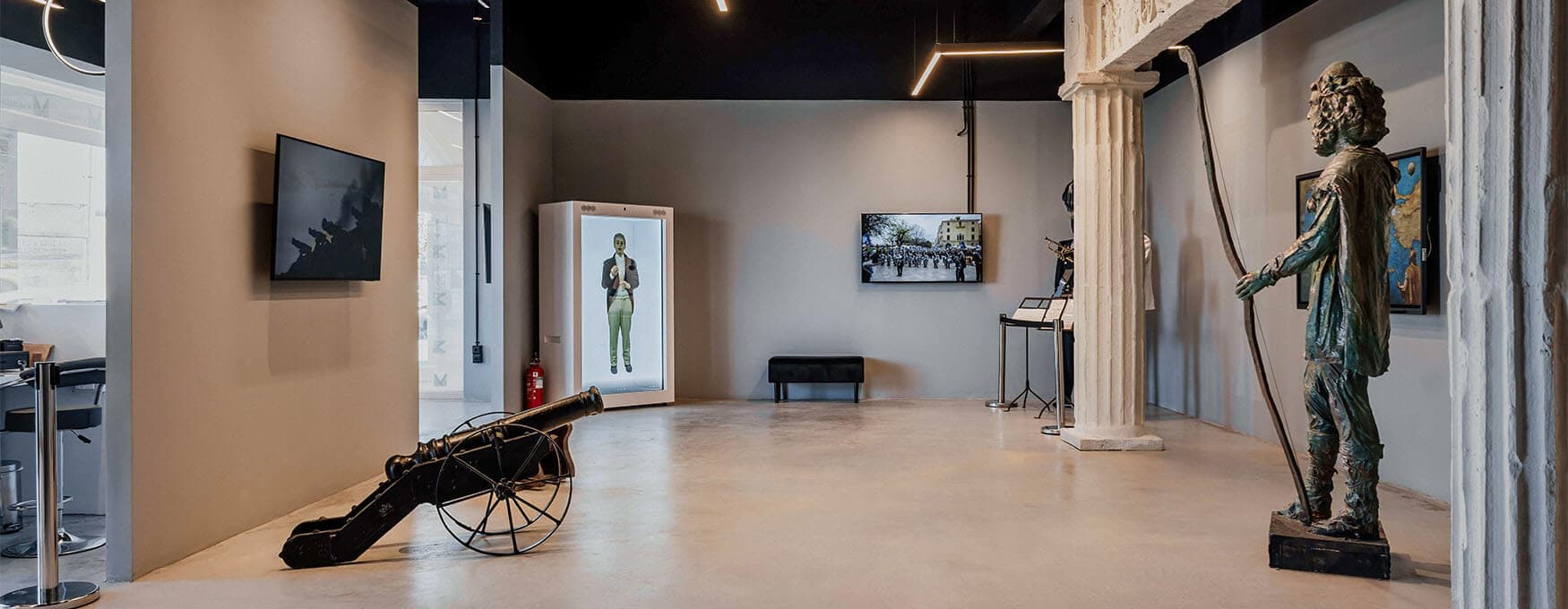
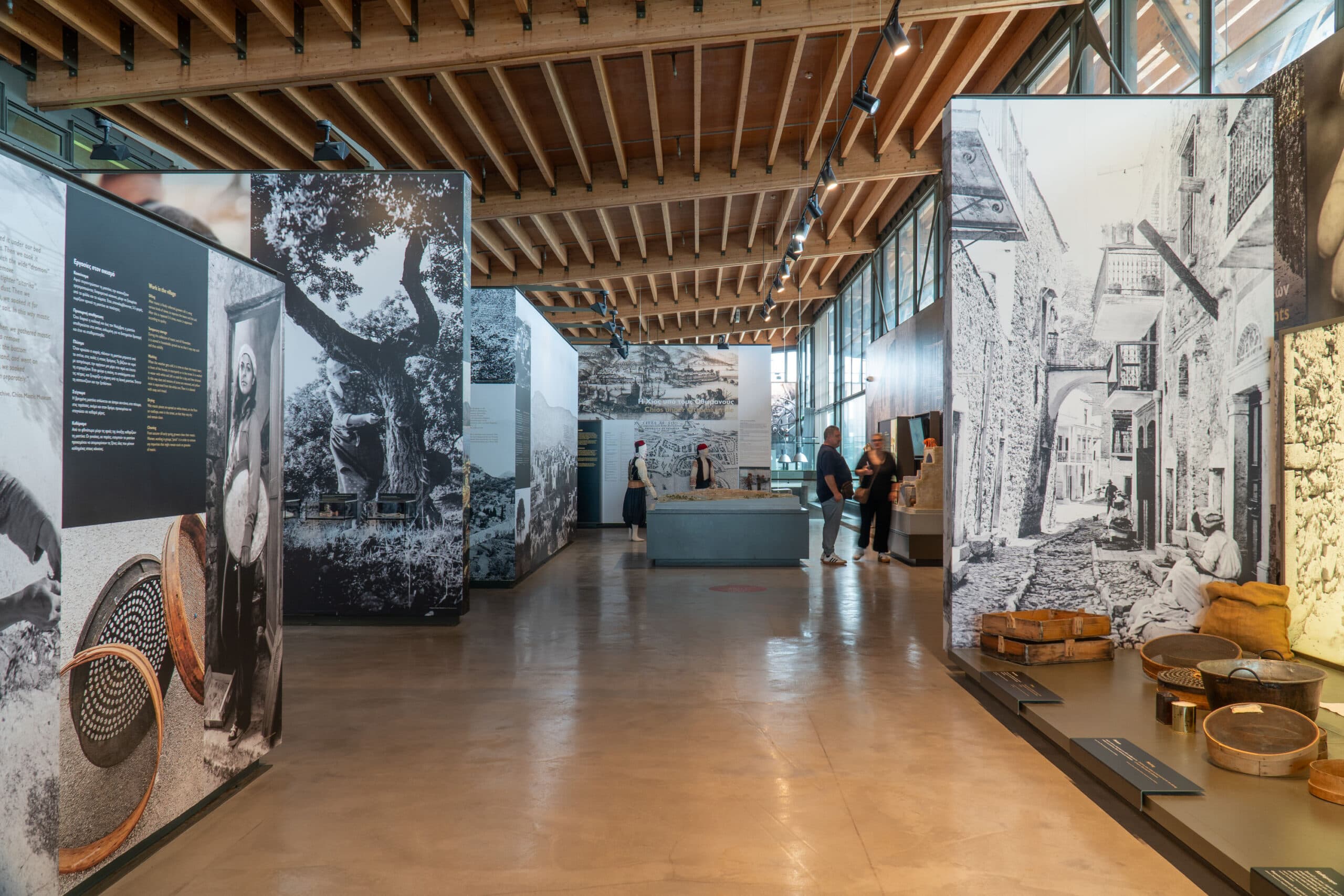
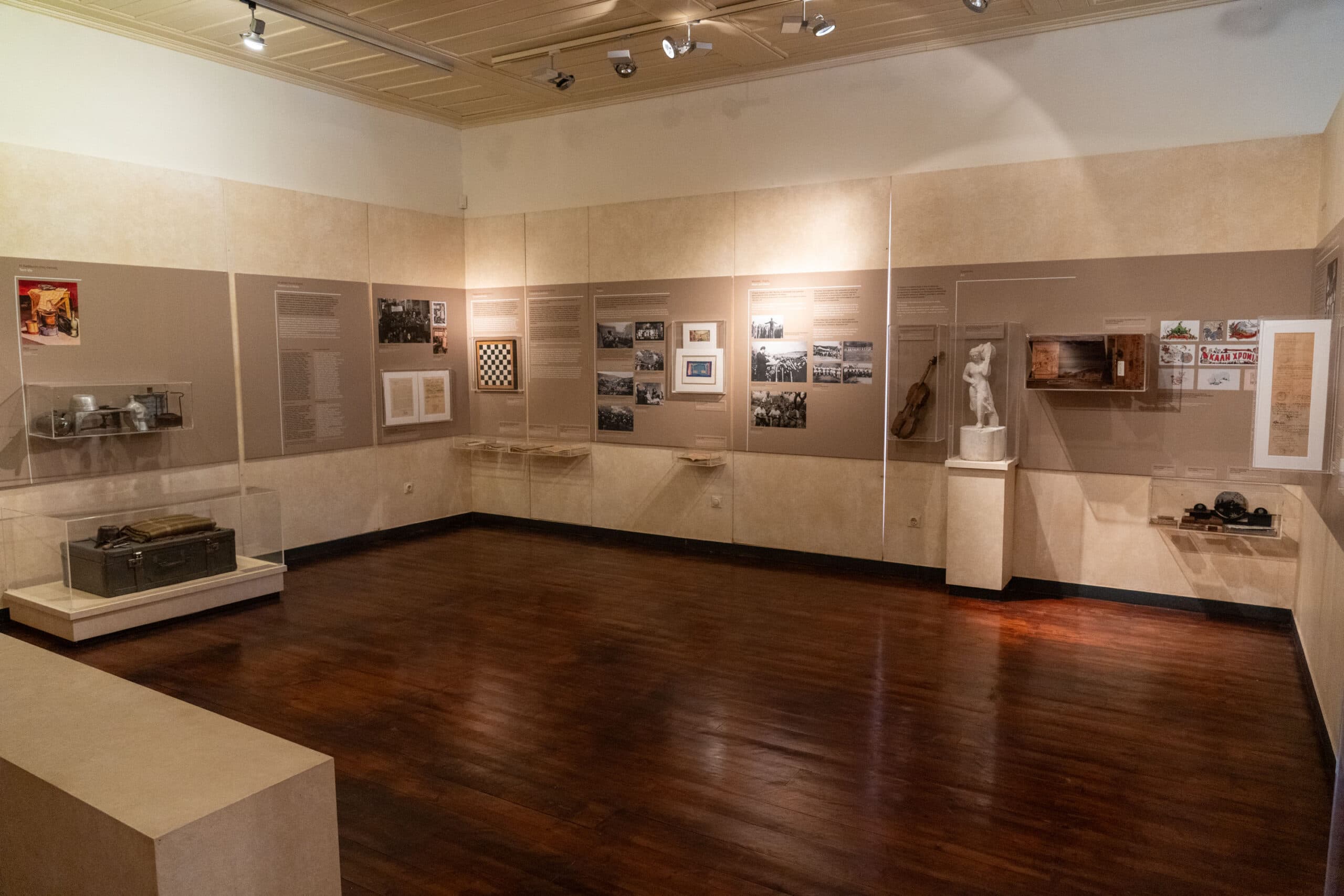
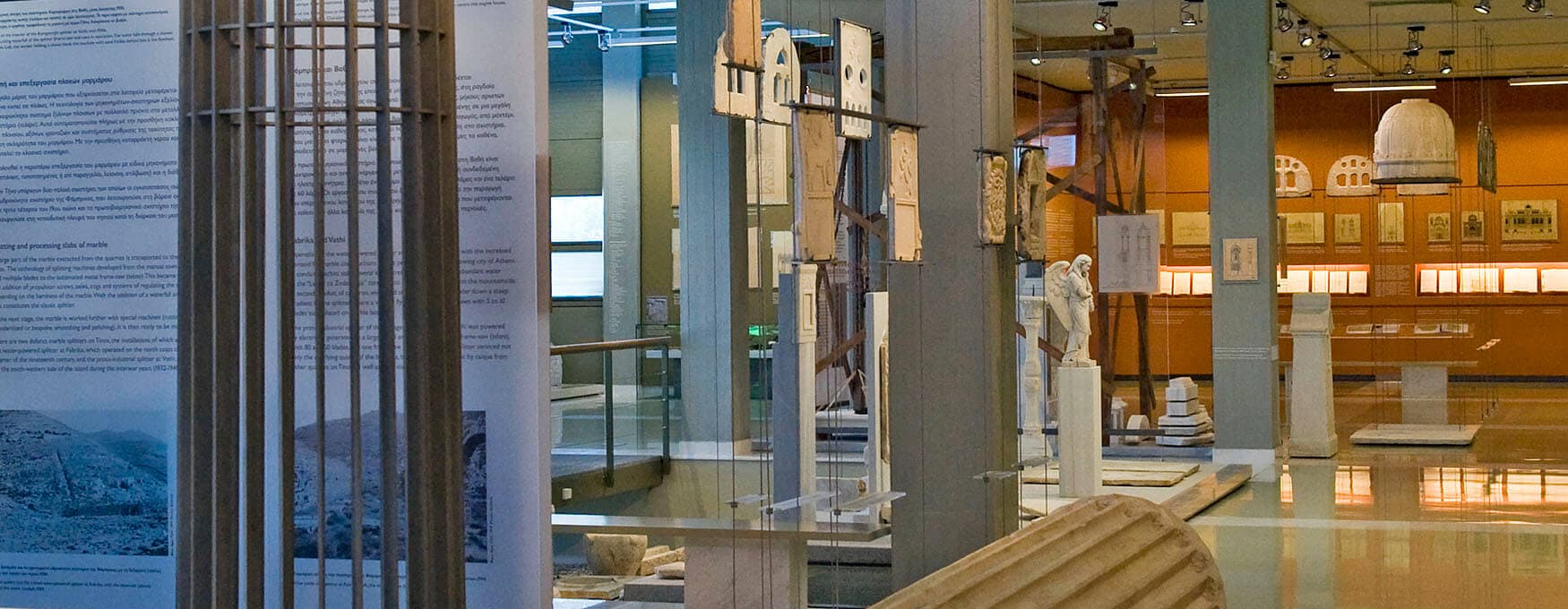
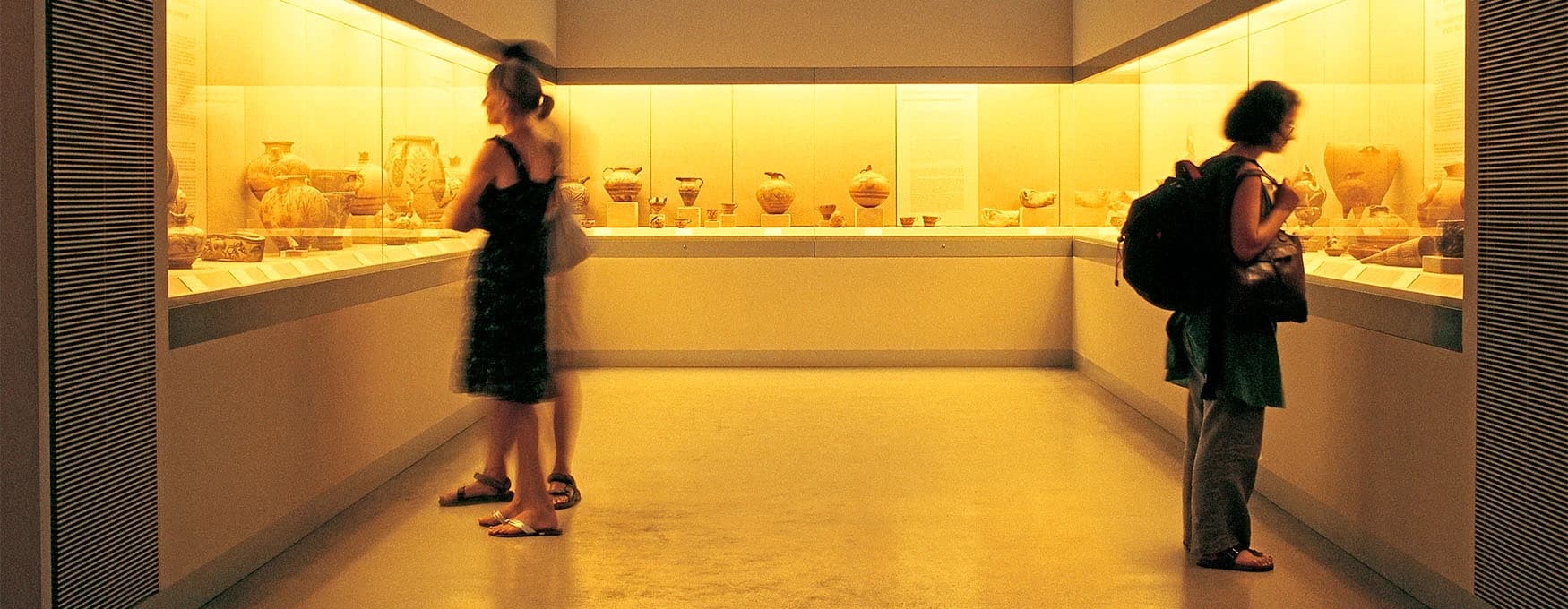
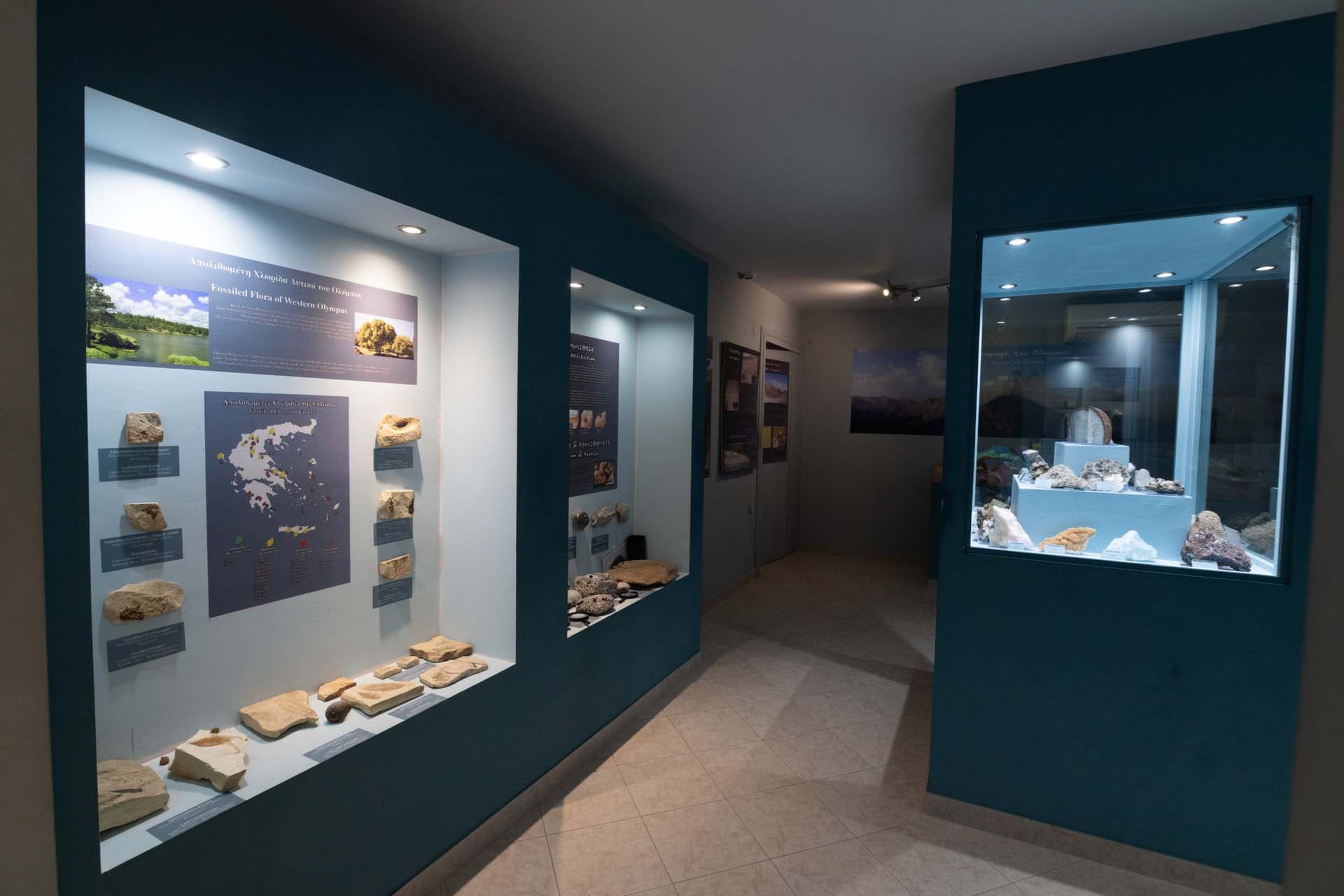
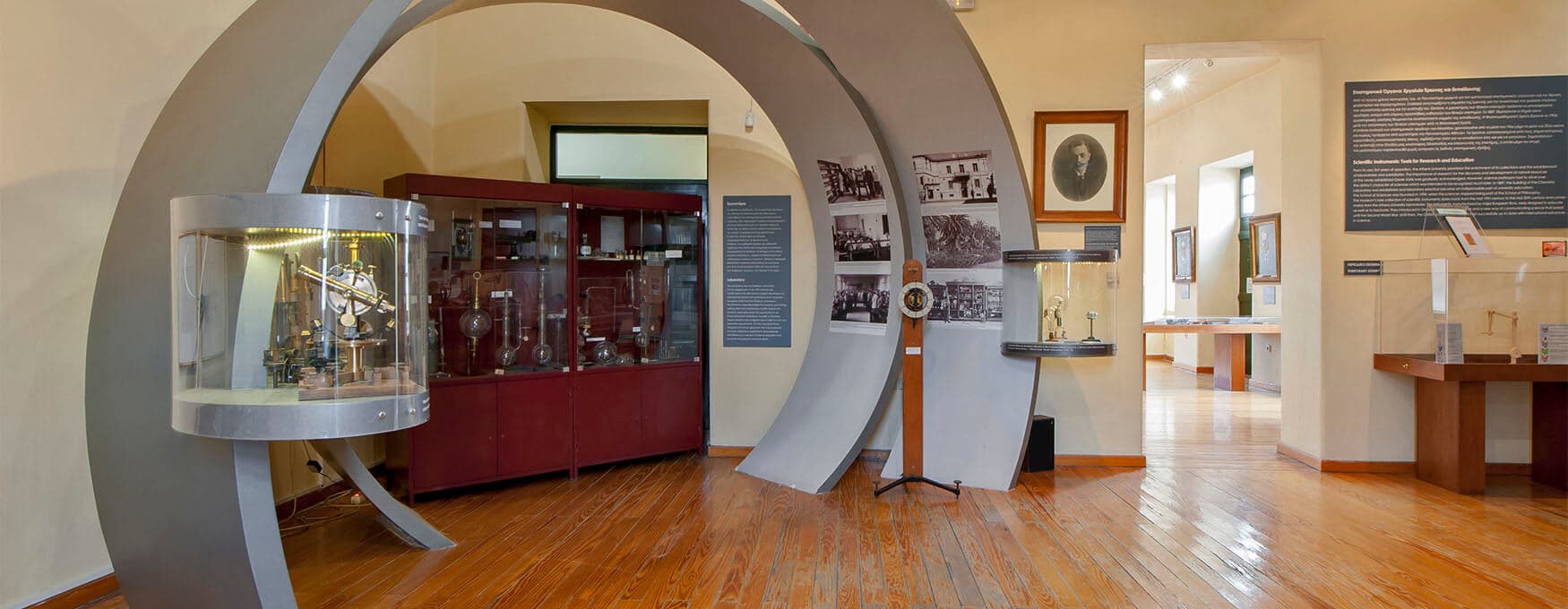
The visitor navigates in an evocative environment with special lighting. Through microscopes, three-dimensional imaging and computer simulations, the history of the volcanic arc is revealed. Particular emphasis is placed on young explorers, who watch representations of explosions using experimental devices.
The visit offers a different sense of time, where the creation of geological strata is not measured in centuries, but in millions of years. The Volcanological Museum is a gateway that reveals how lava created one of the most special landscapes in the Mediterranean.
The "Genesis" of Nisyros
The island is the result of an ejection of eight billion tons of lava 45,000 years ago. Its volcanic nature has "sculpted" a place full of strange formations and vivid colours, decisively affecting its flora and fauna. The preserved caldera today allows direct observation of the internal structure of the volcano and its active hydrothermal craters.
From Myth to Science
The Ancient Greeks were already aware of the geological connection between Nisyros and Kos. The myth of Poseidon who broke a piece of Kos to bury the giant Polyvotis was a symbolic interpretation of volcanic action. Today, the museum transforms this myth into scientific knowledge through six thematic sections:
- Genesis, structure and processes of volcanoes.
- The volcanoes of Greece and the Aegean.
- The special history of Nisyros.
- The interaction between Volcano, Environment and Humans.
The visitor navigates in an evocative environment with special lighting. Through microscopes, three-dimensional imaging and computer simulations, the history of the volcanic arc is revealed. Particular emphasis is placed on young explorers, who watch representations of explosions using experimental devices.
The visit offers a different sense of time, where the creation of geological strata is not measured in centuries, but in millions of years. The Volcanological Museum is a gateway that reveals how lava created one of the most special landscapes in the Mediterranean.