Where the memory of the ancient port emerges
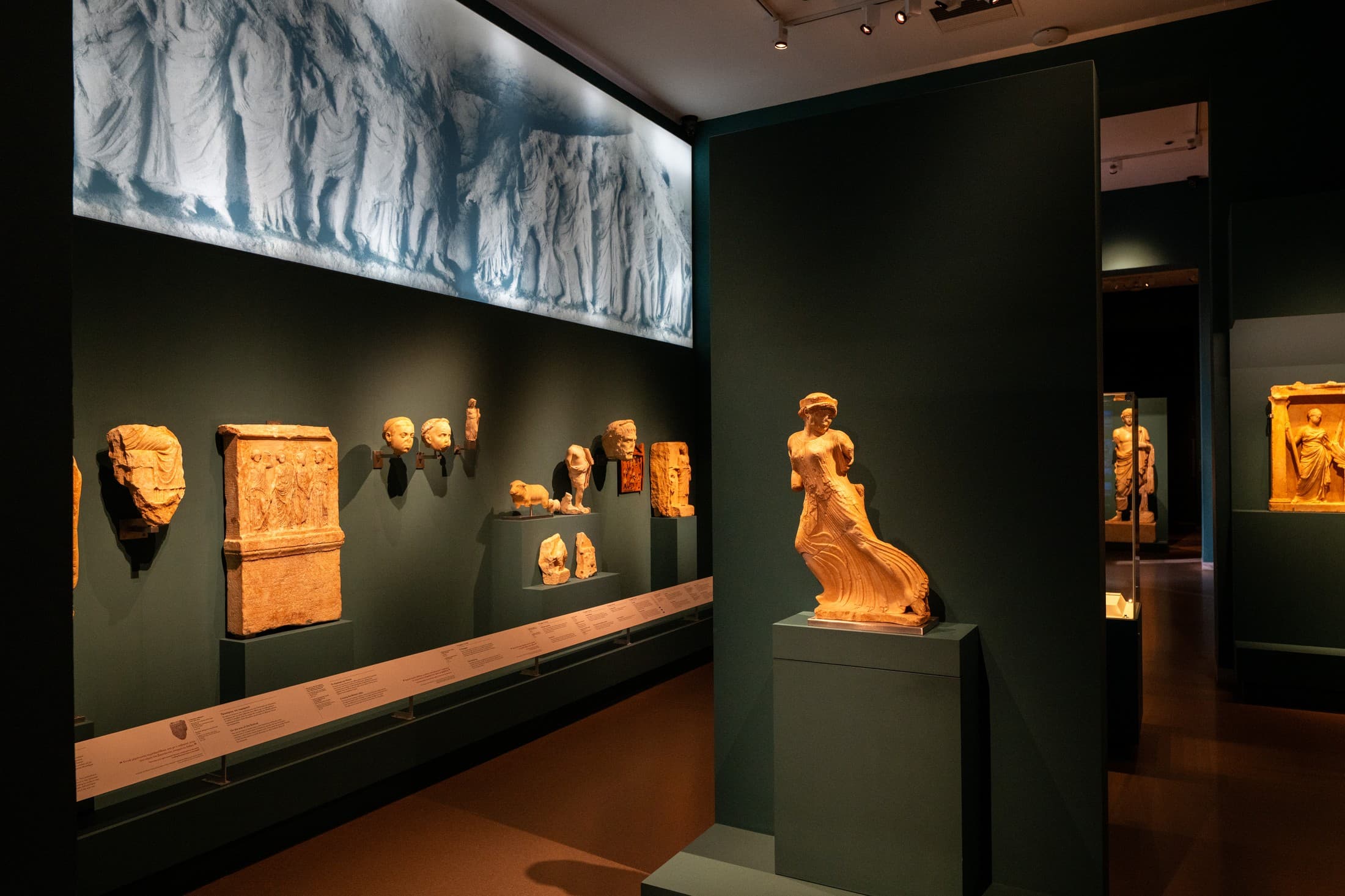
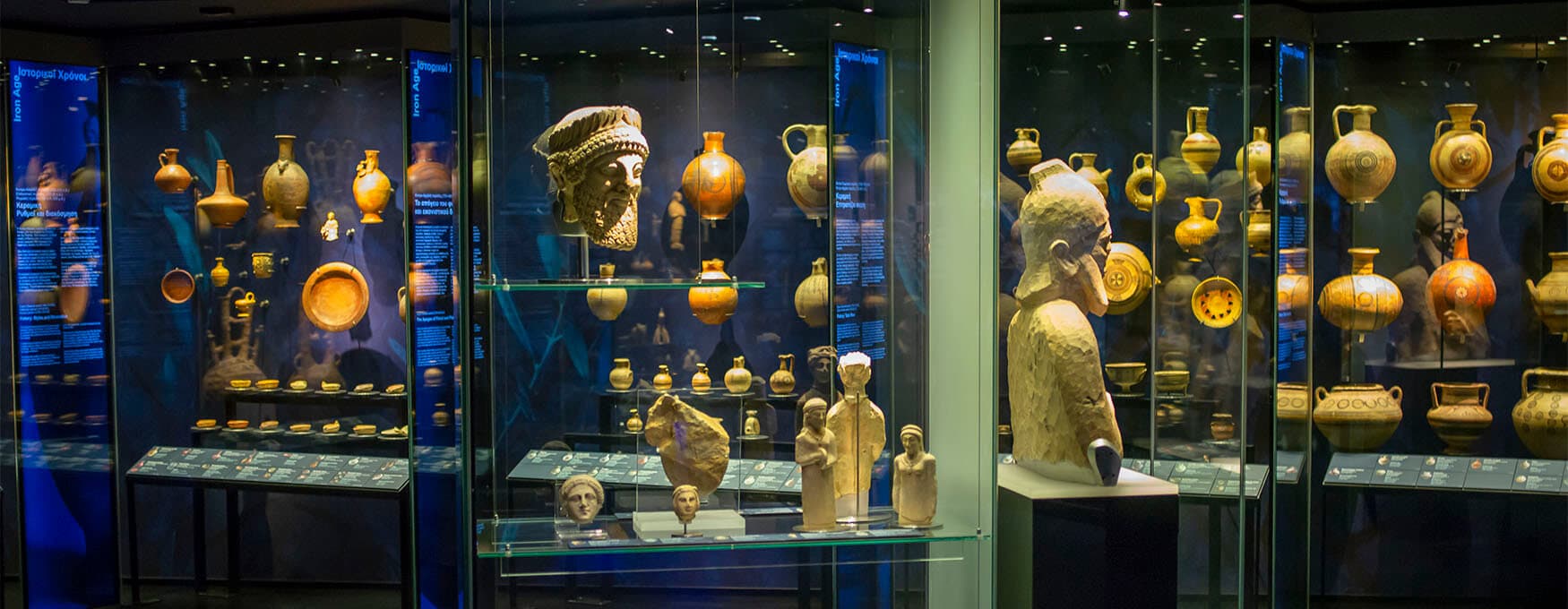
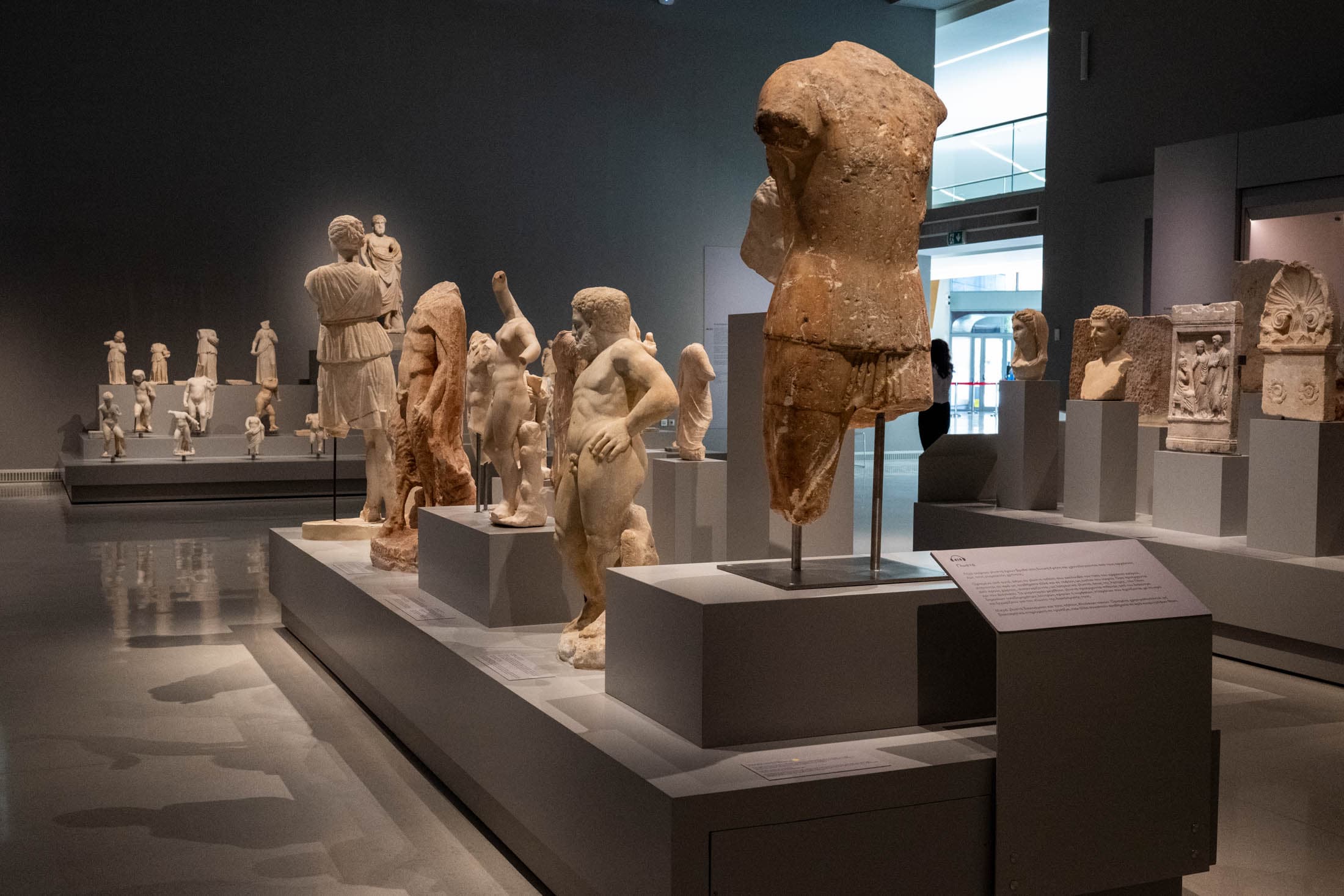
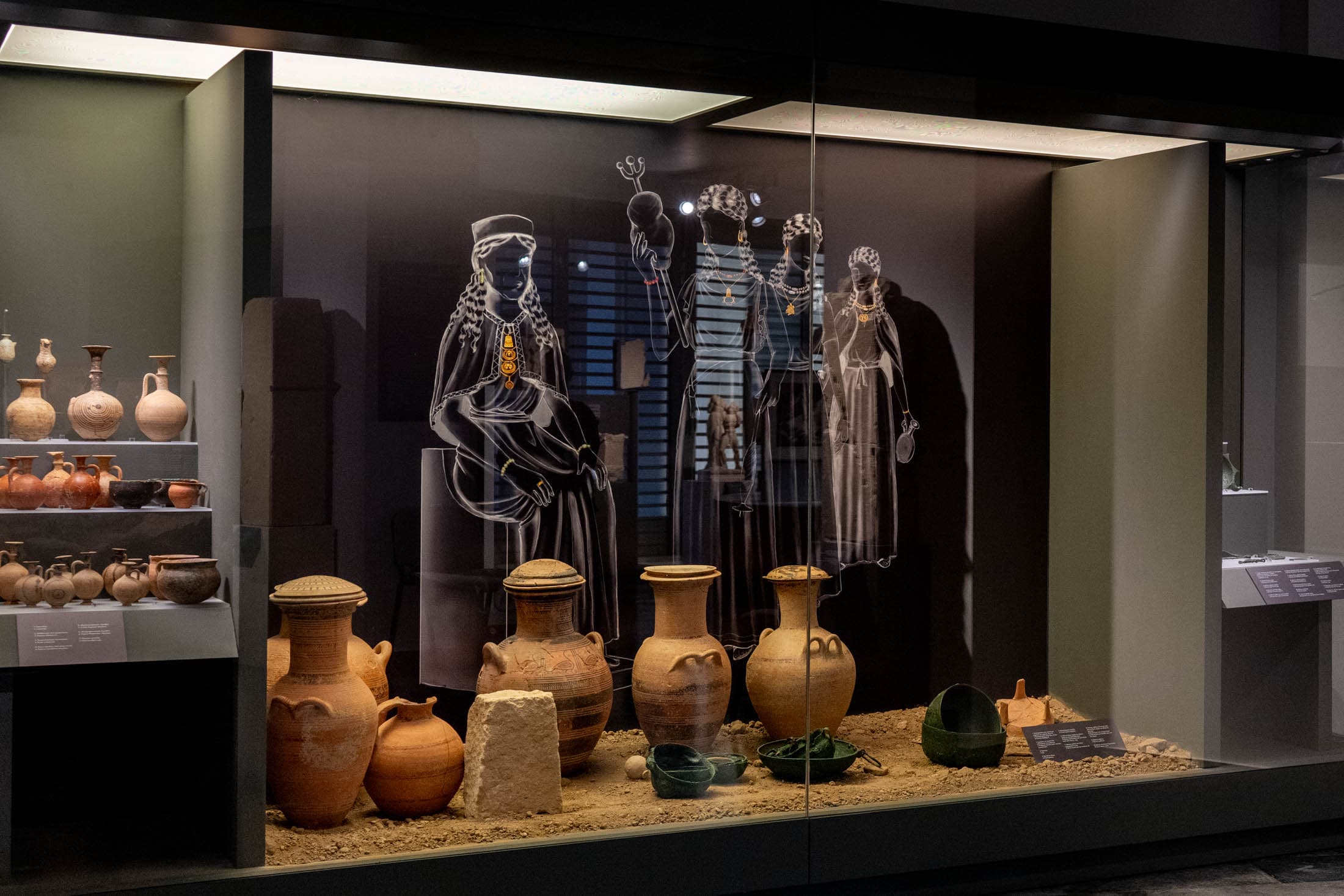
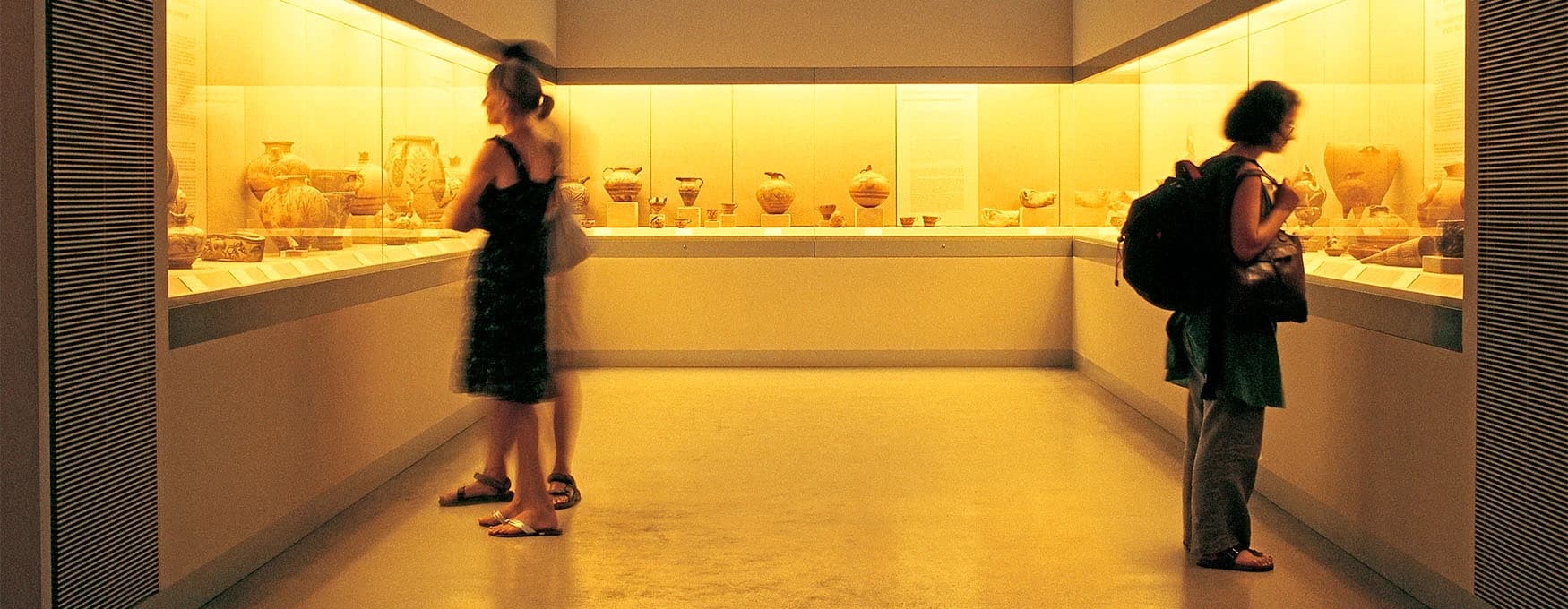
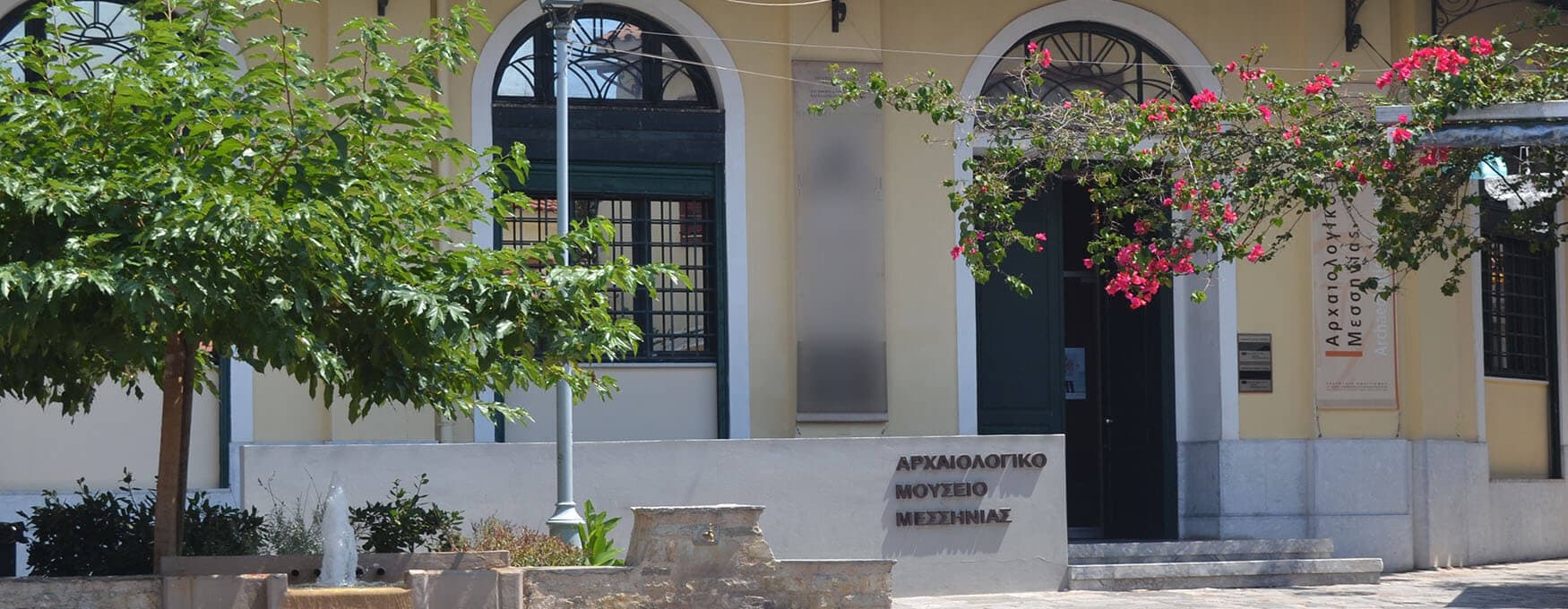
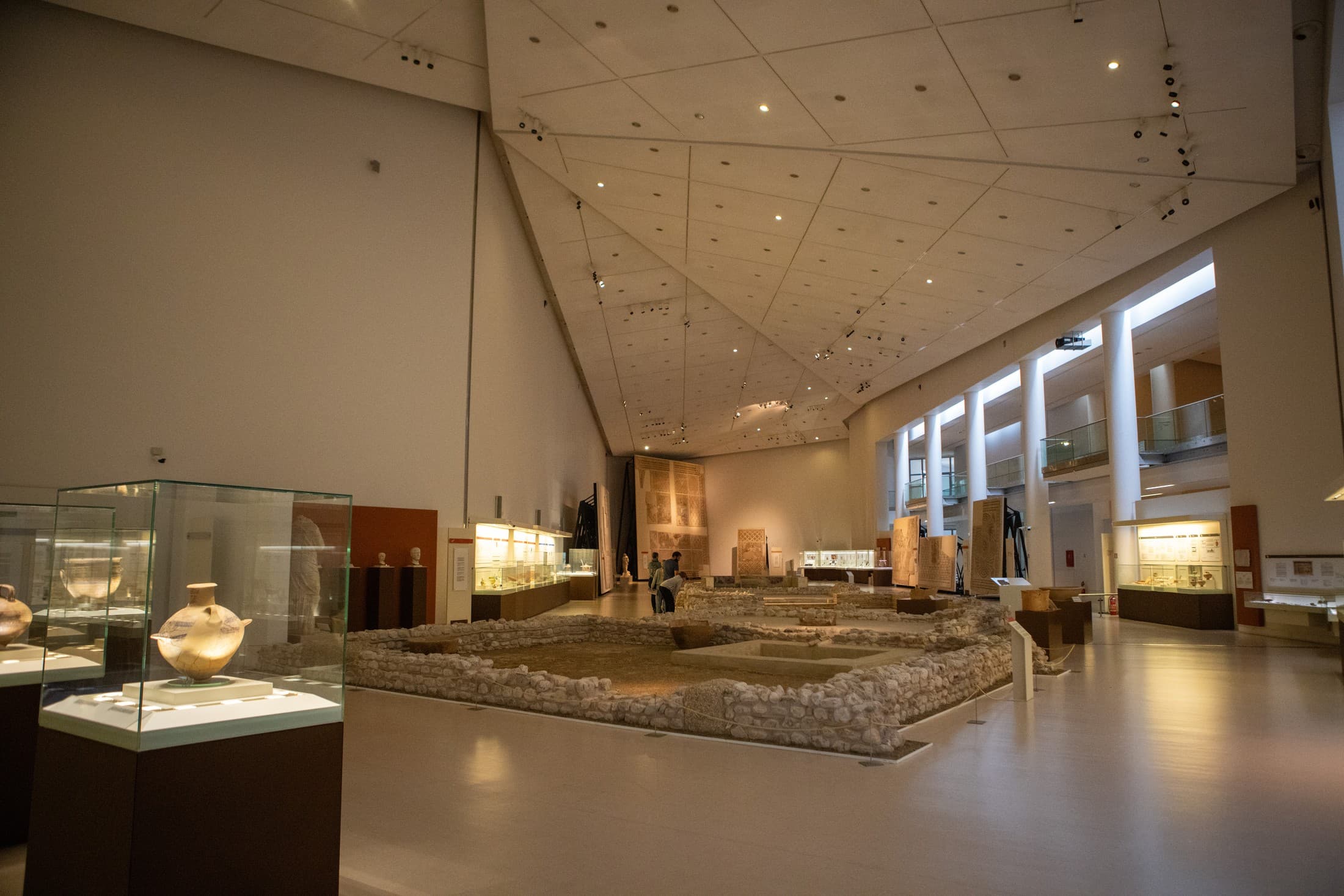
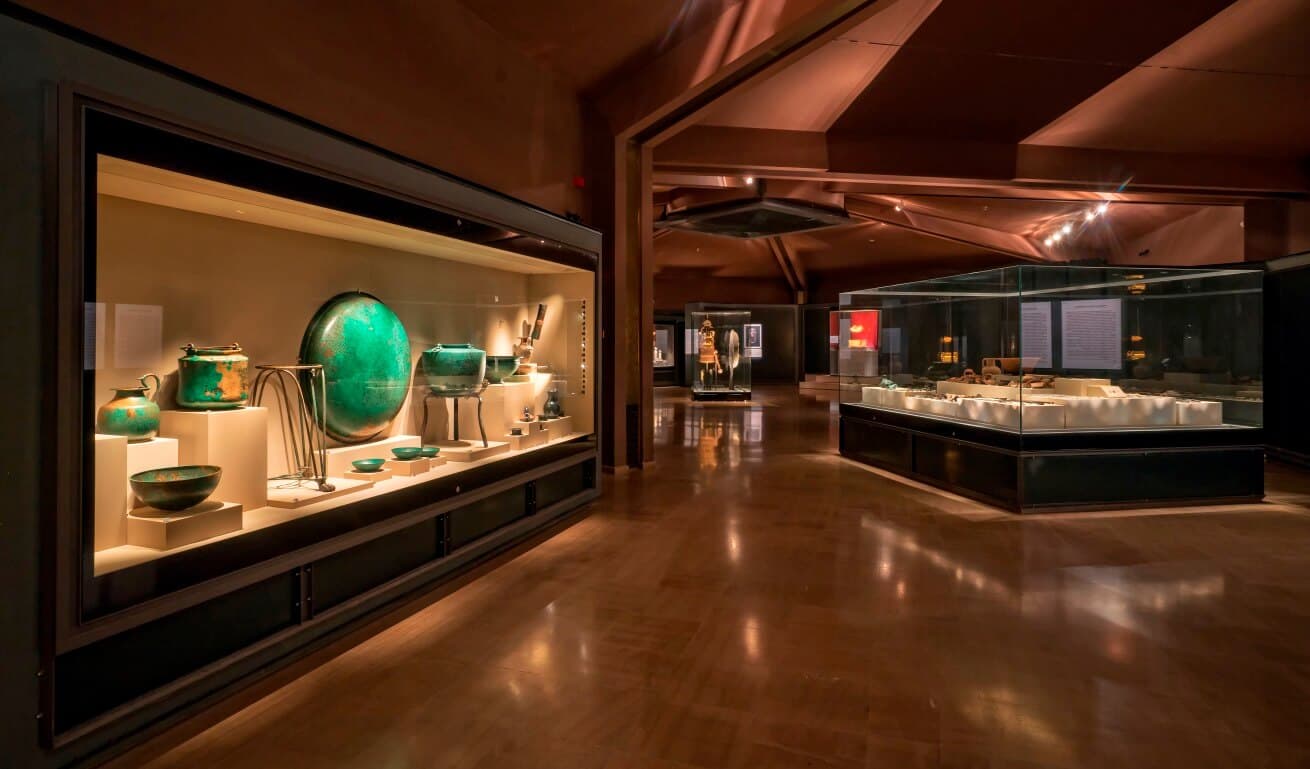
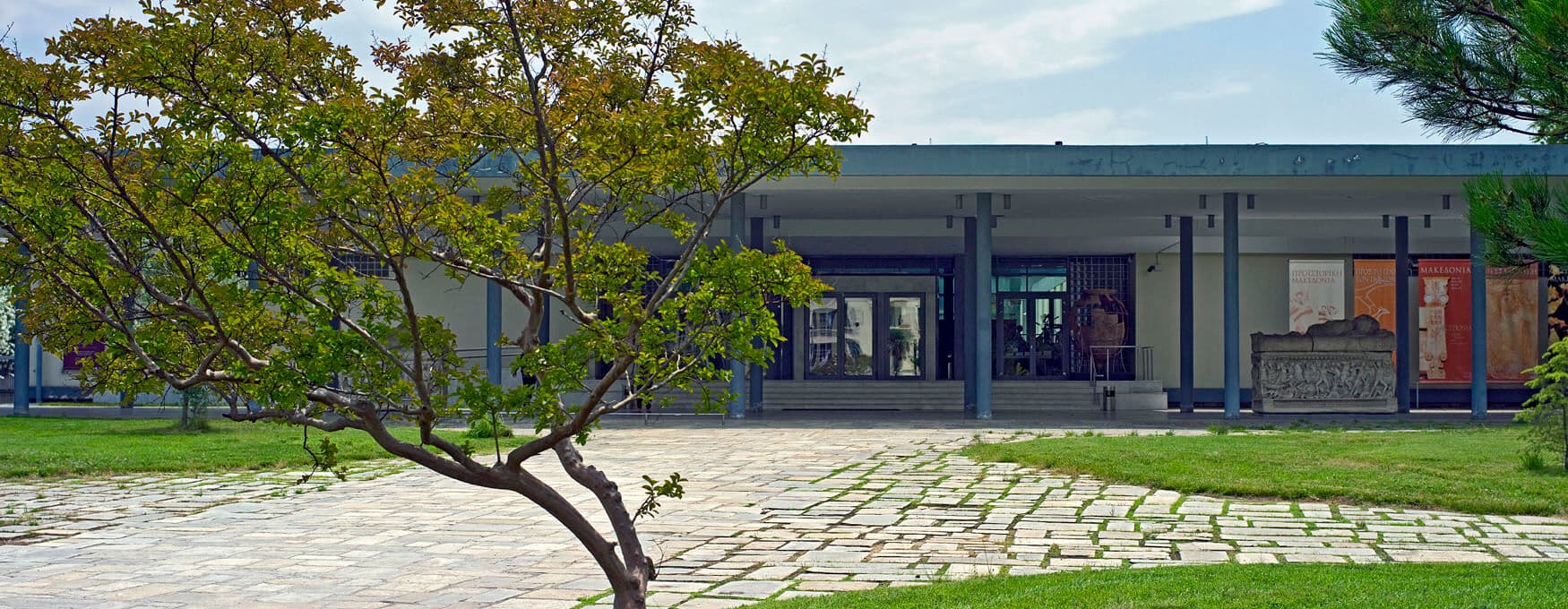
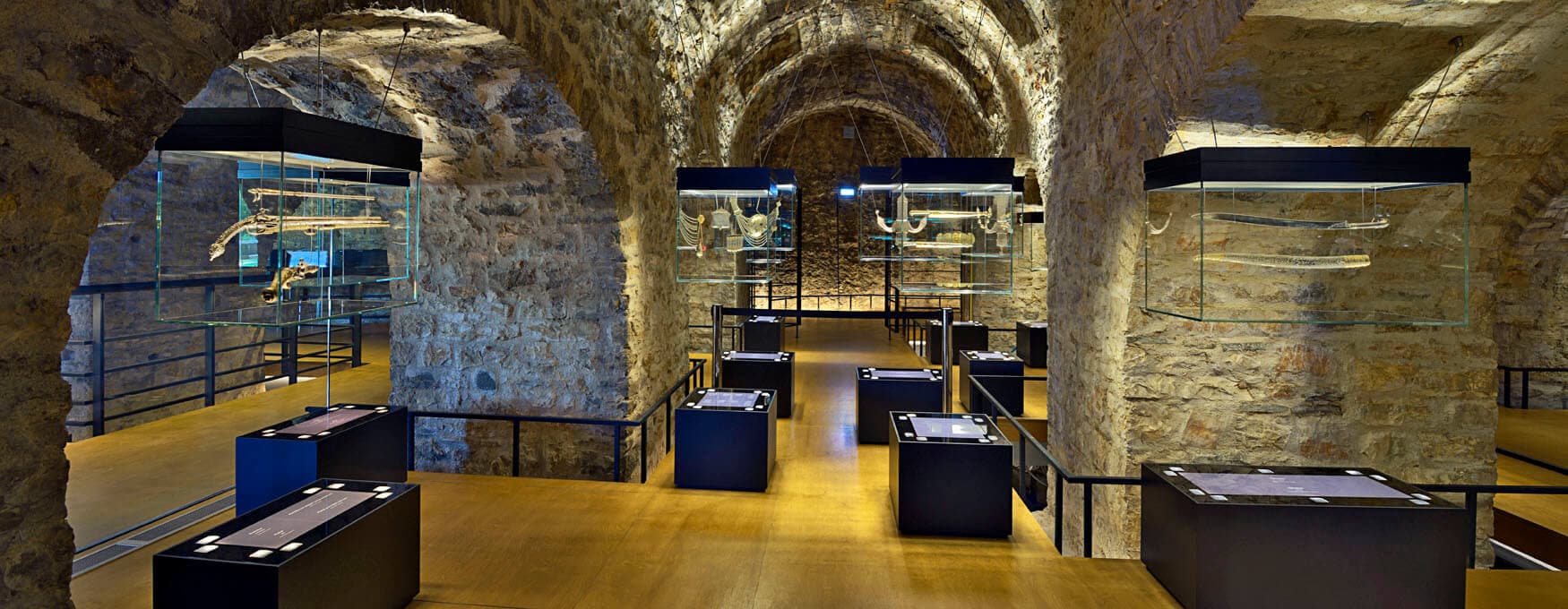
The naval heart of the ancient city of Piraeus still beats with intensity in Zea, between the sea and the remains of the ancient Neosoikoi , which is what ship sheds were called in antiquity. There, the Archaeological Museum of Piraeus preserves and highlights the identity of a port that has been a crossroads of civilizations since the 5th century BC. The history of Piraeus unfolds before you in its halls, from prehistoric times to Roman times, through sculptures, ceramics, inscriptions, and findings from the necropoles and sanctuaries of the ancient port.
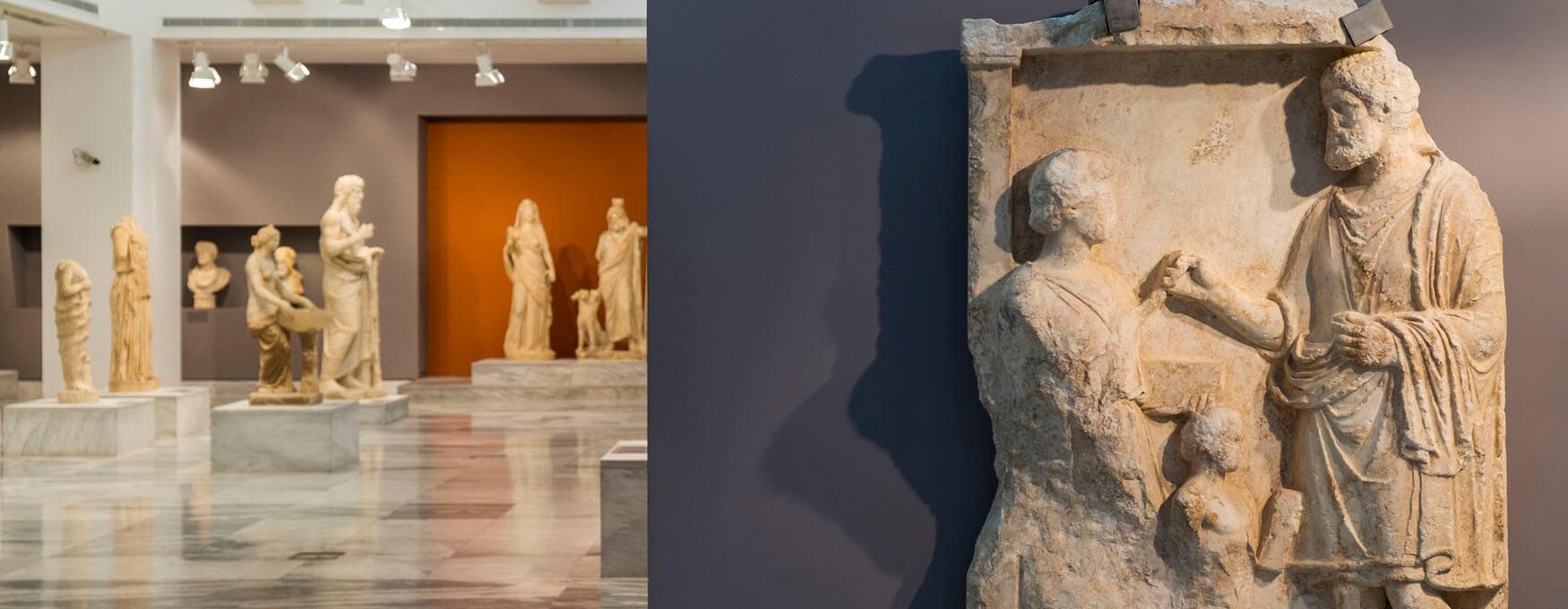
Exhibits include the bronze statues of Apollo, Artemis, and Athena, rare works of art recovered from the waters of the port in 1959, as well as the marble reliefs of Muse and Niobe.
The bronze Piraeus Athena, standing majestically in her helmet with snakes, is one of the rarest surviving bronze statues from the 5th century BC. The bronze Artemis, which exudes dynamism and grace, is probably the work of Scopas or his school. The marble relief of Muse, with its subtle lines and melancholic expression, is reminiscent of Attica sculpture at its peak.
Just a few steps from the museum, the ruins of the Ancient Theatre of Zea, built in the early 3rd century BC, are preserved. It was the cultural centre of the ancient city and presented dramatic competitions, musical events, and worship ceremonies.
Its orchestra (main performance space for the chorus) was carved out of the rock, while its location offered a unique view of the port. Today, the theatre is gradually being restored, hosting selected events that revive the voice of the poets in the place where Euripides and Menandros were once heard.
Combine your visit with a walk around the Zea Marina, where the ancient walls meet the modern piers.
Exhibits include the bronze statues of Apollo, Artemis, and Athena, rare works of art recovered from the waters of the port in 1959, as well as the marble reliefs of Muse and Niobe.
The bronze Piraeus Athena, standing majestically in her helmet with snakes, is one of the rarest surviving bronze statues from the 5th century BC. The bronze Artemis, which exudes dynamism and grace, is probably the work of Scopas or his school. The marble relief of Muse, with its subtle lines and melancholic expression, is reminiscent of Attica sculpture at its peak.
Just a few steps from the museum, the ruins of the Ancient Theatre of Zea, built in the early 3rd century BC, are preserved. It was the cultural centre of the ancient city and presented dramatic competitions, musical events, and worship ceremonies.
Its orchestra (main performance space for the chorus) was carved out of the rock, while its location offered a unique view of the port. Today, the theatre is gradually being restored, hosting selected events that revive the voice of the poets in the place where Euripides and Menandros were once heard.
Combine your visit with a walk around the Zea Marina, where the ancient walls meet the modern piers.