A Journey Through Prehistoric and Folk Culture
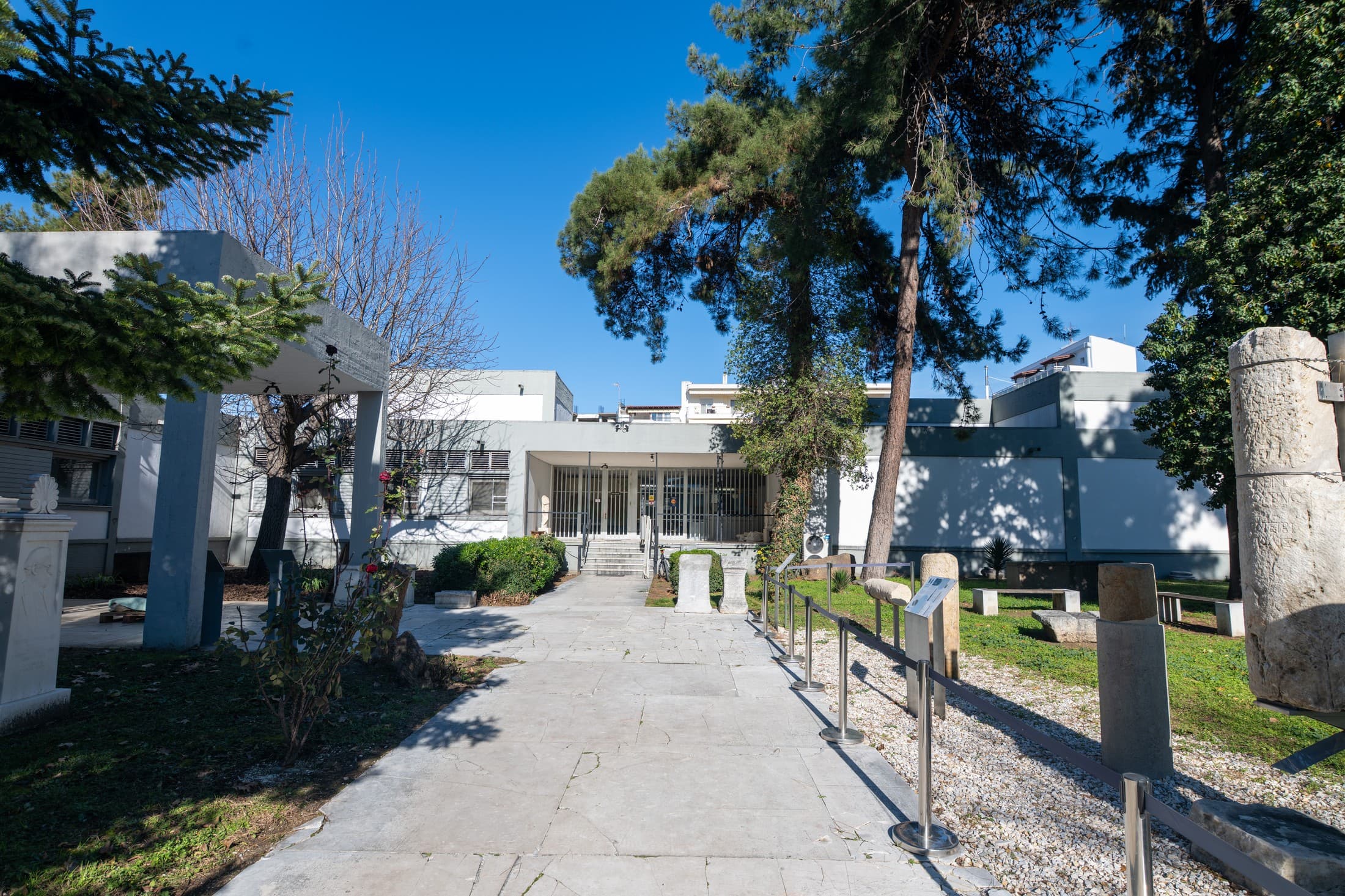
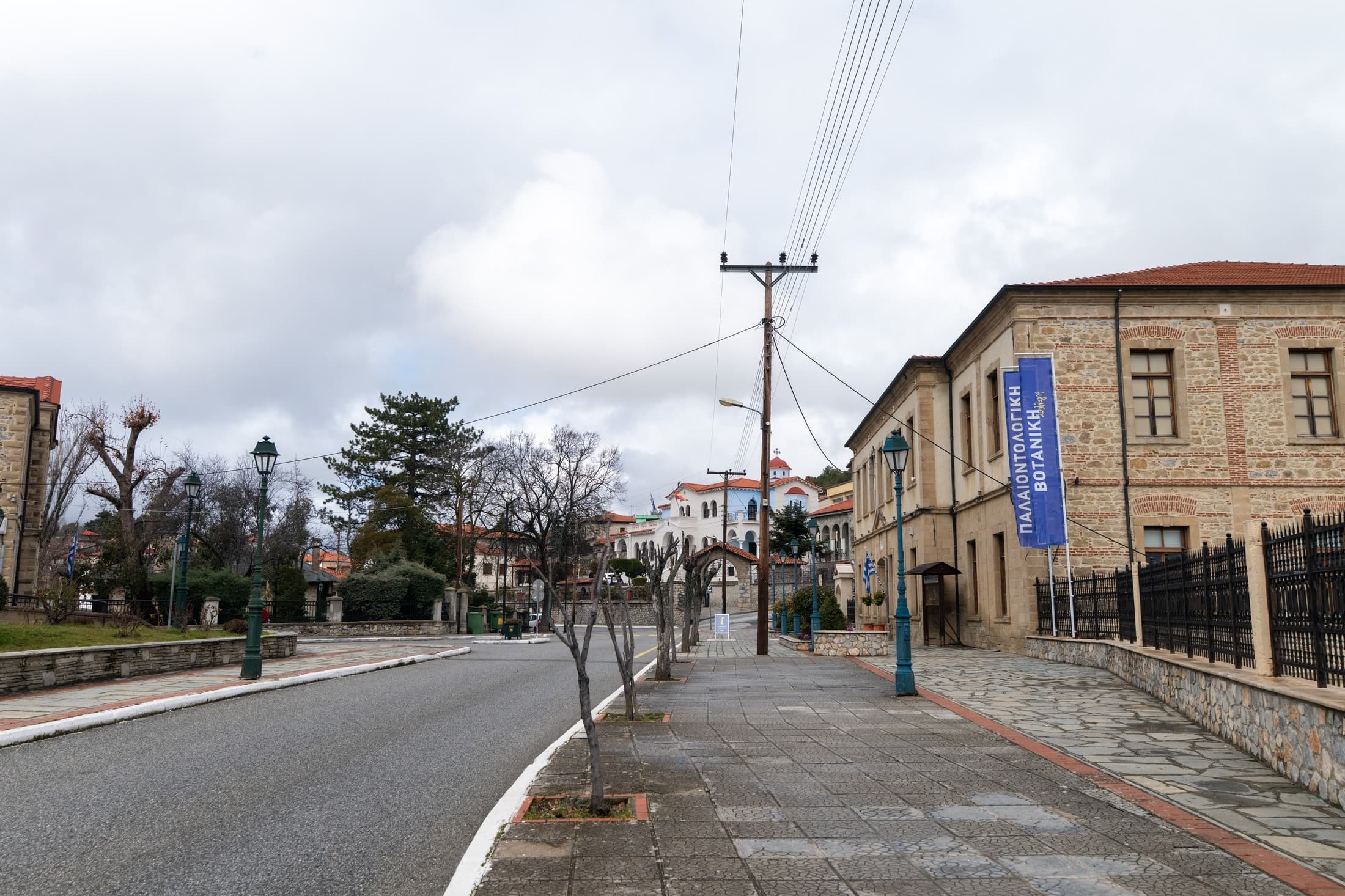
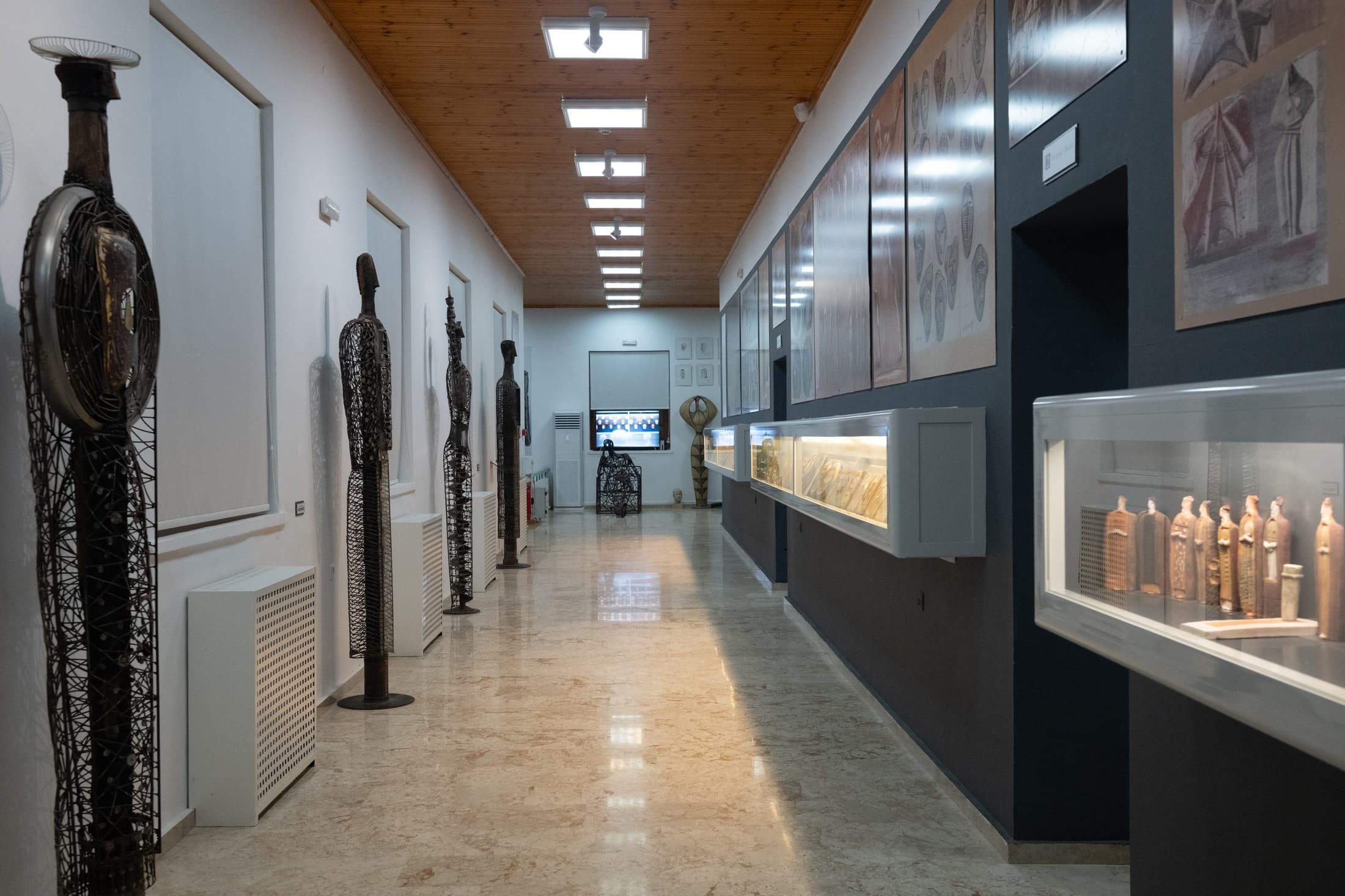
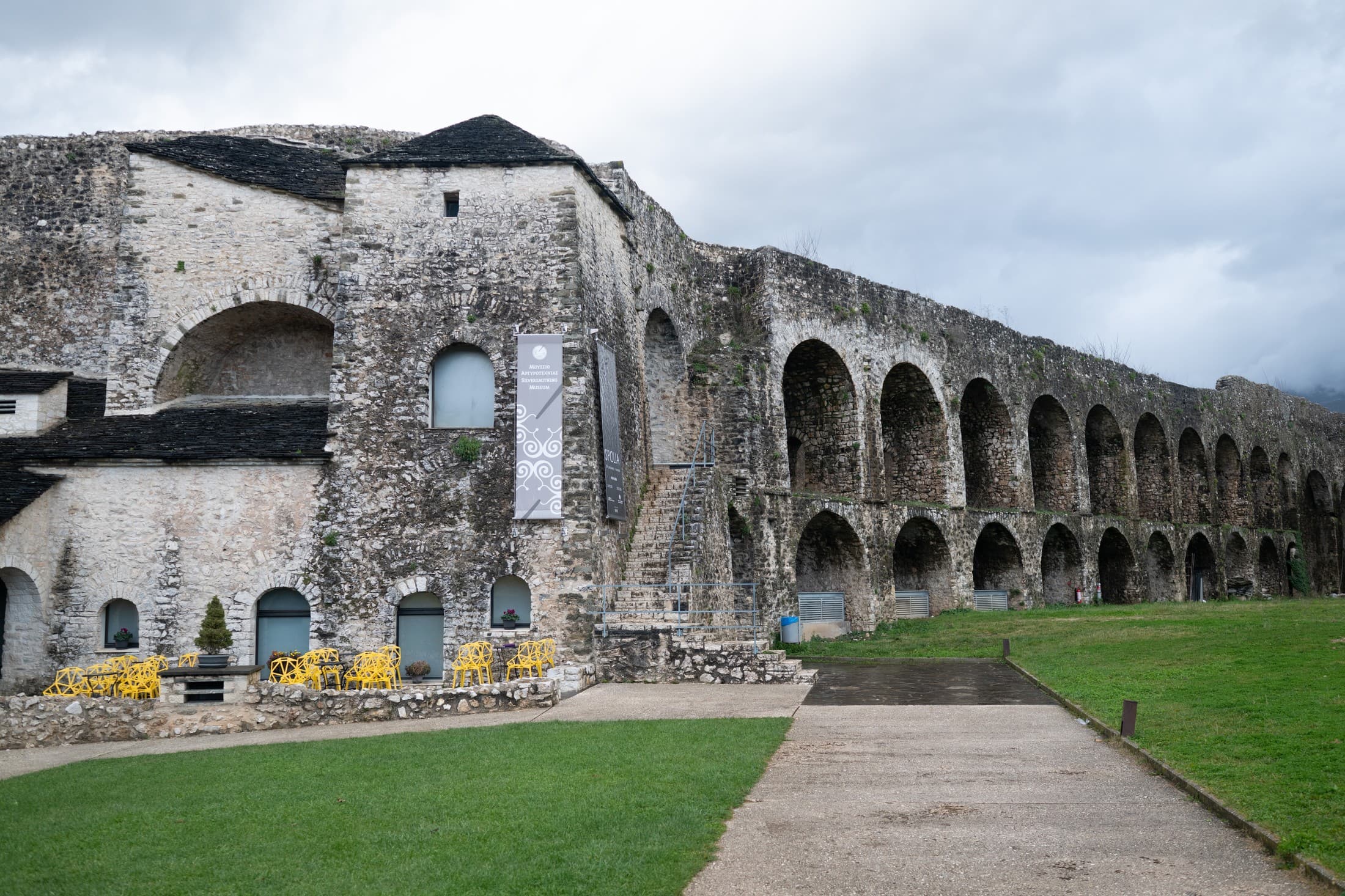
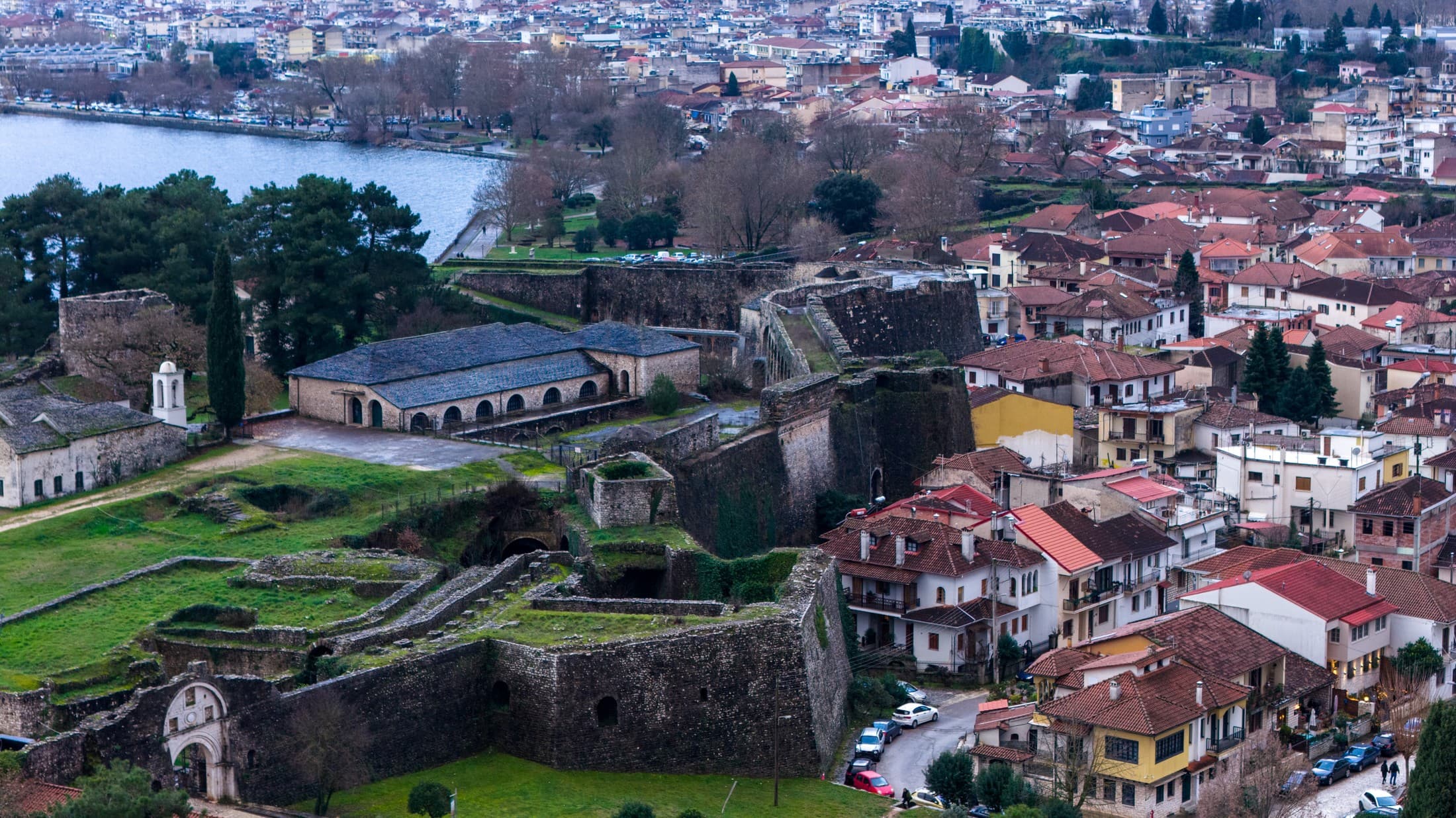
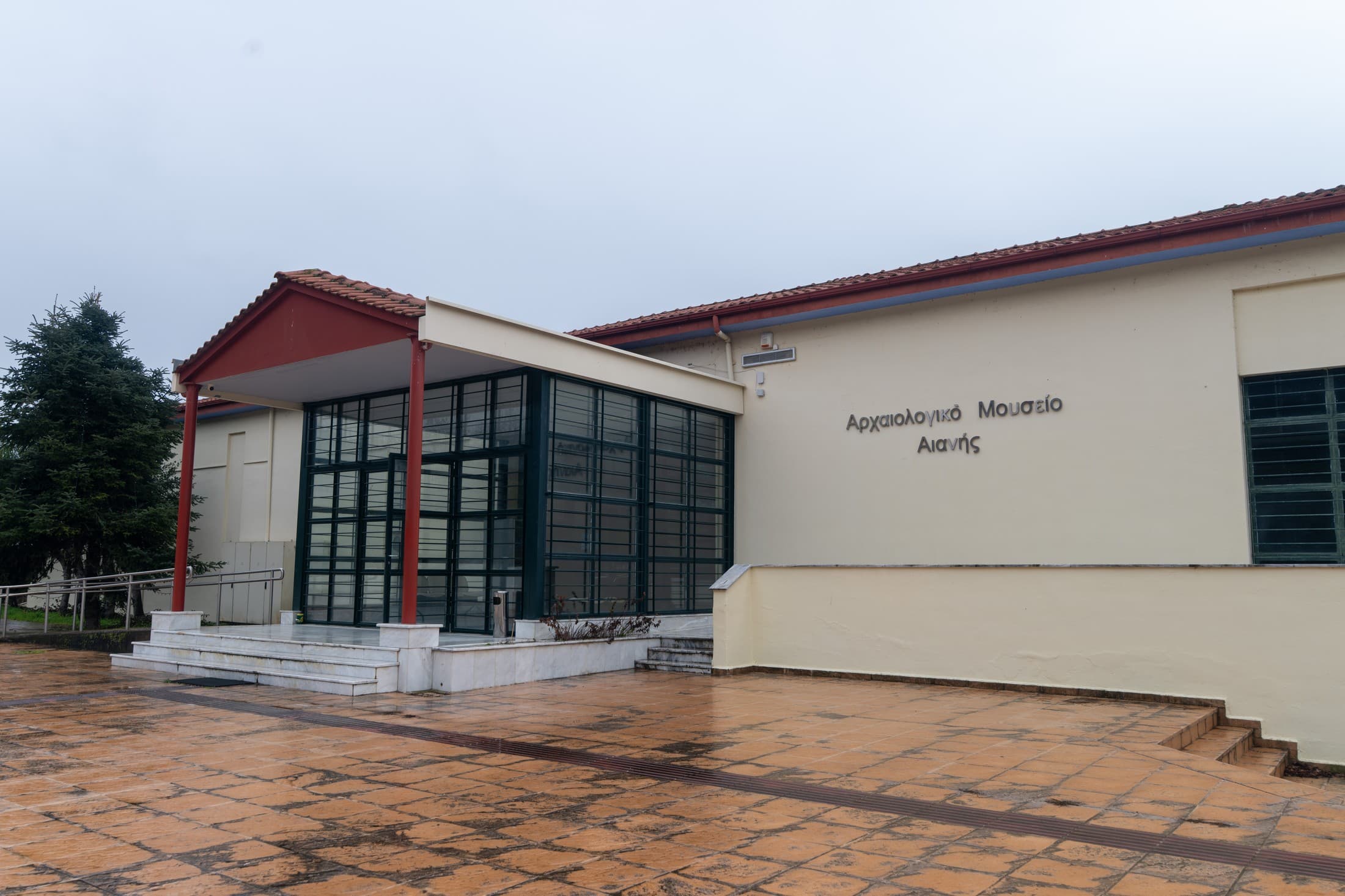
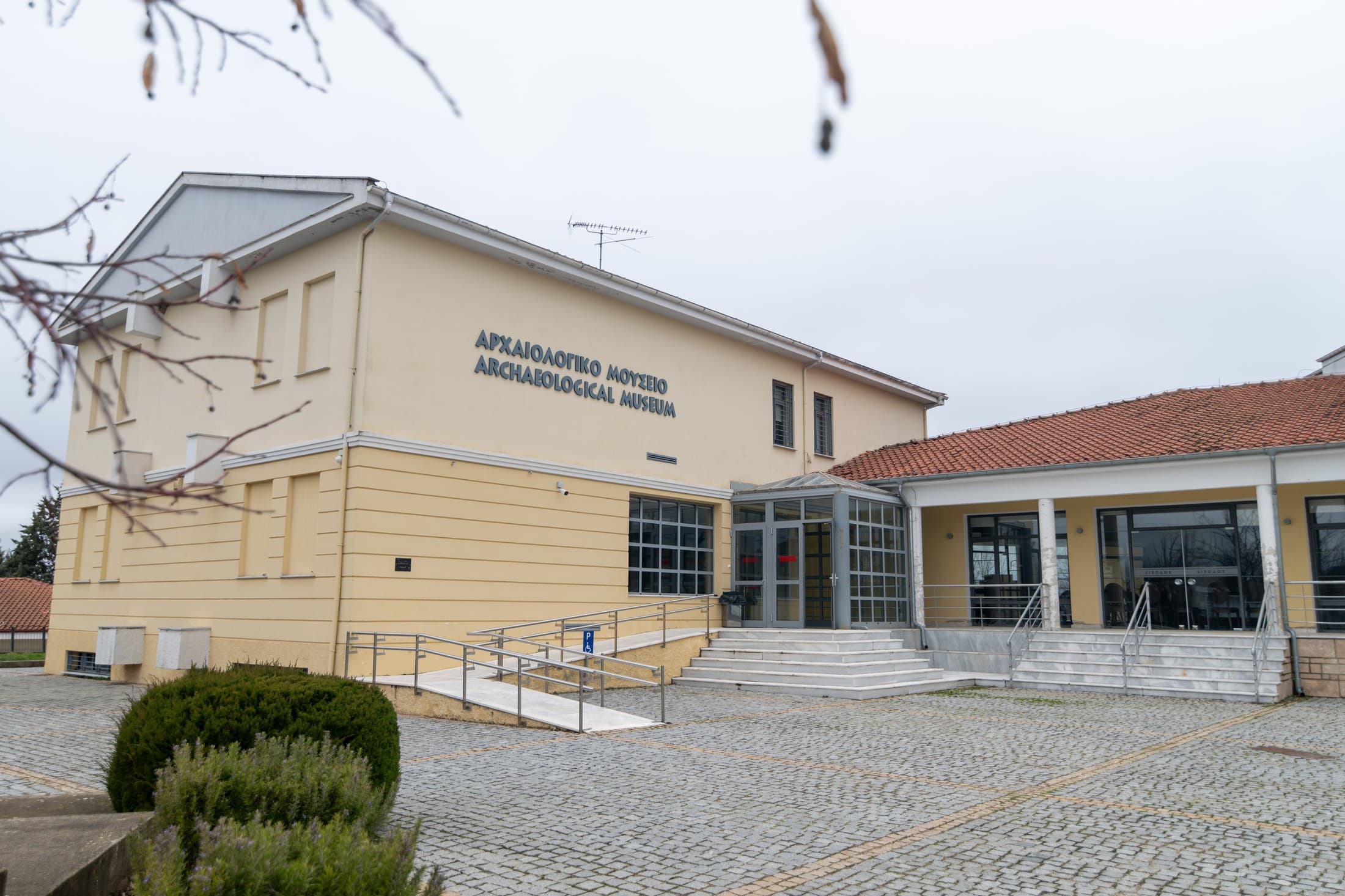
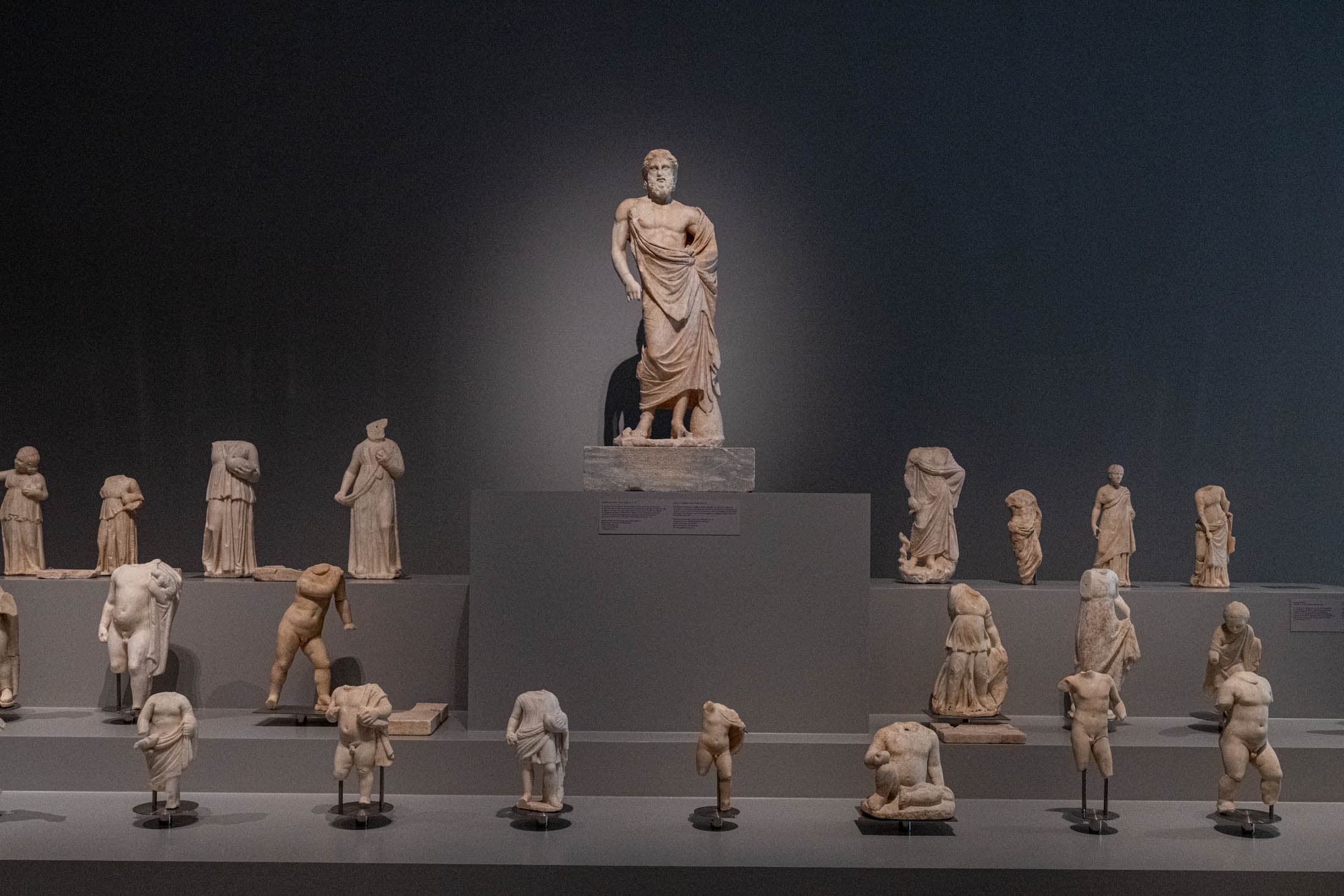
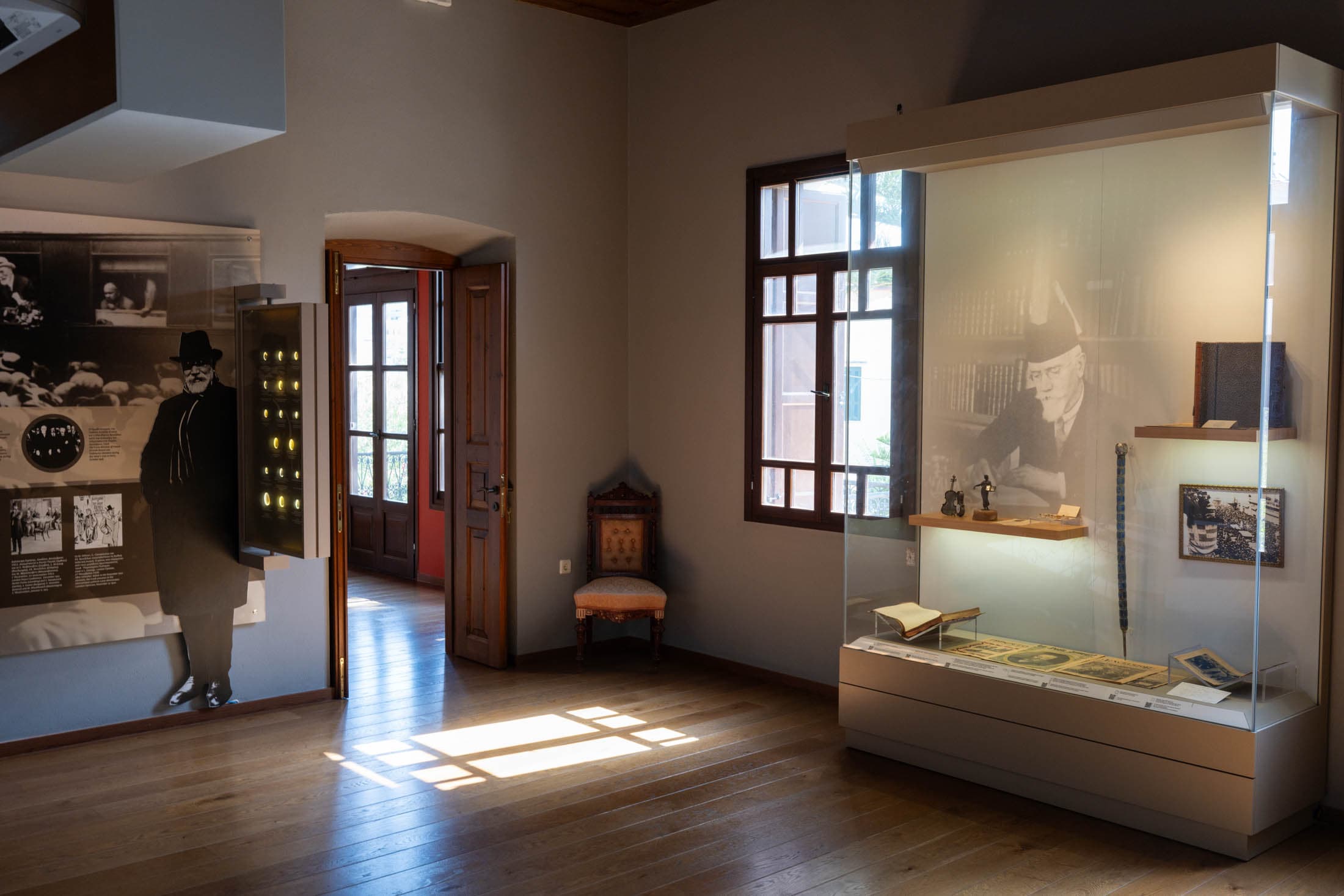
The Grevena region functions as a vast open-air museum, where nature and history coexist harmoniously. Although there are few organised museums, their exhibits are of global significance, with some rightfully holding a place in the Guinness Book of Records.
Palaeontological Treasures in Milia
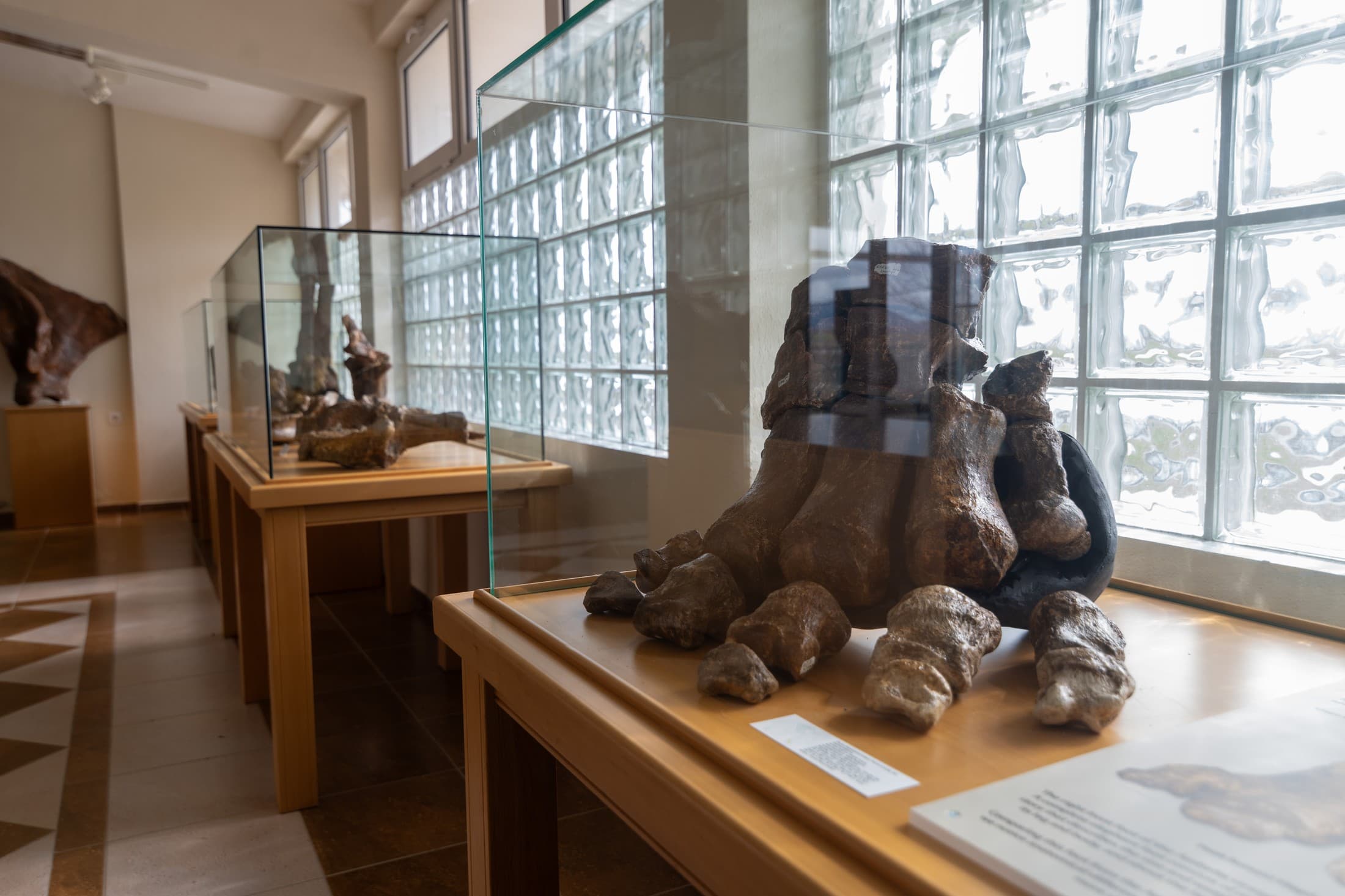
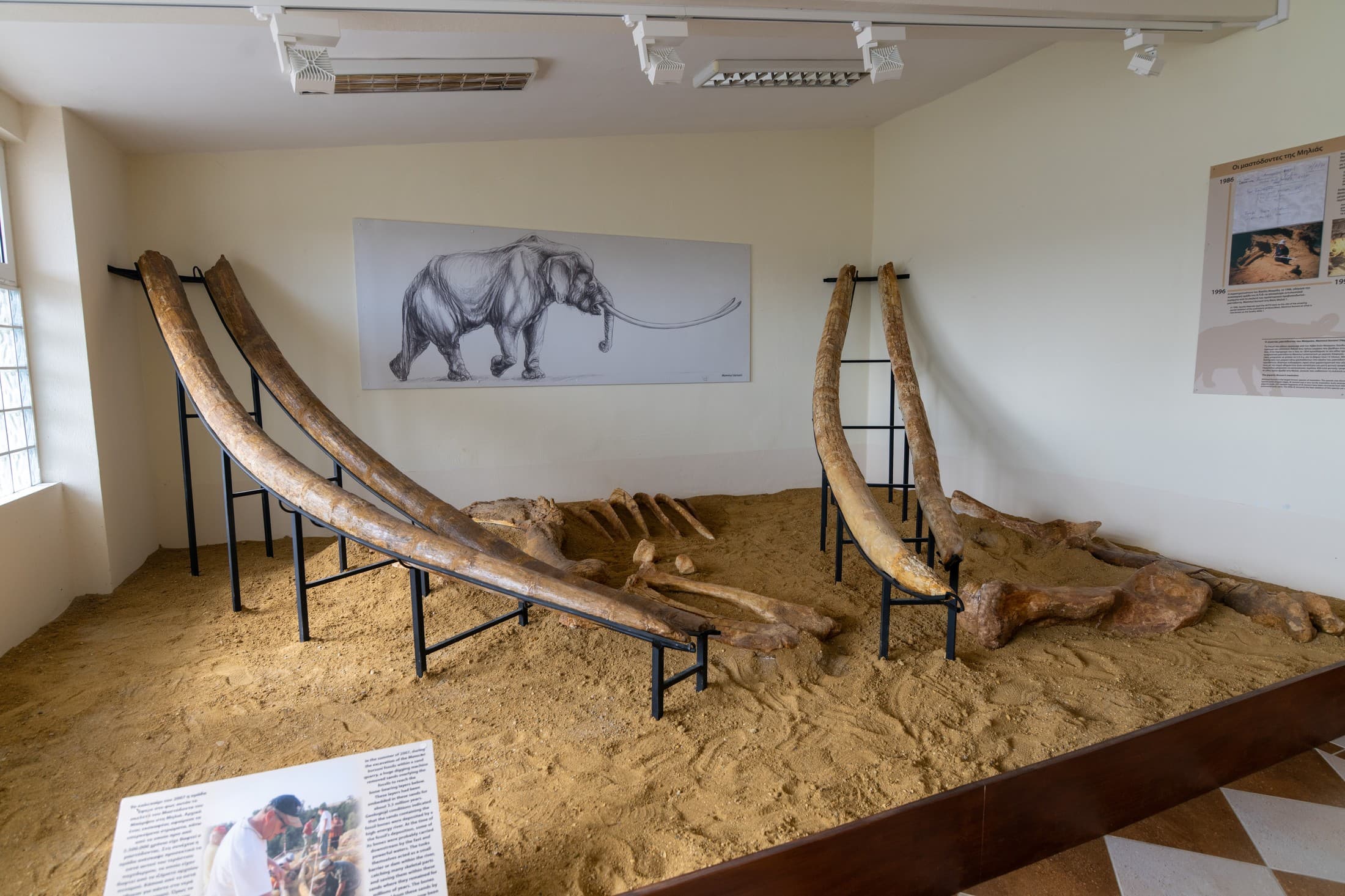
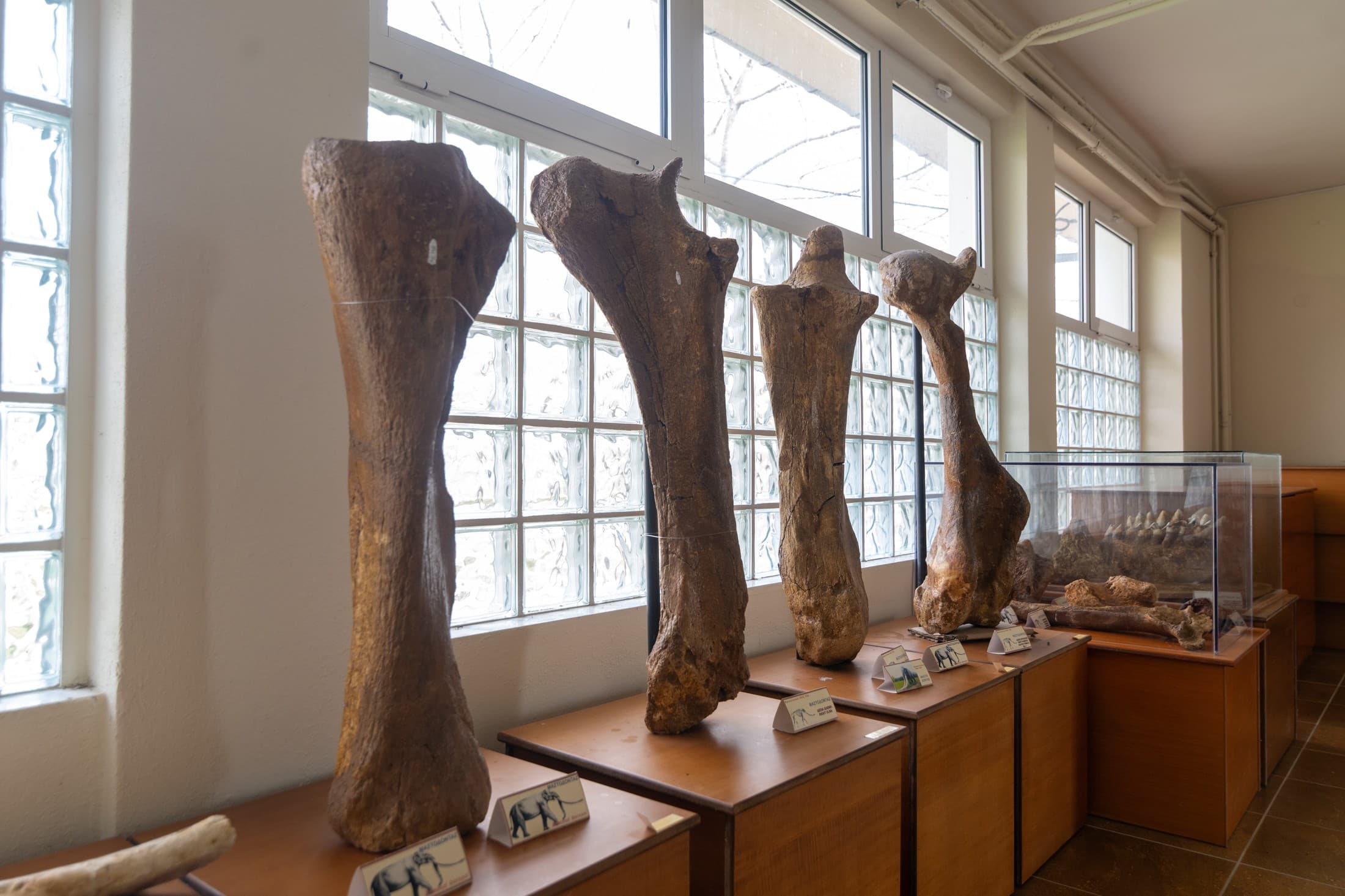
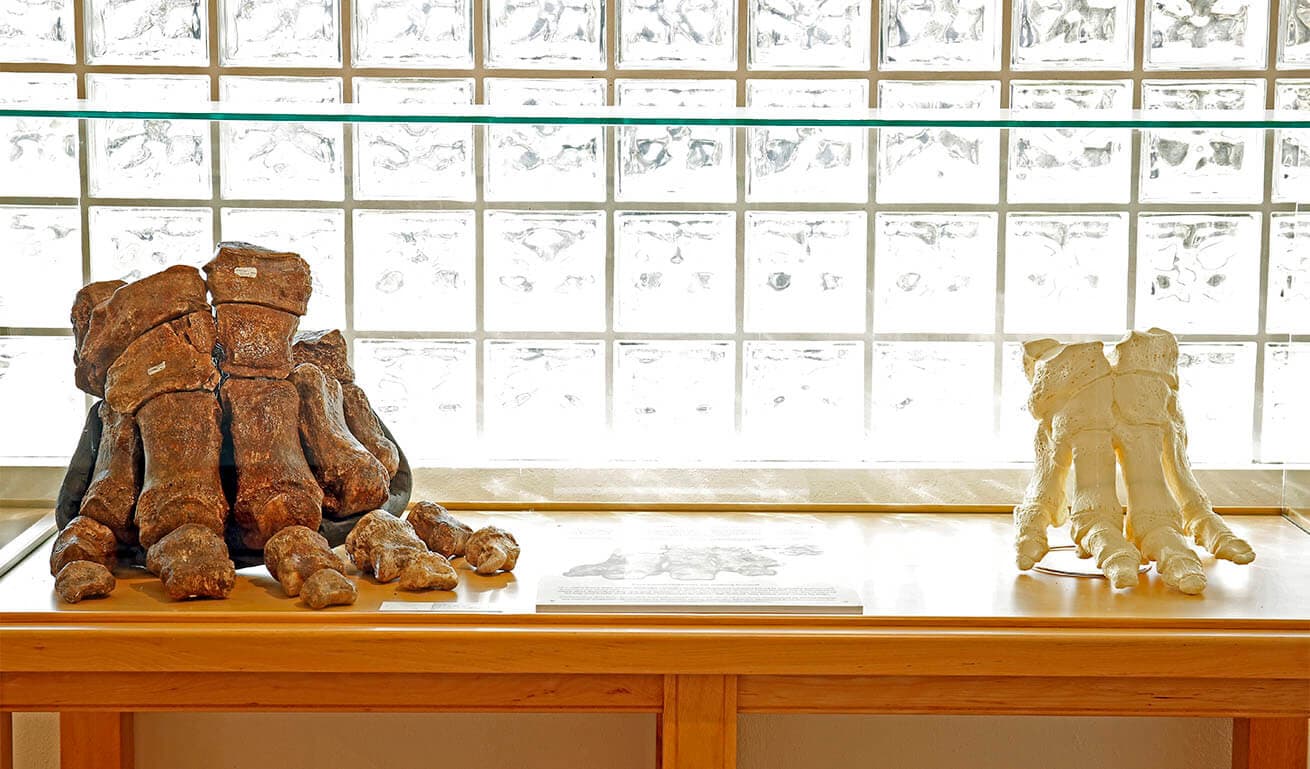
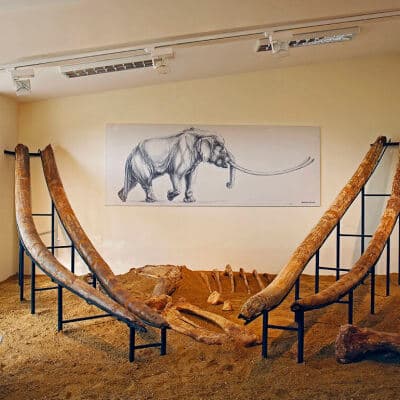
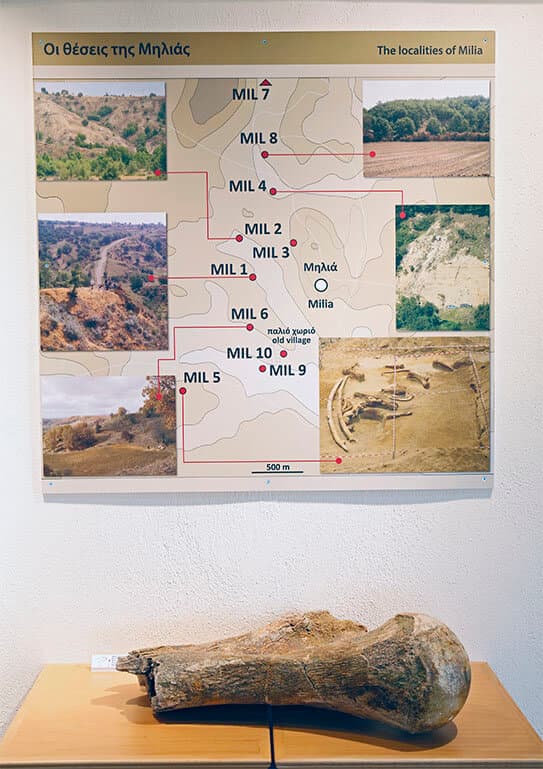
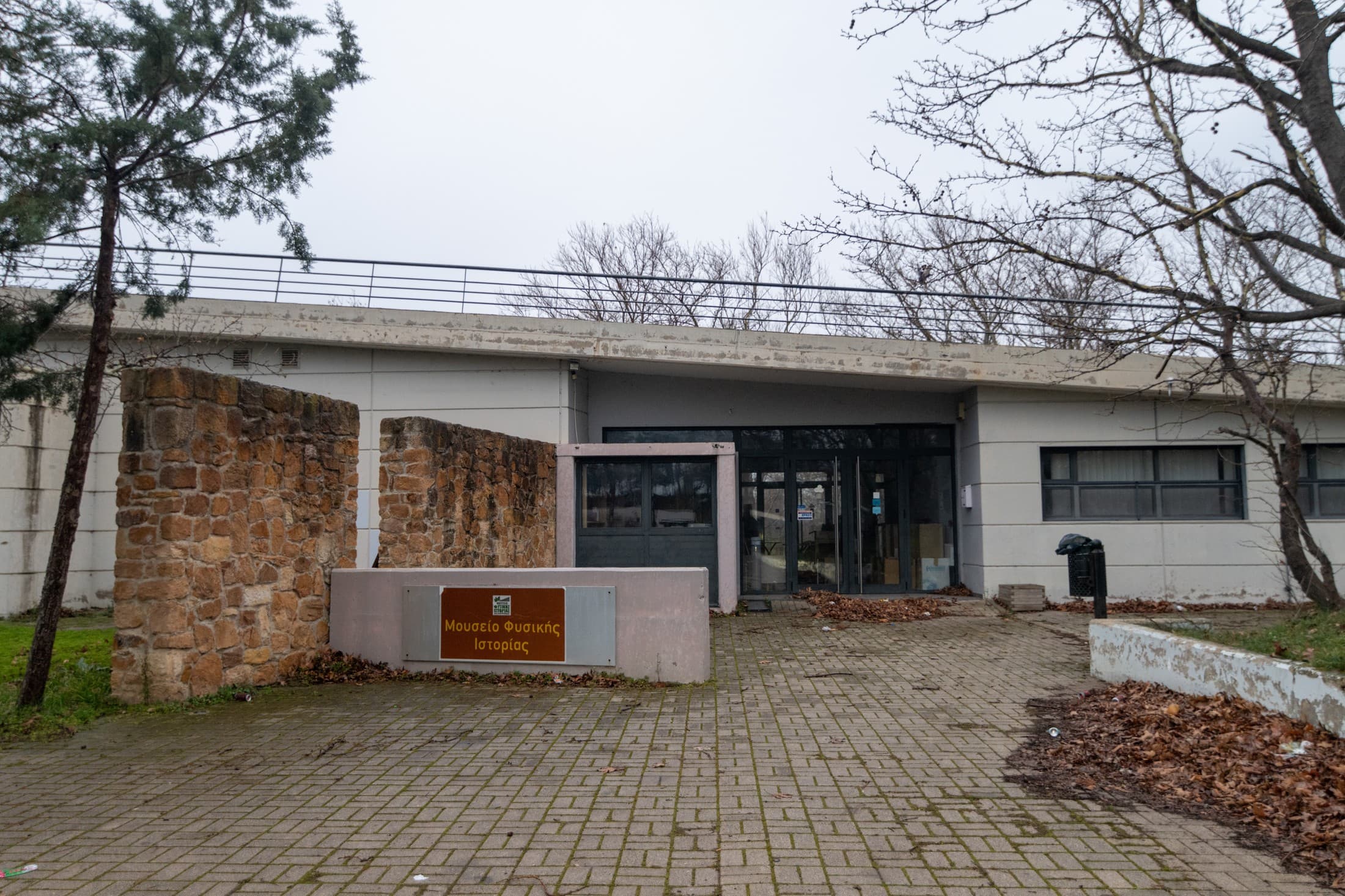
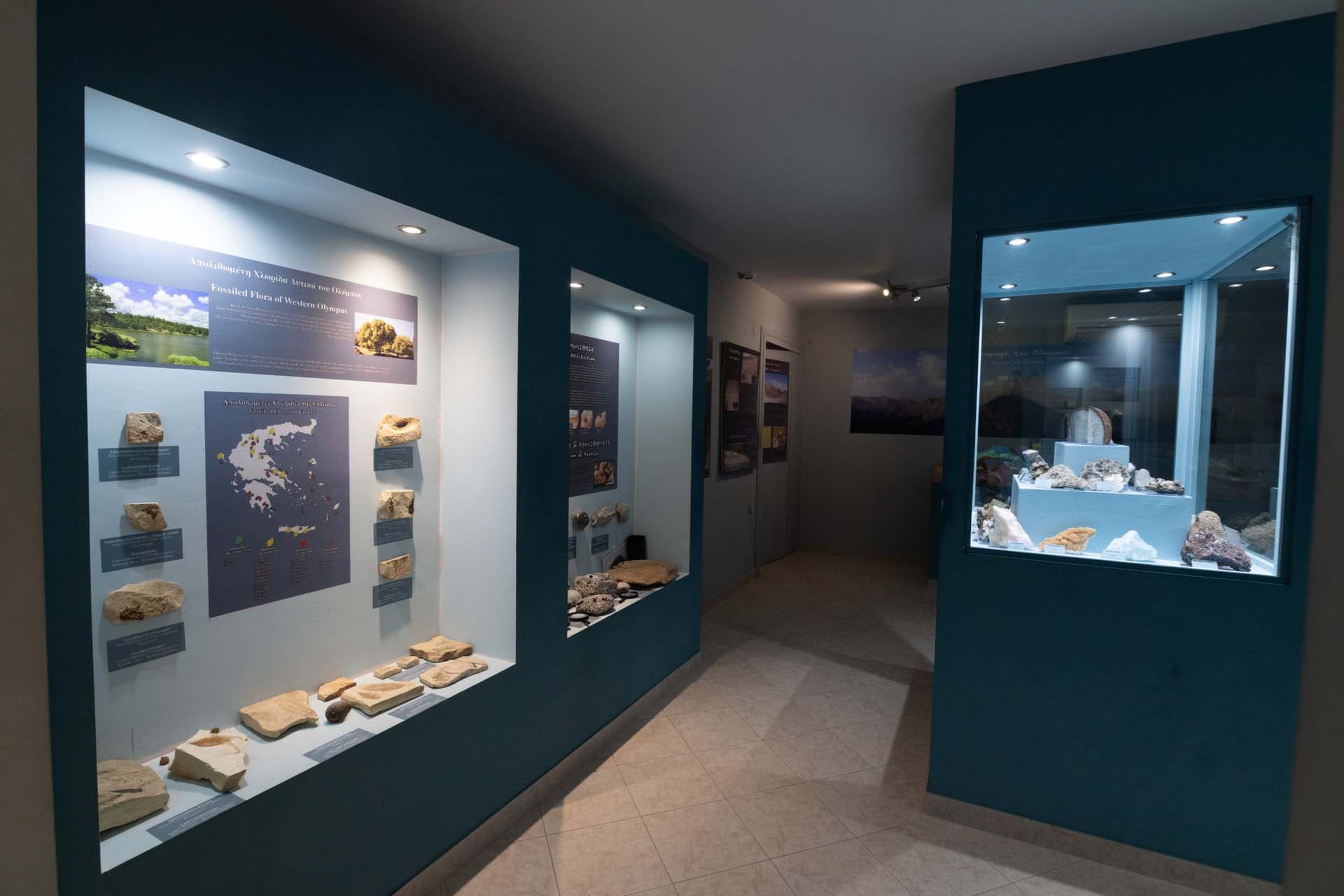
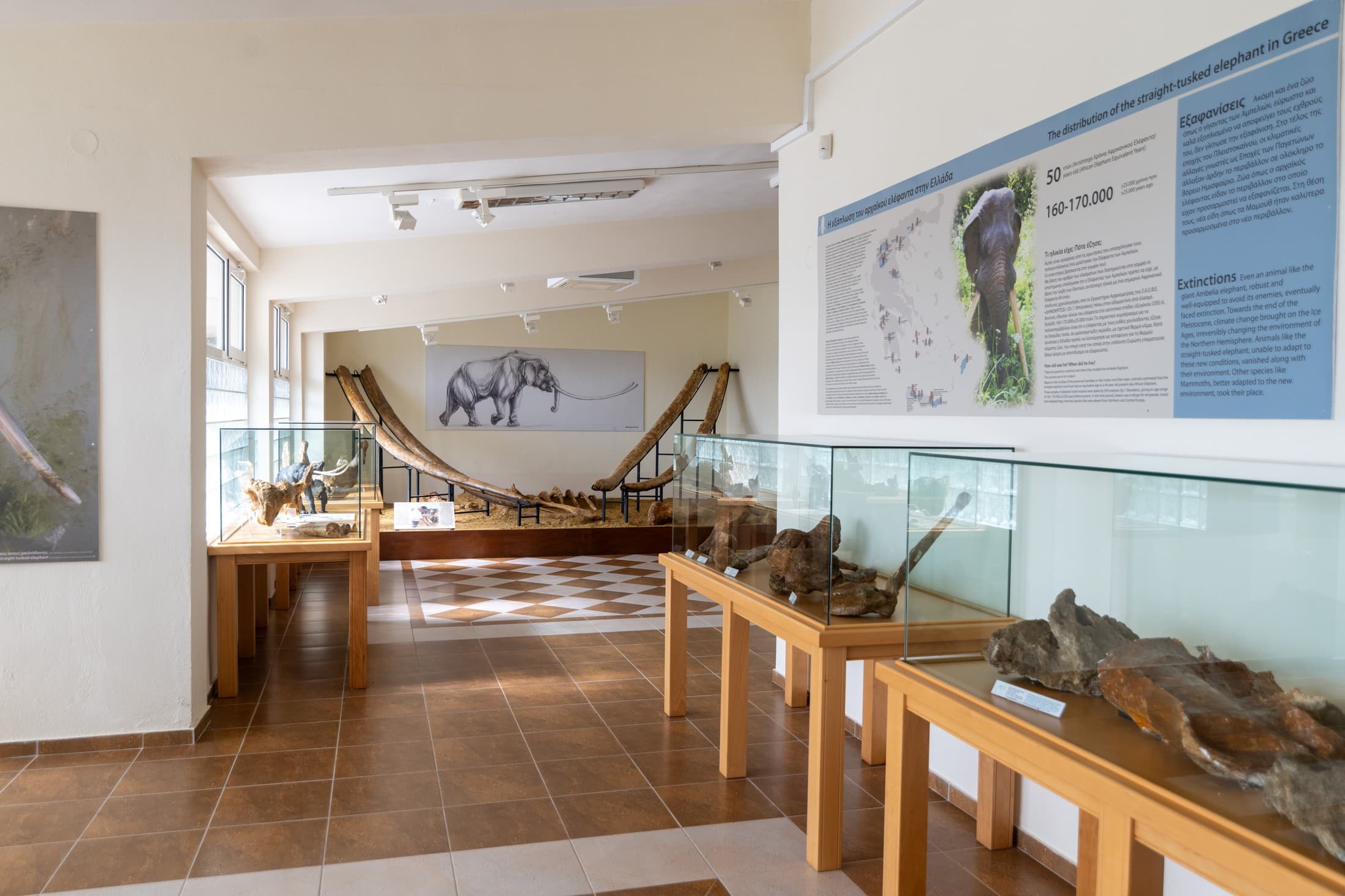
The Natural History Museum in Milia, just 15 kilometres from Grevena, is home to the largest prehistoric mastodon tusks in the world, measuring 5.03 metres in length. The area, which 3.5 million years ago was a veritable aquatic paradise, has yielded finds from 19 species of mammals, including rhinoceroses, sabre-toothed cats, and ancient bears. Remarkably, two species were first reported here globally, confirming that Greece served as a refuge for wildlife during the glacial periods in Europe.
Mushrooms and Folk Traditions
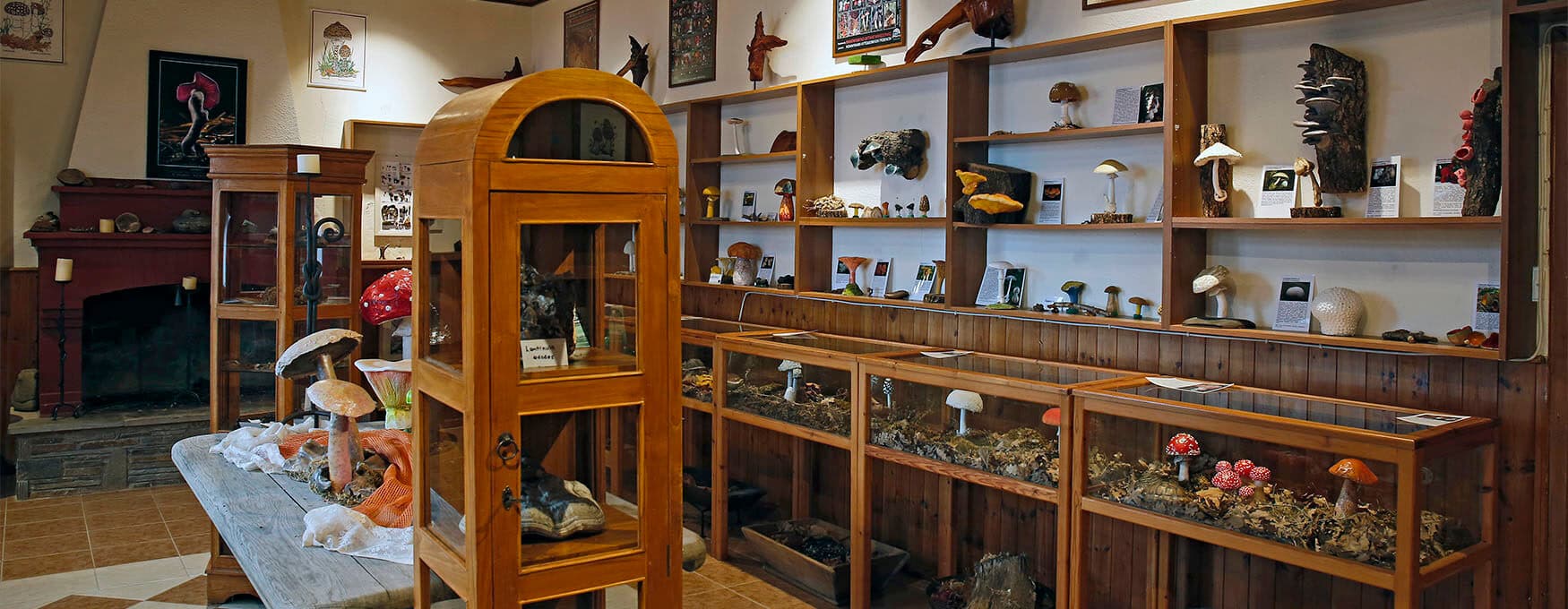
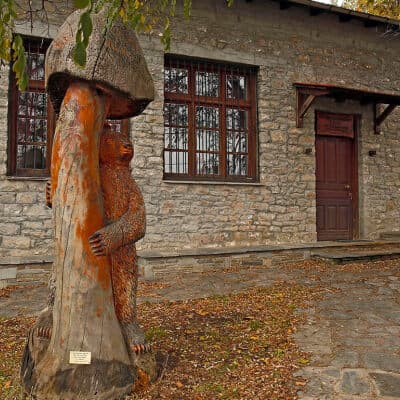
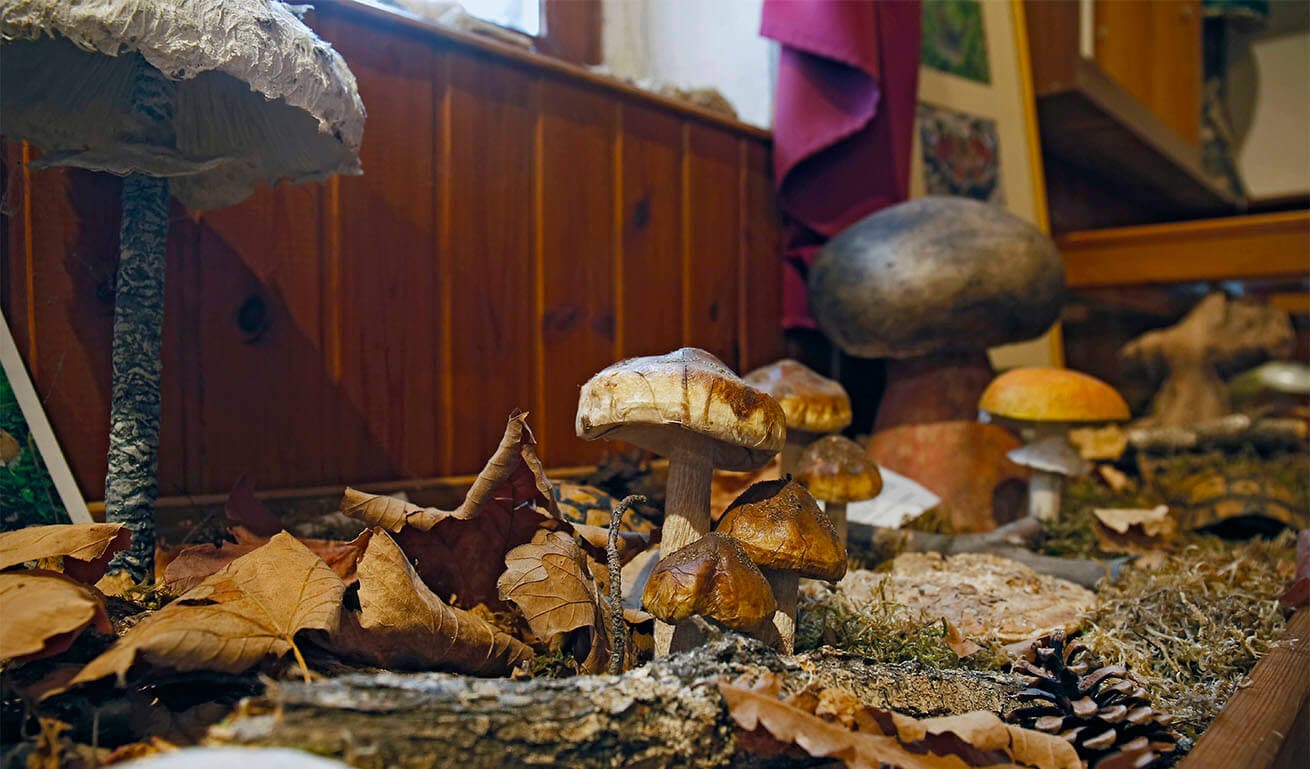
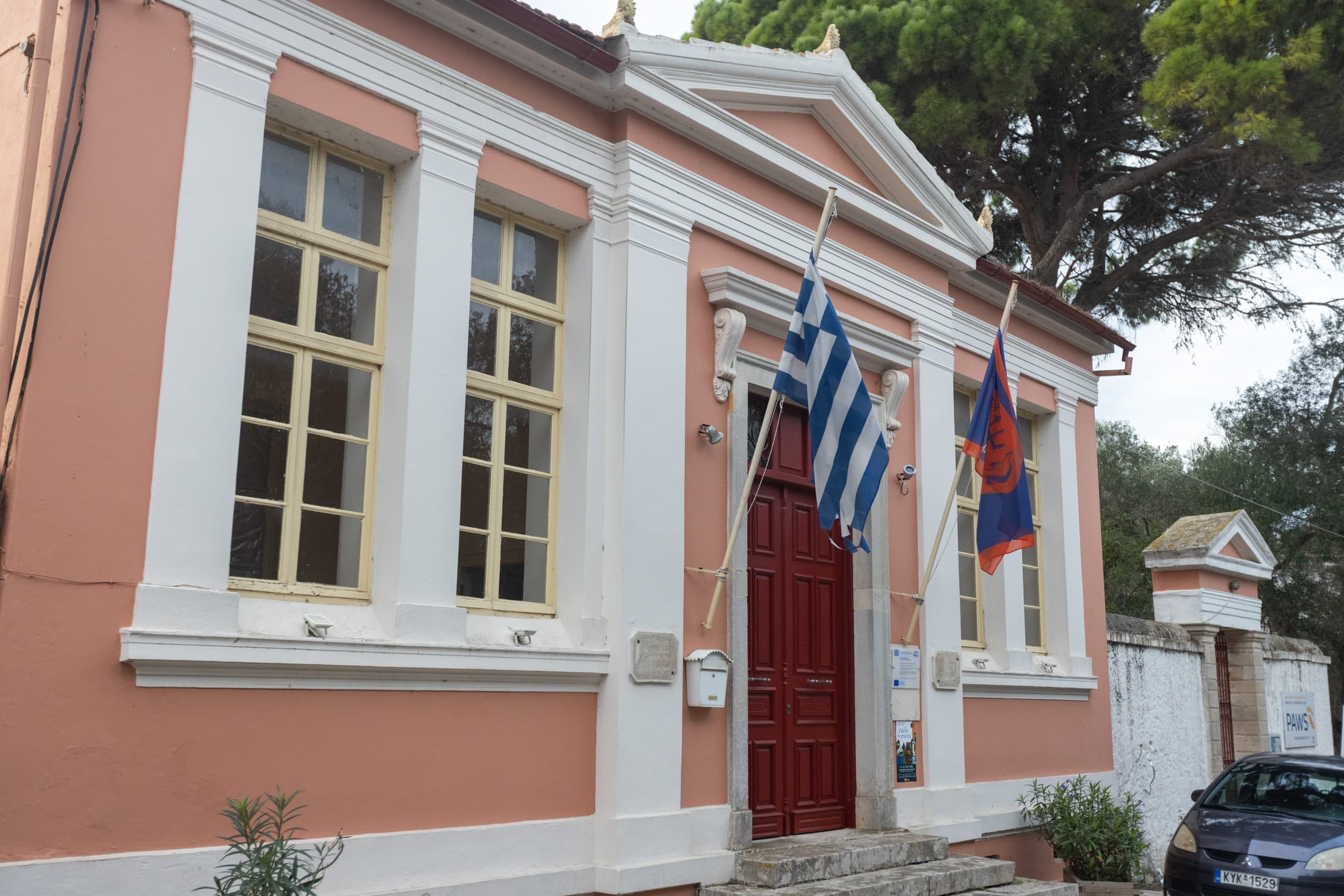
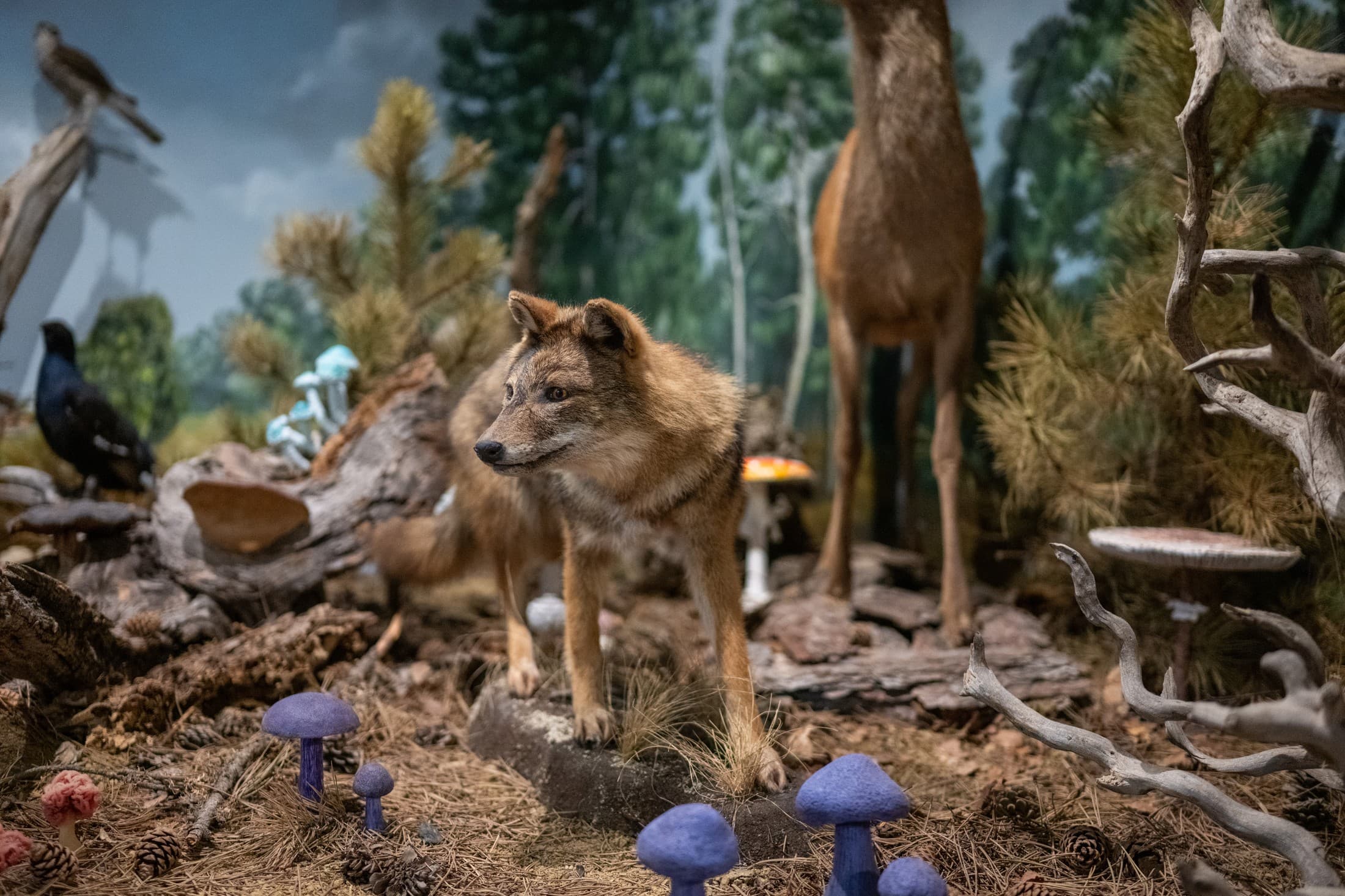
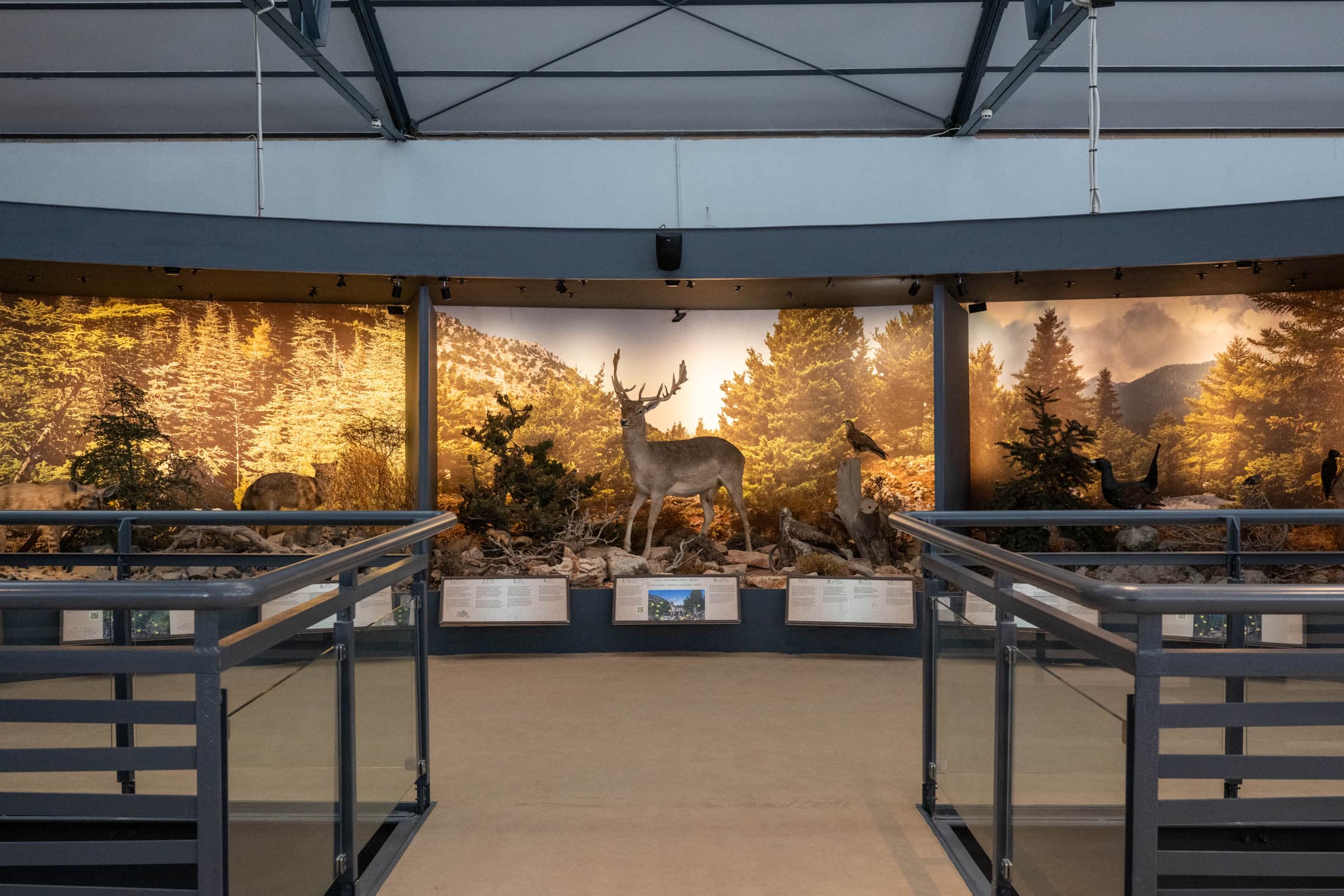
In the village of Lavda, the Mushroom Museum, housed in the old stone school, unveils the enchanting world of fungi through recreations of their natural habitats and extensive audiovisual material. For your visit, especially during the winter months, it is advisable to coordinate with the local association as there is no permanent staff.
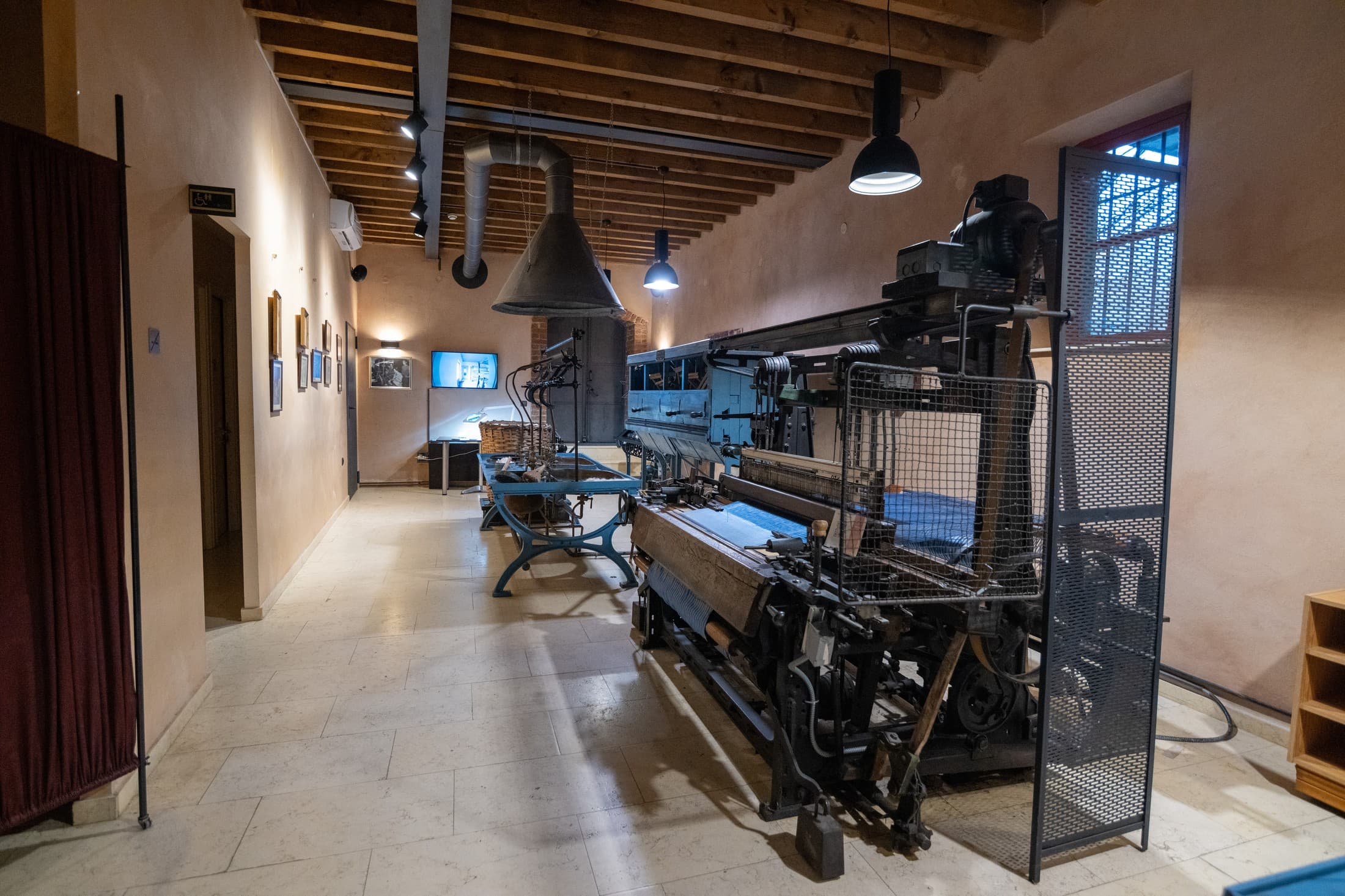
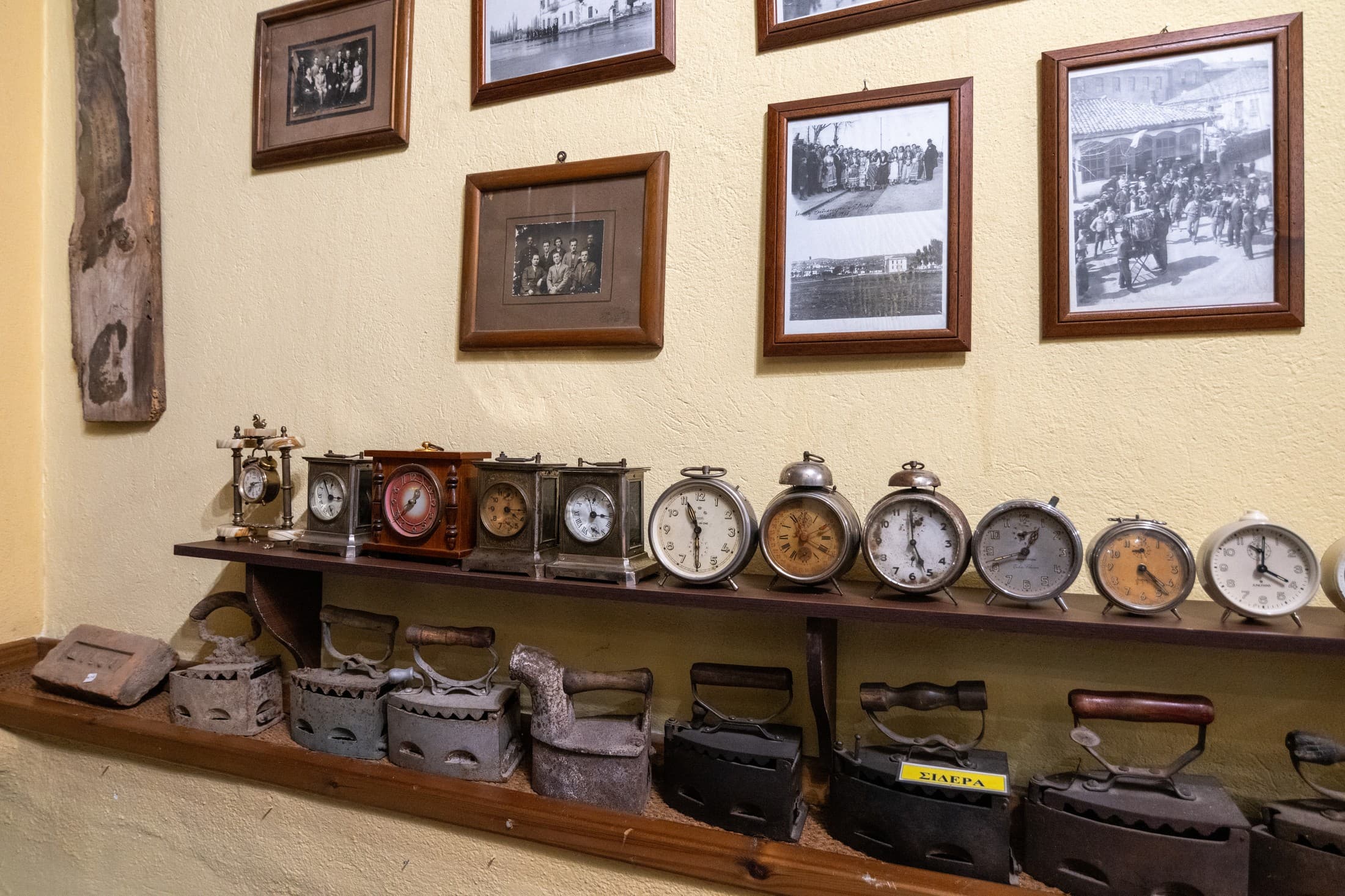
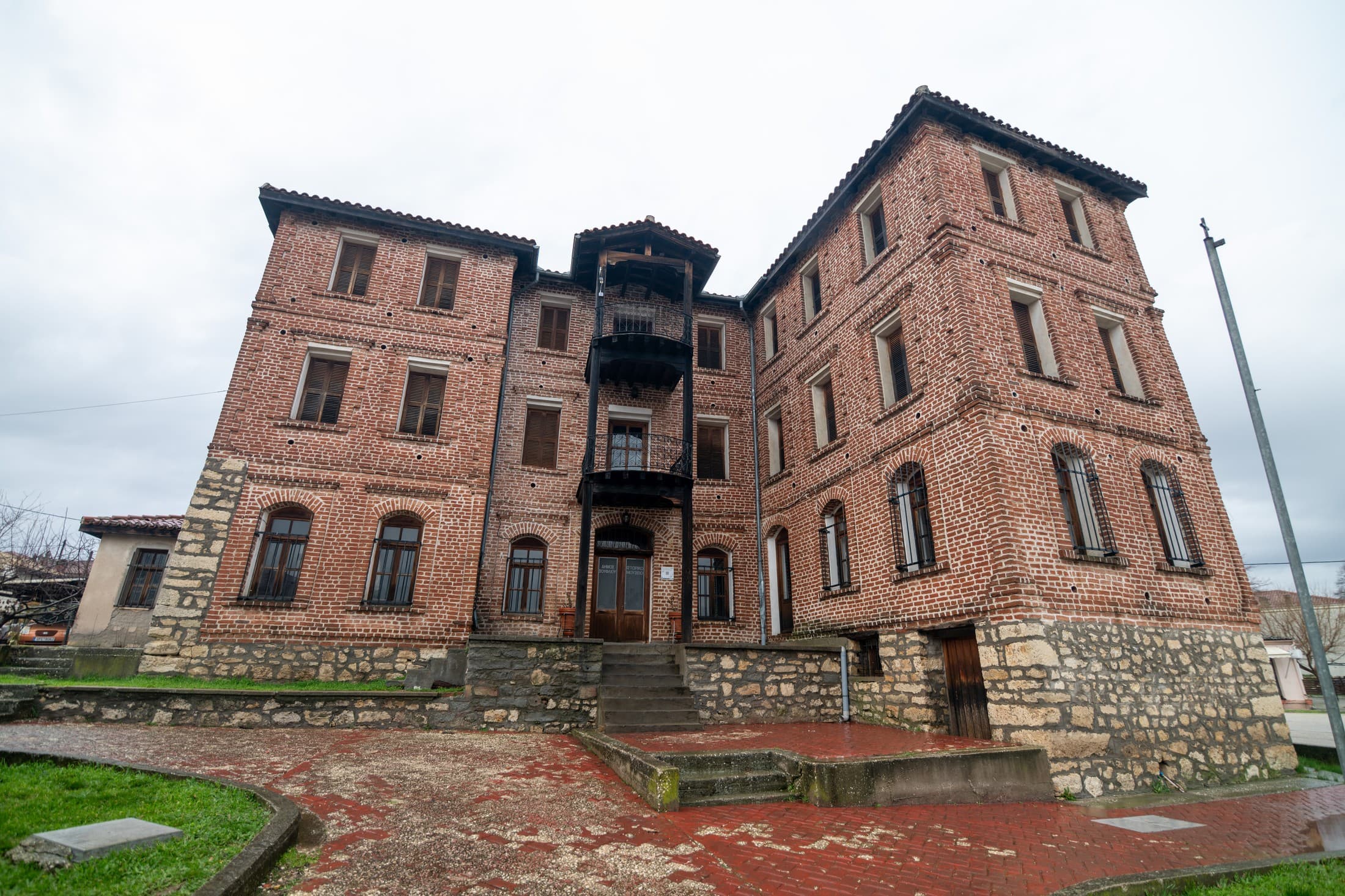
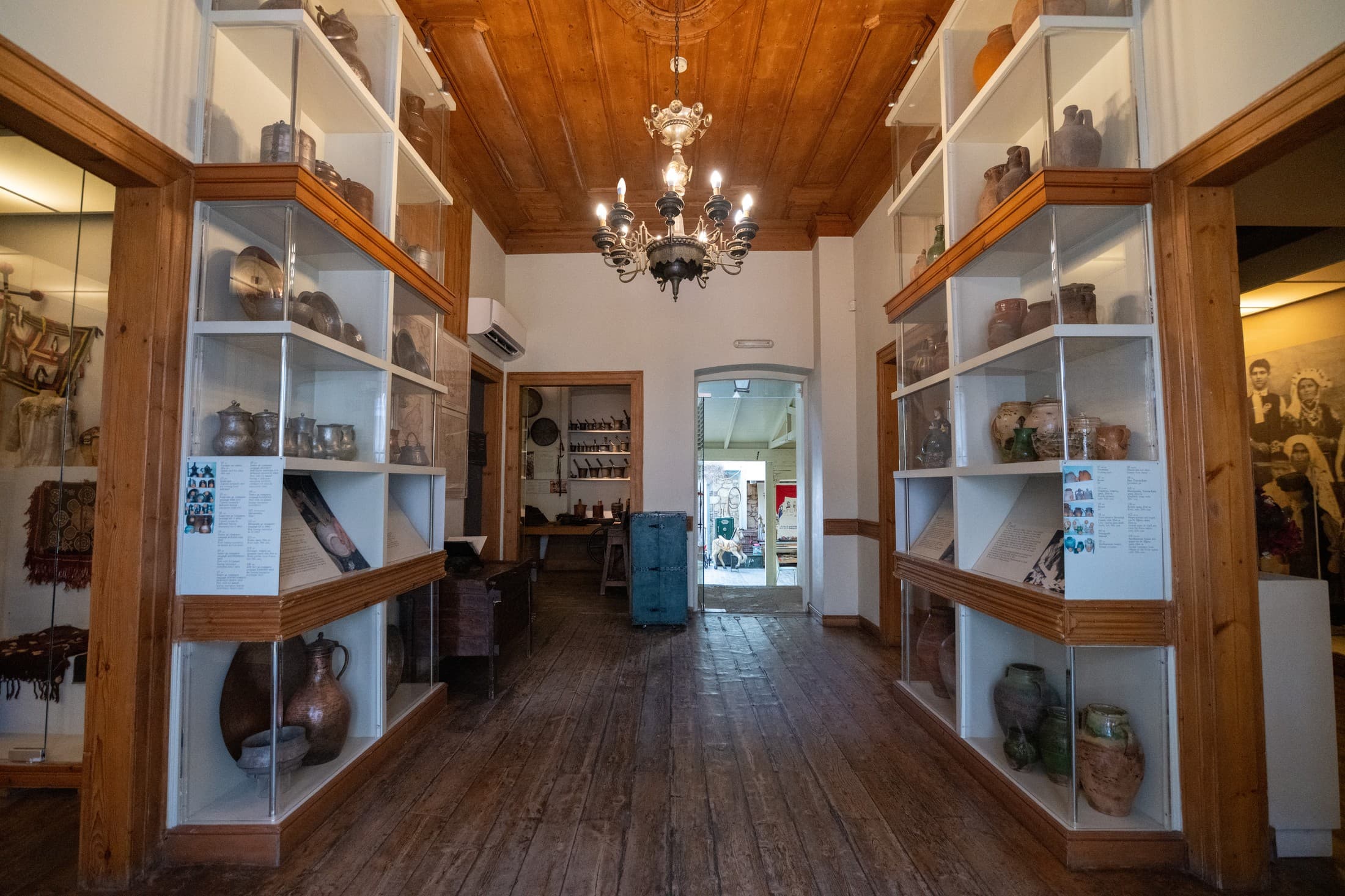
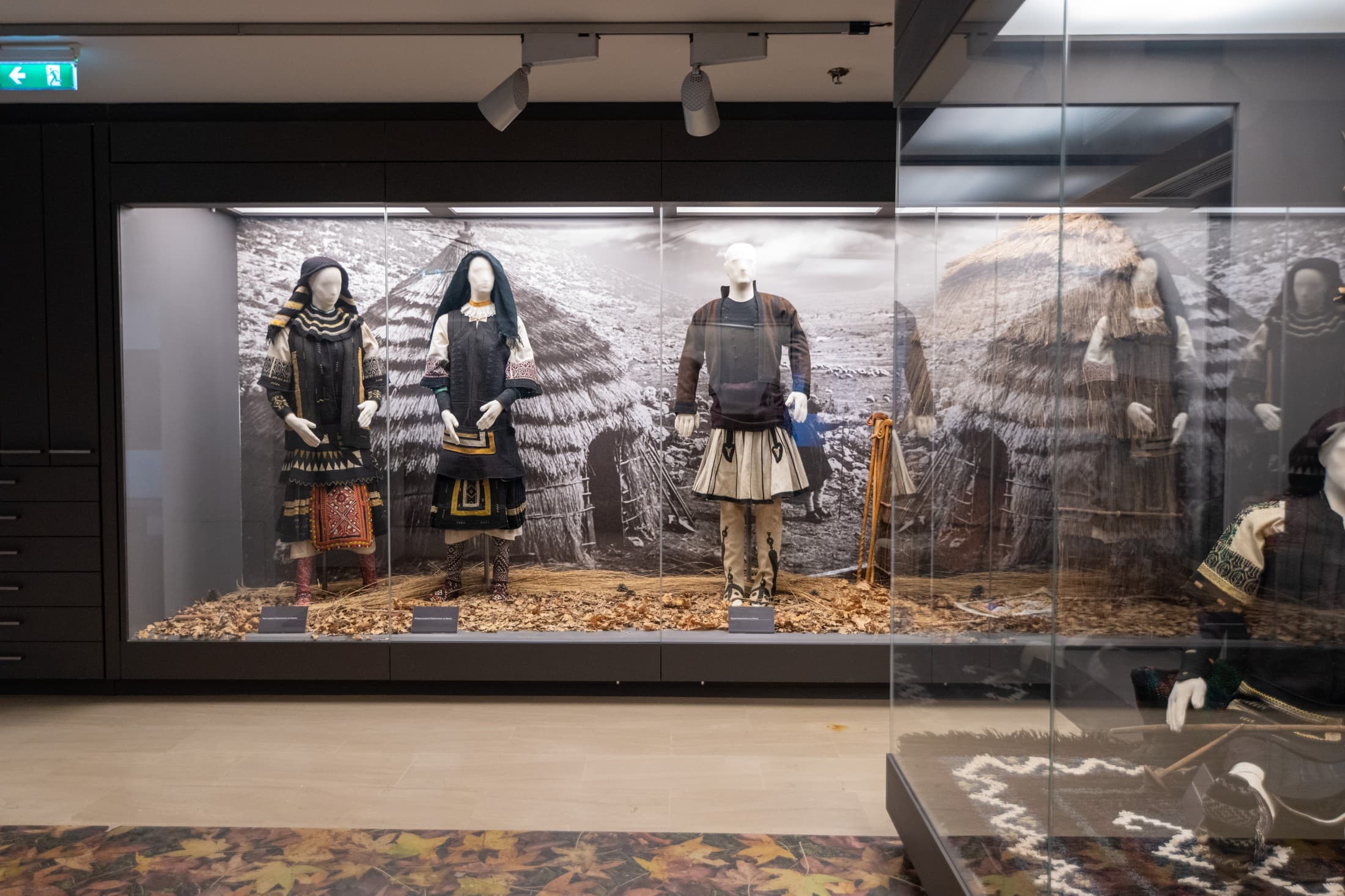
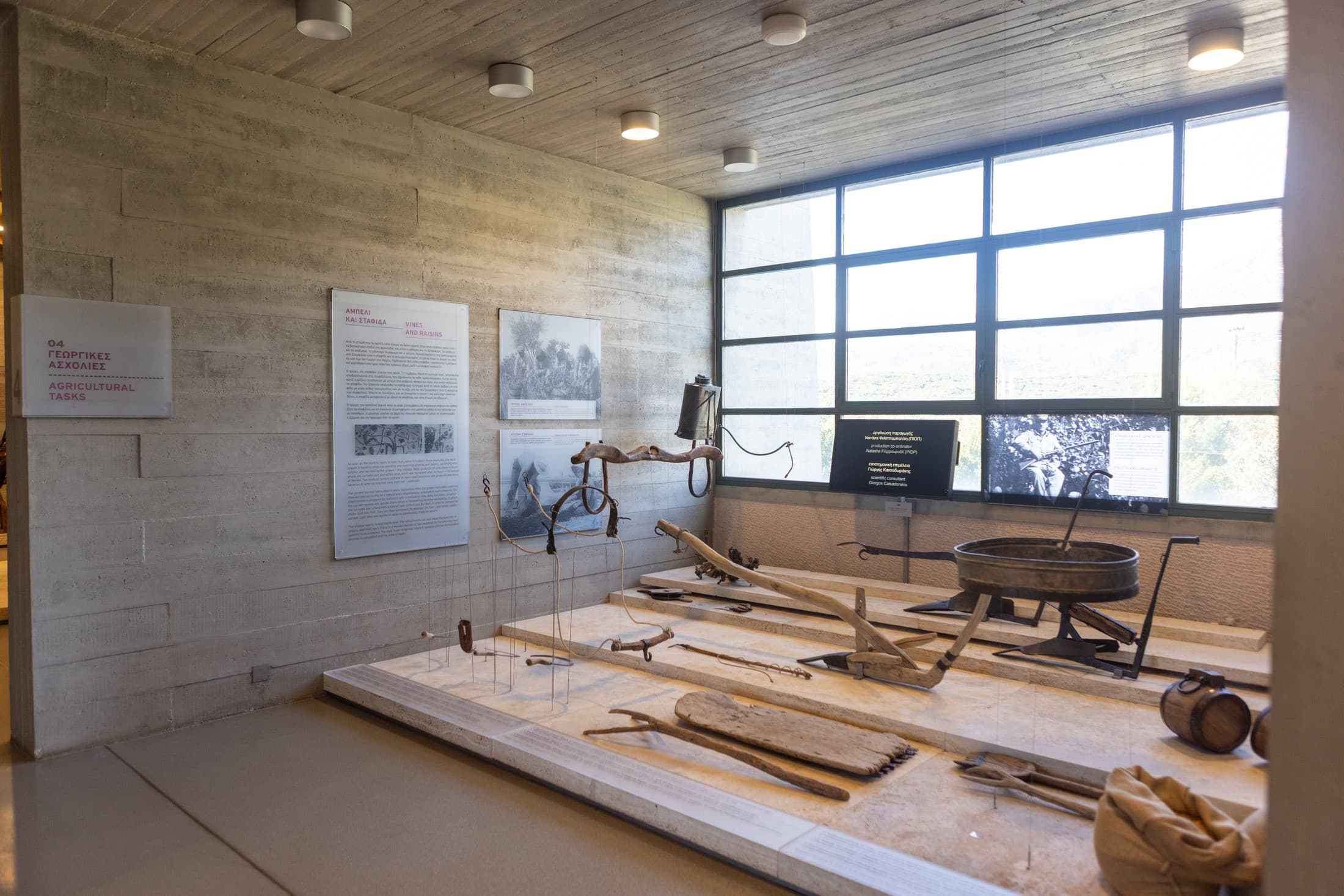
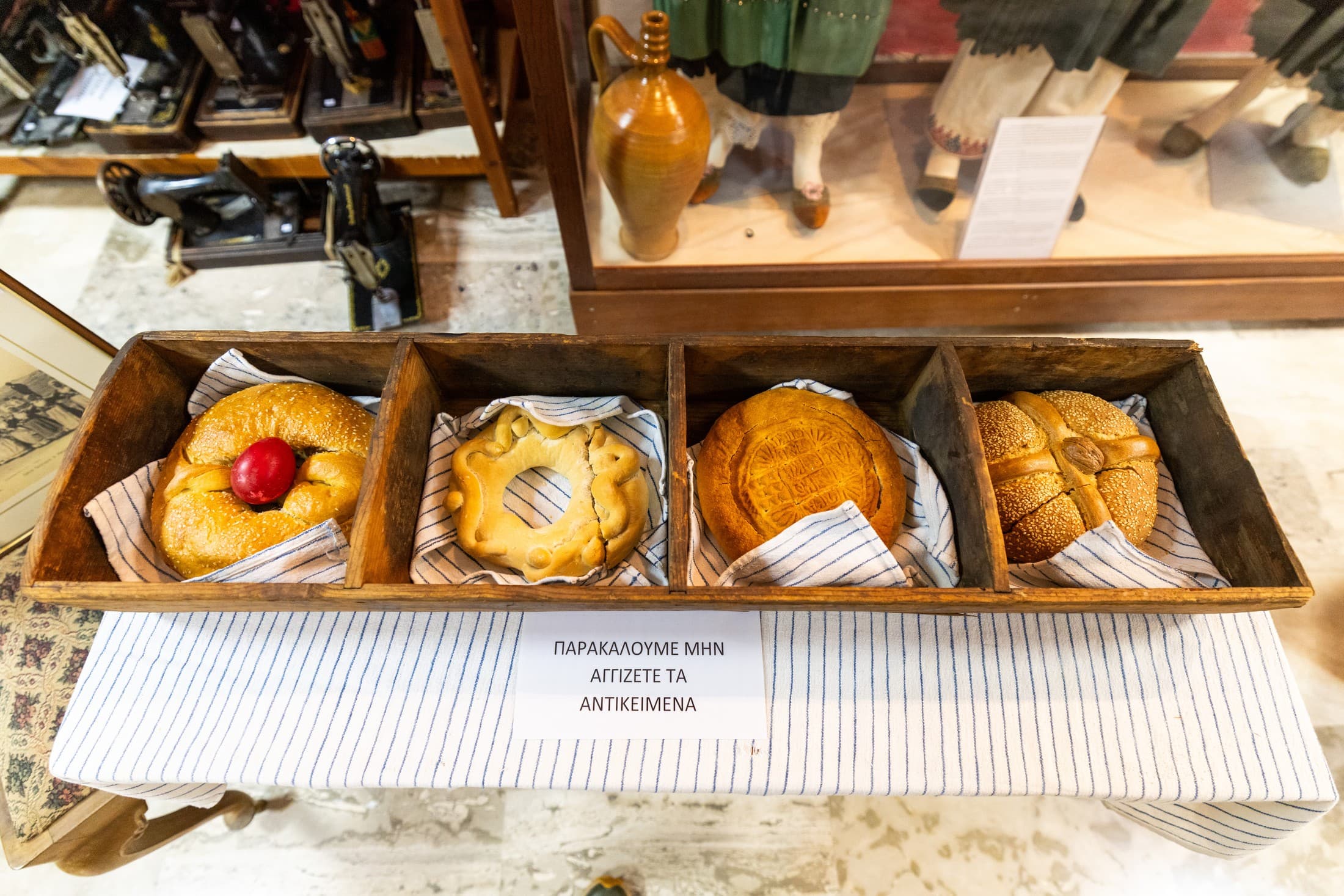
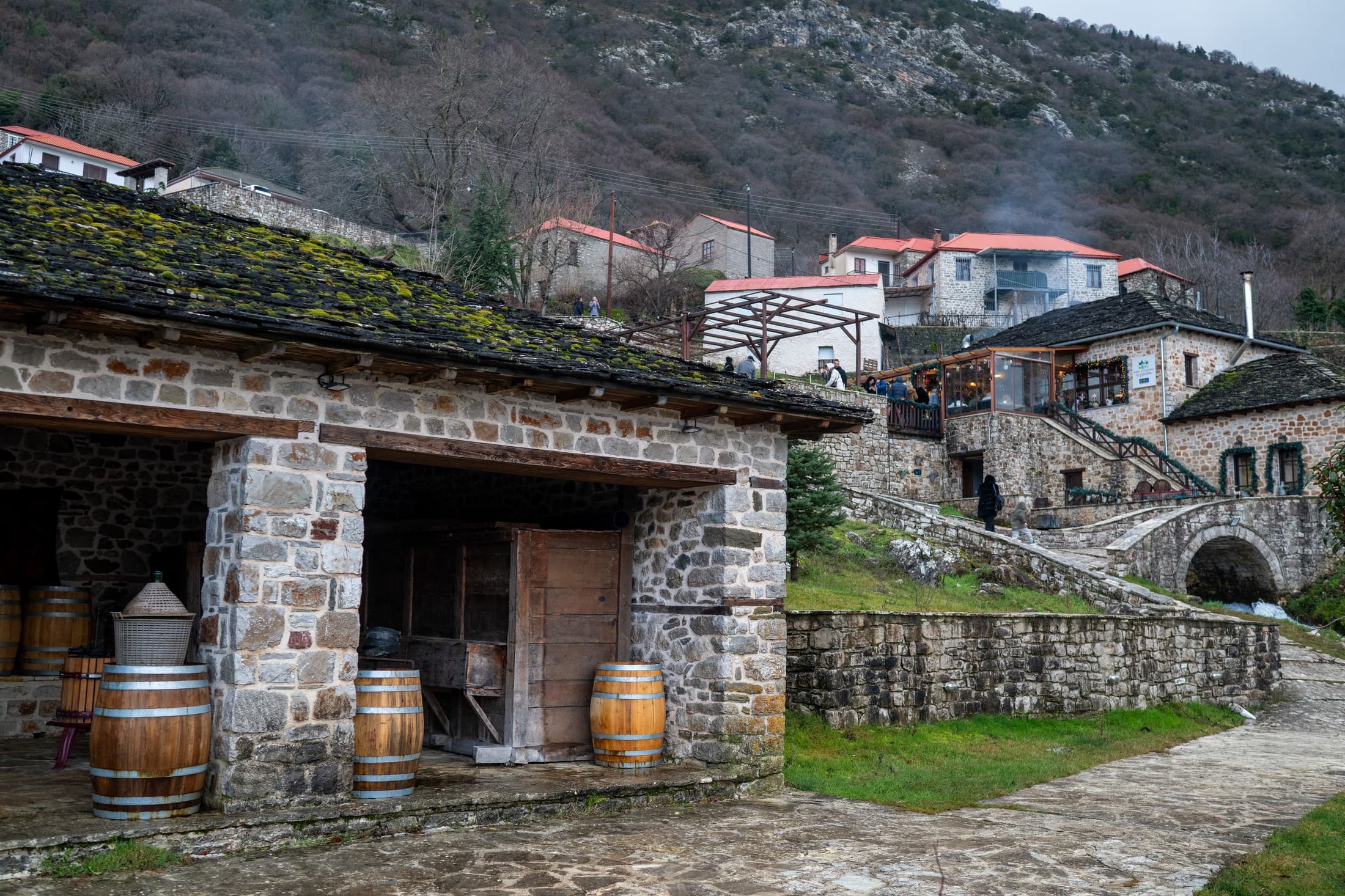
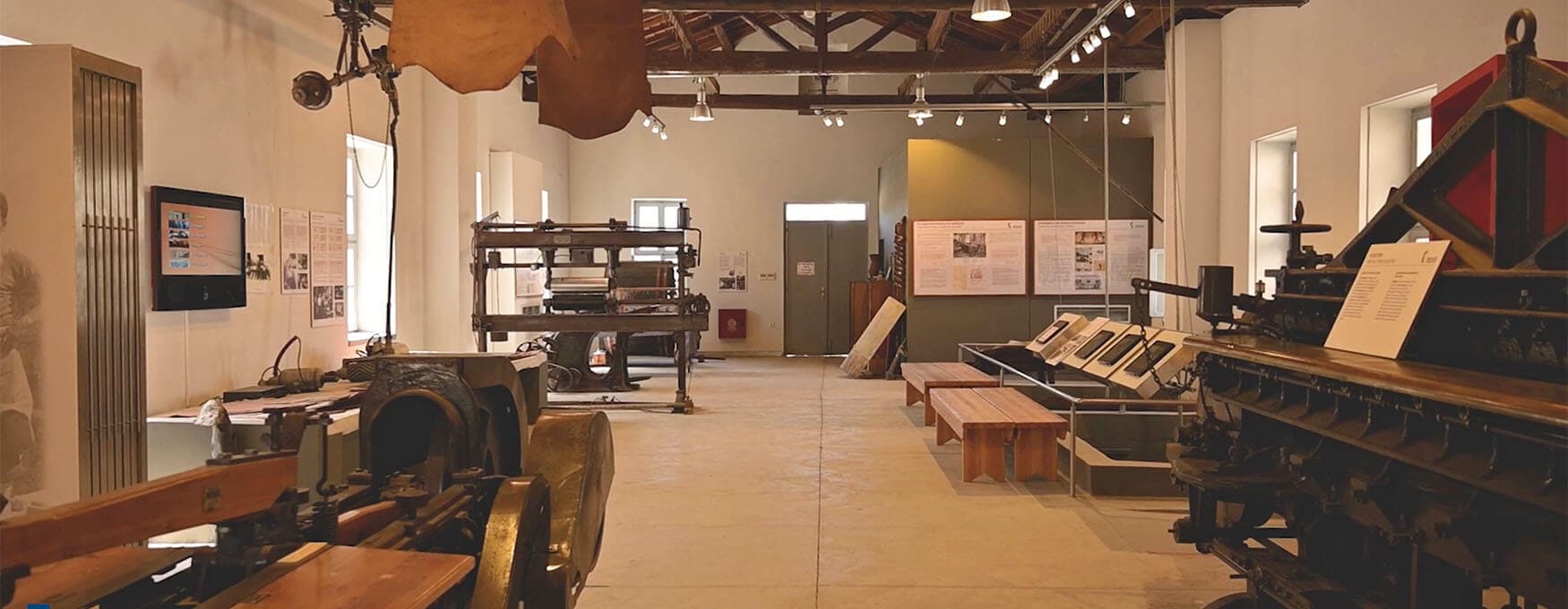
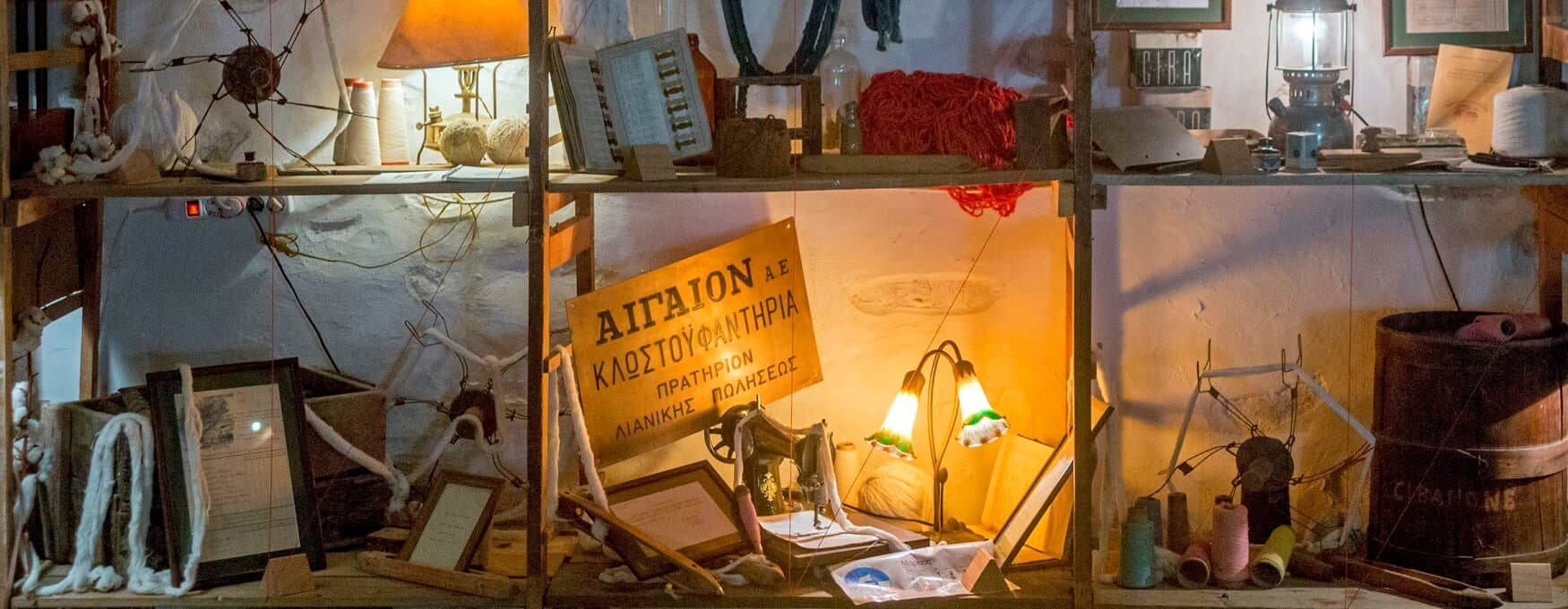
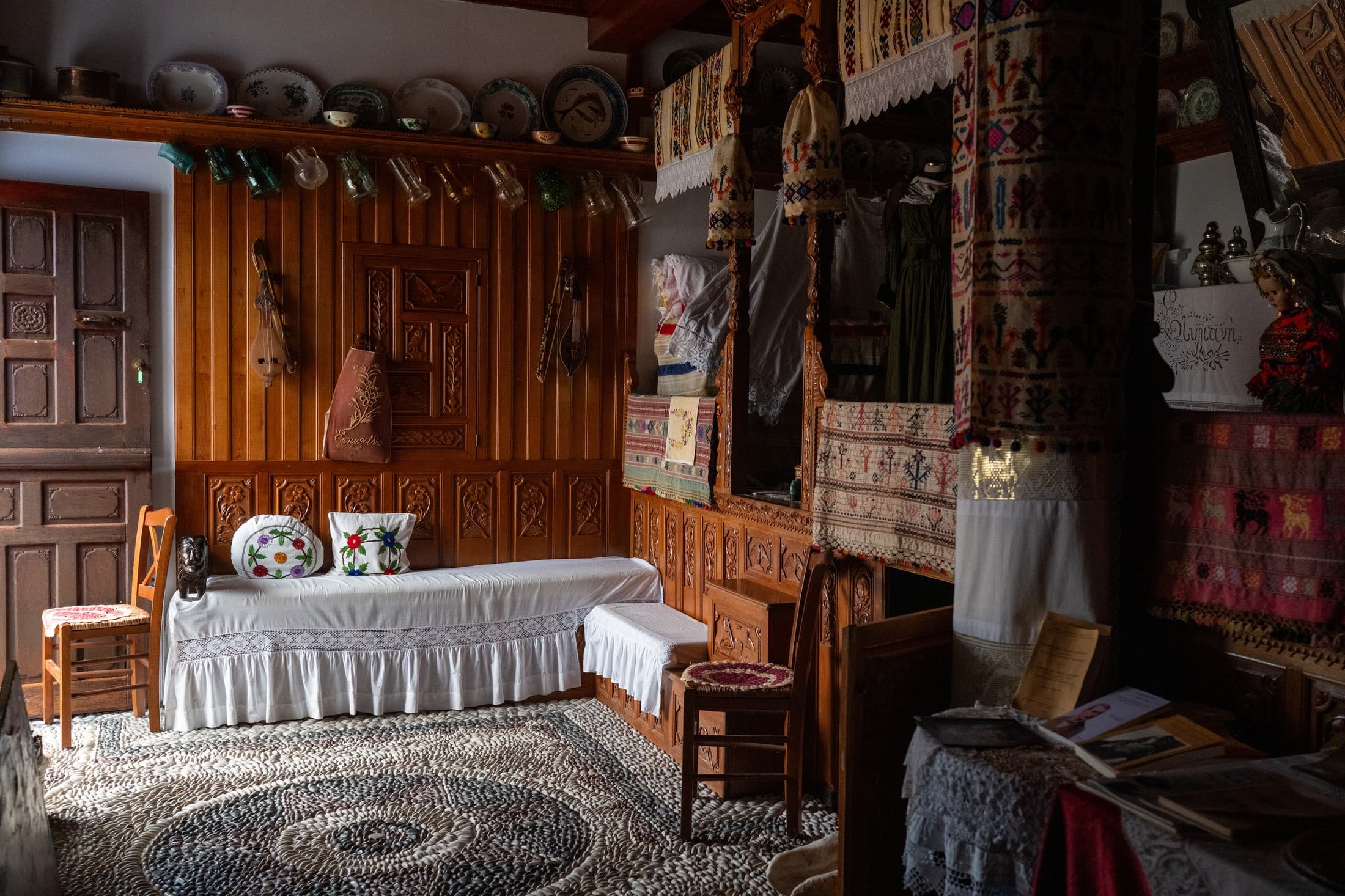
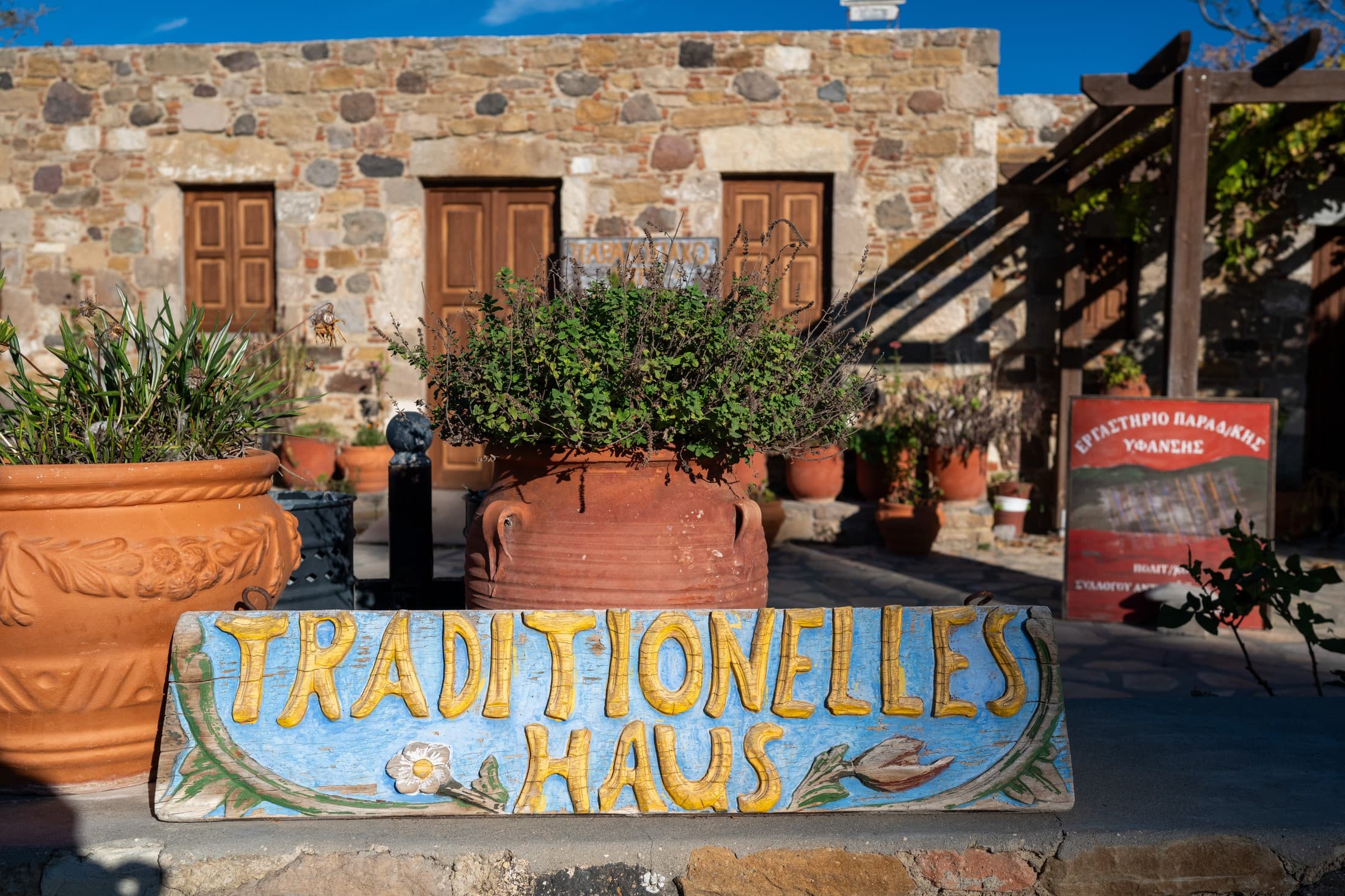
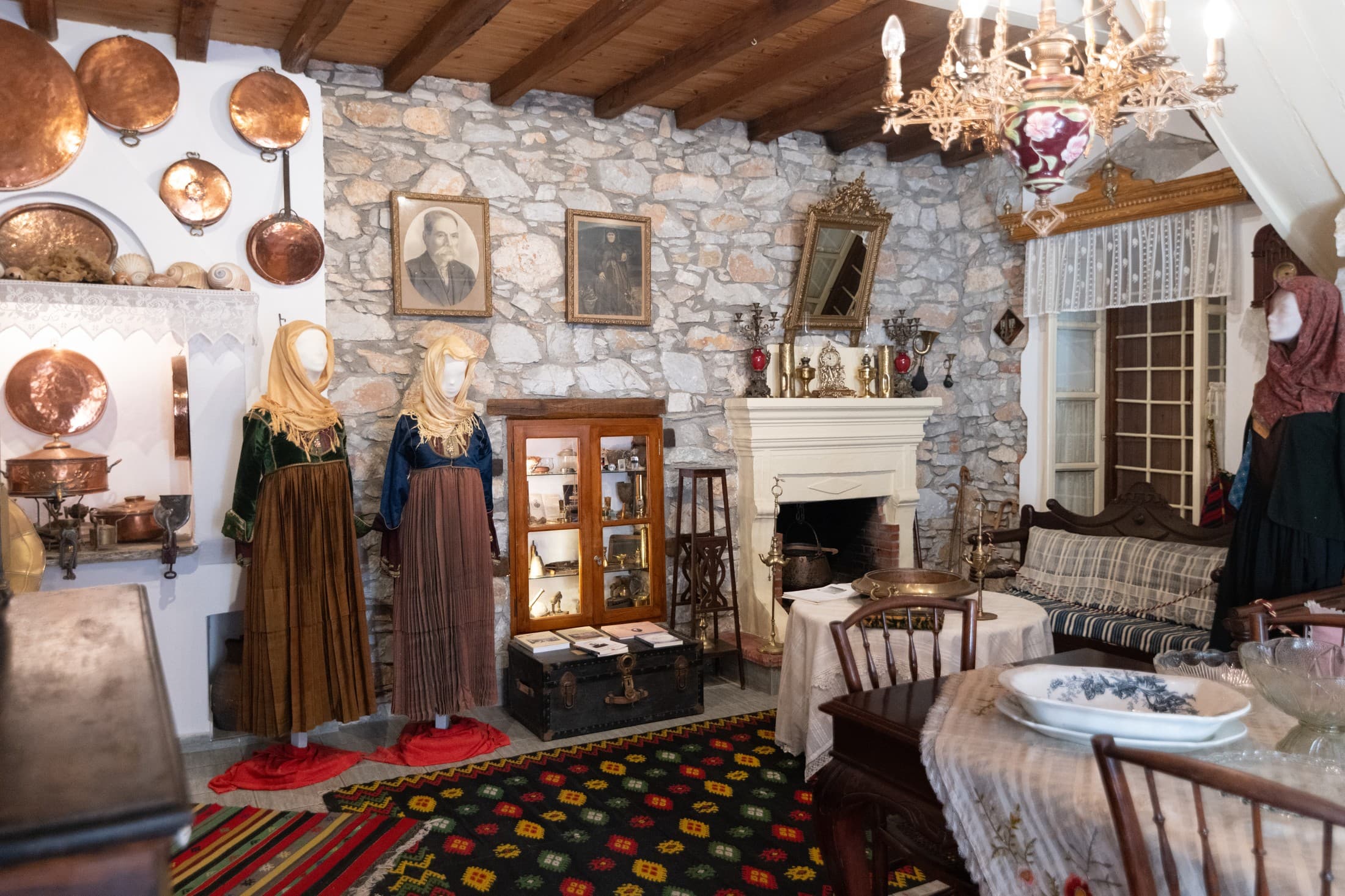
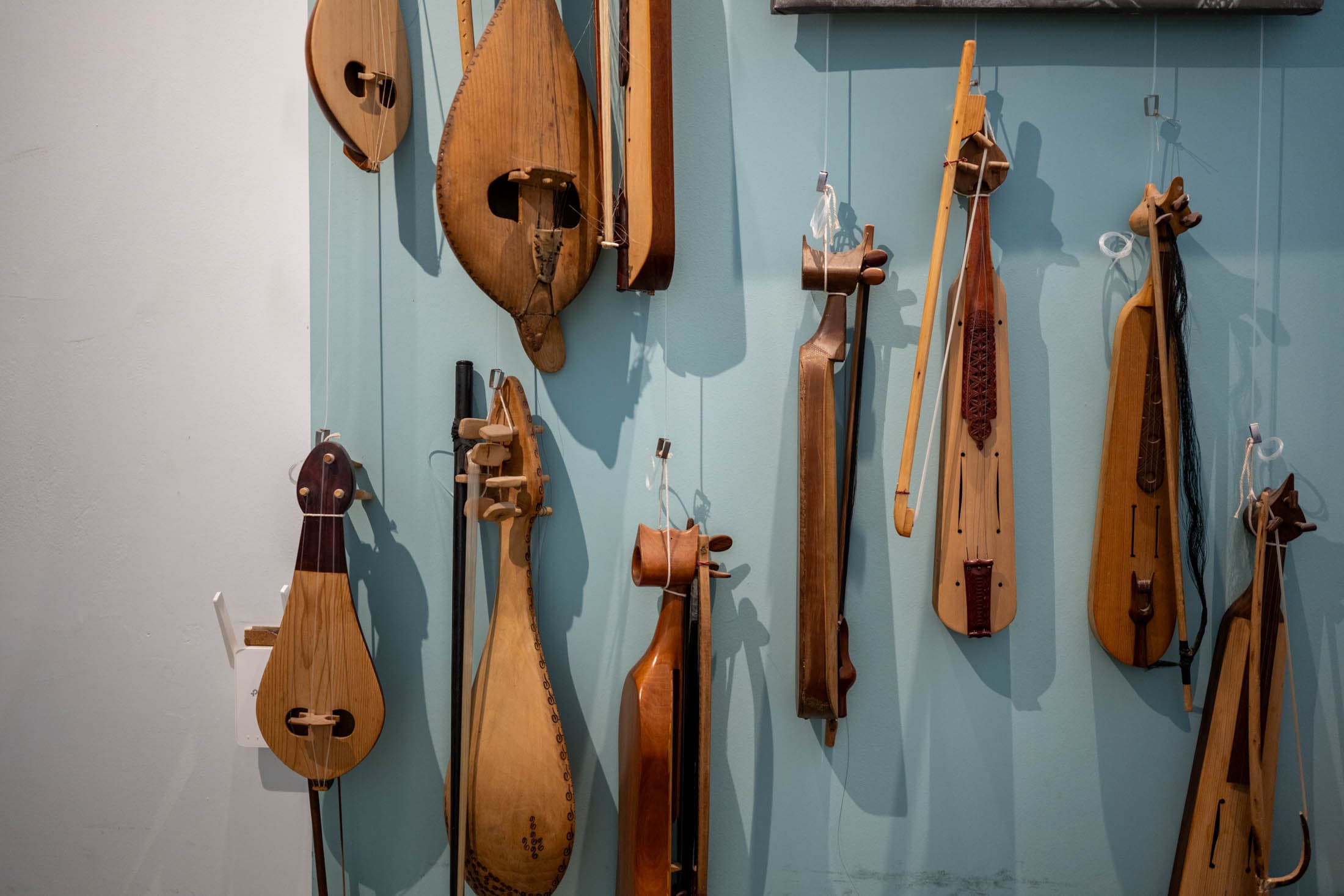
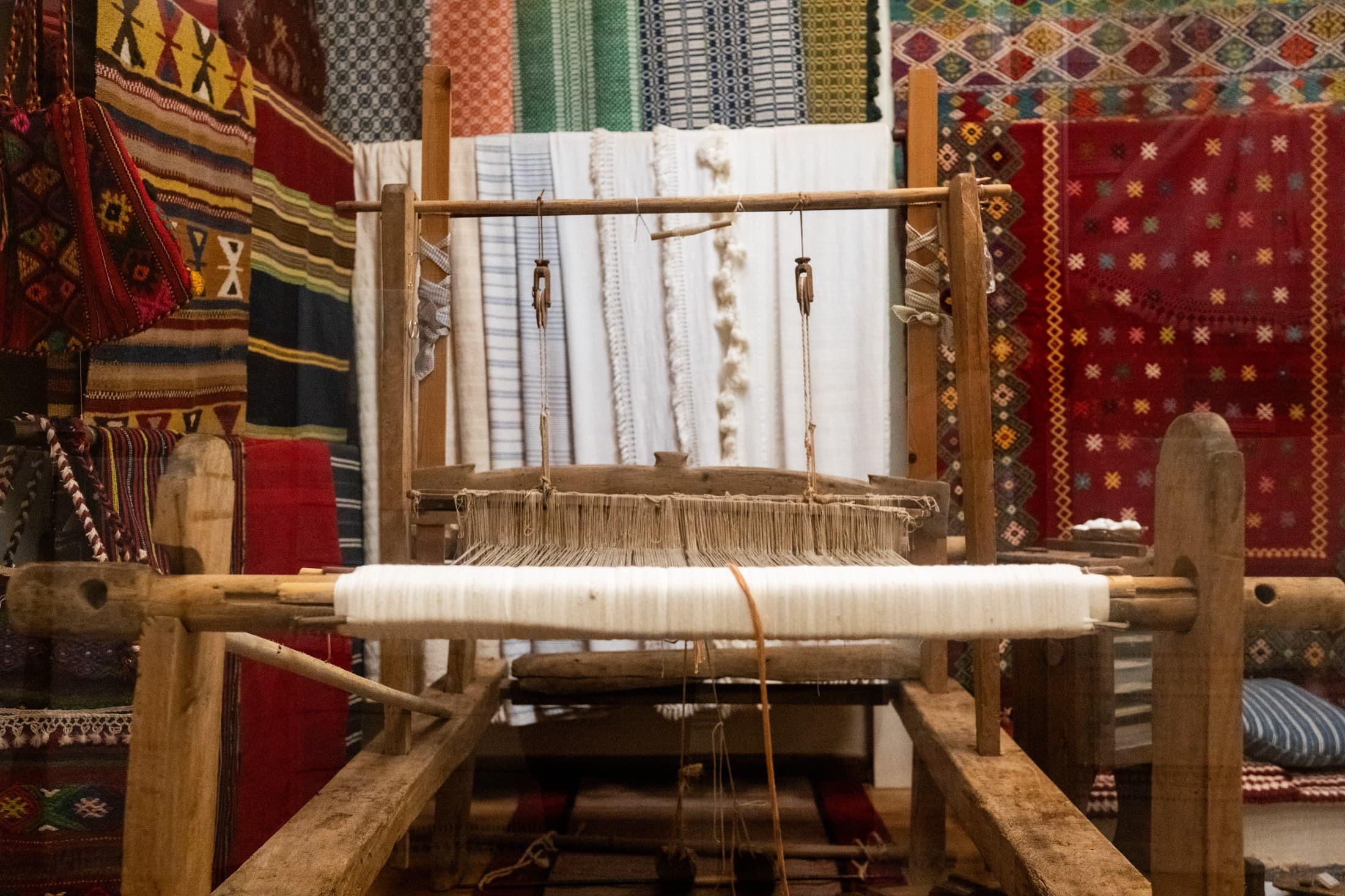
Furthermore, the folklore collections in the villages capture the essence of everyday life in the past. In Kydonies, the old school houses tools of traditional crafts and recreations of traditional rooms with looms. Similar initiatives can be found in the traditional mastorochoria master craftsmen villages of Agios Kosmas and Kiparissi, as well as in Deskati, which boasts a unique collection of dolls dressed in traditional costumes from around the world.
The Ancient Acropolis at Kastri
Archaeological excavations at Kastri have unearthed the ruins of the fortified acropolis of ancient Tymphaea. The buildings and temple discovered date back to the 4th century BC, attesting to the existence of a well-organised Macedonian city that was destroyed by the Romans in 150 BC. Excavations continue, gradually revealing the precious secrets of the ancient kingdom.
Palaeontological Treasures in Milia
The Natural History Museum in Milia, just 15 kilometres from Grevena, is home to the largest prehistoric mastodon tusks in the world, measuring 5.03 metres in length. The area, which 3.5 million years ago was a veritable aquatic paradise, has yielded finds from 19 species of mammals, including rhinoceroses, sabre-toothed cats, and ancient bears. Remarkably, two species were first reported here globally, confirming that Greece served as a refuge for wildlife during the glacial periods in Europe.
Mushrooms and Folk Traditions
In the village of Lavda, the Mushroom Museum, housed in the old stone school, unveils the enchanting world of fungi through recreations of their natural habitats and extensive audiovisual material. For your visit, especially during the winter months, it is advisable to coordinate with the local association as there is no permanent staff.
Furthermore, the folklore collections in the villages capture the essence of everyday life in the past. In Kydonies, the old school houses tools of traditional crafts and recreations of traditional rooms with looms. Similar initiatives can be found in the traditional mastorochoria master craftsmen villages of Agios Kosmas and Kiparissi, as well as in Deskati, which boasts a unique collection of dolls dressed in traditional costumes from around the world.
The Ancient Acropolis at Kastri
Archaeological excavations at Kastri have unearthed the ruins of the fortified acropolis of ancient Tymphaea. The buildings and temple discovered date back to the 4th century BC, attesting to the existence of a well-organised Macedonian city that was destroyed by the Romans in 150 BC. Excavations continue, gradually revealing the precious secrets of the ancient kingdom.