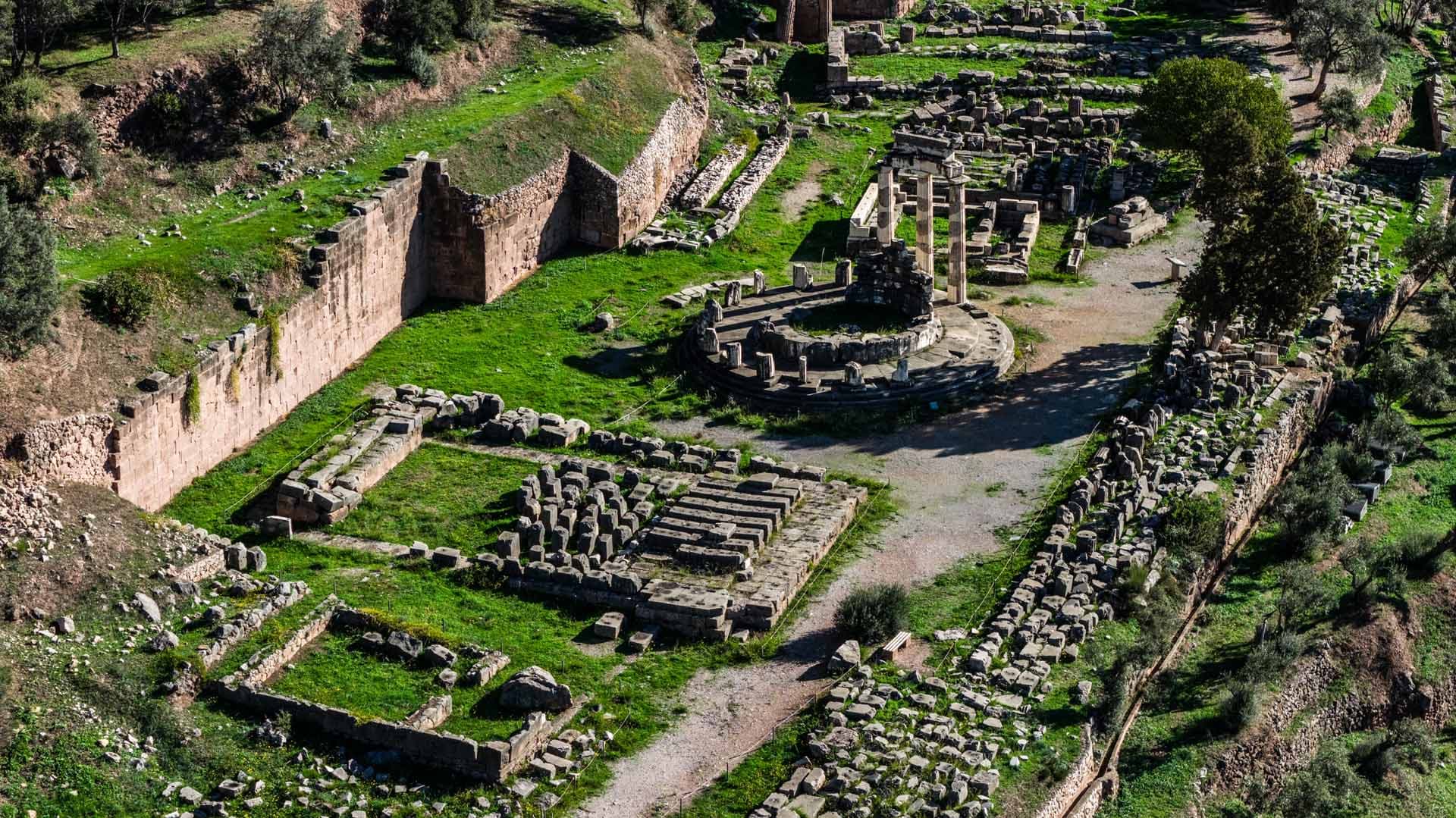
An ancient city living in the light and silence of the landscape
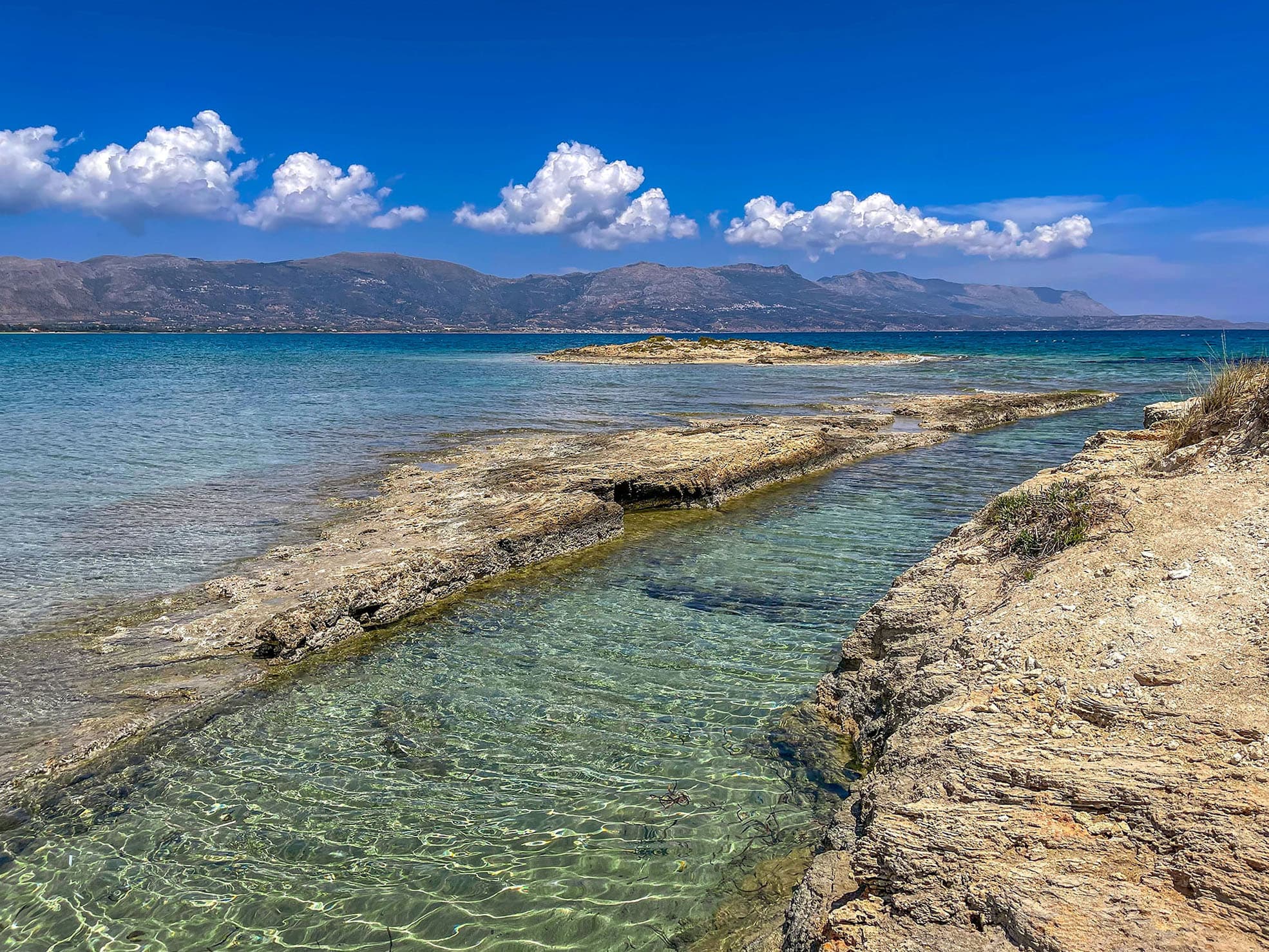
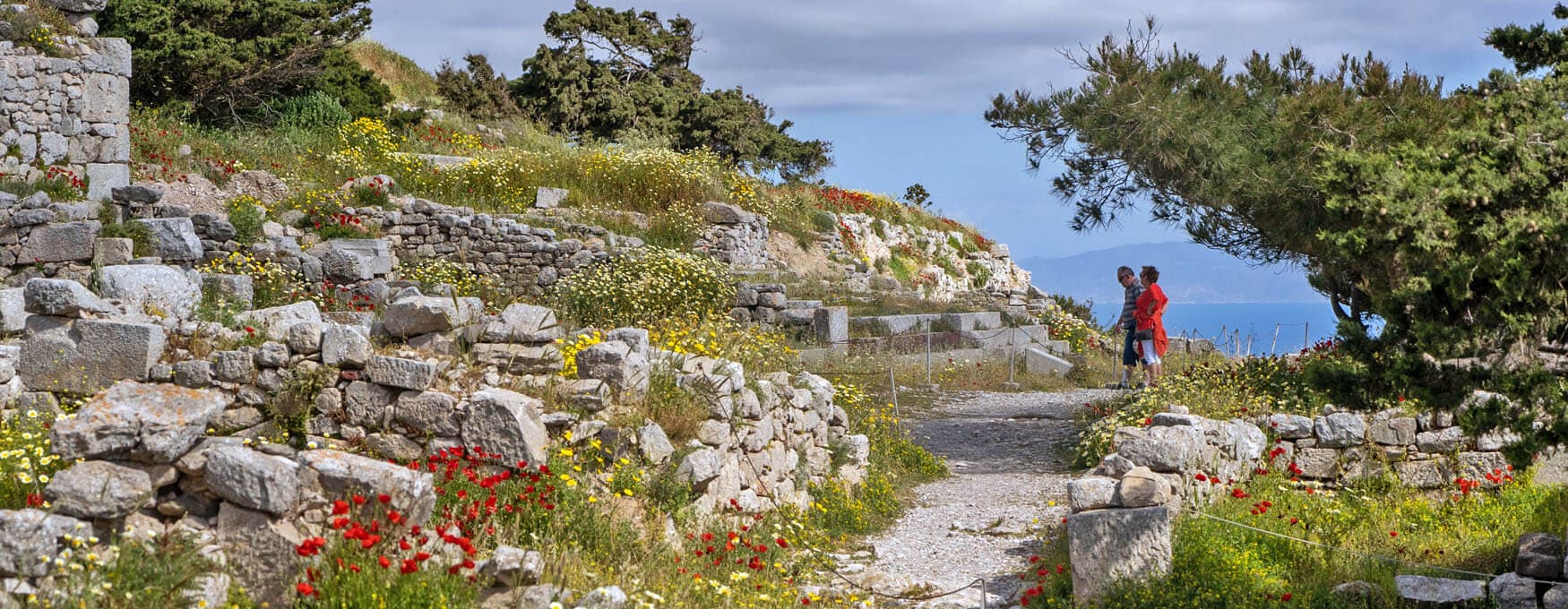
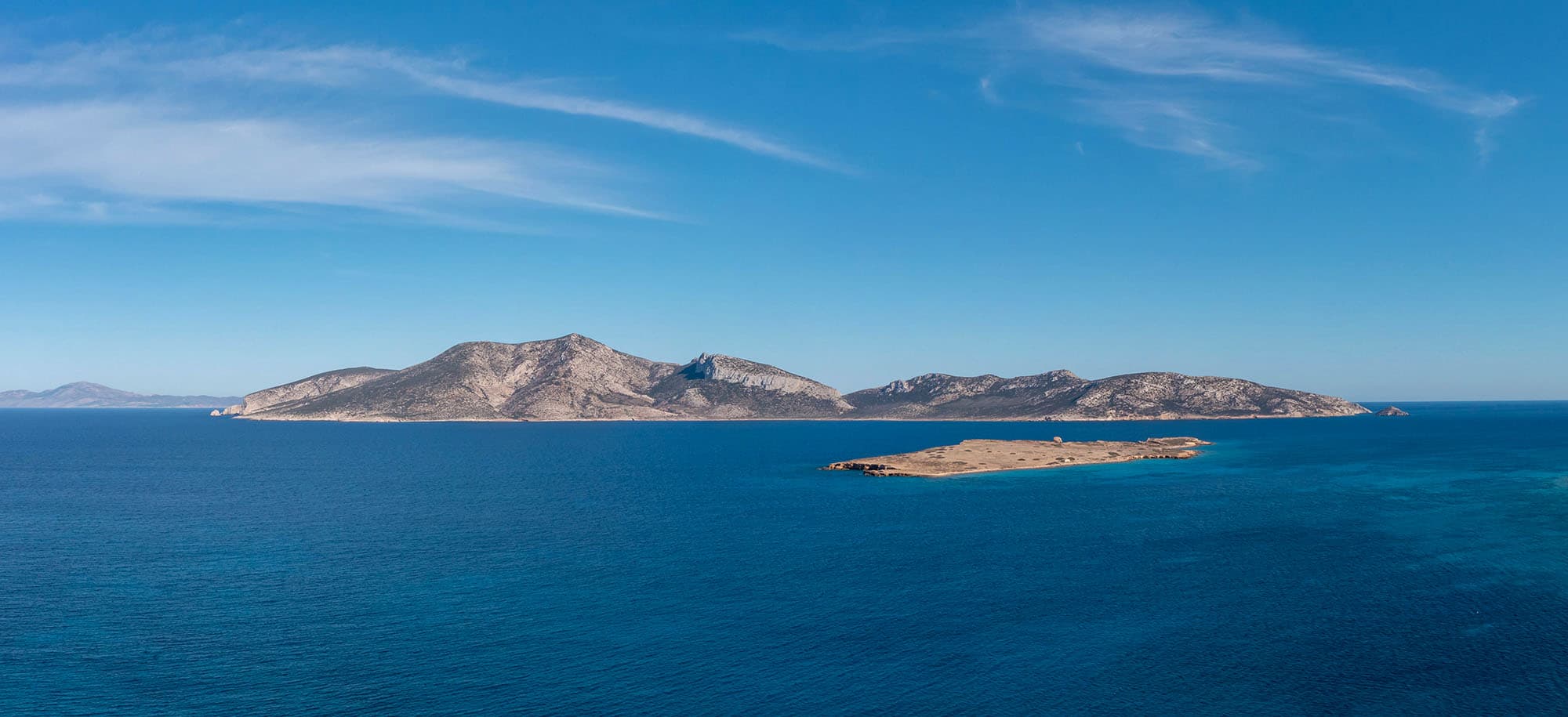
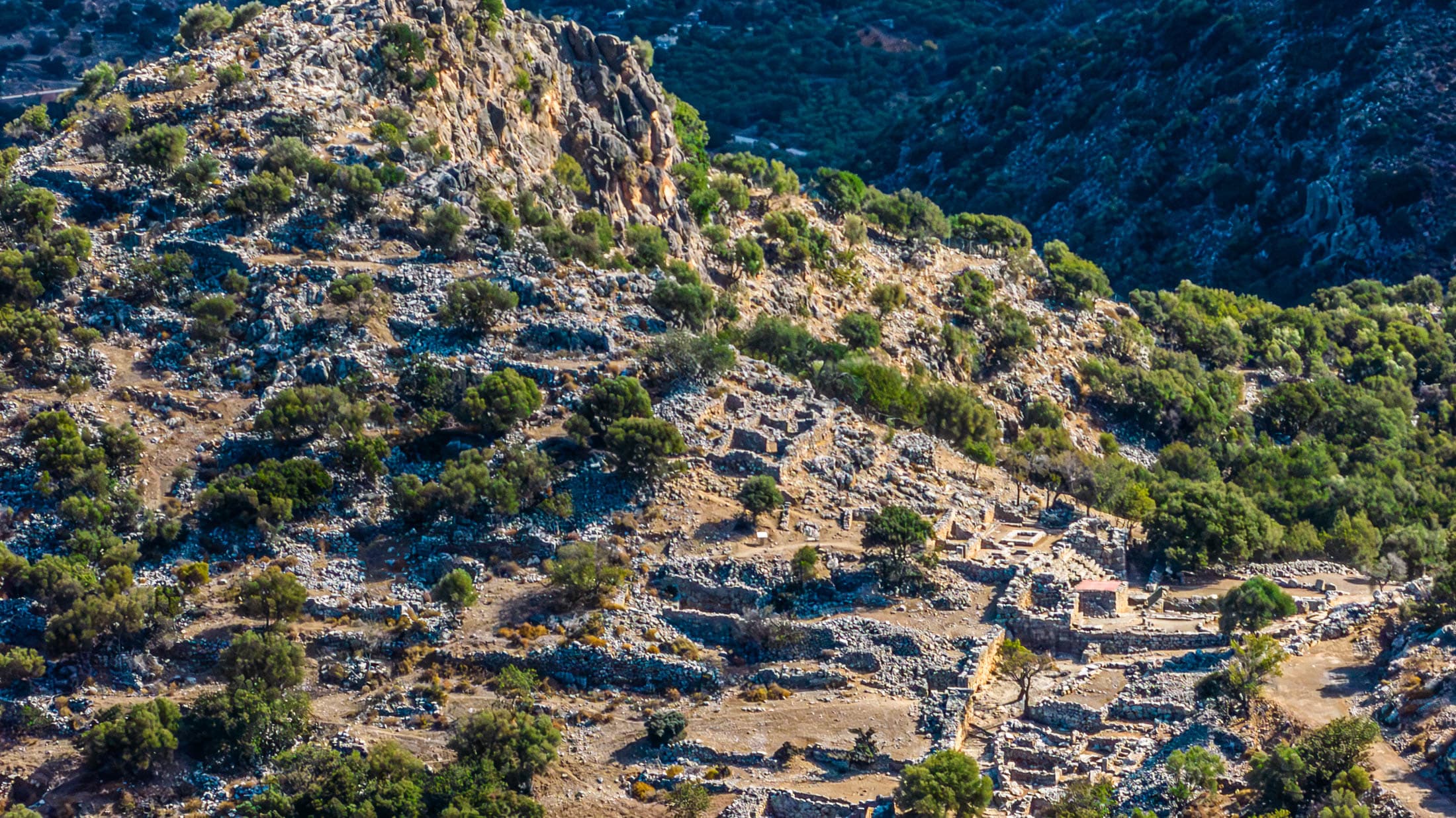
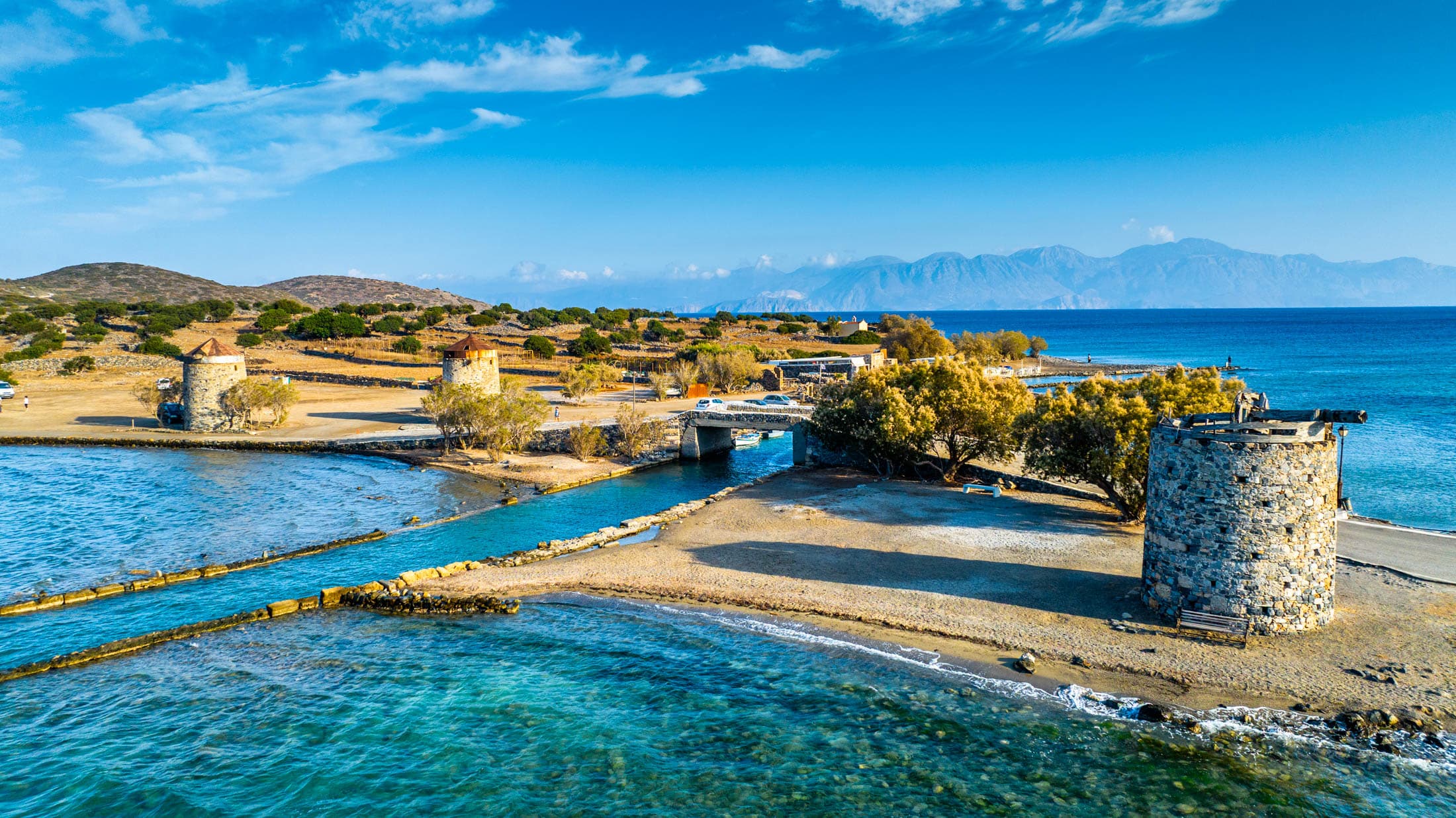
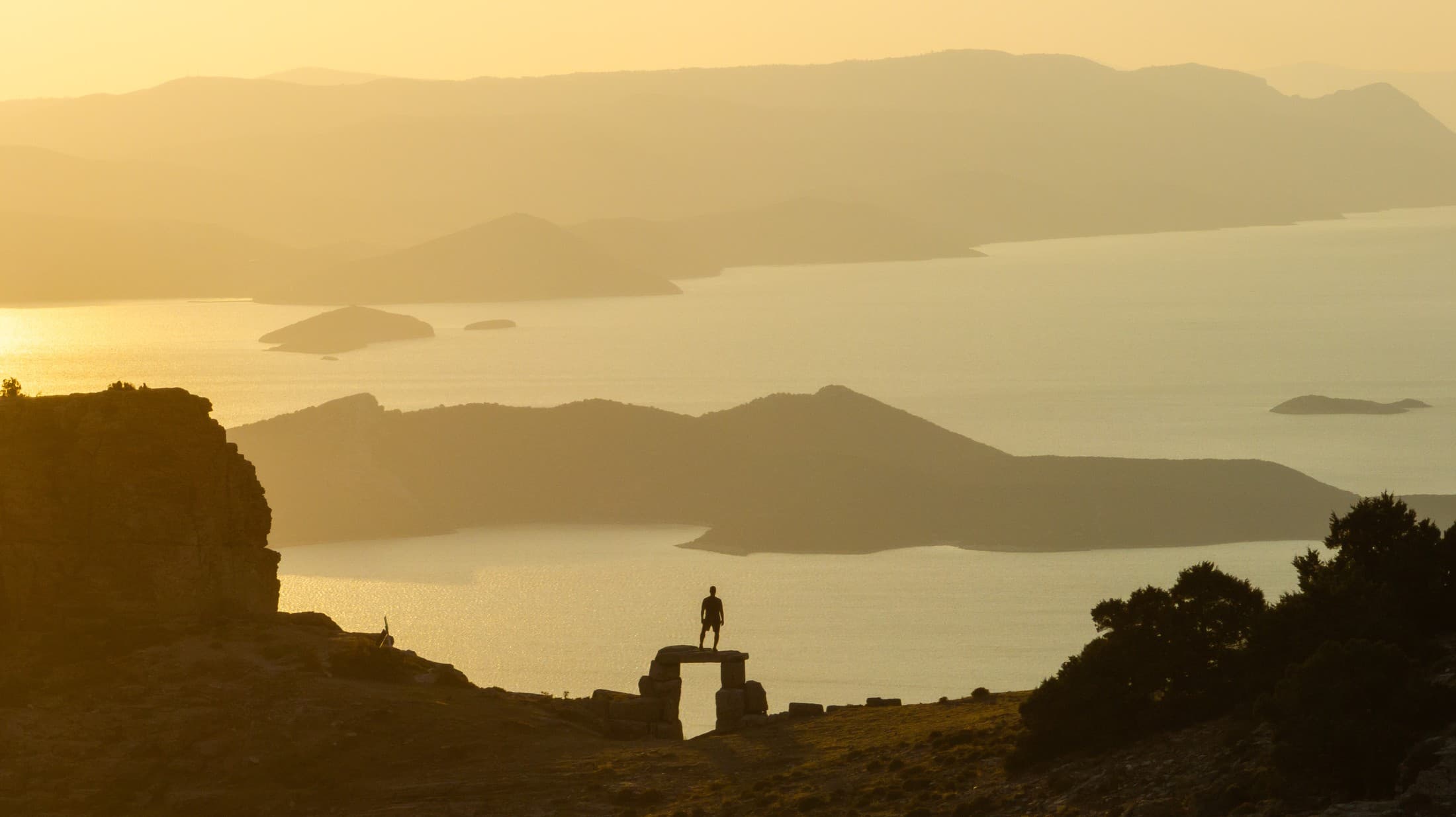
Karthaia is hidden at the south-eastern tip of Kea. To reach it, you will walk along paths that have followed the same stonework for 2,500 years. At the end, when the sea opens before you at the double bay of Poles, you will understand why Pindar wrote that he would not trade “this narrow, rocky breast even for Babylon”.
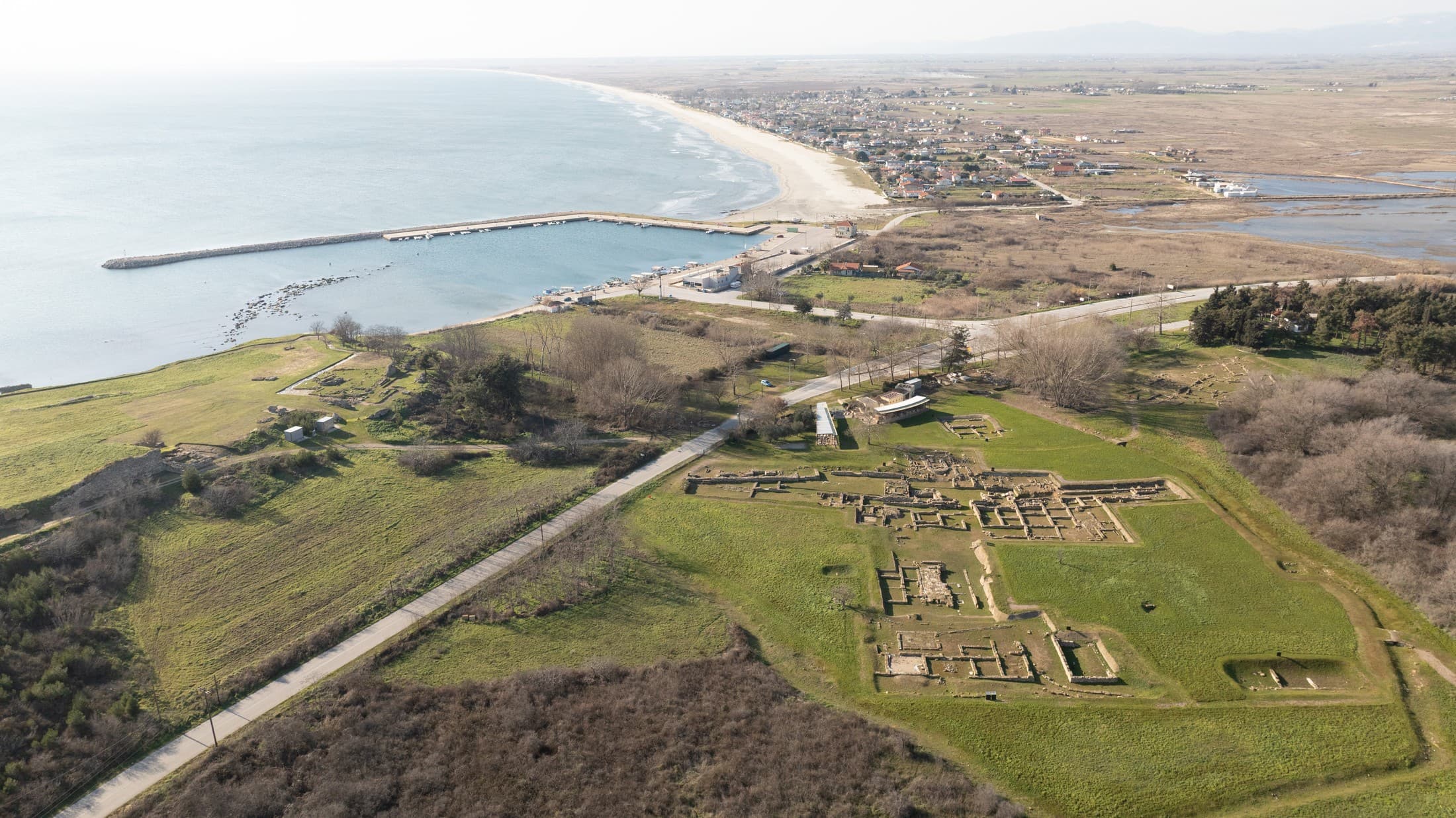
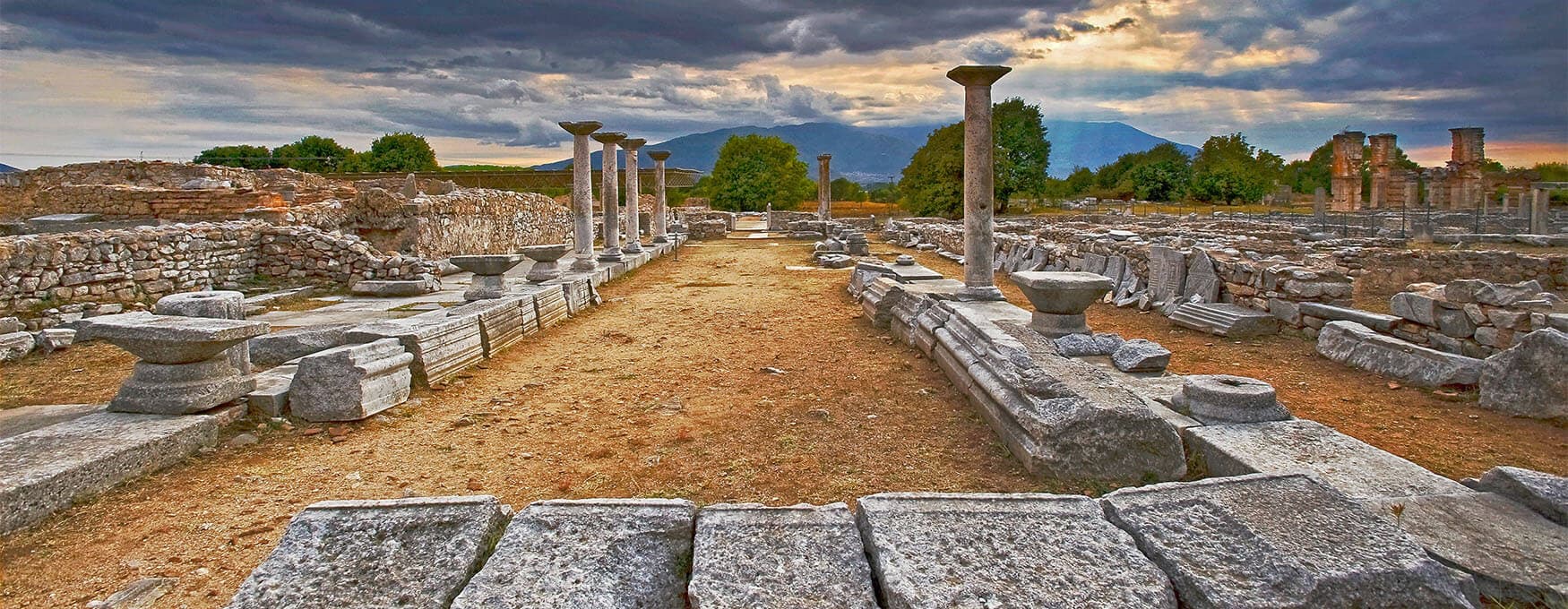
Ancient Karthaia was one of the four city-states of Kea. It developed in the 8th century BC, flourished during the Classical years, and remained alive until the 7th century AD. Since then, it became hidden within nature until excavations began to reveal it in the early 20th century.
Approach it from the paths of Agios Symeon or Kato Meria (trails 3, 5, 6, 7). The trek lasts approximately two hours and is gentle but exposed to the sun. Sea access is also possible: the bay of Poles accommodates small boats and serves as an ideal starting point.
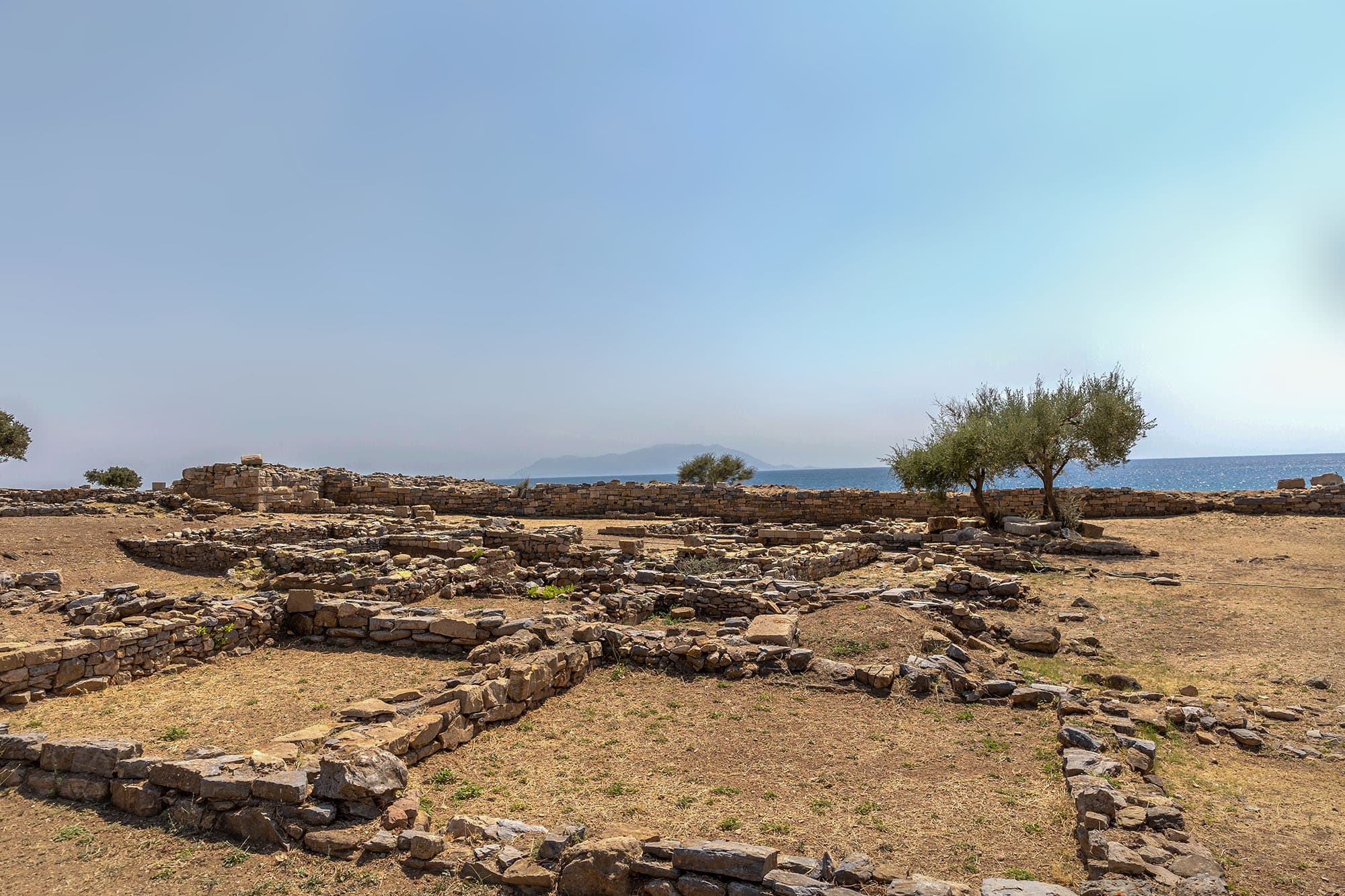
In Karthaia, there are no fences or tickets. As you approach, the landscape becomes barer, the light clearer, and the sound of the sea more piercing.
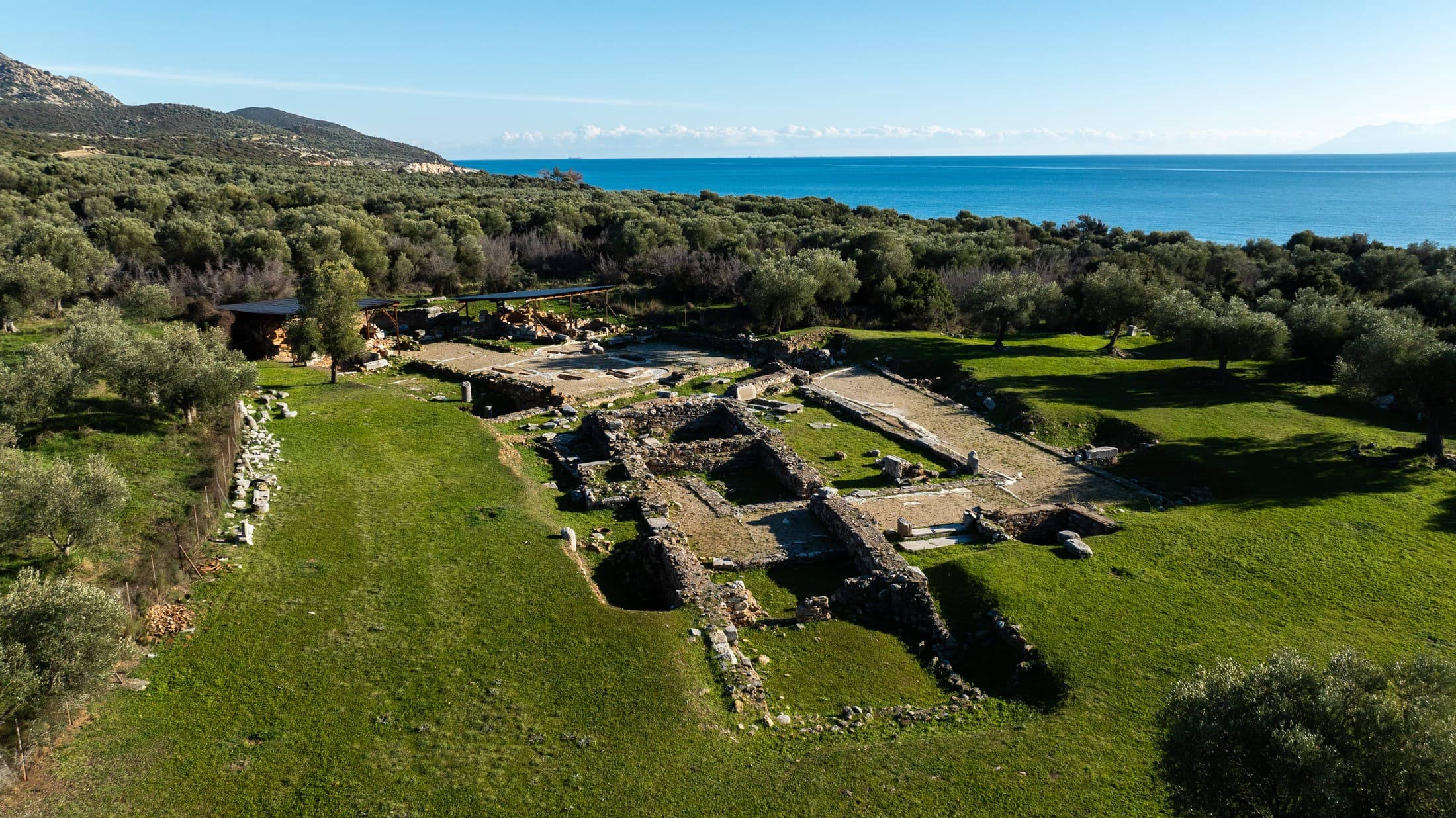
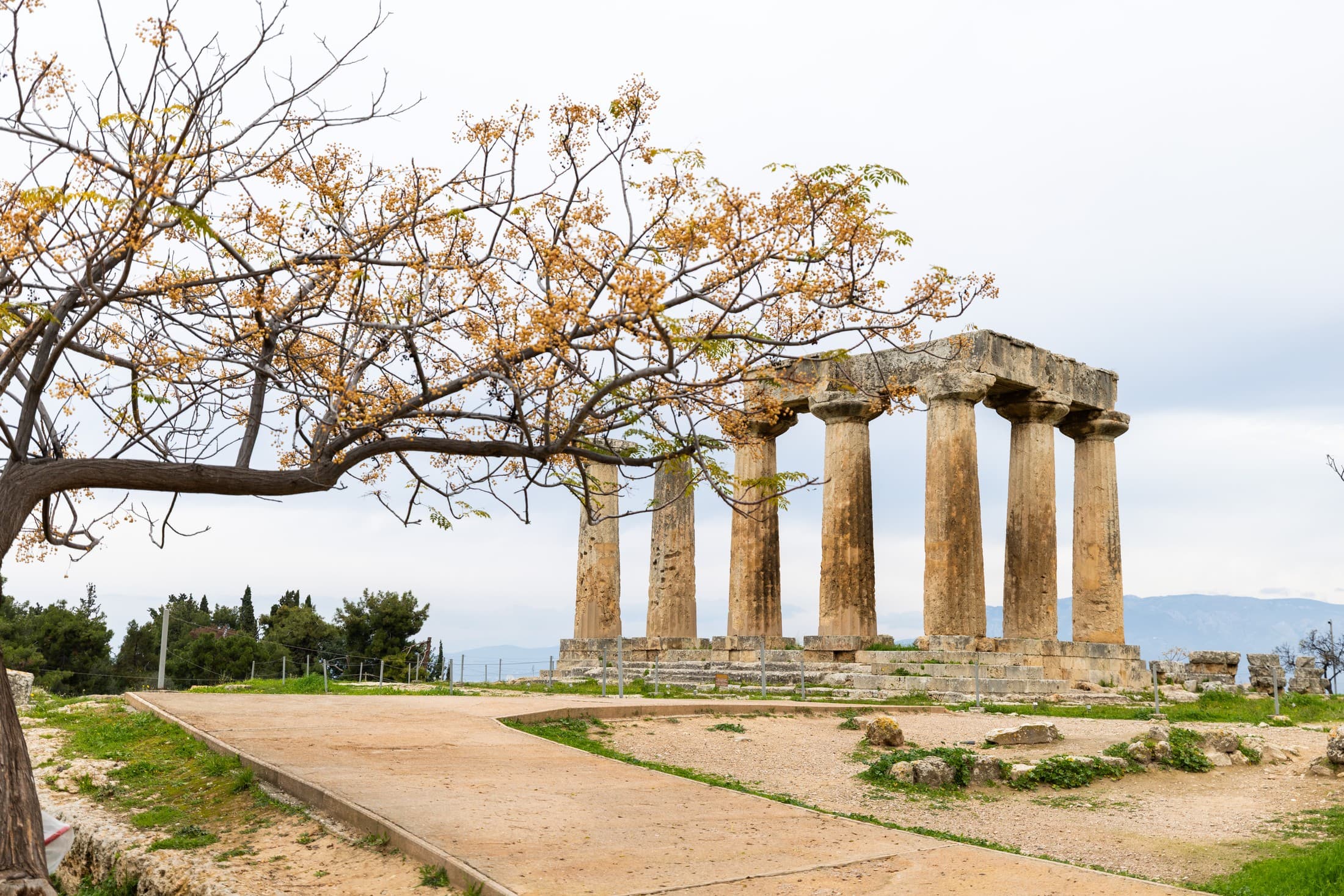
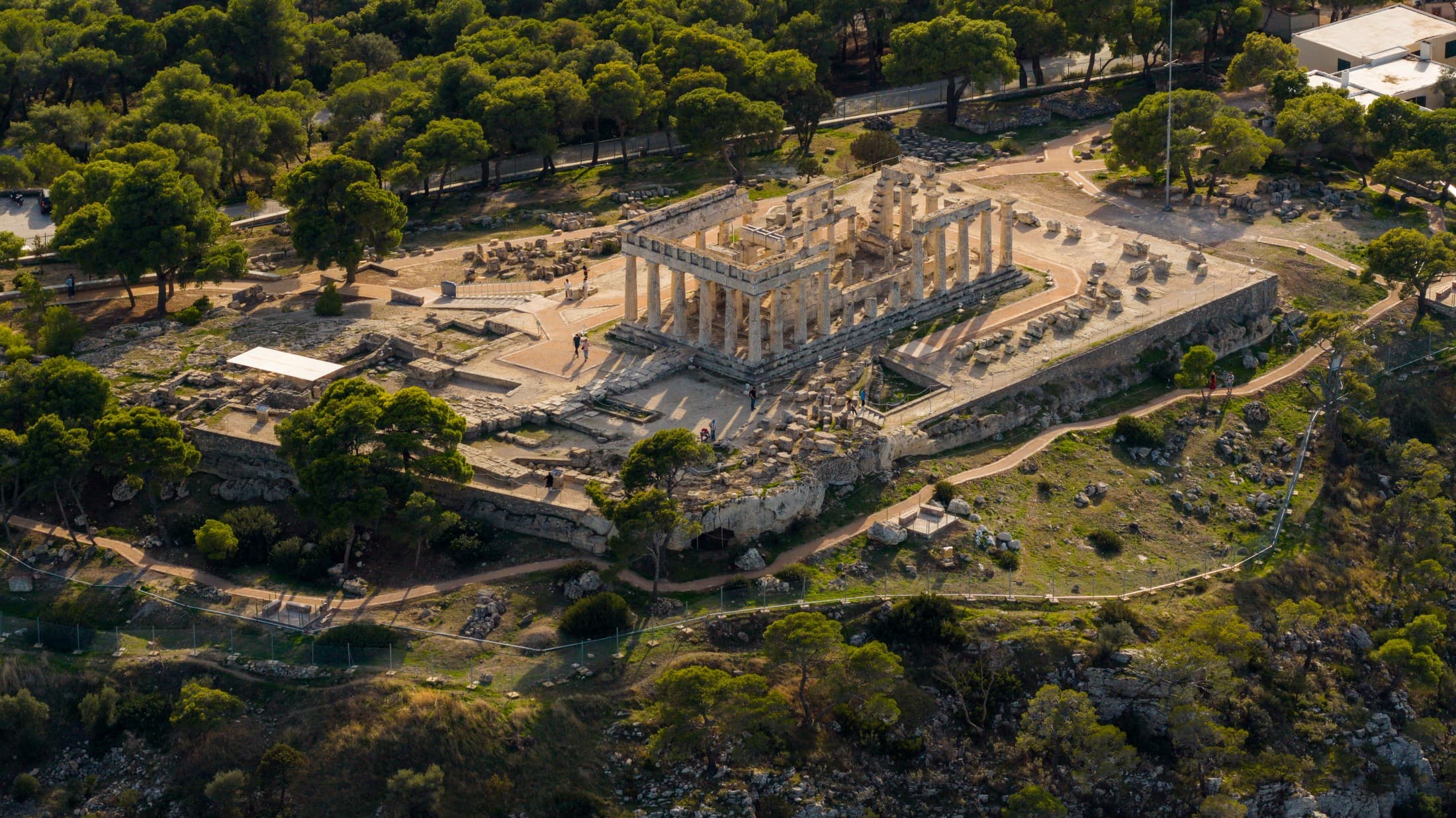
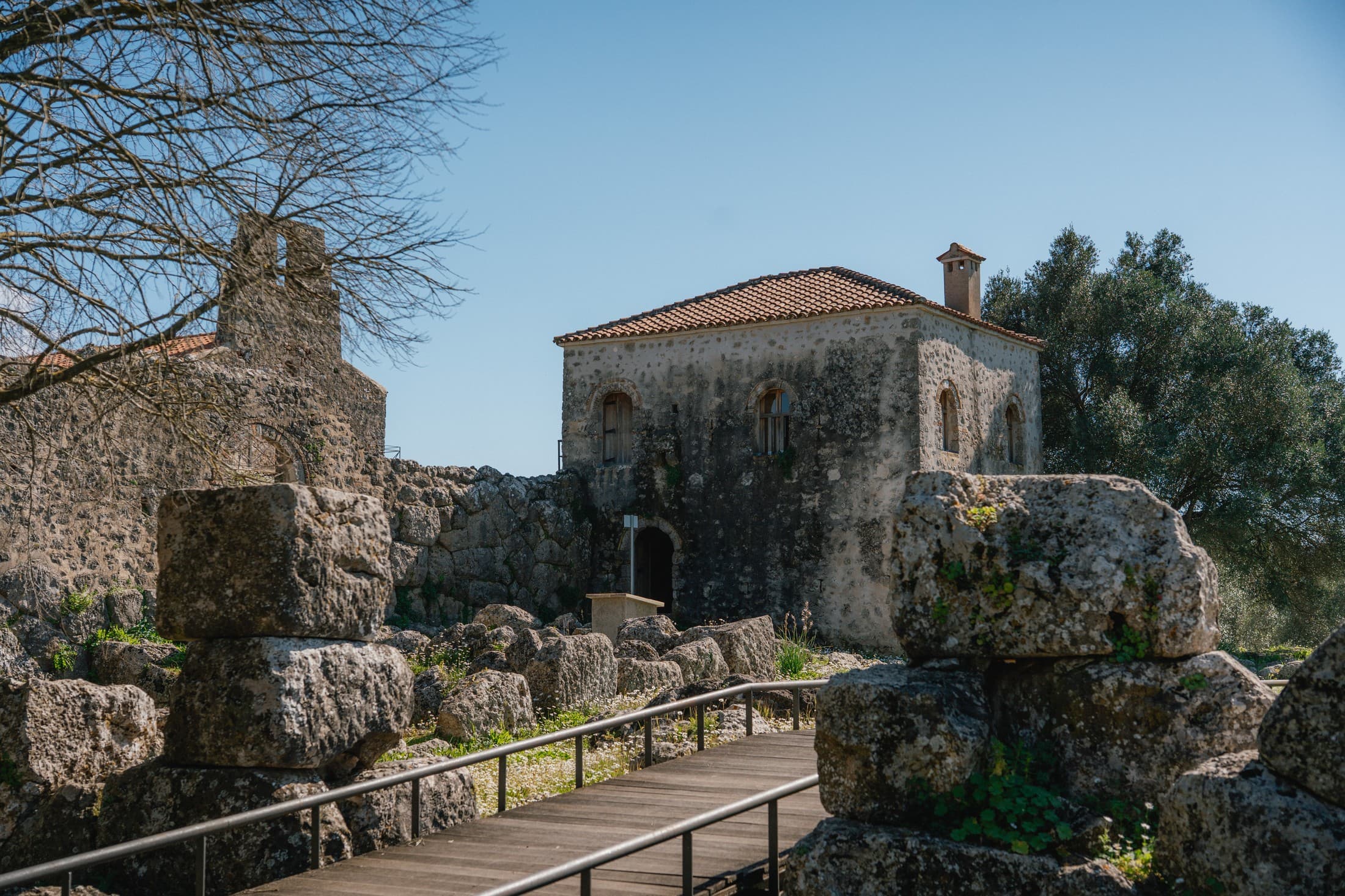
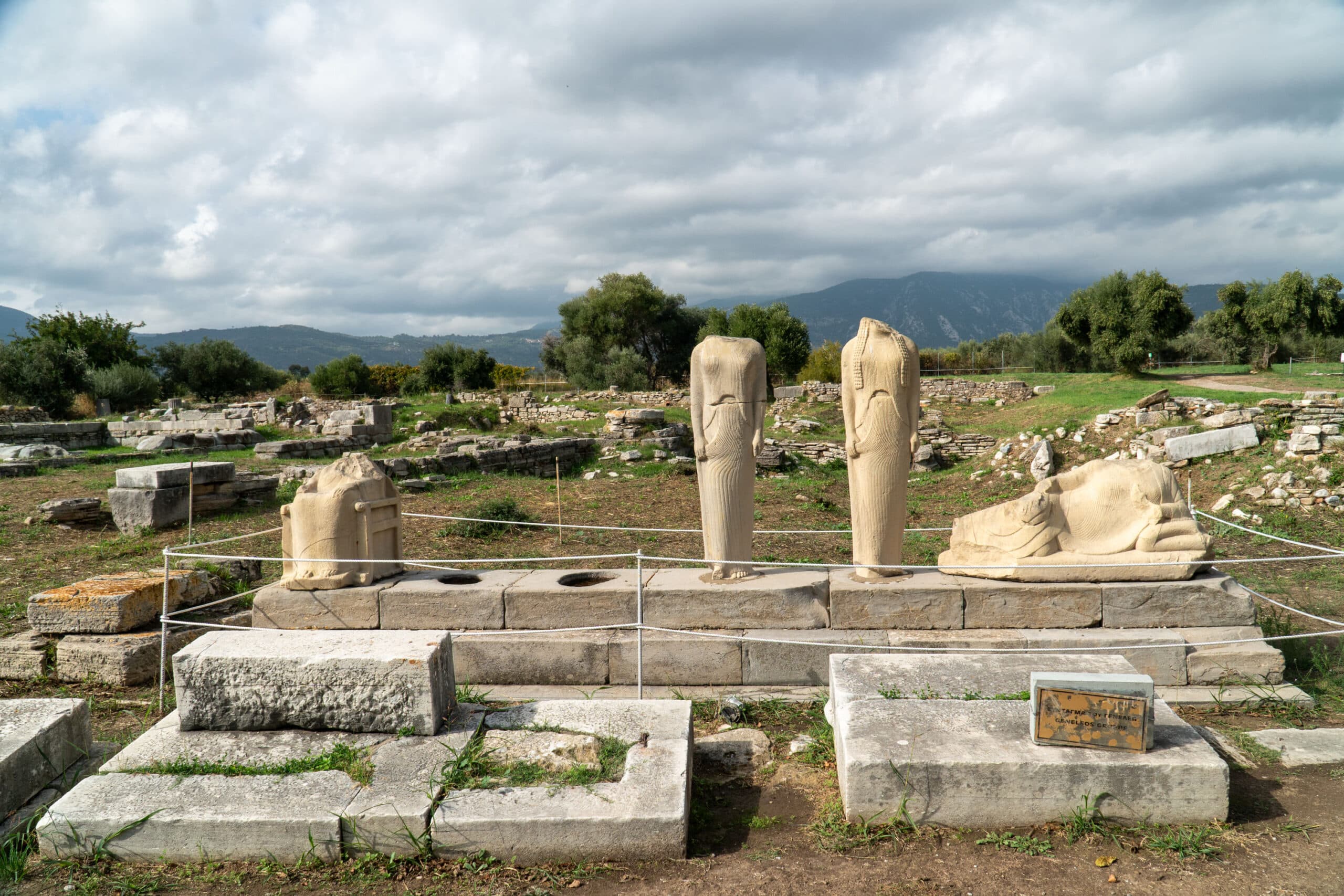
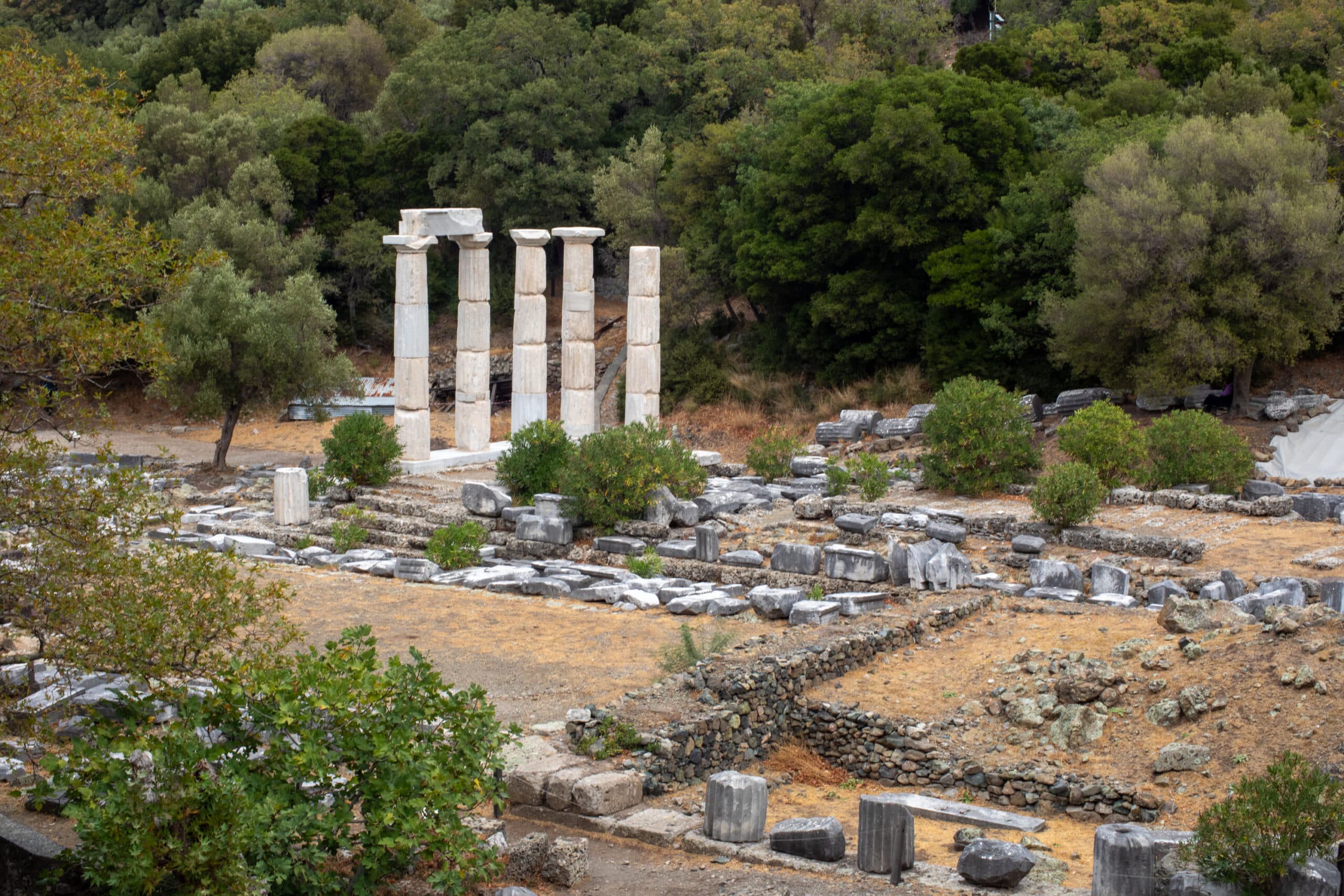
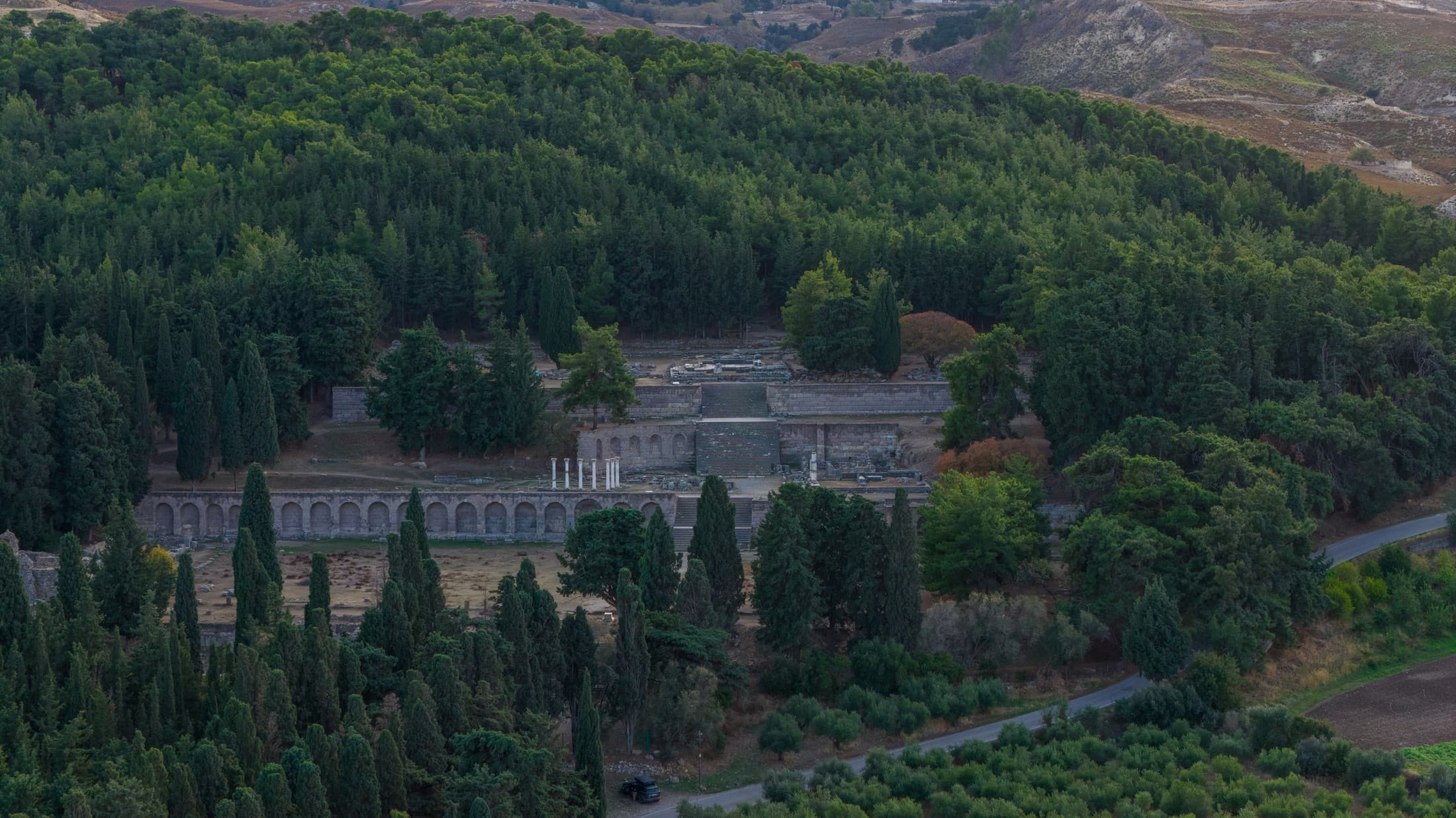
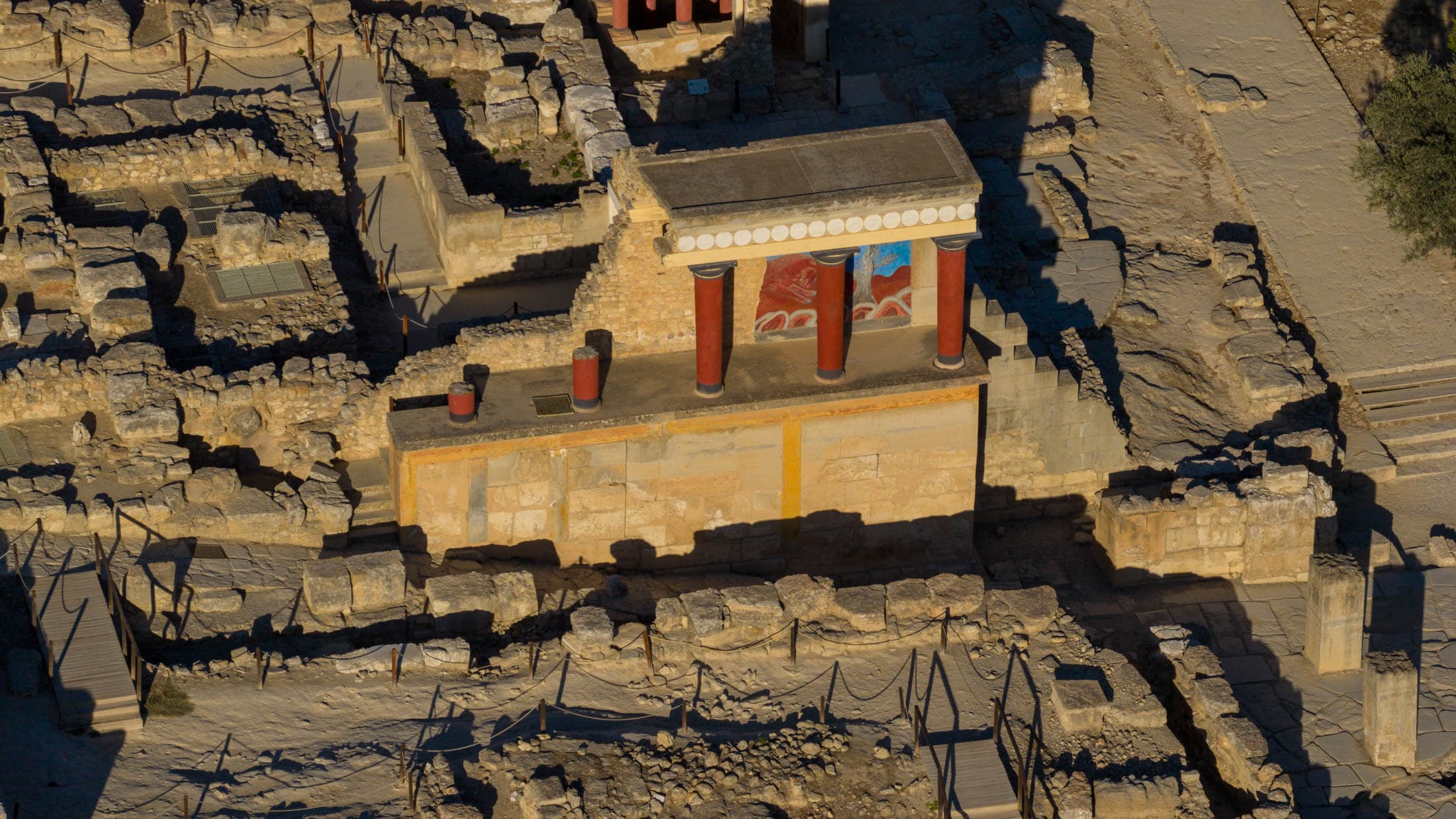
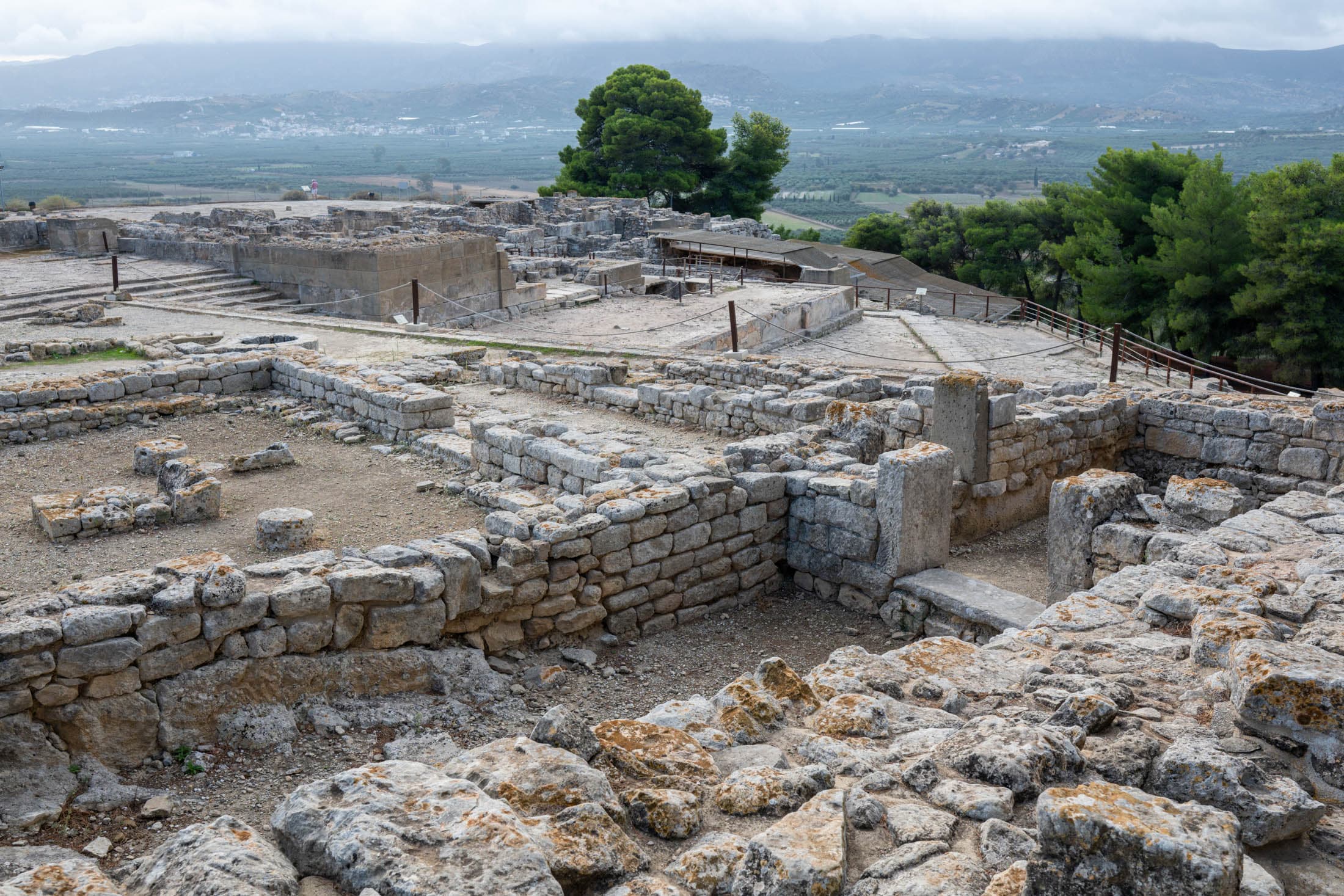
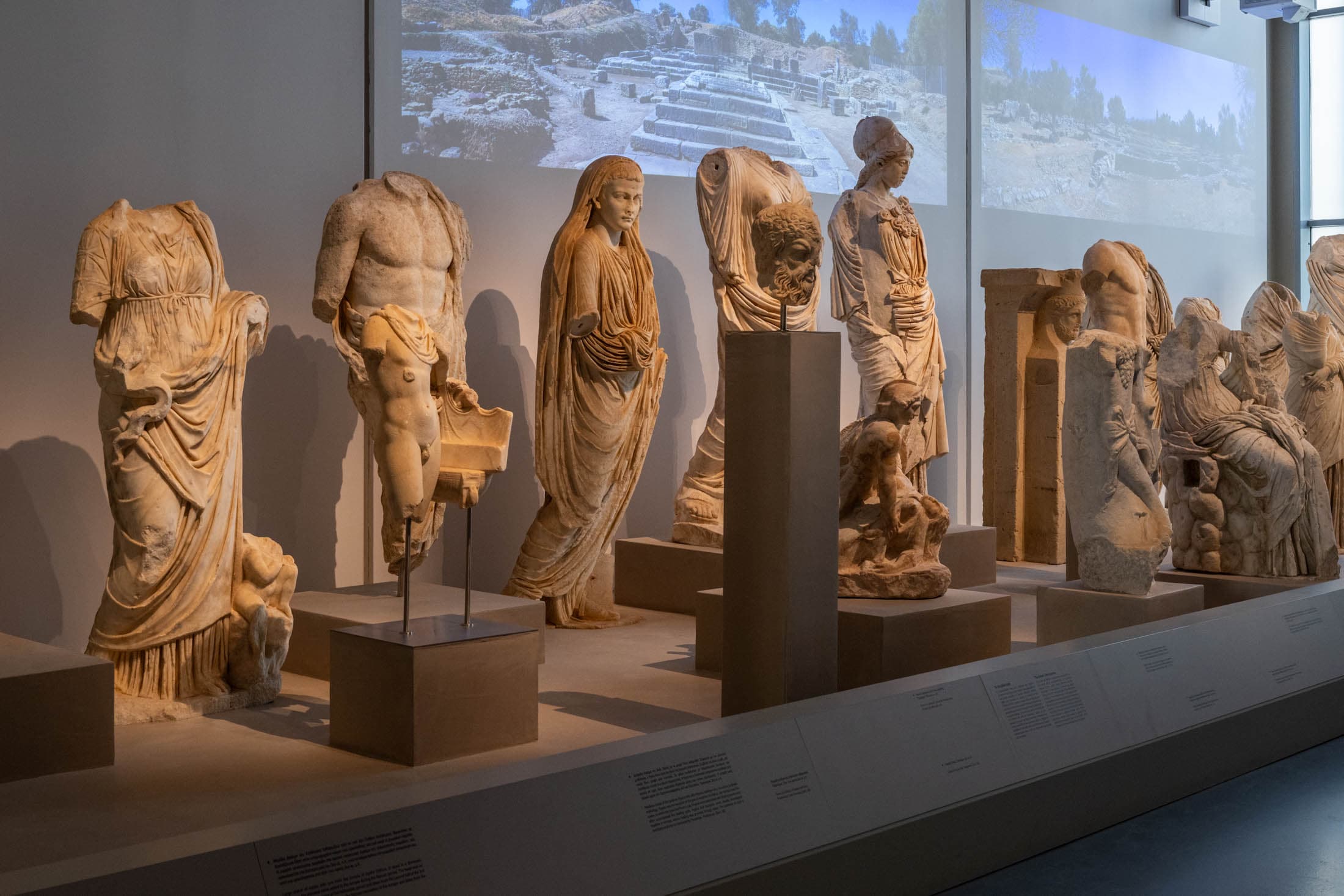
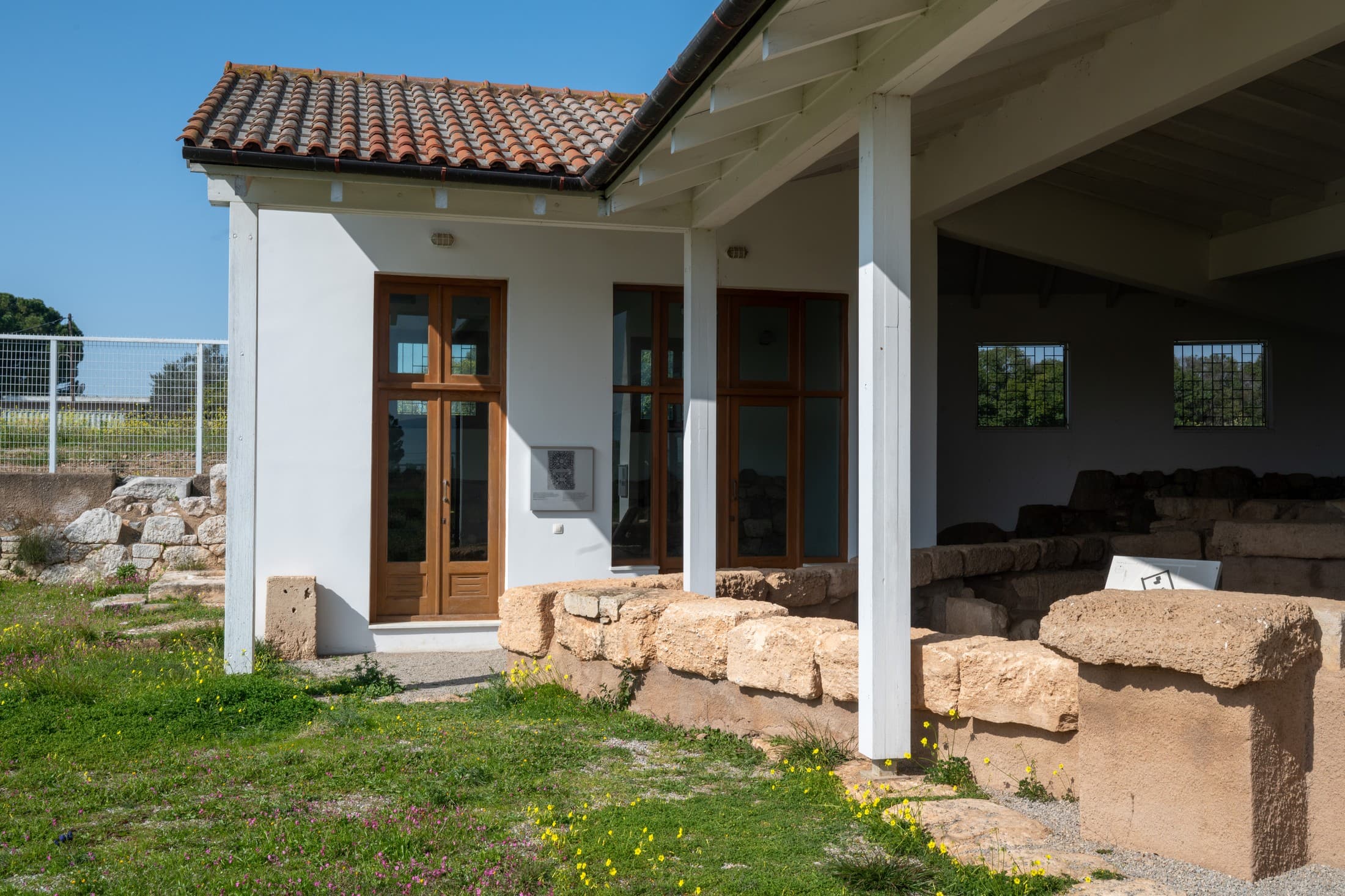
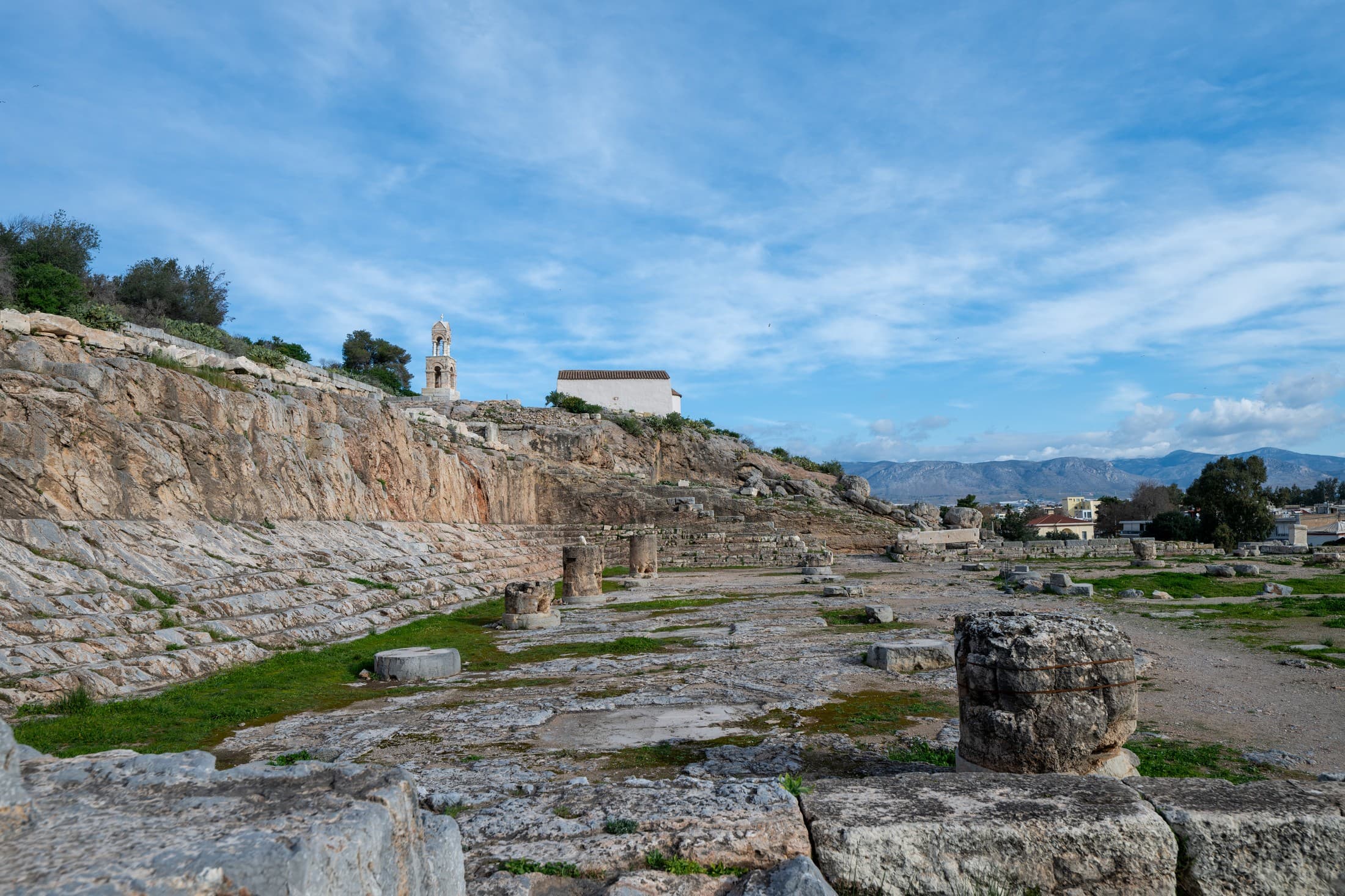
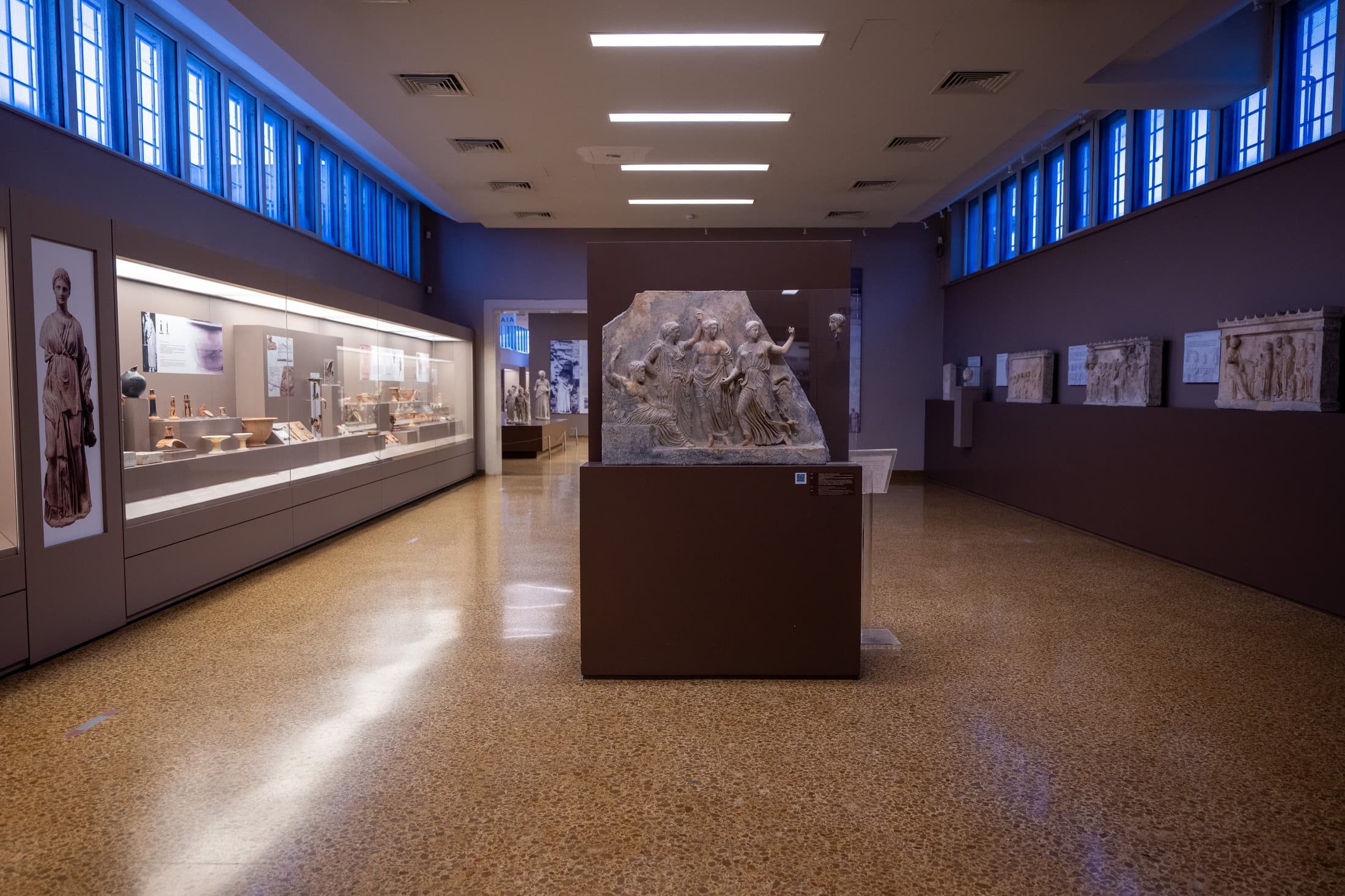
Heading down towards the sea, you will see the Temple of Pythian Apollo (530 BC), one of the best-preserved Doric temples in the Aegean, made of local grey limestone. On the next hill stands the Temple of Athena (circa 500 BC), the oldest known Doric peripteral temple in the Cyclades. Its pediments, depicting the Amazonomachy, are on exhibit at the Archaeological Museum of Kea.
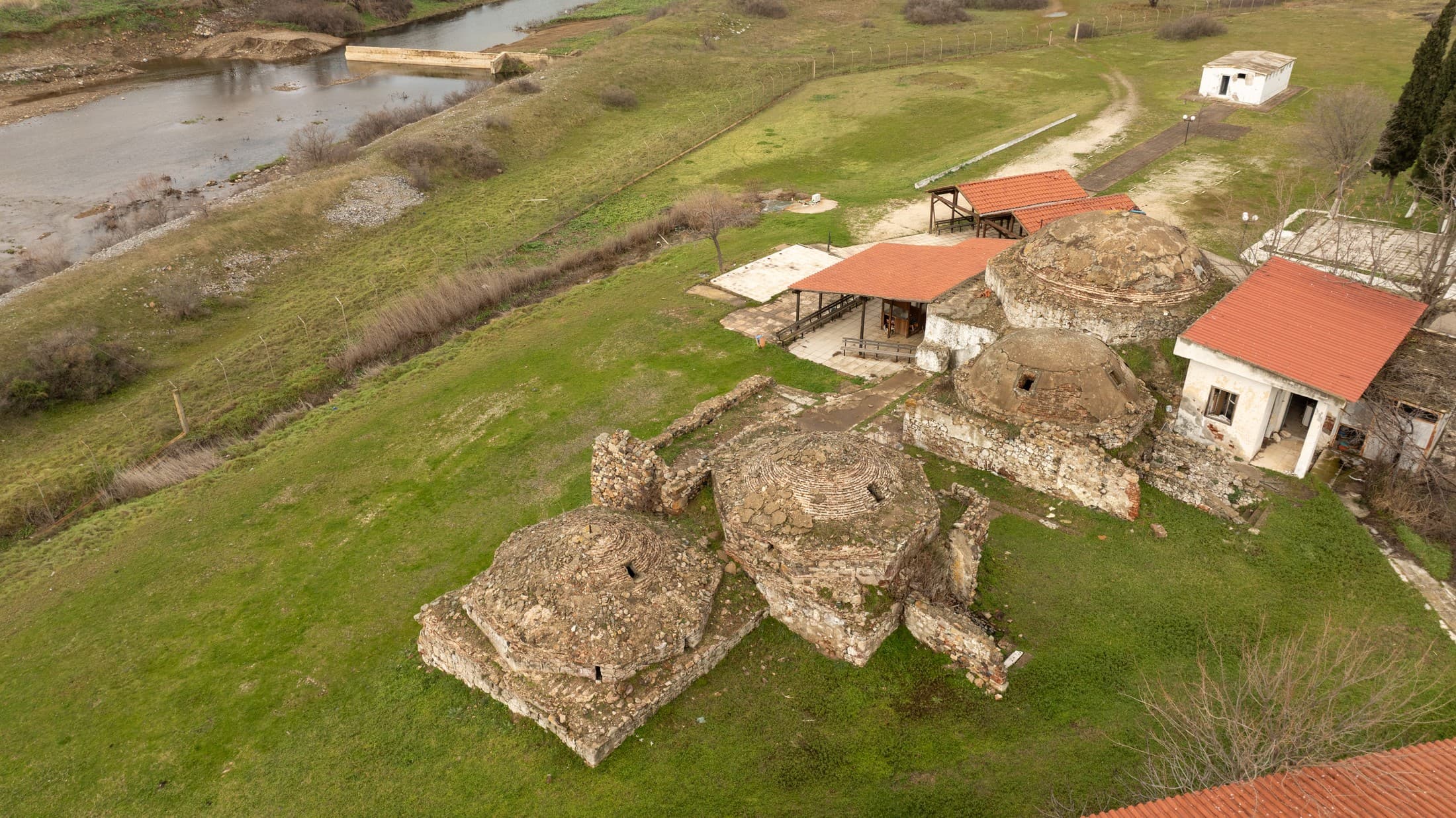
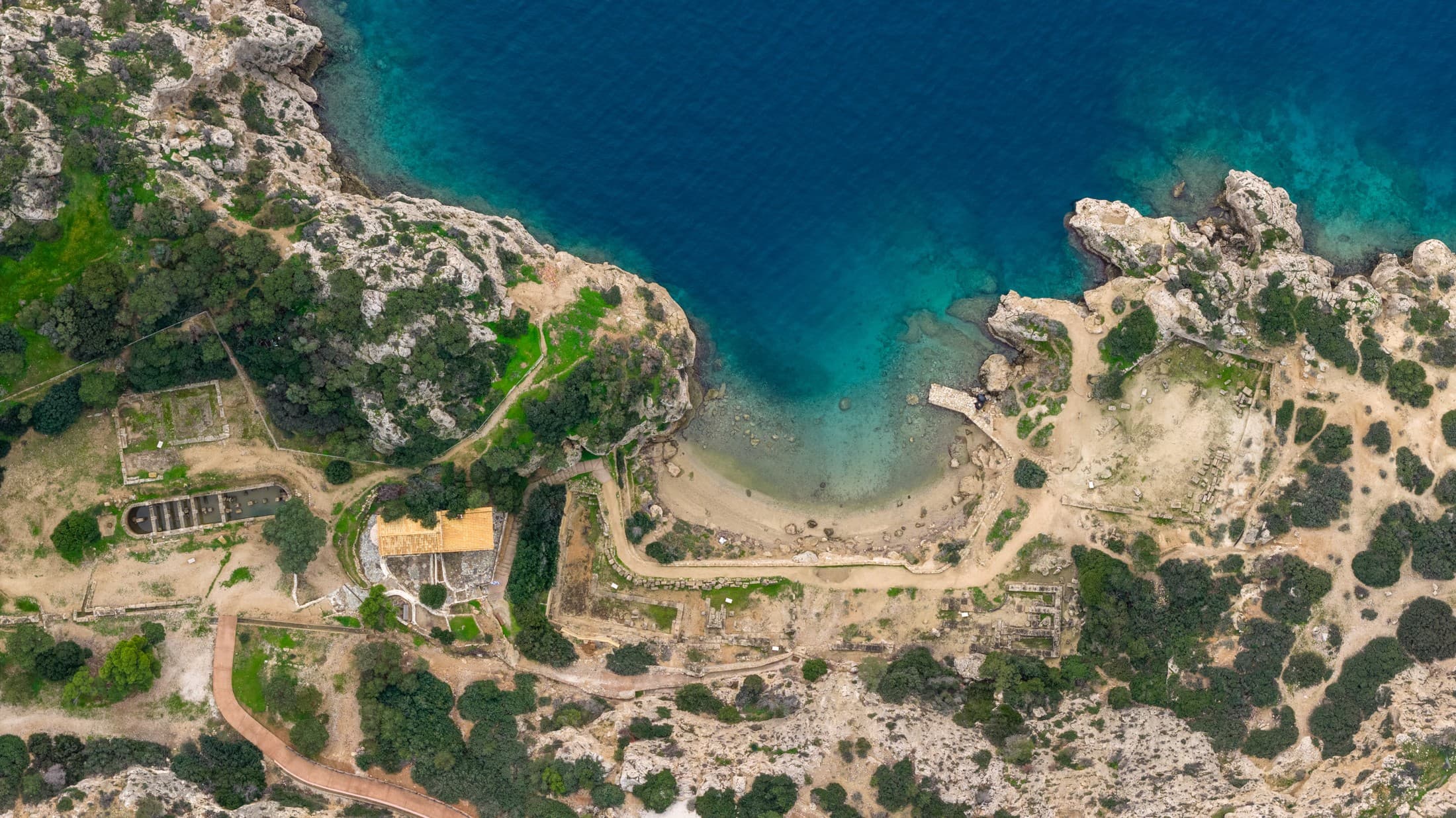
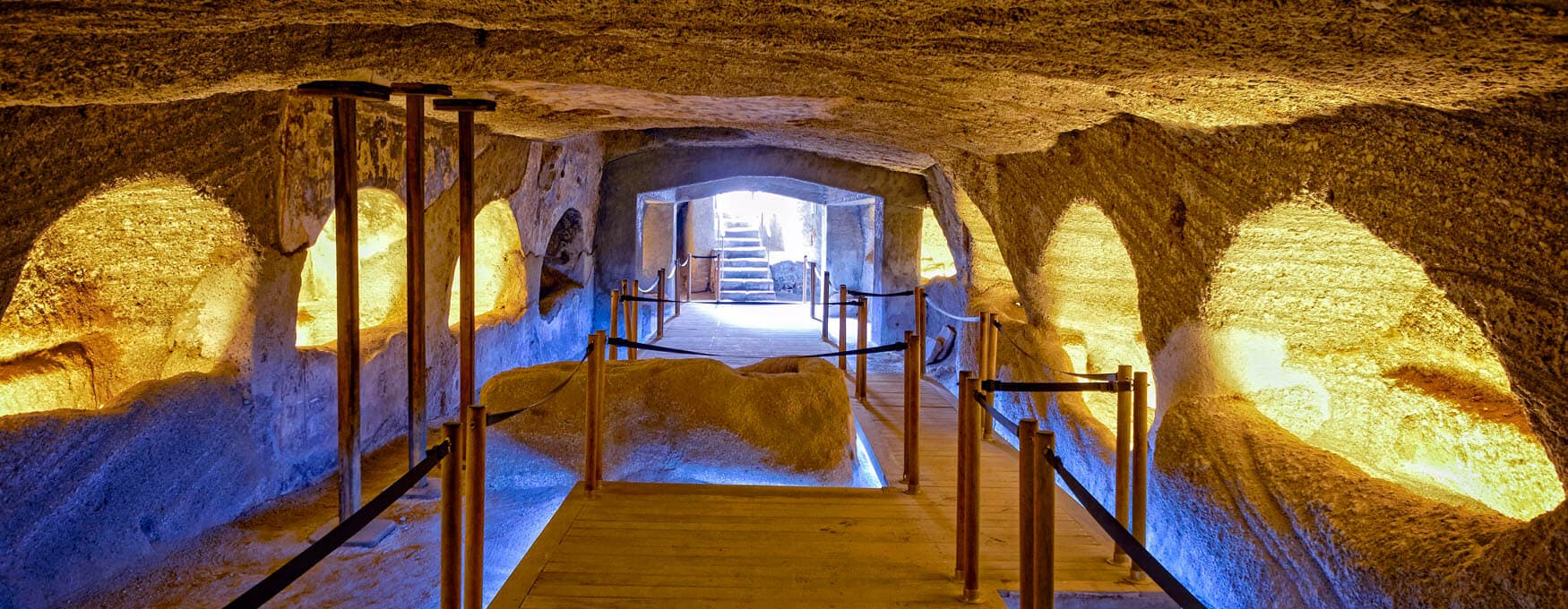
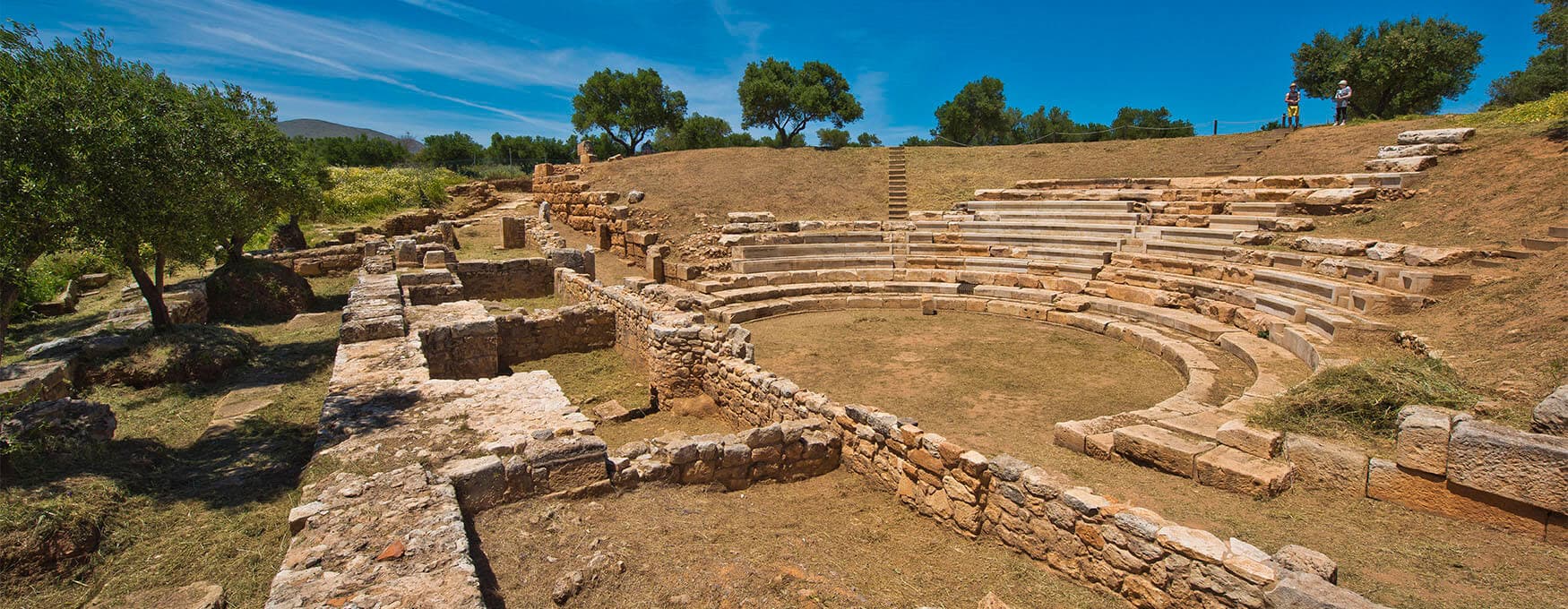
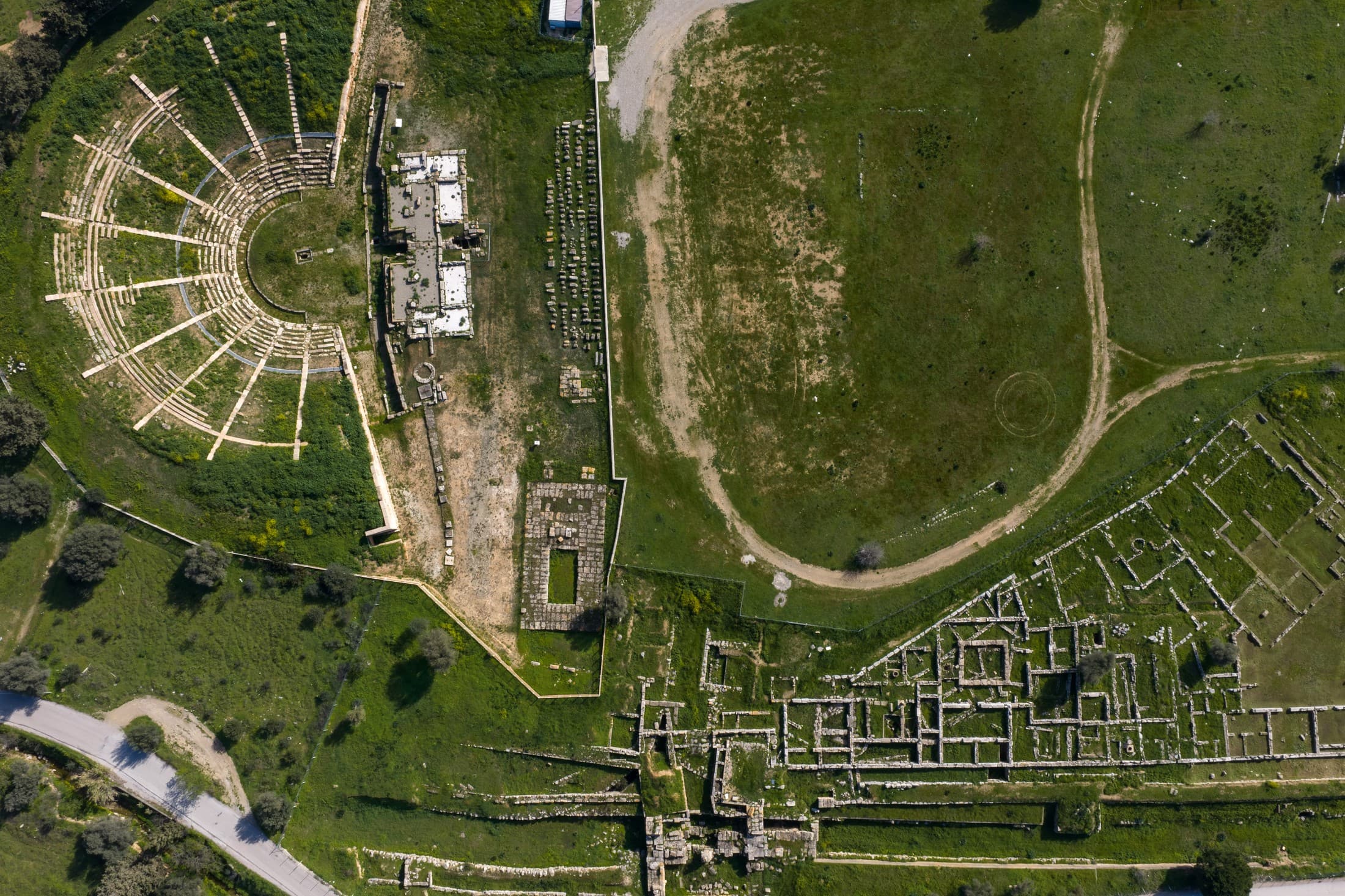
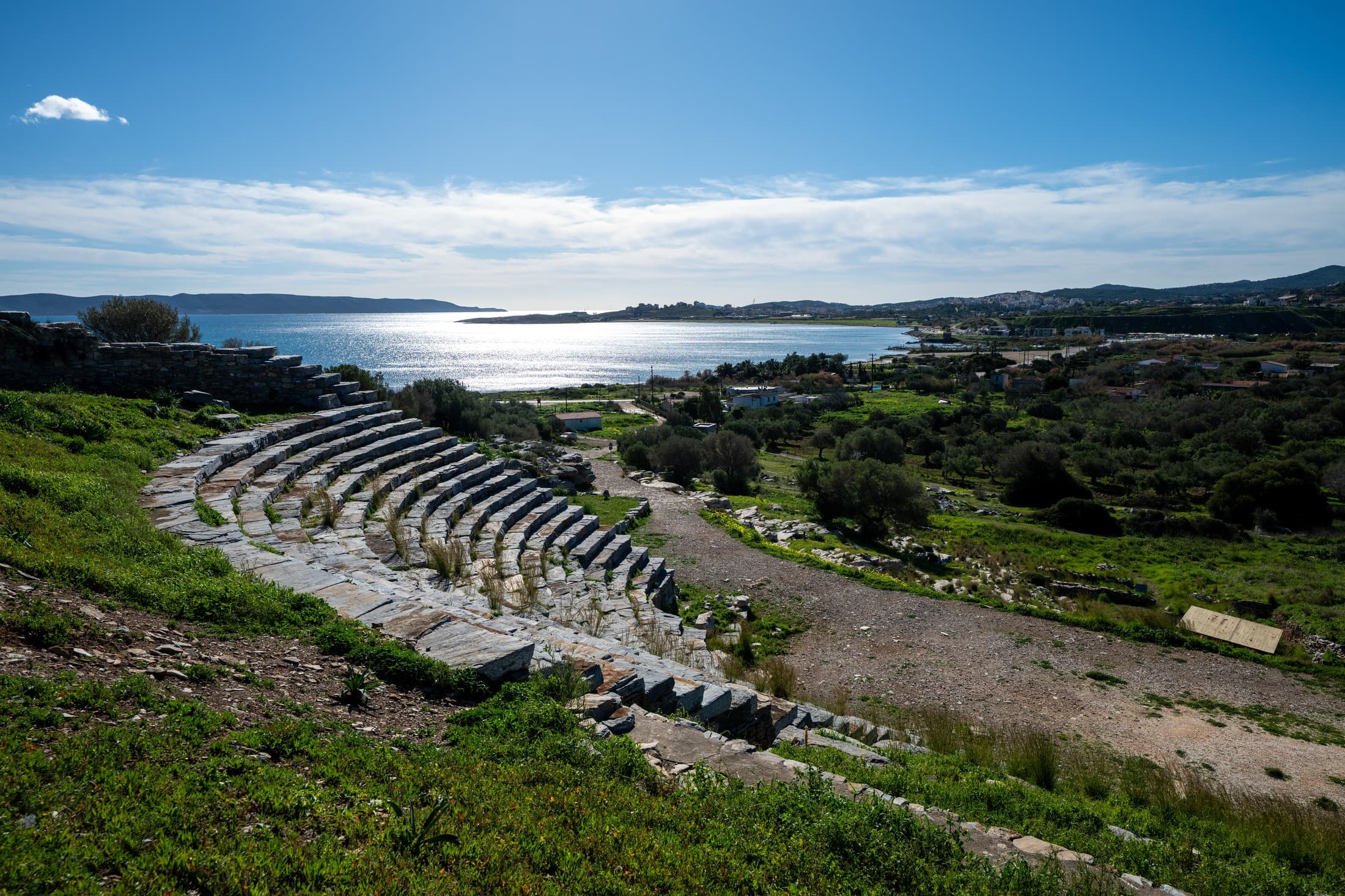
On the western slope, the stone-carved theatre of Karthaia (4th century BC) is a small marvel of acoustics, with a capacity of about 900 spectators. In the ravine, the Roman baths with cisterns and wells stand out, while the ancient breakwater can be discerned on the seabed of the bay.
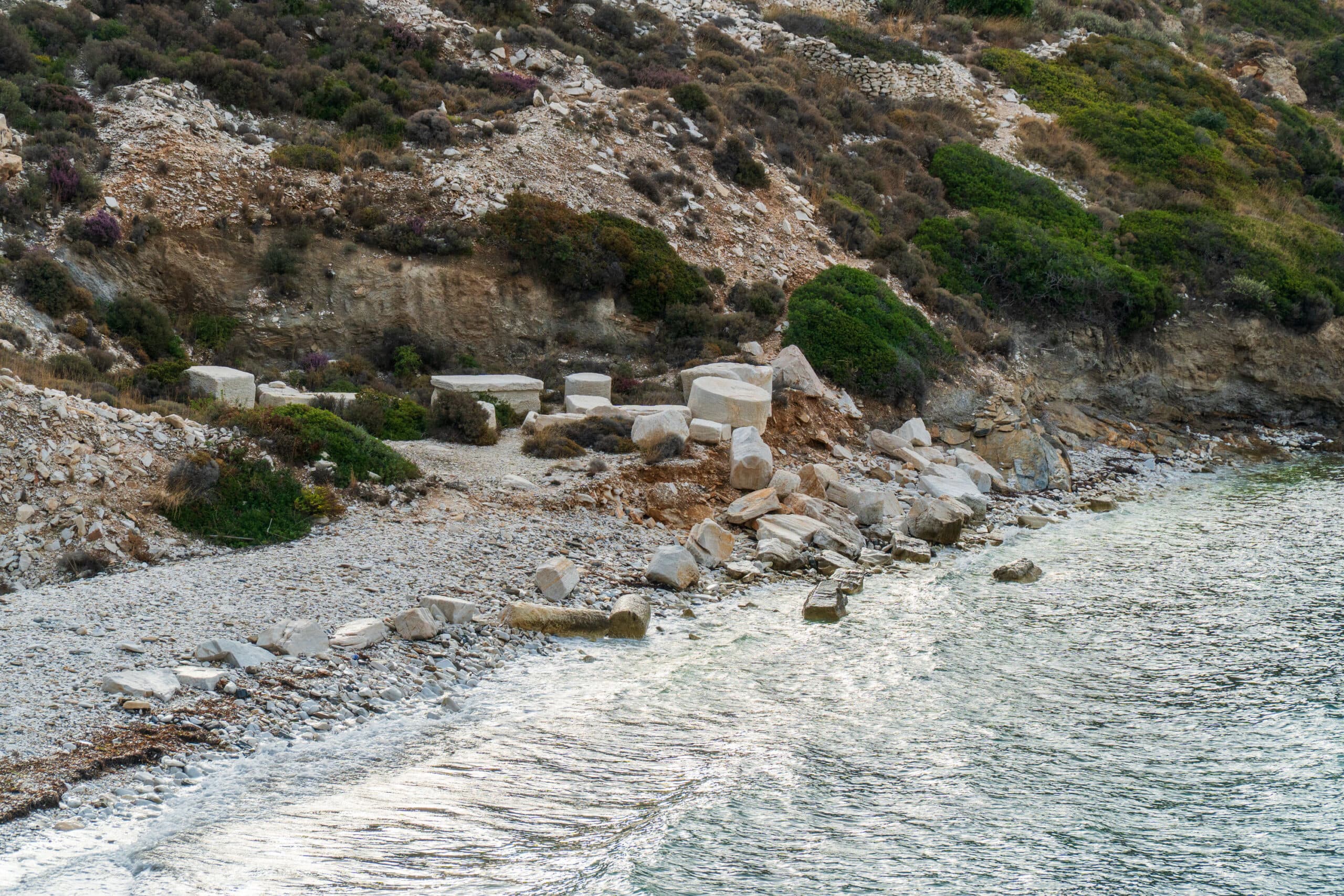
After your tour, head down to the beaches of Poles, Mikri and Megali, and swim beneath the ancient acropolis, with the water reflecting both the sky and the ruins.
Ancient Karthaia was one of the four city-states of Kea. It developed in the 8th century BC, flourished during the Classical years, and remained alive until the 7th century AD. Since then, it became hidden within nature until excavations began to reveal it in the early 20th century.
Approach it from the paths of Agios Symeon or Kato Meria (trails 3, 5, 6, 7). The trek lasts approximately two hours and is gentle but exposed to the sun. Sea access is also possible: the bay of Poles accommodates small boats and serves as an ideal starting point.
In Karthaia, there are no fences or tickets. As you approach, the landscape becomes barer, the light clearer, and the sound of the sea more piercing.
Heading down towards the sea, you will see the Temple of Pythian Apollo (530 BC), one of the best-preserved Doric temples in the Aegean, made of local grey limestone. On the next hill stands the Temple of Athena (circa 500 BC), the oldest known Doric peripteral temple in the Cyclades. Its pediments, depicting the Amazonomachy, are on exhibit at the Archaeological Museum of Kea.
On the western slope, the stone-carved theatre of Karthaia (4th century BC) is a small marvel of acoustics, with a capacity of about 900 spectators. In the ravine, the Roman baths with cisterns and wells stand out, while the ancient breakwater can be discerned on the seabed of the bay.
After your tour, head down to the beaches of Poles, Mikri and Megali, and swim beneath the ancient acropolis, with the water reflecting both the sky and the ruins.