A Cape of Wild Beauty
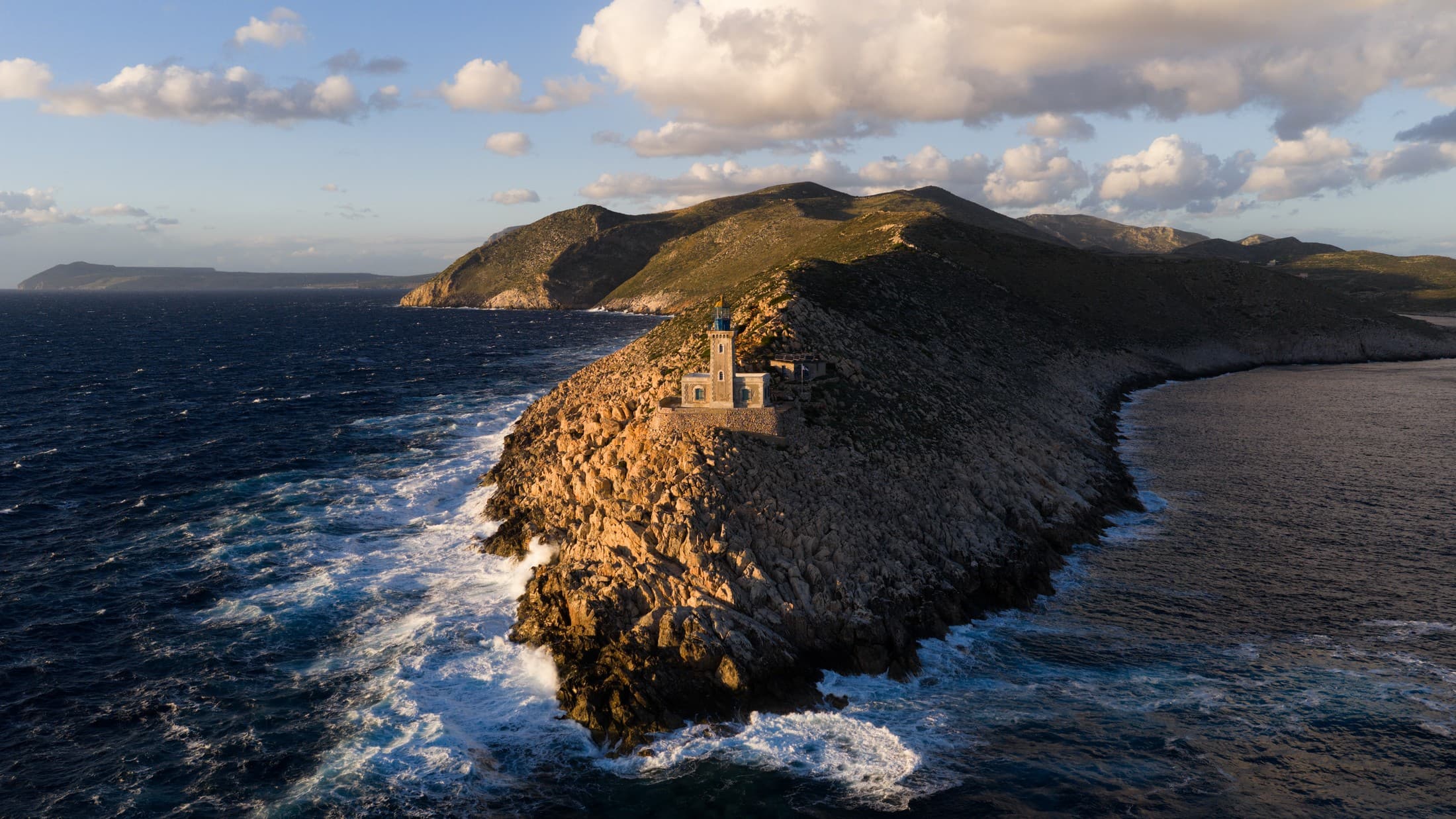
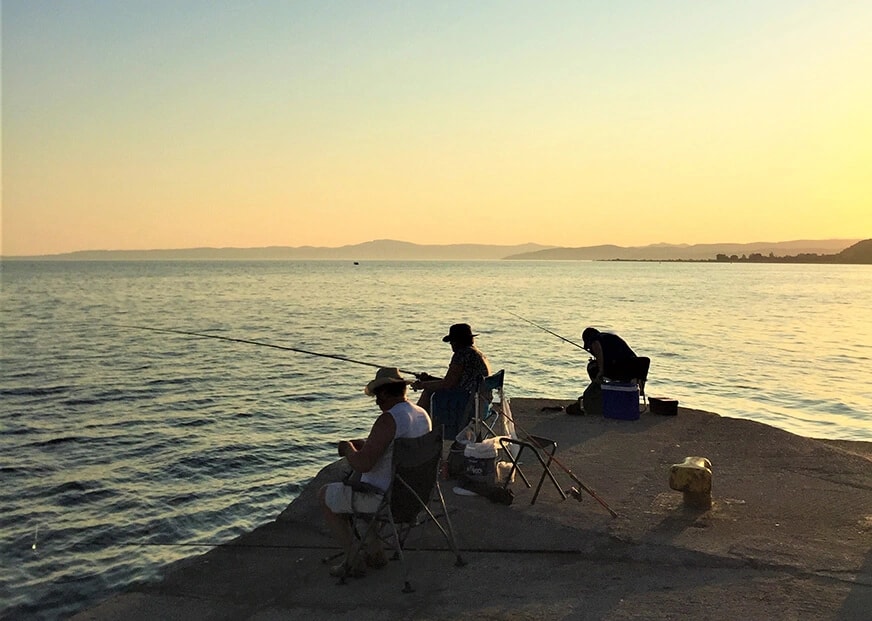
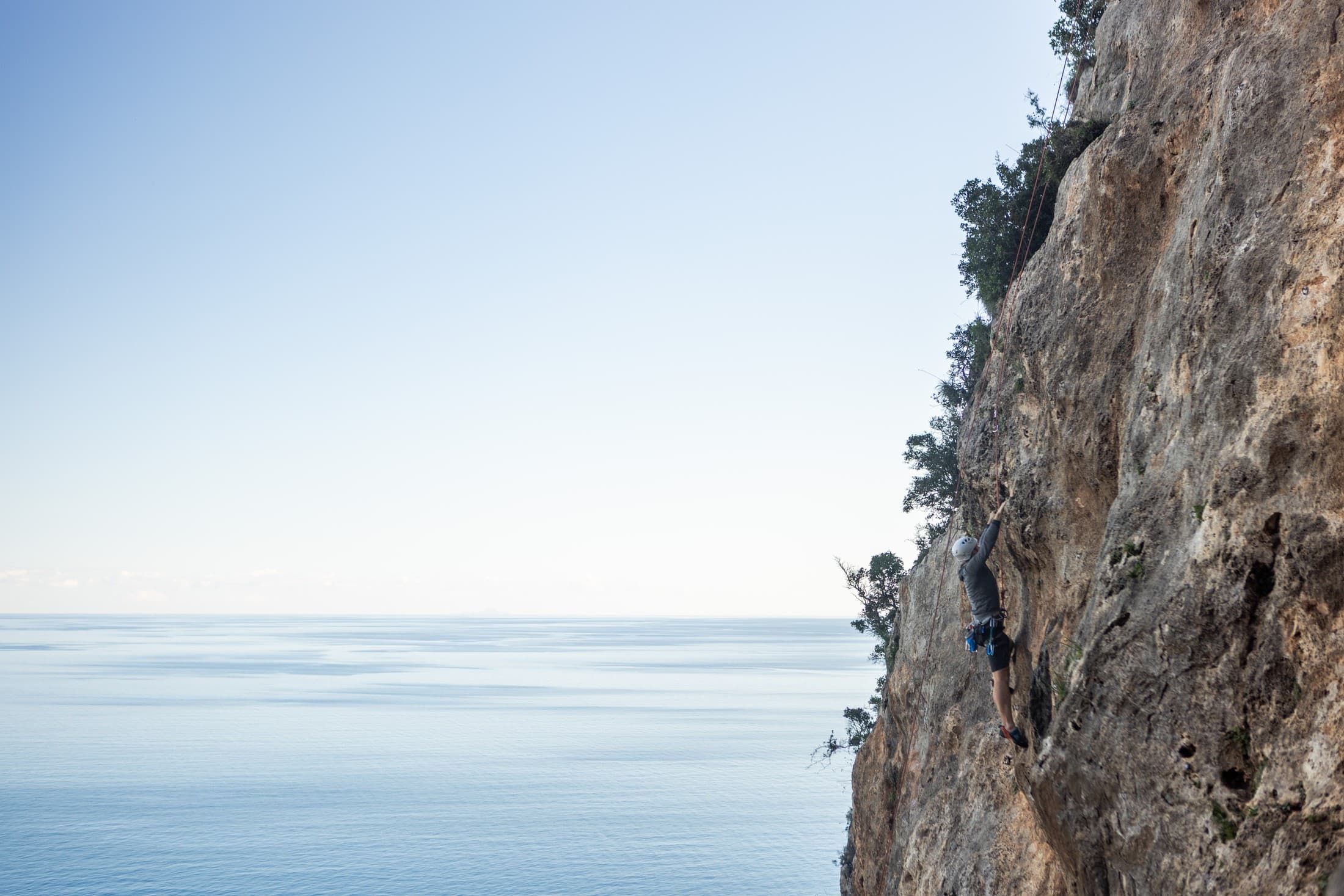
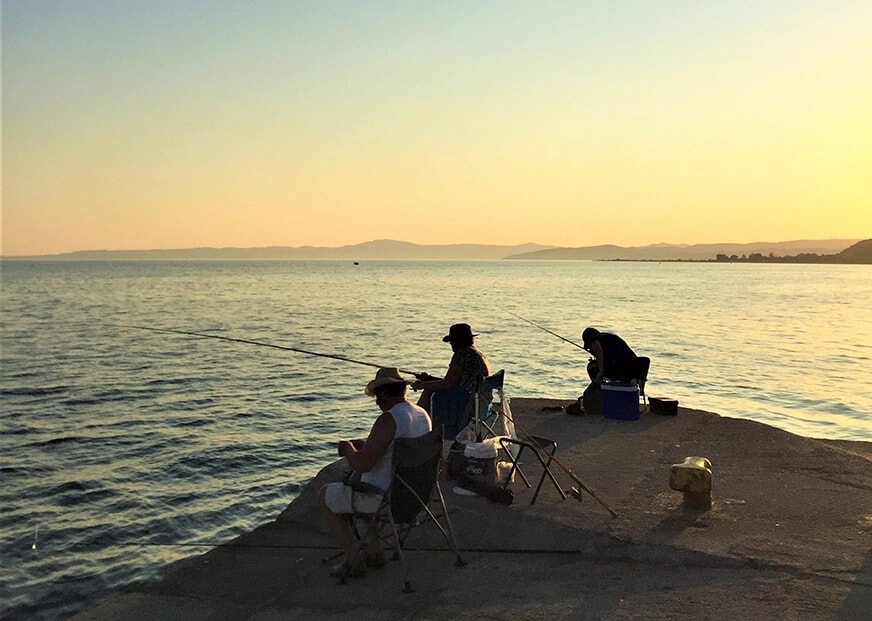
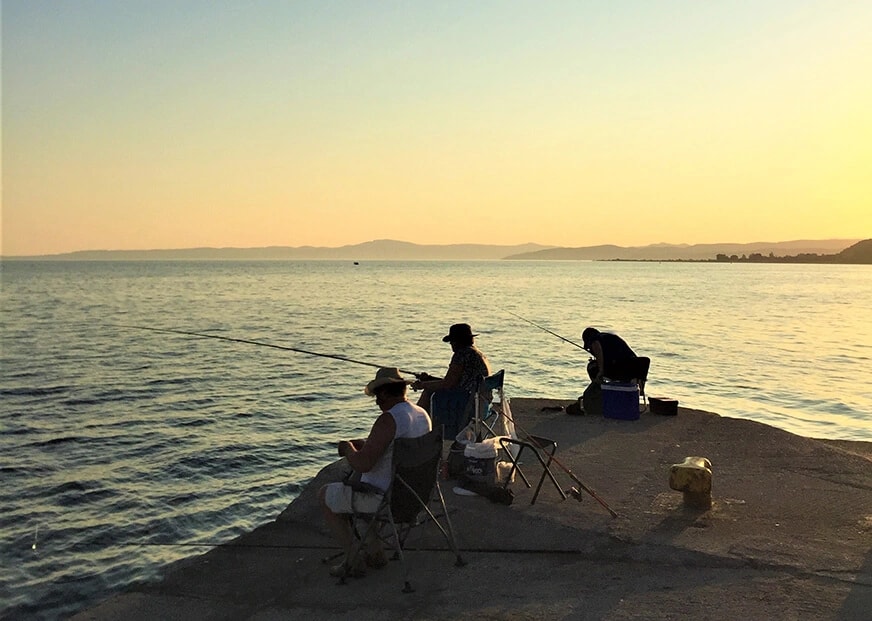
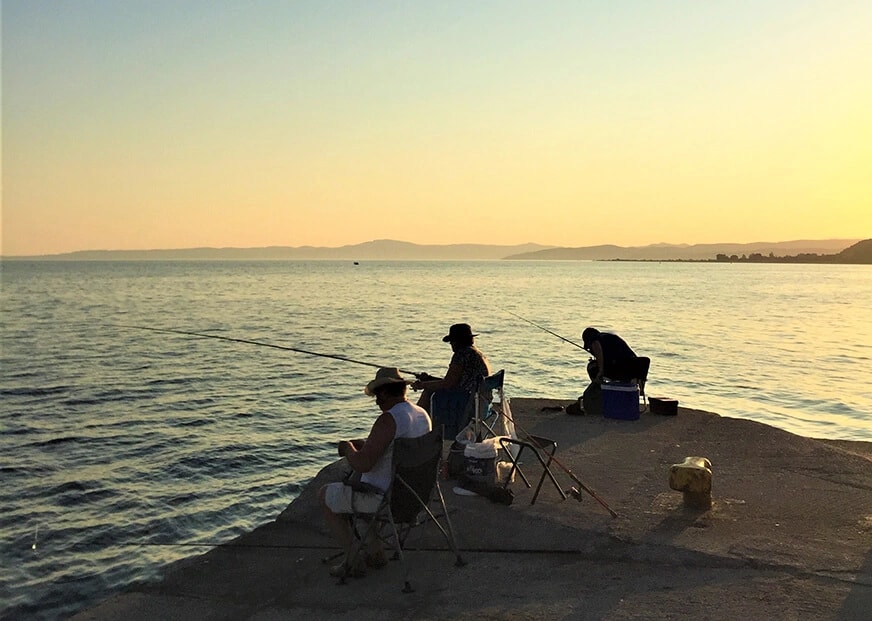
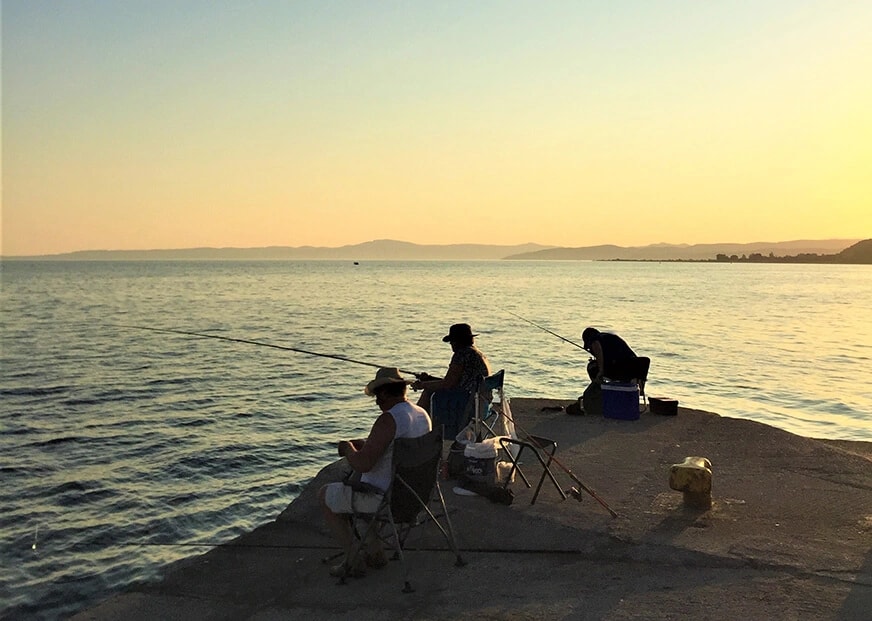
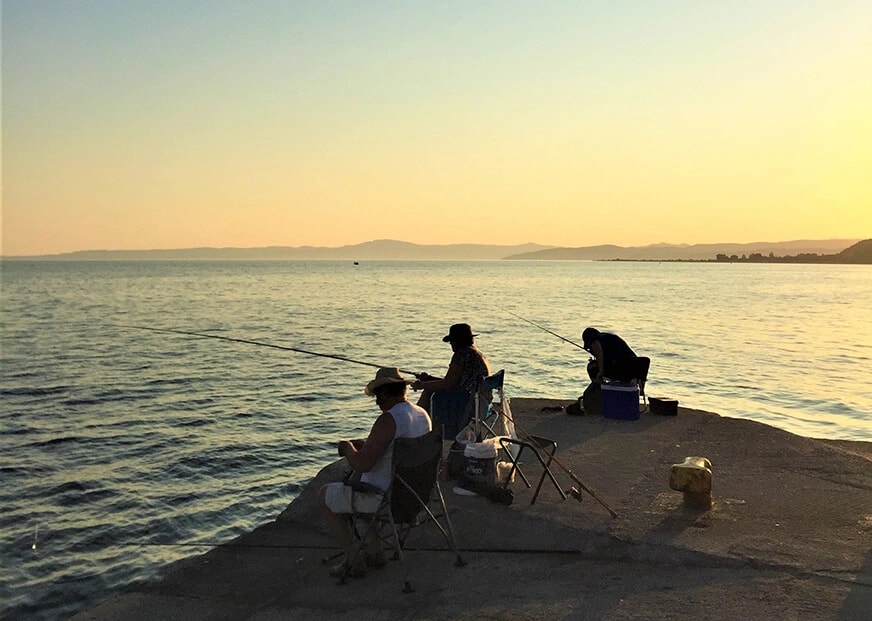
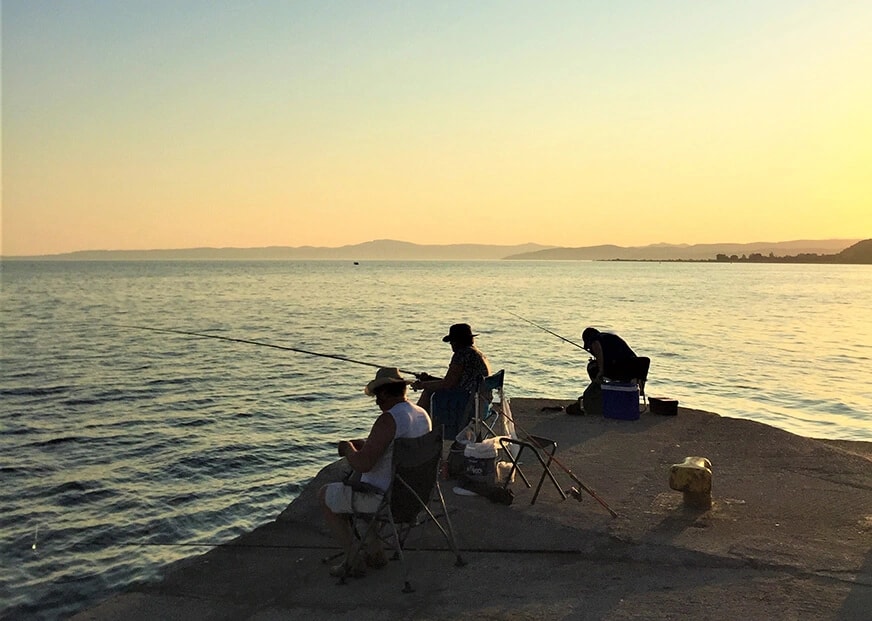
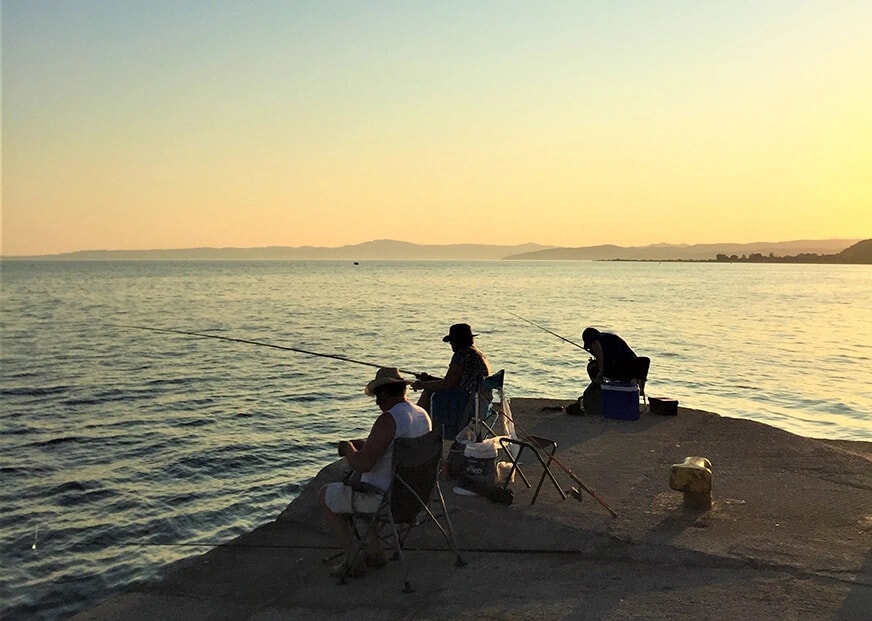
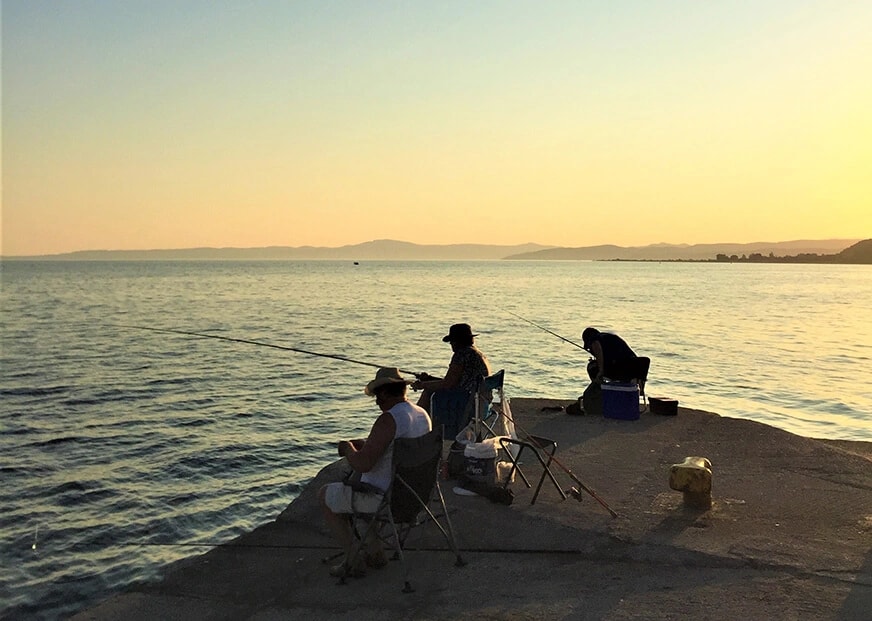
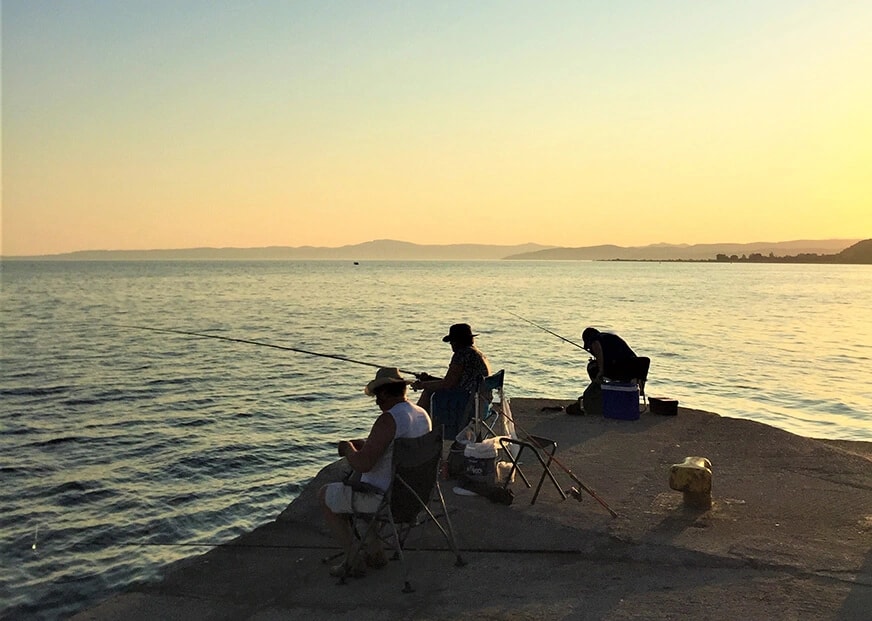
The Cape of Kafireas is said to have earned the name Cavo Doro (Golden Cape) either because of the ancient mines in the area or the gold coins rumored to lie on the seabed from countless shipwrecks. Known for its strong winds and powerful sea currents, it invites you to a unique adventure at the foothills of Mount Ochi.
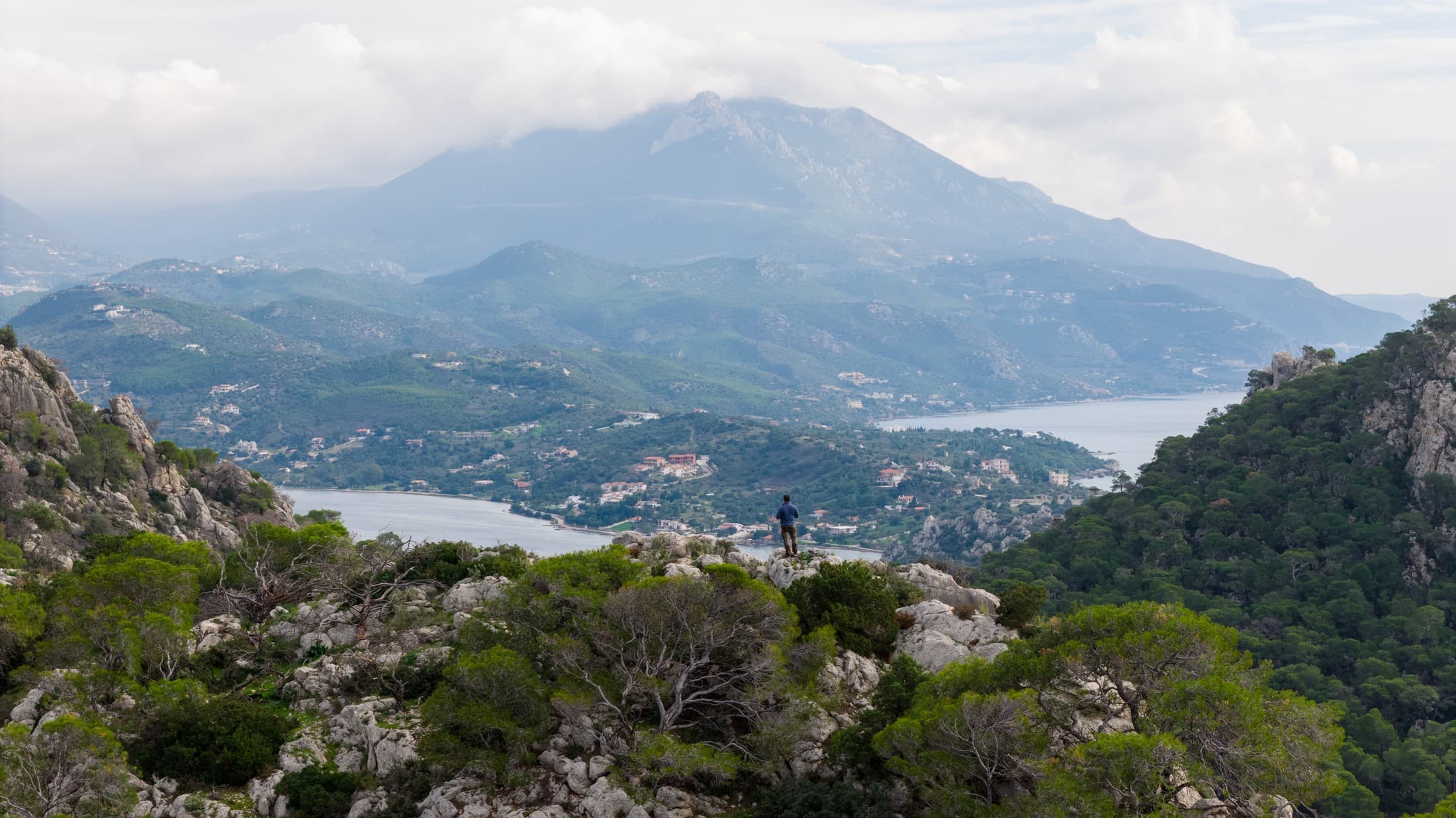
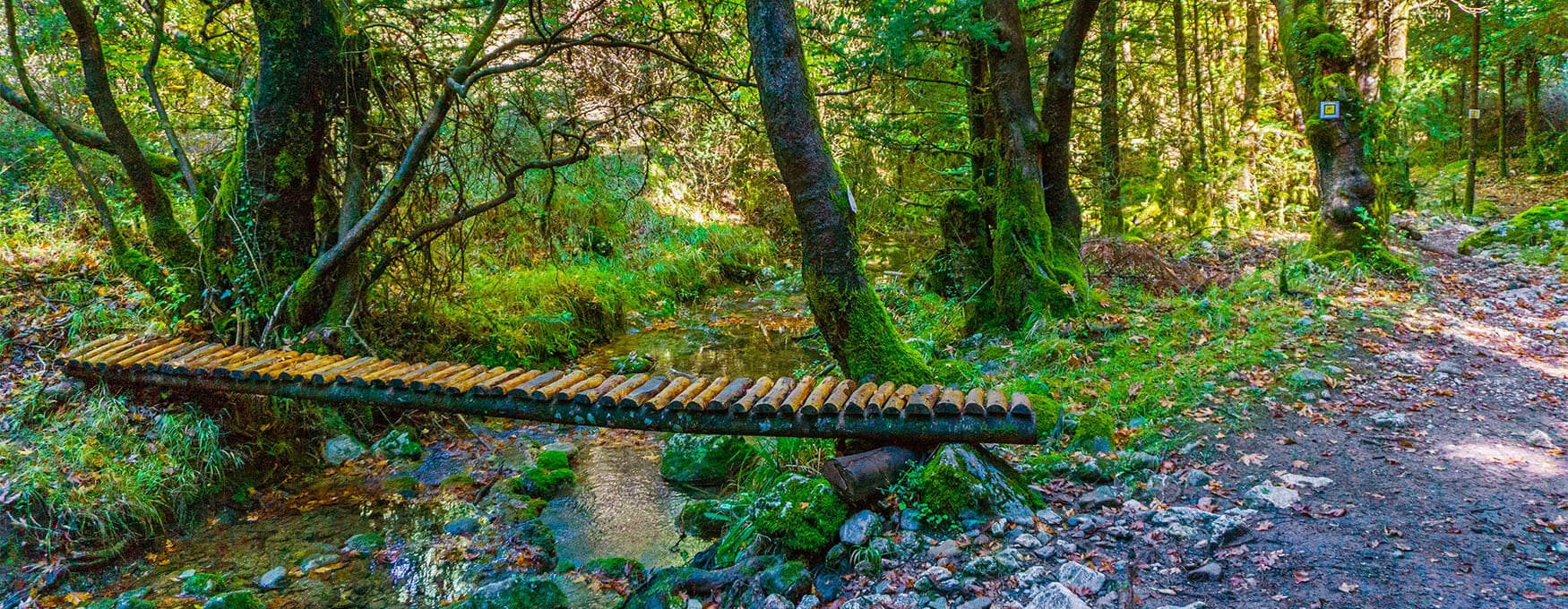
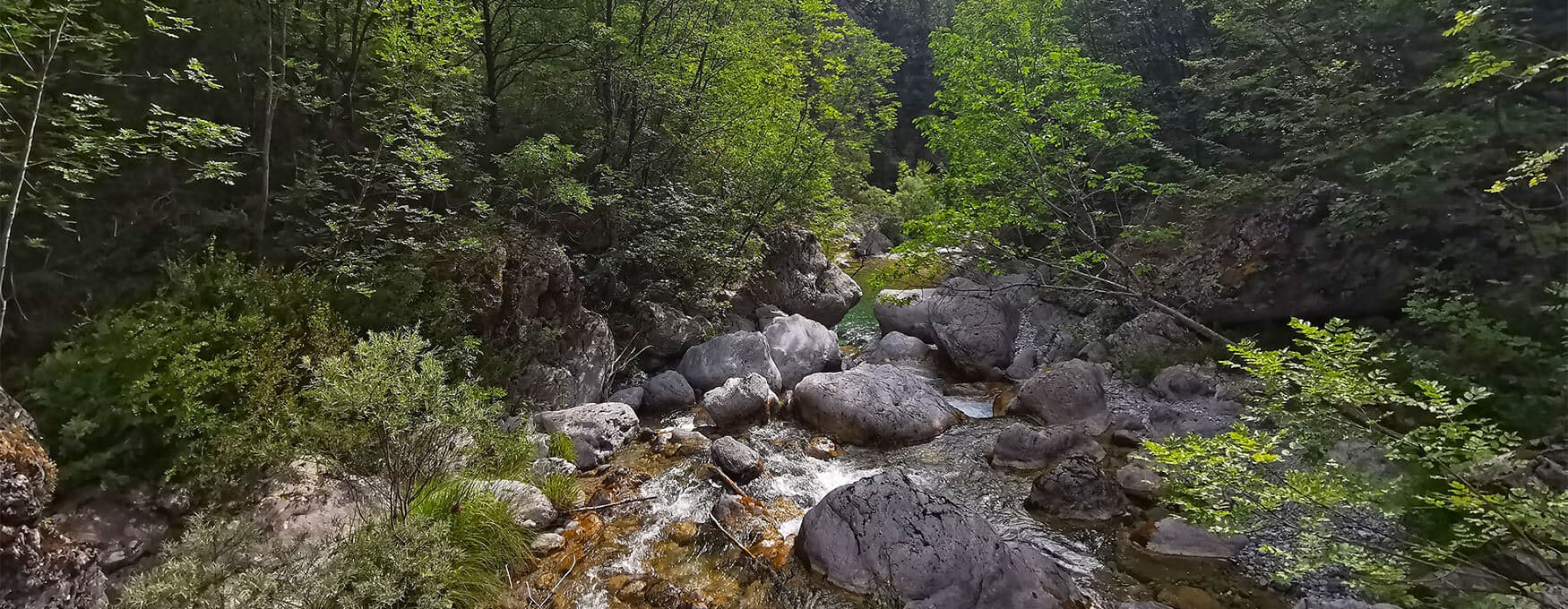
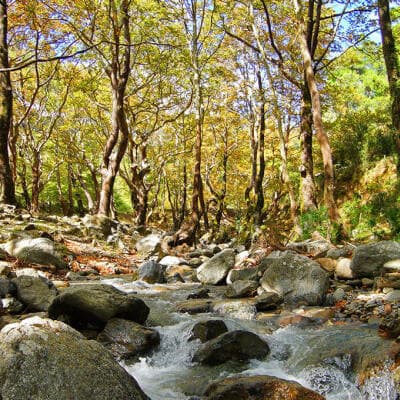
The area is part of the Natura 2000 network. Beyond the dominant shrubland, the ravines host chestnut and plane tree forests, and 700 plant species have been recorded, 11 of which are endemic to Evia. The seabed features Posidonia meadows and coral reefs, while birds of prey and seabirds soar in the sky. The enchanting atmosphere of the cape is sure to captivate every visitor.
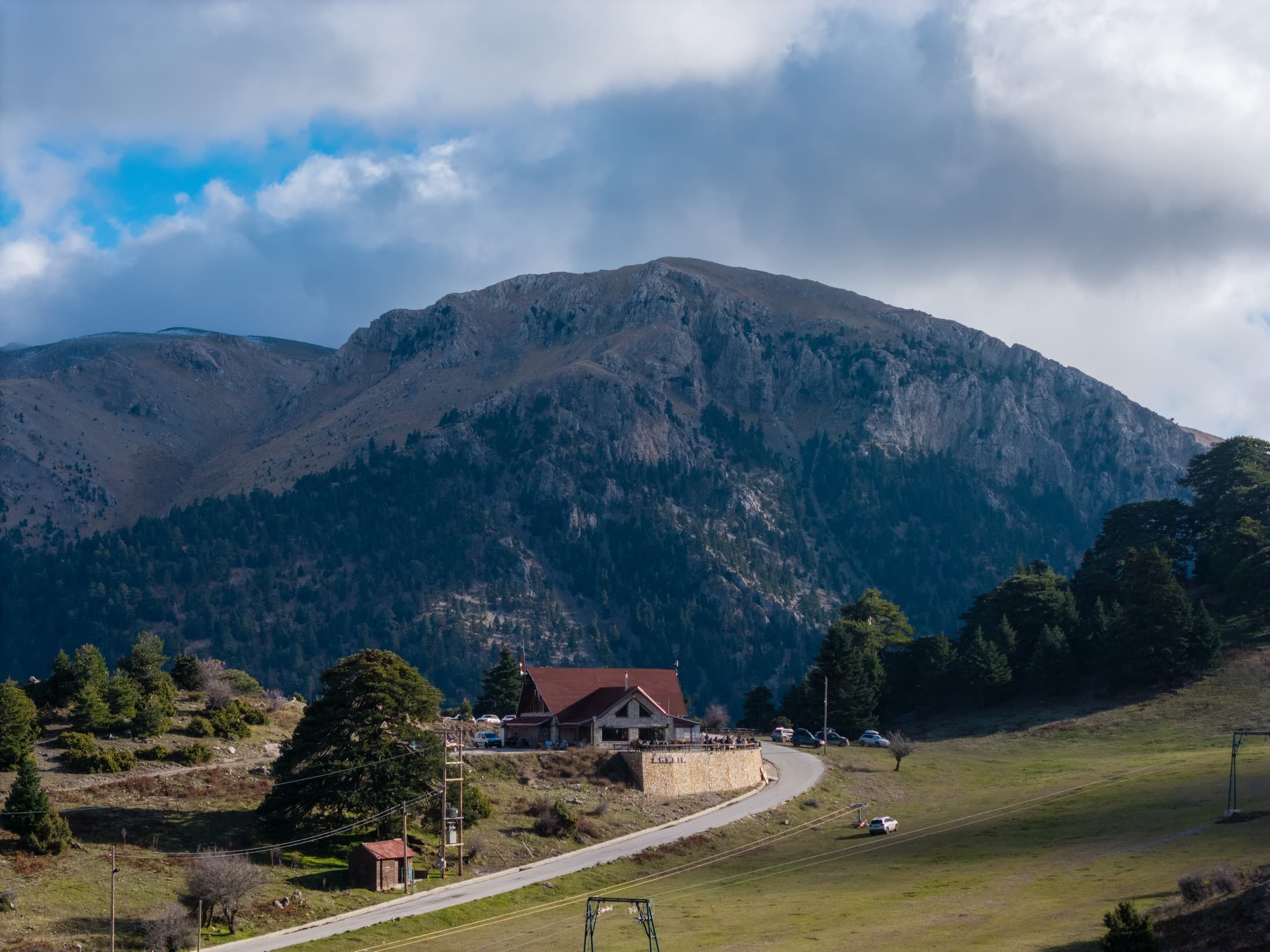
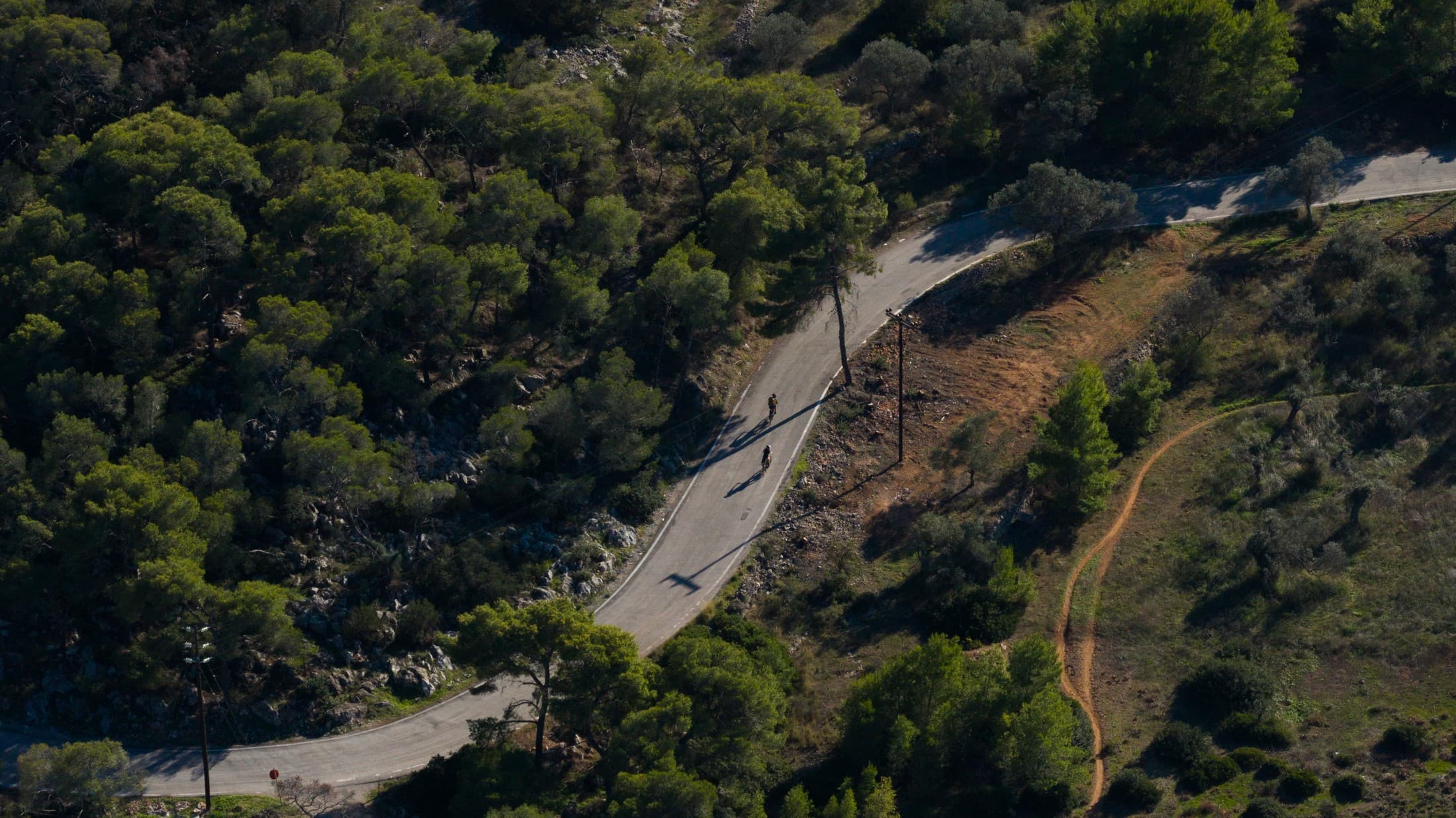
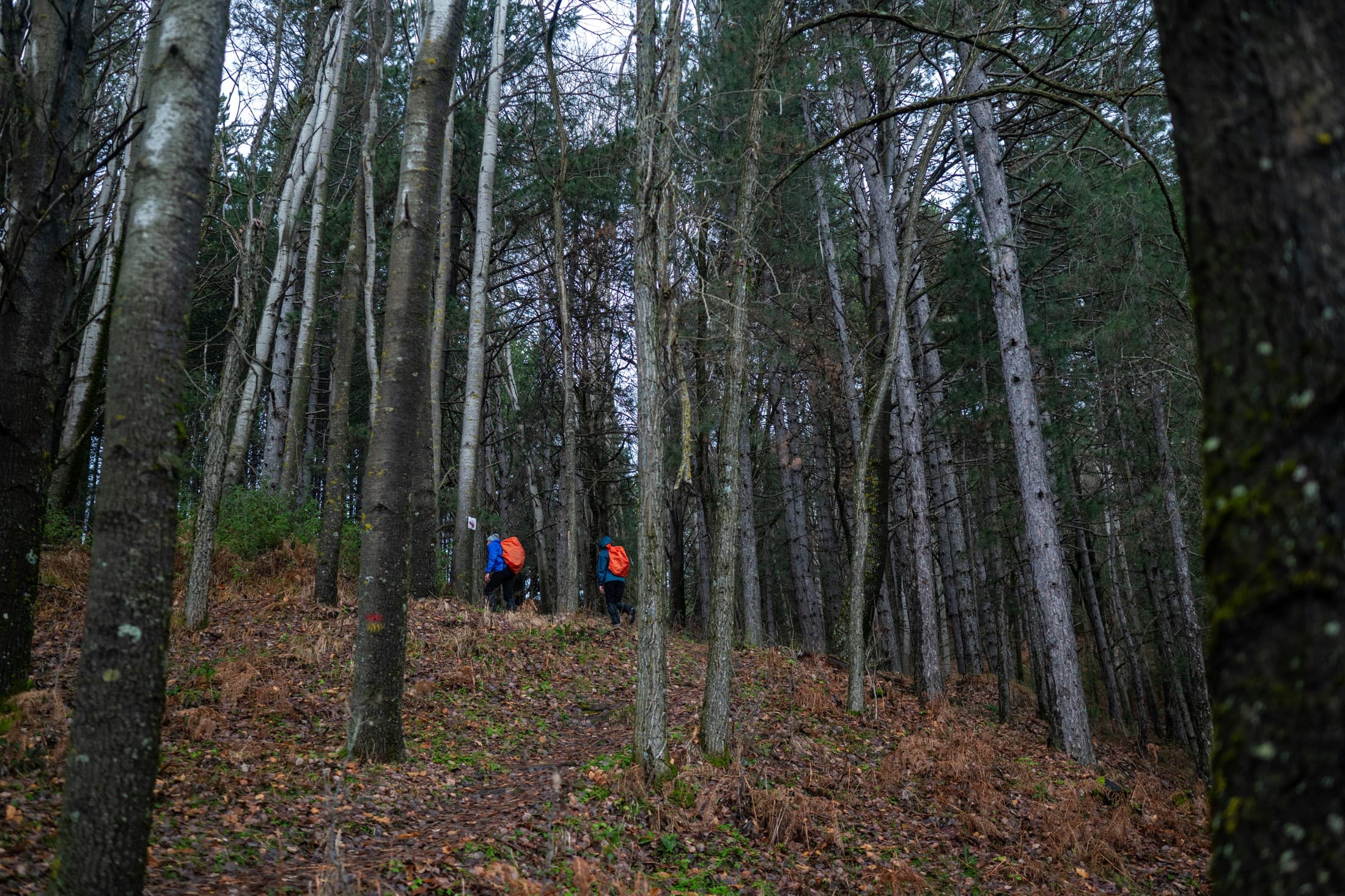
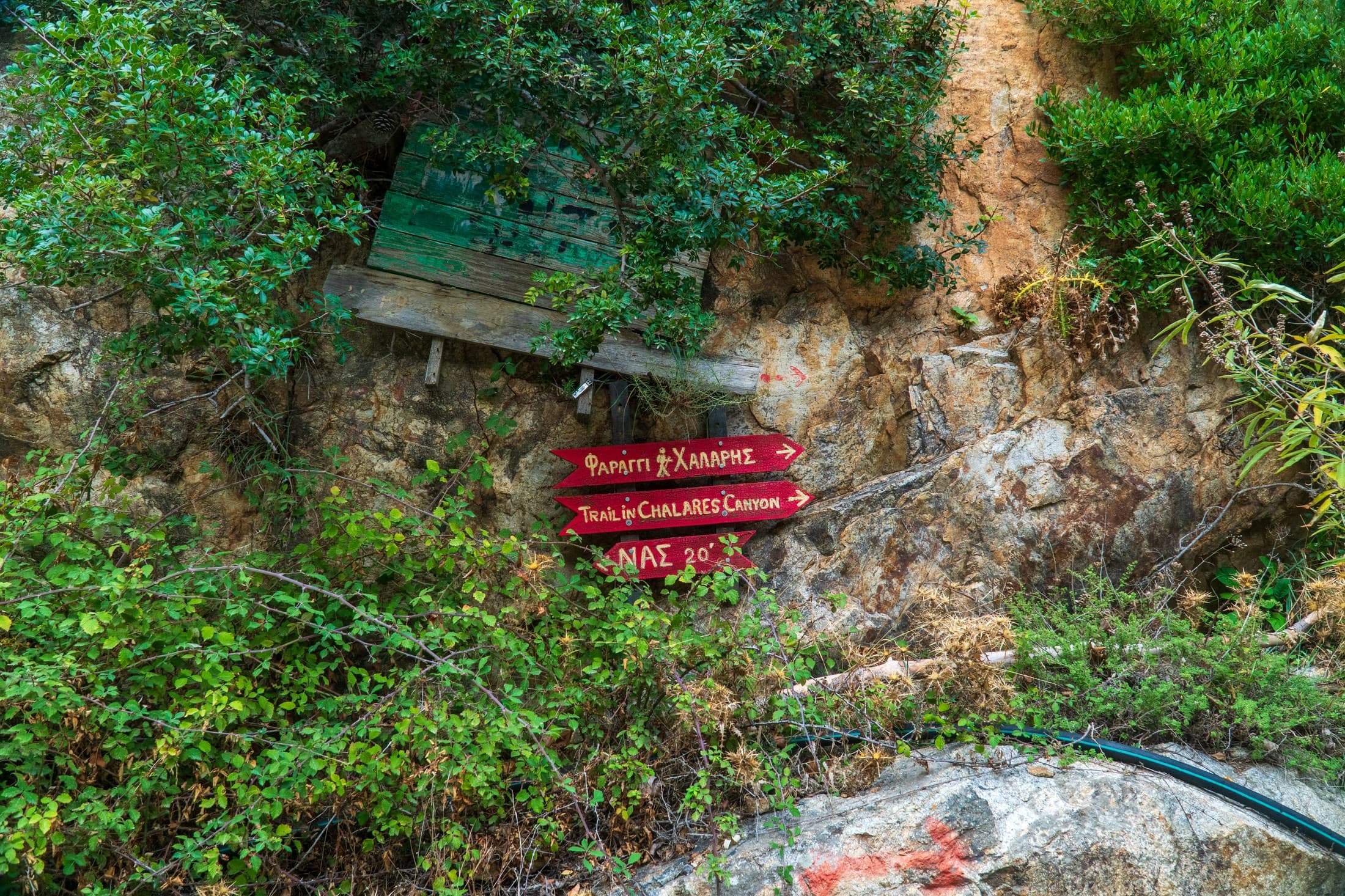
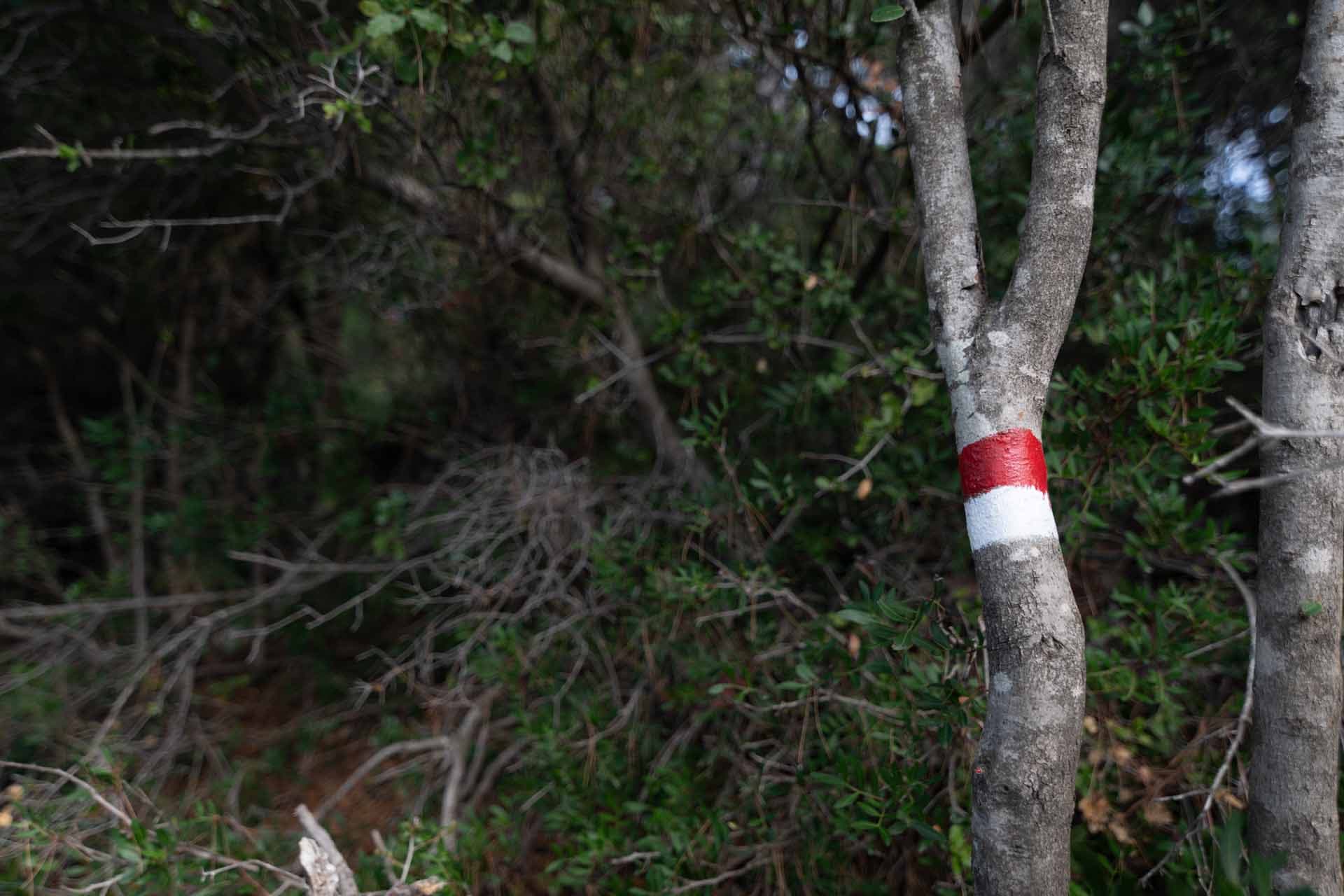
The route from Karystos is 60 km long and offers plenty of options for both natural and cultural exploration. Your first detour can take you to Kastanologgos, a centuries-old chestnut forest. A little further on, a trail begins that, after a 1.5-hour climb, will lead you to the summit of Mount Ochi and the mysterious—and impressive—Drakospito (Dragon’s House) of Evia.
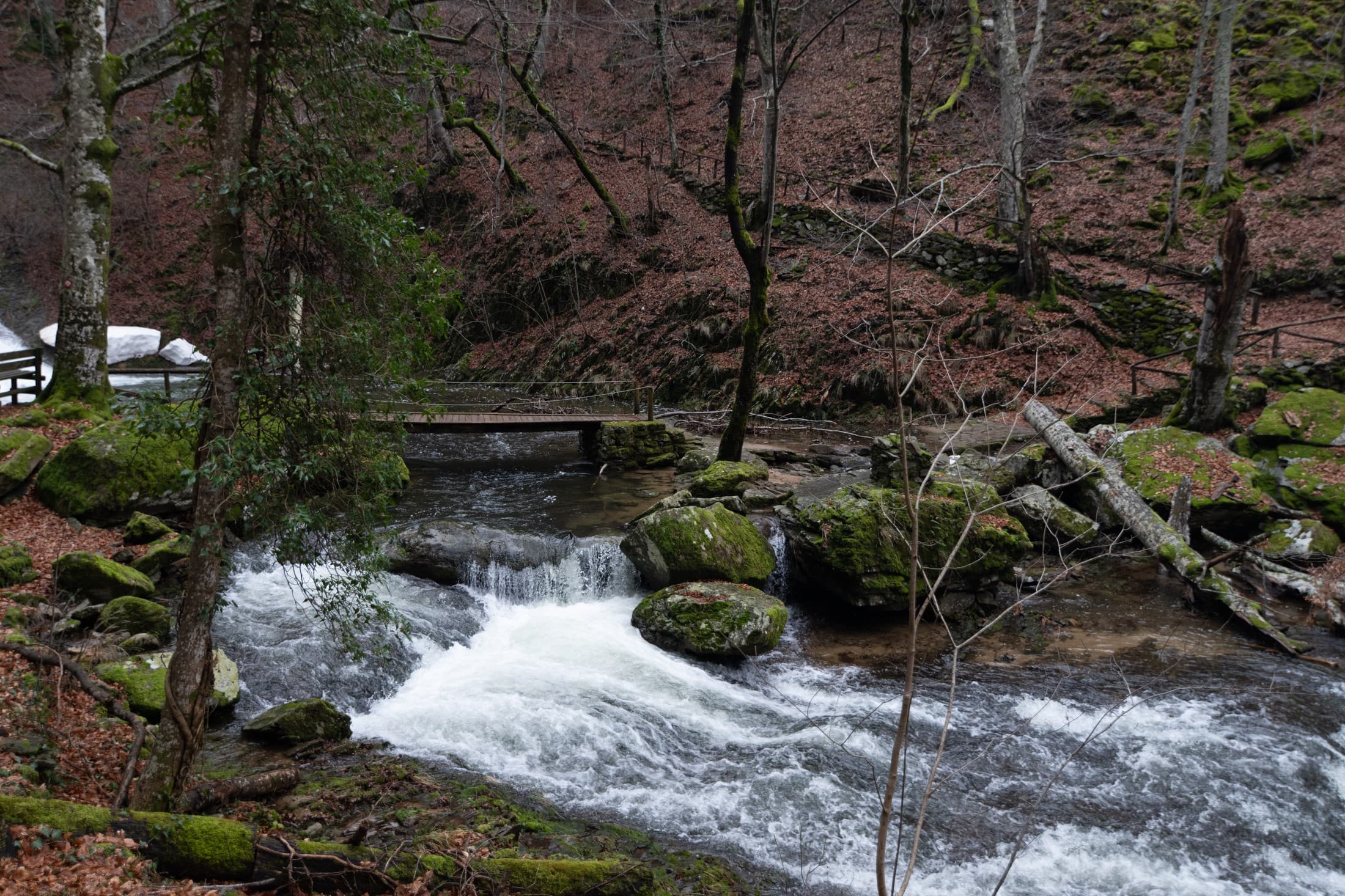
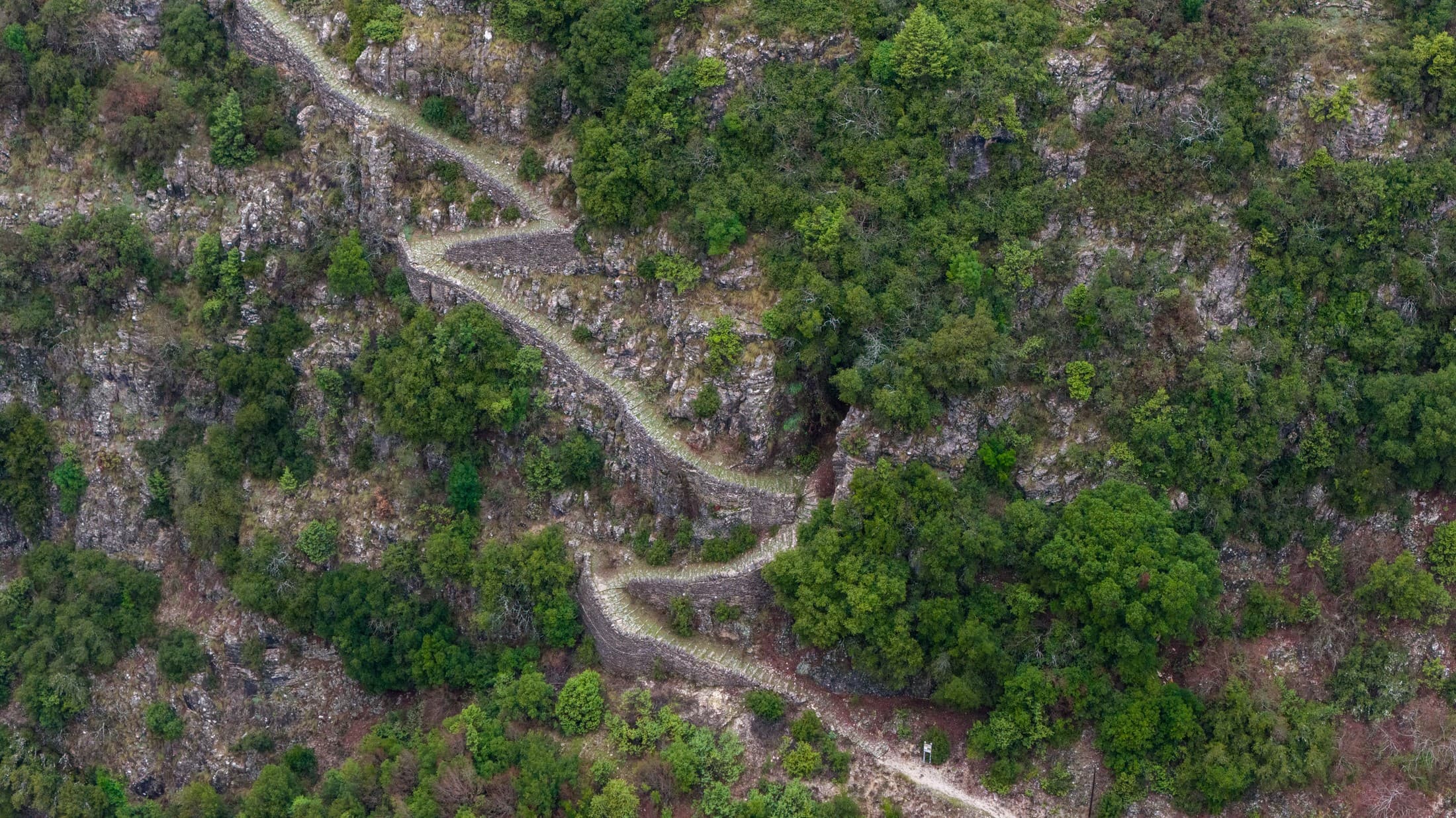
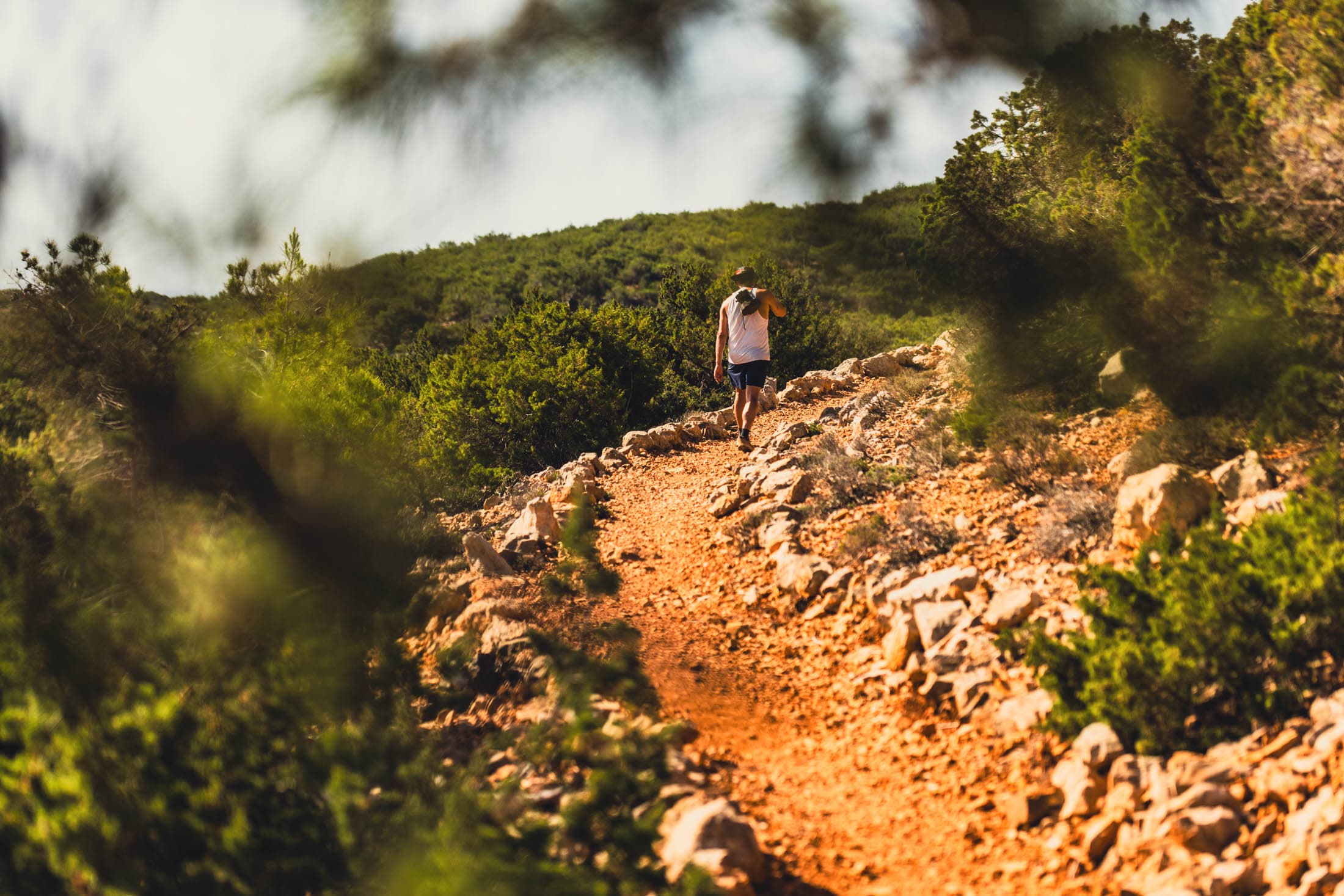
Your next stop is Platanistos, where you can see two stone bridges and a watermill nestled in the ravine. If you enjoy walking, it’s worth continuing to the waterfall or the stunning Potami Beach (accessible by road as well), passing through the area called Ellinika. There, you’ll find the remains of a temple of Poseidon, while the chapel of Prophet Elias is built almost entirely from stones salvaged from ancient temples and other ruins.
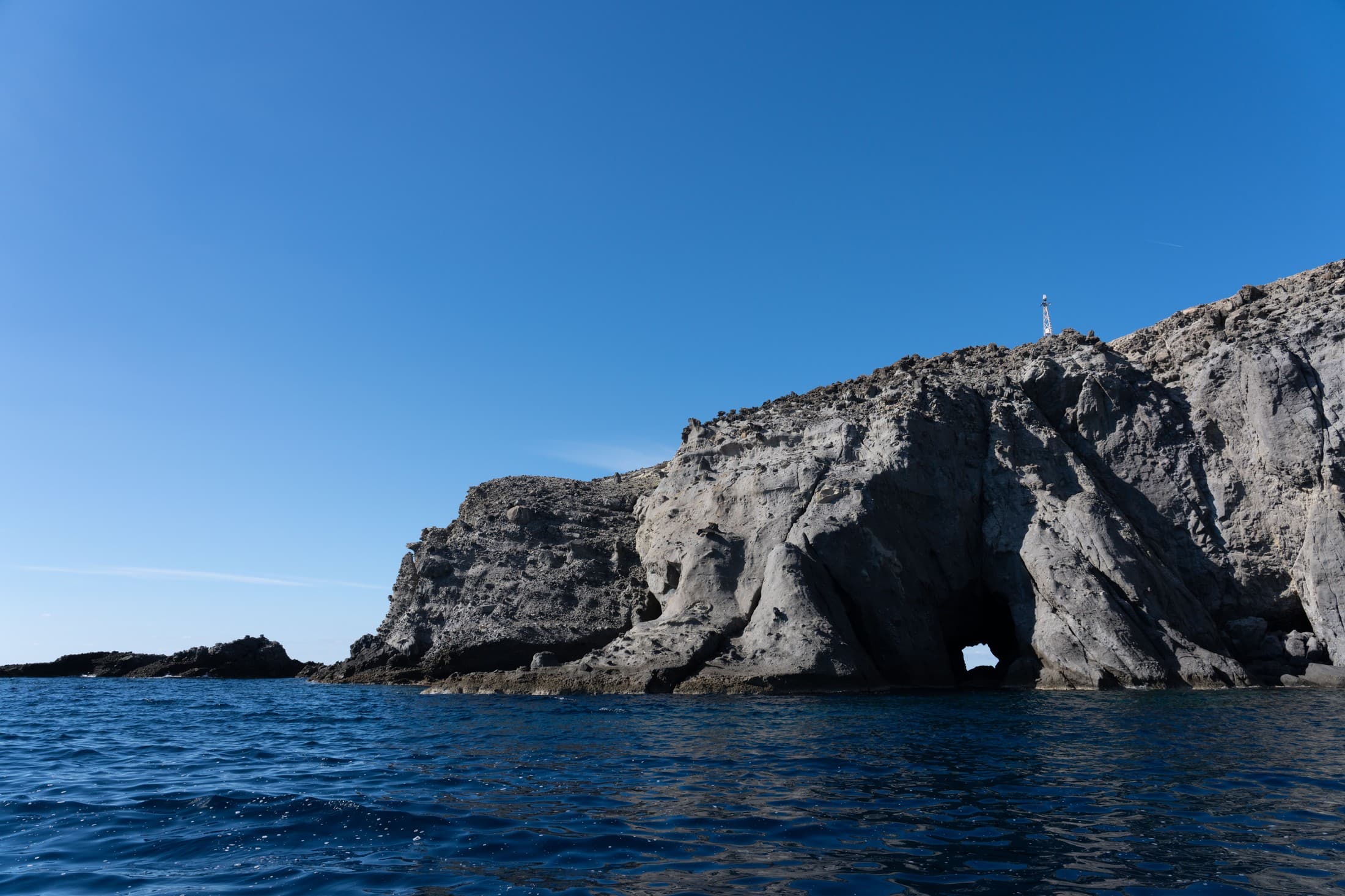
The road to Kafireas passes through the village of Antias, where locals speak a rare whistled language, listed in the National Registry of Intangible Cultural Heritage. You will also pass several deserted villages—only the village of Amygdalia is still inhabited—before reaching Cavo Doro, with its snow-white chapel of Ai Grigori and the Arapi rock, crowned by a lighthouse in the sea. Let the landscape and the sea breeze sweep you away.
The area is part of the Natura 2000 network. Beyond the dominant shrubland, the ravines host chestnut and plane tree forests, and 700 plant species have been recorded, 11 of which are endemic to Evia. The seabed features Posidonia meadows and coral reefs, while birds of prey and seabirds soar in the sky. The enchanting atmosphere of the cape is sure to captivate every visitor.
The route from Karystos is 60 km long and offers plenty of options for both natural and cultural exploration. Your first detour can take you to Kastanologgos, a centuries-old chestnut forest. A little further on, a trail begins that, after a 1.5-hour climb, will lead you to the summit of Mount Ochi and the mysterious—and impressive—Drakospito (Dragon’s House) of Evia.
Your next stop is Platanistos, where you can see two stone bridges and a watermill nestled in the ravine. If you enjoy walking, it’s worth continuing to the waterfall or the stunning Potami Beach (accessible by road as well), passing through the area called Ellinika. There, you’ll find the remains of a temple of Poseidon, while the chapel of Prophet Elias is built almost entirely from stones salvaged from ancient temples and other ruins.
The road to Kafireas passes through the village of Antias, where locals speak a rare whistled language, listed in the National Registry of Intangible Cultural Heritage. You will also pass several deserted villages—only the village of Amygdalia is still inhabited—before reaching Cavo Doro, with its snow-white chapel of Ai Grigori and the Arapi rock, crowned by a lighthouse in the sea. Let the landscape and the sea breeze sweep you away.