A journey through the history and folklore of Kastellorizo
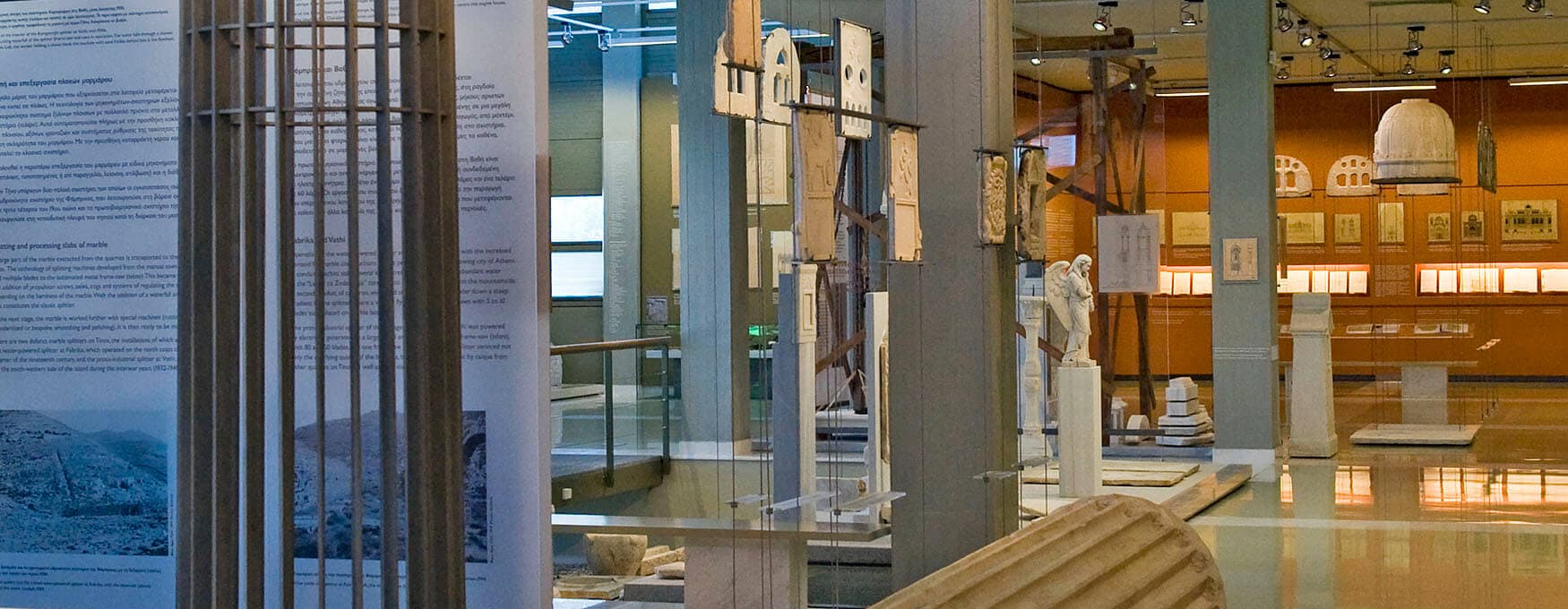
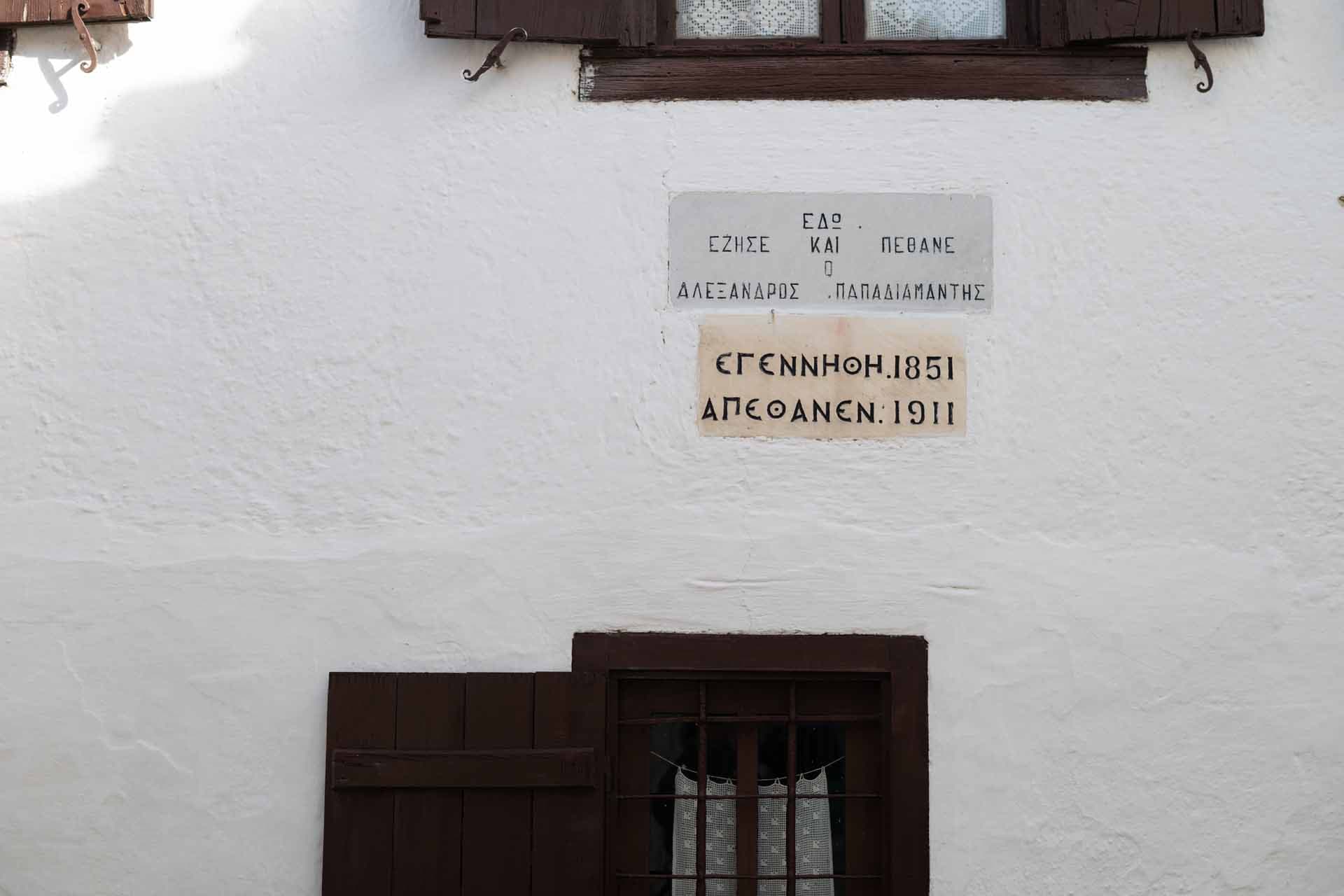
Known as Megisti since ancient times, Kastellorizo is a tiny speck on the map at the edge of the Aegean Sea; a crossroads between Europe and Asia, it holds a long history that begins in antiquity and ends in folk culture. This history unfolds at the Diachronic Museum of Megisti (Archaeological and Folklore), which is well worth a visit.
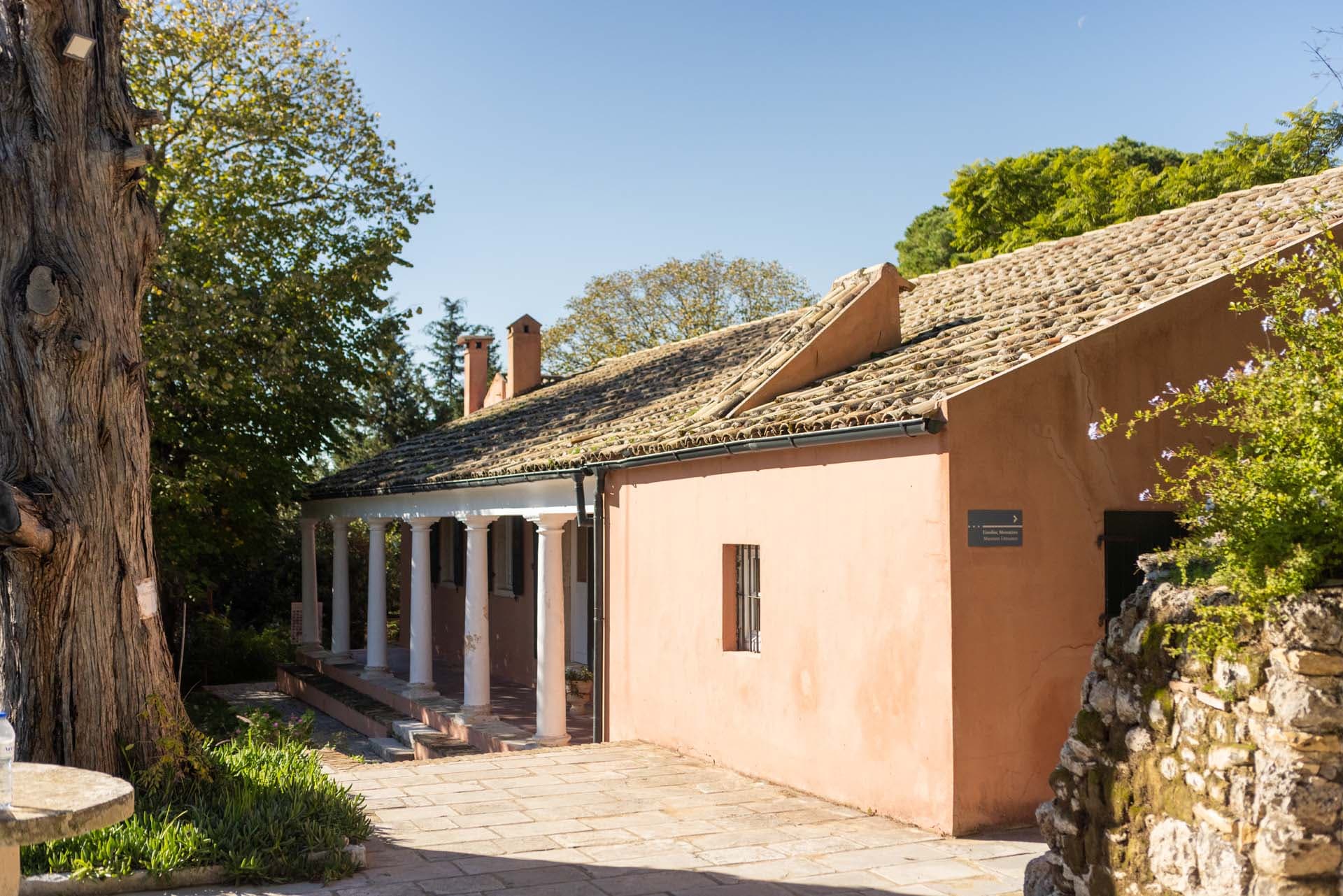
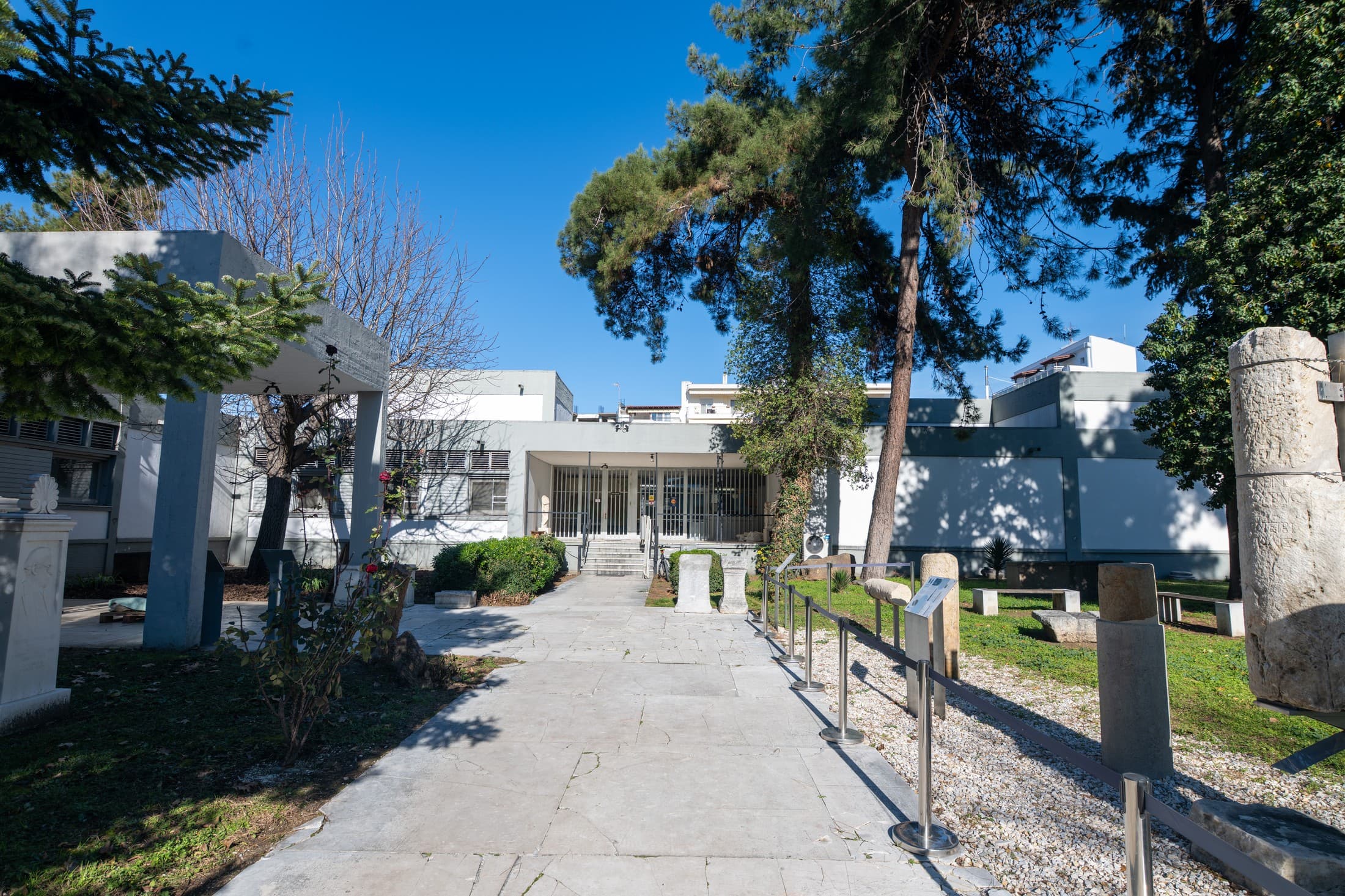
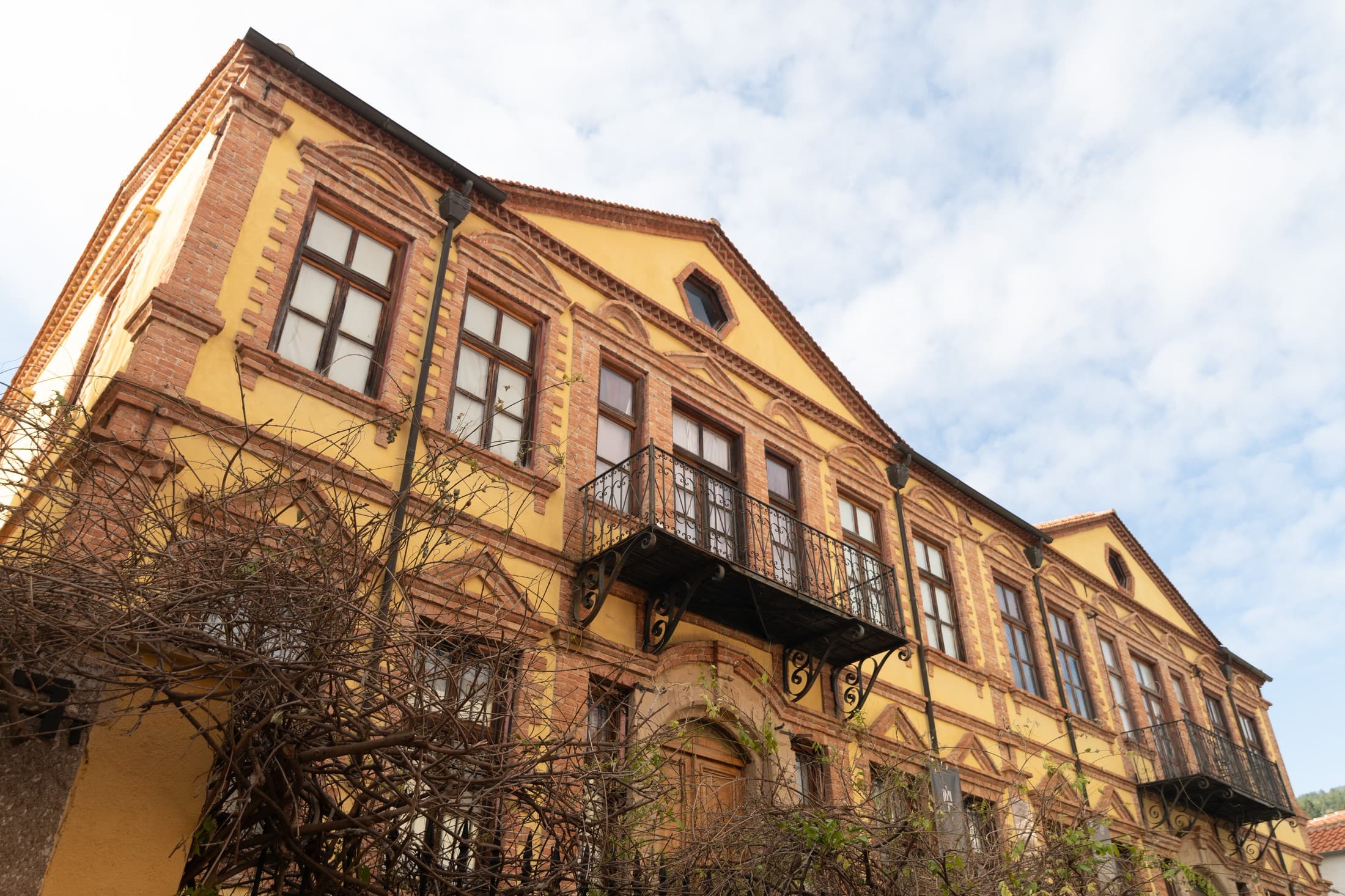
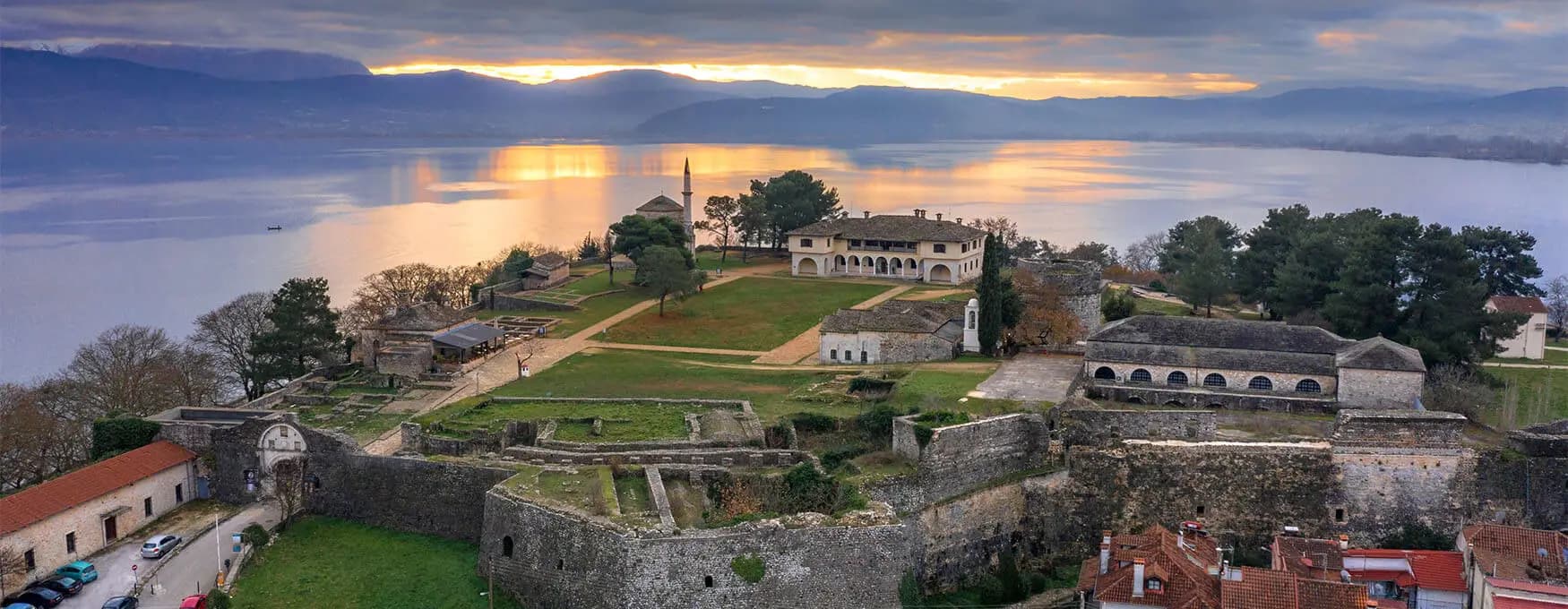
You will find it in the Kavos quarter (to the west as you enter the harbour), in the two-storey "Konaki" building, which has been designated a landmark monument and is part of the medieval castle of Agios Nikolaos. The ground floor dates to the period of the Knights Hospitaller, while the first floor is a 19th-century addition.
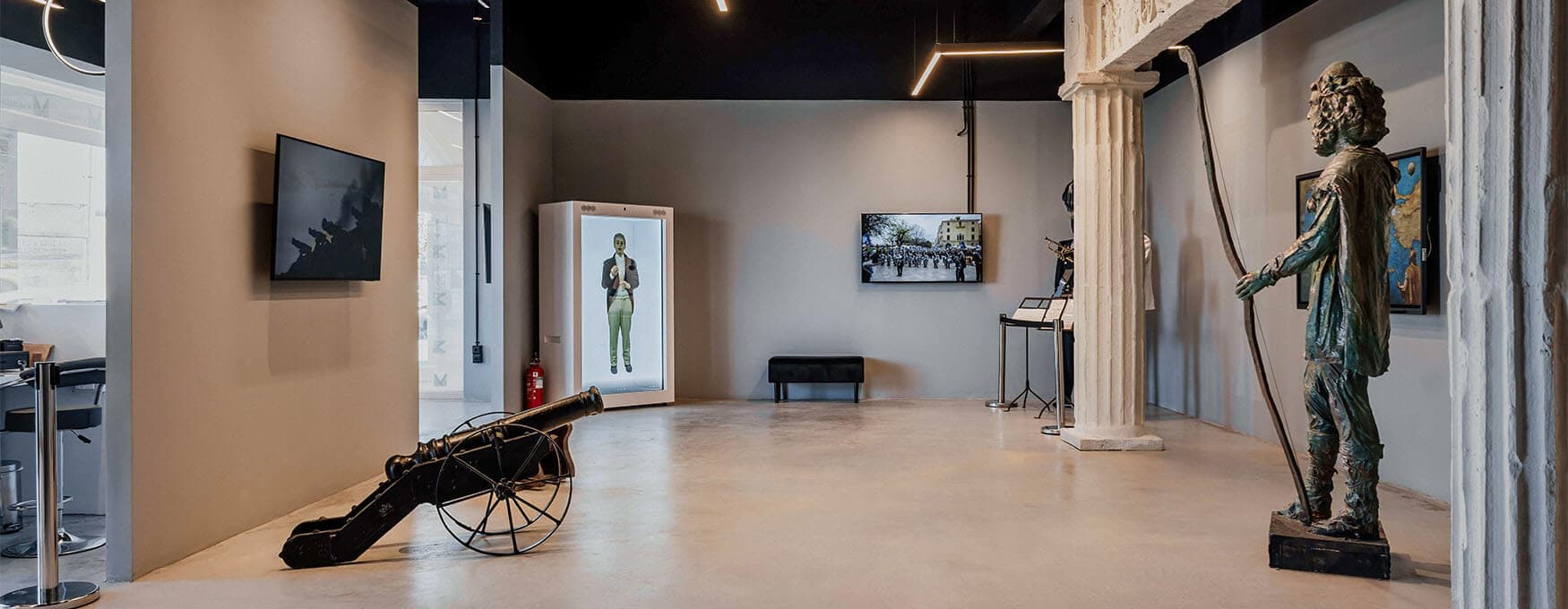
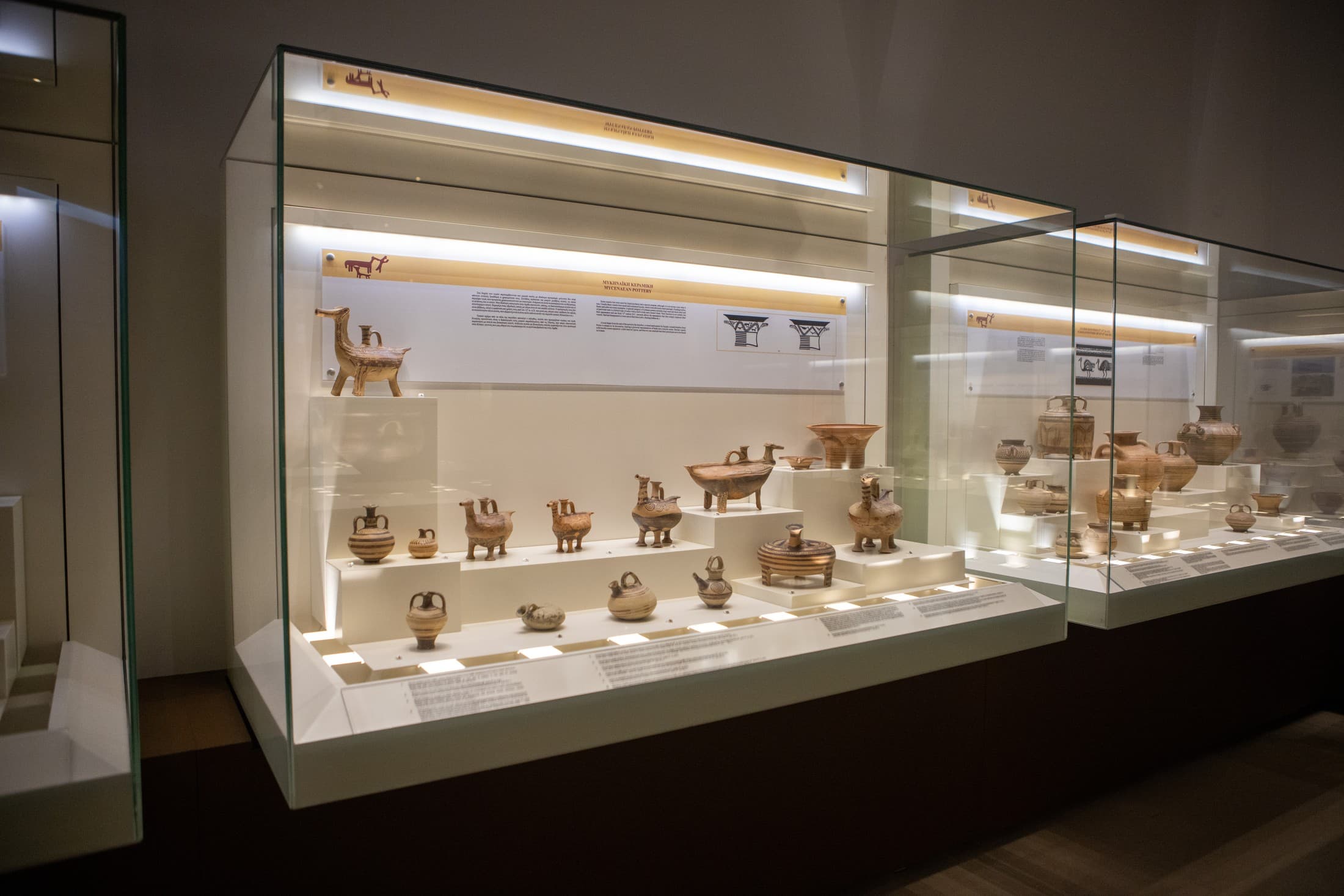
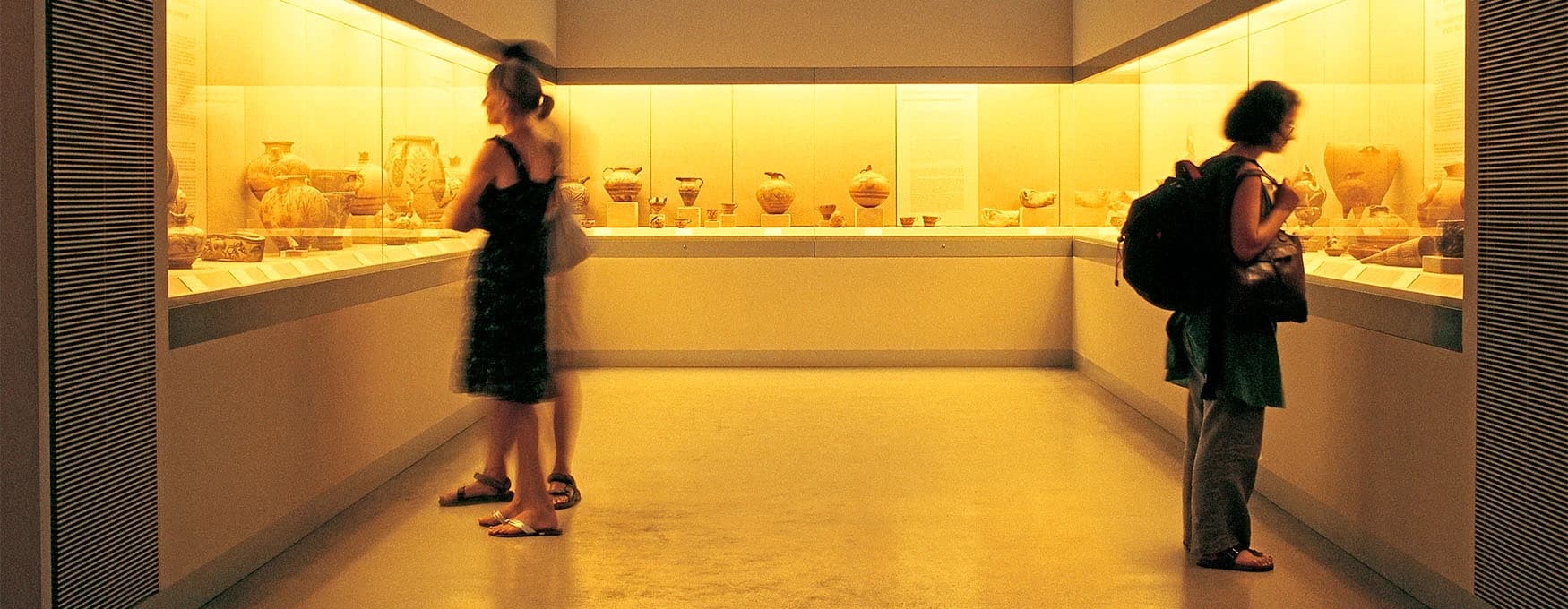
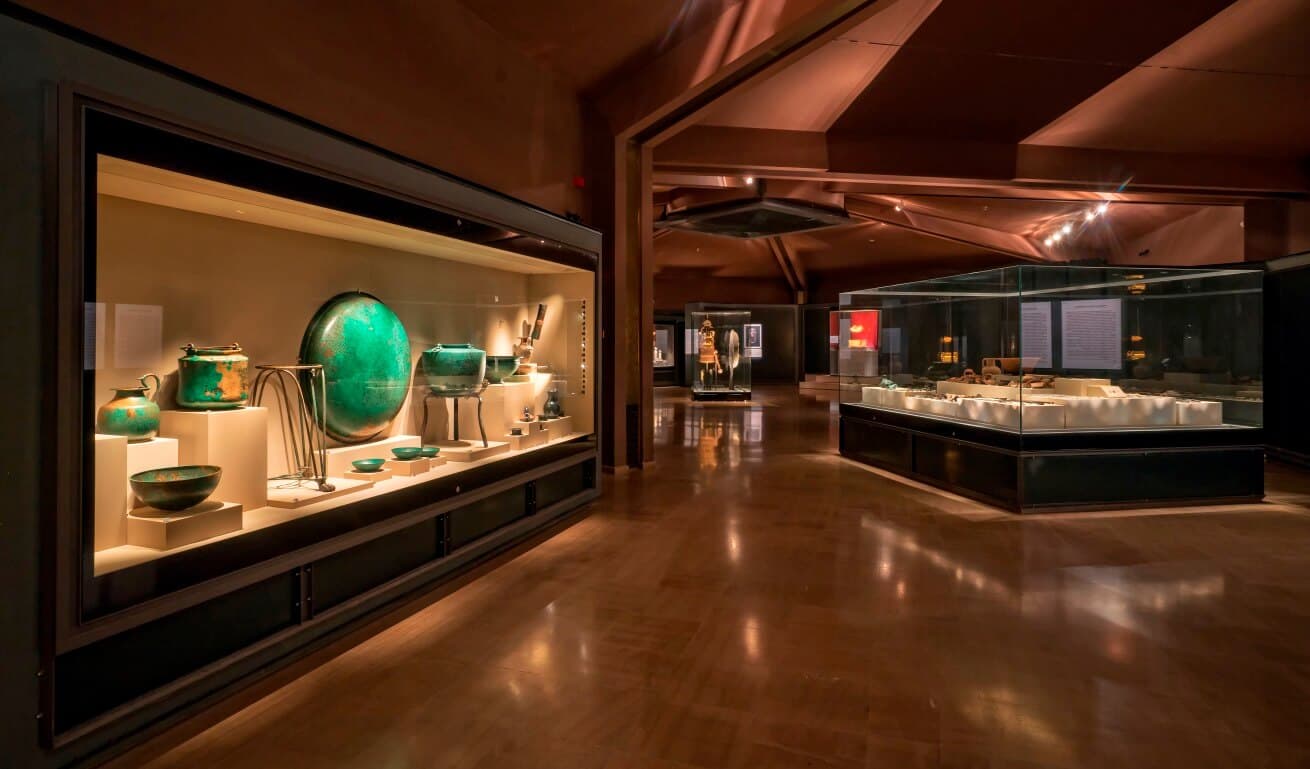
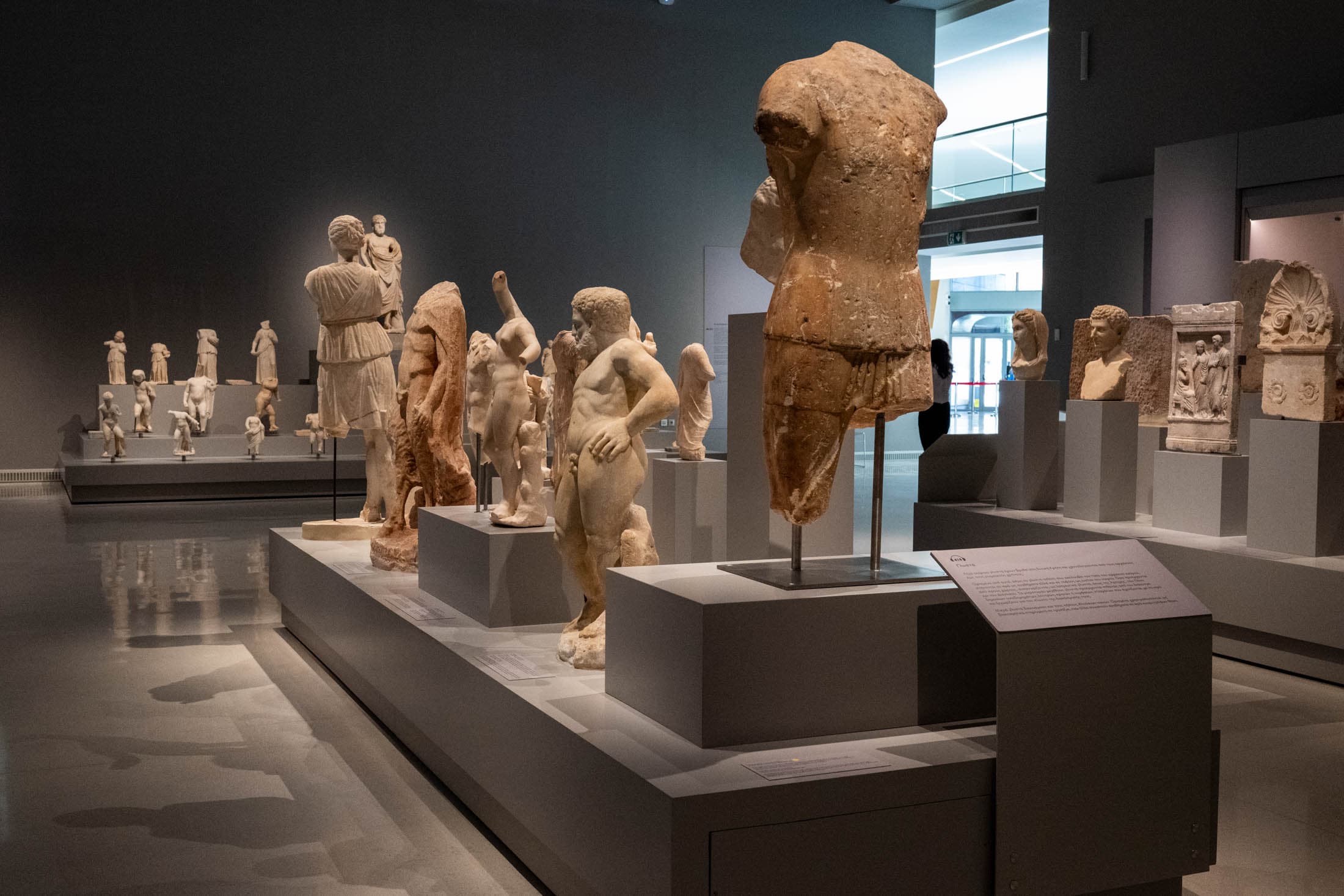
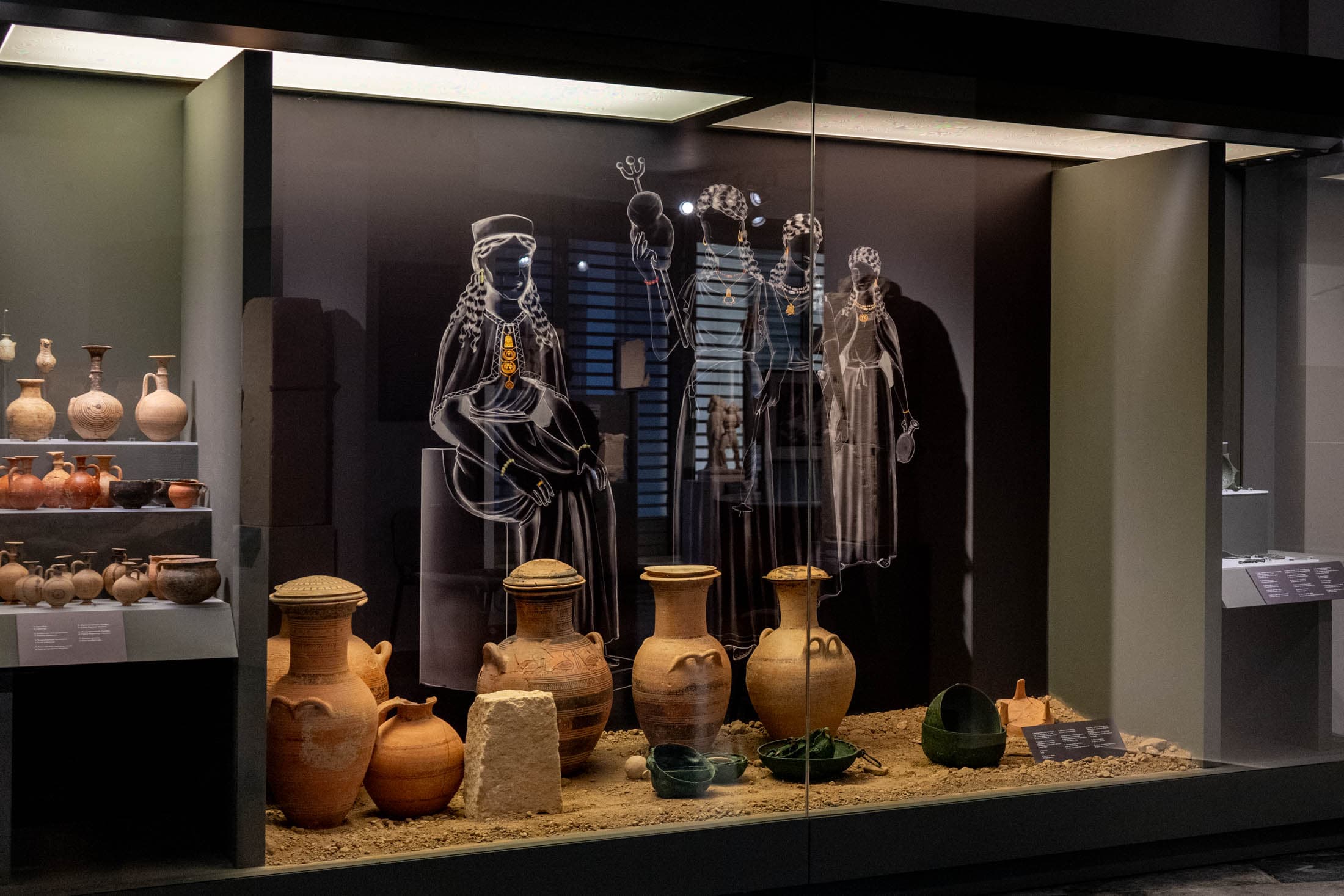
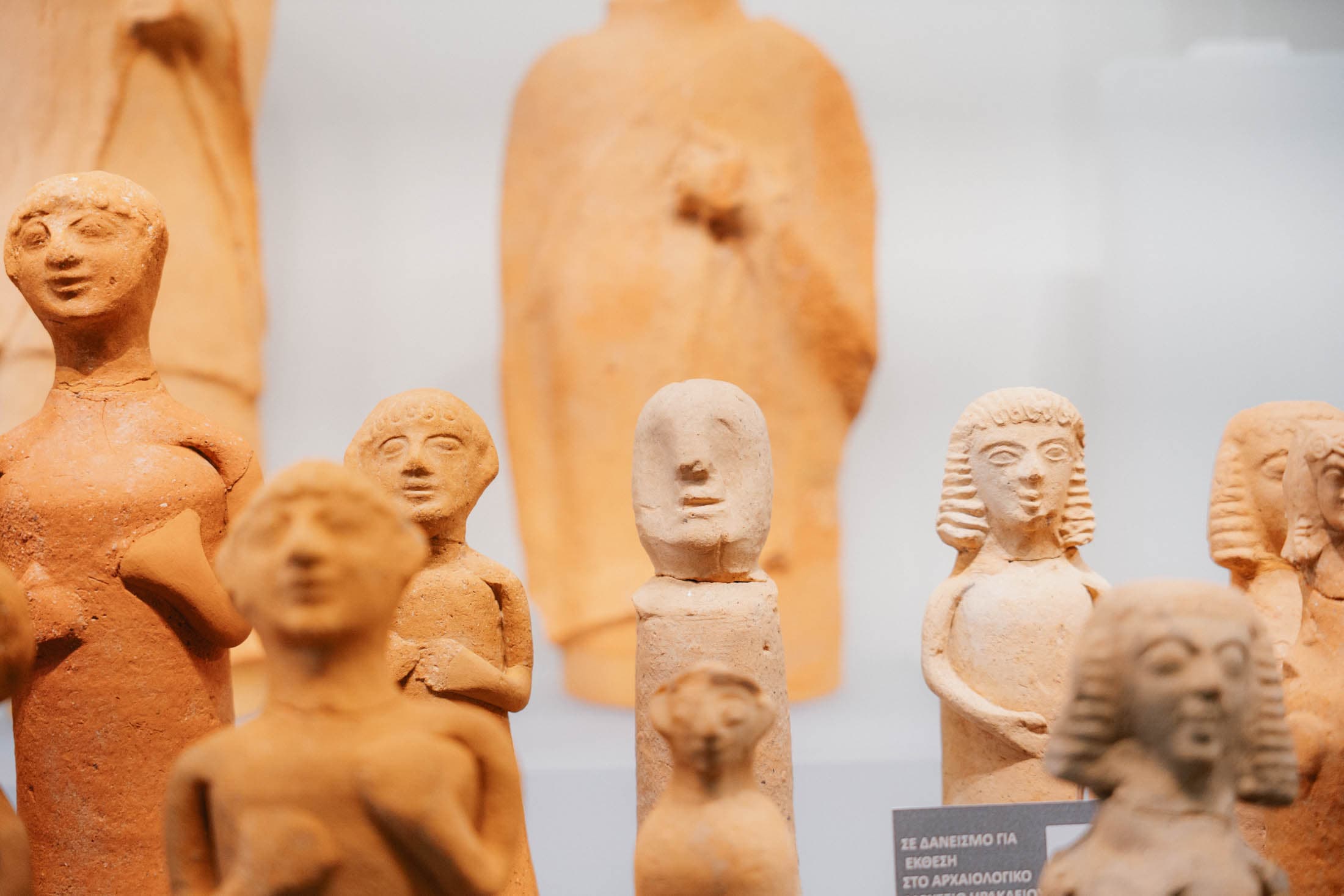
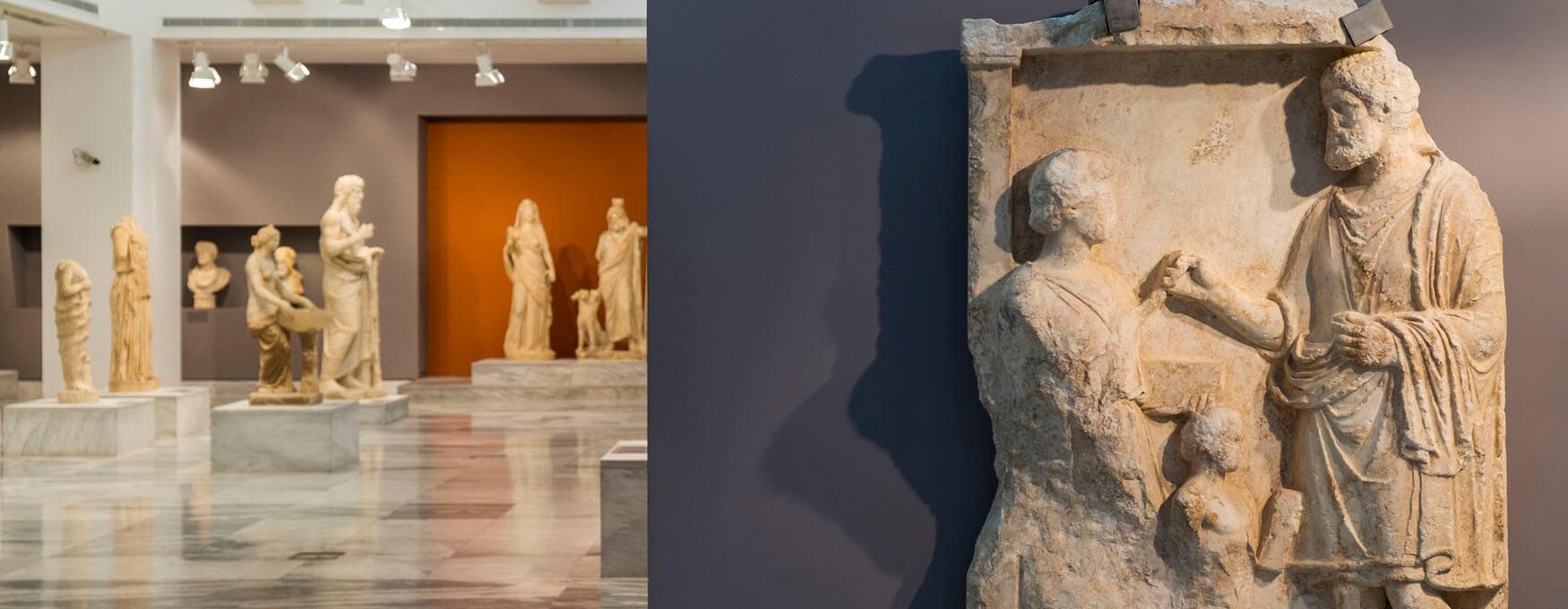
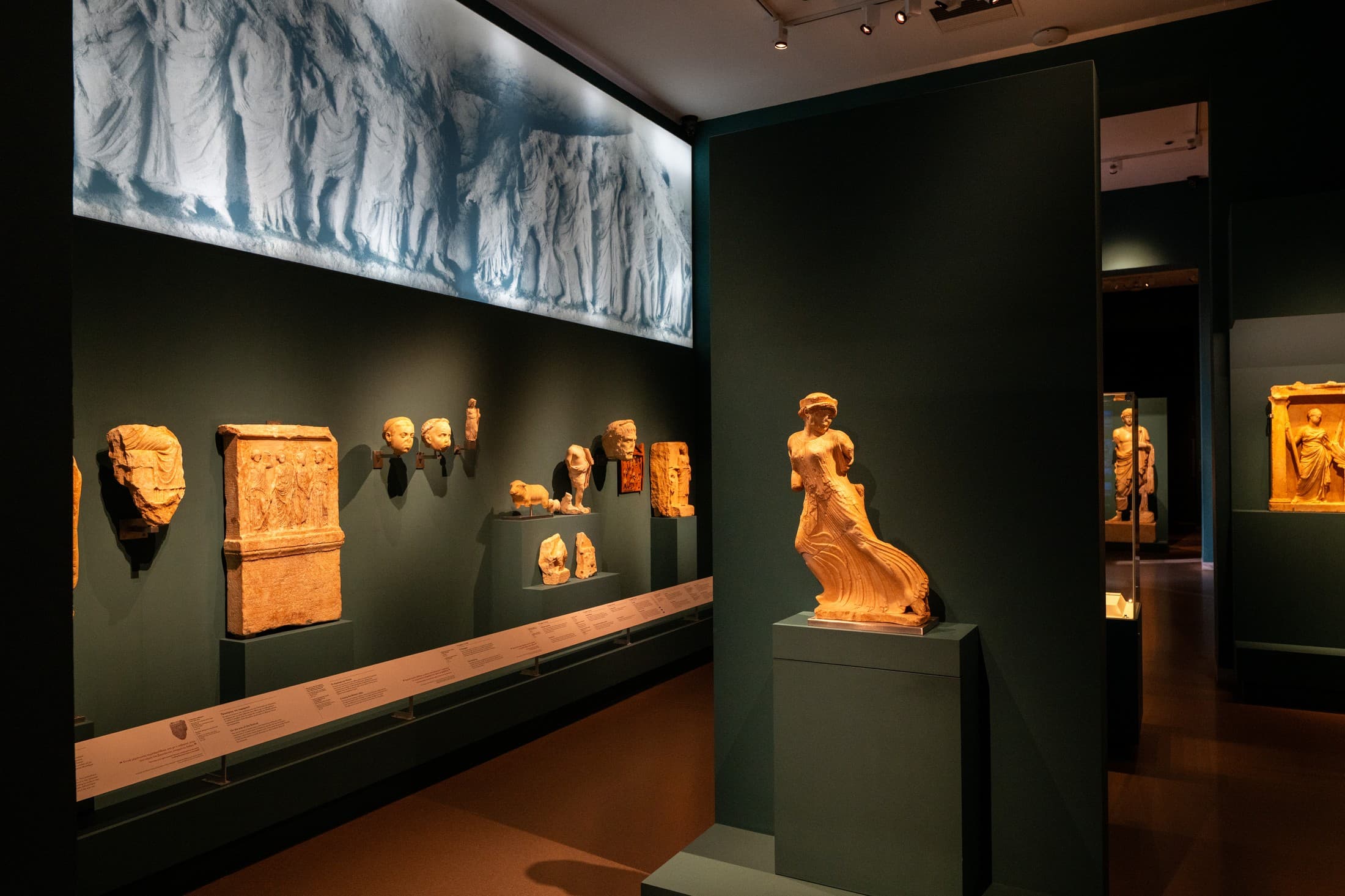
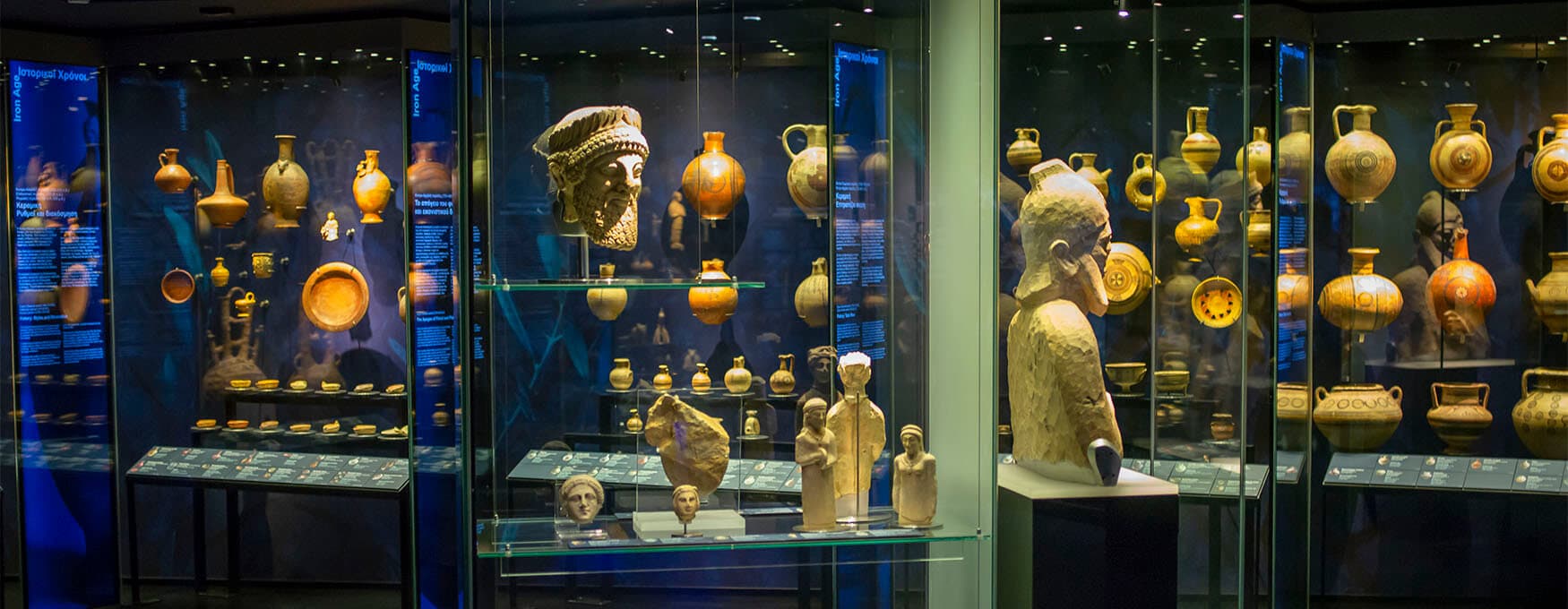
The narration is chronological. The first stop is Ancient Megisti, with finds such as inscriptions, votive stelae, lamps and amphorae. Outstanding pieces include the headless statuette of Hygeia (1st c. BC) and the cast of a marble sarcophagus (2nd c. AD).
The next stop is the Early Christian era, where among other things you will admire a steatite icon depicting Saint Demetrius, a graphic representation of the Castle of Agios Nikolaos, glazed tiles from the shipwreck at Cape "Afros" (12th-13th c.), as well as travellers' texts.
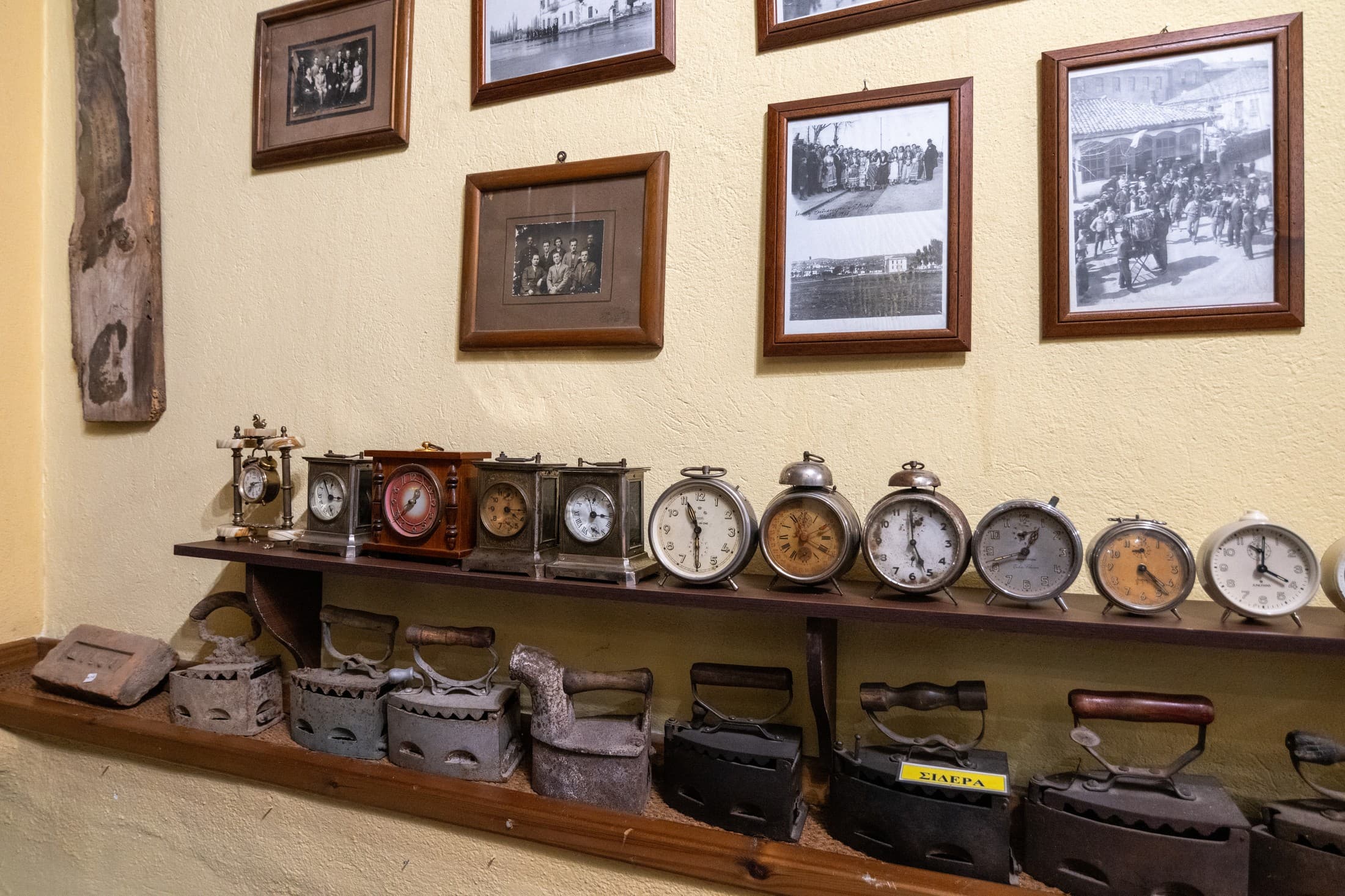
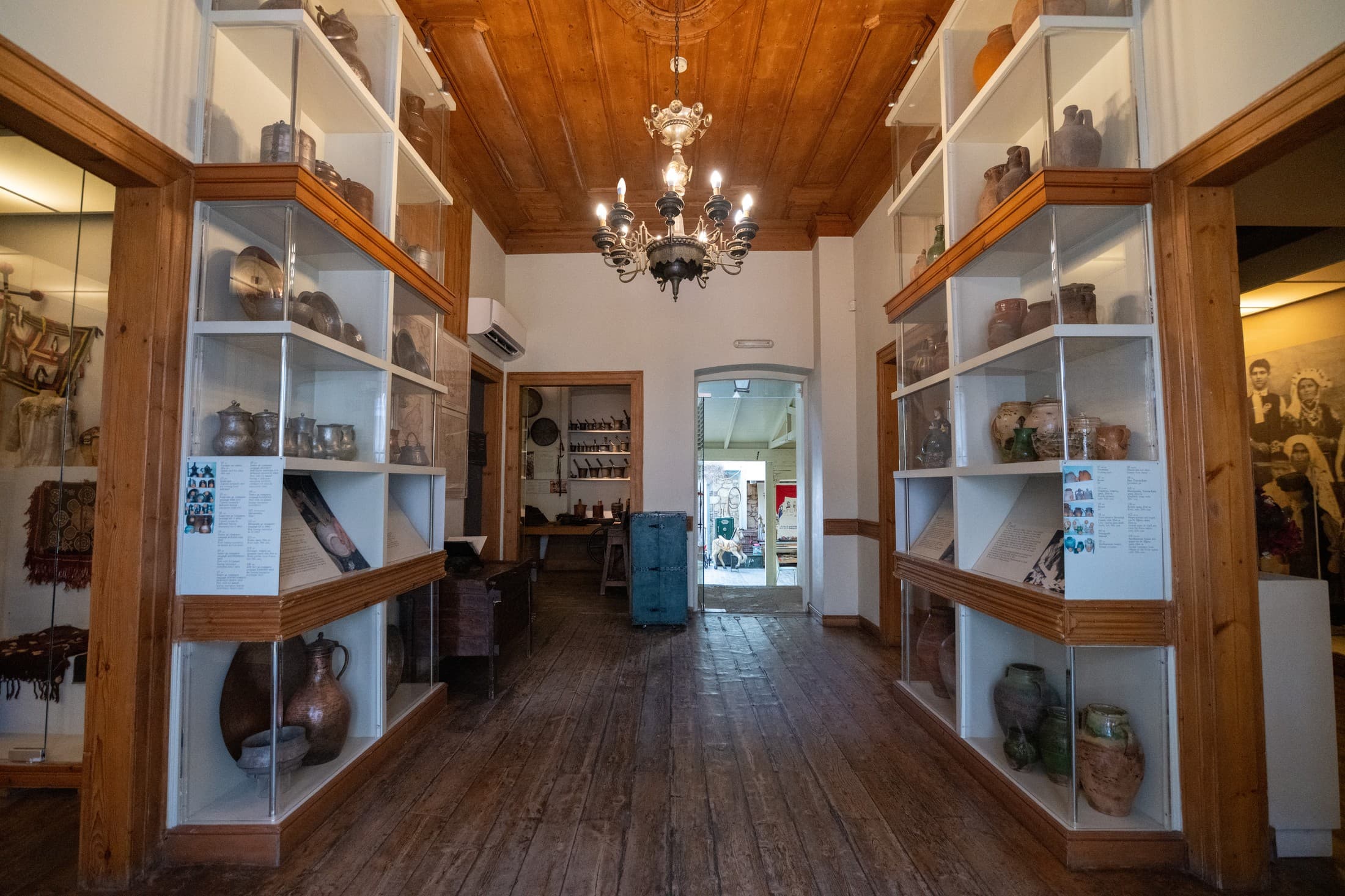
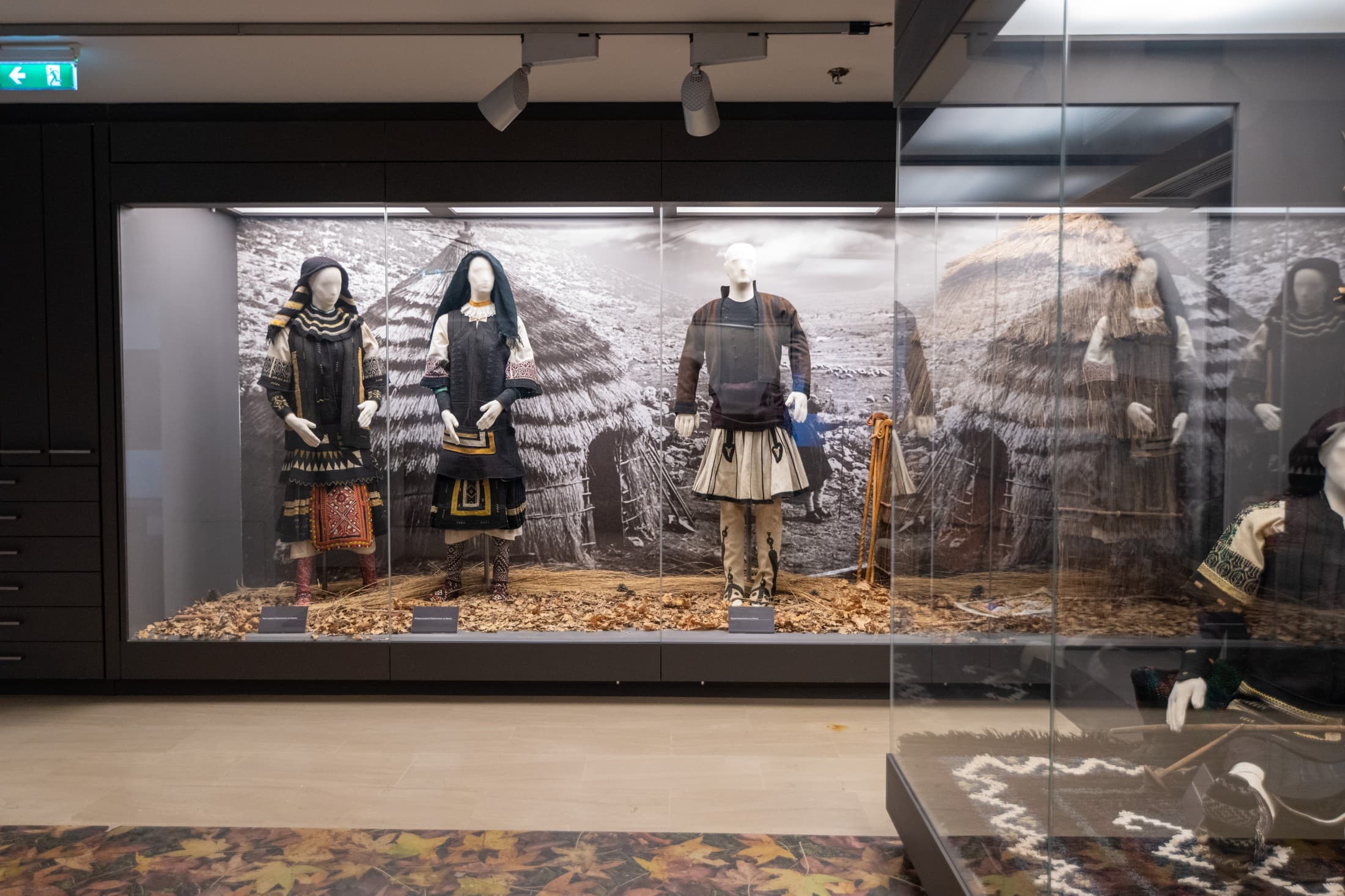
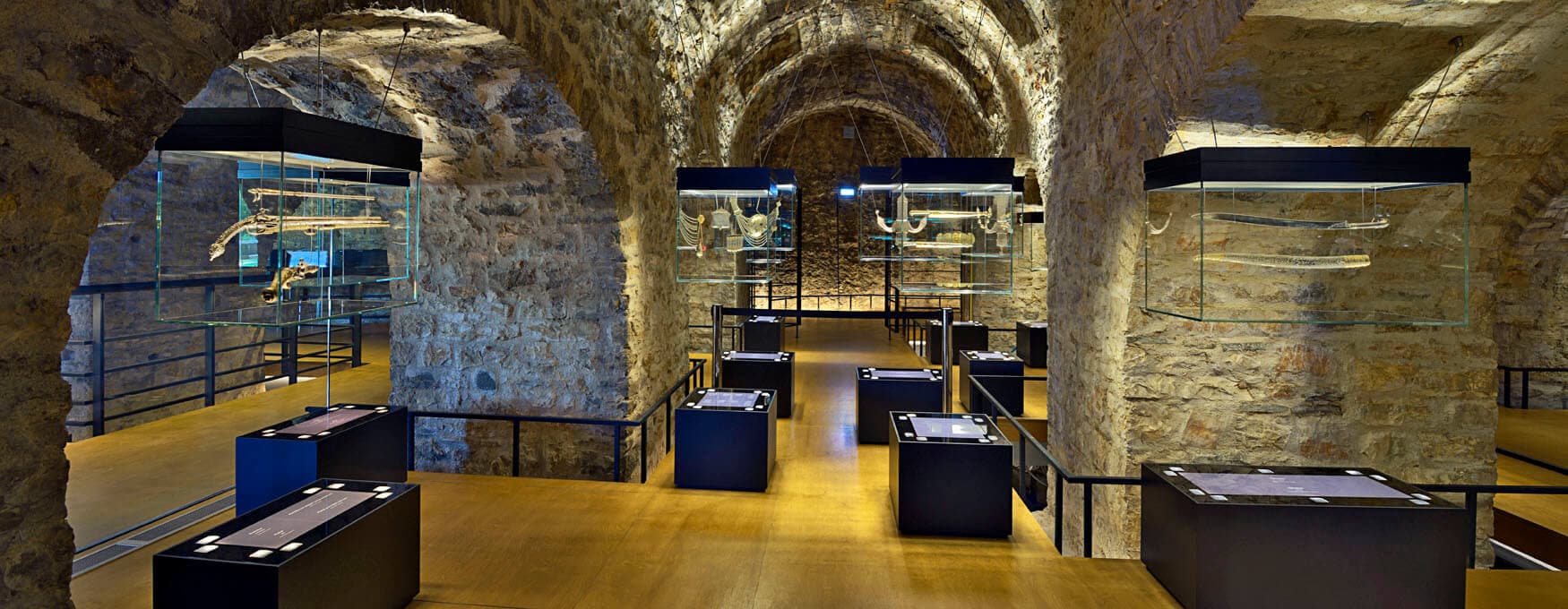
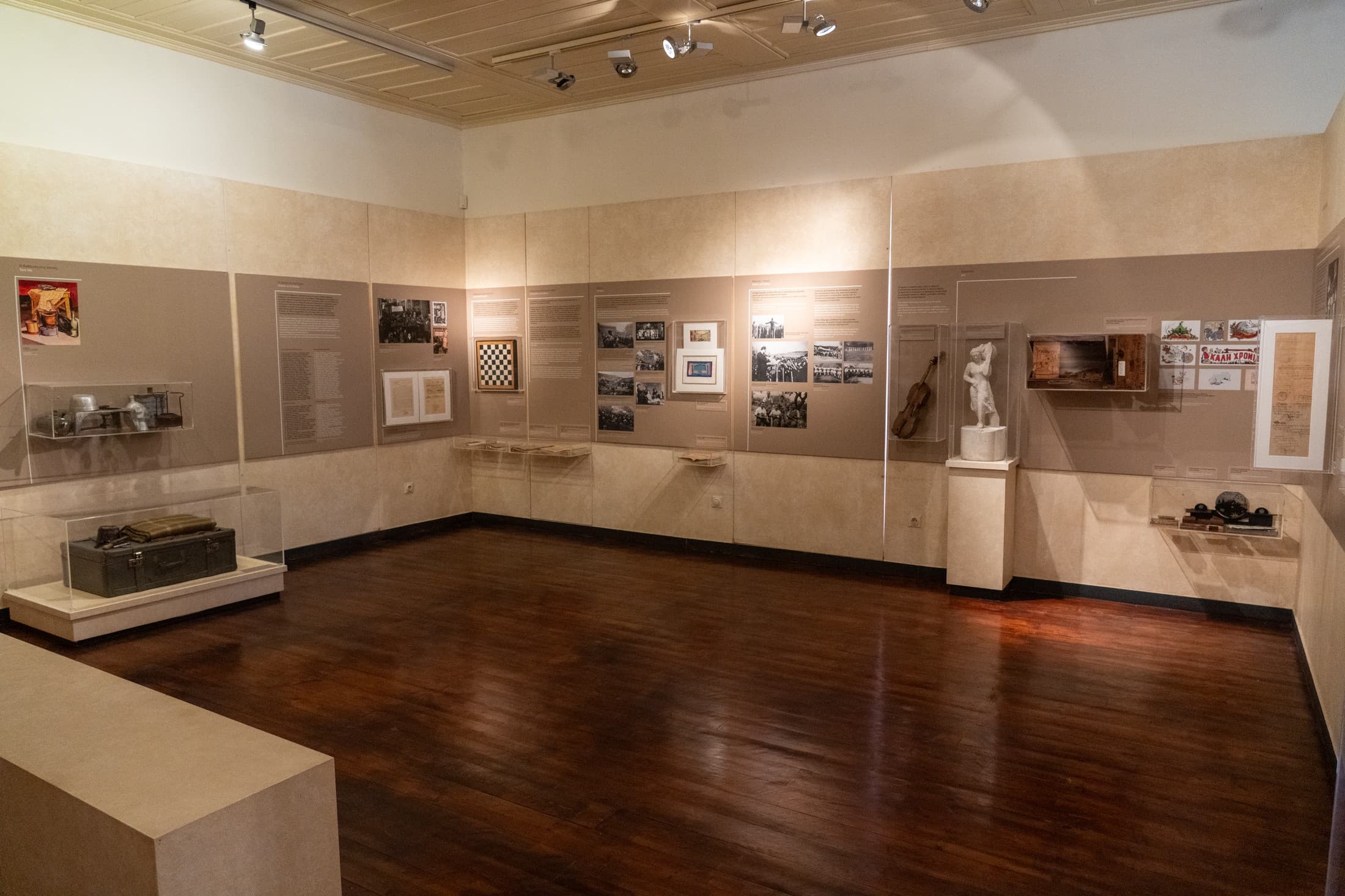
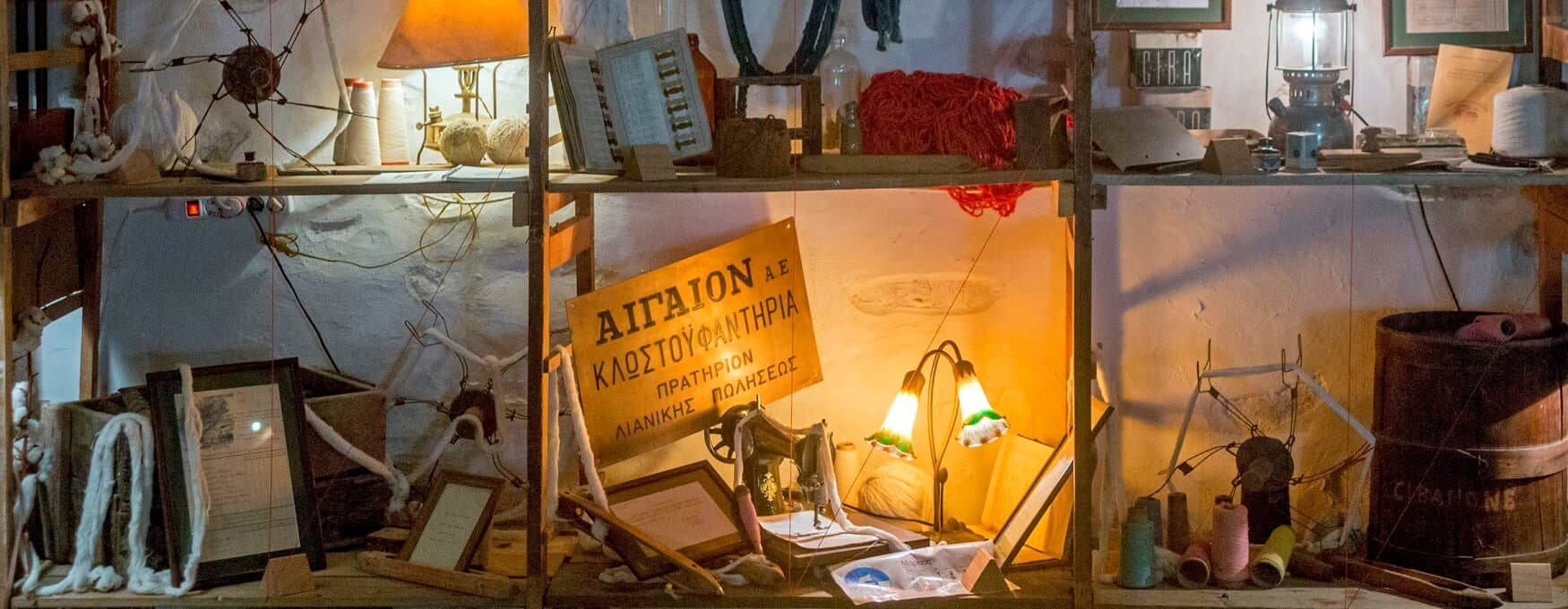
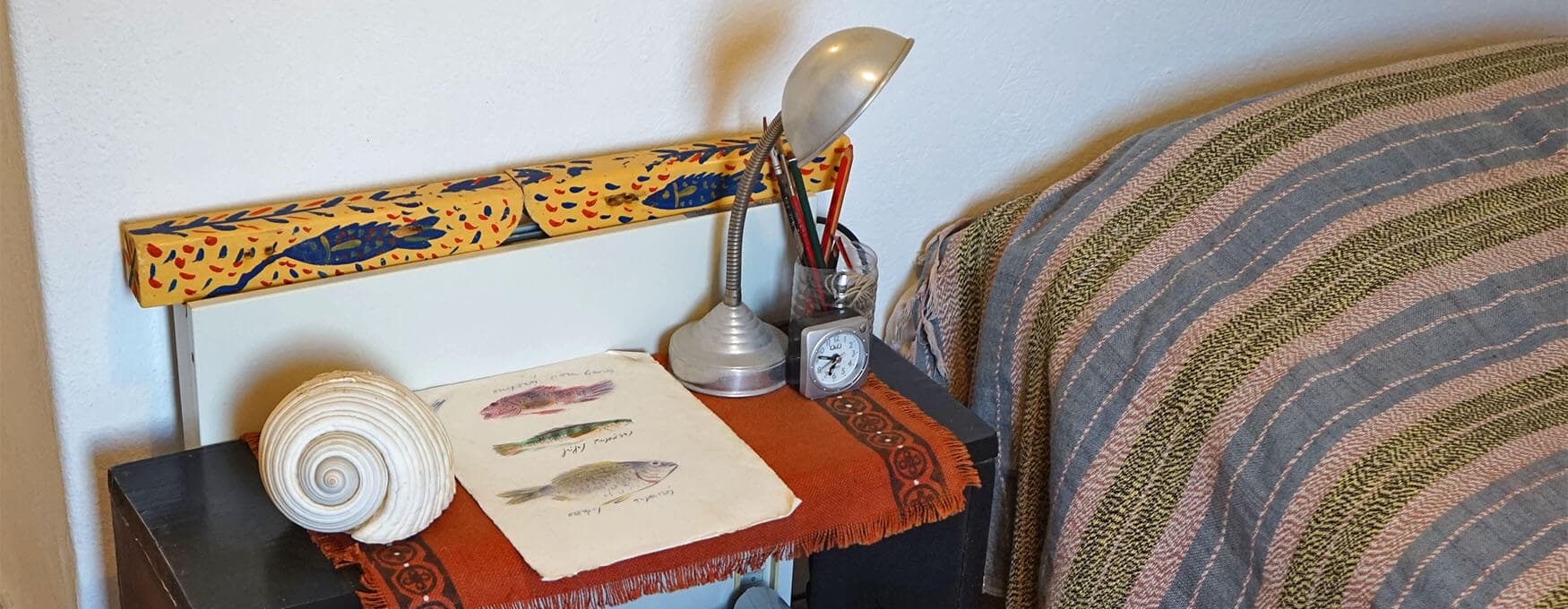
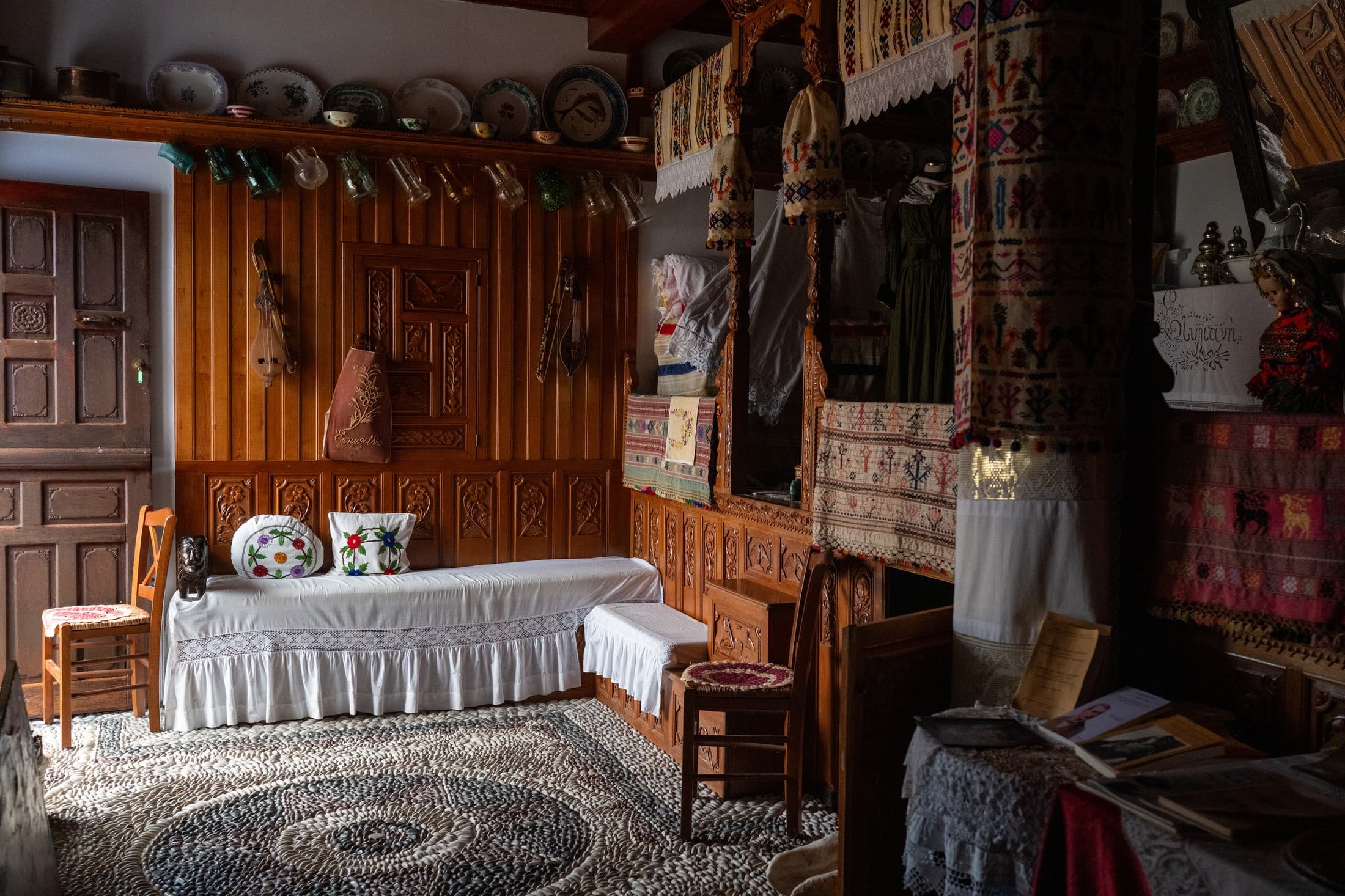
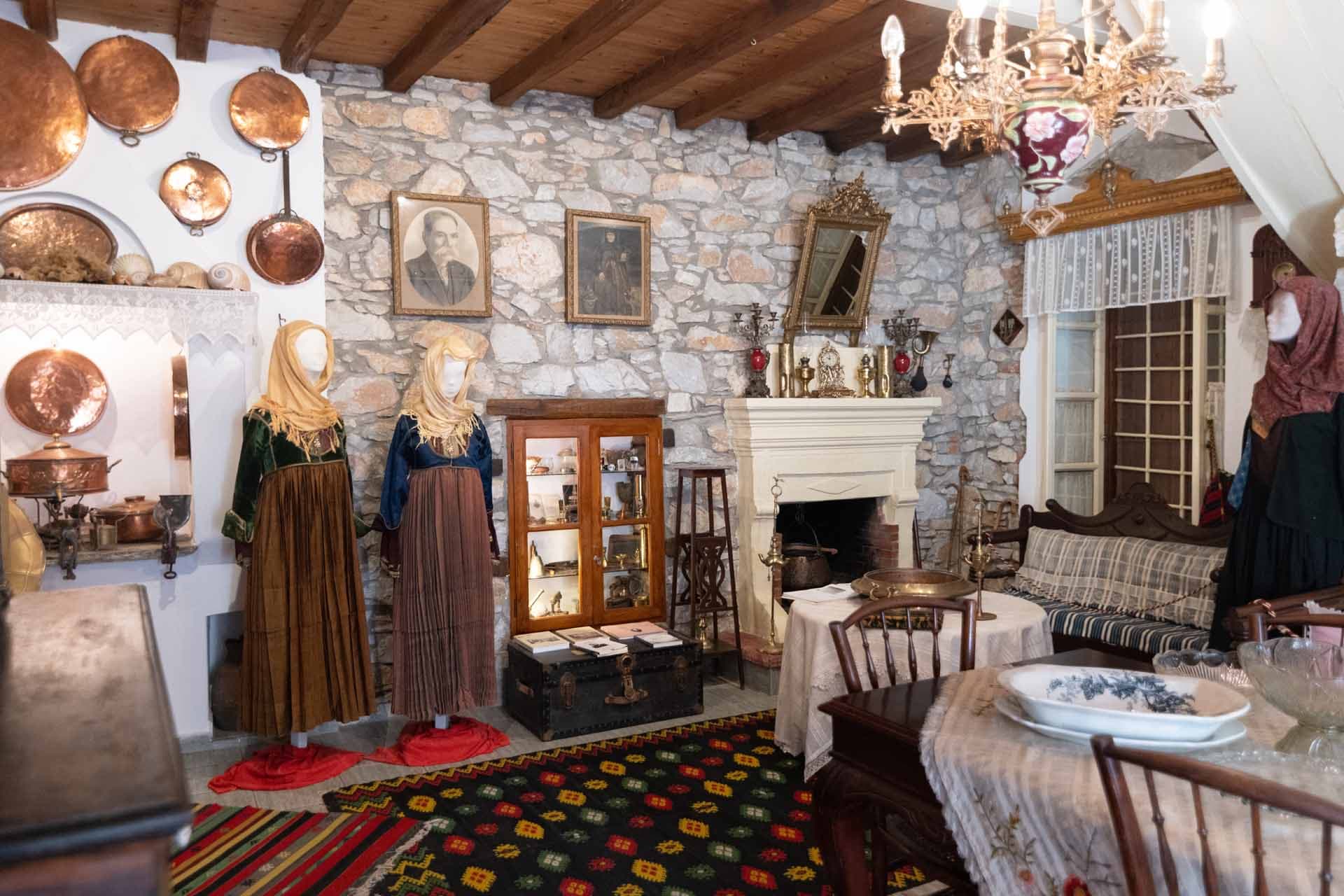
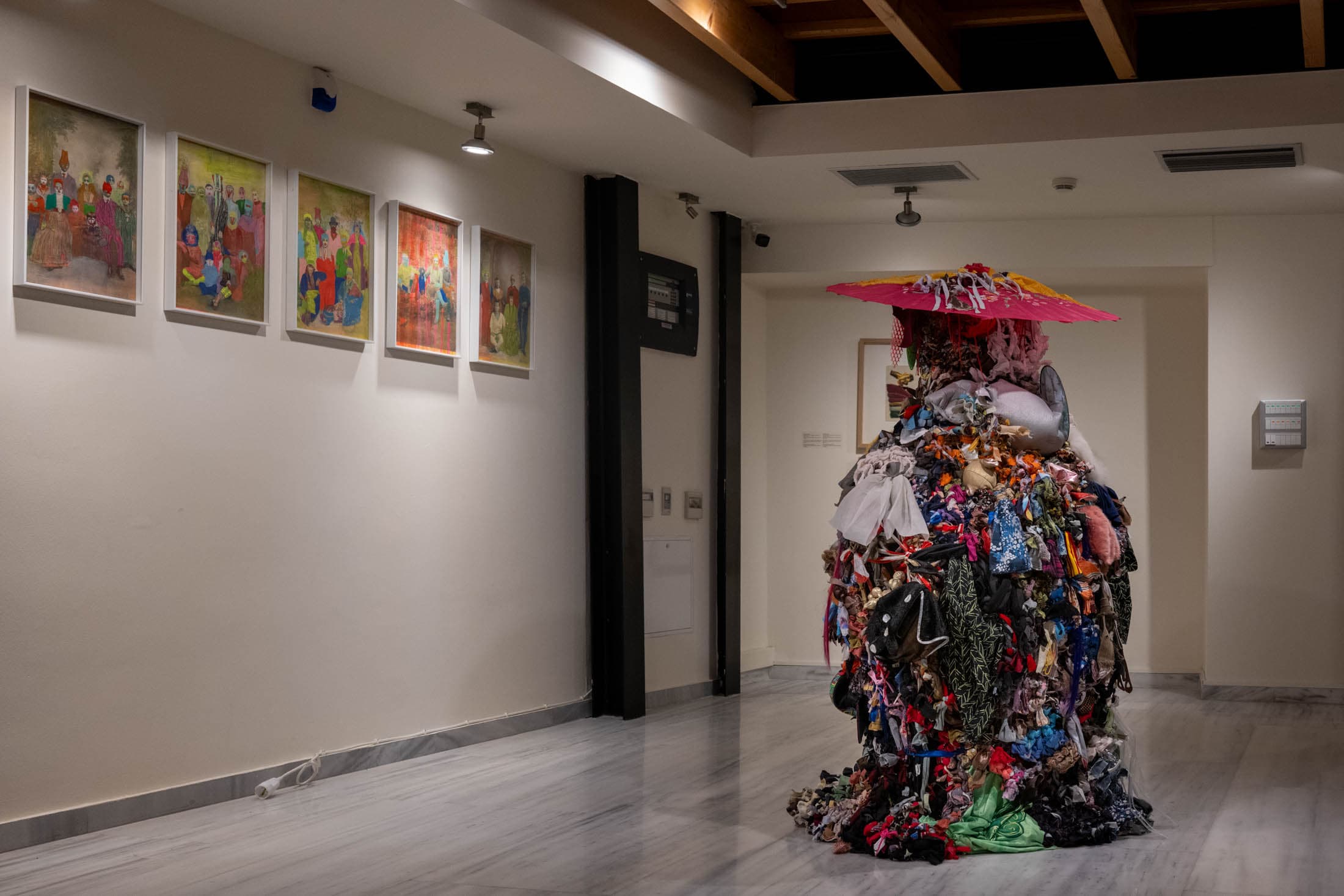
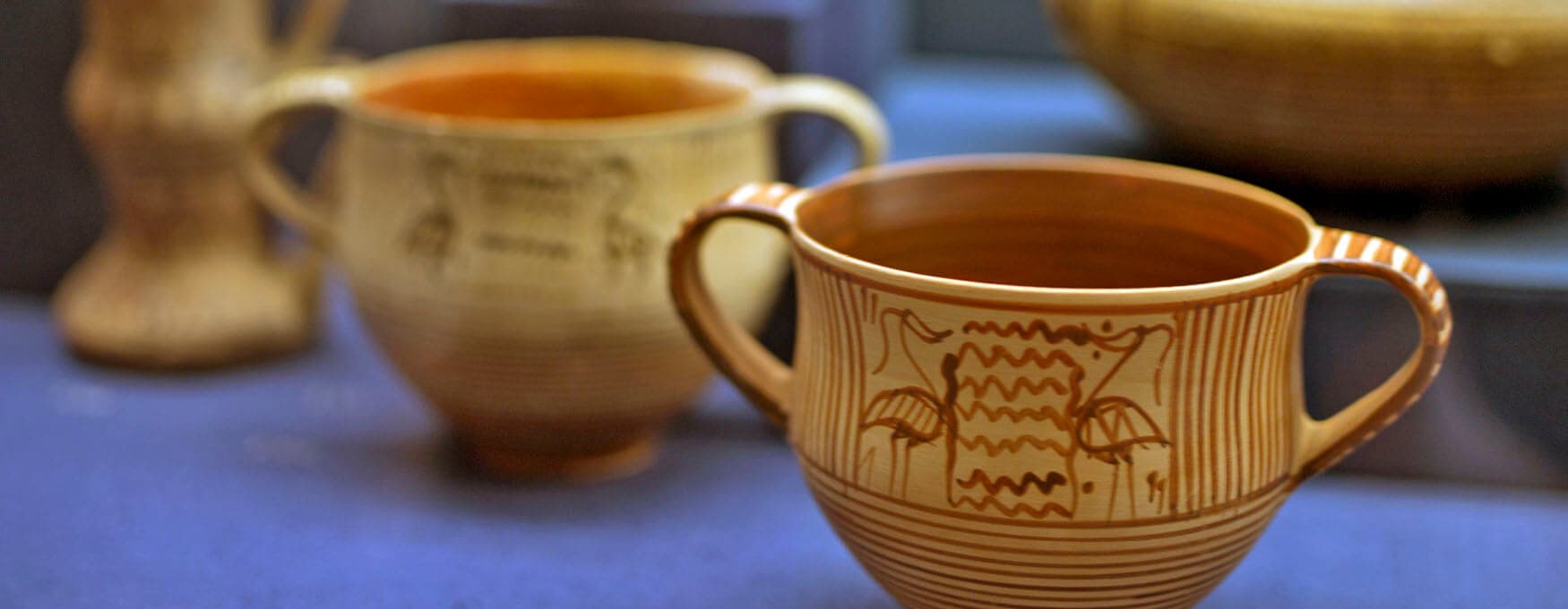
The "journey" continues with detached murals from Agios Nikolaos (17th c.), portable icons, works of miniature art, drawings and photographs of post-Byzantine monuments on the island, and concludes with an exhibition dedicated to folklore, where you can admire traditional costumes, ceramics, items of folk art, a reconstruction of a traditional island kitchen, as well as a model of a sponge diver with diving gear — an element of the island's naval tradition concerning sponge fishing, which flourished from the 19th century.
You will find it in the Kavos quarter (to the west as you enter the harbour), in the two-storey "Konaki" building, which has been designated a landmark monument and is part of the medieval castle of Agios Nikolaos. The ground floor dates to the period of the Knights Hospitaller, while the first floor is a 19th-century addition.
The narration is chronological. The first stop is Ancient Megisti, with finds such as inscriptions, votive stelae, lamps and amphorae. Outstanding pieces include the headless statuette of Hygeia (1st c. BC) and the cast of a marble sarcophagus (2nd c. AD).
The next stop is the Early Christian era, where among other things you will admire a steatite icon depicting Saint Demetrius, a graphic representation of the Castle of Agios Nikolaos, glazed tiles from the shipwreck at Cape "Afros" (12th-13th c.), as well as travellers' texts.
The "journey" continues with detached murals from Agios Nikolaos (17th c.), portable icons, works of miniature art, drawings and photographs of post-Byzantine monuments on the island, and concludes with an exhibition dedicated to folklore, where you can admire traditional costumes, ceramics, items of folk art, a reconstruction of a traditional island kitchen, as well as a model of a sponge diver with diving gear — an element of the island's naval tradition concerning sponge fishing, which flourished from the 19th century.