Discover the secrets of the sponge divers
Nestled between Kos and Leros lies Kalymnos, world-famous as a centre for the processing and trading of sponges, with a tradition spanning hundreds of years. It supplied both Greece and international markets, remaining a key centre for the nation's sponge industry even after World War II. However, this activity ceased in the 1980s, following an epidemic that destroyed the sponges in the Mediterranean.
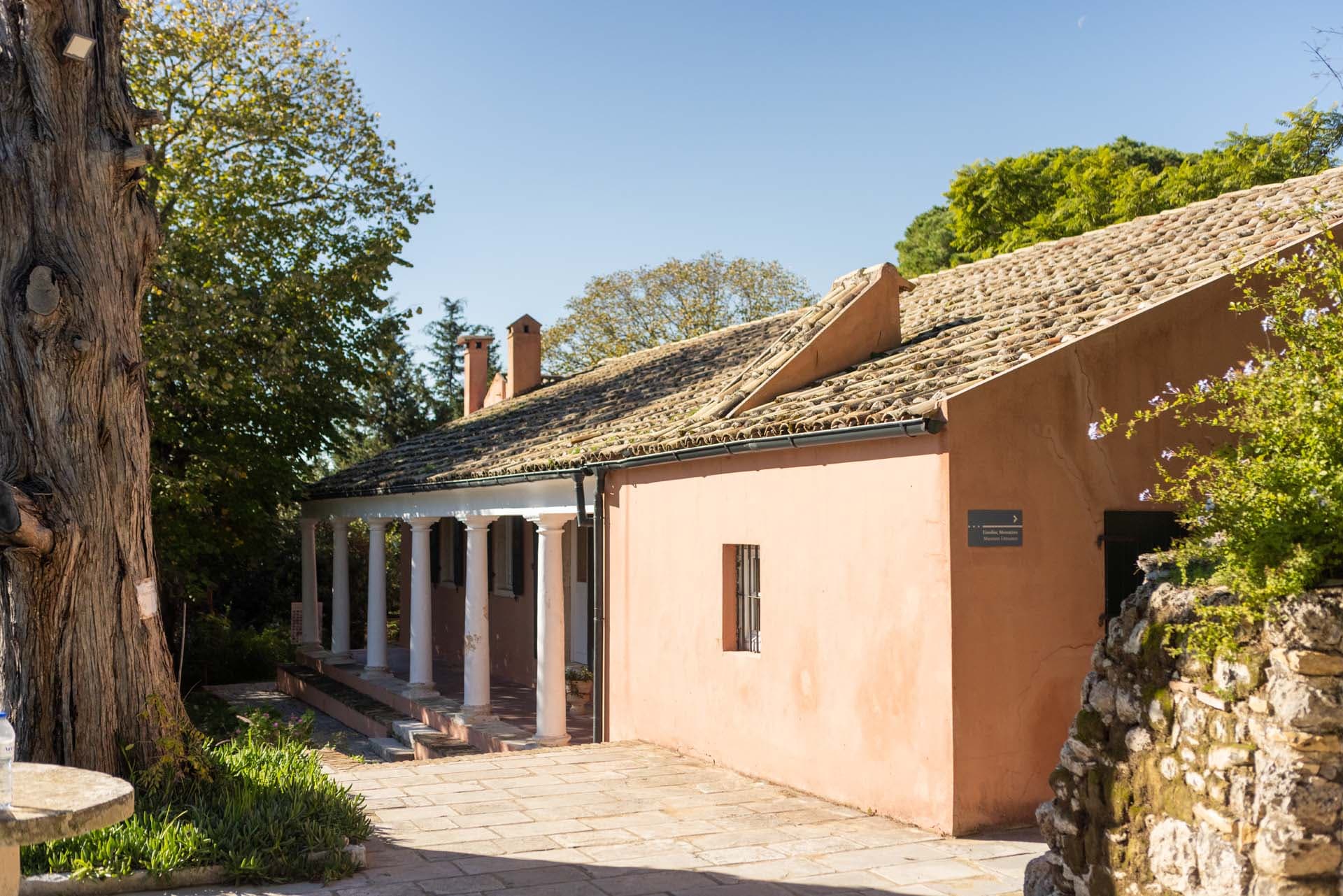
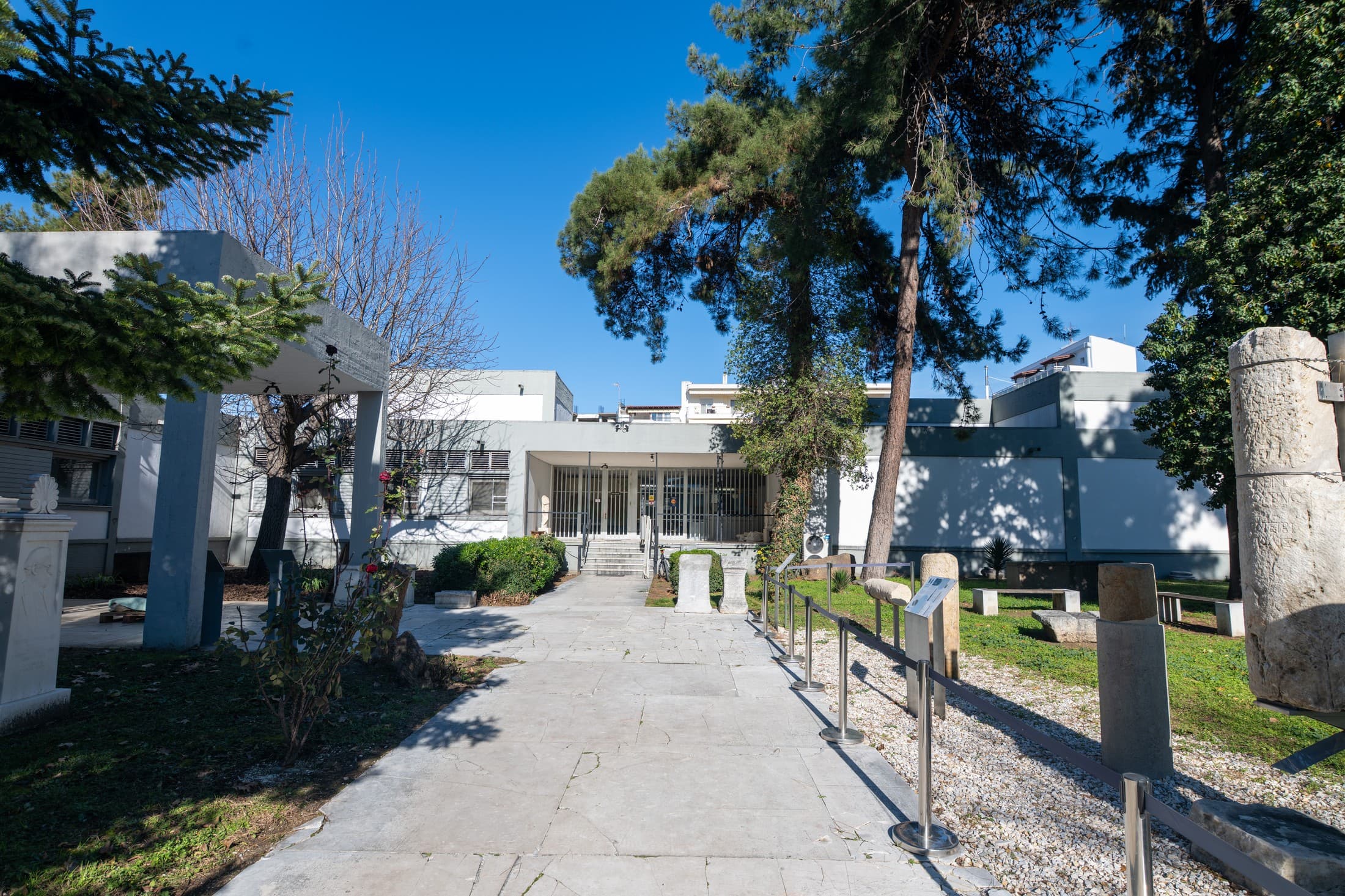
This tradition unfolds at the Kalymnos Maritime Museum, housed within the former Vouvalis Naval School building, in the island's capital, Pothia.
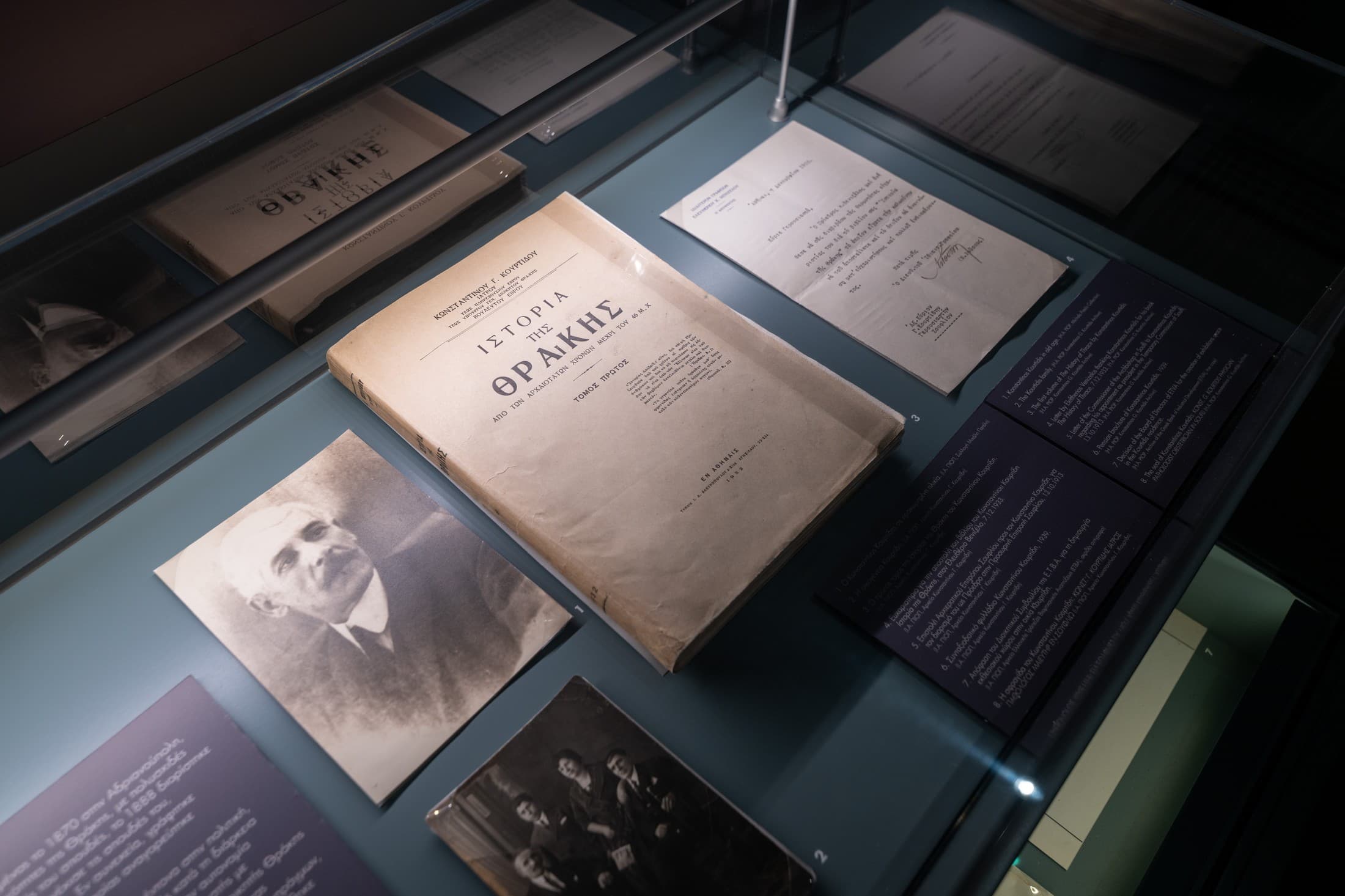
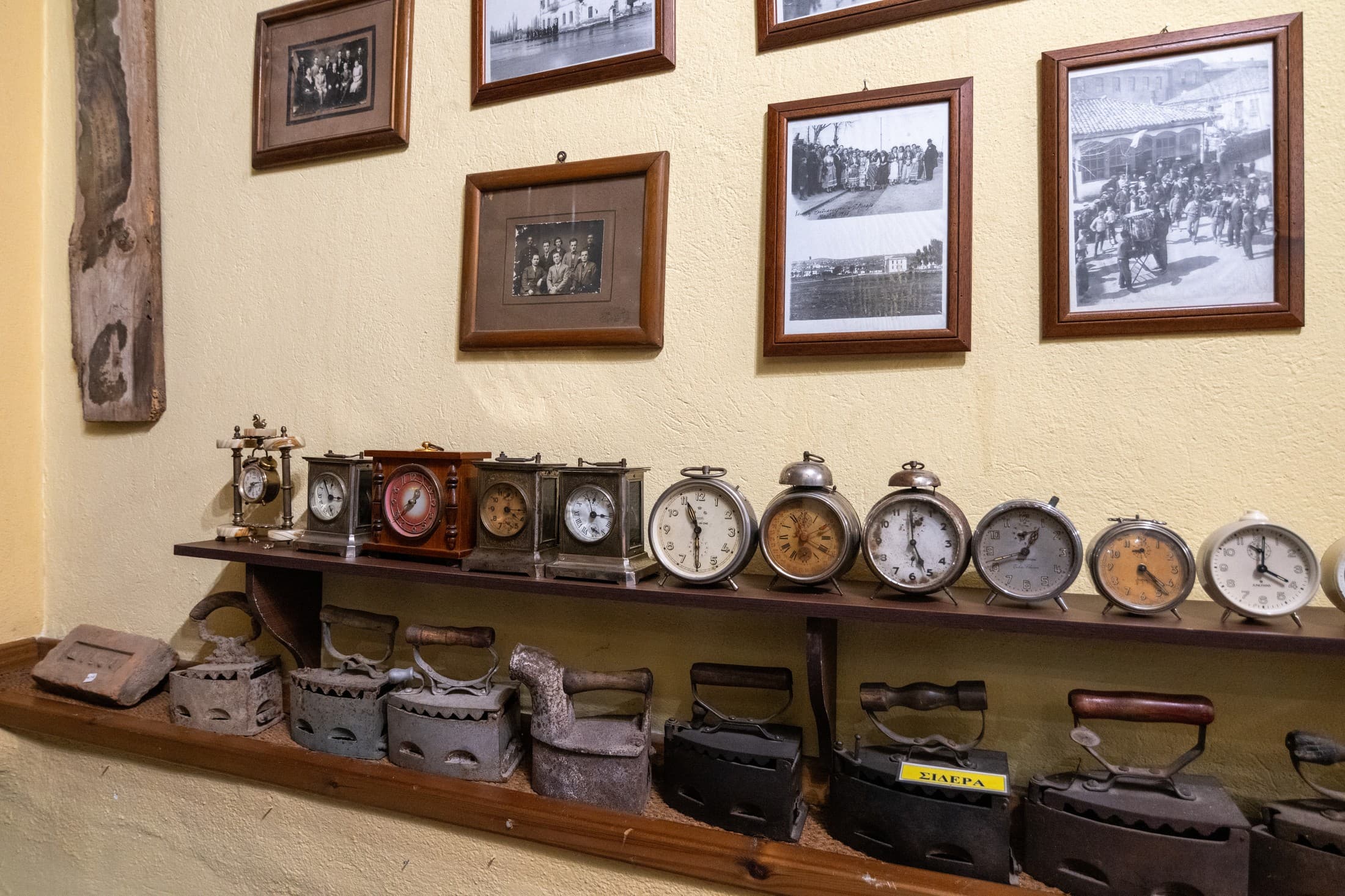
Step inside and discover the history and techniques of sponge diving, alongside the lifestyle of the divers and their families. Photographs from the 19th and 20th centuries capture the faces of sponge divers, caiques and the sponges collected from the seabed, as well as the events held on the island in the 20th century for the divers' departure.
A turning point in the profession's history was the use of the diving suit from 1869, which brought a revolution to sponge diving. Due to the growth experienced by Kalymnos, inhabitants from neighbouring islands also settled there.
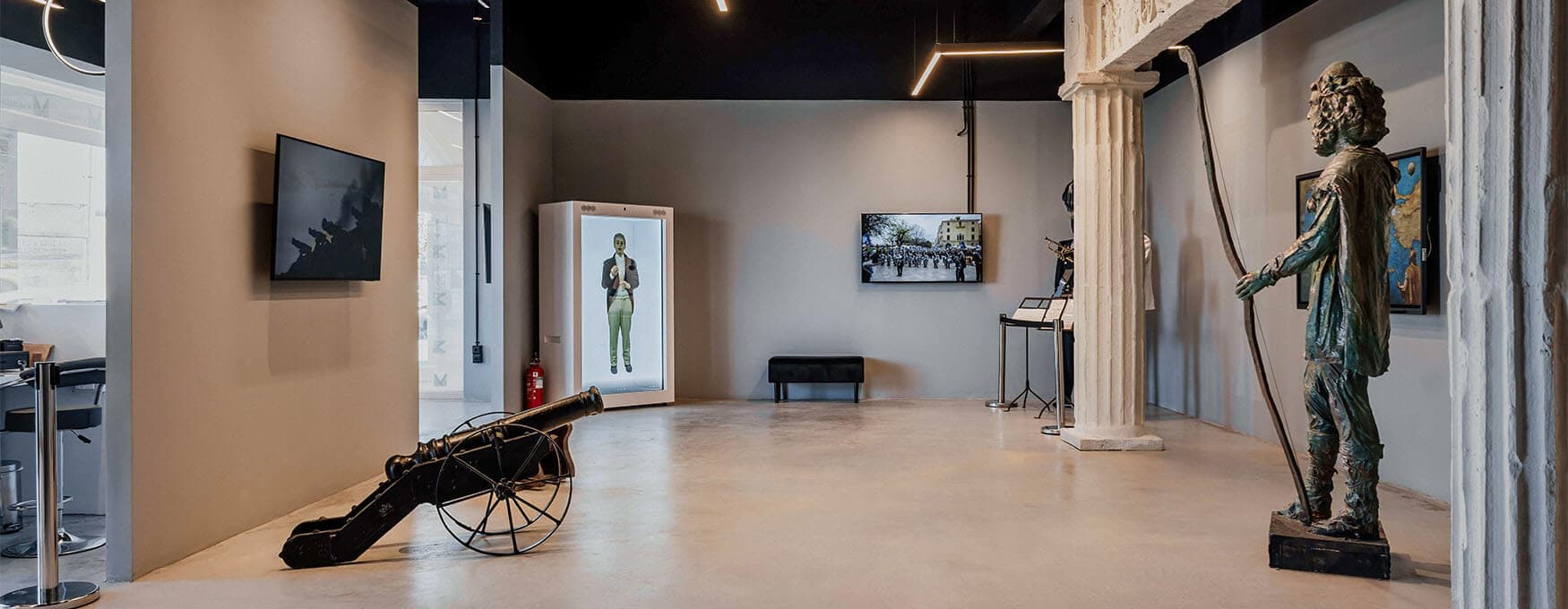
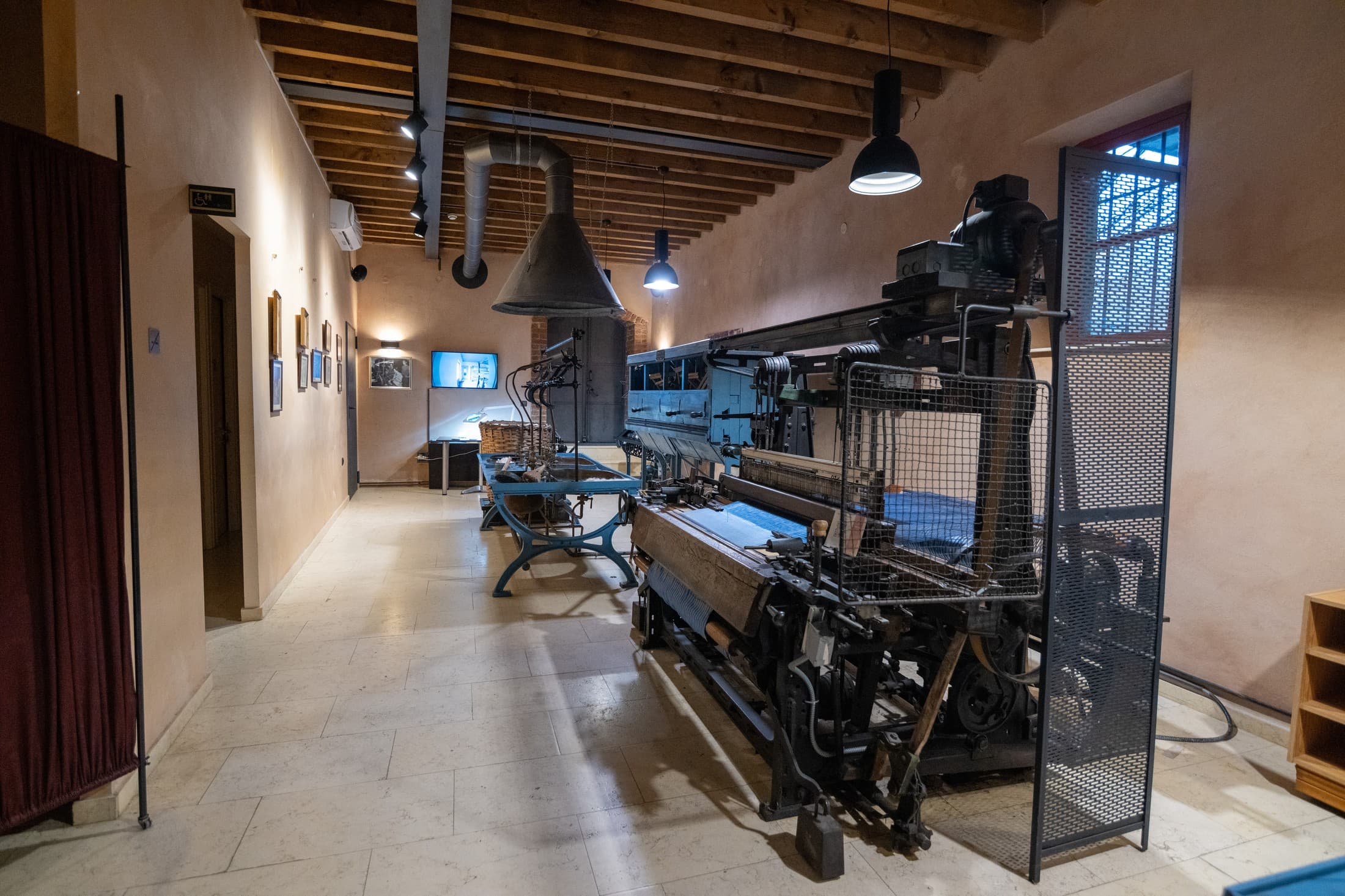
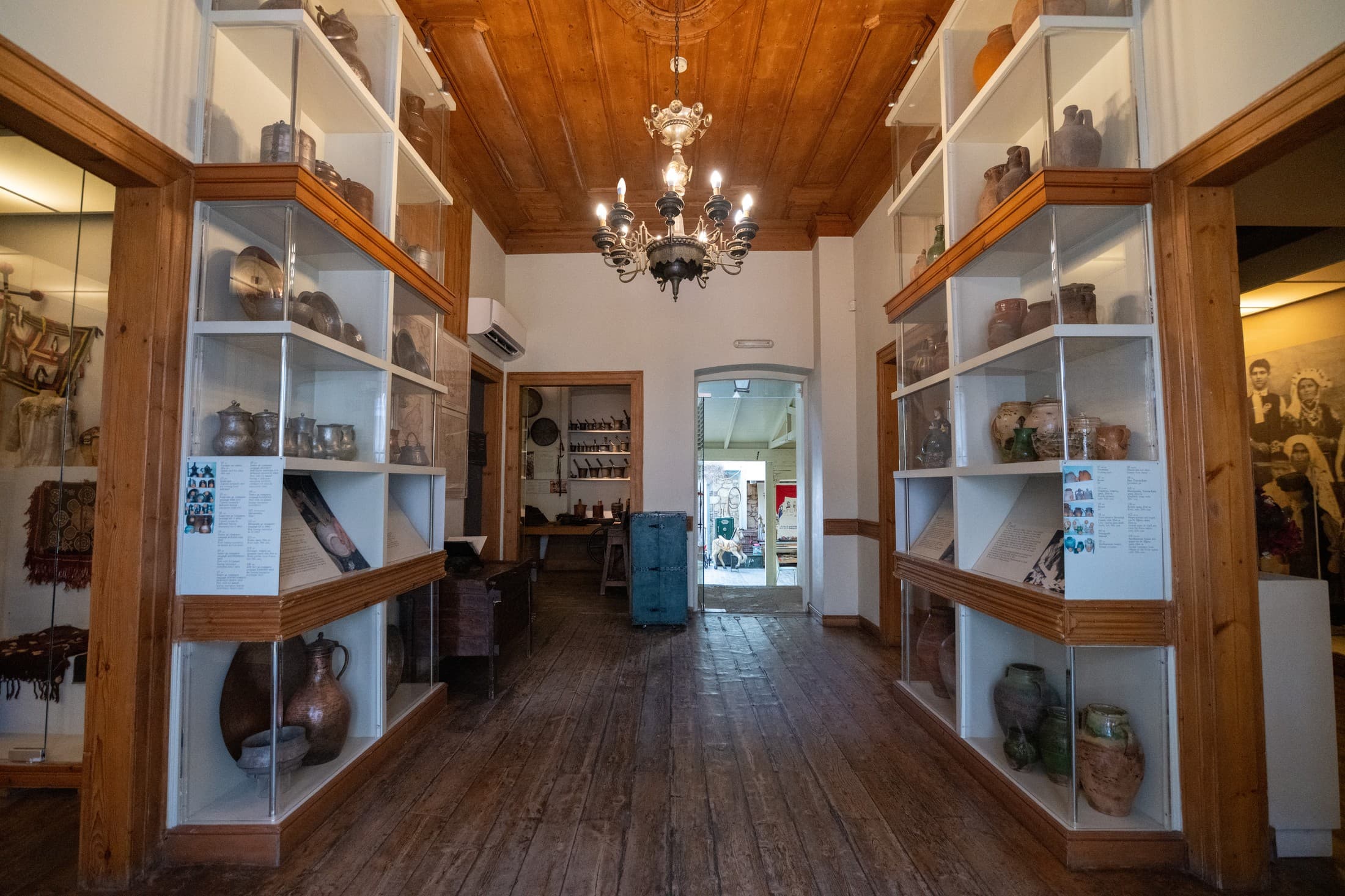
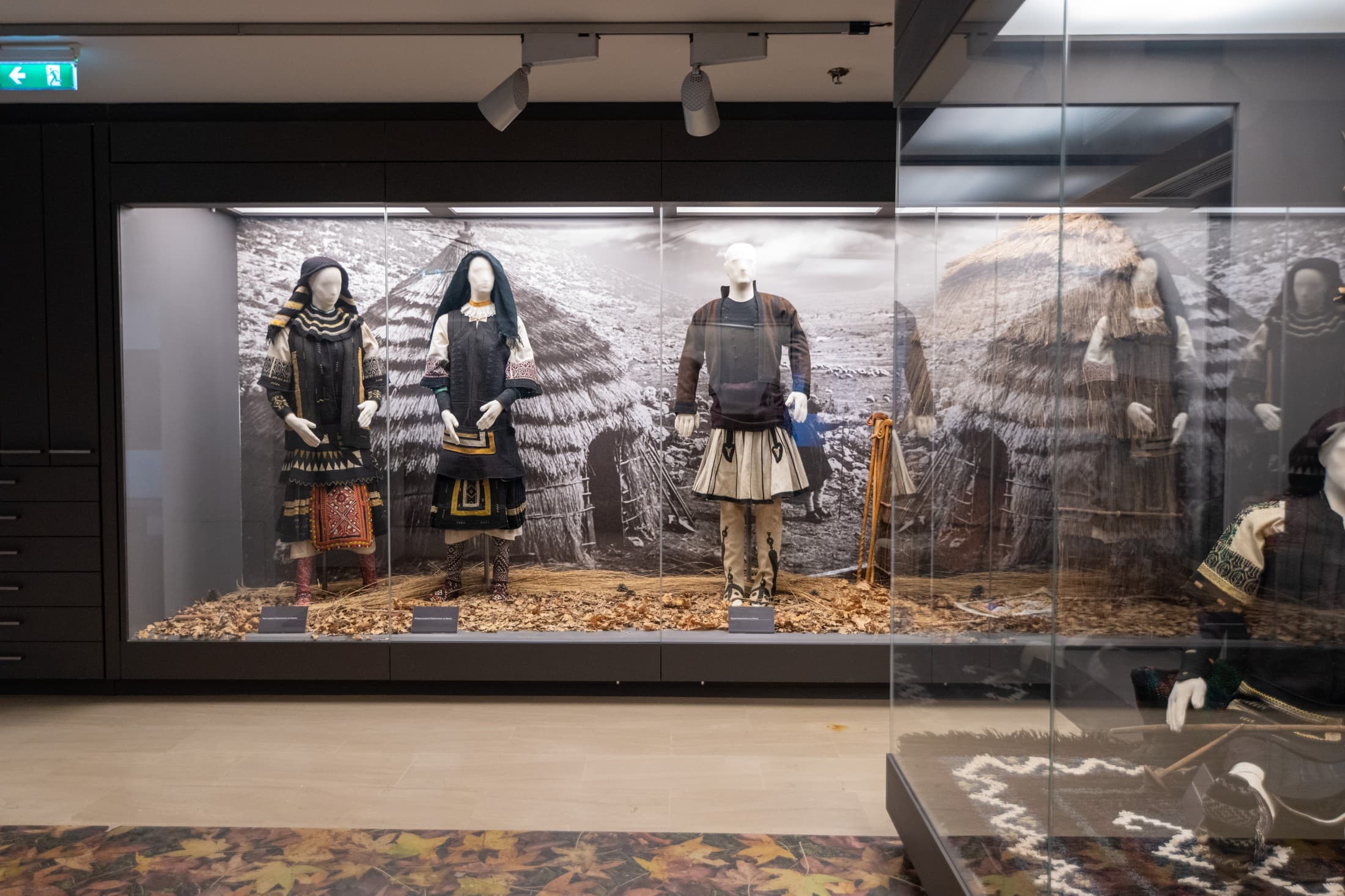
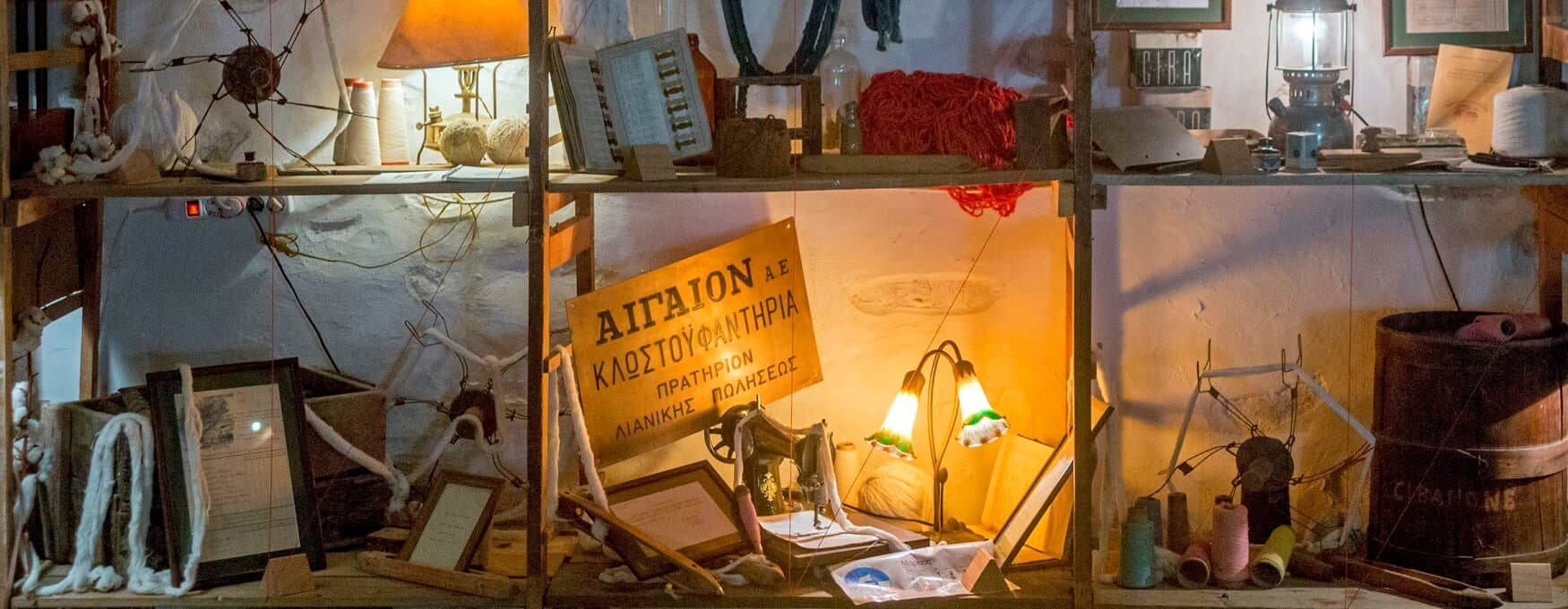
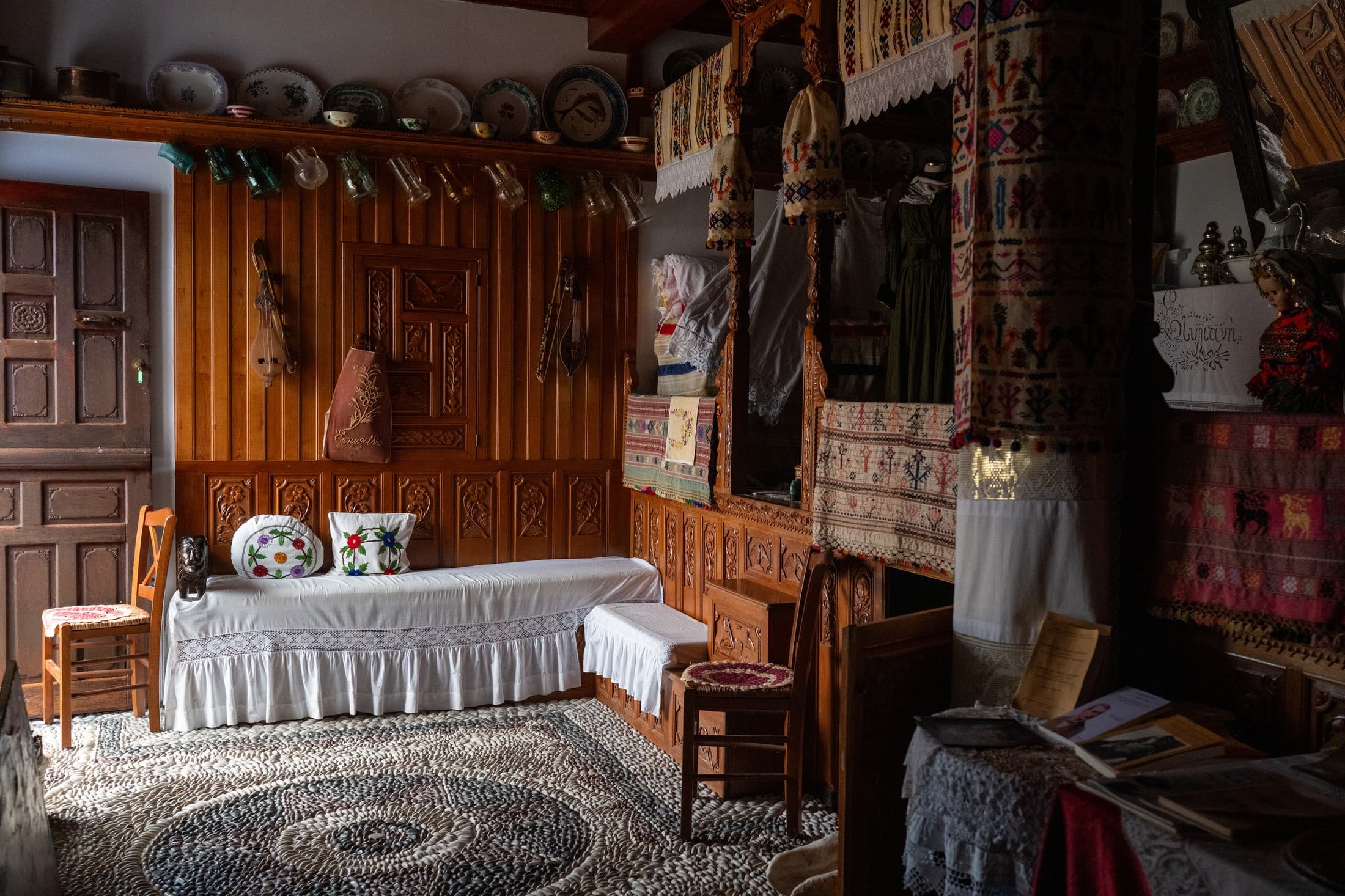
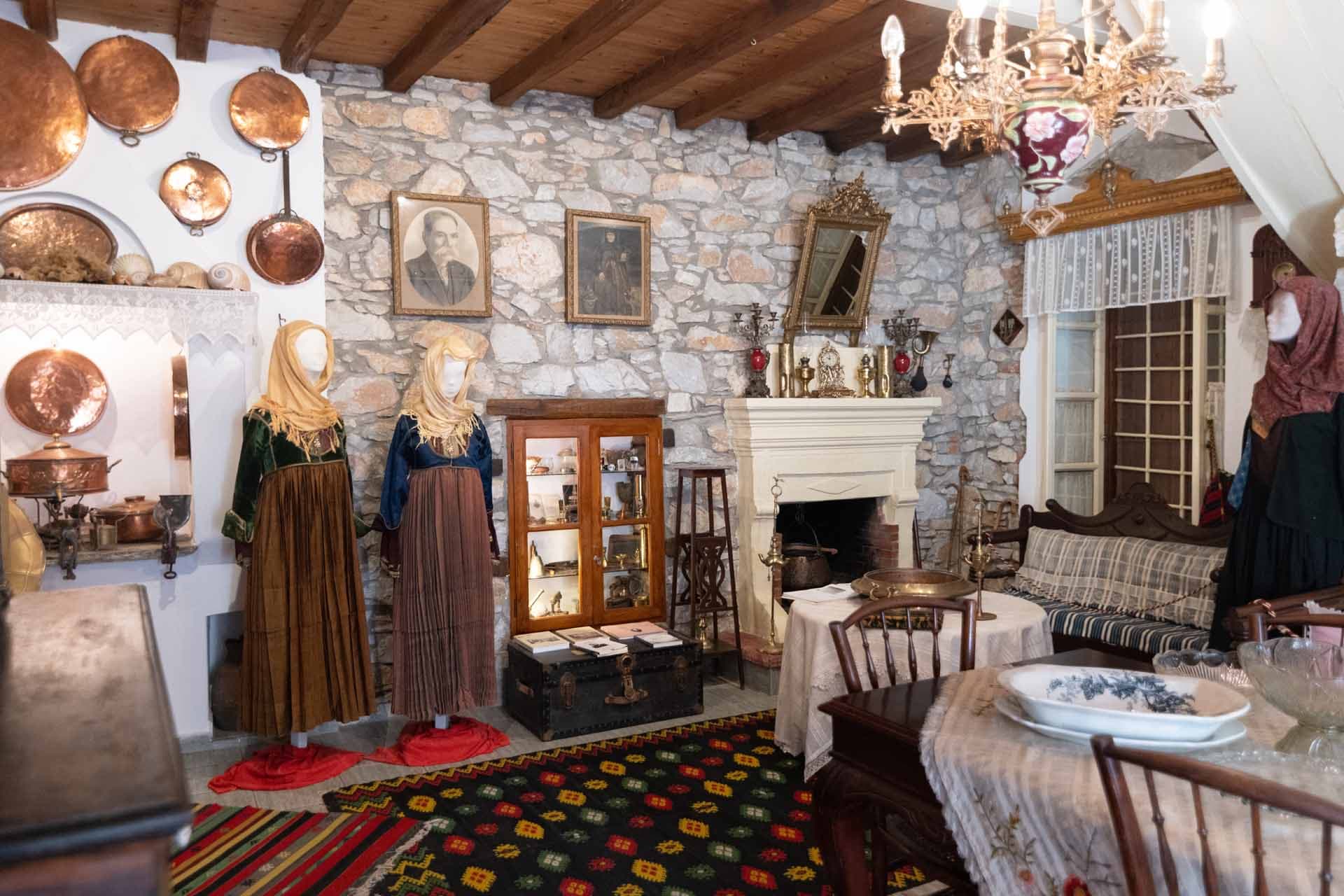
Within the museum's halls, you will also see skandalopetres (stones to aid the divers' descent), sponge-processing tools, nautical instruments (e.g., compasses, barometers), diving suits and air pumps, as well as anchors, nautical charts from the 16th and 17th centuries, finds from shipwrecks, maritime lanterns, plates with marine scenes, miniature caiques, traditional costumes, period furniture and weaving accessories — all of them donations.
This tradition unfolds at the Kalymnos Maritime Museum, housed within the former Vouvalis Naval School building, in the island's capital, Pothia.
Step inside and discover the history and techniques of sponge diving, alongside the lifestyle of the divers and their families. Photographs from the 19th and 20th centuries capture the faces of sponge divers, caiques and the sponges collected from the seabed, as well as the events held on the island in the 20th century for the divers' departure.
A turning point in the profession's history was the use of the diving suit from 1869, which brought a revolution to sponge diving. Due to the growth experienced by Kalymnos, inhabitants from neighbouring islands also settled there.
Within the museum's halls, you will also see skandalopetres (stones to aid the divers' descent), sponge-processing tools, nautical instruments (e.g., compasses, barometers), diving suits and air pumps, as well as anchors, nautical charts from the 16th and 17th centuries, finds from shipwrecks, maritime lanterns, plates with marine scenes, miniature caiques, traditional costumes, period furniture and weaving accessories — all of them donations.