The region’s folk heritage in a place rich with history
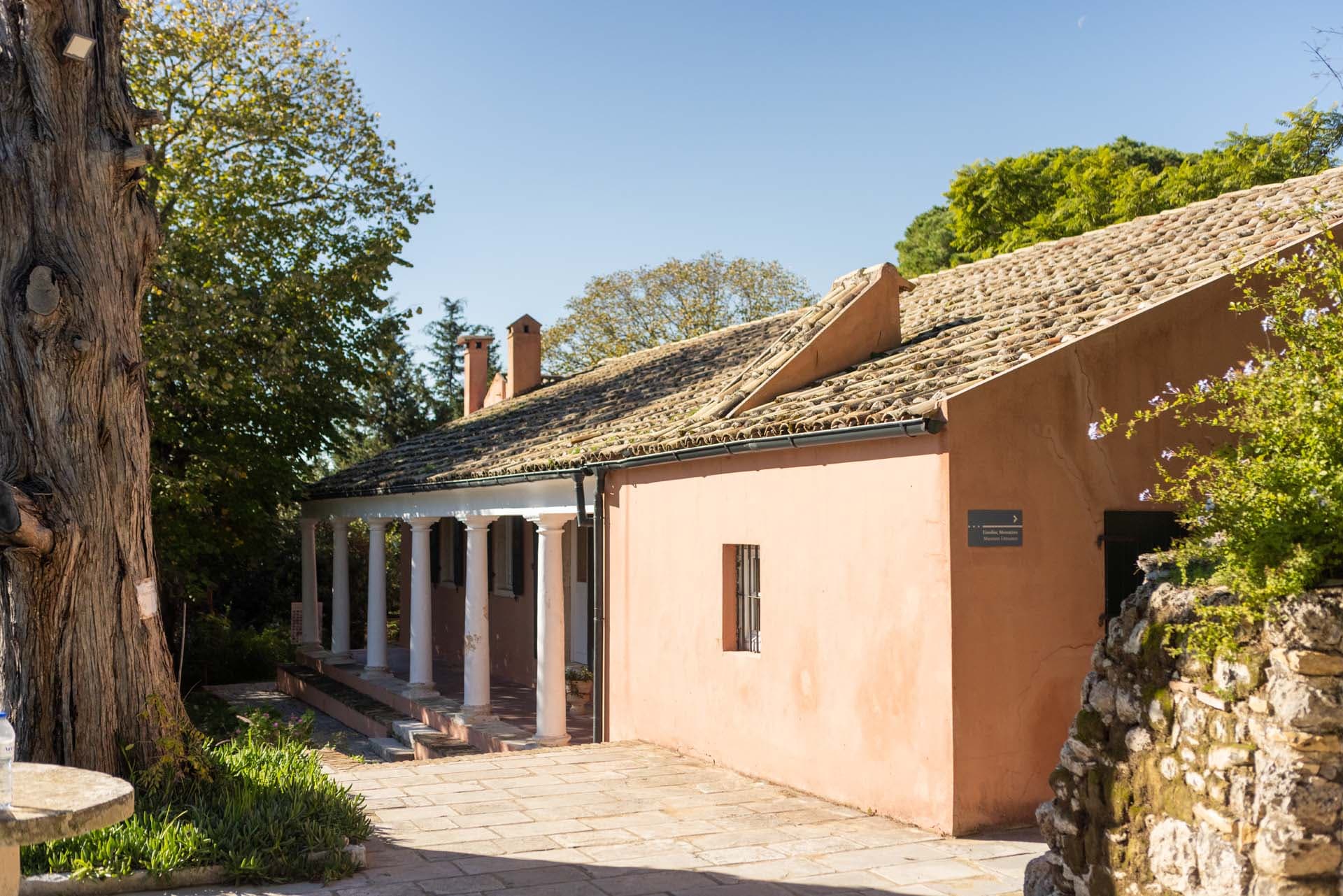
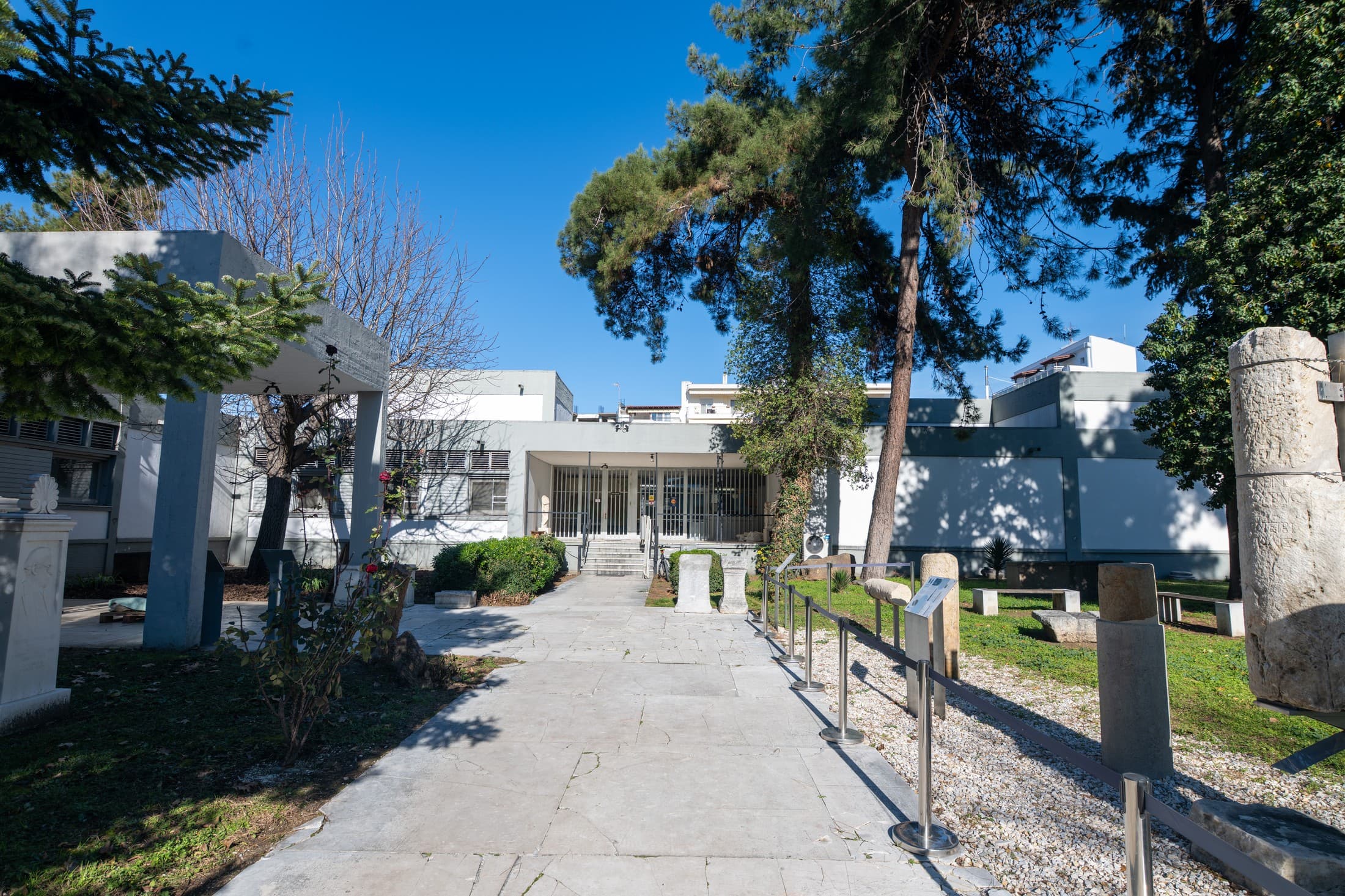
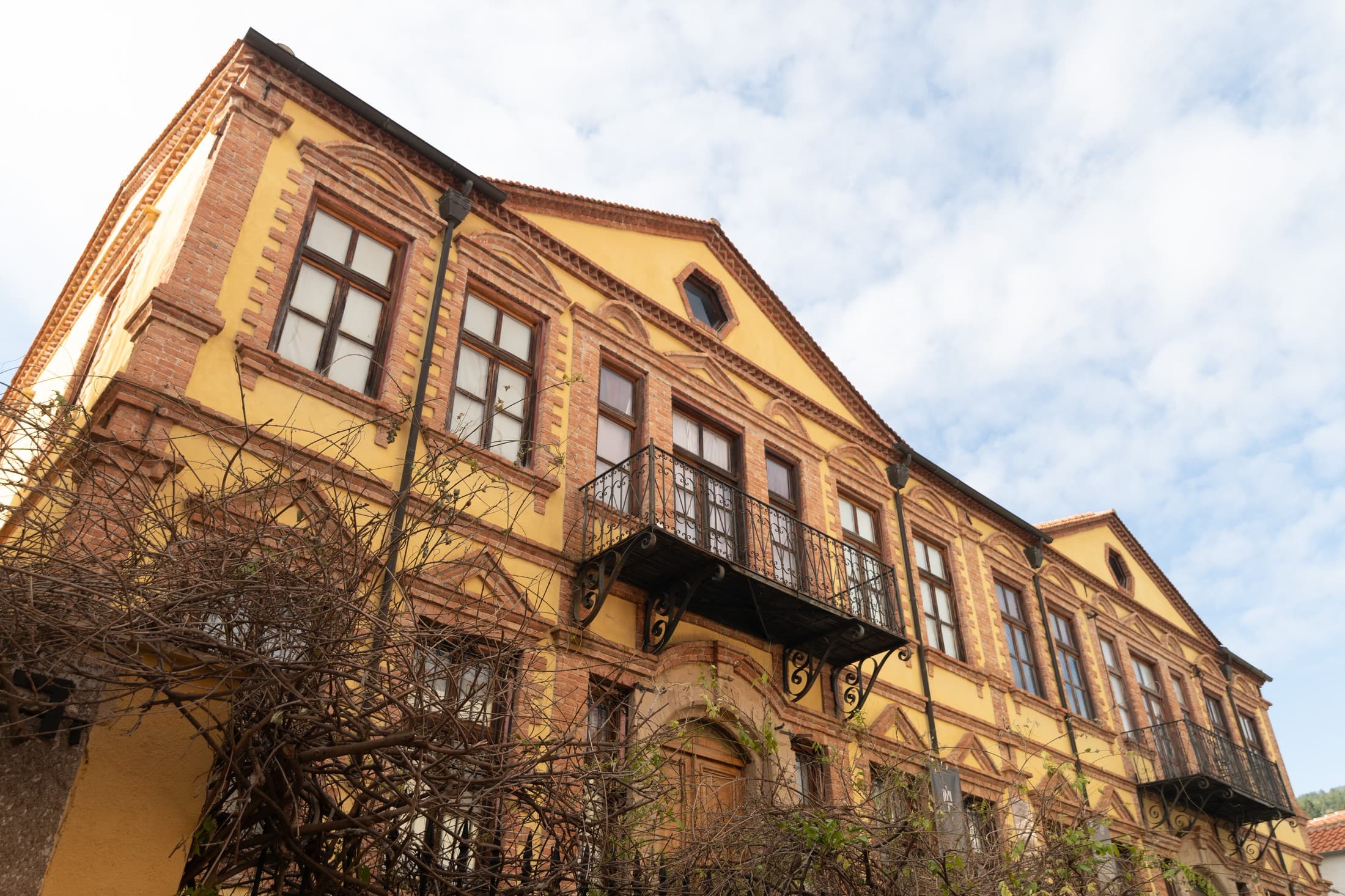
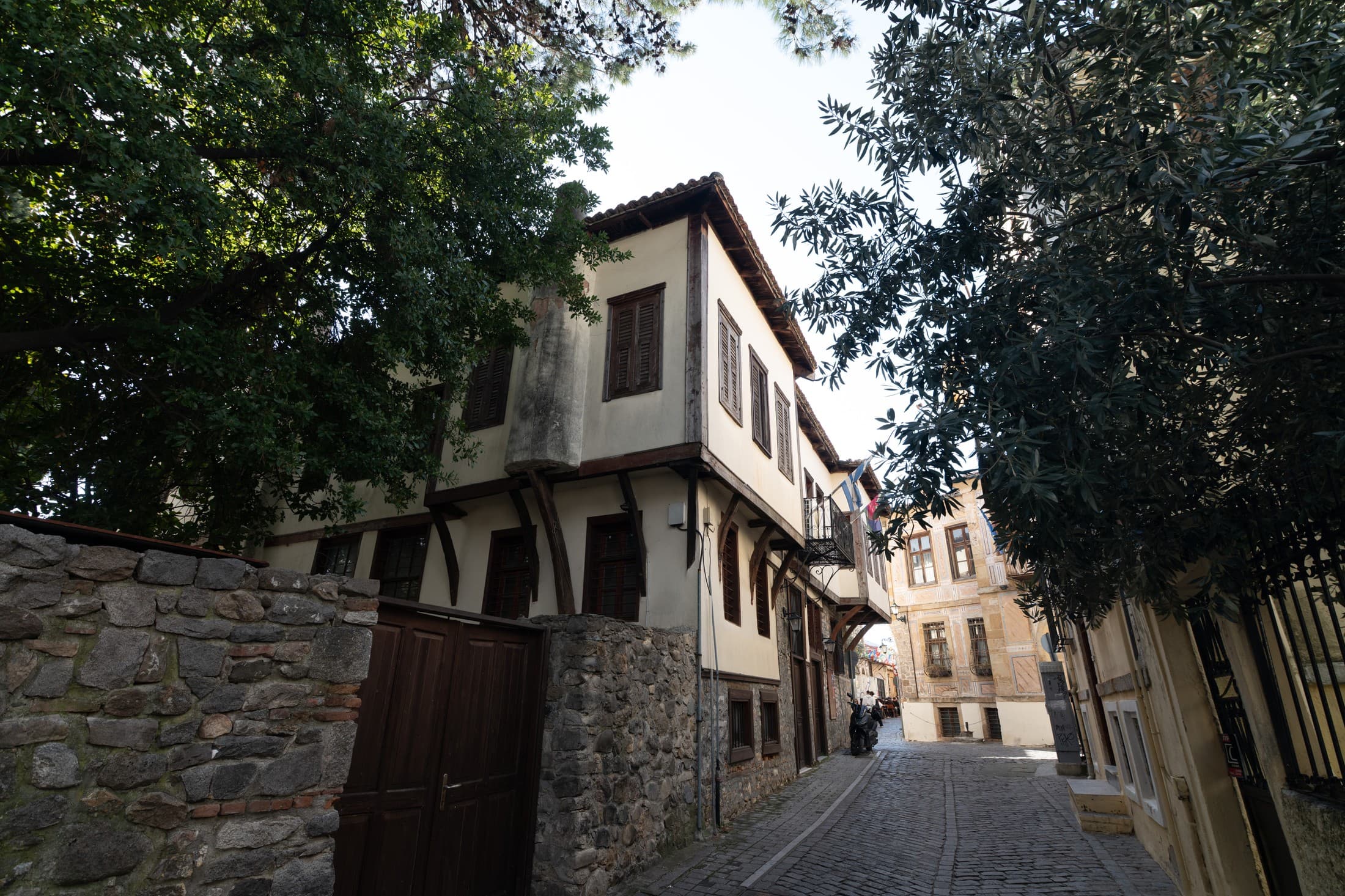
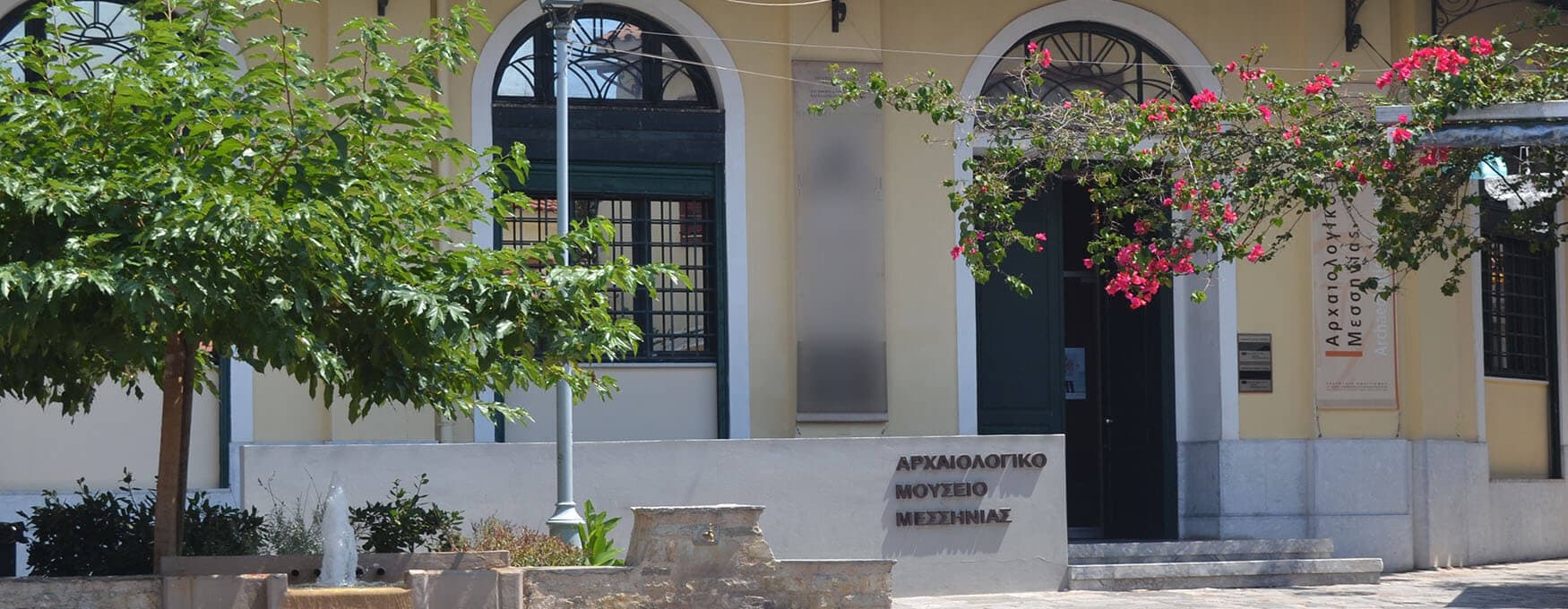
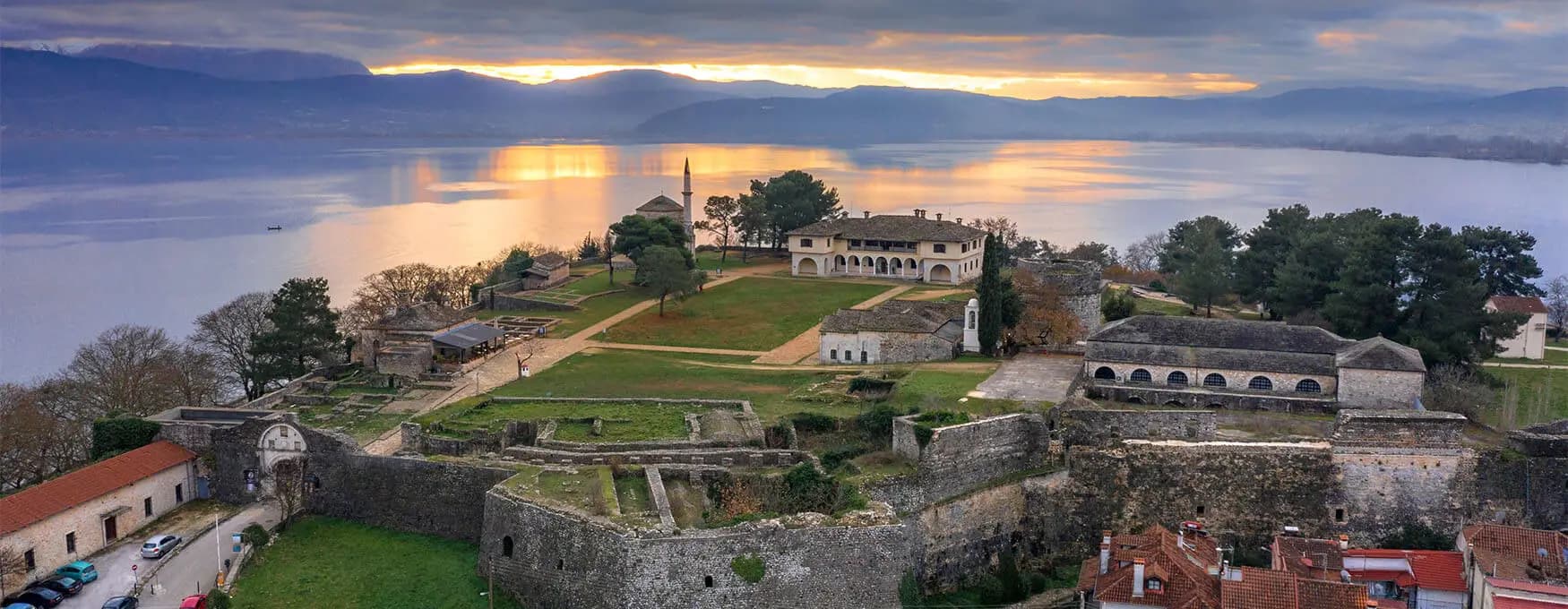
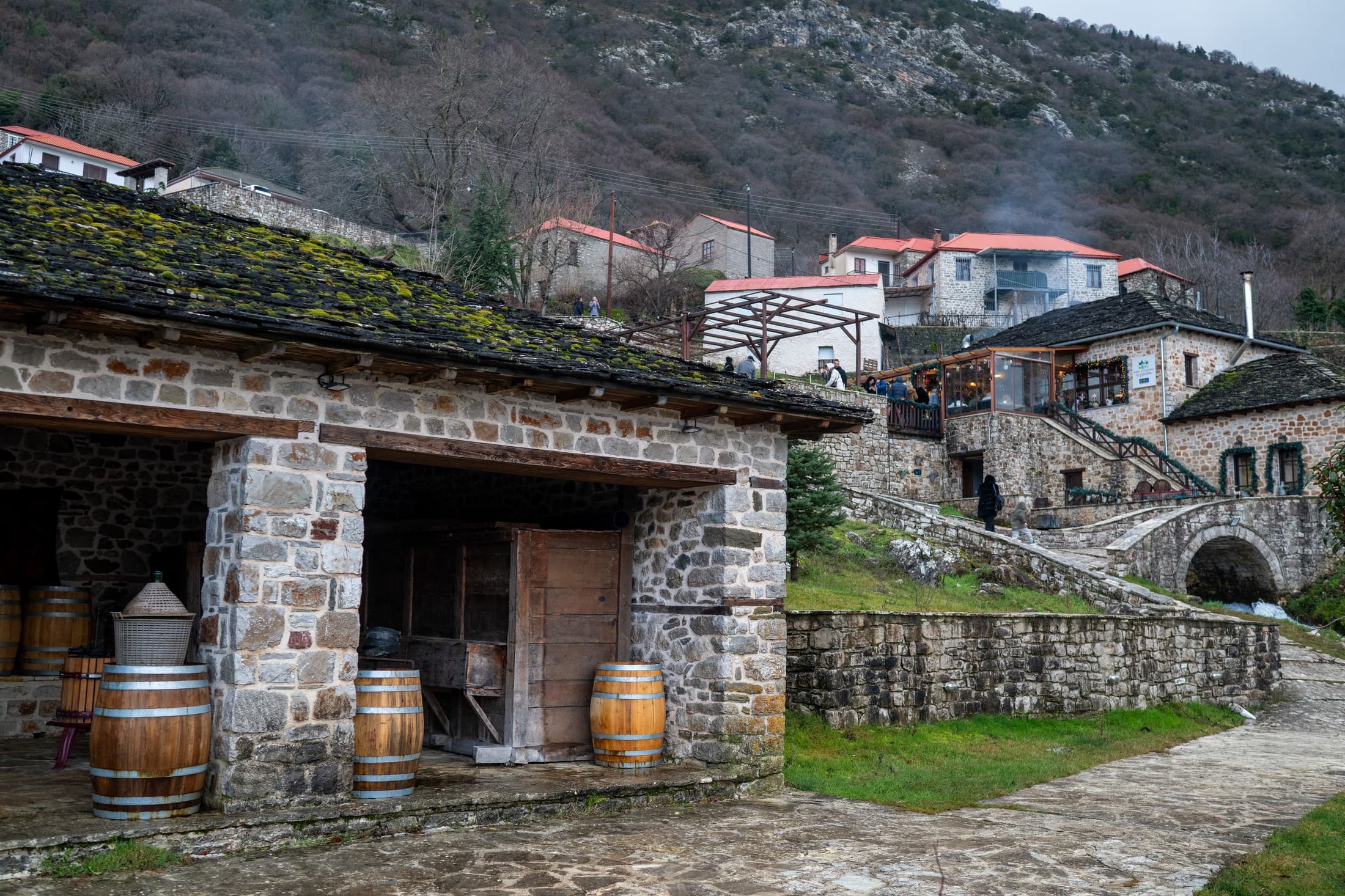
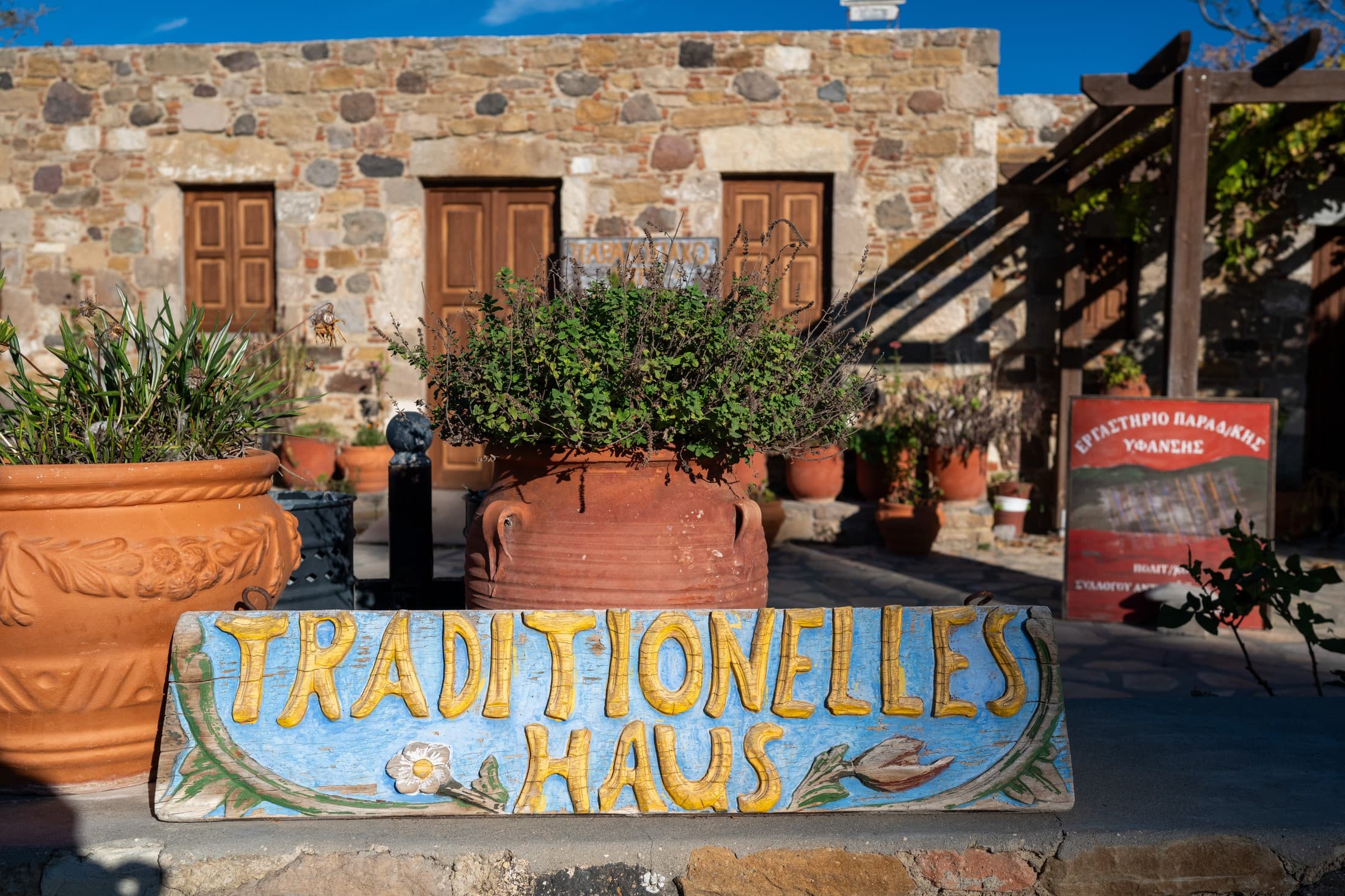
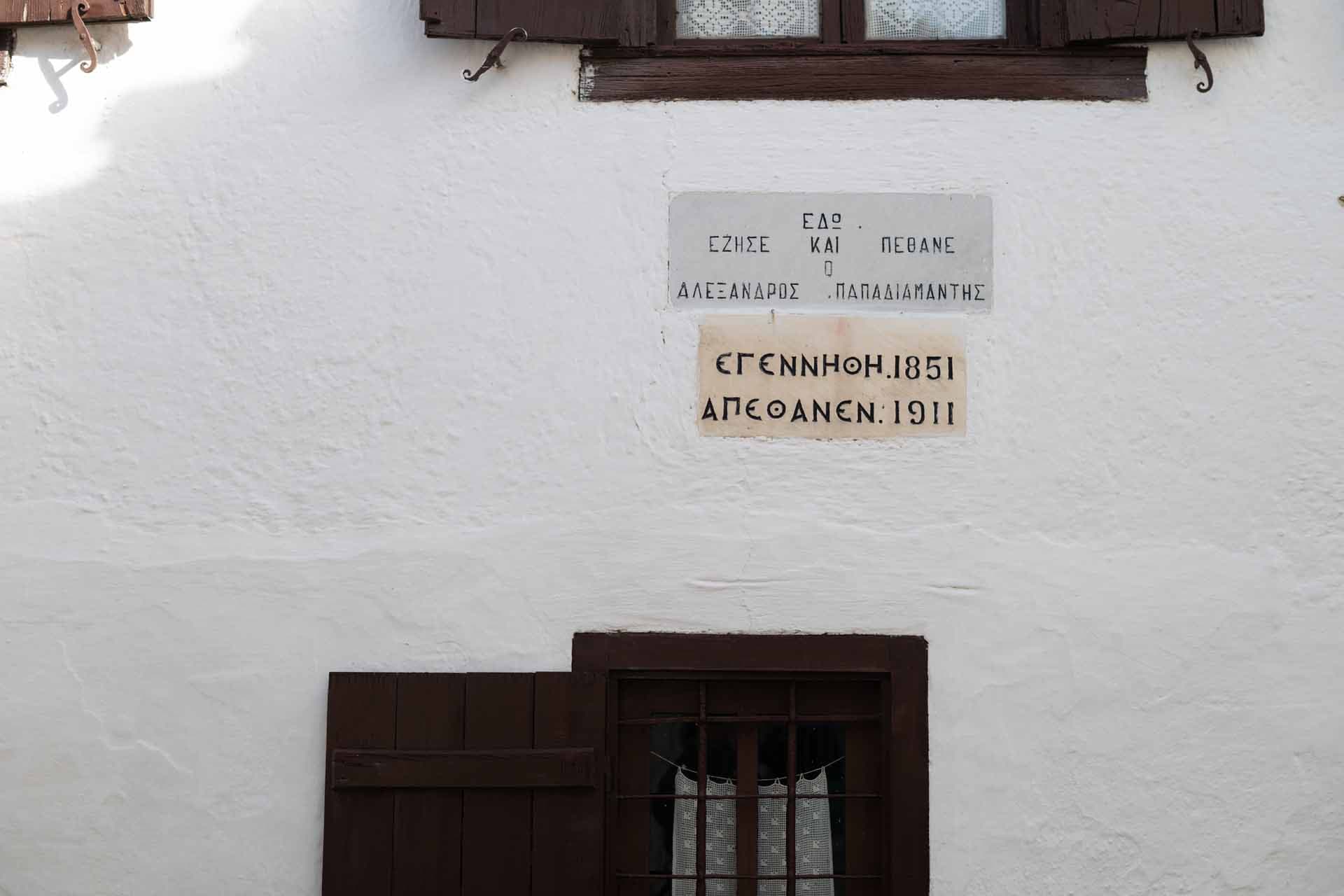
Housed in the preserved Strafiotis mansion—a beautiful building that once served as the residence of a Turkish agha—a significant part of Northern Evia’s folk culture has been exhibited since 2003. The folklore collection you will see here was originally created through the passion and dedication of teacher and folklorist Dimitris Settas. It was later supported by the Evian Association “O Nilefs” and enriched by local residents, who opened their homes and generously donated items they owned. In this way, they preserved their collective memory and passed it on to future generations.
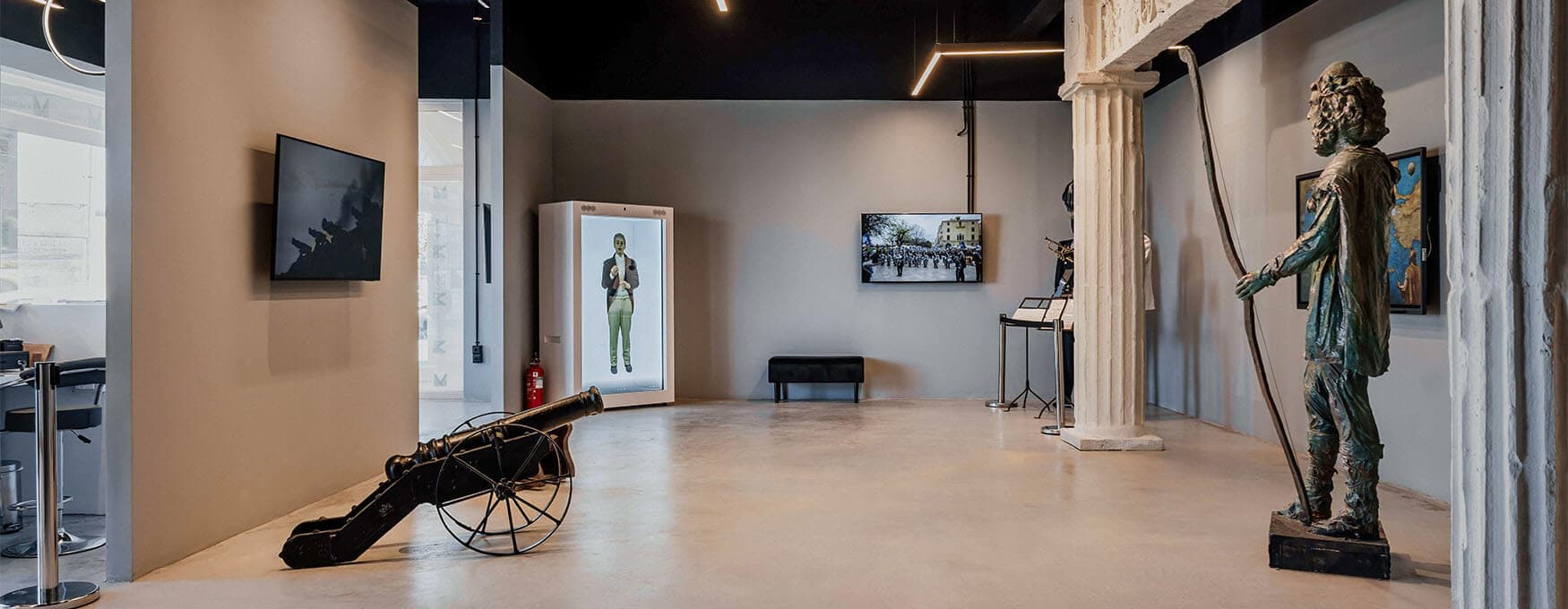
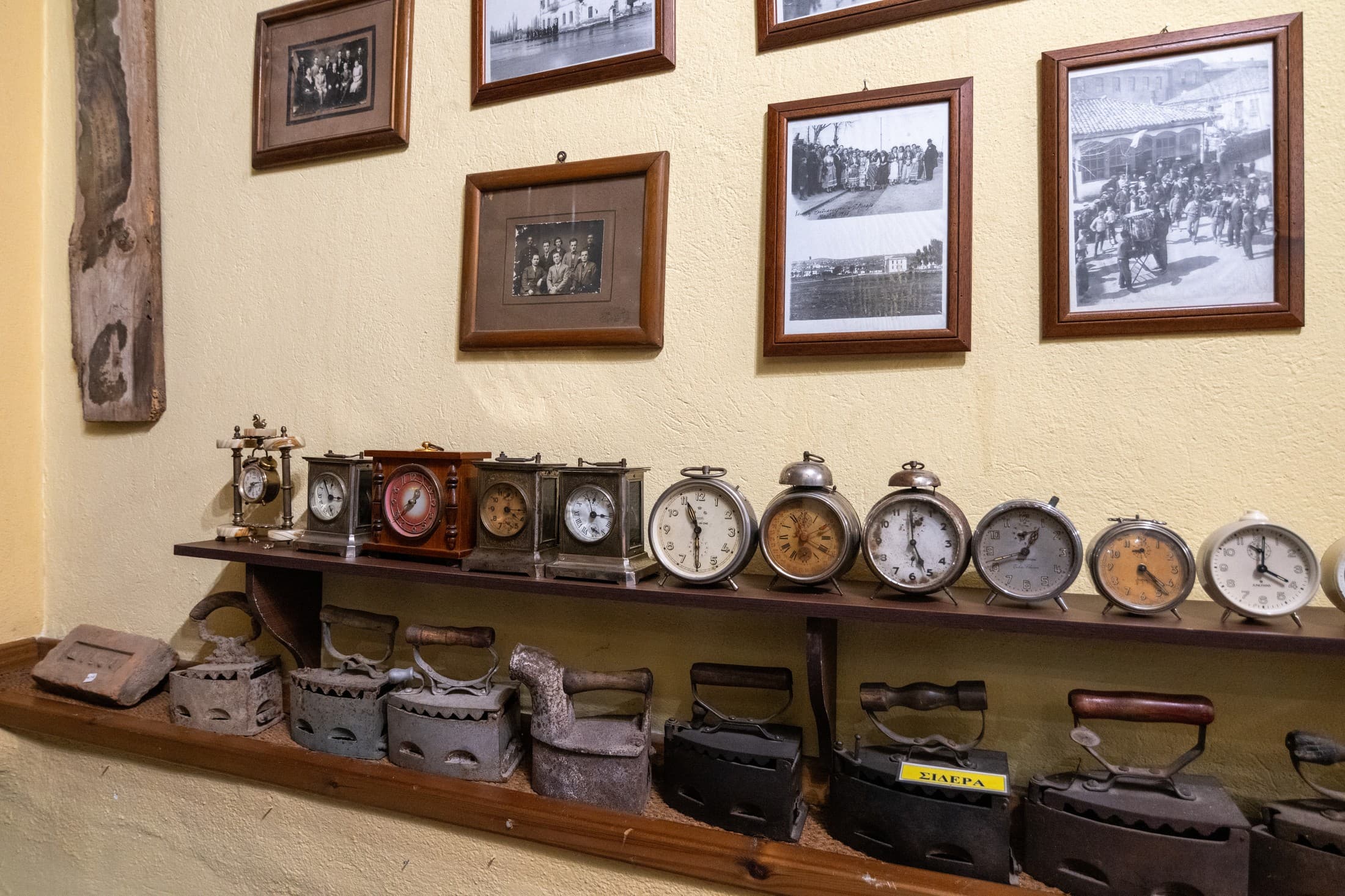
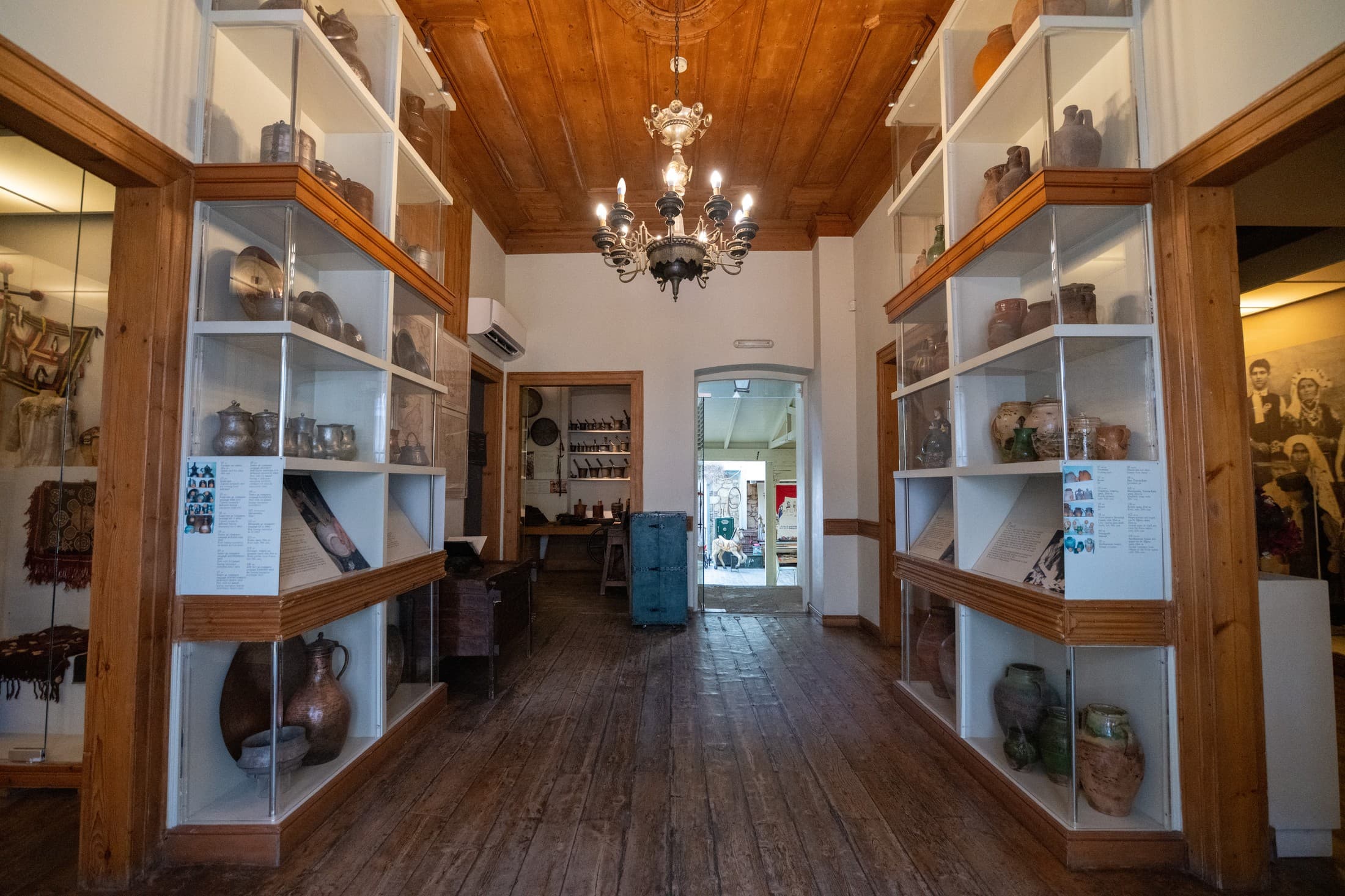
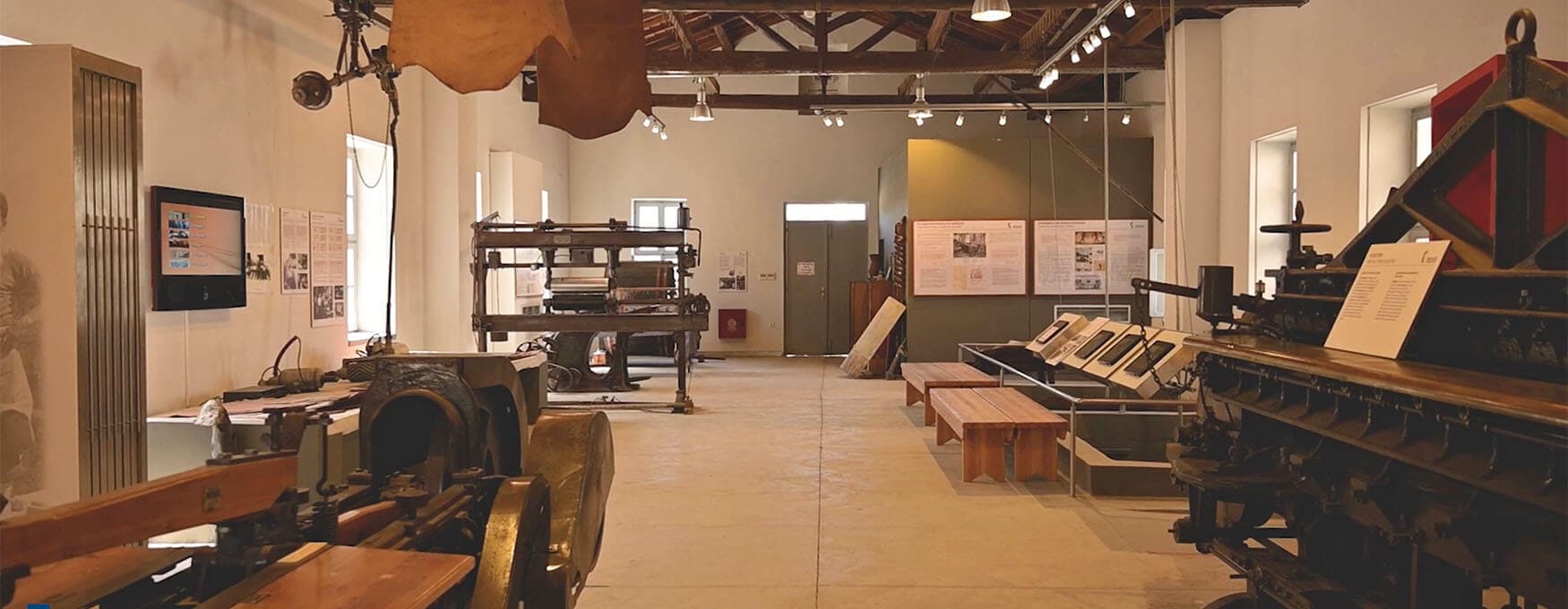
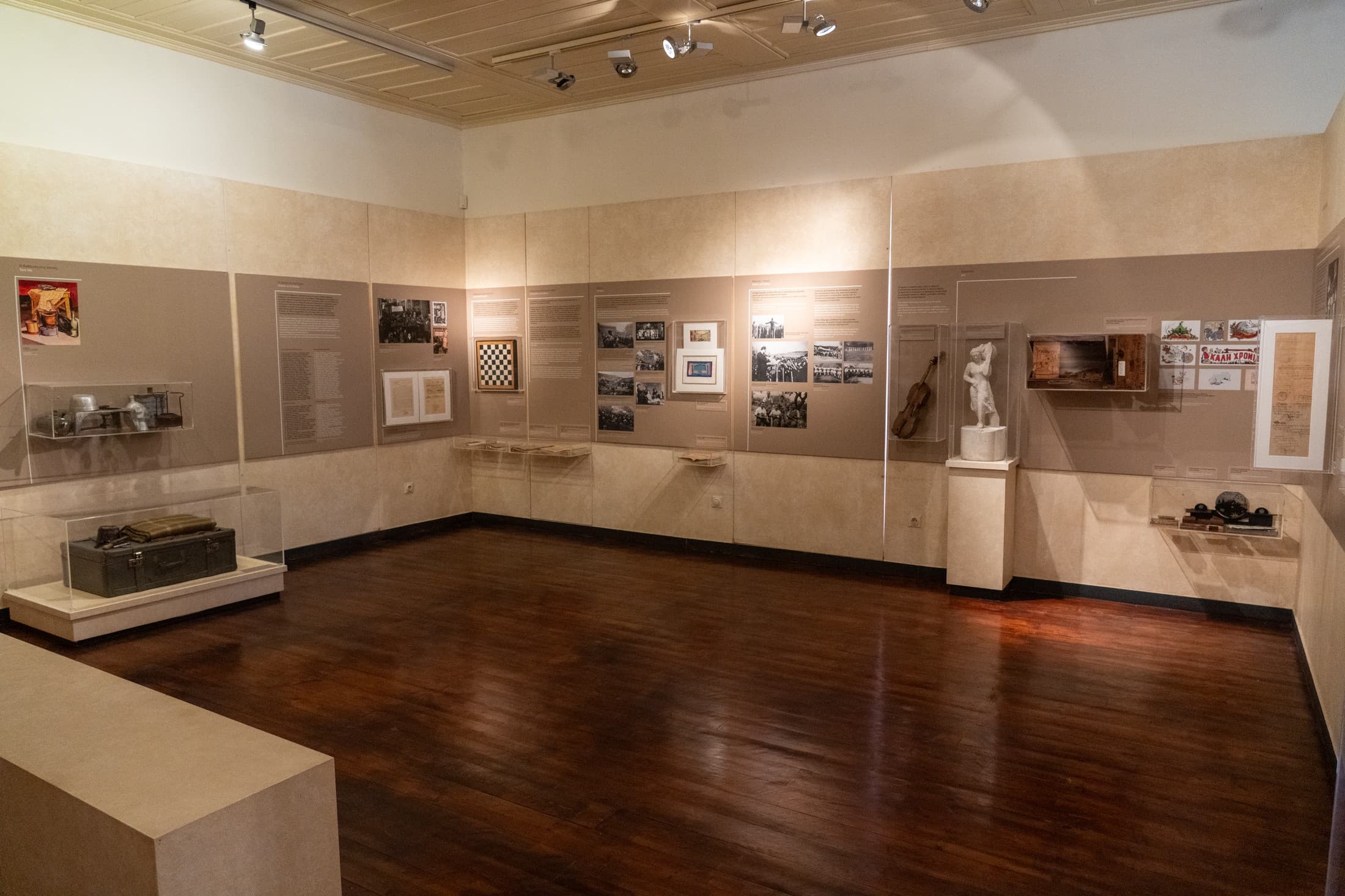
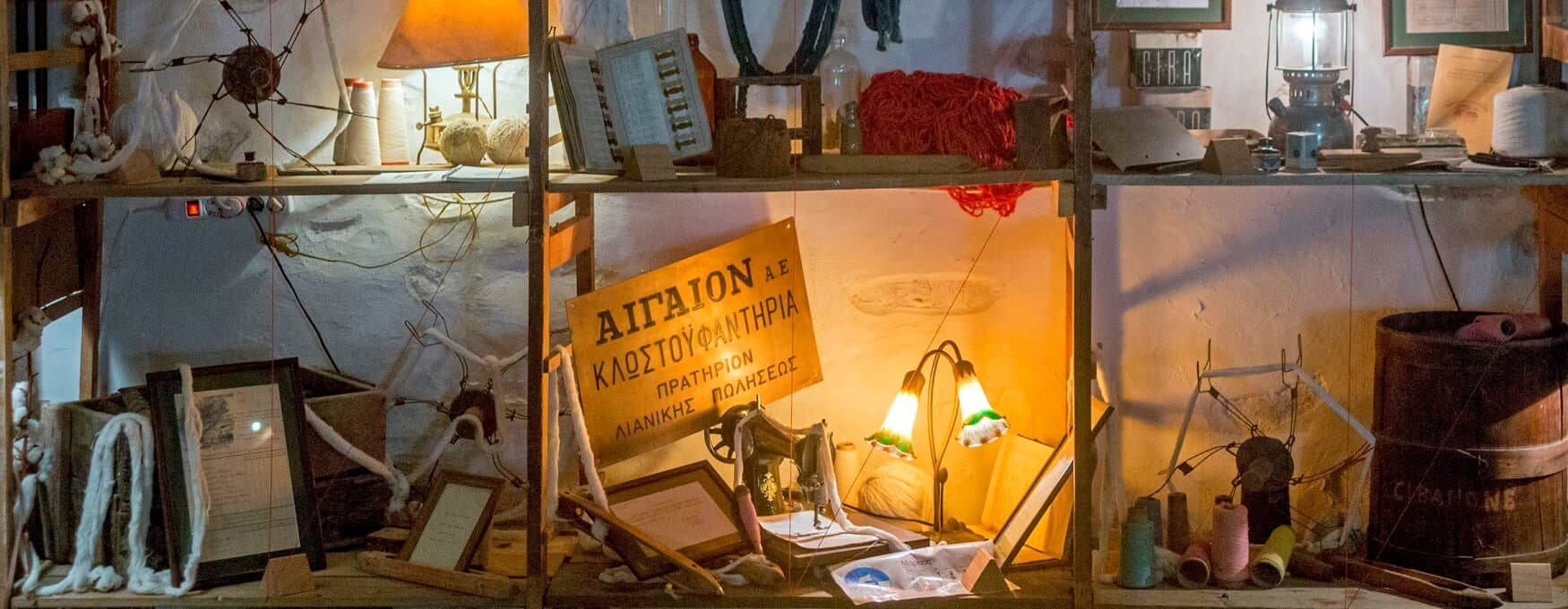
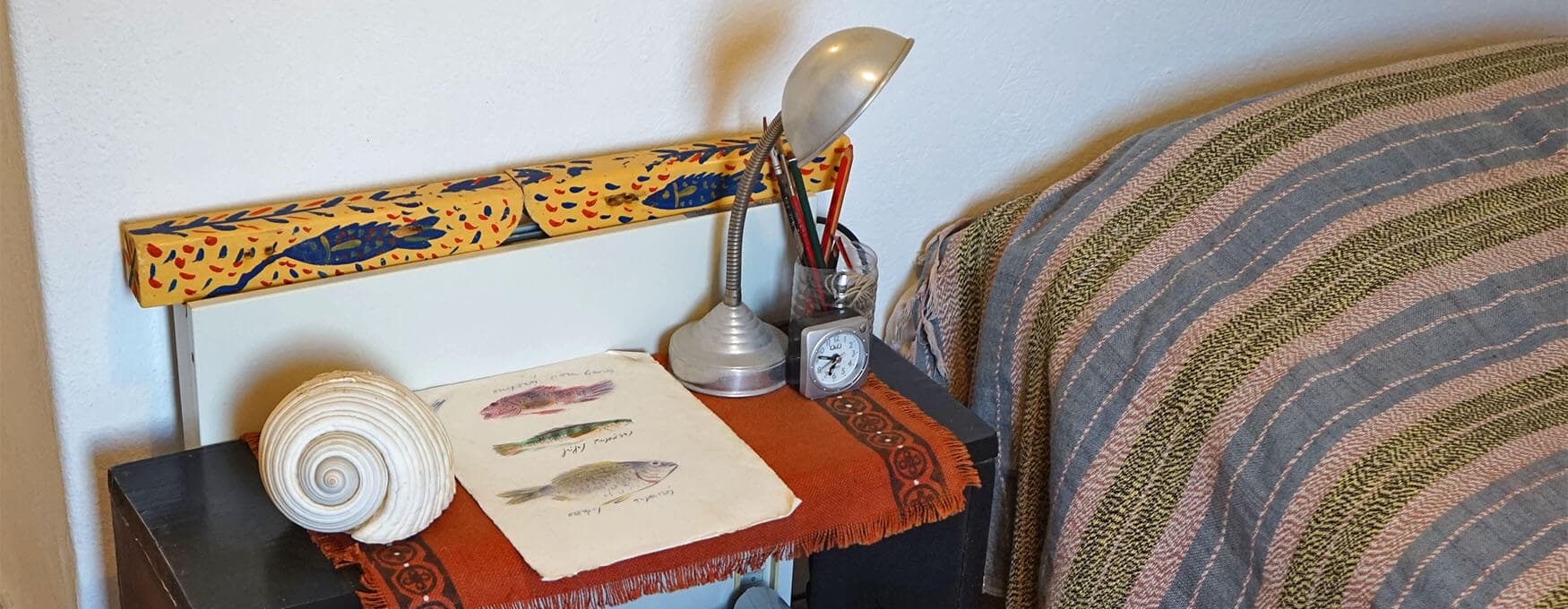
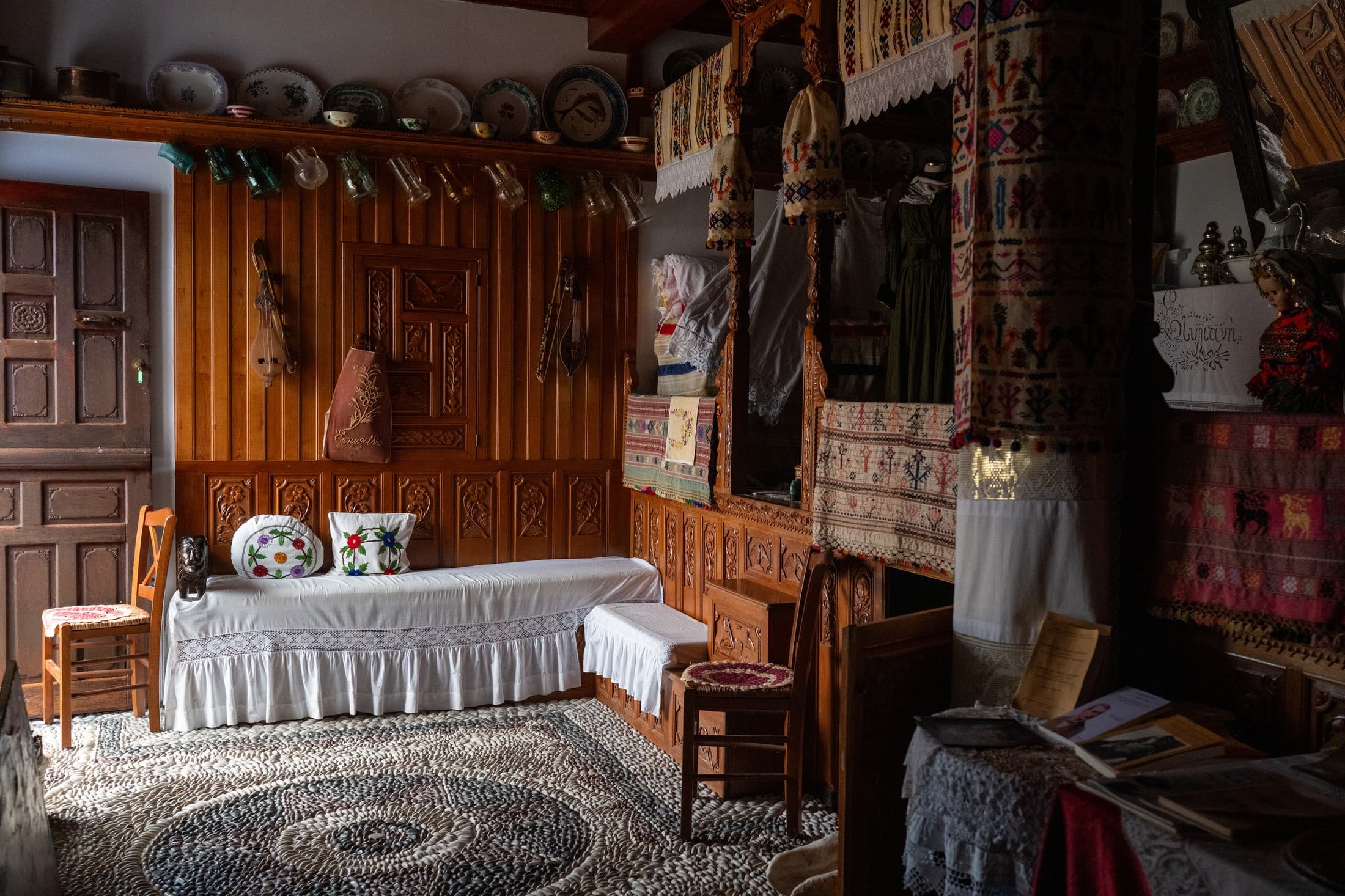
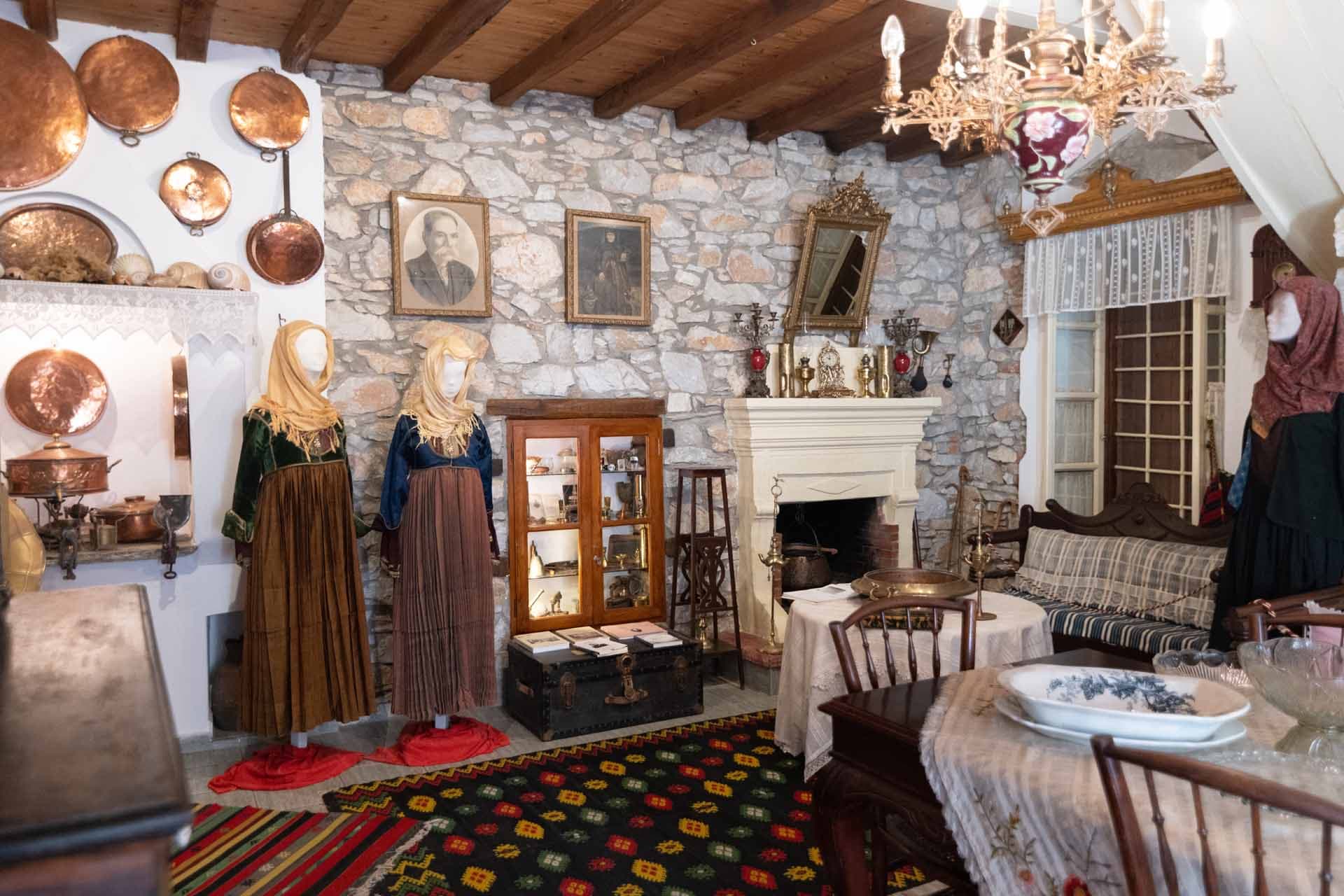
The museum spaces evoke the atmosphere of another era. Visitors can experience scenes from the family life of Evia’s inhabitants and explore rooms as they once were, complete with fireplaces, traditional furniture, kitchen utensils, and personal belongings.
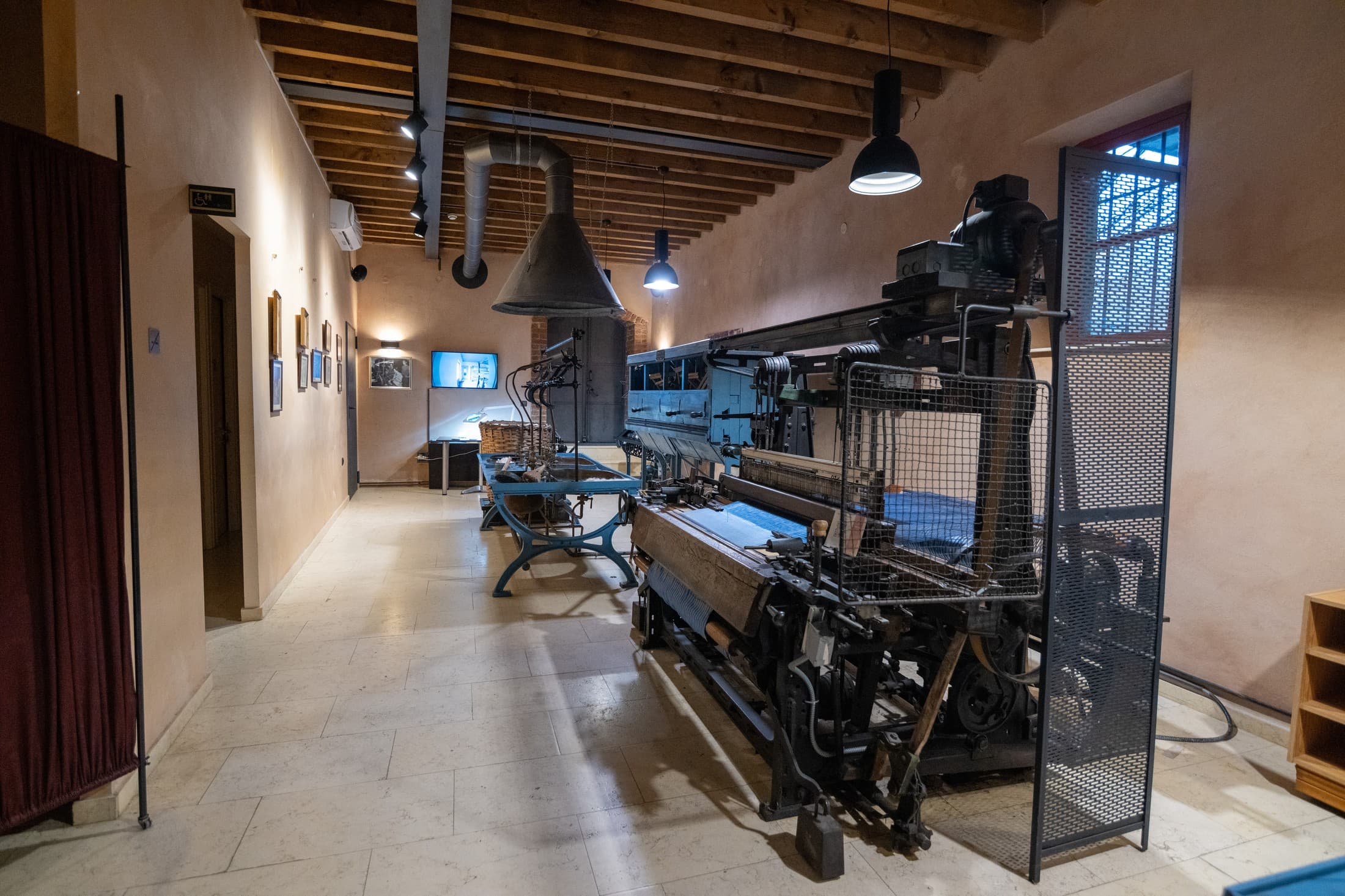
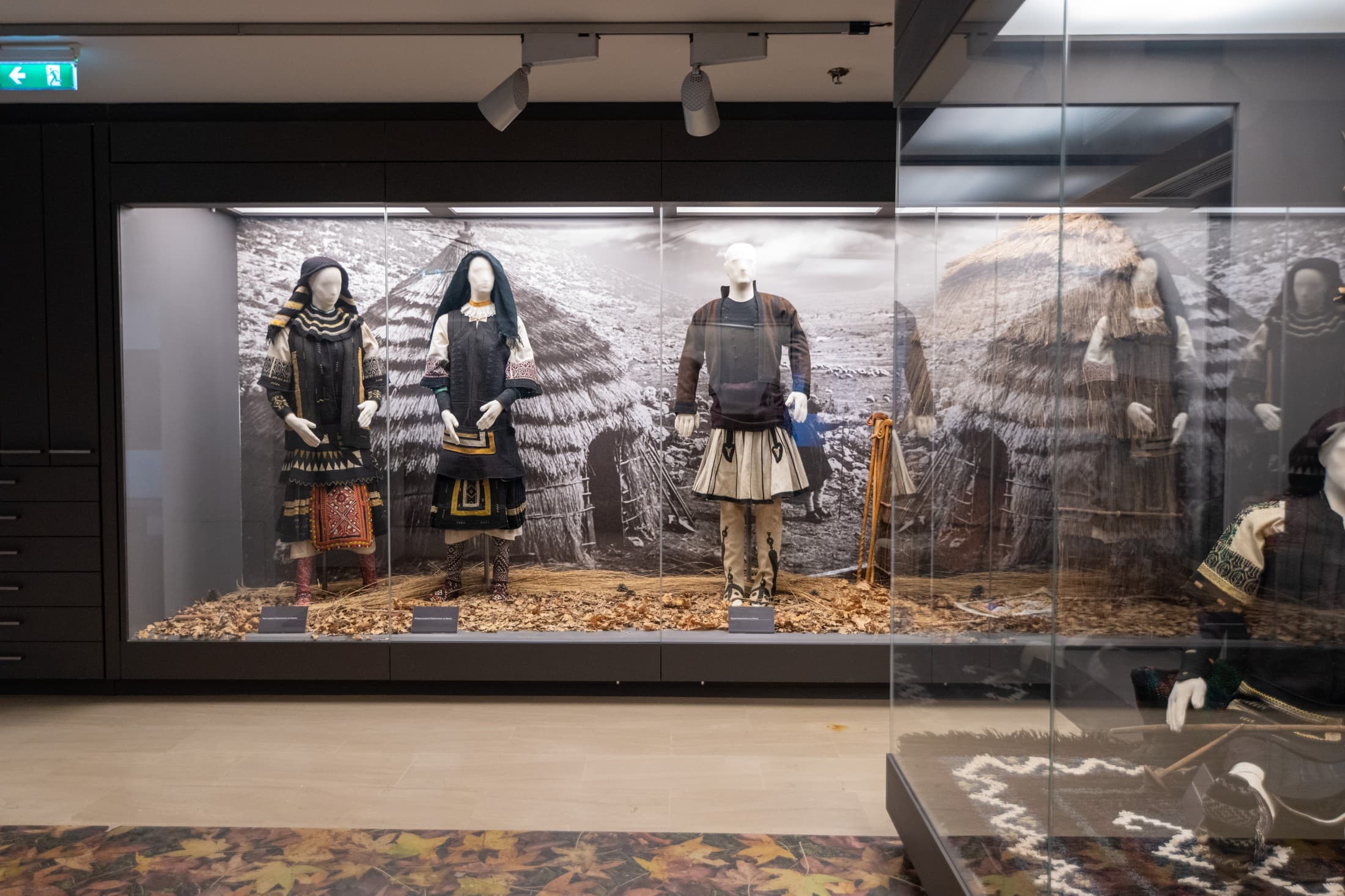
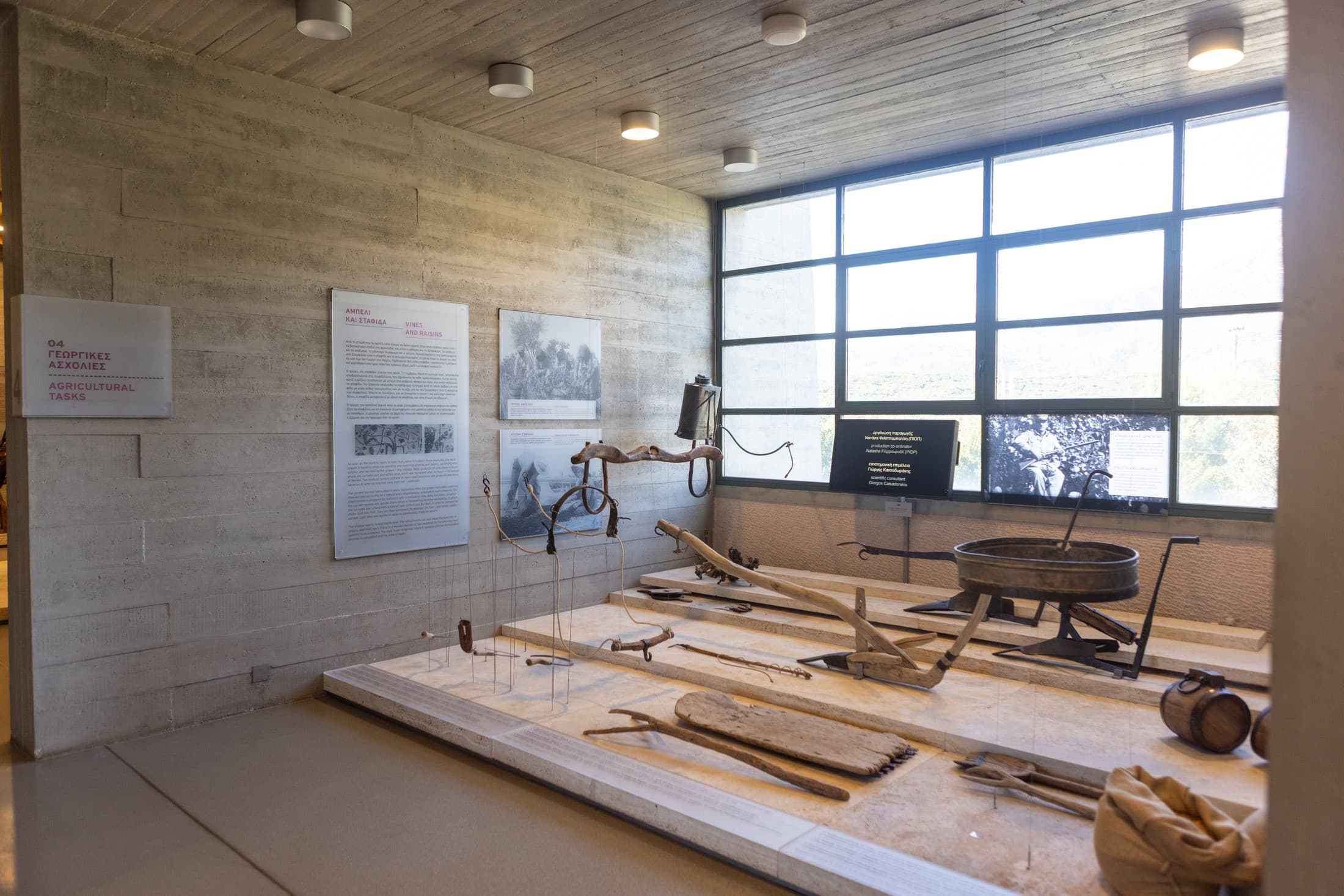
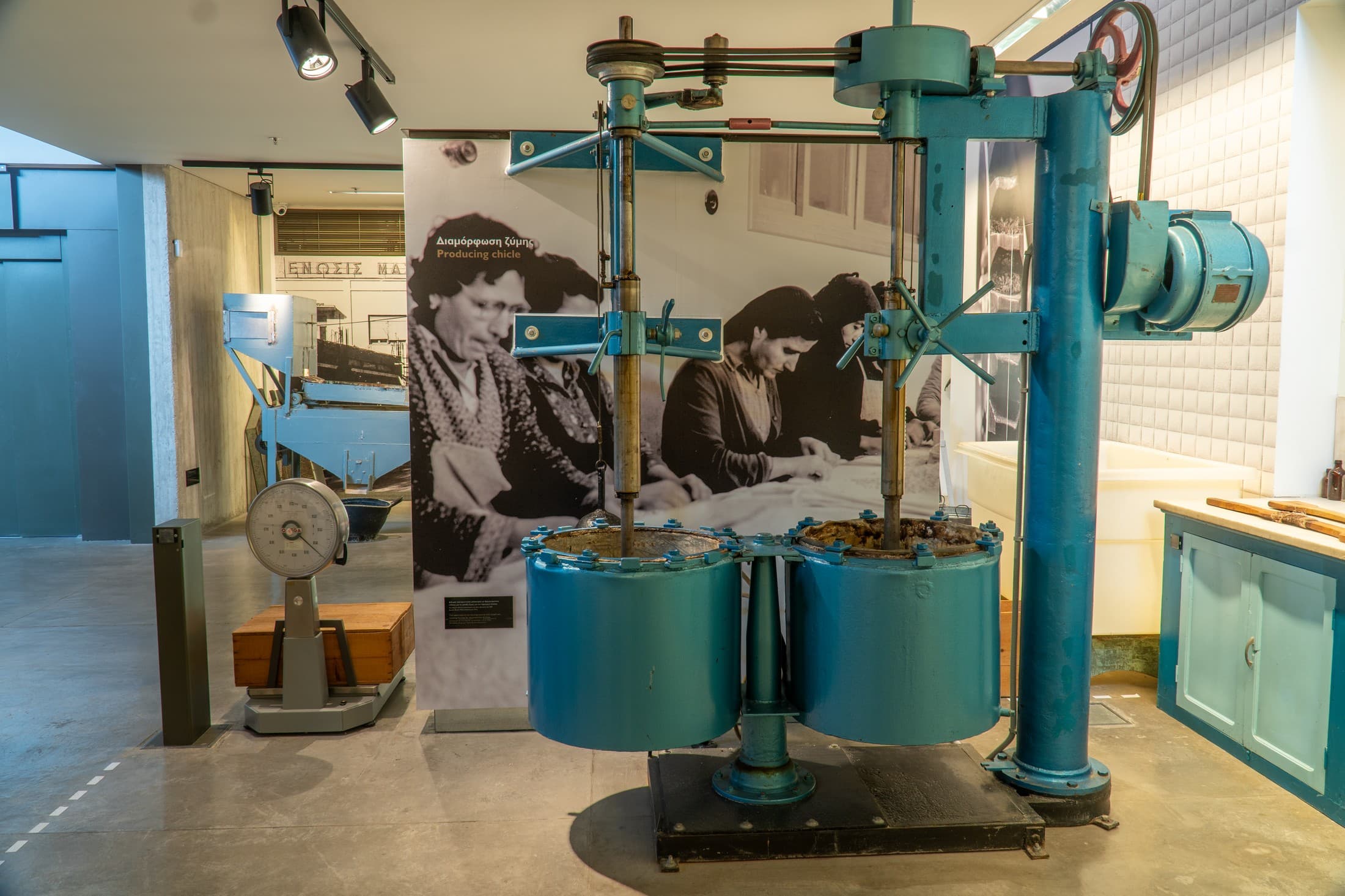
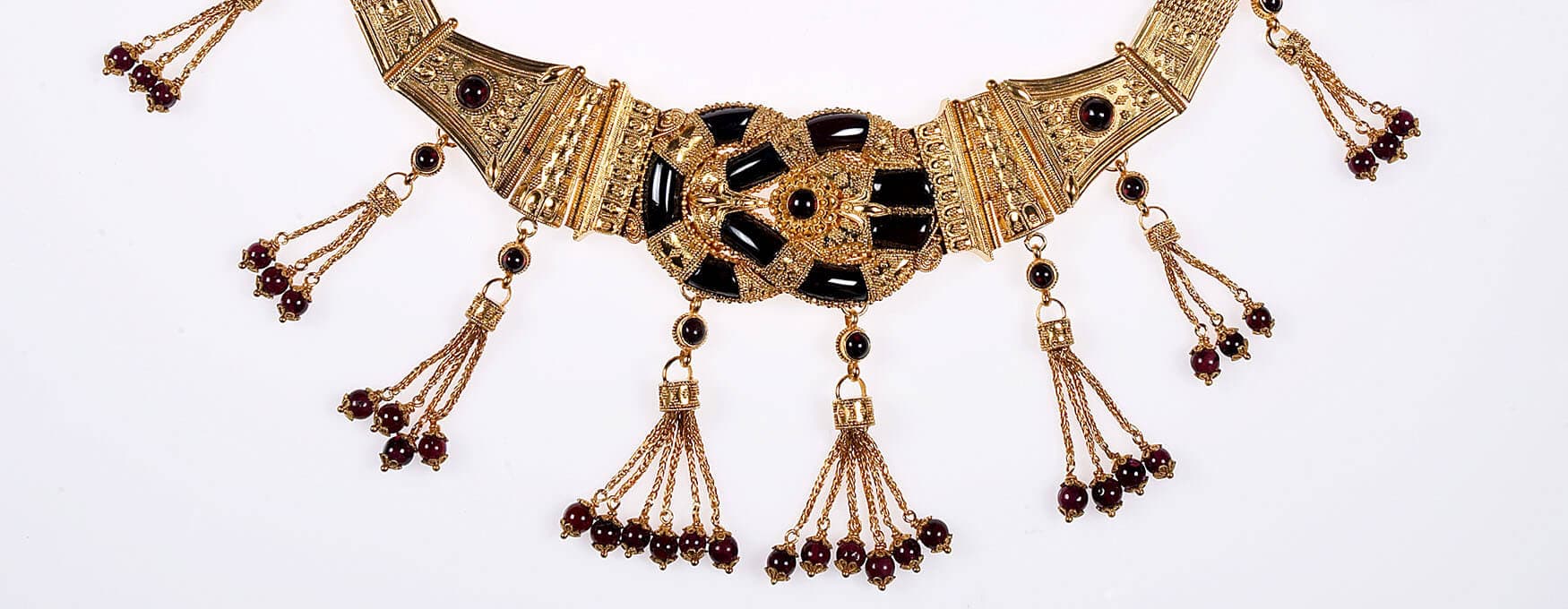
Handwoven carpets and intricately crafted costumes highlight the art of weaving and the exceptional embroidery skills of the women of the region. Particularly noteworthy is the remarkable collection of traditional local costumes, one of the museum’s most important features. The exhibits also include traditional tools used in the daily work of Evia’s inhabitants, who were primarily engaged in agriculture and livestock farming.
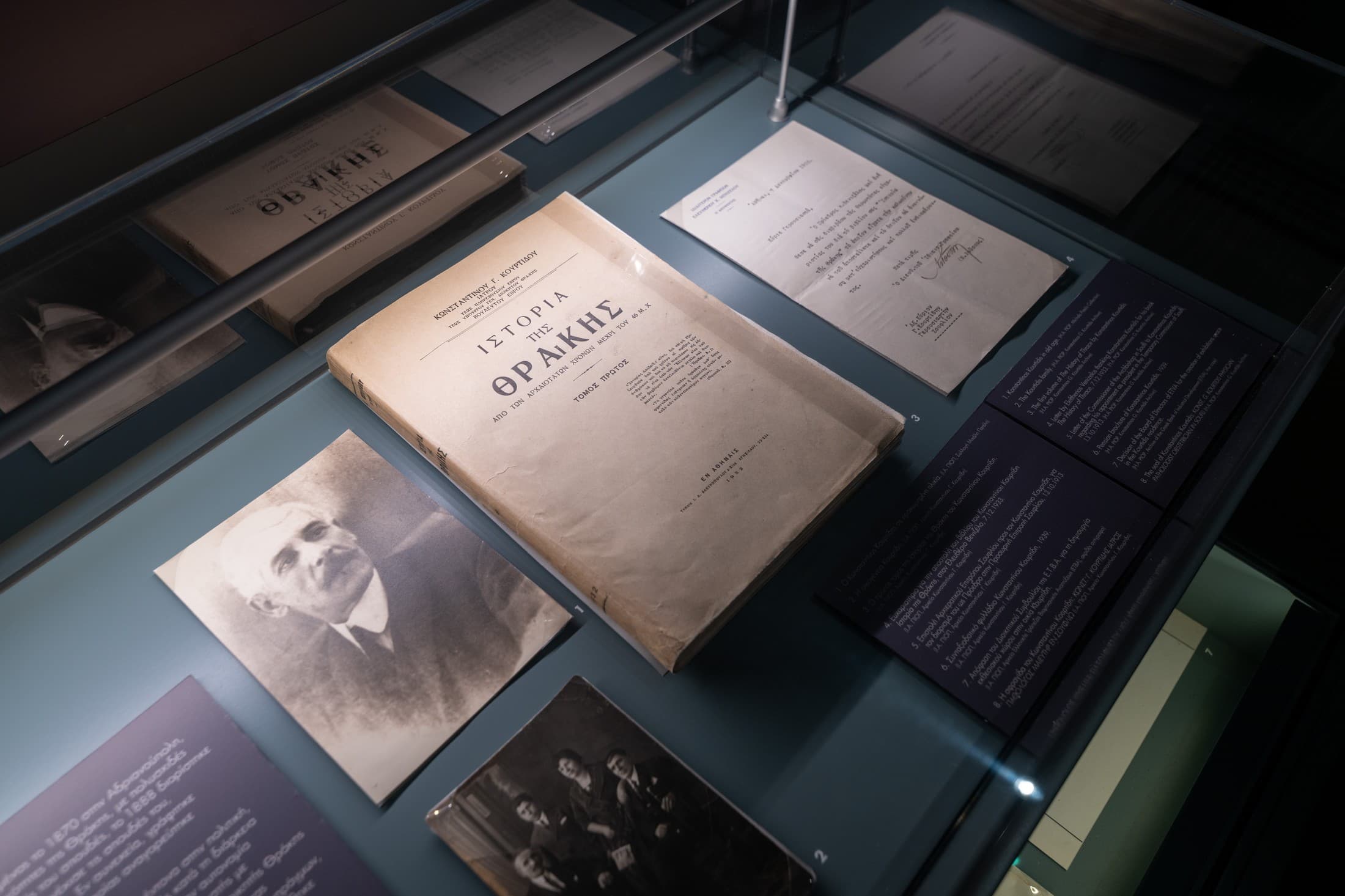
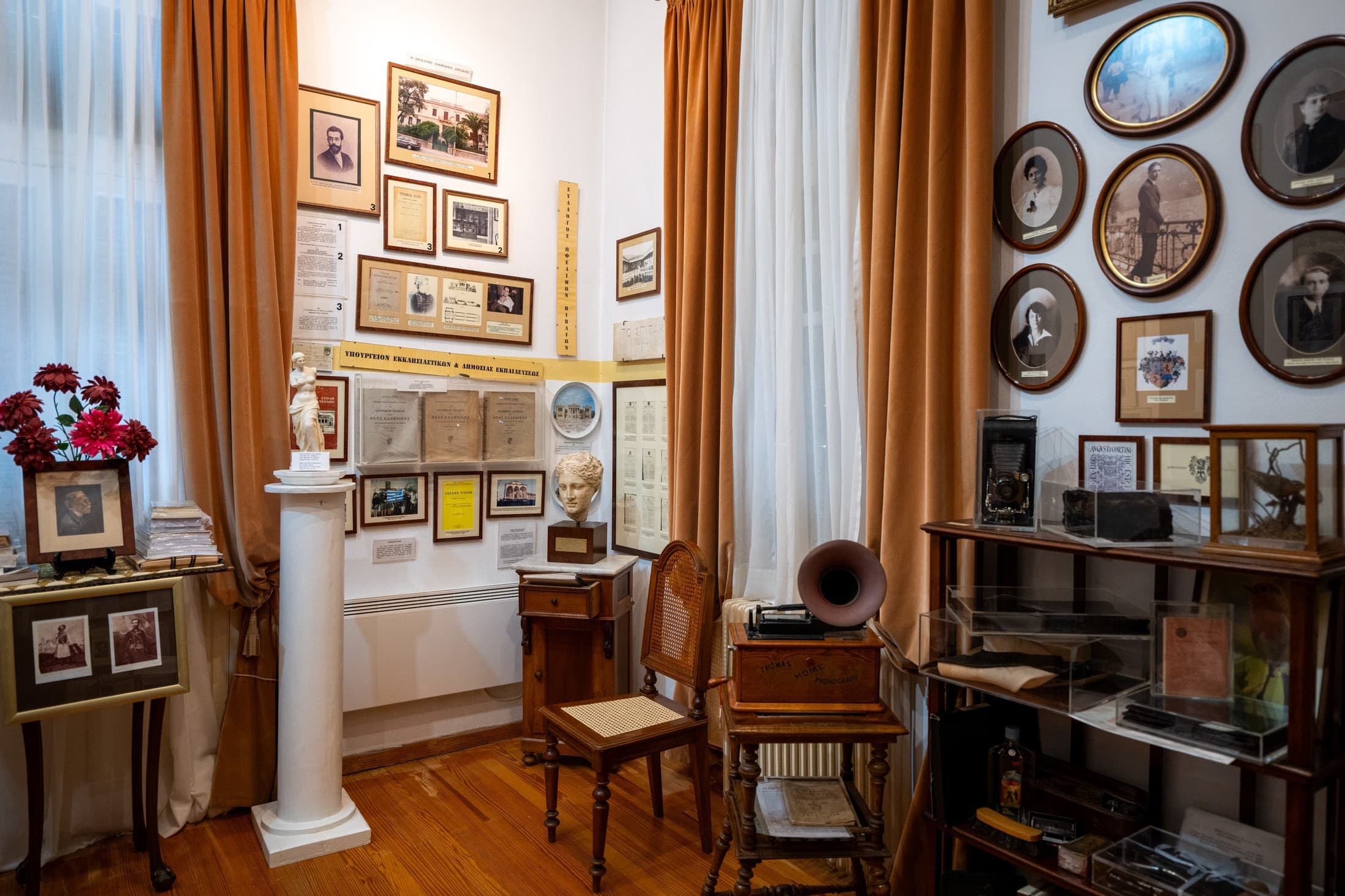
Photographs depicting both everyday life and the social activities of village residents complement the exhibition, offering visitors a journey back in time.
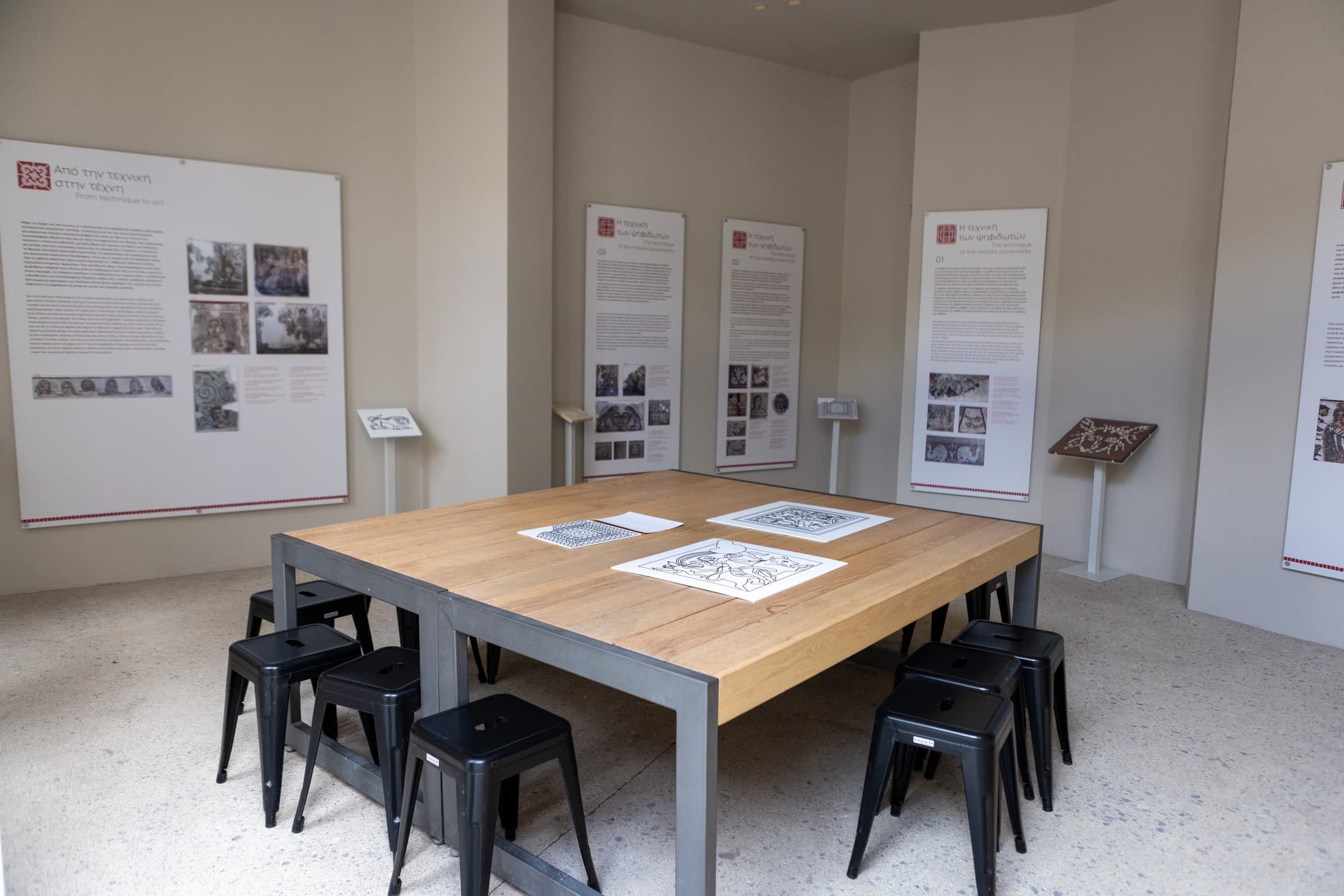
The vibrant Museum of Folk Art and Rural Life of Agia Anna organises educational programmes and events that connect the past with the present. Take some time to visit it and let the exhibits tell you, their story.
The museum spaces evoke the atmosphere of another era. Visitors can experience scenes from the family life of Evia’s inhabitants and explore rooms as they once were, complete with fireplaces, traditional furniture, kitchen utensils, and personal belongings.
Handwoven carpets and intricately crafted costumes highlight the art of weaving and the exceptional embroidery skills of the women of the region. Particularly noteworthy is the remarkable collection of traditional local costumes, one of the museum’s most important features. The exhibits also include traditional tools used in the daily work of Evia’s inhabitants, who were primarily engaged in agriculture and livestock farming.
Photographs depicting both everyday life and the social activities of village residents complement the exhibition, offering visitors a journey back in time.
The vibrant Museum of Folk Art and Rural Life of Agia Anna organises educational programmes and events that connect the past with the present. Take some time to visit it and let the exhibits tell you, their story.