A journey into the island’s ancient life
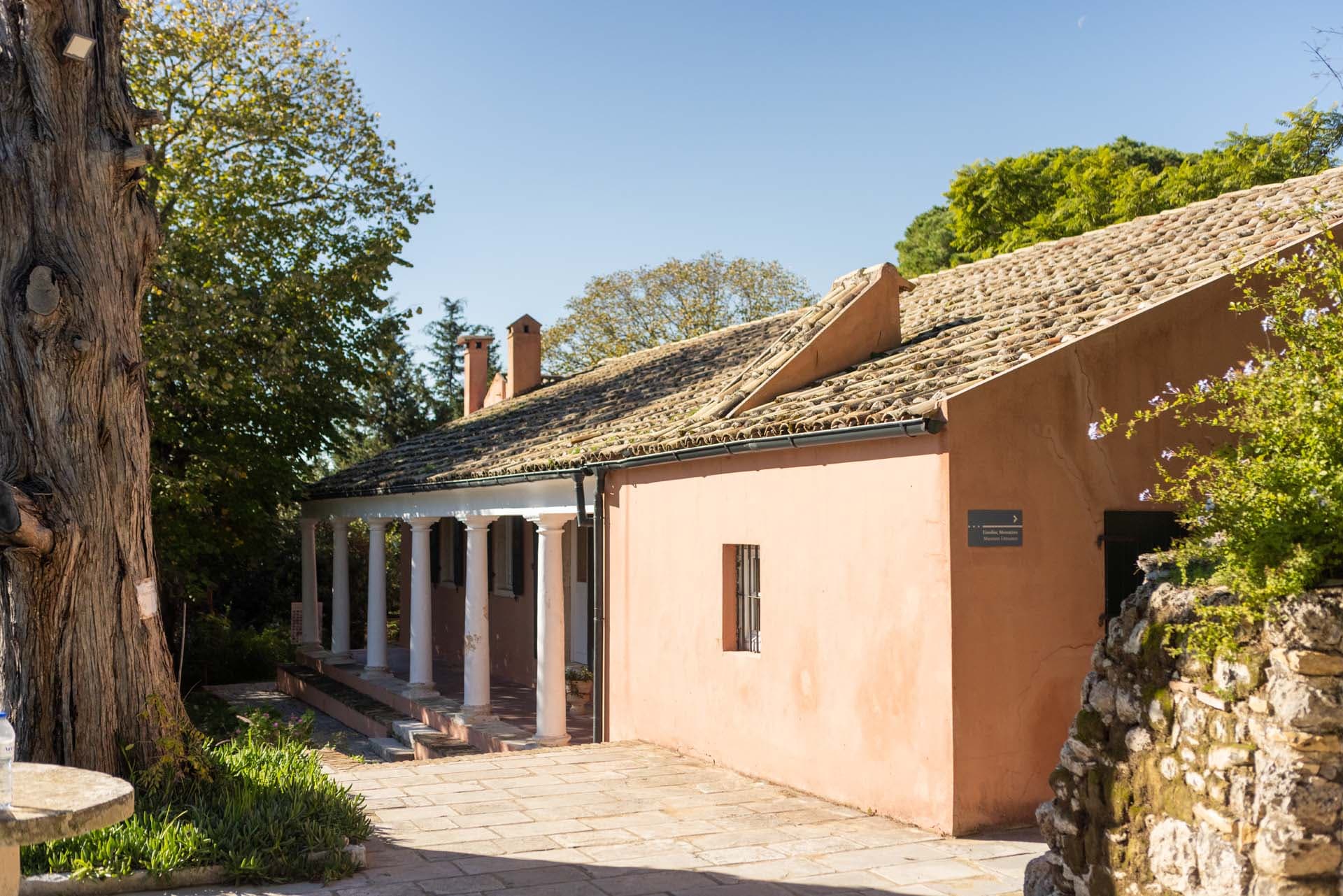
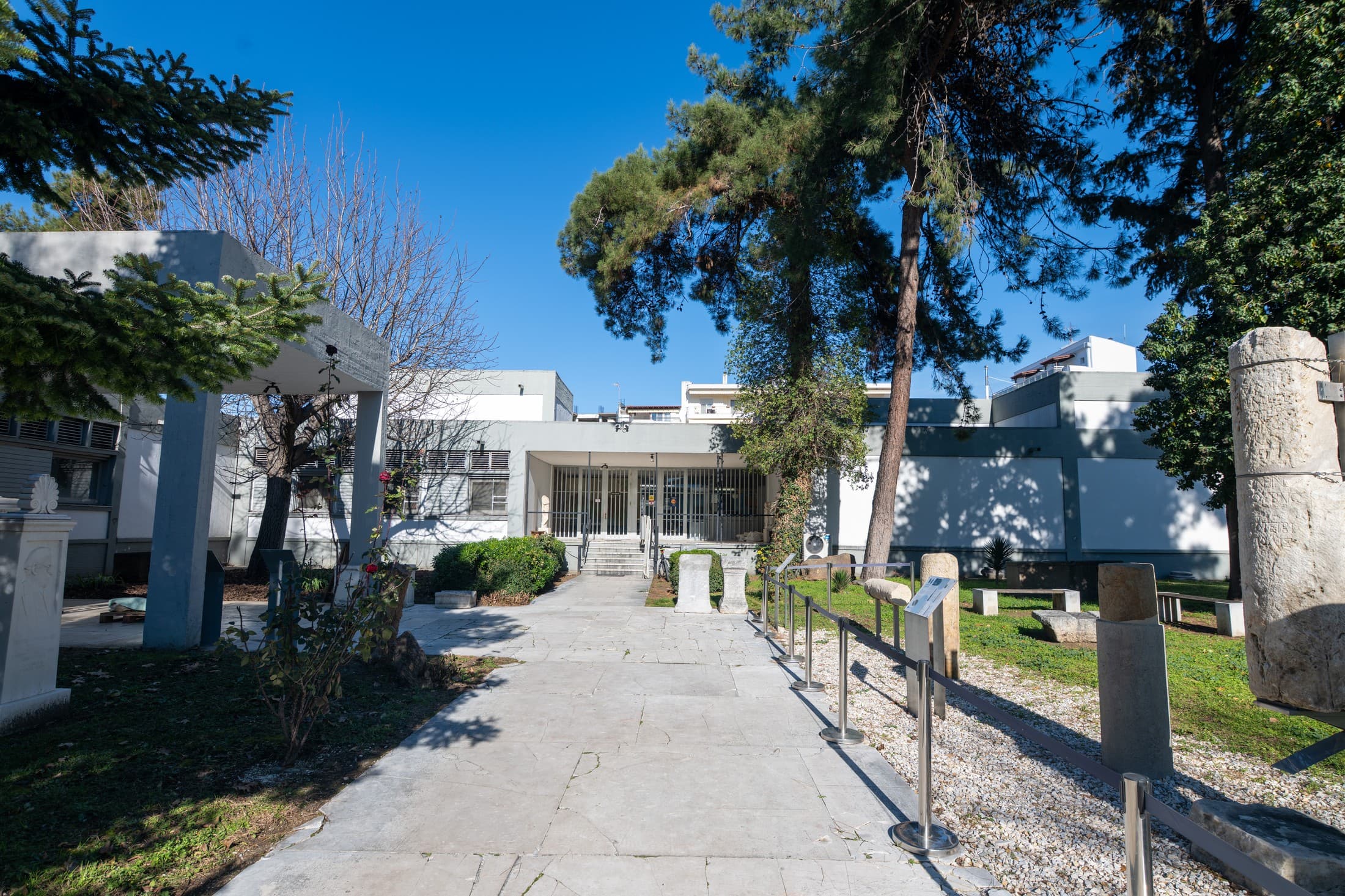
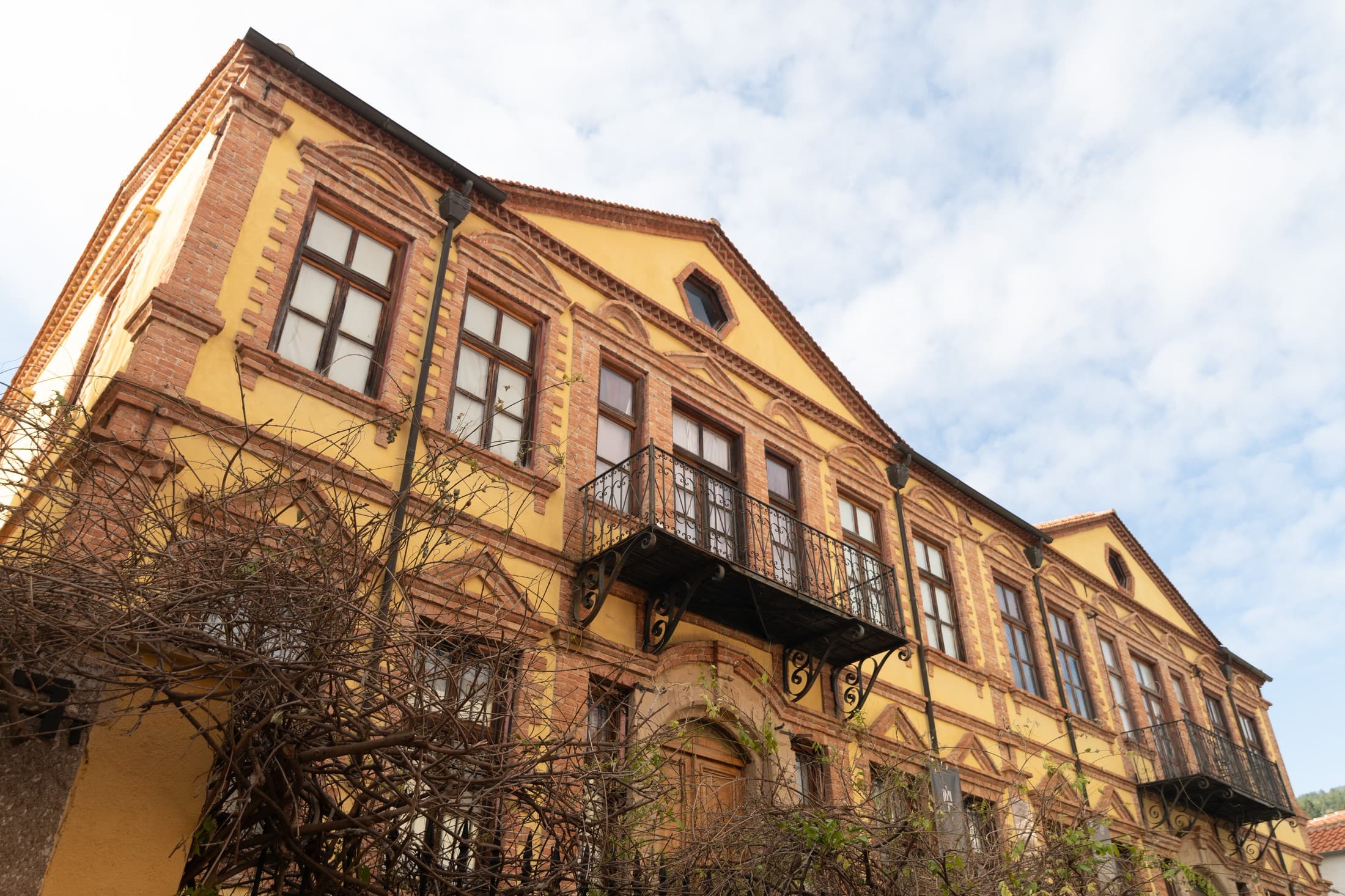
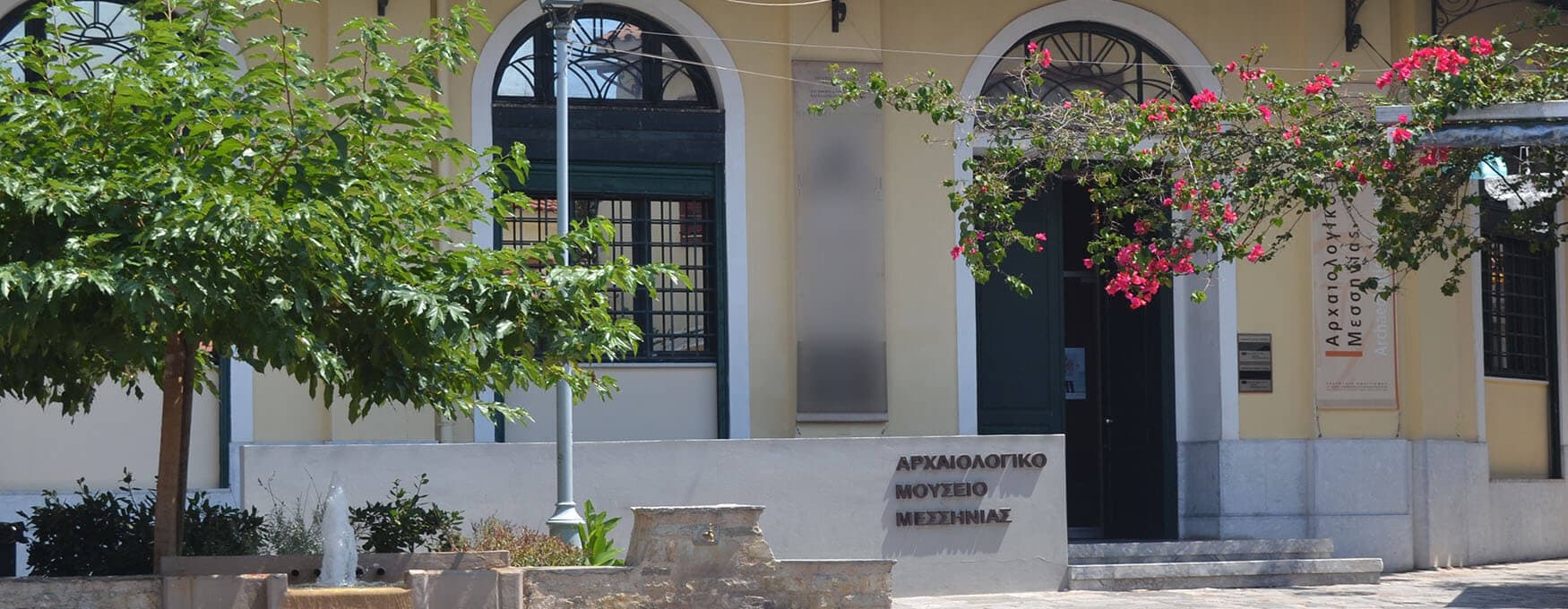
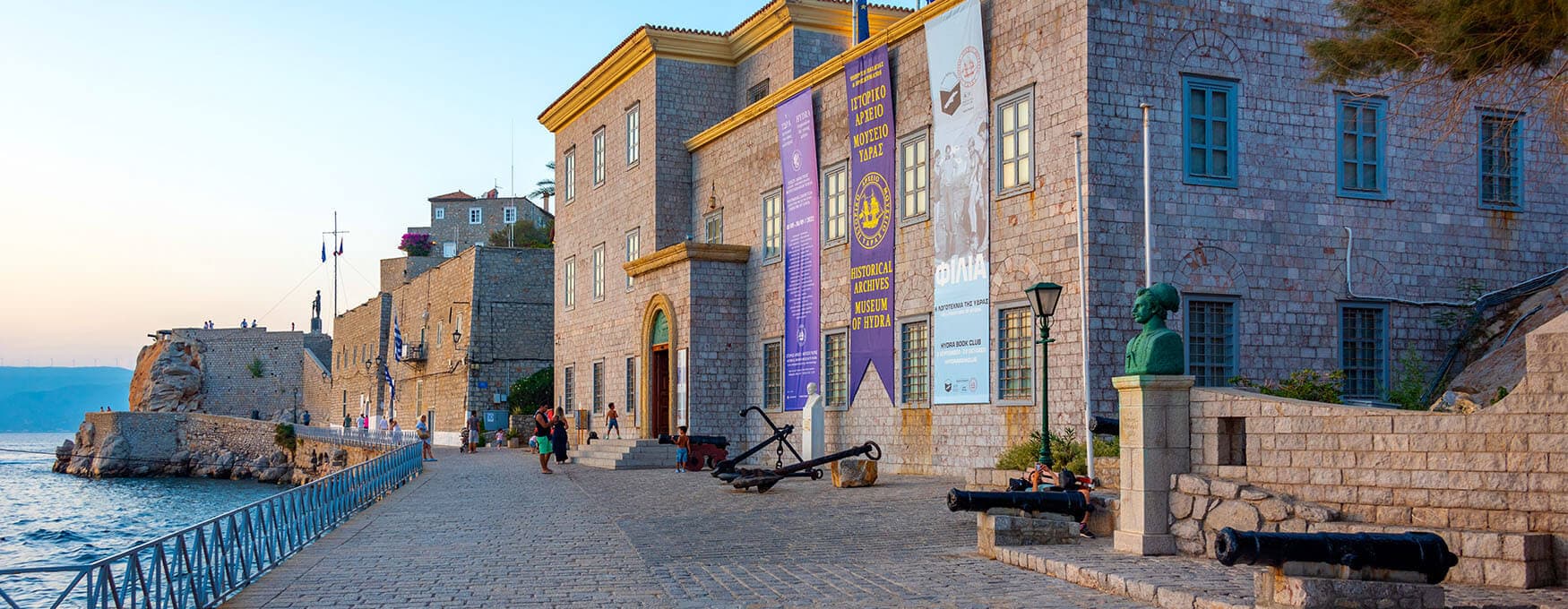
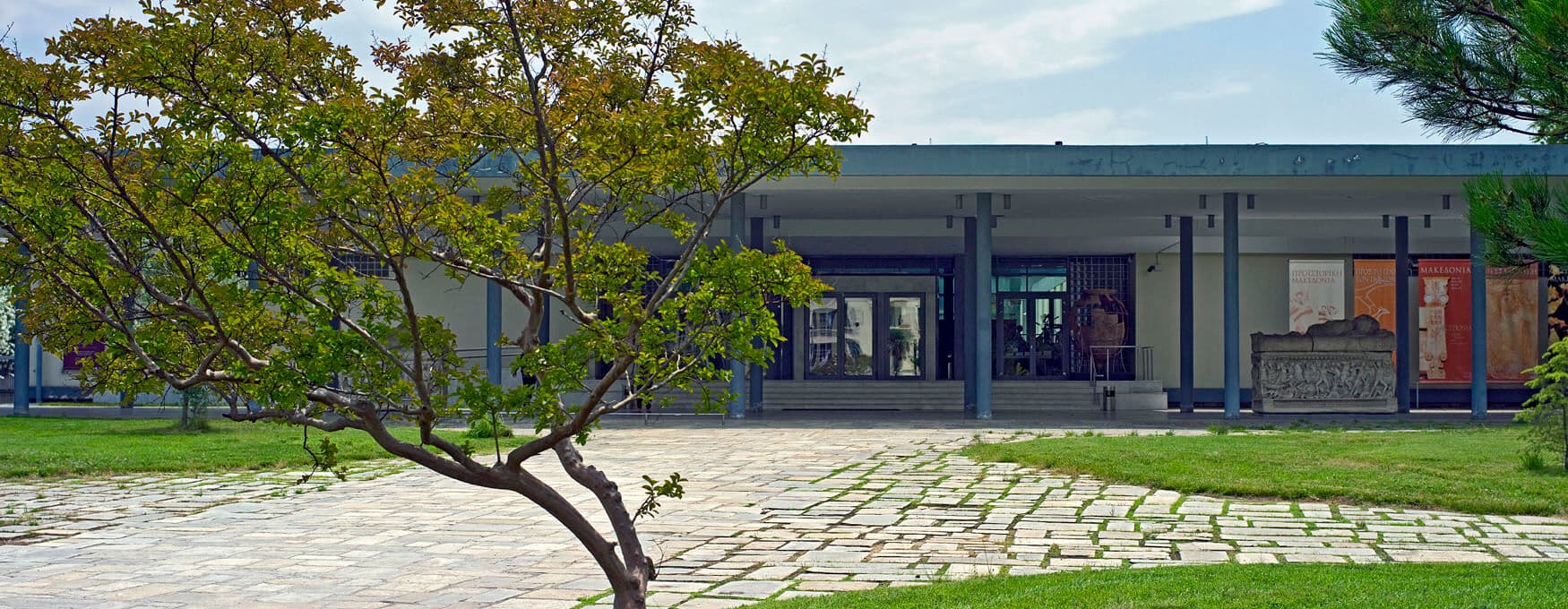
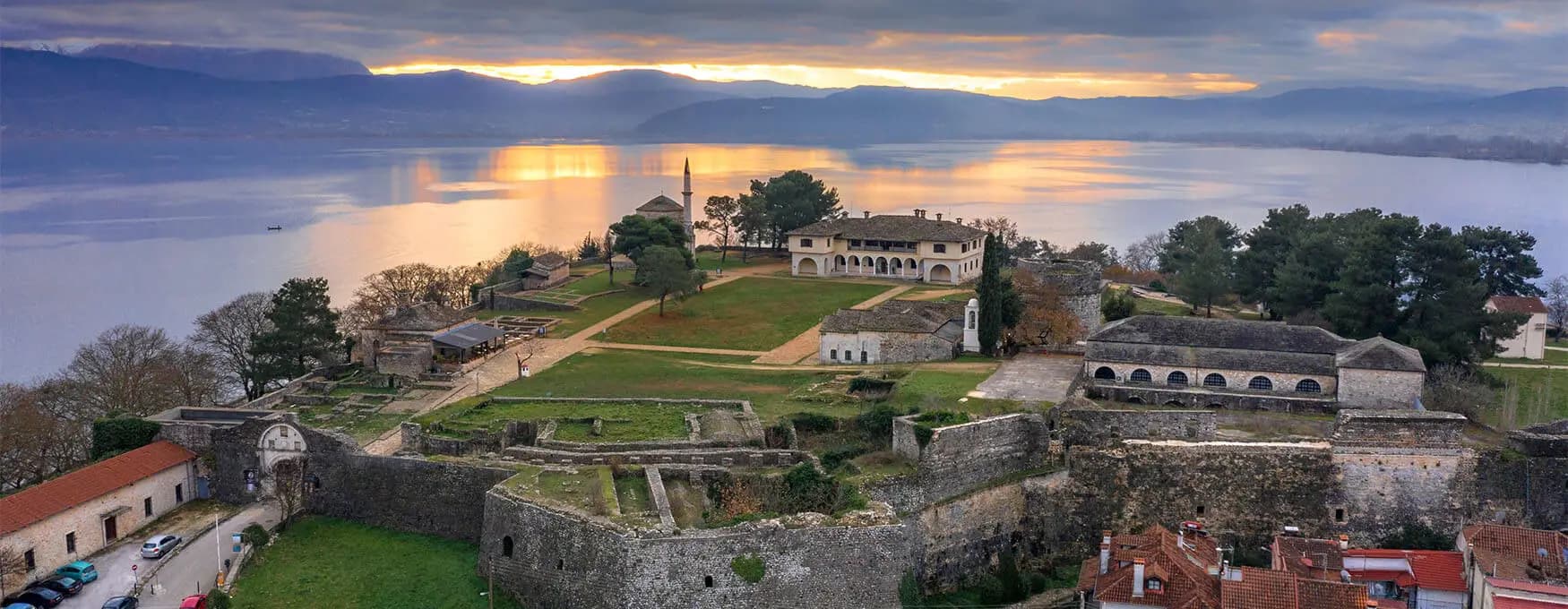
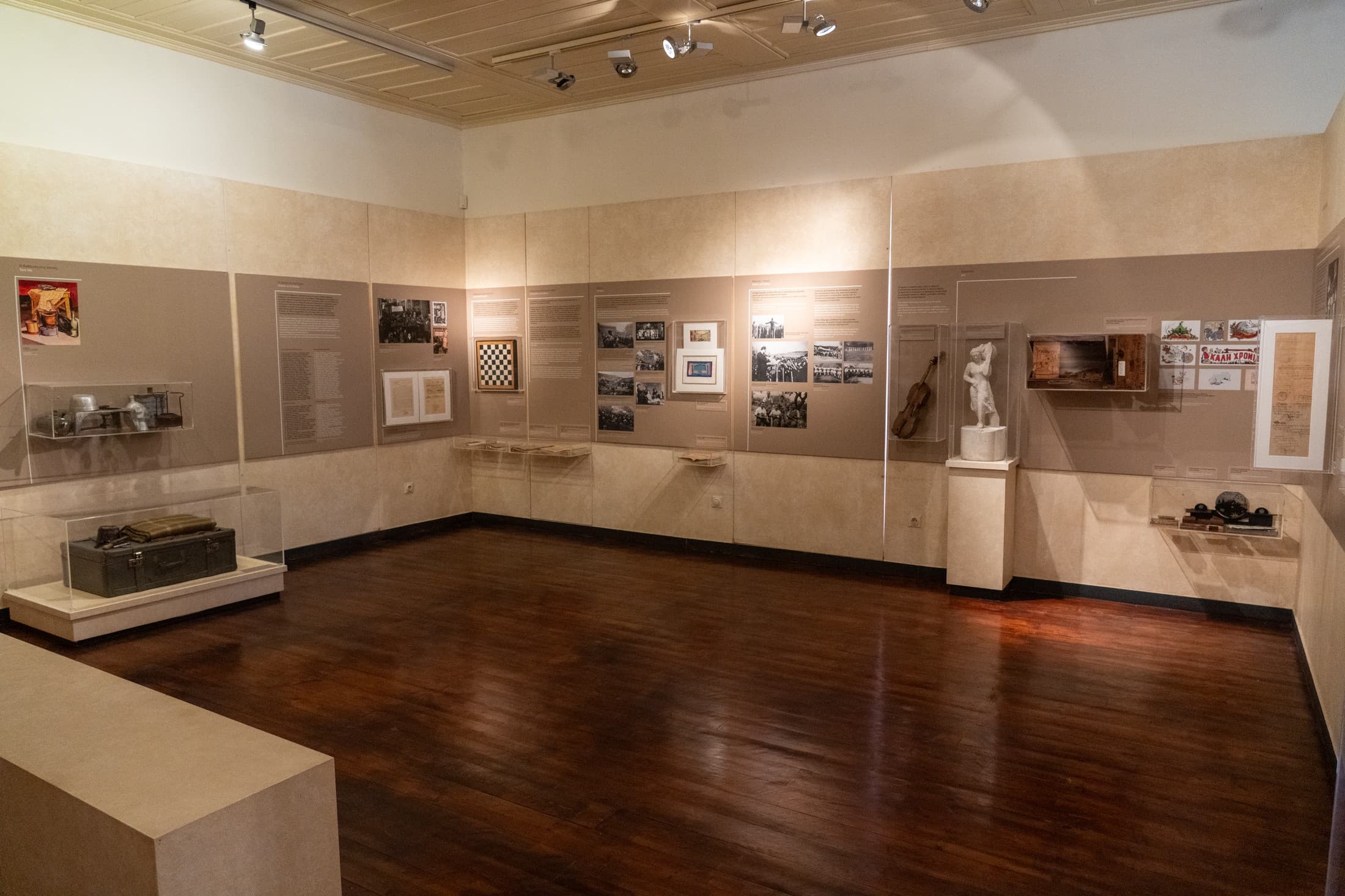
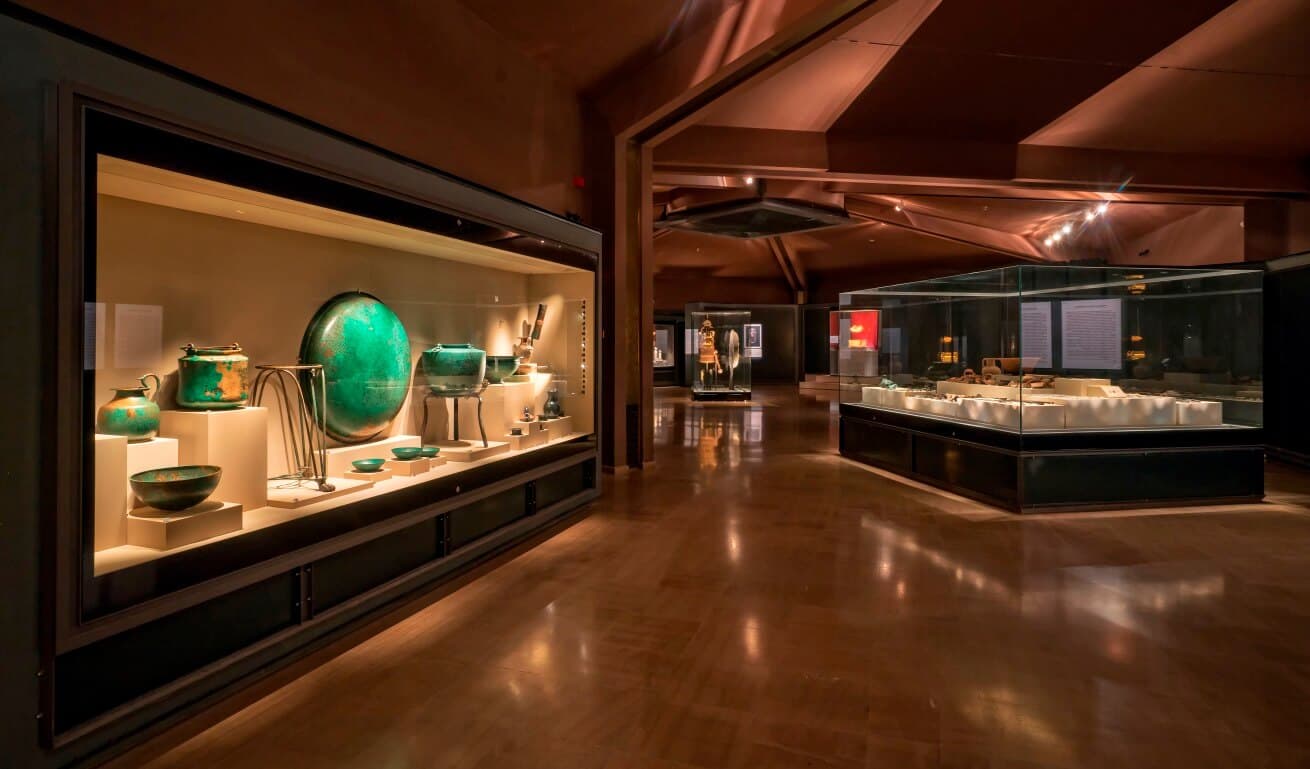
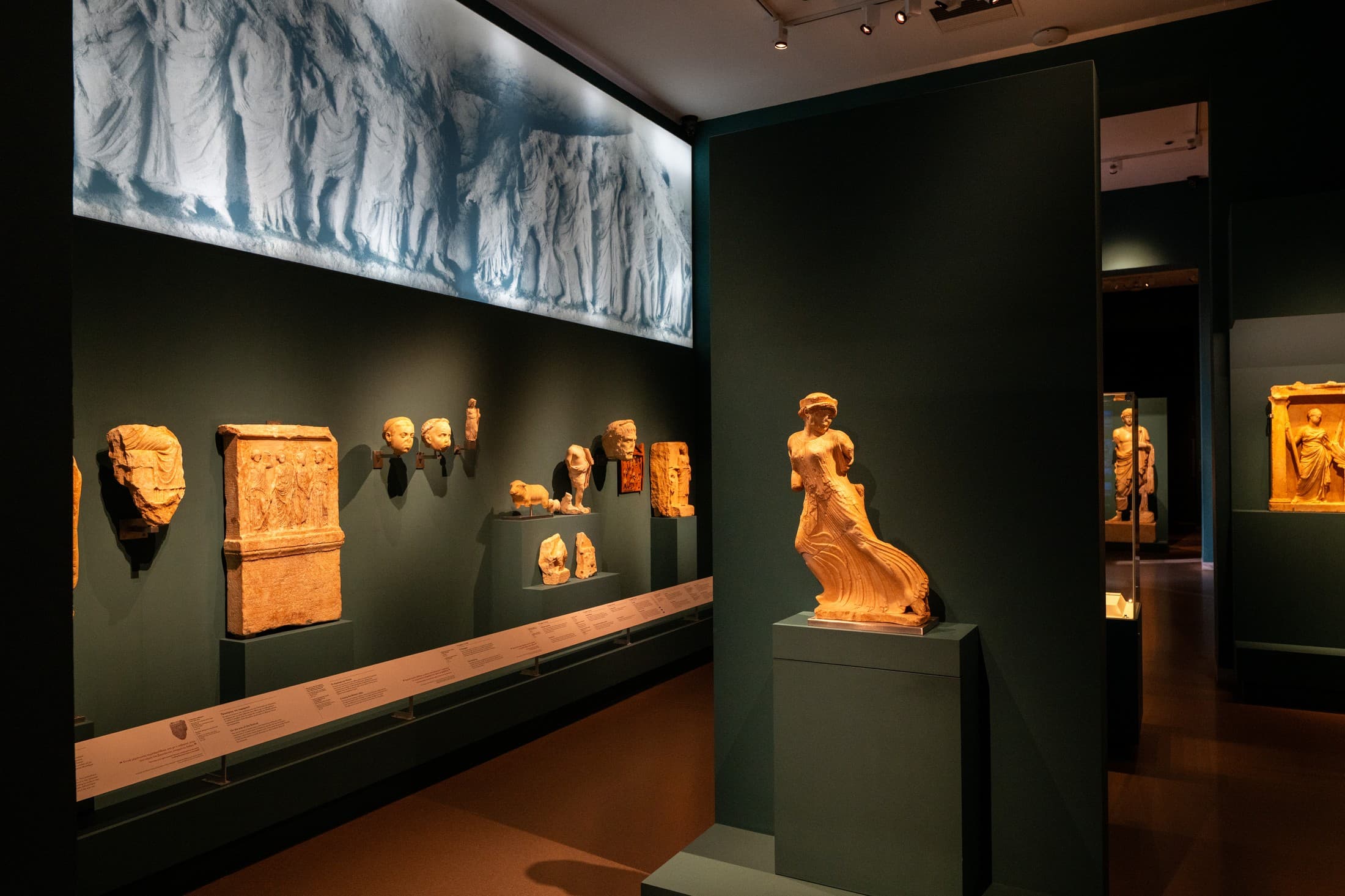
The Archaeological Museum of Salamina is housed in one of the mutually taught schools founded by Ioannis Kapodistrias during his tenure as Governor of the newly established Greek state. The school remained in operation until 1981, when it suffered severe damage in an earthquake. Following its restoration by the Ministry of Culture, it reopened in 2010 as a museum, bringing together finds from across Salamina that had previously been displayed at the Cultural Association “Euripides” or stored in the storage rooms of the National Archaeological Museum.
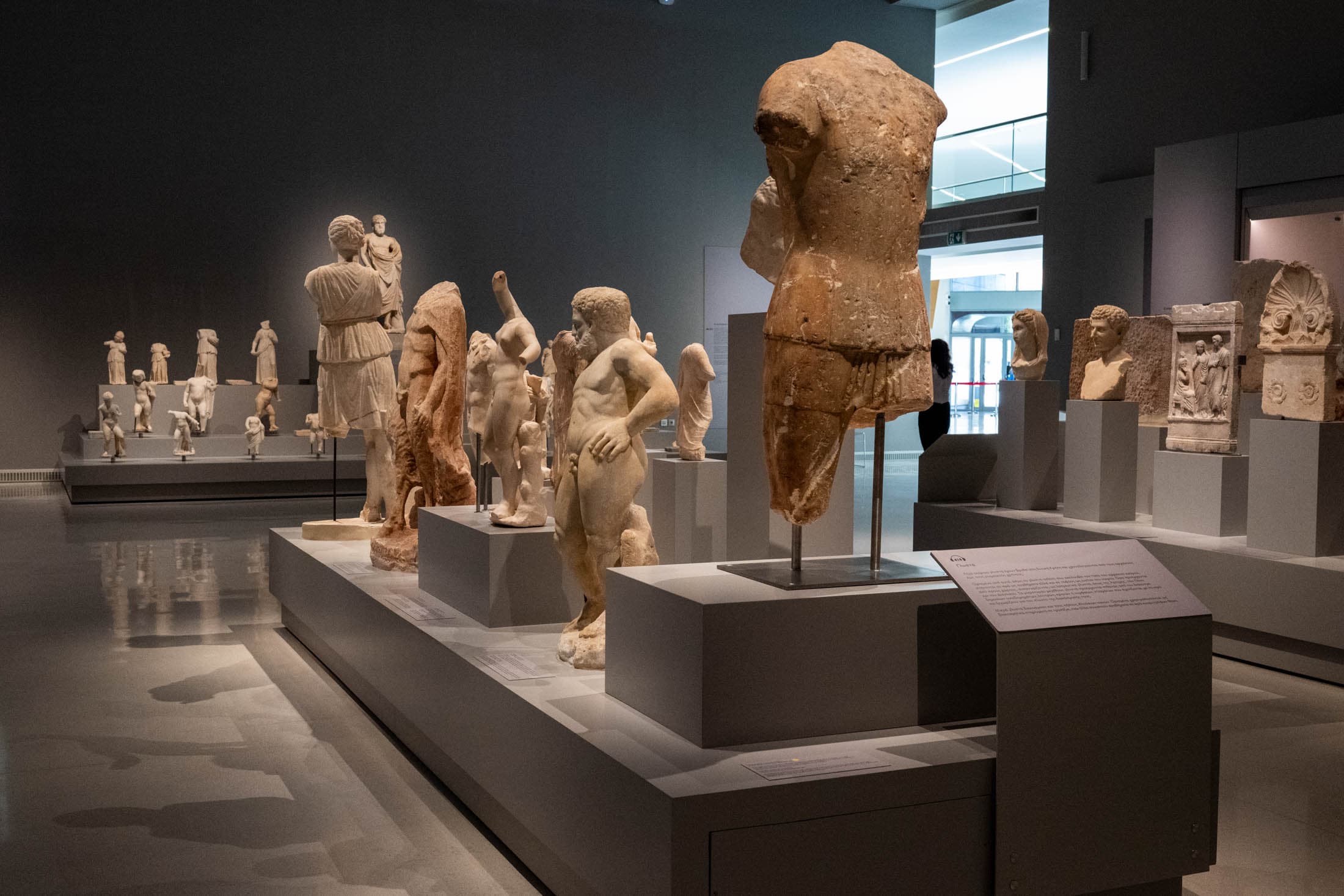
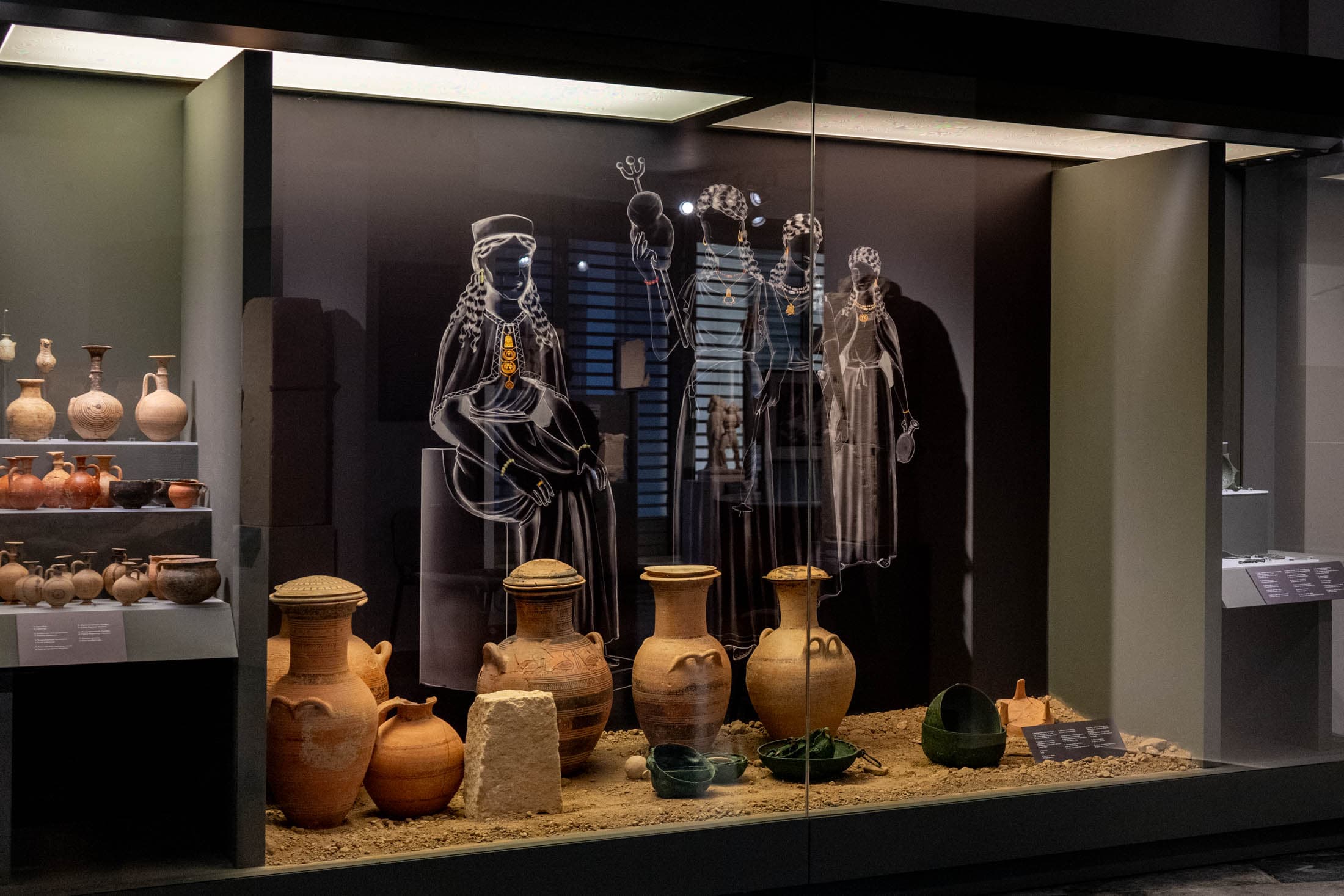
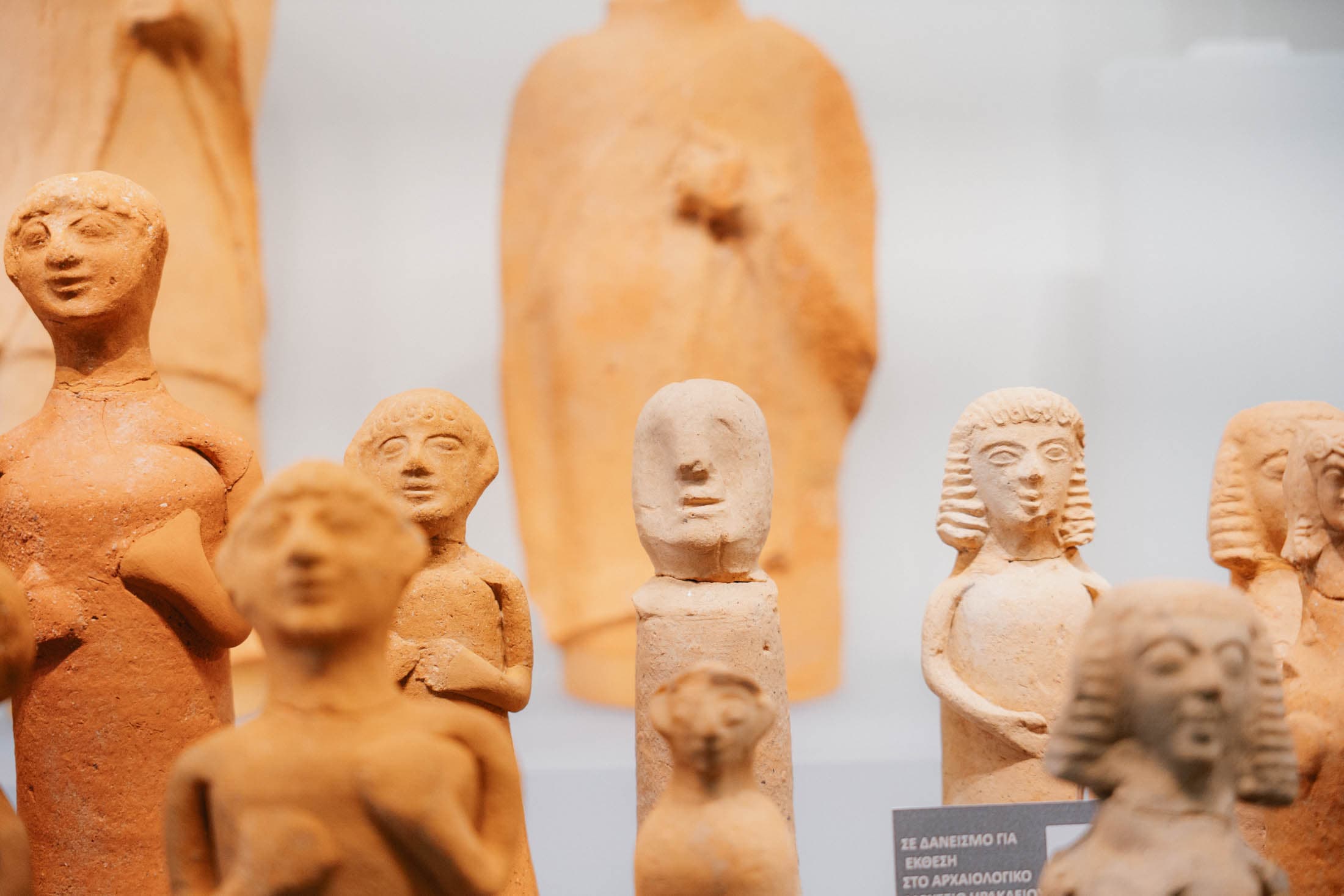
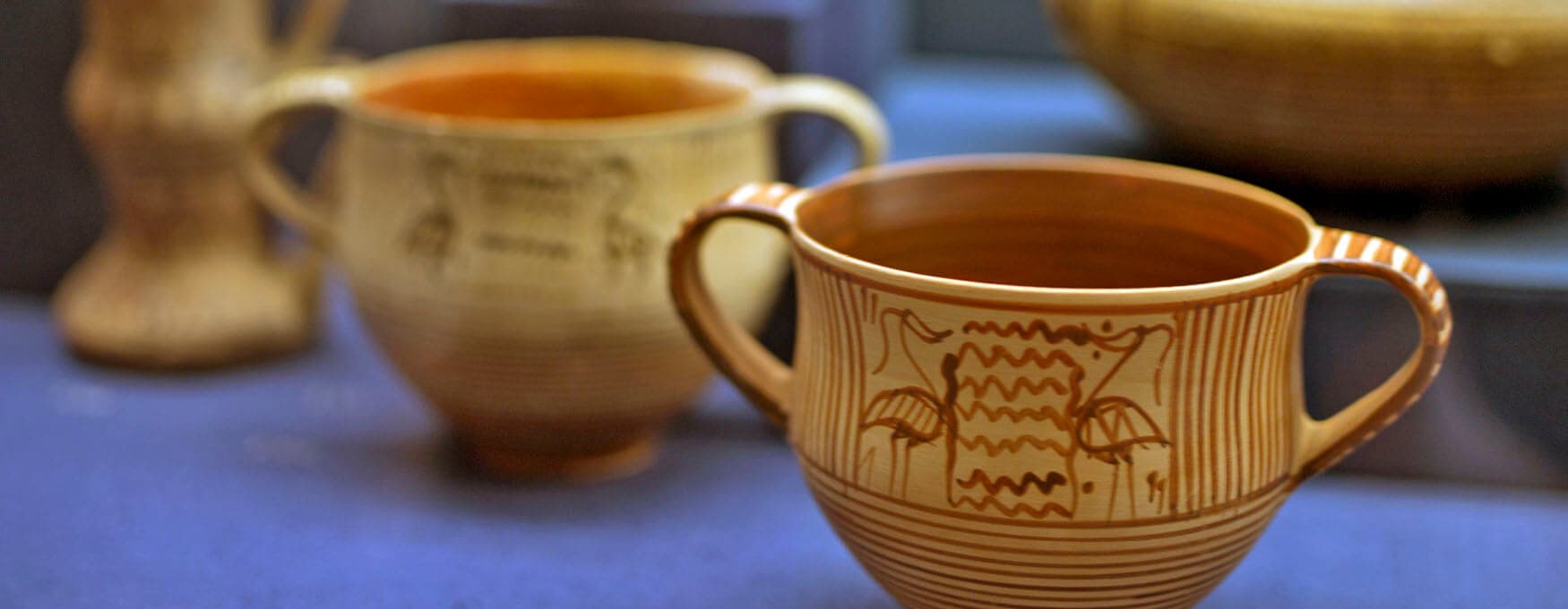
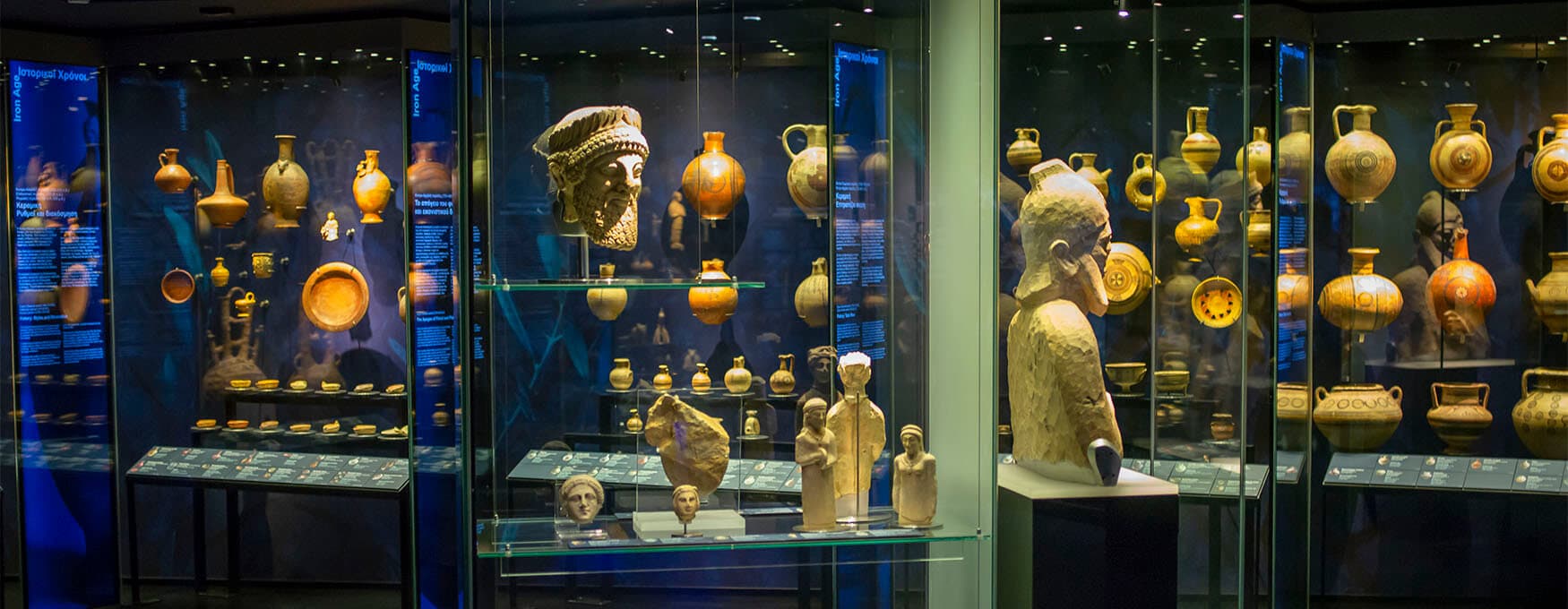
The collections span from the Late Neolithic period to the early Christian era, shedding light on many aspects of life on the island: from tools and figurines to pottery and burial offerings.
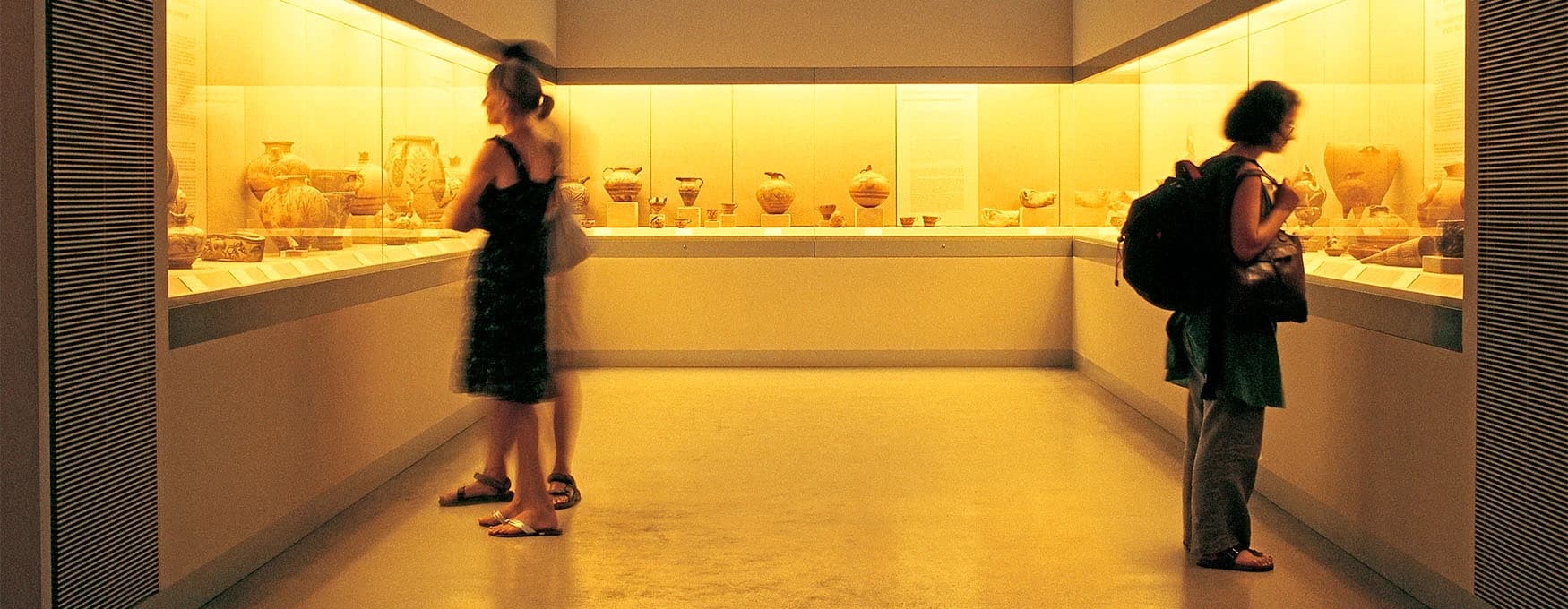
Begin your visit in Room A, to the left of the entrance, where finds from the prehistoric sites of Salamina are displayed. Pause at the first showcase to observe objects from the Cave in Peristeria. Among them stands out a marble female figurine from the Late Neolithic period (5300–4500 BC), with a strongly schematic rendering of the human form, considered a precursor to the Cycladic figurines. In the same case, you will also see a small yet particularly significant find: a fragment of a skyphos (drinking cup) from the 5th century BC, bearing an engraved—and notably reversed—inscription of the first letters of the name of Euripides the great tragedian. The vessel comes from the cave that research associates with the poet’s place of retreat.
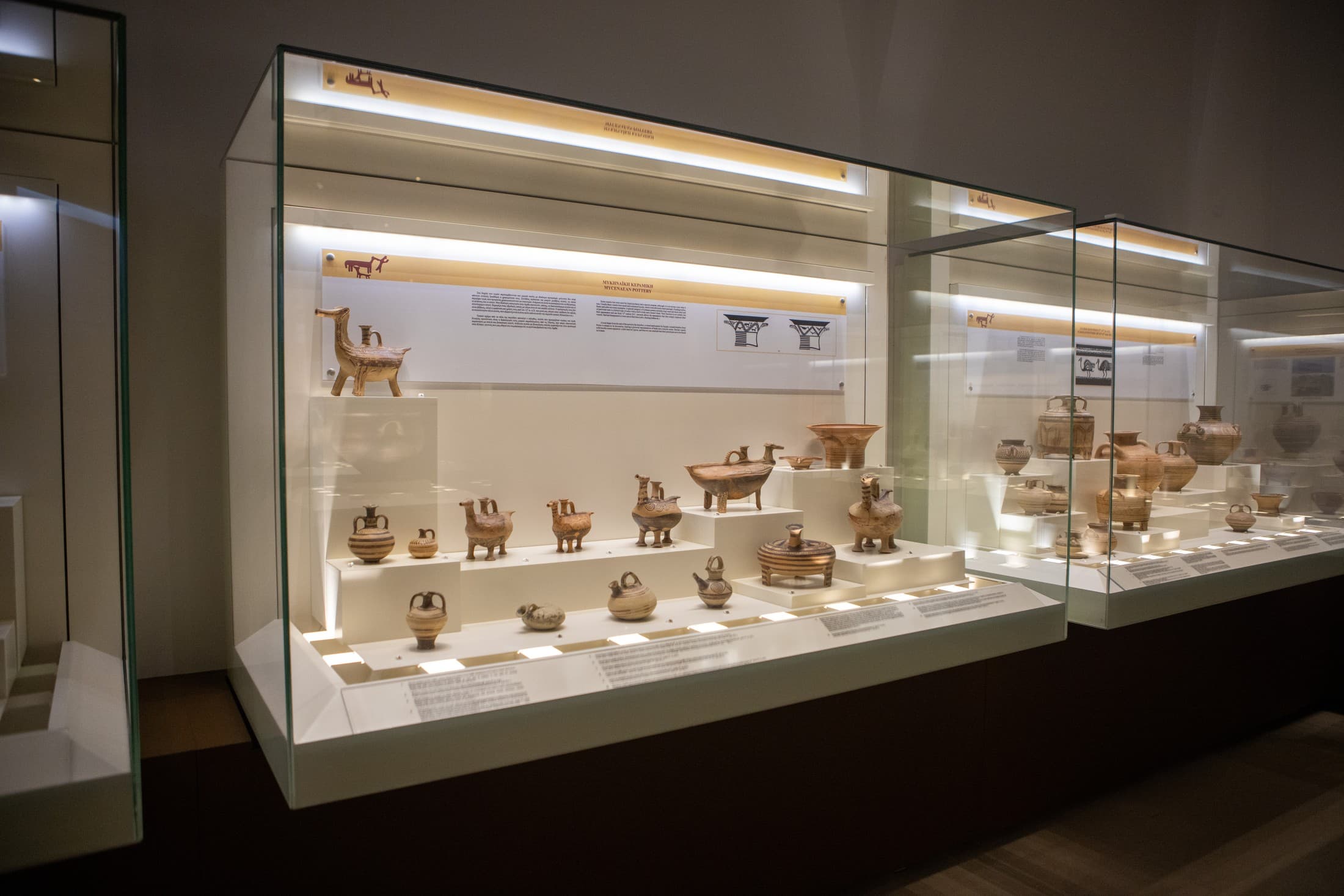
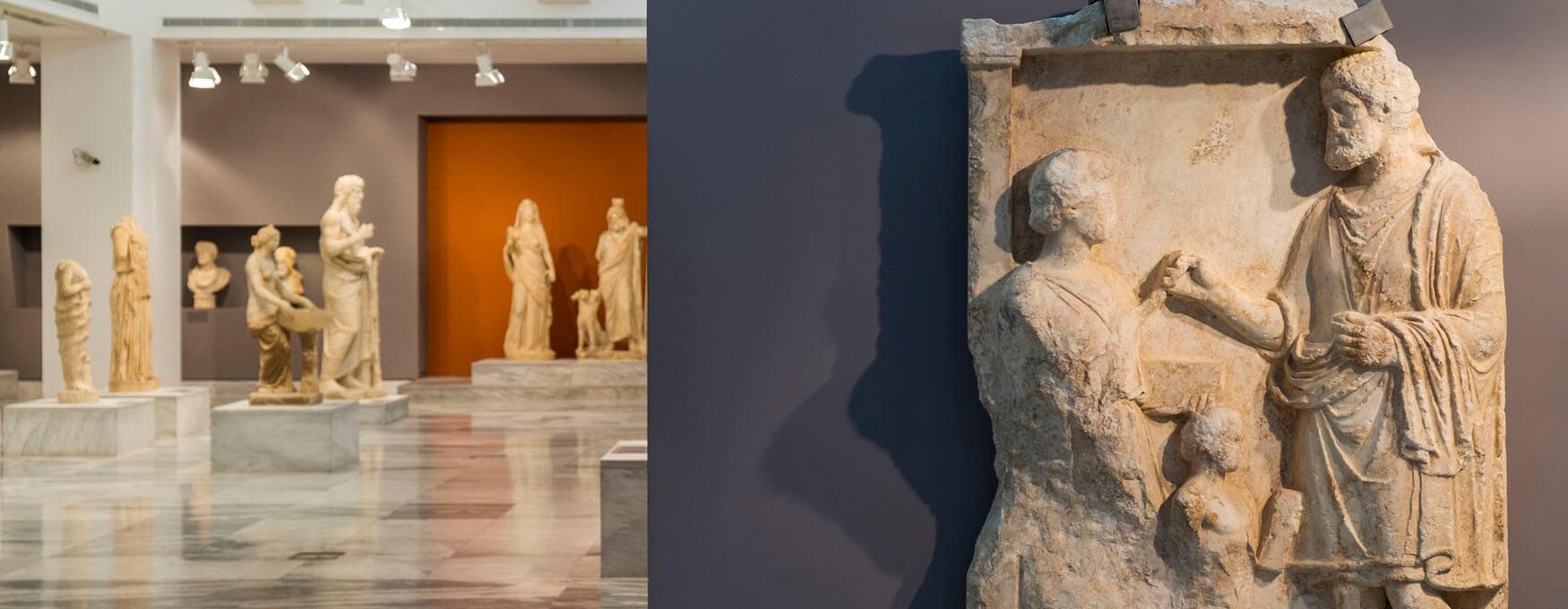
Continuing to the Mycenaean exhibits, you will encounter a conical rhyton from the 14th century BC, a vessel with distinctive decorative features. Rhyta in Mycenaean times were used mainly for libations, especially in funerary rites, which is why they are often found in tombs. Among the notable exhibits from the Classical period, look for the funerary monument of the hoplite Silanion, dating to the early 4th century BC.
The collections span from the Late Neolithic period to the early Christian era, shedding light on many aspects of life on the island: from tools and figurines to pottery and burial offerings.
Begin your visit in Room A, to the left of the entrance, where finds from the prehistoric sites of Salamina are displayed. Pause at the first showcase to observe objects from the Cave in Peristeria. Among them stands out a marble female figurine from the Late Neolithic period (5300–4500 BC), with a strongly schematic rendering of the human form, considered a precursor to the Cycladic figurines. In the same case, you will also see a small yet particularly significant find: a fragment of a skyphos (drinking cup) from the 5th century BC, bearing an engraved—and notably reversed—inscription of the first letters of the name of Euripides the great tragedian. The vessel comes from the cave that research associates with the poet’s place of retreat.
Continuing to the Mycenaean exhibits, you will encounter a conical rhyton from the 14th century BC, a vessel with distinctive decorative features. Rhyta in Mycenaean times were used mainly for libations, especially in funerary rites, which is why they are often found in tombs. Among the notable exhibits from the Classical period, look for the funerary monument of the hoplite Silanion, dating to the early 4th century BC.