Exhibits narrating the island’s history
Beyond its maritime heritage and captivating scenery, Kalymnos offers the chance to view the celebrated ‘Lady of Kalymnos’, a Hellenistic bronze sculpture portraying a woman adorned in a chiton and fringed himation. A local fisherman’s nets retrieved it from the seabed in 1995.
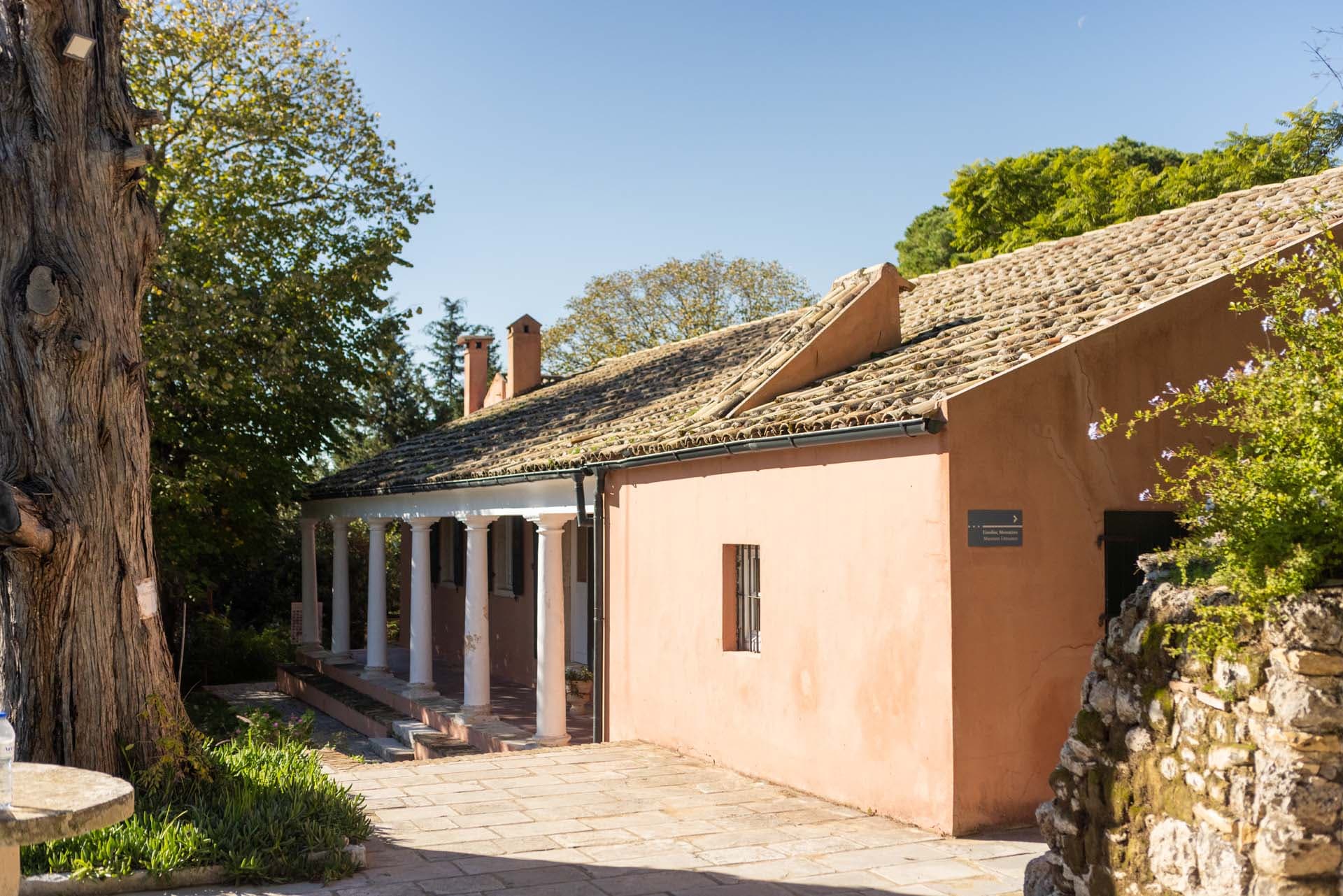
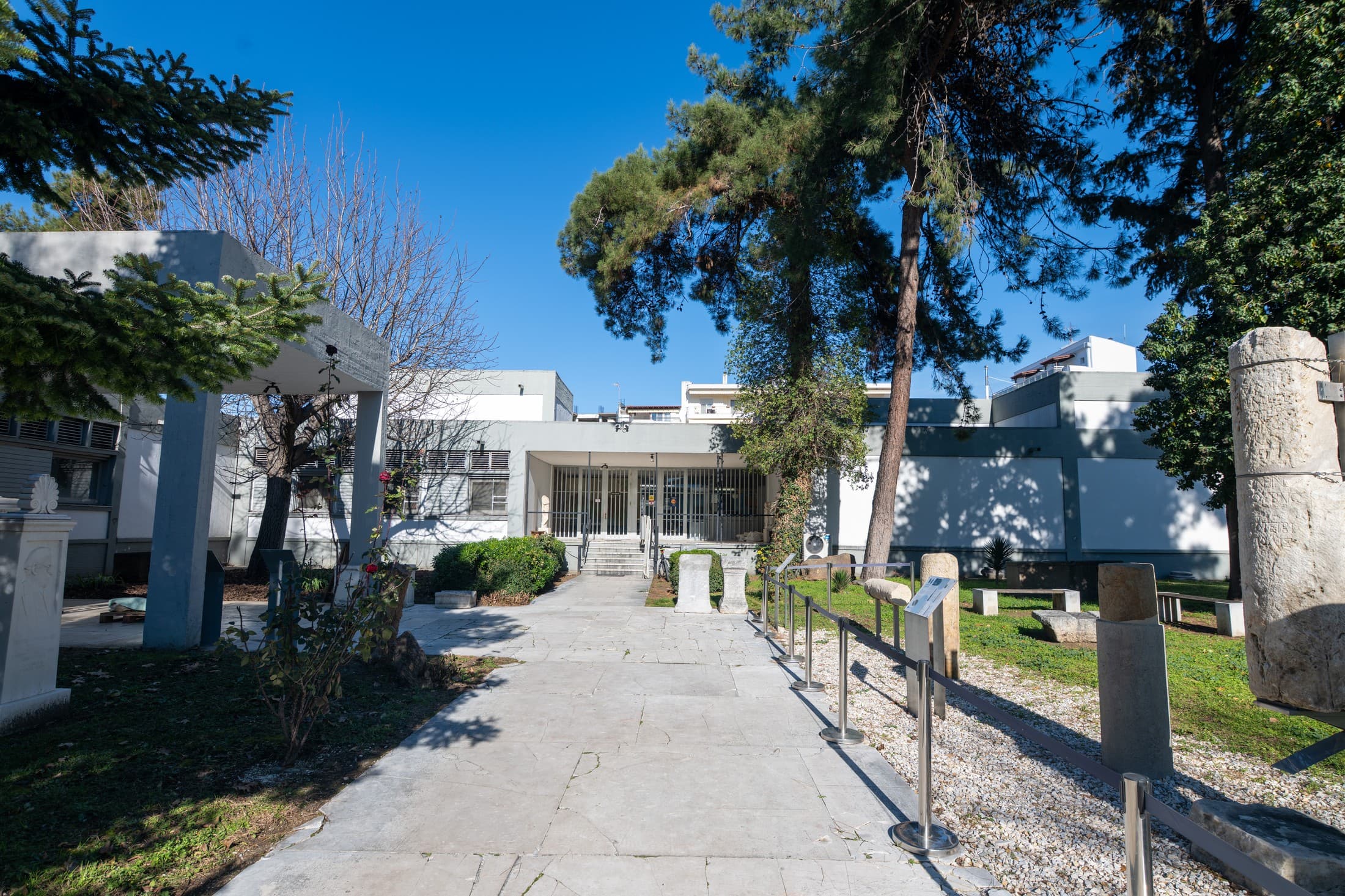
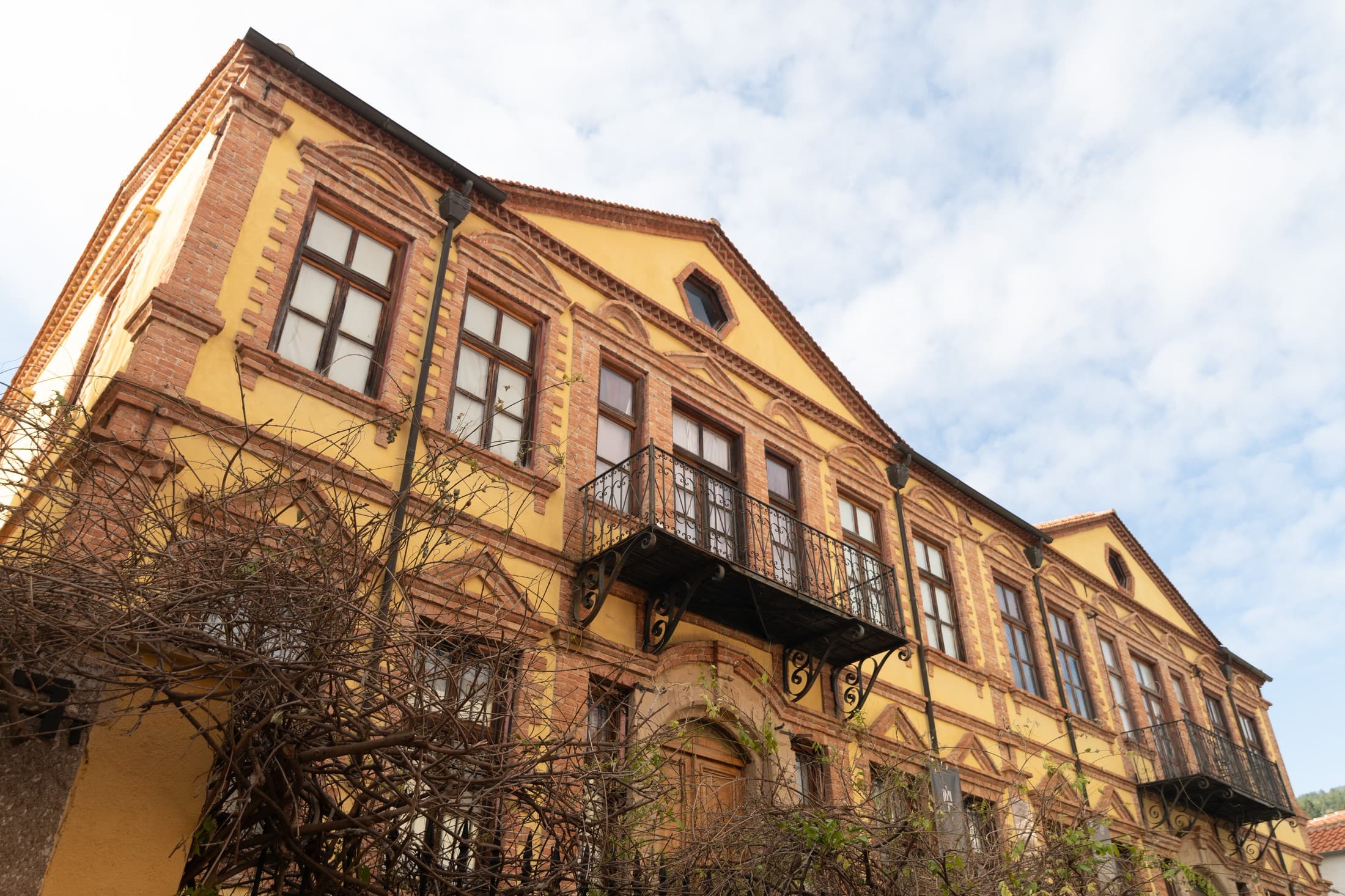
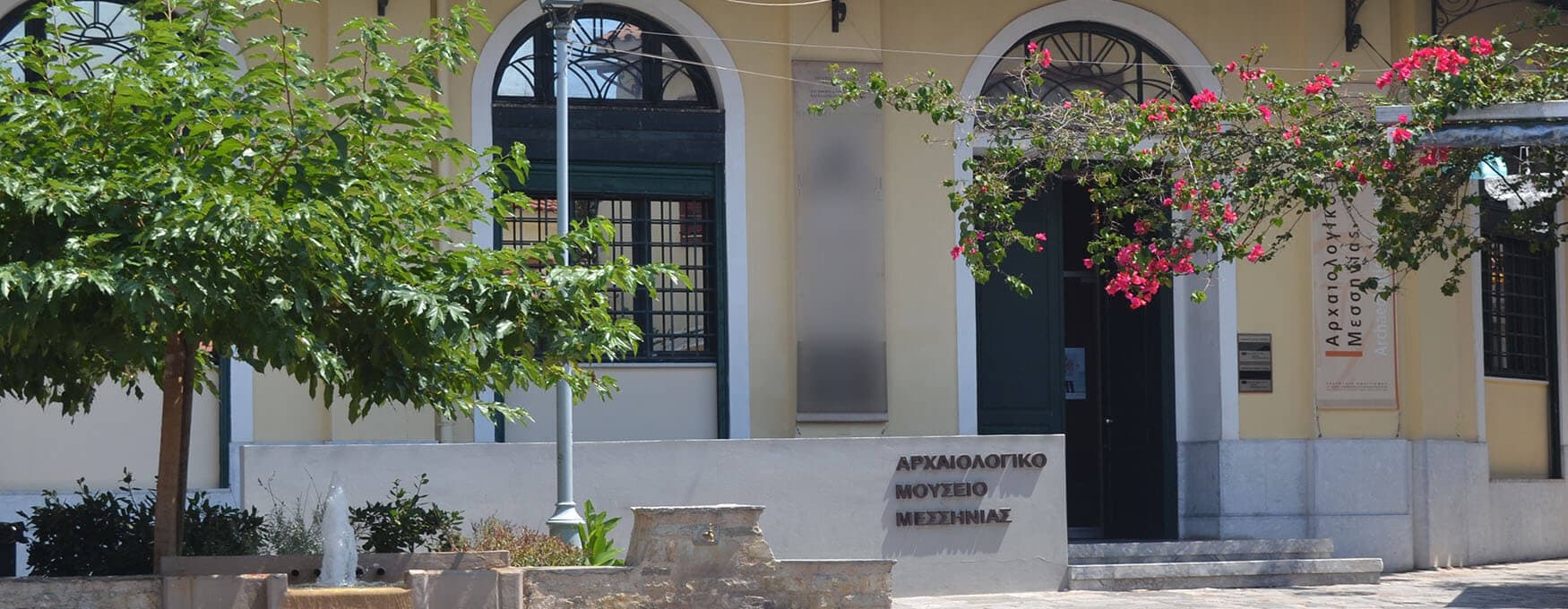
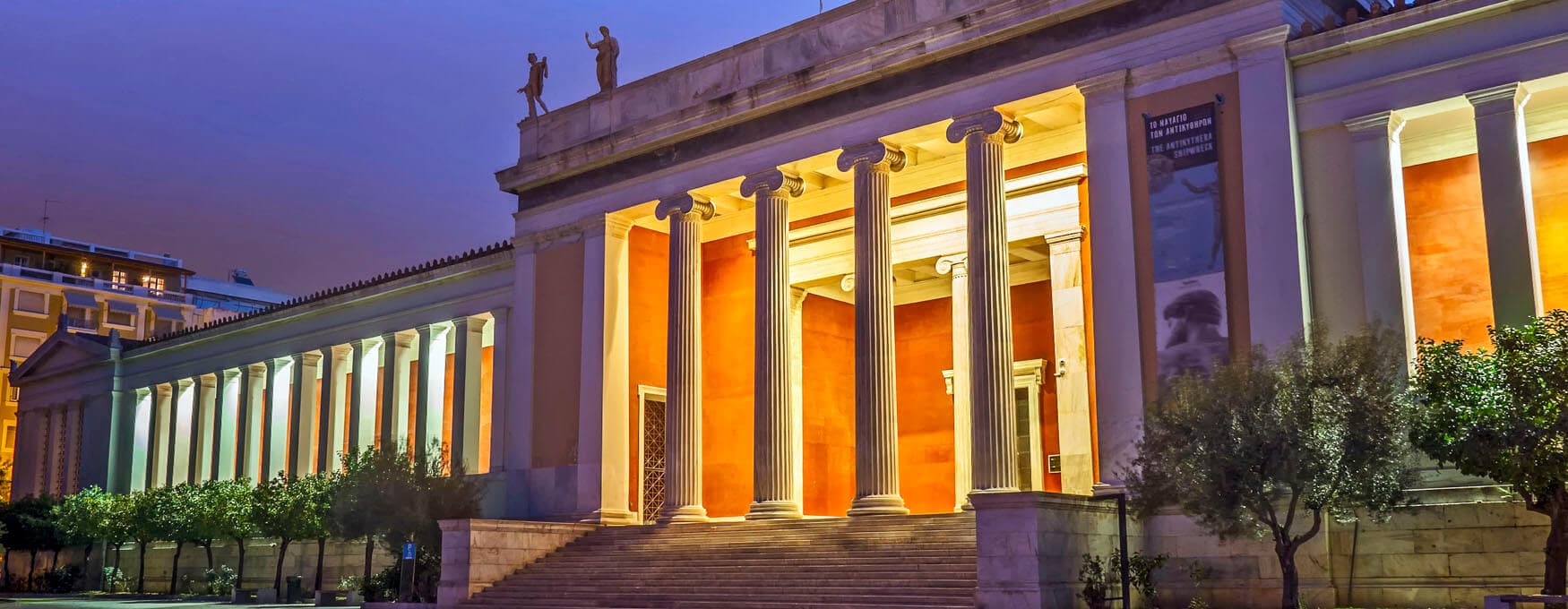
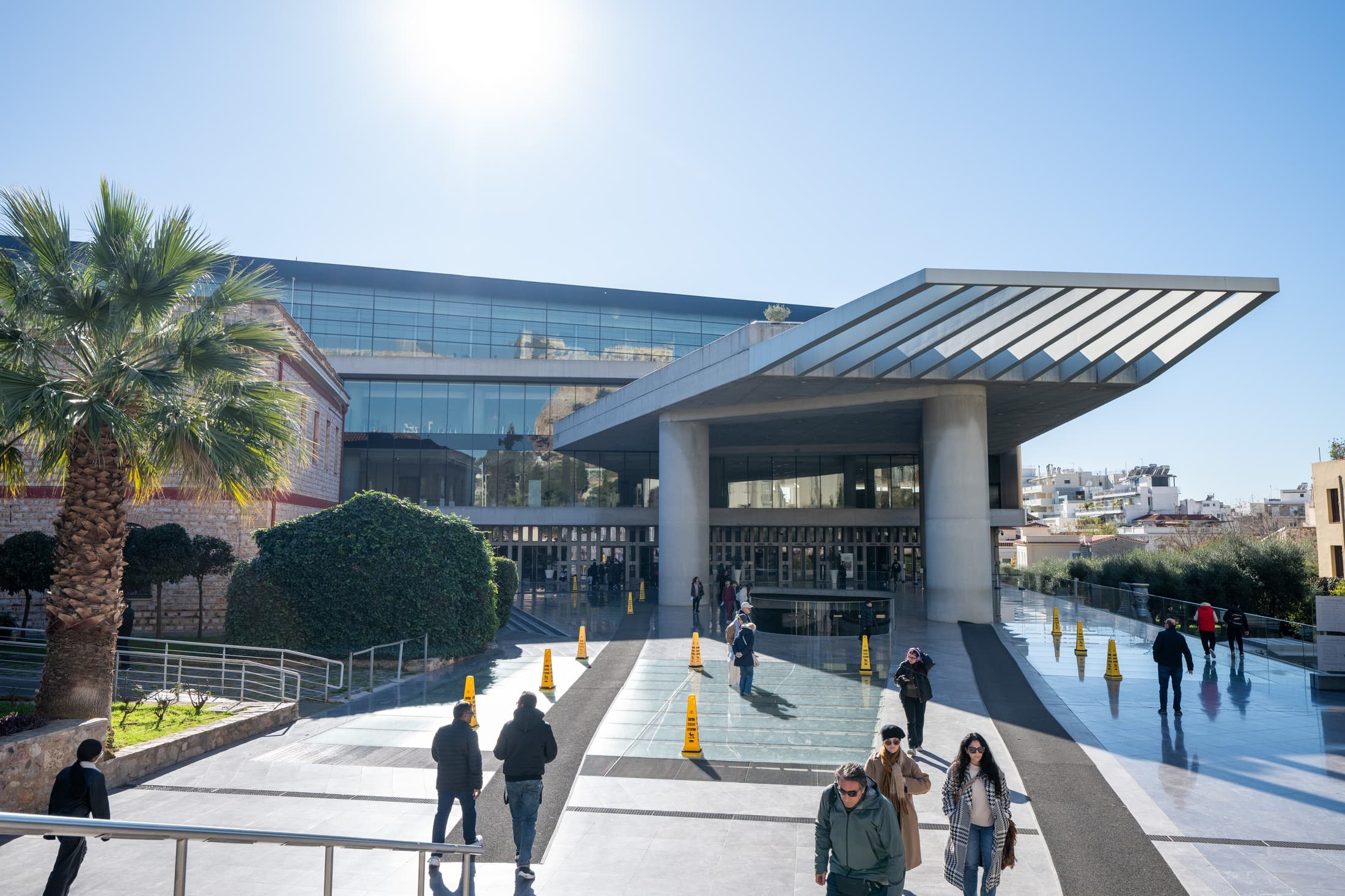
The artefact was transported to Athens for conservation before being exhibited at the National Archaeological Museum, until it found a permanent home in the new Archaeological Museum of Kalymnos, inaugurated in 2009 in the centre of Pothia. Until then, the archaeological museum was housed in the 19th-century mansion of the Vovalis family, Kalymnian sponge merchants.
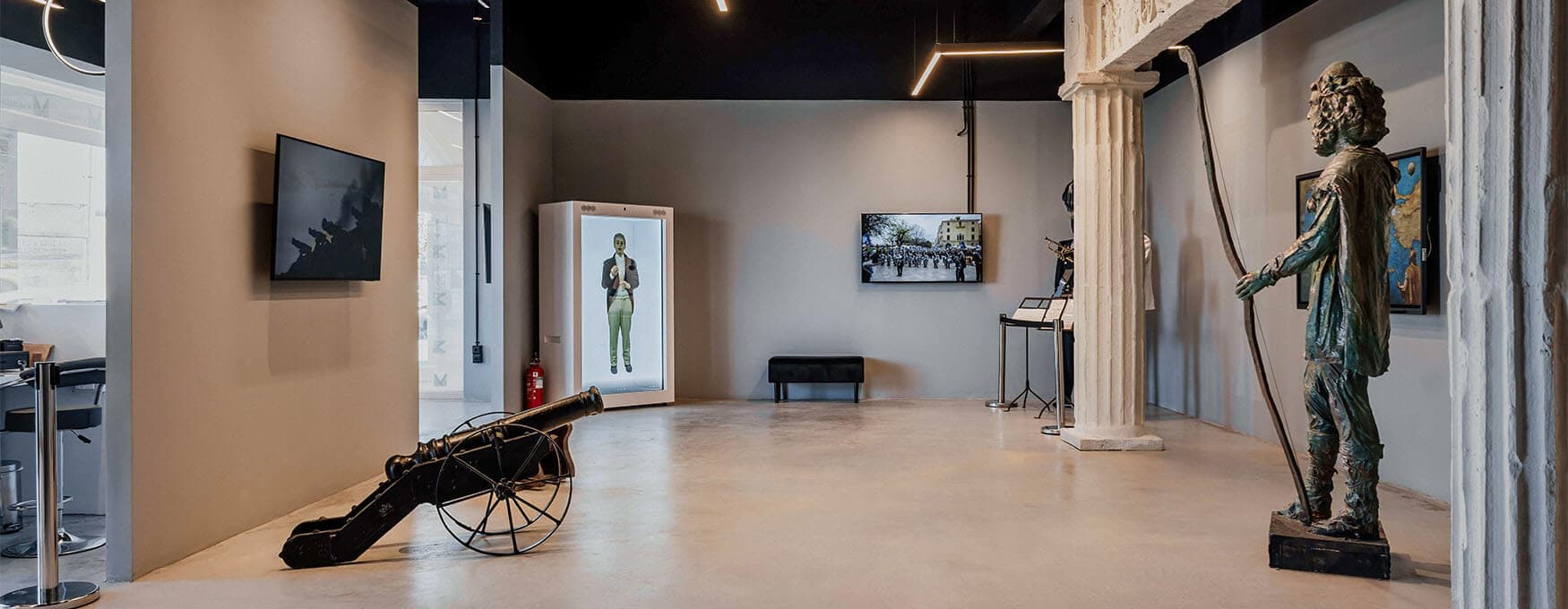
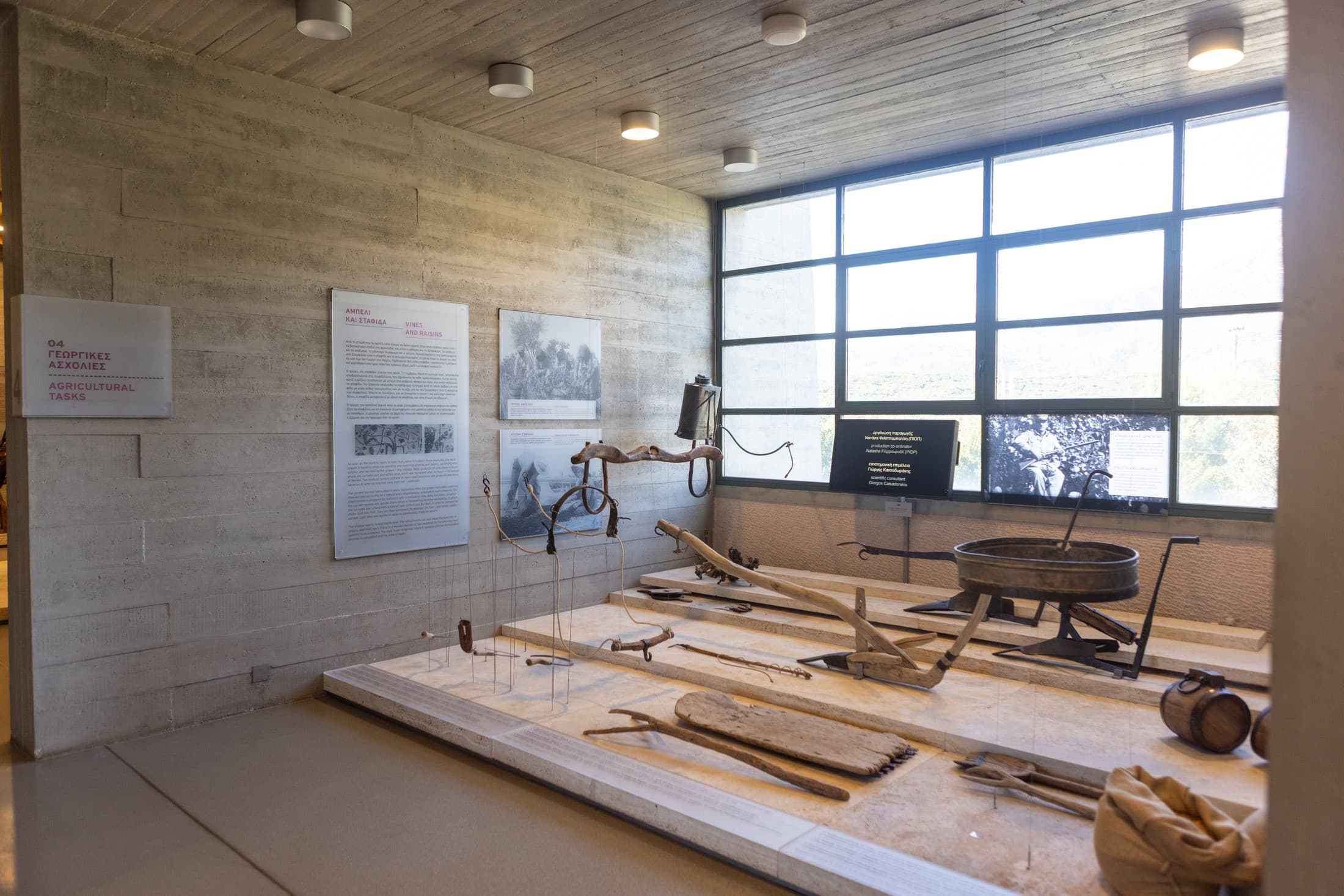
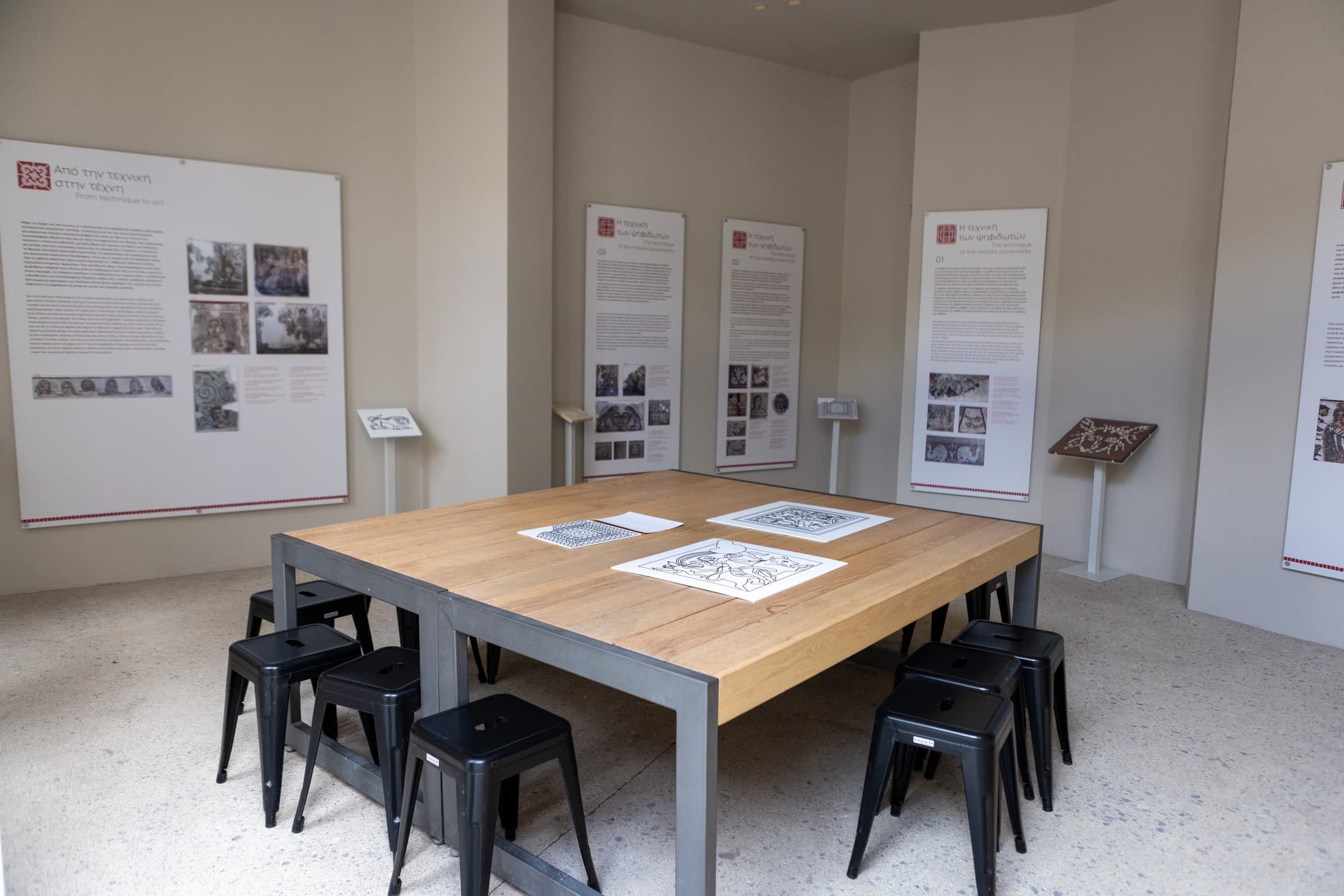
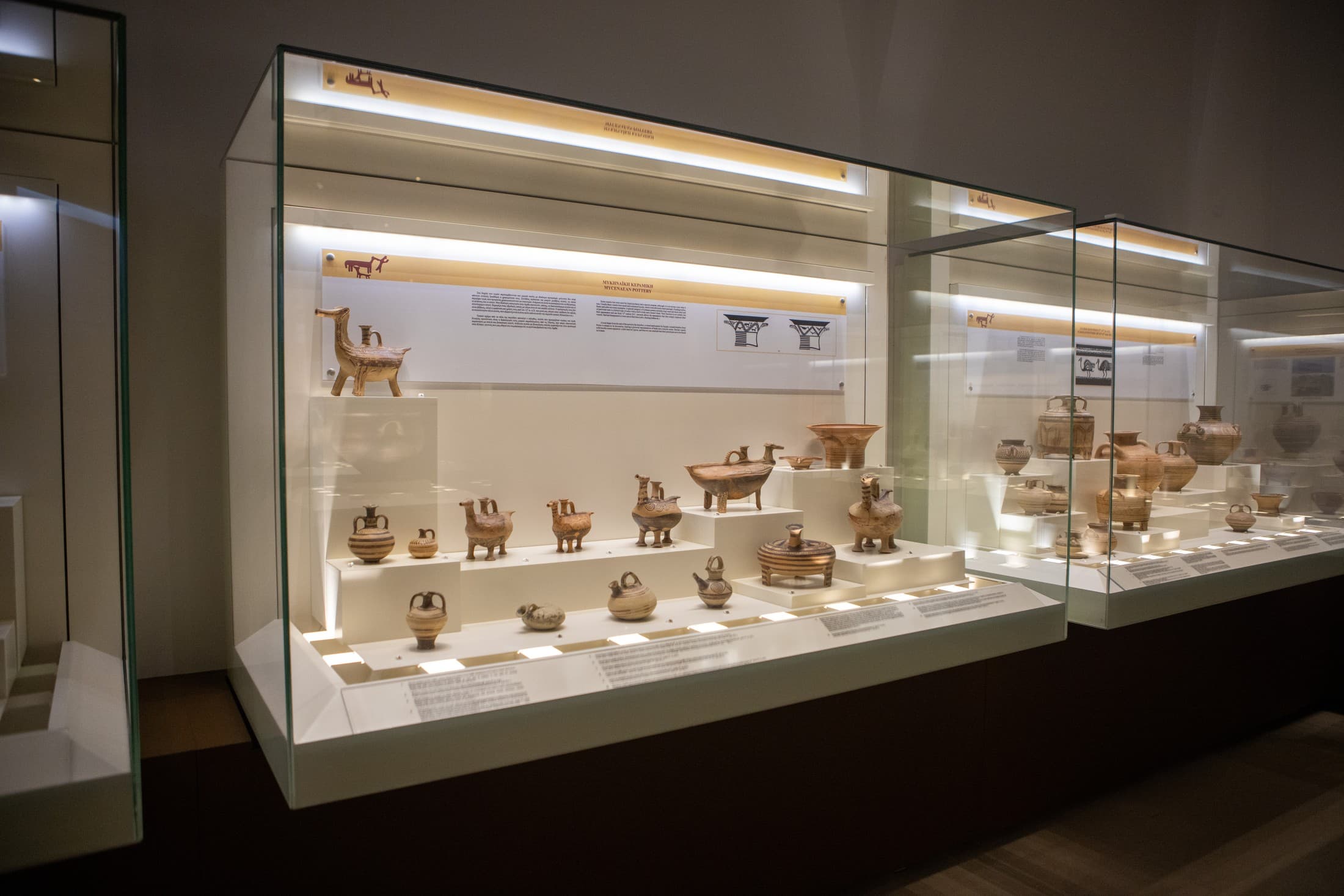
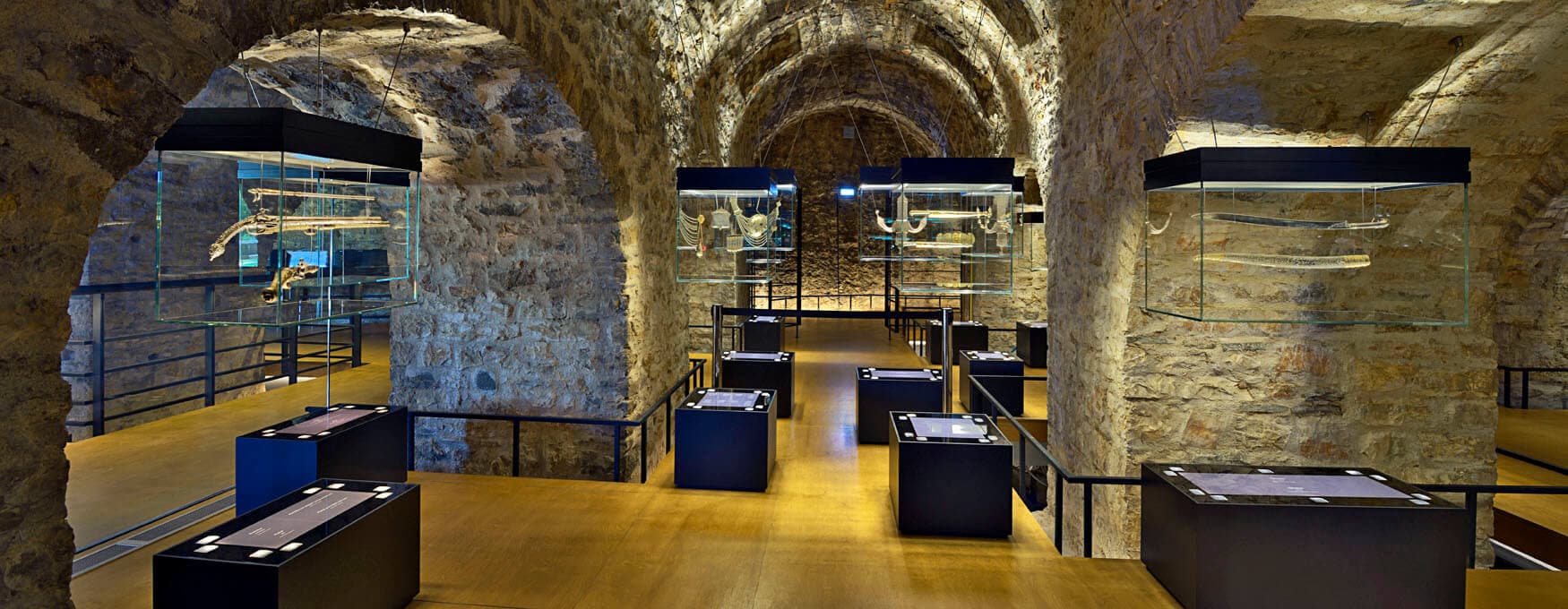
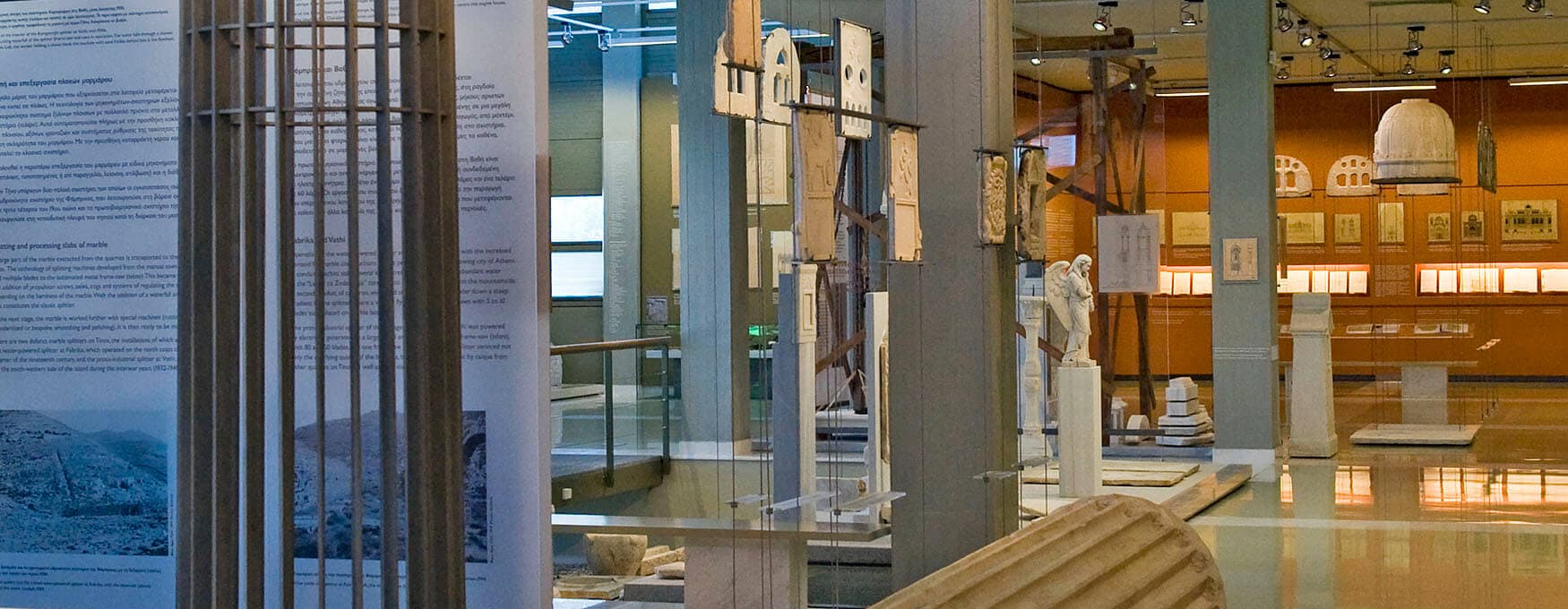
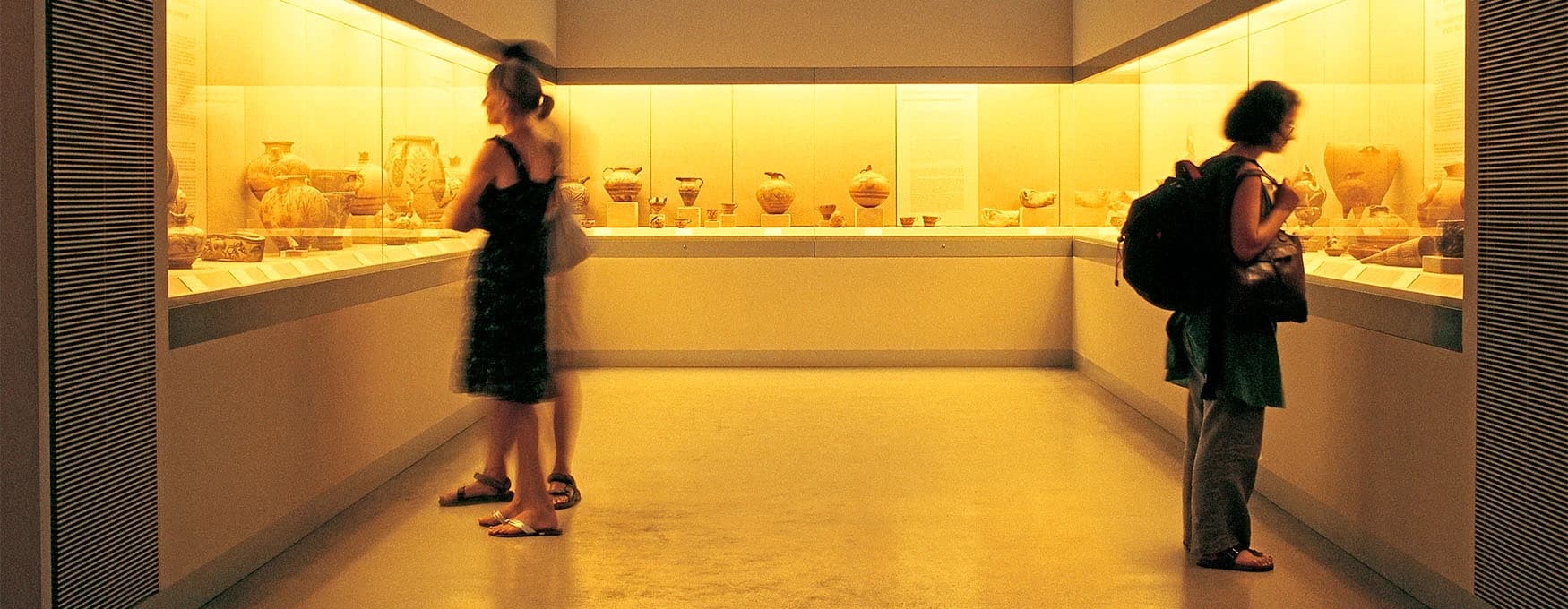
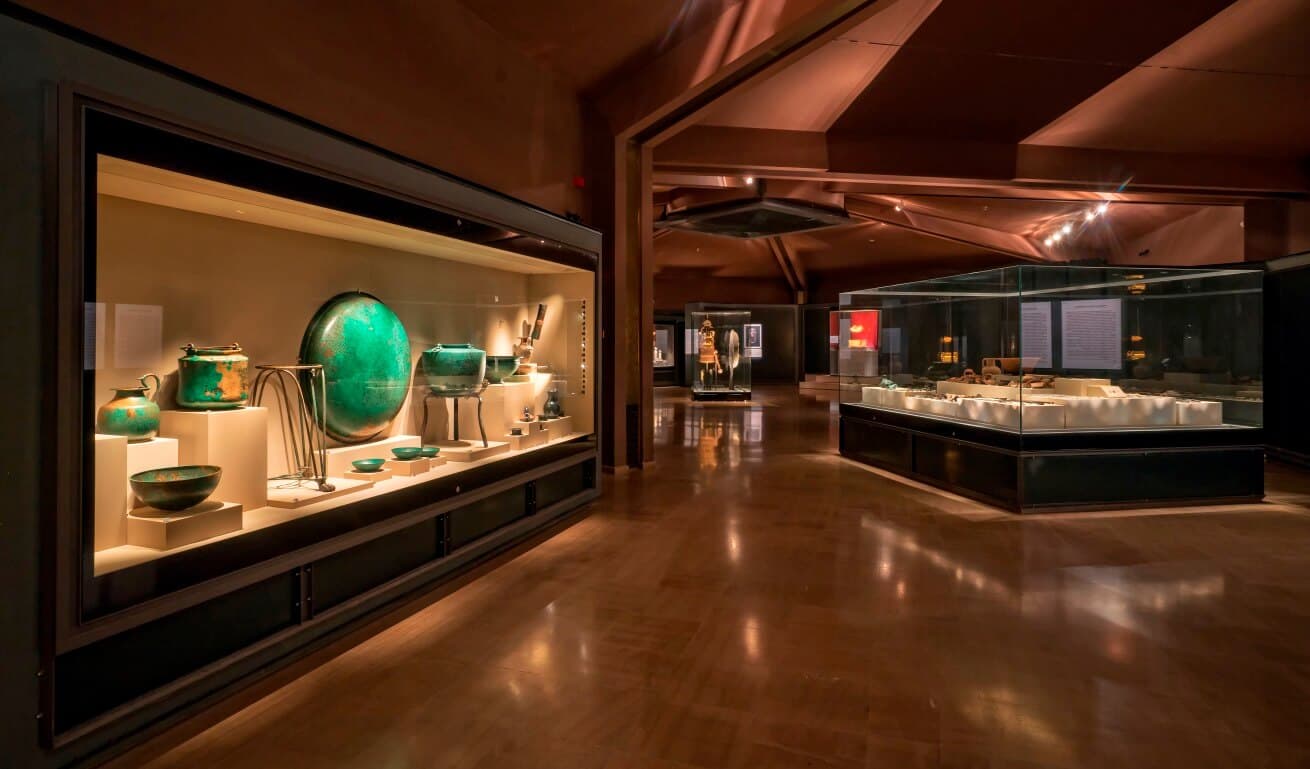
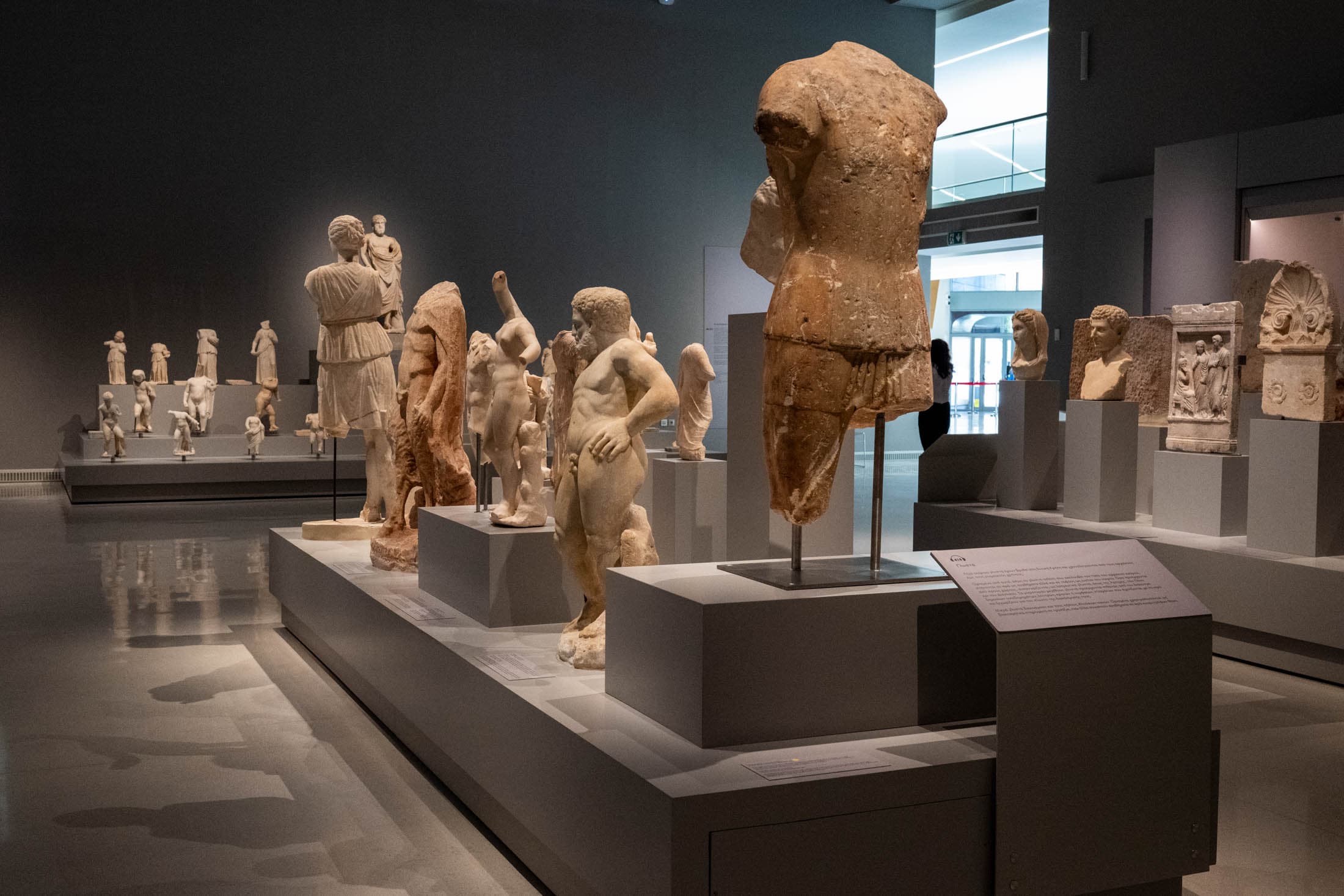
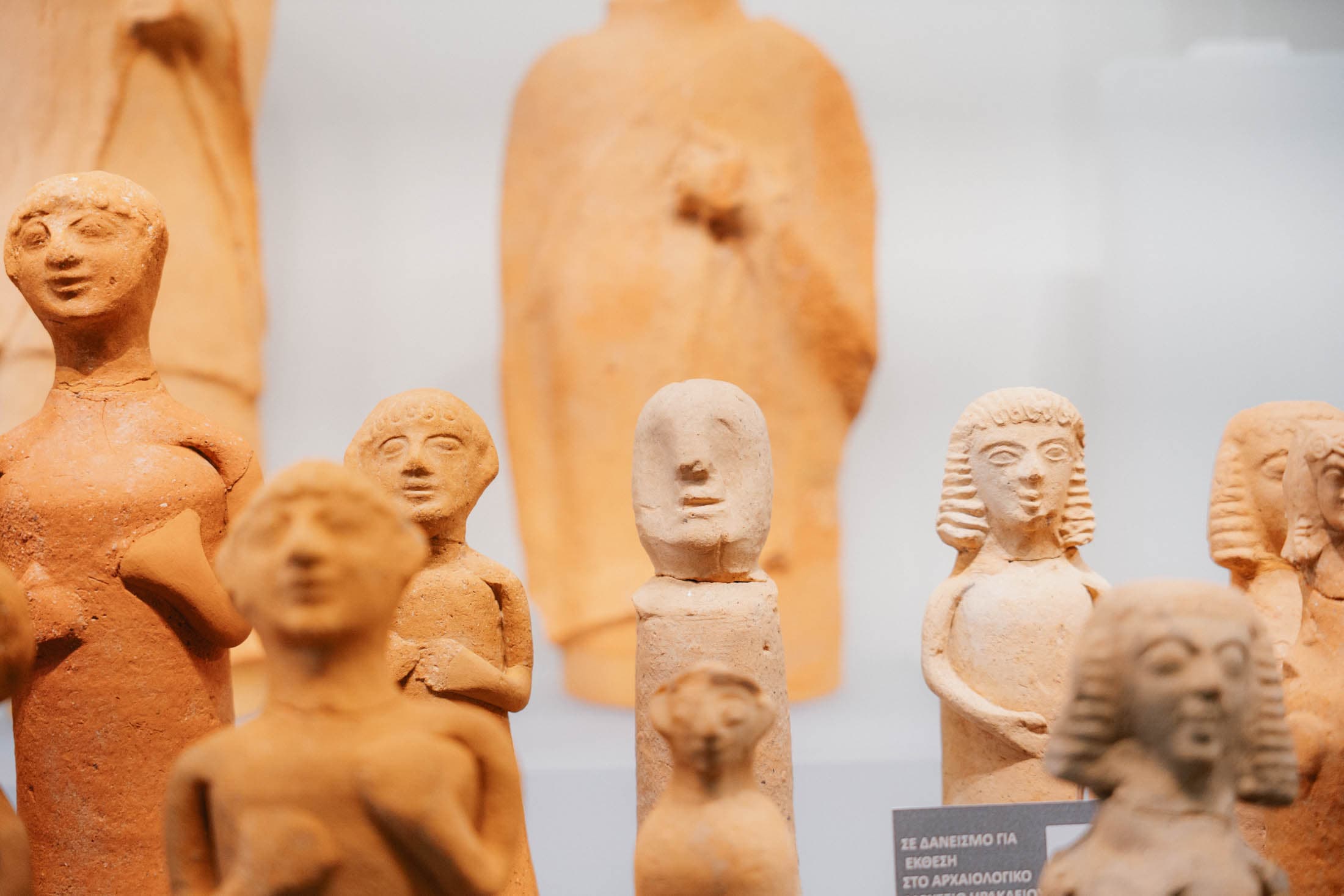
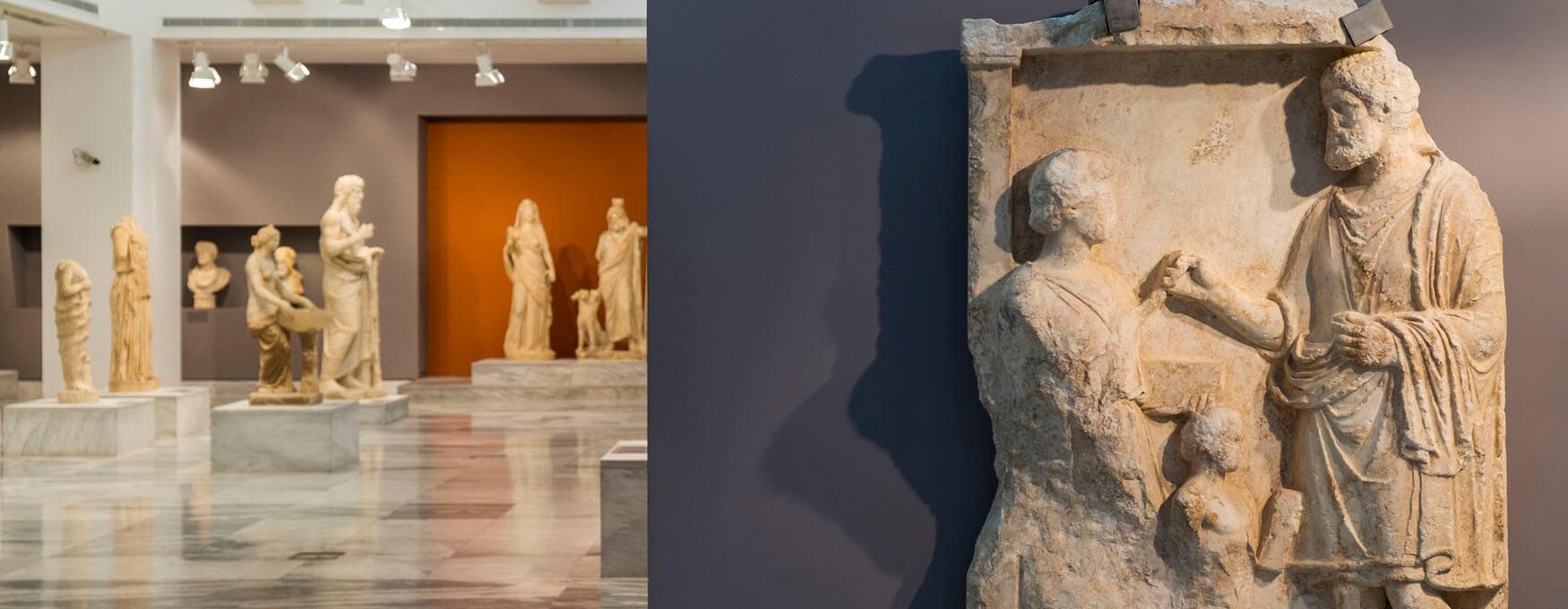
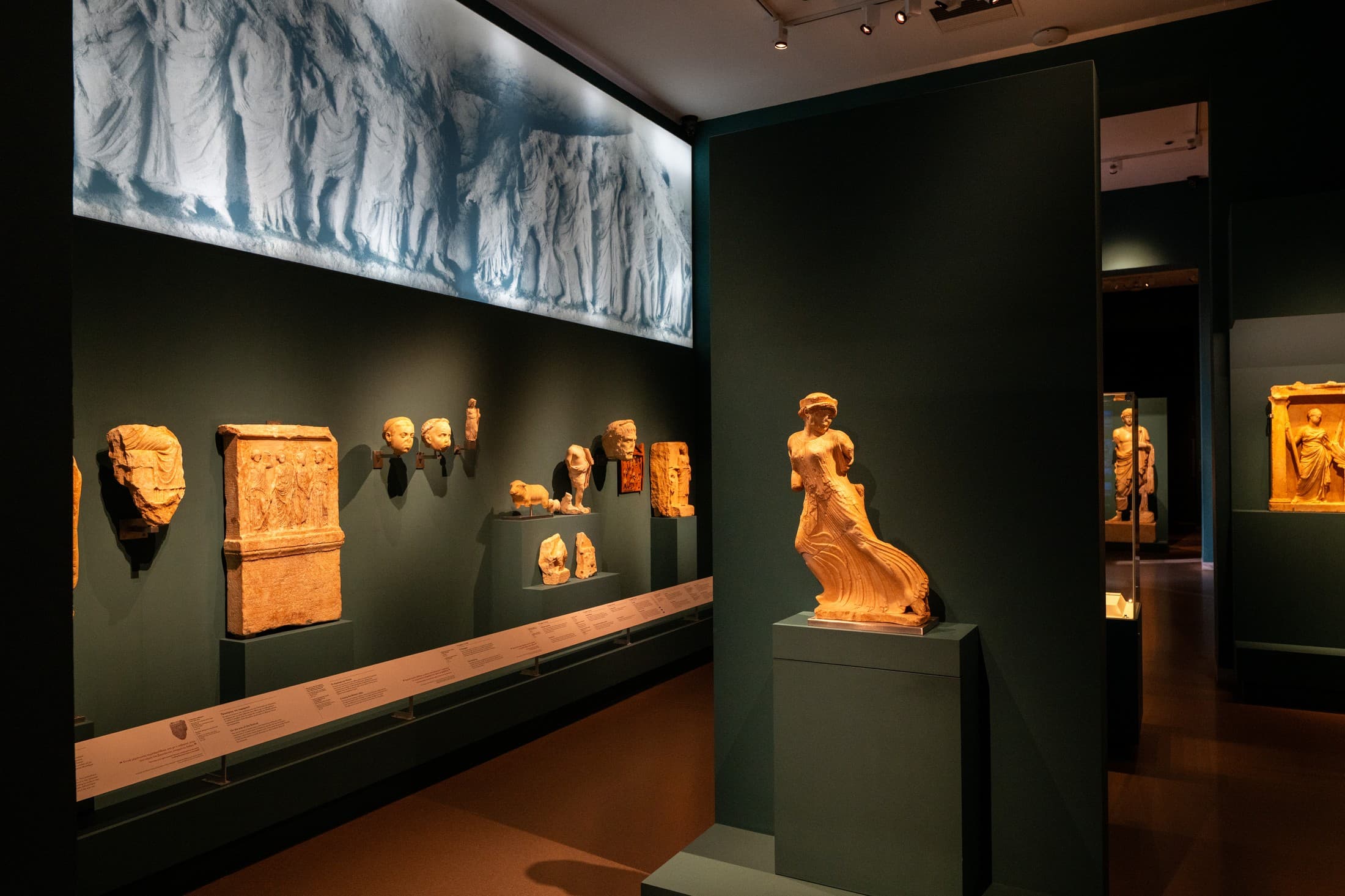
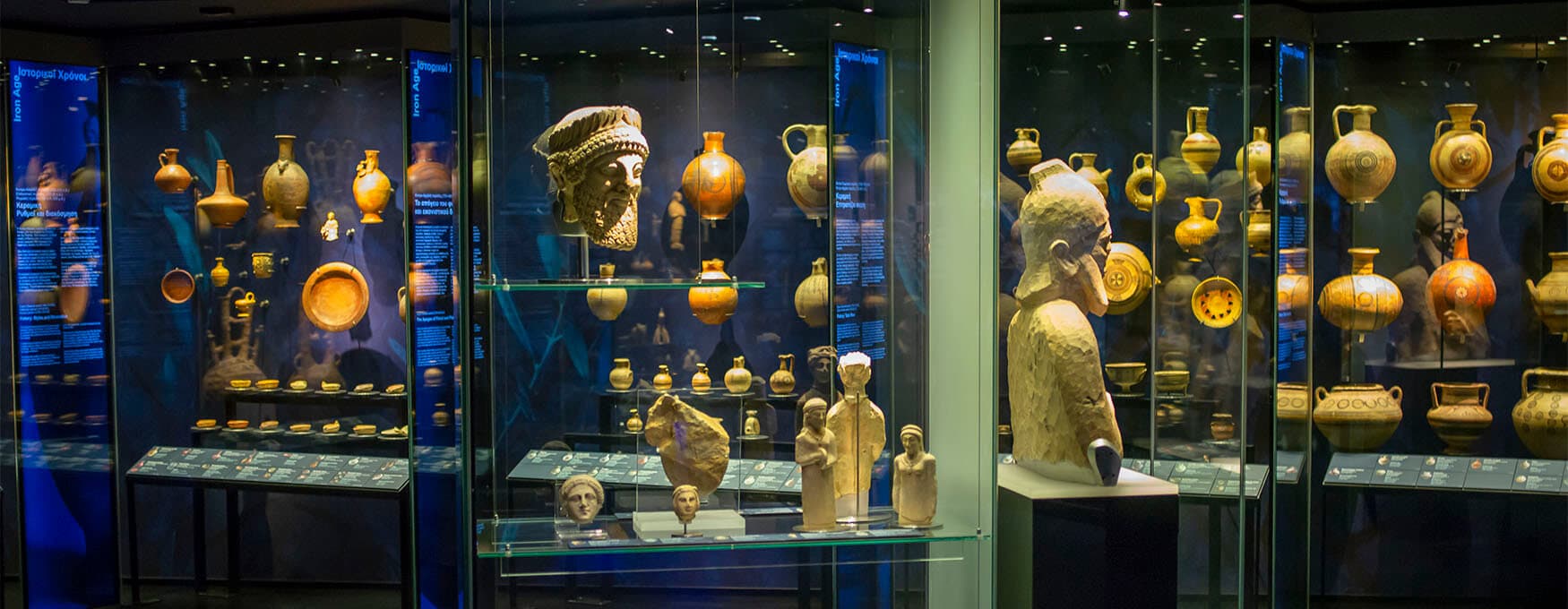
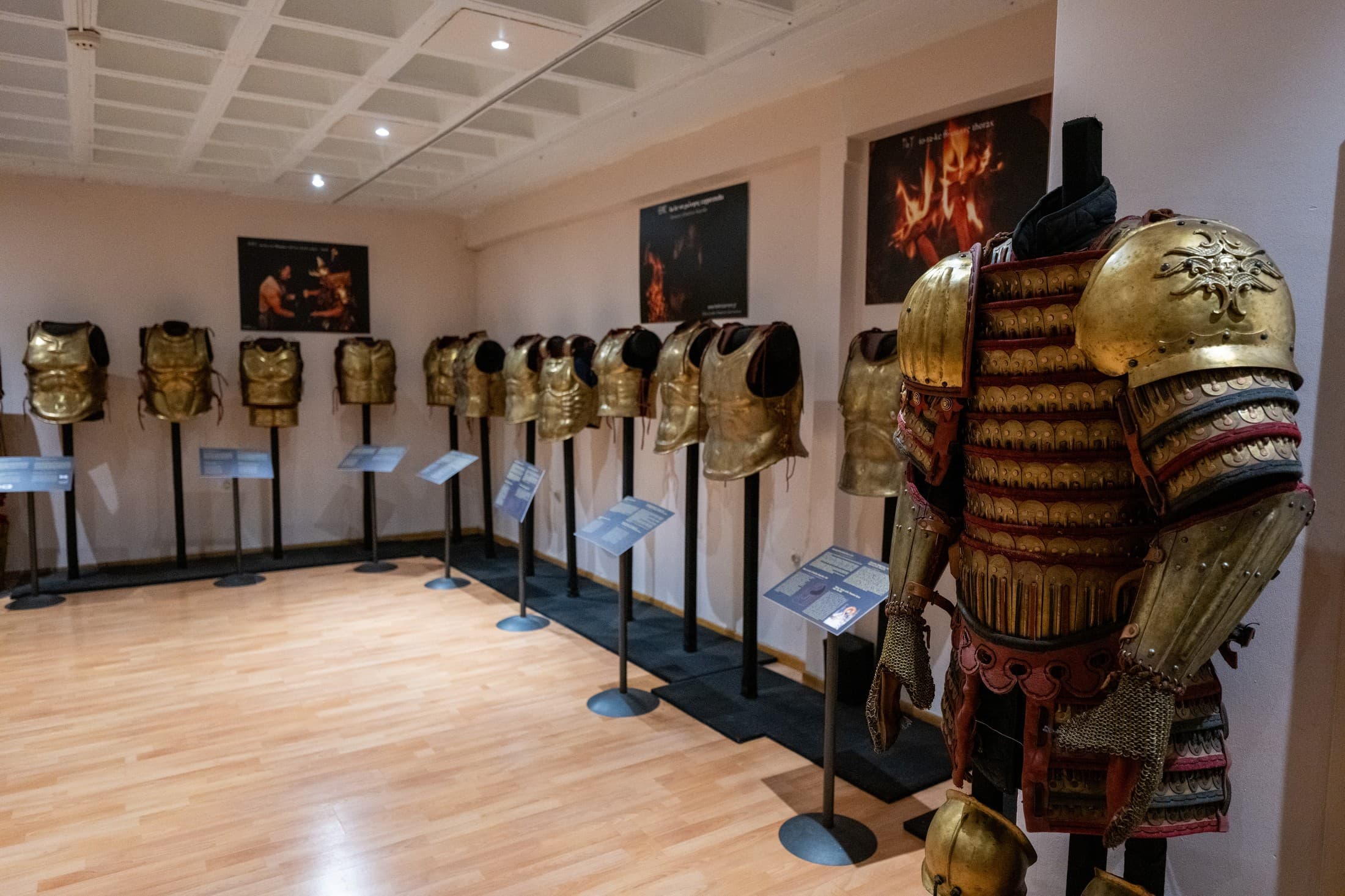
Upon entering the museum, peruse the concise introduction detailing the island’s history, then admire the exhibits spanning from prehistoric times to the post-Byzantine era. Observe the finds from excavations in caves, including tools, utensils and pottery, alongside artefacts from the Minoan period. Note the votive sculptures from the sanctuary of Delian Apollo and glean insights from the accompanying notes beside the inscriptions, which illuminate the public life of the island’s inhabitants and offer accounts regarding the status of women and the manumission of slaves.
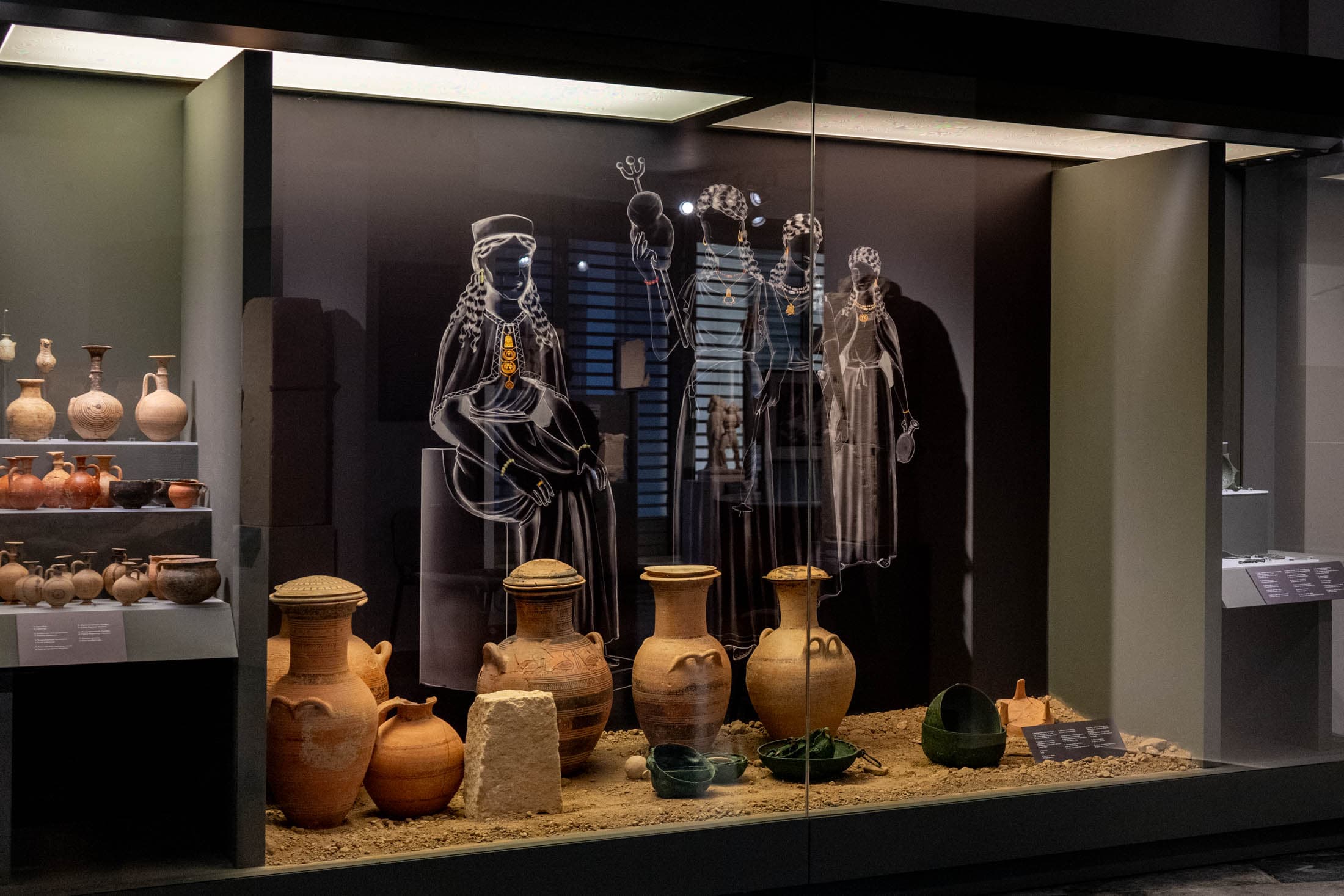
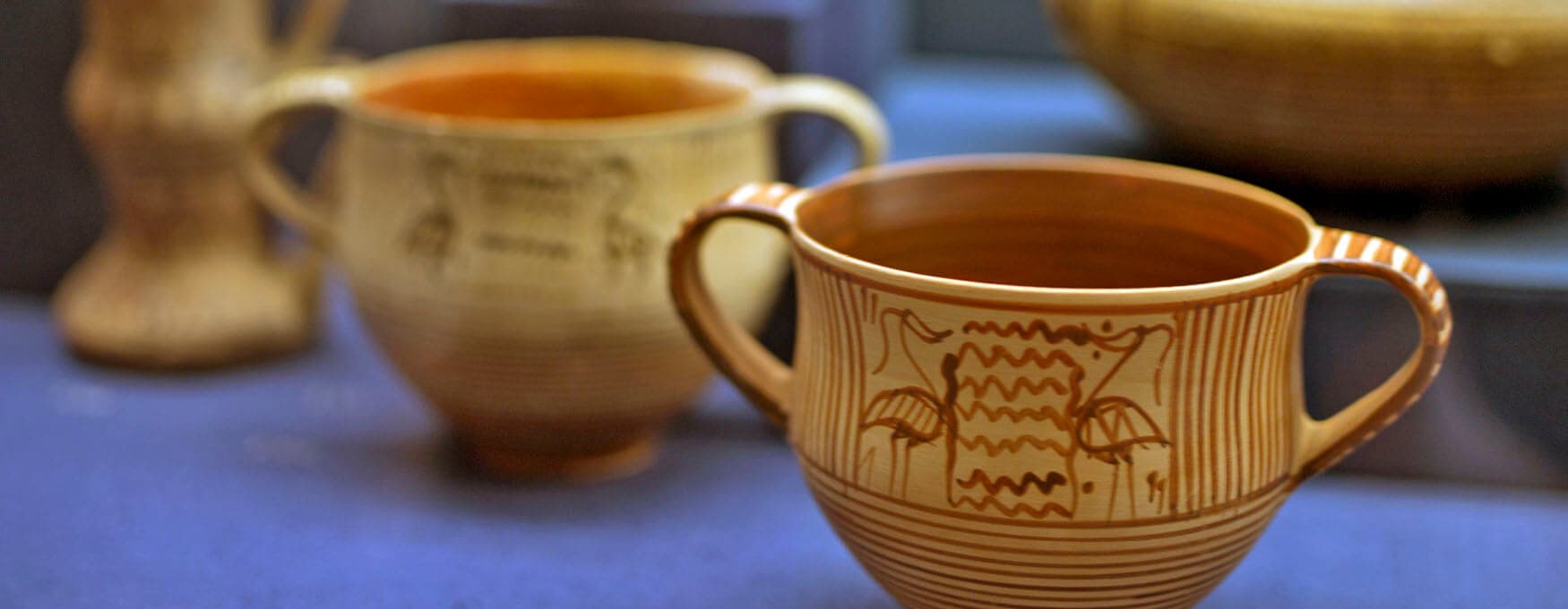
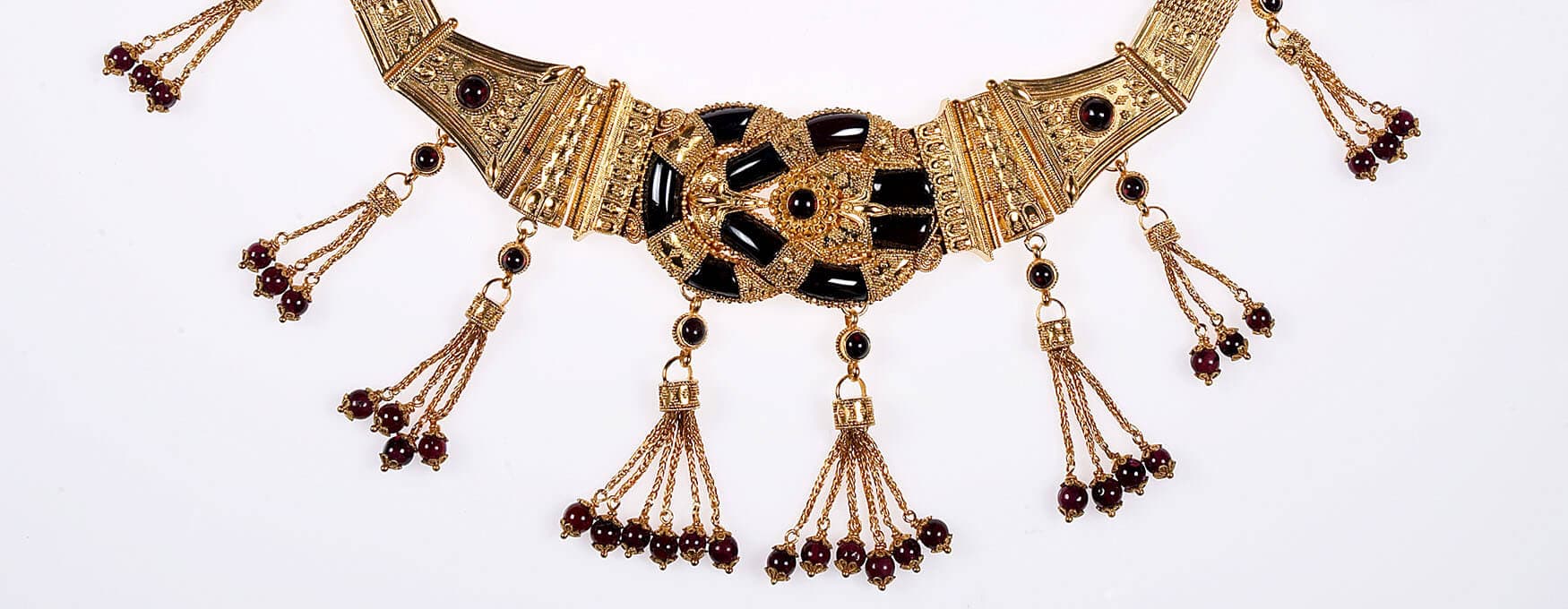
Among the exhibits, discover artefacts from the ancient Hellenistic settlement of Damos, alongside silver and bronze coins and grave goods from cemeteries, including golden jewellery, diadems, wreaths, earrings, rings and terracotta vessels. The star of the collection remains the ‘Lady of Kalymnos’, alongside other bronze fragments salvaged from the sea.
The narrative is enriched by exhibits from Early Christian, Byzantine and Post-Byzantine Kalymnos.
The artefact was transported to Athens for conservation before being exhibited at the National Archaeological Museum, until it found a permanent home in the new Archaeological Museum of Kalymnos, inaugurated in 2009 in the centre of Pothia. Until then, the archaeological museum was housed in the 19th-century mansion of the Vovalis family, Kalymnian sponge merchants.
Upon entering the museum, peruse the concise introduction detailing the island’s history, then admire the exhibits spanning from prehistoric times to the post-Byzantine era. Observe the finds from excavations in caves, including tools, utensils and pottery, alongside artefacts from the Minoan period. Note the votive sculptures from the sanctuary of Delian Apollo and glean insights from the accompanying notes beside the inscriptions, which illuminate the public life of the island’s inhabitants and offer accounts regarding the status of women and the manumission of slaves.
Among the exhibits, discover artefacts from the ancient Hellenistic settlement of Damos, alongside silver and bronze coins and grave goods from cemeteries, including golden jewellery, diadems, wreaths, earrings, rings and terracotta vessels. The star of the collection remains the ‘Lady of Kalymnos’, alongside other bronze fragments salvaged from the sea.
The narrative is enriched by exhibits from Early Christian, Byzantine and Post-Byzantine Kalymnos.