A diving destination with international appeal
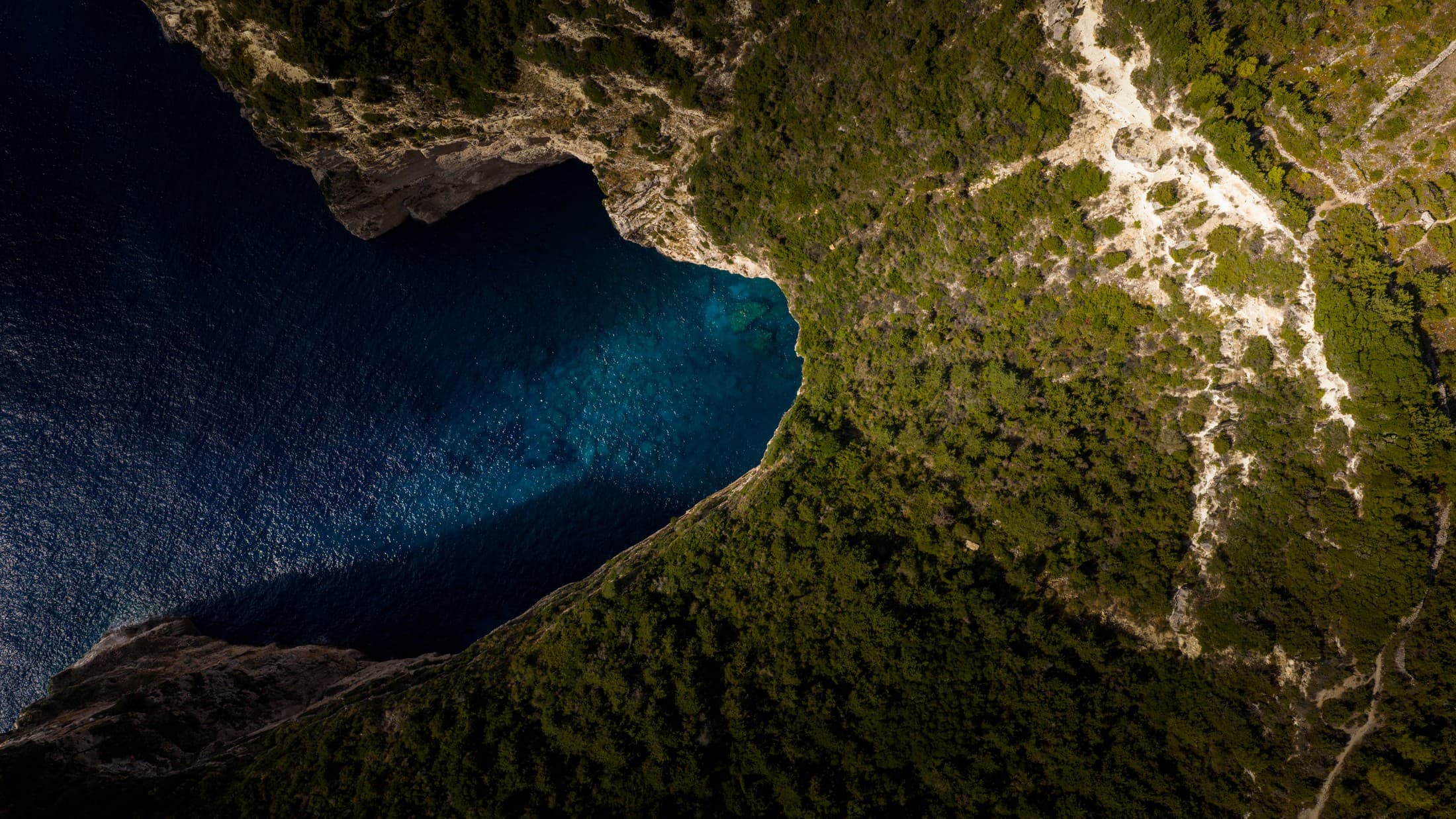
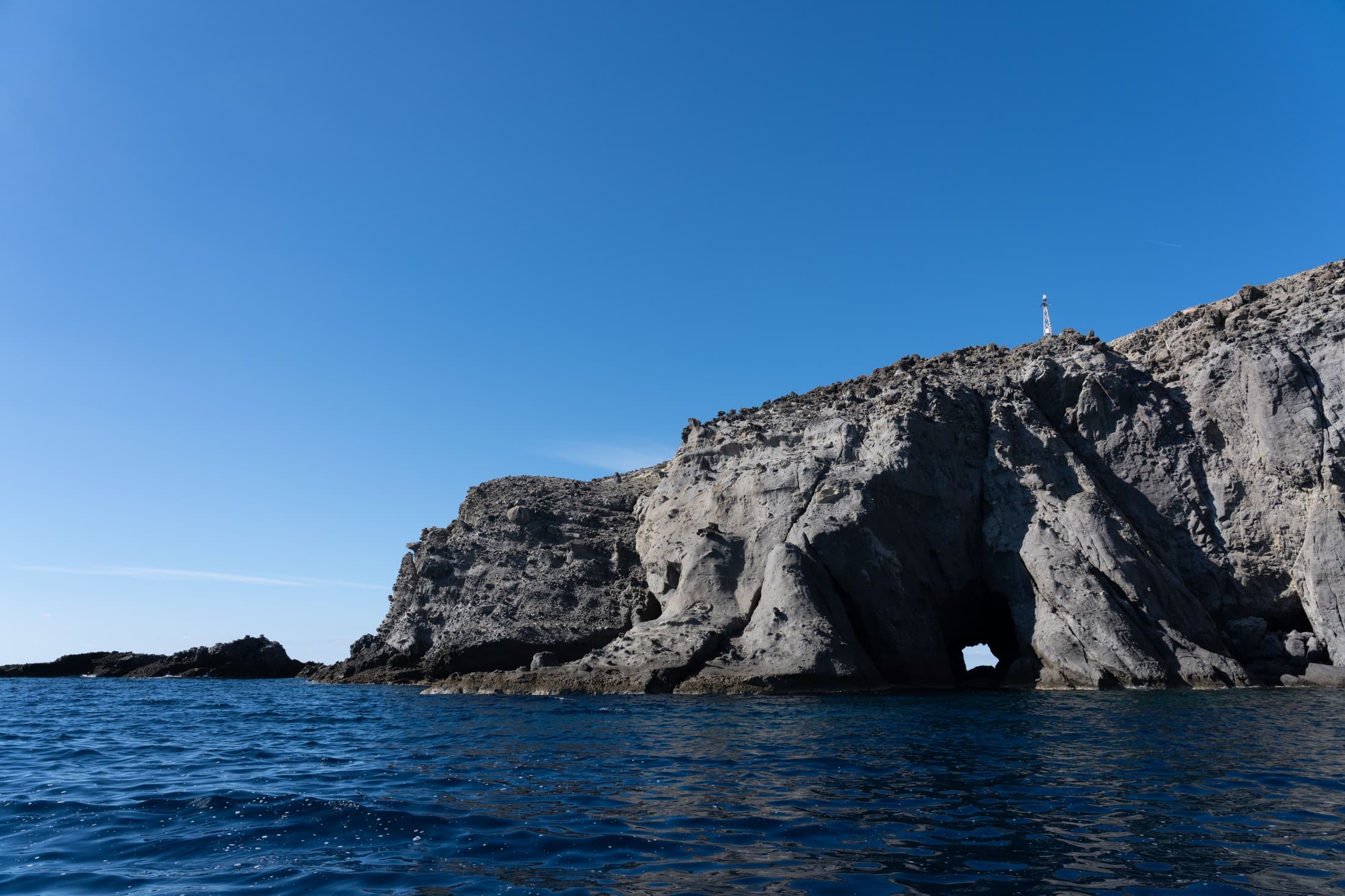
Between Sounio and the Cyclades, where the waters suddenly deepen, lies a seabed that remembers. Kea, or Tzia as the fishermen call it, is a maritime archive. In 1975, the legendary Jacques-Yves Cousteau descended into its waters and discovered the wreck of the Britannic, the sister ship of the Titanic. Fifty years later, the wider area has been declared a marine historical site: a marine park that combines science, culture and environmental protection.
There are two other shipwrecks around it: the French ship Burdigala, sunk in the same year as the Britannic, and the Greek steamer Patris, lost in 1868. Together they form an underwater triangle of memory.
The Kea Marine Historical Site consists of three protected zones covering a total area of over a hundred hectares. Fishing is prohibited in these areas so they may serve as a pole of attraction and a point of regeneration and proliferation of marine life.
Here, diving tourism is not merely recreation; it is a form of cultural experience. Certified divers follow routes designed in collaboration with the Ministry of Culture and the Ephorate of Underwater Antiquities, accompanied by specialist guides. There is even the wreck of a German Junkers 52 aircraft from World War II.
The sea of Kea offers moments of rare natural beauty. The Koundouros reef, a large reef in the eponymous bay, is considered one of the most impressive diving experiences in Greece: an aquatic garden filled with sponges, colourful corals and pelagic fish. Near the islet of Spanopoula, divers encounter the clearest and wildest images of the Aegean: common dentex, greater amberjacks and tuna passing with the silent power of great marine creatures.
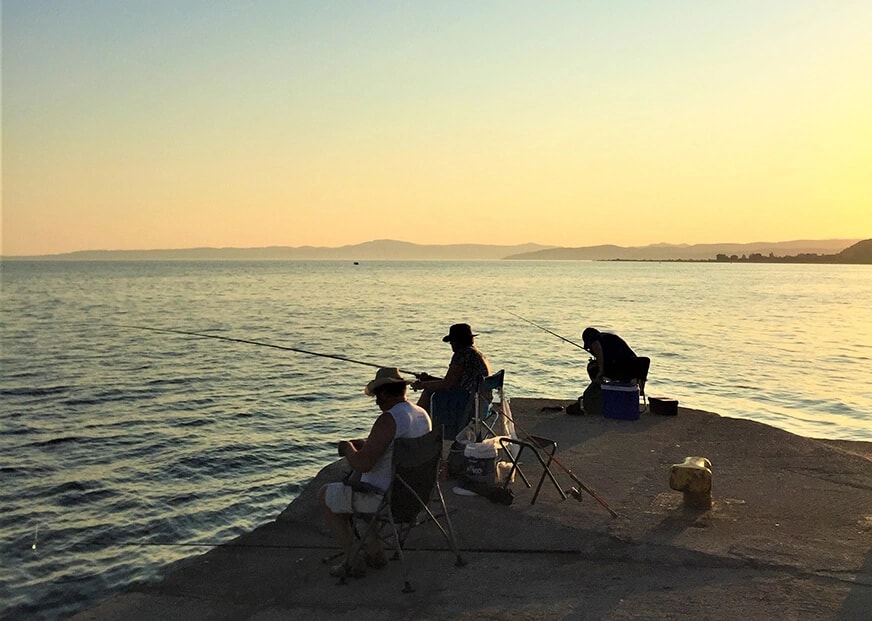
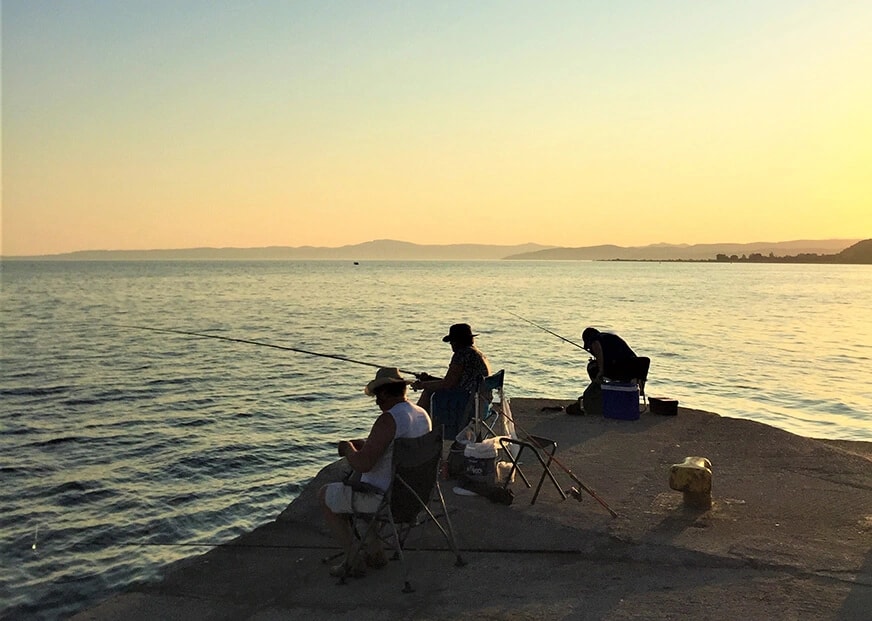
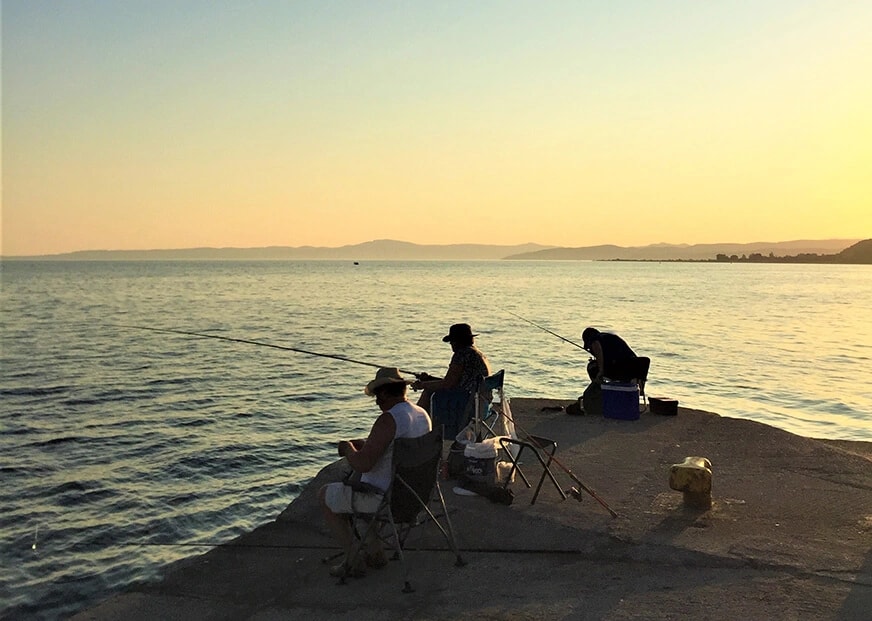
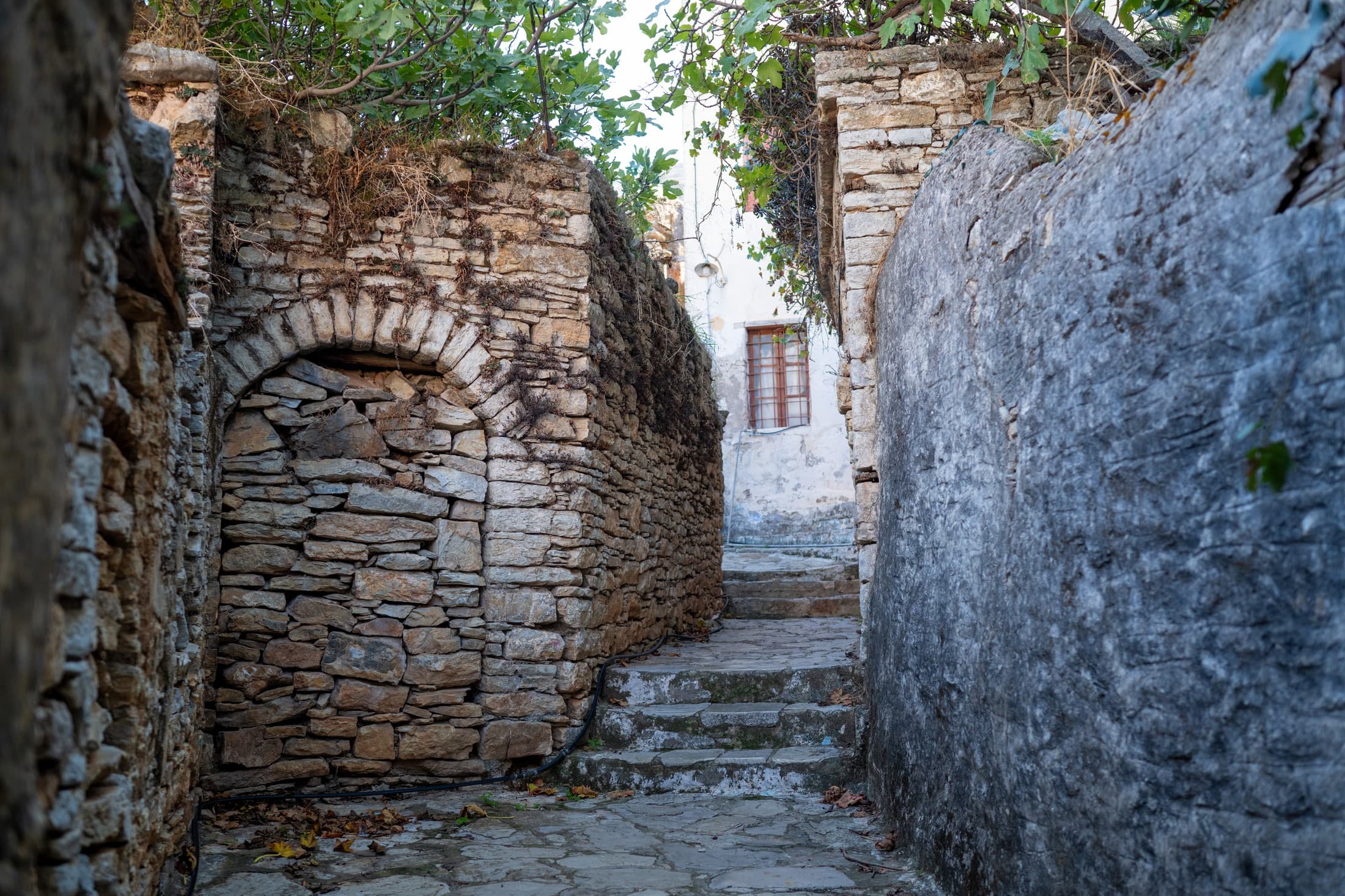
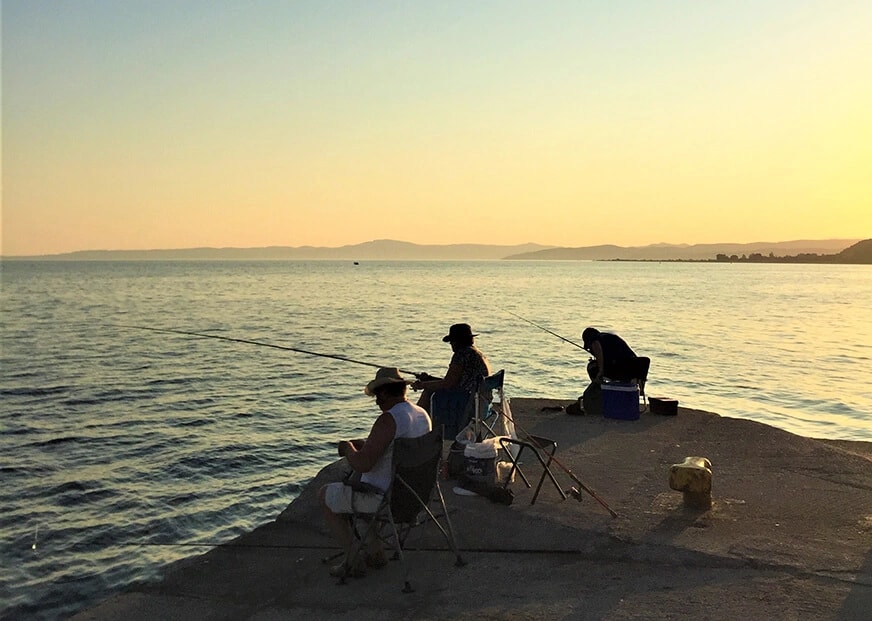
Divers arriving from all over the world stay in the stone houses of Ioulis, dine with wine from Kean vineyards and watch the sunset over the same sea where, a century ago, a majestic specimen of engineering optimism was lost.
There are two other shipwrecks around it: the French ship Burdigala, sunk in the same year as the Britannic, and the Greek steamer Patris, lost in 1868. Together they form an underwater triangle of memory.
The Kea Marine Historical Site consists of three protected zones covering a total area of over a hundred hectares. Fishing is prohibited in these areas so they may serve as a pole of attraction and a point of regeneration and proliferation of marine life.
Here, diving tourism is not merely recreation; it is a form of cultural experience. Certified divers follow routes designed in collaboration with the Ministry of Culture and the Ephorate of Underwater Antiquities, accompanied by specialist guides. There is even the wreck of a German Junkers 52 aircraft from World War II.
The sea of Kea offers moments of rare natural beauty. The Koundouros reef, a large reef in the eponymous bay, is considered one of the most impressive diving experiences in Greece: an aquatic garden filled with sponges, colourful corals and pelagic fish. Near the islet of Spanopoula, divers encounter the clearest and wildest images of the Aegean: common dentex, greater amberjacks and tuna passing with the silent power of great marine creatures.
Divers arriving from all over the world stay in the stone houses of Ioulis, dine with wine from Kean vineyards and watch the sunset over the same sea where, a century ago, a majestic specimen of engineering optimism was lost.