An island made for walking
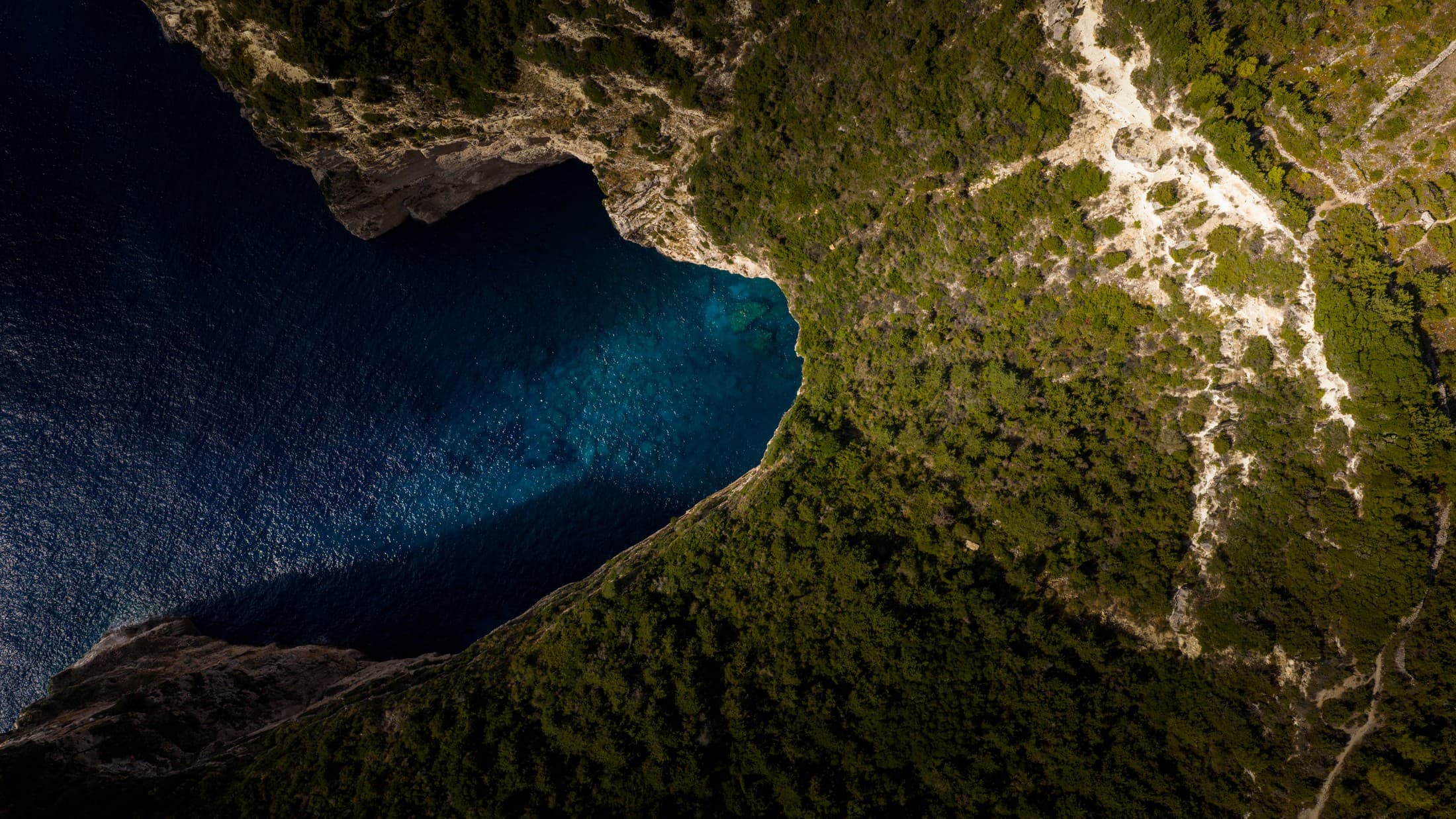
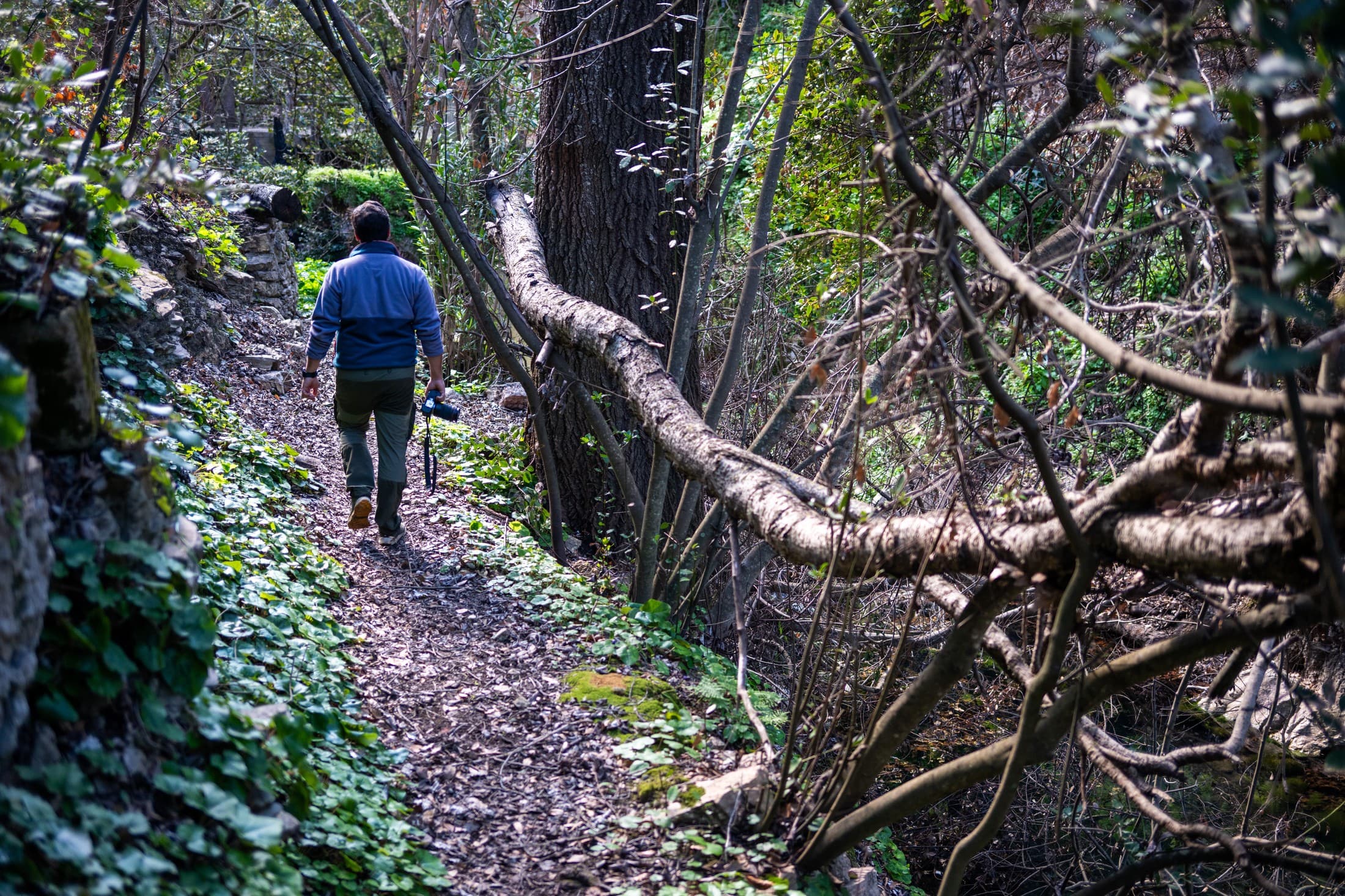
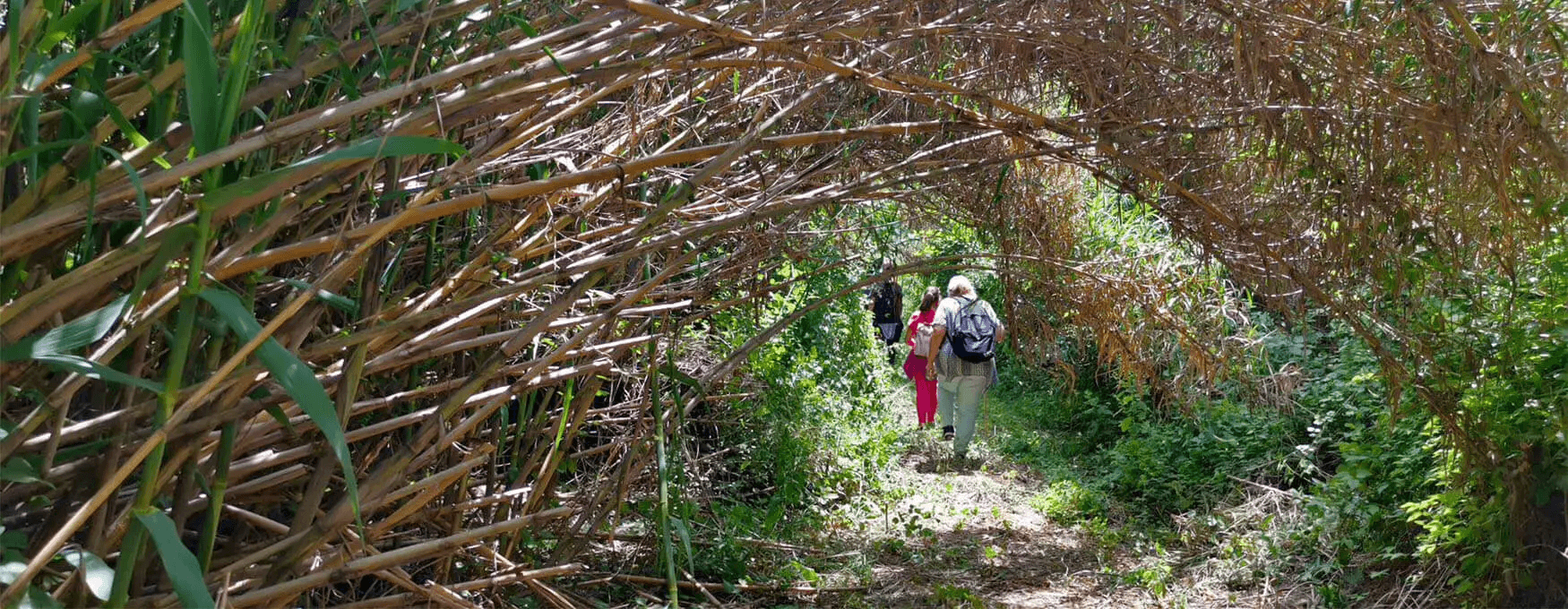
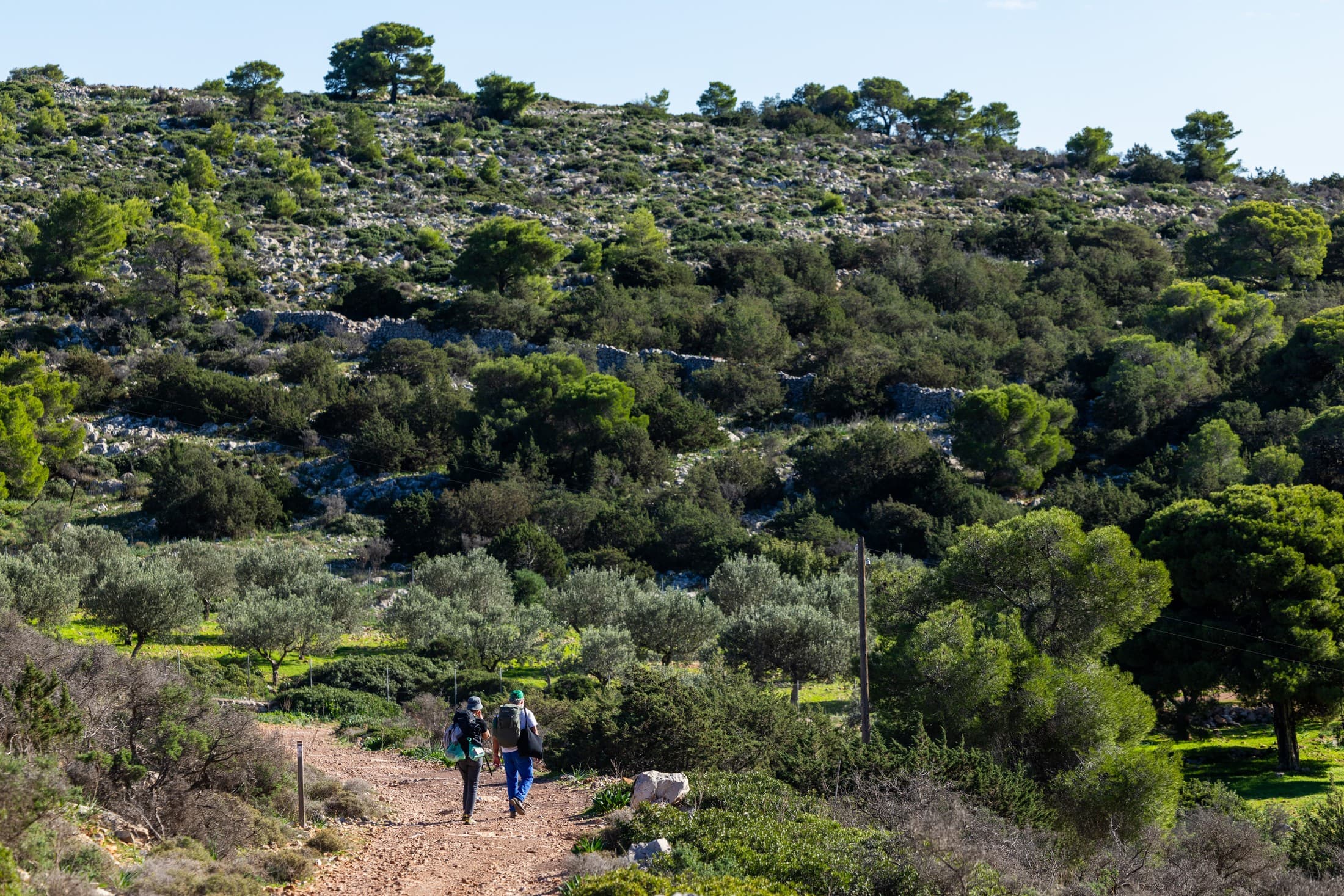
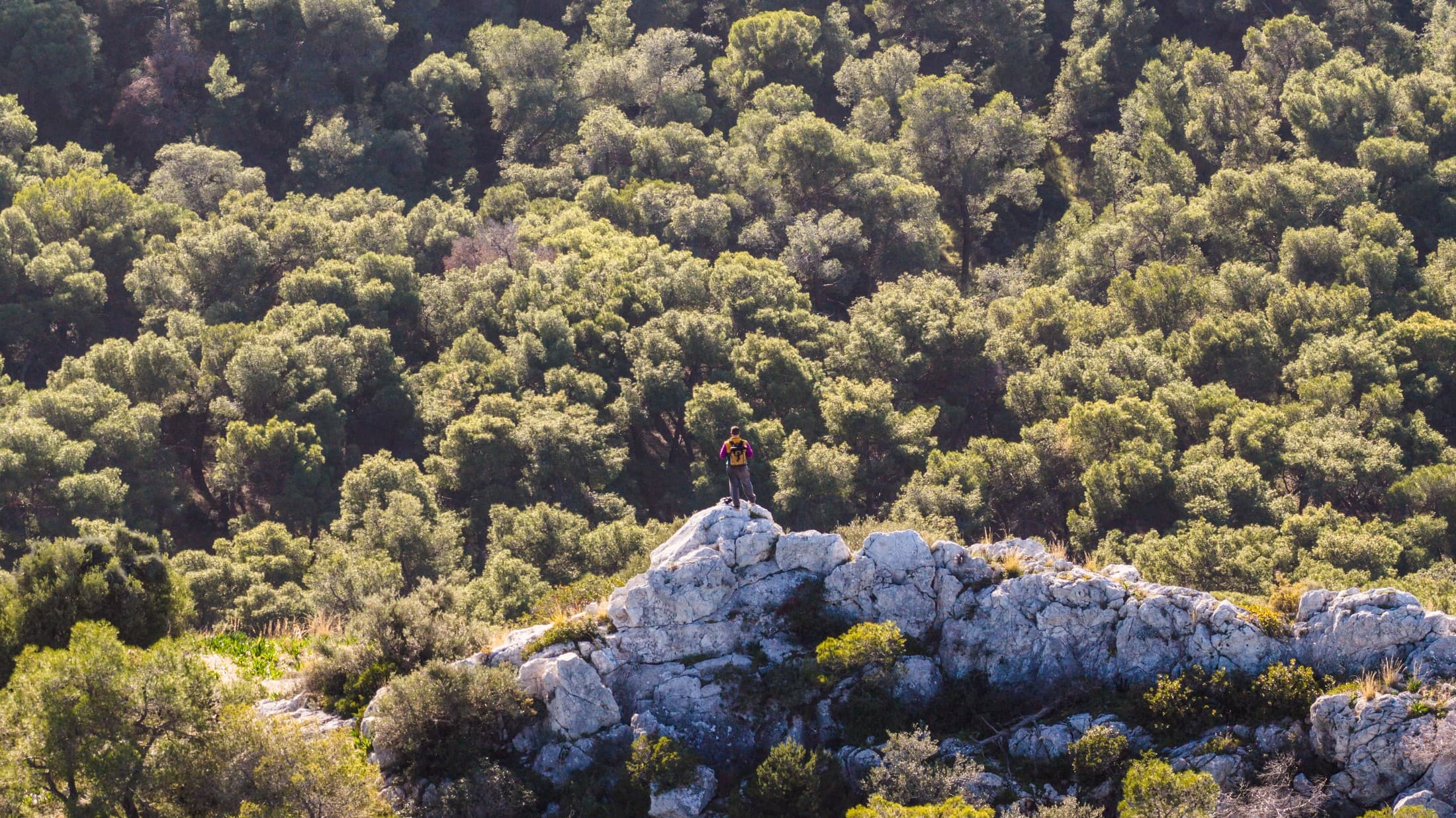
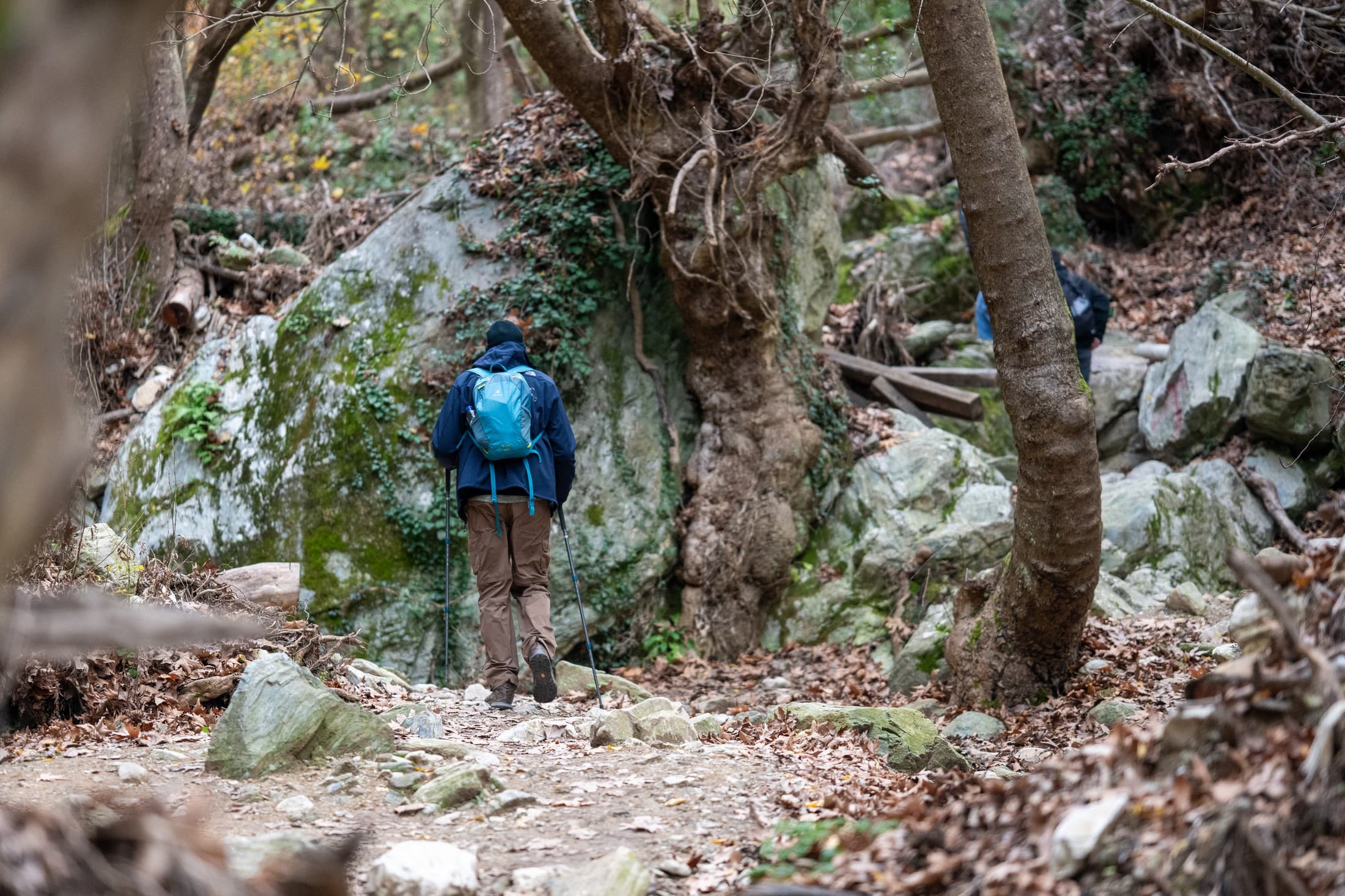
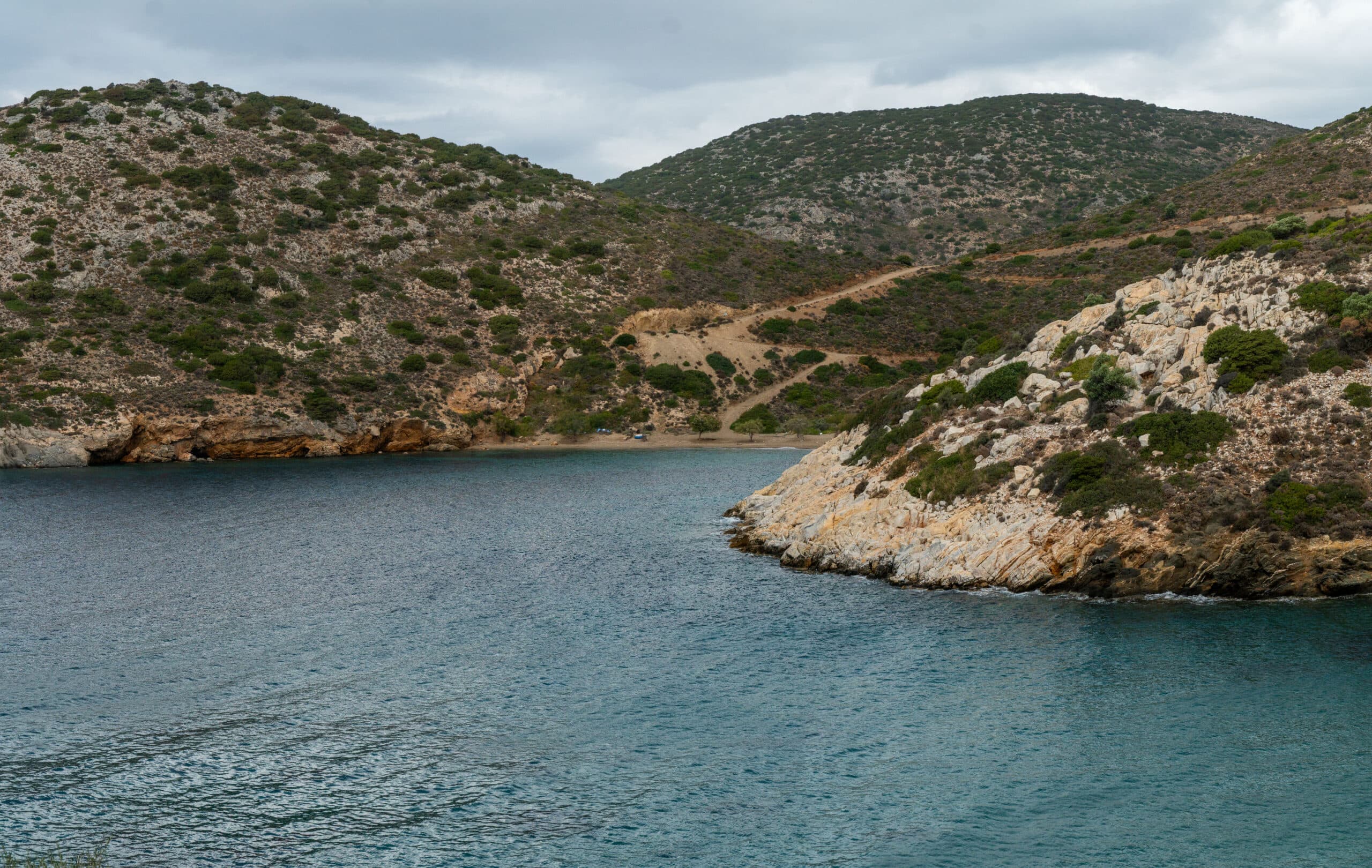
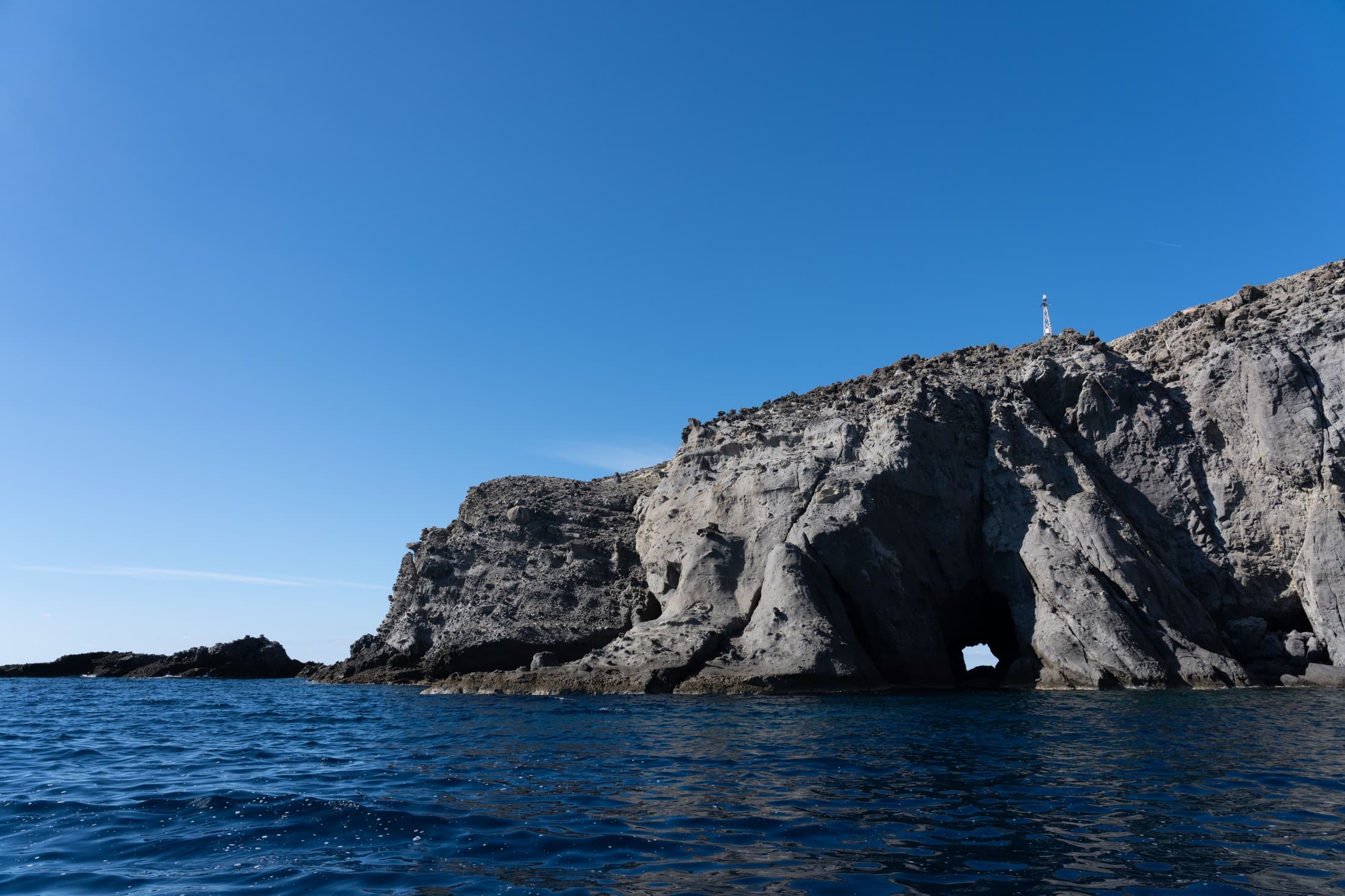
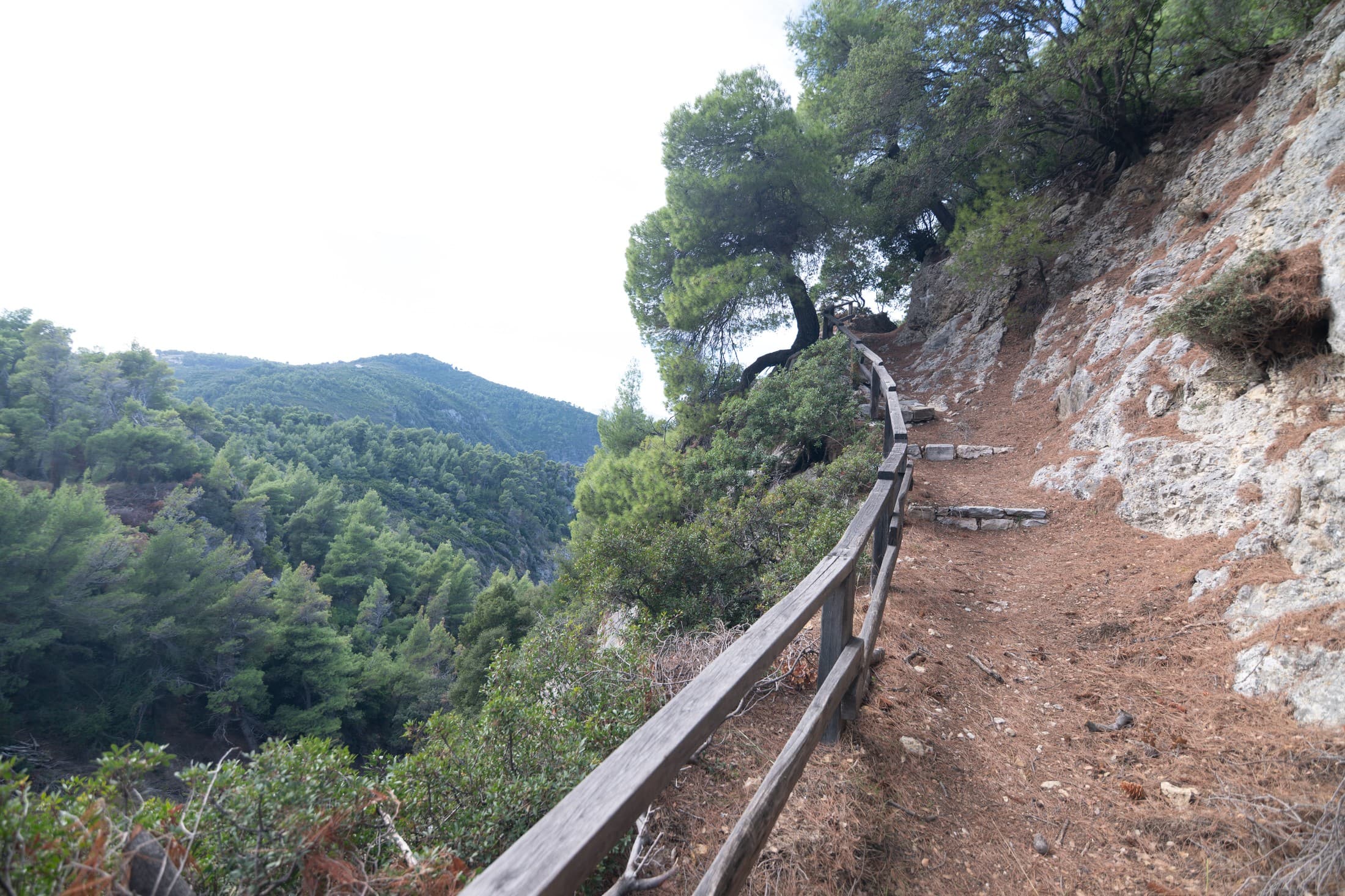
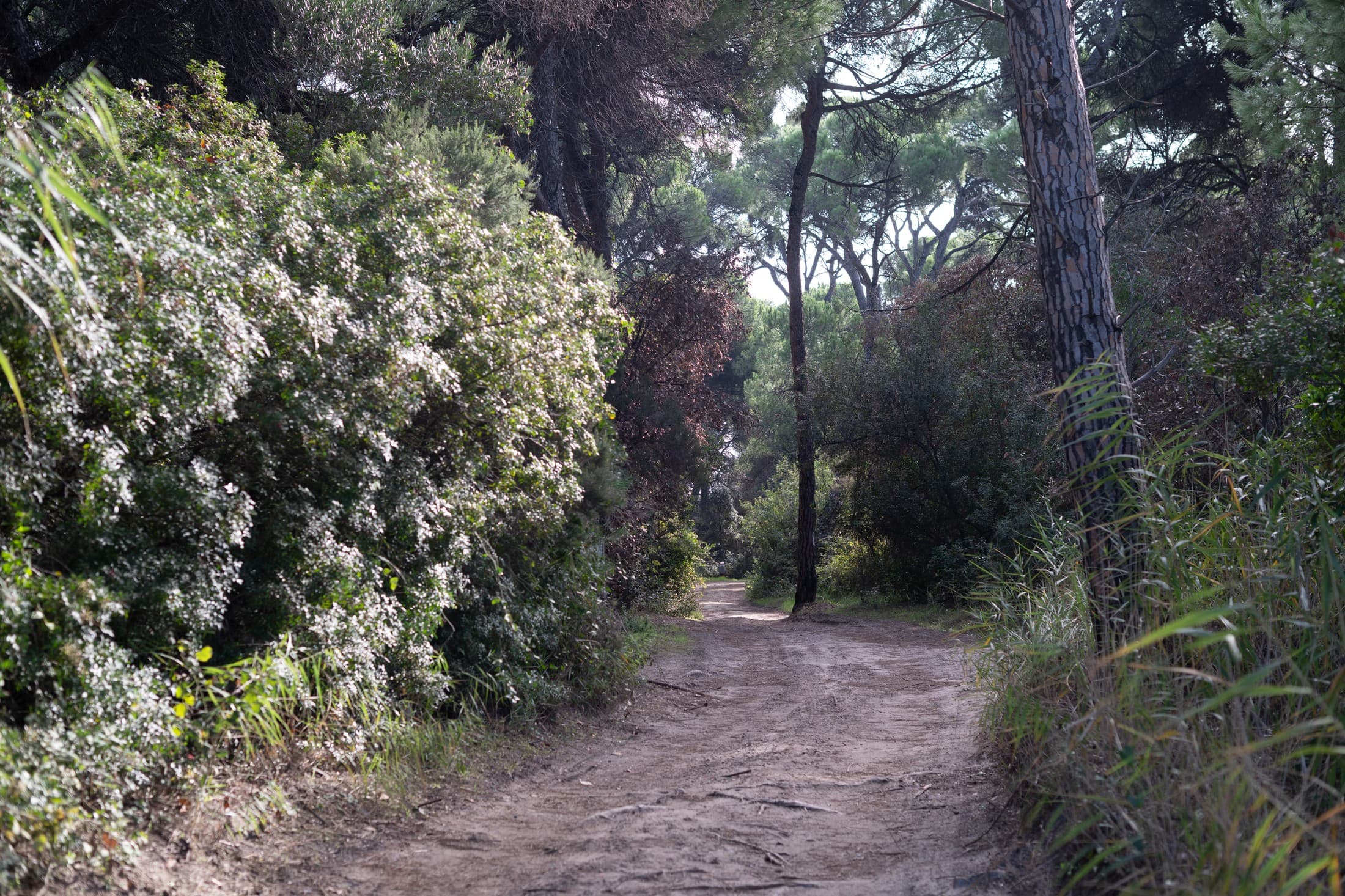
With a relief that constantly transitions from volcanic rocks to white limestone, Kimolos offers a unique hiking experience where nature, history, and simplicity meet in absolute harmony. Walking is the best way to get to know it in depth: smell the sage, see the wild goats scrambling up the hills, and meet the few residents who will bid you the traditional “kalo dromo” (safe travels).
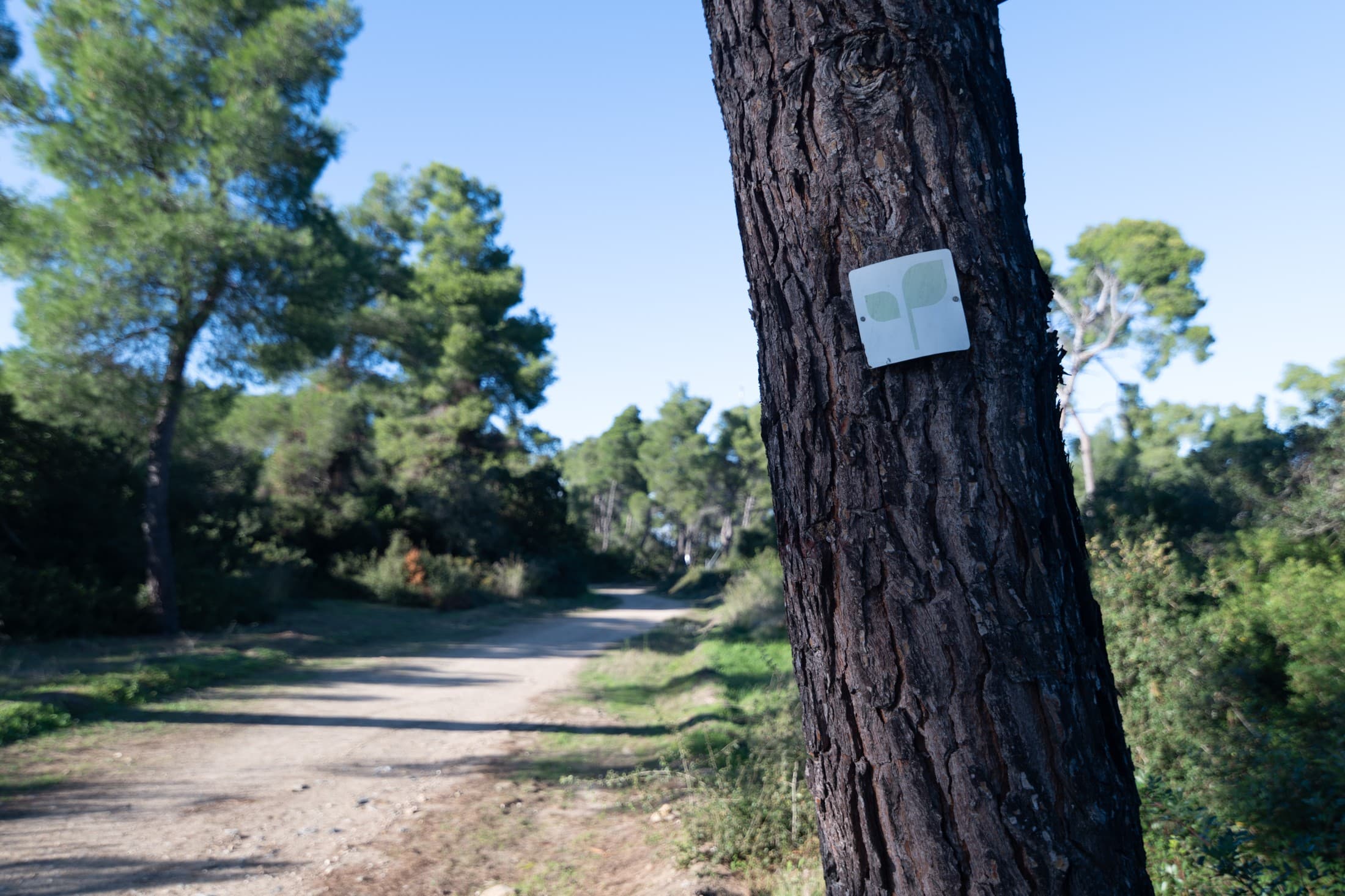
The island's network of trails includes seven well-marked key routes, covering a total distance of approximately 35km.
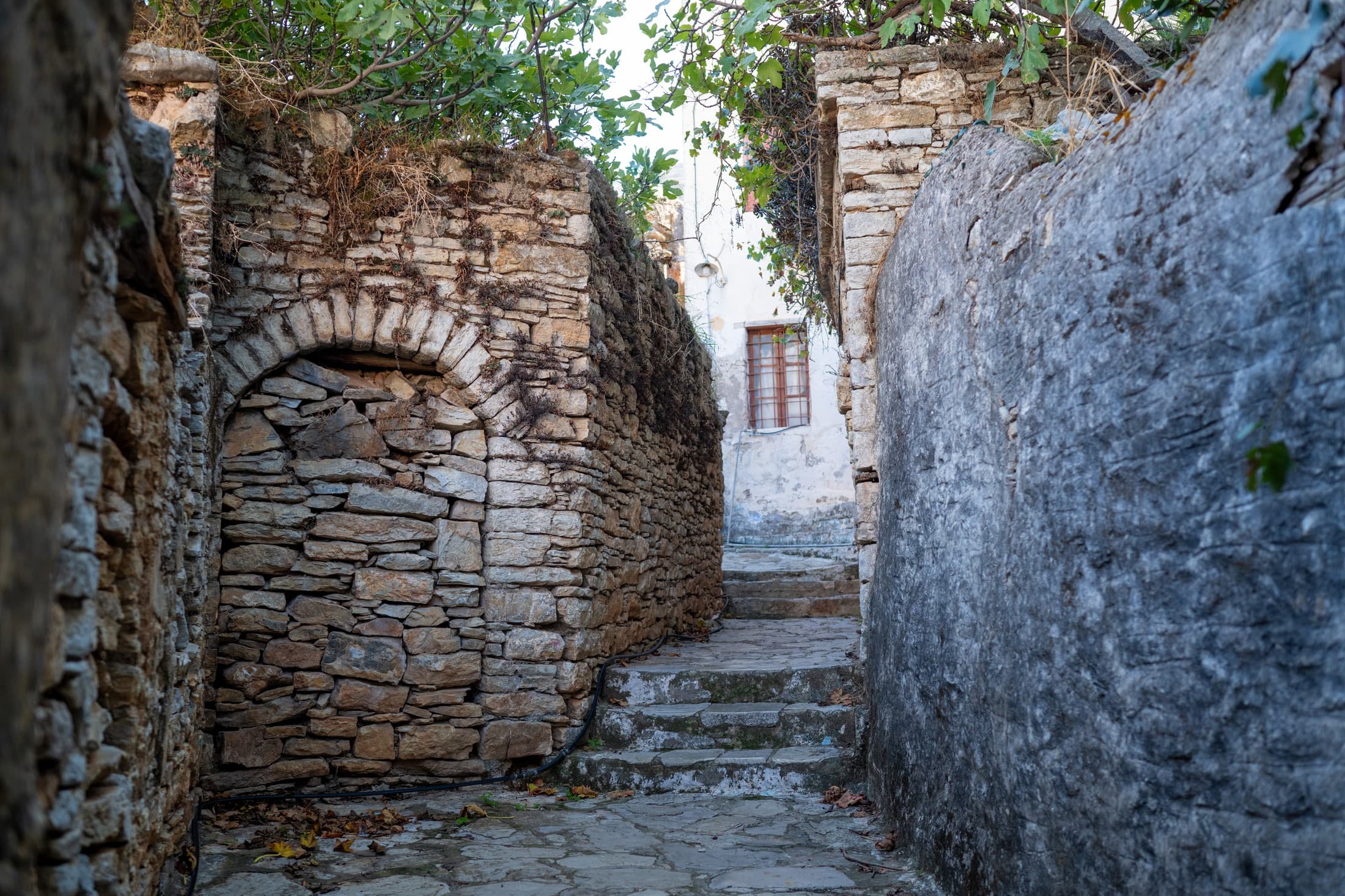
The most famous starts from Hora and ascends to Kastro, an old fortified village and one of the most beautiful examples of traditional Cycladic architecture. From there, you can continue towards Agios Modestos and Rema, passing by stone huts and crumbling mills.
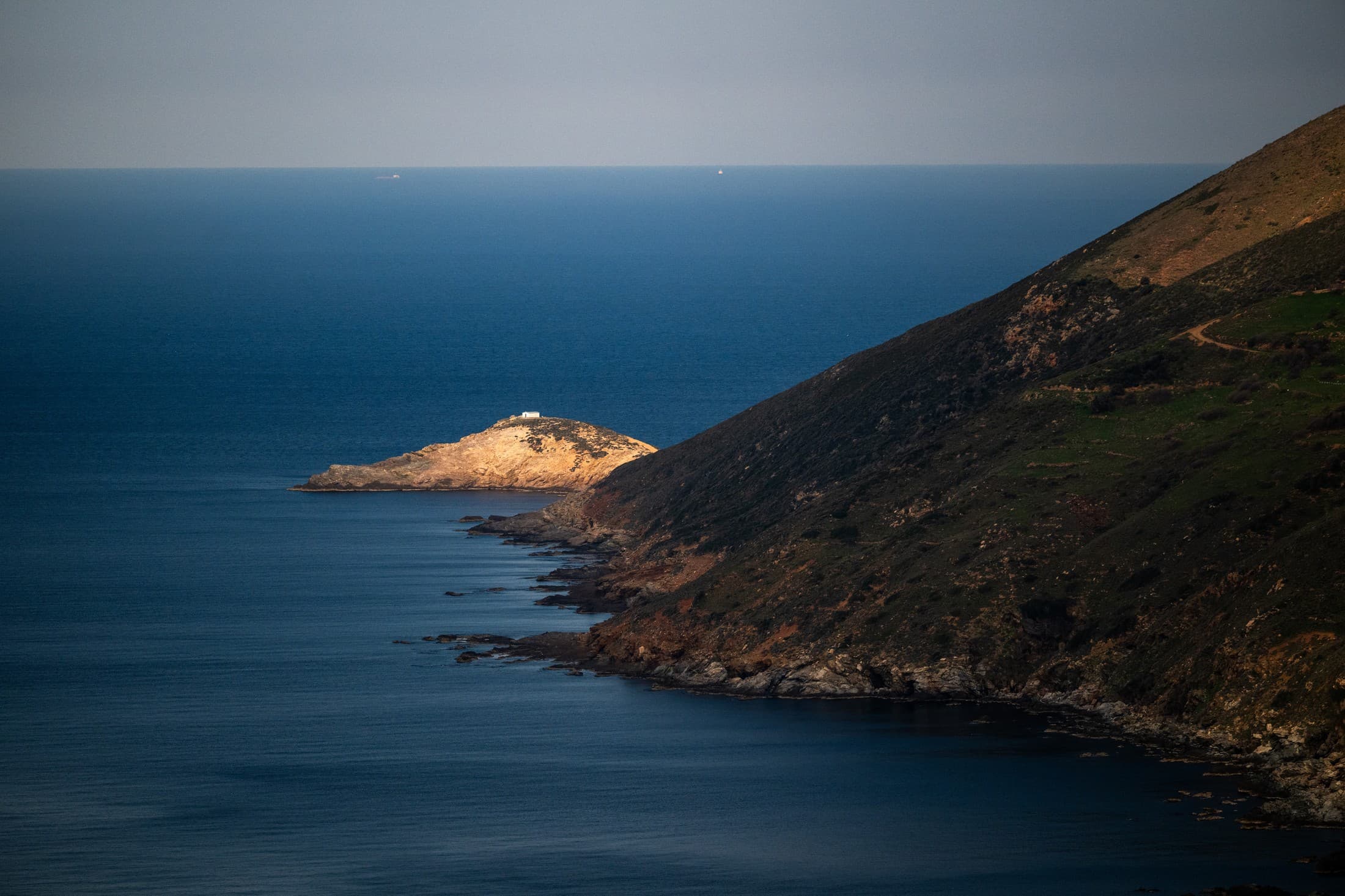
Another favourite route is the one that starts from Psathi, the port, and ends at Prassa, one of the most beautiful beaches on the island. The road is gentle, with views of the sea and neighbouring Polyaigos, the largest uninhabited island in the Aegean.
The southern route from Hora towards Bonatsa and Ellinika passes by the archaeological site of the ancient city of Kimolos. Nearby is Ellinika beach, where the ancient cemetery of Kimolos was located according to archaeologists.
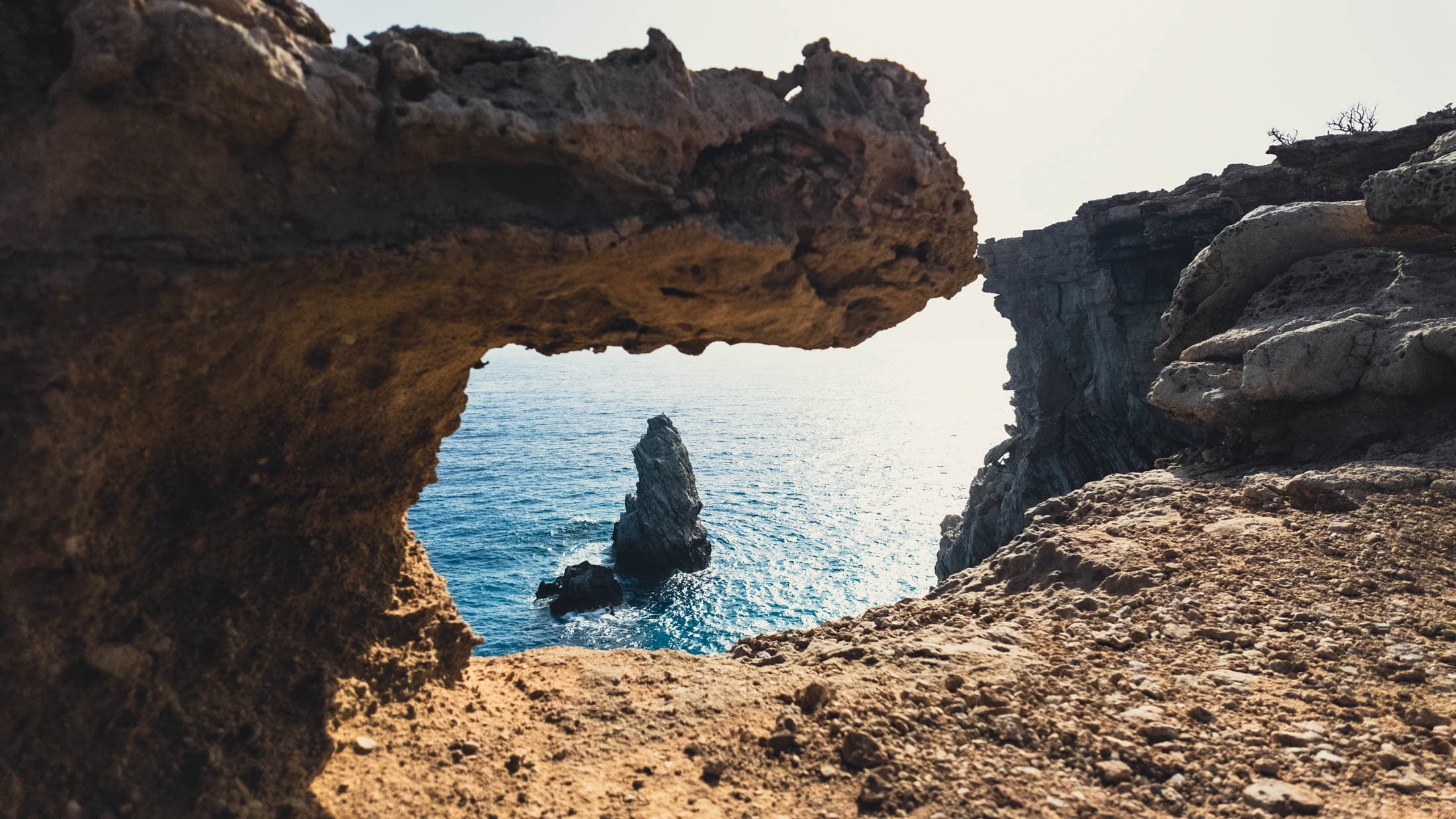
If you are more experienced hikers, you will love the route from Seladi to Skiadi, an enormous natural umbrella made of limestone that resembles a work of modern art. The trek to get there is of moderate difficulty (approximately 1.5 hours from Hora), but the view towards Polyaigos and the endless blue of the Aegean is staggering.
On Kimolos, every path leads to a small revelation: a chapel, a well, a steep rock, a piece of the heavens. Hiking on Kimolos is more than a mere activity. It is a way to become part of the island.
The island's network of trails includes seven well-marked key routes, covering a total distance of approximately 35km.
The most famous starts from Hora and ascends to Kastro, an old fortified village and one of the most beautiful examples of traditional Cycladic architecture. From there, you can continue towards Agios Modestos and Rema, passing by stone huts and crumbling mills.
Another favourite route is the one that starts from Psathi, the port, and ends at Prassa, one of the most beautiful beaches on the island. The road is gentle, with views of the sea and neighbouring Polyaigos, the largest uninhabited island in the Aegean.
The southern route from Hora towards Bonatsa and Ellinika passes by the archaeological site of the ancient city of Kimolos. Nearby is Ellinika beach, where the ancient cemetery of Kimolos was located according to archaeologists.
If you are more experienced hikers, you will love the route from Seladi to Skiadi, an enormous natural umbrella made of limestone that resembles a work of modern art. The trek to get there is of moderate difficulty (approximately 1.5 hours from Hora), but the view towards Polyaigos and the endless blue of the Aegean is staggering.
On Kimolos, every path leads to a small revelation: a chapel, a well, a steep rock, a piece of the heavens. Hiking on Kimolos is more than a mere activity. It is a way to become part of the island.