One of the most remarkable fortresses in the Peloponnese
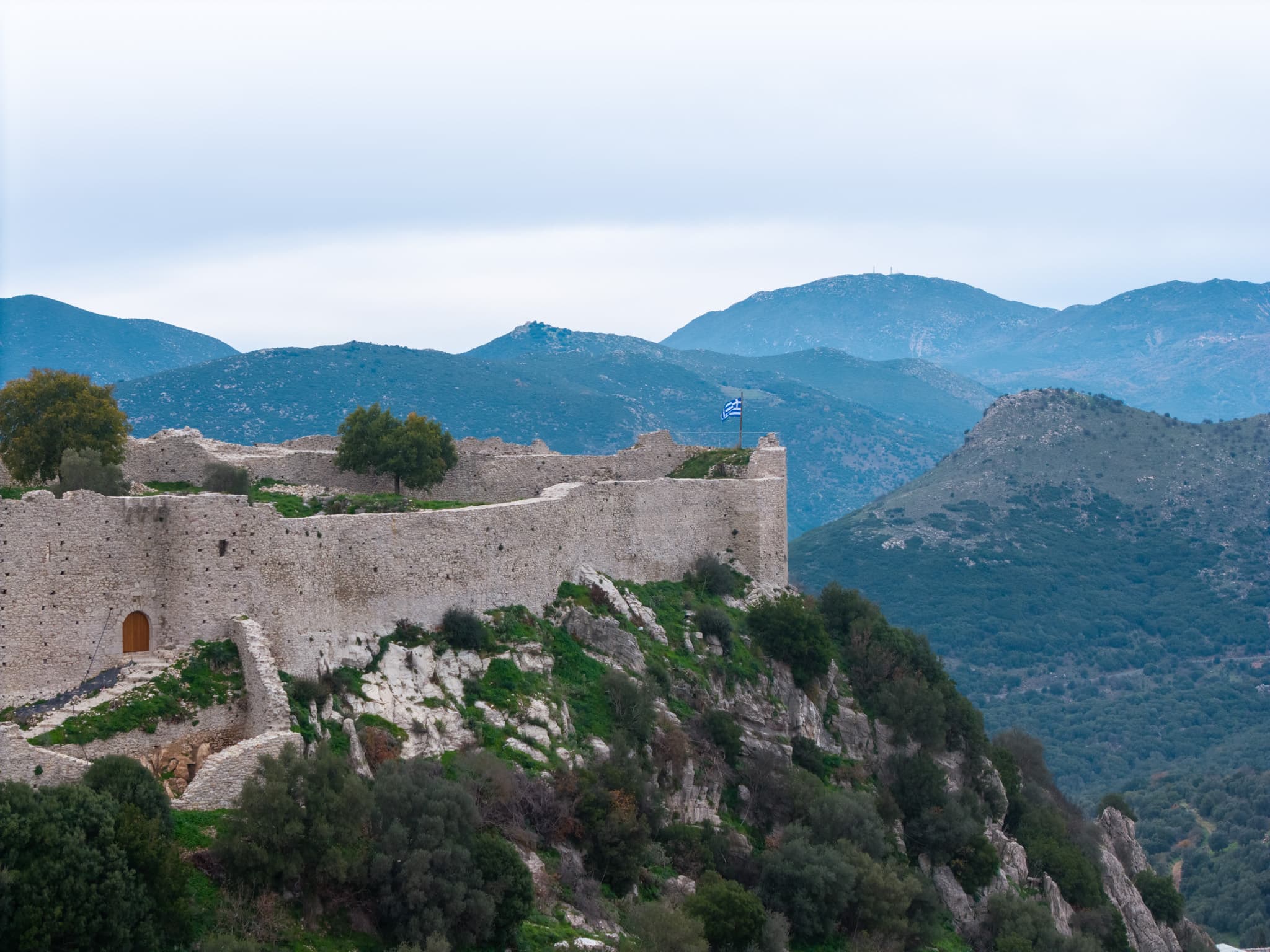
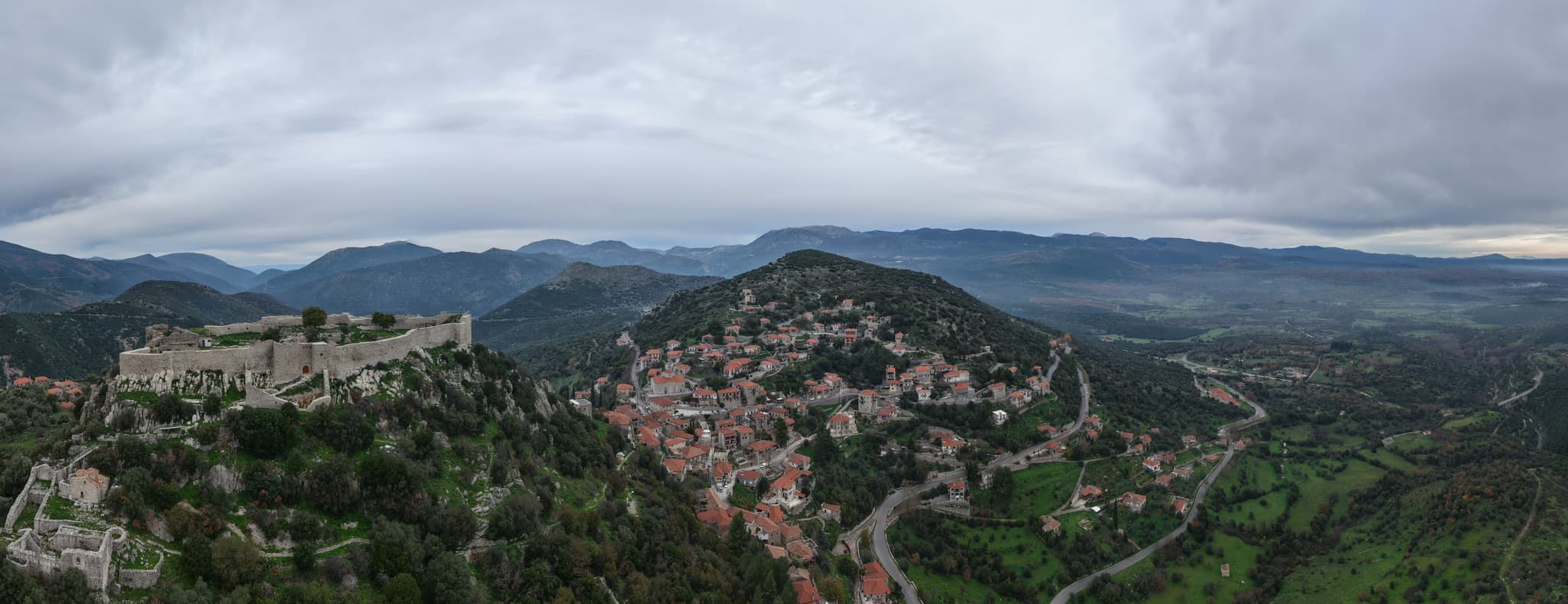
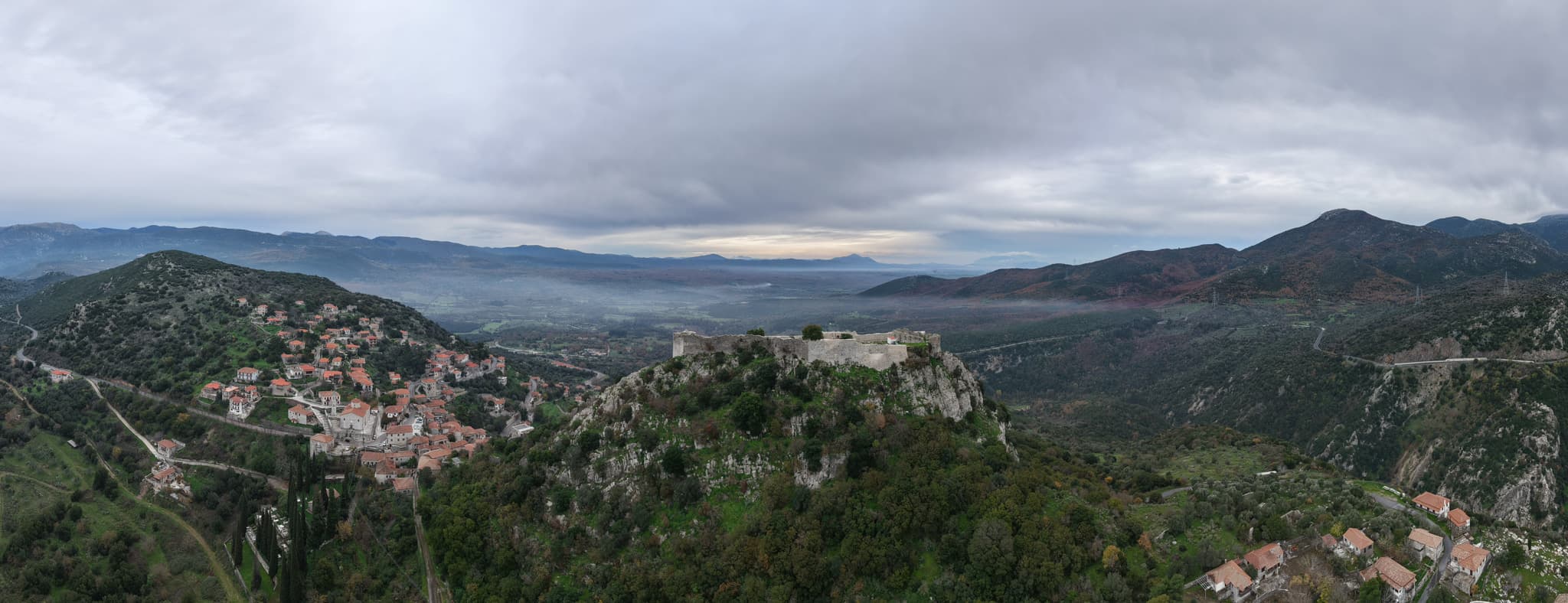
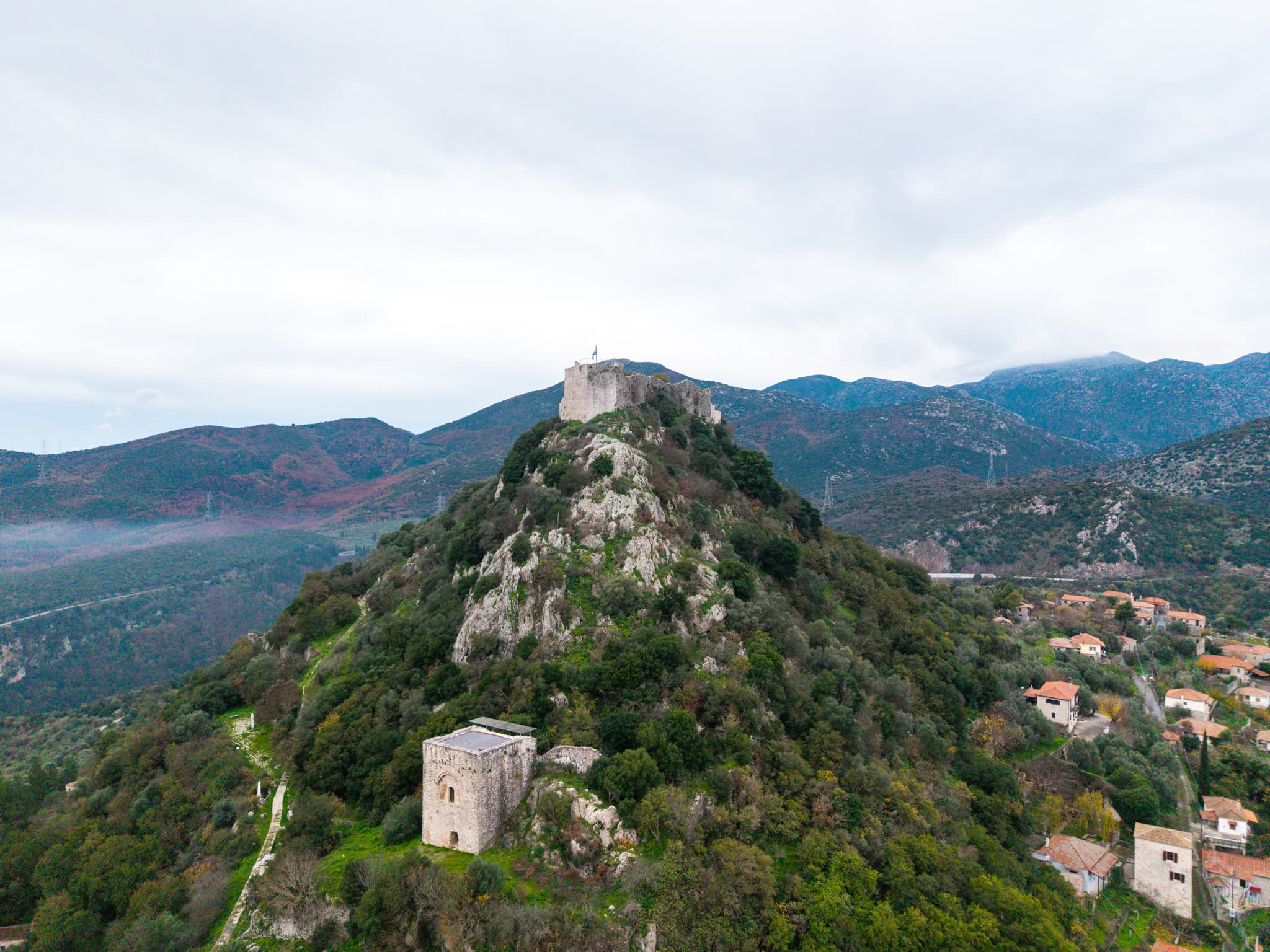
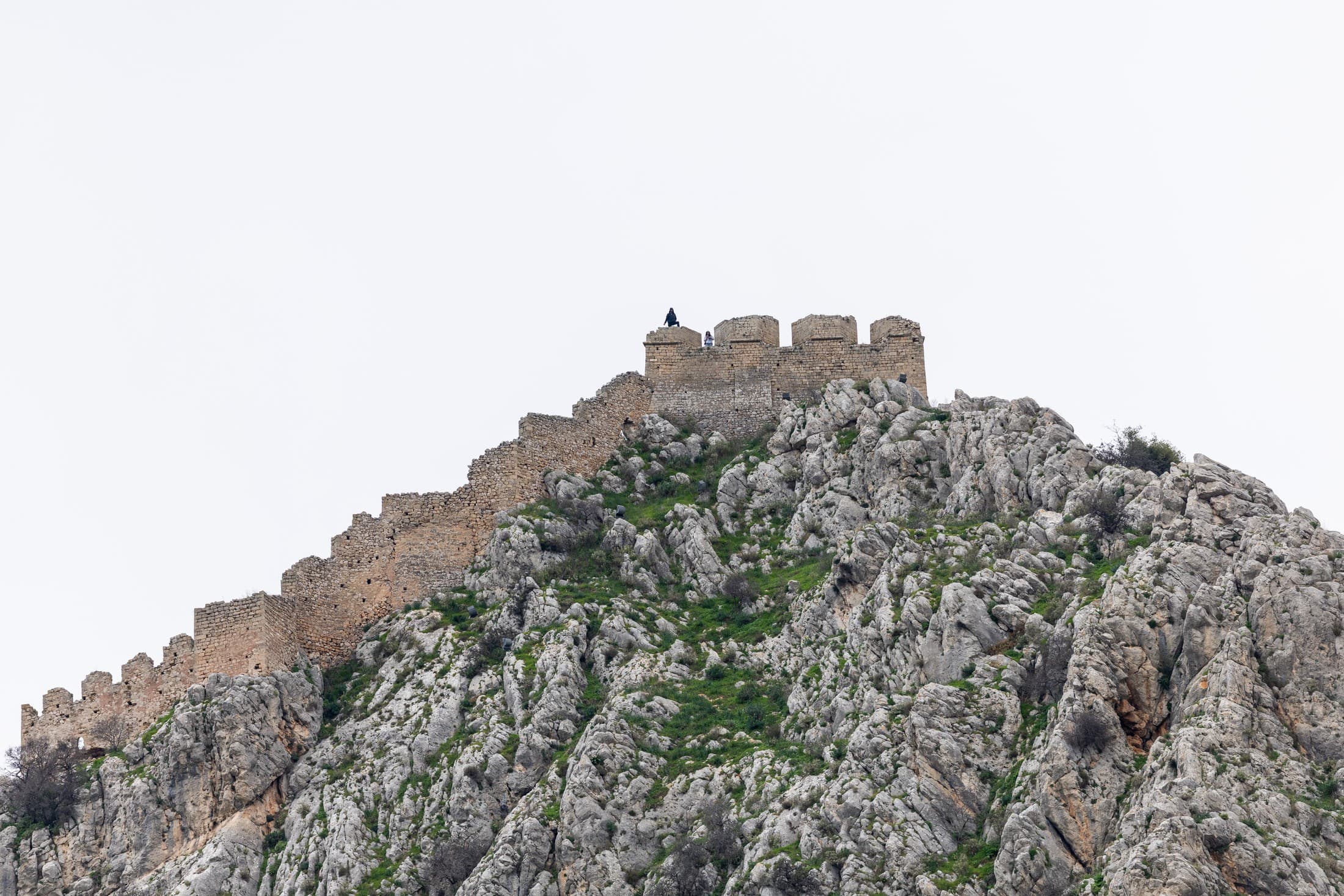
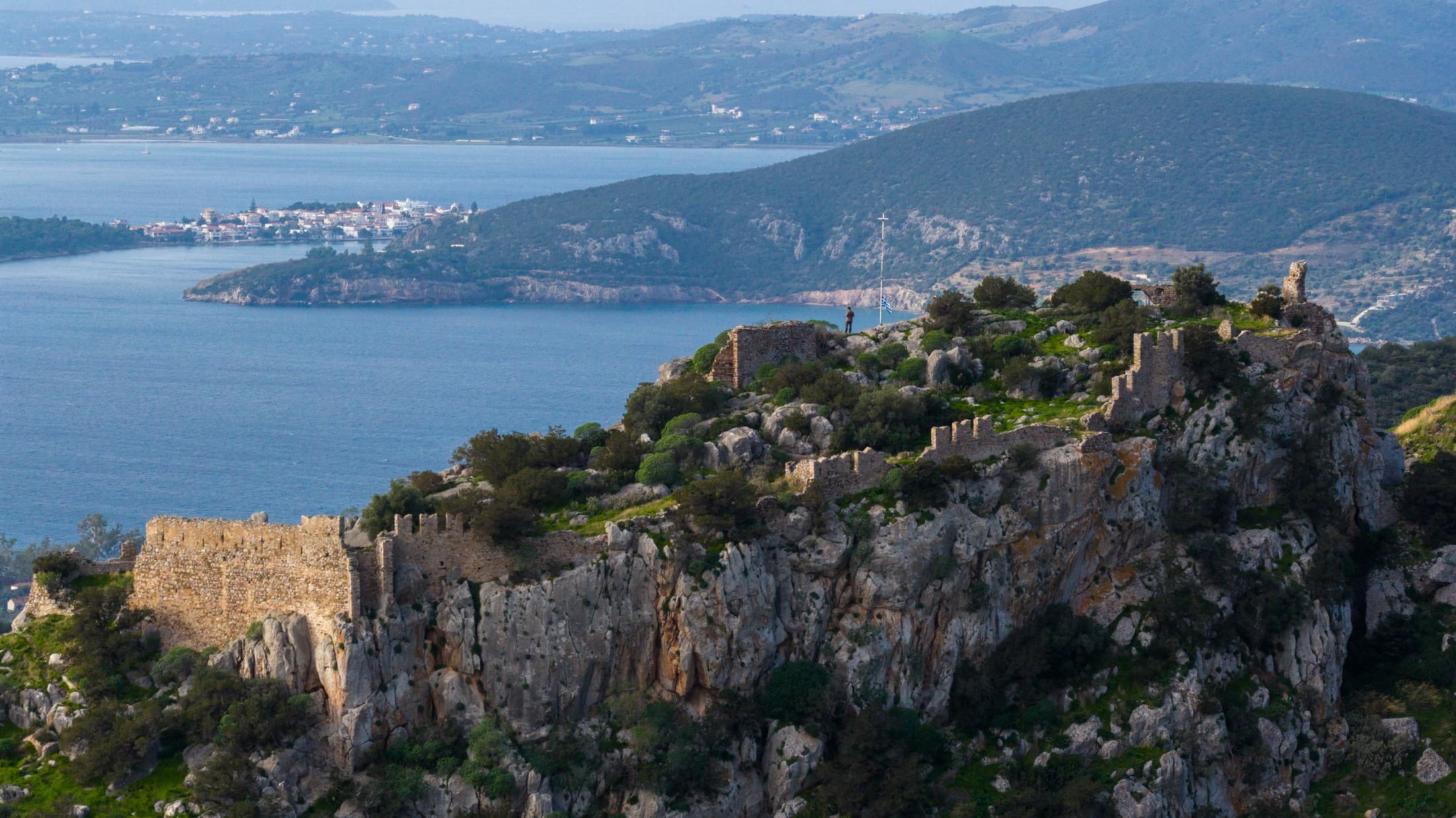
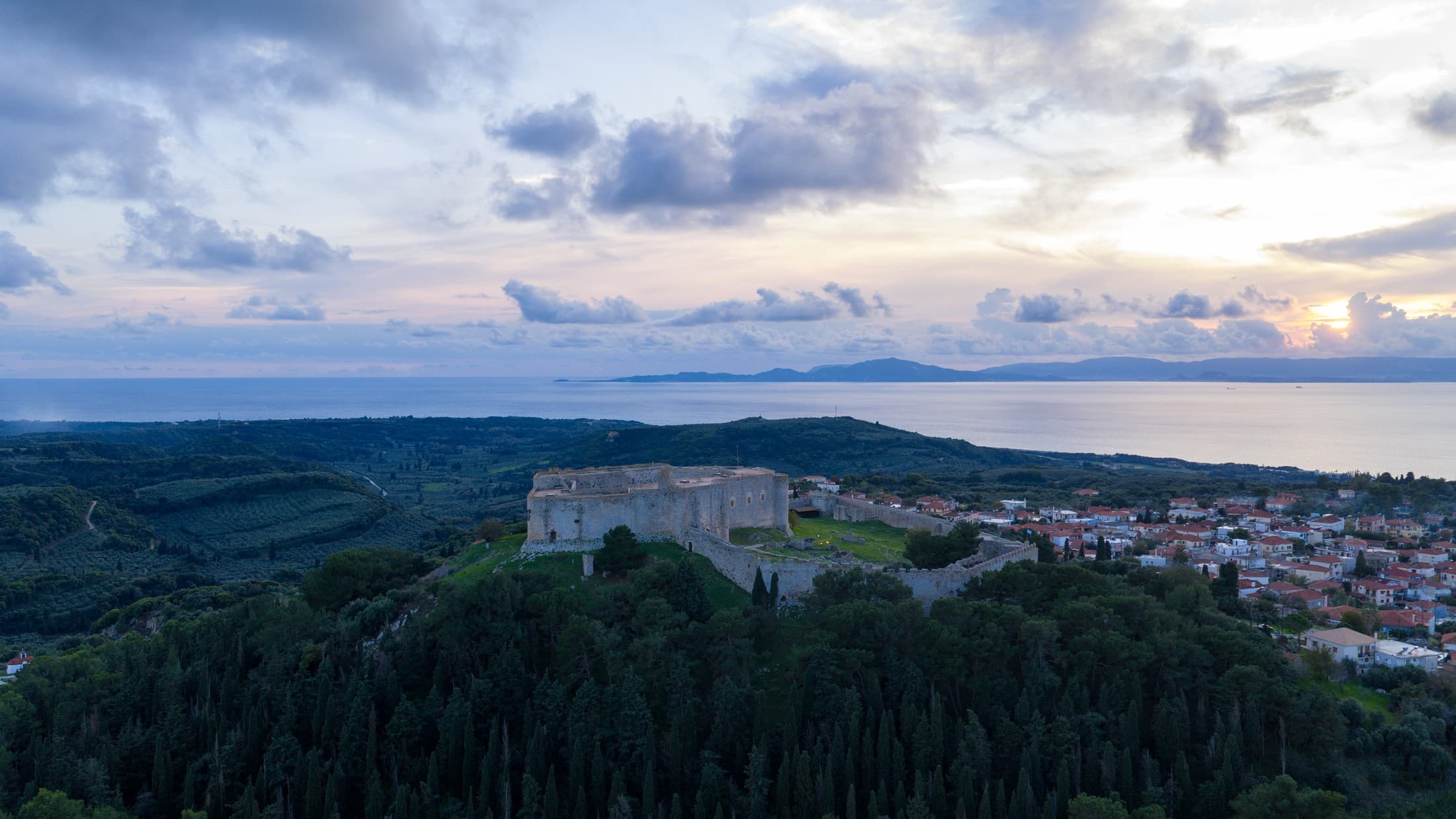
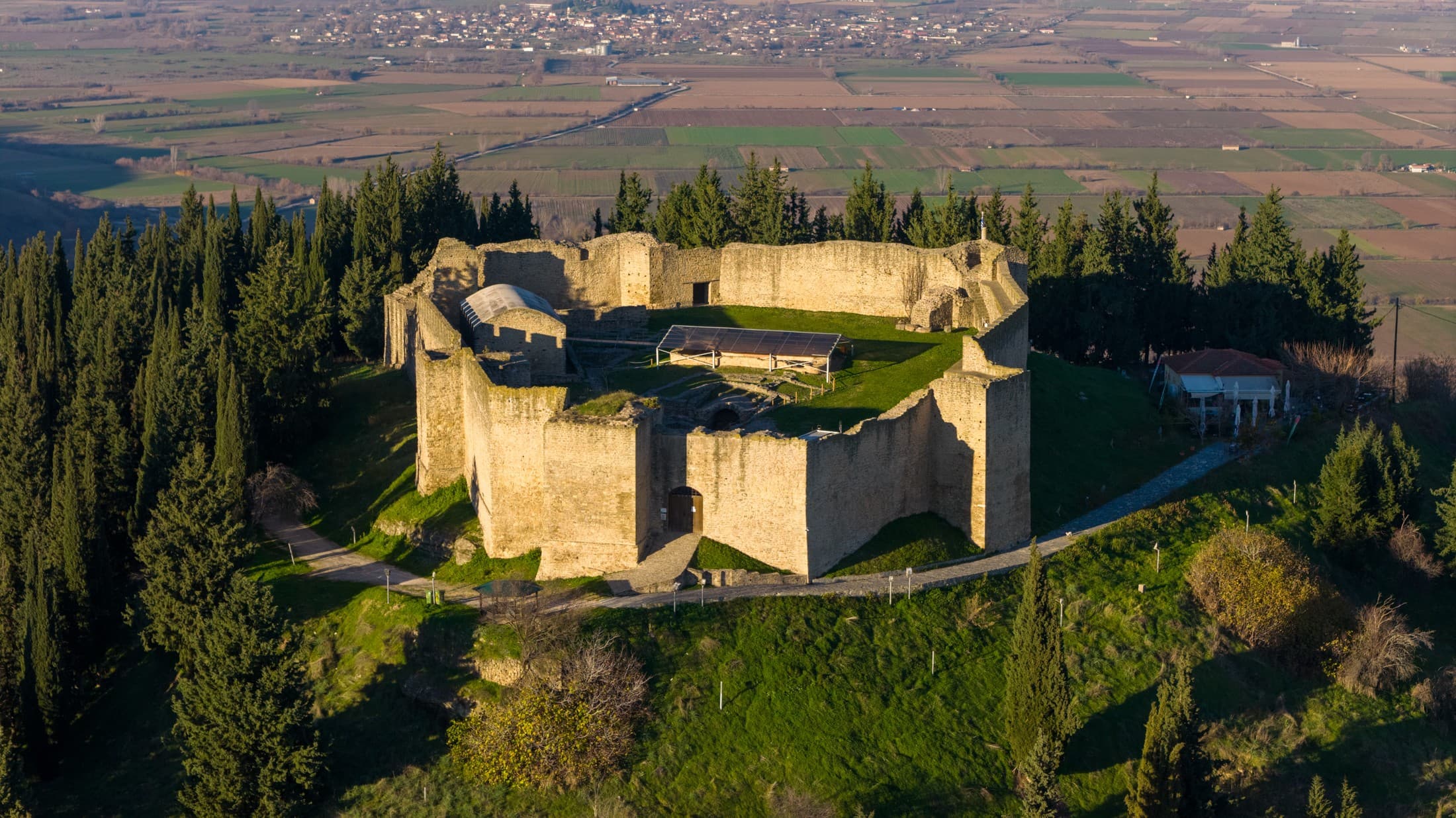
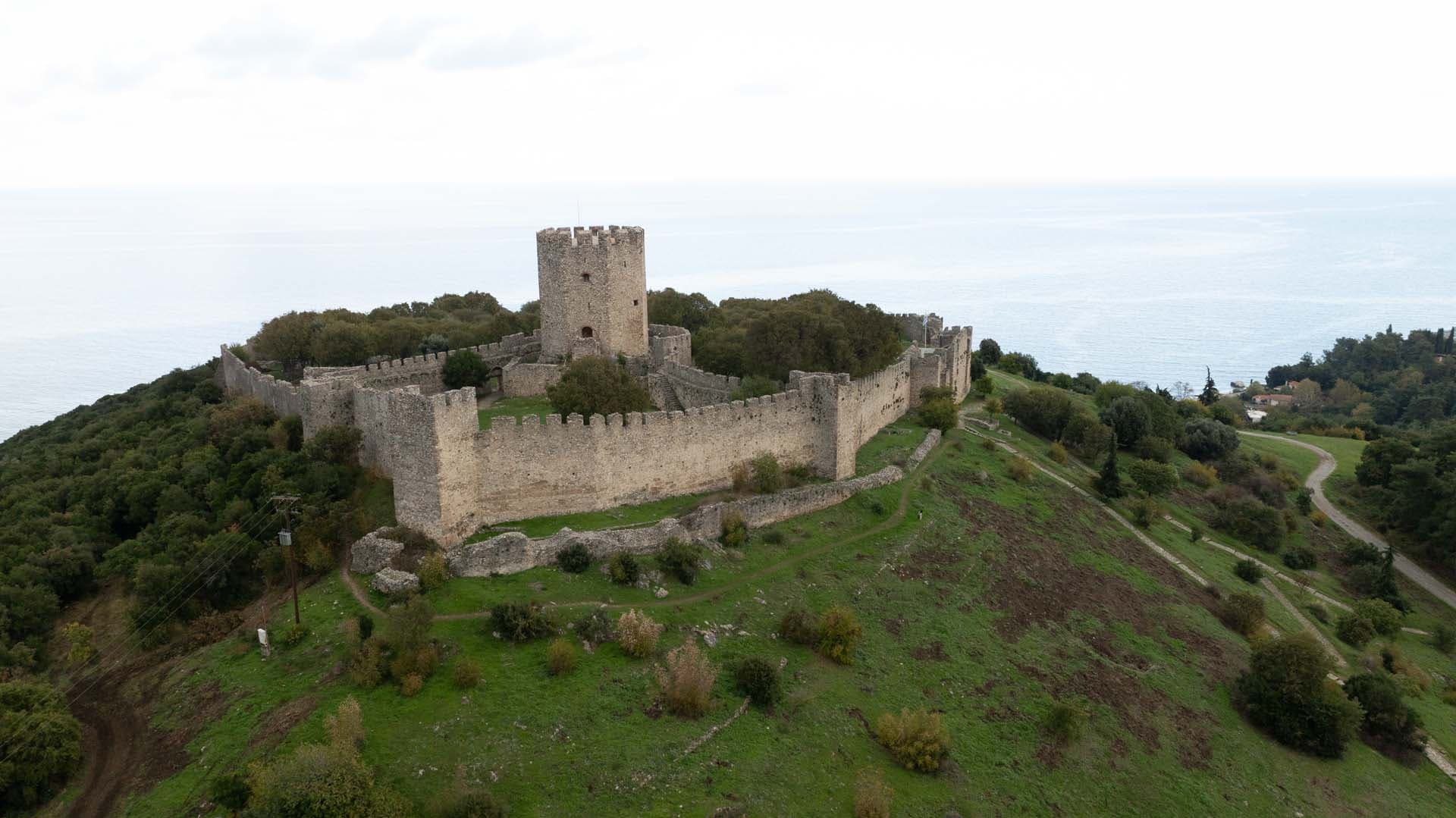
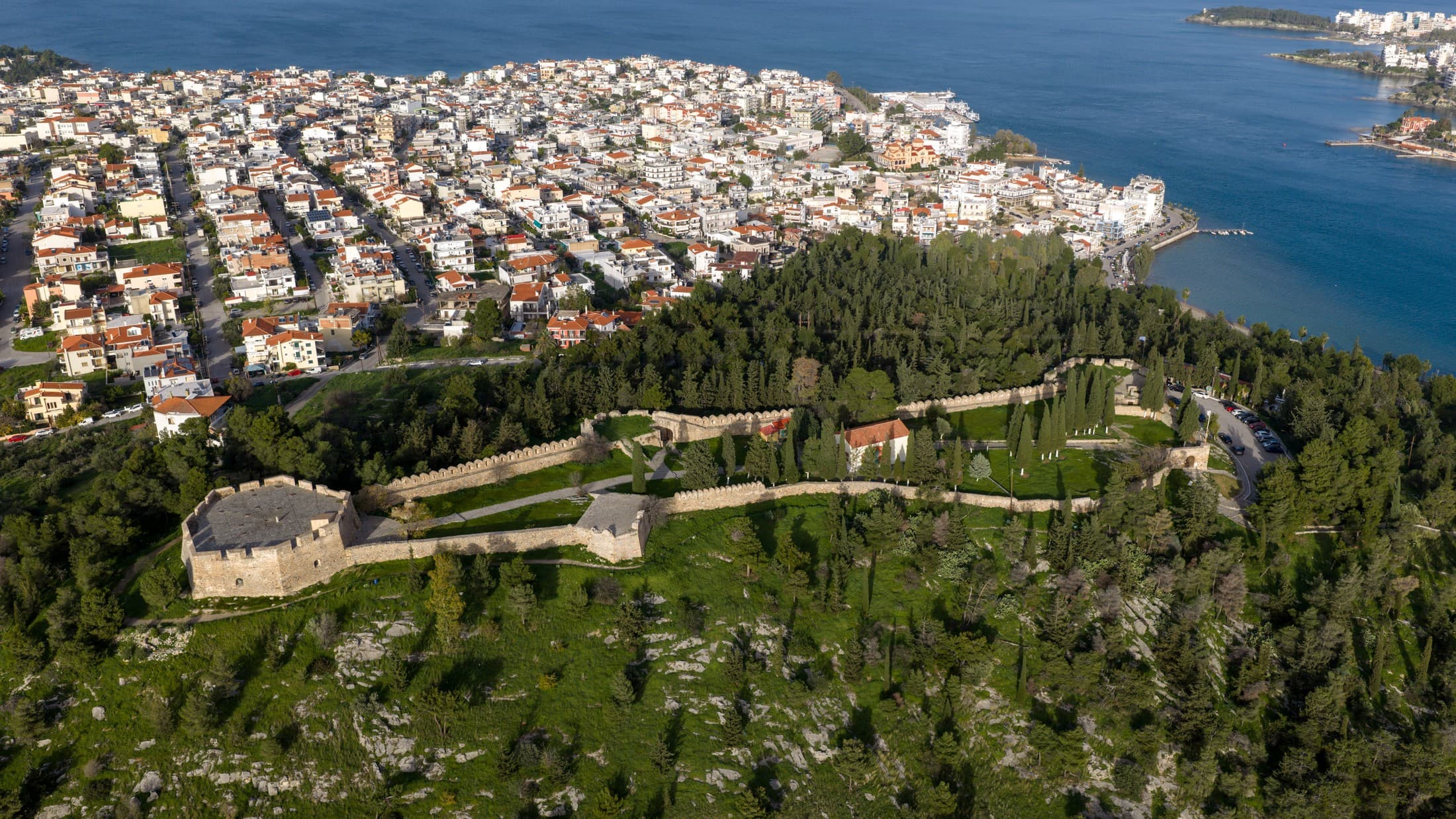
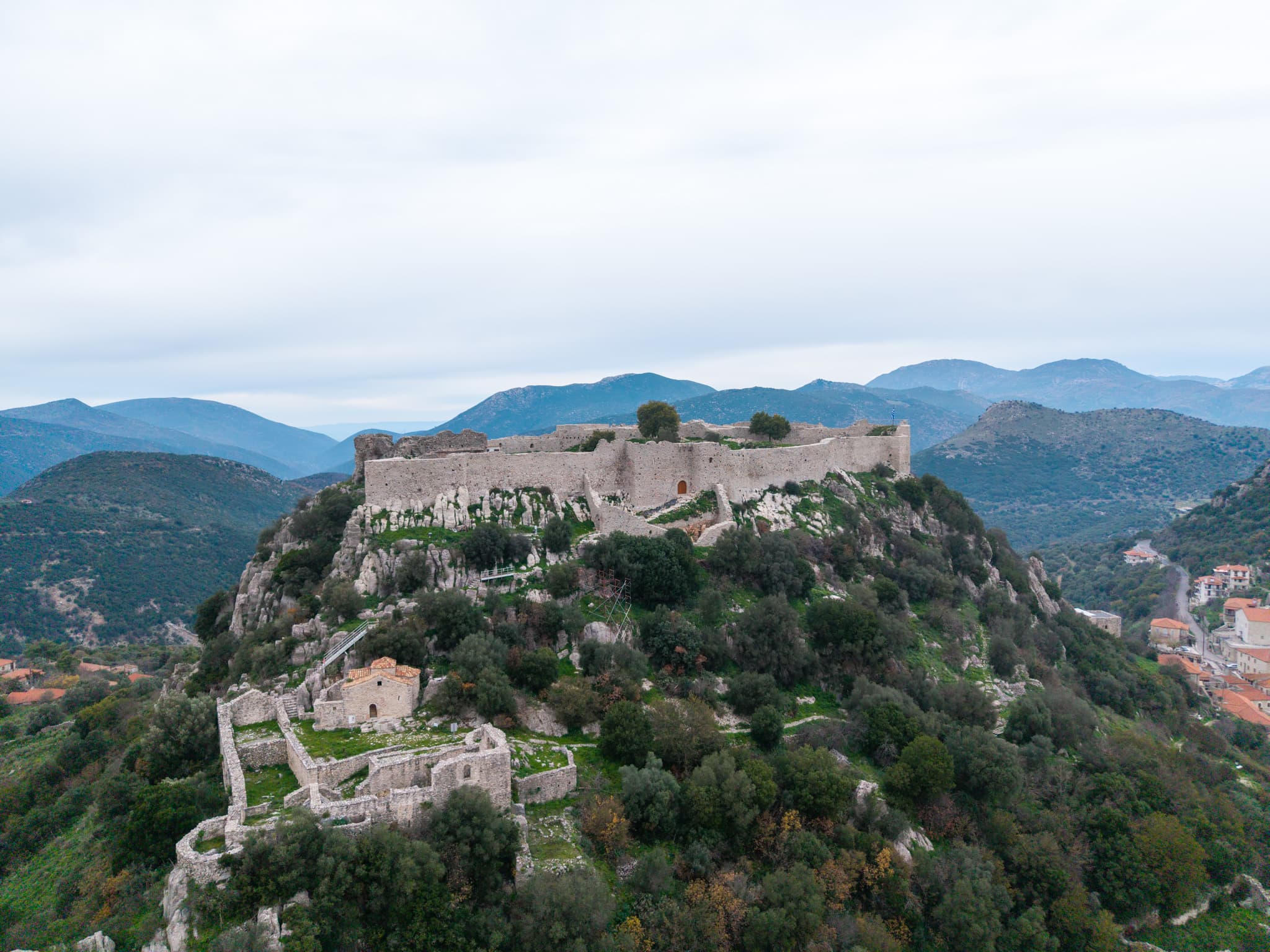
The Castle of Karytaina towers majestically over the settlement, perched on a steep rocky outcrop on the right bank of the Alfeios River. It stands as the most significant stronghold in the region, once strategically controlling the passages that linked Arcadia with Messenia and Elis.
Built in the mid-13th century during the period of Frankish rule, Karytaina served as the seat of a barony (an administrative unit of the Frankish feudal system). In 1320, the area came under Byzantine control, and in 1458, it fell to the Ottomans, maintaining its vital role as an administrative and commercial centre. During the Greek War of Independence, in 1826, the legendary general Theodoros Kolokotronis repaired the castle, using it as both a refuge and a strategic base of operations.
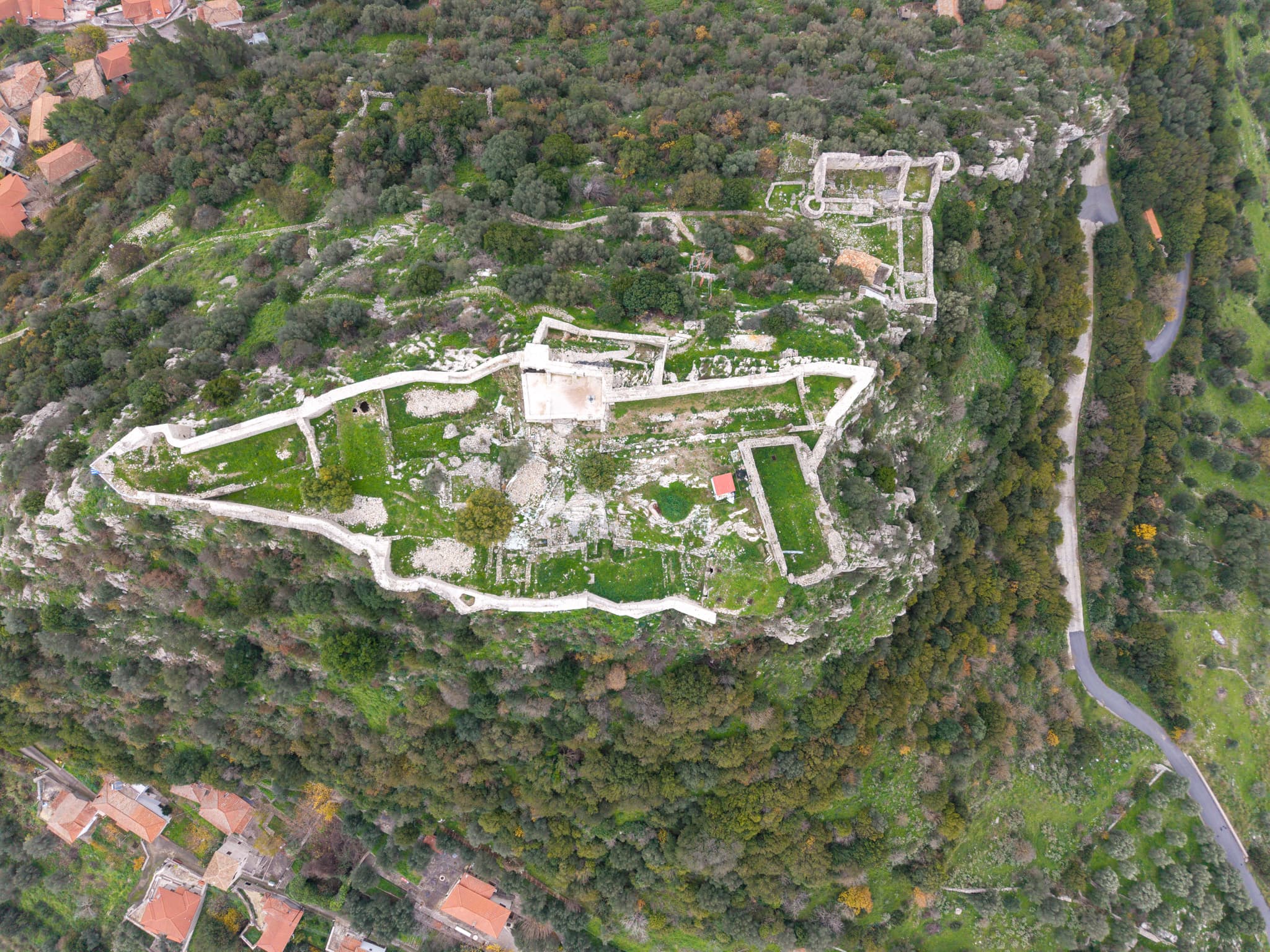
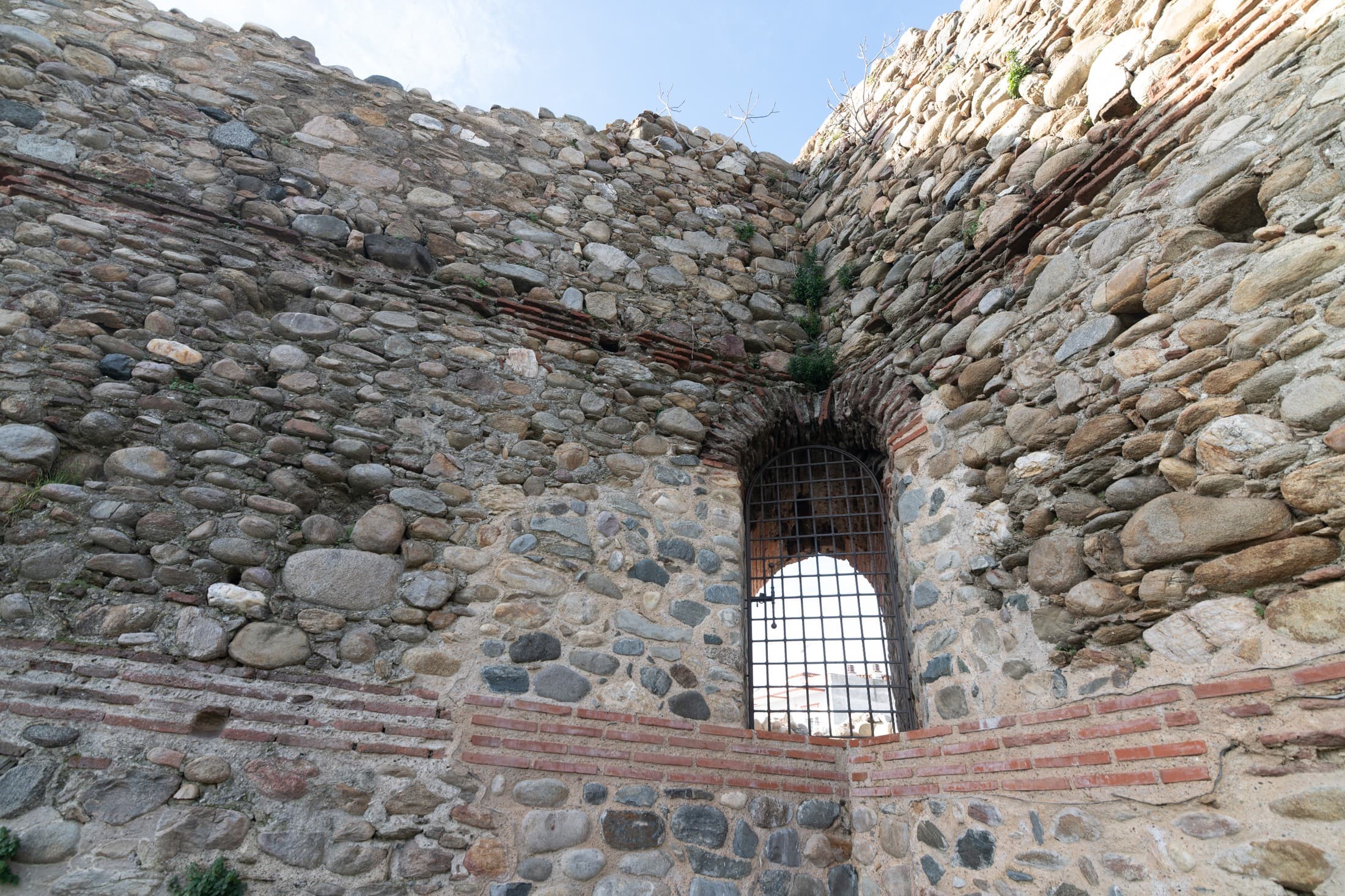
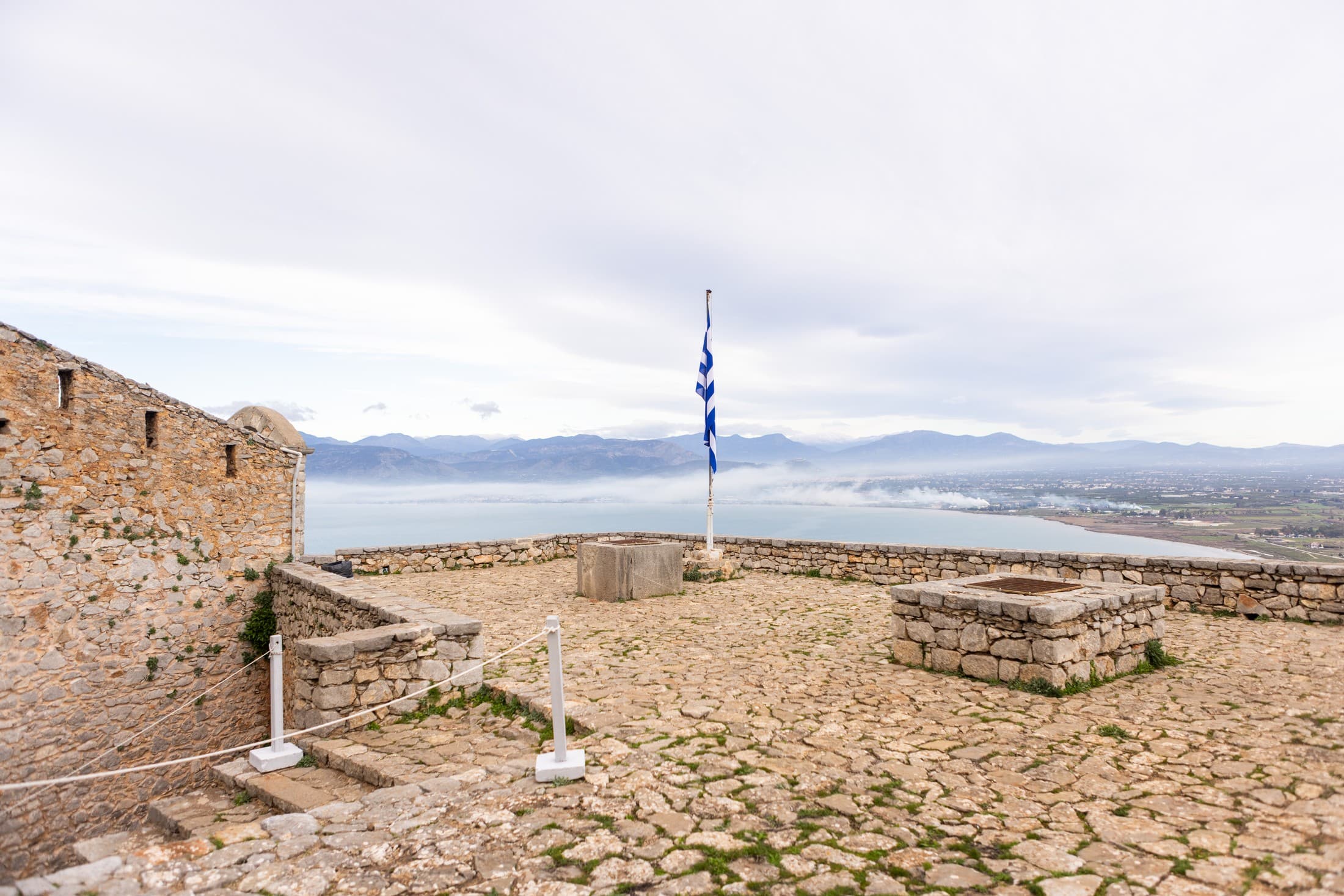
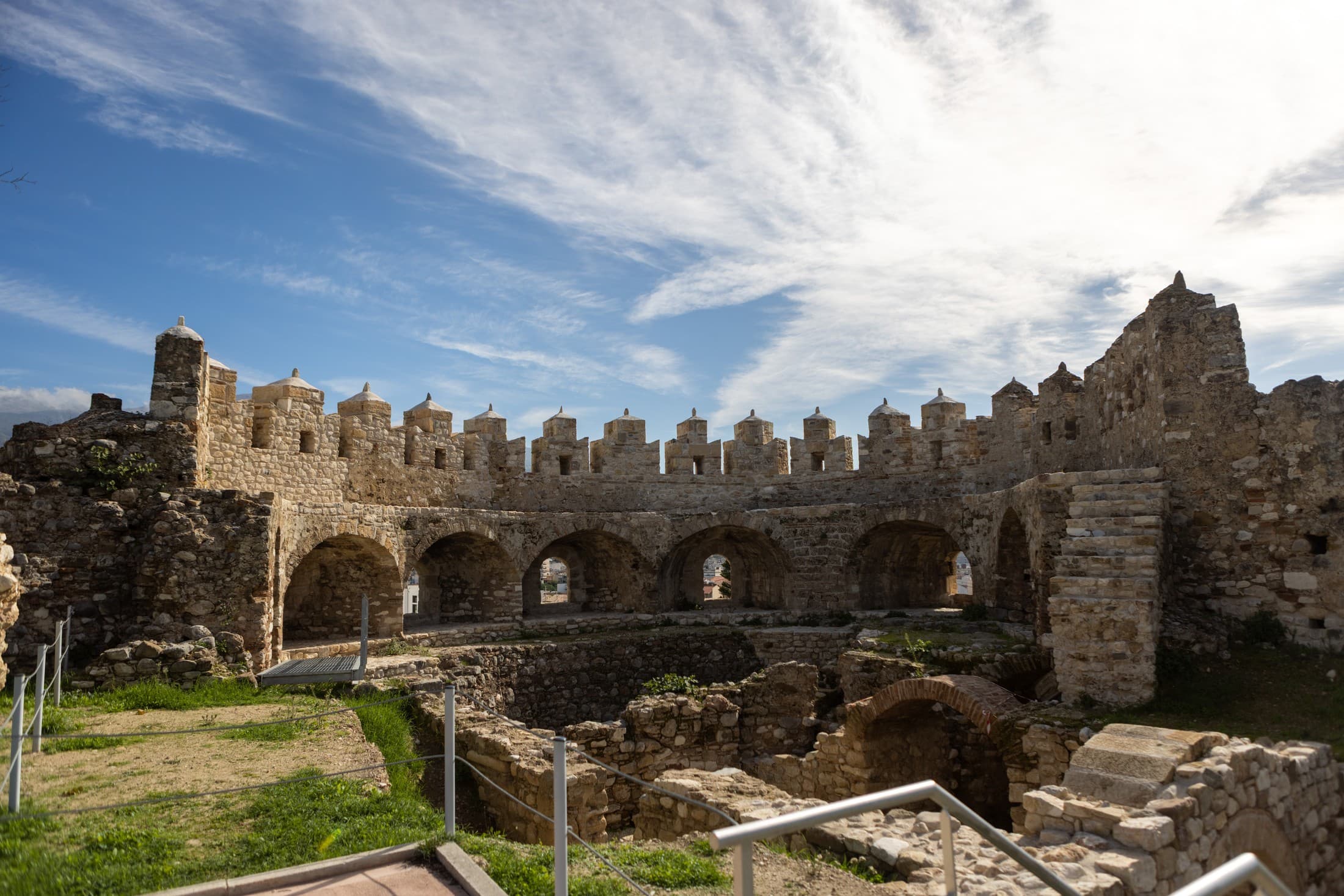
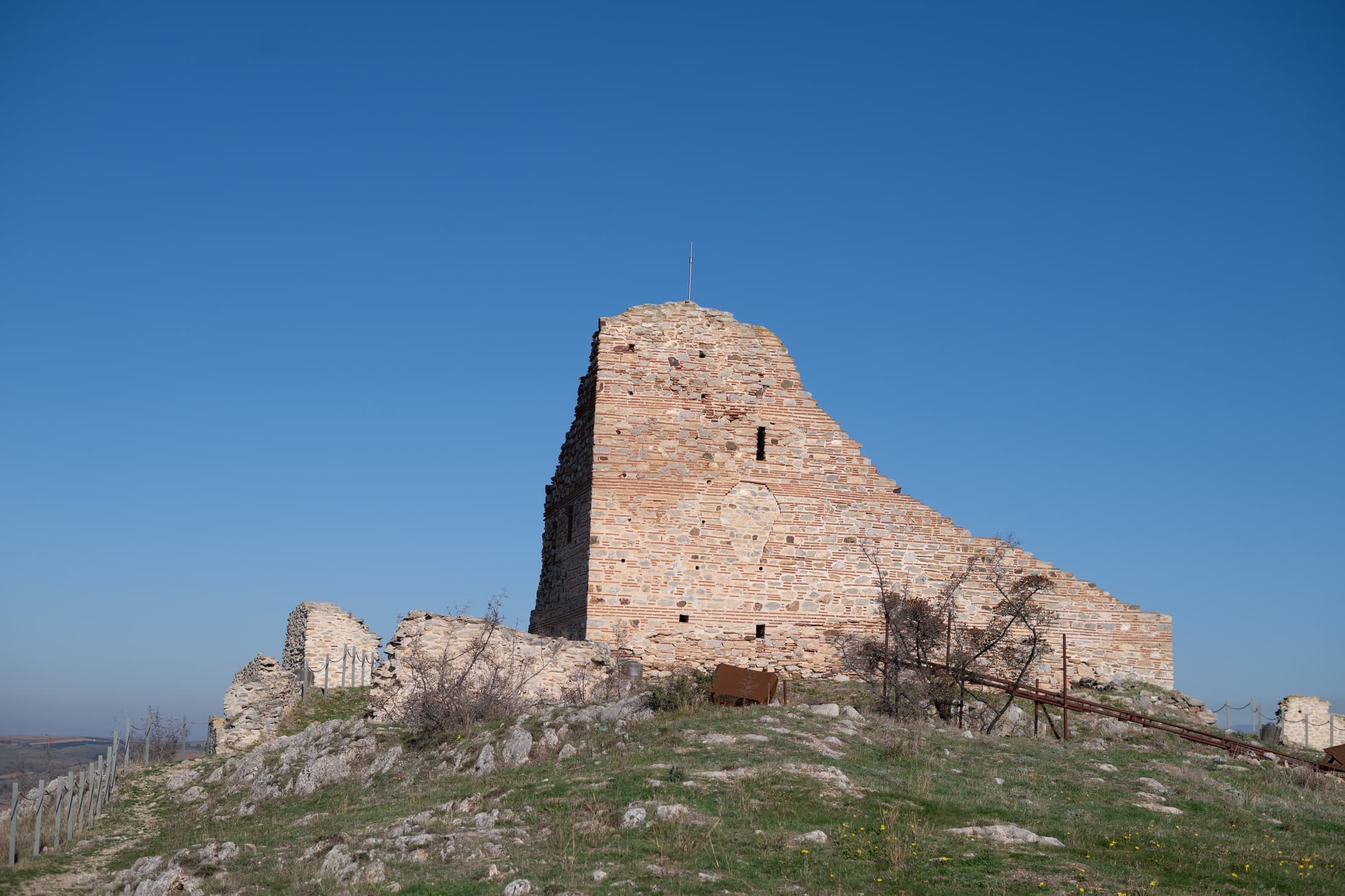
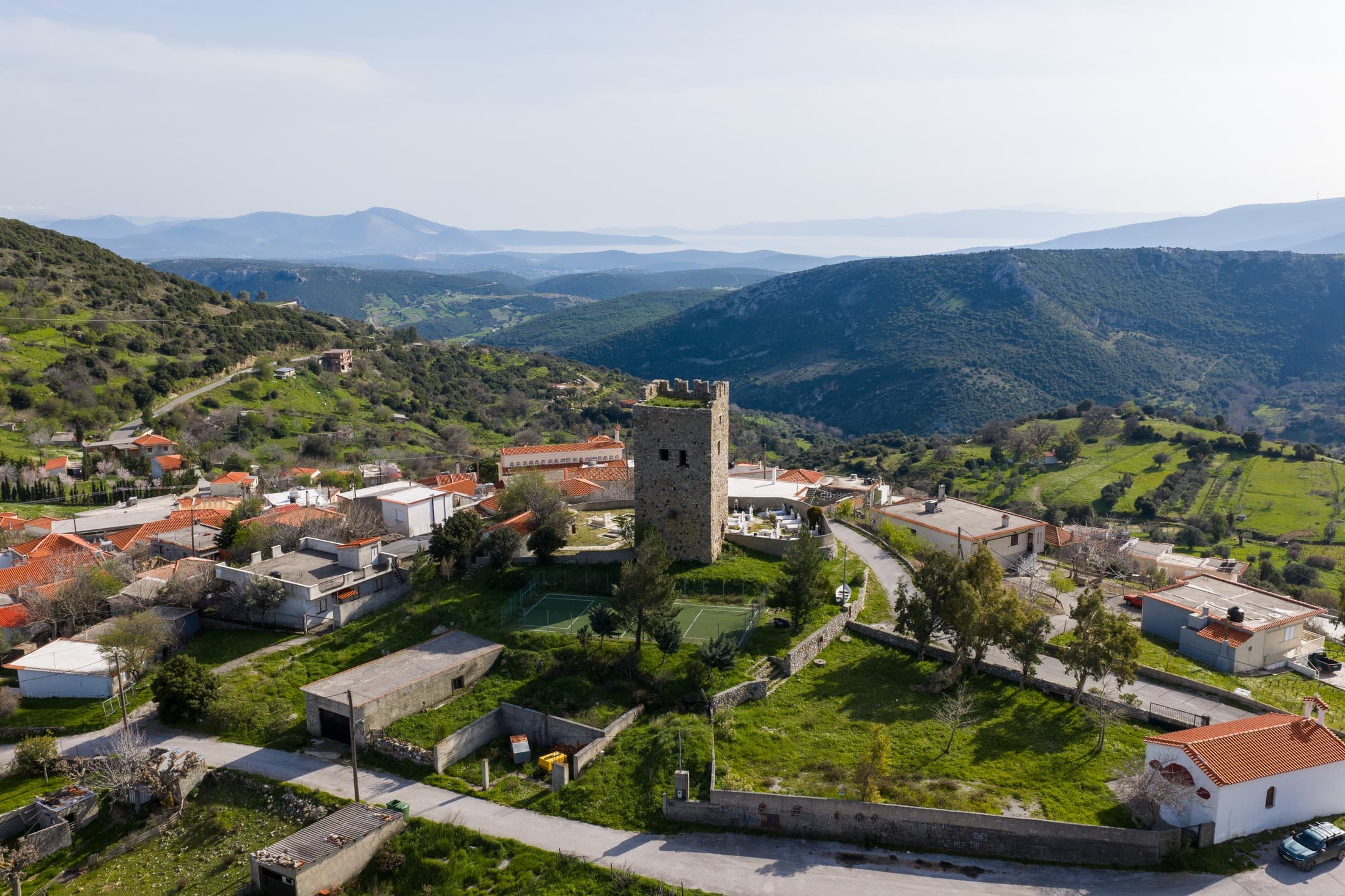
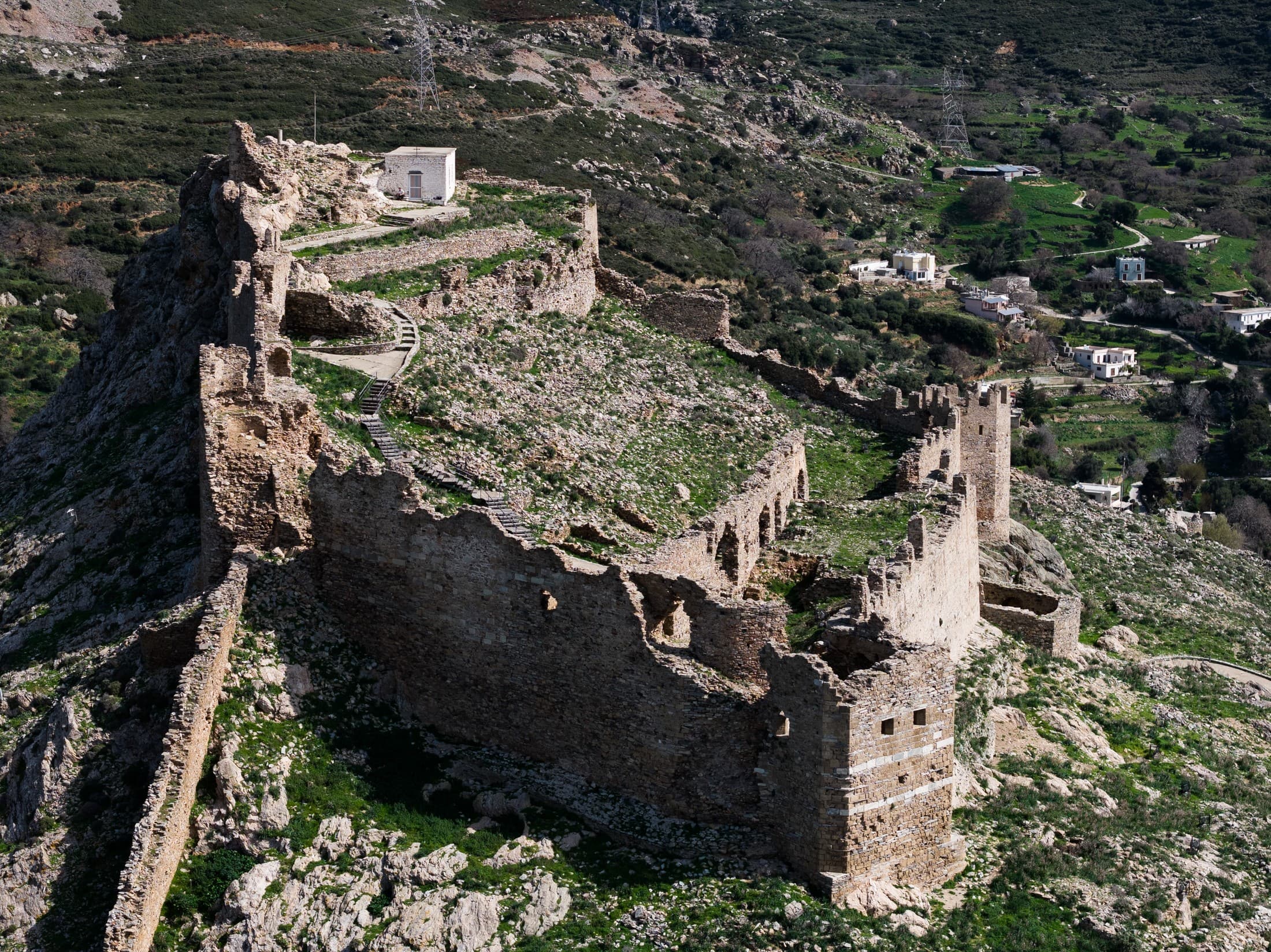
Today, the fortified acropolis survives, with visible ruins of dwellings, water cisterns, and the central tower. On the southern slope, visitors can find the Church of Panagia tou Kastrou and the building complex attributed to Kolokotronis.
We recommend combining your ascent to the Castle with a tour of the traditional settlement and a stop at the Alfeios Bridge to fully appreciate the geography and strategic importance of this location. The village is home to notable post-Byzantine houses and churches, while the 15th-century stone bridge over the Alfeios is famous for its unique integrated chapel.
Built in the mid-13th century during the period of Frankish rule, Karytaina served as the seat of a barony (an administrative unit of the Frankish feudal system). In 1320, the area came under Byzantine control, and in 1458, it fell to the Ottomans, maintaining its vital role as an administrative and commercial centre. During the Greek War of Independence, in 1826, the legendary general Theodoros Kolokotronis repaired the castle, using it as both a refuge and a strategic base of operations.
Today, the fortified acropolis survives, with visible ruins of dwellings, water cisterns, and the central tower. On the southern slope, visitors can find the Church of Panagia tou Kastrou and the building complex attributed to Kolokotronis.
We recommend combining your ascent to the Castle with a tour of the traditional settlement and a stop at the Alfeios Bridge to fully appreciate the geography and strategic importance of this location. The village is home to notable post-Byzantine houses and churches, while the 15th-century stone bridge over the Alfeios is famous for its unique integrated chapel.