A Strategic Fortress with Breathtaking Views
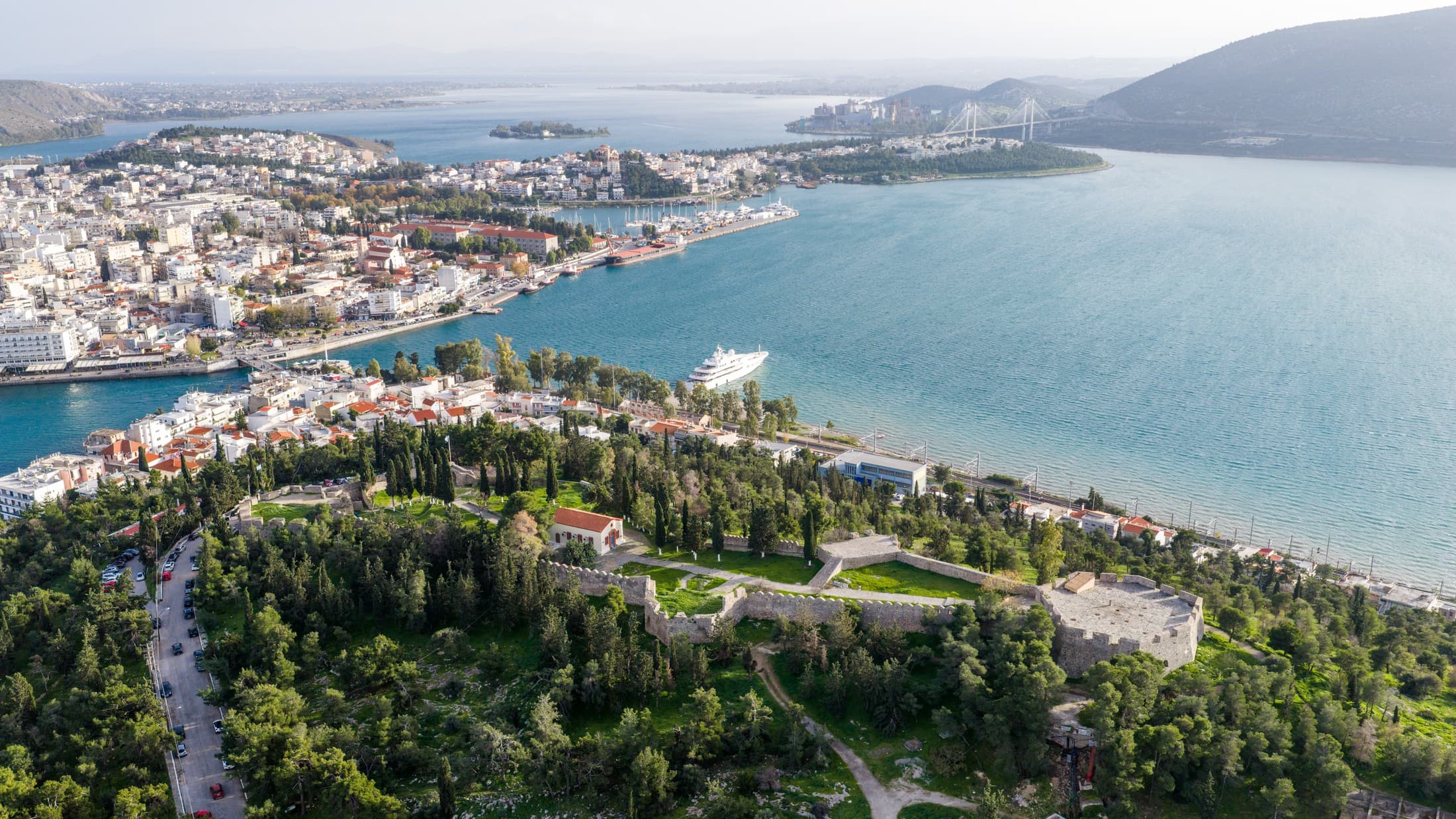
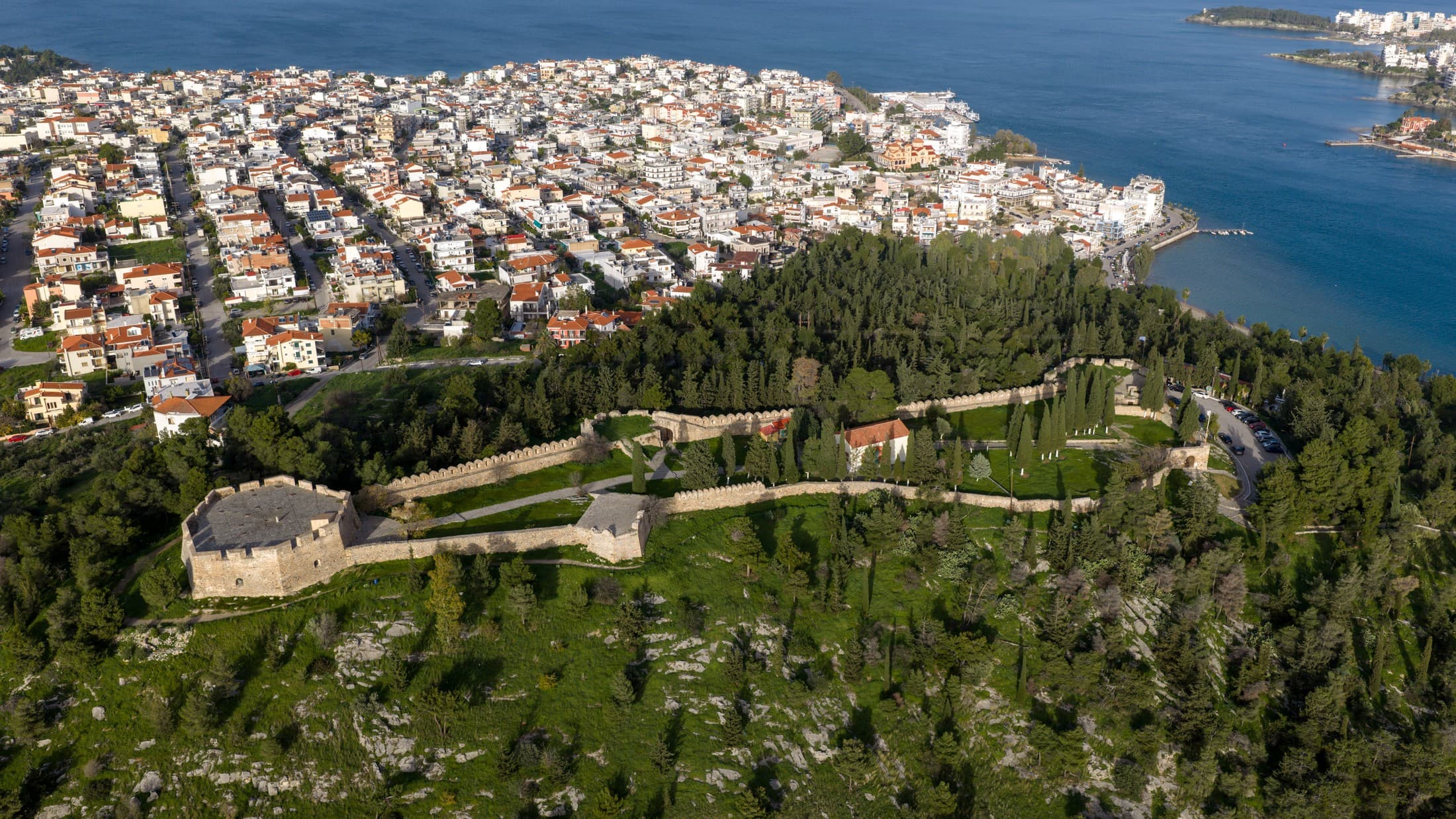
The main reason visitors to Chalkida climb Karababa Castle, on Kanithos (or Fourka) Hill along the Biotian coast, is to enjoy from above the most beautiful views of the city and the impressive Euripus Strait. Another point of interest is the tomb of the writer Yiannis Skaribas, located there.
Both are excellent reasons to visit, while the castle itself is equally captivating. Built on a site fortified since antiquity, it has always been a strategic location, controlling the Euripus Strait, part of the Evian Gulf, and the connection between Evia and mainland Greece.
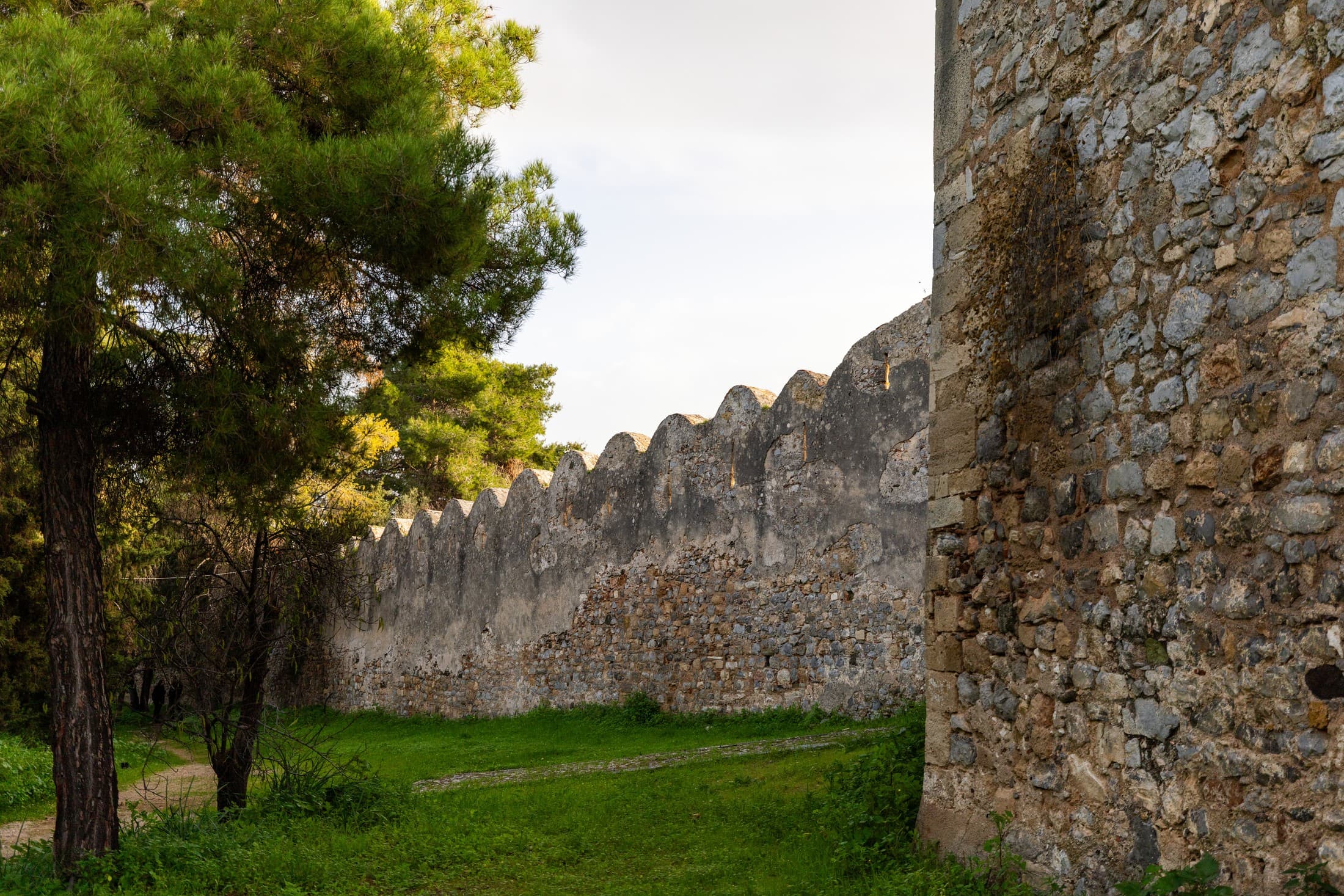
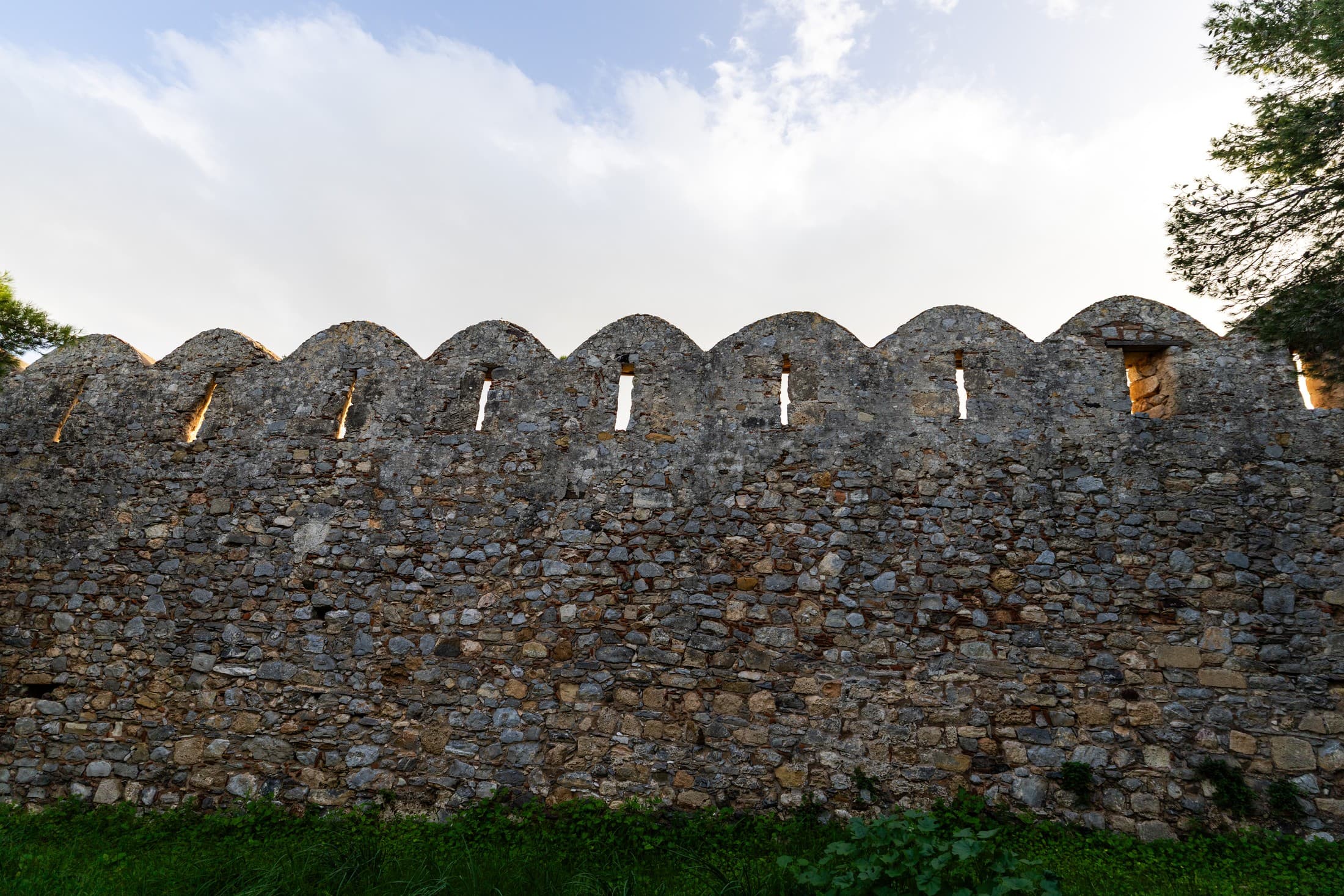
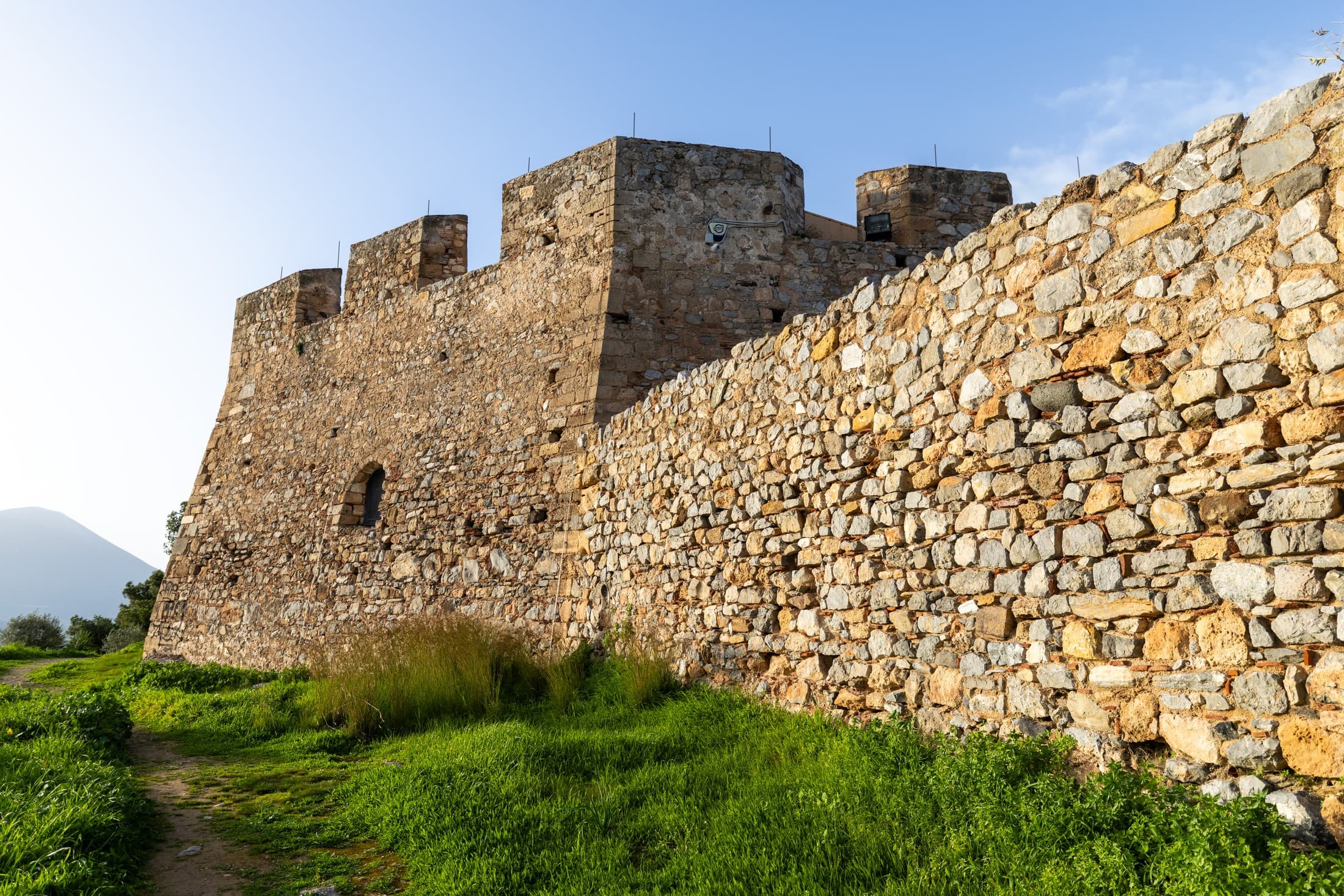
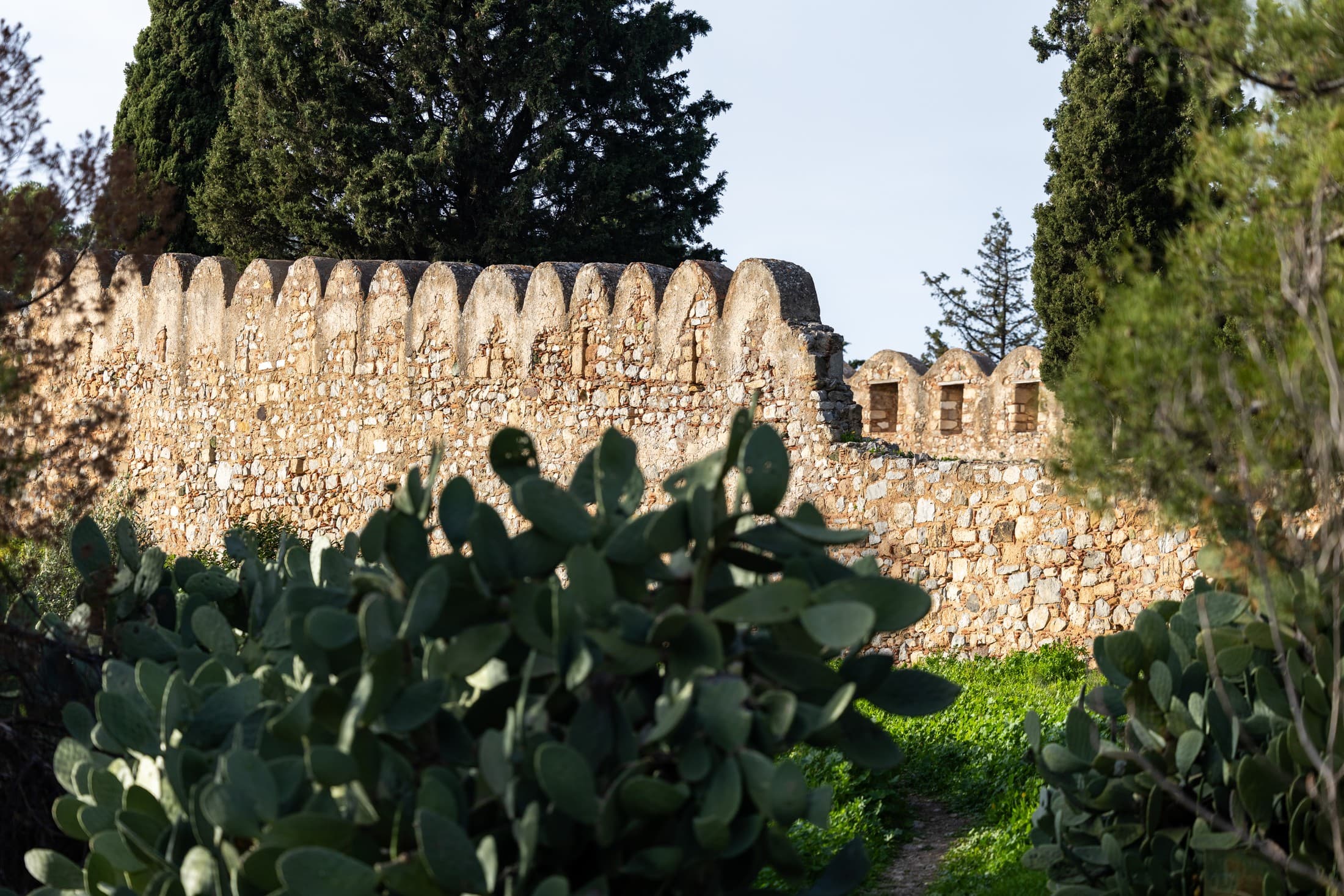
It was designed by the Venetian Girolamo Galoppo in 1685 during the Venetian–Ottoman war. Contrary to what one might expect, he built it for the Turks, who found a secure refuge behind its strong walls, successfully repelling the forces of Francesco Morosini and inflicting heavy damage on his fleet. Today, you can still see the walls in place, along with the three bastions, the impressive tower, and the bell tower, which replaced the castle’s alarm bell and has been depicted in several engravings.
Walk inside and around the fortress, visit the chapel of Prophet Elias, built in 1895, and approach the eastern bastion to see the two 19th-century Russian cannons. At the western bastion, you will find a remarkable exhibition of medieval sculptures discovered in Chalkida, dating from the early Christian era to the 19th century, telling the city’s history in a unique way.
Both are excellent reasons to visit, while the castle itself is equally captivating. Built on a site fortified since antiquity, it has always been a strategic location, controlling the Euripus Strait, part of the Evian Gulf, and the connection between Evia and mainland Greece.
It was designed by the Venetian Girolamo Galoppo in 1685 during the Venetian–Ottoman war. Contrary to what one might expect, he built it for the Turks, who found a secure refuge behind its strong walls, successfully repelling the forces of Francesco Morosini and inflicting heavy damage on his fleet. Today, you can still see the walls in place, along with the three bastions, the impressive tower, and the bell tower, which replaced the castle’s alarm bell and has been depicted in several engravings.
Walk inside and around the fortress, visit the chapel of Prophet Elias, built in 1895, and approach the eastern bastion to see the two 19th-century Russian cannons. At the western bastion, you will find a remarkable exhibition of medieval sculptures discovered in Chalkida, dating from the early Christian era to the 19th century, telling the city’s history in a unique way.