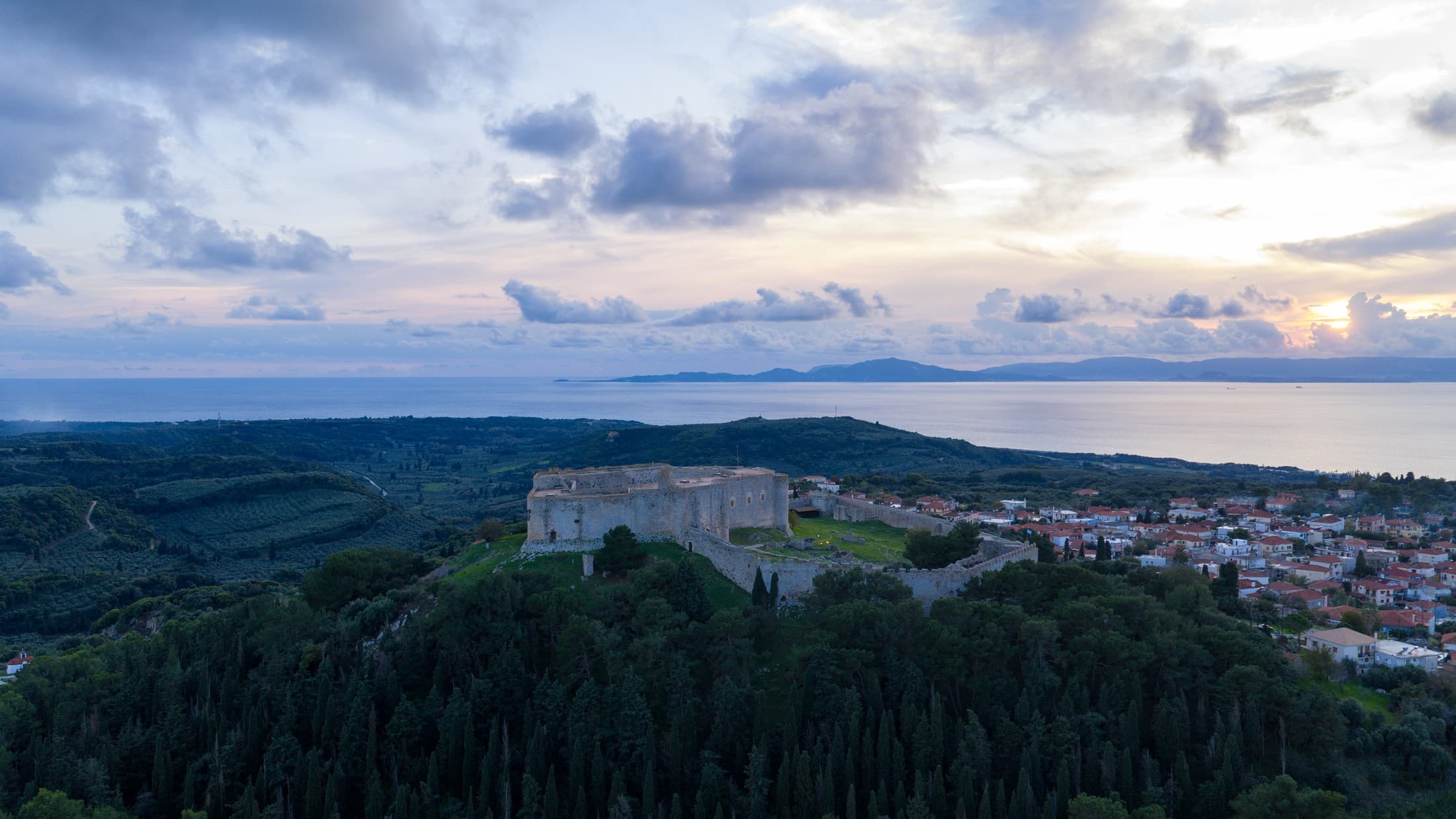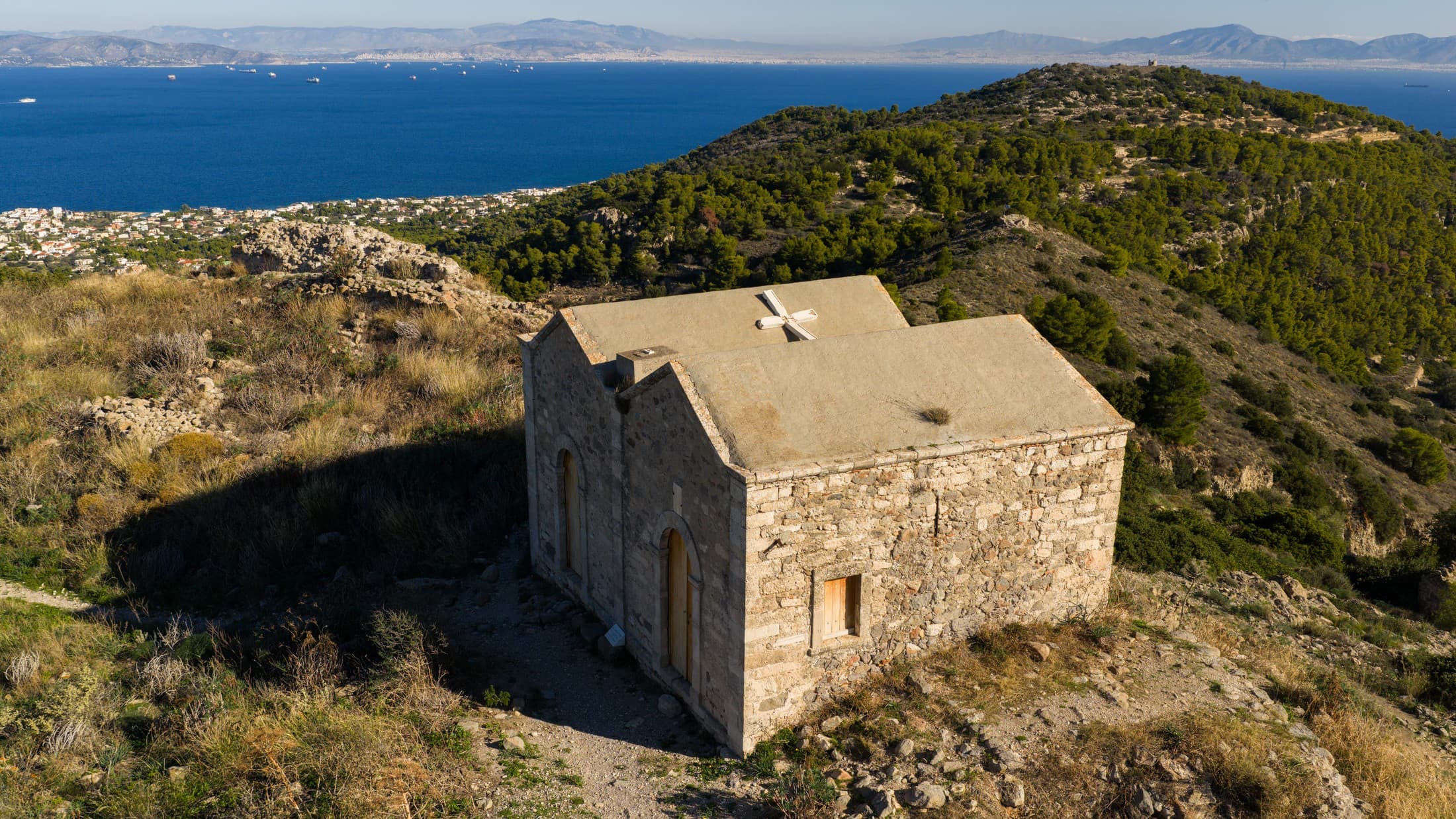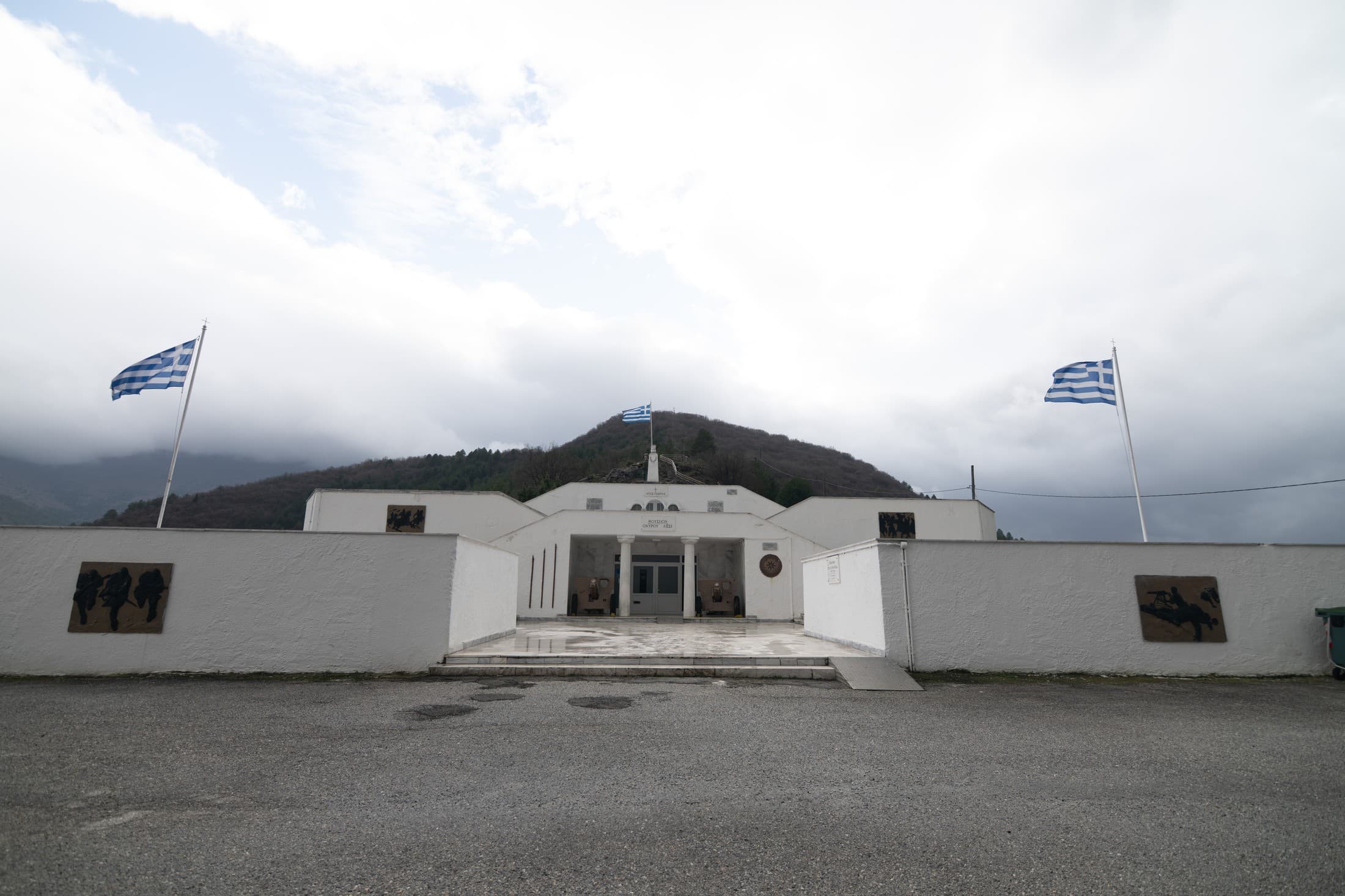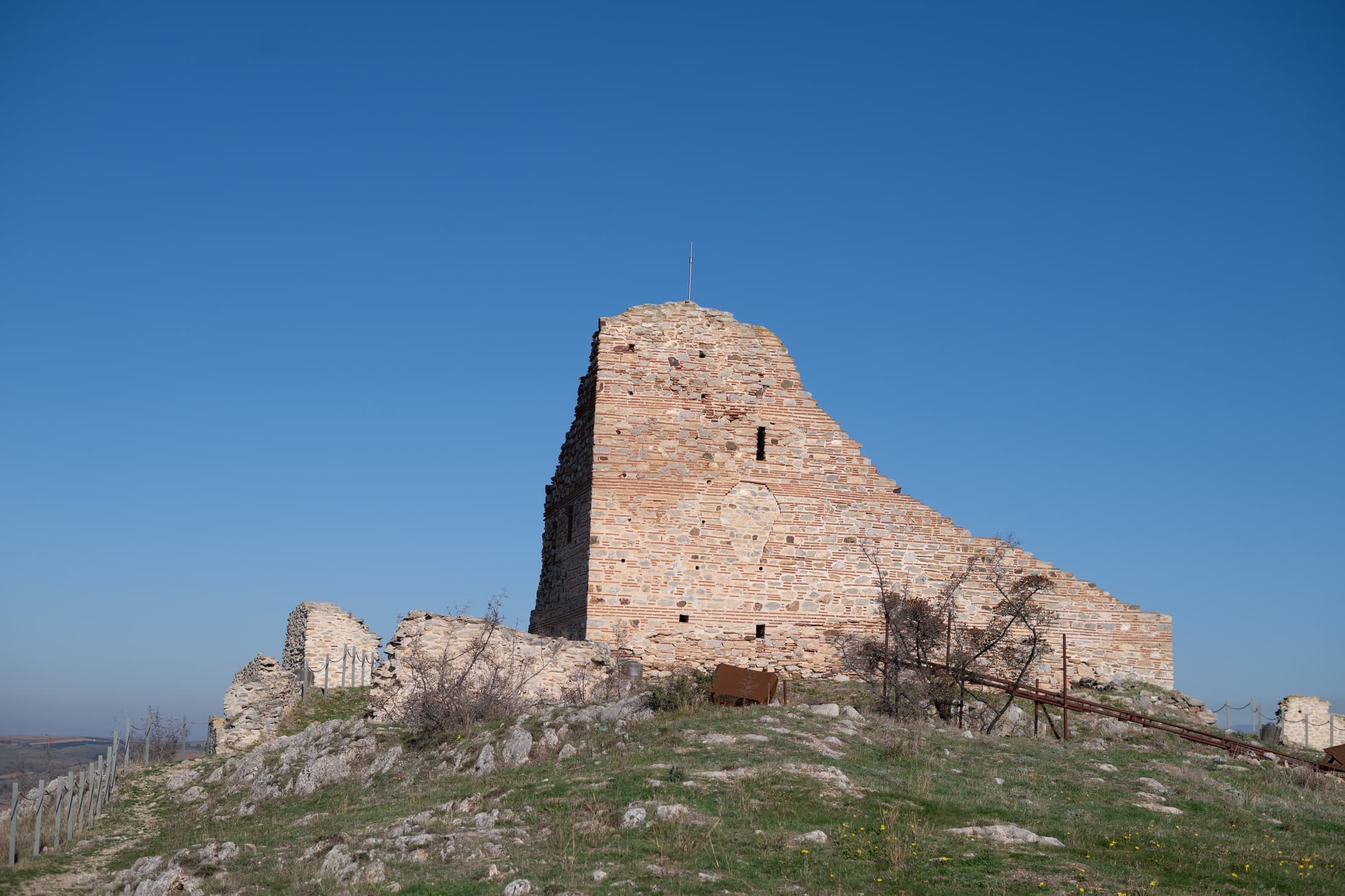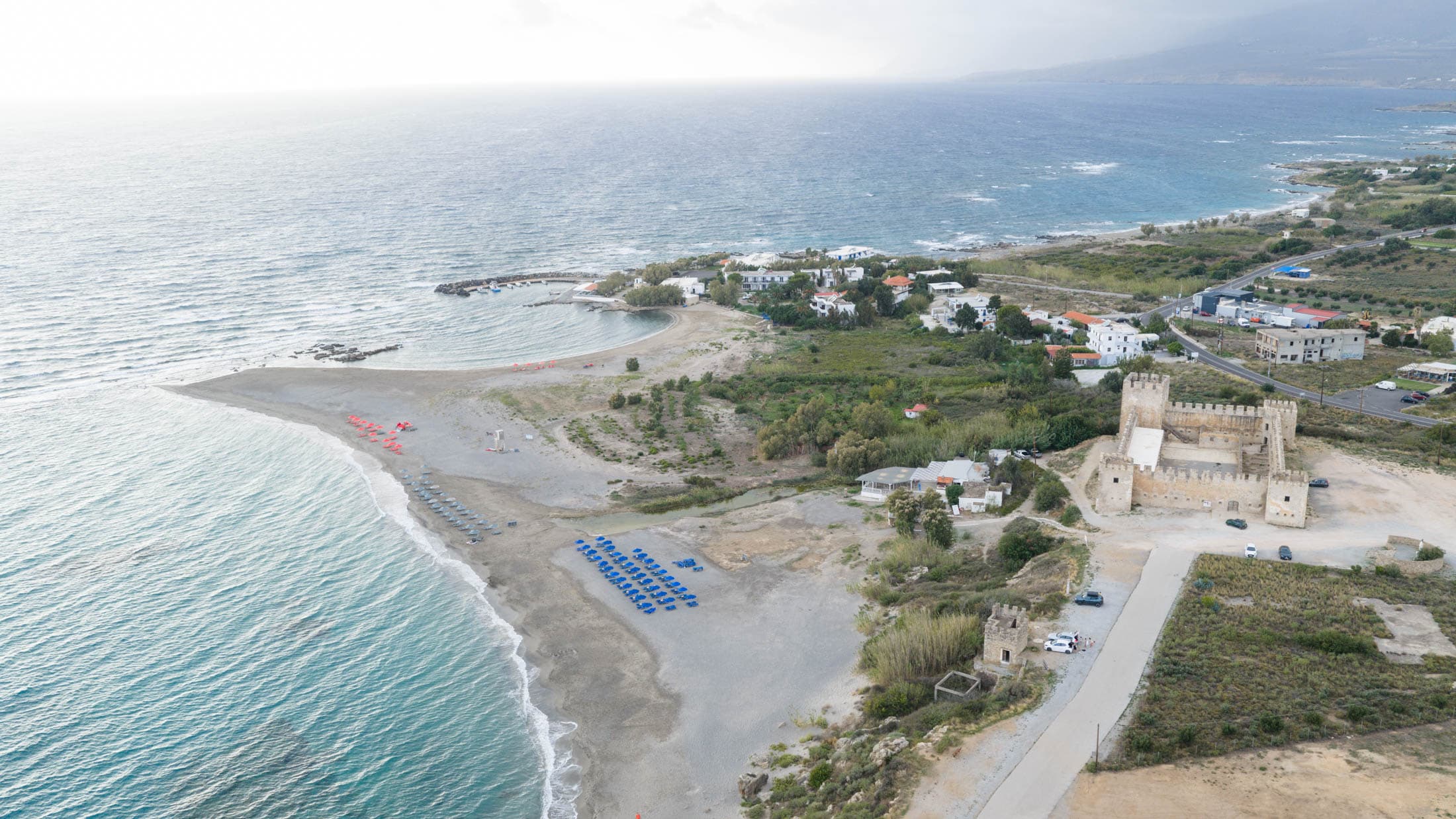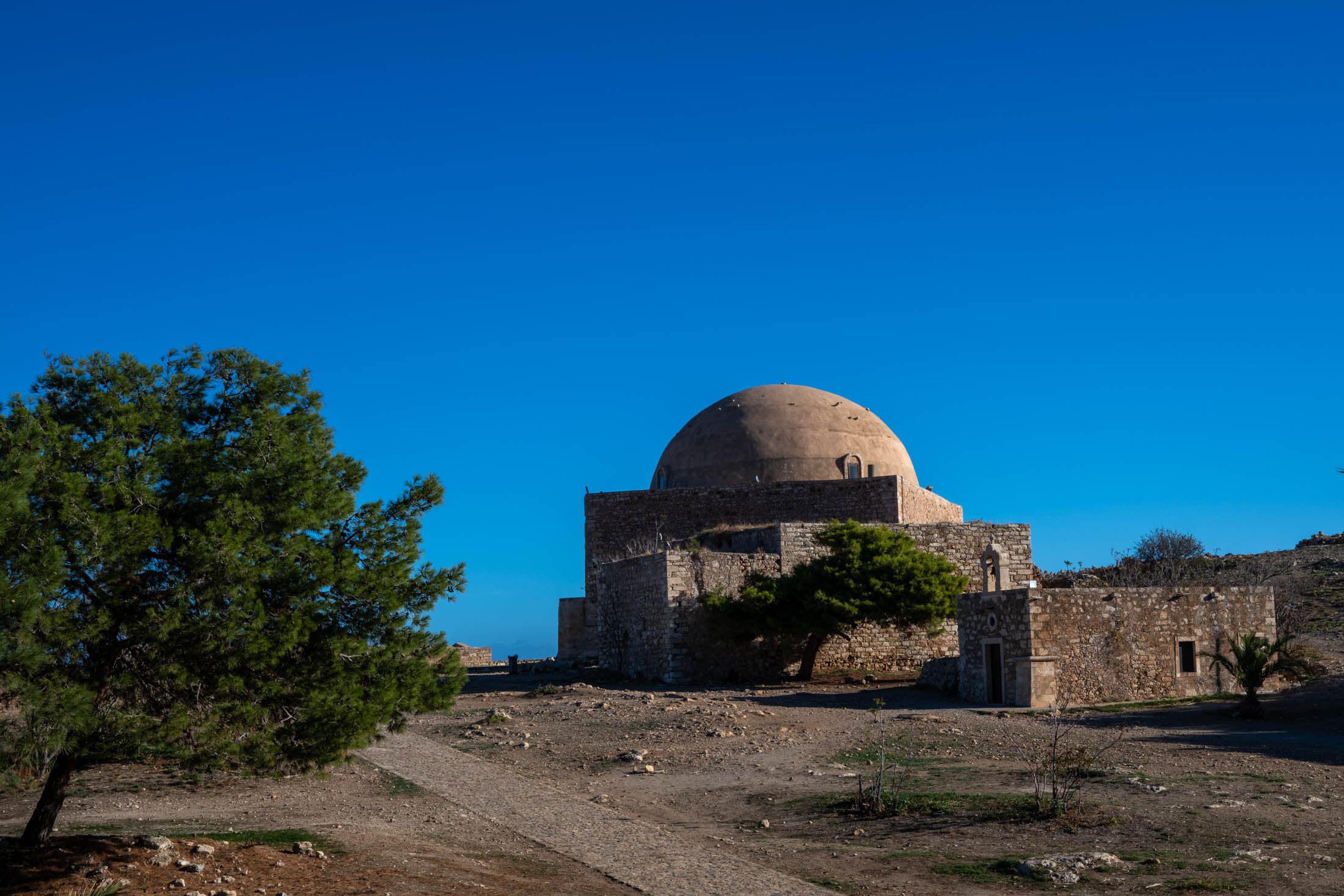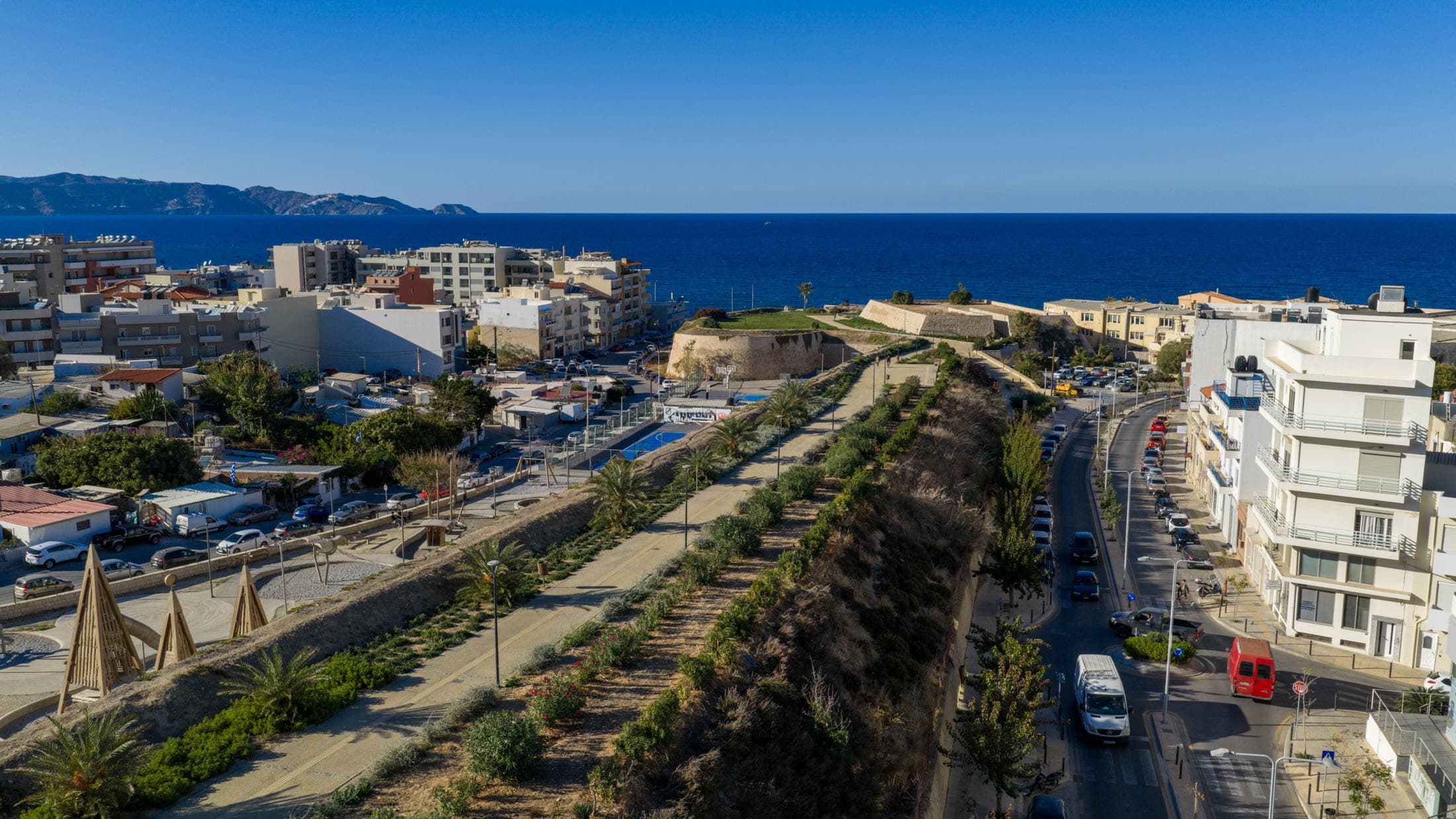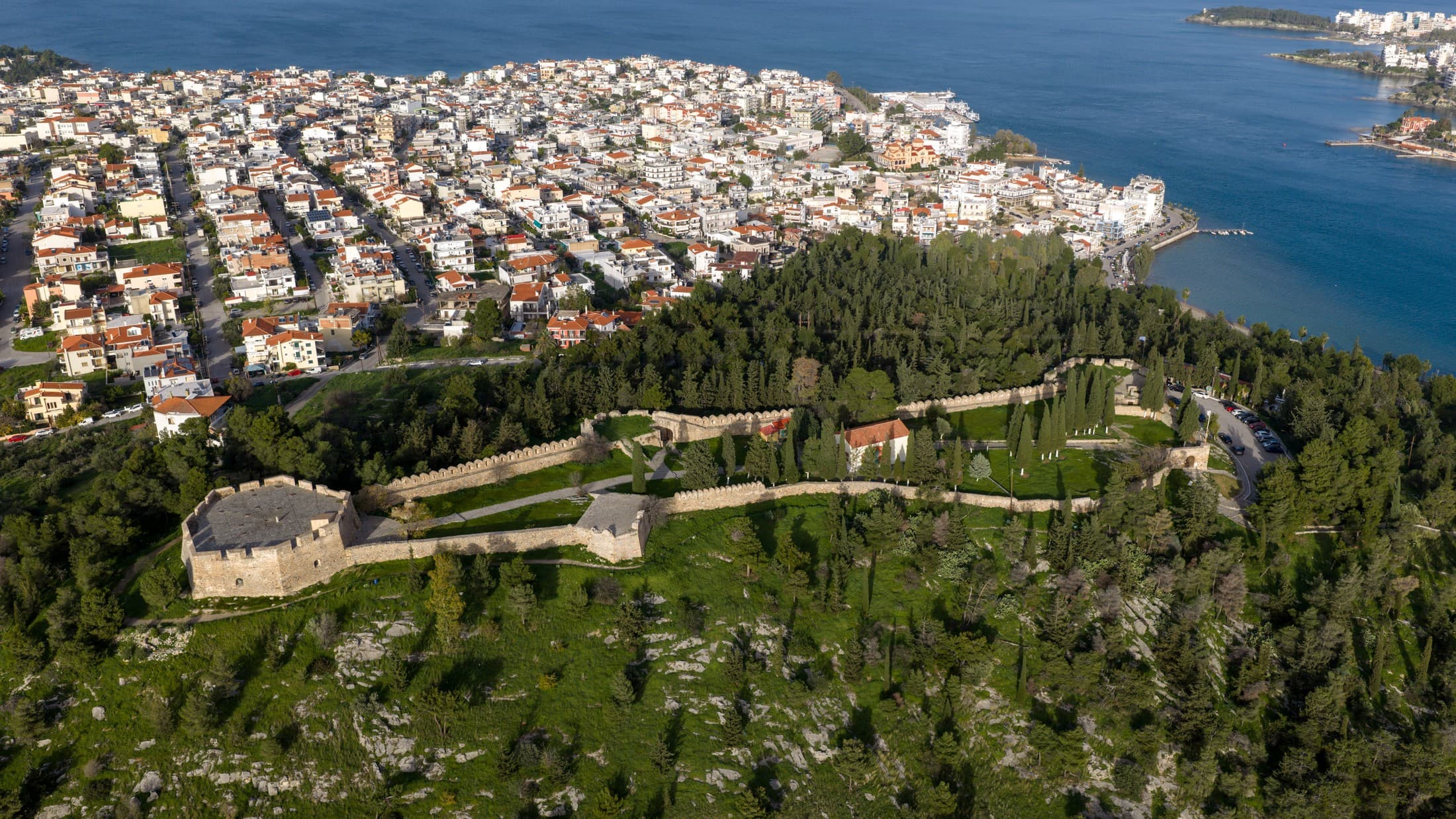
The imposing fortress of Corinthia
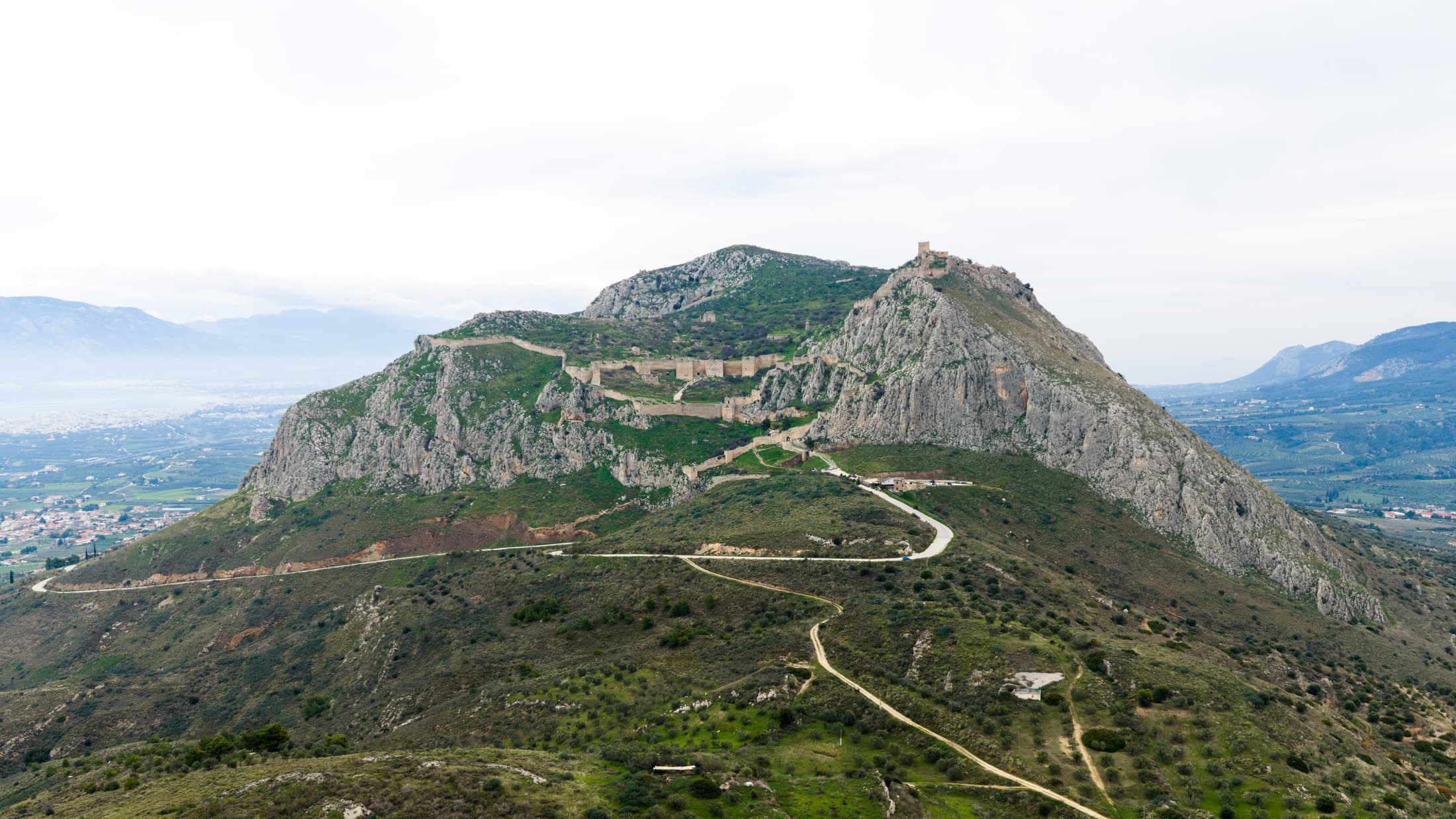
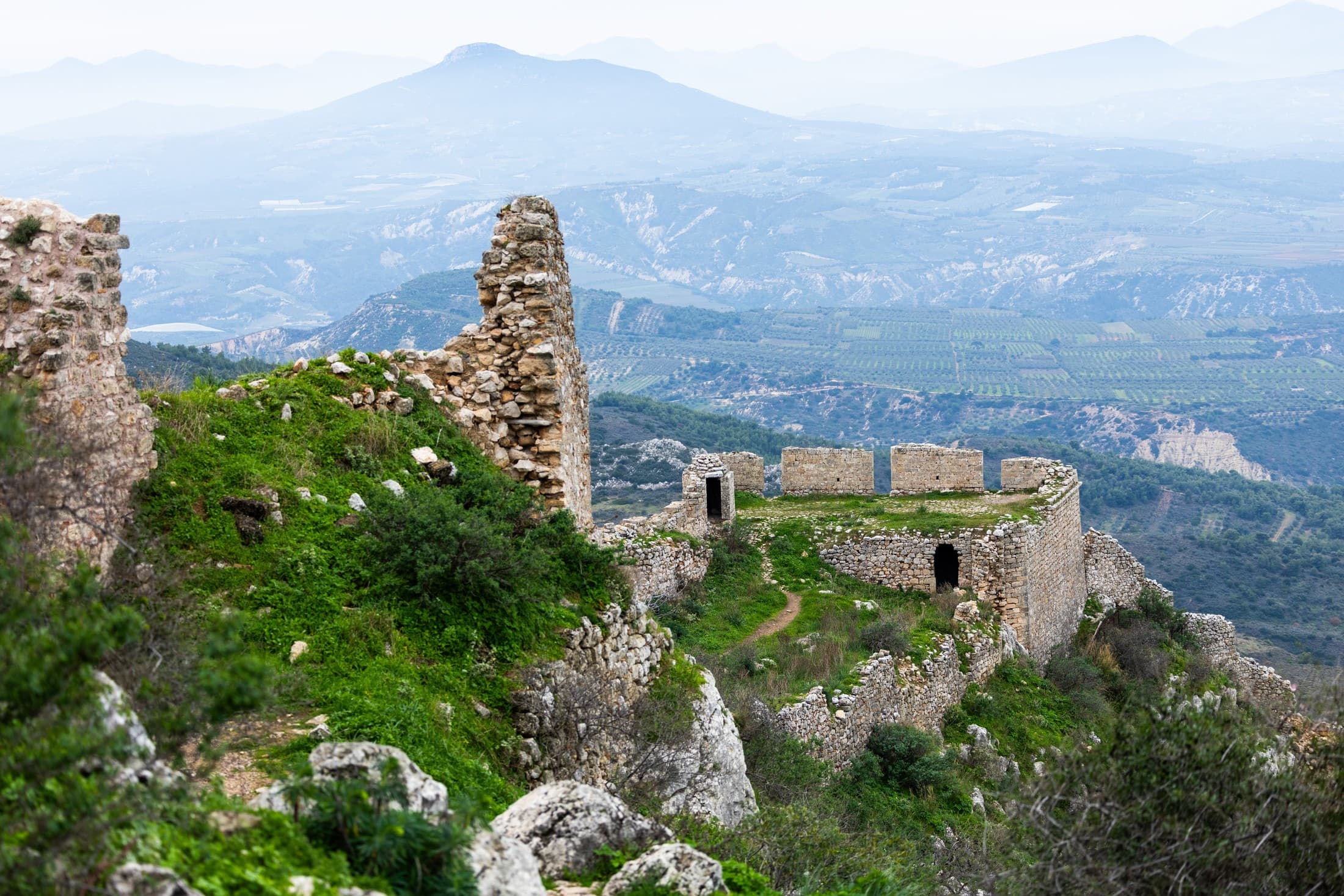
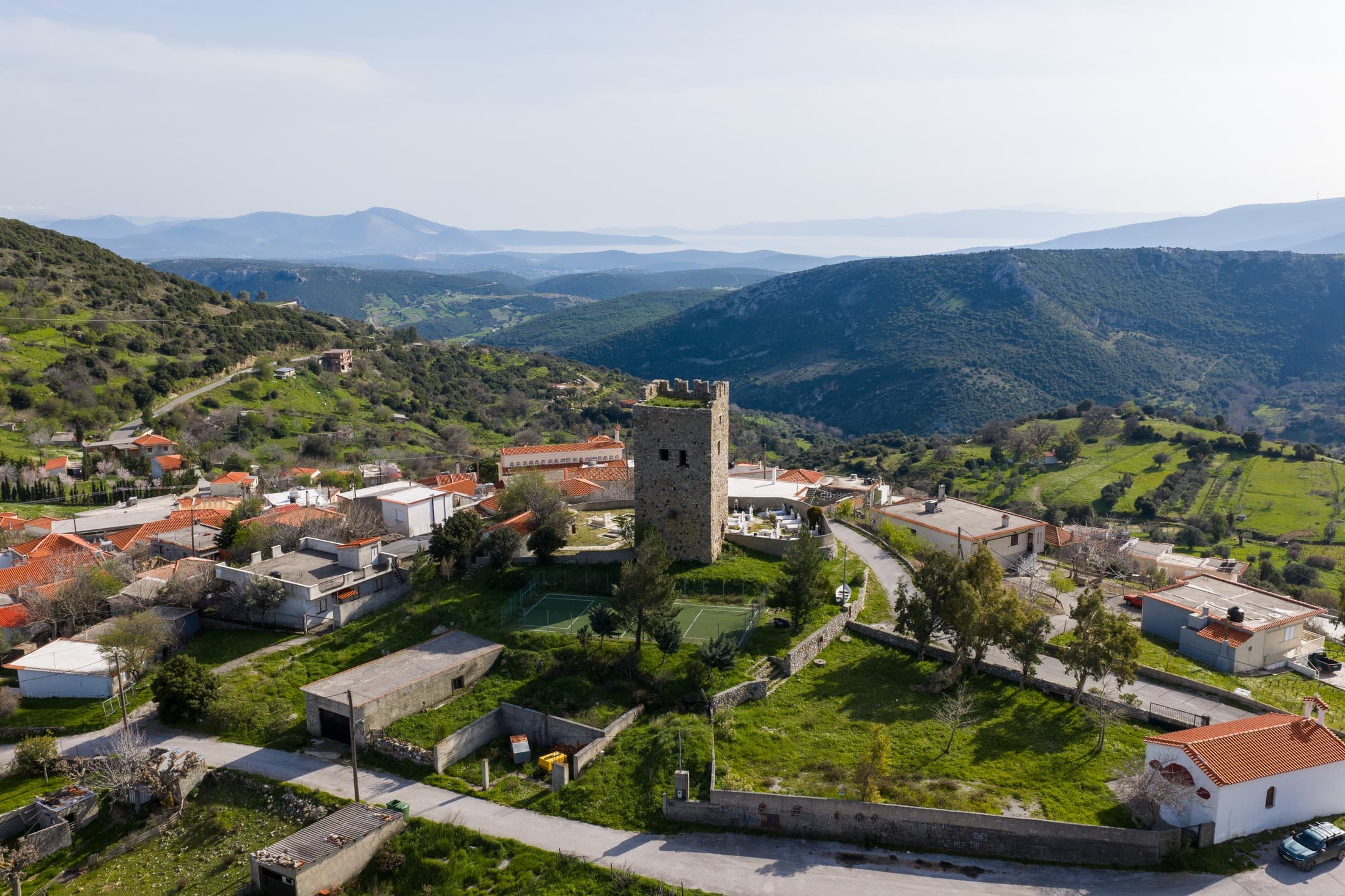
Acrocorinth Castle towers above Corinth with the steadfast confidence of a fortress that has defied time. It is a quintessential example of defensive architecture, where every construction detail and decorative element bears witness to the various phases of its long history. From antiquity to modern times, it experienced successive conquests and fortifications by Macedonians, Romans, Byzantines, Franks, Venetians, and Ottomans, until 1823, when it finally passed into Greek hands following the surrender of the Turkish garrison.
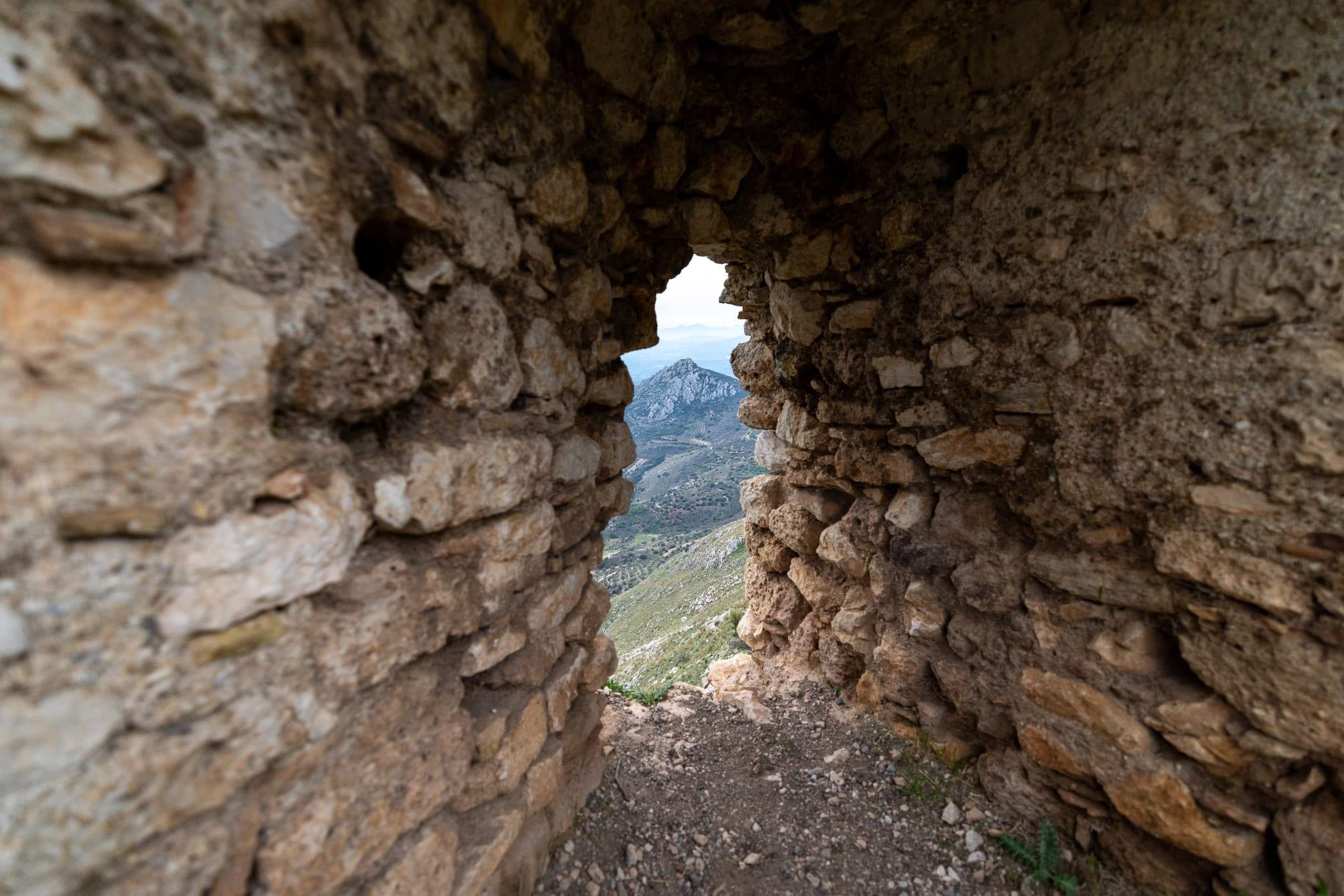
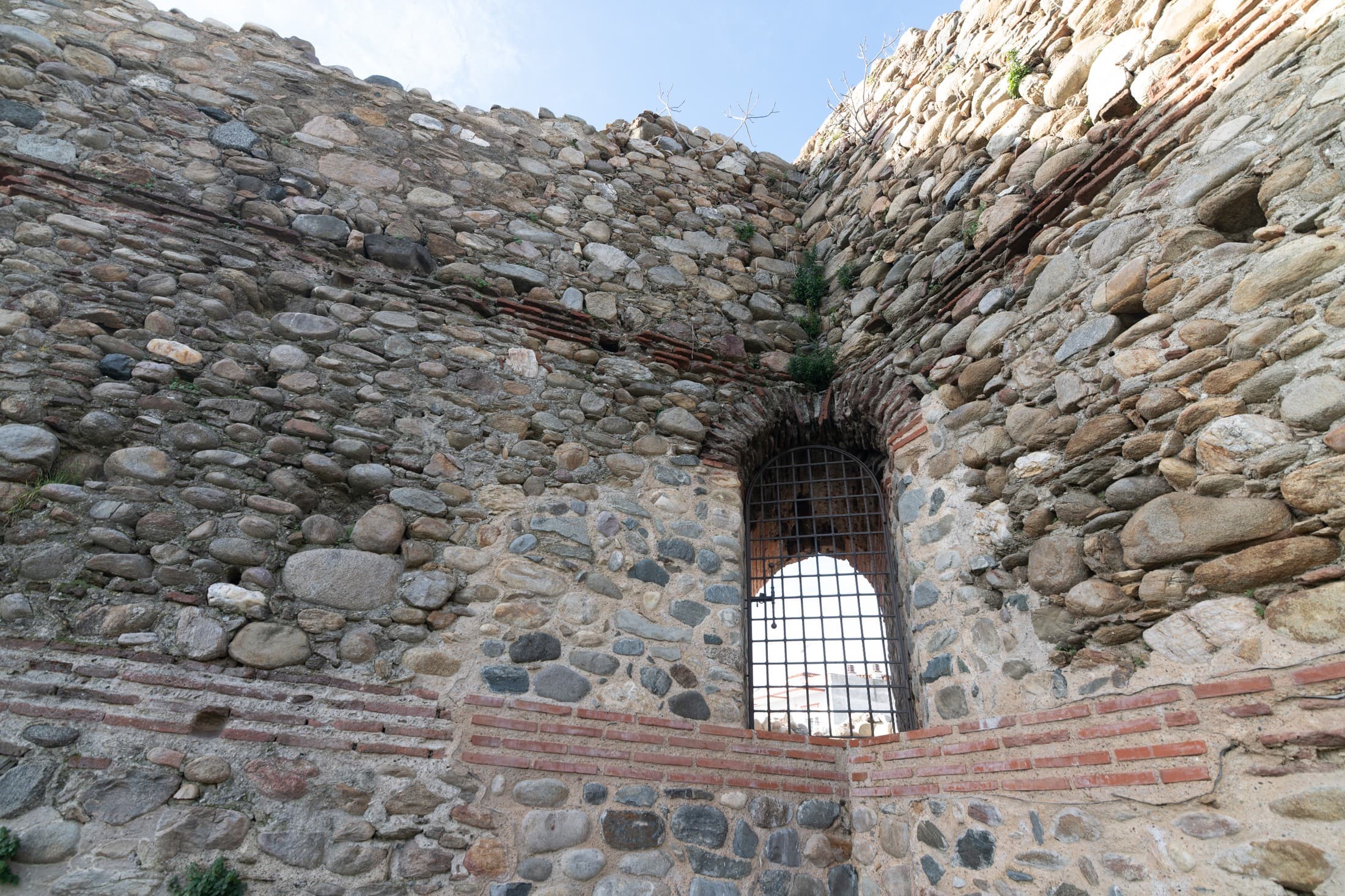
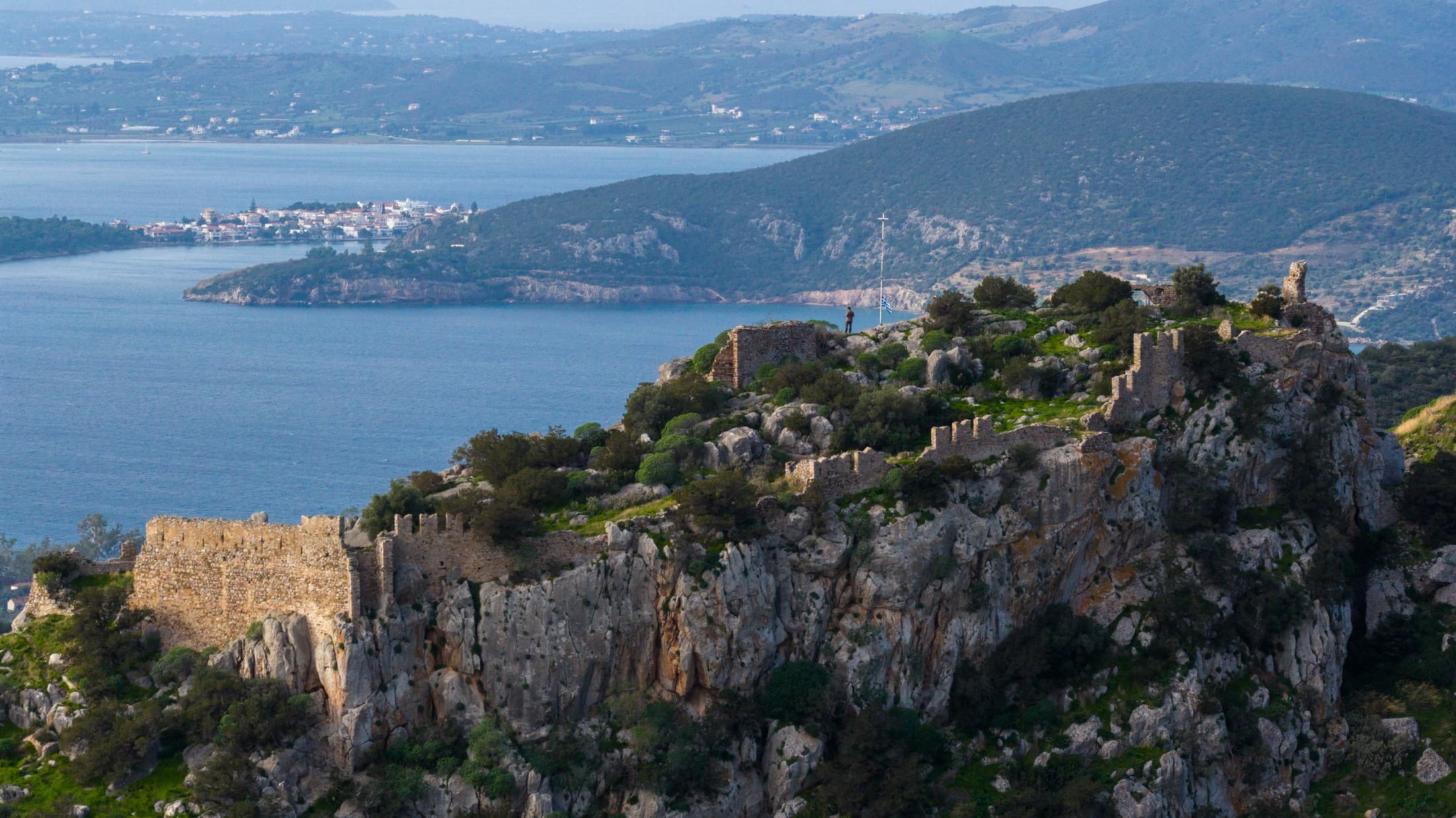
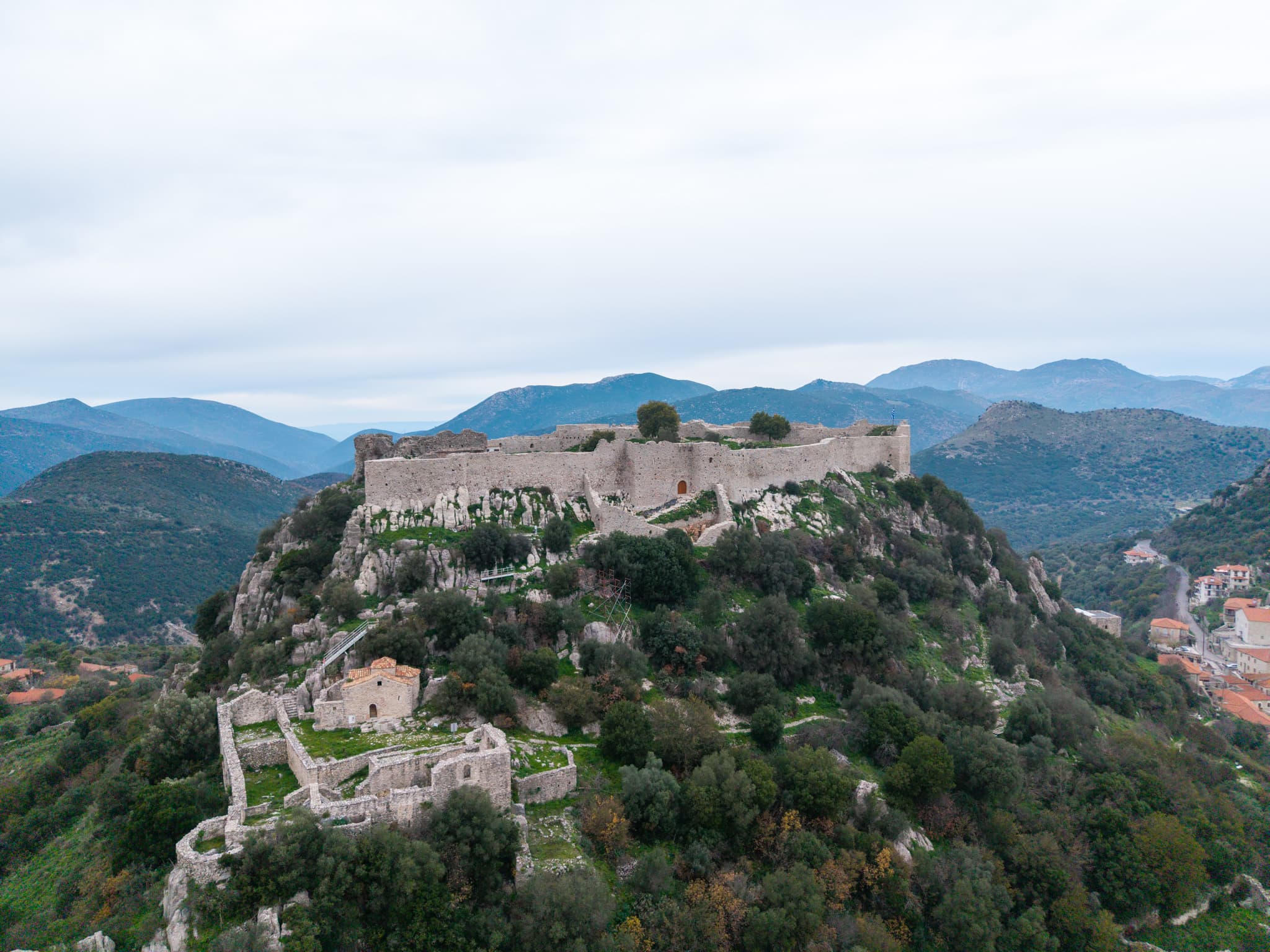
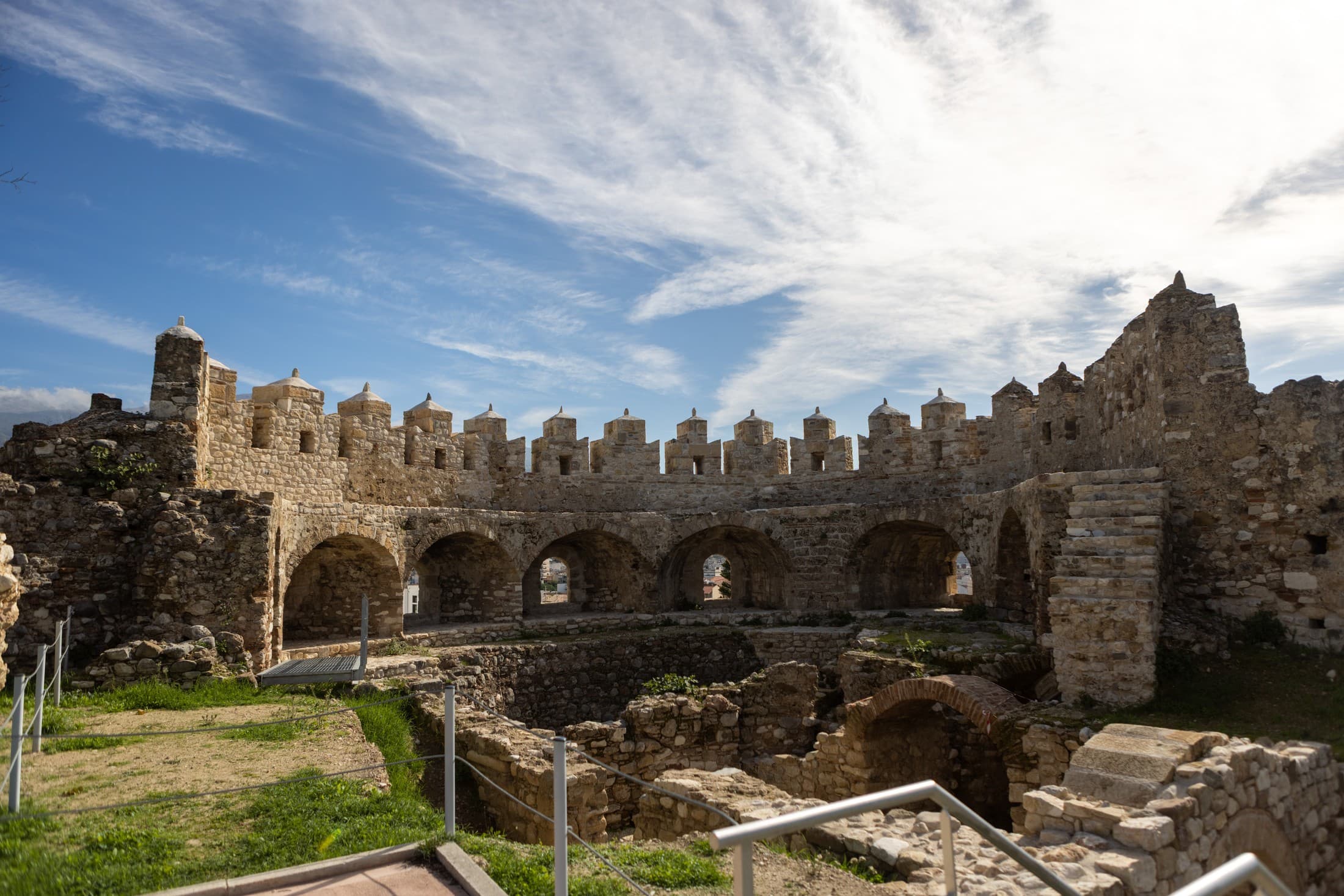
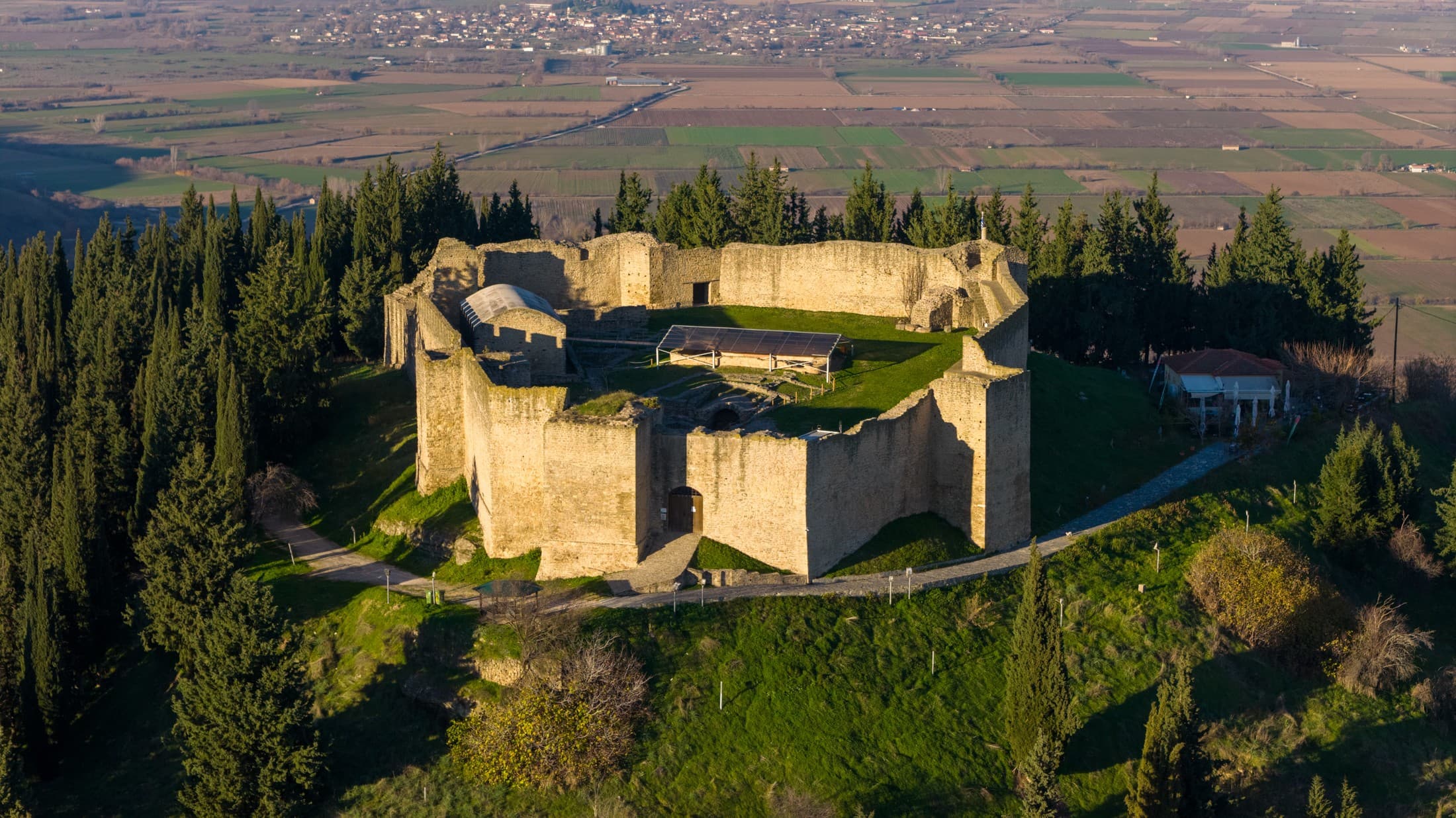
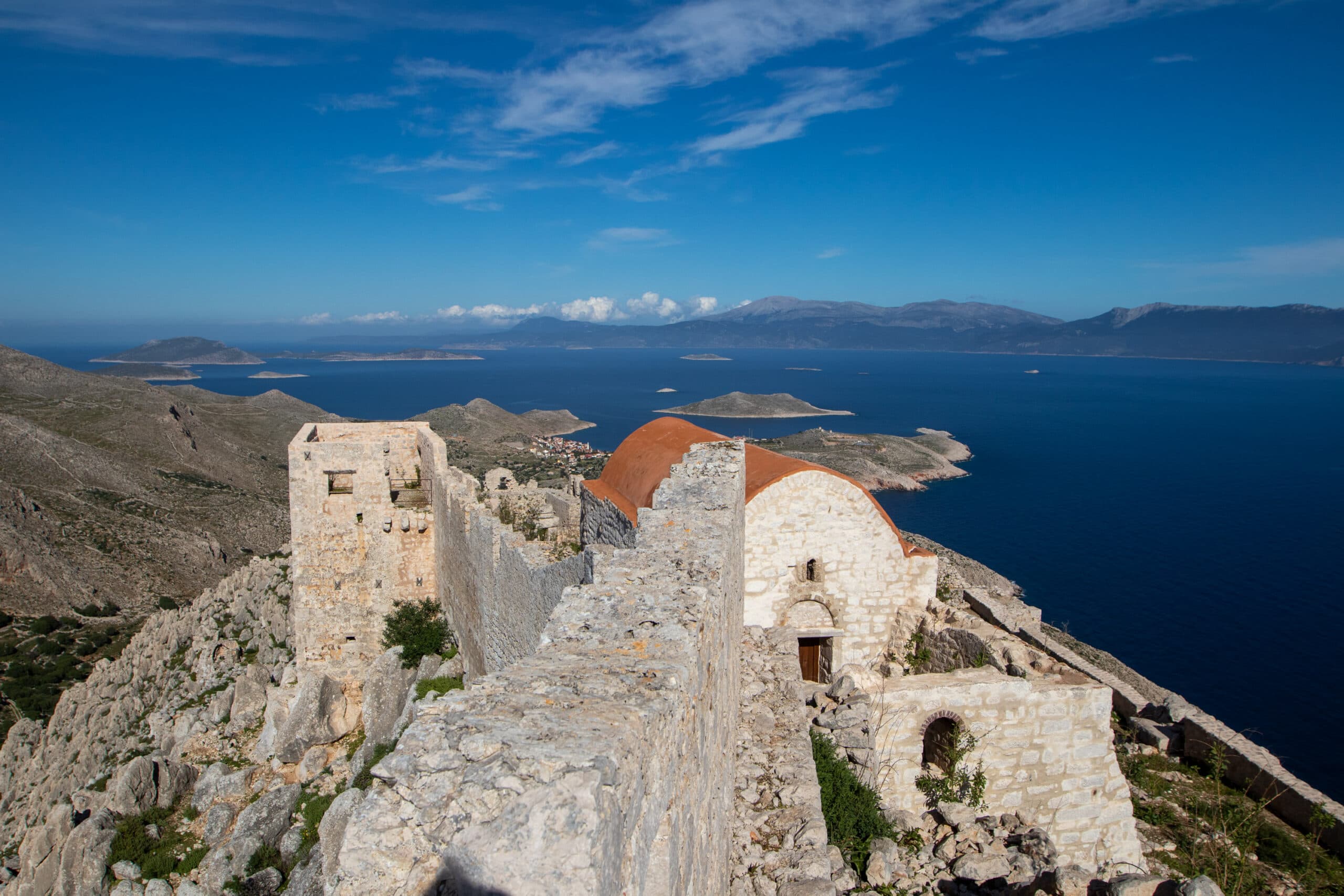
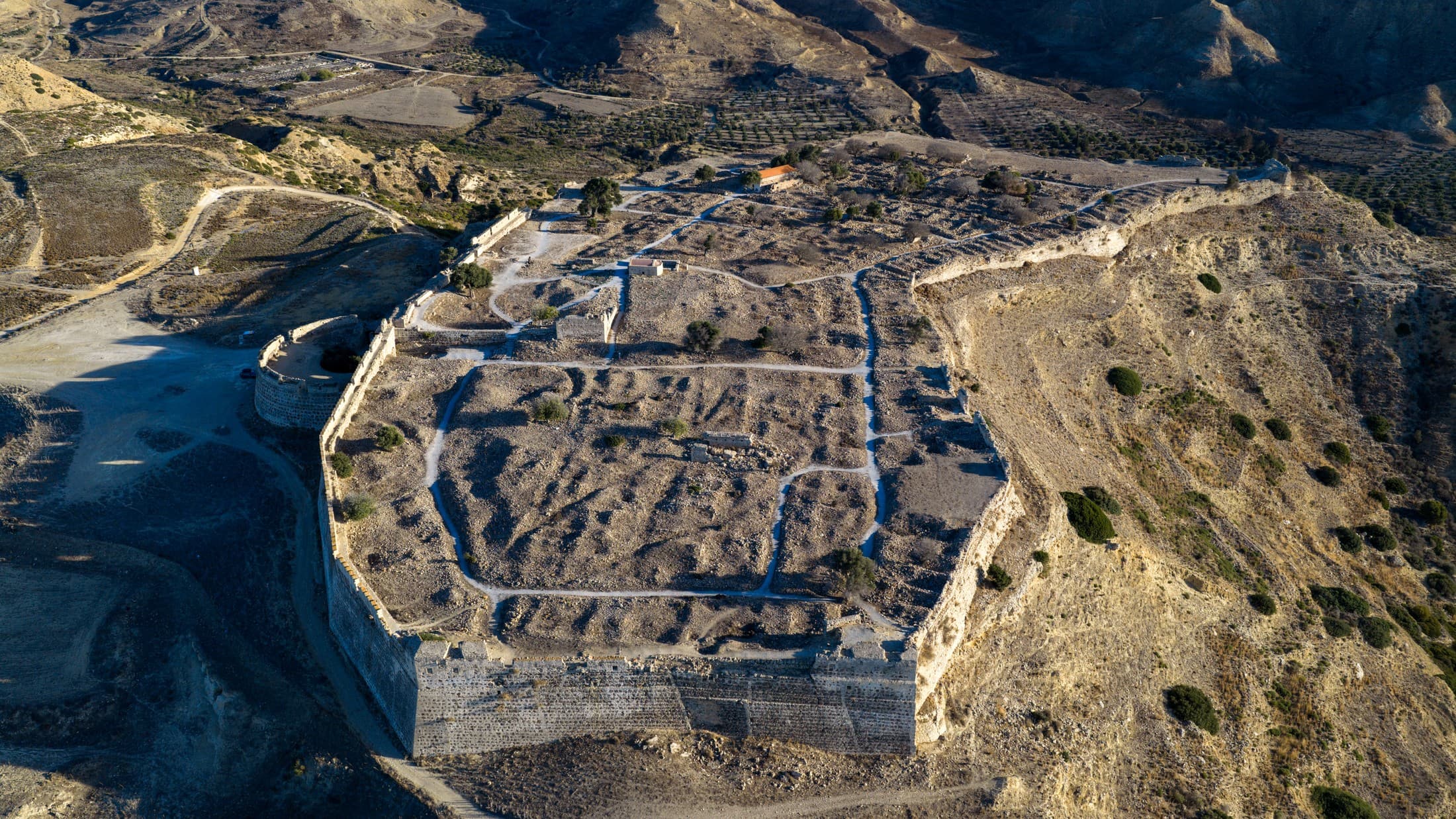
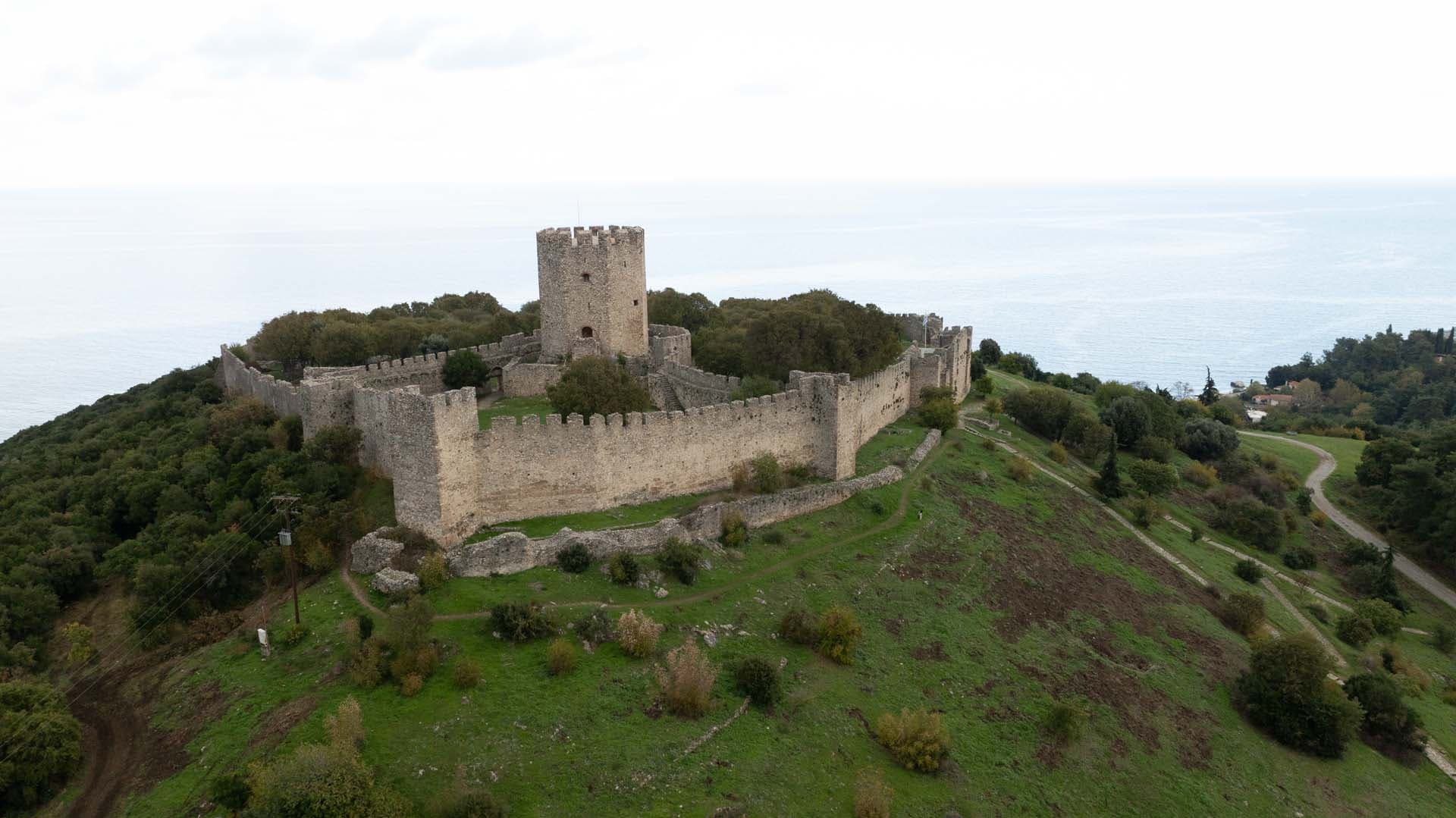
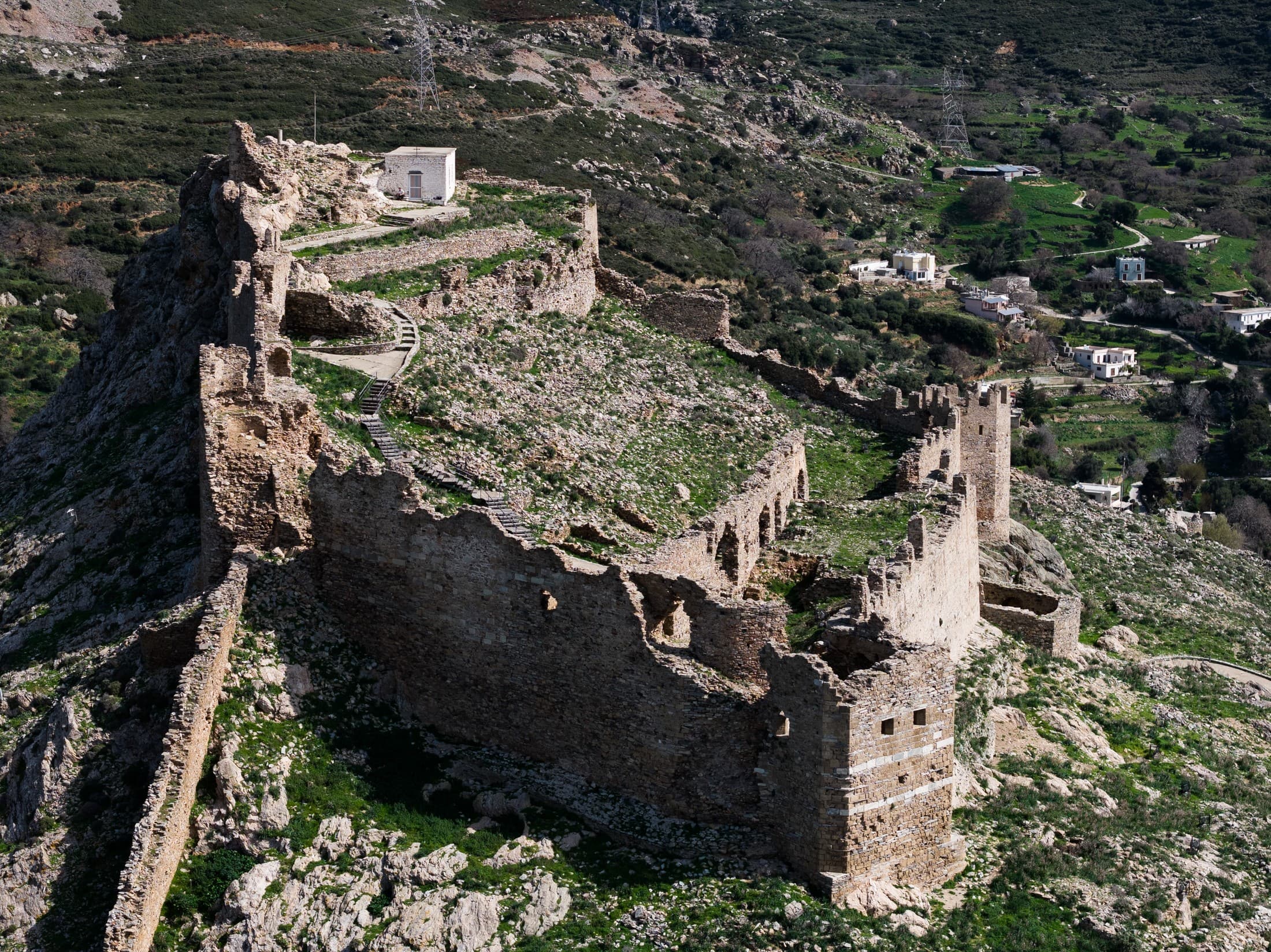
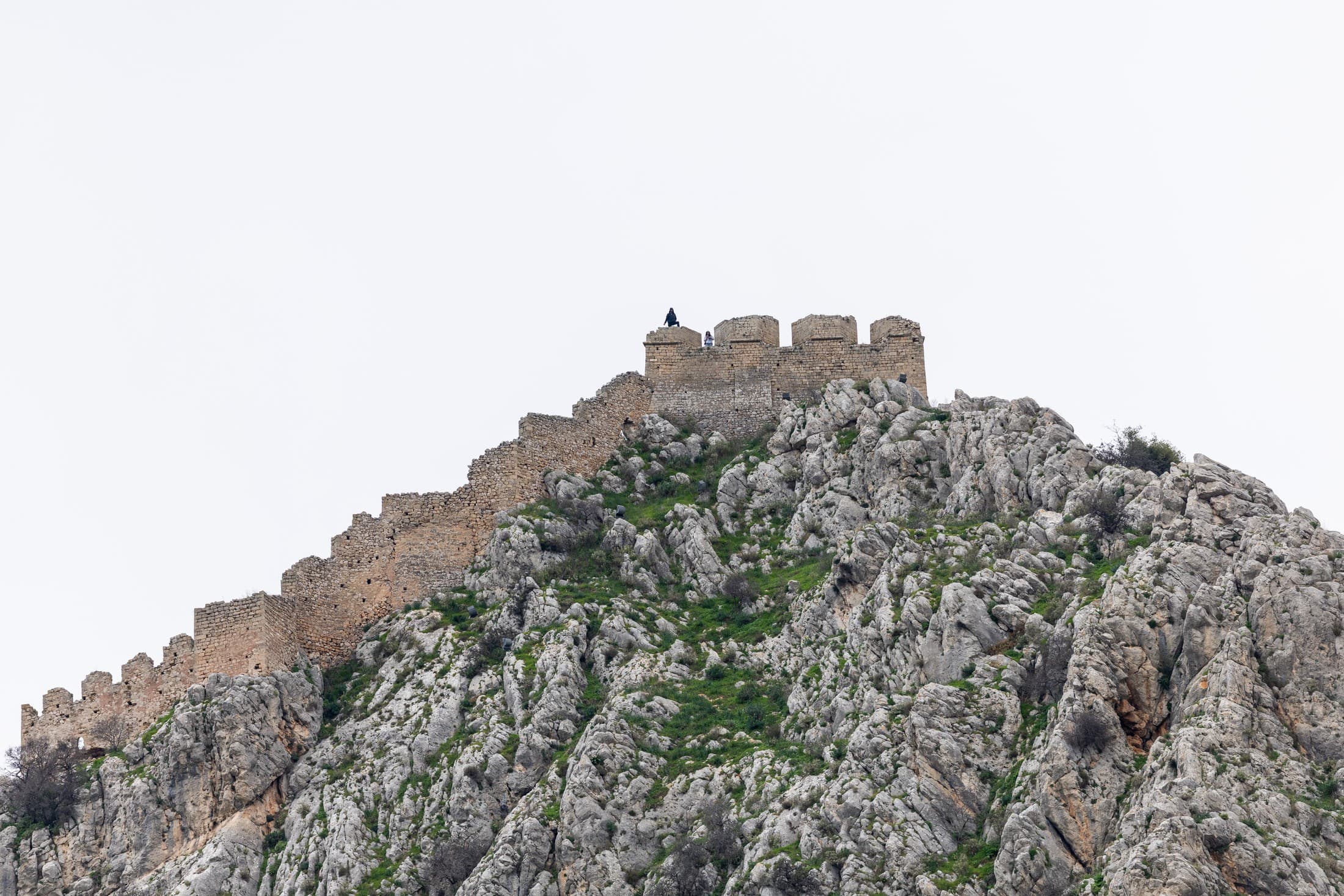
Its walls follow the natural contour of the rock and are arranged in three defensive zones, reinforced with towers, bastions, ramparts with battlements, and embrasures for cannons.
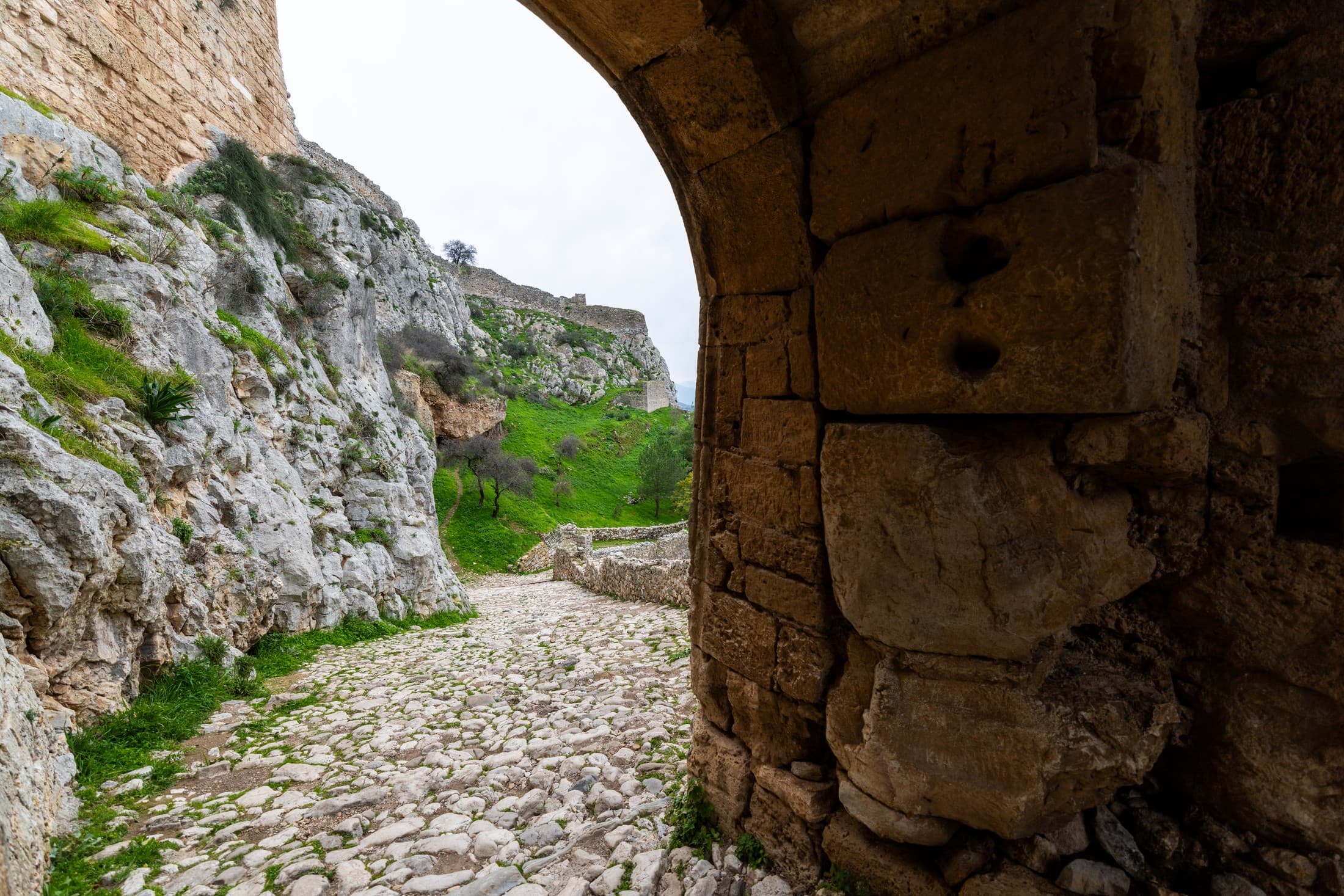
You will ascend via a cobbled path that leads through three consecutive gates: the first is arched with a "blind" arch featuring an embedded Byzantine marble slab. The second is an impressive two-storey tower-like structure with underground vaulted rooms. The third, featuring a horseshoe-shaped blind arch, is flanked by two powerful towers. In front of the first gate once stood a moat with a wooden drawbridge, a stark reminder of the site's purely defensive nature.
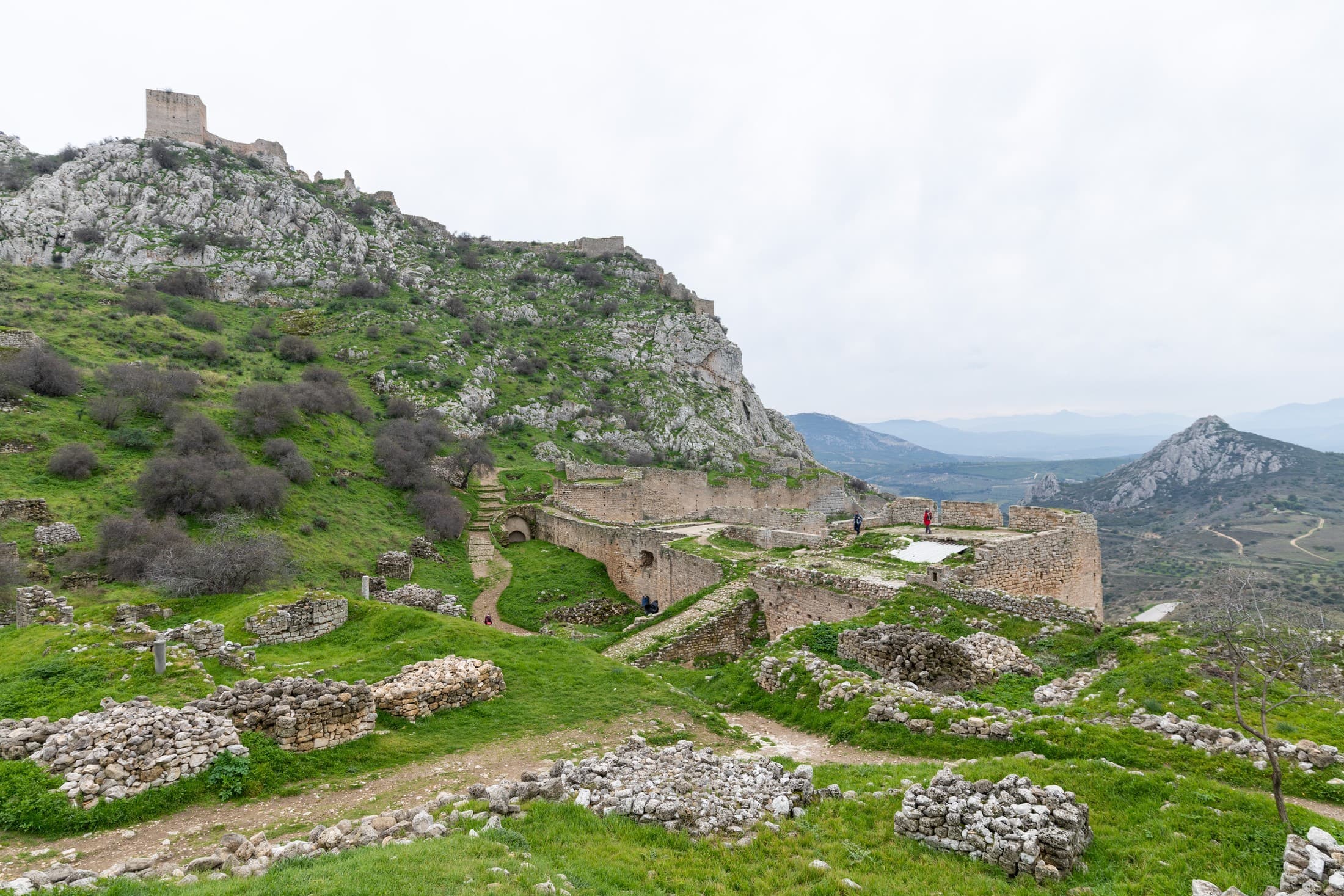
Inside the castle, ruins of temples and cult sites from different eras are preserved, ranging from the Temple of Aphrodite (5th–4th century BC) to Christian churches, a Venetian Basilica, and mosques with minarets. You will also find fountains, an underground Byzantine cistern, and the famous Upper Peirene Spring with its vaulted chambers. On the southwest side, the two-storey Frankish watchtower stands out, with its lower floor designed to function as a water cistern.
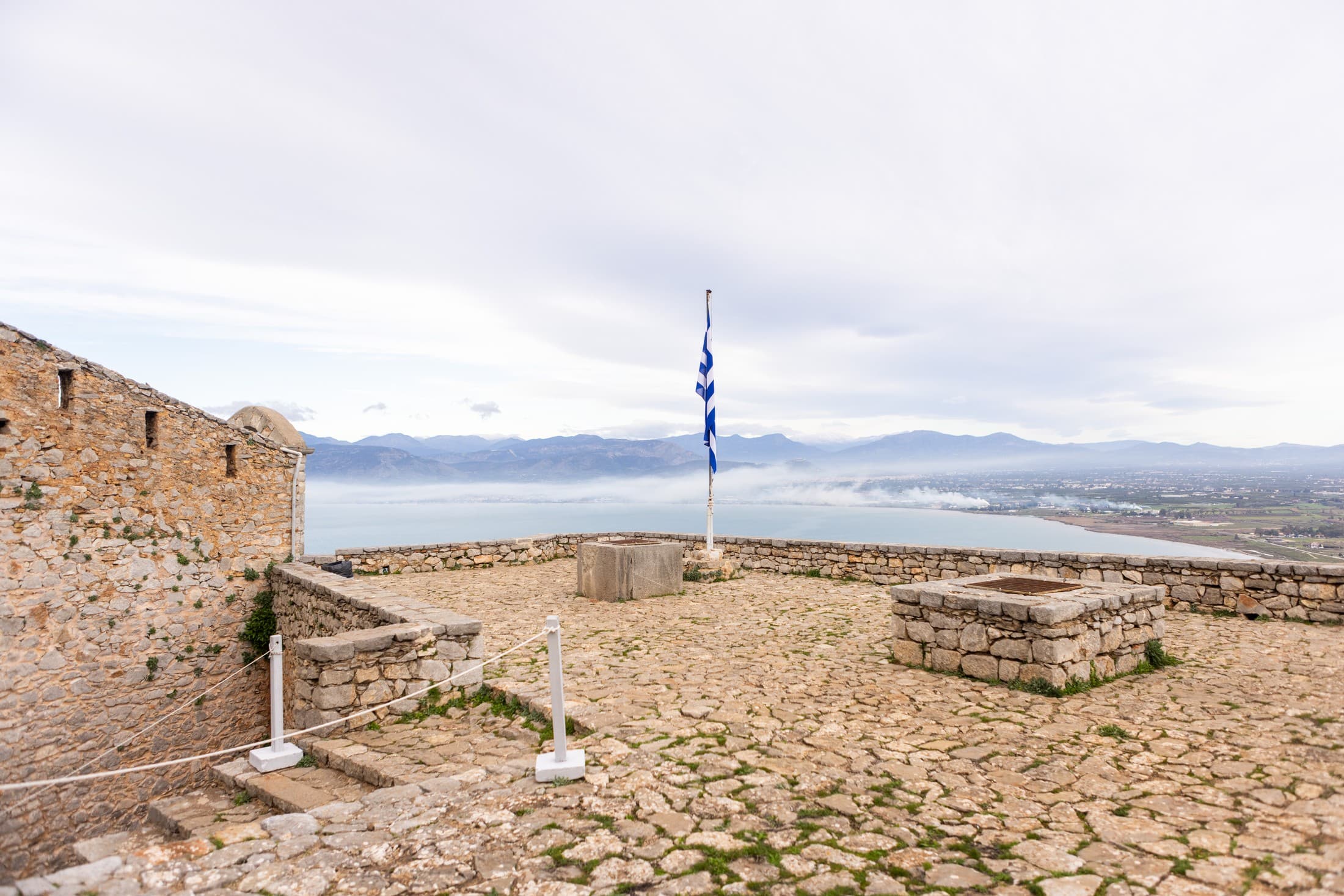
We recommend ascending early in the morning or late in the afternoon, when the light opens up the panoramic view towards the Isthmus and the two gulfs. Combine your visit with a walk-through Ancient Corinth to "read" the landscape from the heights down to the plains.
Its walls follow the natural contour of the rock and are arranged in three defensive zones, reinforced with towers, bastions, ramparts with battlements, and embrasures for cannons.
You will ascend via a cobbled path that leads through three consecutive gates: the first is arched with a "blind" arch featuring an embedded Byzantine marble slab. The second is an impressive two-storey tower-like structure with underground vaulted rooms. The third, featuring a horseshoe-shaped blind arch, is flanked by two powerful towers. In front of the first gate once stood a moat with a wooden drawbridge, a stark reminder of the site's purely defensive nature.
Inside the castle, ruins of temples and cult sites from different eras are preserved, ranging from the Temple of Aphrodite (5th–4th century BC) to Christian churches, a Venetian Basilica, and mosques with minarets. You will also find fountains, an underground Byzantine cistern, and the famous Upper Peirene Spring with its vaulted chambers. On the southwest side, the two-storey Frankish watchtower stands out, with its lower floor designed to function as a water cistern.
We recommend ascending early in the morning or late in the afternoon, when the light opens up the panoramic view towards the Isthmus and the two gulfs. Combine your visit with a walk-through Ancient Corinth to "read" the landscape from the heights down to the plains.