A medieval fortified settlement
Also known as the “Mystras of Aegina”, Paliachora was the island’s medieval capital. It was founded around the 9th century on a hill near Aegina’s northern coast, where the locals had taken refuge in order to protect themselves from pirates. The settlement was built and maintained for a millennium in such a way that it would not be visible from the sea. Once the danger had passed, its inhabitants abandoned it and moved back down to the coastal areas. In time it became deserted and gradually fell into ruin.
Today, on the hill you will see the remains of Paliachora, marked by strong Byzantine references. Feel as though you are travelling through time as you walk beside stone-paved paths, old wells, cisterns and souvales (depressions along stream beds that retained water and were reinforced with traditional stone structures). A visit there is especially beautiful in spring, when the lush landscape is filled with wildflowers and the lemon trees blossom, filling the air with their fragrance. Bitter orange trees and olive trees complete the image of the traditional Greek countryside.
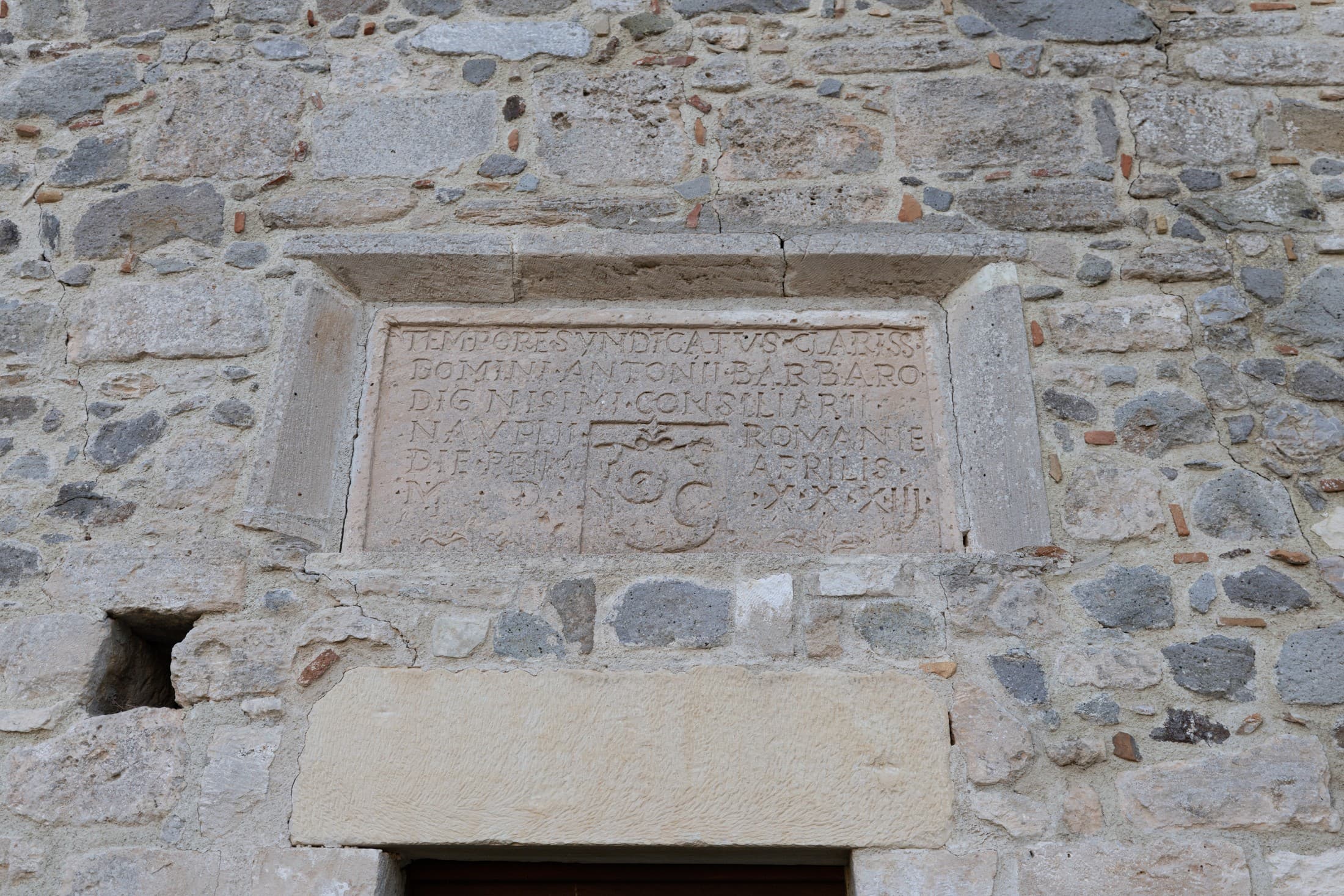
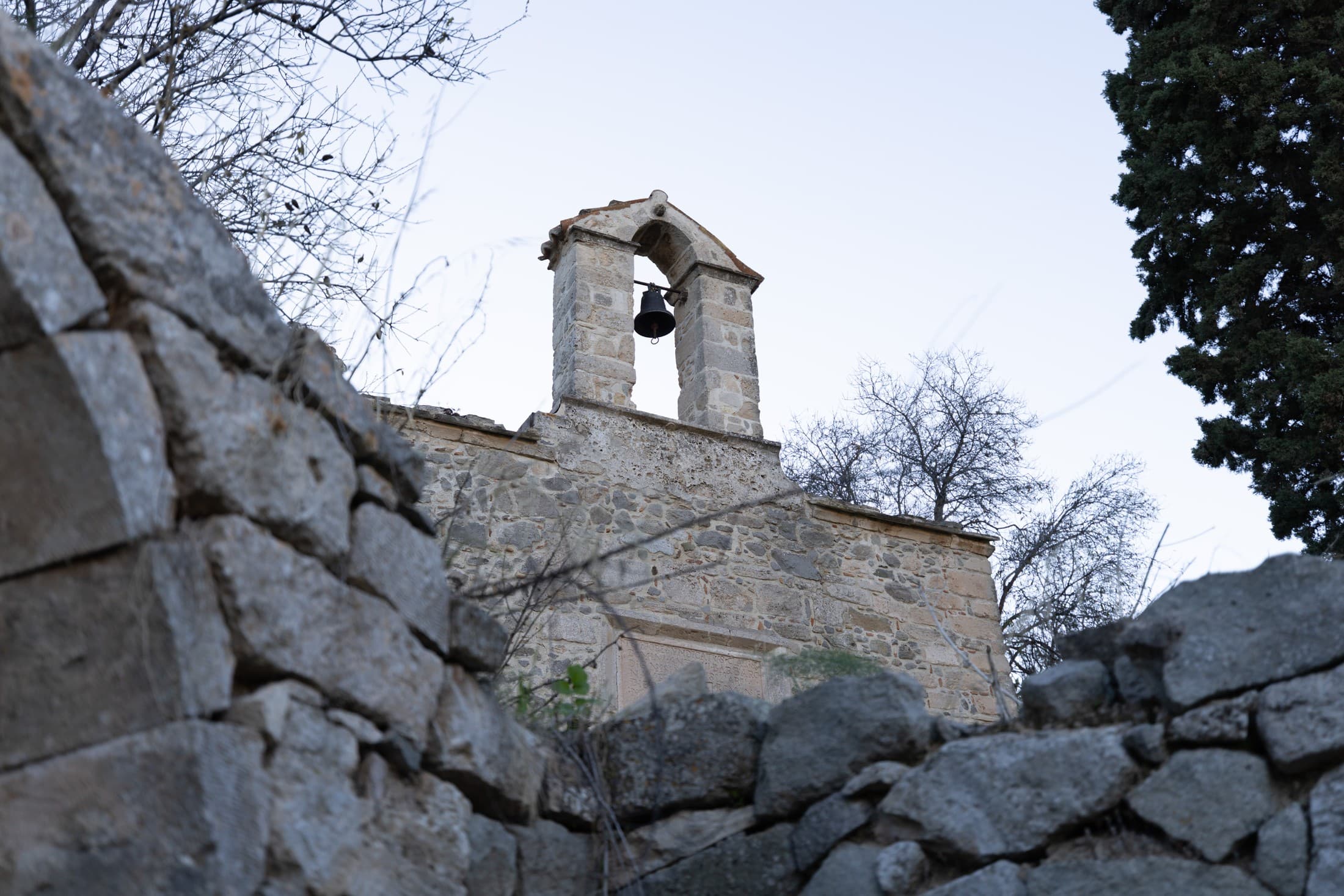
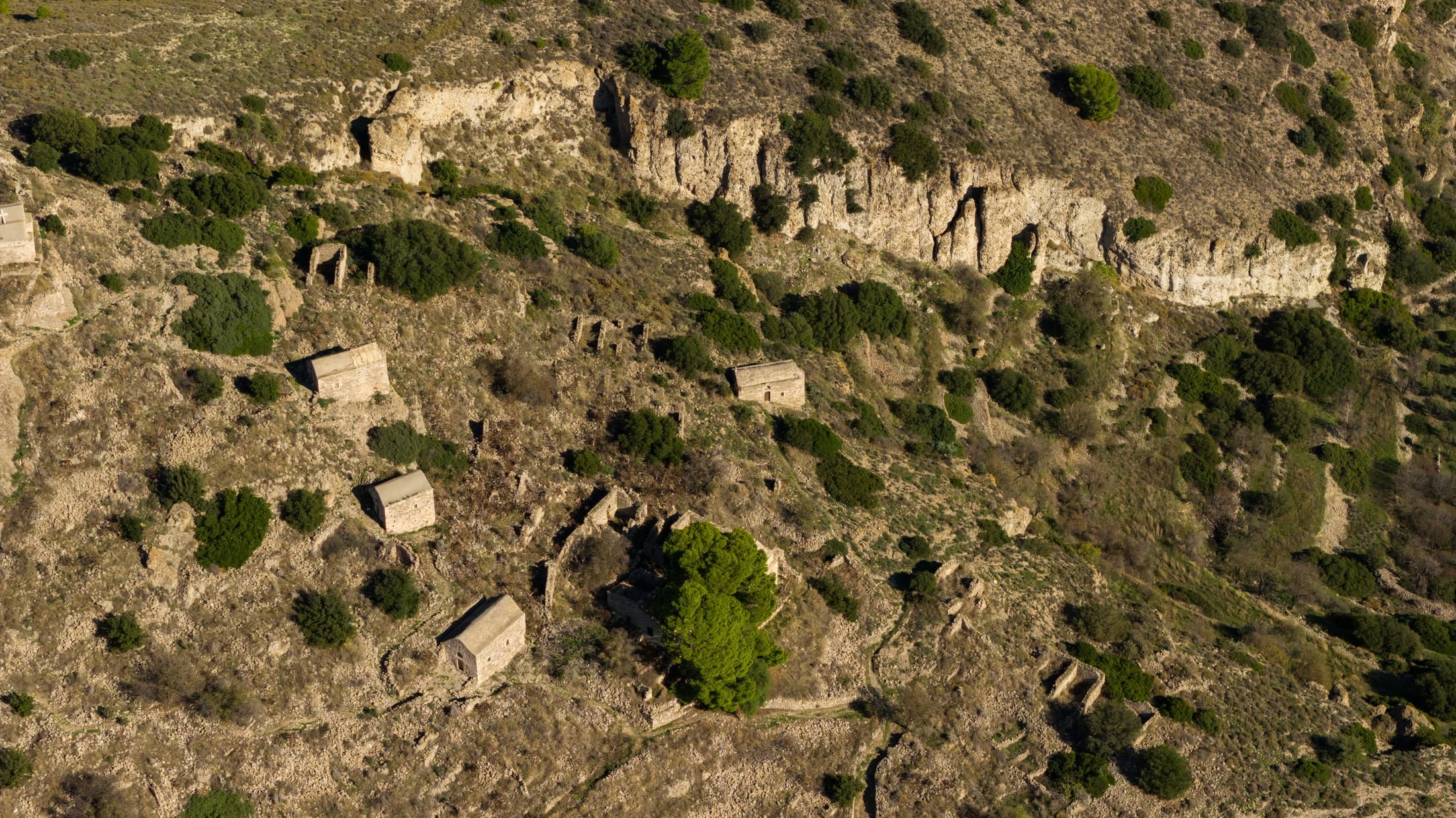
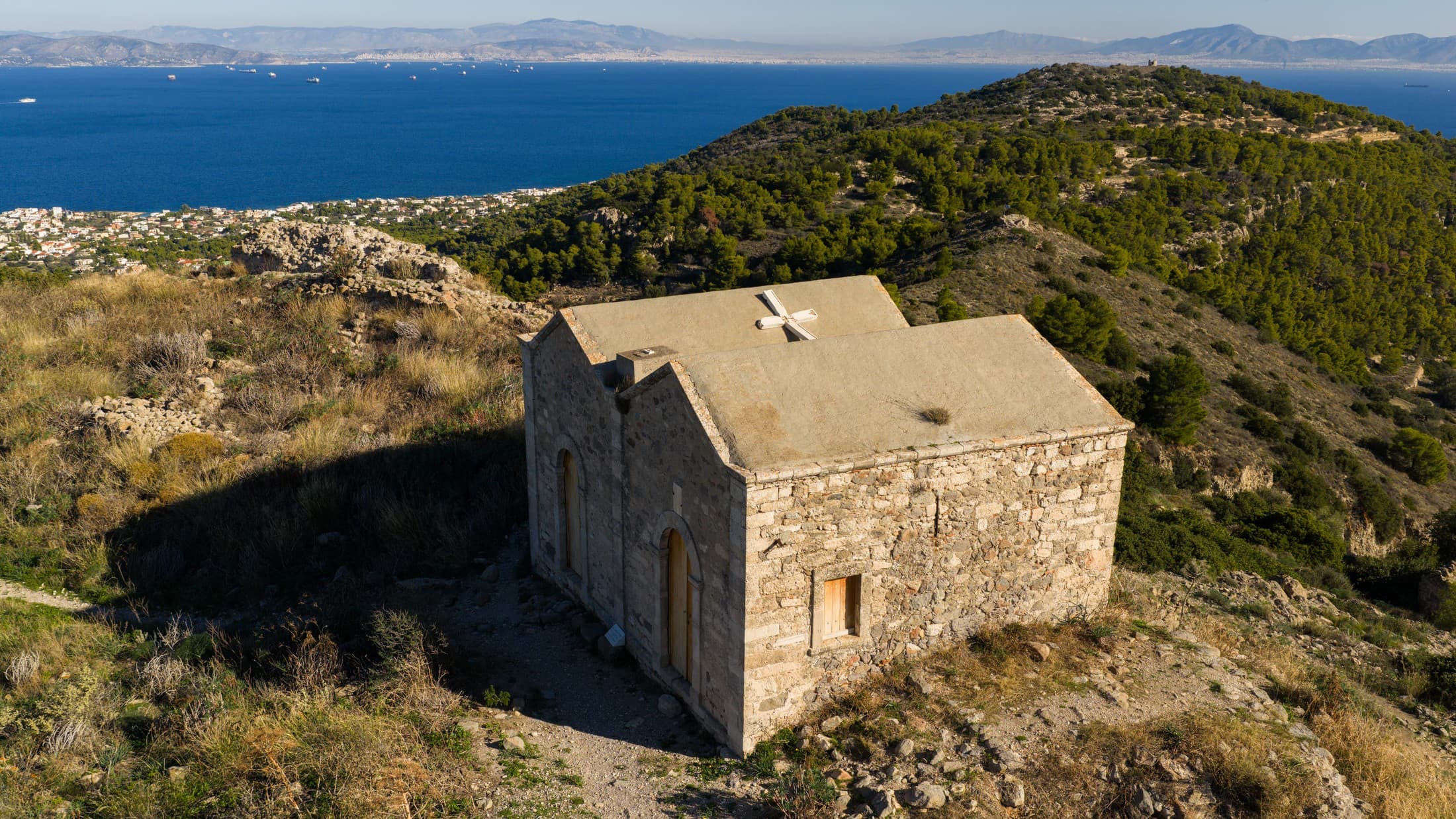
At various points on the slopes of the hill, you will see around 38 chapels emerging into view, all that remain of the 366 that once stood there. Visit them and admire the preserved wall paintings. Do not miss climbing to the top of the hill (355 metres above sea level), where there are remains of the castle of Paliachora, built by the Venetians in the mid-17th century. The panoramic view across the other side of the island will captivate you, especially at sunset.
Today, on the hill you will see the remains of Paliachora, marked by strong Byzantine references. Feel as though you are travelling through time as you walk beside stone-paved paths, old wells, cisterns and souvales (depressions along stream beds that retained water and were reinforced with traditional stone structures). A visit there is especially beautiful in spring, when the lush landscape is filled with wildflowers and the lemon trees blossom, filling the air with their fragrance. Bitter orange trees and olive trees complete the image of the traditional Greek countryside.
At various points on the slopes of the hill, you will see around 38 chapels emerging into view, all that remain of the 366 that once stood there. Visit them and admire the preserved wall paintings. Do not miss climbing to the top of the hill (355 metres above sea level), where there are remains of the castle of Paliachora, built by the Venetians in the mid-17th century. The panoramic view across the other side of the island will captivate you, especially at sunset.