From the caves of antiquity to the knowledge of today
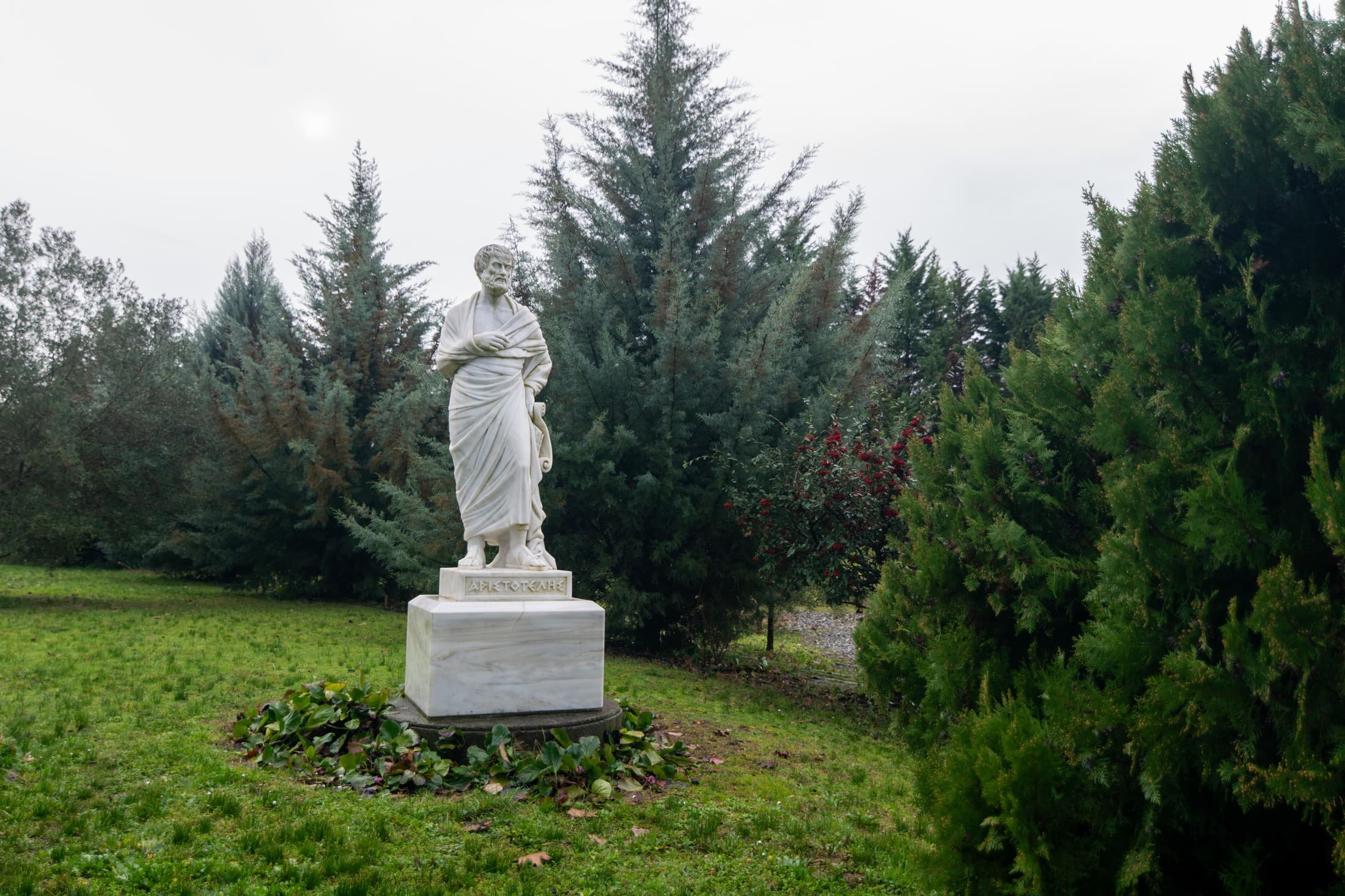
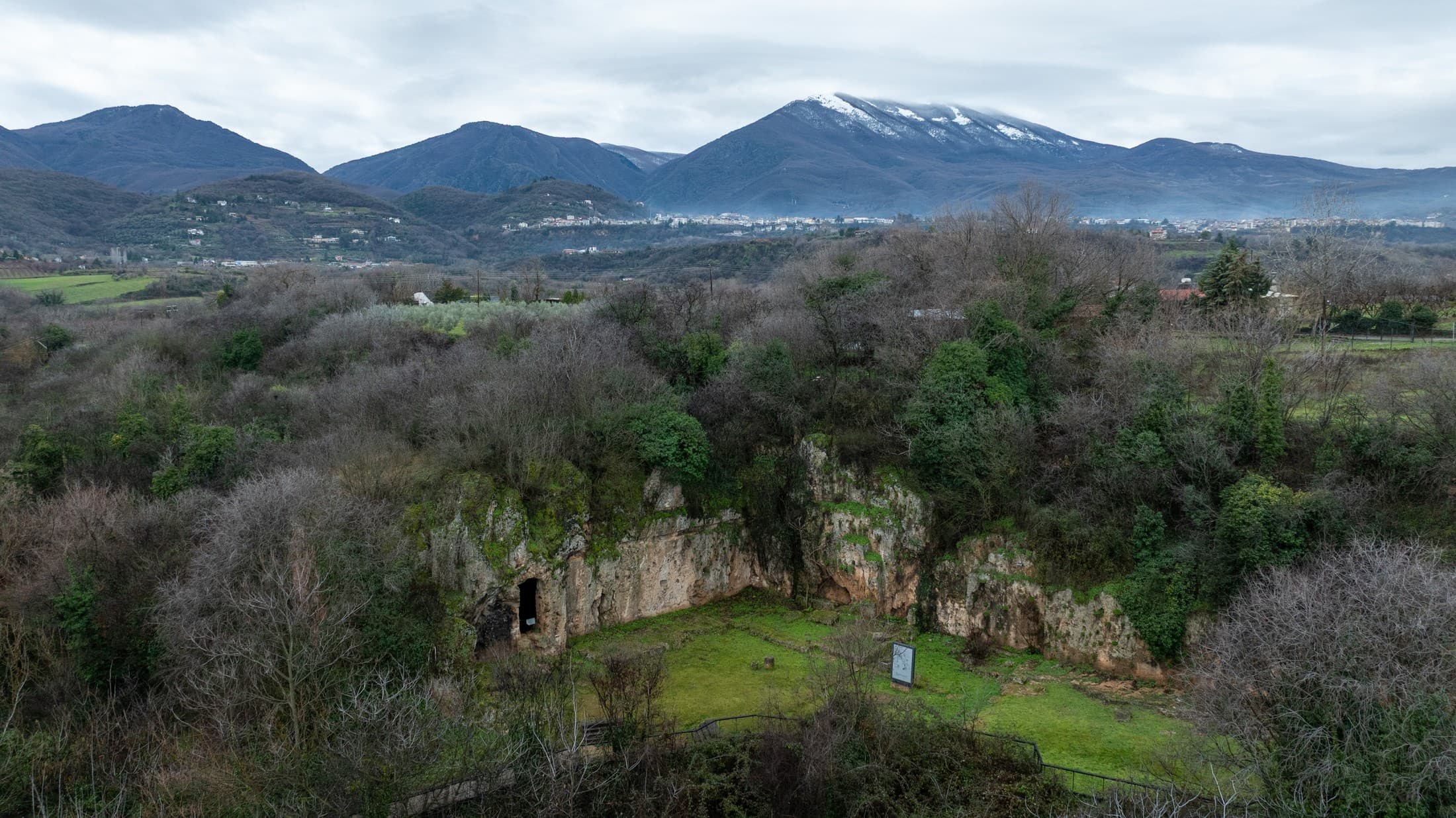
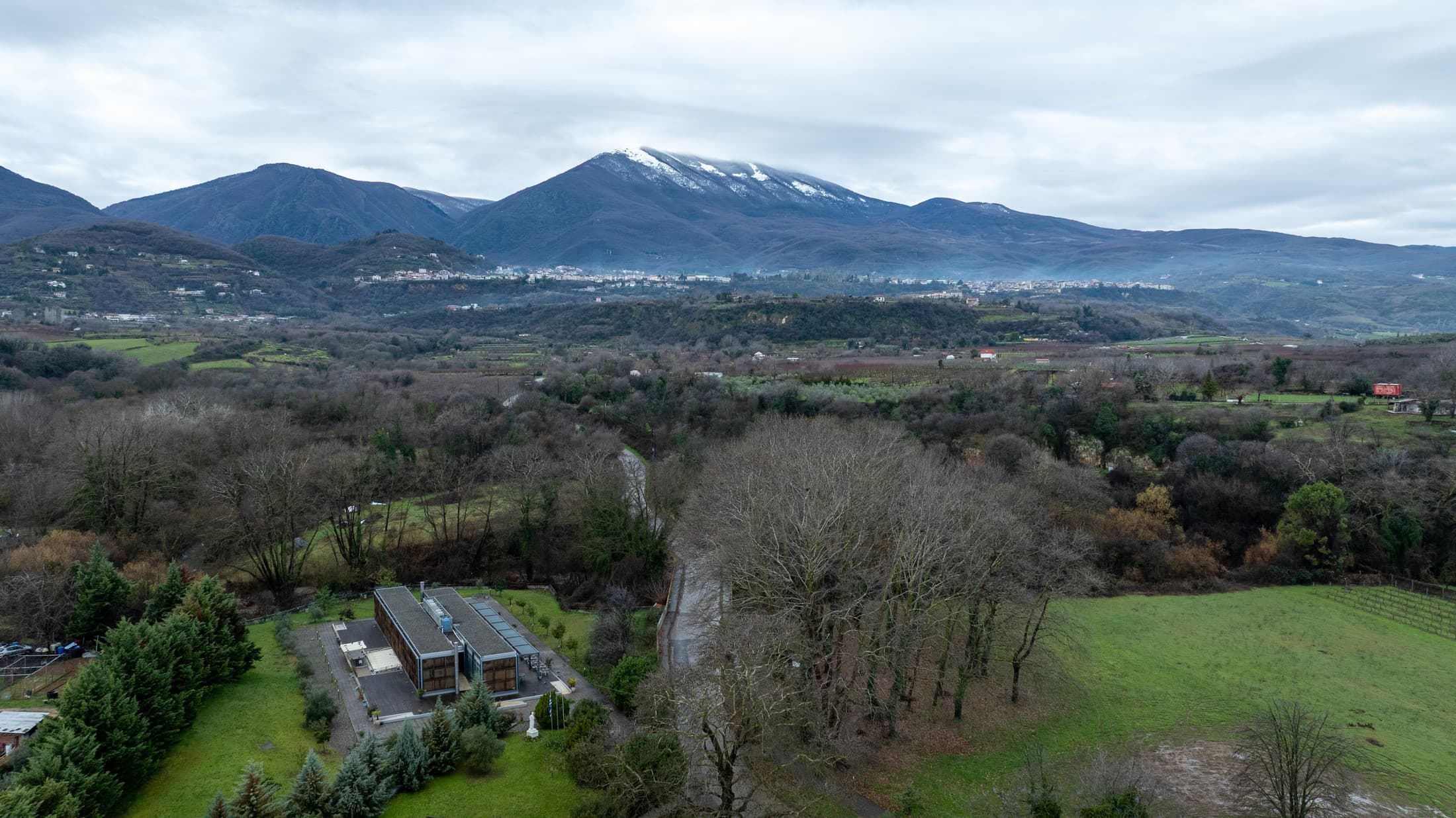
In the shadow of Mount Vermio, just outside Naousa, lies the School of Aristotle. According to tradition and archaeological evidence, here Aristotle taught Alexander the Great and the Macedonian nobles, forming an educational model that influenced the subsequent course of Greek and world culture. The location, in the dense green and next to the running waters, explains why the philosopher considered the natural environment an integral part of learning.
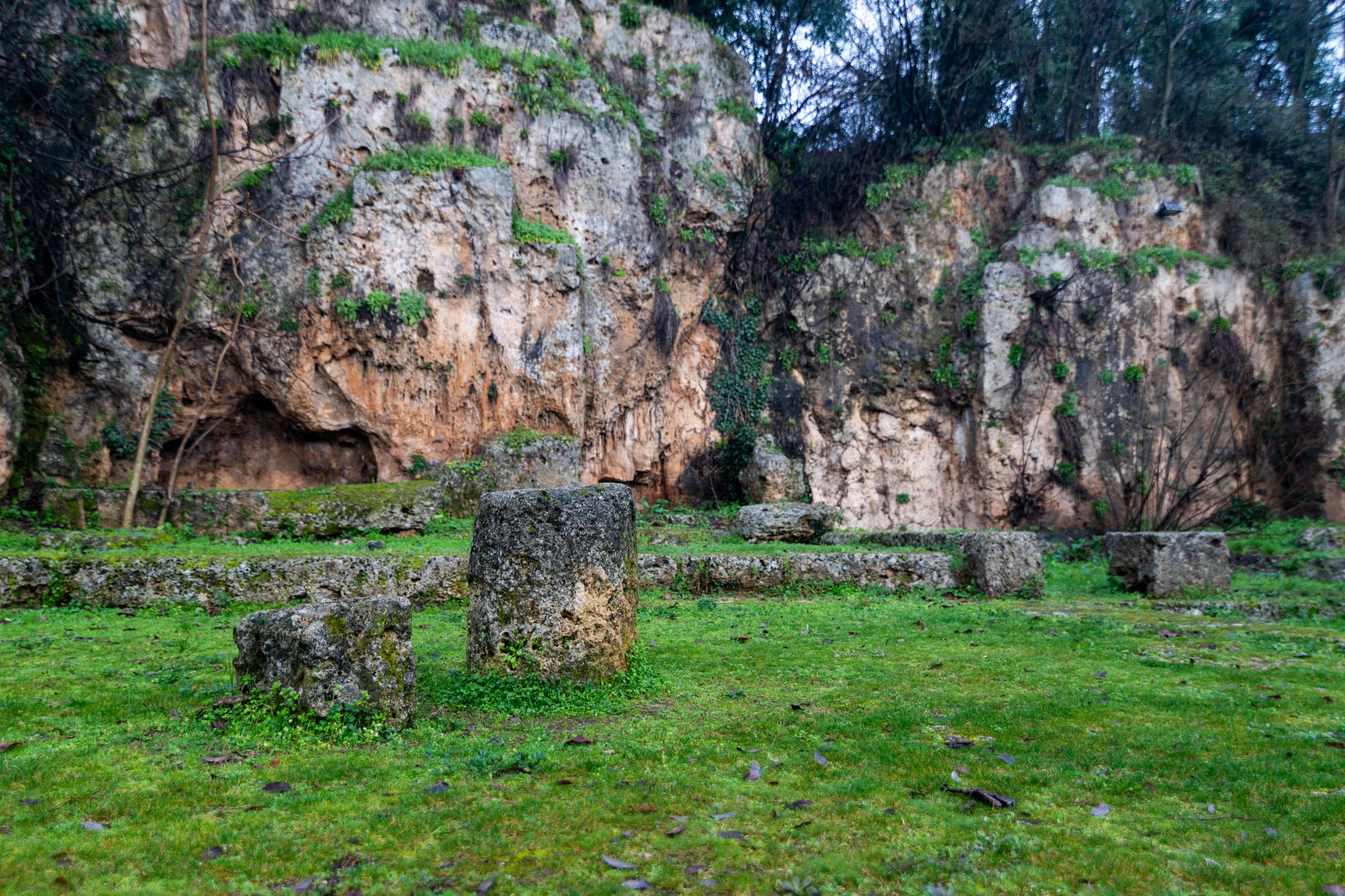
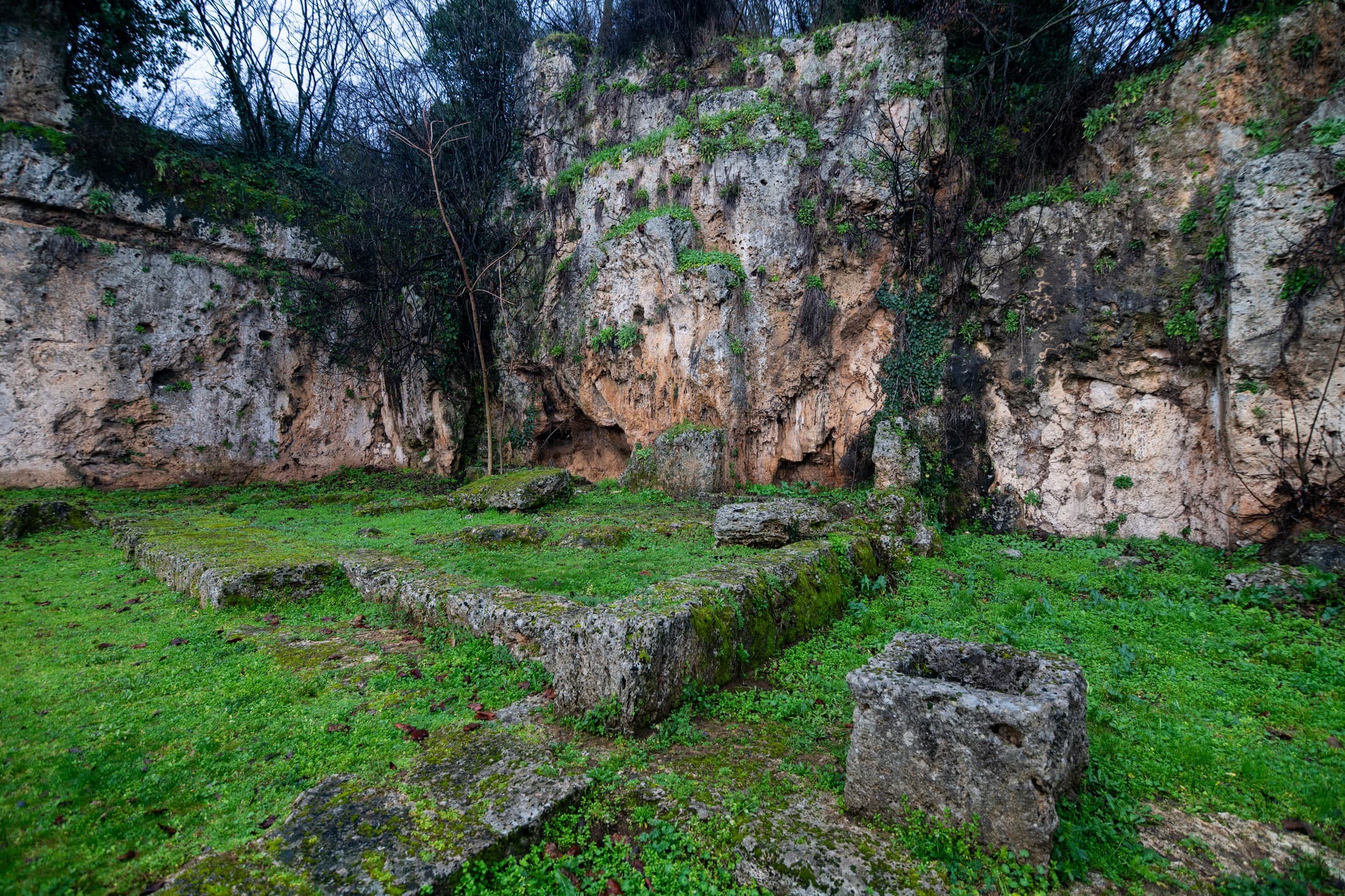
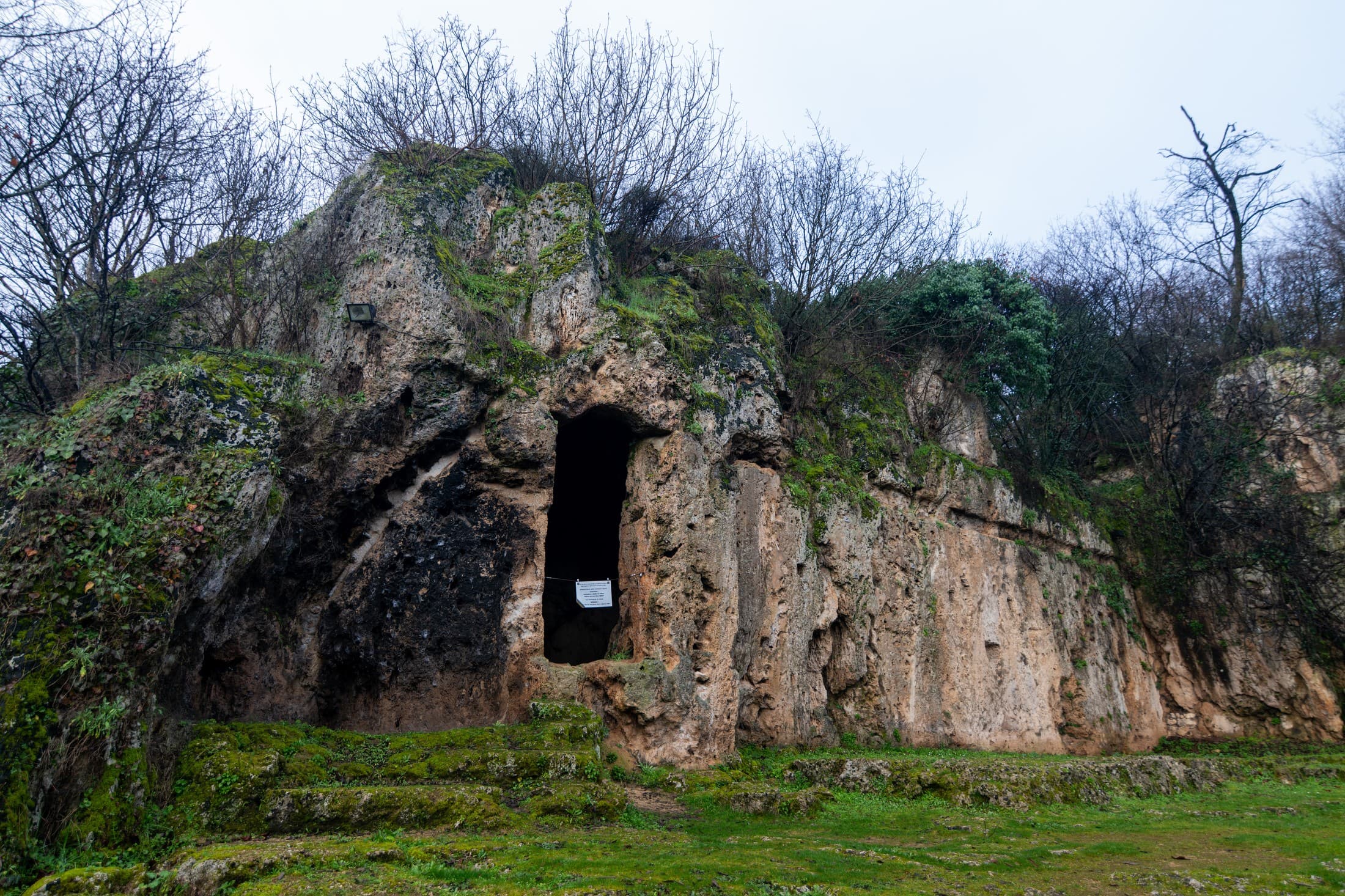
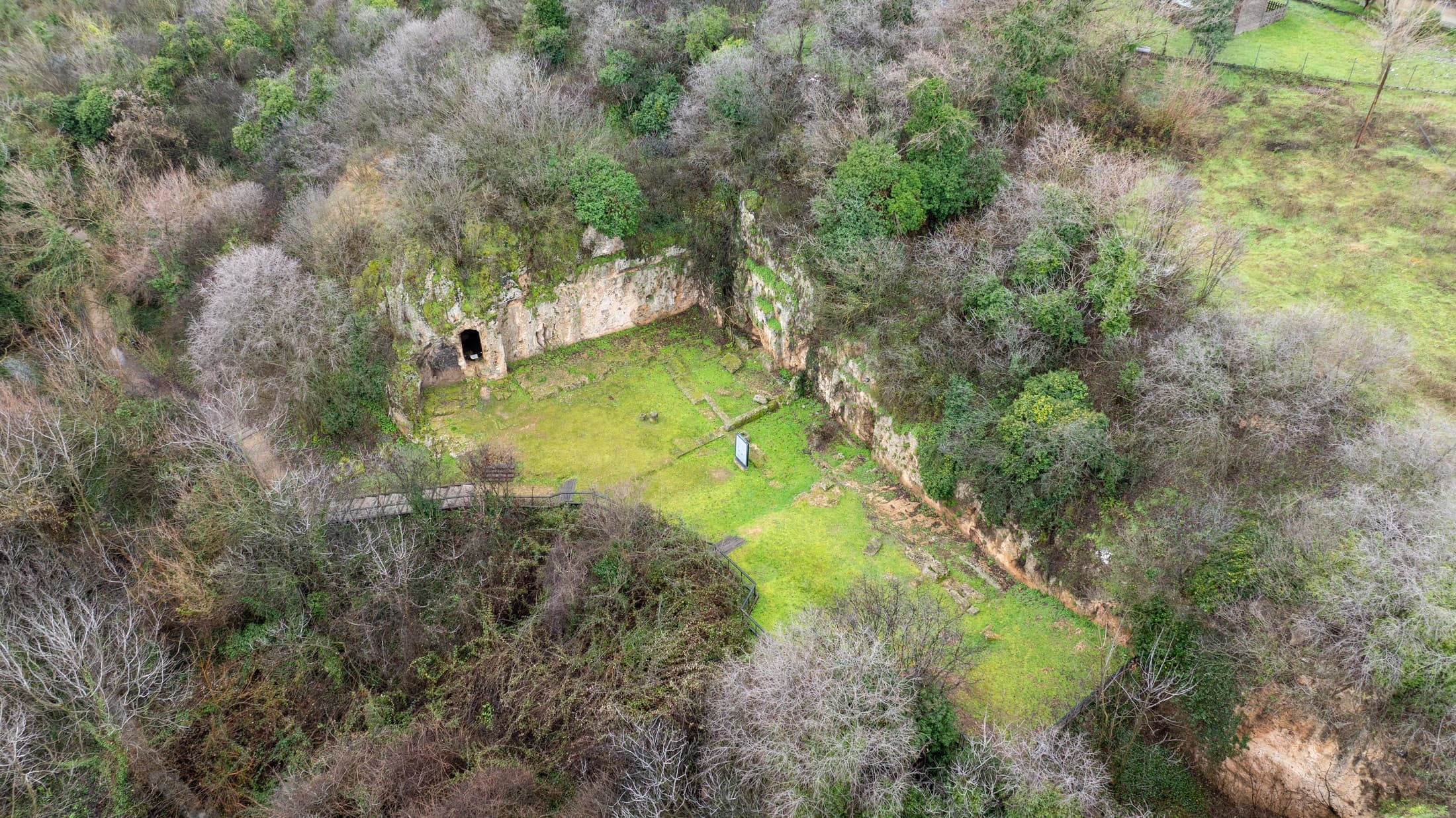
In the area of the School of Aristotle, three caves are preserved, unique evidence of ancient activity and the formation of the natural landscape as teaching areas. The first cave, which you can reach through carved steps, stands out for the arched configuration of its entrance, a sample of human intervention and its possible use in antiquity. The second remains intact, while the third is the largest, with two entrances, internal niches, multiple branches and an impressive aperture in the center, which allowed the lighting and ventilation of the space.
Equally important are the remains of the Ionic stoa of Philip's time (after 350 BC). The extensive carvings of the rock create successive spaces and passages that form a long path, a space ideal for "peripatetic" teaching, just as Aristotle used to do.
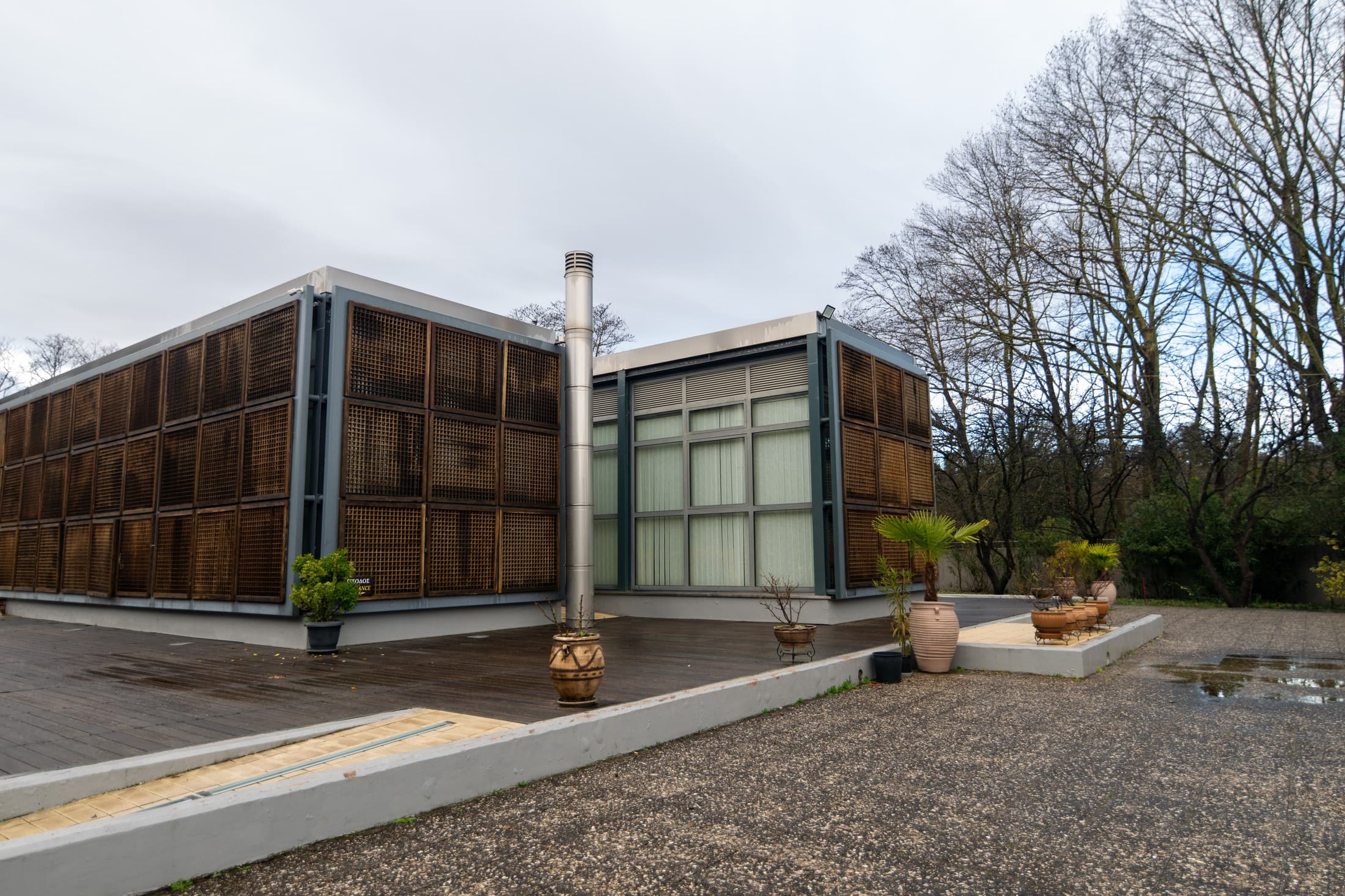
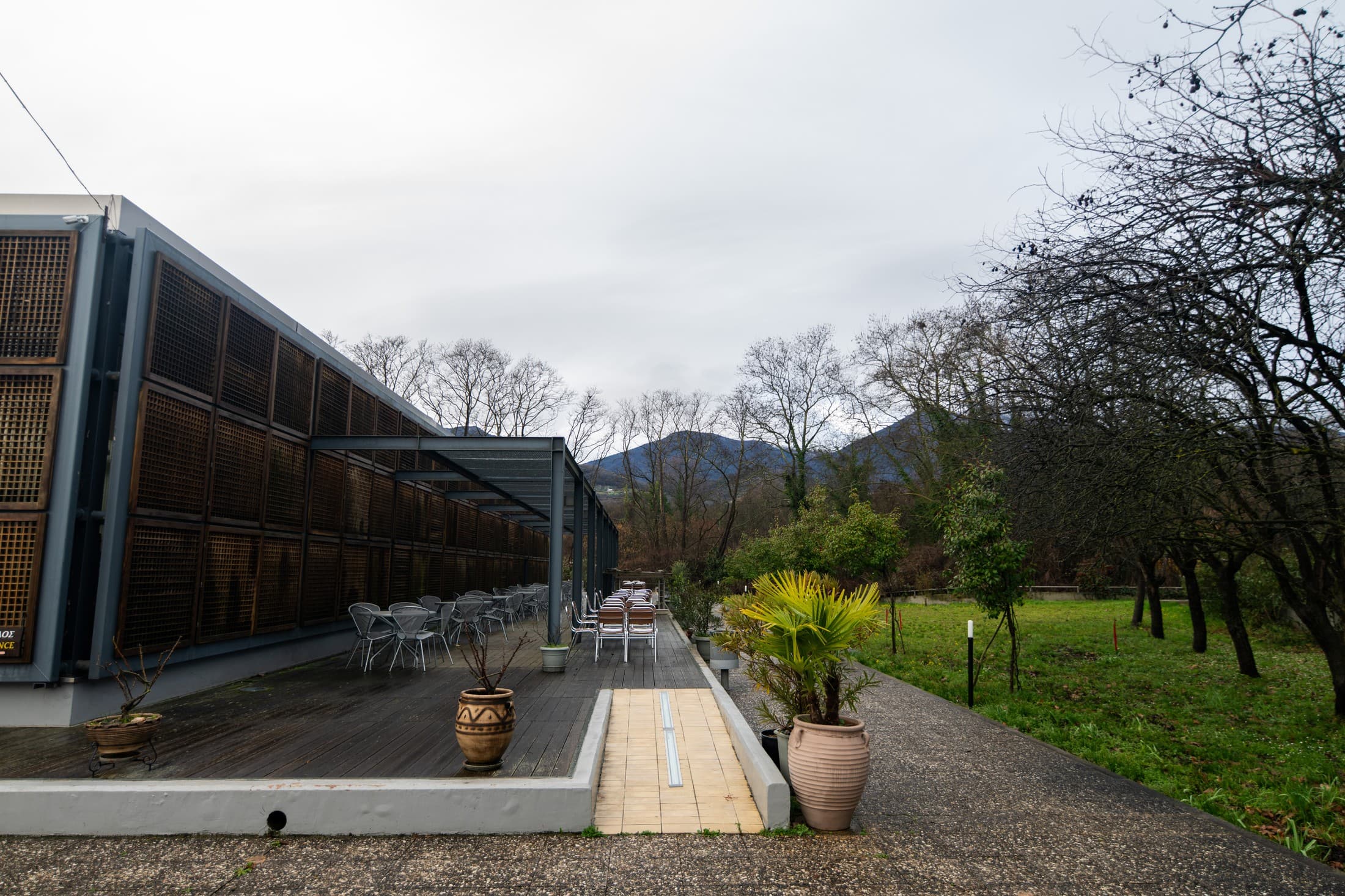
Today, besides its important archaeological character, the School of Aristotle also functions as a modern centre of culture and recreation. The venue hosts educational programmes, experiential workshops, lectures, cultural events and environmental awareness actions.
The School of Aristotle is a place with a deep historical footprint, a living core of dialogue, knowledge and creation. Wander outdoors, watch digital and interactive screenings about the life and work of Aristotle and get to know the way of teaching in antiquity.
In the area of the School of Aristotle, three caves are preserved, unique evidence of ancient activity and the formation of the natural landscape as teaching areas. The first cave, which you can reach through carved steps, stands out for the arched configuration of its entrance, a sample of human intervention and its possible use in antiquity. The second remains intact, while the third is the largest, with two entrances, internal niches, multiple branches and an impressive aperture in the center, which allowed the lighting and ventilation of the space.
Equally important are the remains of the Ionic stoa of Philip's time (after 350 BC). The extensive carvings of the rock create successive spaces and passages that form a long path, a space ideal for "peripatetic" teaching, just as Aristotle used to do.
Today, besides its important archaeological character, the School of Aristotle also functions as a modern centre of culture and recreation. The venue hosts educational programmes, experiential workshops, lectures, cultural events and environmental awareness actions.
The School of Aristotle is a place with a deep historical footprint, a living core of dialogue, knowledge and creation. Wander outdoors, watch digital and interactive screenings about the life and work of Aristotle and get to know the way of teaching in antiquity.