The historical shield of Greece
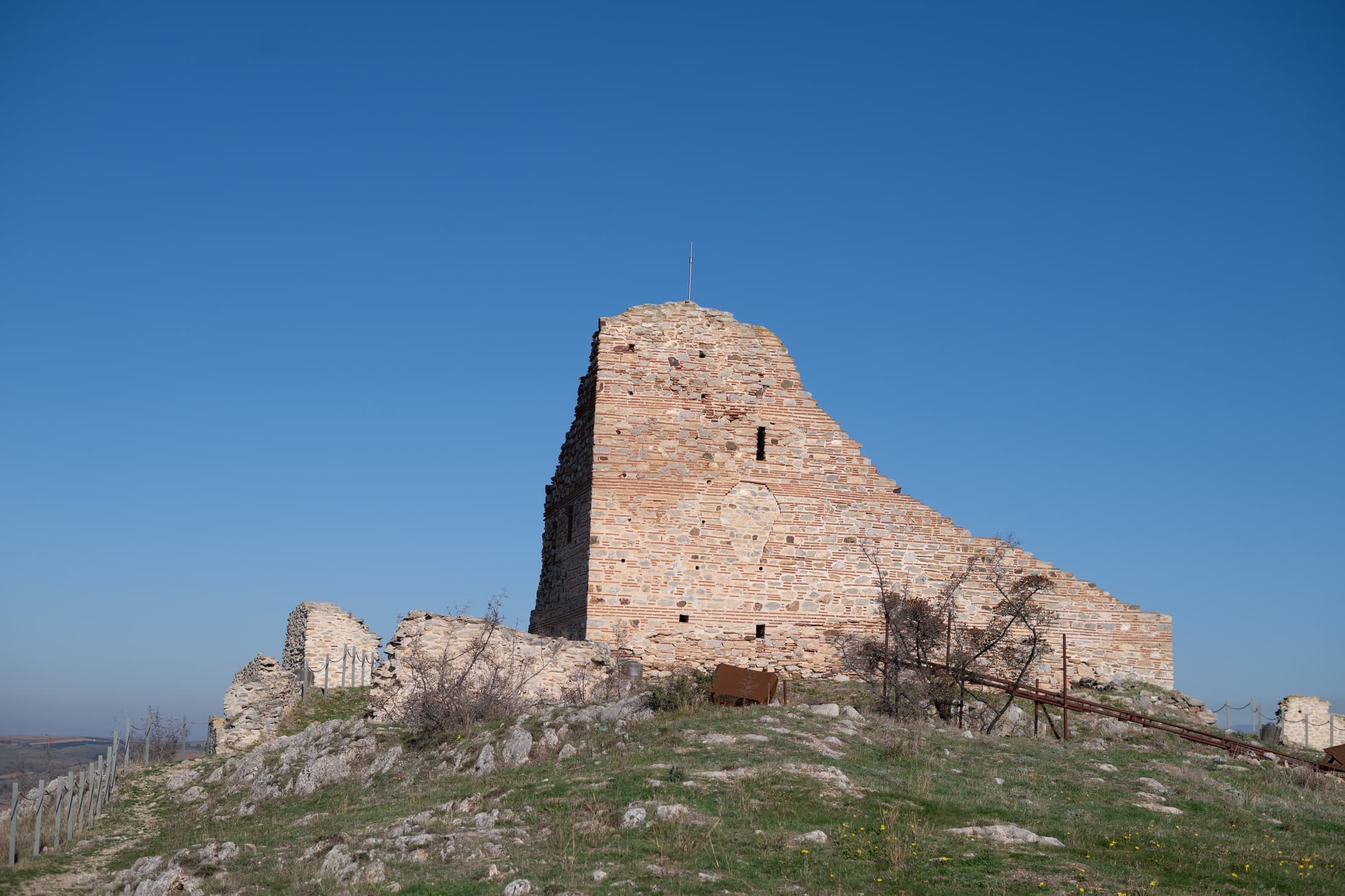
Fort Rupel, which constitutes a historical landmark and a symbol of resistance, dominates the Greek-Bulgarian border in the Regional Unit of Serres. At the western end of the Belles mountain range, it was the most significant and largest of the 21 fort complexes of the famous Metaxas Line, with a strategic position of decisive importance for the country's defence. Its fame is inextricably linked to the stout resistance of the Greek forces during the German invasion in April 1941.
The legendary "Battle of the Forts", fought from 6 to 10 April 1941, showcased the unparalleled heroism of the defenders, who refused to surrender without a fight, despite the numerical and material superiority of the invaders.
Ascending towards the hill of Prophet Elias, you will encounter the imposing Monument to the Fallen, erected in the 1970s. On the marble plaques of the monument, the names of the 123 fallen who gave their lives at Rupel and the surrounding forts are engraved, while every year on the first Sunday after 6 April, the official anniversary celebration takes place.
Today you can explore and literally discover the traces of the battle. On the slopes of the hill, you will see the impressive anti-tank obstacles (the so-called "Dragon’s Teeth") and the gun of the hero Captain Alexandros Kyriakidis, which was found at the spot where he fell during an aerial bombardment. It is also worth exploring a section of the underground galleries of the complex, which also housed the Command Post.
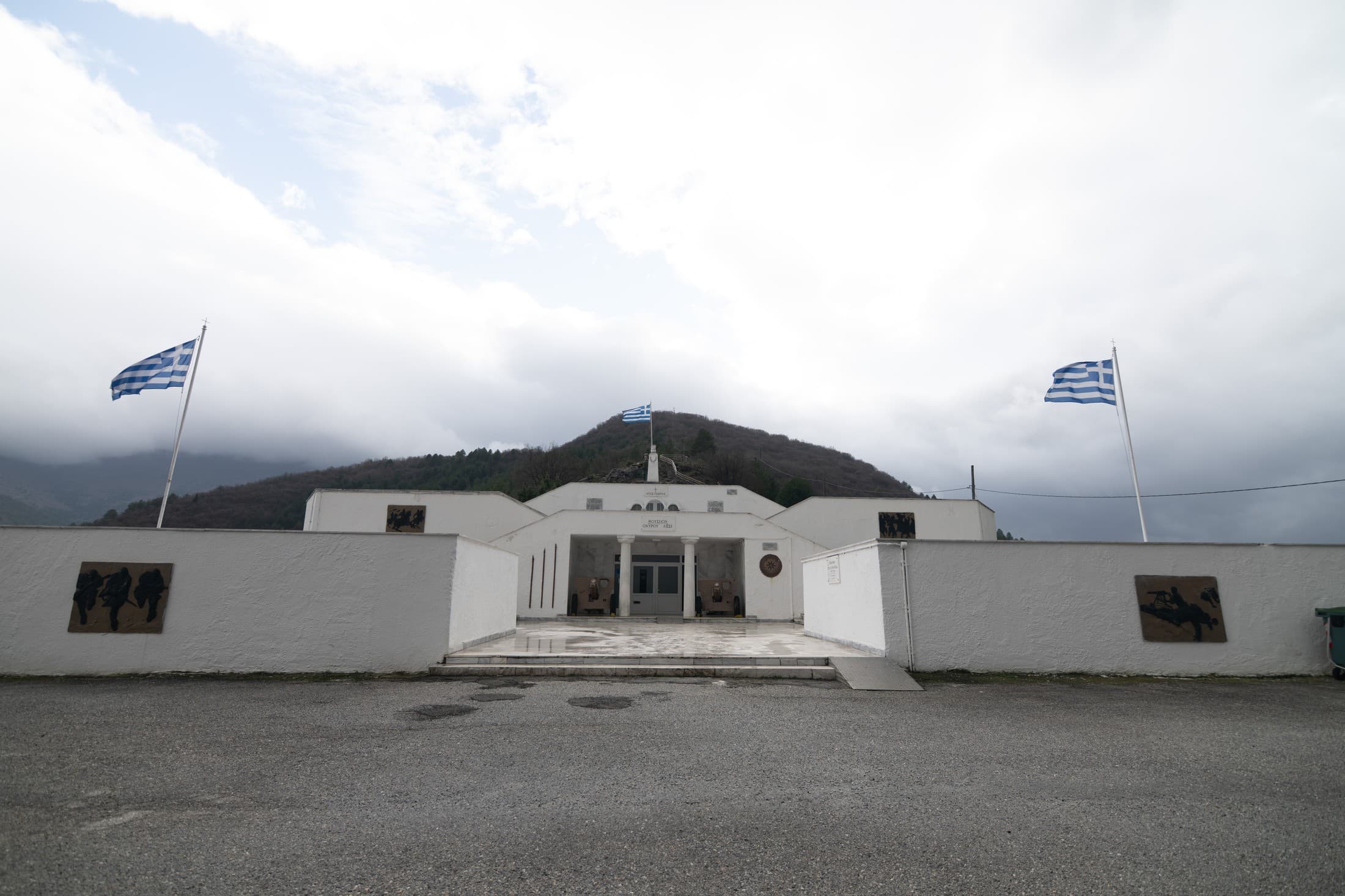
For a more complete historical picture, the Fort Rupel Military Museum operating on the site houses uniforms, flags and weaponry from World War II, as well as personal belongings of Captain Kyriakidis. In its main hall, the diorama depicting a scale cross-section of the underground galleries of the Metaxas Line stands out, flanked by the busts of important figures of the era.
Wandering through these spaces will give you the opportunity to feel the atmosphere and understand the scale and military significance of Rupel. It is an experience that constitutes a substantial tribute to the epic of the Greek resistance.
The legendary "Battle of the Forts", fought from 6 to 10 April 1941, showcased the unparalleled heroism of the defenders, who refused to surrender without a fight, despite the numerical and material superiority of the invaders.
Ascending towards the hill of Prophet Elias, you will encounter the imposing Monument to the Fallen, erected in the 1970s. On the marble plaques of the monument, the names of the 123 fallen who gave their lives at Rupel and the surrounding forts are engraved, while every year on the first Sunday after 6 April, the official anniversary celebration takes place.
Today you can explore and literally discover the traces of the battle. On the slopes of the hill, you will see the impressive anti-tank obstacles (the so-called "Dragon’s Teeth") and the gun of the hero Captain Alexandros Kyriakidis, which was found at the spot where he fell during an aerial bombardment. It is also worth exploring a section of the underground galleries of the complex, which also housed the Command Post.
For a more complete historical picture, the Fort Rupel Military Museum operating on the site houses uniforms, flags and weaponry from World War II, as well as personal belongings of Captain Kyriakidis. In its main hall, the diorama depicting a scale cross-section of the underground galleries of the Metaxas Line stands out, flanked by the busts of important figures of the era.
Wandering through these spaces will give you the opportunity to feel the atmosphere and understand the scale and military significance of Rupel. It is an experience that constitutes a substantial tribute to the epic of the Greek resistance.