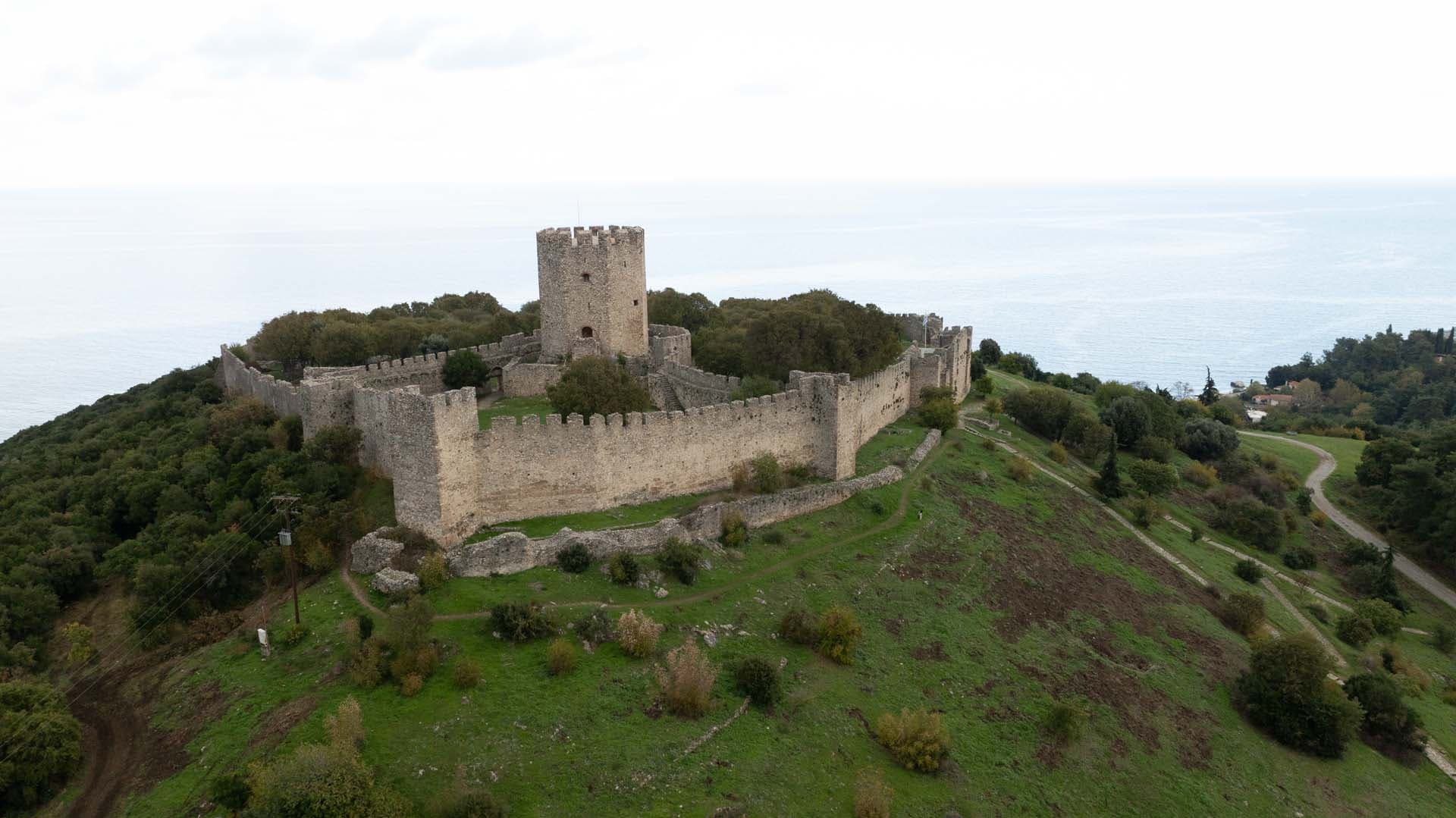
One of the best-preserved Byzantine castles in Greece
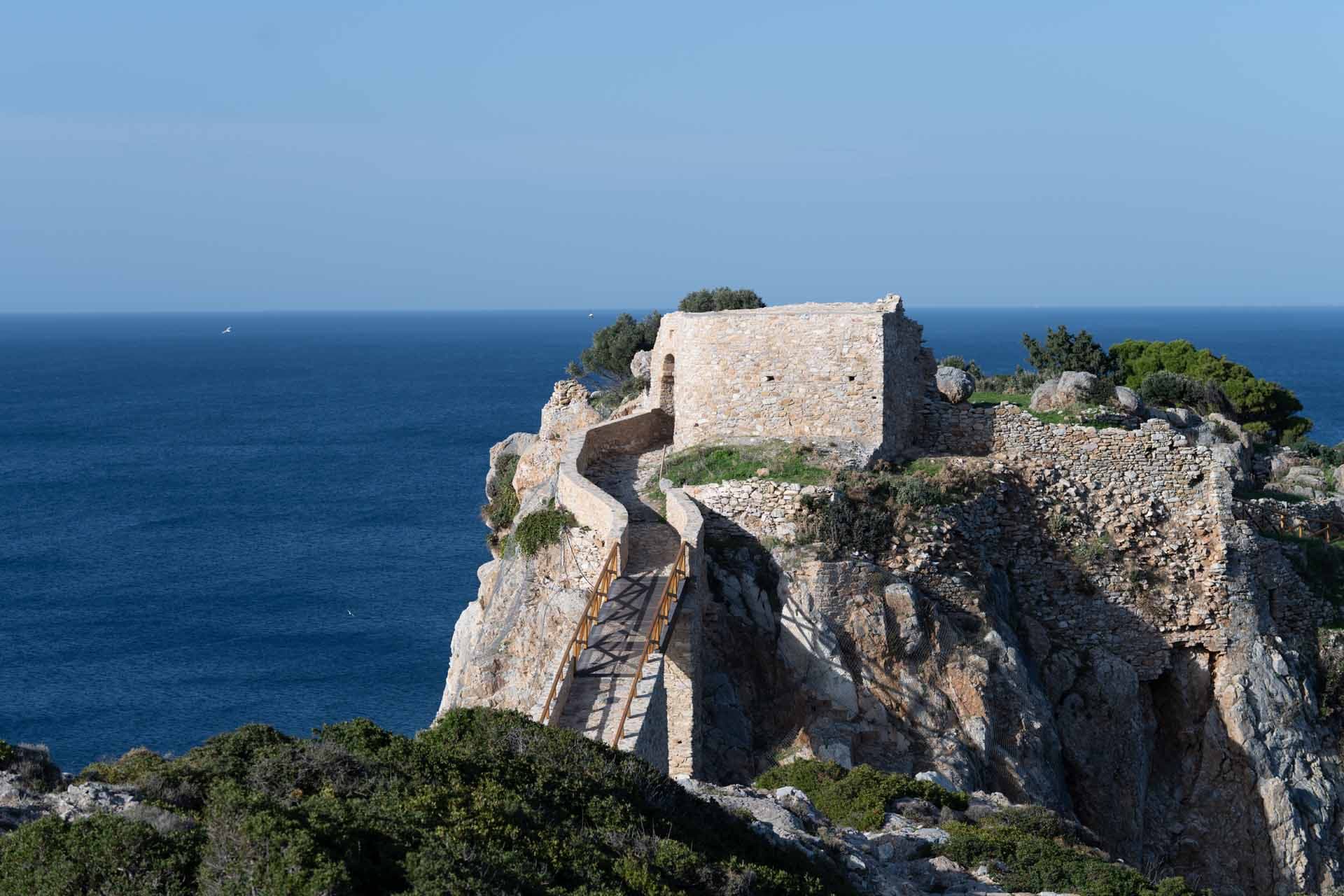
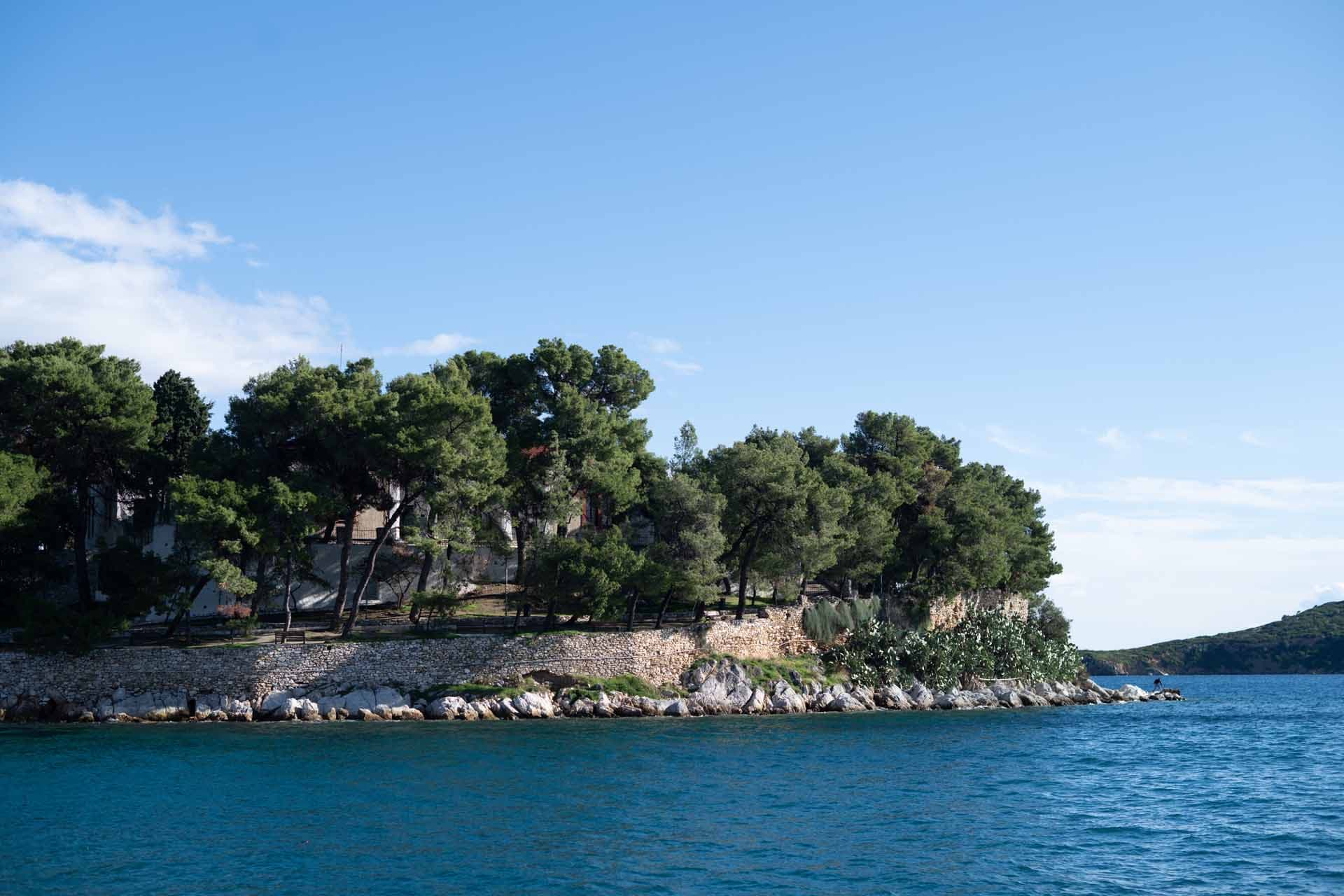
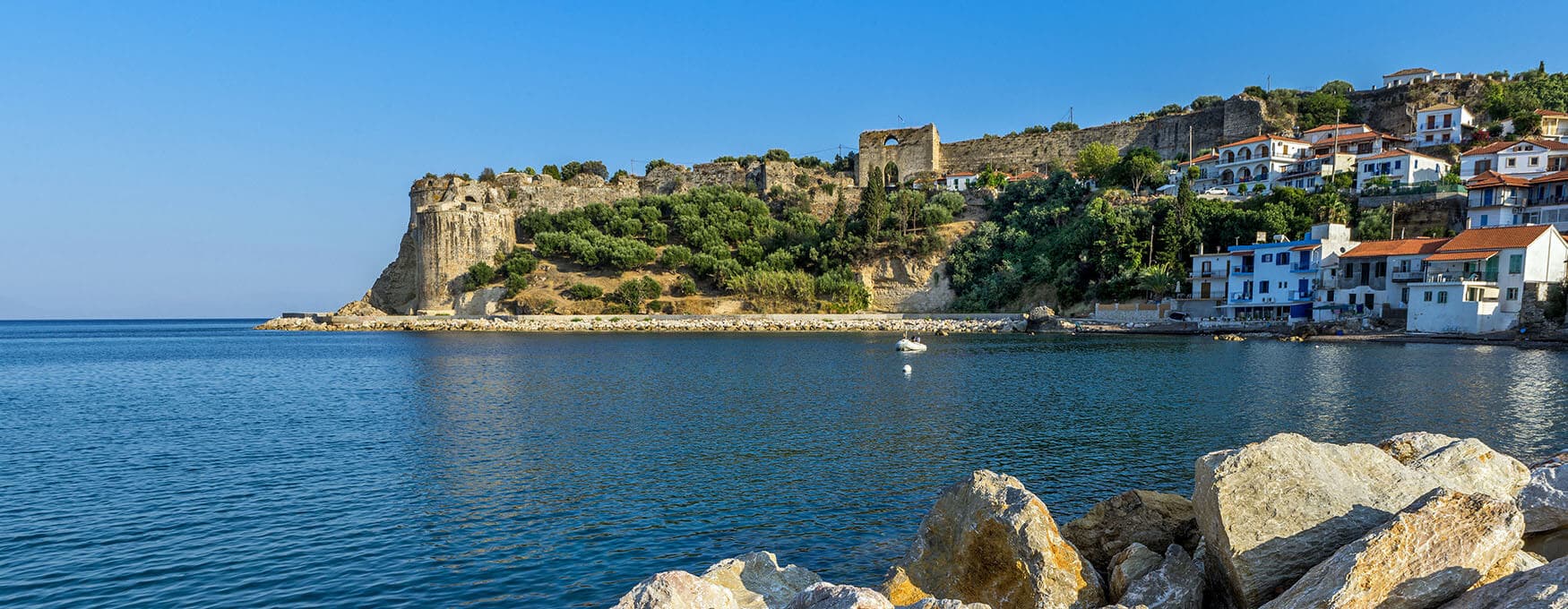
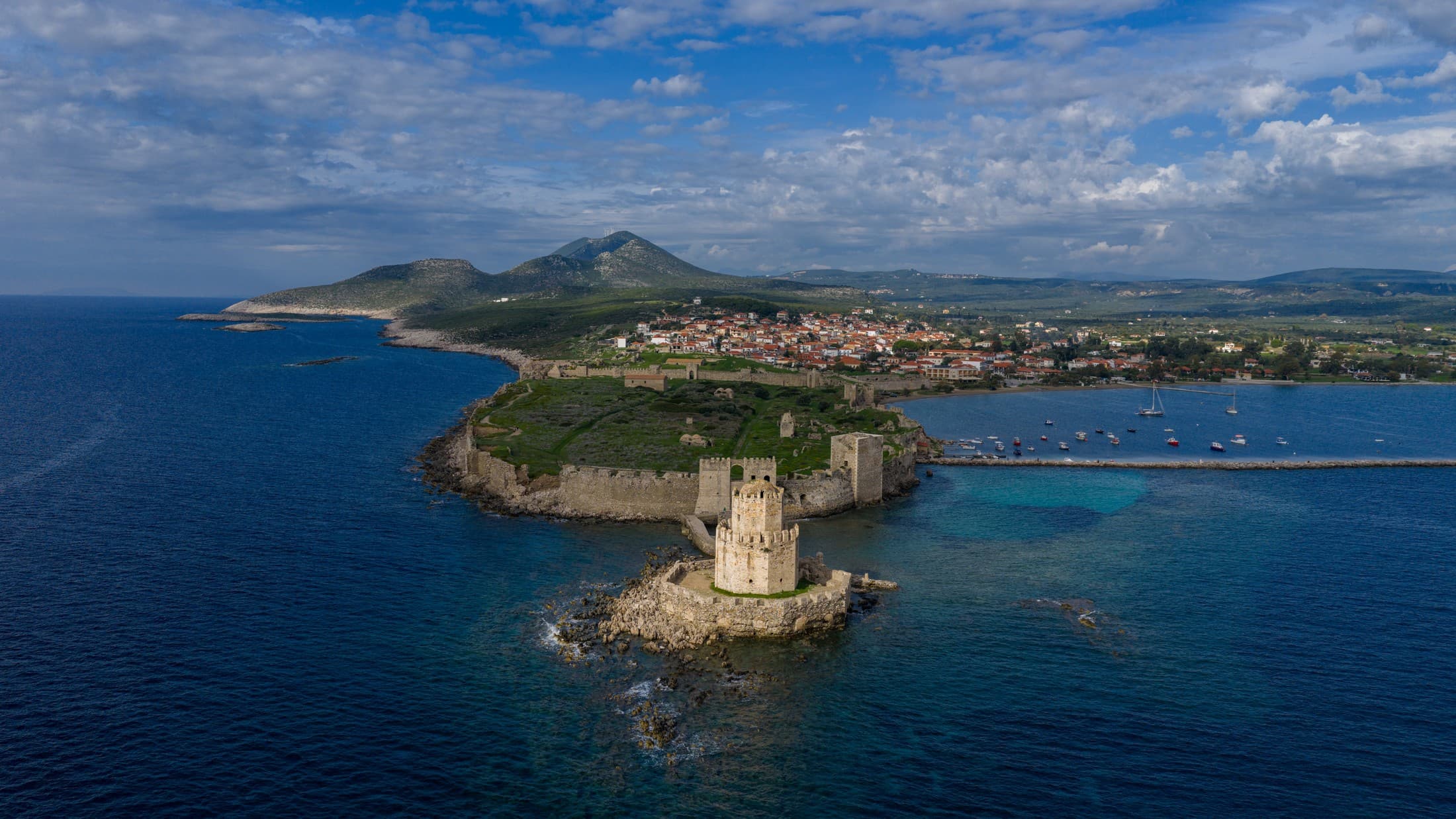
The view of the Castle and Venetian Port of Nafpaktos is truly unrivaled, and it can be enjoyed from many vantage points, but nothing beats a leisurely stroll through the Castle and Port themselves. Greenery, sea views, ancient gates, and imposing walls will captivate you at every turn. Wear some sturdy walking shoes, grab your camera, and lose yourself in the beauty of the landscape.
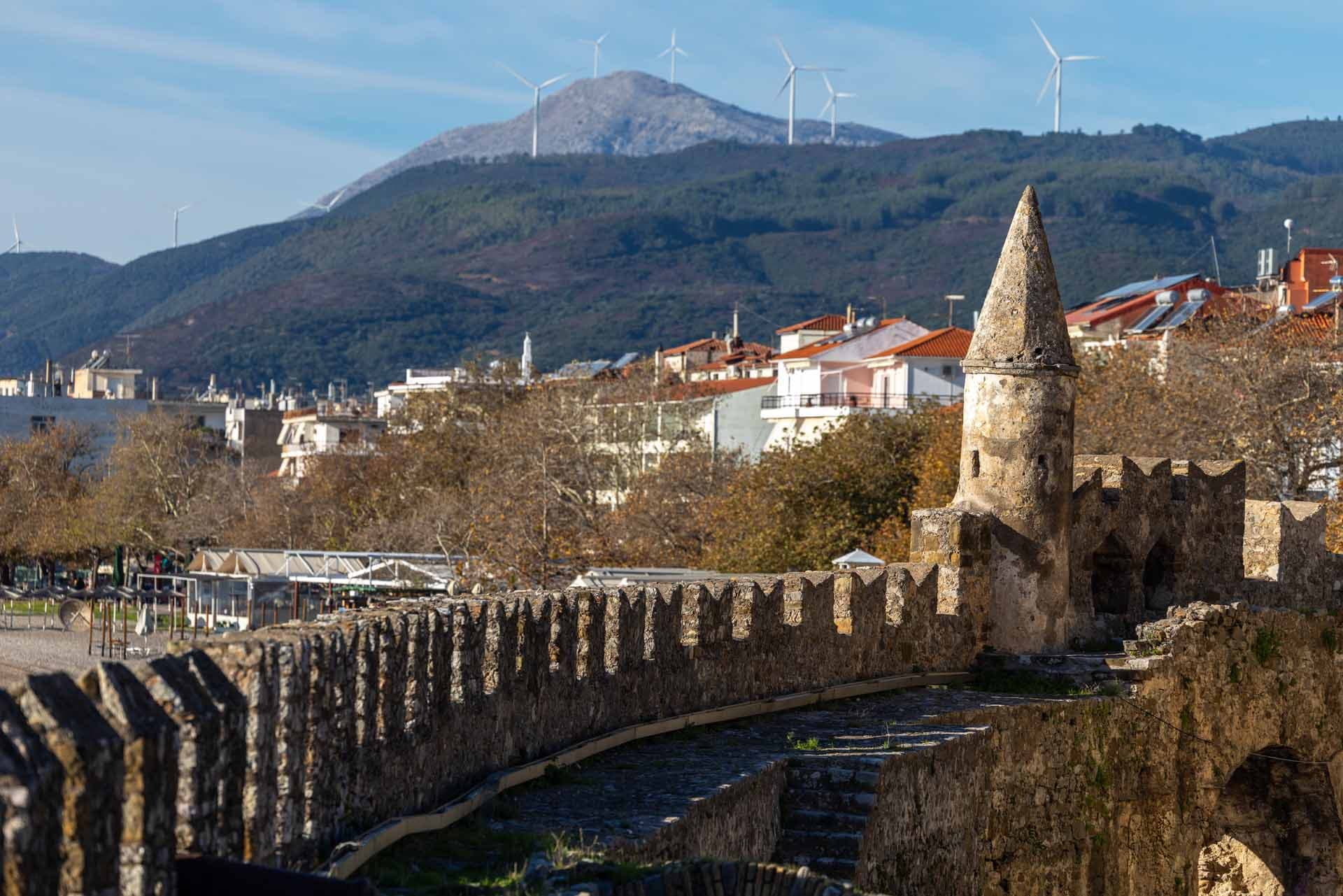
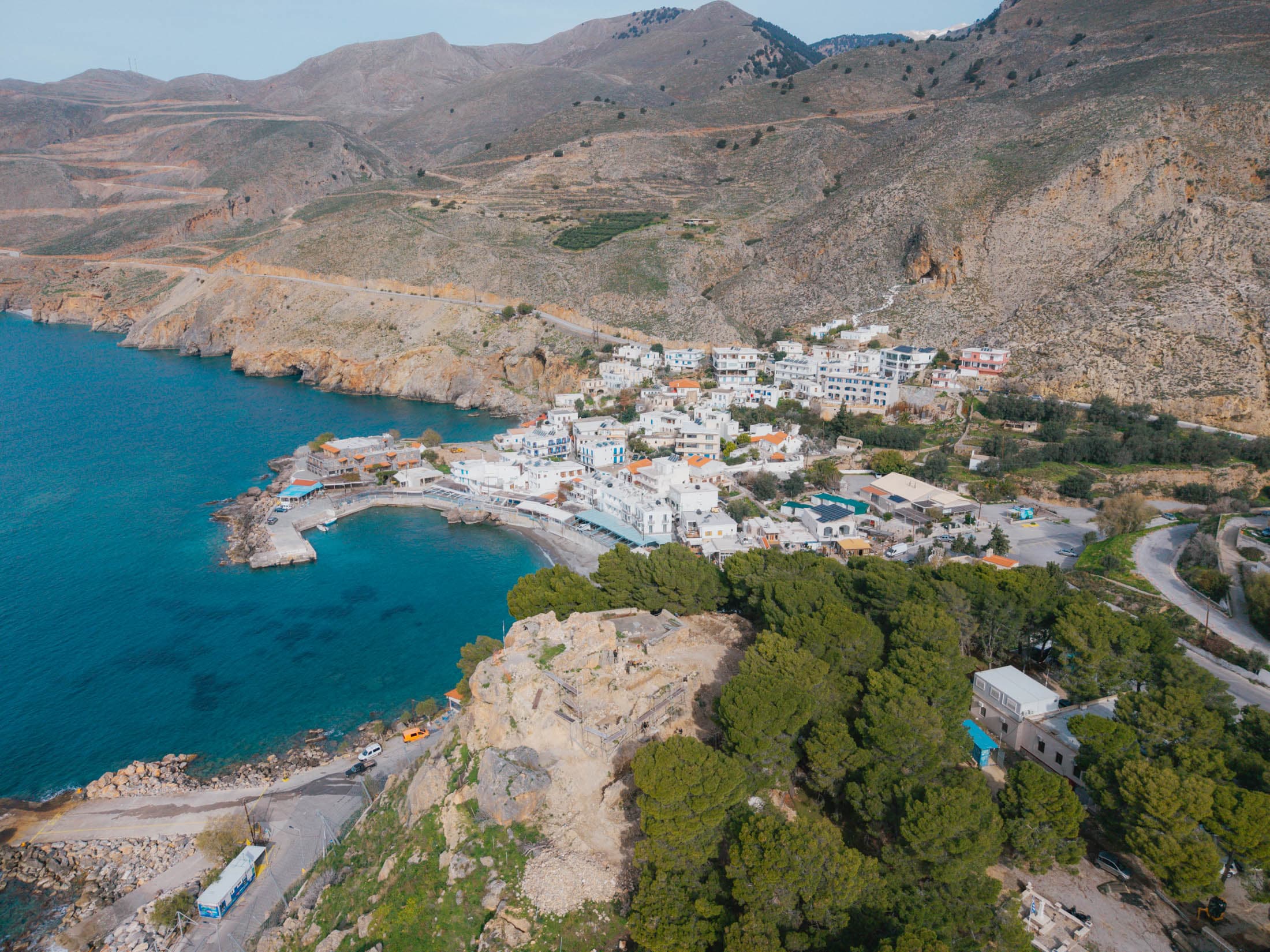
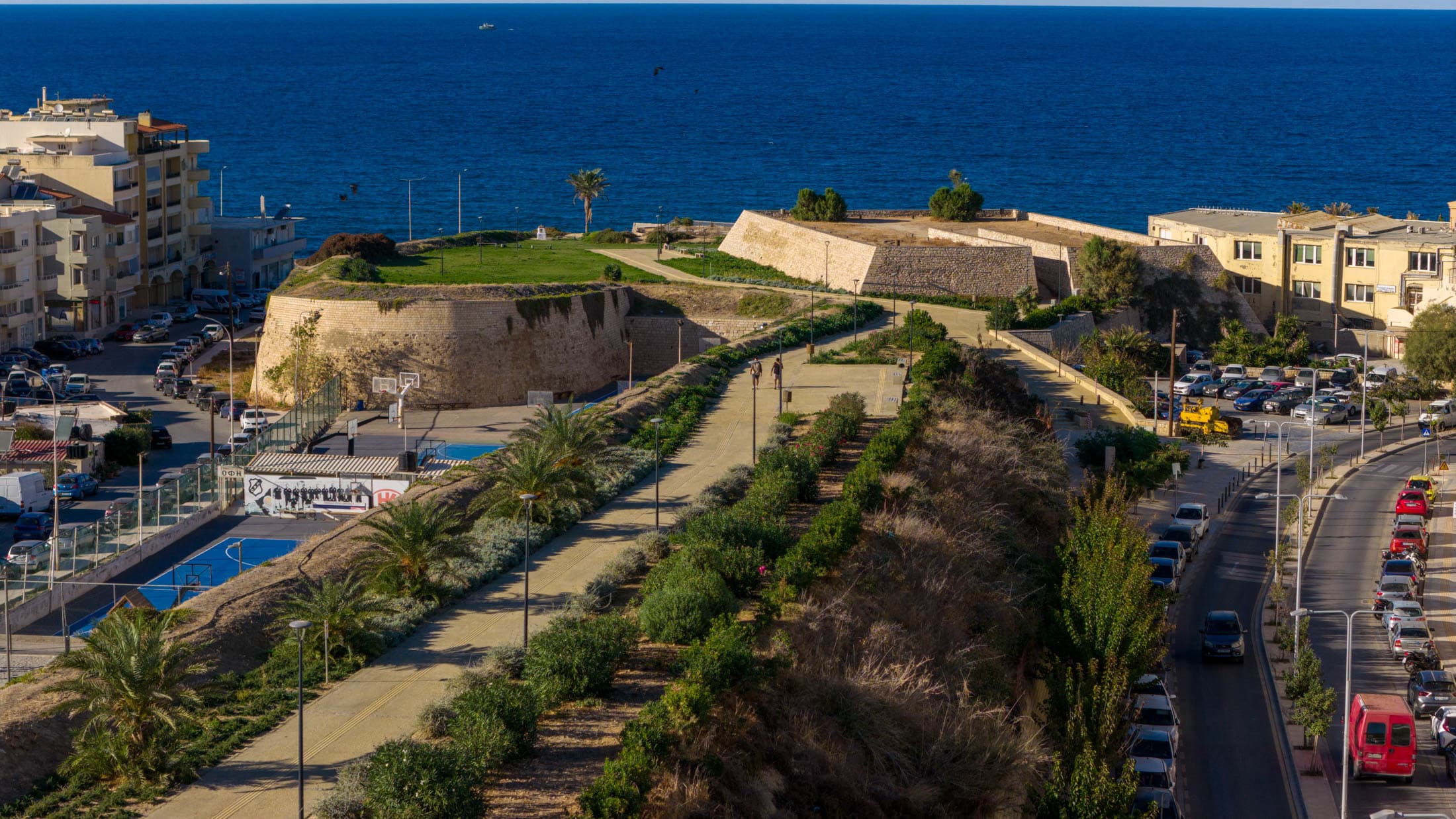
This impressive fortress complex – that begins at the hilltop, embraces the city, and reaches down to the water’s edge – owes its current form largely to the Venetians. However, the site had been fortified since antiquity. The acropolis once stood at the summit, while five defensive walls connected by gates reached all the way to the sea.
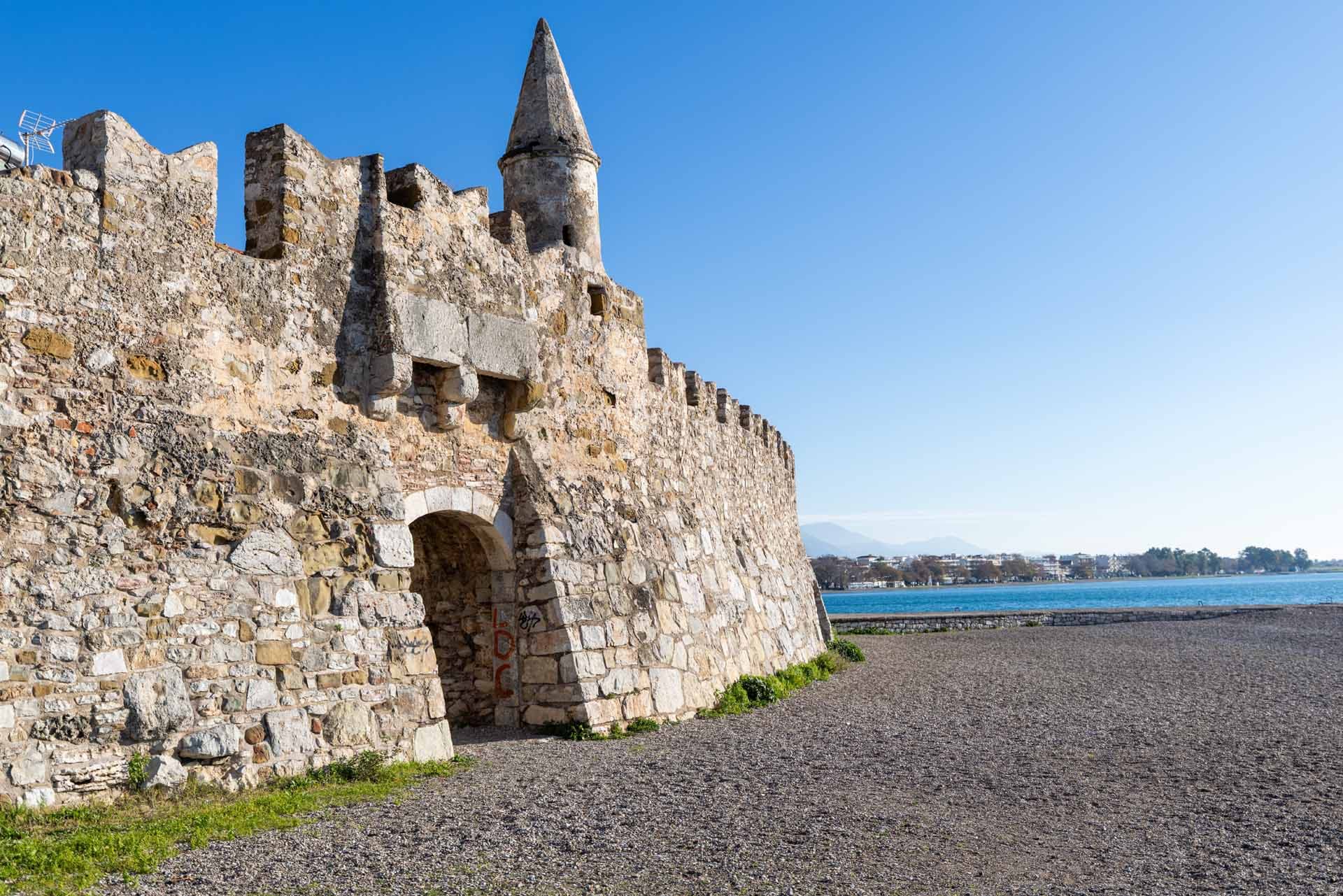
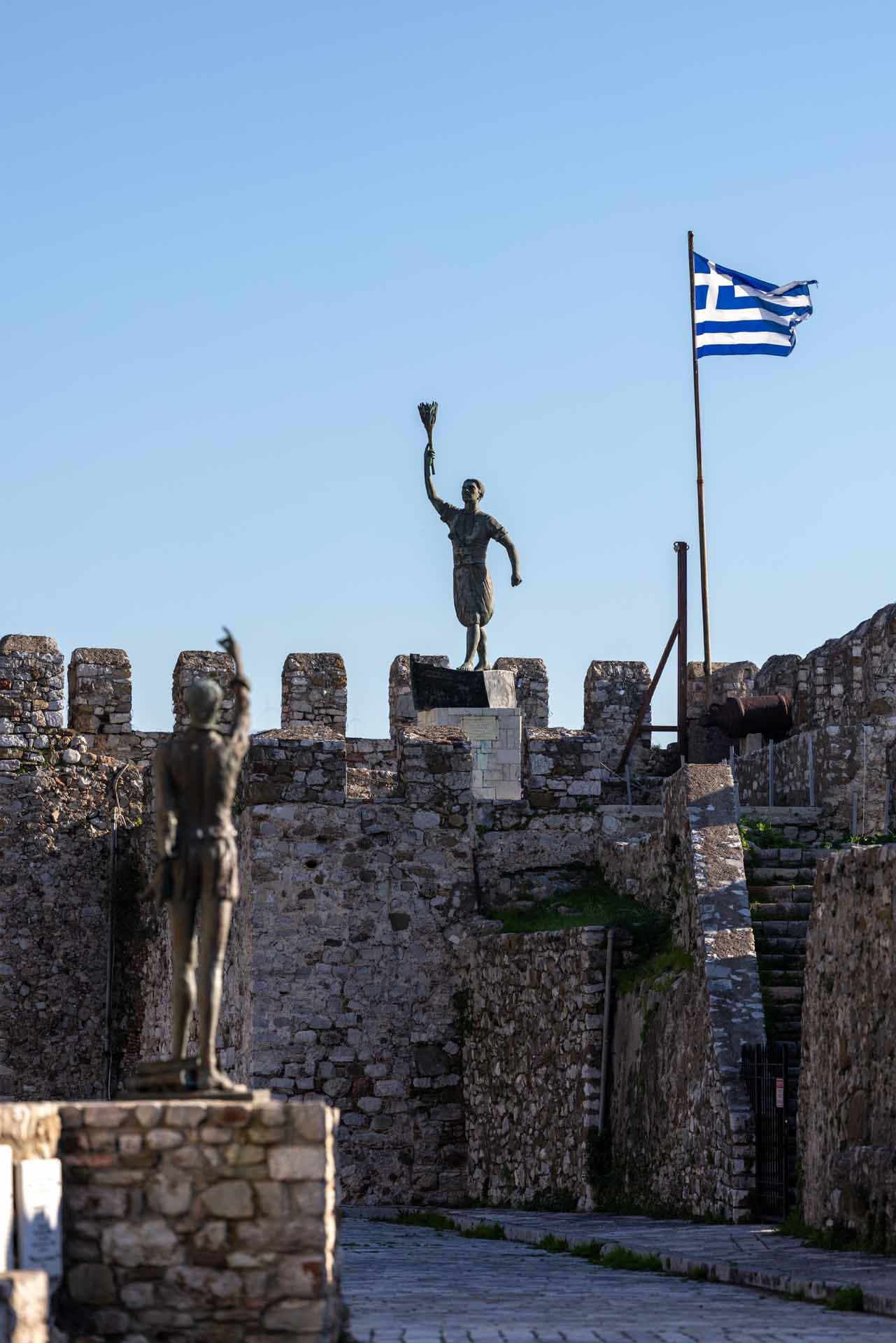
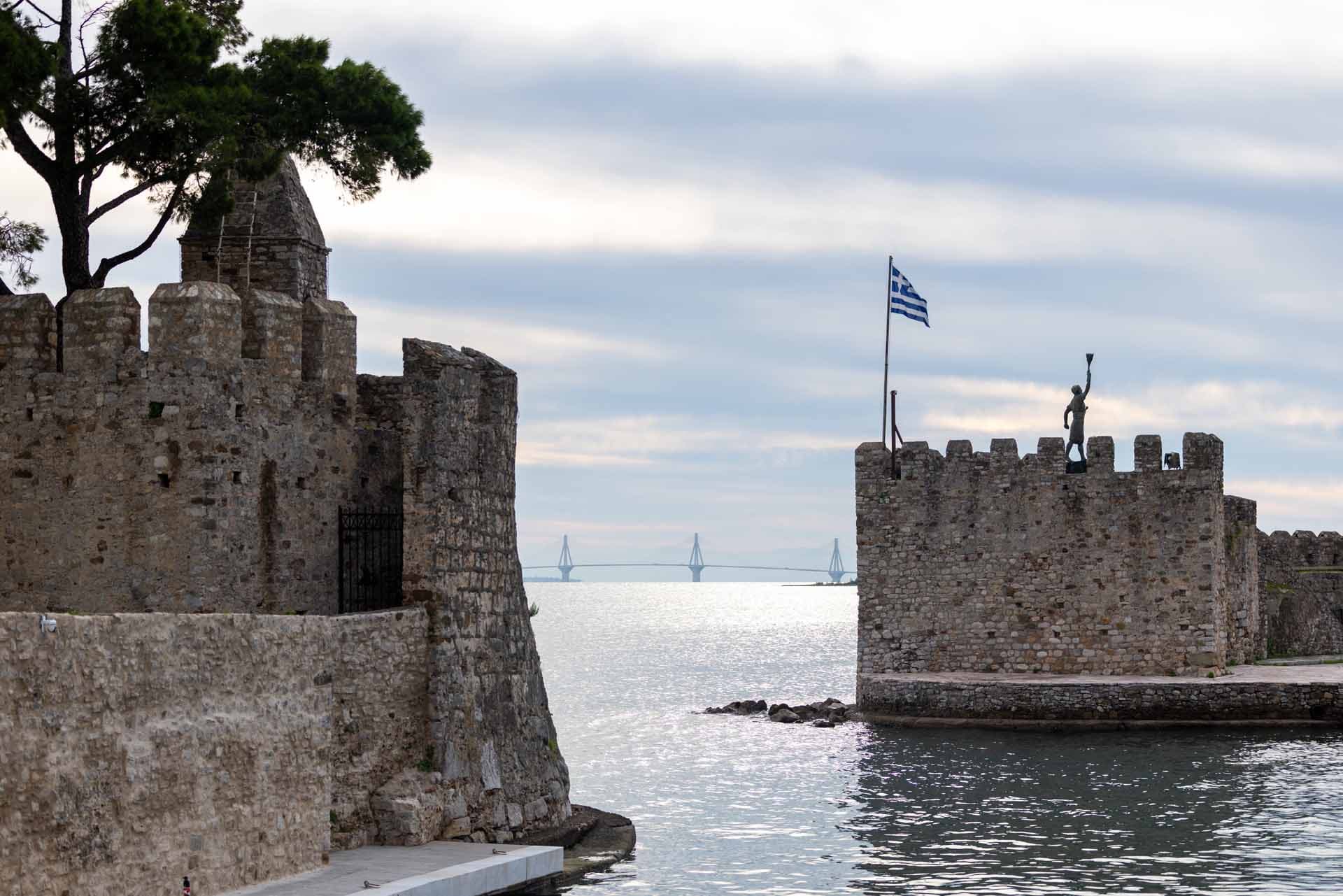
Begin your walk at the port, which curves like a welcoming embrace, guarded by two towers at its entrance. On the western arm, you will find the statues of Georgios Anemogiannis, a fighter of the 1821 War of Independence, and renowned Spanish author Miguel de Cervantes. On the eastern side, you can admire the Lighthouse and the Fethiye Mosque, which is open to visitors. You can continue to the hilltop on foot or follow the paved road that leads directly to the castle entrance.
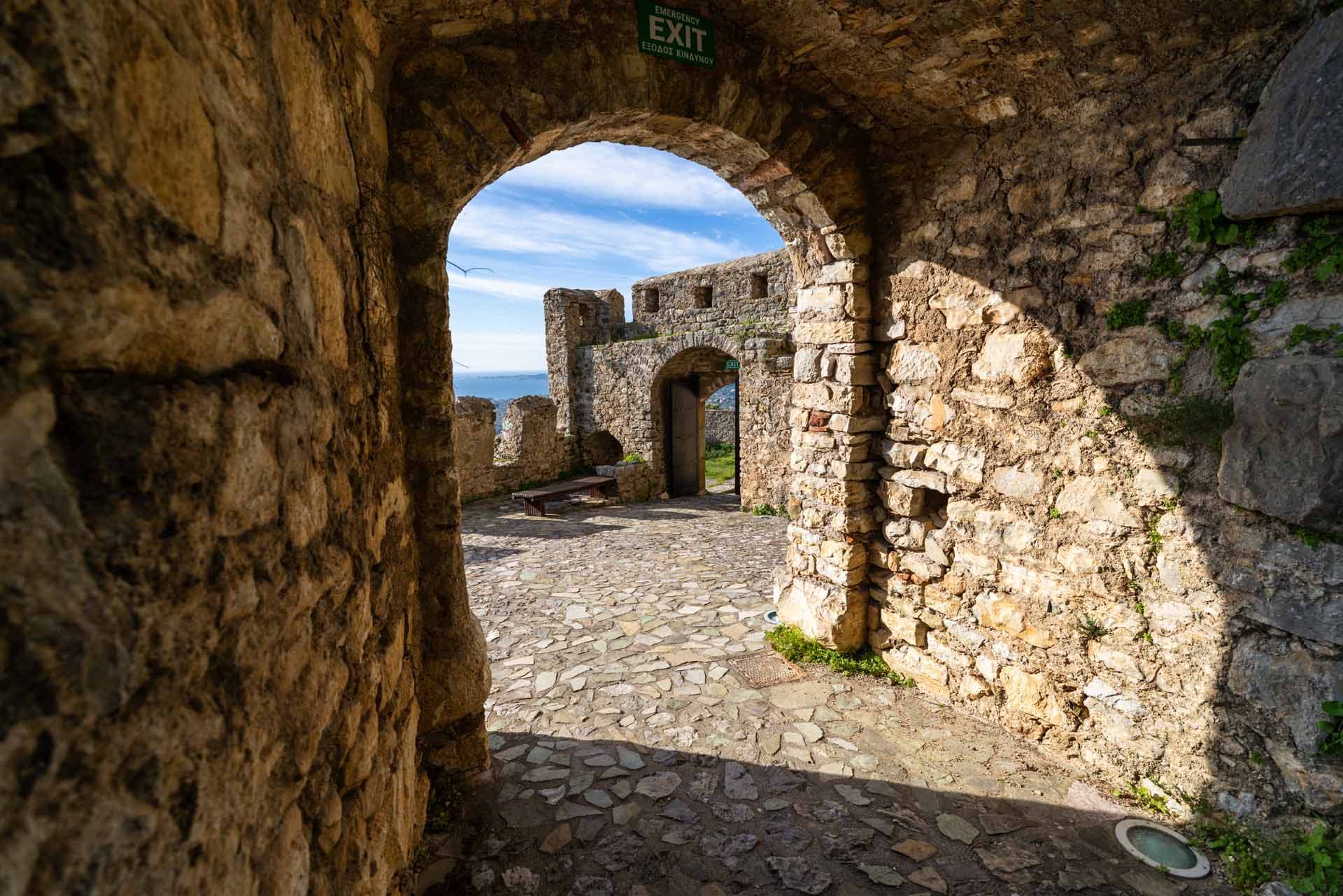
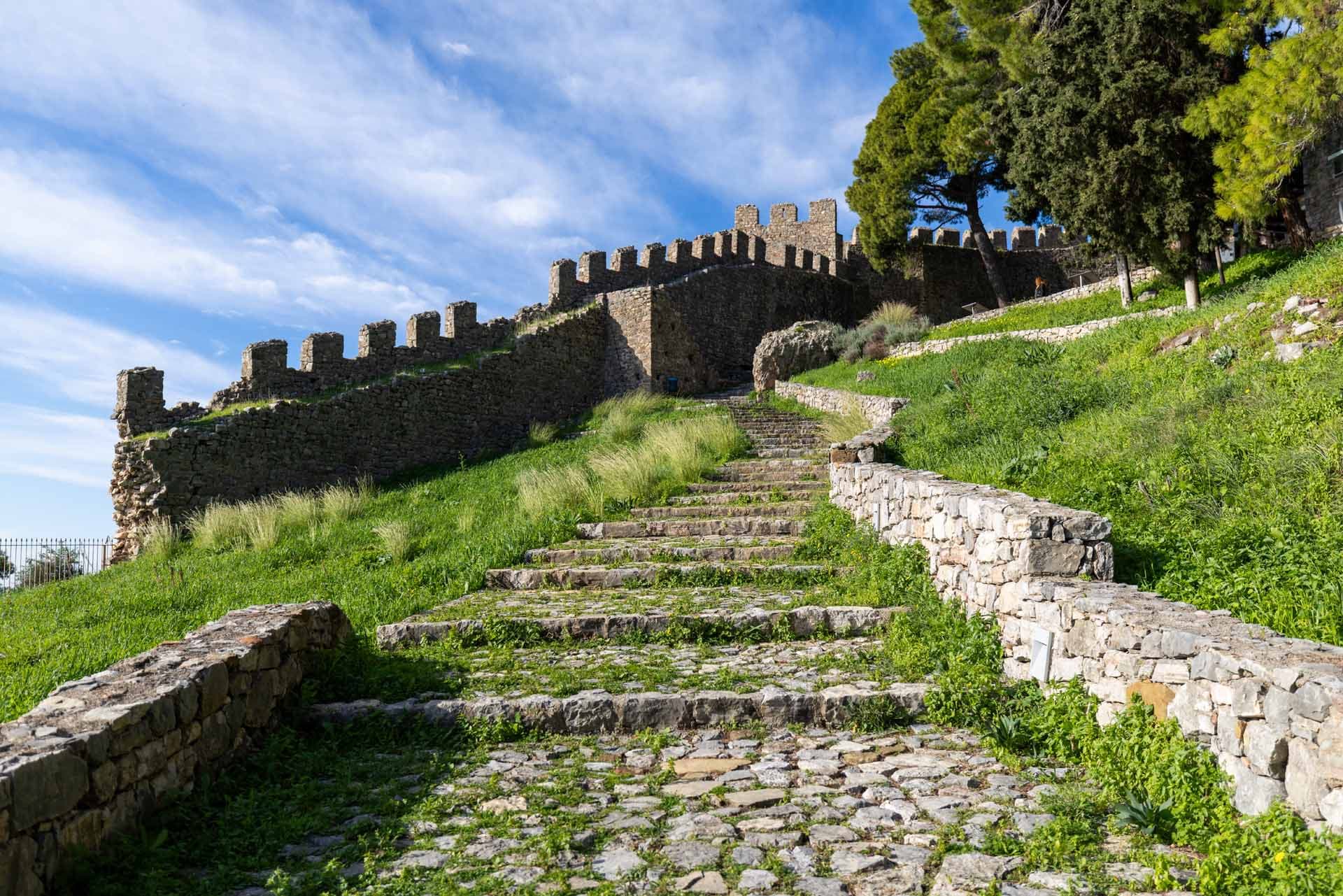
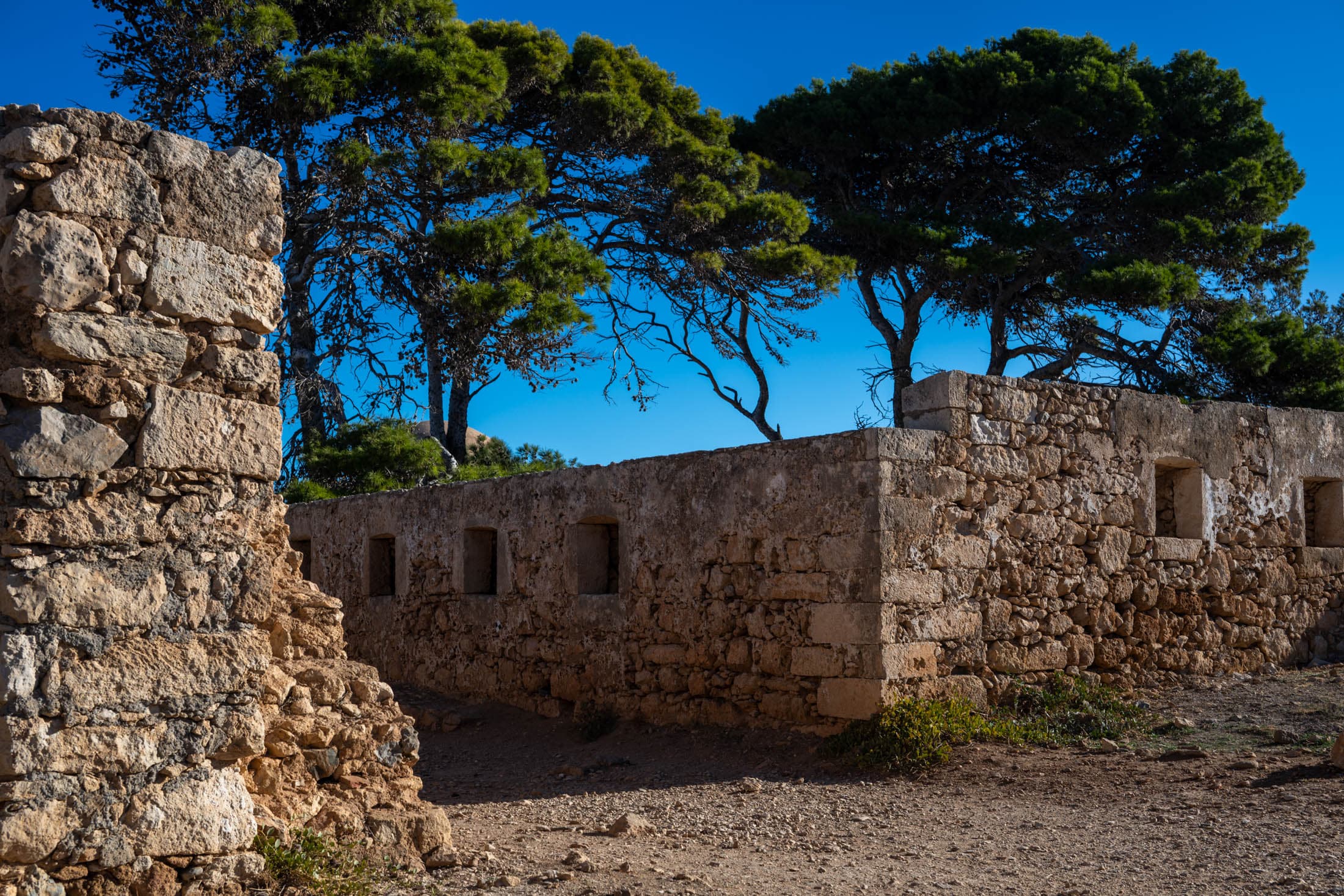
Pass through Sideroporta (Iron Gate) into the Old Town to enjoy a walk around the neighborhoods featuring cobblestone alleys, stone houses, and the Clock Tower. The archaeological site itself begins at the third defensive wall. Along the way, your attention will be drawn to towers, trees, and benches for resting, galleries, cisterns, and structures. Higher up, you will find the 19th-century church of Profitis Ilias (the Prophet Elijah) and the foundations of a Middle Byzantine three-aisled basilica.
The very top of the hill offers an indescribable view over the Corinthian Gulf, while it is well worth spending time at the Nafpaktos Castle Museum to see artifacts from the Byzantine and post-Byzantine eras. Lastly, step inside the old Armory to learn about the restoration efforts and the fortification architecture of the Aetolia-Acarnania region.
This impressive fortress complex – that begins at the hilltop, embraces the city, and reaches down to the water’s edge – owes its current form largely to the Venetians. However, the site had been fortified since antiquity. The acropolis once stood at the summit, while five defensive walls connected by gates reached all the way to the sea.
Begin your walk at the port, which curves like a welcoming embrace, guarded by two towers at its entrance. On the western arm, you will find the statues of Georgios Anemogiannis, a fighter of the 1821 War of Independence, and renowned Spanish author Miguel de Cervantes. On the eastern side, you can admire the Lighthouse and the Fethiye Mosque, which is open to visitors. You can continue to the hilltop on foot or follow the paved road that leads directly to the castle entrance.
Pass through Sideroporta (Iron Gate) into the Old Town to enjoy a walk around the neighborhoods featuring cobblestone alleys, stone houses, and the Clock Tower. The archaeological site itself begins at the third defensive wall. Along the way, your attention will be drawn to towers, trees, and benches for resting, galleries, cisterns, and structures. Higher up, you will find the 19th-century church of Profitis Ilias (the Prophet Elijah) and the foundations of a Middle Byzantine three-aisled basilica.
The very top of the hill offers an indescribable view over the Corinthian Gulf, while it is well worth spending time at the Nafpaktos Castle Museum to see artifacts from the Byzantine and post-Byzantine eras. Lastly, step inside the old Armory to learn about the restoration efforts and the fortification architecture of the Aetolia-Acarnania region.