The Secrets of Two Villages with Distinct Character
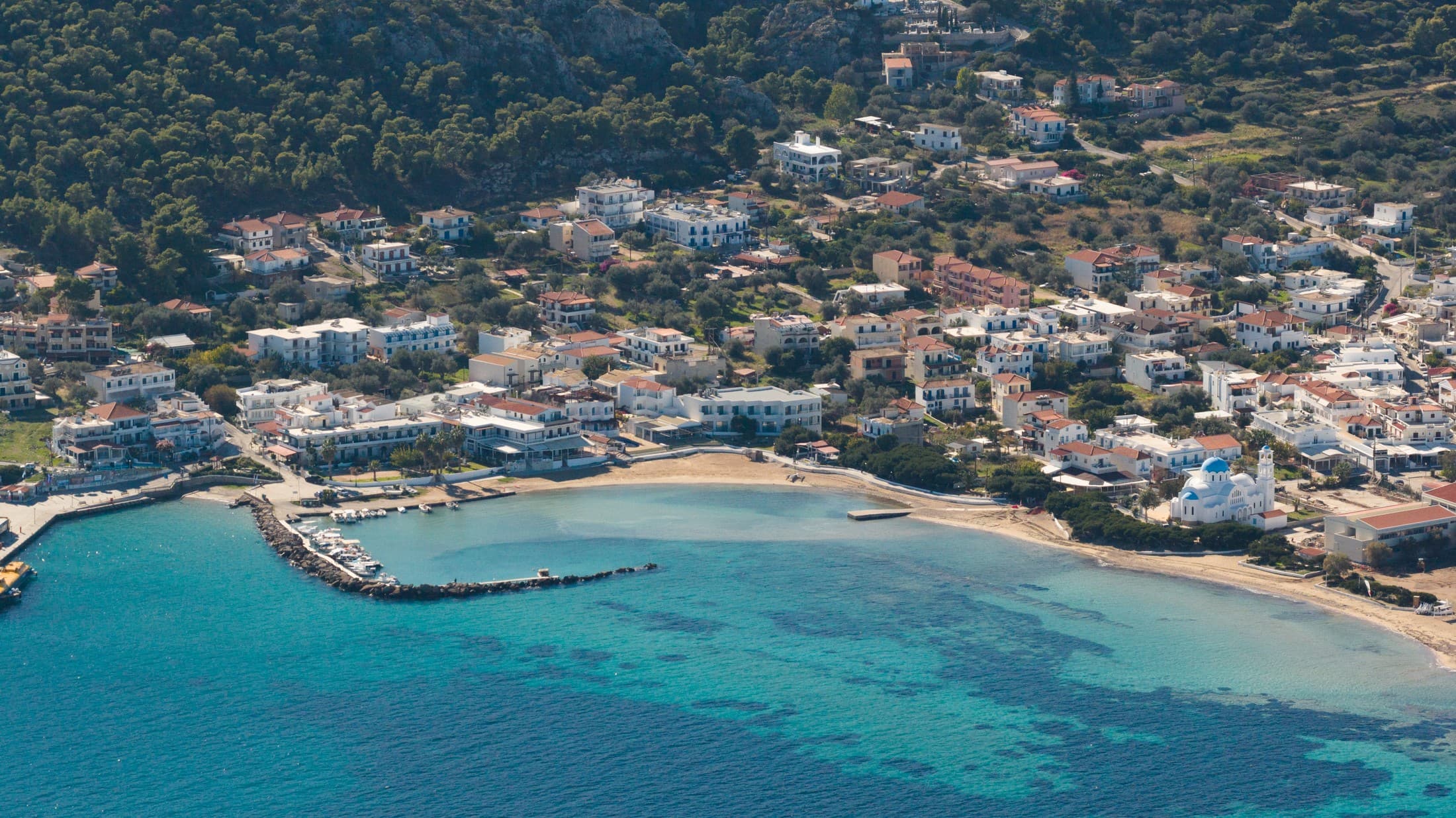
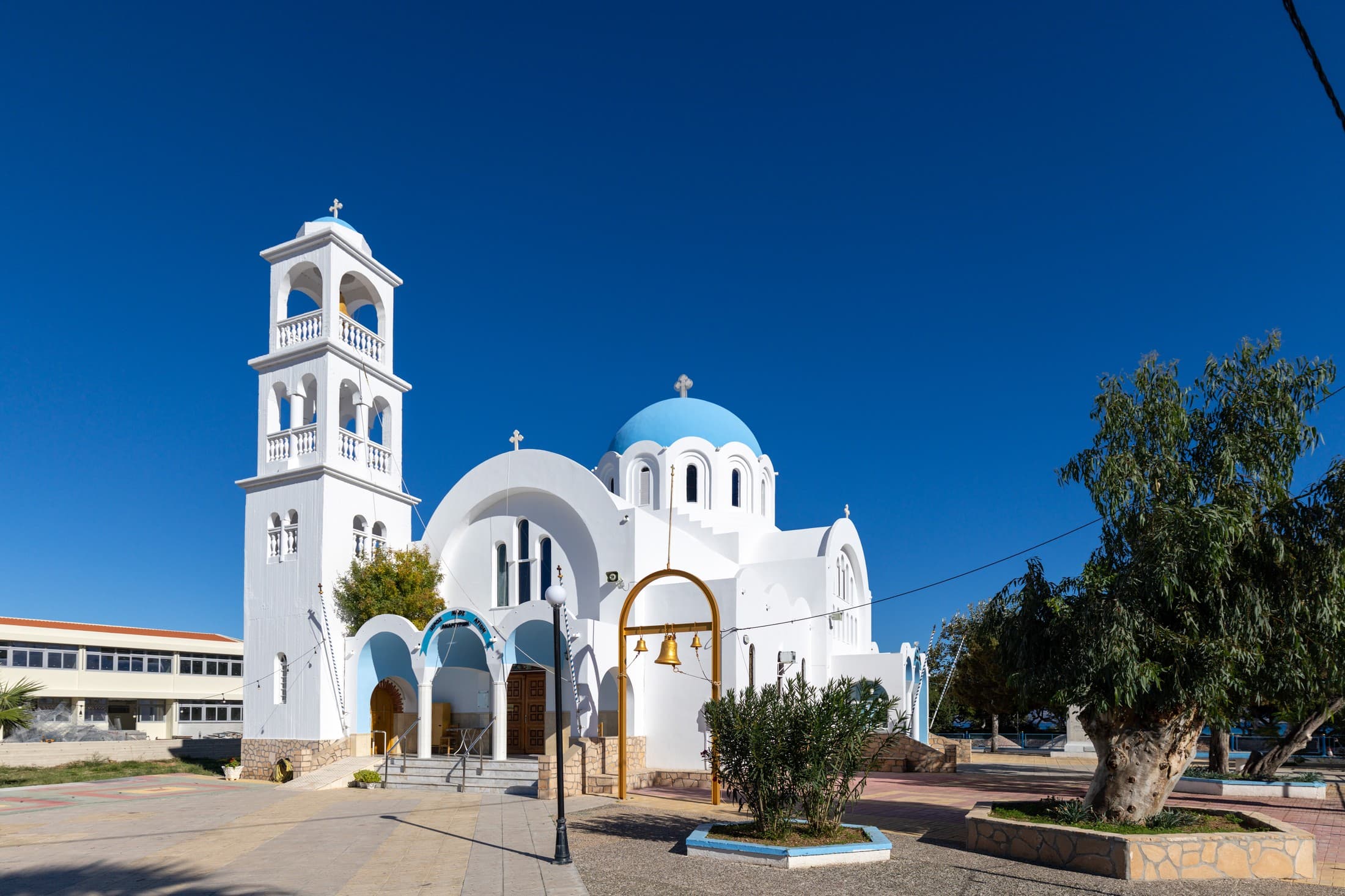
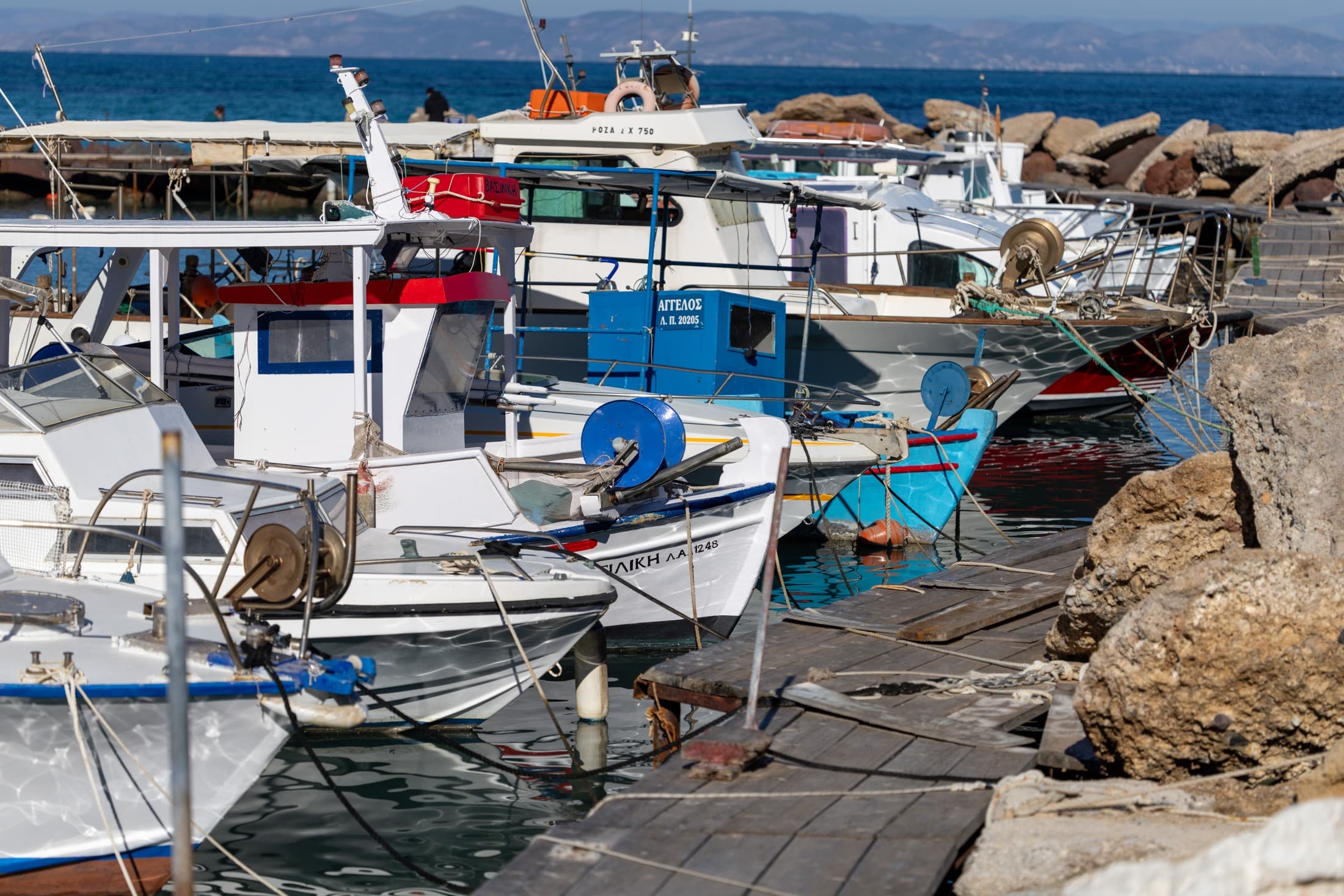
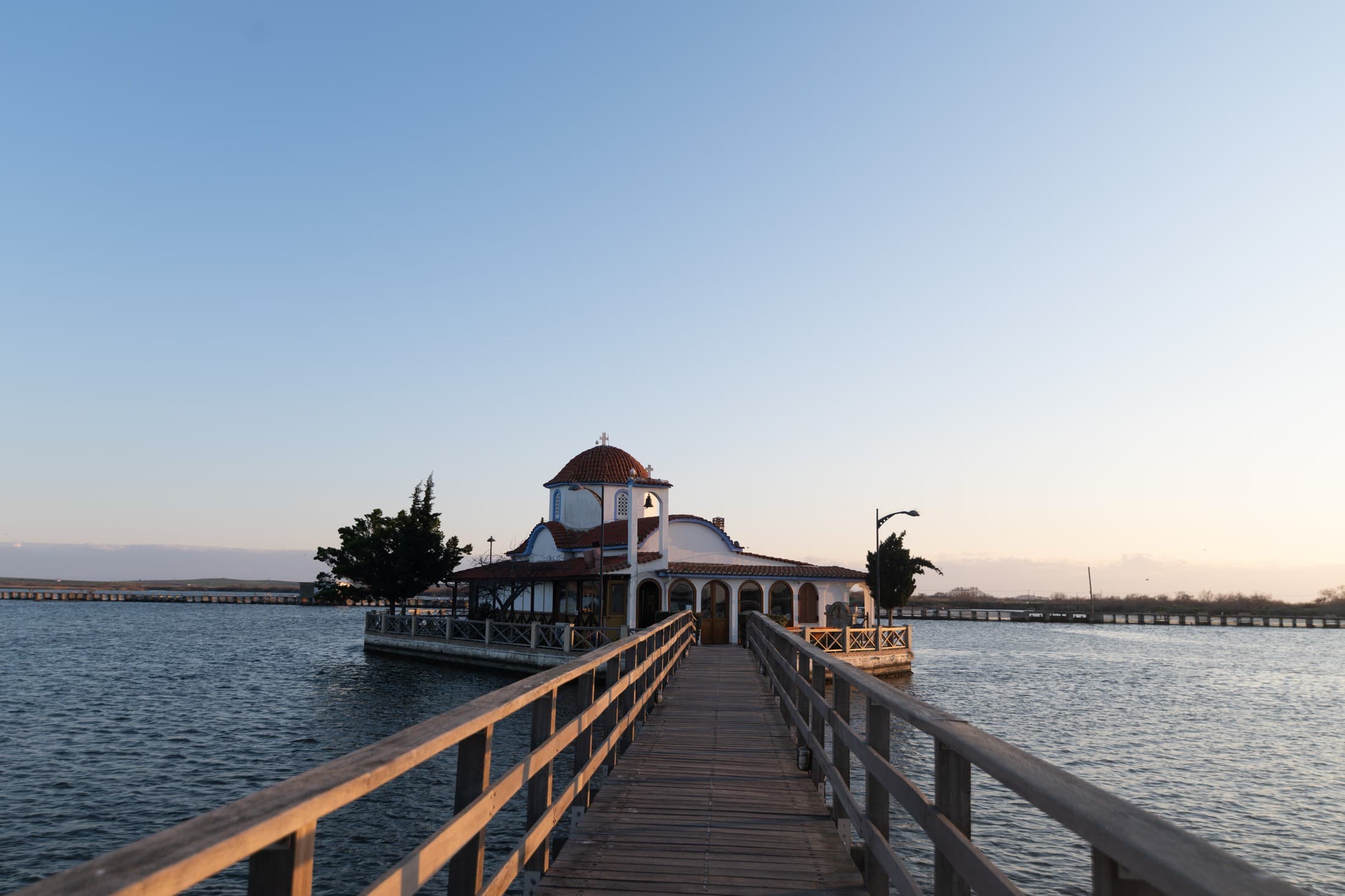
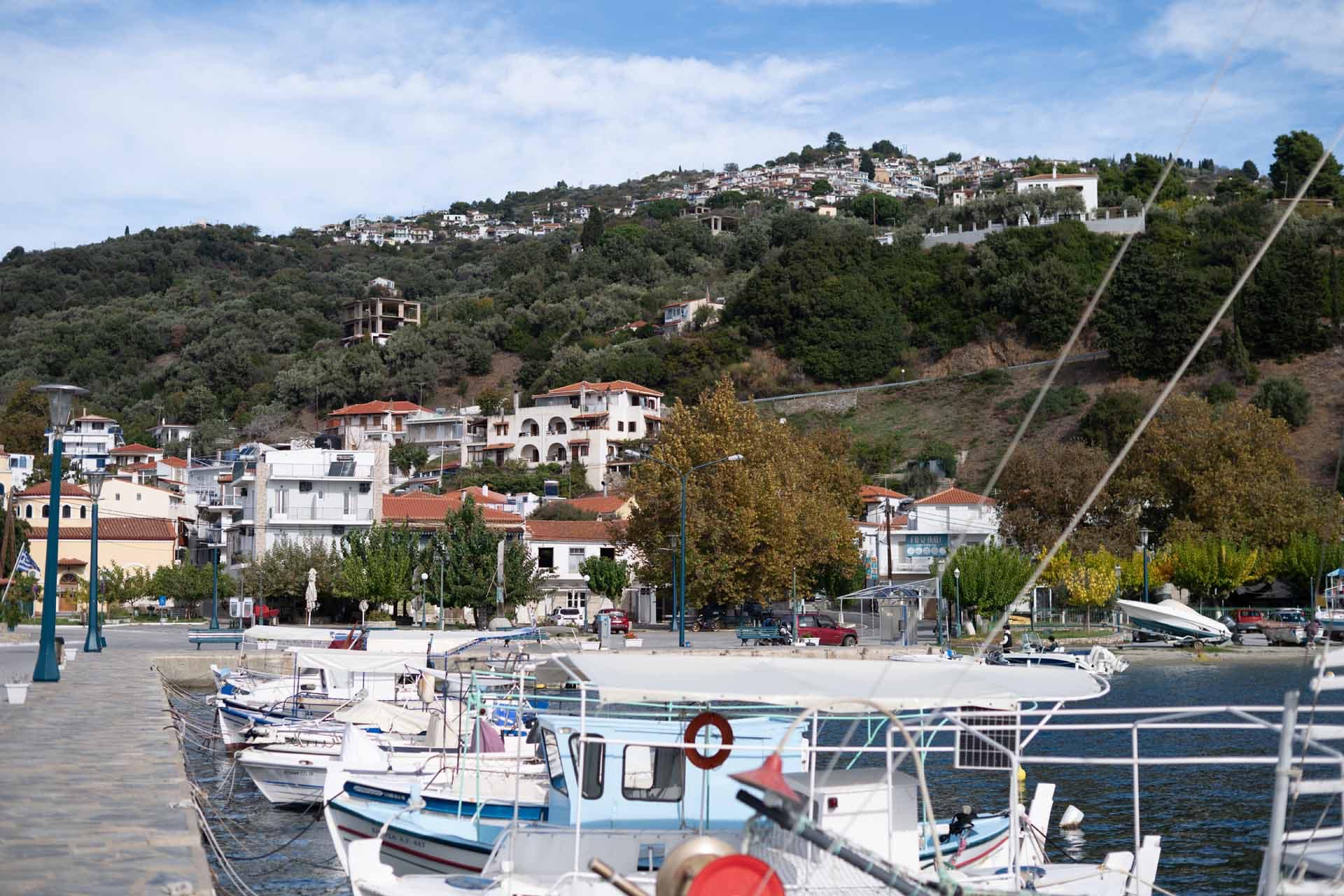
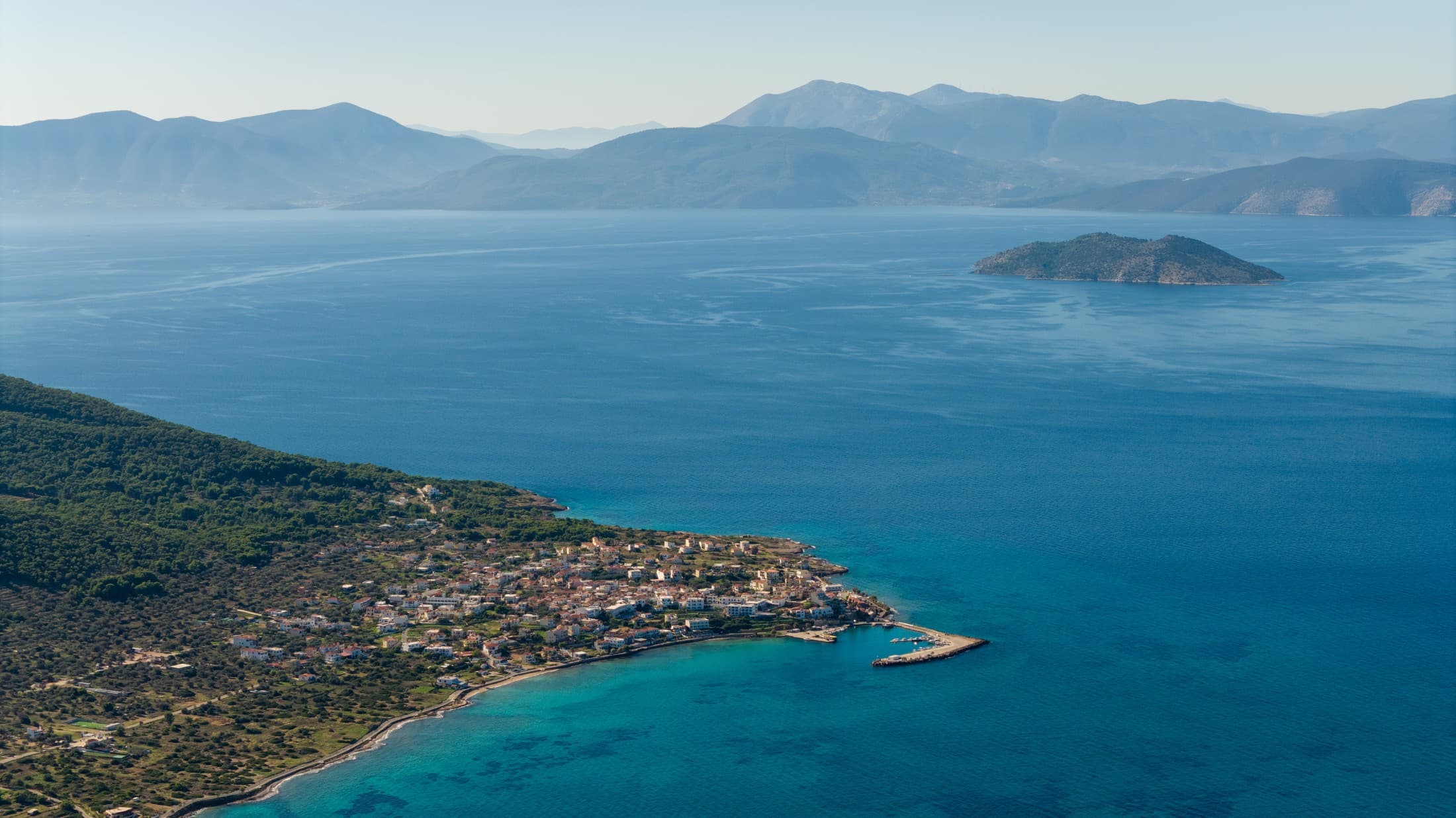
Skala, the island’s natural harbour, is the busiest area on Agistri. Its coastal zone alternates between soft sand and pebbles, providing the perfect setting for relaxing moments by the sea. At the village centre stands the pristine white Church of Agii Anargyri with its blue dome. In front of it lies the namesake beach, ideal for children, thanks to its sandy shore and shallow waters.
Heading out of Skala toward Megalochori, you’ll encounter the second major beach named Sunrise, with a mix of pebbles and sand. Along the coastline, numerous accommodations, dining options, and entertainment venues keep the area lively well into the evening.
Walking eastward, the landscape becomes greener, revealing small coves and scenic paths perfect for photography and exploration.
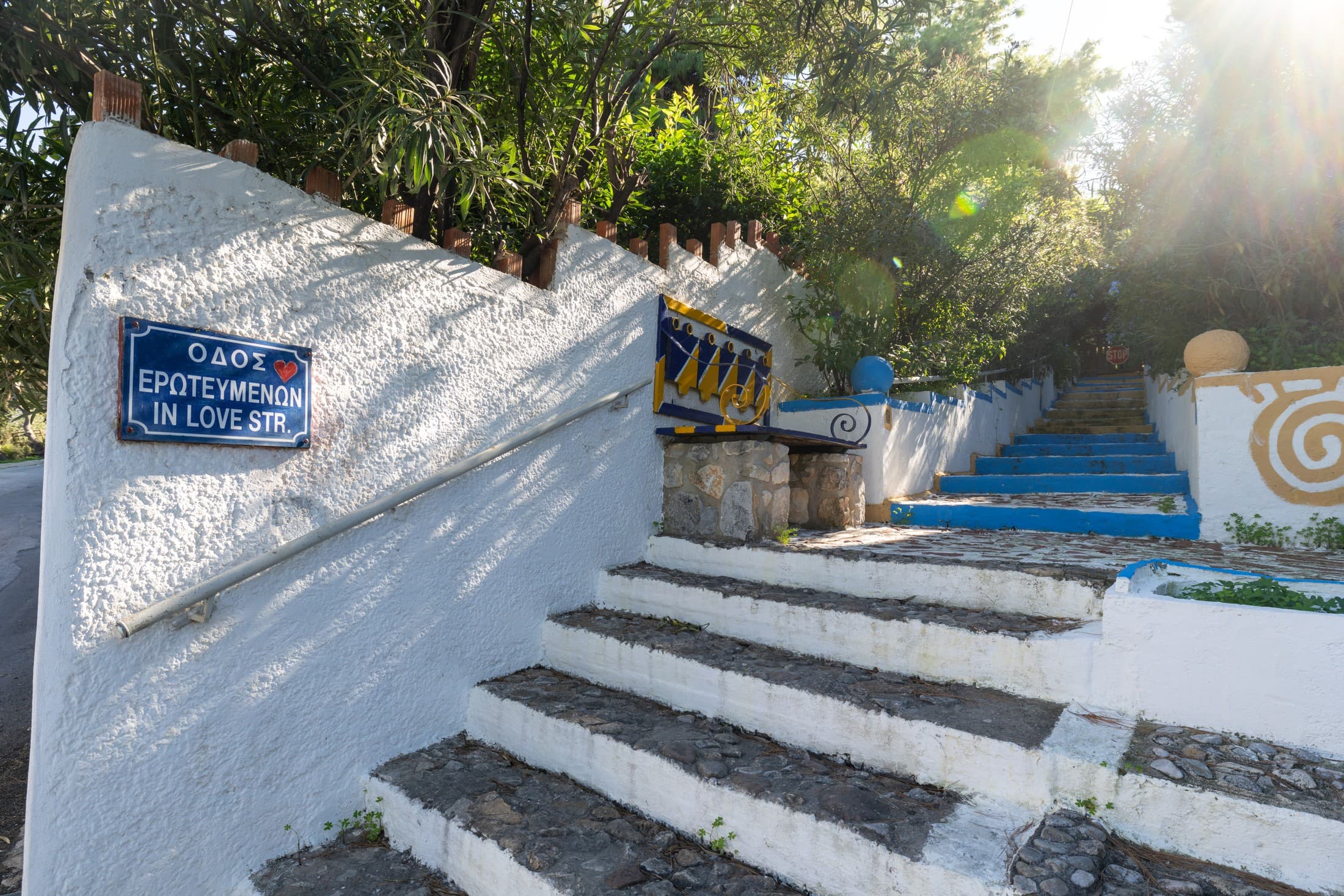
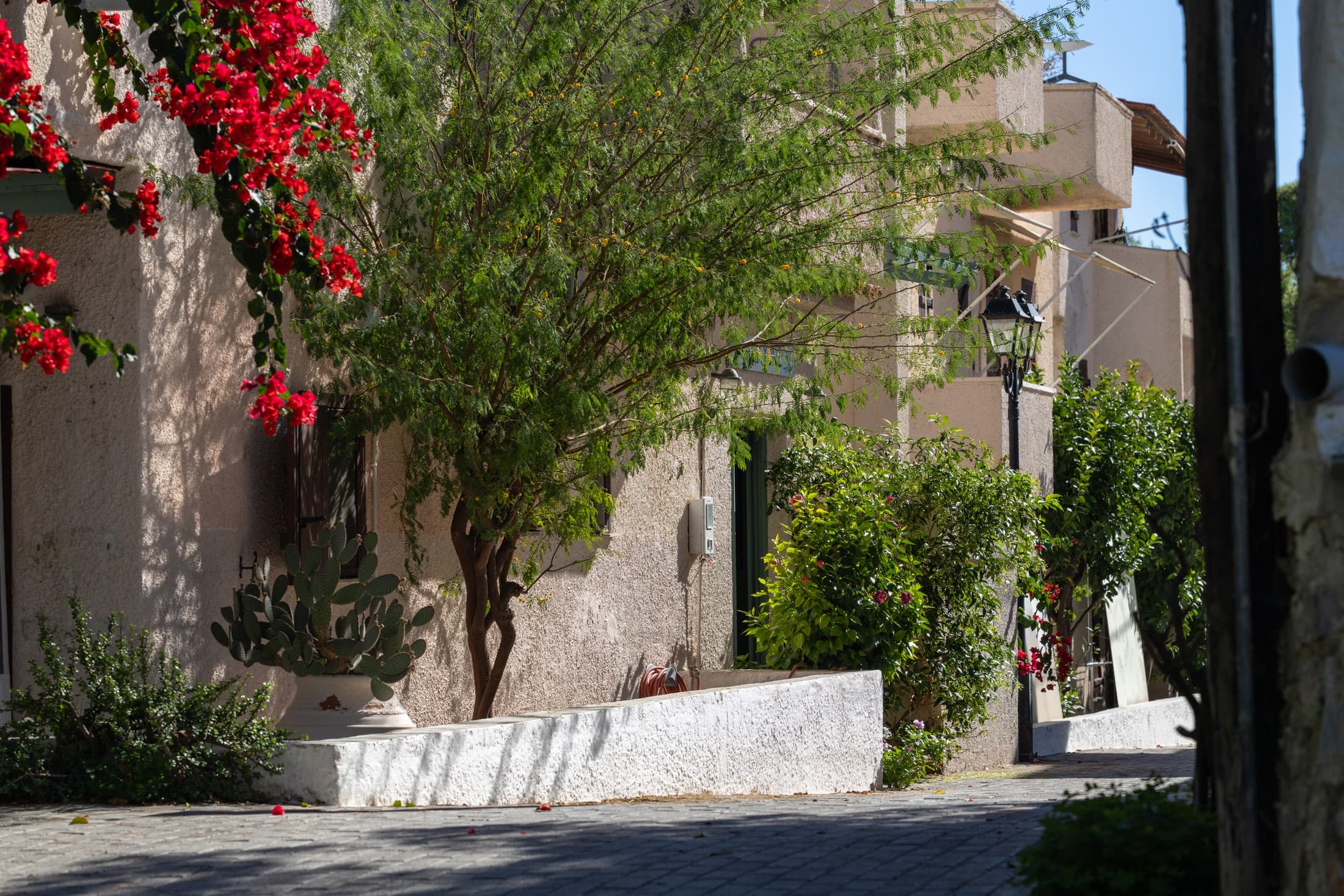
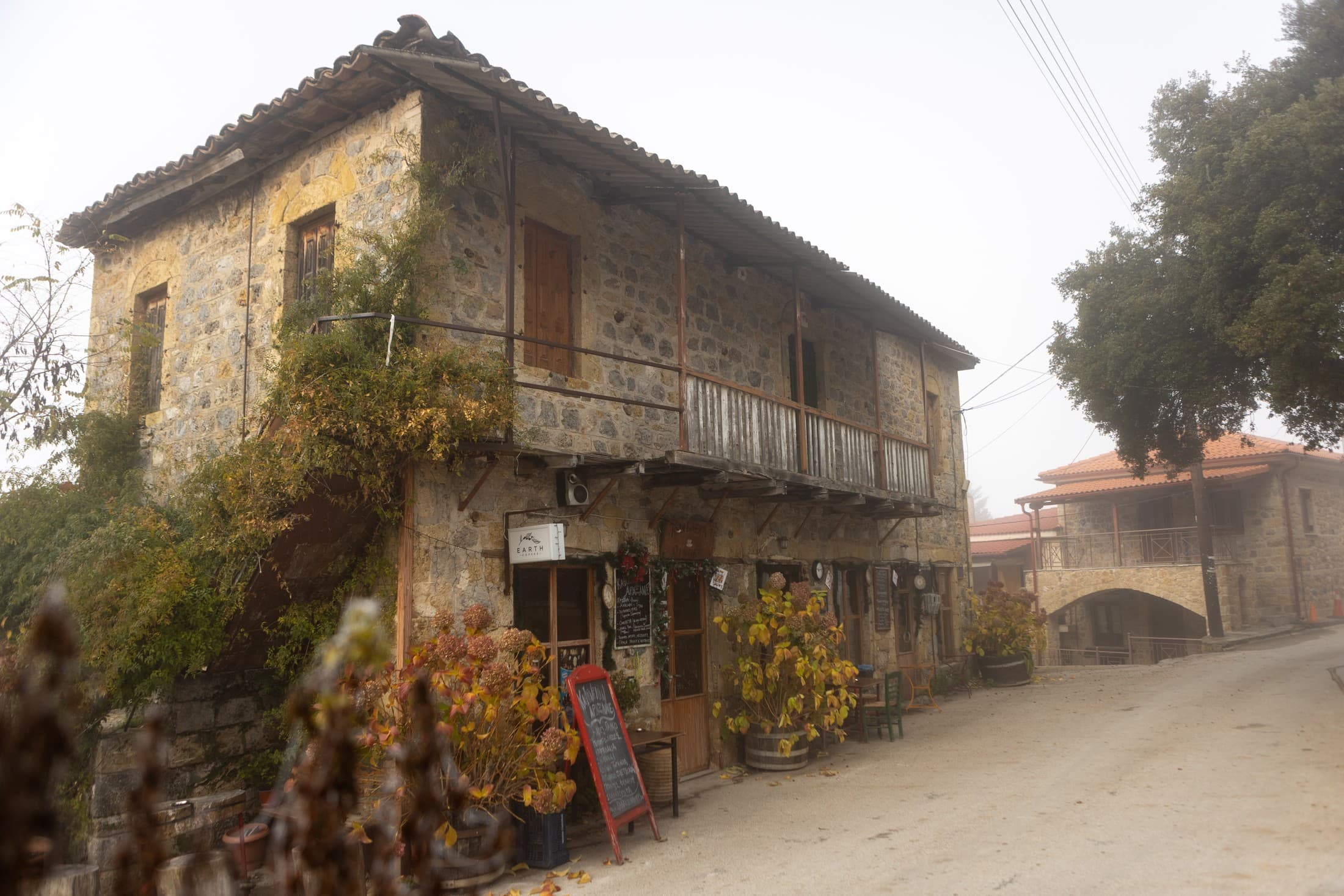
Just a 15–20-minute walk from Skala lies Megalochori—also known as Myli, a name inspired by the windmills that operated in the area until the 1960s. Today, the only surviving windmill dates back to 1812. This second main settlement of the island, which also serves as a natural harbour, stands out for its simplicity and traditional charm. Narrow alleys, stone-built houses, and flower-filled courtyards create a vivid sense of authentic island life. Megalochori is also home to the island’s Metropolitan Church, built of porous stone in 1885, as well as the chapel of Saint George (the former Metropolitan Church), whose history dates back to the 18th century.
The village beaches offer a variety of swimming options—both sandy and pebbly, with or without facilities—while the Cultural Centre of Agistri provides insight into the island’s history. Historical records indicate that Agistri has been inhabited since the Early Helladic period. The archaeological artifacts displayed at the Cultural Centre reveal traces of organised life from the 5th century BC, brought by Peloponnesians who settled on the island.
Heading out of Skala toward Megalochori, you’ll encounter the second major beach named Sunrise, with a mix of pebbles and sand. Along the coastline, numerous accommodations, dining options, and entertainment venues keep the area lively well into the evening.
Walking eastward, the landscape becomes greener, revealing small coves and scenic paths perfect for photography and exploration.
Just a 15–20-minute walk from Skala lies Megalochori—also known as Myli, a name inspired by the windmills that operated in the area until the 1960s. Today, the only surviving windmill dates back to 1812. This second main settlement of the island, which also serves as a natural harbour, stands out for its simplicity and traditional charm. Narrow alleys, stone-built houses, and flower-filled courtyards create a vivid sense of authentic island life. Megalochori is also home to the island’s Metropolitan Church, built of porous stone in 1885, as well as the chapel of Saint George (the former Metropolitan Church), whose history dates back to the 18th century.
The village beaches offer a variety of swimming options—both sandy and pebbly, with or without facilities—while the Cultural Centre of Agistri provides insight into the island’s history. Historical records indicate that Agistri has been inhabited since the Early Helladic period. The archaeological artifacts displayed at the Cultural Centre reveal traces of organised life from the 5th century BC, brought by Peloponnesians who settled on the island.