The spa tradition of a historic thermal town
The famous spa town of Evia continues to captivate visitors with its retro charm, reflecting its importance through the ages. From Roman emperors to the Greek and international jet set who strolled along its seafront in the early 20th century and the postwar years, Edipsos has proven its ability to reinvent itself time and again, thanks to its renowned thermal springs.
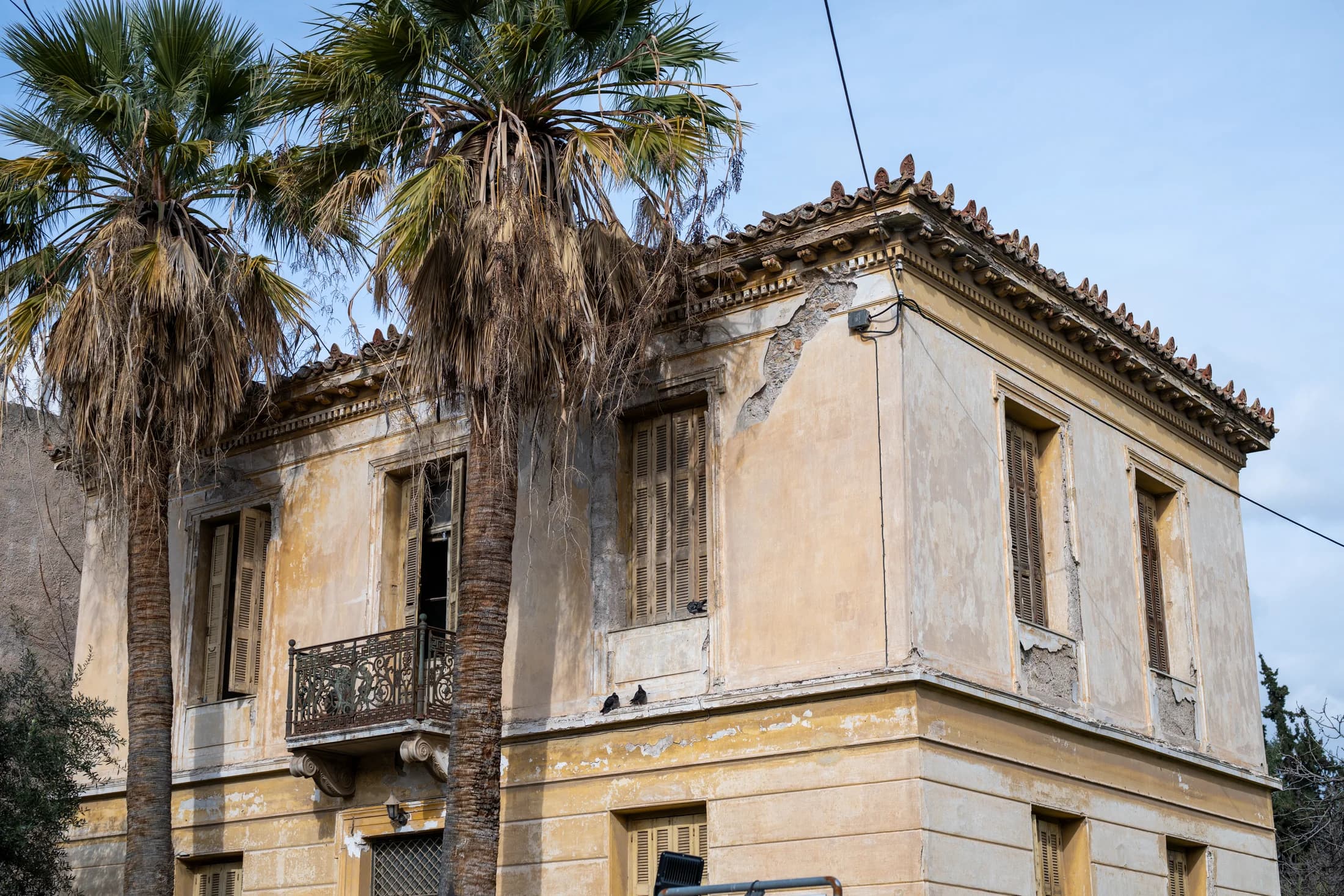
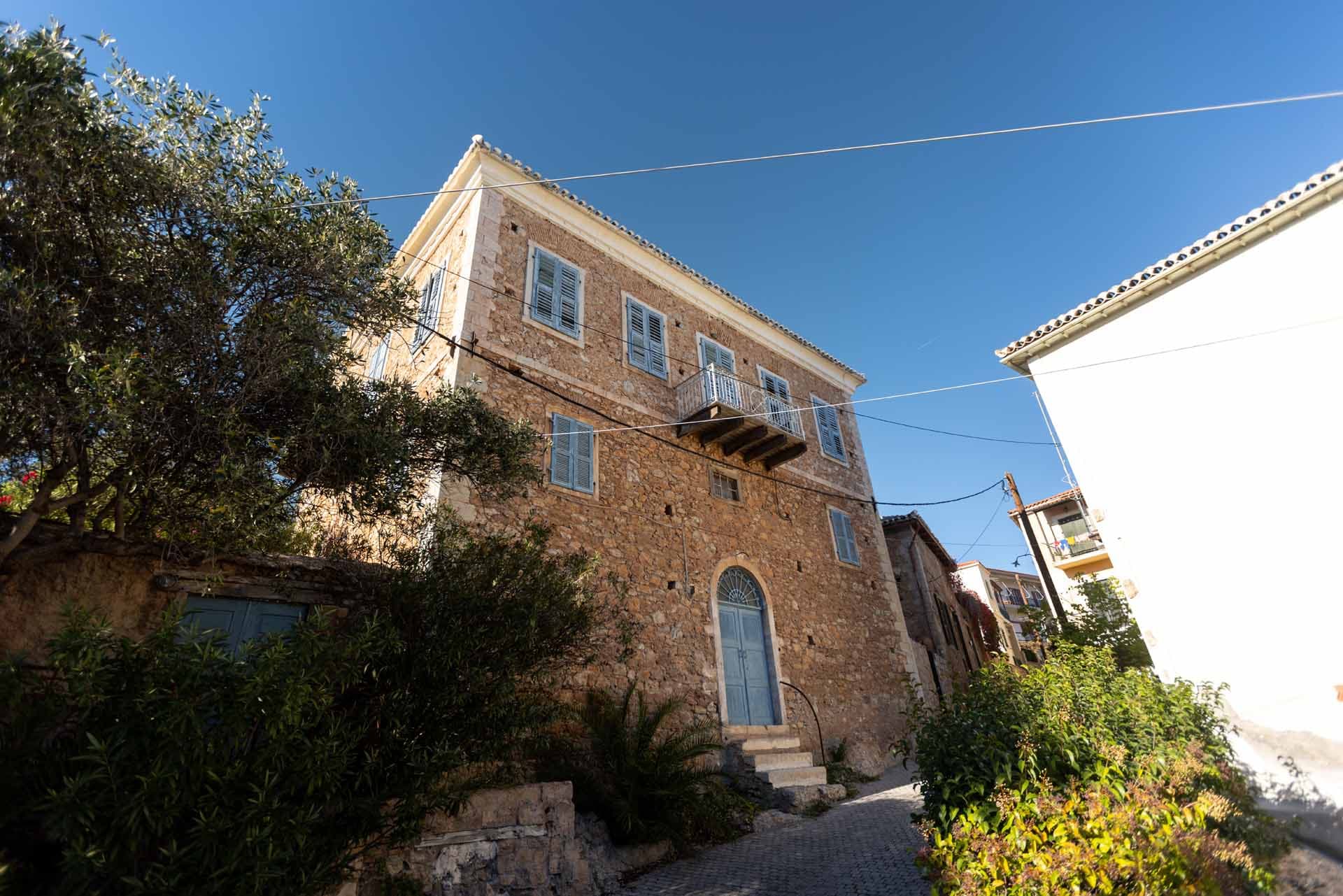
Closely associated with spa tourism more than almost any other place in Greece, the town presents a modern profile enriched by the elegance of past eras. Evidence of this prosperity can be seen in its remarkable buildings, constructed in the late 19th and early 20th centuries, which appear throughout the town—some still in use, others quietly abandoned.
Begin your walk at the Town Hall, housed in a beautiful neoclassical building originally built as a hotel and later used as the local high school. Continue along the seafront promenade and admire some of the town’s architectural treasures. Among the highlights are the historic Egli Hotel, designed by architect Konstantinos Biris, and the iconic Kyma—an octagonal structure built on posts over the sea in 1933, originally serving as a cafeteria and now frequently hosting exhibitions and events.
Continuing your walk, you will come across another characteristic neoclassical landmark of the town, the Thermae Sylla Hotel. Built in 1896 and carefully restored with respect to its original design, it was the hotel that marked the beginning of the area’s development and remains an iconic point of reference to this day.
As you stroll on, your gaze shifts between the sea and the remarkable buildings that appear at every turn. Former hotels and hydrotherapy centres which, though now abandoned, still bear witness to their former grandeur. Your walk will lead you to the distinctive, deep-red Hotel Iraklion, dating back to 1901 and no longer in operation. On your way back, it’s worth making a short detour to see what remains of the old hydrotherapy centre of Agii Anargyri, a project by the renowned architect Ernst Ziller.
Closely associated with spa tourism more than almost any other place in Greece, the town presents a modern profile enriched by the elegance of past eras. Evidence of this prosperity can be seen in its remarkable buildings, constructed in the late 19th and early 20th centuries, which appear throughout the town—some still in use, others quietly abandoned.
Begin your walk at the Town Hall, housed in a beautiful neoclassical building originally built as a hotel and later used as the local high school. Continue along the seafront promenade and admire some of the town’s architectural treasures. Among the highlights are the historic Egli Hotel, designed by architect Konstantinos Biris, and the iconic Kyma—an octagonal structure built on posts over the sea in 1933, originally serving as a cafeteria and now frequently hosting exhibitions and events.
Continuing your walk, you will come across another characteristic neoclassical landmark of the town, the Thermae Sylla Hotel. Built in 1896 and carefully restored with respect to its original design, it was the hotel that marked the beginning of the area’s development and remains an iconic point of reference to this day.
As you stroll on, your gaze shifts between the sea and the remarkable buildings that appear at every turn. Former hotels and hydrotherapy centres which, though now abandoned, still bear witness to their former grandeur. Your walk will lead you to the distinctive, deep-red Hotel Iraklion, dating back to 1901 and no longer in operation. On your way back, it’s worth making a short detour to see what remains of the old hydrotherapy centre of Agii Anargyri, a project by the renowned architect Ernst Ziller.