The elegant urban heritage of the city
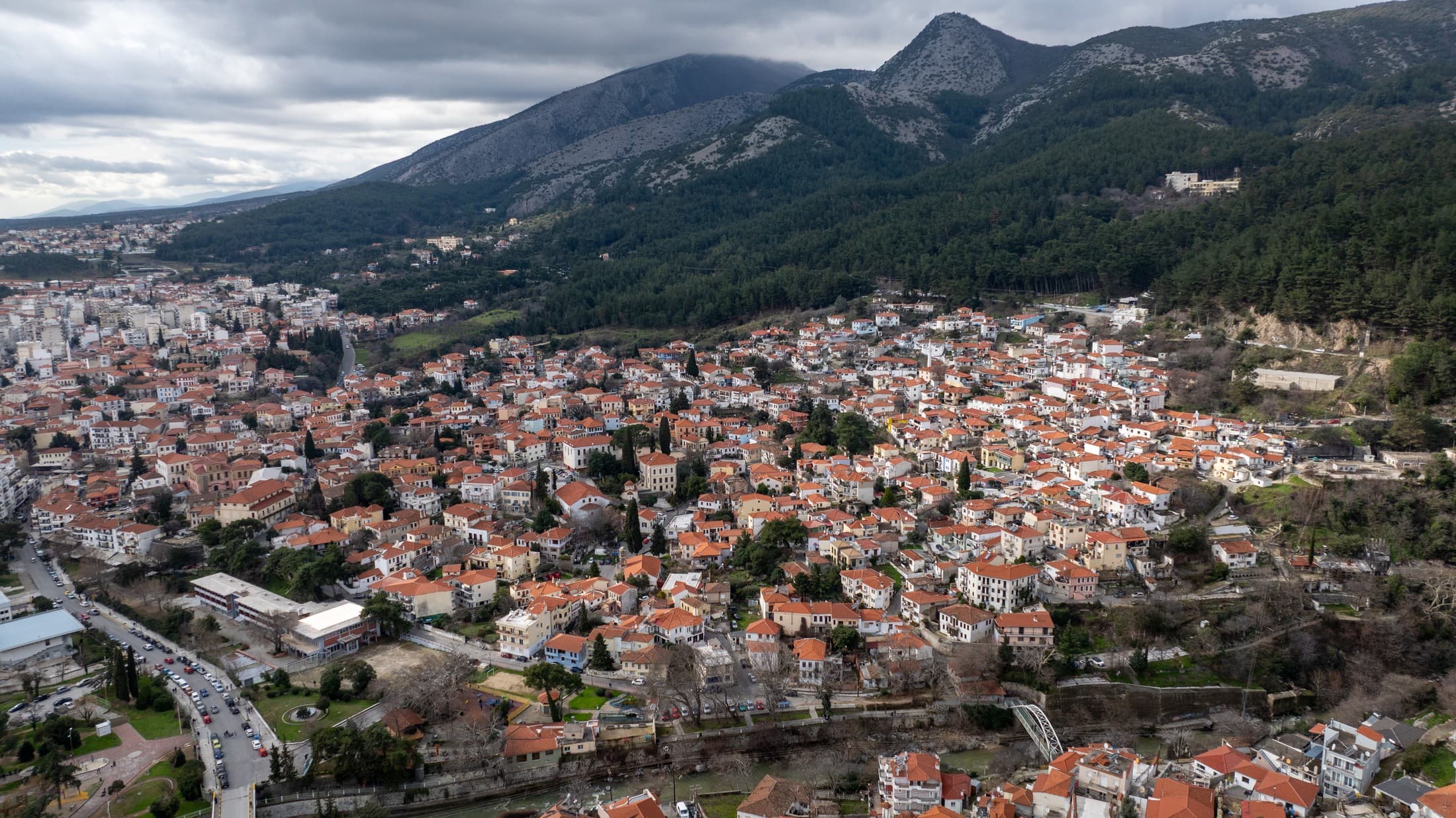
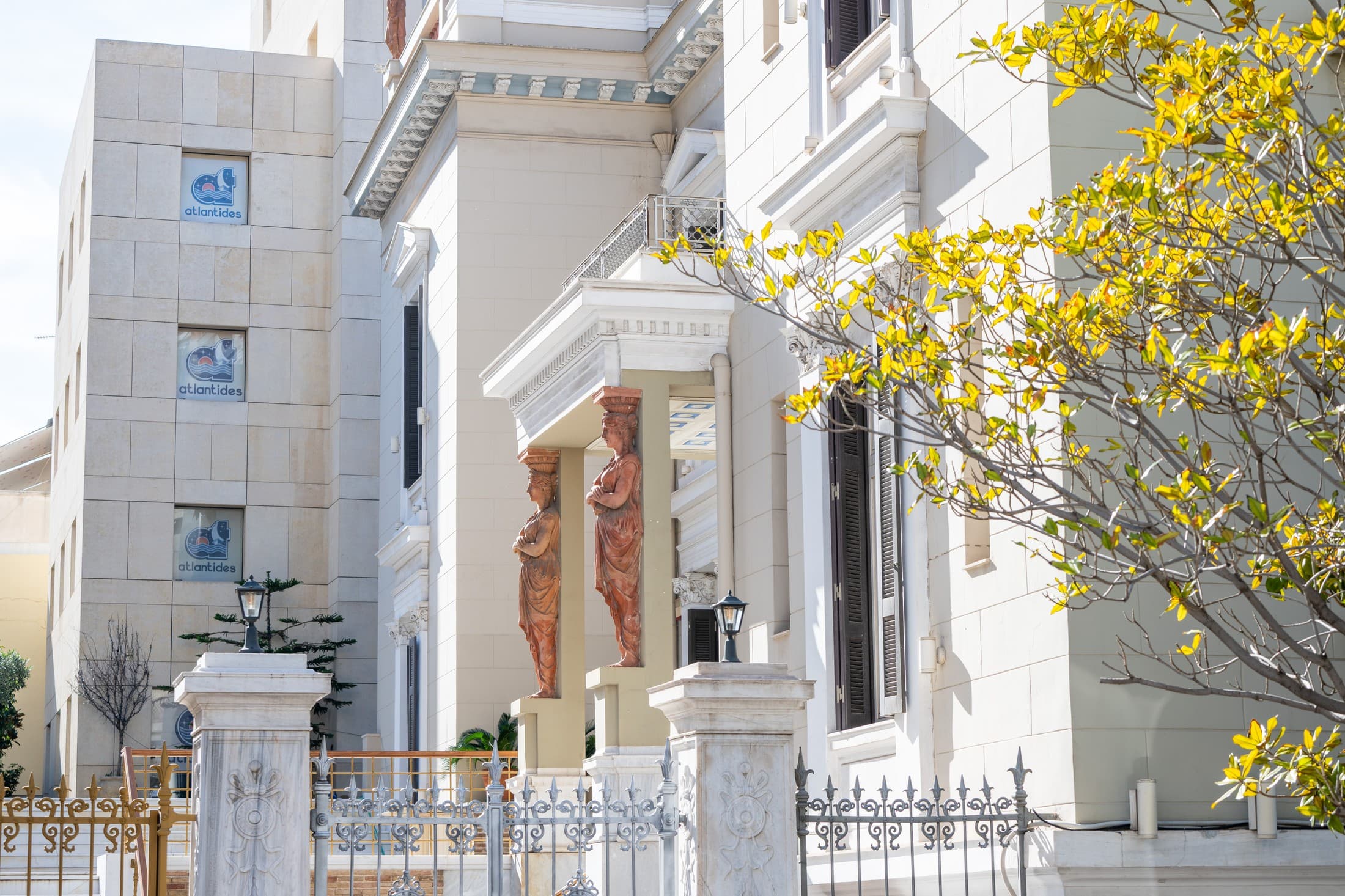
Elefsina, known both for the Eleusinian Mysteries of antiquity and for its industrial past, preserves a particularly charming side: its neoclassical buildings. Among the factories, warehouses, and modern buildings, the residences and grand public buildings of the 19th century and the early 20th century stand out, bearing witness to an era of prosperity and cultural flourishing.
The Old City Hall, with its austere symmetry and marble decorative elements, was the centre of the city’s urban life and is part of the archaeological site.
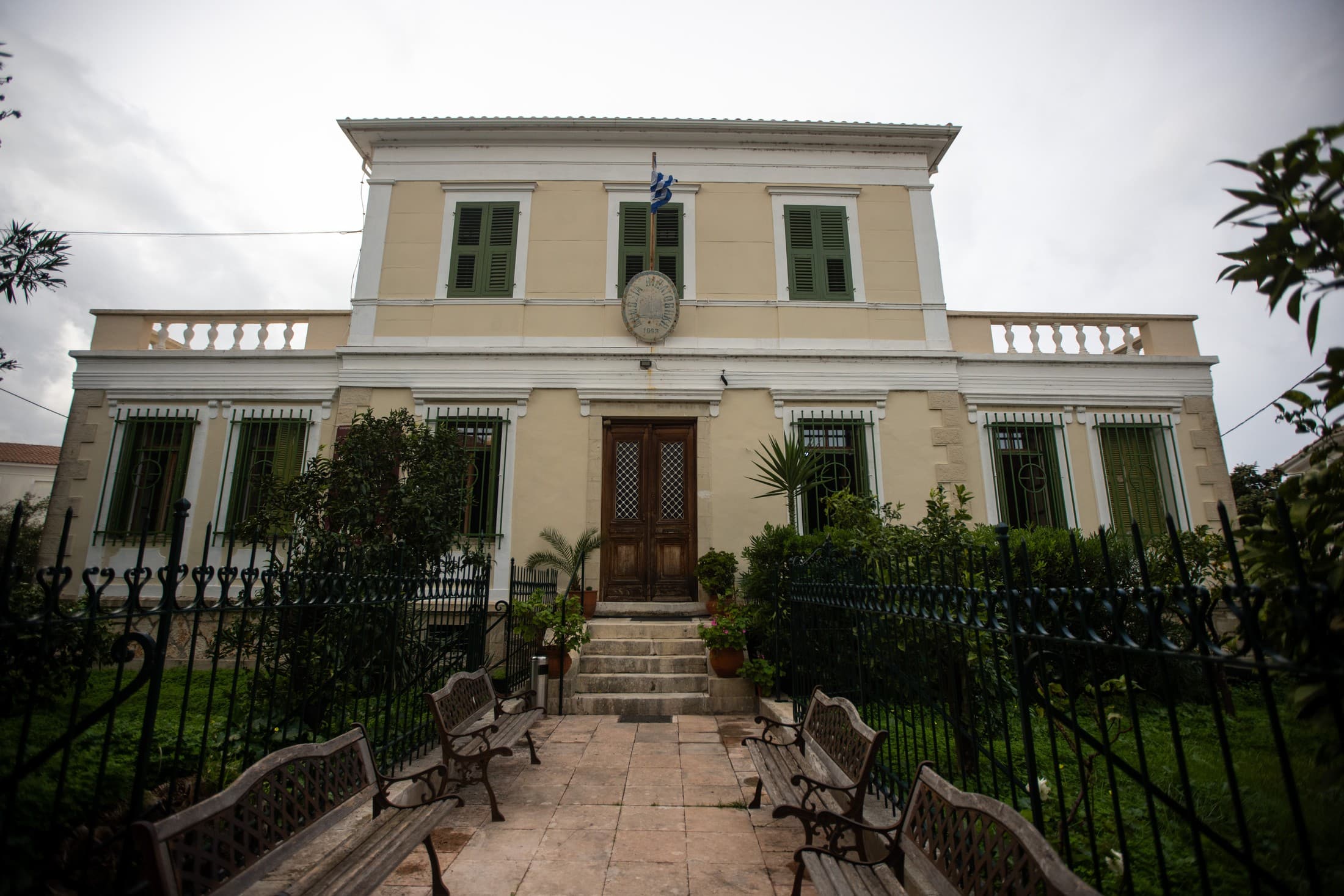
The House of Demestichas, an elegant example of a neoclassical residence with plaster details and stained glass in the interior, is reminiscent of the urban glamour of the early 20th century.
The Pangalos Residence stands out for its imposing size and its relationship with modern political history, while it is one of the most distinctive examples of urban neoclassical homes of the city.
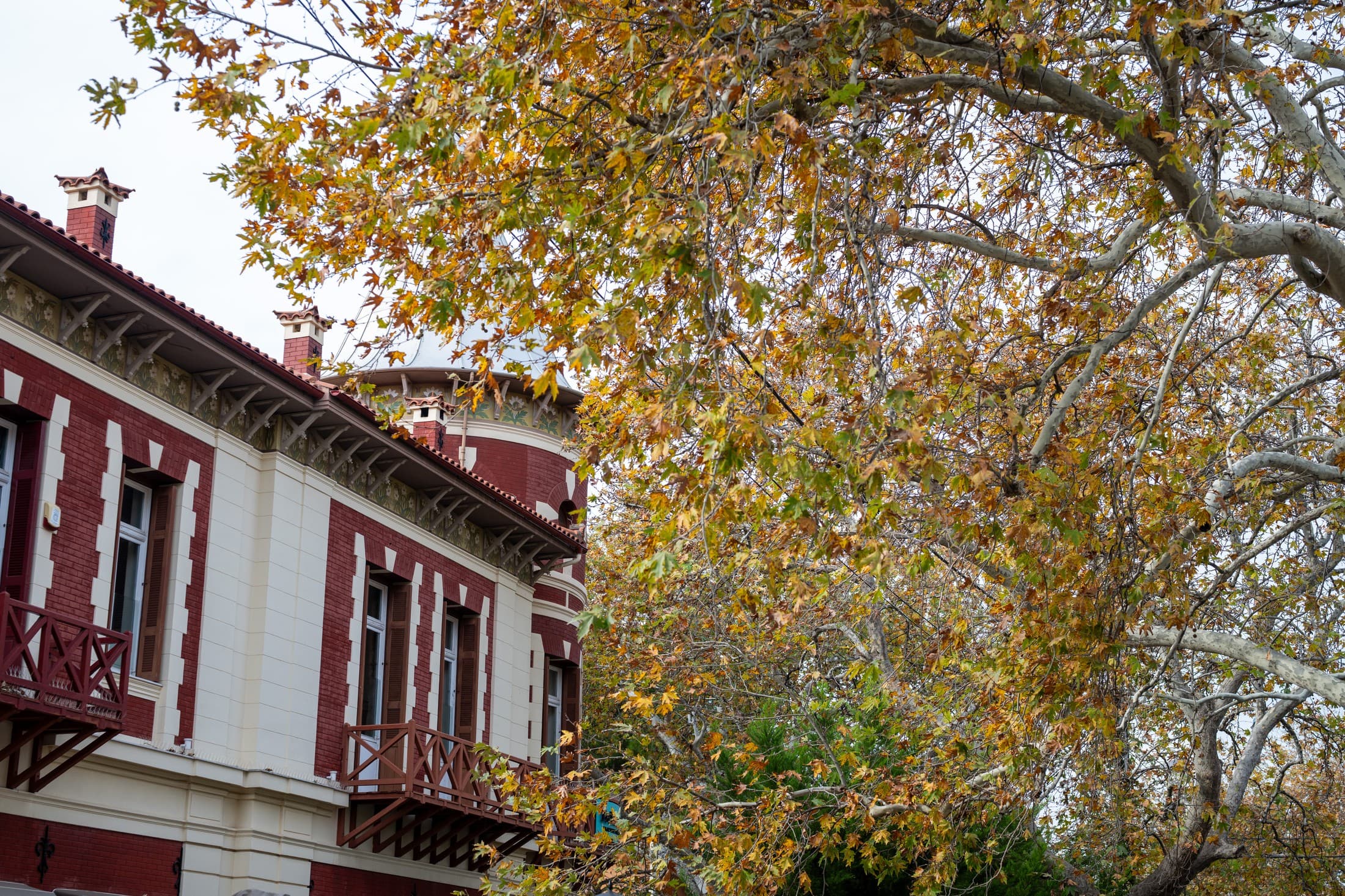
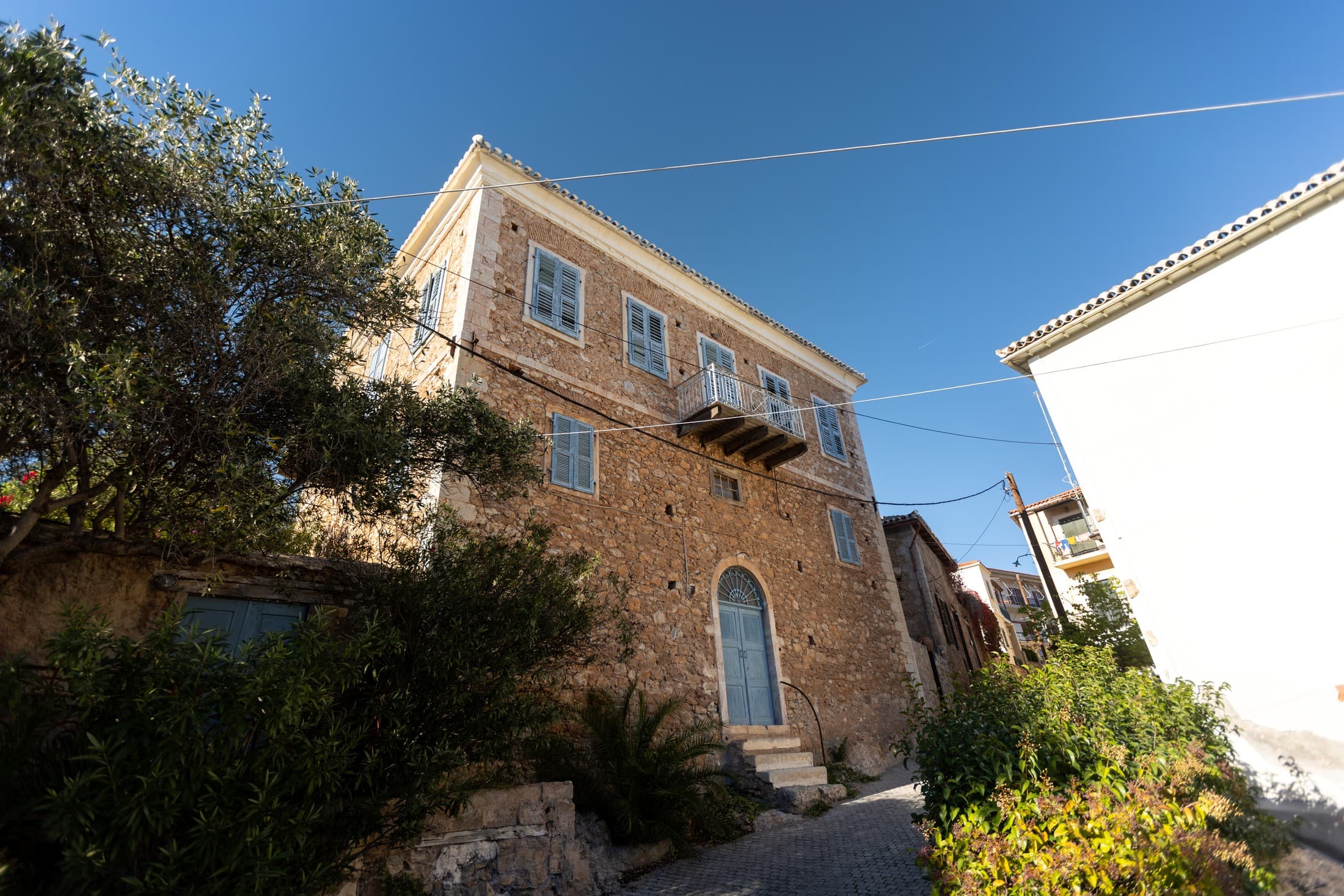
The Morphopoulos Residence combines traditional masonry with neoclassical elements, expressing the unique identity of the local architecture with a hipped roof and roof ornaments. The interior was decorated by craftsmen who were brought in from Italy expressly for this purpose.
The two-storey Adam Residence is a remarkable building of the interwar period with neoclassical elements and it was declared a listed building under special terms, as it is a typical example of a middle-class detached house with influences from late classicism.
For a stroll that reveals the more romantic side of Elefsina, walk from Iroon Square to the sea and stop at the façades that stand out: balconies with wrought-iron railings, marble steps, painted lintels. The exhibitions and cultural events hosted in the Old City Hall are opportunities to explore its interior.
Each of these buildings is a small chapter in the cultural history of Elefsina, a bridge between ancient sanctity and its modern urban profile. Some can be visited after prior arrangement with the Municipality of Elefsina.
The Old City Hall, with its austere symmetry and marble decorative elements, was the centre of the city’s urban life and is part of the archaeological site.
The House of Demestichas, an elegant example of a neoclassical residence with plaster details and stained glass in the interior, is reminiscent of the urban glamour of the early 20th century.
The Pangalos Residence stands out for its imposing size and its relationship with modern political history, while it is one of the most distinctive examples of urban neoclassical homes of the city.
The Morphopoulos Residence combines traditional masonry with neoclassical elements, expressing the unique identity of the local architecture with a hipped roof and roof ornaments. The interior was decorated by craftsmen who were brought in from Italy expressly for this purpose.
The two-storey Adam Residence is a remarkable building of the interwar period with neoclassical elements and it was declared a listed building under special terms, as it is a typical example of a middle-class detached house with influences from late classicism.
For a stroll that reveals the more romantic side of Elefsina, walk from Iroon Square to the sea and stop at the façades that stand out: balconies with wrought-iron railings, marble steps, painted lintels. The exhibitions and cultural events hosted in the Old City Hall are opportunities to explore its interior.
Each of these buildings is a small chapter in the cultural history of Elefsina, a bridge between ancient sanctity and its modern urban profile. Some can be visited after prior arrangement with the Municipality of Elefsina.