A feast of flora with an emphasis on environmental education
At the foot of Mount Egaleo, on the border of Chaidari and Dafni, lies one of the most valuable natural treasures of Attica: the Botanical Garden of Julia and Alexander N. Diomedes, the largest botanical garden in the Eastern Mediterranean. It was founded in 1951, thanks to the donation of the great merchant and philologist Alexander Diomedes. Its configuration lasted until 1975, when it was opened to the public.
Today, it covers more than 185 hectares and is home to over 550 plant species from every corner of the world, classified according to their botanical affinity or origin.
Among them you will find plants of the Greek countryside, aromatic and medicinal species already mentioned in Theophrastus' texts, but also exotic species from the five continents: eucalyptus, palm trees, sequoias, cacti and rare orchids. As soon as you enter the garden, look for the part of historical plants, unique in the world, with plants from ancient Greek mythology.
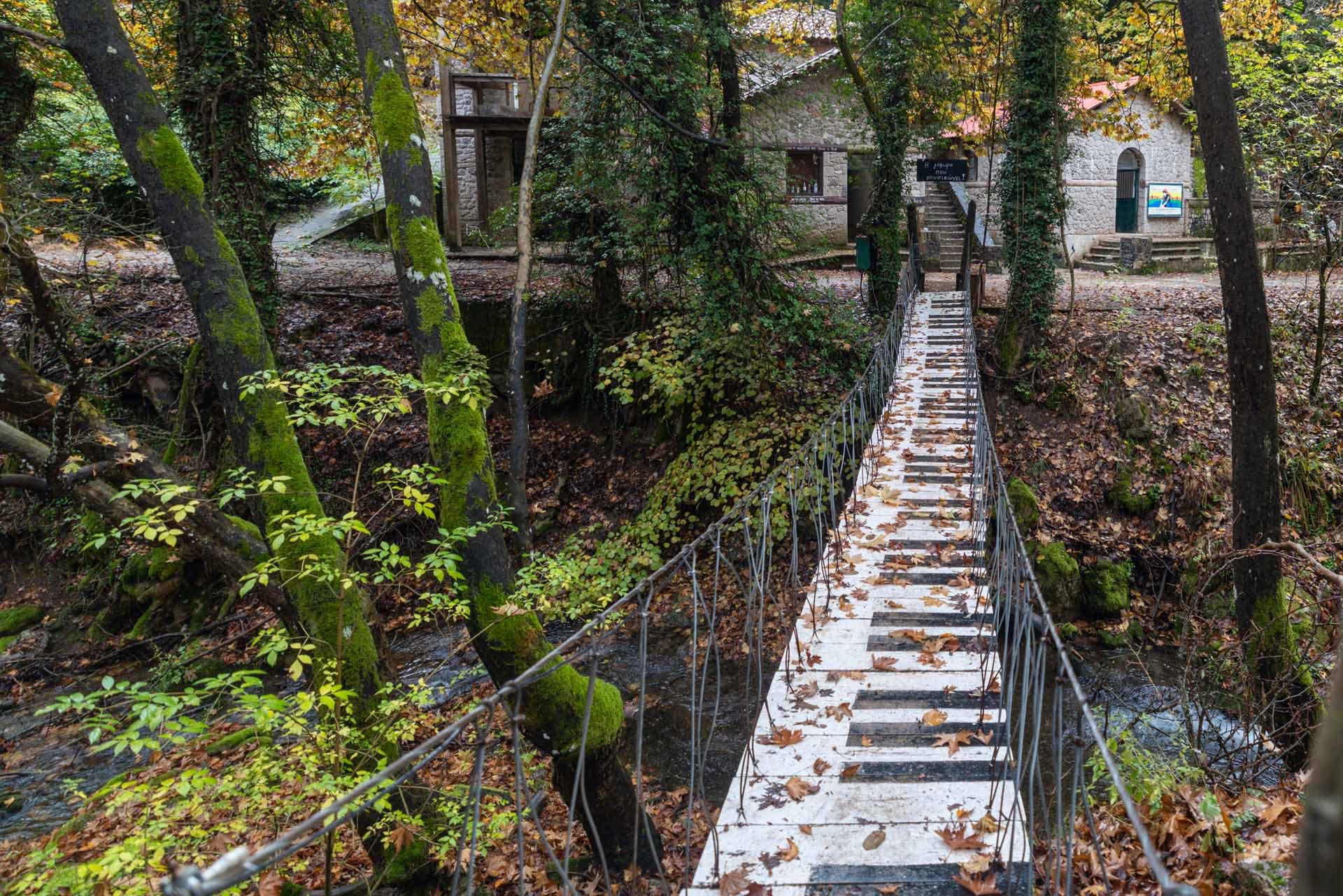
The landscape architecture manages to combine the rigor of scientific design with the natural beauty of Mediterranean vegetation. Lakes, streams, stone bridges and paths form an environment of absolute tranquility, ideal for walking, bird watching or outdoor study. The Museum of Plants dominates in the centre of the park. There you can get to know the biodiversity of Greece through dry samples, photos and interactive presentations.
The main purpose of Diomedes Botanical Garden is environmental education and research. Among other things, it hosts schools, seminars and workshops on sustainability, beekeeping and reforestation. Here, science and the enjoyment of the natural landscape meet, as the seasons alternate visibly: in spring pomegranates and lilacs bloom, in summer thyme smells fragrant and in winter the paths are wrapped in fog.
In the café of the park, you can taste organic herbal teas from garden plants. During spring, guided tours and thematic tours are provided by the scientists of the Diomedes Foundation.
Today, it covers more than 185 hectares and is home to over 550 plant species from every corner of the world, classified according to their botanical affinity or origin.
Among them you will find plants of the Greek countryside, aromatic and medicinal species already mentioned in Theophrastus' texts, but also exotic species from the five continents: eucalyptus, palm trees, sequoias, cacti and rare orchids. As soon as you enter the garden, look for the part of historical plants, unique in the world, with plants from ancient Greek mythology.
The landscape architecture manages to combine the rigor of scientific design with the natural beauty of Mediterranean vegetation. Lakes, streams, stone bridges and paths form an environment of absolute tranquility, ideal for walking, bird watching or outdoor study. The Museum of Plants dominates in the centre of the park. There you can get to know the biodiversity of Greece through dry samples, photos and interactive presentations.
The main purpose of Diomedes Botanical Garden is environmental education and research. Among other things, it hosts schools, seminars and workshops on sustainability, beekeeping and reforestation. Here, science and the enjoyment of the natural landscape meet, as the seasons alternate visibly: in spring pomegranates and lilacs bloom, in summer thyme smells fragrant and in winter the paths are wrapped in fog.
In the café of the park, you can taste organic herbal teas from garden plants. During spring, guided tours and thematic tours are provided by the scientists of the Diomedes Foundation.