Mountains of salt
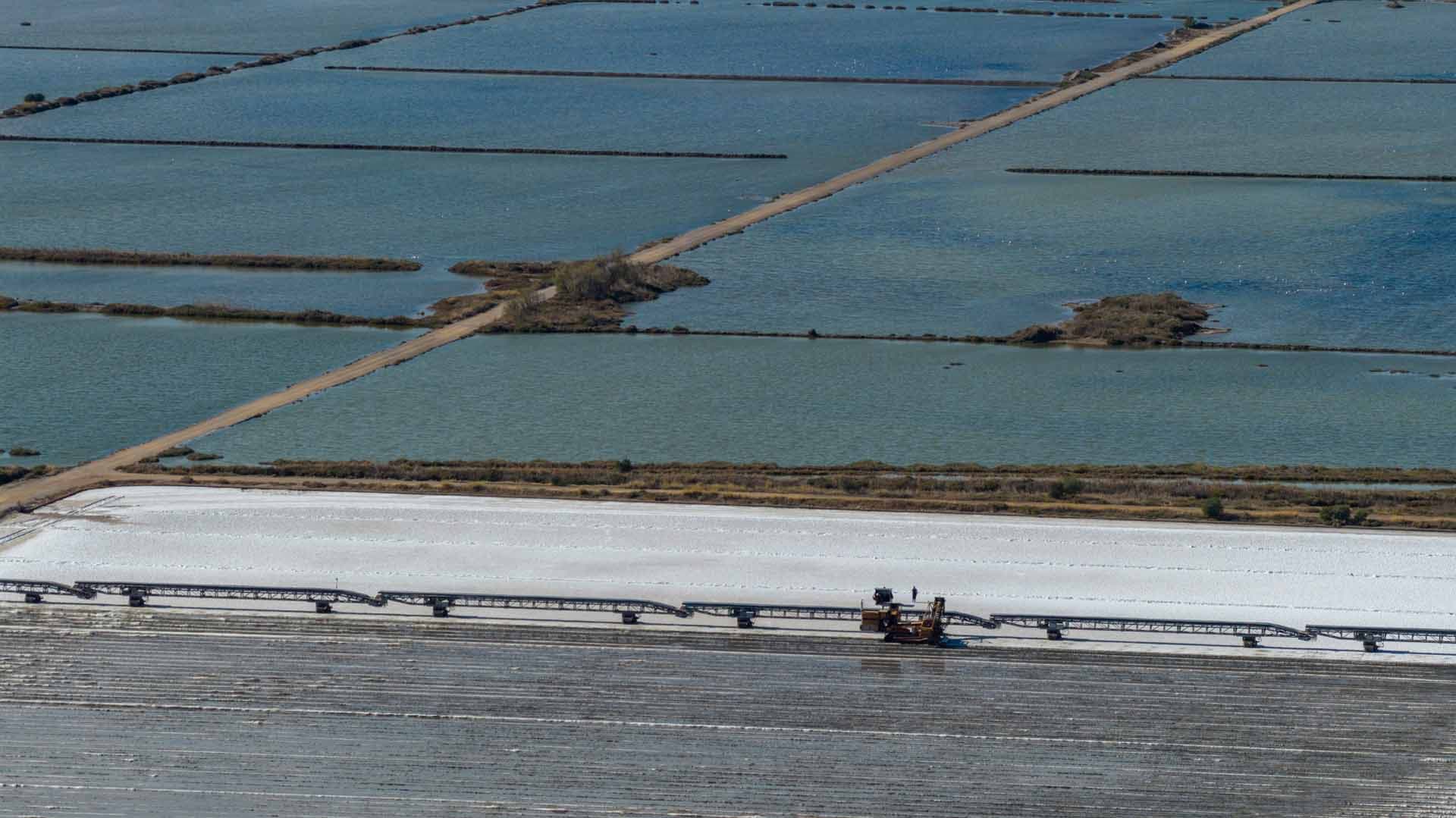
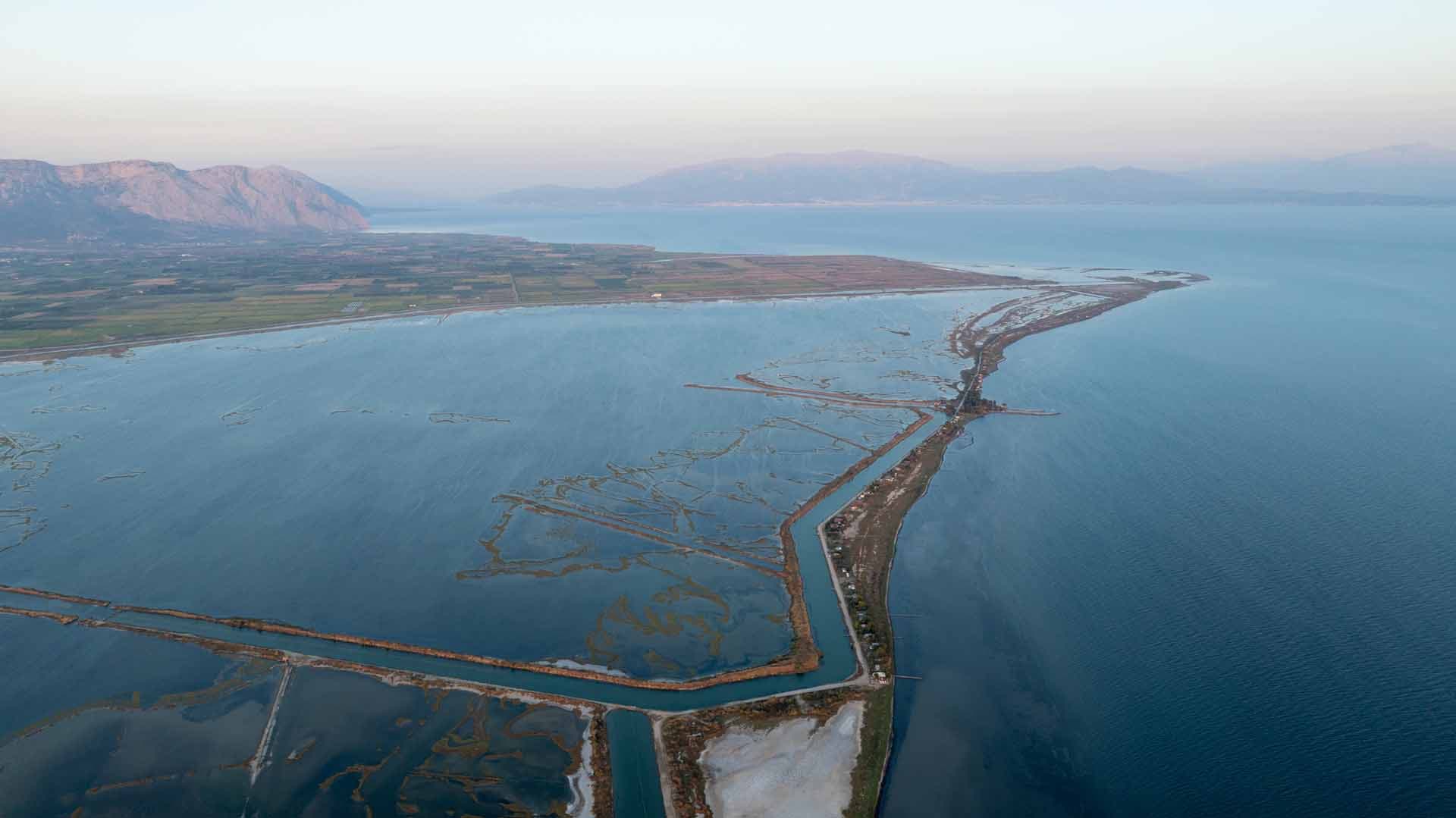
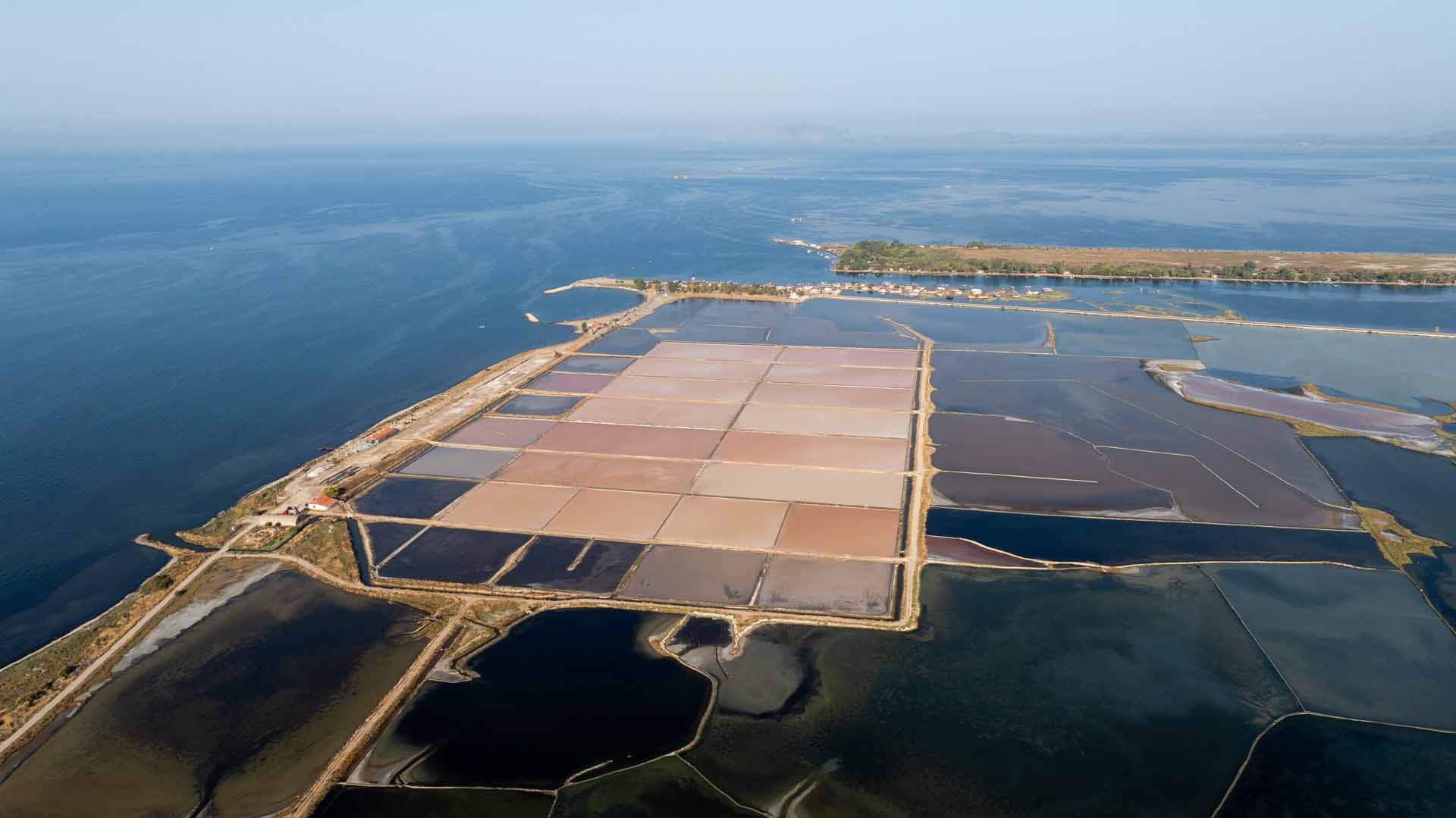
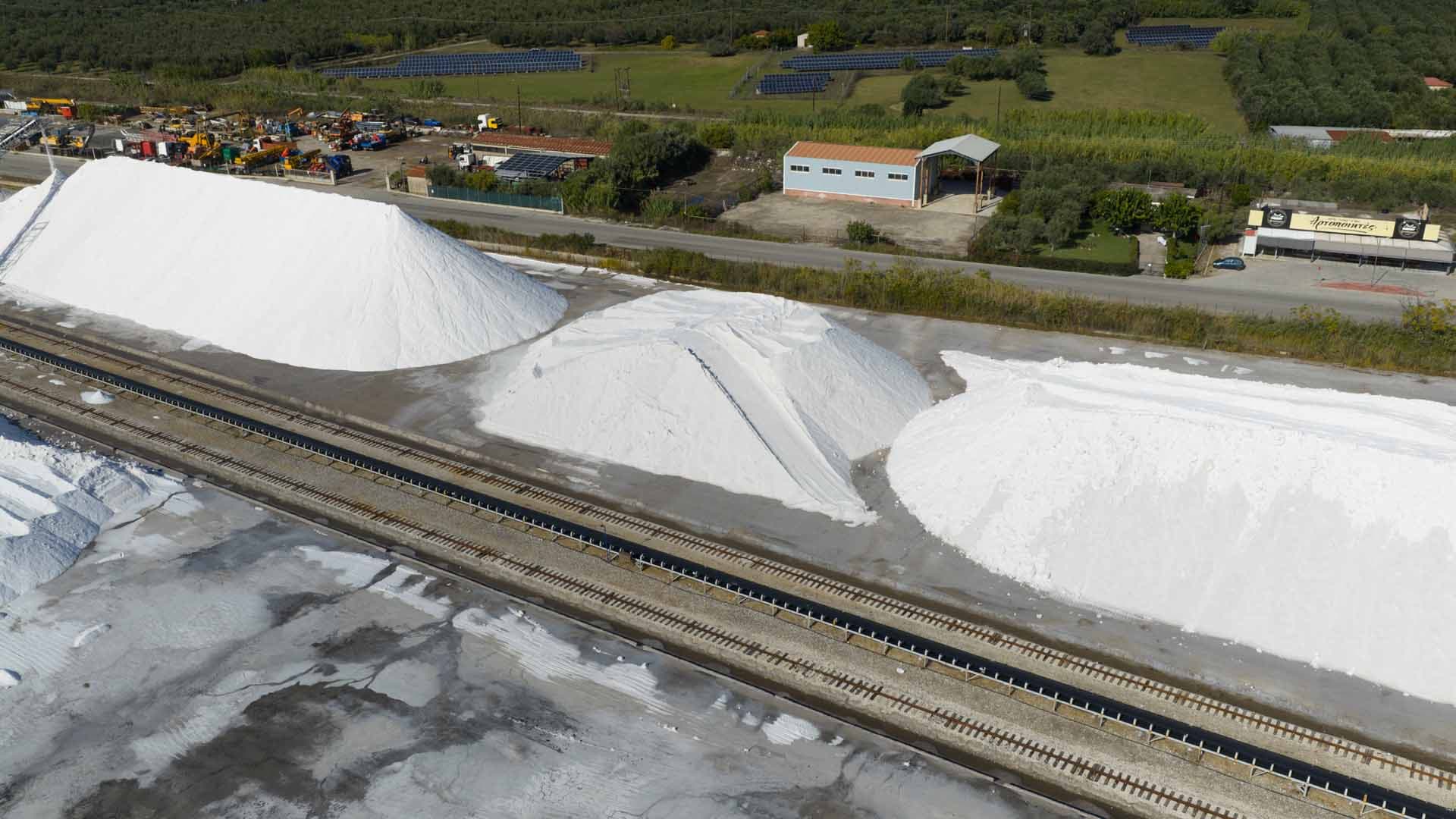
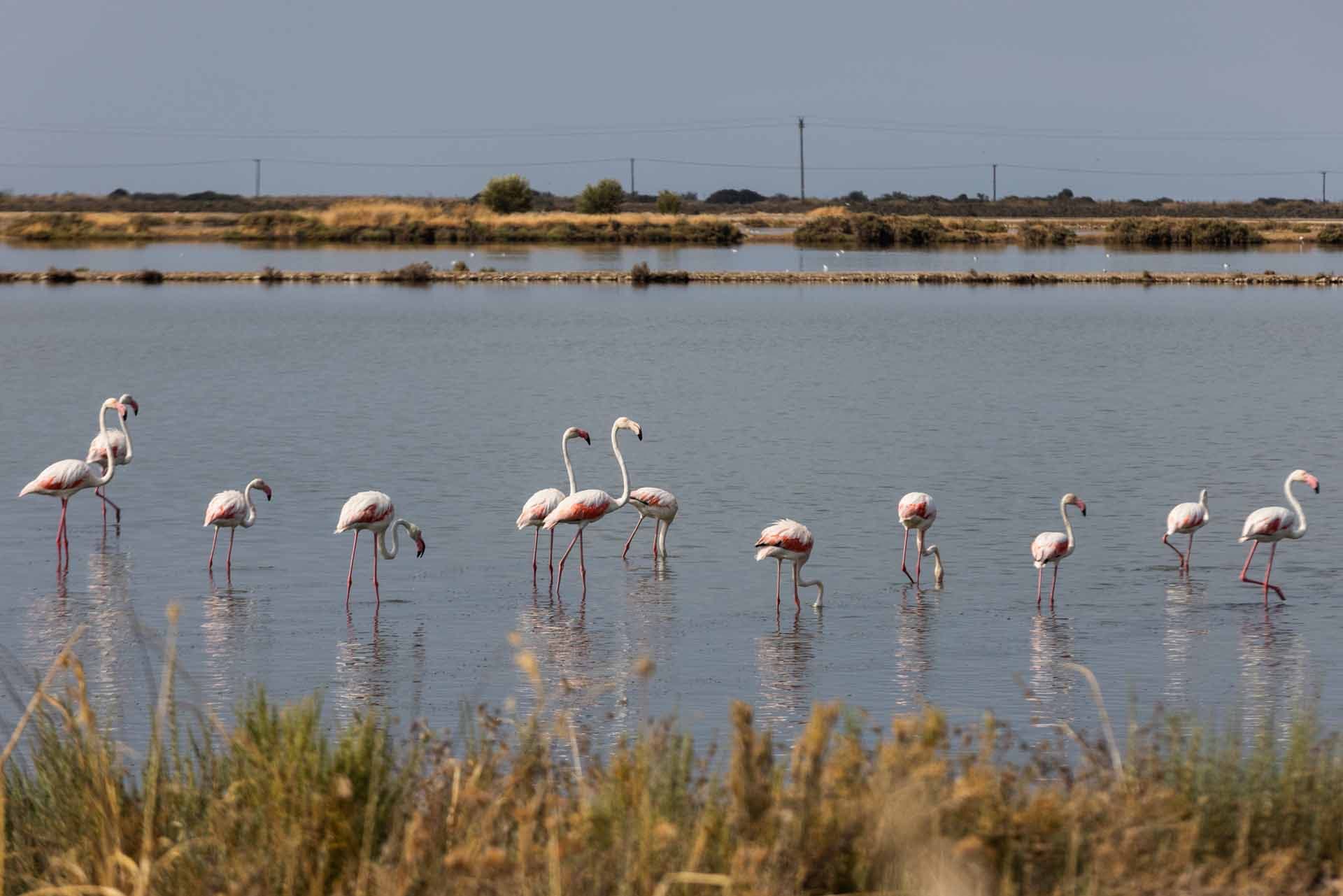
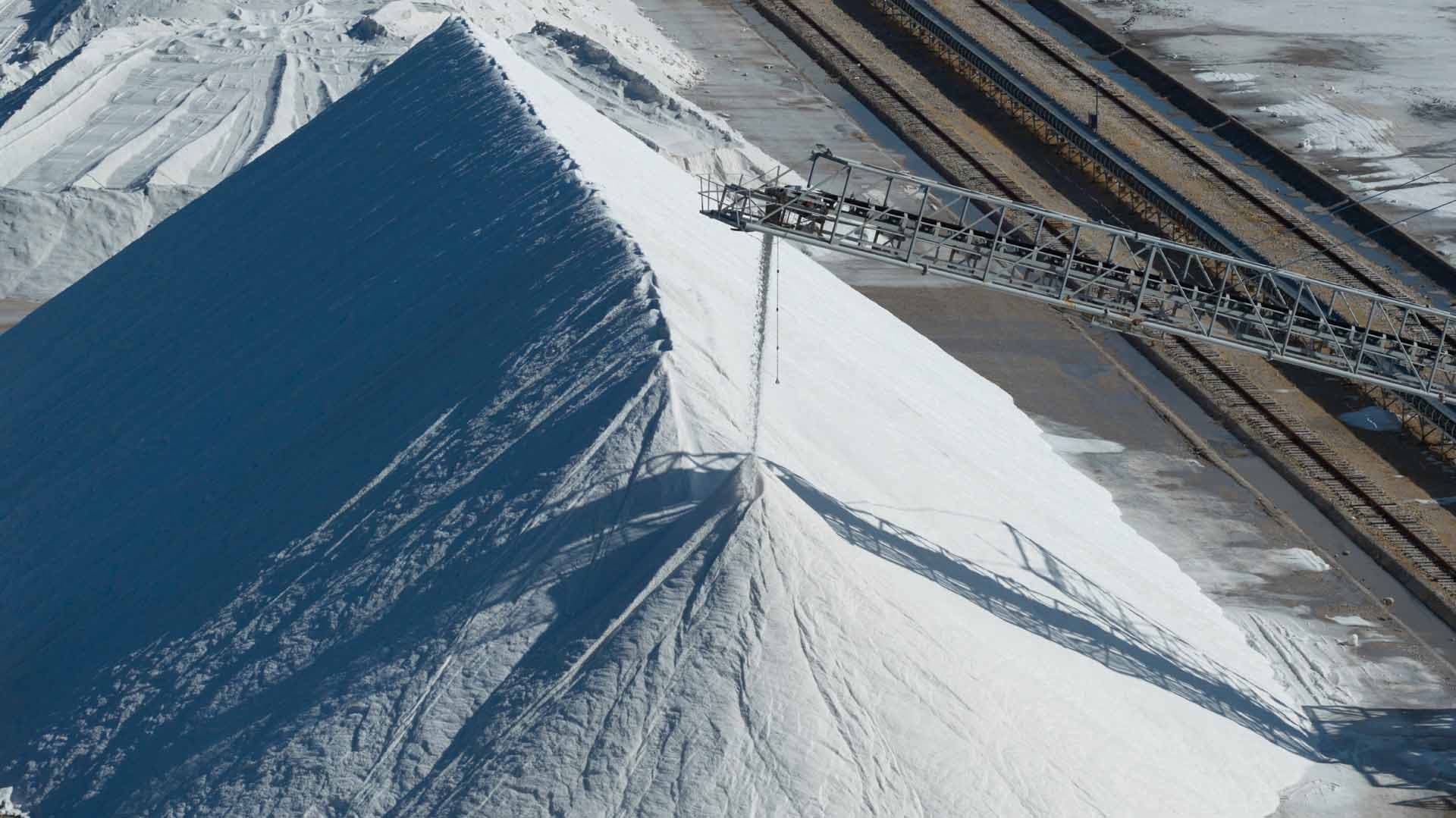
Prepare to witness one of the most surreal and captivating landscapes in Greece: white mounds of salt, like snow-capped mountains by the sea, and, not far away, pink flamingos. These are the Messolongi salt pans (Alykes). Here man and nature work in harmony, composing a place where culture, economy and wildlife meet.
The first salt pan in Greece was made in Tourlida at the end of the 19th century. However, the locals had always been collecting salt from the natural cavities and it seems that the Venetians were transporting salt from here as early as the 14th century. Over the years, the lagoon was formed by the alluvial deposits of the rivers that flow into Messolongi. The resulting clay soil, naturally waterproof, was suitable for the production of salt, gradually leading to the creation of structured salt pans.
Today, Messolongi remains closely tied to this white treasure and continues to produce about 70% of the domestic salt supply. Its two salt pans are in operation from March to Octobre and yield hundreds of thousands of tons of salt.
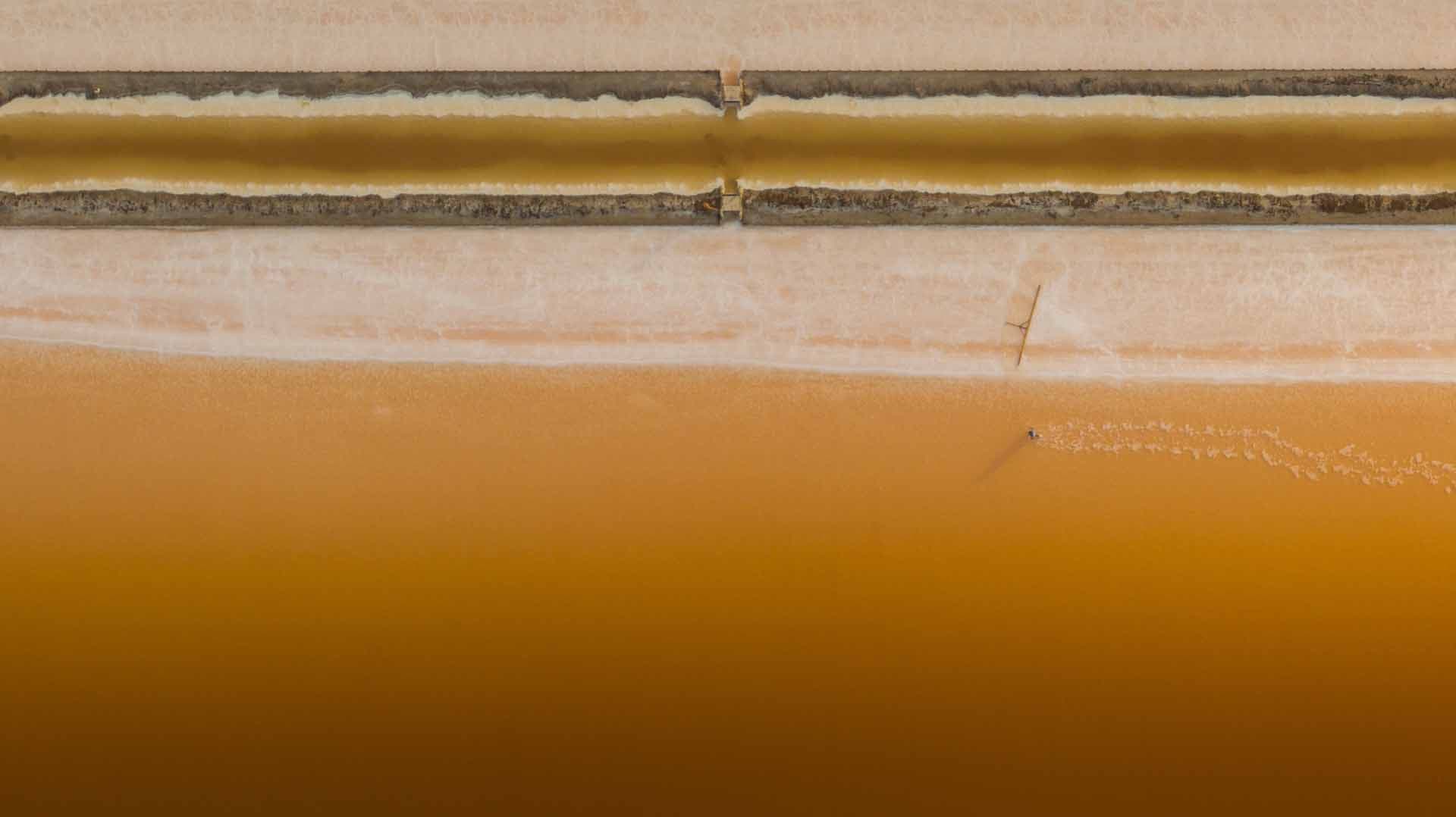
The water of the lagoon enters the famous "pans", namely the shallow ponds, in order to evaporate. Along the edges of the pans, a special crust, called afrina, is created by strong wind and is still collected by hand using traditional methods.
In the municipal salt pans in Tourlida — open to visitors — there is also the beautiful and vibrant Salt Museum, where you will learn everything about salt pans and salt, in general. There is also an observatory offering panoramic views over the salt pans, the changing colours in the "pans", the mountains of salt and the birds of the lagoon. True works of art, created by man and nature.
The first salt pan in Greece was made in Tourlida at the end of the 19th century. However, the locals had always been collecting salt from the natural cavities and it seems that the Venetians were transporting salt from here as early as the 14th century. Over the years, the lagoon was formed by the alluvial deposits of the rivers that flow into Messolongi. The resulting clay soil, naturally waterproof, was suitable for the production of salt, gradually leading to the creation of structured salt pans.
Today, Messolongi remains closely tied to this white treasure and continues to produce about 70% of the domestic salt supply. Its two salt pans are in operation from March to Octobre and yield hundreds of thousands of tons of salt.
The water of the lagoon enters the famous "pans", namely the shallow ponds, in order to evaporate. Along the edges of the pans, a special crust, called afrina, is created by strong wind and is still collected by hand using traditional methods.
In the municipal salt pans in Tourlida — open to visitors — there is also the beautiful and vibrant Salt Museum, where you will learn everything about salt pans and salt, in general. There is also an observatory offering panoramic views over the salt pans, the changing colours in the "pans", the mountains of salt and the birds of the lagoon. True works of art, created by man and nature.