In the Realm of Waterbirds of Western Greece
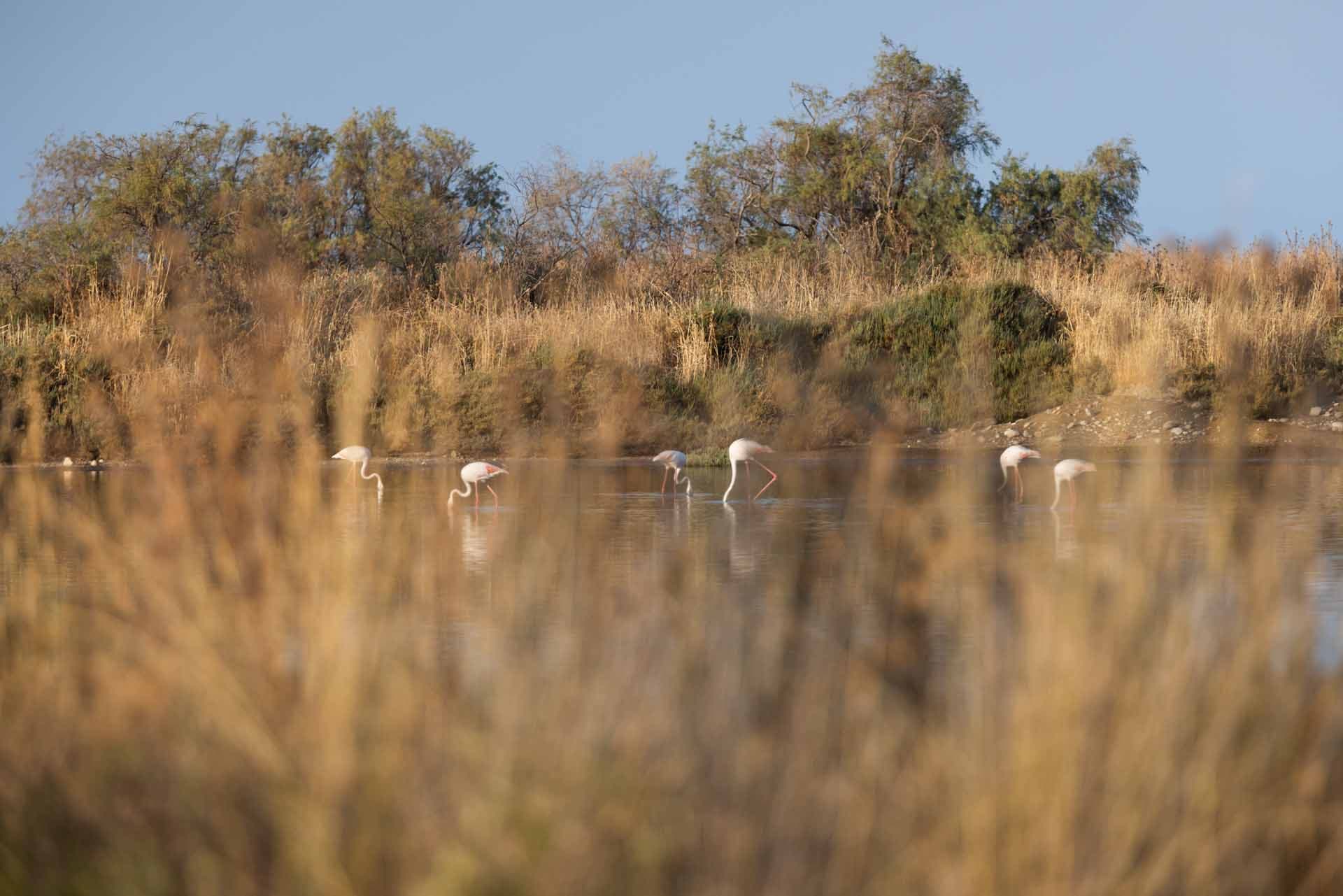
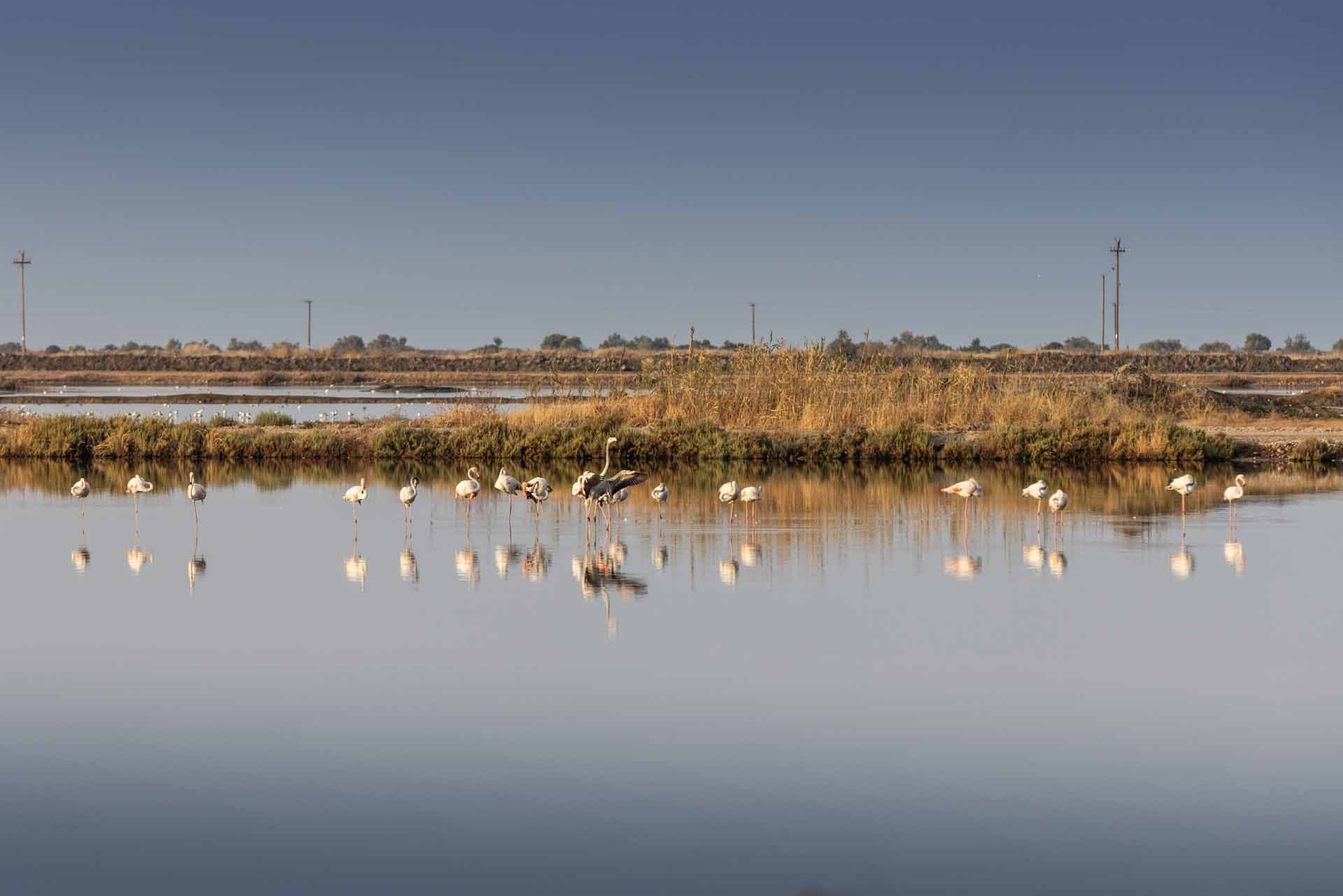
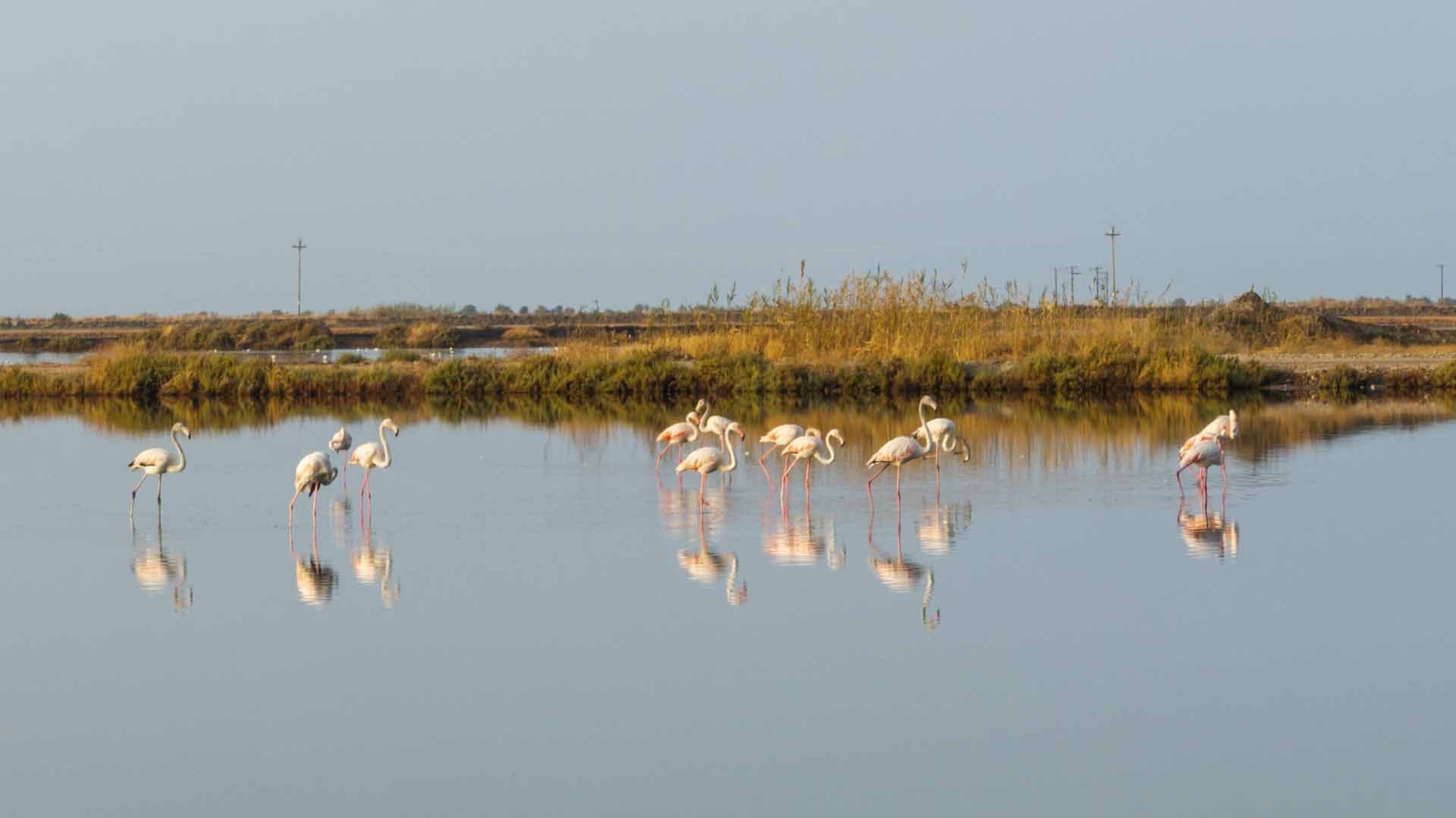
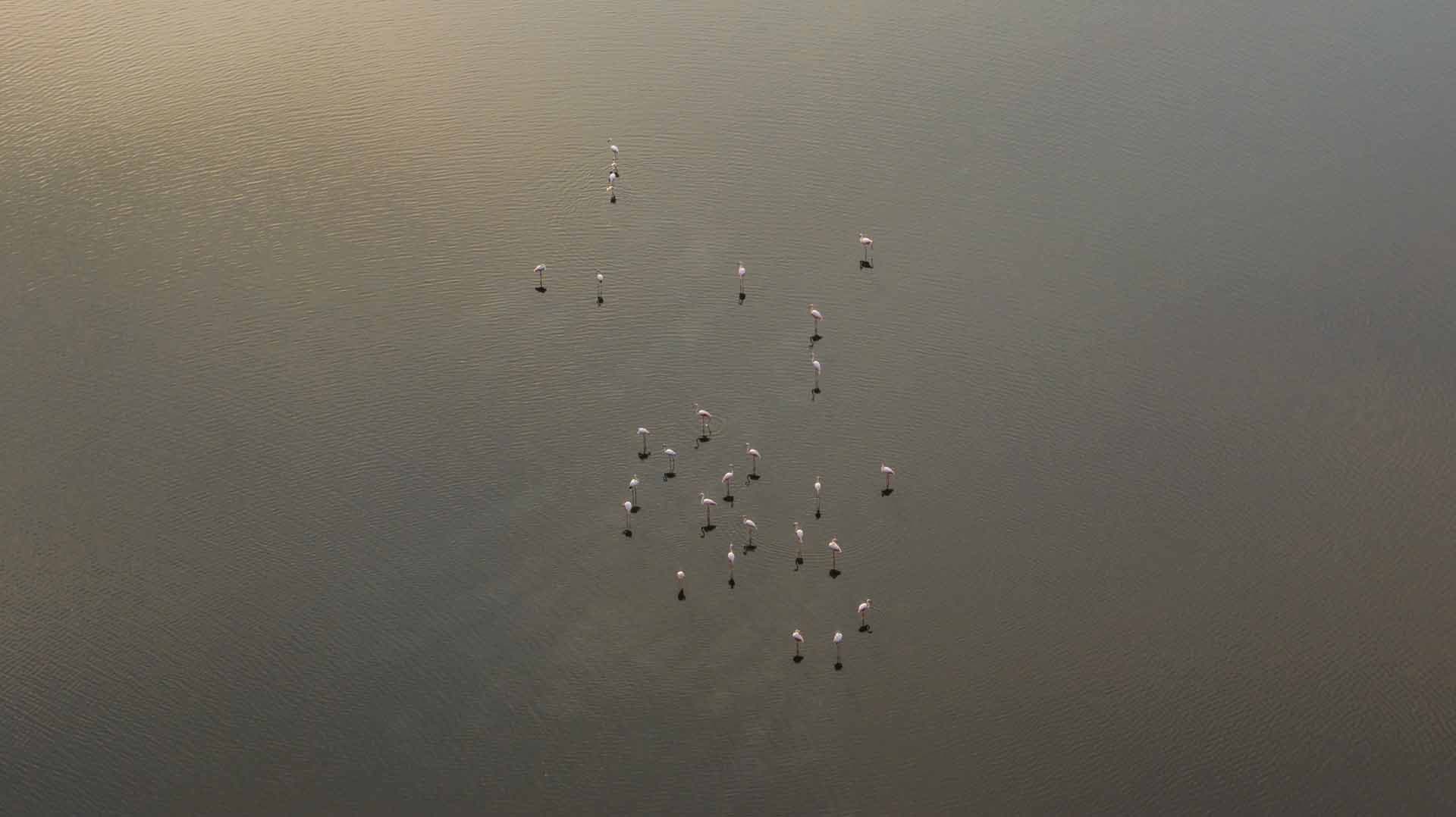
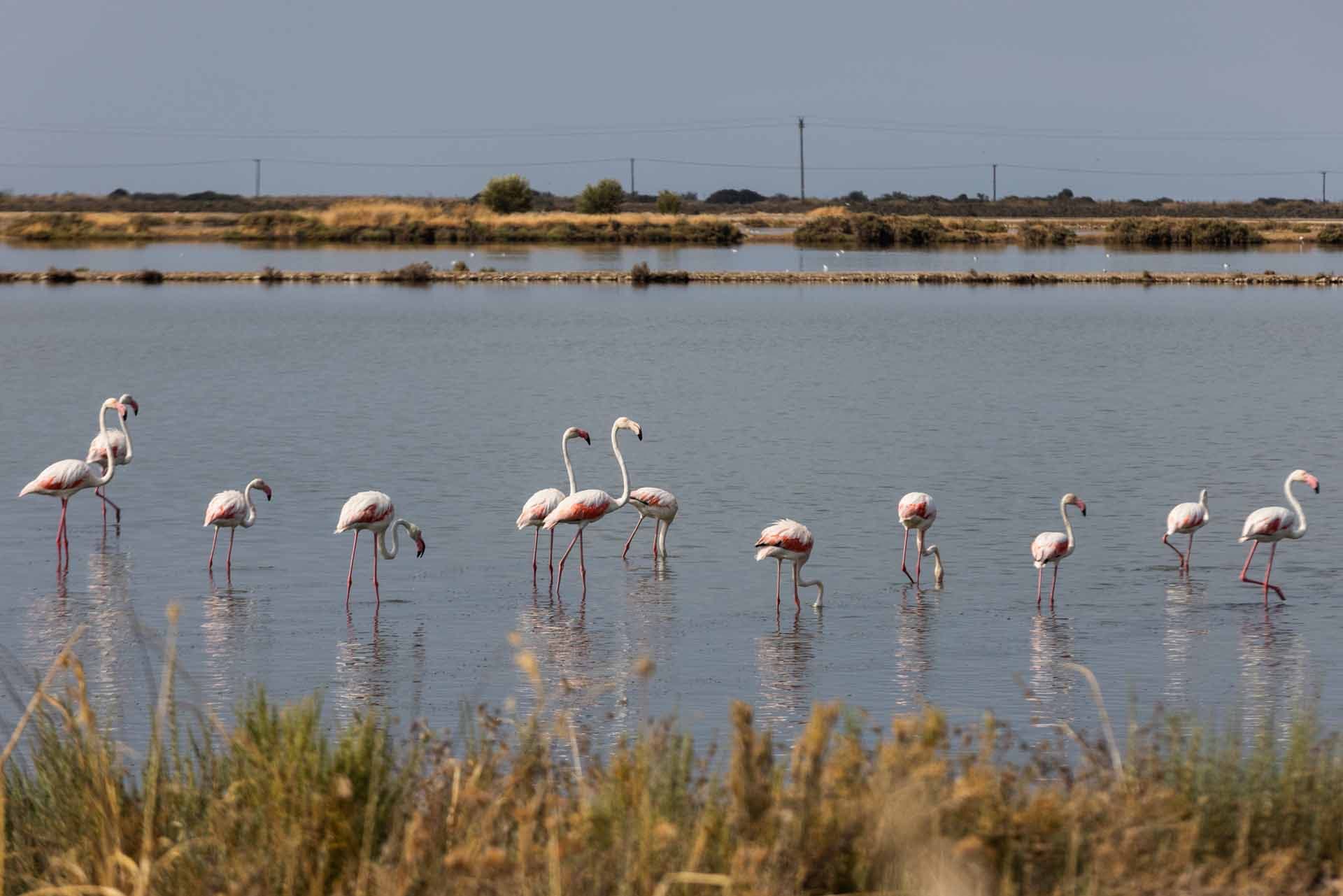
Coots and herons, pelicans and plovers: the remarkable birdlife of Messolongi is revealed without even lifting your binoculars! The numbers speak for themselves: 290 bird species, 100 of which are rare or threatened at European level. Of course, it is also the populations that make the difference: for example, 25,000 ducks and coots overwinter in the lagoons, 10,000 flamingos, 200 Dalmatian pelicans.
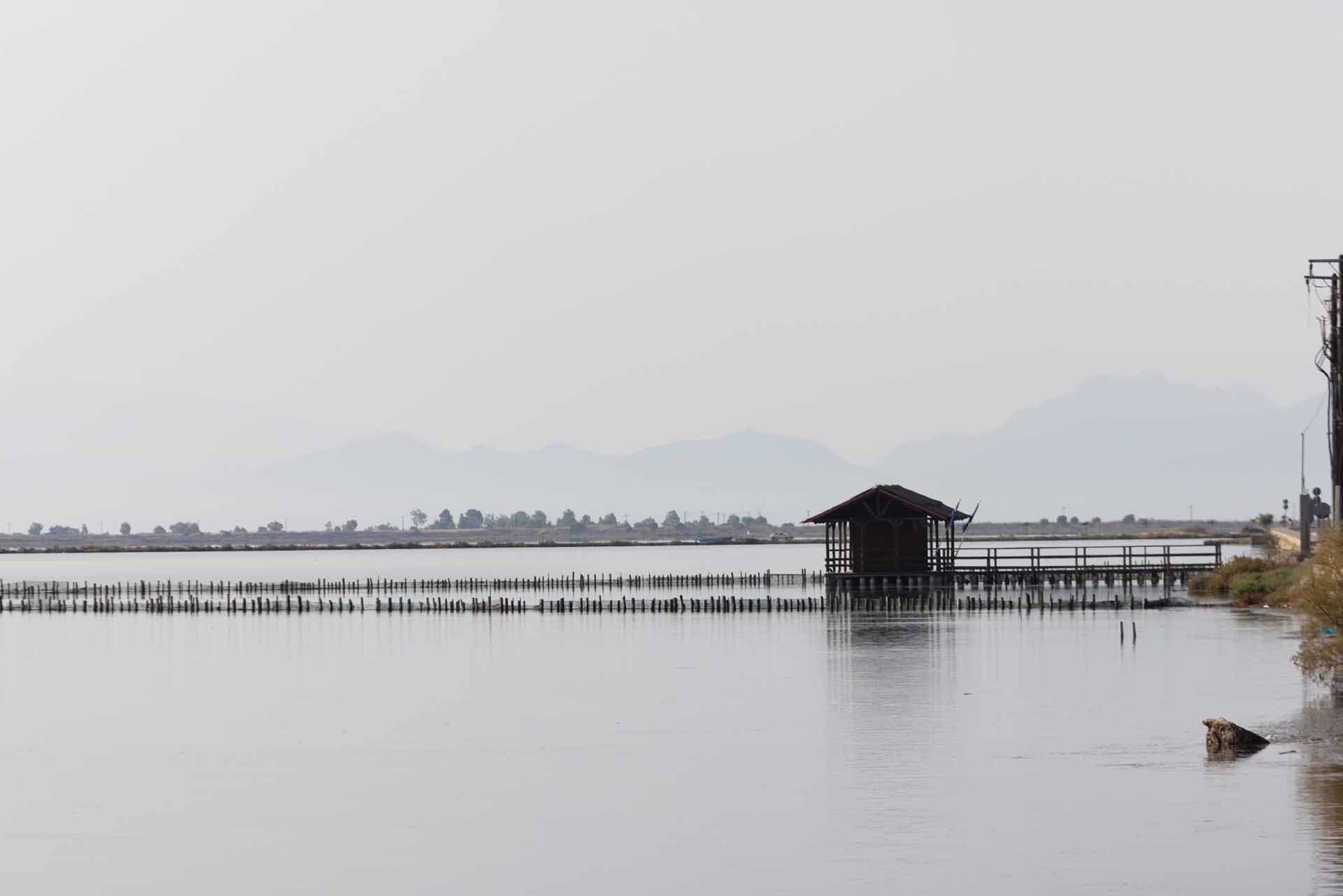
The Messolongi lagoon is a National Park, which also includes the lower reaches of the Evinos and Acheloos rivers as well as the Echinades island complex. It is considered one of the most important wetland systems in Europe due to its unique biodiversity. That is why it is protected by the Ramsar Convention and is part of the Natura 2000 Network.
The best seasons for birdwatching are during the migration period, in spring and autumn, when thousands of waterfowl stop in Messolongi to rest and refuel. Winter, however, is equally rewarding, as the lagoons serve as a crucial overwintering site for vast numbers of birds, including several significant duck species.
The Management Unit of OFYPEKA (Natural Environment and Climate Change Agency) organises birdwatching excursions for groups, providing expert guidance, specialised equipment and valuable insights into the area’s wildlife. At the Salt Museum, visitors can also use telescopes to observe the lagoon’s feathered residents, while local travel agencies offer dedicated birdwatching tours.
The Messolongi lagoon is a National Park, which also includes the lower reaches of the Evinos and Acheloos rivers as well as the Echinades island complex. It is considered one of the most important wetland systems in Europe due to its unique biodiversity. That is why it is protected by the Ramsar Convention and is part of the Natura 2000 Network.
The best seasons for birdwatching are during the migration period, in spring and autumn, when thousands of waterfowl stop in Messolongi to rest and refuel. Winter, however, is equally rewarding, as the lagoons serve as a crucial overwintering site for vast numbers of birds, including several significant duck species.
The Management Unit of OFYPEKA (Natural Environment and Climate Change Agency) organises birdwatching excursions for groups, providing expert guidance, specialised equipment and valuable insights into the area’s wildlife. At the Salt Museum, visitors can also use telescopes to observe the lagoon’s feathered residents, while local travel agencies offer dedicated birdwatching tours.