A journey to the prehistoric era
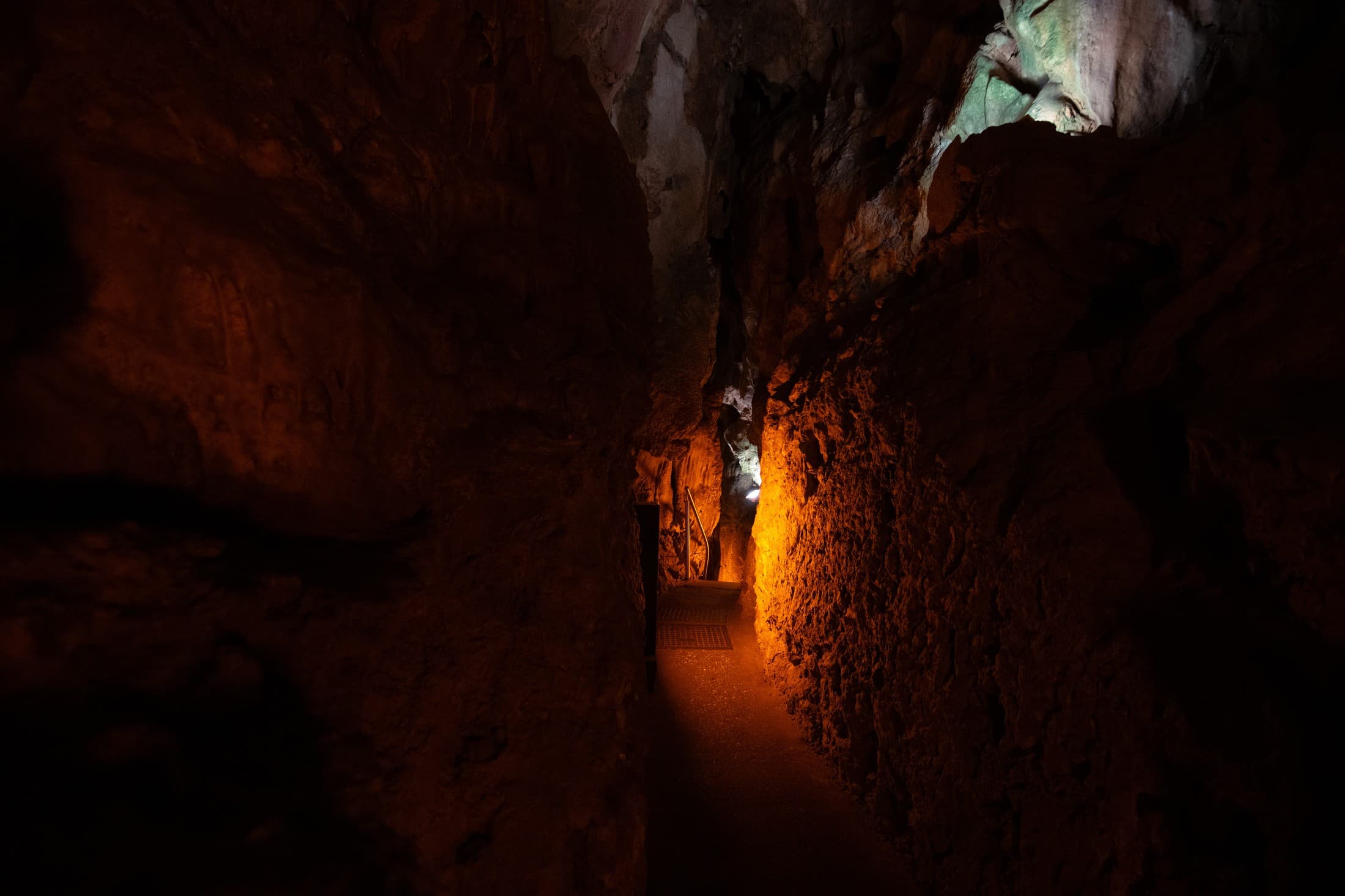
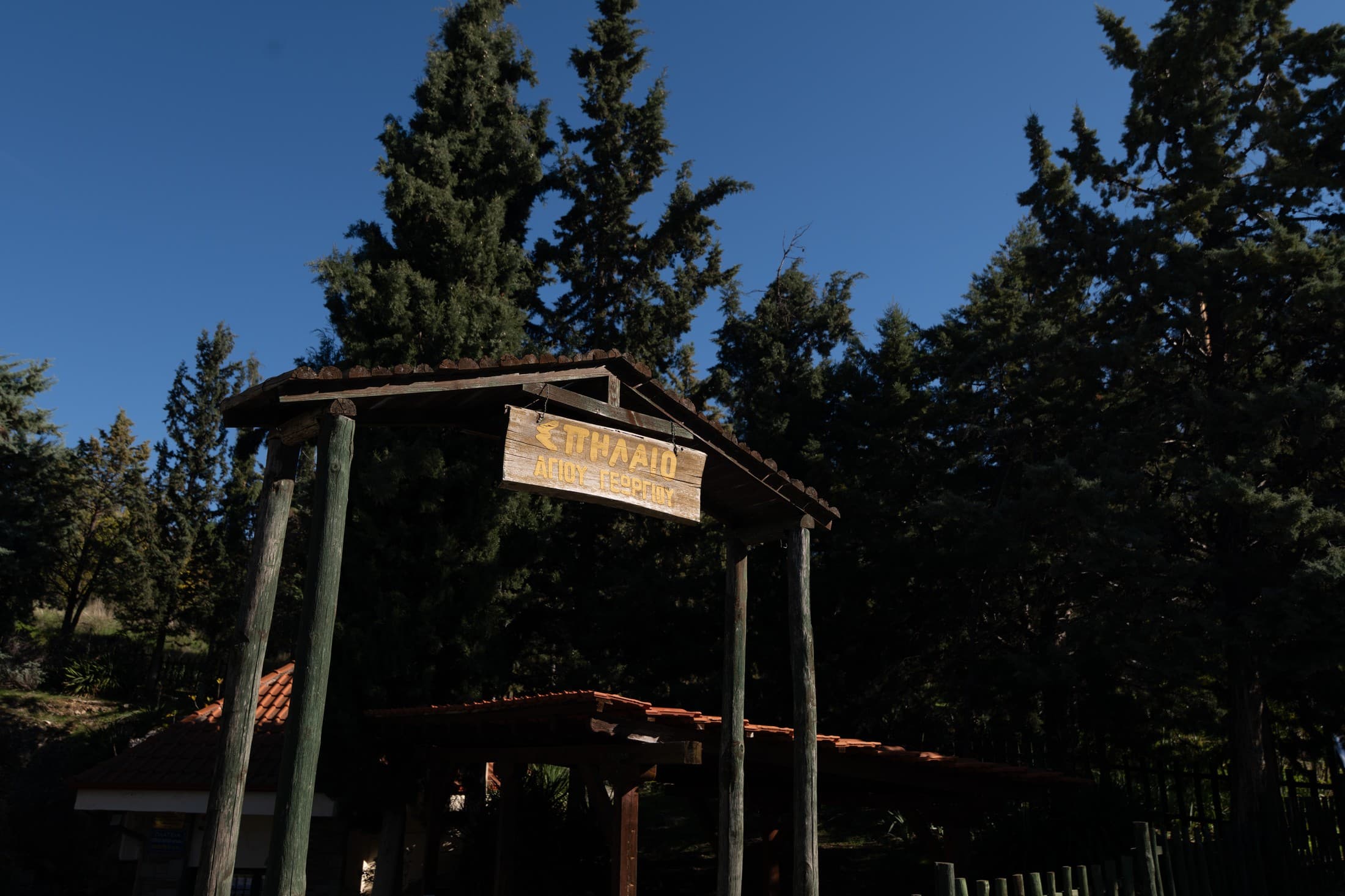
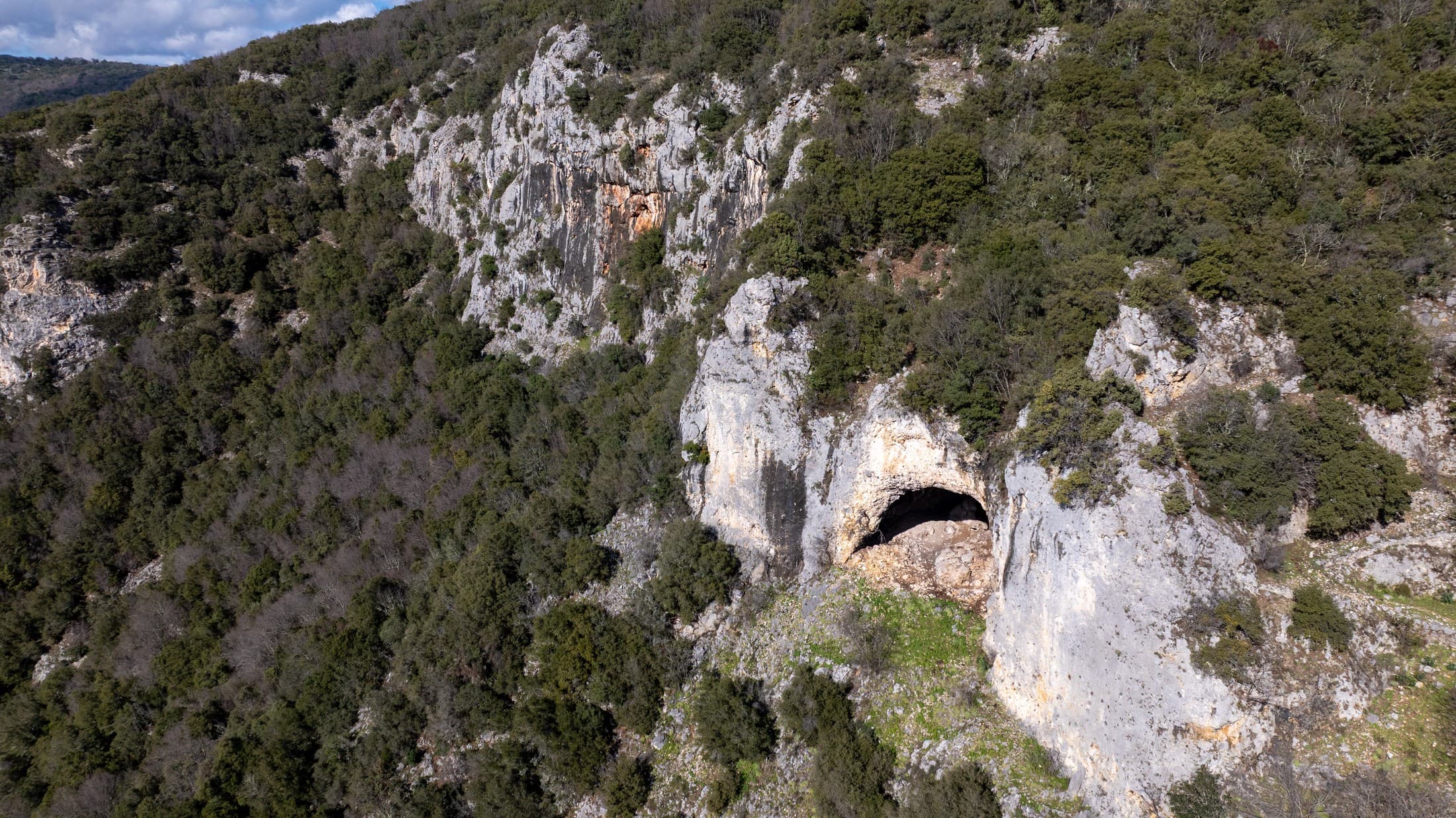
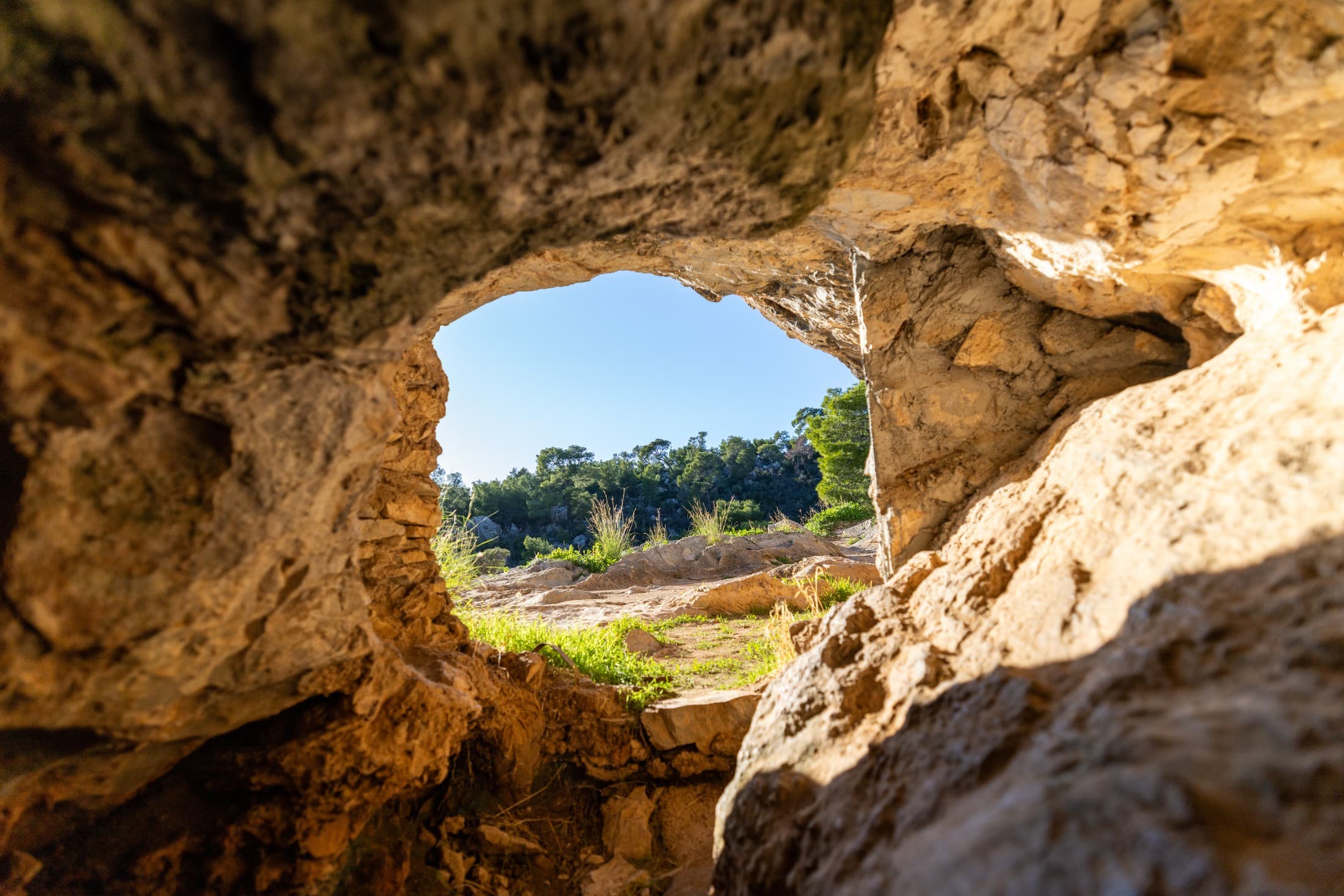
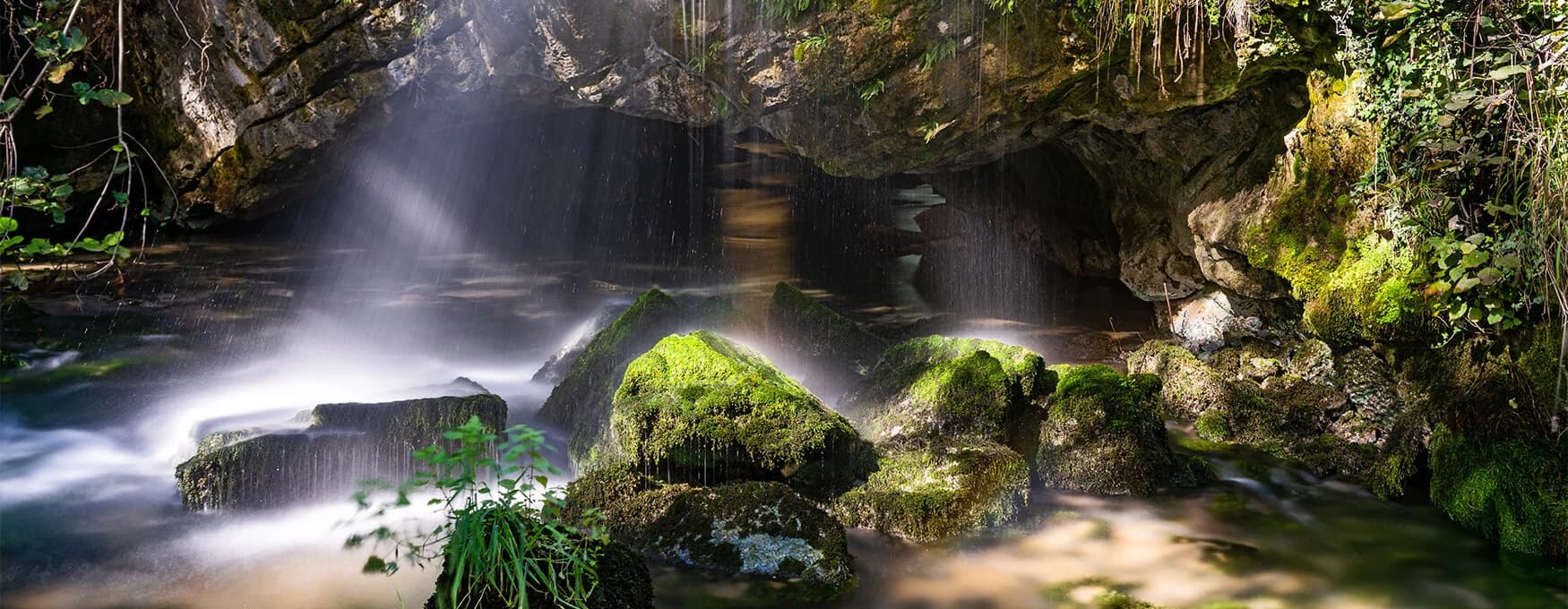
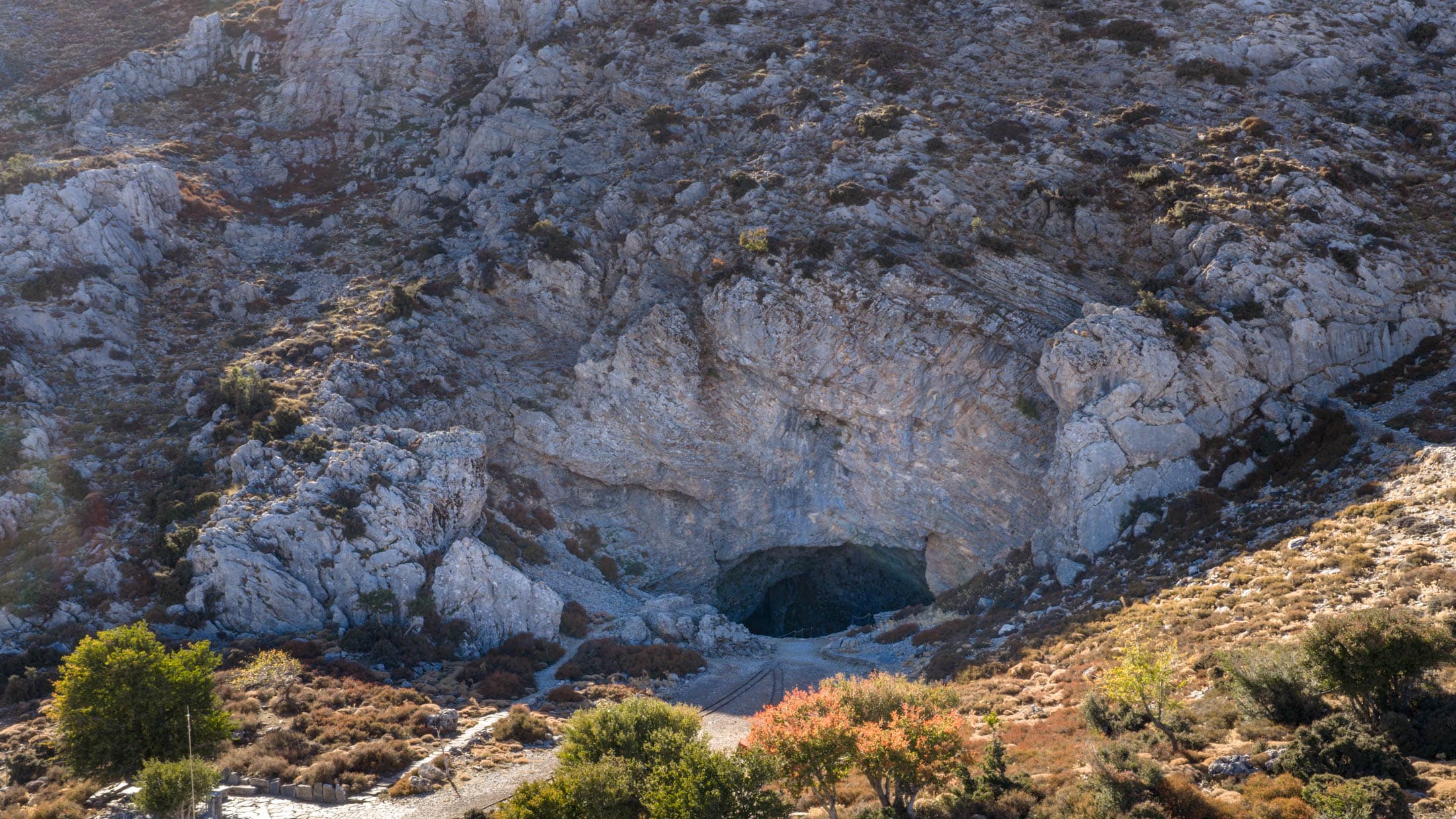
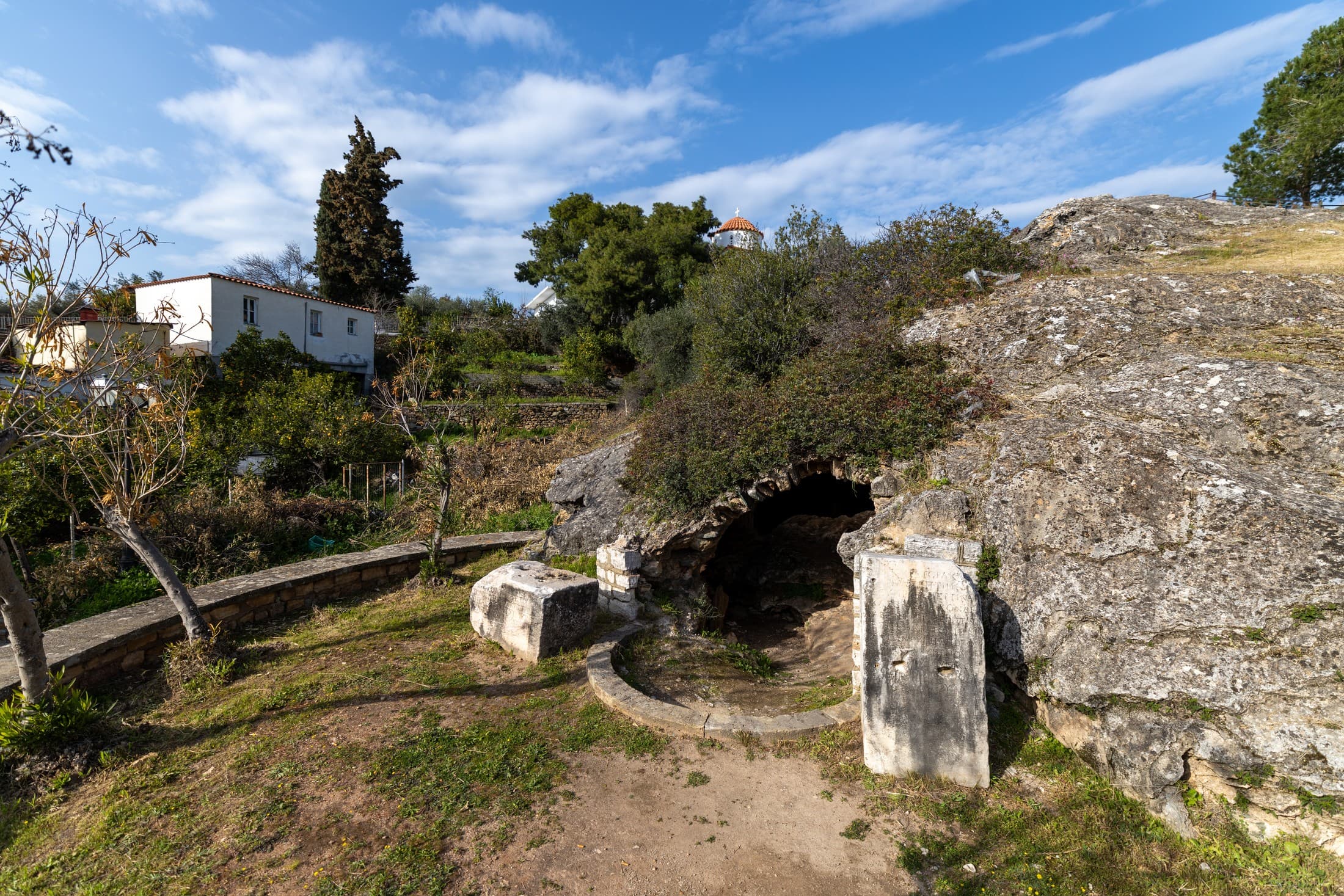
The Cave of Saint George constitutes a natural treasure of Central Macedonia and is one of Greece's prominent caves. Located on the hill of Saint George, above the city of Kilkis, it allows not only an interesting glimpse into geological history but also a journey back to the Pleistocene era.
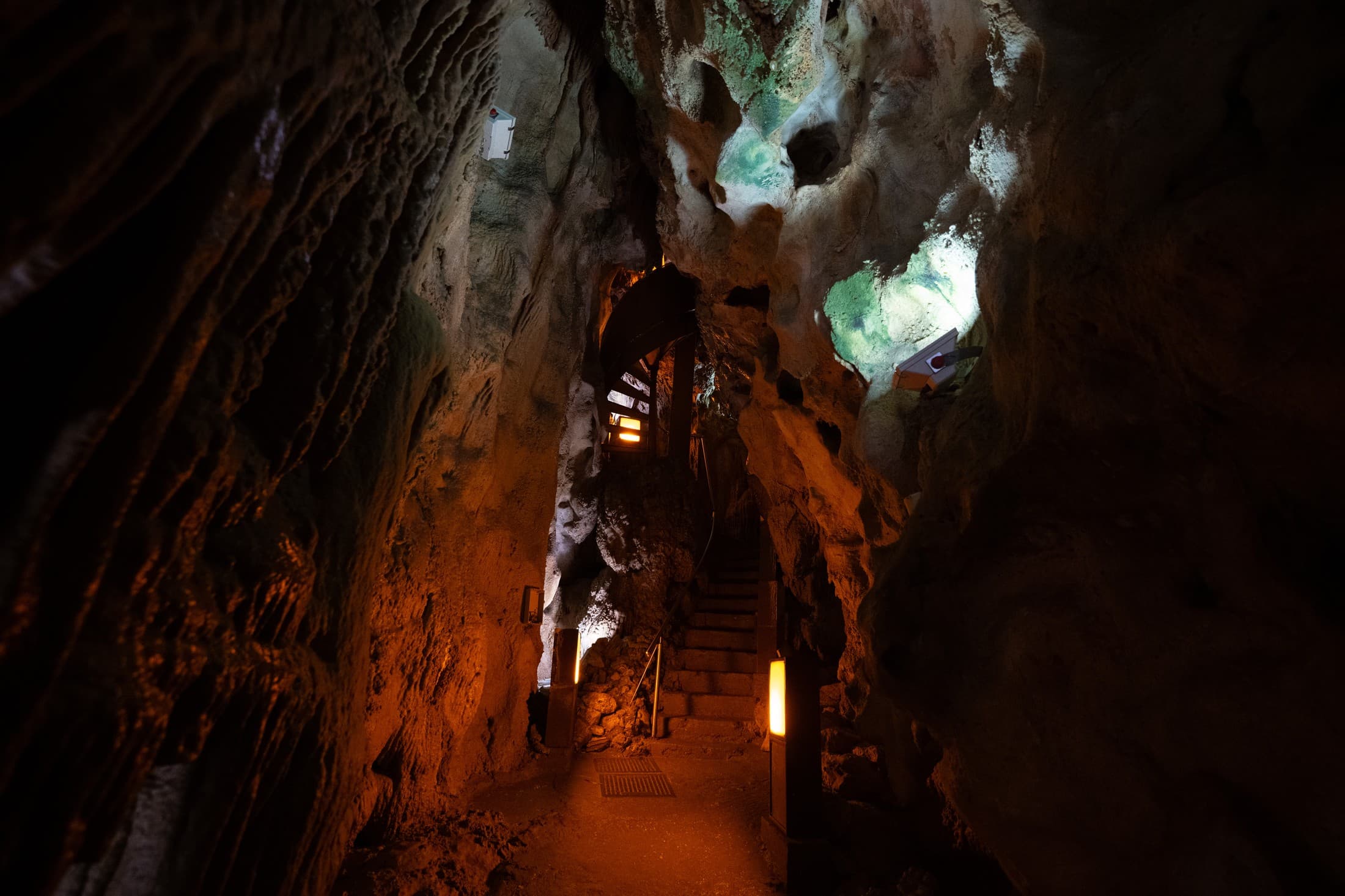
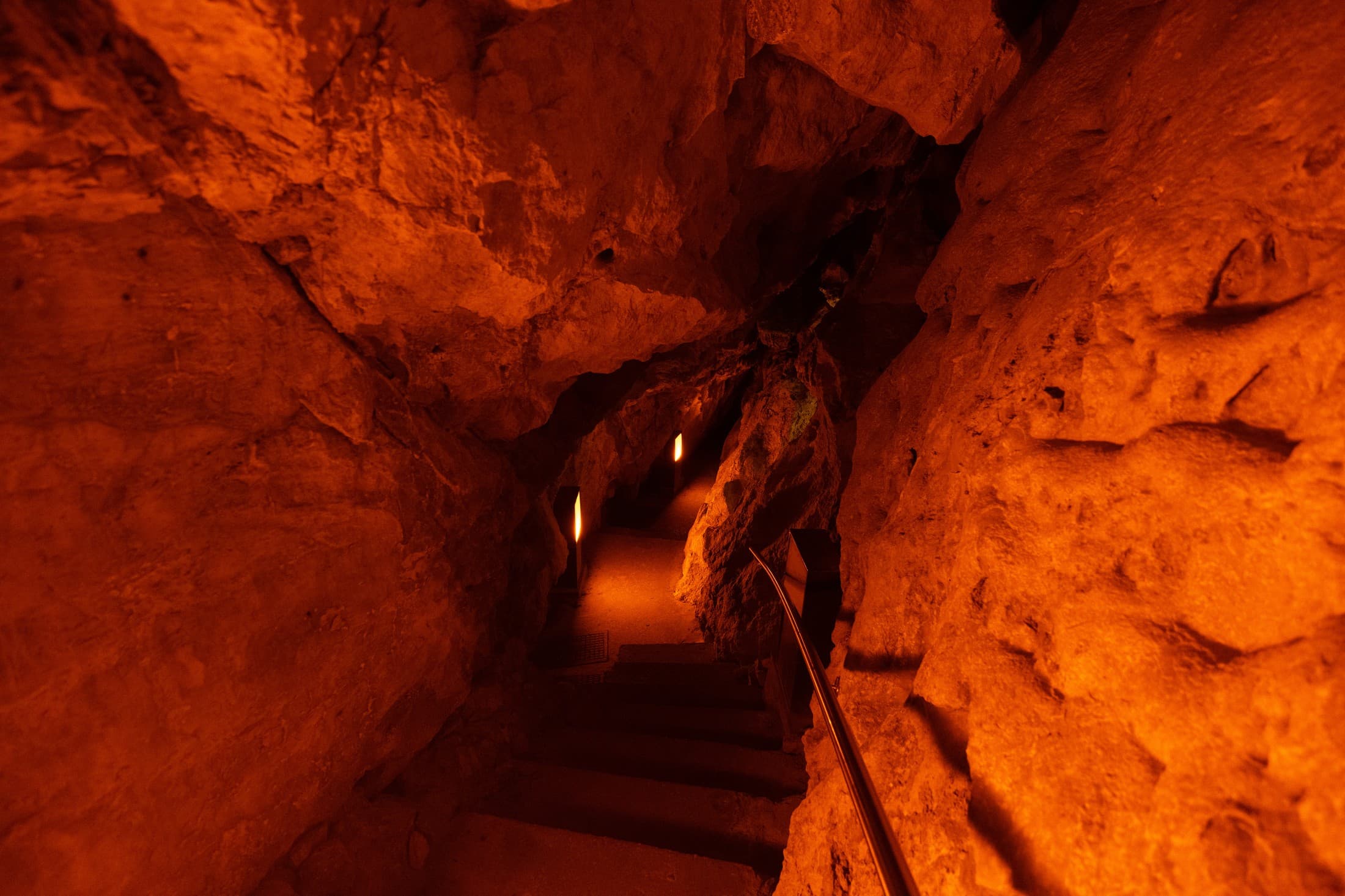
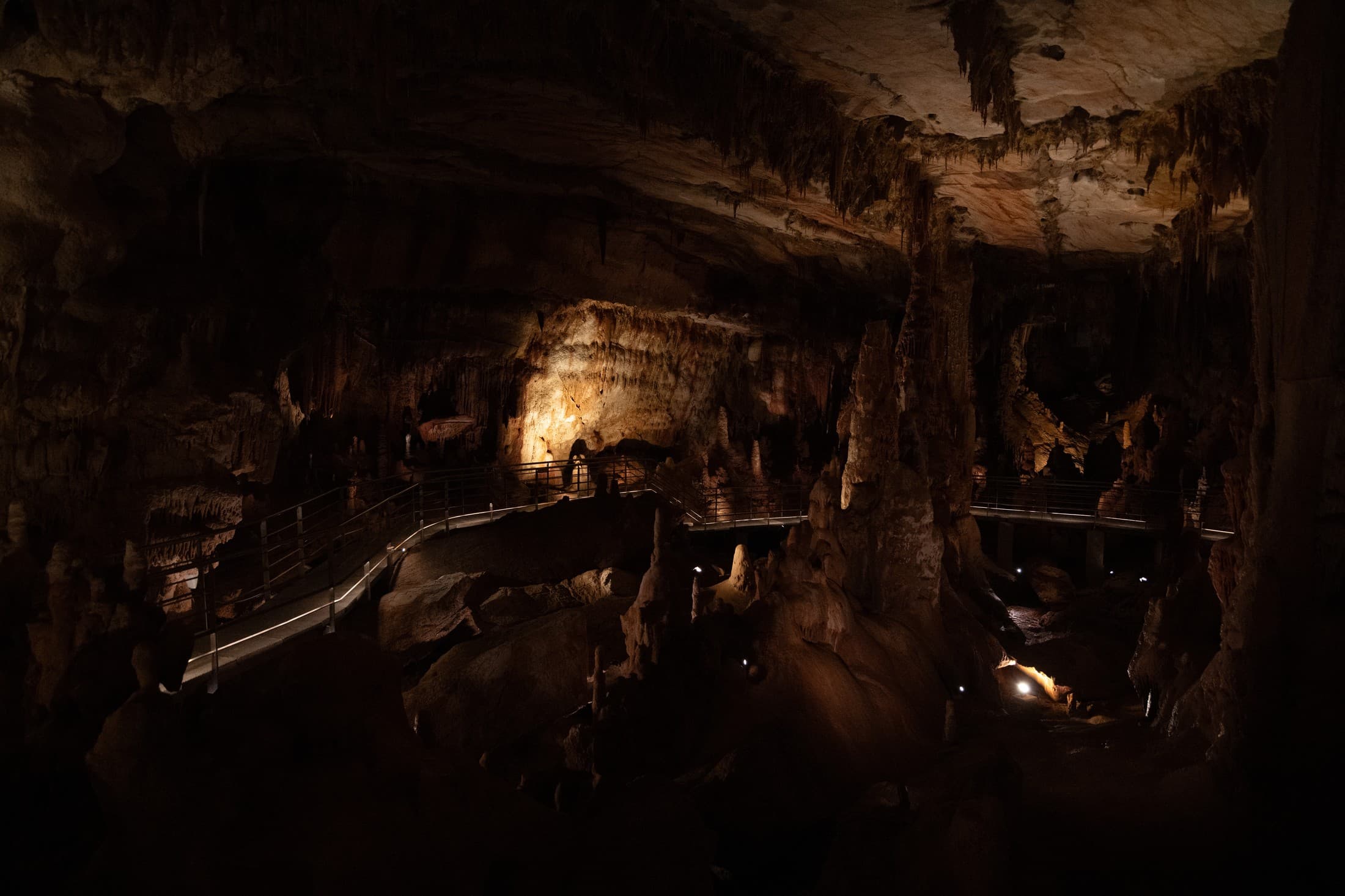
Discovered in 1925, it develops within limestone rocks across two main levels. Its total area exceeds 1,000 square metres, while the visiting route reaches 300 m.
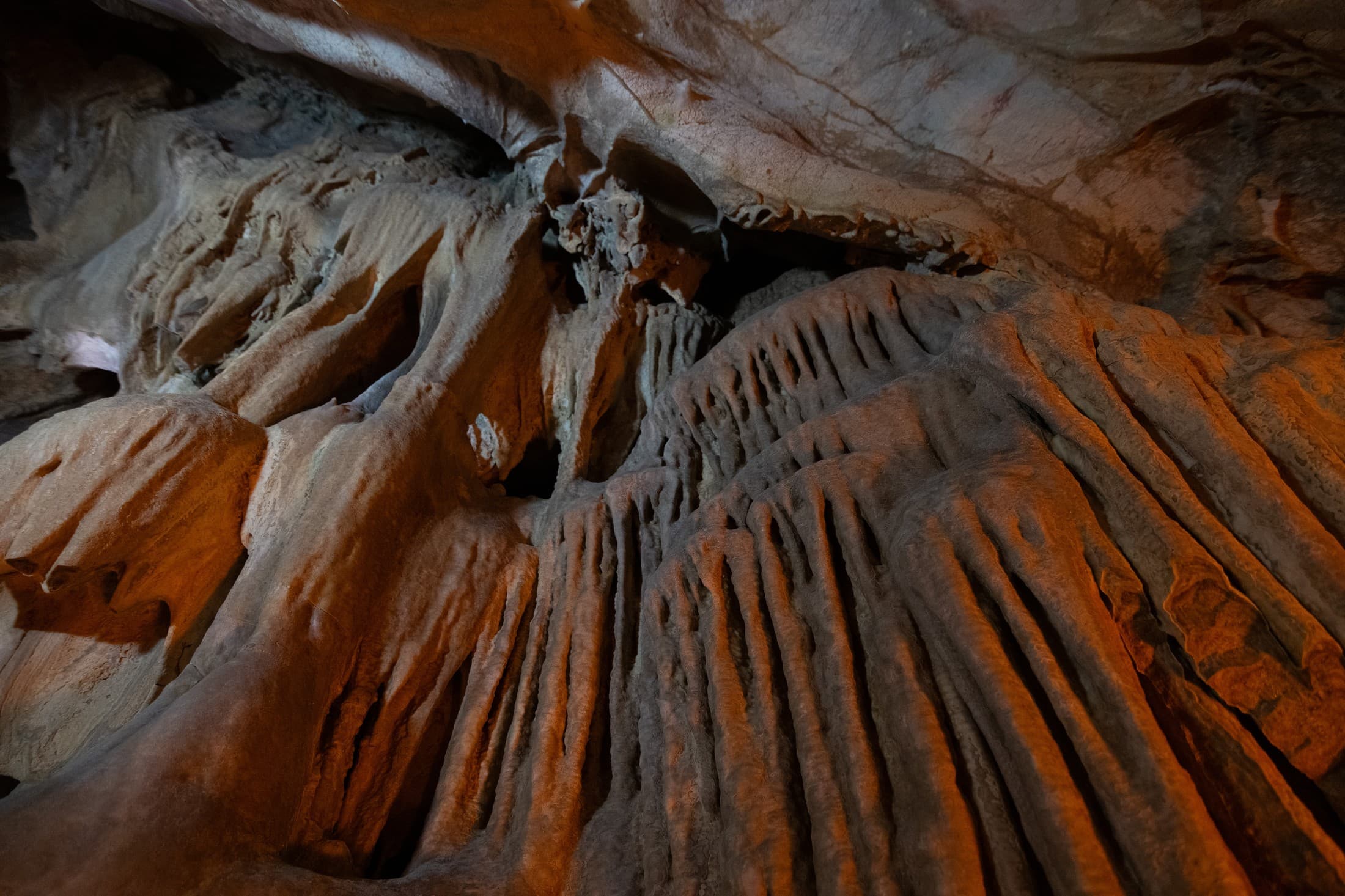
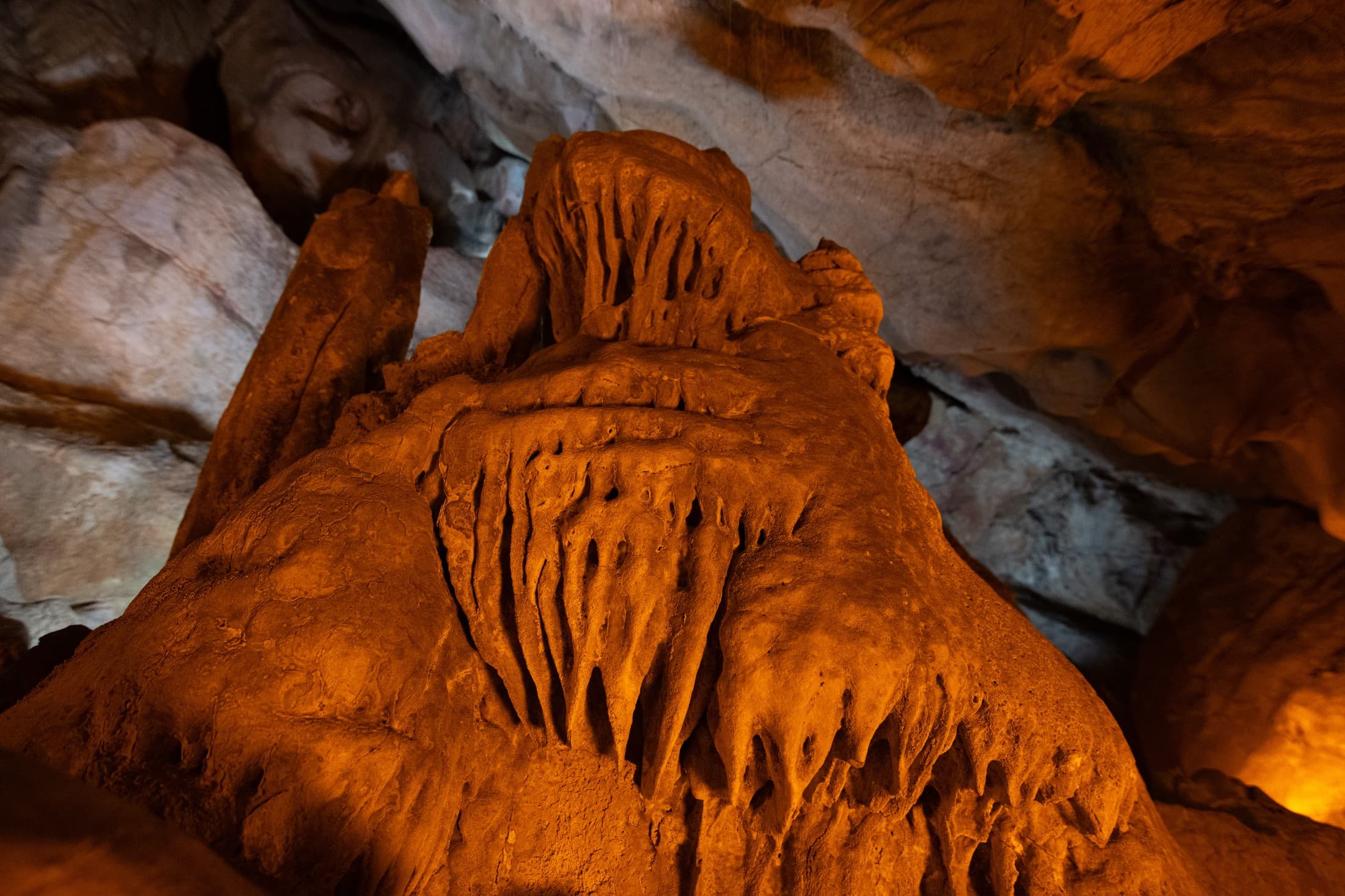
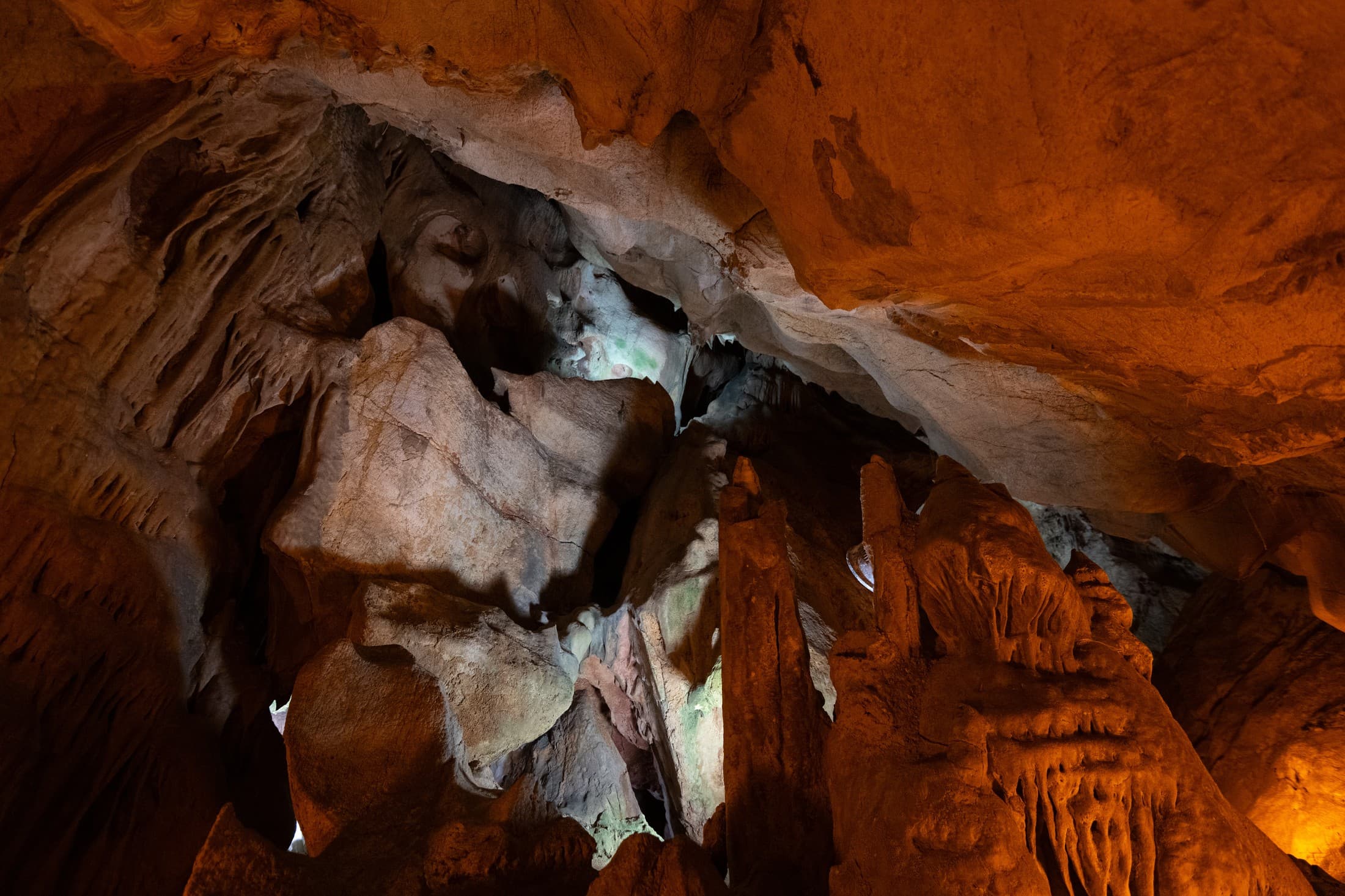
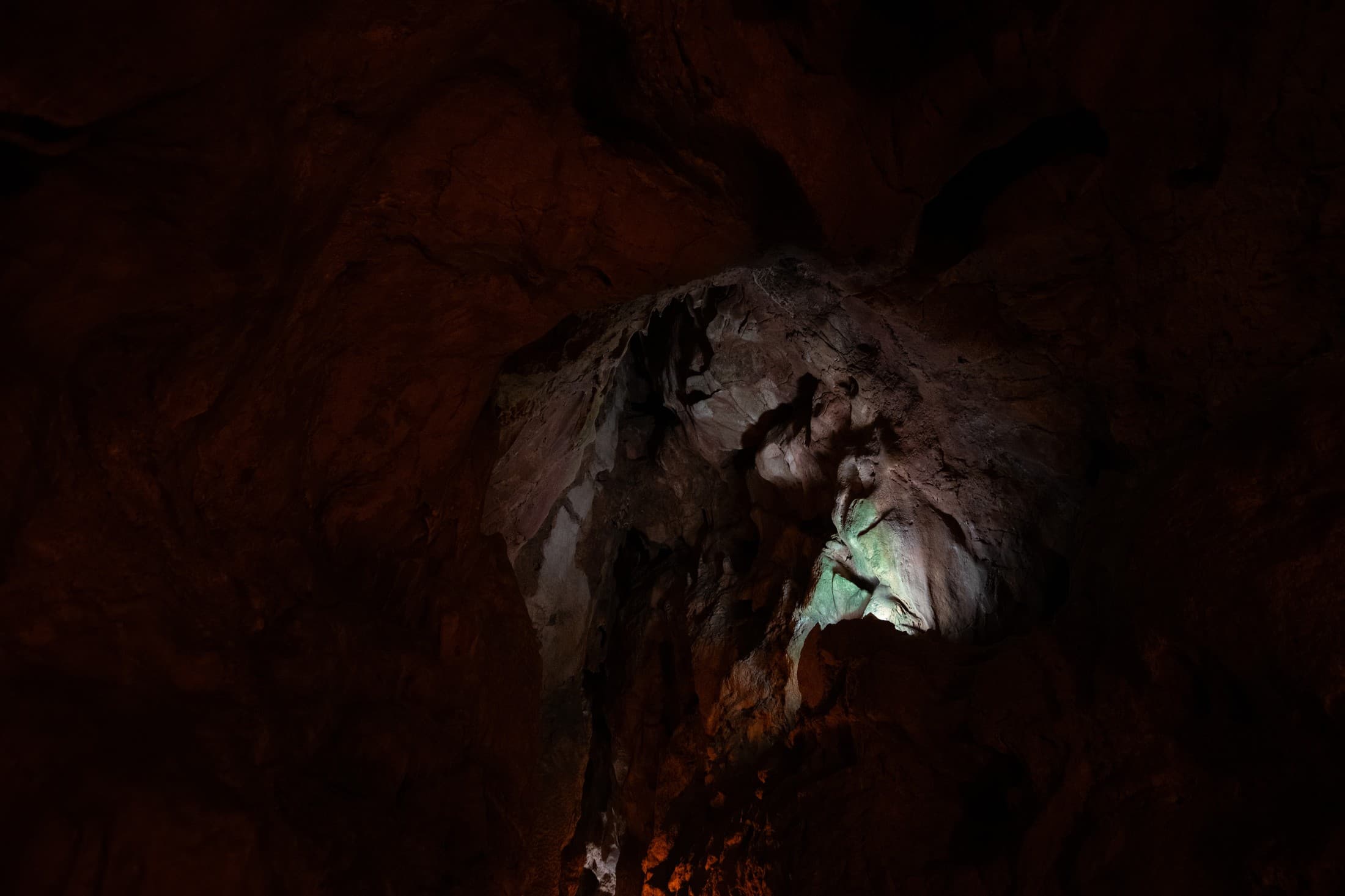
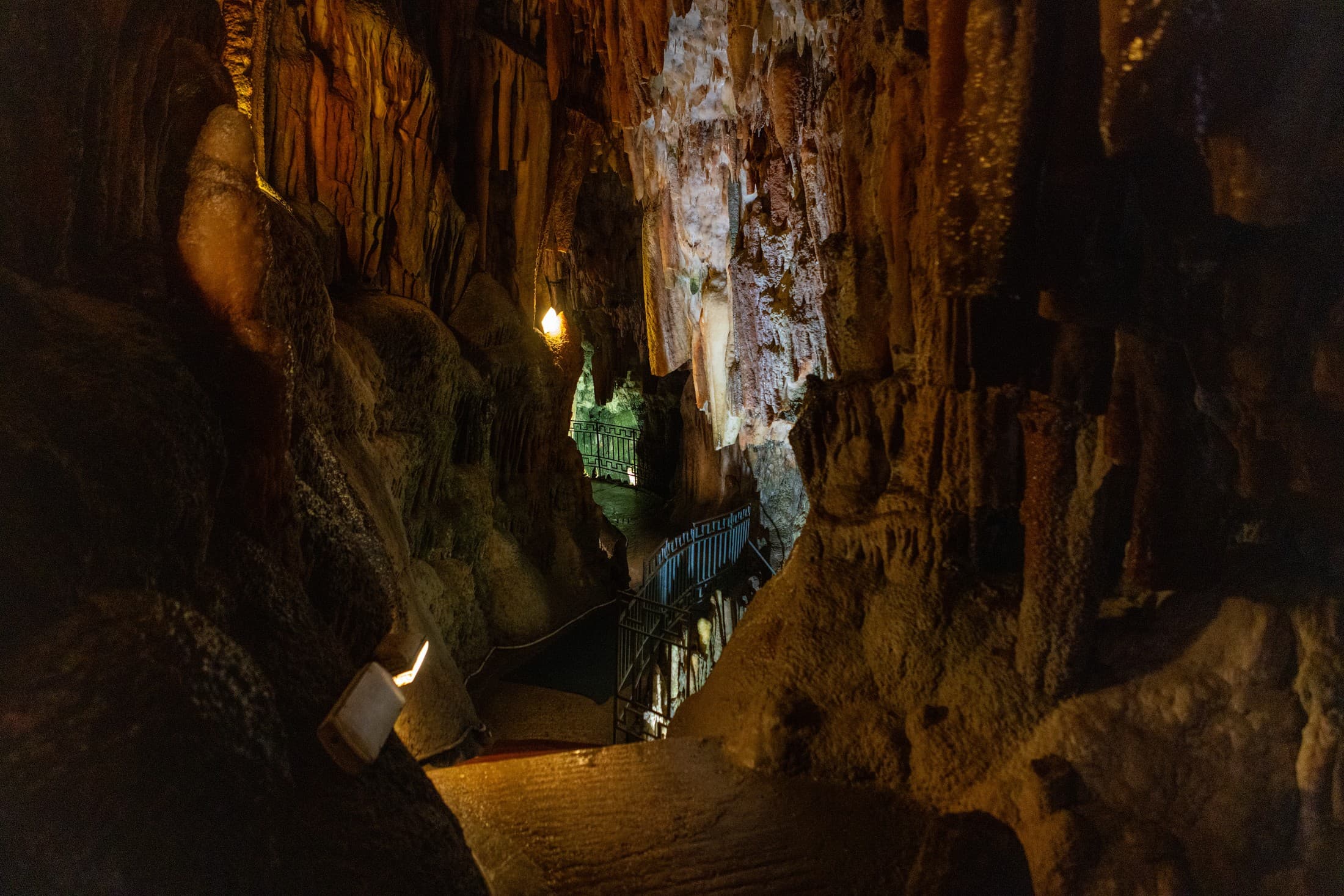
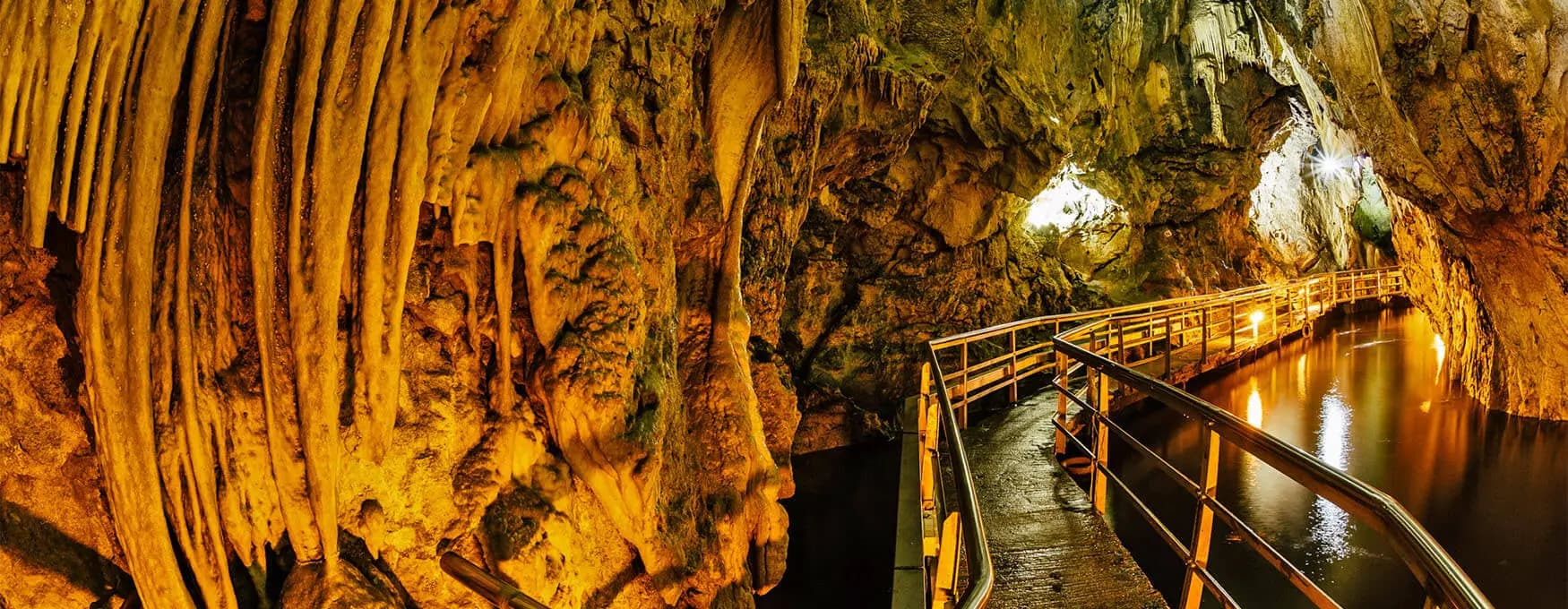
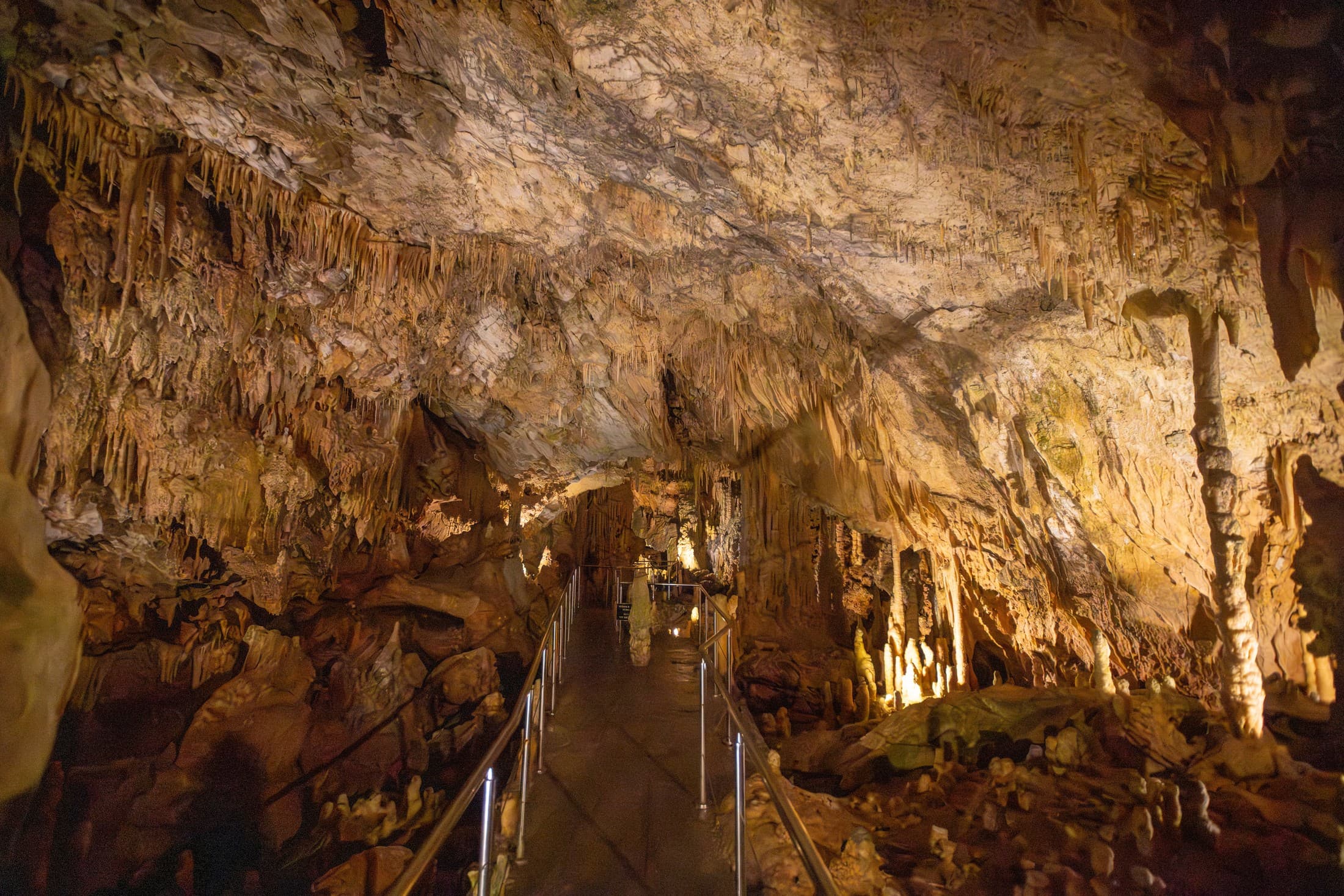
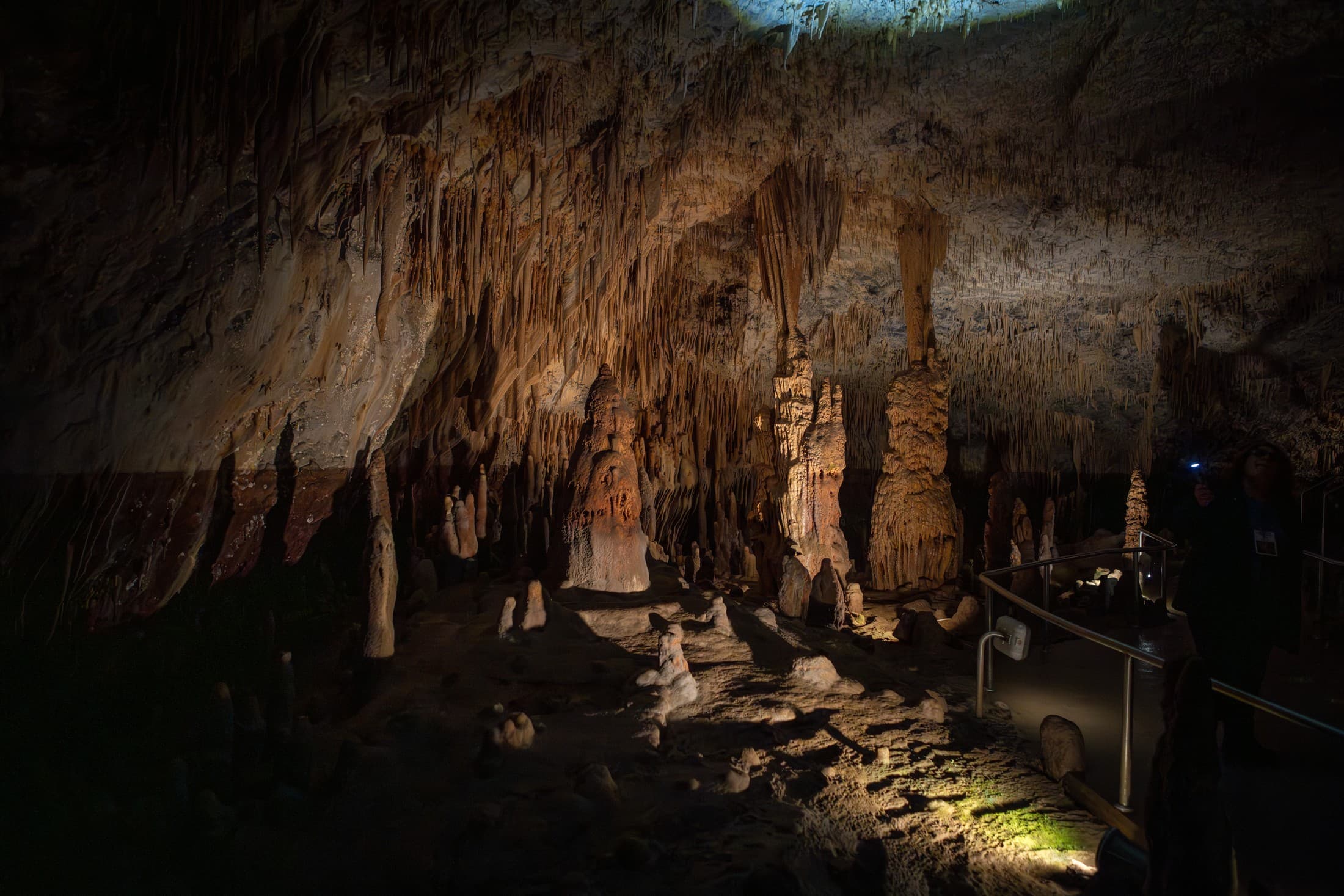
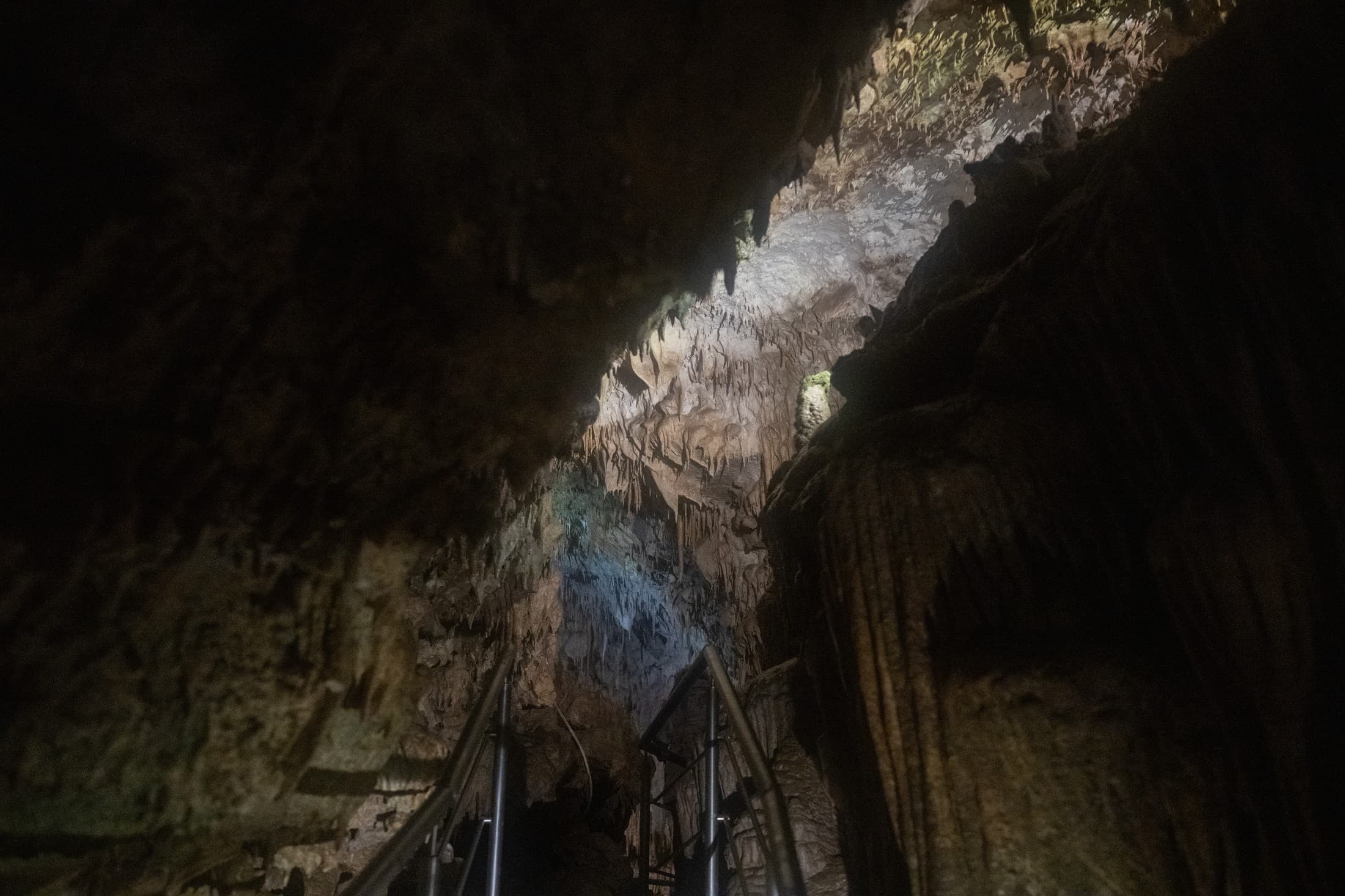
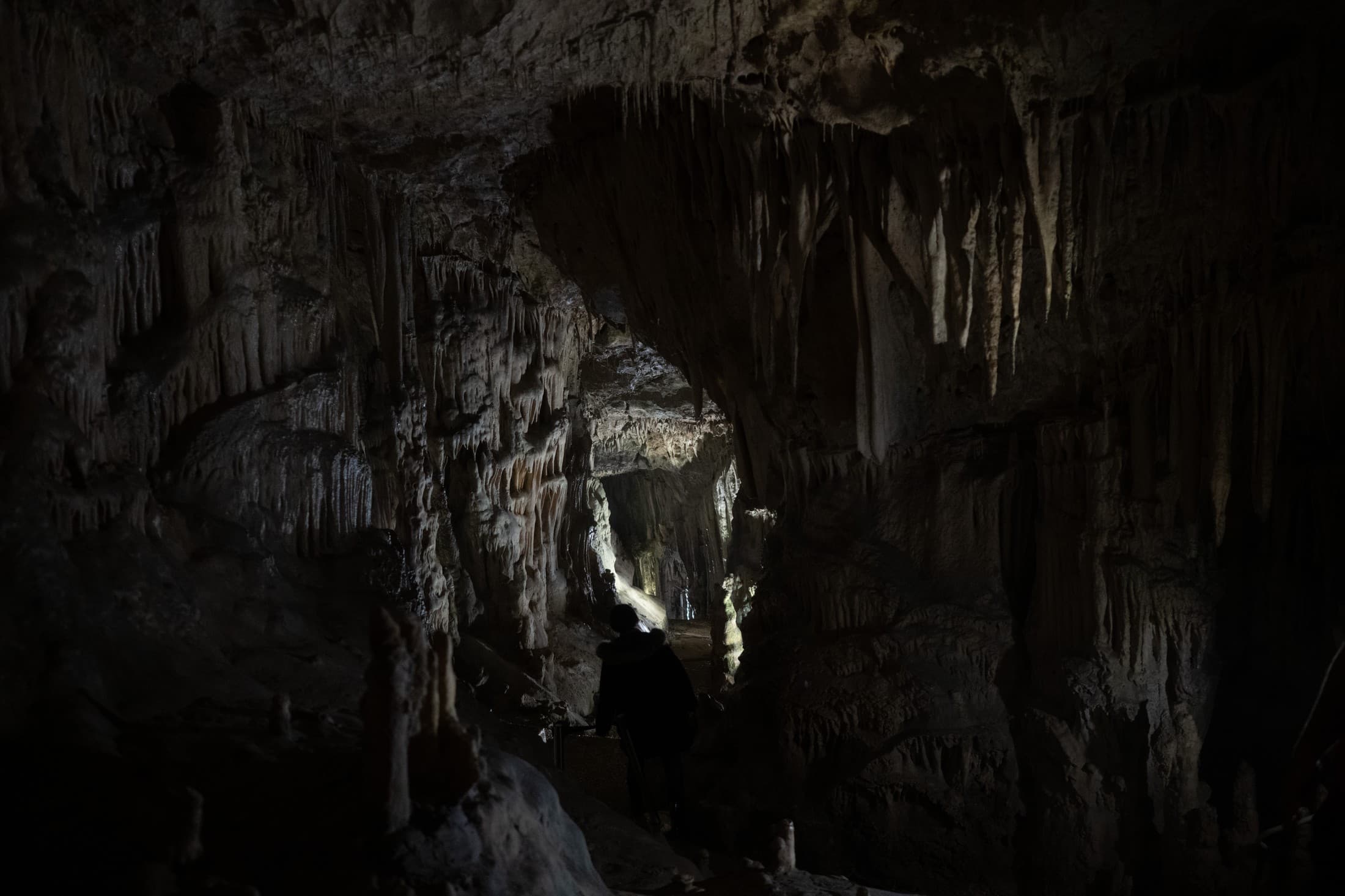
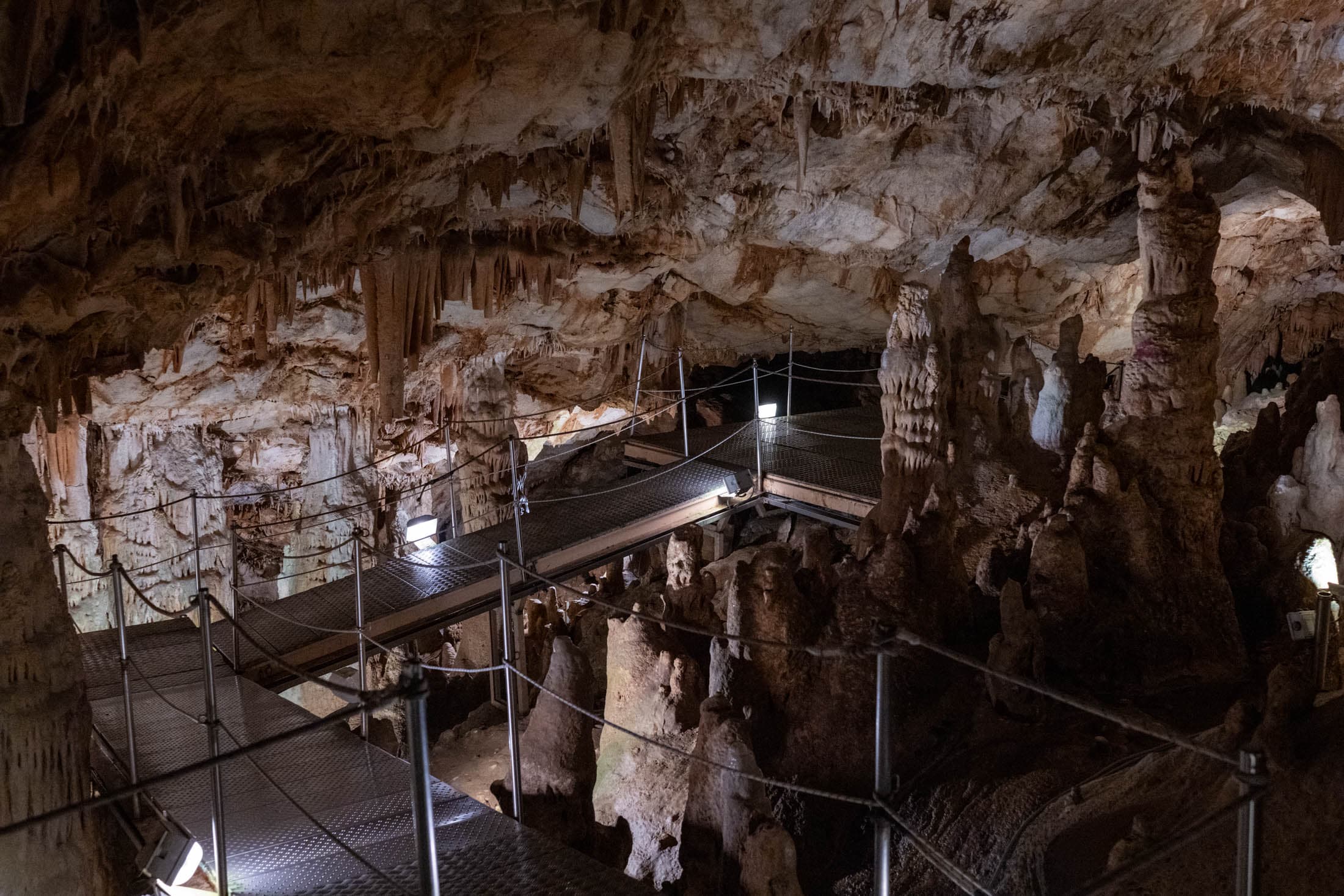
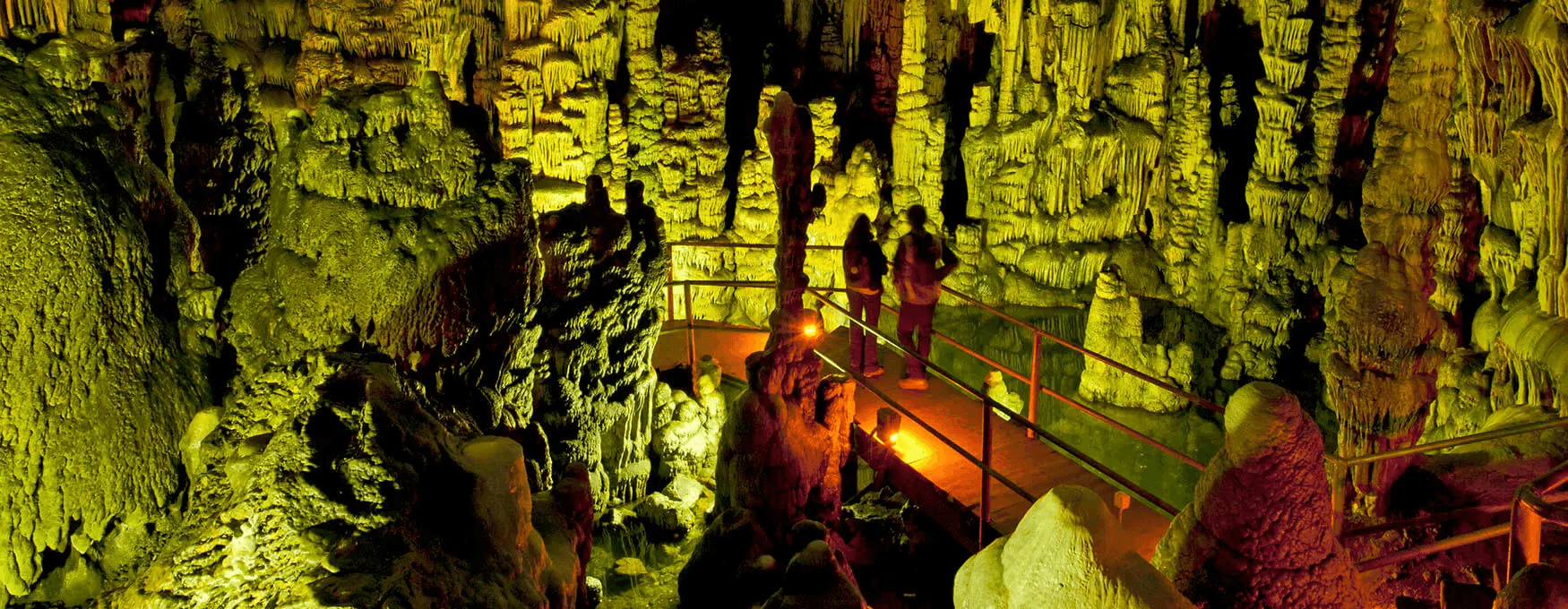
You will cross a variety of chambers dominated by impressive stalactite and stalagmite decoration. The light highlights unique formations, such as the delicate "eccentrites" that defy gravity, the majestic columns joining ceiling and floor, and the shimmering "curtains" created by the continuous dripping of calcium carbonate.
The Cave of Saint George is recognised as the only natural site in Greece where Pleistocene fauna fossils have been found alongside evidence of human presence. In special display cases, you will see more than 300 animal bone fossil specimens, the age of which is estimated at 15,000 years. Notable among them are those of the hyena, the panther, and the giant cave bear (Ursus spelaeus), which render the cave a natural paleontological museum.
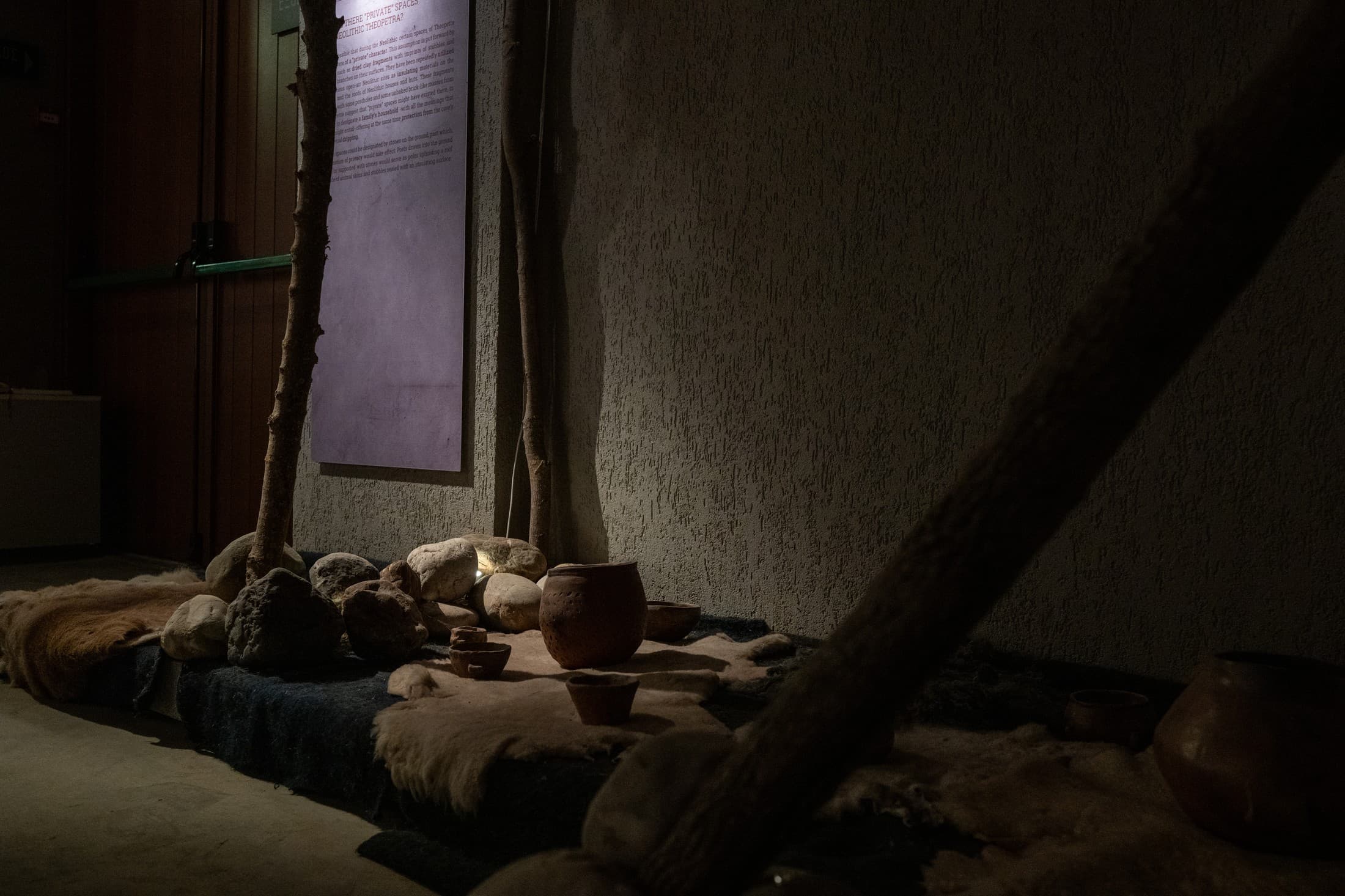
At the same time, traces and tools have been identified that testify to the occasional use of the cave by prehistoric man during the late Neolithic Age and the early Bronze Age.
Another special feature is that, due to the stable climatic conditions and the high humidity inside, the Cave of Saint George possesses a unique microclimate considered beneficial for individuals with respiratory problems.
Complete your visit by ascending the lush green hill of Saint George, which offers the best vantage point to enjoy a panoramic view of the city of Kilkis.
Discovered in 1925, it develops within limestone rocks across two main levels. Its total area exceeds 1,000 square metres, while the visiting route reaches 300 m.
You will cross a variety of chambers dominated by impressive stalactite and stalagmite decoration. The light highlights unique formations, such as the delicate "eccentrites" that defy gravity, the majestic columns joining ceiling and floor, and the shimmering "curtains" created by the continuous dripping of calcium carbonate.
The Cave of Saint George is recognised as the only natural site in Greece where Pleistocene fauna fossils have been found alongside evidence of human presence. In special display cases, you will see more than 300 animal bone fossil specimens, the age of which is estimated at 15,000 years. Notable among them are those of the hyena, the panther, and the giant cave bear (Ursus spelaeus), which render the cave a natural paleontological museum.
At the same time, traces and tools have been identified that testify to the occasional use of the cave by prehistoric man during the late Neolithic Age and the early Bronze Age.
Another special feature is that, due to the stable climatic conditions and the high humidity inside, the Cave of Saint George possesses a unique microclimate considered beneficial for individuals with respiratory problems.
Complete your visit by ascending the lush green hill of Saint George, which offers the best vantage point to enjoy a panoramic view of the city of Kilkis.