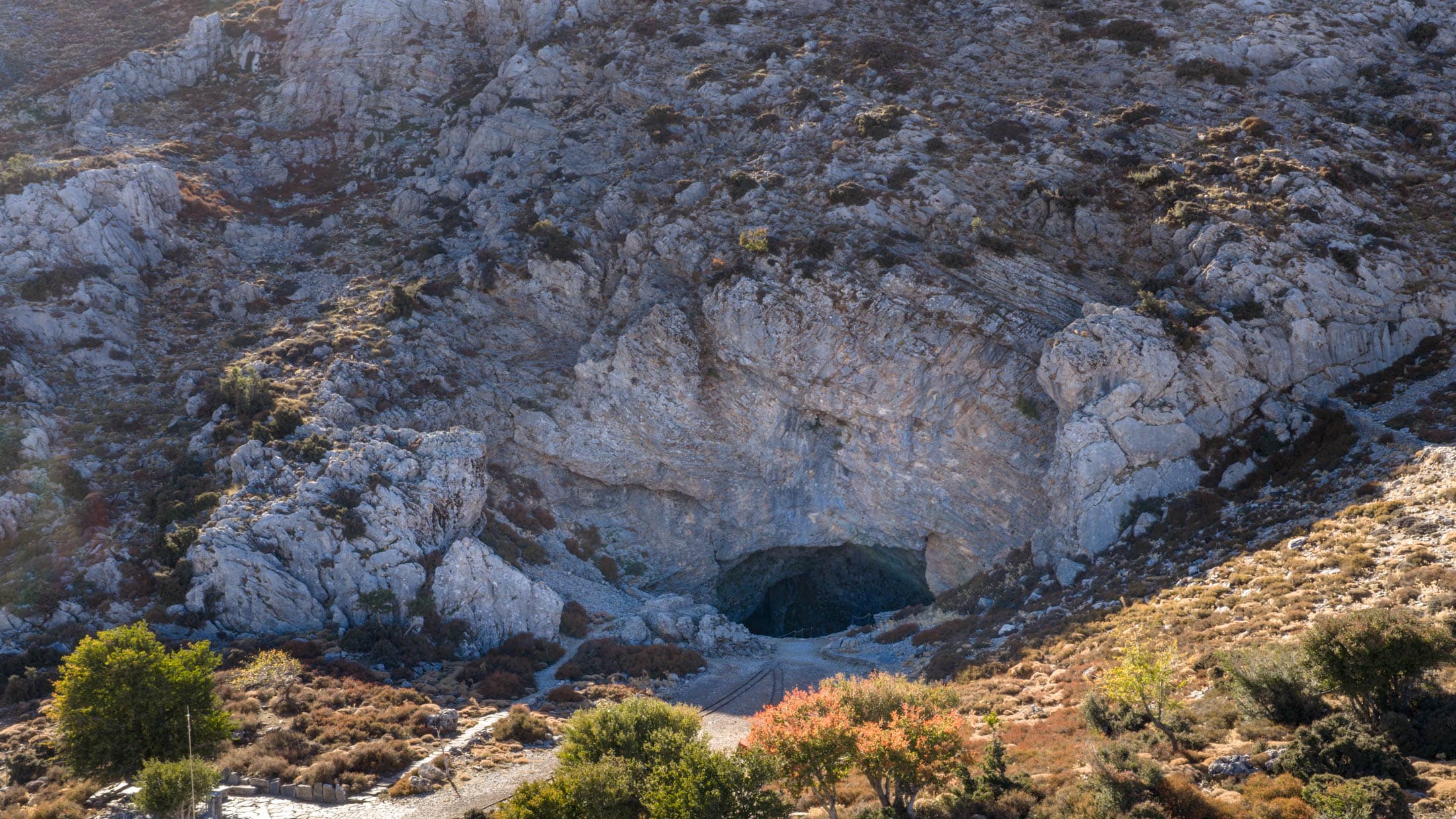
The Mythological and Archaeological Treasure of Psiloritis
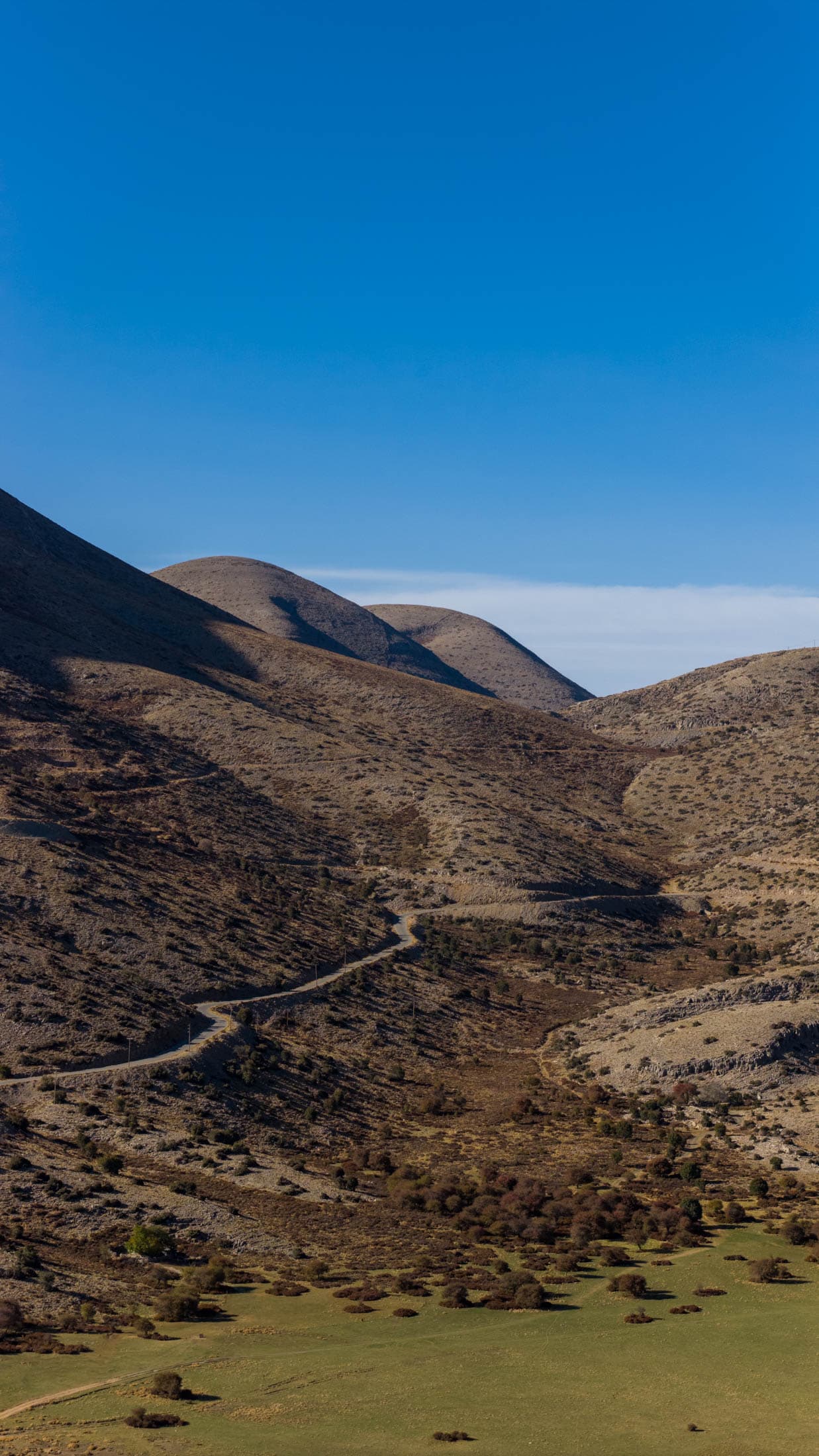
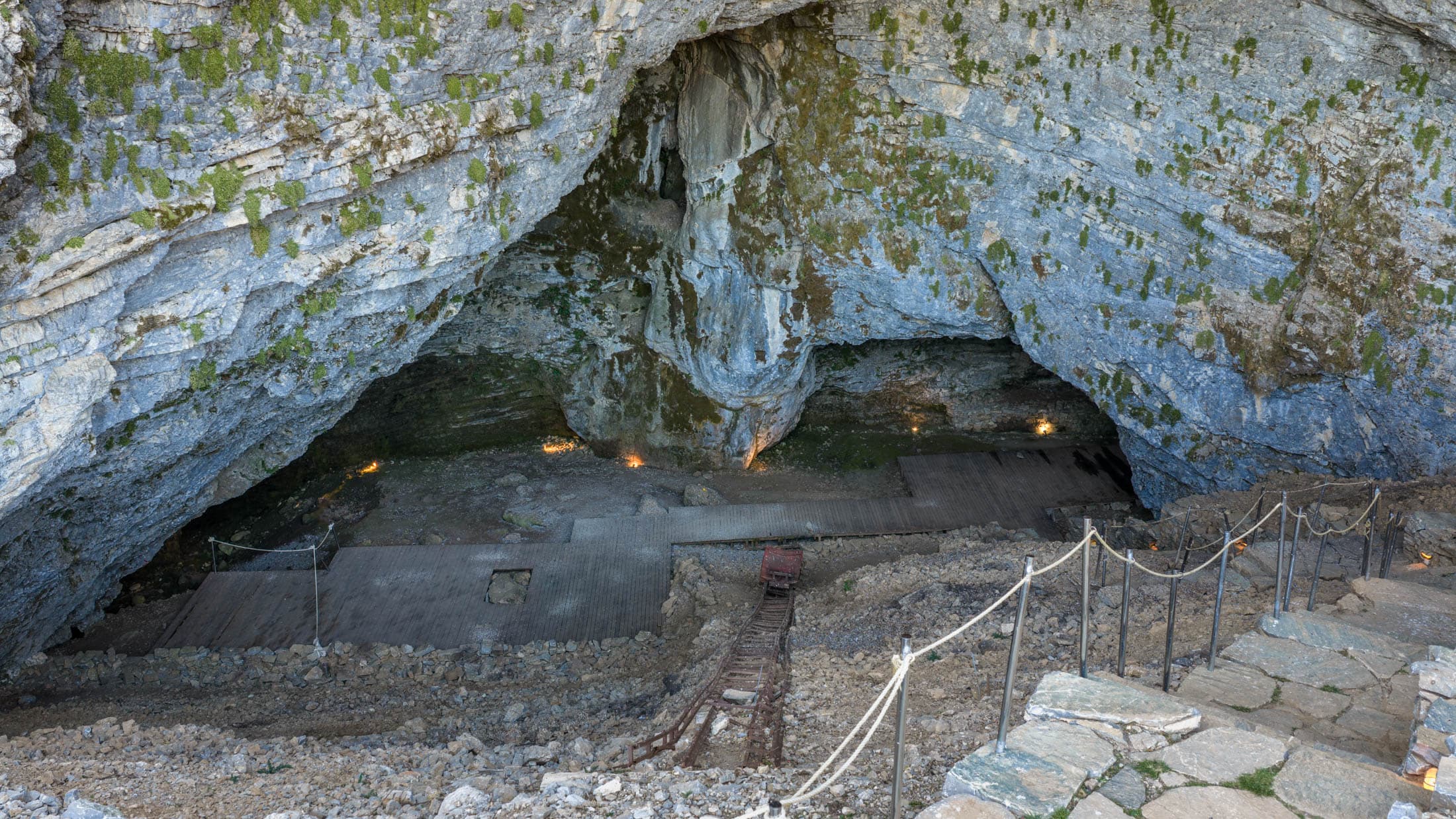
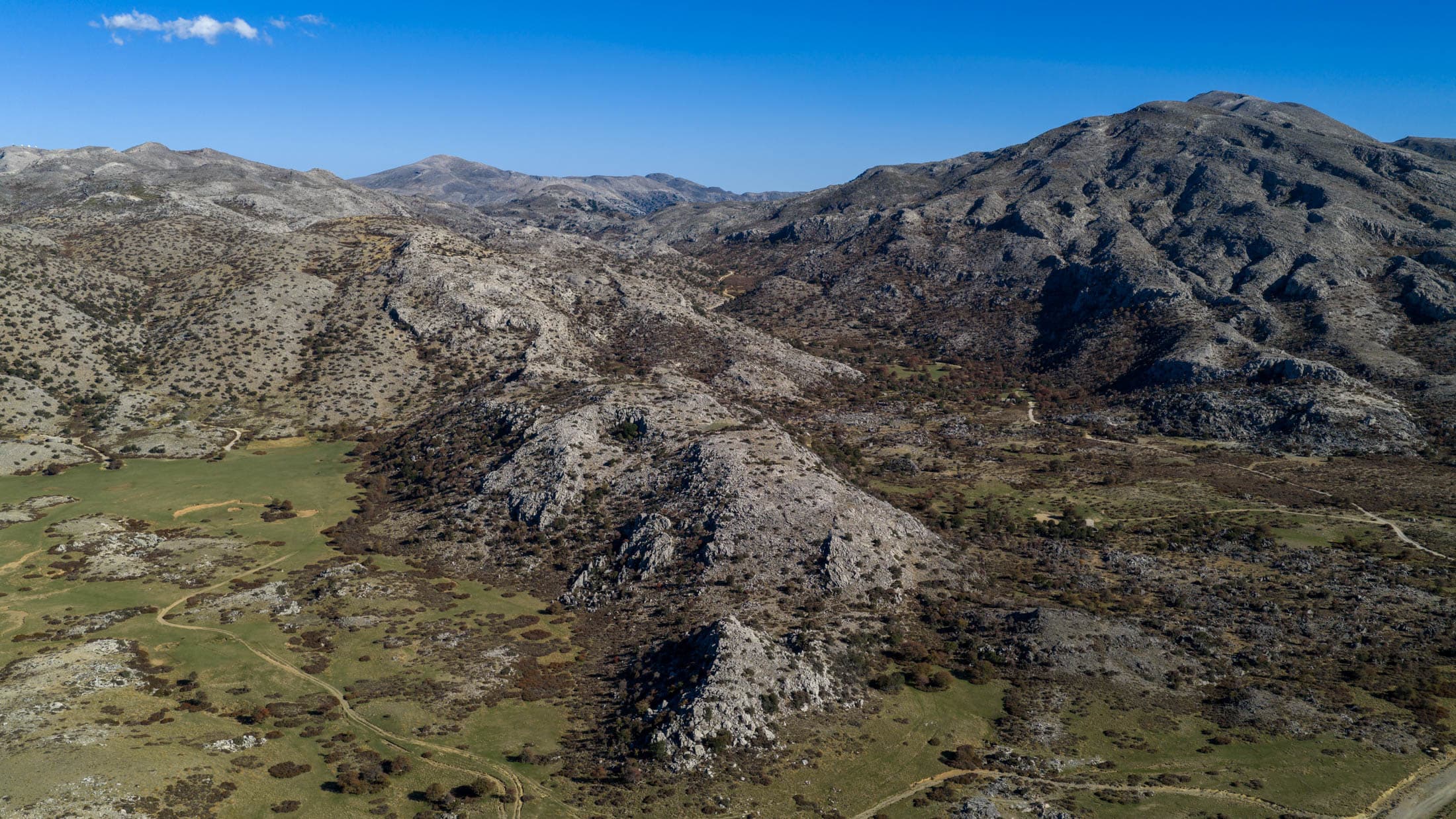
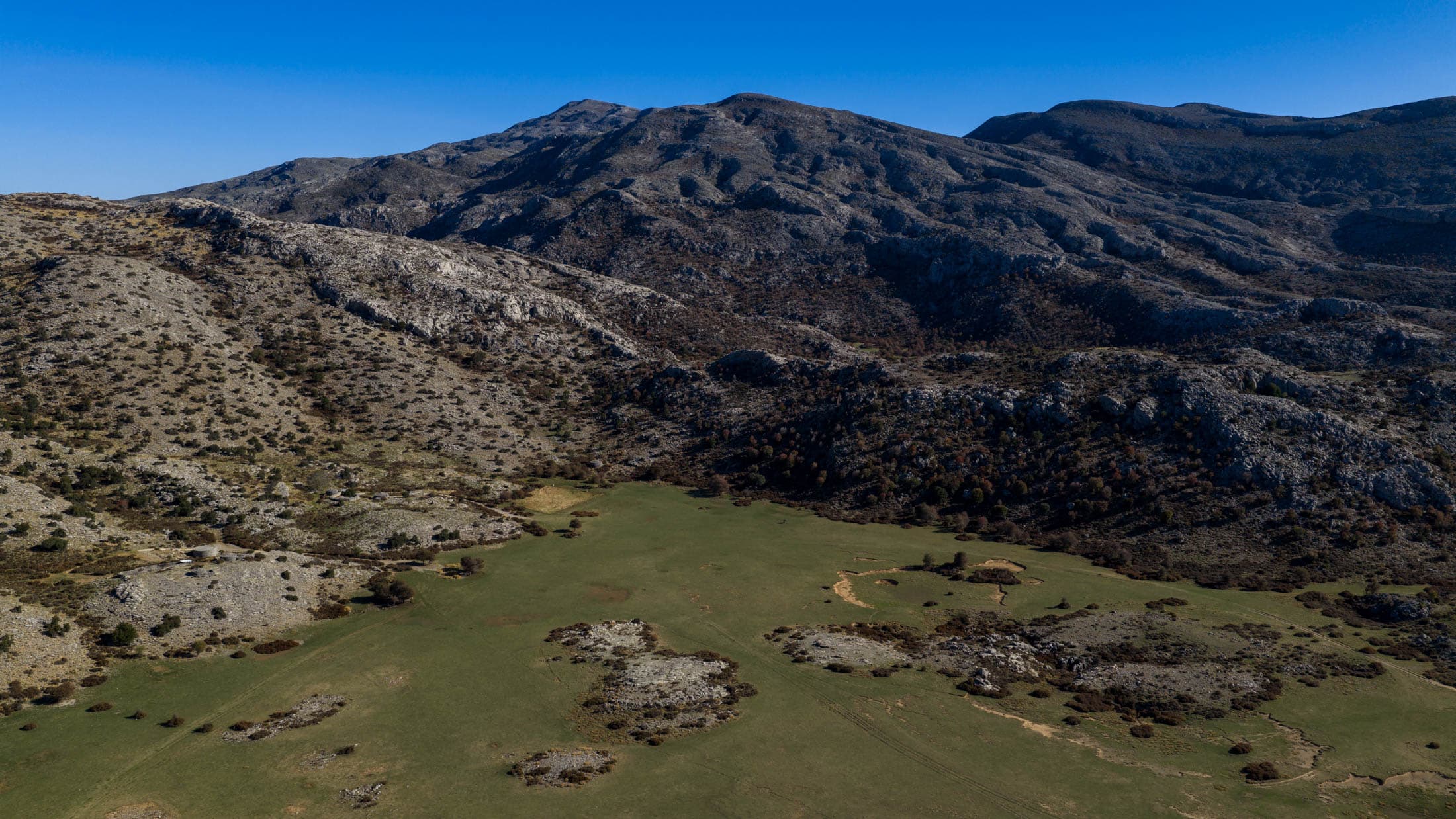
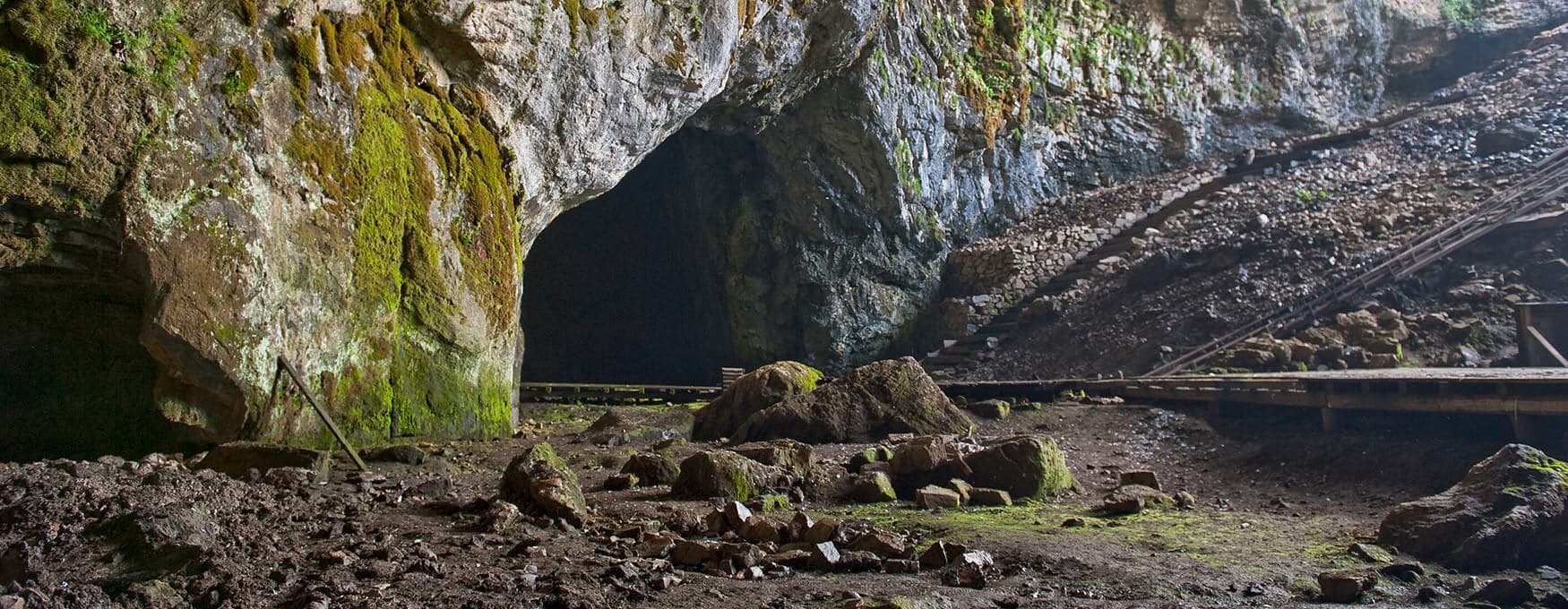
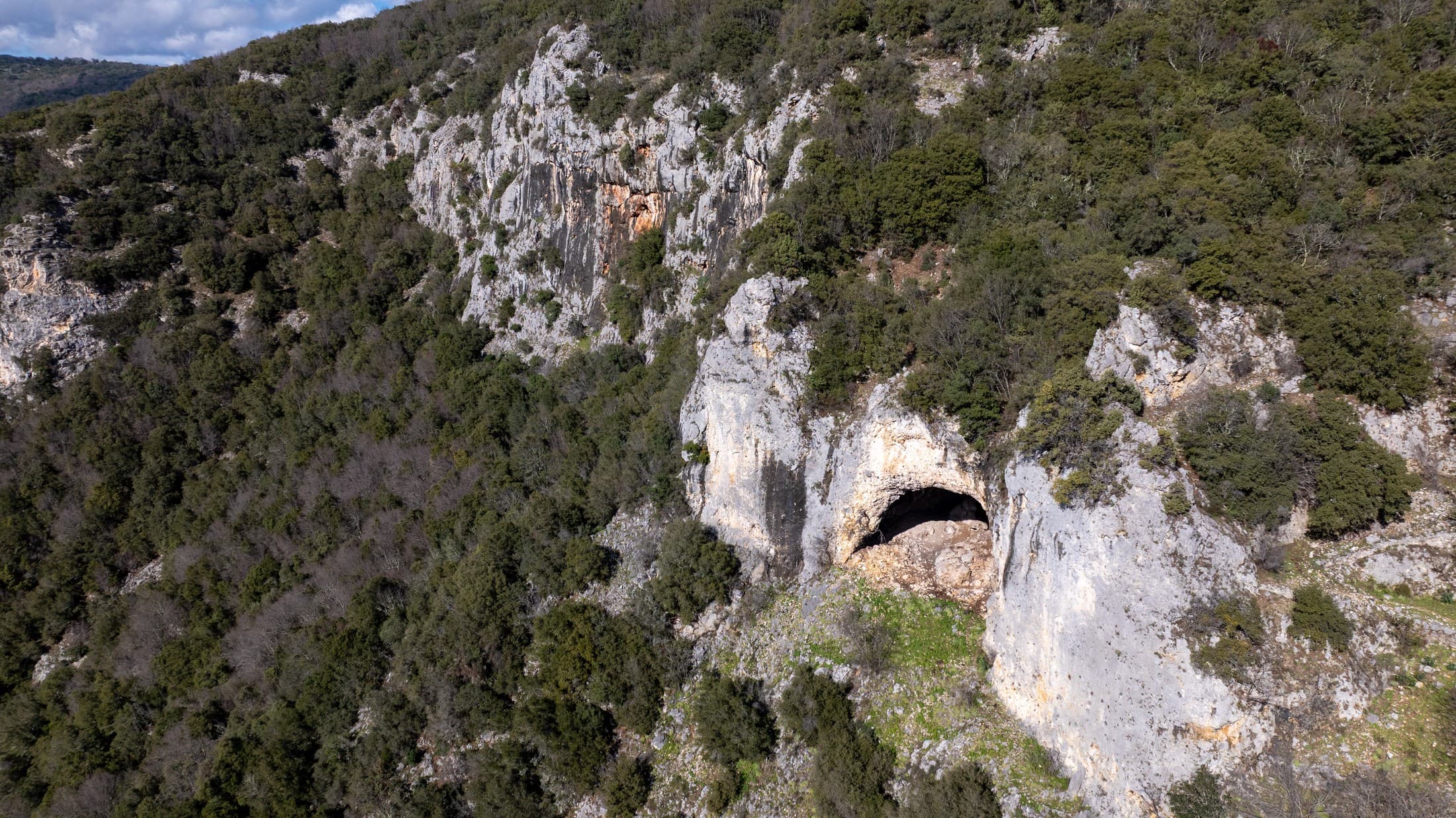
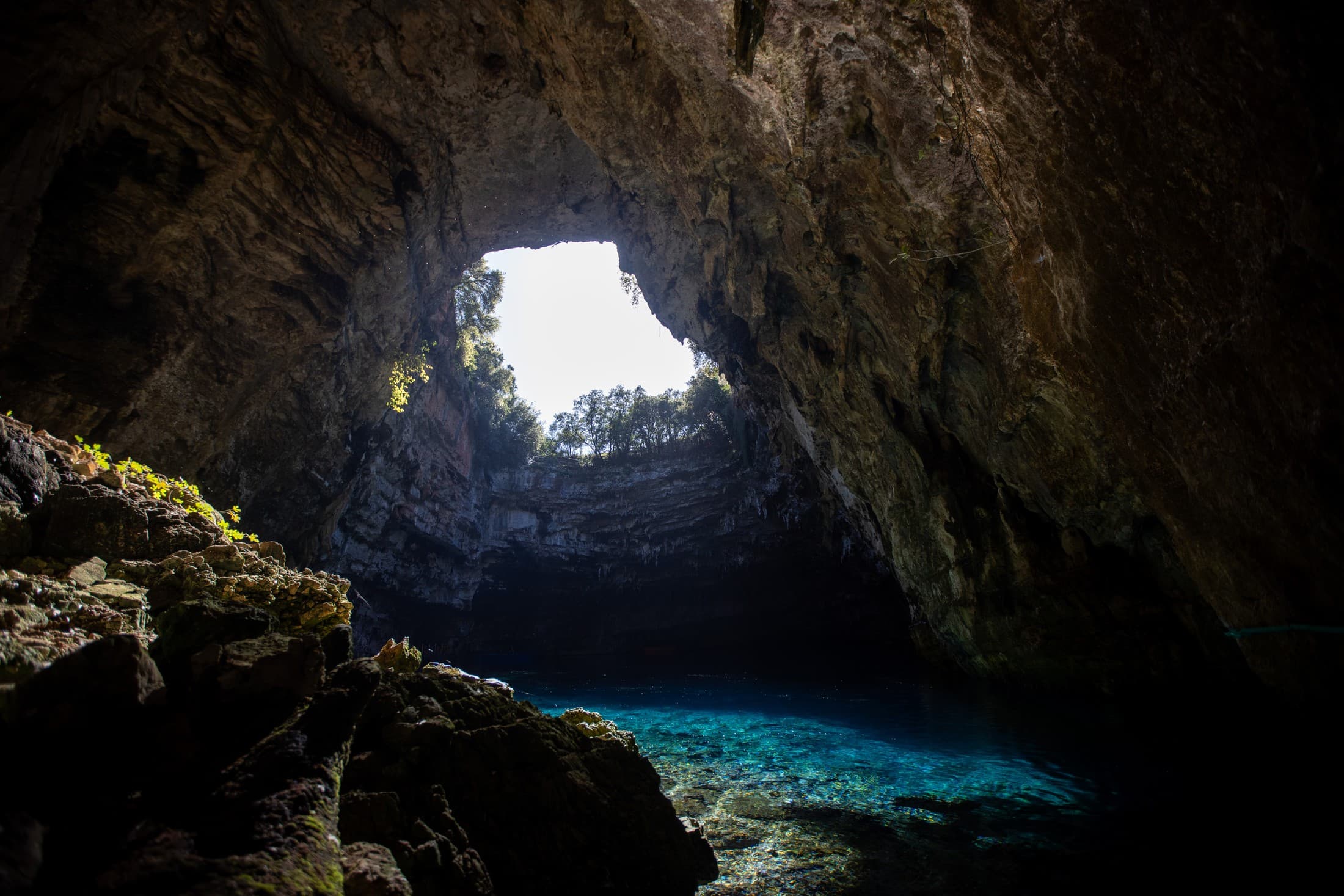
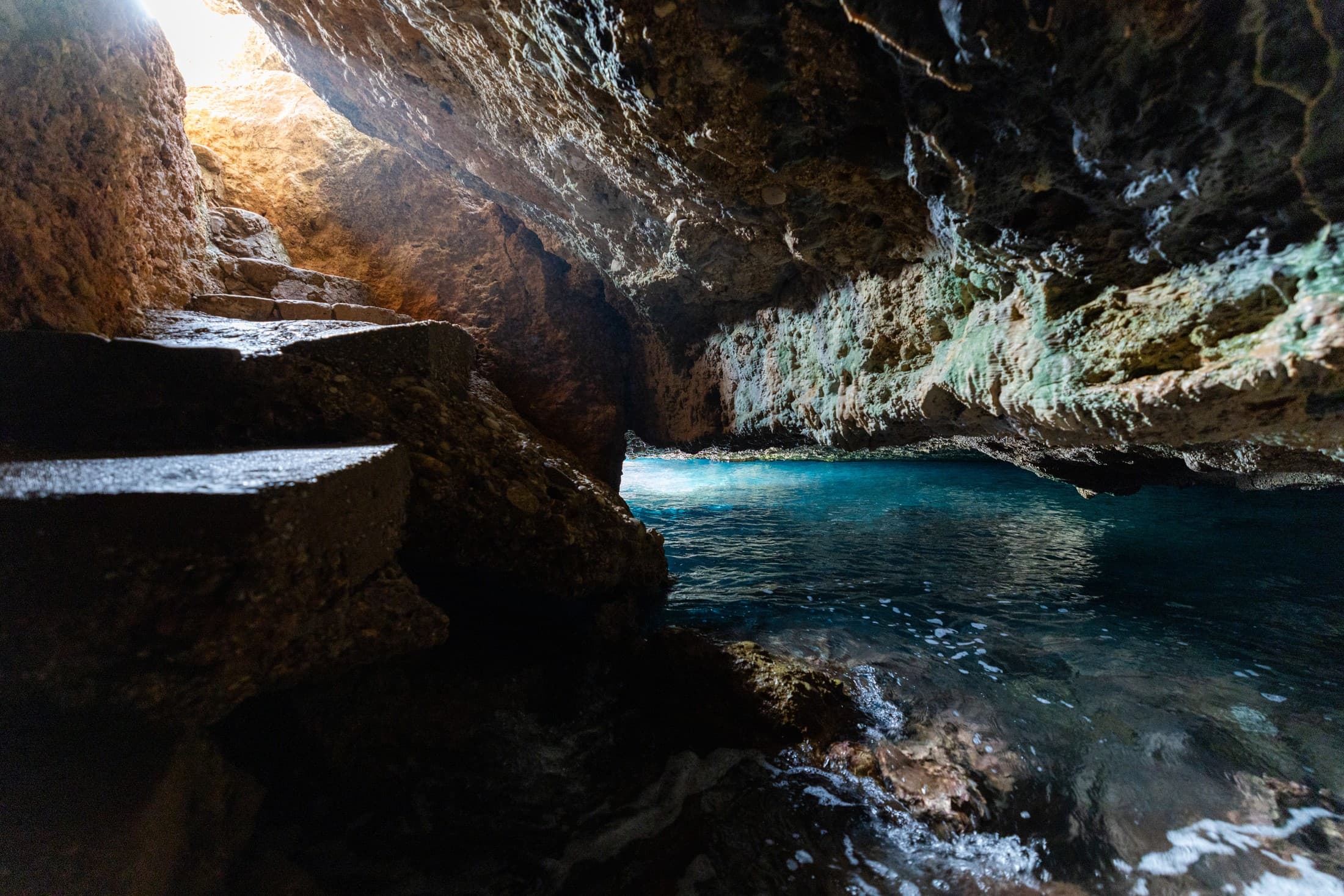
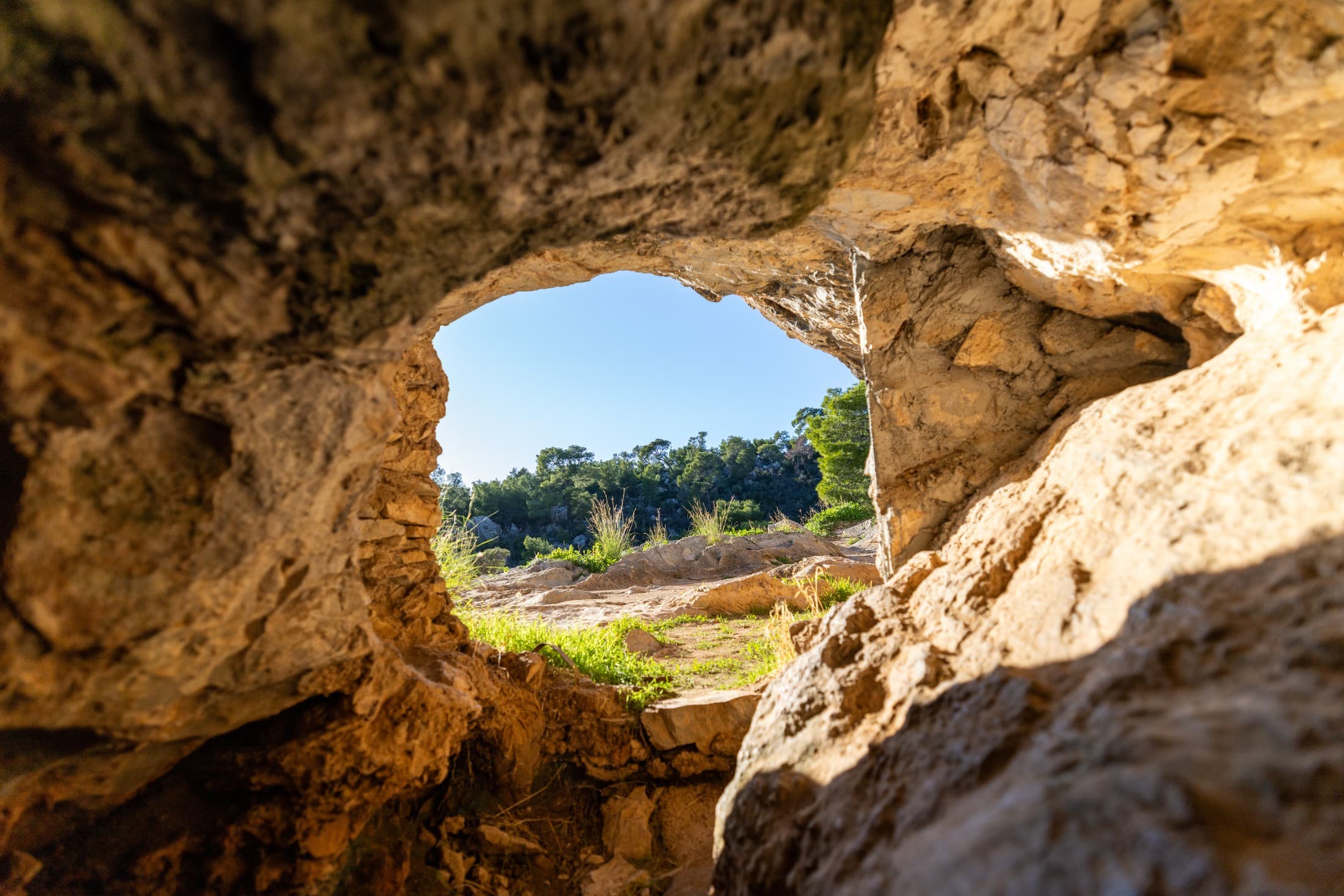
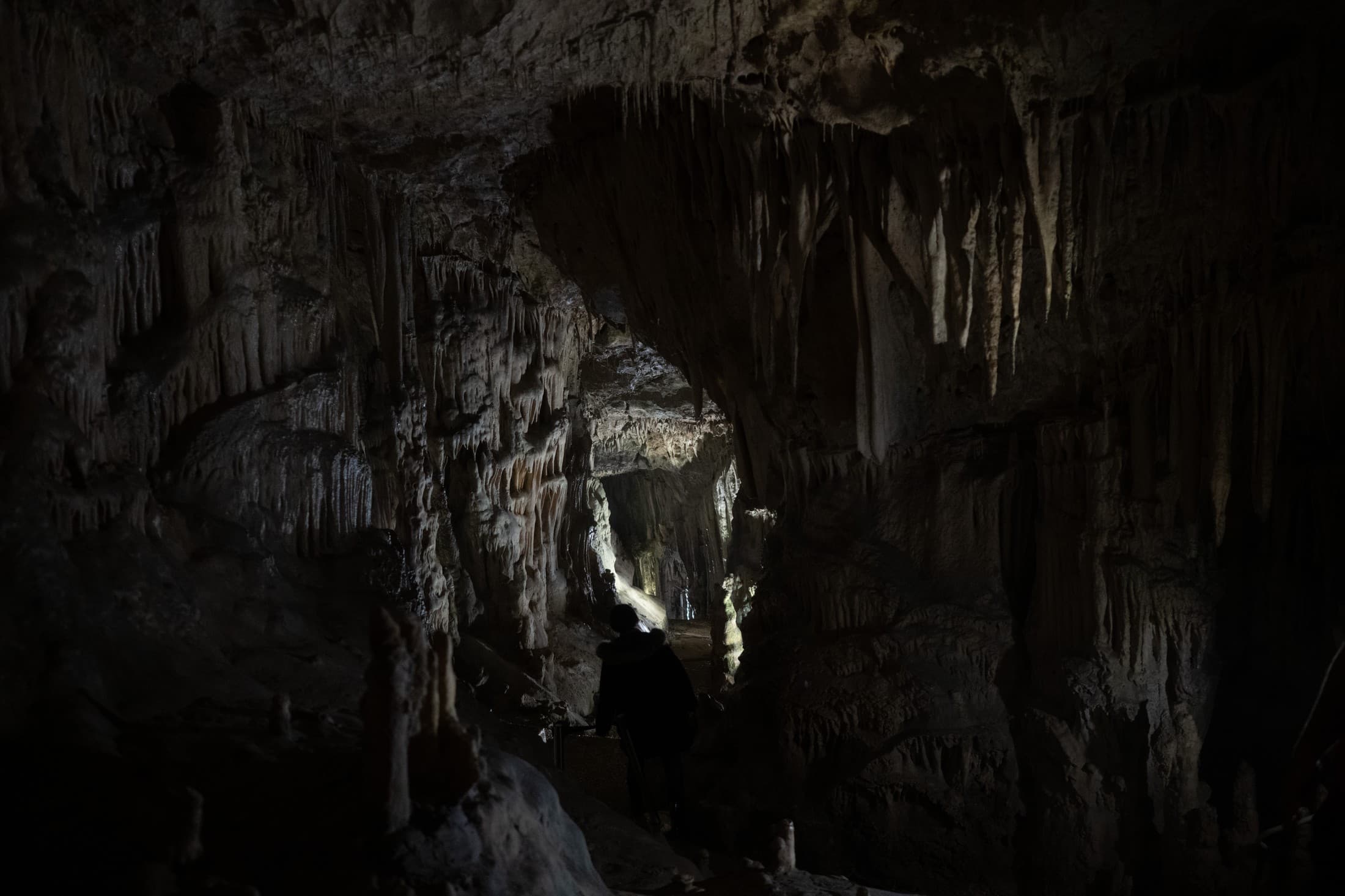
On the northwestern side of Mount Psiloritis, near the village of Anogeia in Rethymno, lies one of Crete’s most important caves, situated at an altitude of 1,538 metres. The Idaean Cave is renowned in mythology as the place where Zeus was raised. Rhea, the wife of Cronus – the ruler of the world at that time – concealed her son there to protect him from his father’s insatiable rage. The nymphs Adrasteia and Ida nursed the infant god with wild honey and milk from the goat Amalthea. The Idaean Dactyls and the Kouretes were entrusted with his care, guarding and tending to him. With the clashing of their shields and boisterous dances outside the cave, they masked the cries of the infant.
The sanctity and significance of the cave in antiquity are confirmed by the precious finds unearthed during the first excavation in 1885 by F. Halbherr. The site arrived at its present form thanks to the efforts of archaeologist Yannis Sakellarakis, who began the second excavation in 1982 during adverse weather conditions. The ancient finds – numerous votive offerings, vases, utensils, weapons, coins, and jewellery – are housed at the Heraklion Archaeological Museum for safekeeping and preservation. They include the famous 7th- and 8th-century bronze shields used in rituals dedicated to Zeus.
Its Archaeological Significance and Treasures
The sanctity and significance of the cave in antiquity are confirmed by the precious finds unearthed during the first excavation in 1885 by F. Halbherr. The site arrived at its present form thanks to the efforts of archaeologist Yannis Sakellarakis, who began the second excavation in 1982 during adverse weather conditions. The ancient finds – numerous votive offerings, vases, utensils, weapons, coins, and jewellery – are housed at the Heraklion Archaeological Museum for safekeeping and preservation. They include the famous 7th- and 8th-century bronze shields used in rituals dedicated to Zeus.
Architectural Form and Folk Tradition
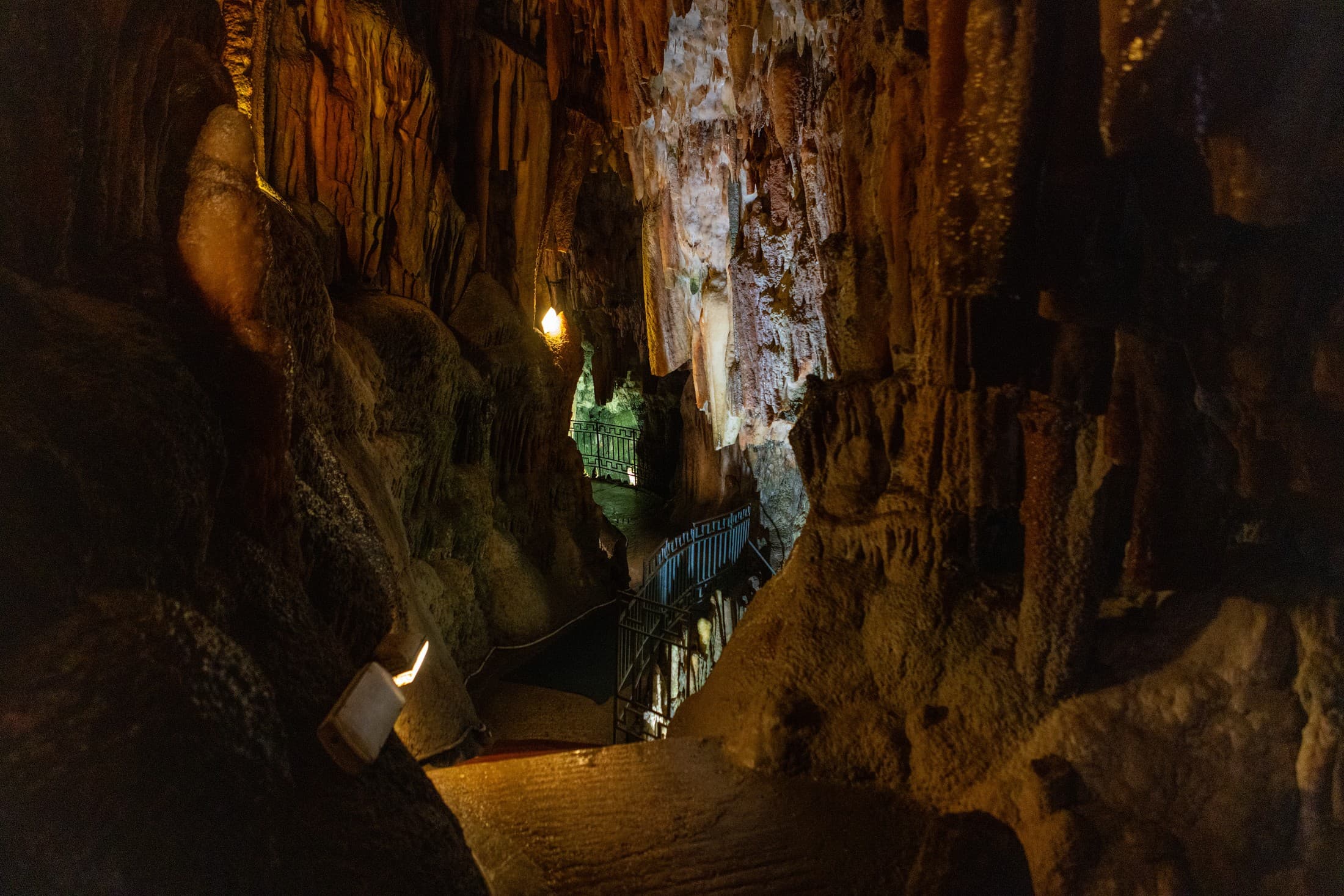
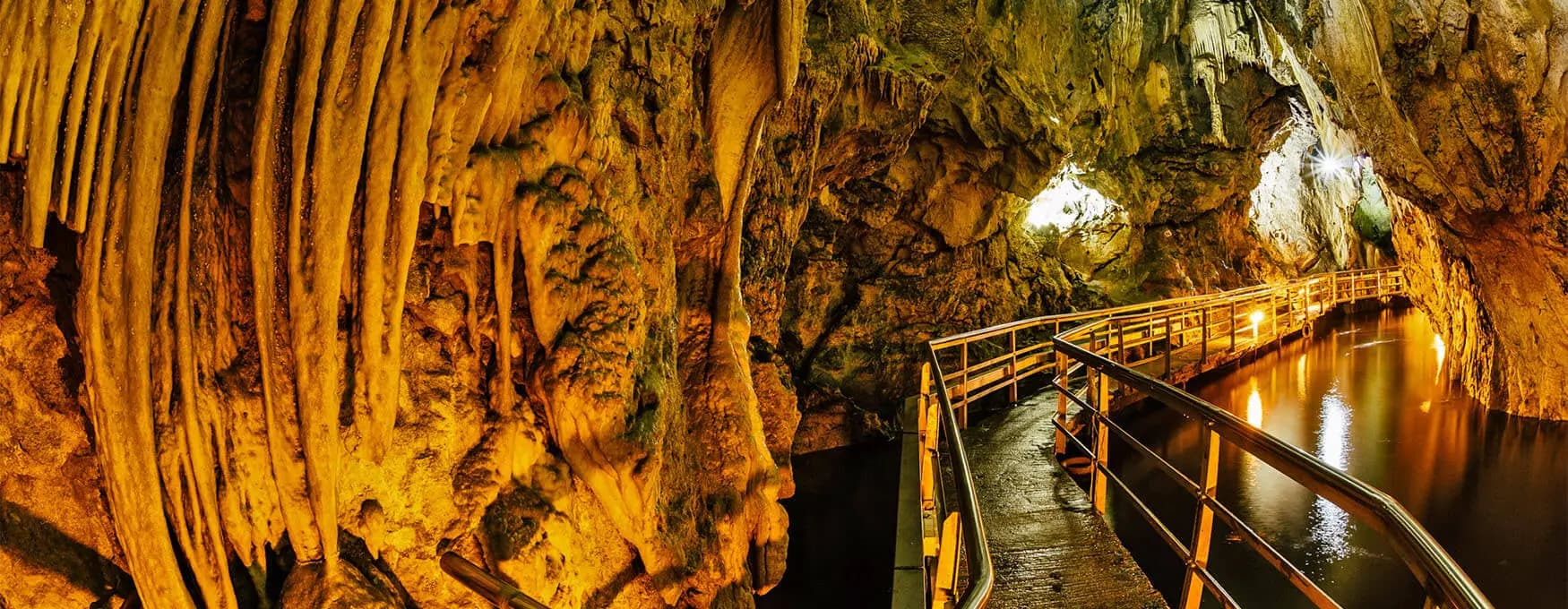
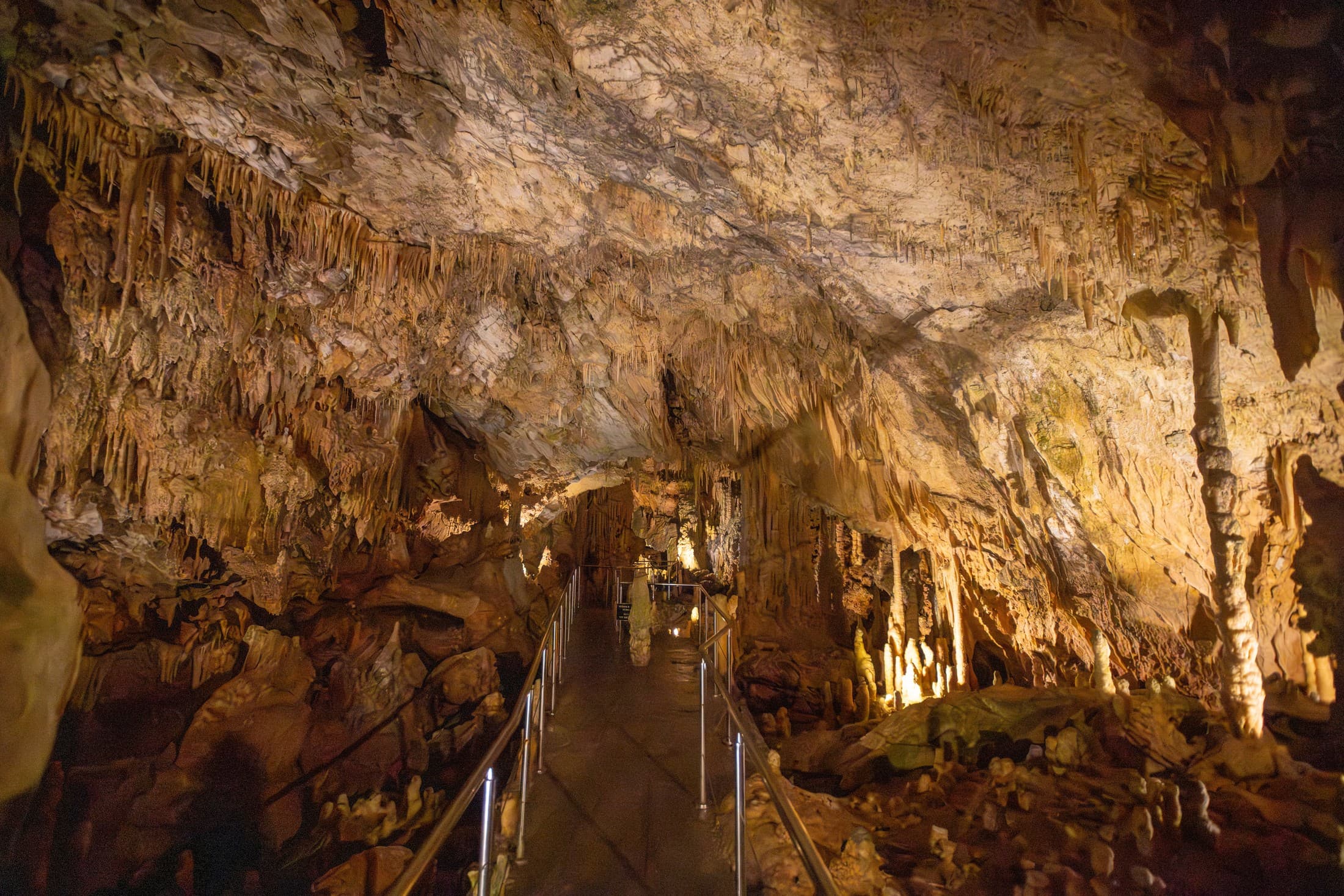
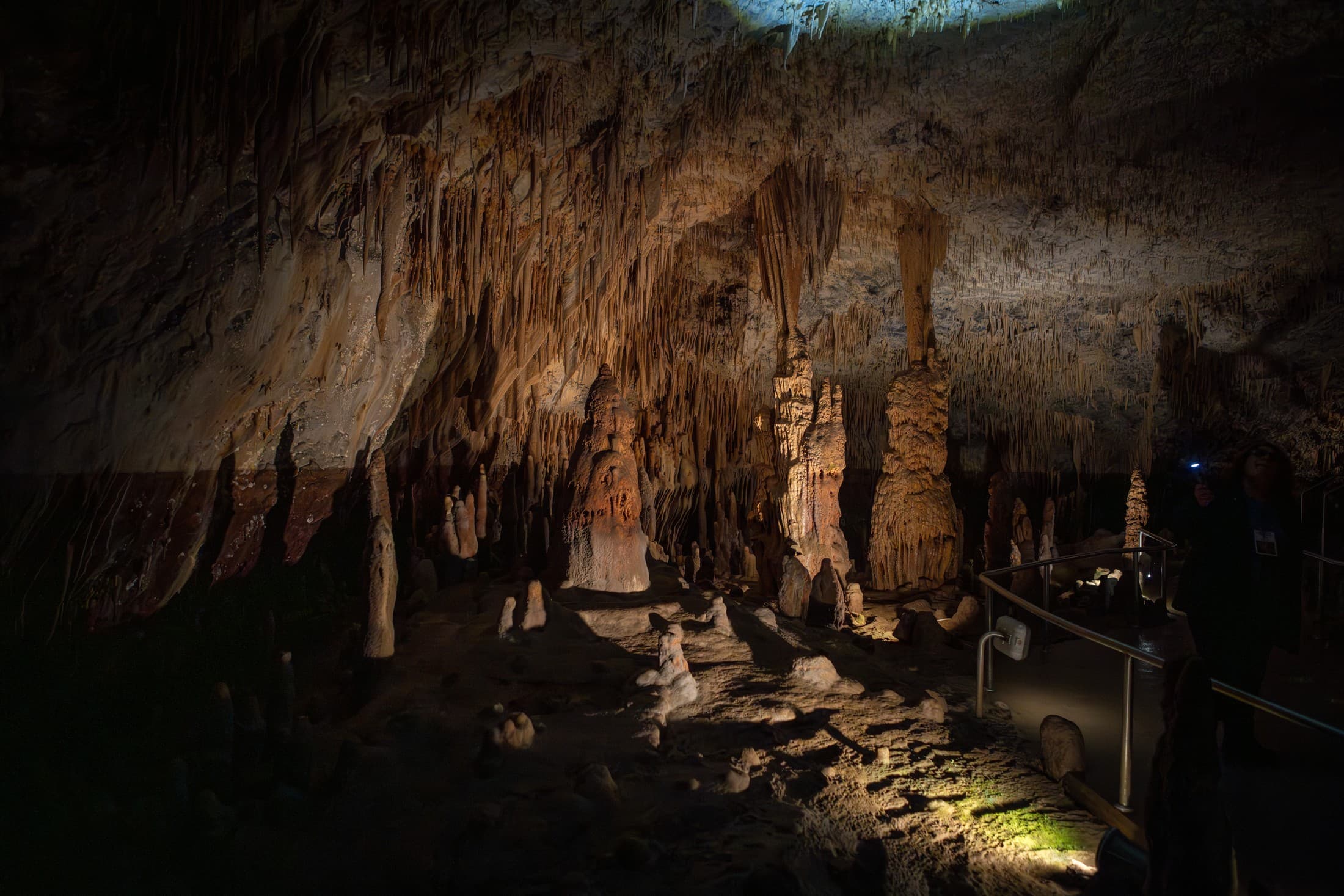
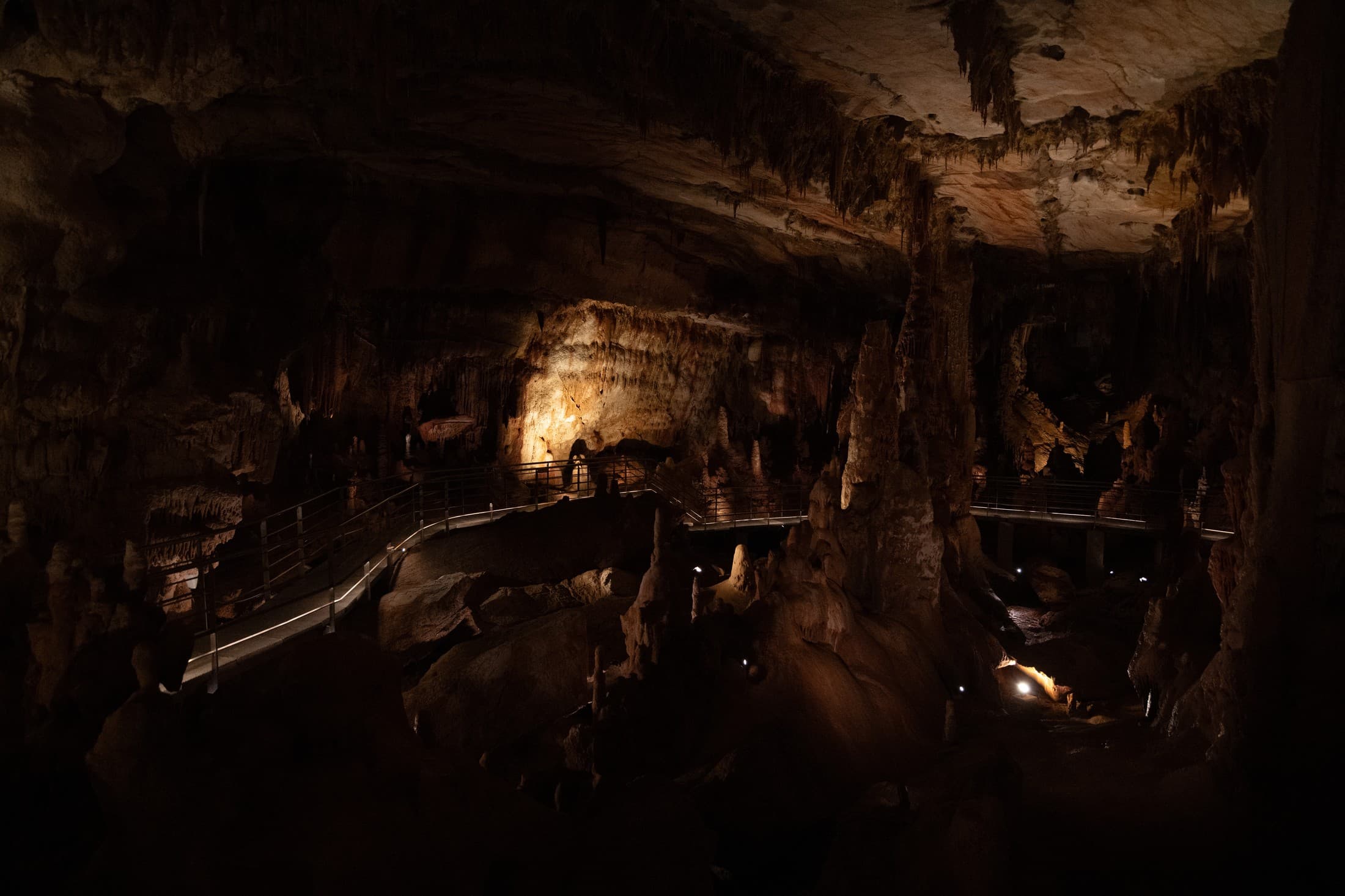
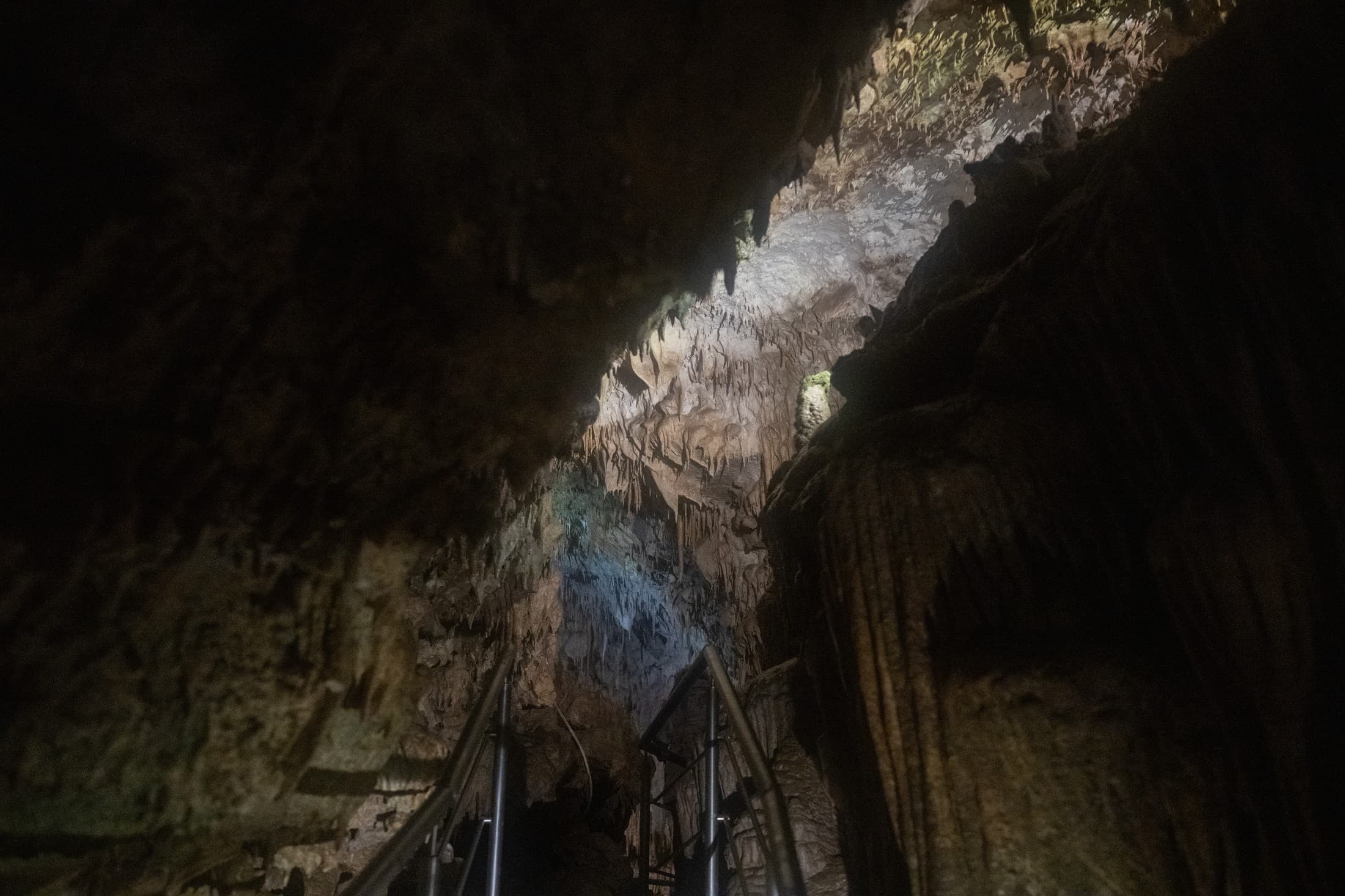
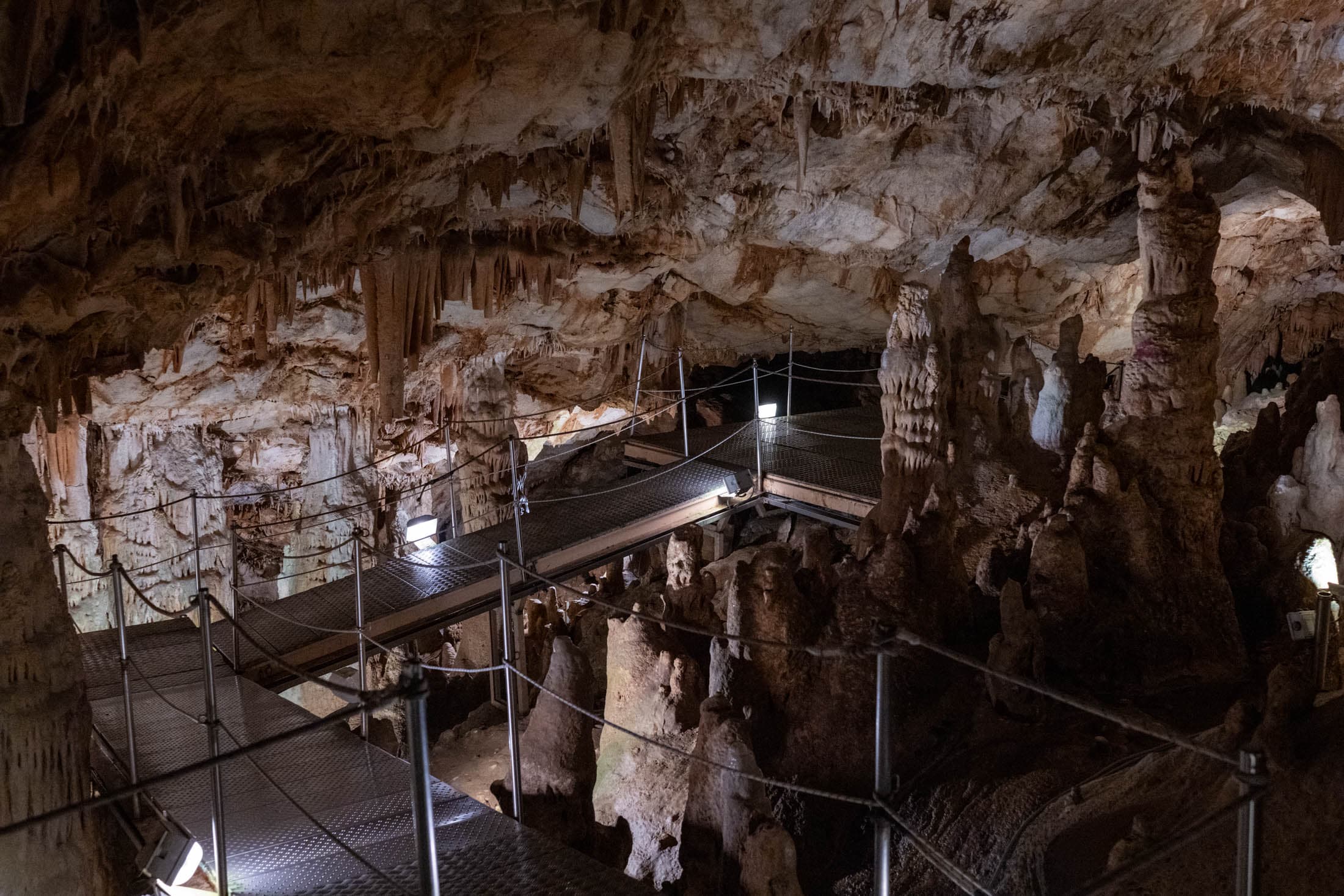
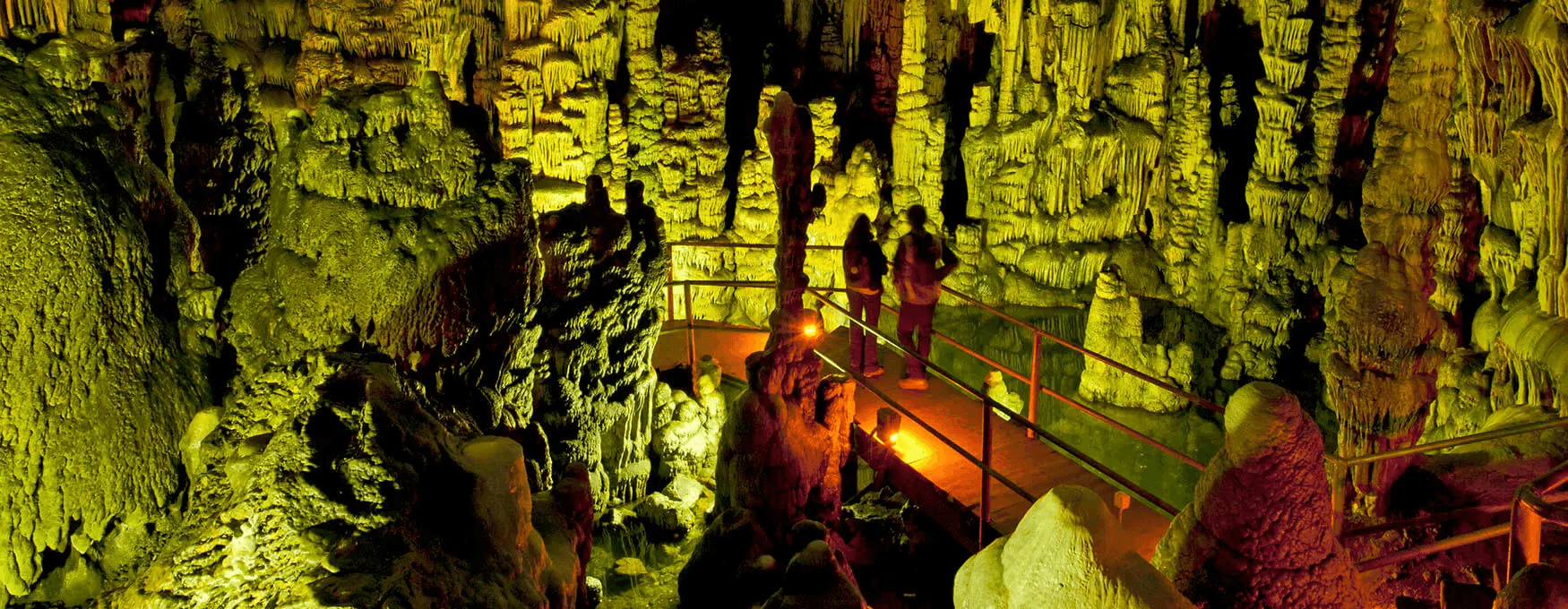
The cave’s layout evokes the form of an ancient temple. Internally, it is divided into three chambers and a sanctuary, while its entrance is adorned with three imposing stalactites. Locals also know it as the Shepherdess’s Cave (Spiliara tis Voskopoulas), as the shepherds’ tale has it that the tomb of the wife of Charidemus, a Cretan prince, is located nearby. Charidemus unintentionally killed her, as described in ‘Erotokritos’ by the poet Vitsentzos Kornaros.