A pulse inextricably linked to the island’s heritage
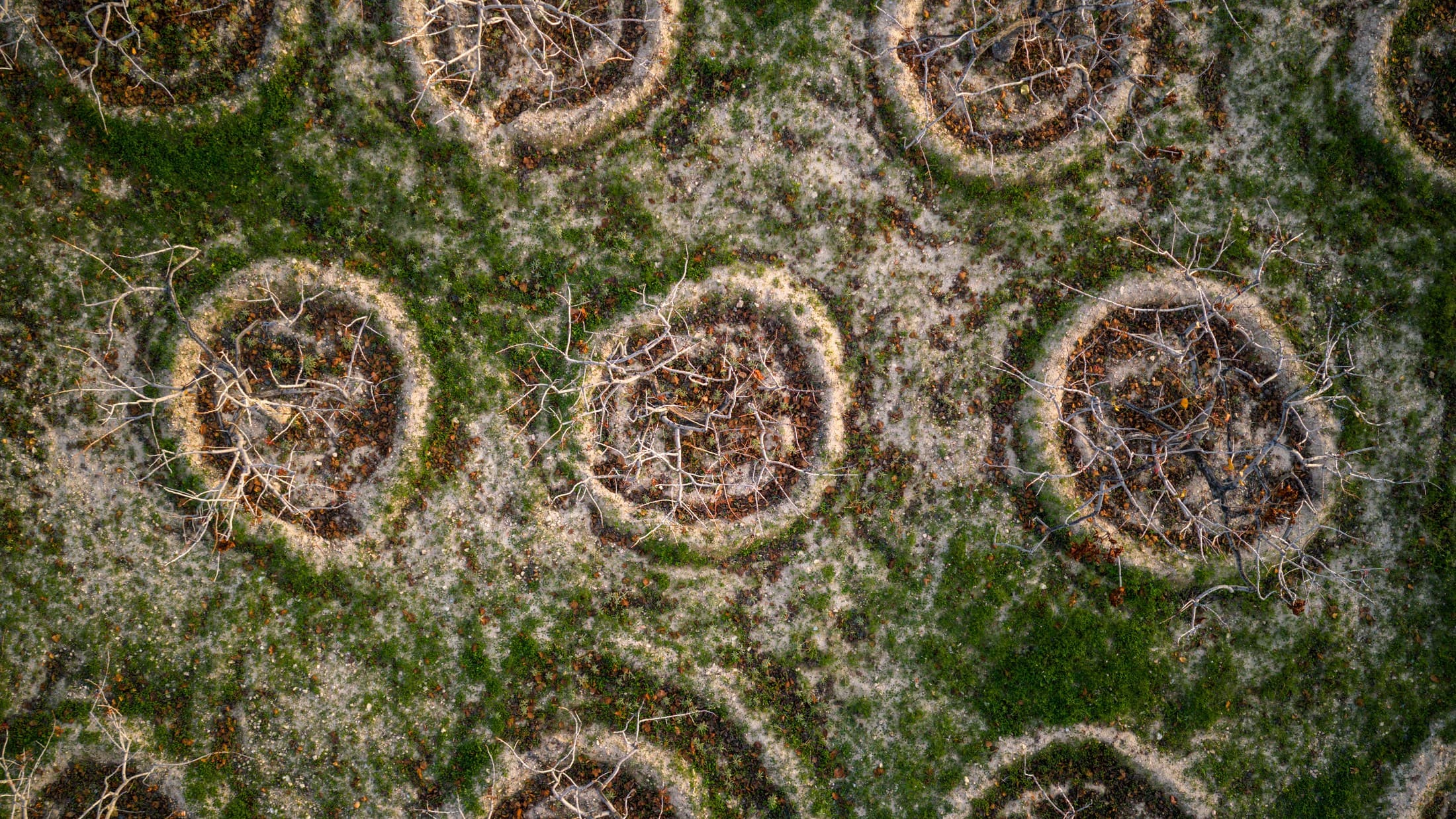
Santorini’s fava has flourished within the island’s volcanic soils for at least 3,500 years, recounting a tale of resilience. The plant, scientifically known as Lathyrus clymenum, adapted to the arid, windswept landscape and learned to draw life from the Theran soil. Consequently, a legume emerged, boasting a delicate skin, high protein content, and distinctive sweetness.
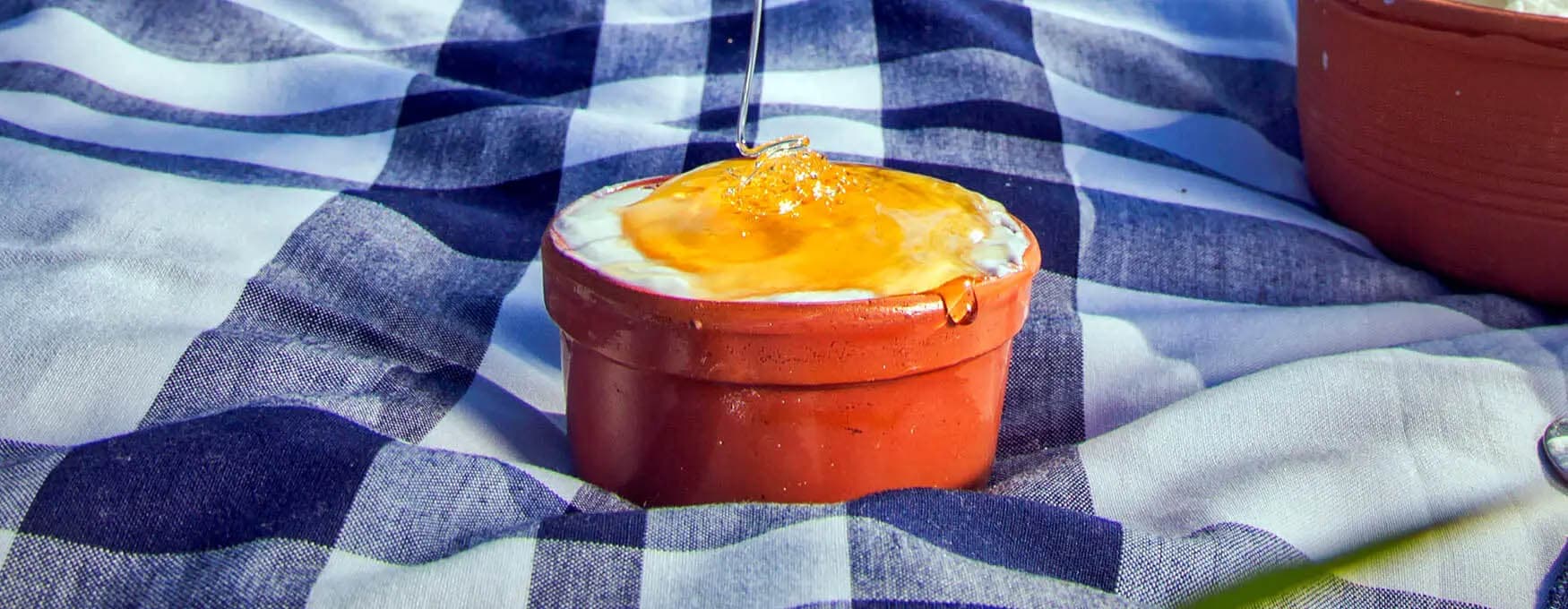
Santorini fava beans PDO seem to embody the land's essence. They cook easily, transforming into a velvety, golden-hued purée with a subtly earthy, sweet flavour. The dish is traditionally served warm, with thin onion slices, capers, and extra virgin olive oil. In summer, you can also enjoy it cold, as a smooth Mediterranean purée that unites the volcano with the sea.
Santorini's traditional farmers once simmered it in earthenware pots throughout the night, allowing it to rest within the warm earth. Nowadays, fava forms the foundation for imaginative pairings: with caramelised onions, smoked mackerel, fried anchovies, or even truffle oil in the island's contemporary restaurants.
The Santo Wines Union of Santorini Cooperatives gathers and packages fava beans from local producers, guaranteeing authenticity and Protected Designation of Origin status. It is the very same legume archaeologists discovered amongst the seeds of prehistoric Thera.
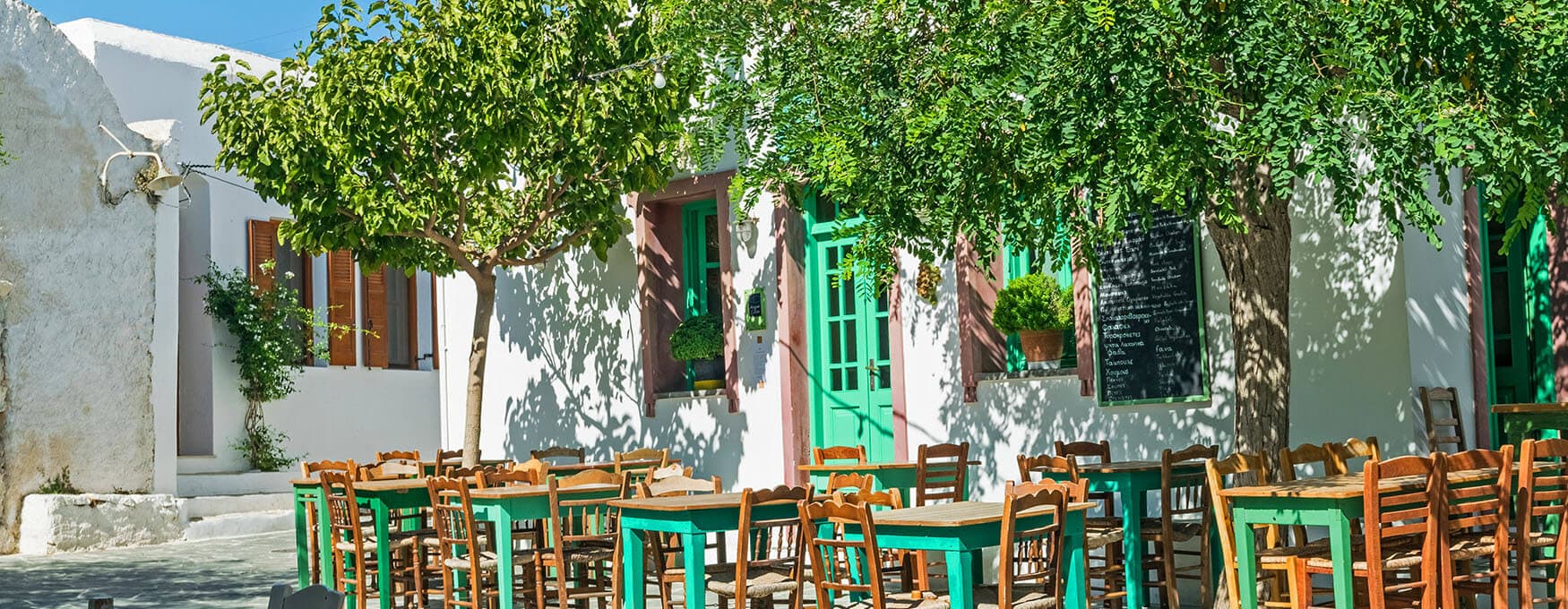
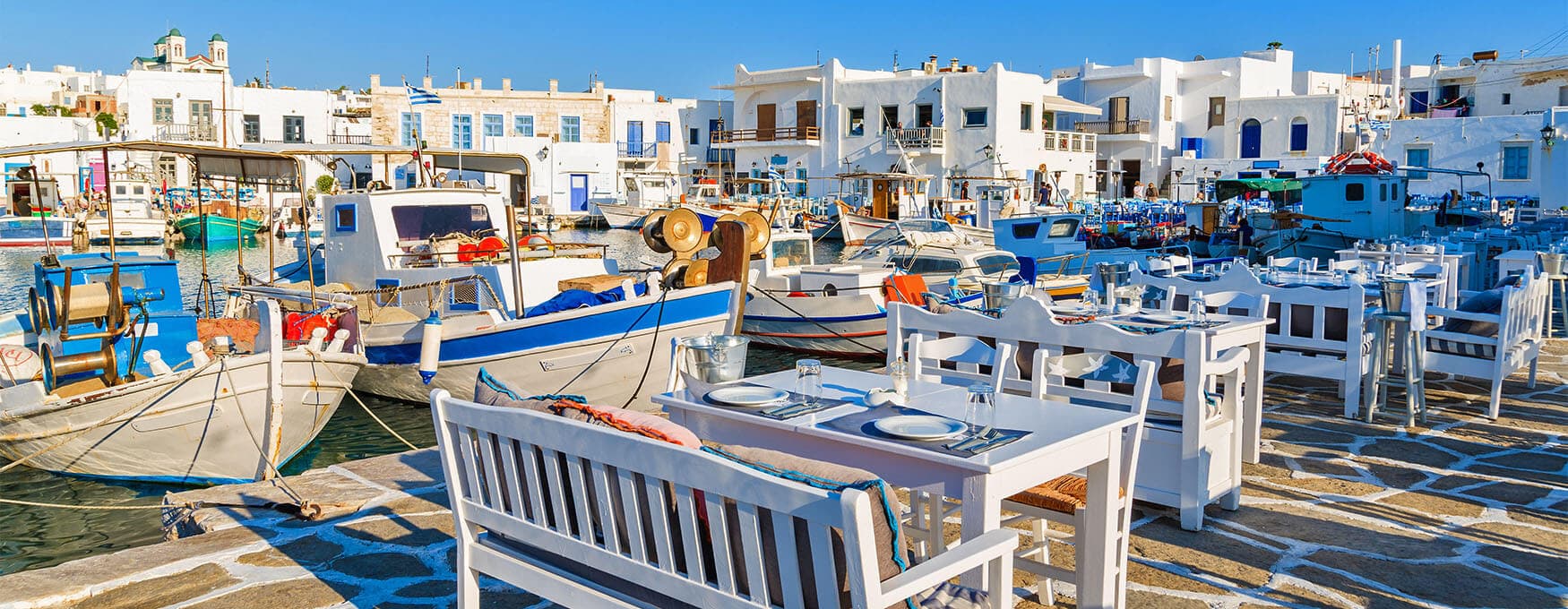
Savour the flavours in Megalochori or Pyrgos, where traditional houses have been converted into small restaurants with courtyards and views of the Caldera. Visit the Santo Wines agricultural cooperative for a guided tour and tasting, pairing fava with Assyrtiko wines. Alternatively, purchase a small bag from a local shop, taking the essence of the volcano, in seed form, with you.
Santorini fava beans PDO seem to embody the land's essence. They cook easily, transforming into a velvety, golden-hued purée with a subtly earthy, sweet flavour. The dish is traditionally served warm, with thin onion slices, capers, and extra virgin olive oil. In summer, you can also enjoy it cold, as a smooth Mediterranean purée that unites the volcano with the sea.
Santorini's traditional farmers once simmered it in earthenware pots throughout the night, allowing it to rest within the warm earth. Nowadays, fava forms the foundation for imaginative pairings: with caramelised onions, smoked mackerel, fried anchovies, or even truffle oil in the island's contemporary restaurants.
The Santo Wines Union of Santorini Cooperatives gathers and packages fava beans from local producers, guaranteeing authenticity and Protected Designation of Origin status. It is the very same legume archaeologists discovered amongst the seeds of prehistoric Thera.
Savour the flavours in Megalochori or Pyrgos, where traditional houses have been converted into small restaurants with courtyards and views of the Caldera. Visit the Santo Wines agricultural cooperative for a guided tour and tasting, pairing fava with Assyrtiko wines. Alternatively, purchase a small bag from a local shop, taking the essence of the volcano, in seed form, with you.