Local produce and Aegean-inspired flavours
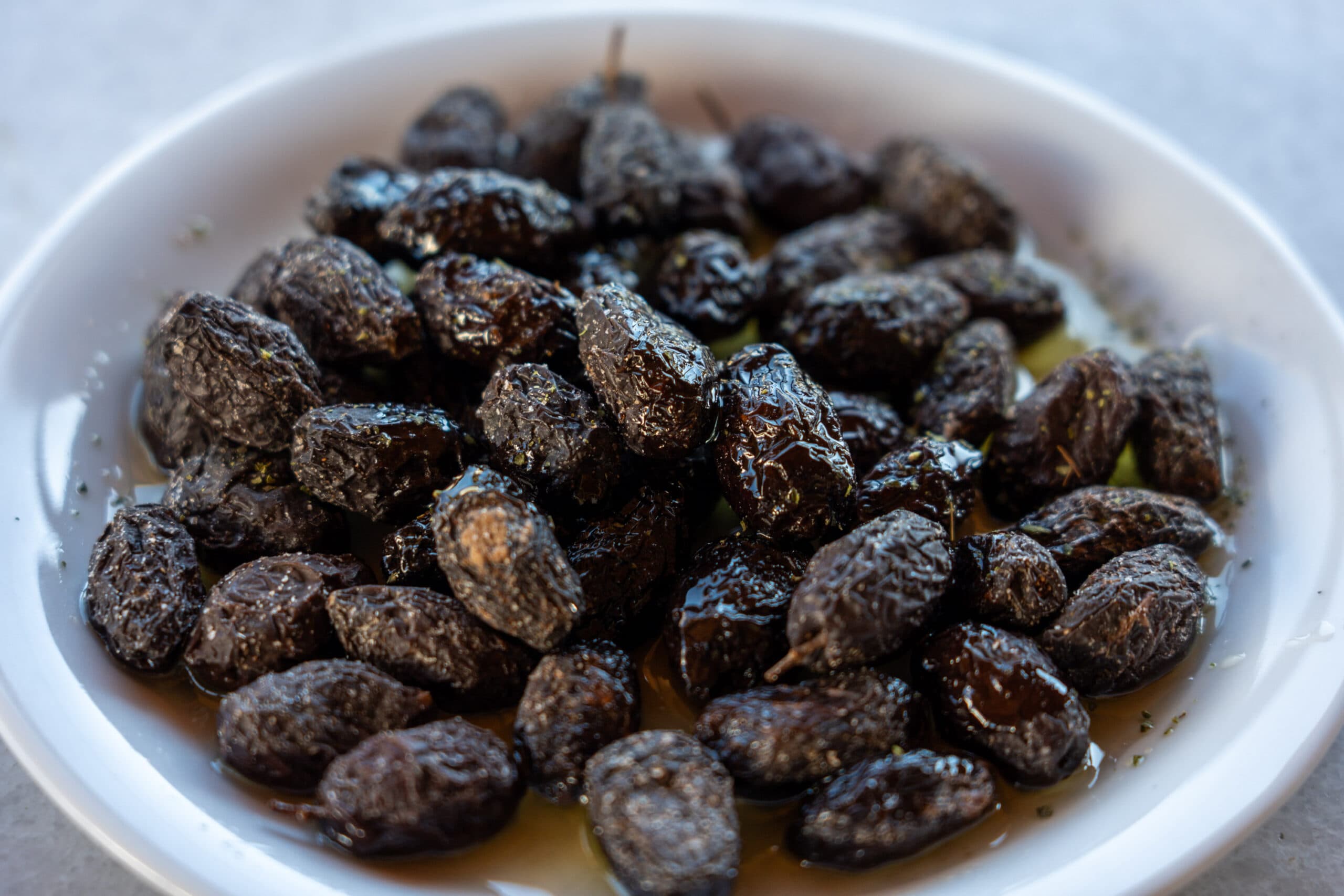
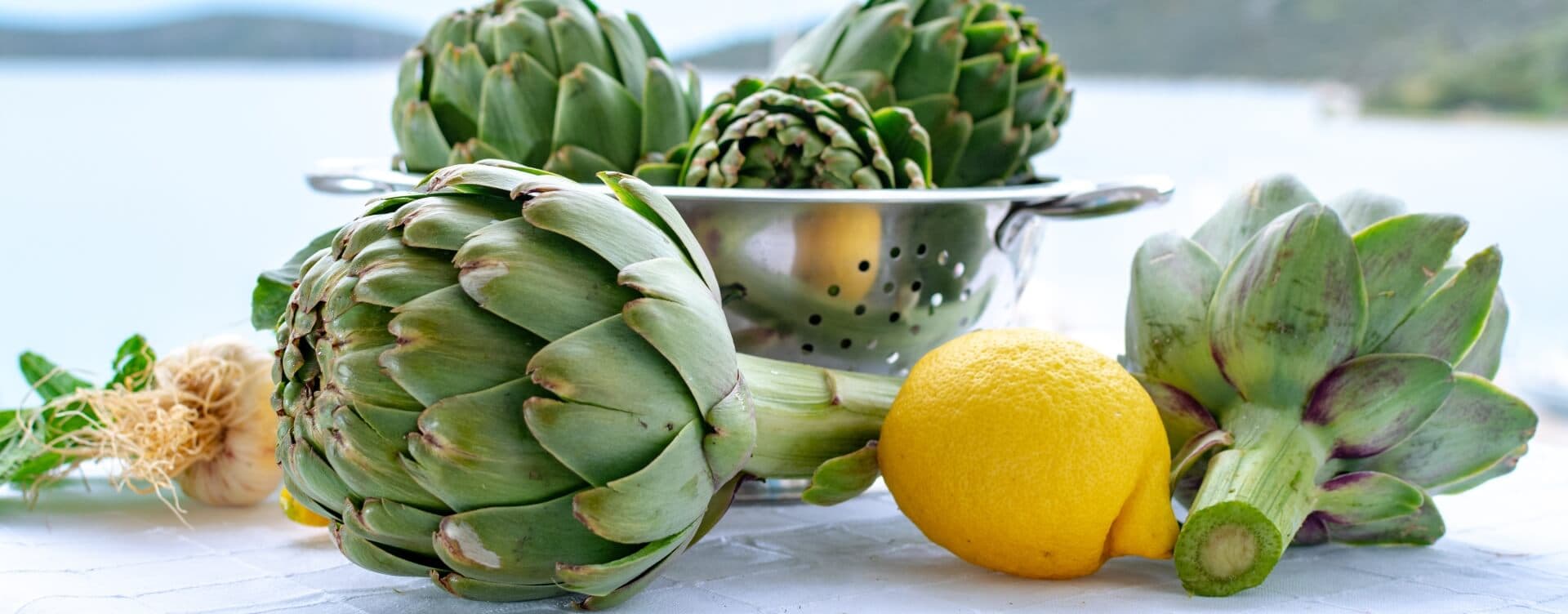
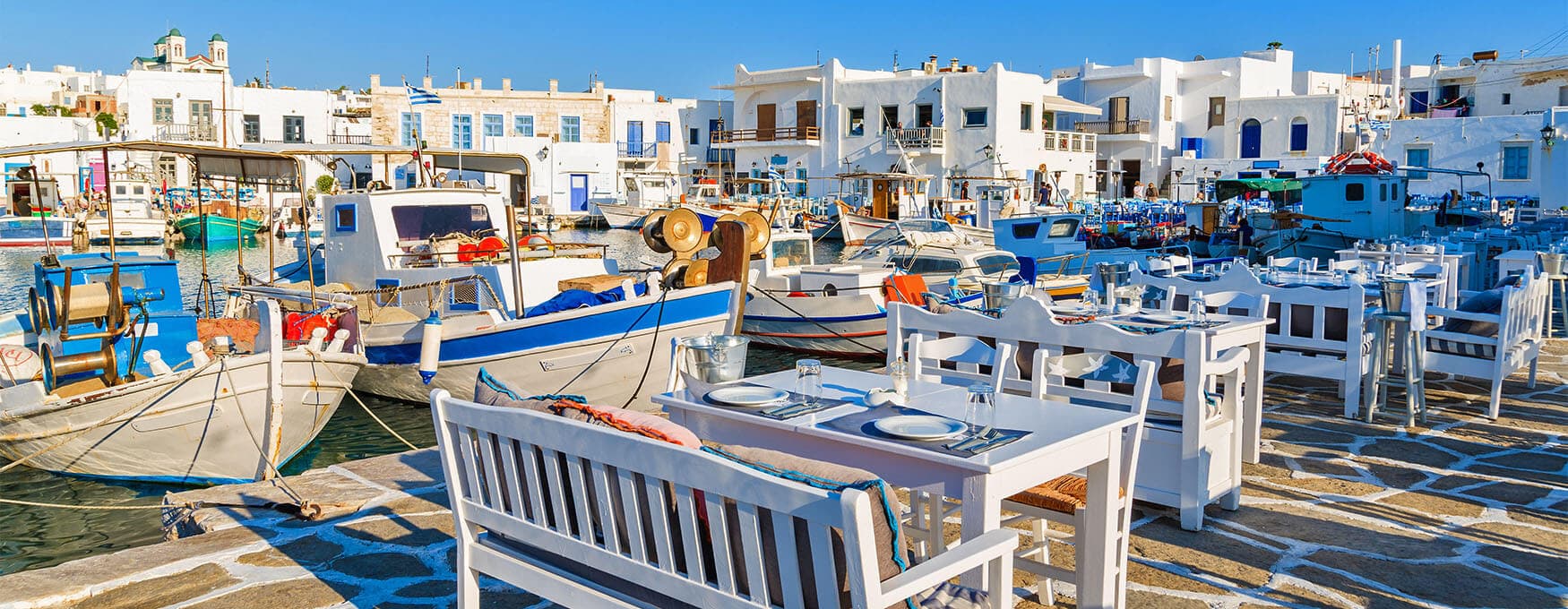
On tiny Schinoussa, blessed by the gentle microclimate of the Lesser Cyclades, residents cultivate the land using natural methods, harnessing the parched soil and sea air to impart a distinct, salty deliciousness to their produce.
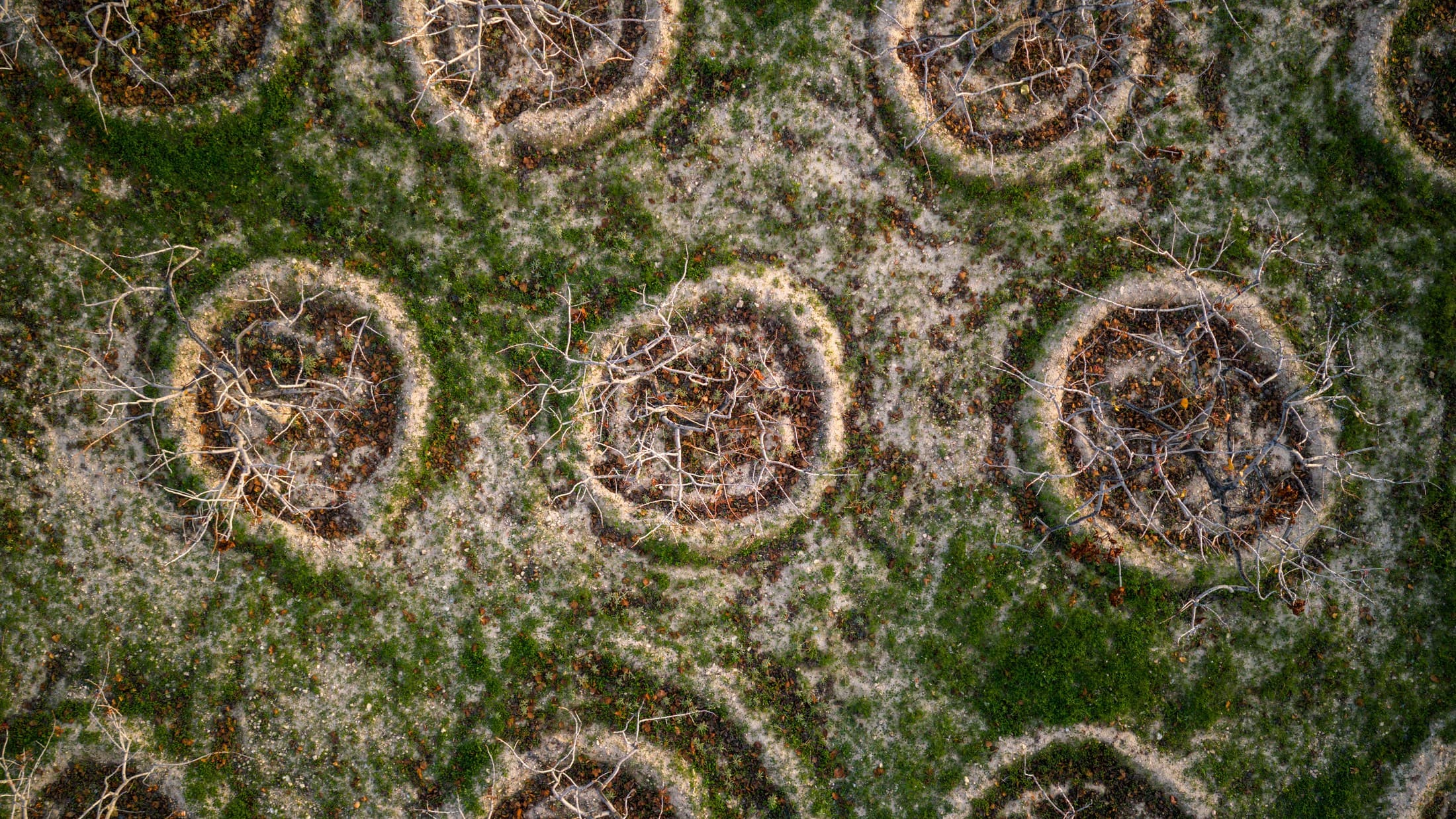
Schinoussa's signature fava bean reigns supreme, boasting a distinctive golden hue and velvety texture. Considered among the finest in the Aegean, its unique character stems from the island's low humidity and the use of traditional drying techniques.
Schinoussa capers, carefully gathered from its rocky slopes, form a second culinary hallmark of the island. They are marinated in vinegar or brine and frequently used in local salads and fish dishes.
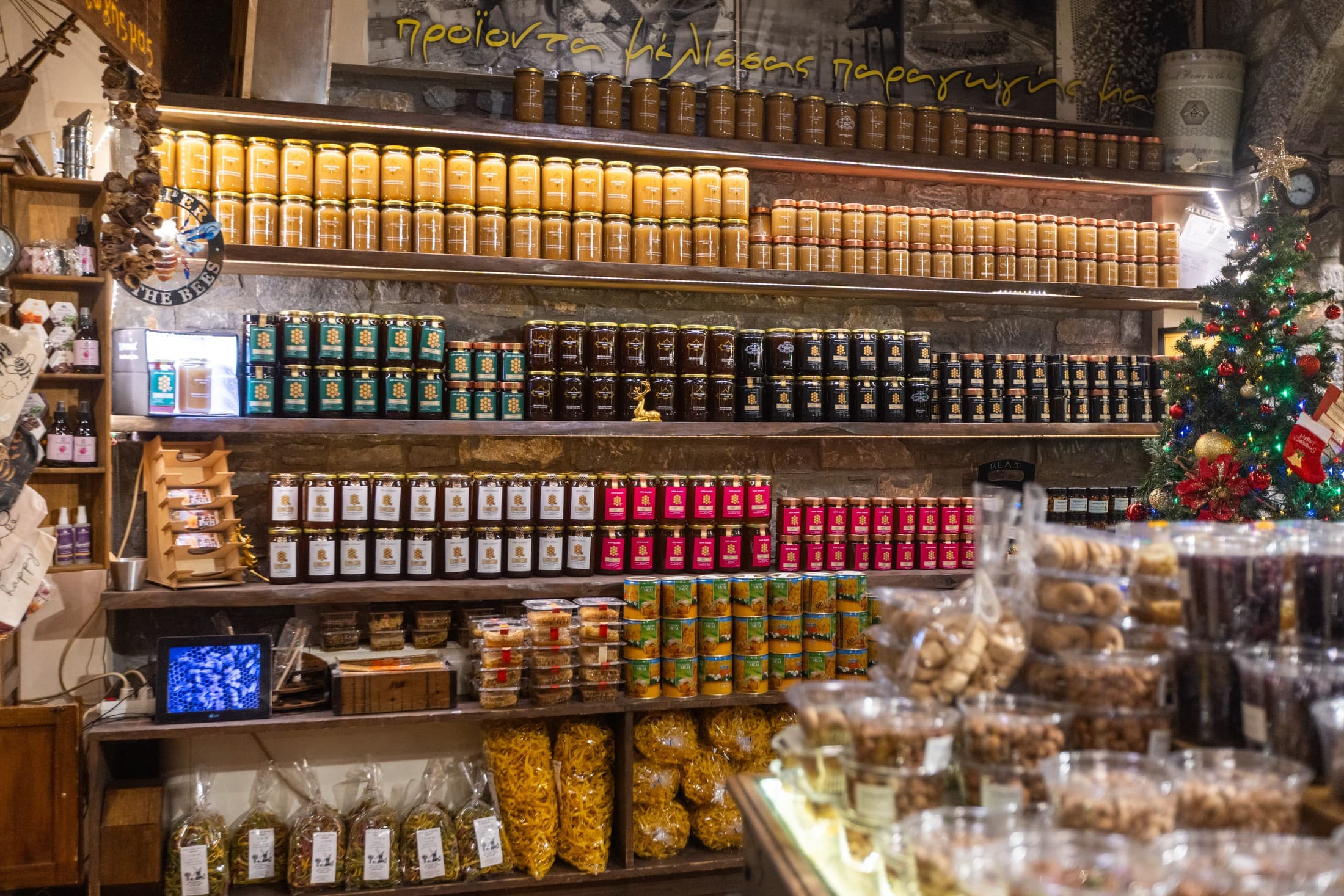
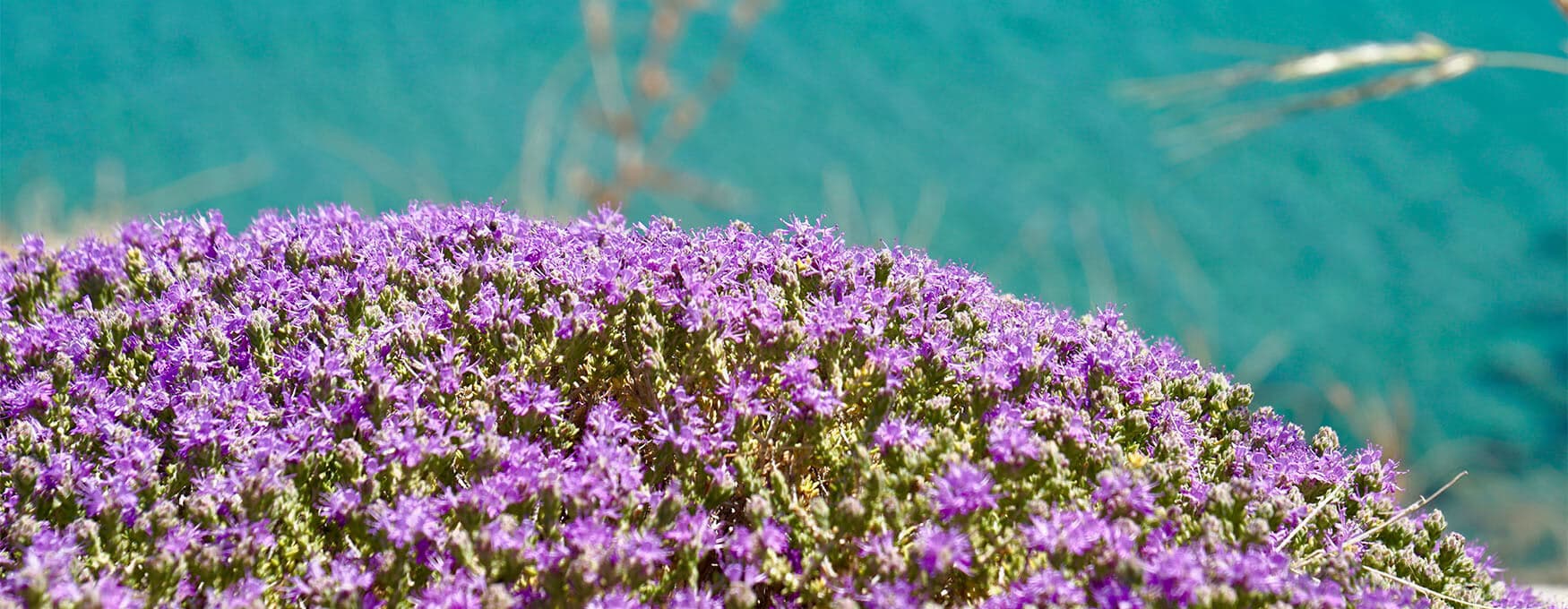
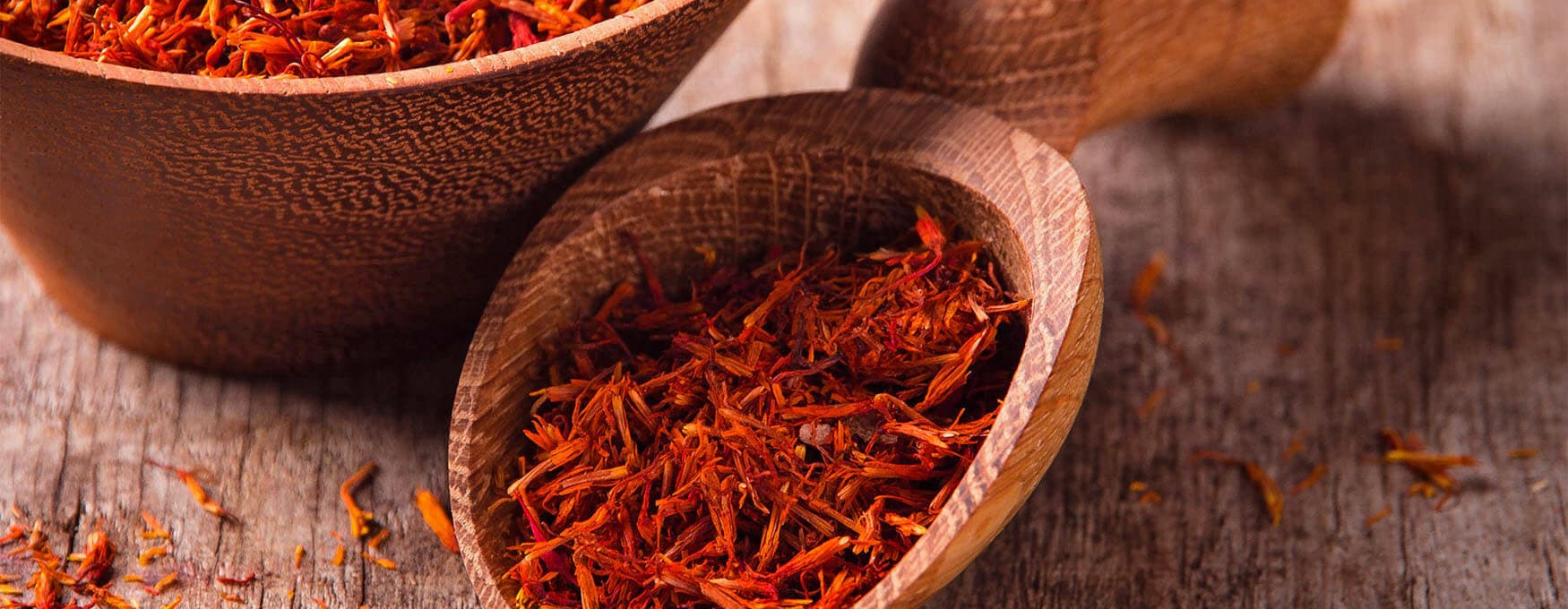
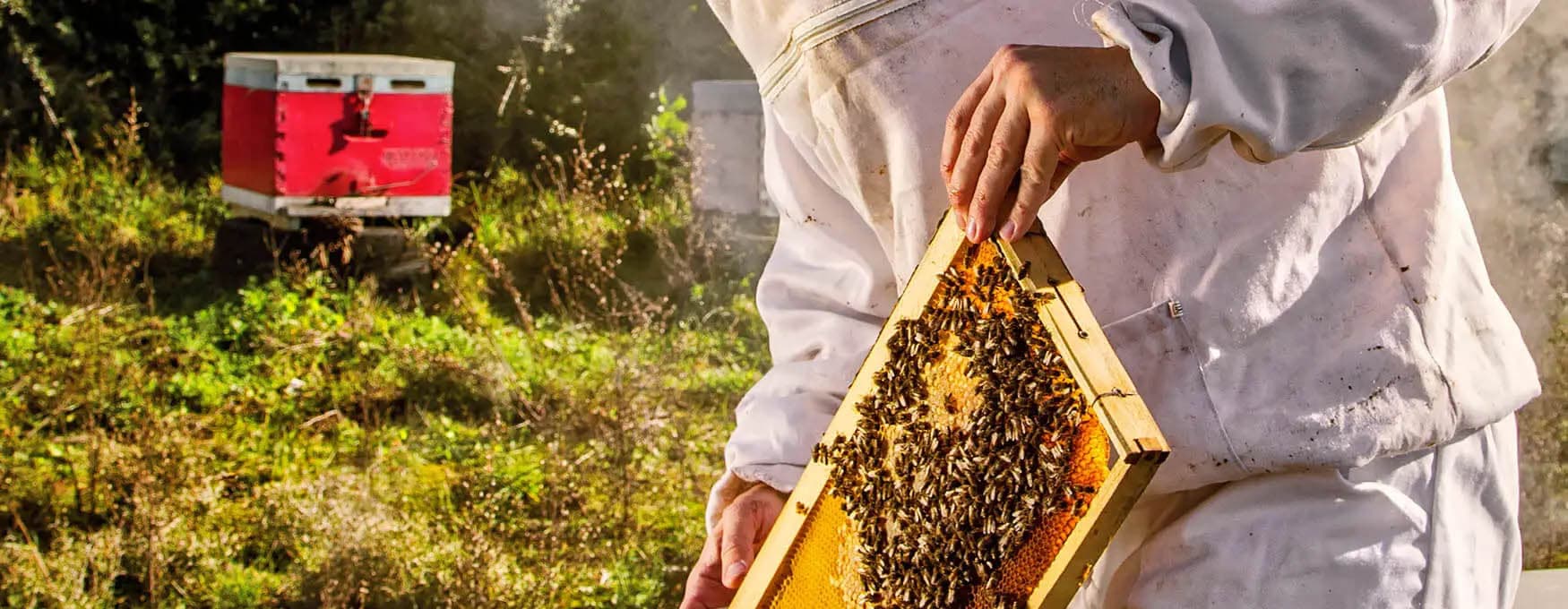
Thyme, sage, and oregano are naturally dried and offered as premium herbs, while the island’s rich, fragrant honey is gathered from areas of wild brushwood. Schinoussa’s sesame also warrants special mention.
The wild asparagus is profoundly flavourful, as are the wild bitter chicory, parapoulia (cabbage sprouts), wild chard, winter cress, and wild mustard greens.
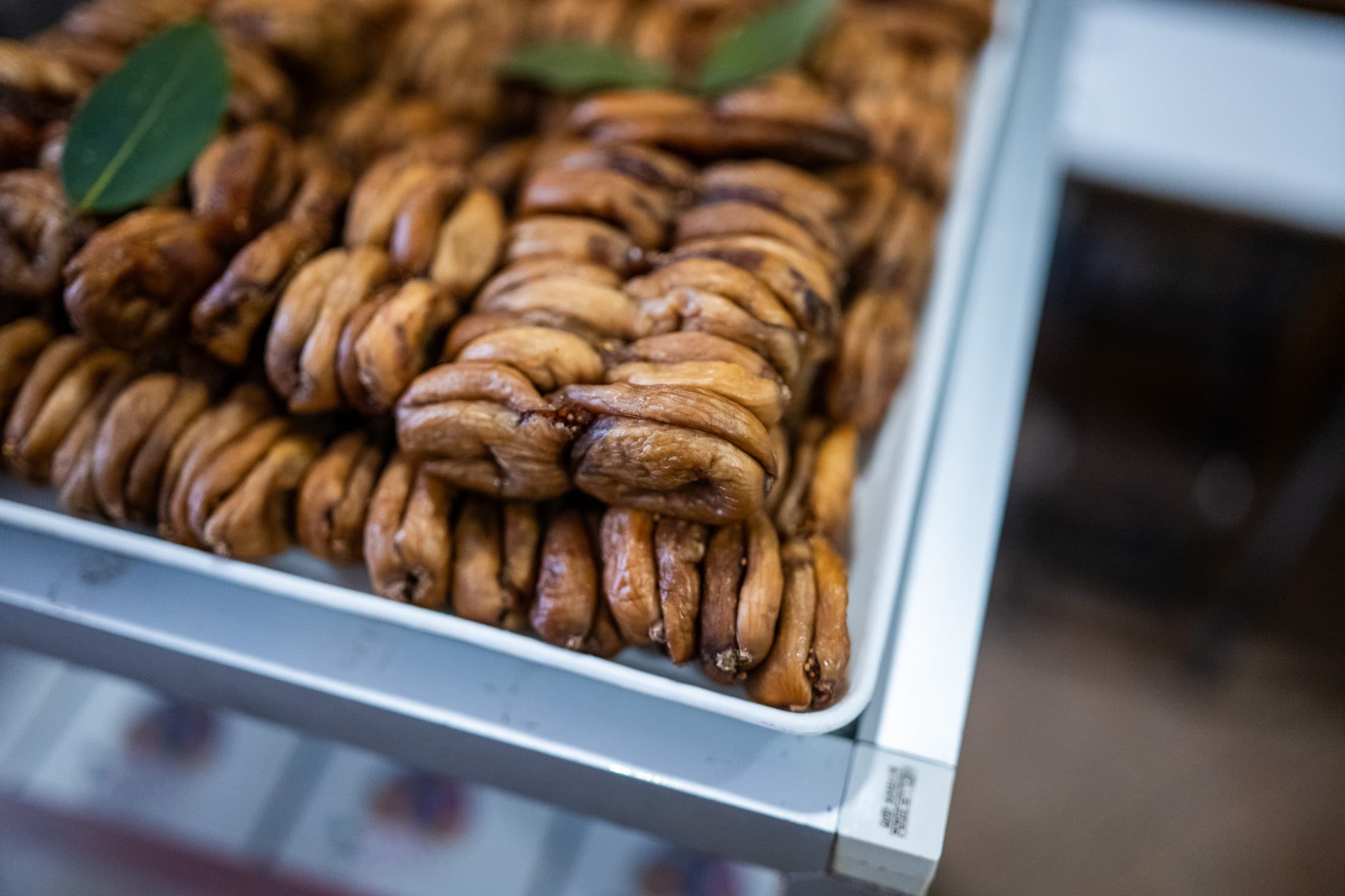
Prickly pears, strawberry trees, and fig trees also offer their bounty generously.
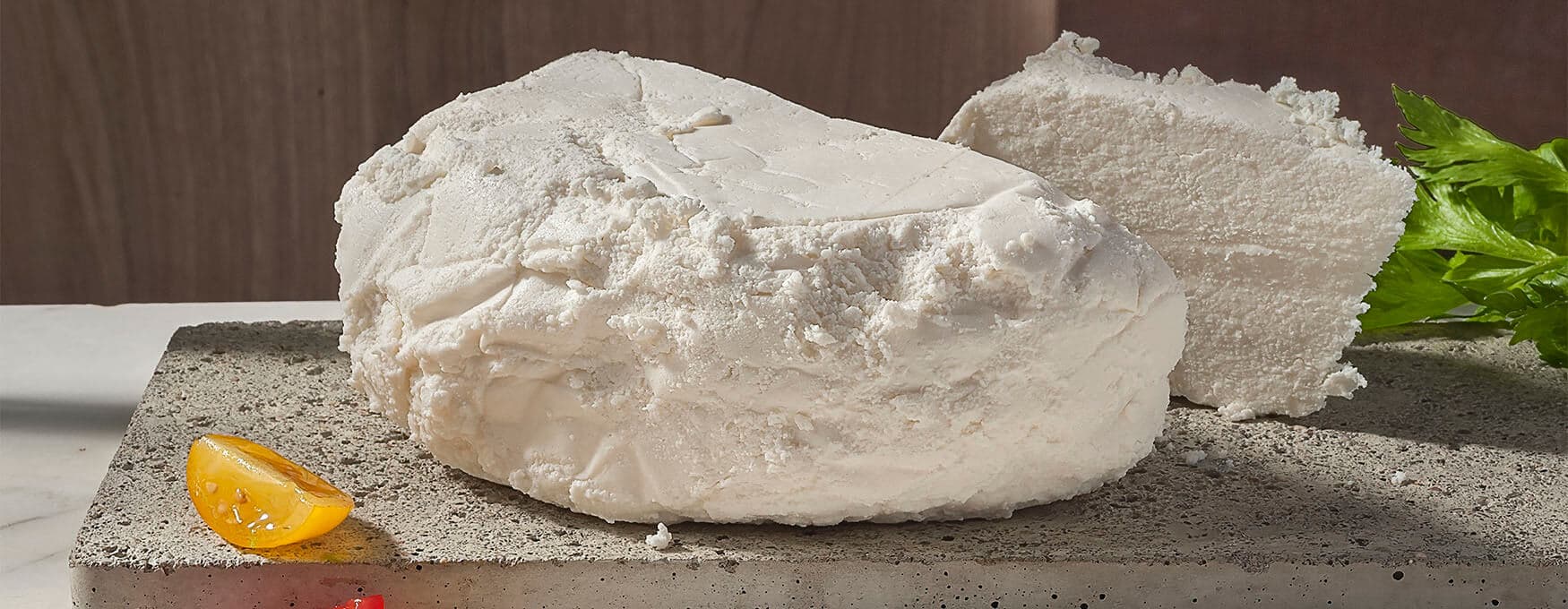
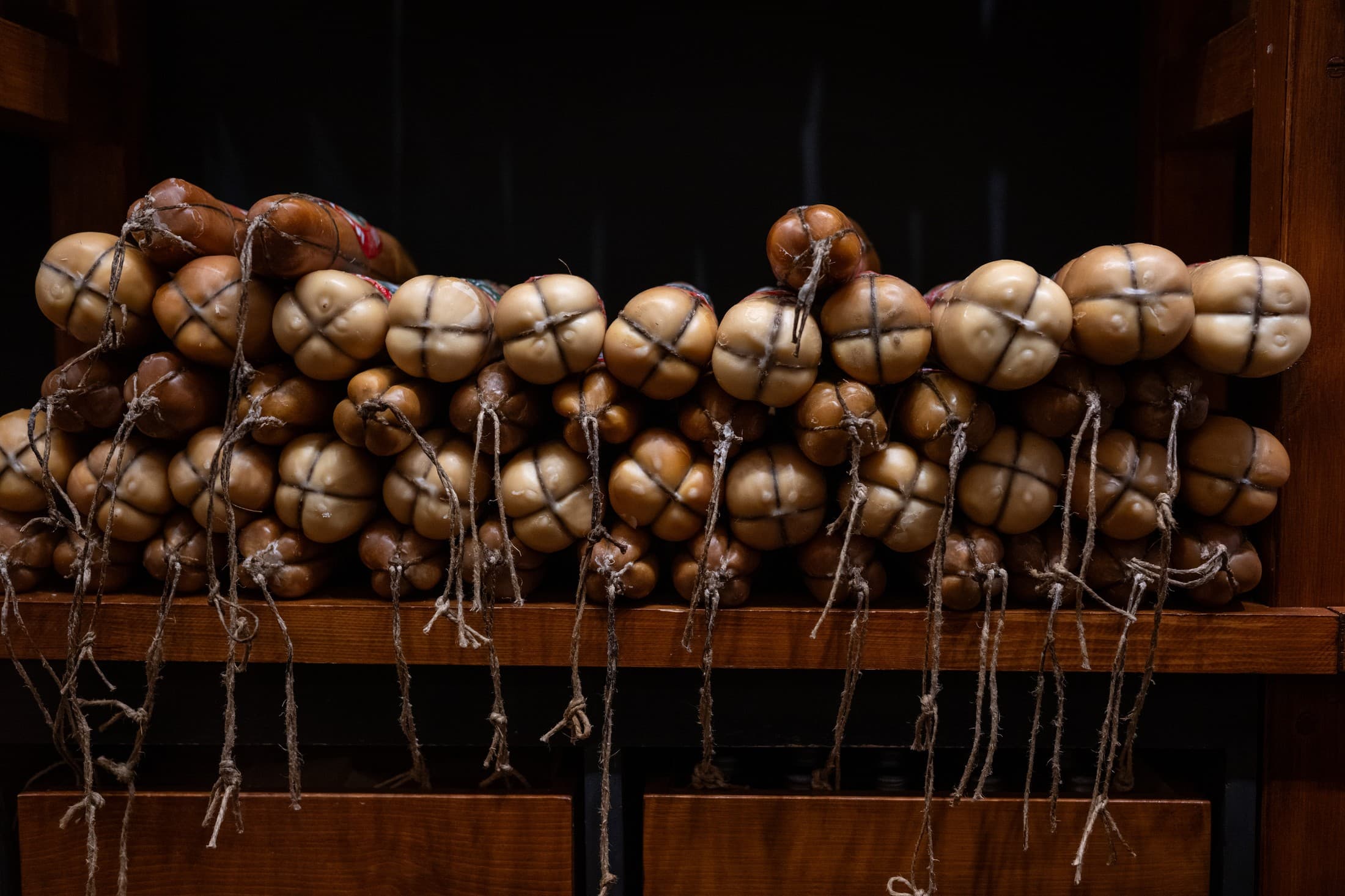
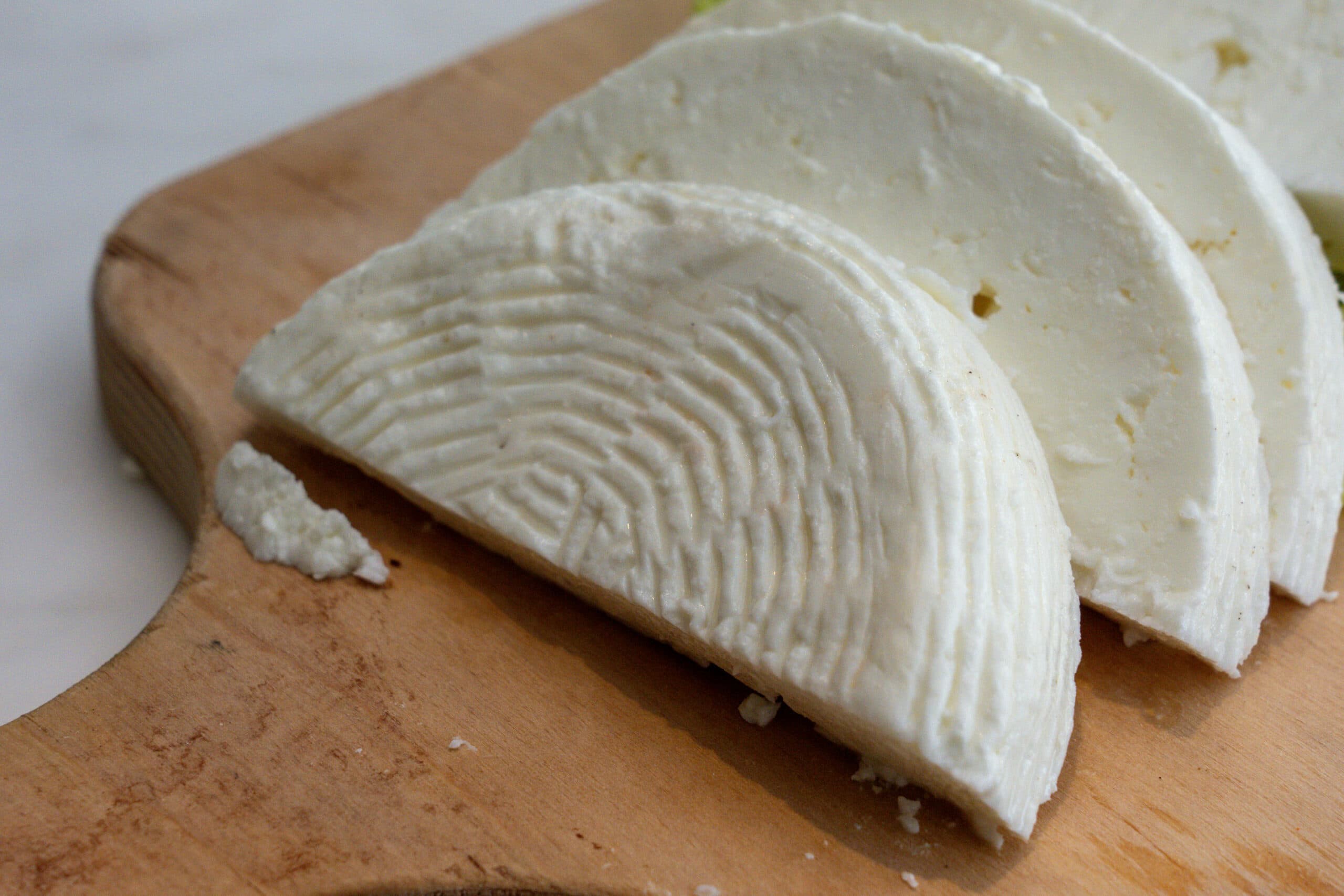
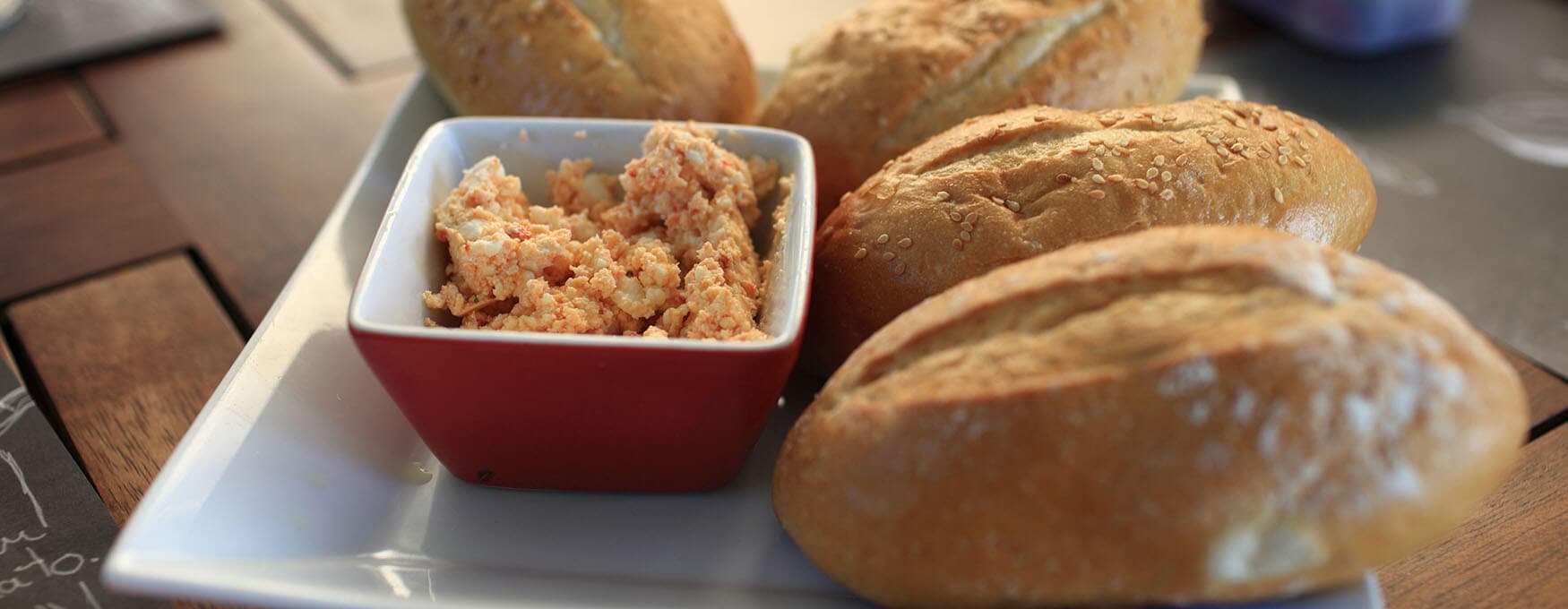
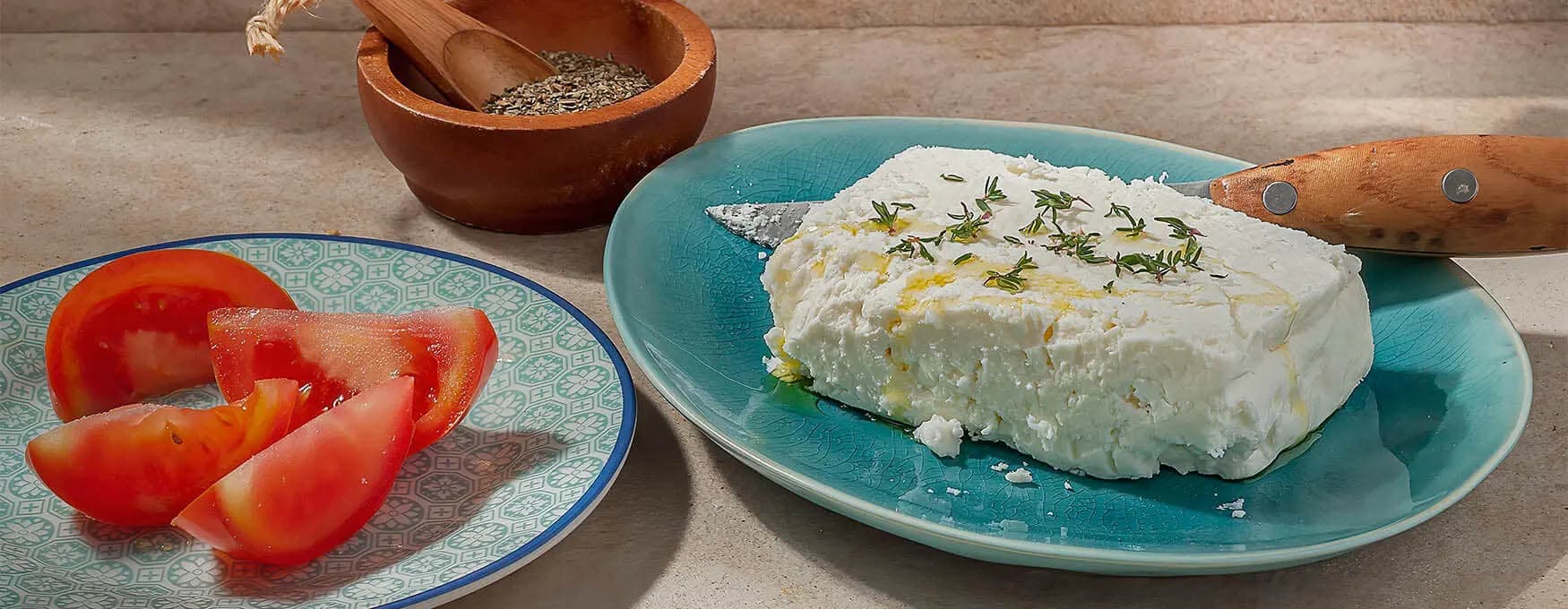
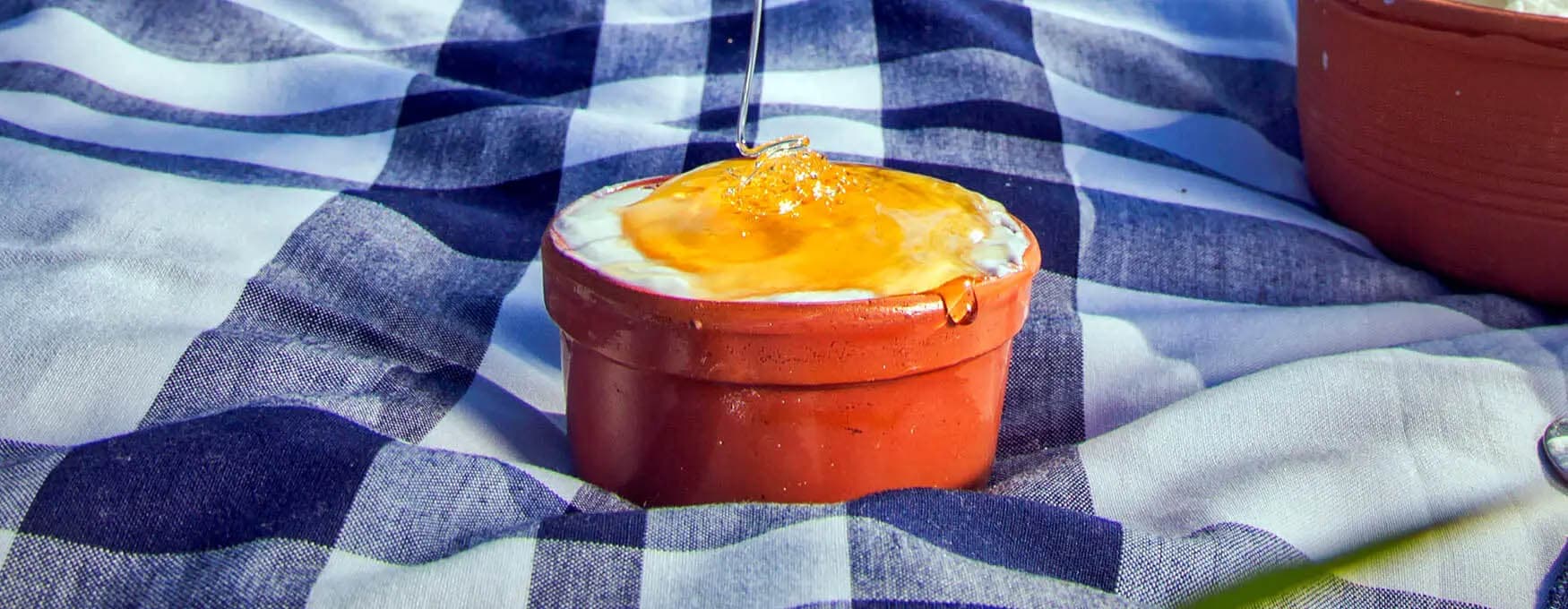
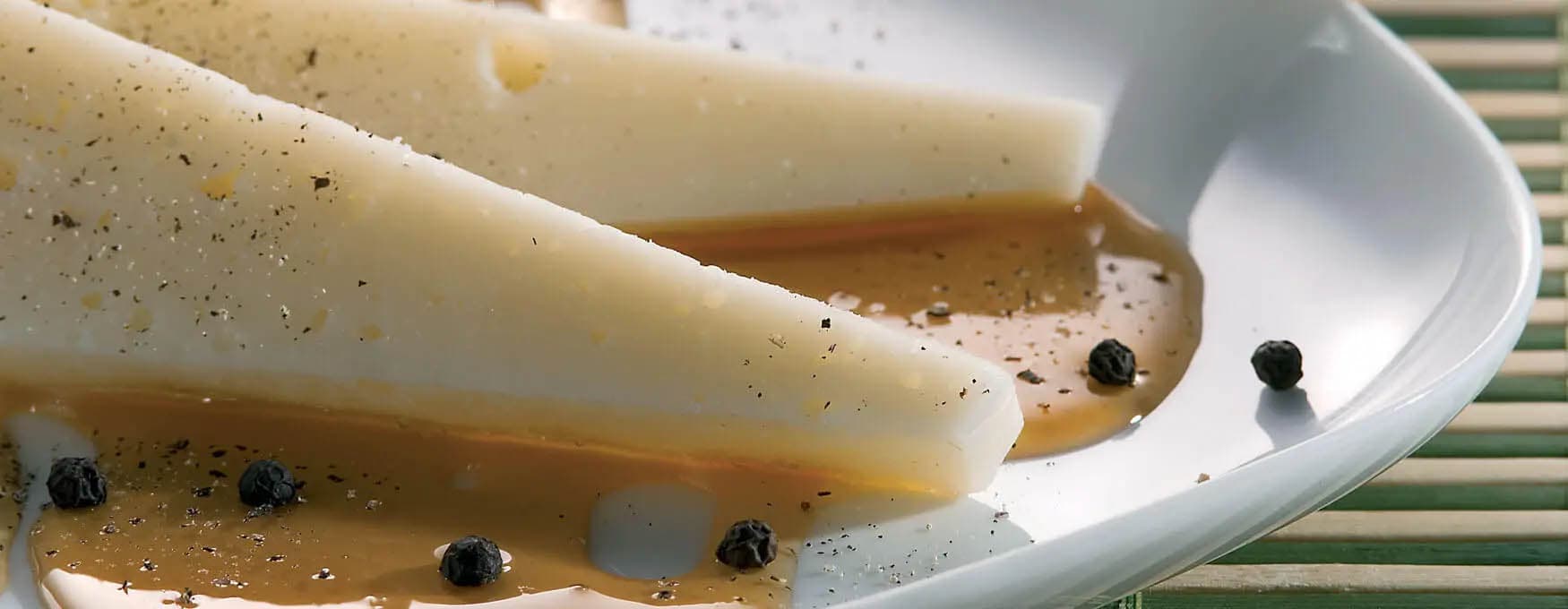
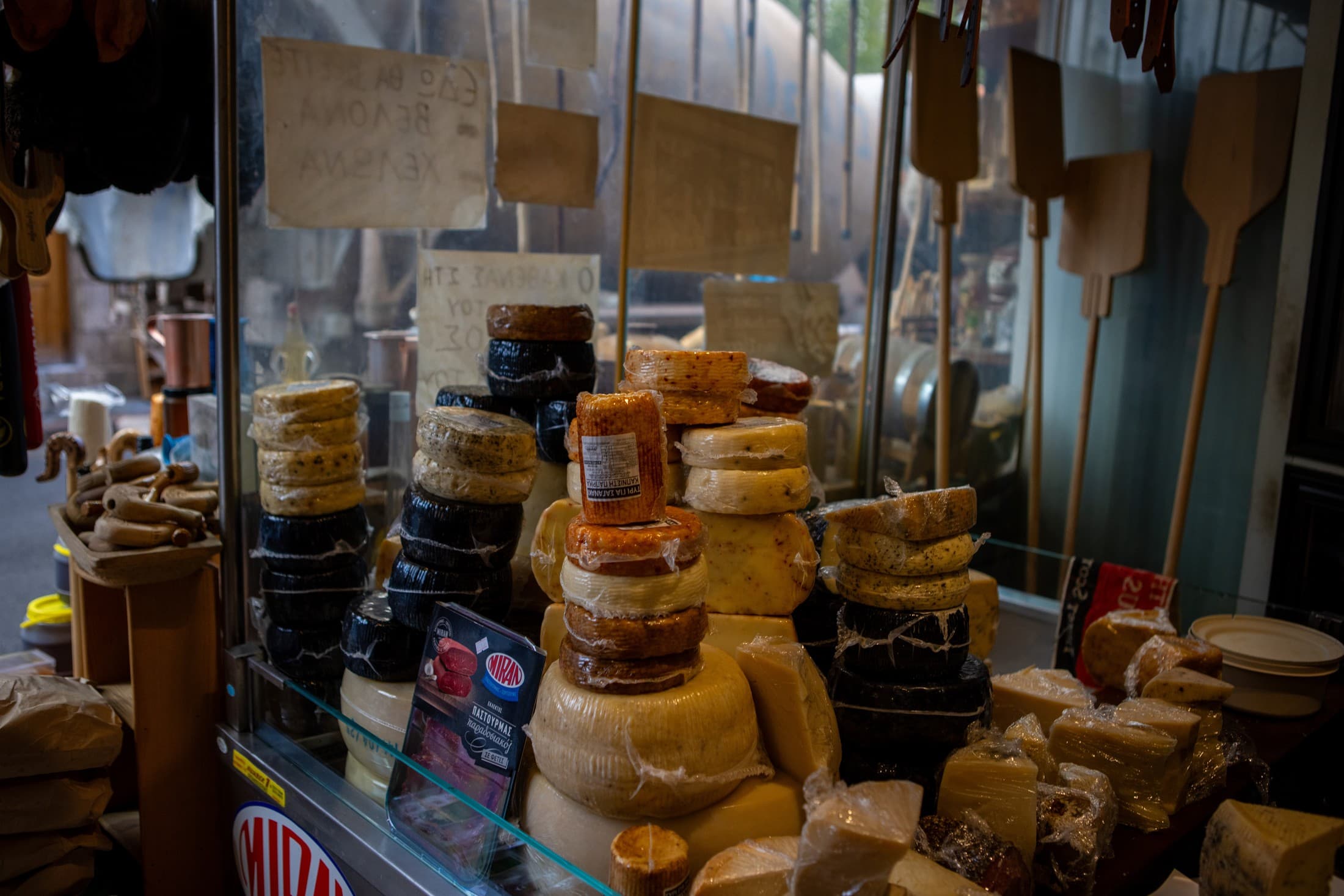
Despite Schinoussa's limited size, animal husbandry remains significant. Locals produce small quantities of goat cheese and xinomyzithra, which is naturally matured in clay pots. Other local cheeses include hard kefalotyri, ladotyri (matured in oil), aksialo, xinotyro, and kopanisti.
During summer, the women still bake traditional matsato sourdough bread, shaped from small "matsakia" (braids) of dough and baked in a wood-fired oven.
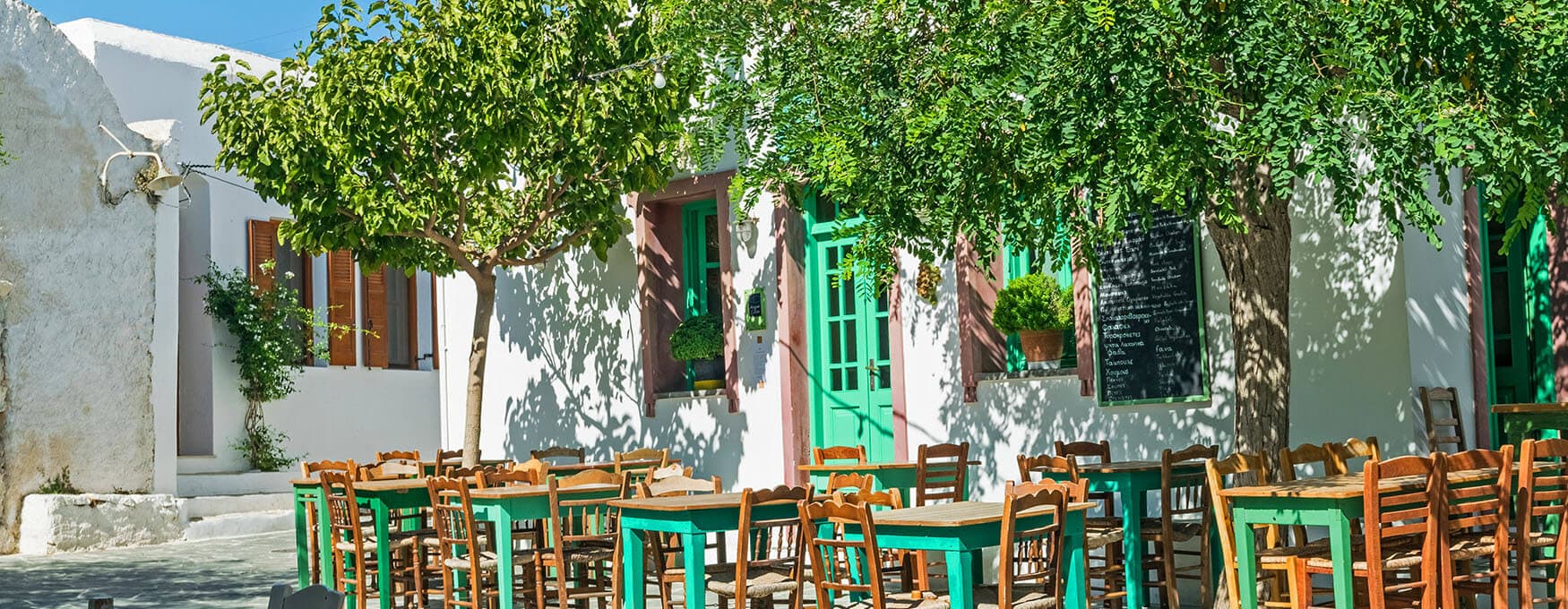
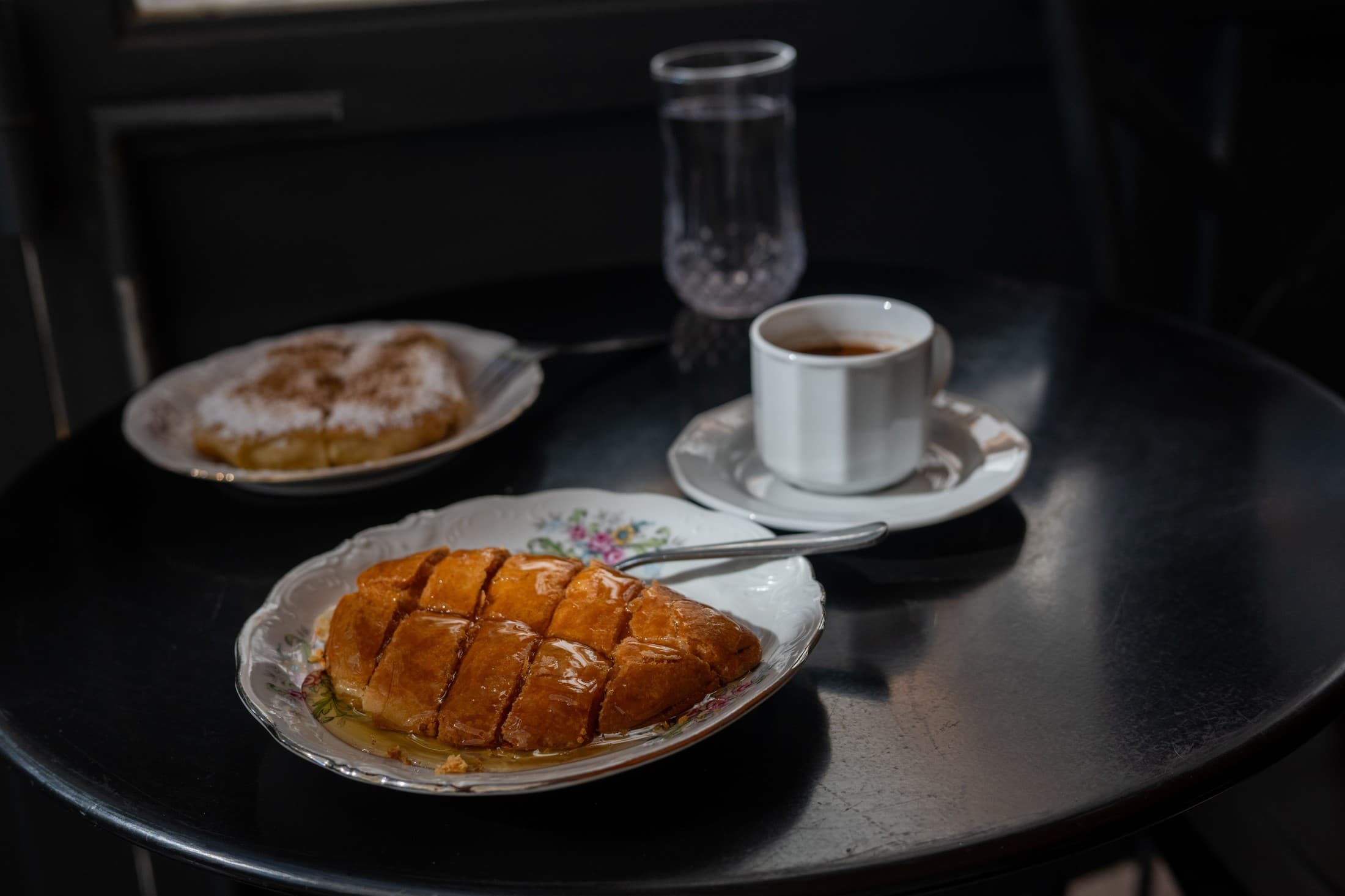
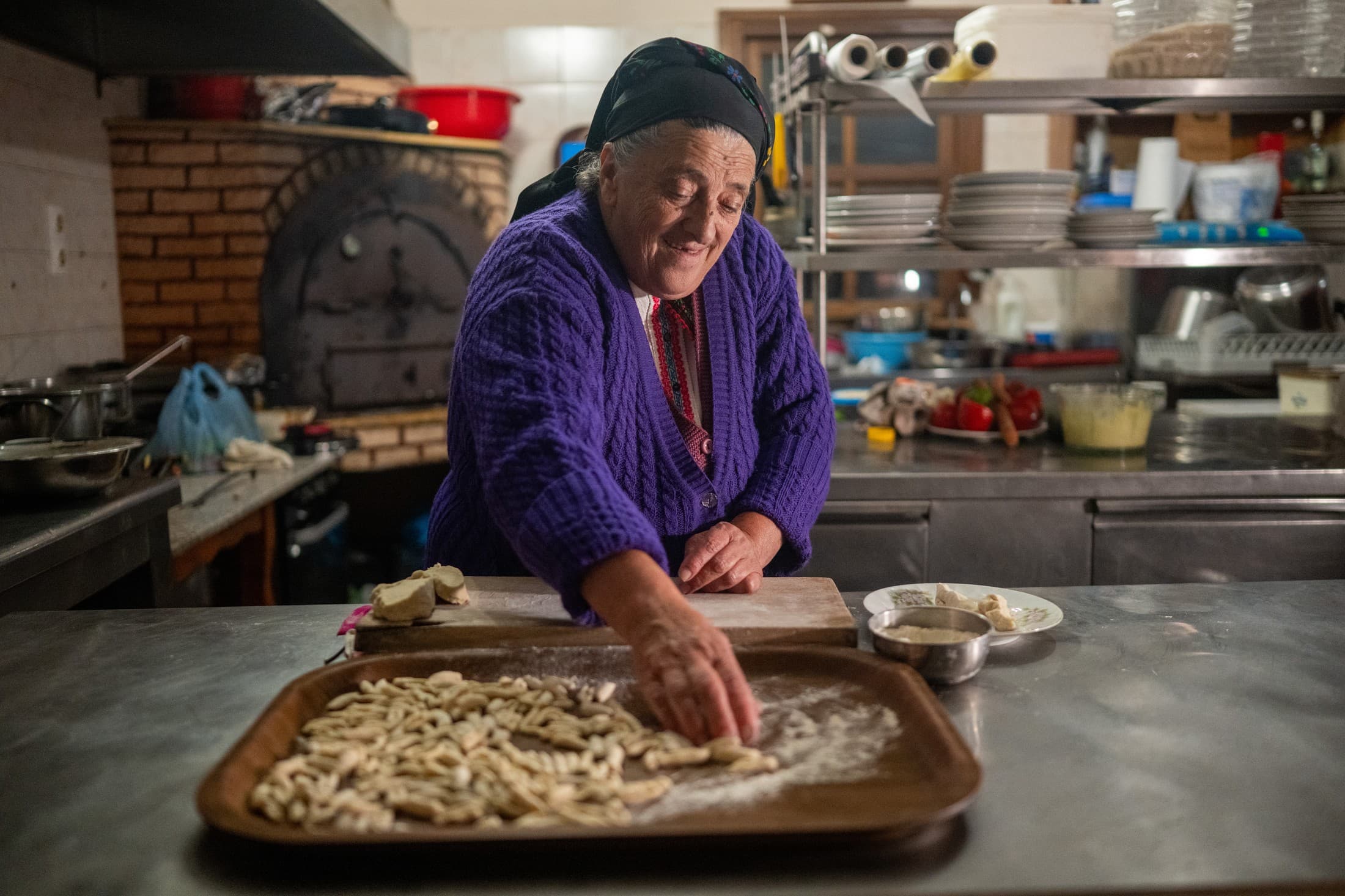
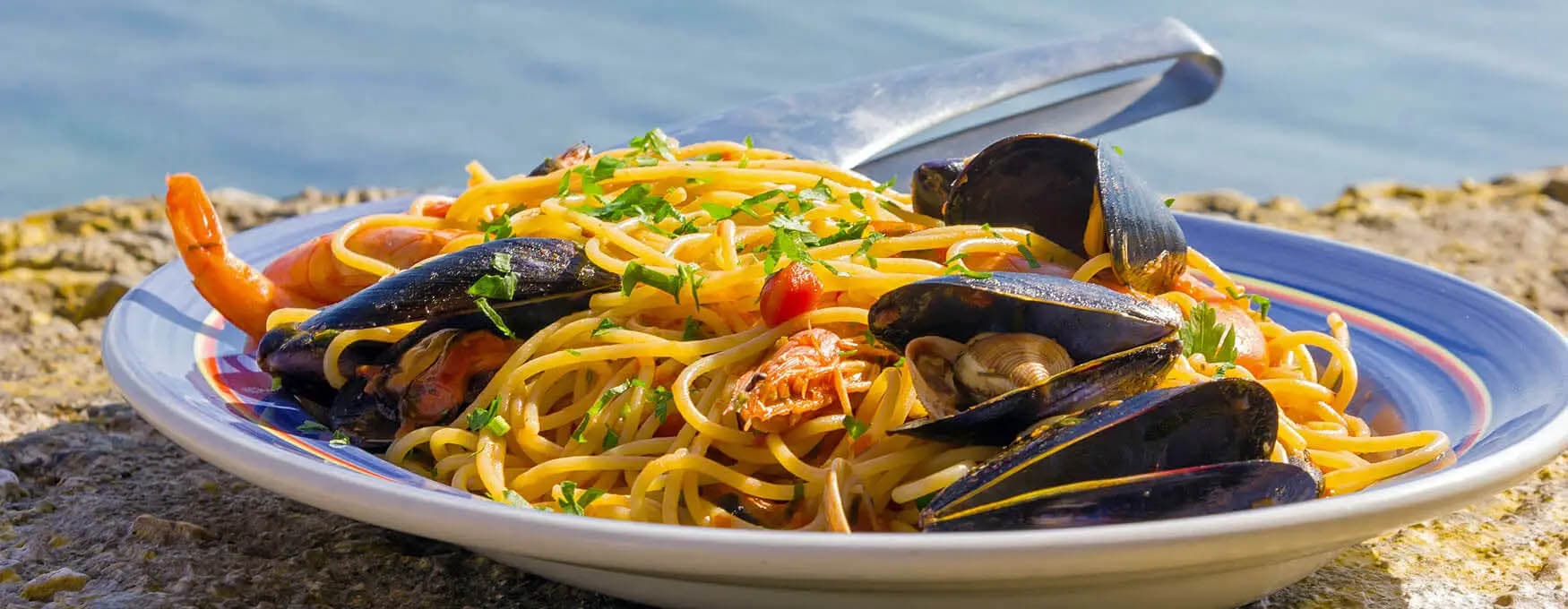
Local cuisine showcases these products through recipes passed down from generation to generation — from fava bean purée served with smoked mackerel and fried goat's liver, to pasta with herring and onions.
Visit the Fava Festival held every August in the Hora, and look for small-scale producers selling fava beans, capers, and aromatic herbs.
Schinoussa's signature fava bean reigns supreme, boasting a distinctive golden hue and velvety texture. Considered among the finest in the Aegean, its unique character stems from the island's low humidity and the use of traditional drying techniques.
Schinoussa capers, carefully gathered from its rocky slopes, form a second culinary hallmark of the island. They are marinated in vinegar or brine and frequently used in local salads and fish dishes.
Thyme, sage, and oregano are naturally dried and offered as premium herbs, while the island’s rich, fragrant honey is gathered from areas of wild brushwood. Schinoussa’s sesame also warrants special mention.
The wild asparagus is profoundly flavourful, as are the wild bitter chicory, parapoulia (cabbage sprouts), wild chard, winter cress, and wild mustard greens.
Prickly pears, strawberry trees, and fig trees also offer their bounty generously.
Despite Schinoussa's limited size, animal husbandry remains significant. Locals produce small quantities of goat cheese and xinomyzithra, which is naturally matured in clay pots. Other local cheeses include hard kefalotyri, ladotyri (matured in oil), aksialo, xinotyro, and kopanisti.
During summer, the women still bake traditional matsato sourdough bread, shaped from small "matsakia" (braids) of dough and baked in a wood-fired oven.
Local cuisine showcases these products through recipes passed down from generation to generation — from fava bean purée served with smoked mackerel and fried goat's liver, to pasta with herring and onions.
Visit the Fava Festival held every August in the Hora, and look for small-scale producers selling fava beans, capers, and aromatic herbs.