Local delicacies and traditional produce
Astypalea, a butterfly-shaped island between the Cyclades and the Dodecanese, offers gastronomic temptations that will give you a reason to return to the island and taste local products and traditional recipes again.
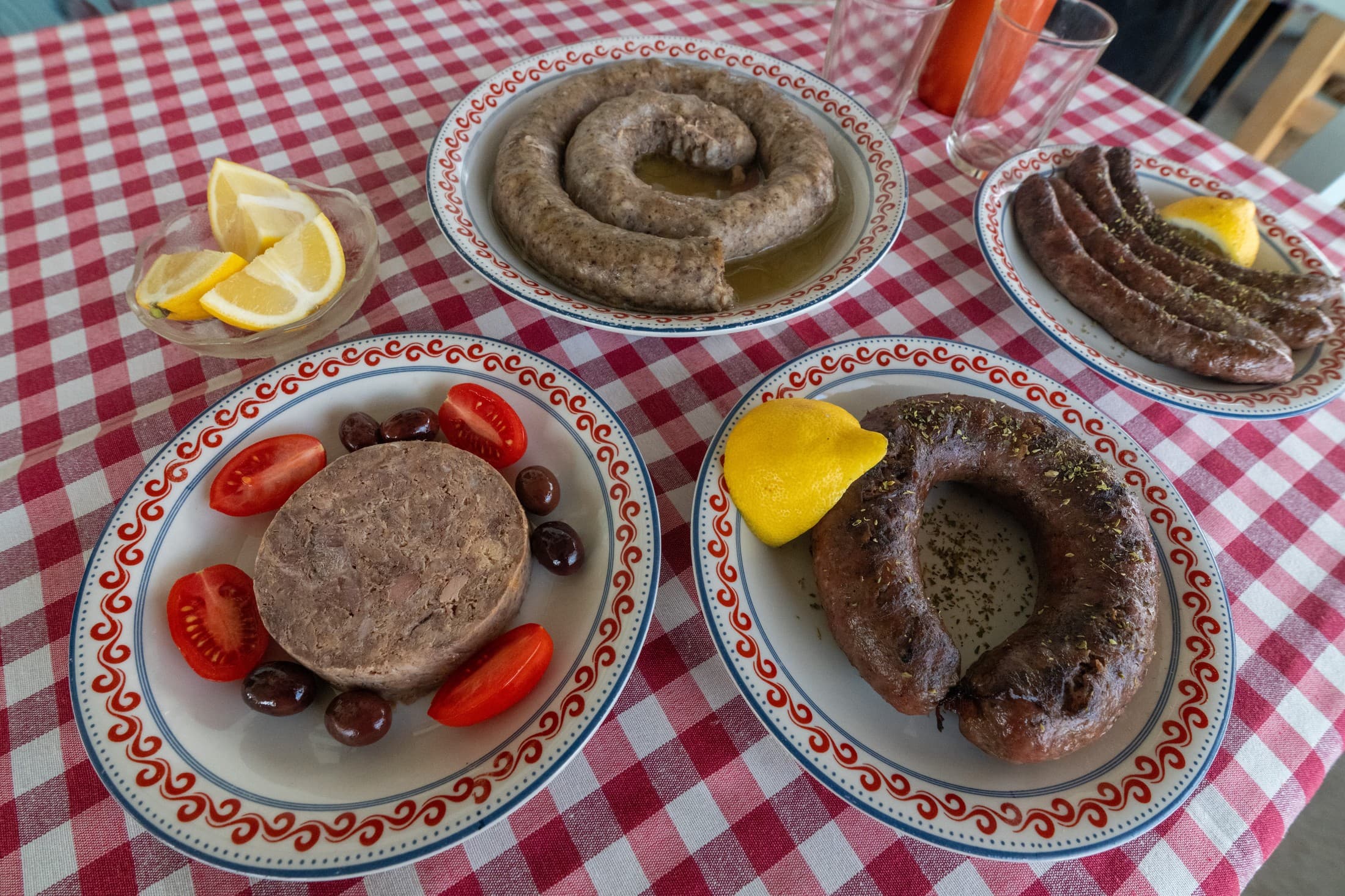
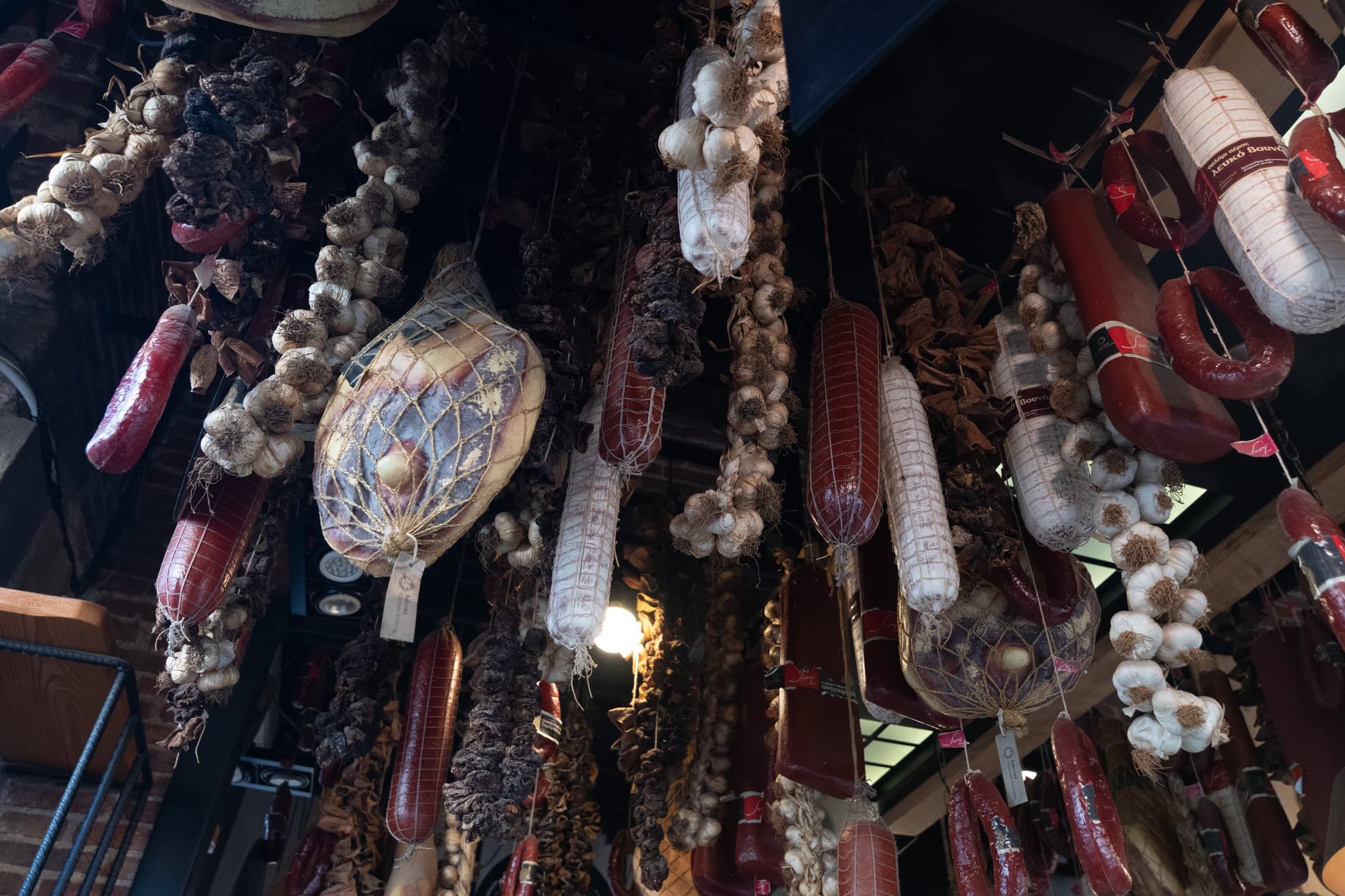
Their quality is indisputable, thanks to the island's pure raw materials, such as local meats, dairy products and the famous zafora (local wild crocus or saffron), which the residents collect every autumn from the mountain slopes.
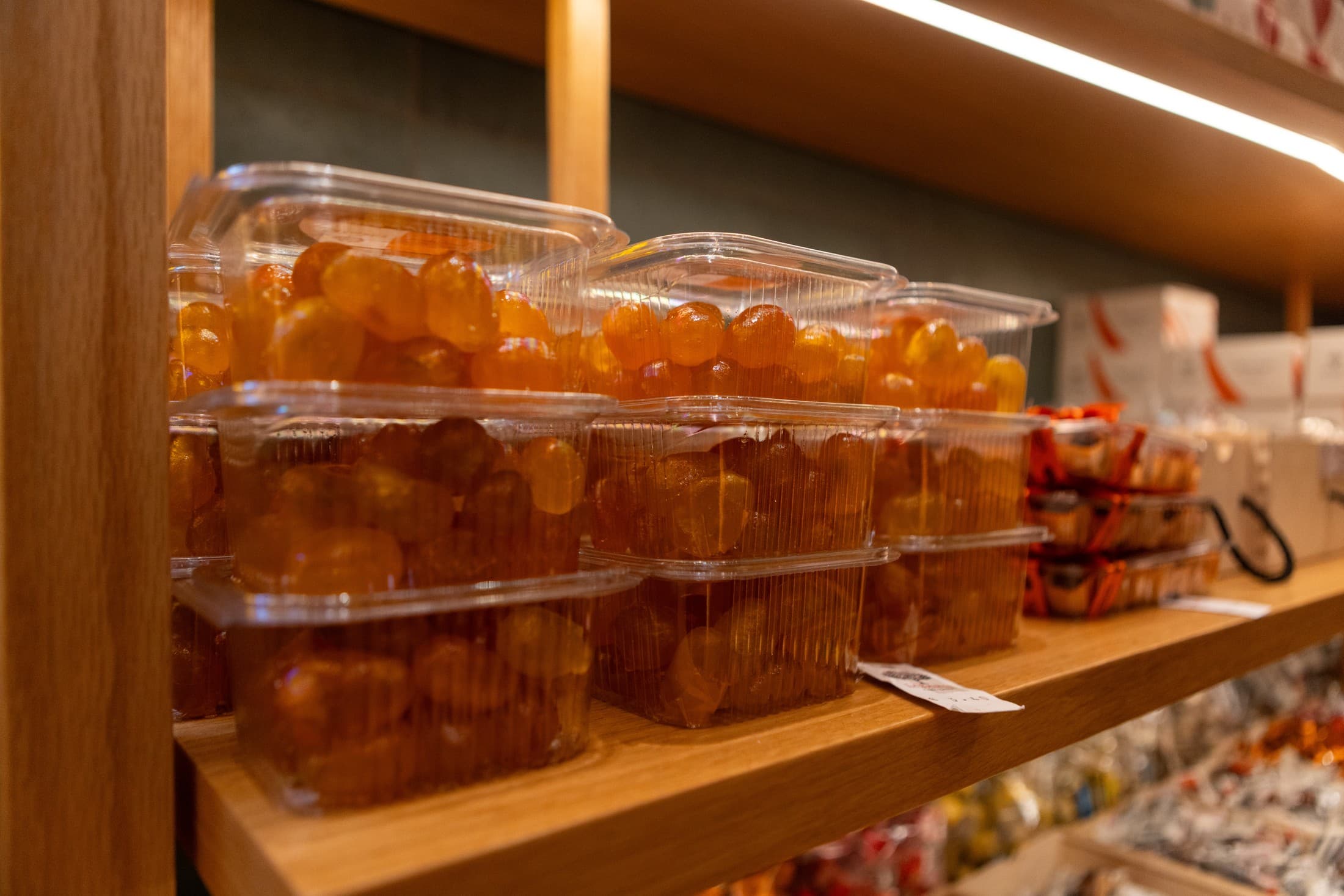
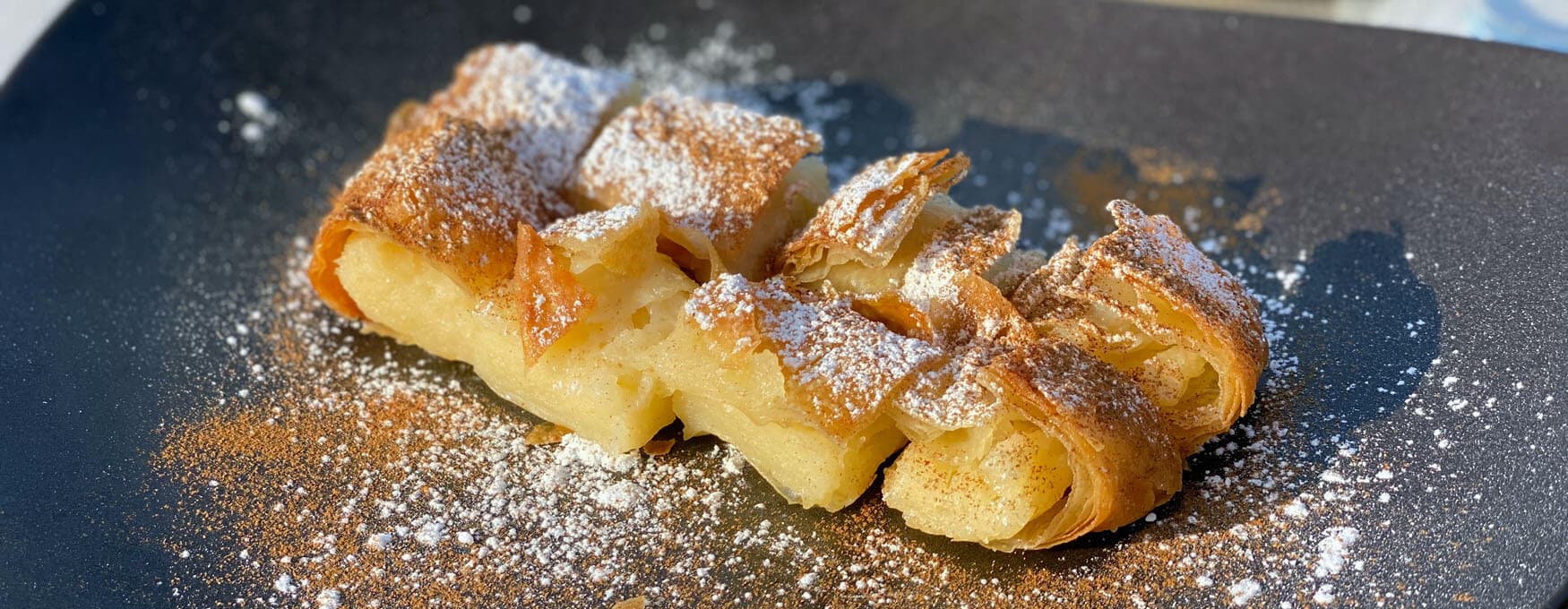
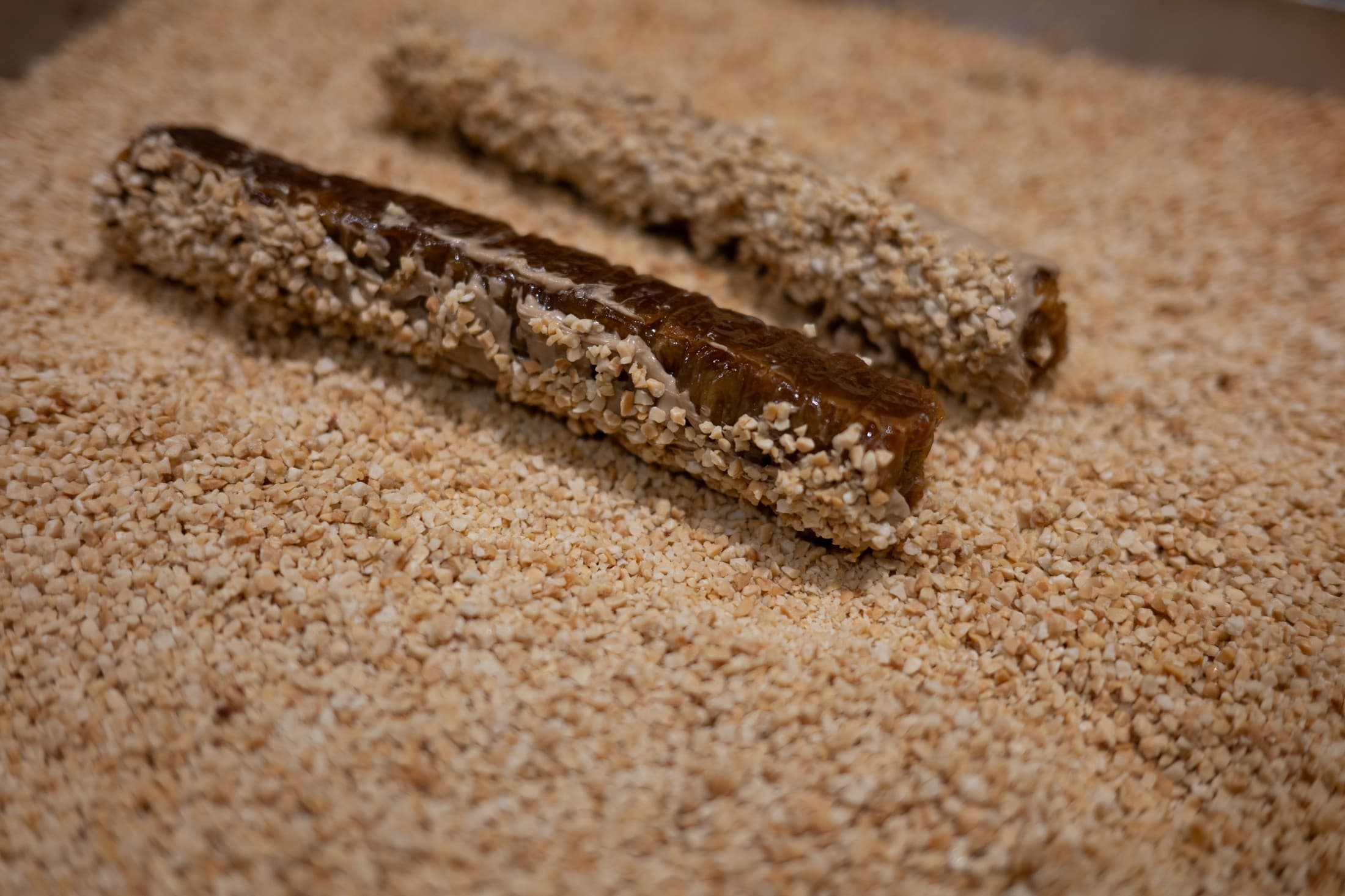
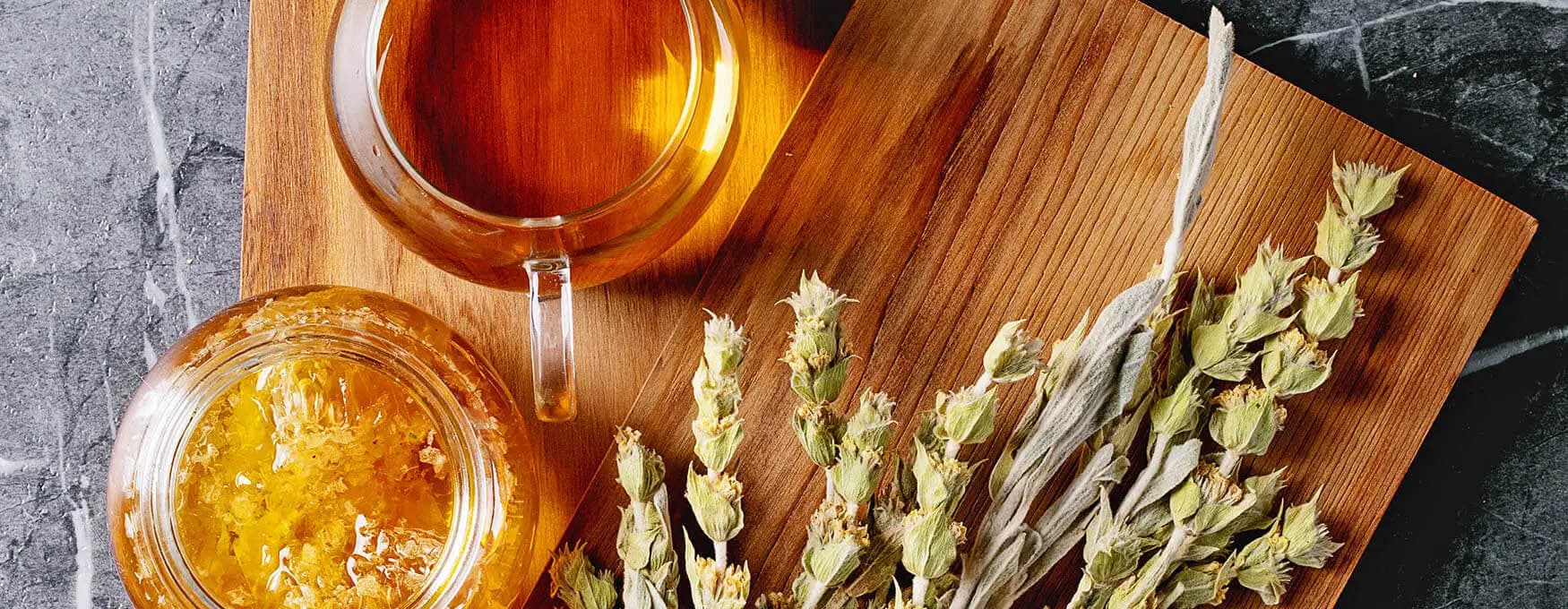
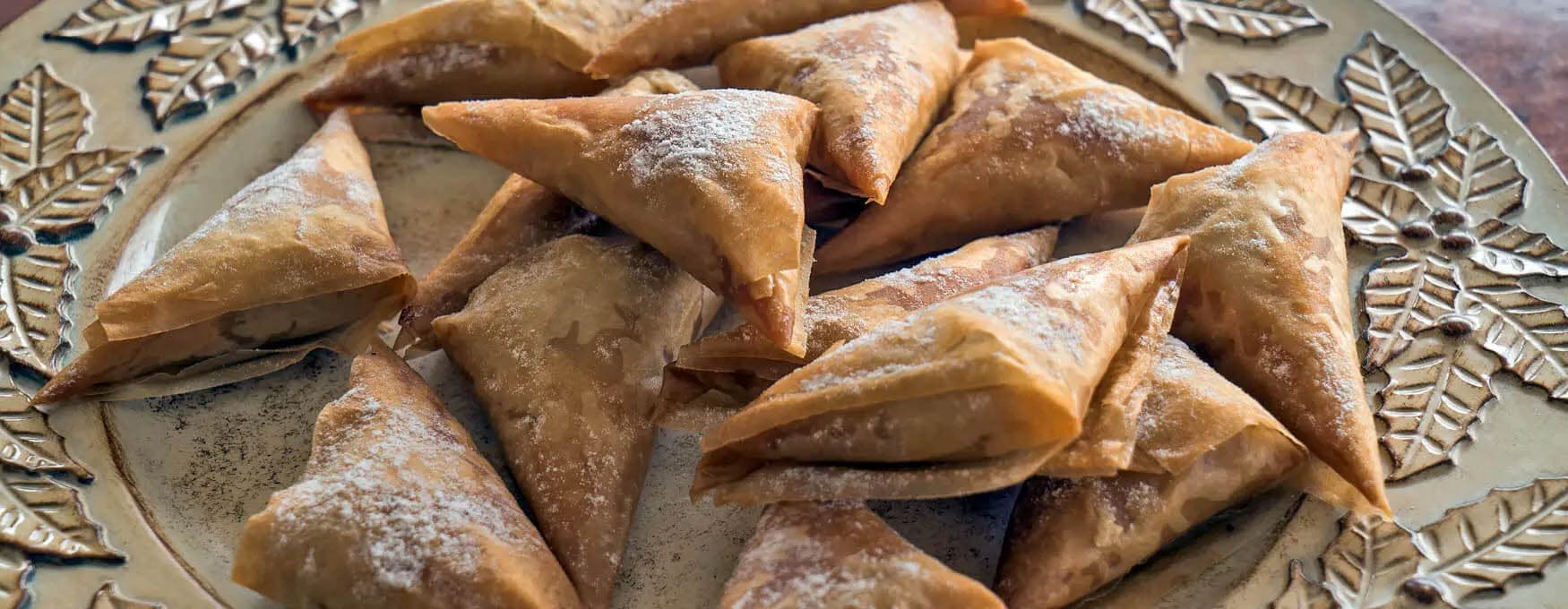
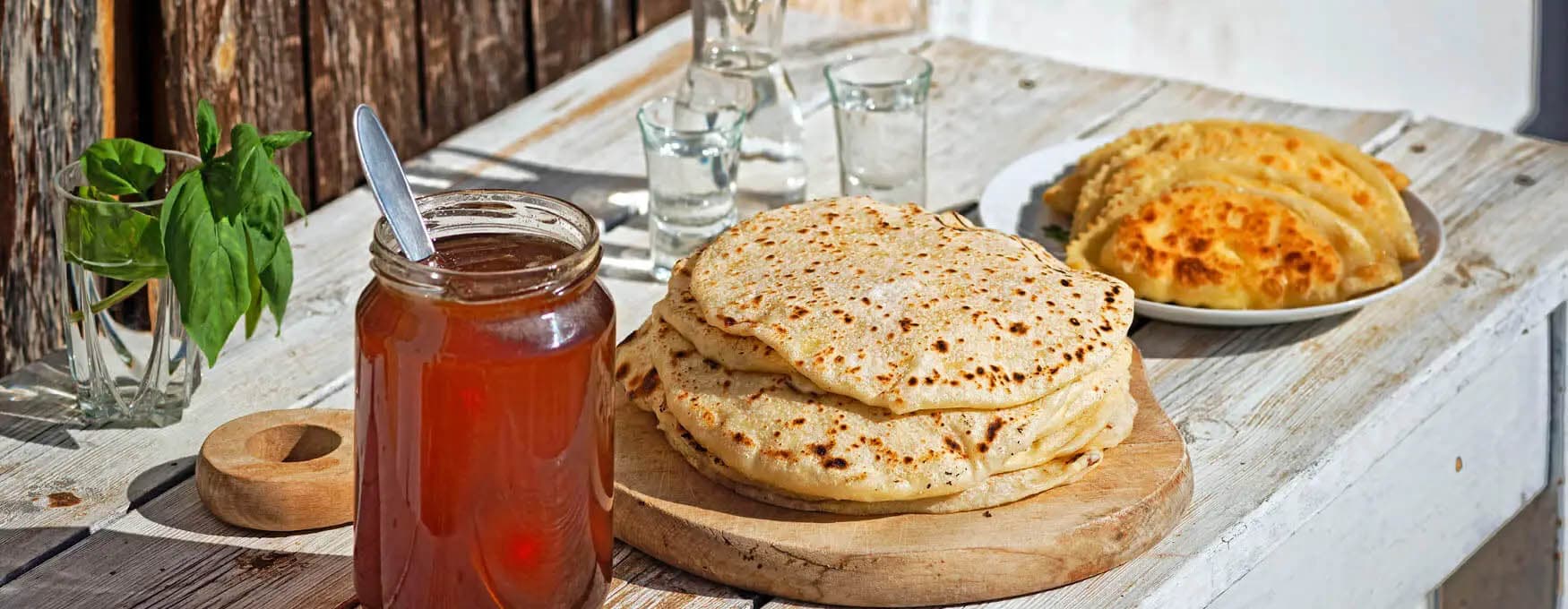
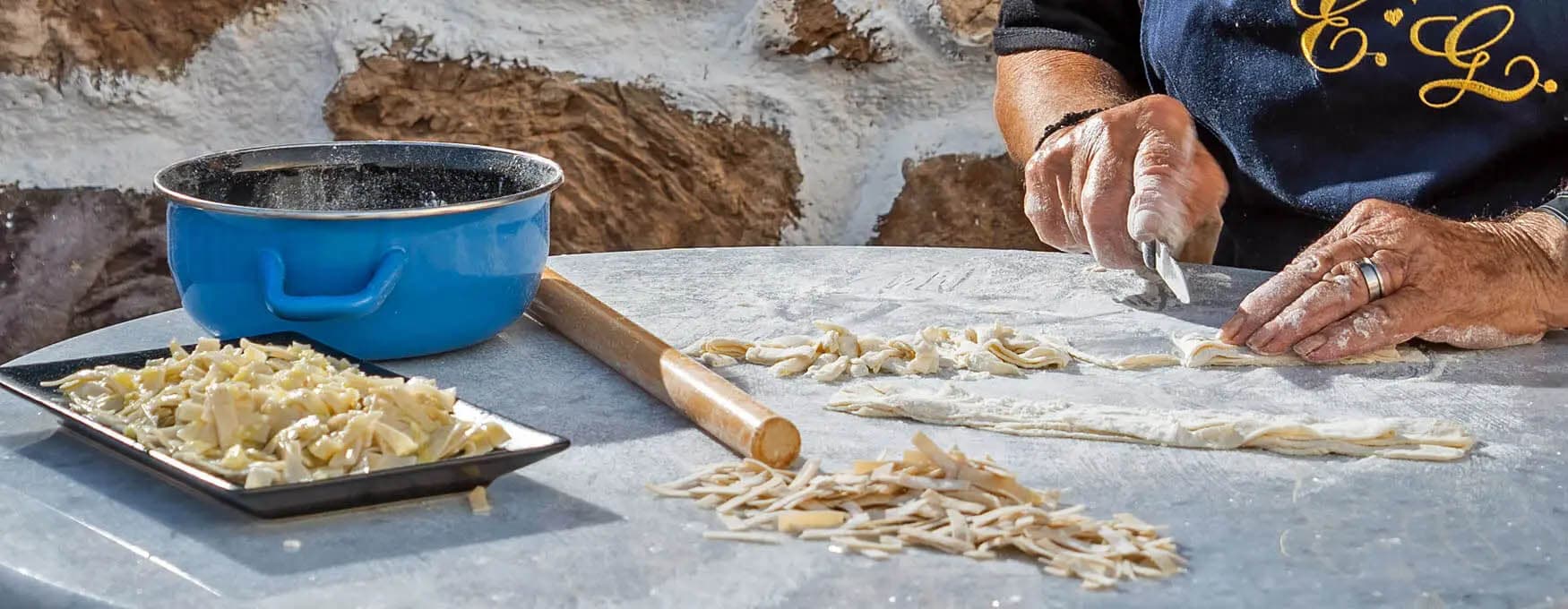
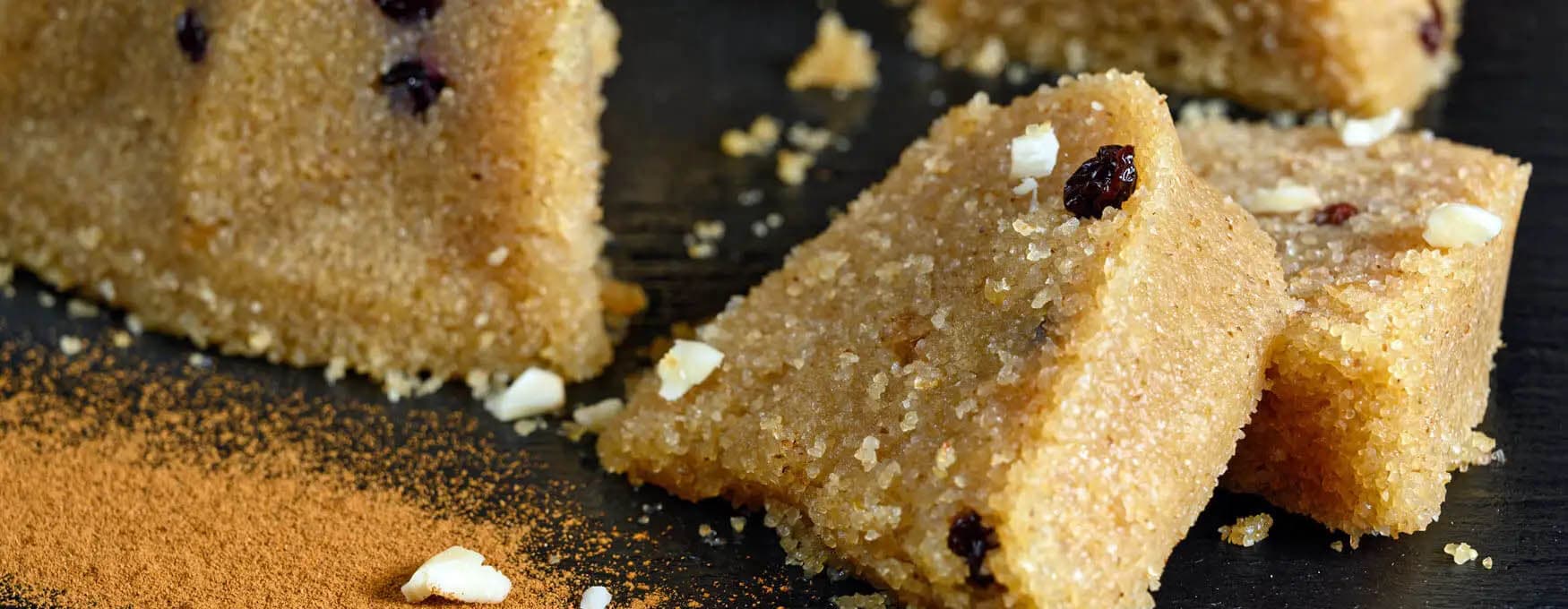
You must try the local thyme honey of exceptional quality, known in Greece and abroad. It has an amber colour and a long history, as it has been produced on the island since antiquity. Try it either plain or with traditional sweets like xerotigana (fried pastry strips).
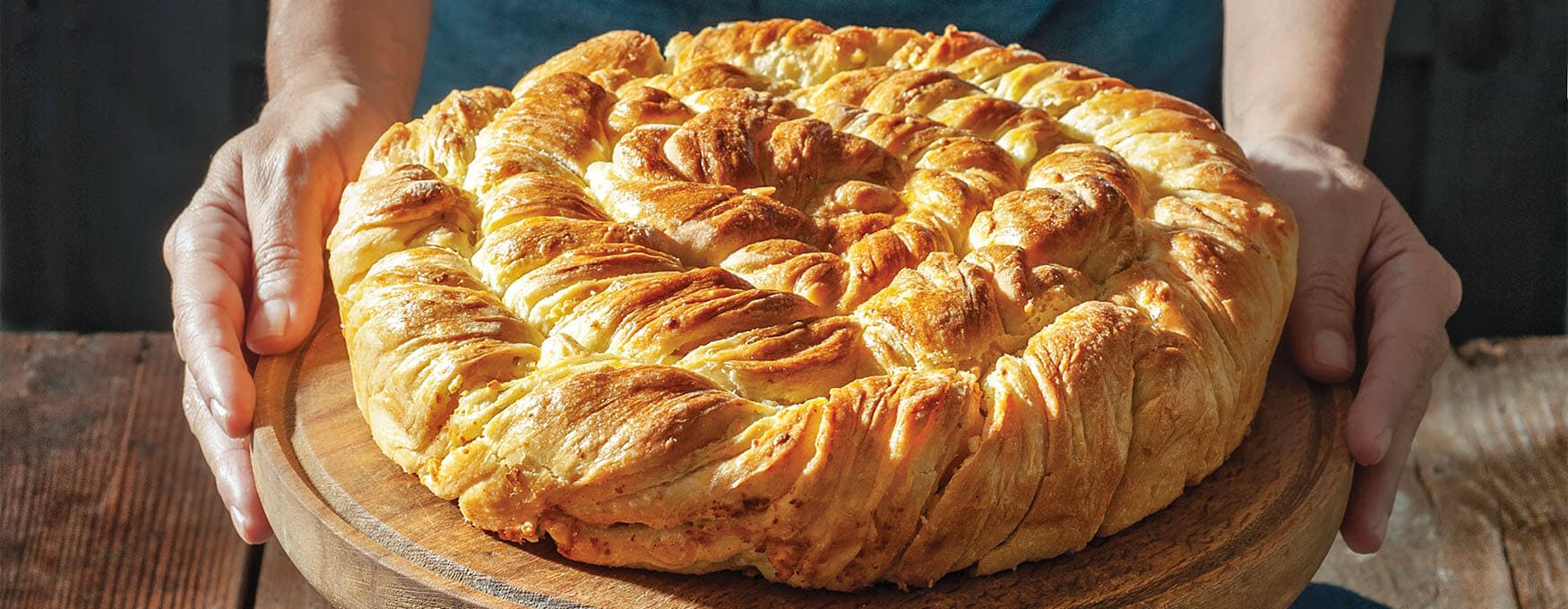
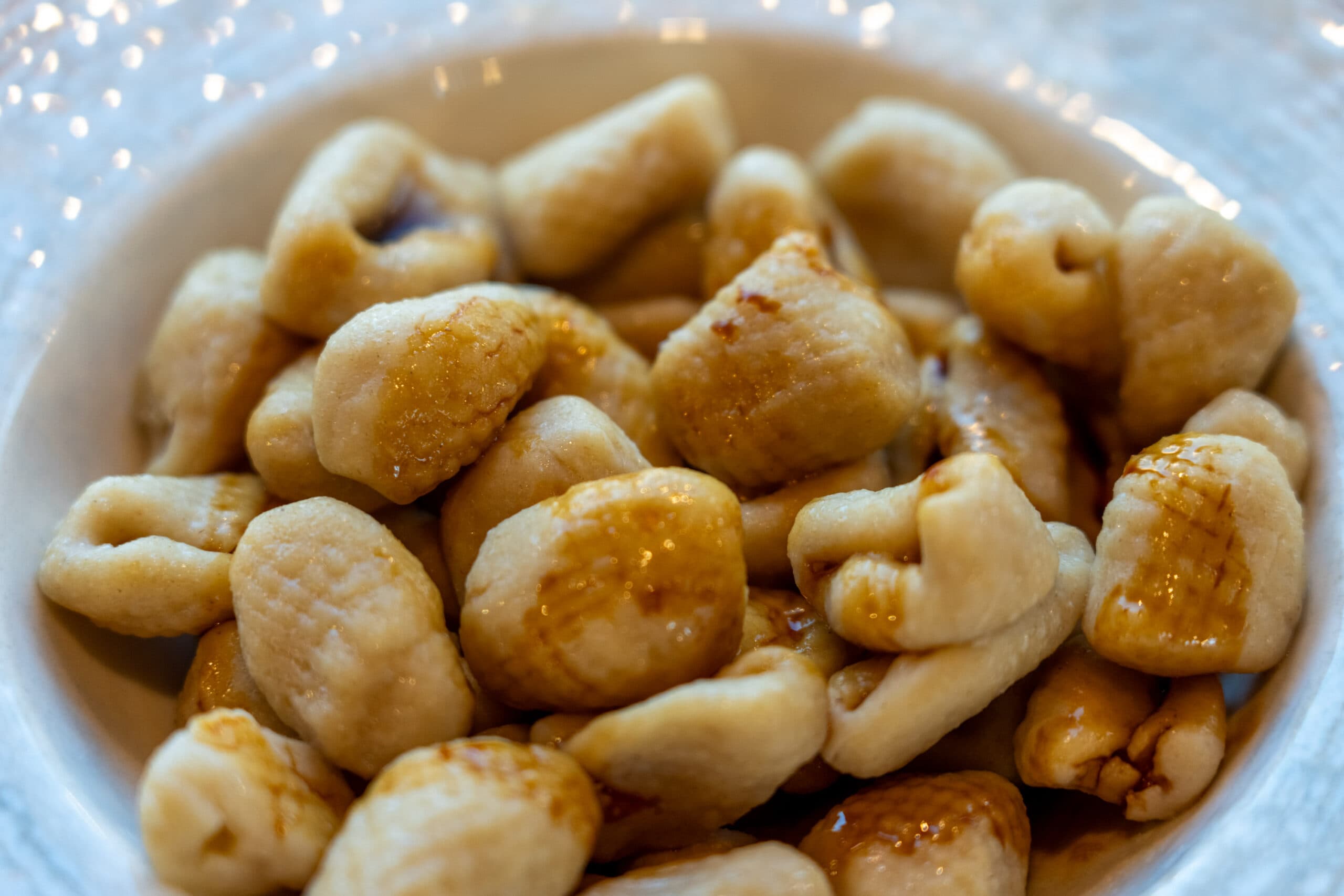
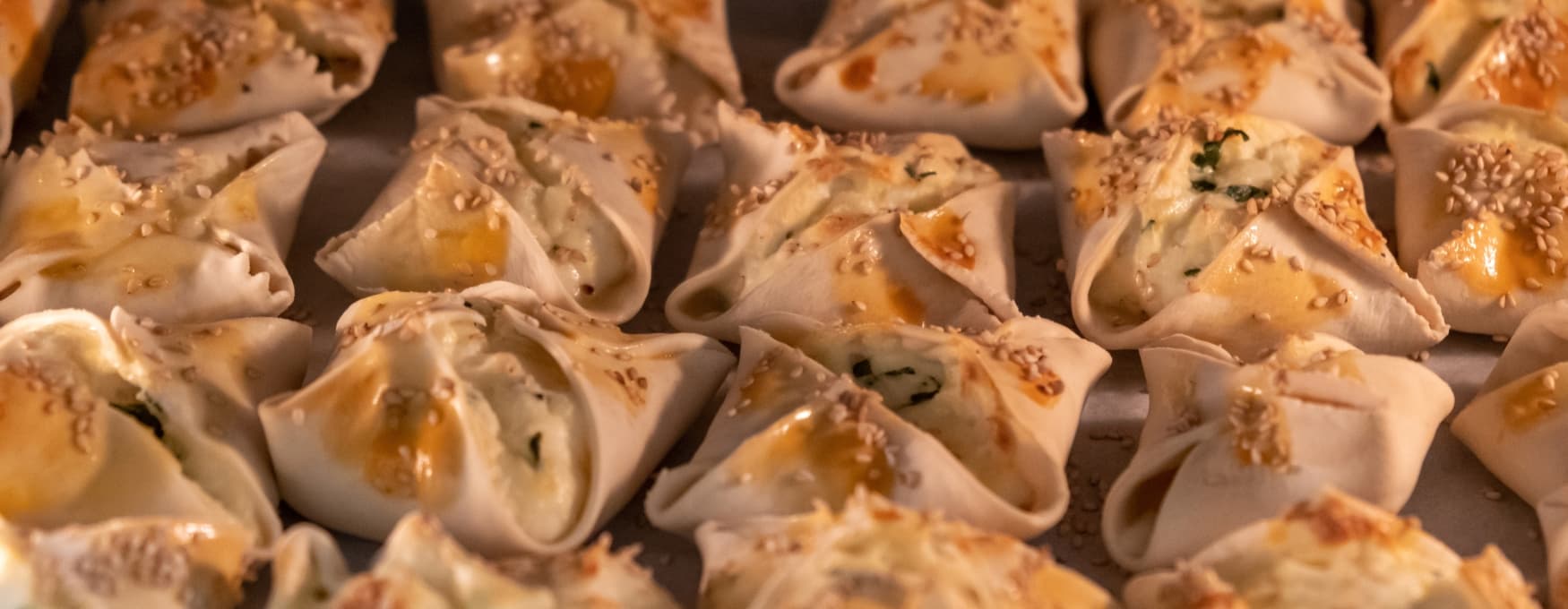
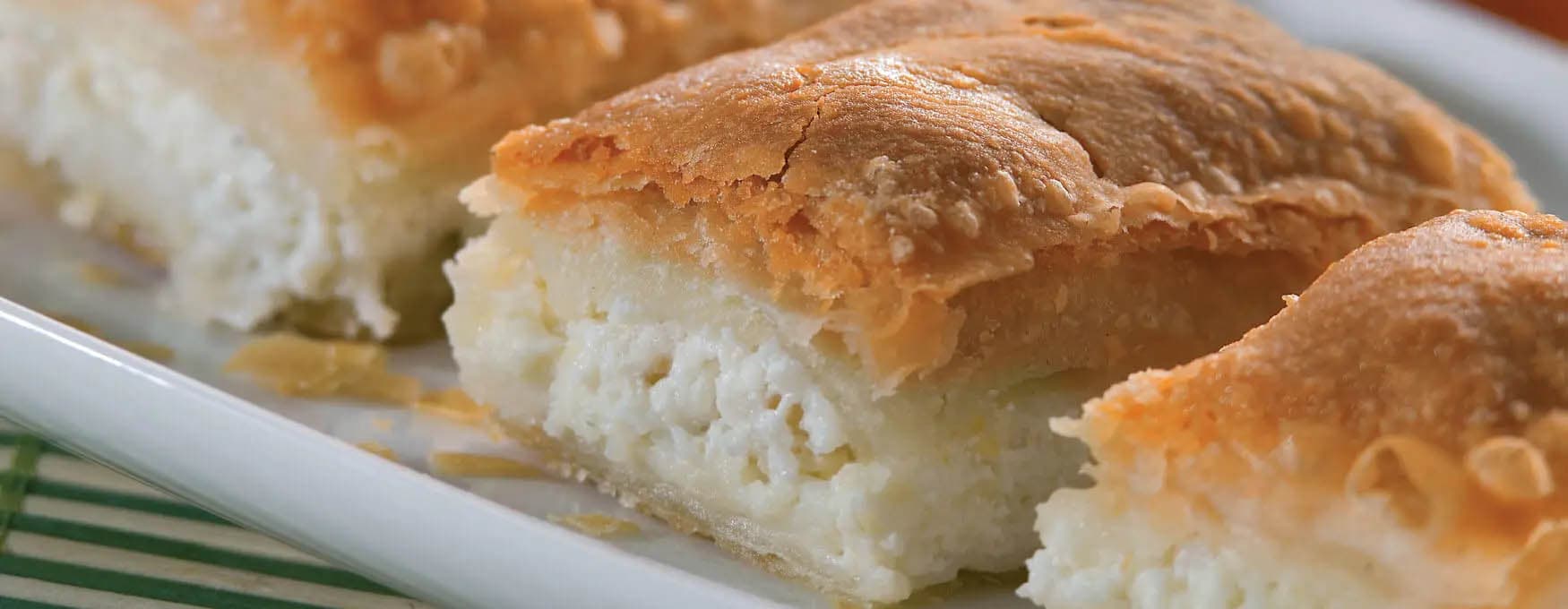
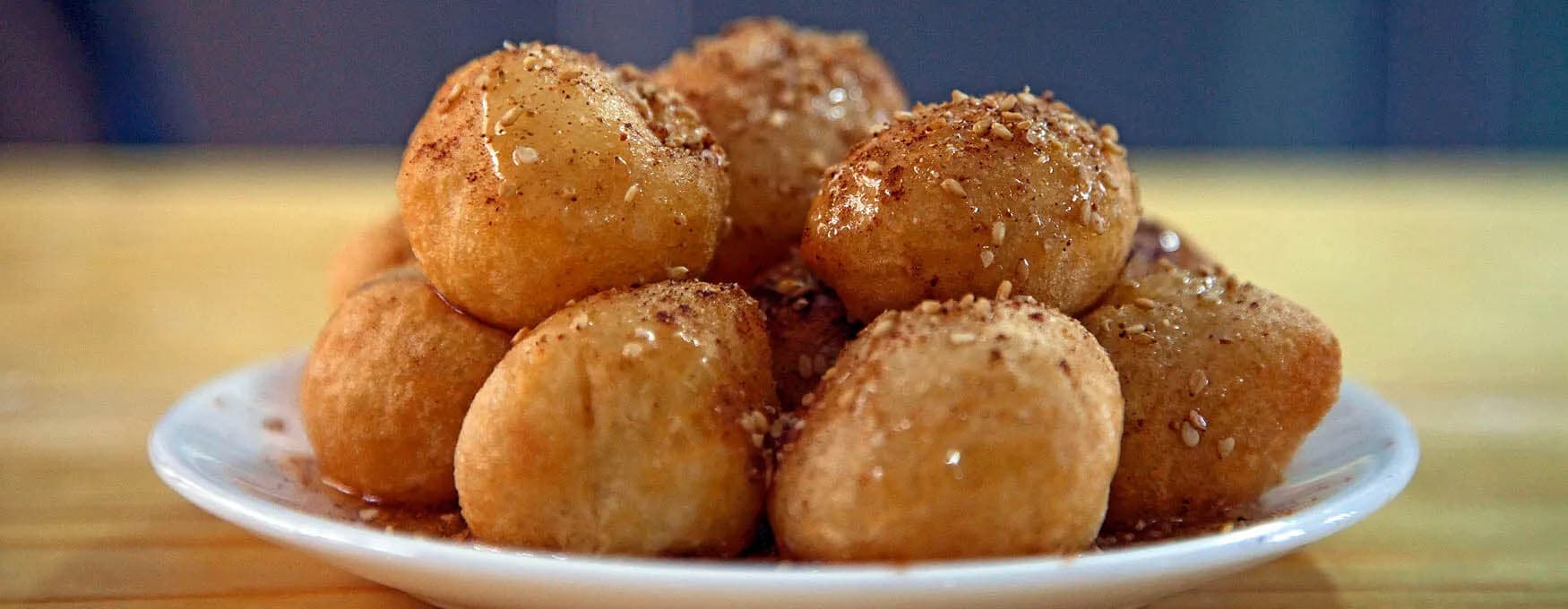
Do not say no to the local cheeses, such as ladotyri, anthotyro, kopanisti and chlori or chlorotyri, which is matured in brine, hardens and is mainly used for grating — though you will also find it without maturing in brine, in traditional pougia (sweet fried dough pouches in a crescent shape with a local cheese filling, served with honey).
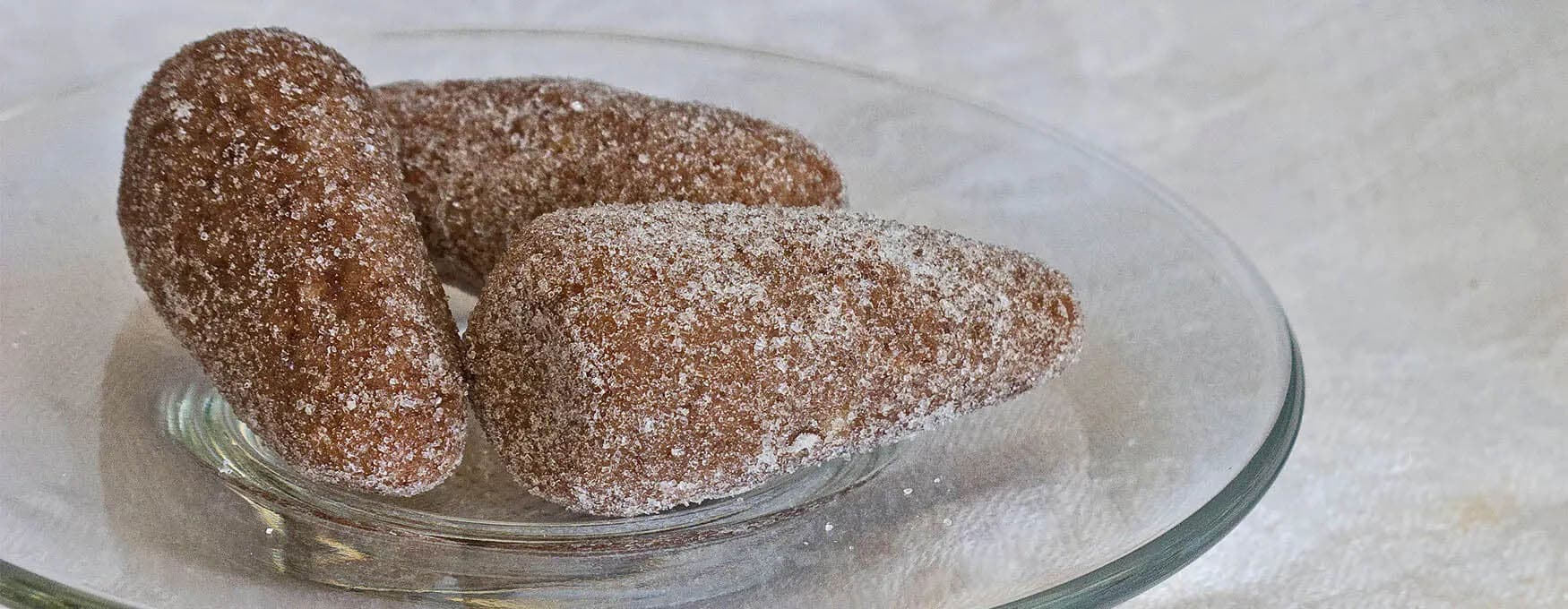
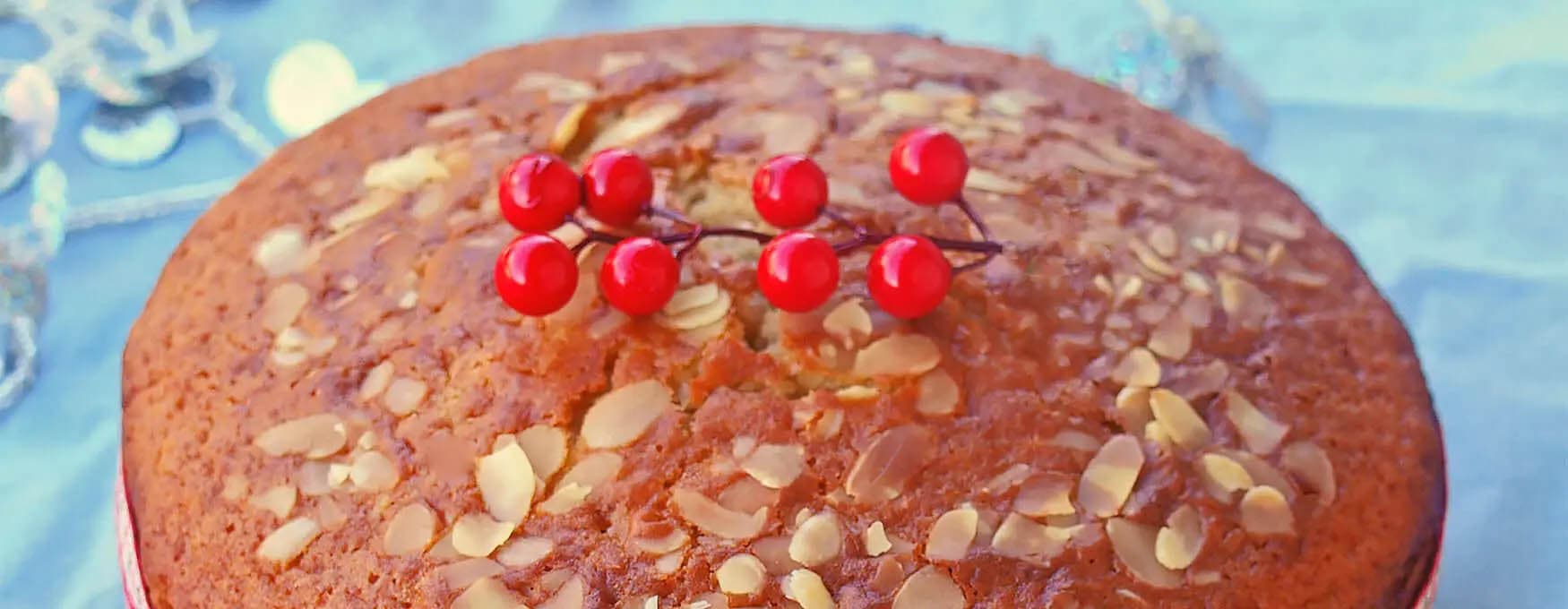
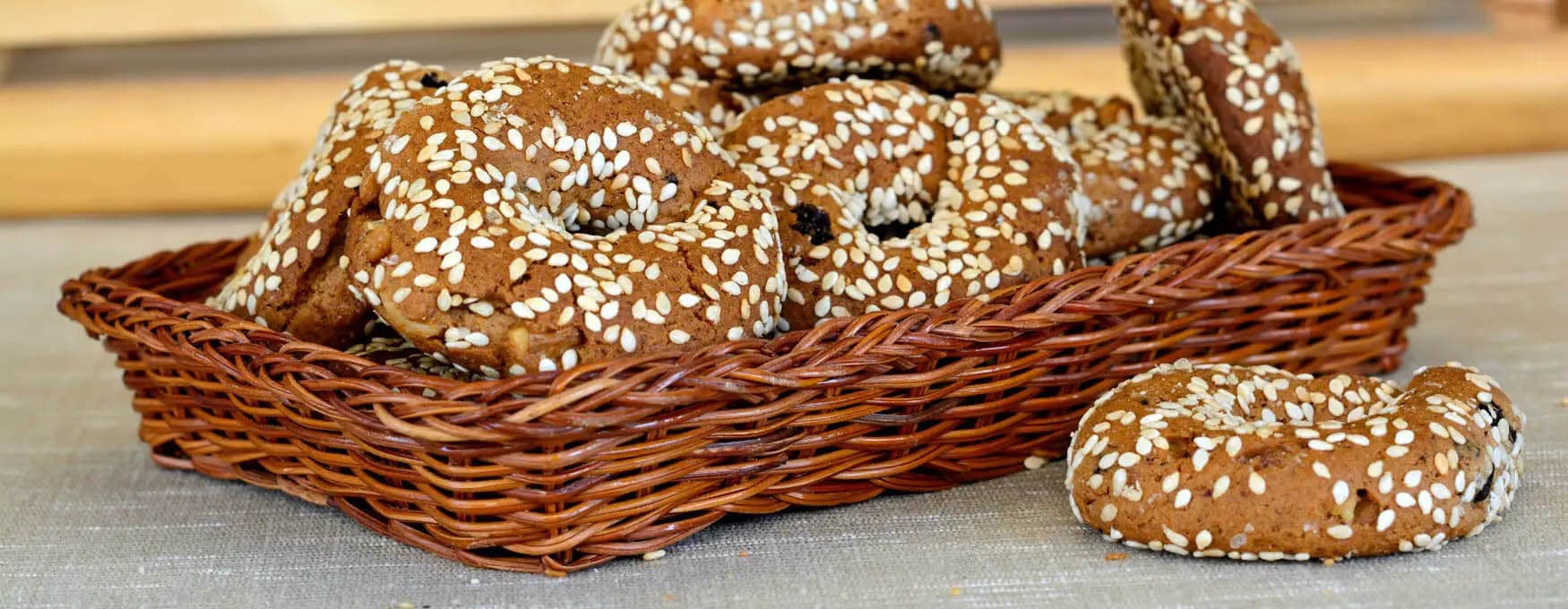
Definitely try the traditional koulouria (biscuits) of Astypalea: the kitronokouloura, which owe their name to the yellow colour they get from saffron and chlori, and galatokouloura, with milk and thyme honey as their basic ingredients.
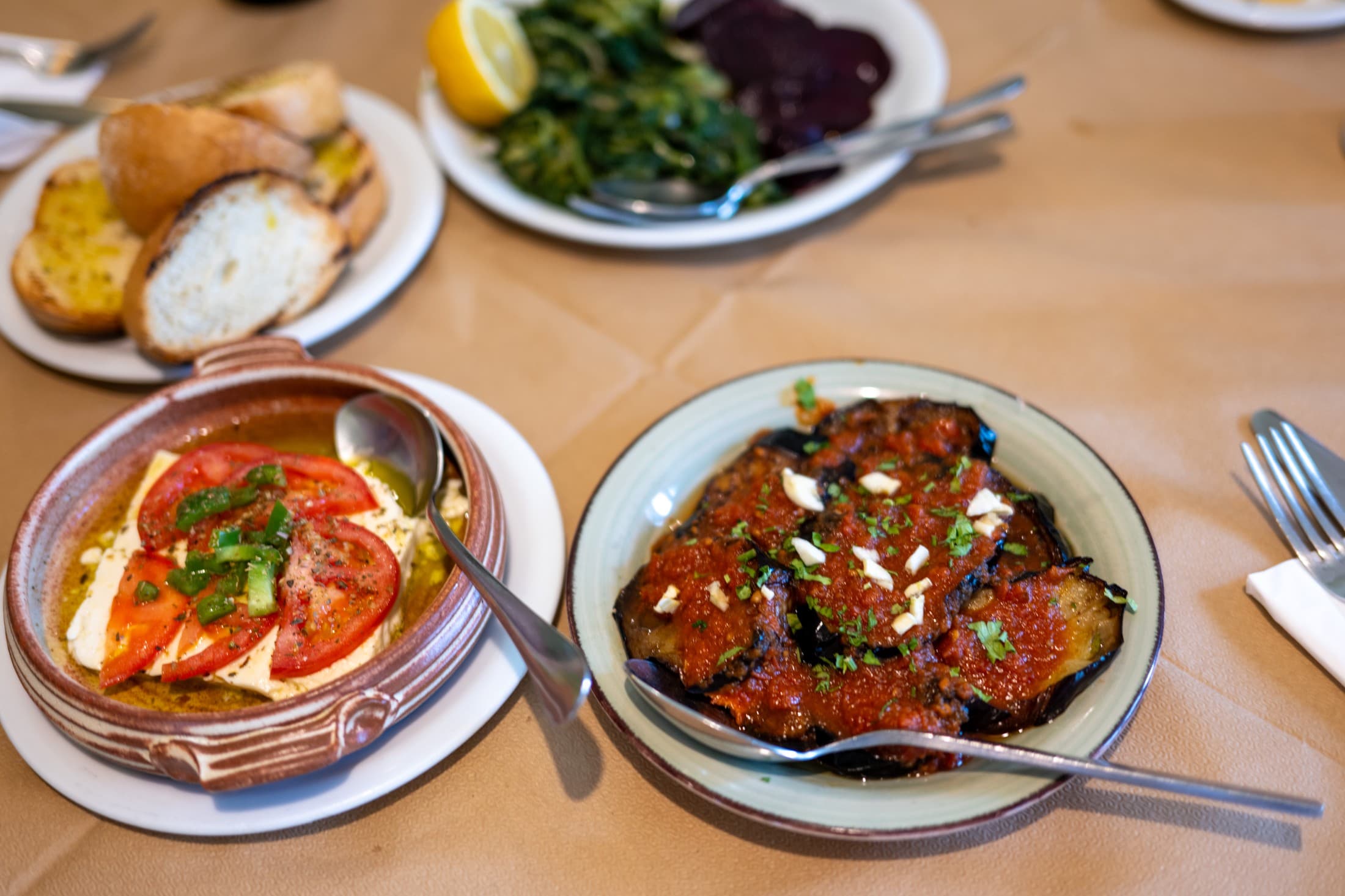
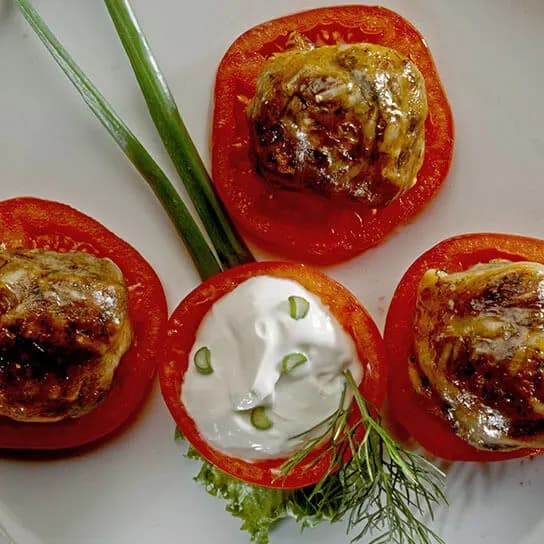
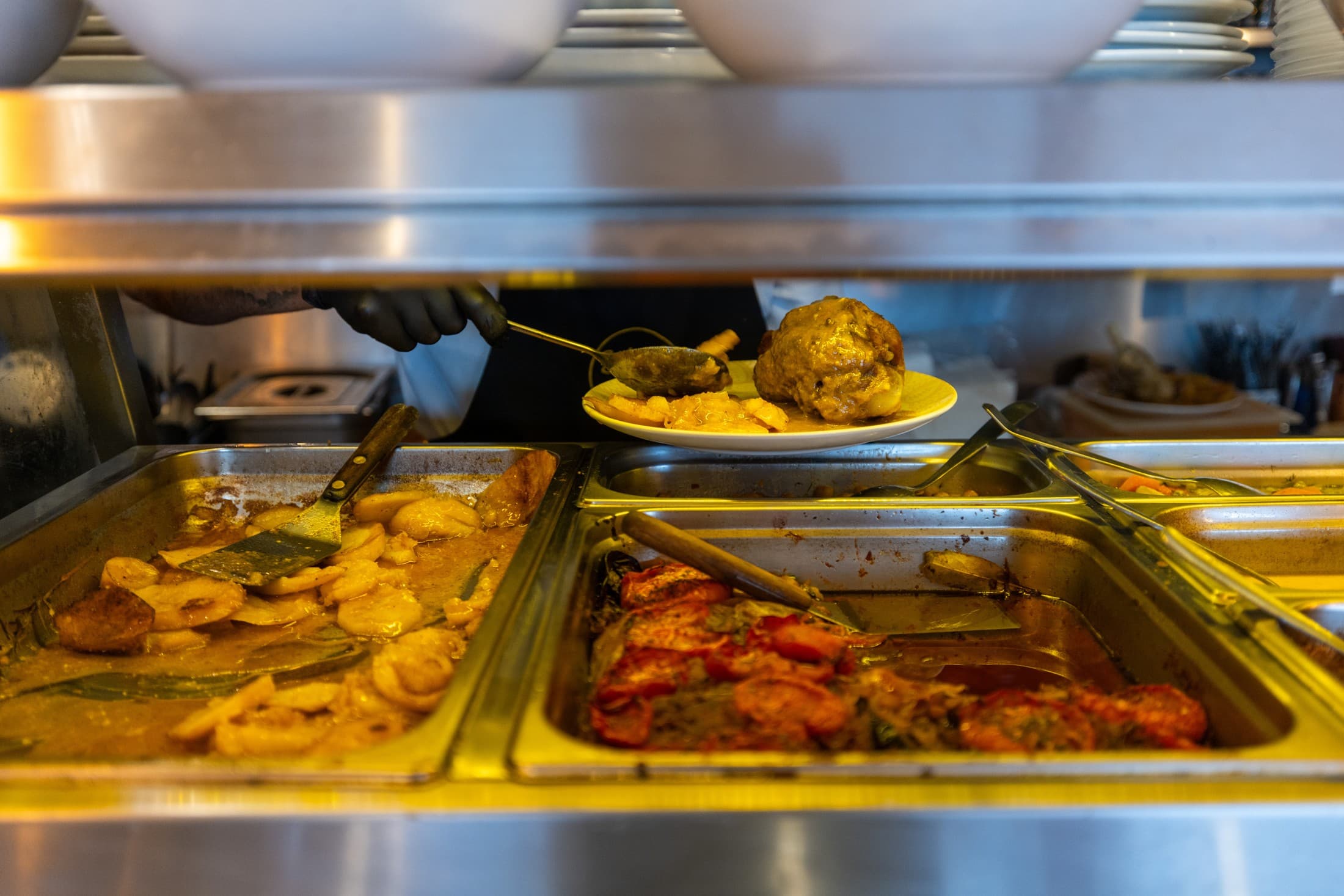
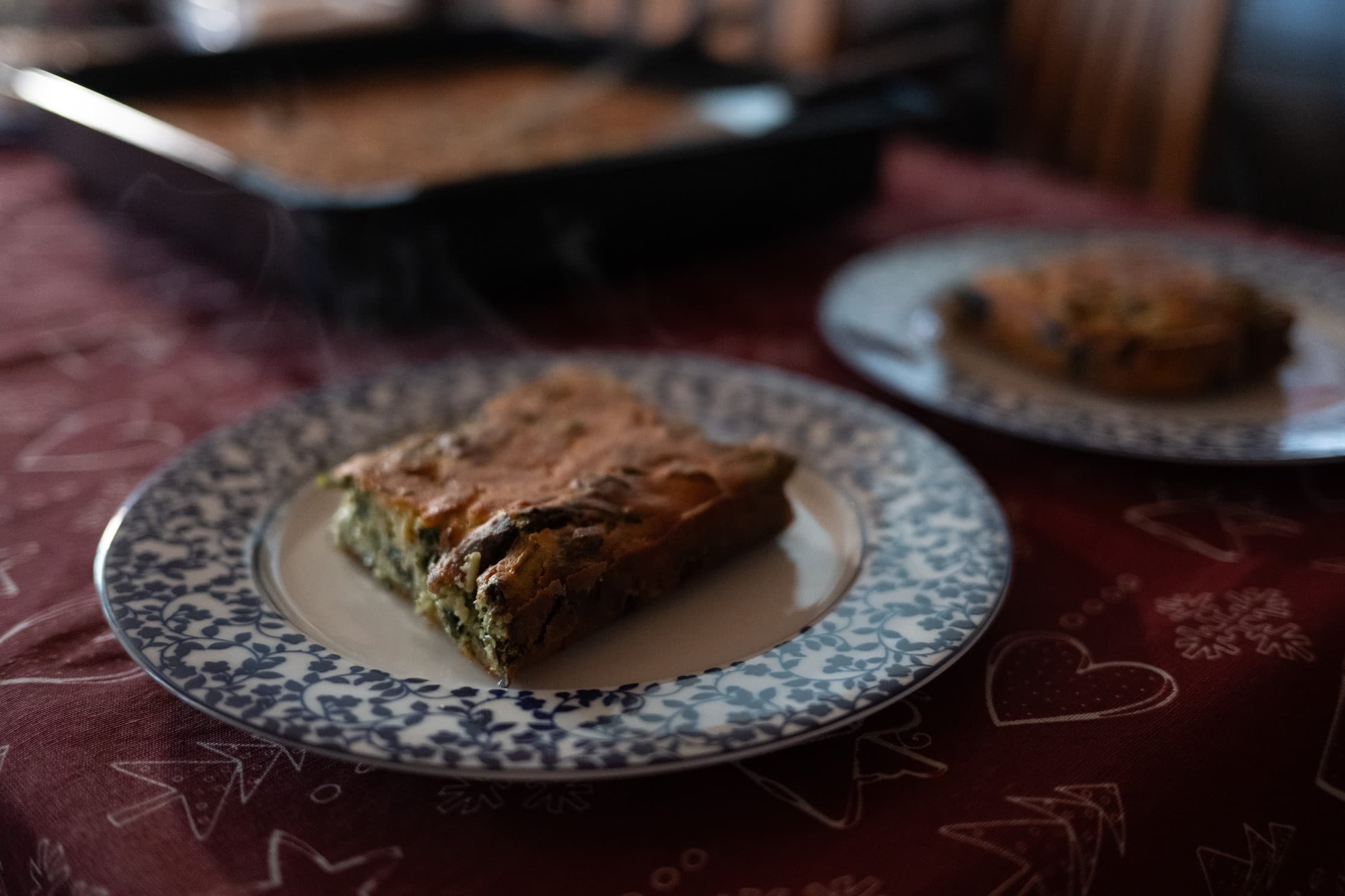
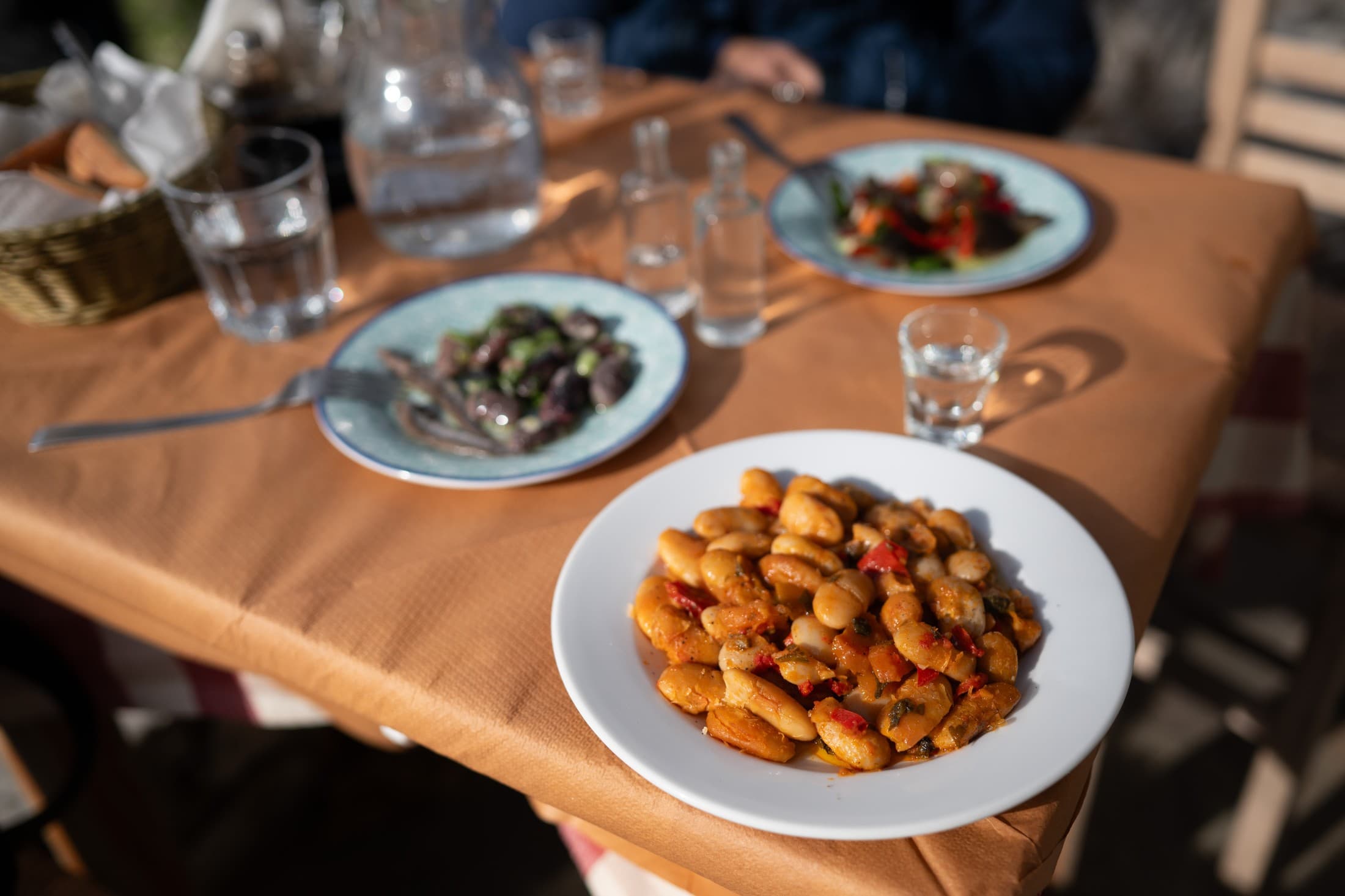
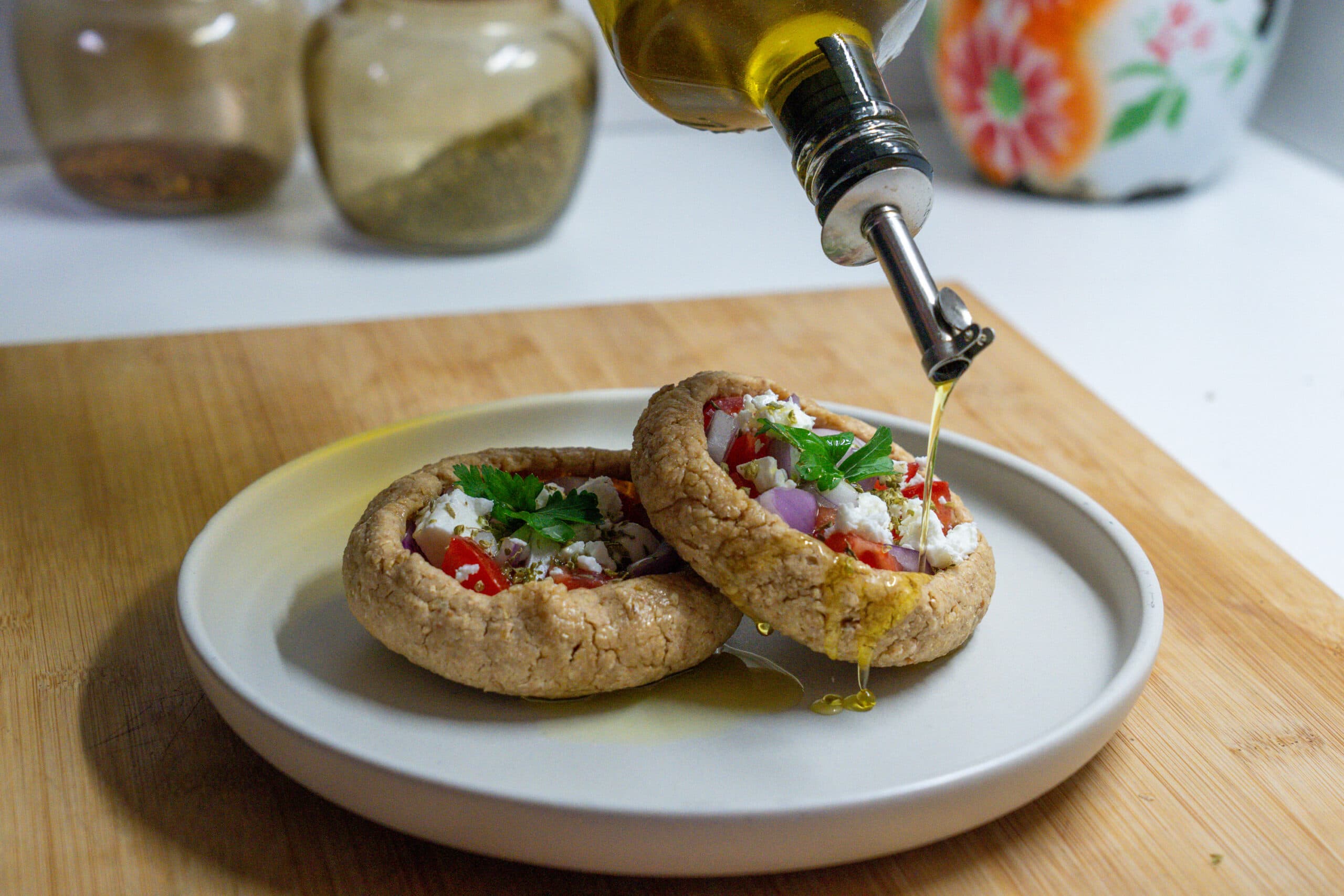
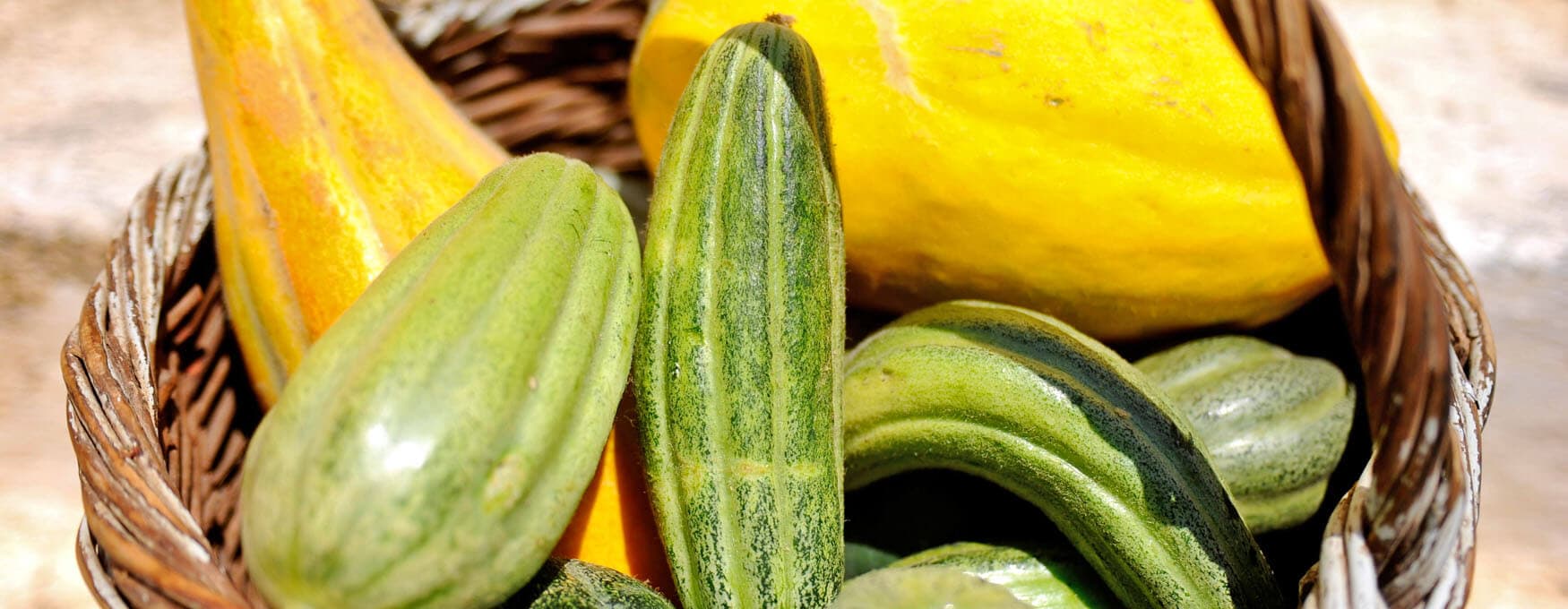
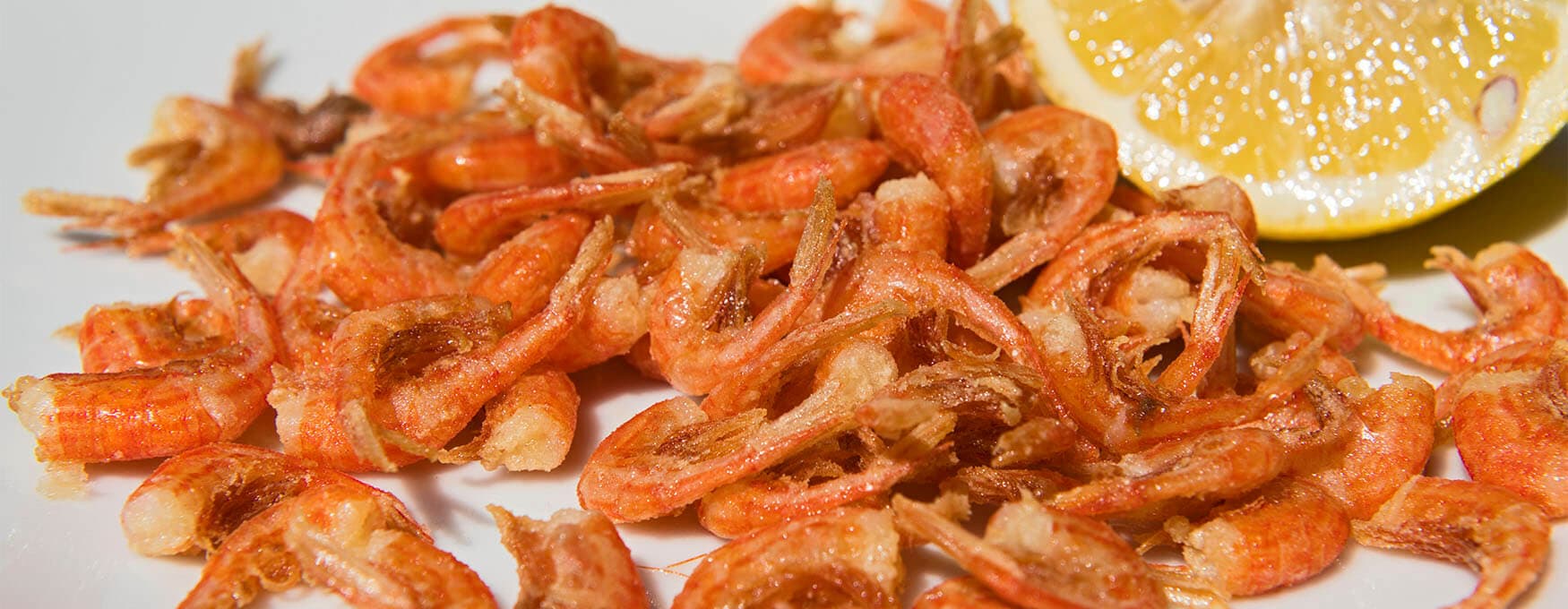
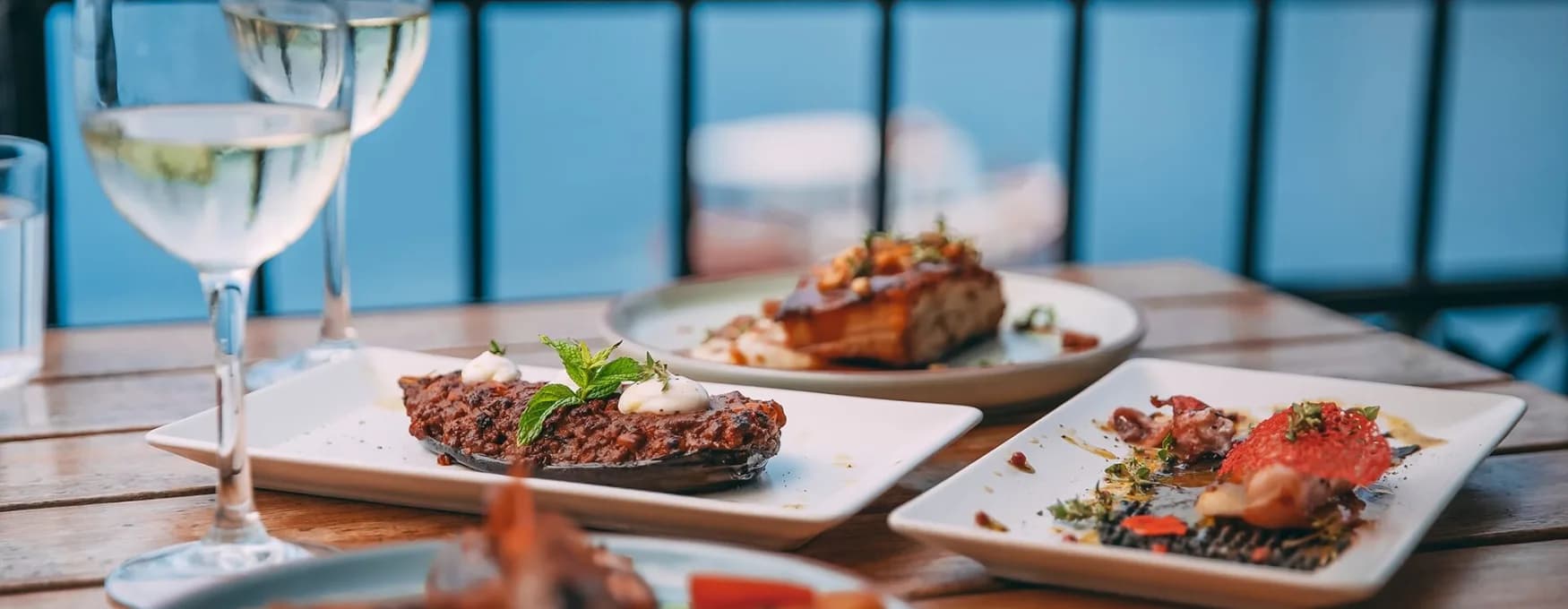
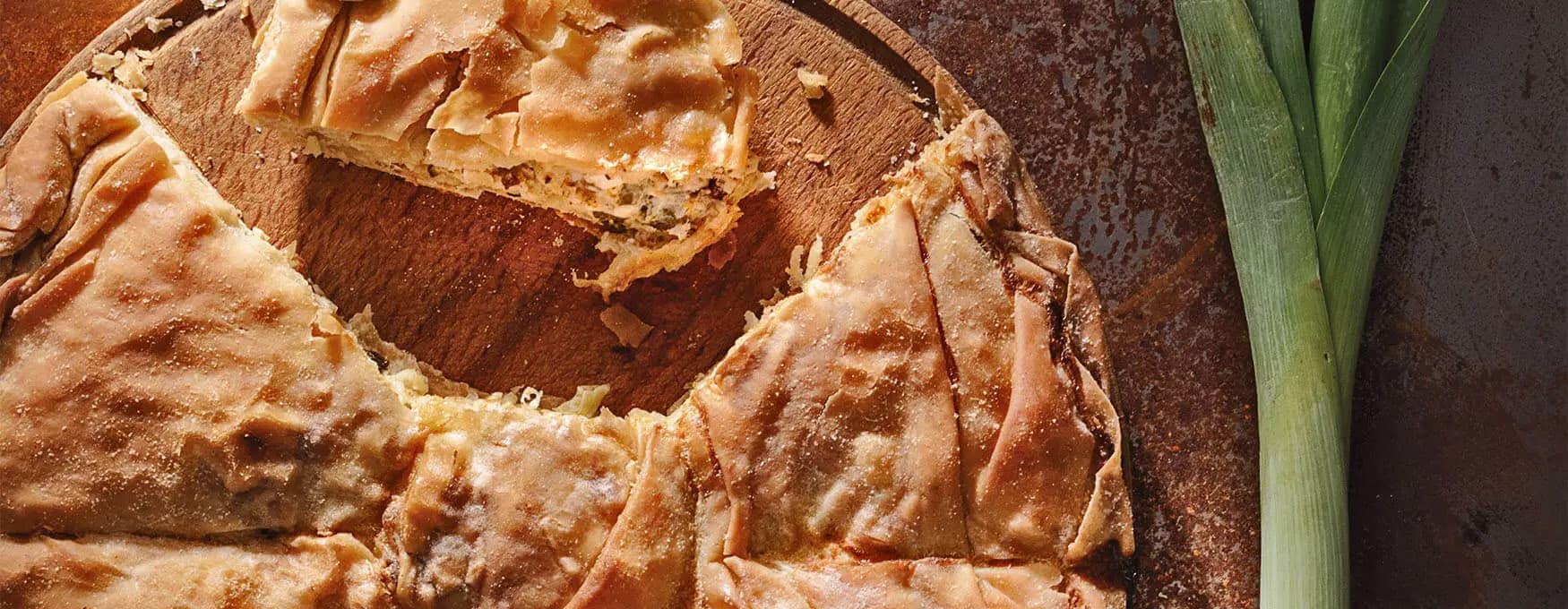
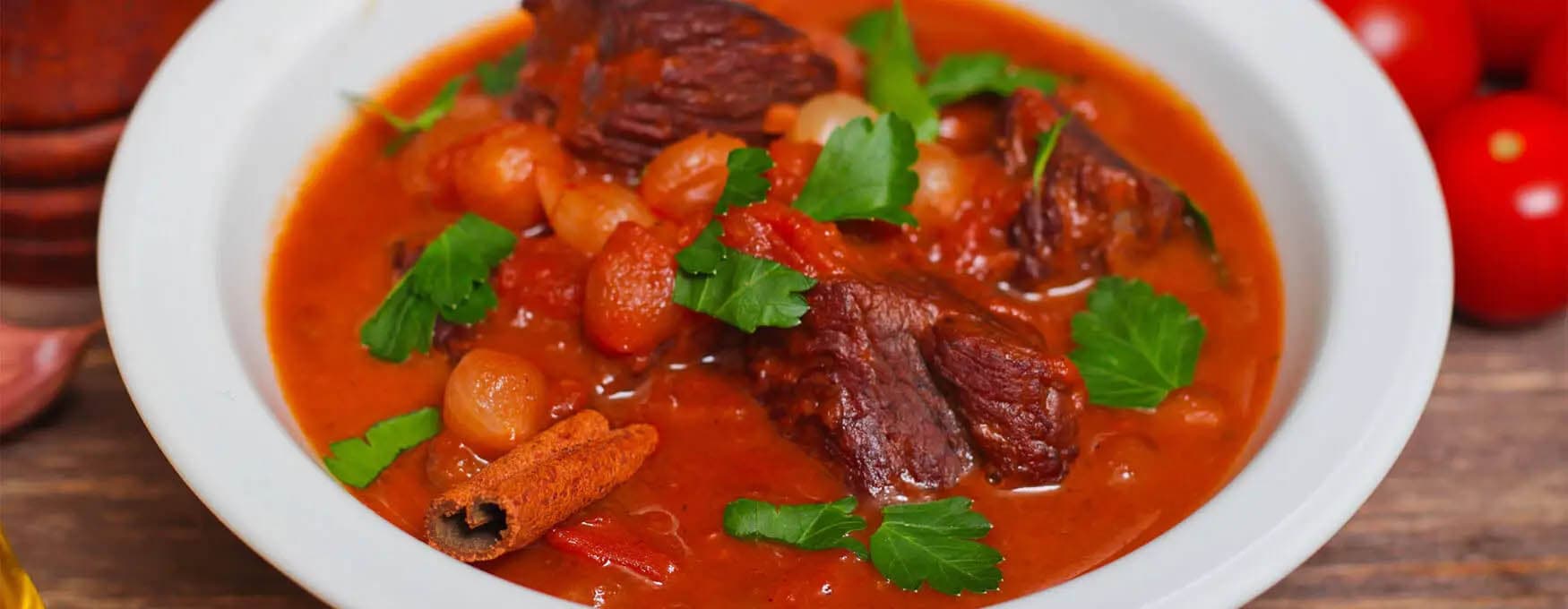
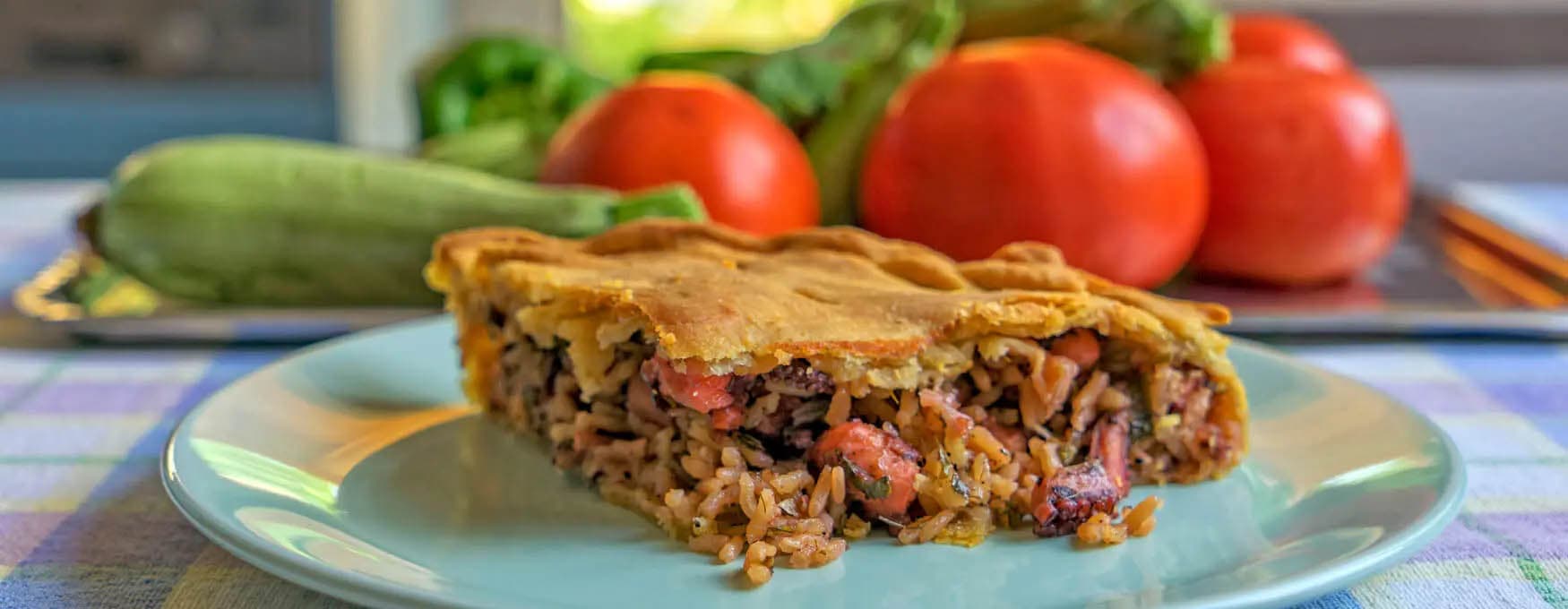
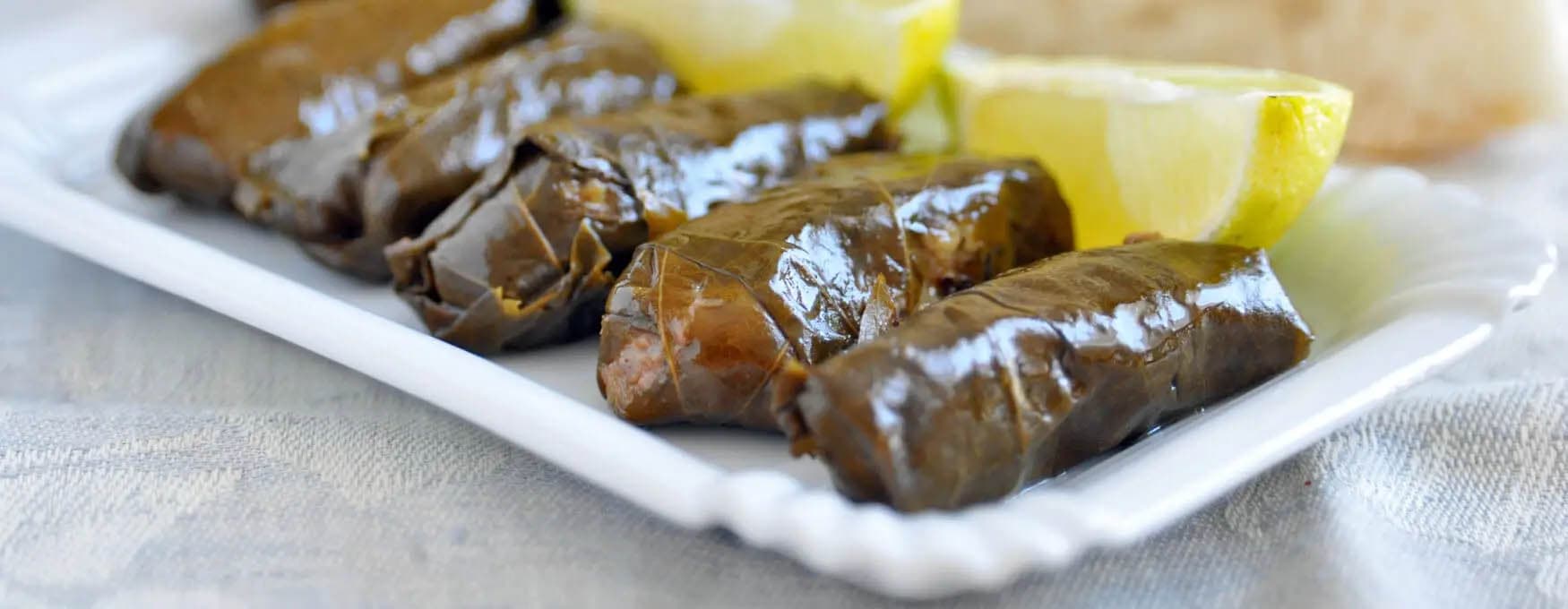
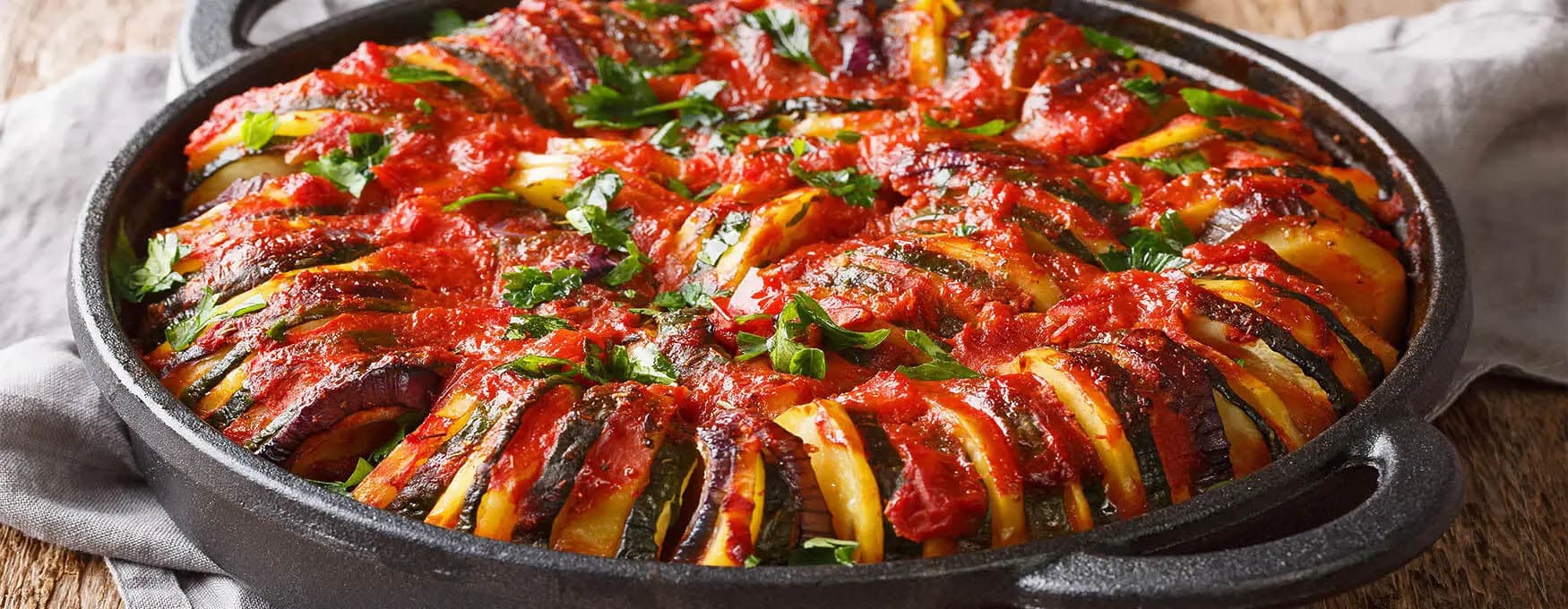
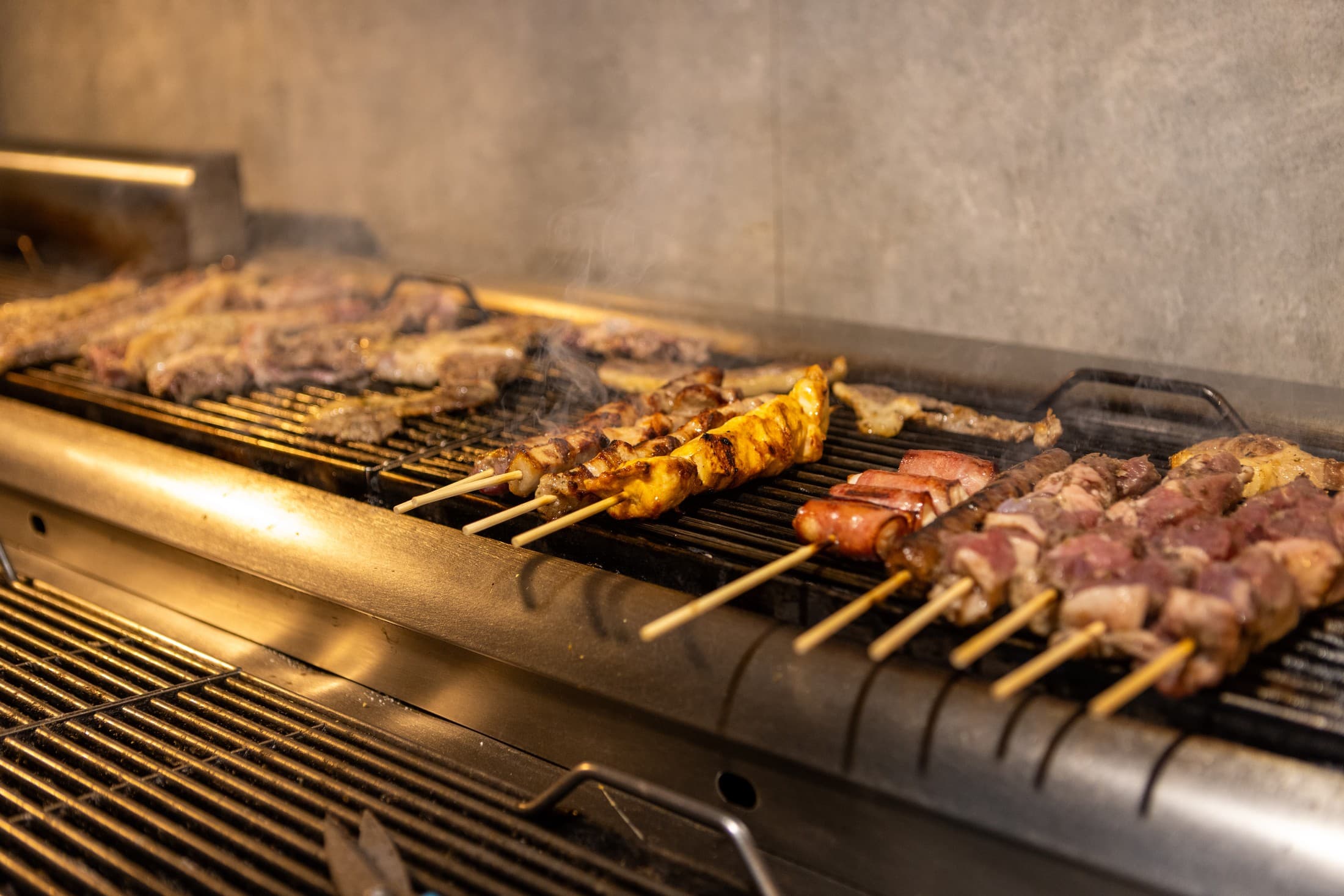
From the cooked dishes, try the traditional lambriano (goat stuffed with rice, liver and spices, slow-baked in the oven), randista (lentils with small pieces of dough) and dolmadakia (stuffed vine leaves). Before you leave the island, also try paximadia (rusks) with thyme and herbs, kolokythoanthi (courgette blossoms), octopus fritters and kakavia (fish soup).
Their quality is indisputable, thanks to the island's pure raw materials, such as local meats, dairy products and the famous zafora (local wild crocus or saffron), which the residents collect every autumn from the mountain slopes.
You must try the local thyme honey of exceptional quality, known in Greece and abroad. It has an amber colour and a long history, as it has been produced on the island since antiquity. Try it either plain or with traditional sweets like xerotigana (fried pastry strips).
Do not say no to the local cheeses, such as ladotyri, anthotyro, kopanisti and chlori or chlorotyri, which is matured in brine, hardens and is mainly used for grating — though you will also find it without maturing in brine, in traditional pougia (sweet fried dough pouches in a crescent shape with a local cheese filling, served with honey).
Definitely try the traditional koulouria (biscuits) of Astypalea: the kitronokouloura, which owe their name to the yellow colour they get from saffron and chlori, and galatokouloura, with milk and thyme honey as their basic ingredients.
From the cooked dishes, try the traditional lambriano (goat stuffed with rice, liver and spices, slow-baked in the oven), randista (lentils with small pieces of dough) and dolmadakia (stuffed vine leaves). Before you leave the island, also try paximadia (rusks) with thyme and herbs, kolokythoanthi (courgette blossoms), octopus fritters and kakavia (fish soup).