The Gastronomy of Tradition
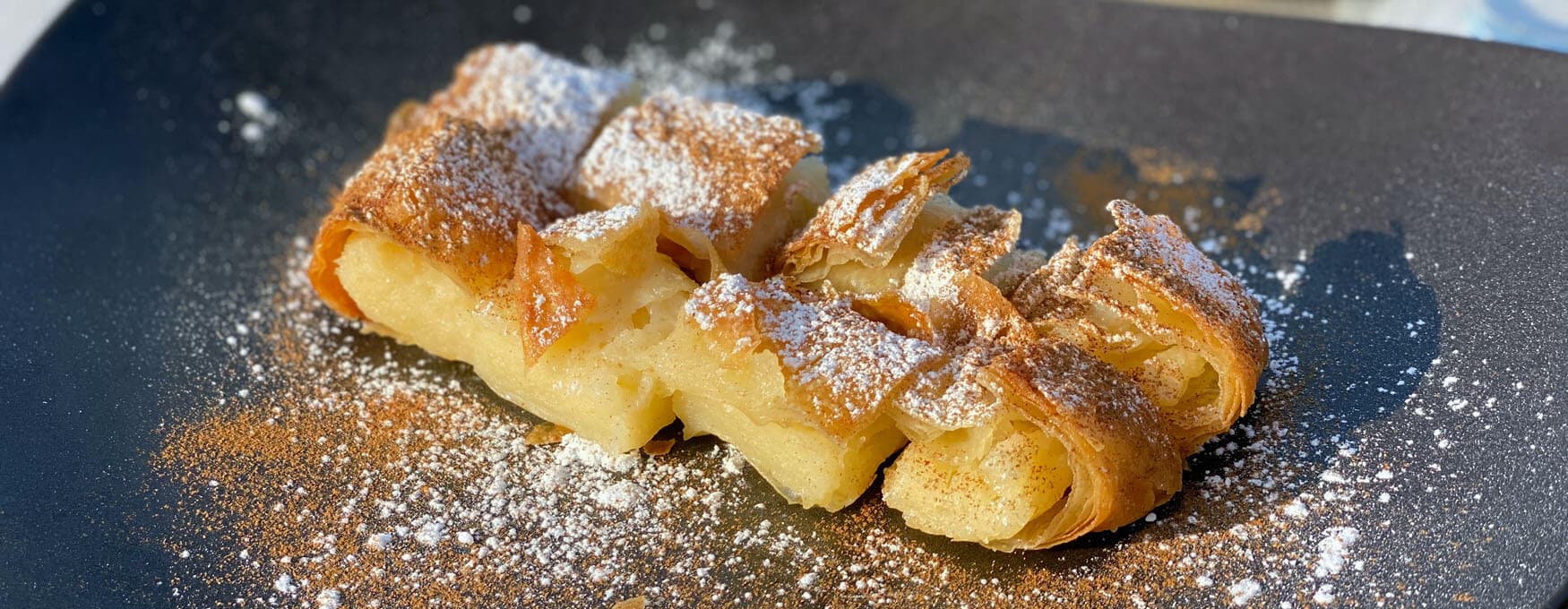
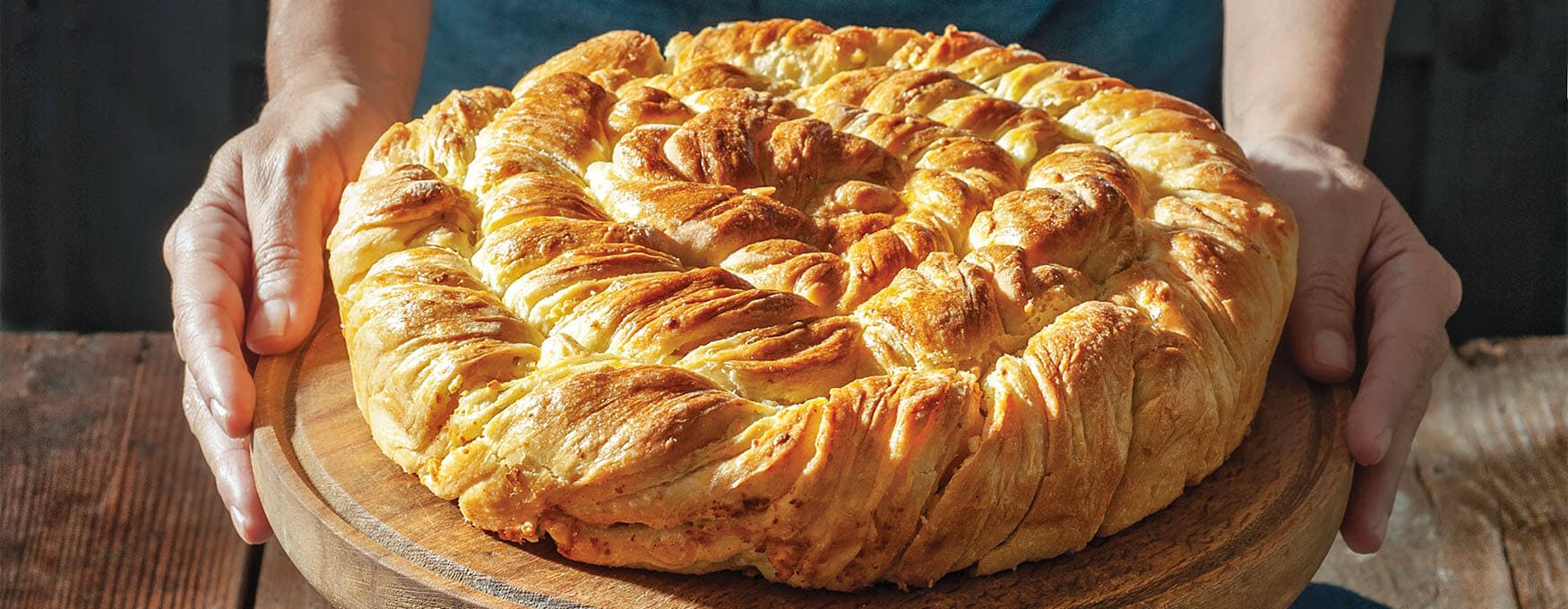
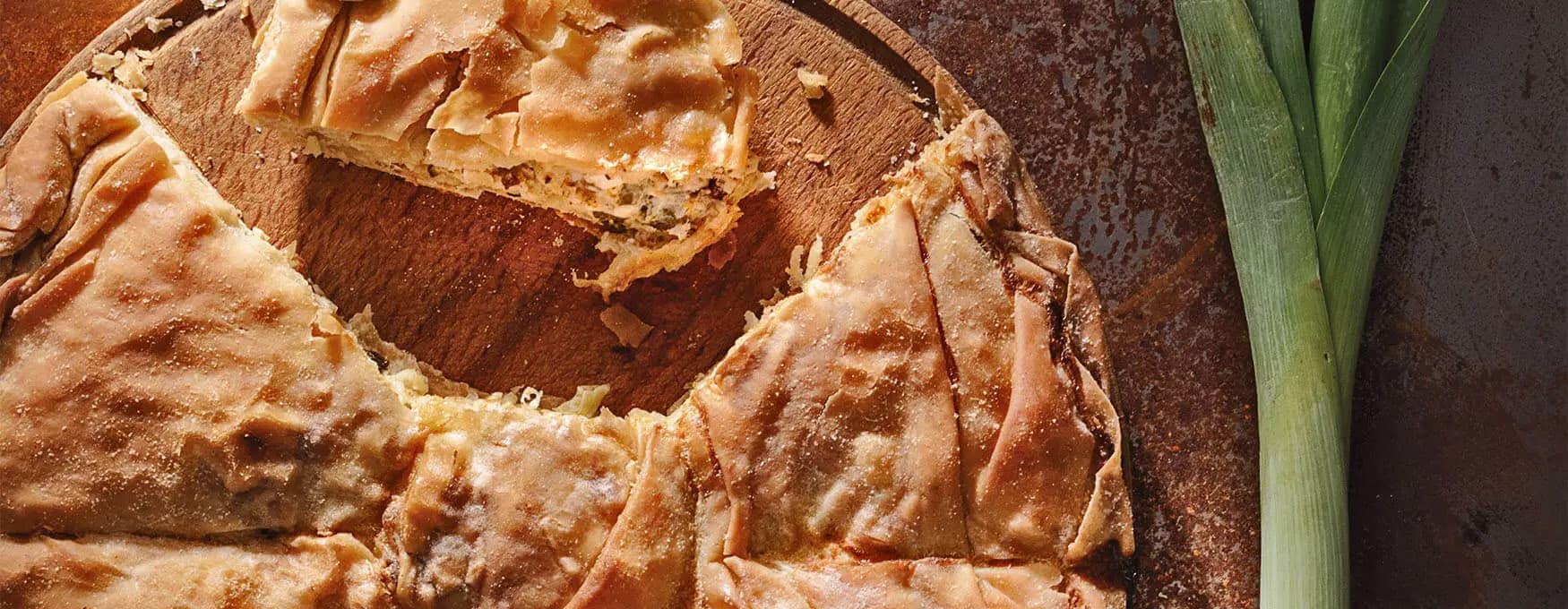
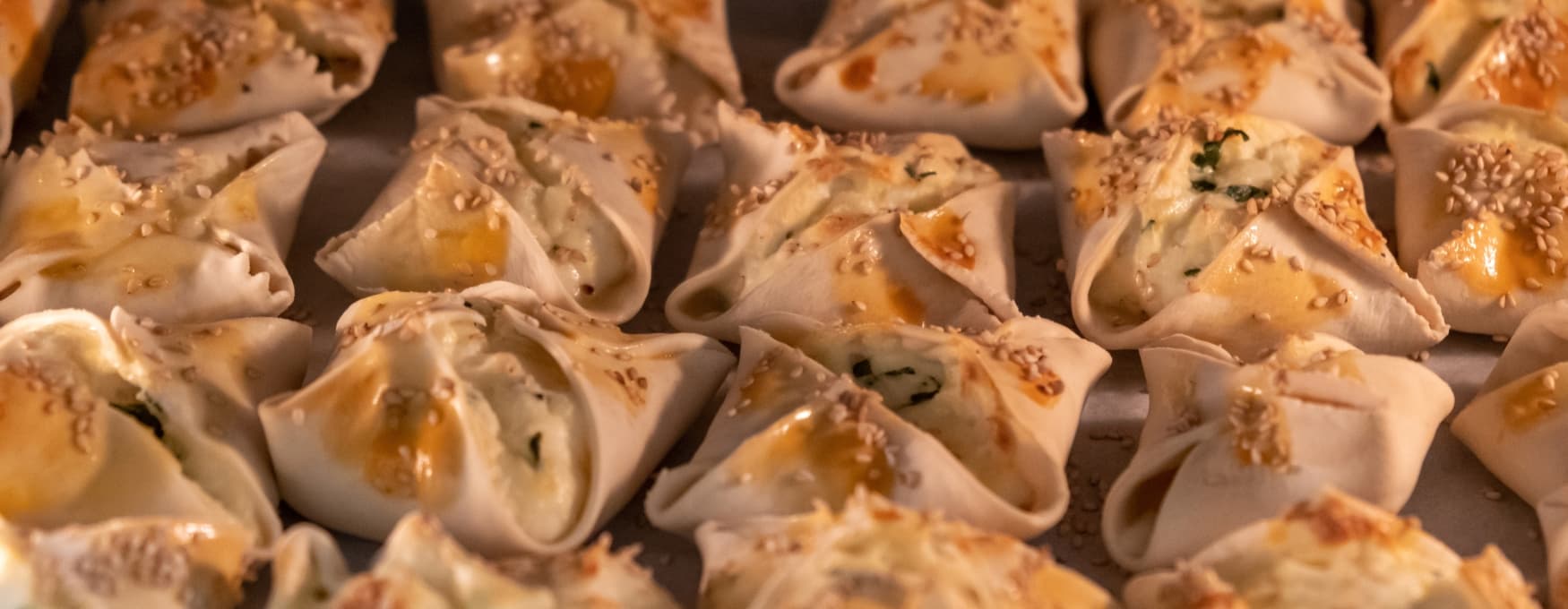
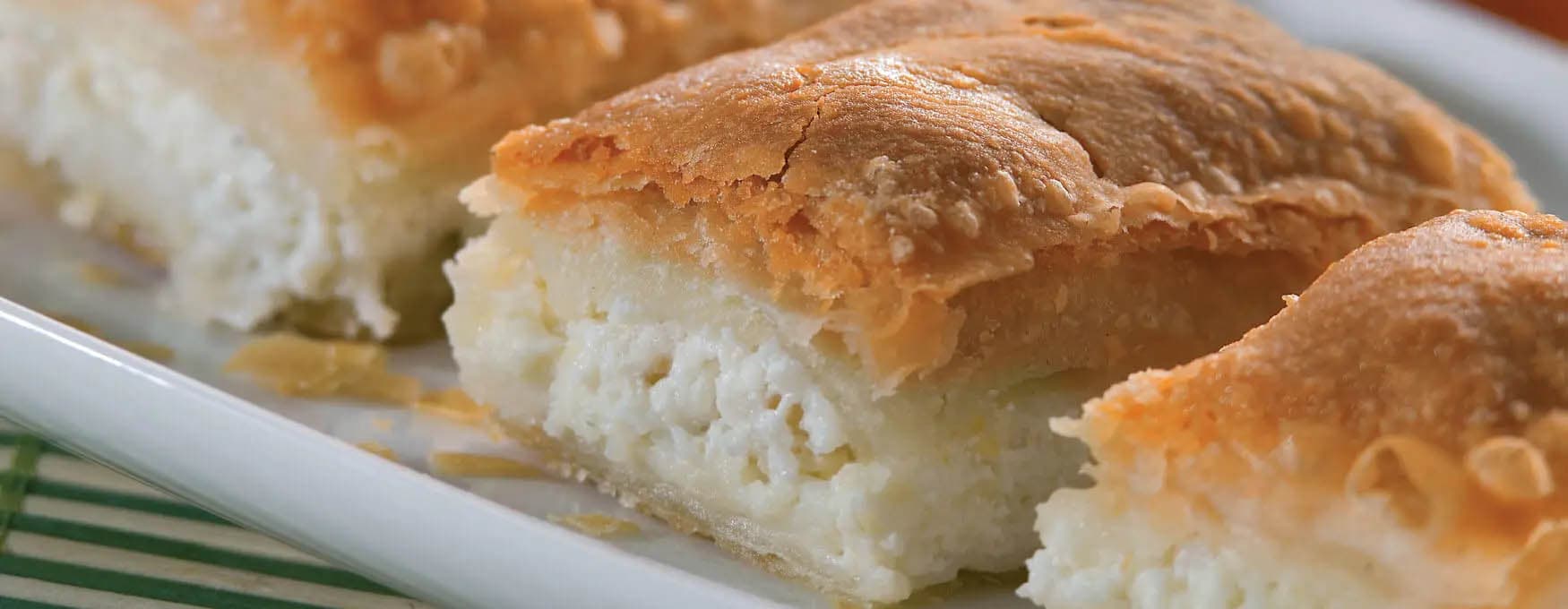
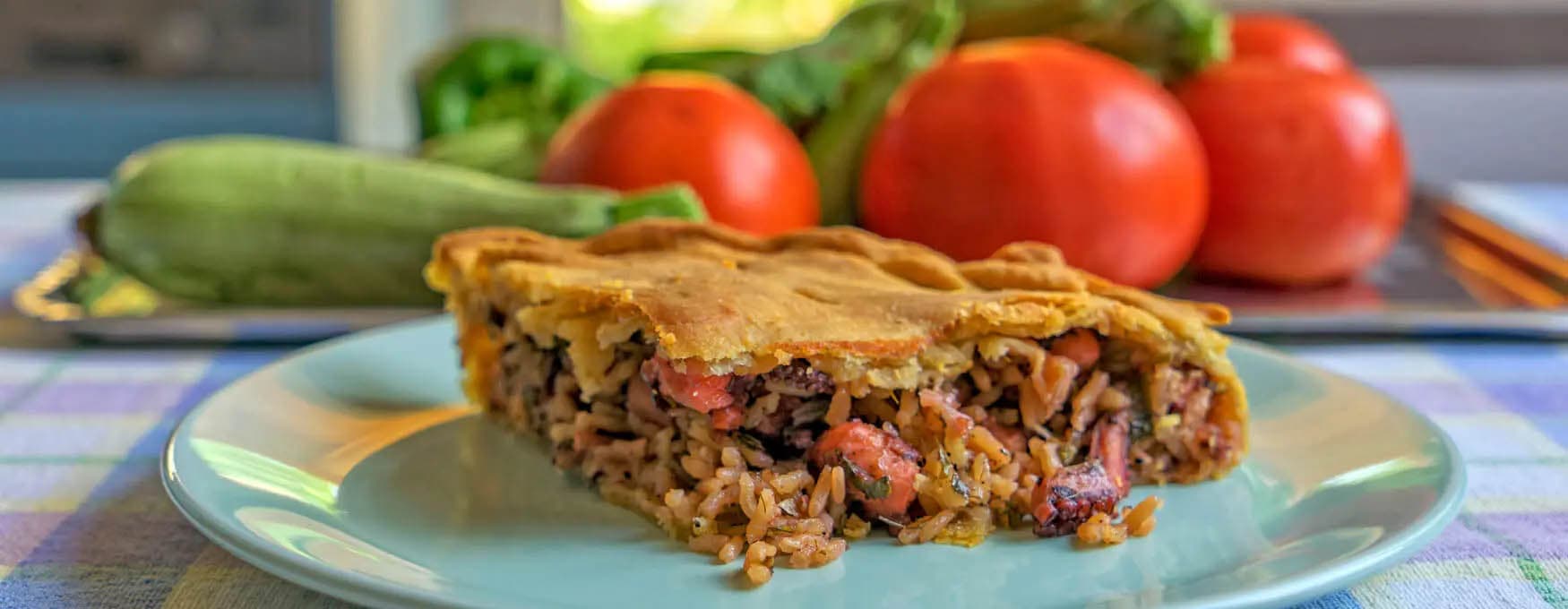
Thessaly, a fertile land steeped in culture, is widely renowned for its natural beauty and storied history. Yet, it also boasts an exceptional culinary tradition that never fails to captivate the palate: its unique, handmade pies. From the rugged peaks of the Agrafa mountains to the vast plains of Larissa, these pies are an integral part of the local identity, carrying within their flavours memories and aromas kneaded with love.
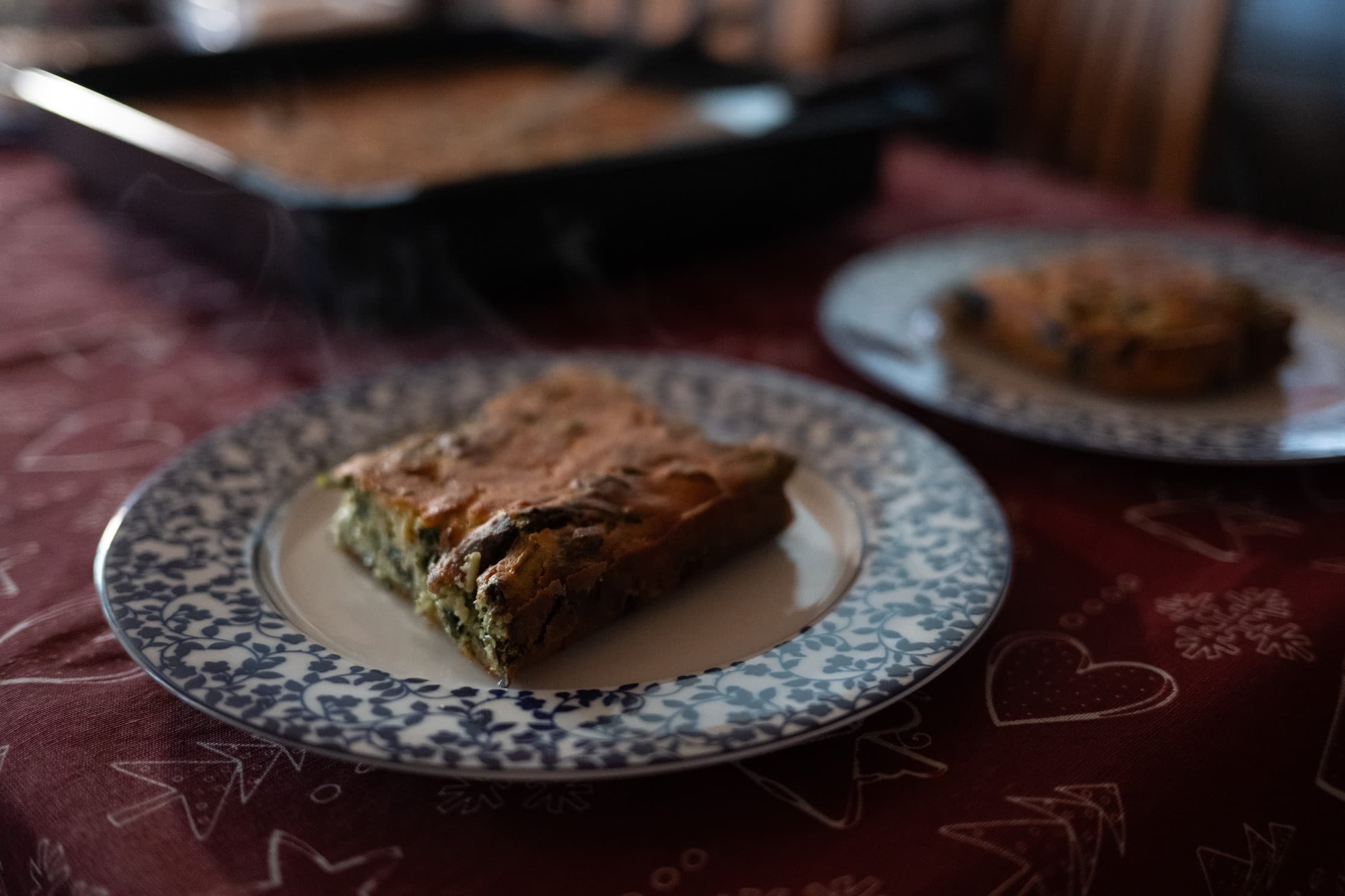
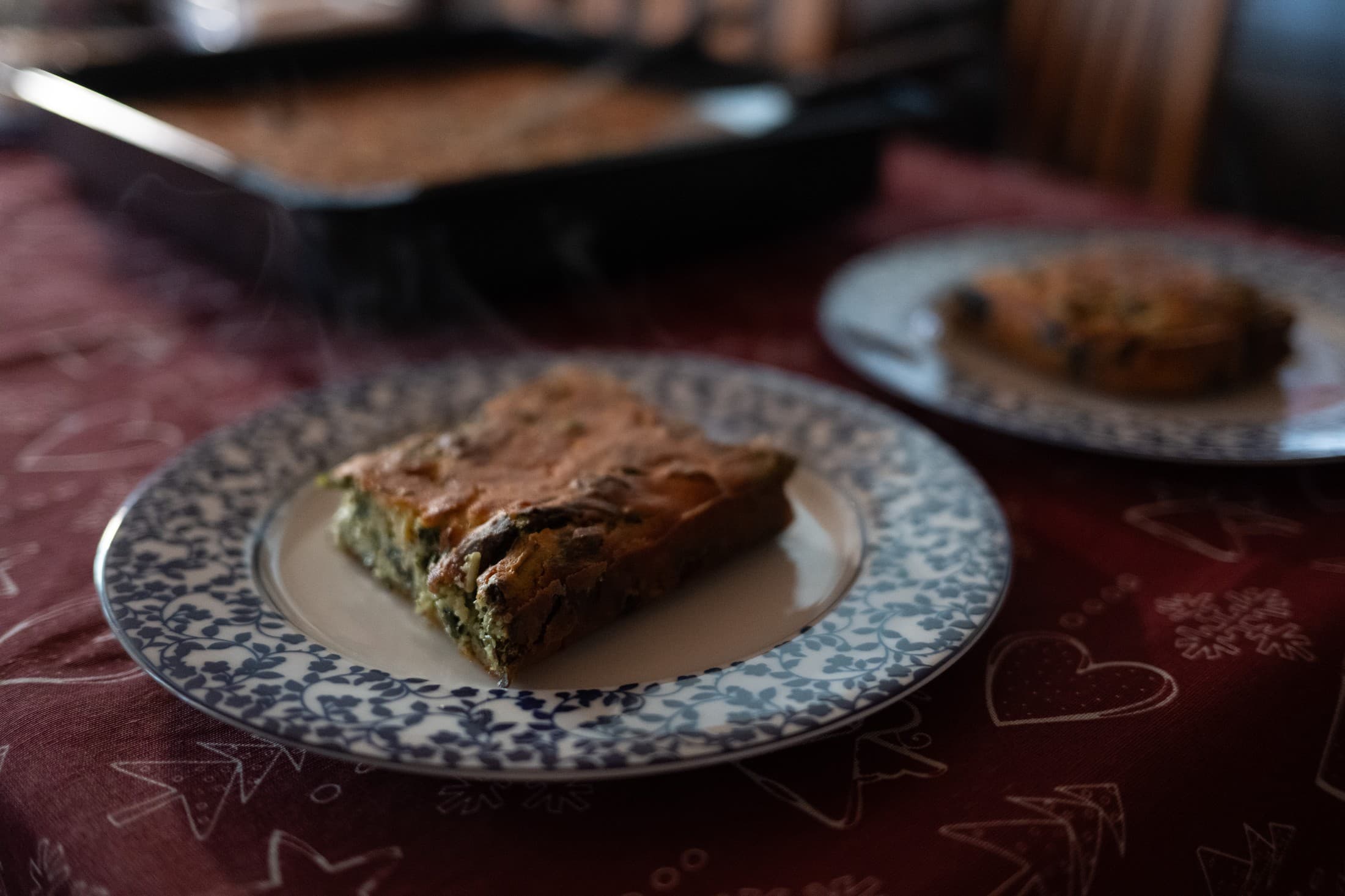
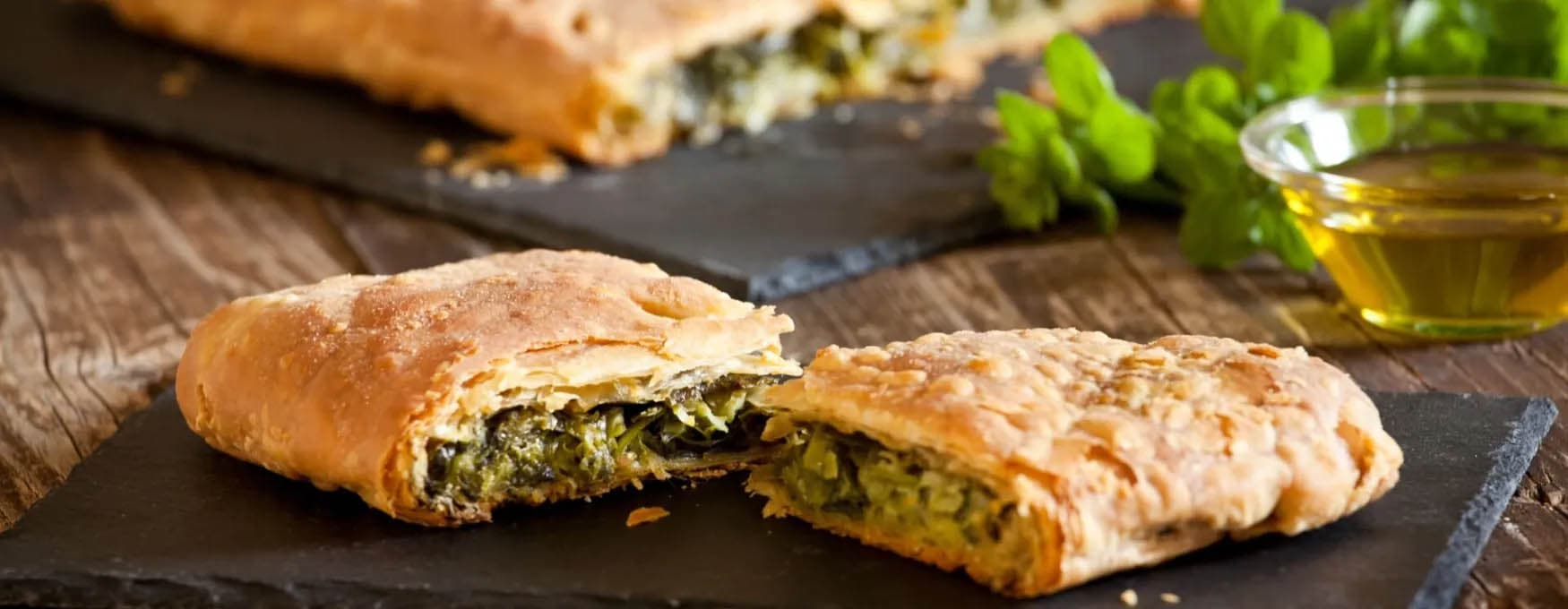
A special place in the hearts—and on the tables—of the Thessalians is reserved for Plastos. This is a "crustless" pie, made without traditional phyllo pastry; instead, it uses a rich cornmeal-based batter filled with a blend of wild and cultivated greens. Simple yet utterly delicious, it is defined by a sense of rustic authenticity. Equally famous is the Batzina (or Batzara), a crustless pie made with pumpkin (or squash), eggs, and feta cheese, baked until it achieves a perfect, golden crunch.
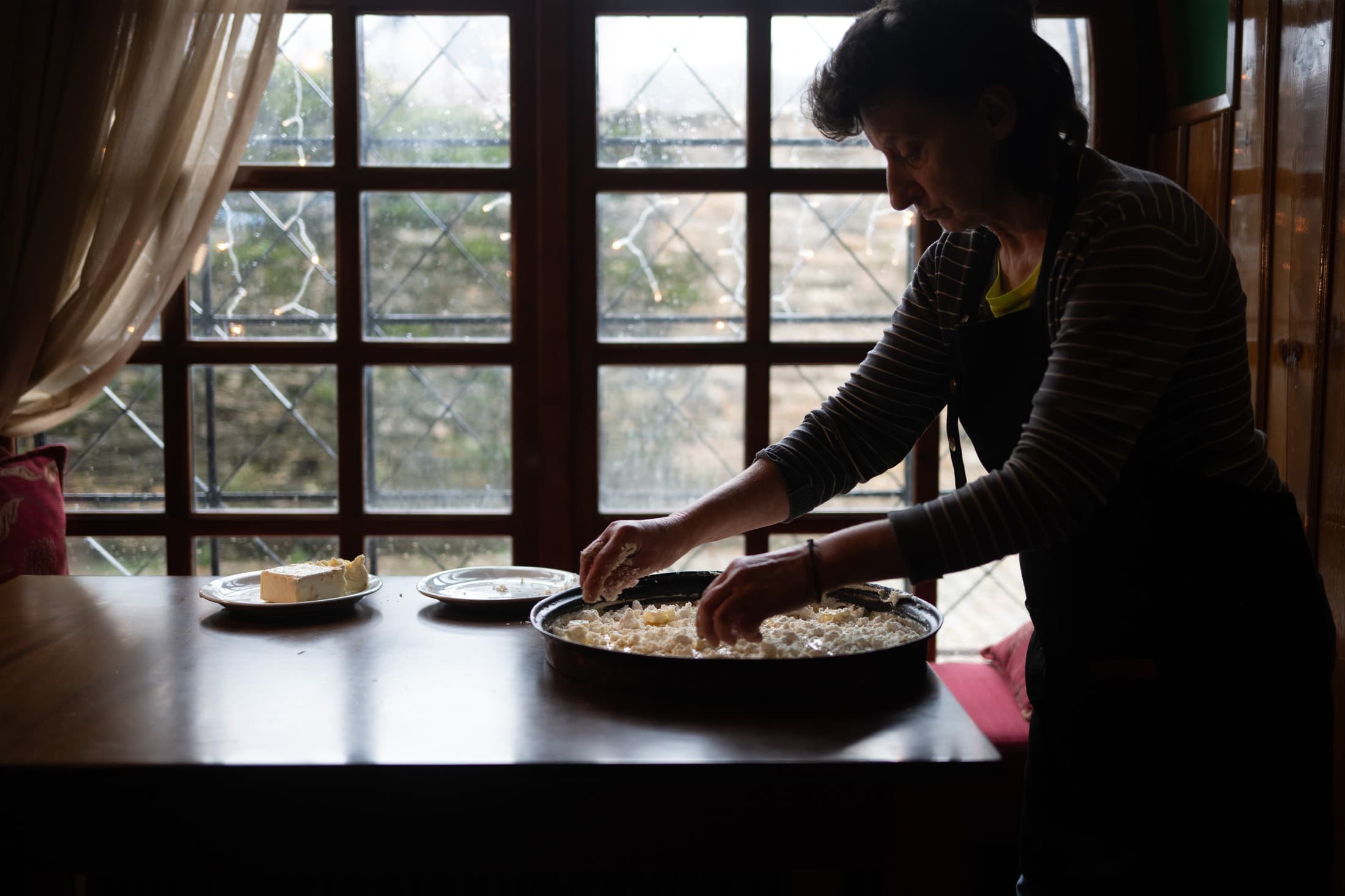
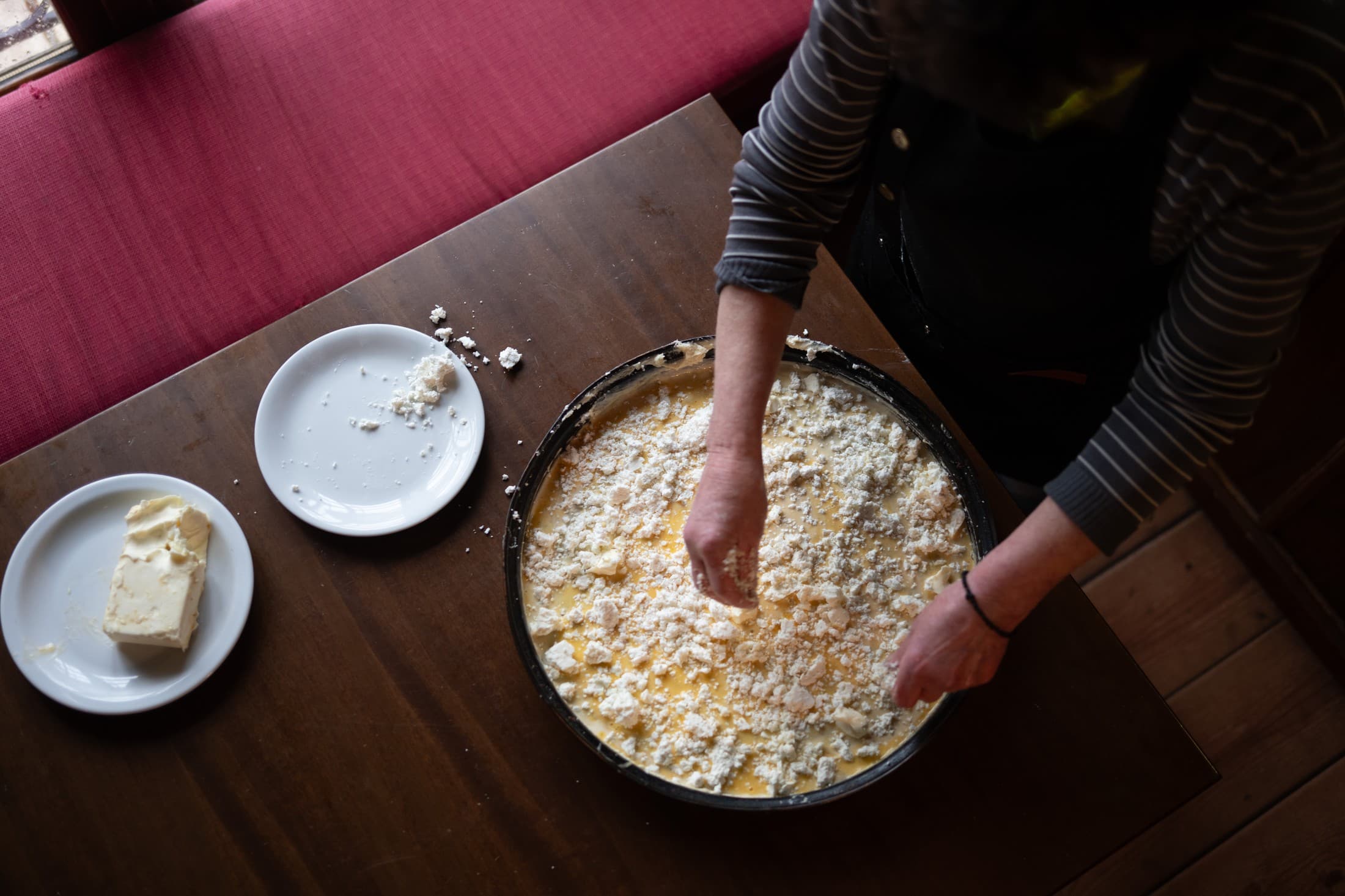
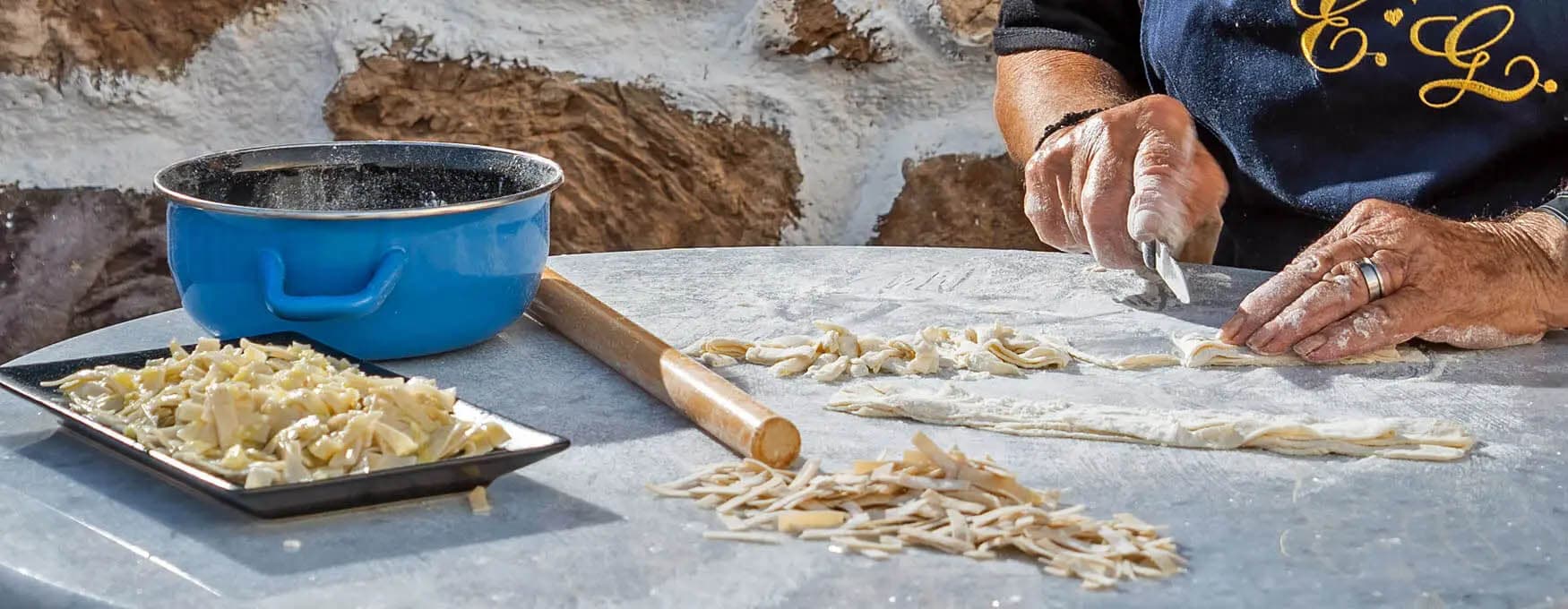
Trachanopita, crafted with sweet trahanas (a traditional fermented grain and milk pasta) and feta, evokes nostalgic images of village grandmothers cooking with meraki—that unique Greek passion and soul. Another traditional staple is Bobota, a hearty pie of cornmeal and greens, while the Kreatopita of Larissa—rich with meat, trahanas, and aromatic herbs—is a warming dish that nourishes both the body and the soul.
The pies of Thessaly are, without exaggeration, a cultural ritual. With recipes deeply rooted in Thessalian heritage, they are never absent from religious festivals, local fairs, or the everyday family table. Wander through the traditional villages, embrace the warmth of local hospitality, and savour pies that carry the true "scent" of Greece. This is gastronomy born from the daily life of the past, honouring local ingredients and reaching the present day having nourished generations upon generations.
A special place in the hearts—and on the tables—of the Thessalians is reserved for Plastos. This is a "crustless" pie, made without traditional phyllo pastry; instead, it uses a rich cornmeal-based batter filled with a blend of wild and cultivated greens. Simple yet utterly delicious, it is defined by a sense of rustic authenticity. Equally famous is the Batzina (or Batzara), a crustless pie made with pumpkin (or squash), eggs, and feta cheese, baked until it achieves a perfect, golden crunch.
Trachanopita, crafted with sweet trahanas (a traditional fermented grain and milk pasta) and feta, evokes nostalgic images of village grandmothers cooking with meraki—that unique Greek passion and soul. Another traditional staple is Bobota, a hearty pie of cornmeal and greens, while the Kreatopita of Larissa—rich with meat, trahanas, and aromatic herbs—is a warming dish that nourishes both the body and the soul.
The pies of Thessaly are, without exaggeration, a cultural ritual. With recipes deeply rooted in Thessalian heritage, they are never absent from religious festivals, local fairs, or the everyday family table. Wander through the traditional villages, embrace the warmth of local hospitality, and savour pies that carry the true "scent" of Greece. This is gastronomy born from the daily life of the past, honouring local ingredients and reaching the present day having nourished generations upon generations.