An imposing monument of faith and history
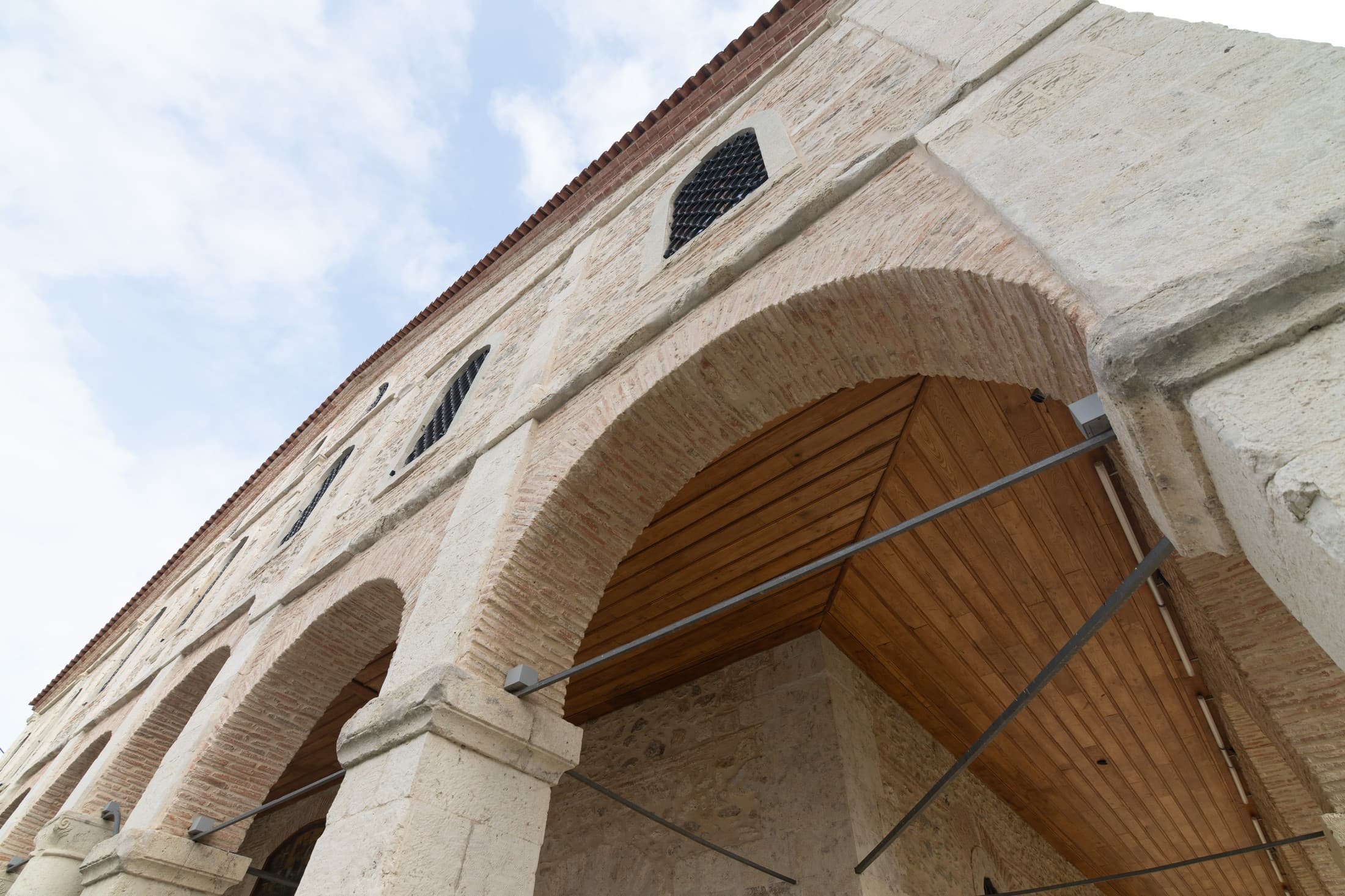
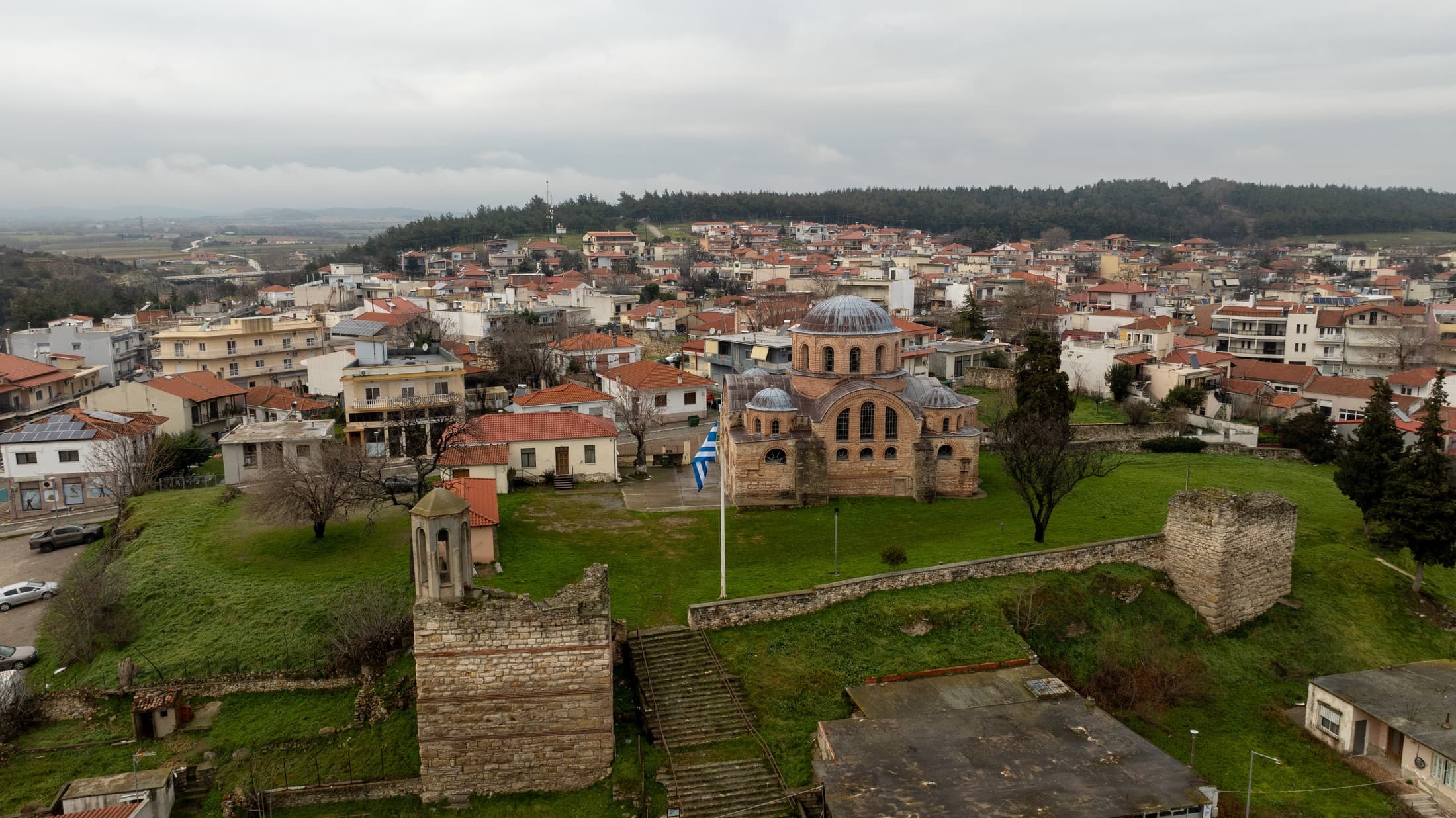
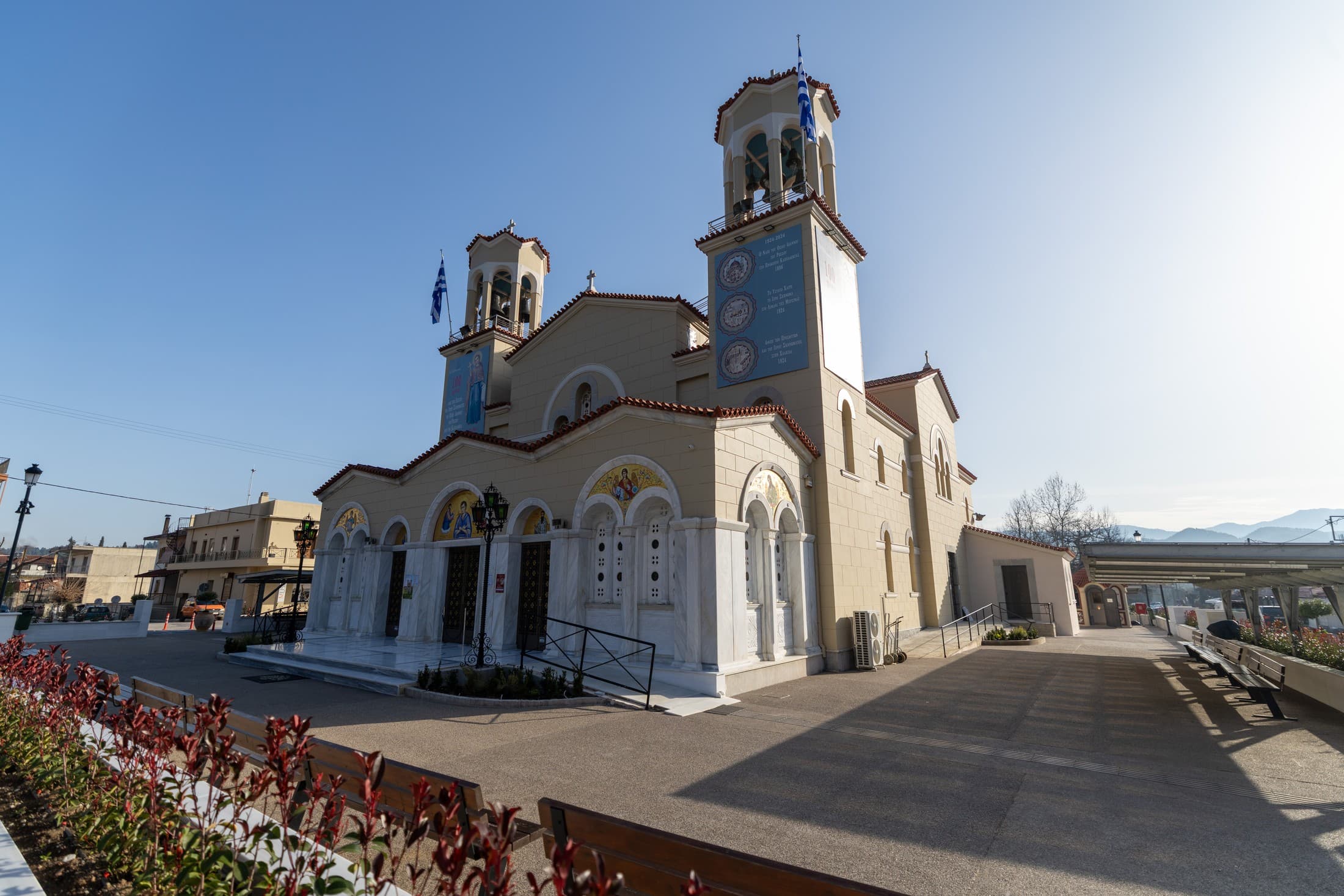
The metropolitan church of Saint George, in the centre of Goumenissa, is a prime example of 19th-century ecclesiastical architecture in Macedonia. Its construction, from 1863 to 1869, was carried out thanks to the personal labour and financial contributions of the inhabitants, proving its central role in the community.
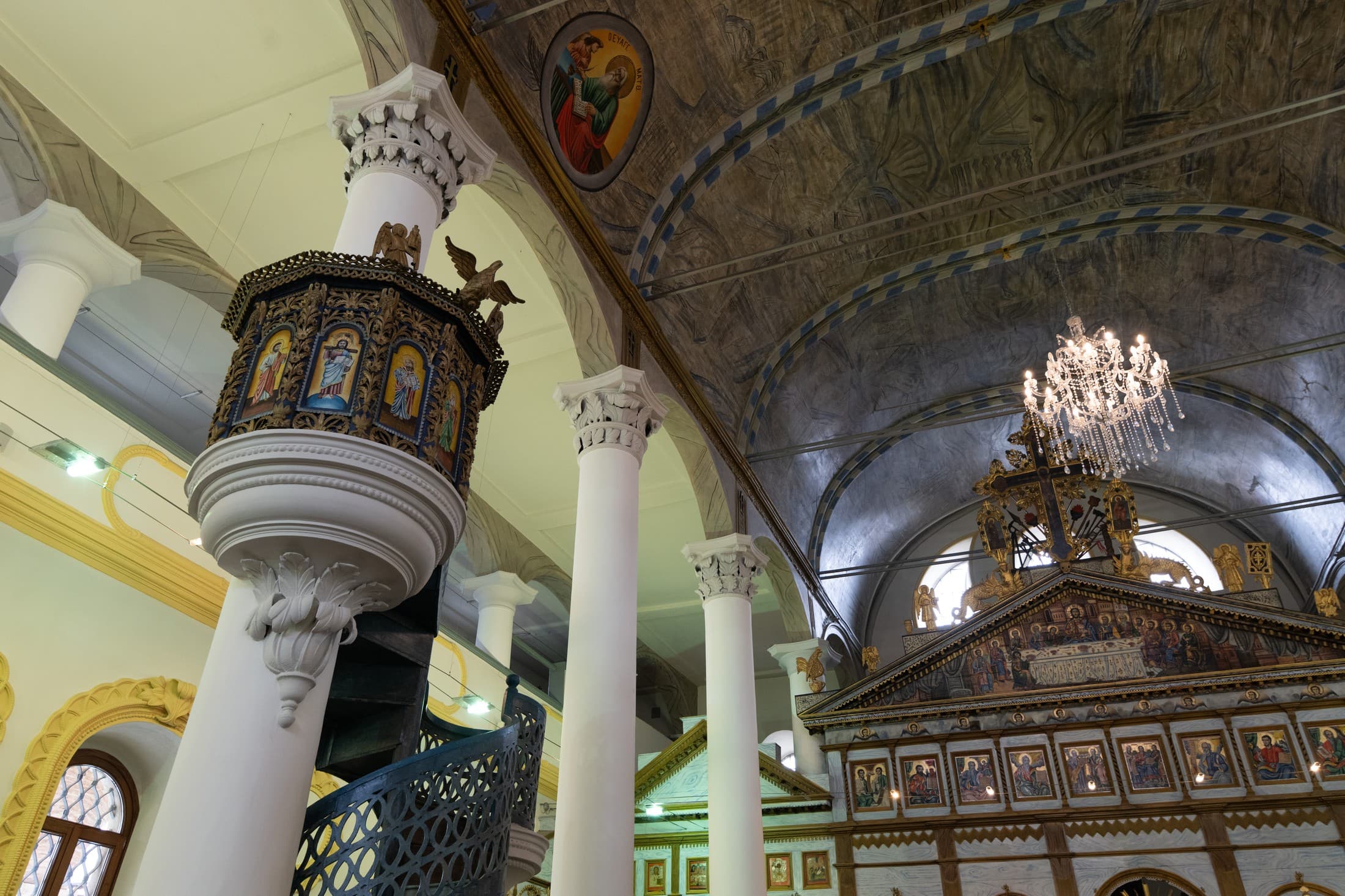
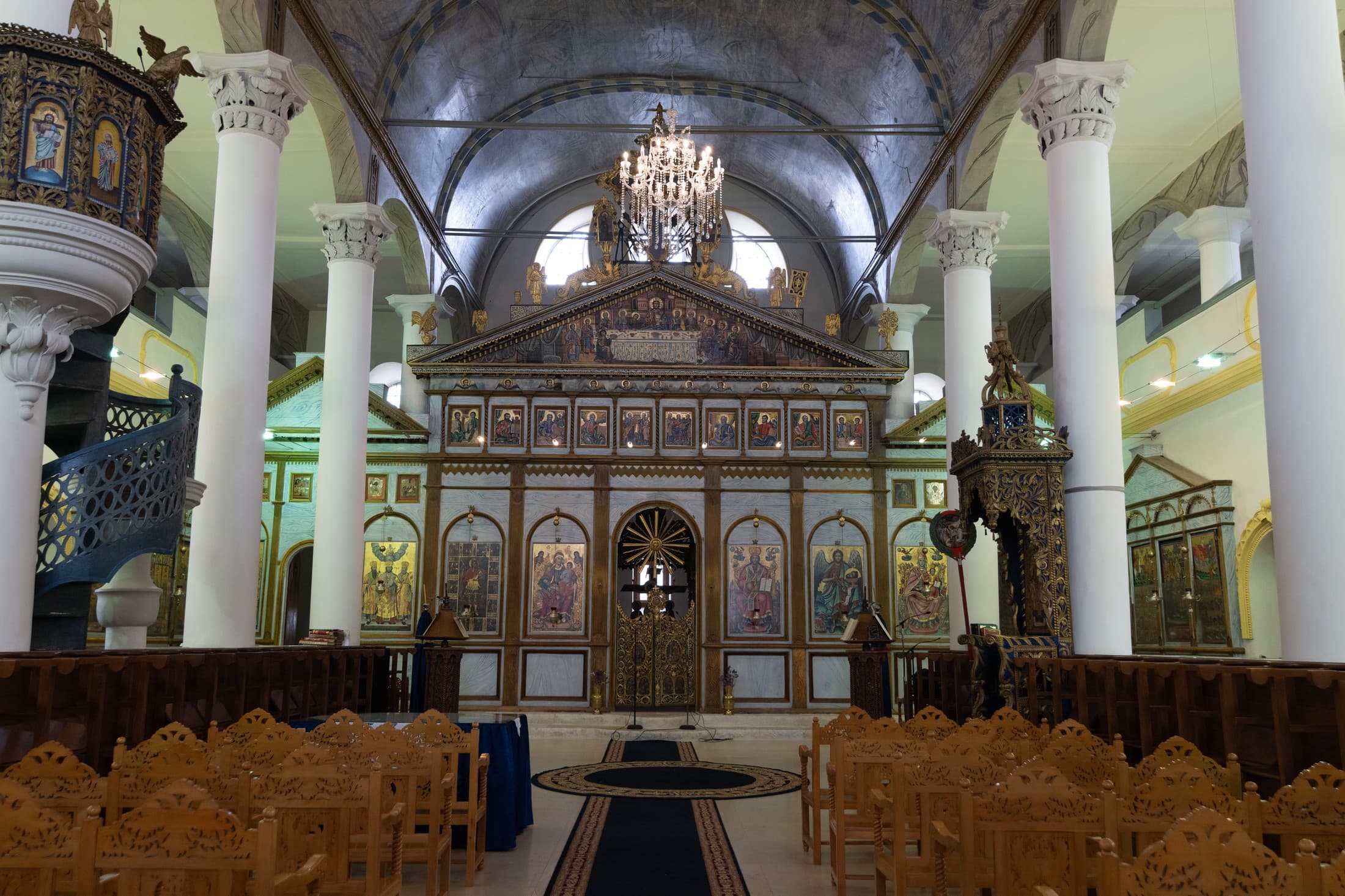
It is an imposing three-aisled timber-roofed basilica, with dimensions that rank it among the grandest churches of Central Macedonia. The architectural style of the church, with the U-shaped portico and the galleries on the three sides, is reminiscent of great urban monuments of the era, such as Saint Menas in Thessaloniki.
Until the city's liberation in 1912, the church served as the heart of Hellenism in the region, while during World War I it was even used as a hospital of the French army.
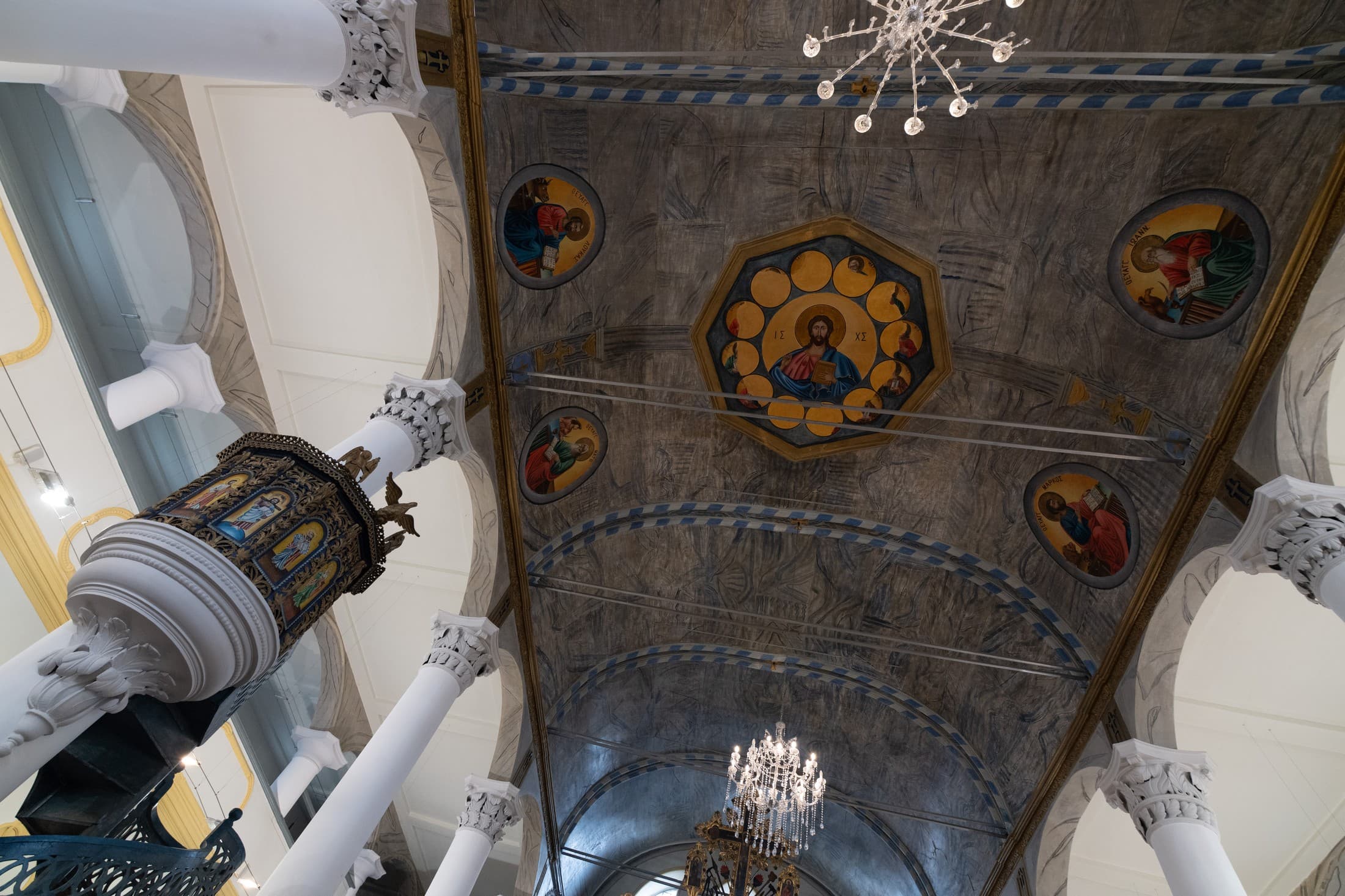
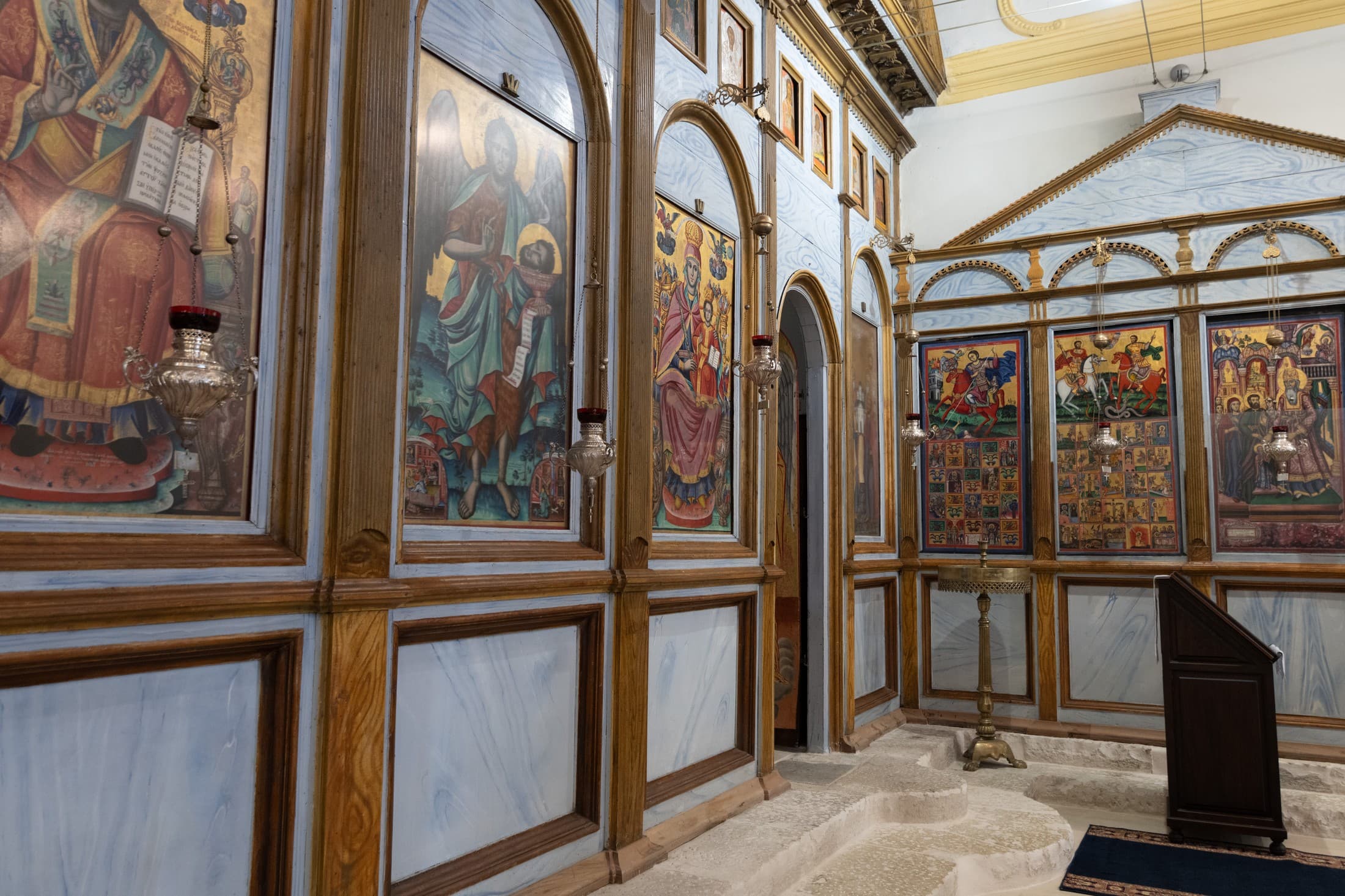
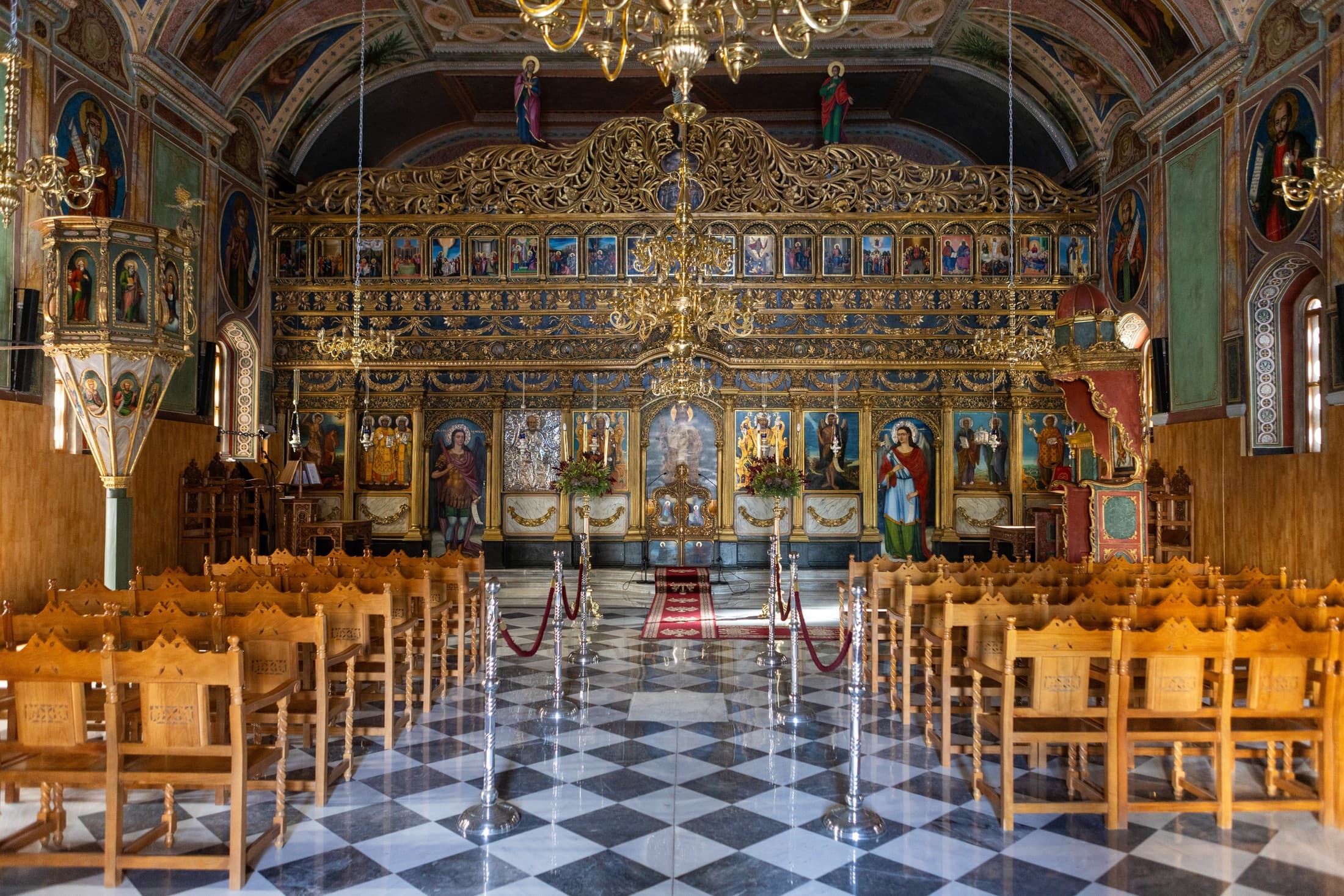
Inside, you will be enchanted by the rich artistic decoration, as it is adorned with important frescoes and elaborate wood carvings, culminating in the iconostasis (templon) that reaches the ceiling.
The church hosts portable icons of exceptional artistry, with the oldest dating back to 1825. The monument, which was declared a protected historical landmark in 1991, is a living example of post-Byzantine art and the religious history of the area.
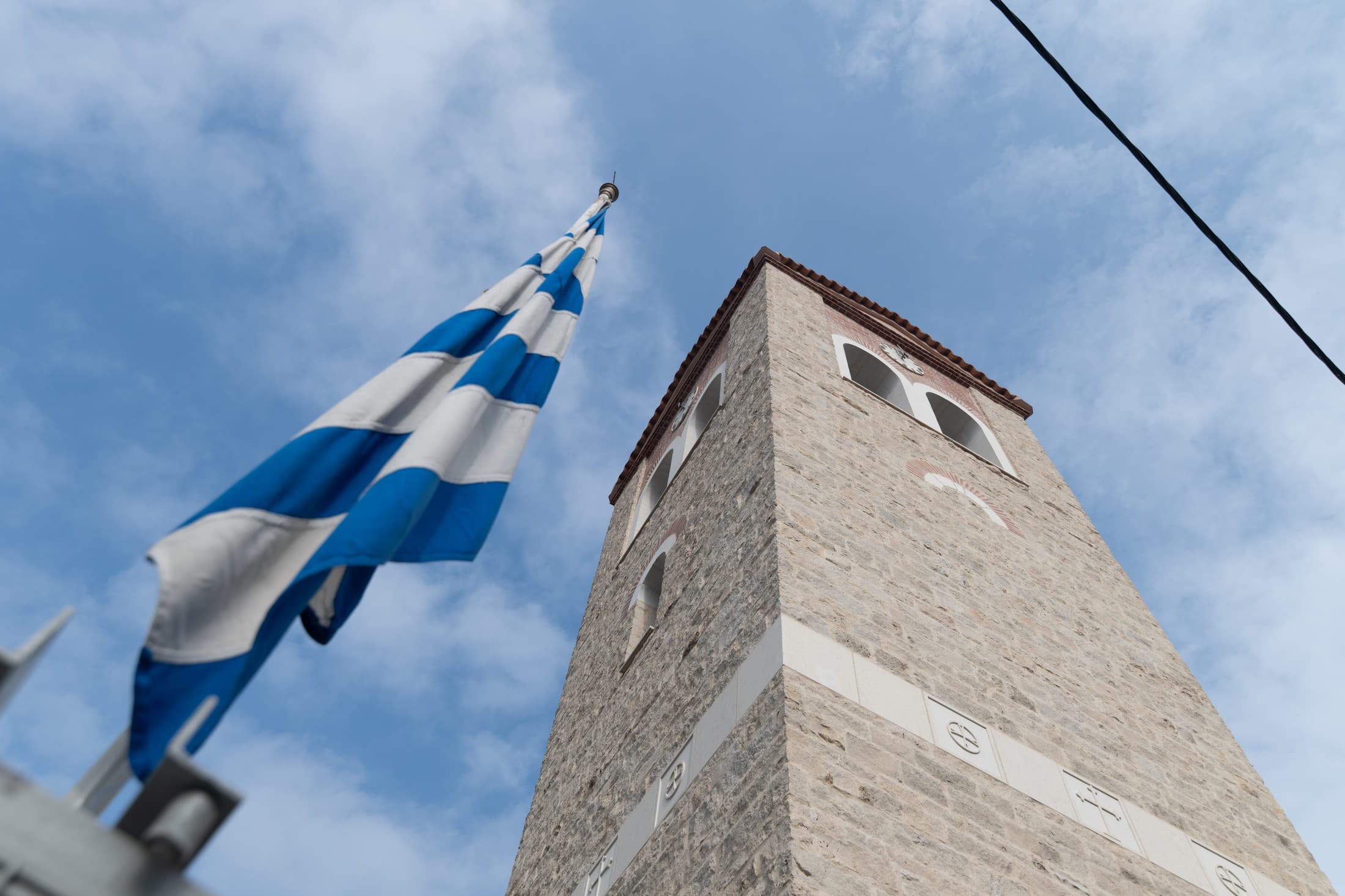
Spend some time studying the history, admiring the 19th-century art and feeling its heavy spiritual heritage. During the period 2012–2016, the church underwent maintenance and repair works, while during the same period, the current independent bell tower was constructed on the south-western side of the courtyard.
It is an imposing three-aisled timber-roofed basilica, with dimensions that rank it among the grandest churches of Central Macedonia. The architectural style of the church, with the U-shaped portico and the galleries on the three sides, is reminiscent of great urban monuments of the era, such as Saint Menas in Thessaloniki.
Until the city's liberation in 1912, the church served as the heart of Hellenism in the region, while during World War I it was even used as a hospital of the French army.
Inside, you will be enchanted by the rich artistic decoration, as it is adorned with important frescoes and elaborate wood carvings, culminating in the iconostasis (templon) that reaches the ceiling.
The church hosts portable icons of exceptional artistry, with the oldest dating back to 1825. The monument, which was declared a protected historical landmark in 1991, is a living example of post-Byzantine art and the religious history of the area.
Spend some time studying the history, admiring the 19th-century art and feeling its heavy spiritual heritage. During the period 2012–2016, the church underwent maintenance and repair works, while during the same period, the current independent bell tower was constructed on the south-western side of the courtyard.