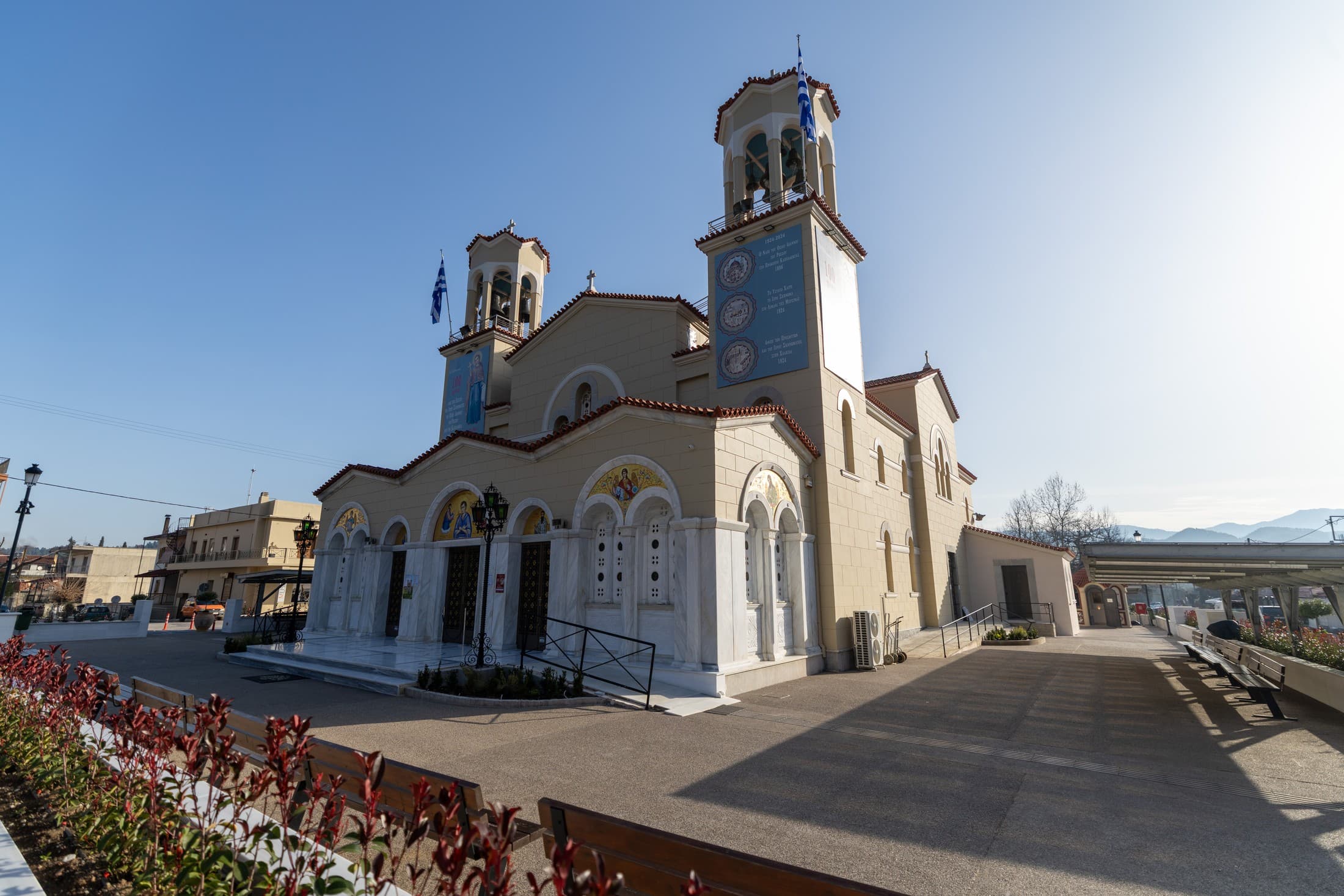
A cathedral worthy of the city's patron saint
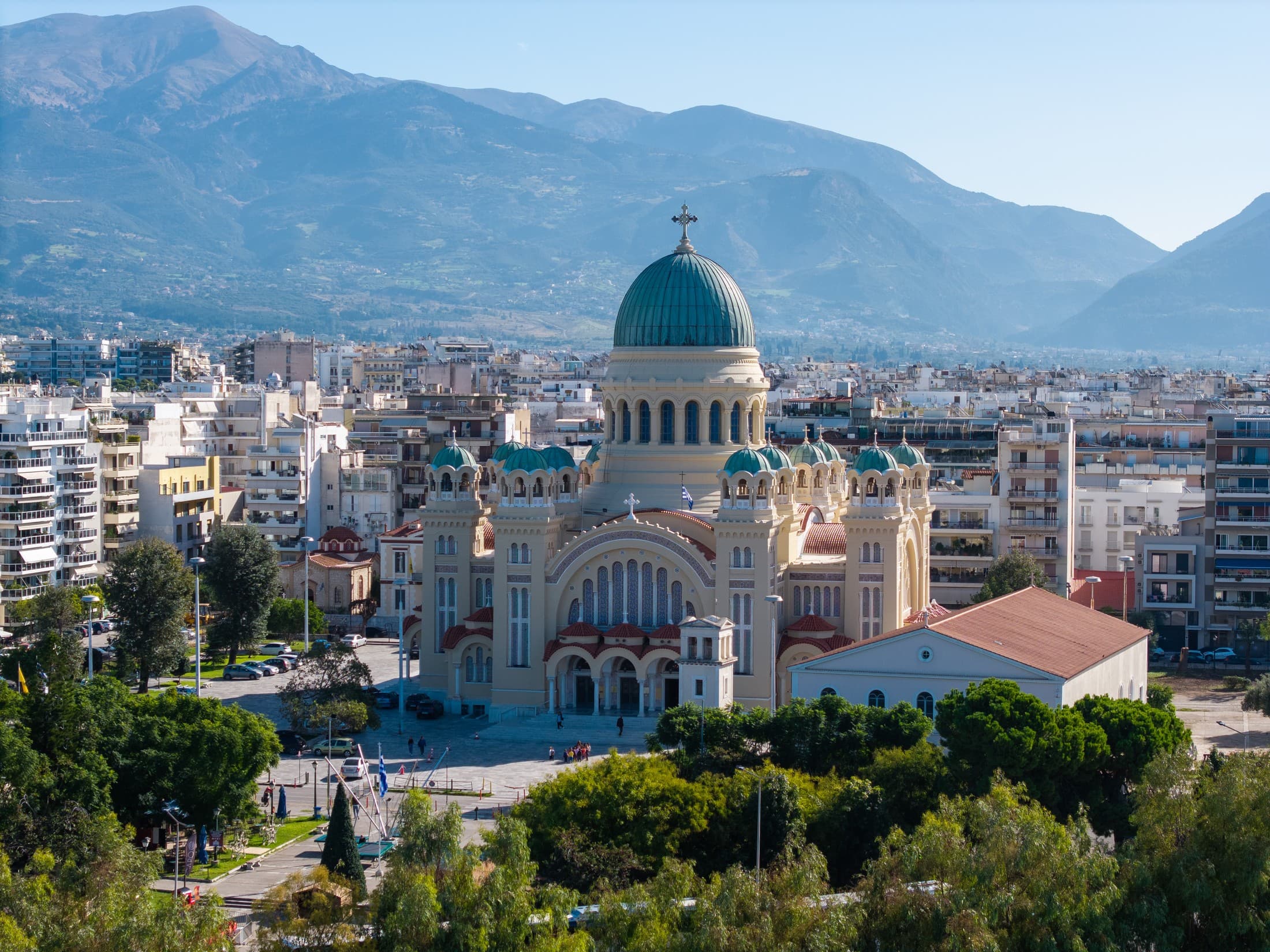
Dedicated to the First-Called of the Apostles and patron saint of Patras, the Holy Church of Saint Andrew stands just a few steps from the sea. It is the largest church in Greece and one of the largest in the Balkans, serving as a landmark not only for religious life but also for the historical identity of Patras.
The decision to erect a temple worthy of Saint Andrew's significance led to an international architectural competition in 1902. From the 32 proposals submitted, the design by French architect Emile Robert was selected, though it sparked intense debate due to its Western character. The foundation stone was laid on 1 June 1908 in the presence of King George I; however, the historical upheavals of the 20th century—wars, earthquakes, and economic hardships—significantly delayed its completion.
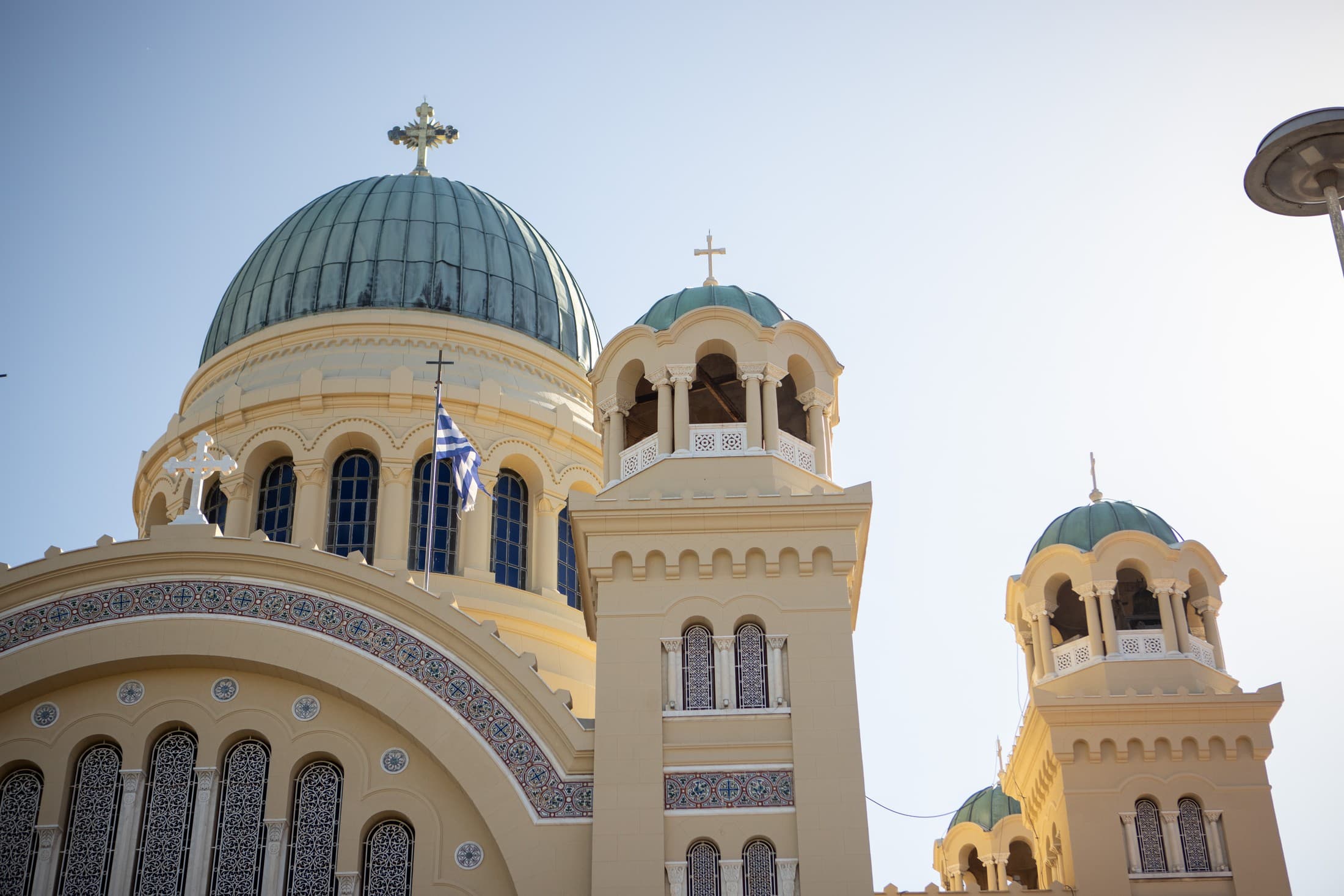
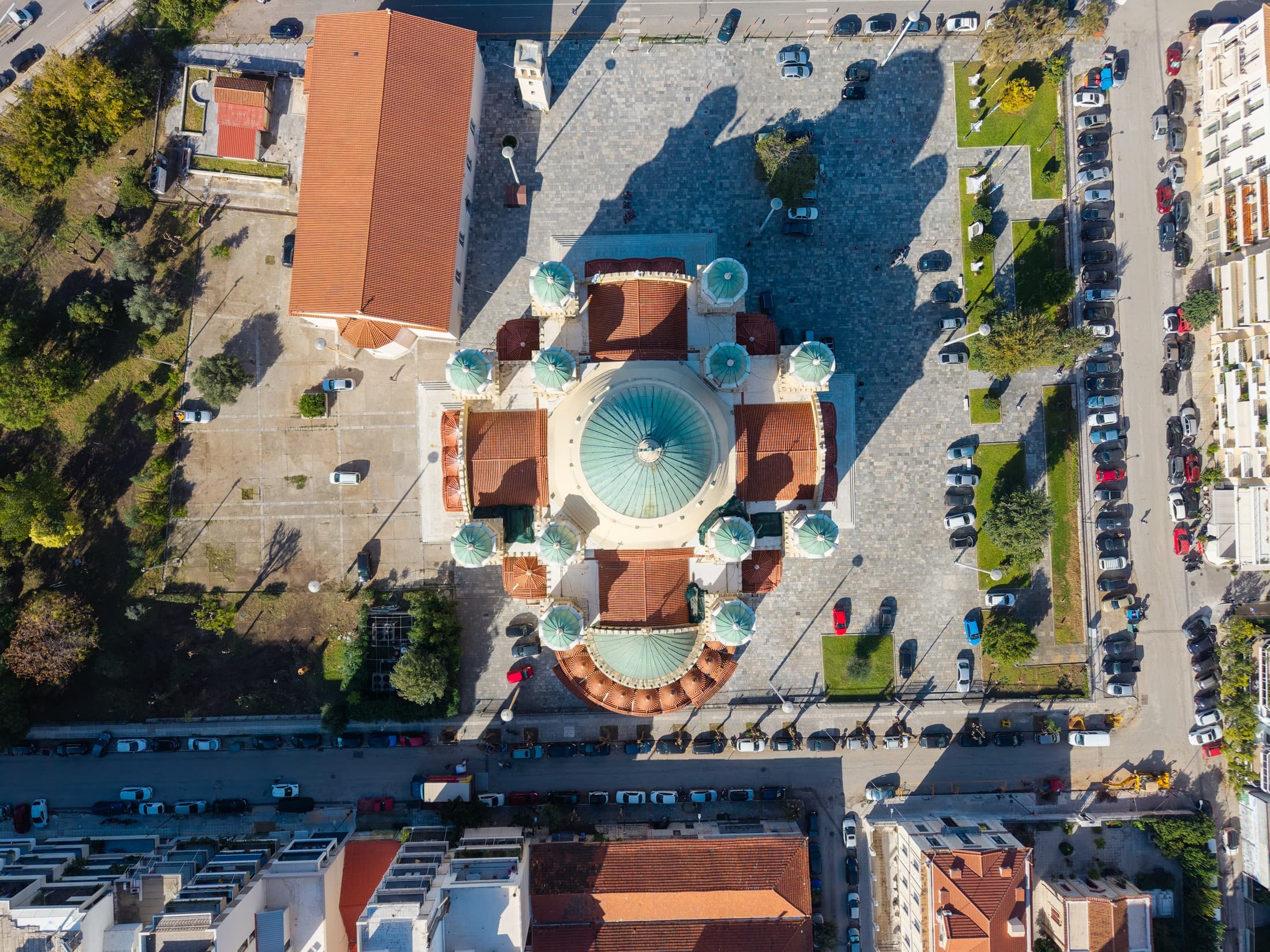
The church is a Greek-cross-plan with a dome, influenced by Byzantine tradition. The central dome, reaching a height of 40.5 m, is surrounded by twelve smaller domes, symbolising Christ and the Twelve Apostles. The total area of the church covers 1,900 sq. m., while its capacity is estimated at approximately 7,500 worshippers, making it unique within the Greek landscape.
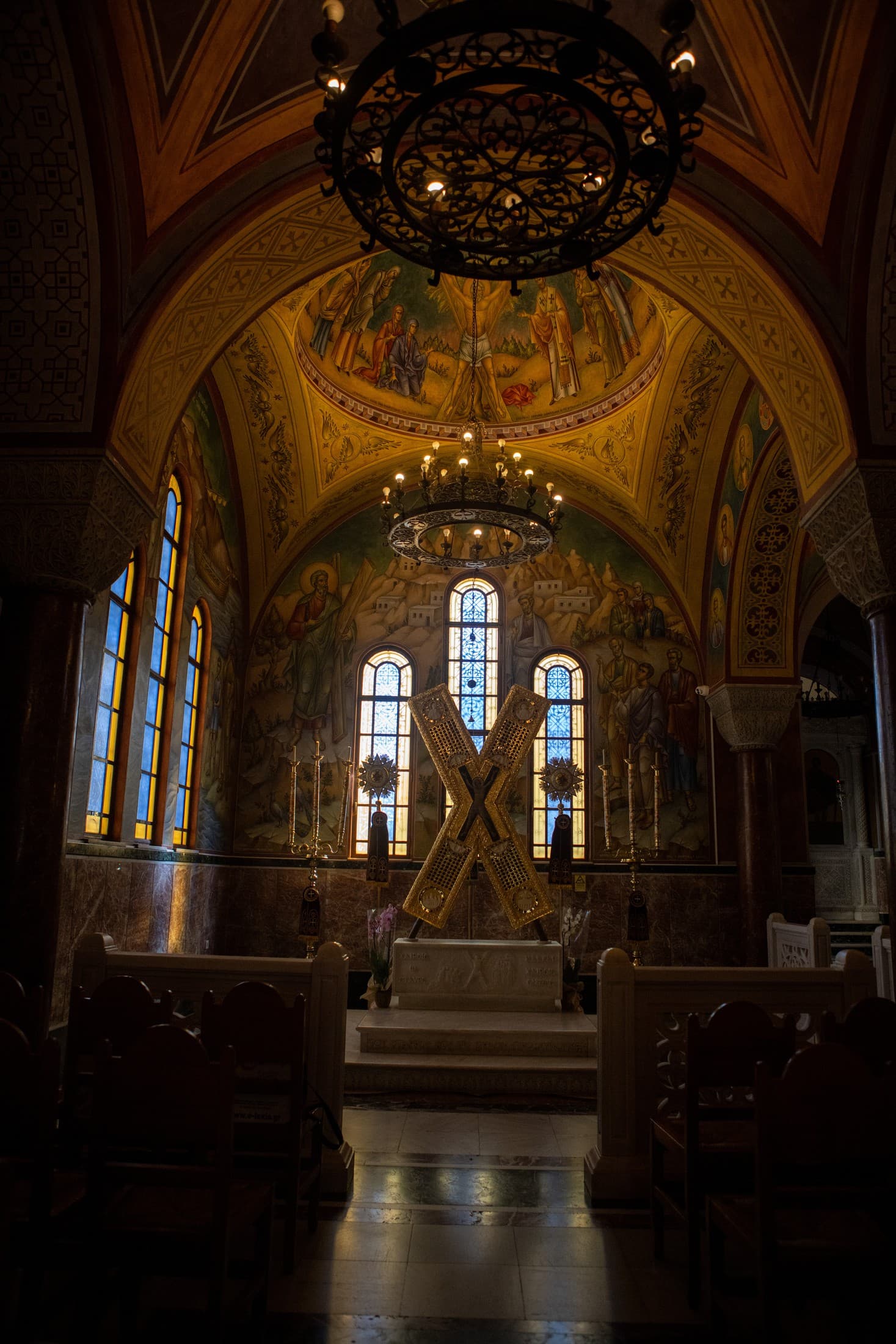
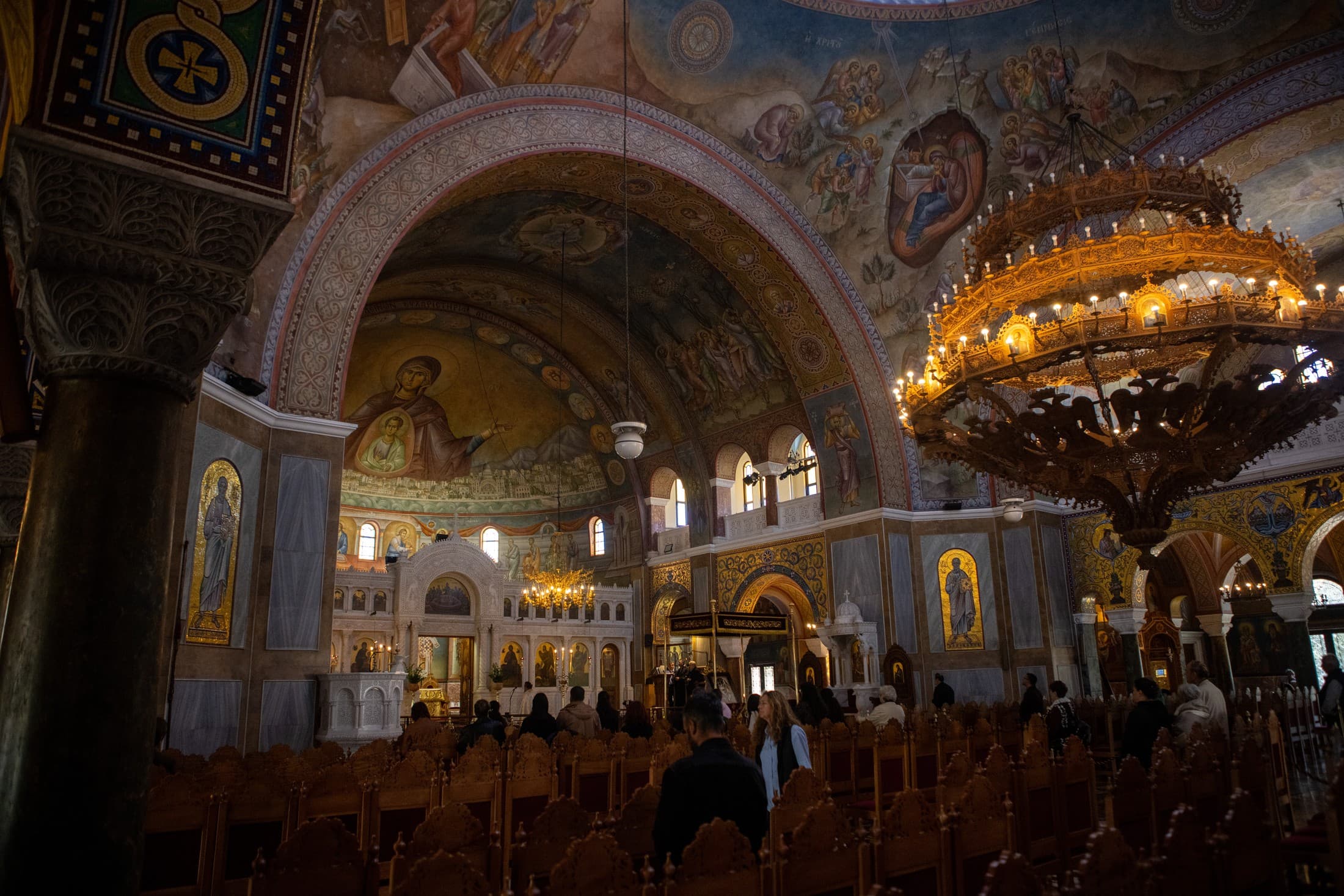
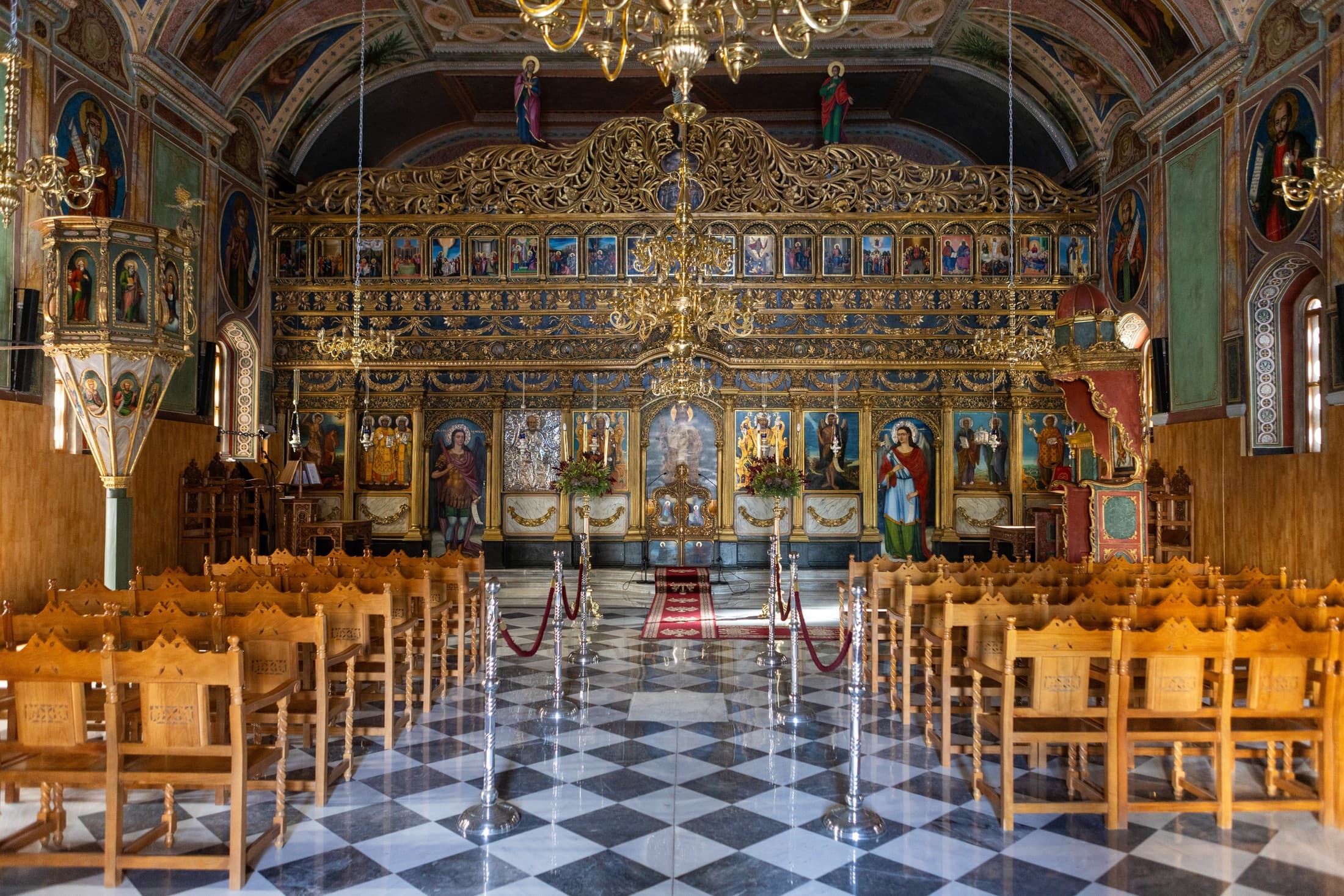
The church was inaugurated on 26 September 1974, ten years after the return of the Holy Skull of Saint Andrew from Rome to Patras (1964). Sacred relics of great significance to Orthodoxy are kept within, while the hagiography was completed gradually with works following the Byzantine iconographic tradition.
The feast of Saint Andrew is celebrated every year on 30 November and is a pinnacle moment for the city. Visit the church and experience firsthand one of the most important religious monuments in Greece.
The decision to erect a temple worthy of Saint Andrew's significance led to an international architectural competition in 1902. From the 32 proposals submitted, the design by French architect Emile Robert was selected, though it sparked intense debate due to its Western character. The foundation stone was laid on 1 June 1908 in the presence of King George I; however, the historical upheavals of the 20th century—wars, earthquakes, and economic hardships—significantly delayed its completion.
The church is a Greek-cross-plan with a dome, influenced by Byzantine tradition. The central dome, reaching a height of 40.5 m, is surrounded by twelve smaller domes, symbolising Christ and the Twelve Apostles. The total area of the church covers 1,900 sq. m., while its capacity is estimated at approximately 7,500 worshippers, making it unique within the Greek landscape.
The church was inaugurated on 26 September 1974, ten years after the return of the Holy Skull of Saint Andrew from Rome to Patras (1964). Sacred relics of great significance to Orthodoxy are kept within, while the hagiography was completed gradually with works following the Byzantine iconographic tradition.
The feast of Saint Andrew is celebrated every year on 30 November and is a pinnacle moment for the city. Visit the church and experience firsthand one of the most important religious monuments in Greece.