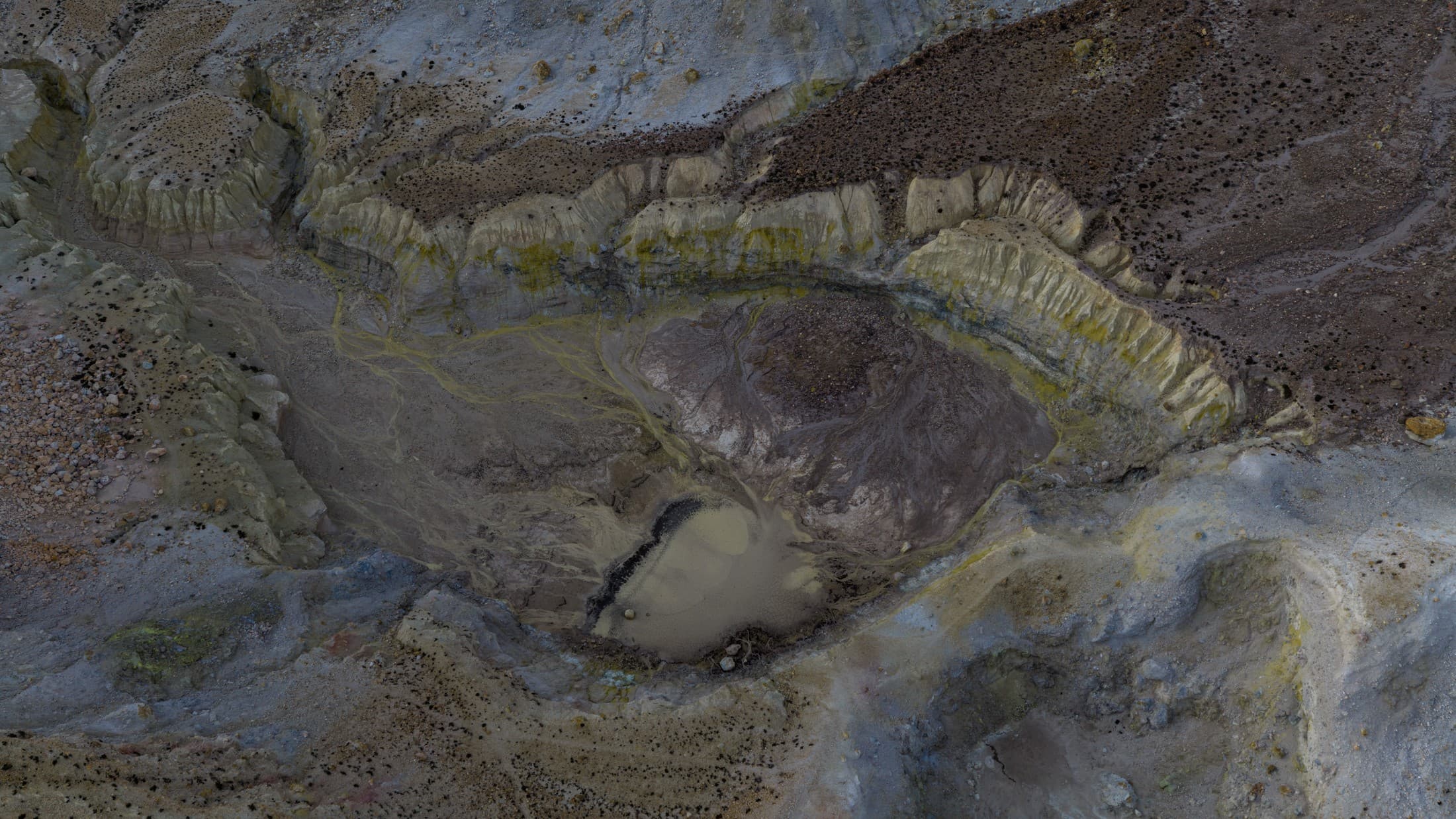
Getting to know Polyvotis
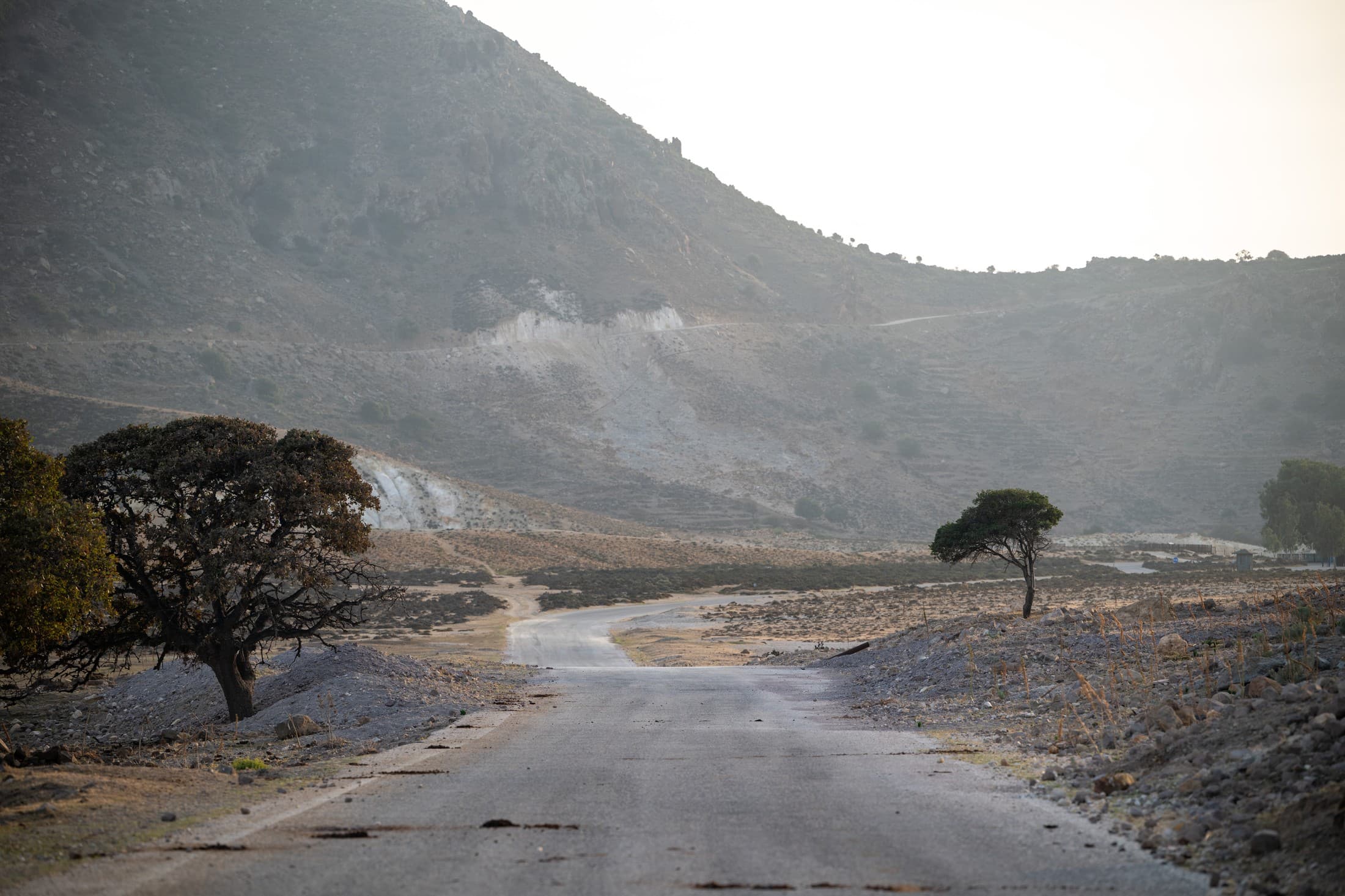
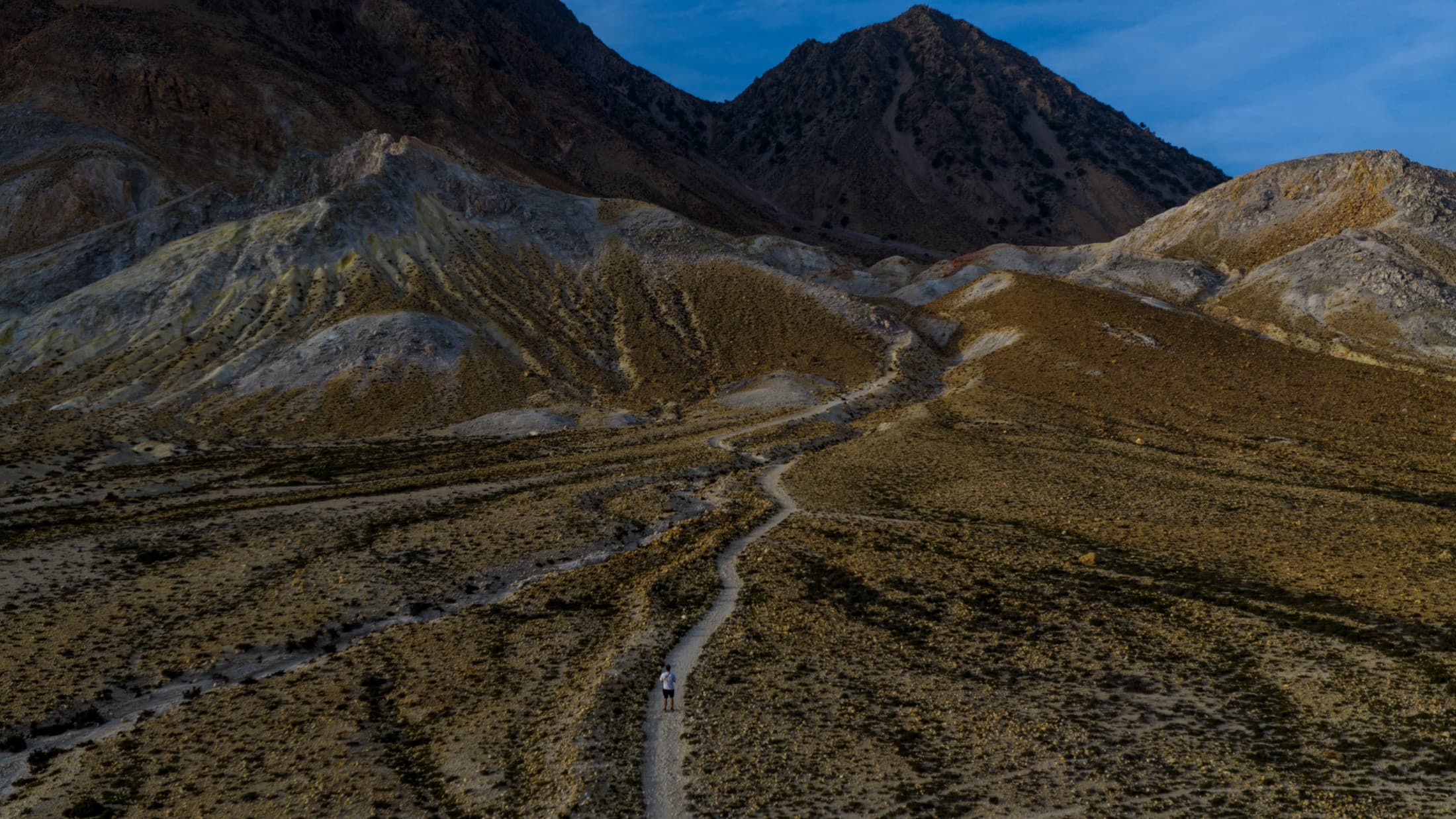
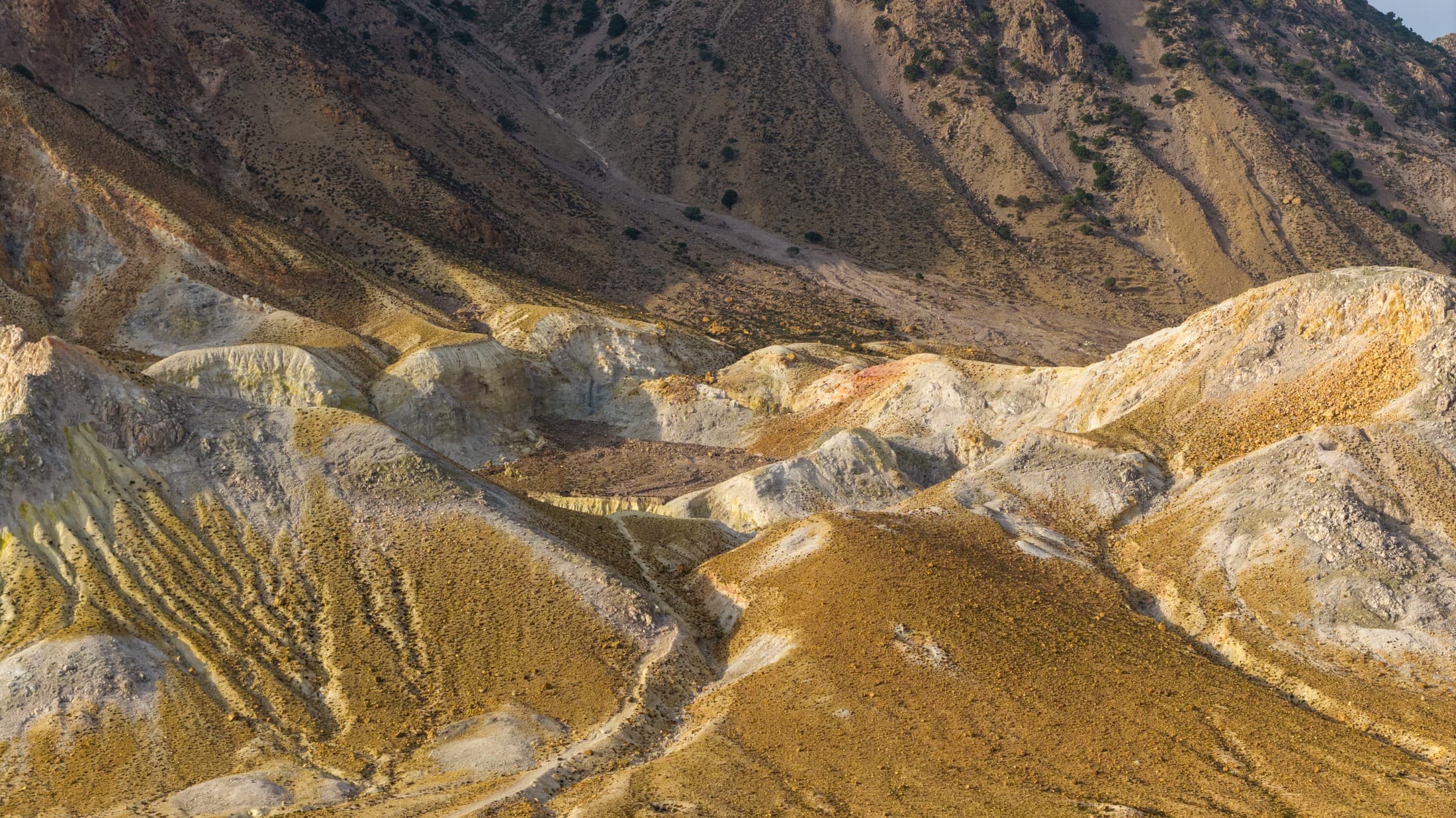
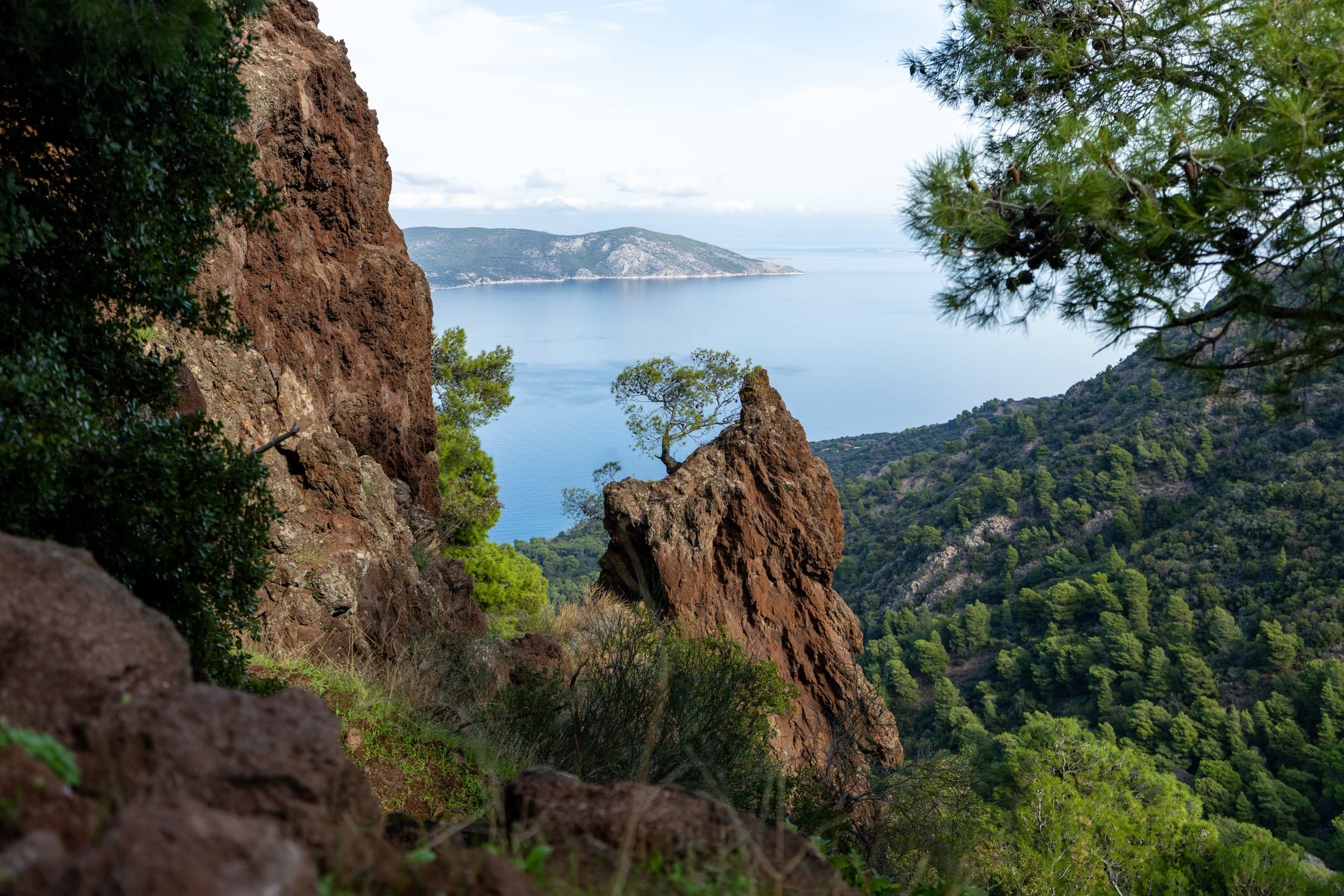
Nisyros, the youngest of the major volcanic centres of Greece, is a living geological laboratory in the Aegean. Along with Methana, Milos and Santorini, it belongs to the active volcanoes of our country, with its mountainous and extremely fertile soil telling a story of "eruptions" that begins 160,000 years ago.
A Caldera of World Beauty
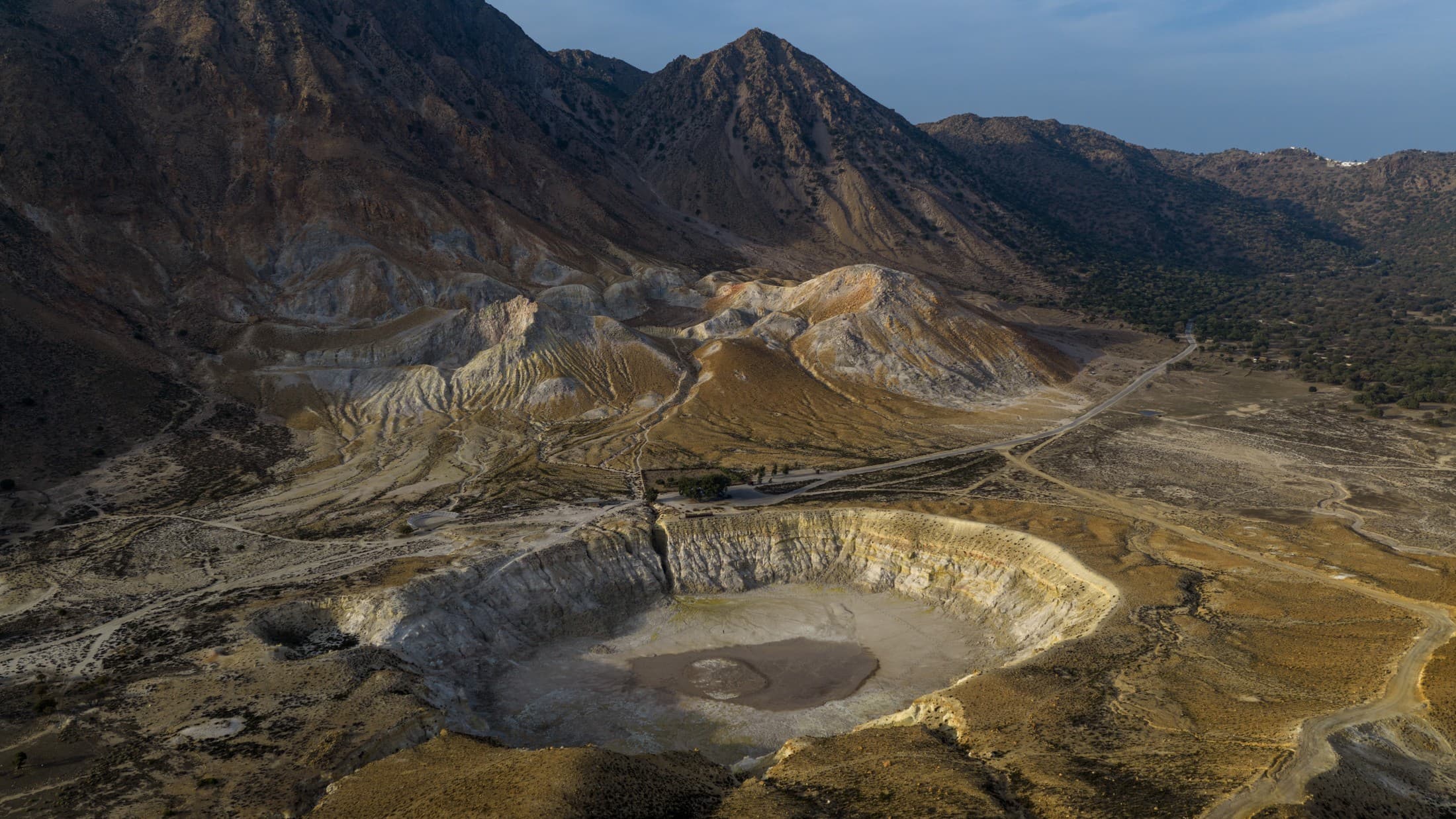
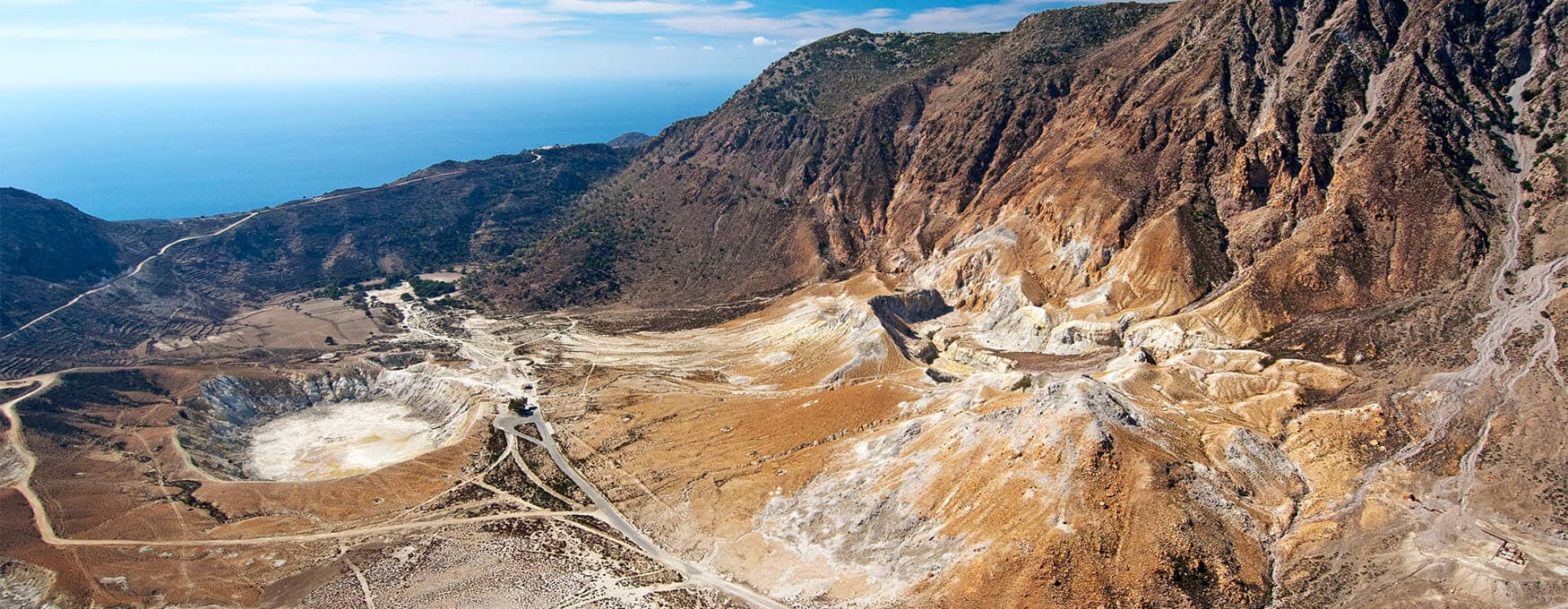
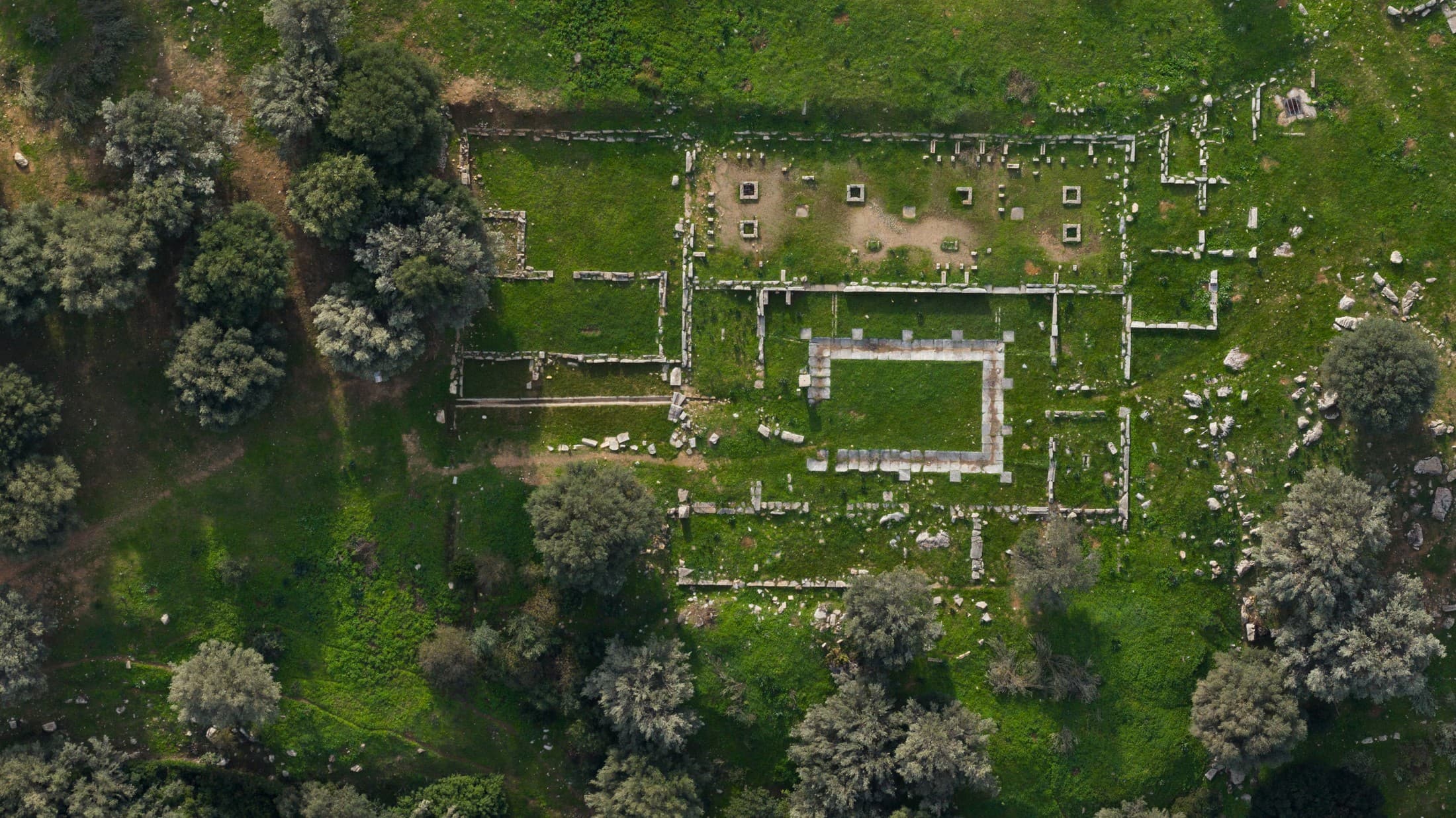
The island is dominated by a superbly preserved caldera, 4 km in diameter. Its diverse volcanic rocks (basalt, andesites, dacites) not only define the landscape, but have historically been used in the architecture of the island. Notable examples include Paleokastro and the impressive bell tower of the Church of Agios Ioannis Theologos in the village of Nikia.
The Craters: A Rare Spectacle
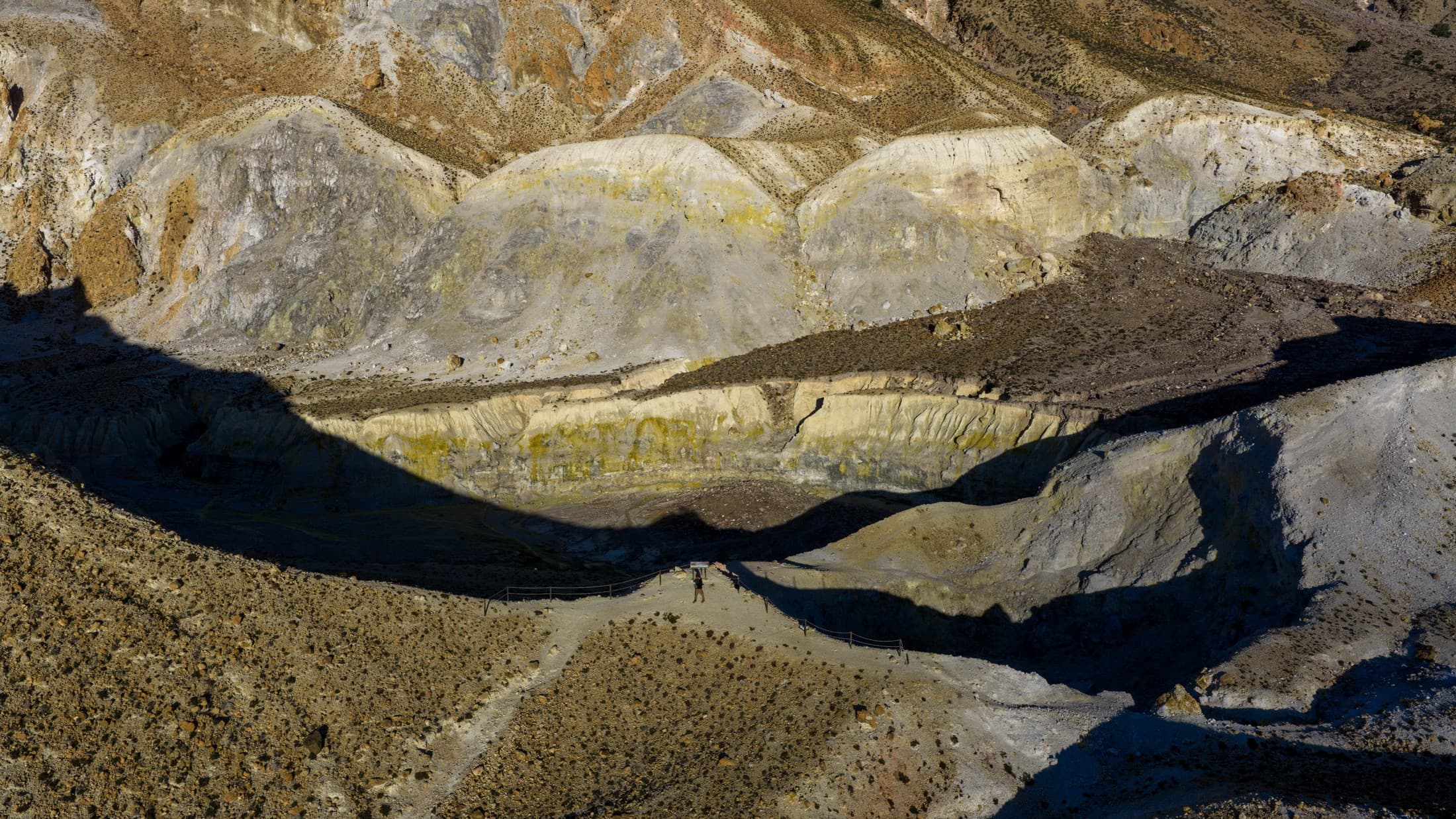
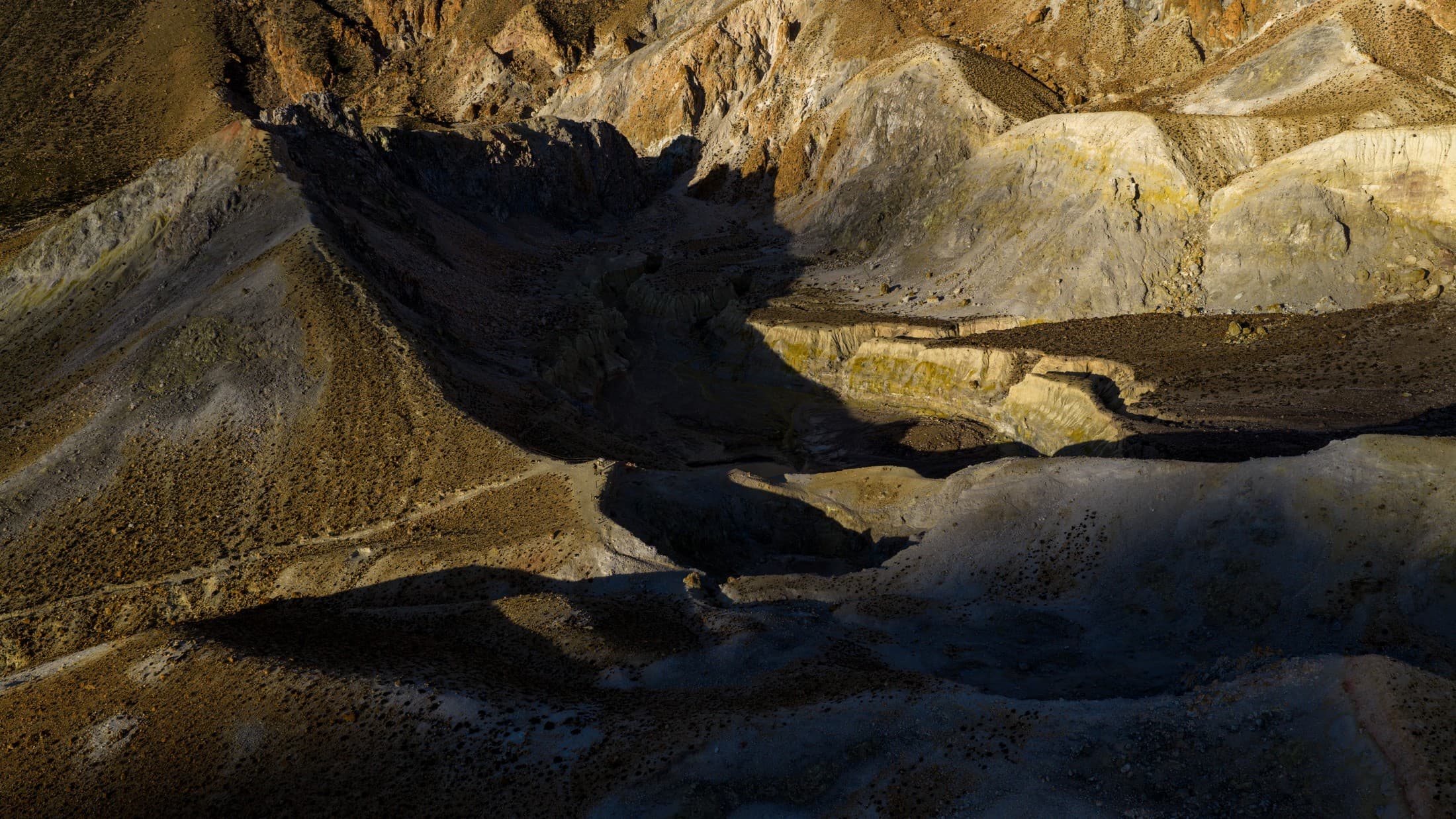
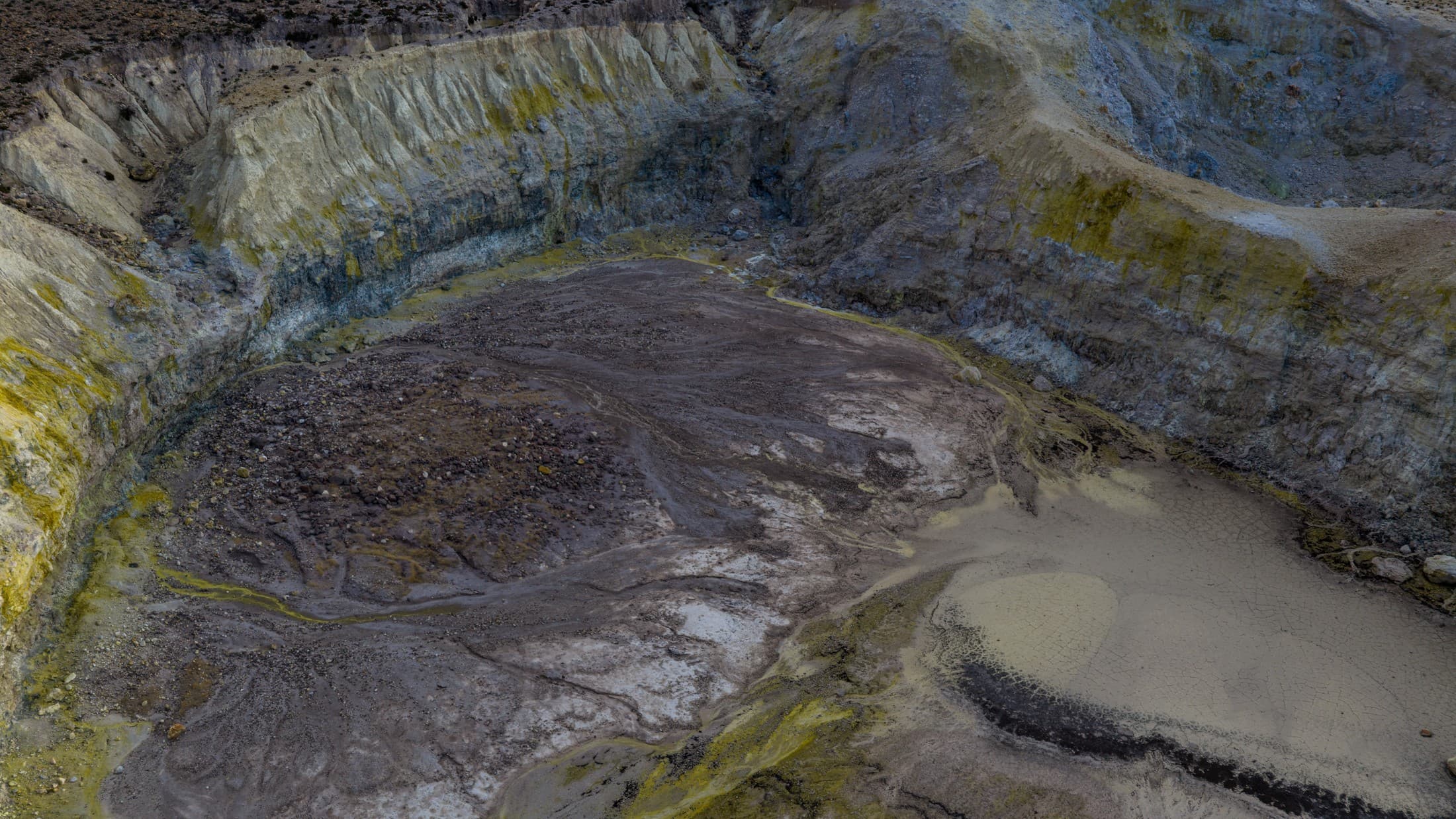
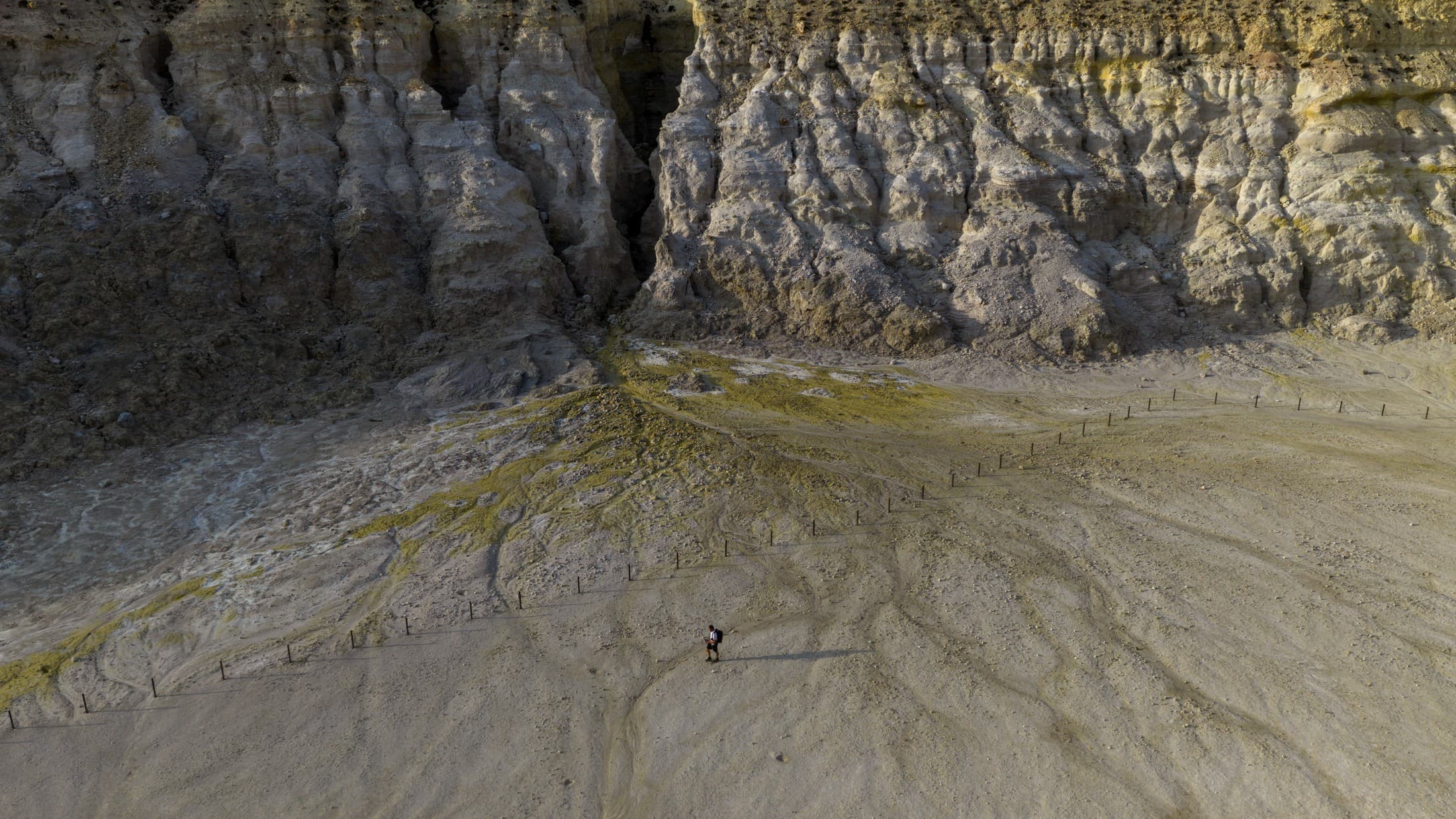
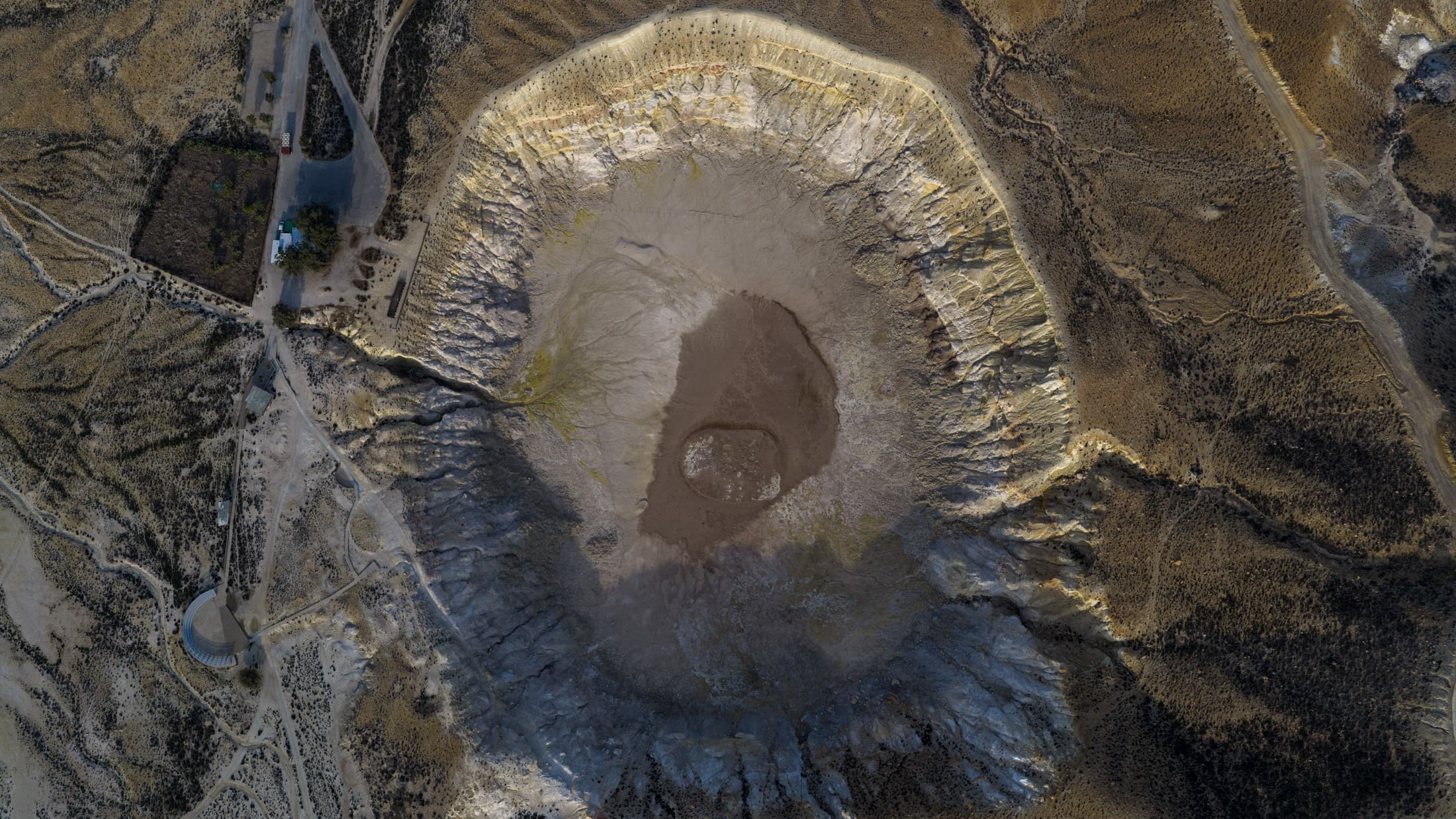
The heart of the volcano beats in the vicinity of the craters. The largest crater, "Polyvotis", has a diameter of 260 metres, while the most famous and accessible is "Stefanos", one of the largest and best-preserved hydrothermal craters in the world. The last strong activity was recorded in 1888, leaving behind a landscape of eerie beauty with yellow flames, sulfur and hot springs.
Science and Exploration
For a thorough experience, the tour is completed by visiting two model centres:
A Caldera of World Beauty
The island is dominated by a superbly preserved caldera, 4 km in diameter. Its diverse volcanic rocks (basalt, andesites, dacites) not only define the landscape, but have historically been used in the architecture of the island. Notable examples include Paleokastro and the impressive bell tower of the Church of Agios Ioannis Theologos in the village of Nikia.
The Craters: A Rare Spectacle
The heart of the volcano beats in the vicinity of the craters. The largest crater, "Polyvotis", has a diameter of 260 metres, while the most famous and accessible is "Stefanos", one of the largest and best-preserved hydrothermal craters in the world. The last strong activity was recorded in 1888, leaving behind a landscape of eerie beauty with yellow flames, sulfur and hot springs.
Science and Exploration
For a thorough experience, the tour is completed by visiting two model centres:
- The Volcanological Museum in Nikia: The first of its kind in Greece, where the exhibits reveal the structure and activity of volcanoes.
- The Volcanological Observatory in Emporios: A permanent monitoring station that offers valuable insight into the geodynamics of the Aegean.