Where clouds descend, kissing the very earth
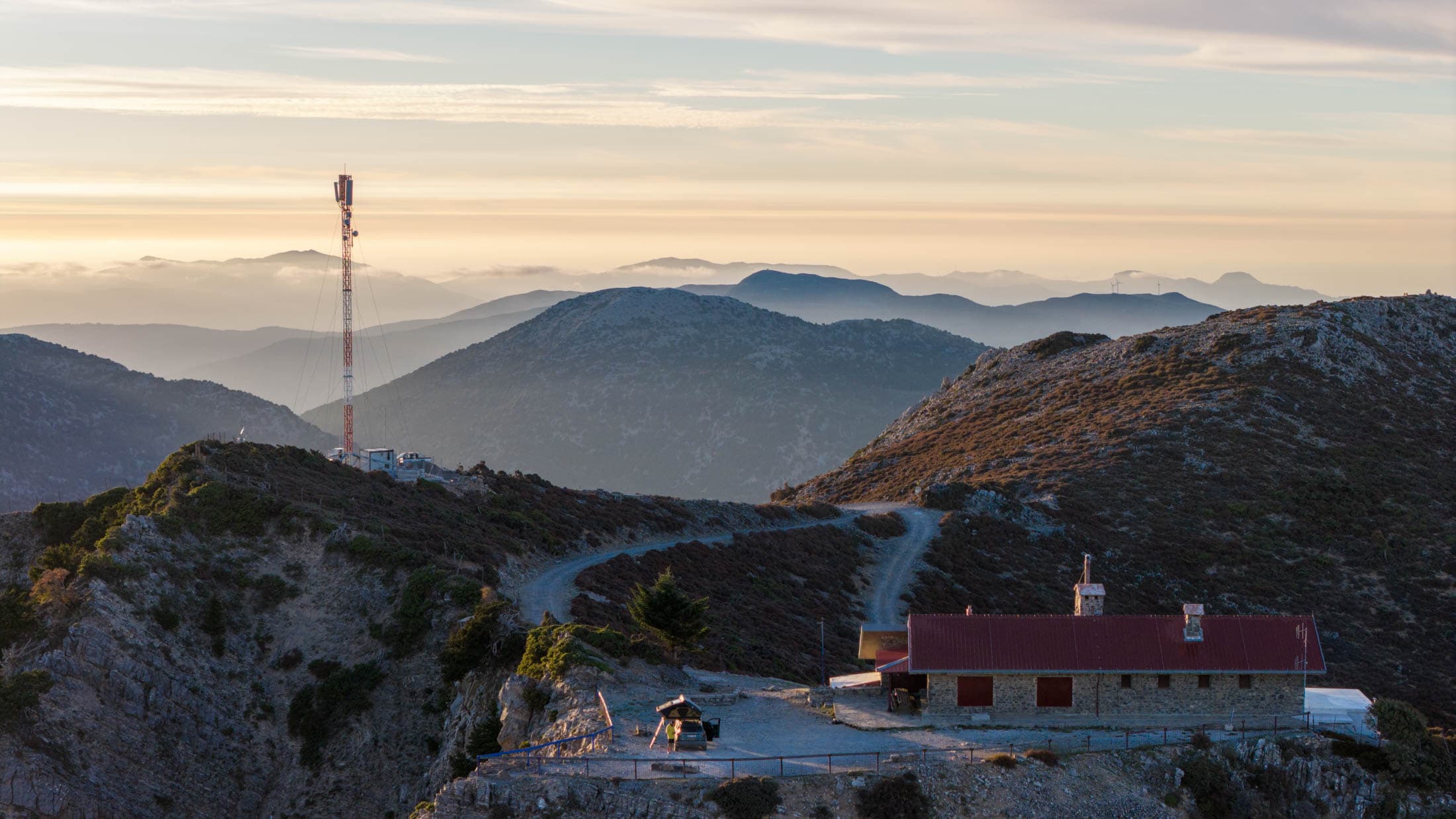
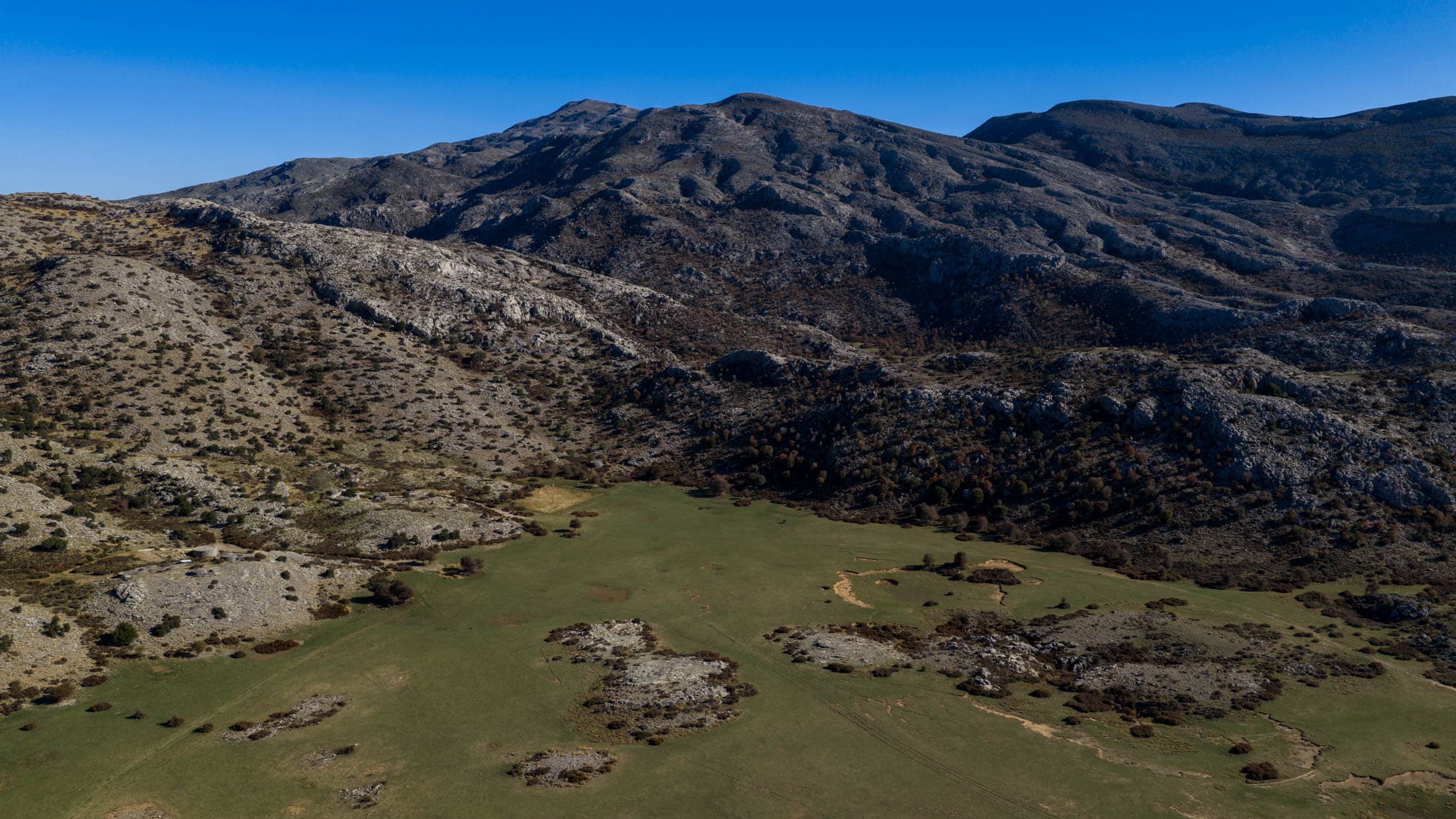
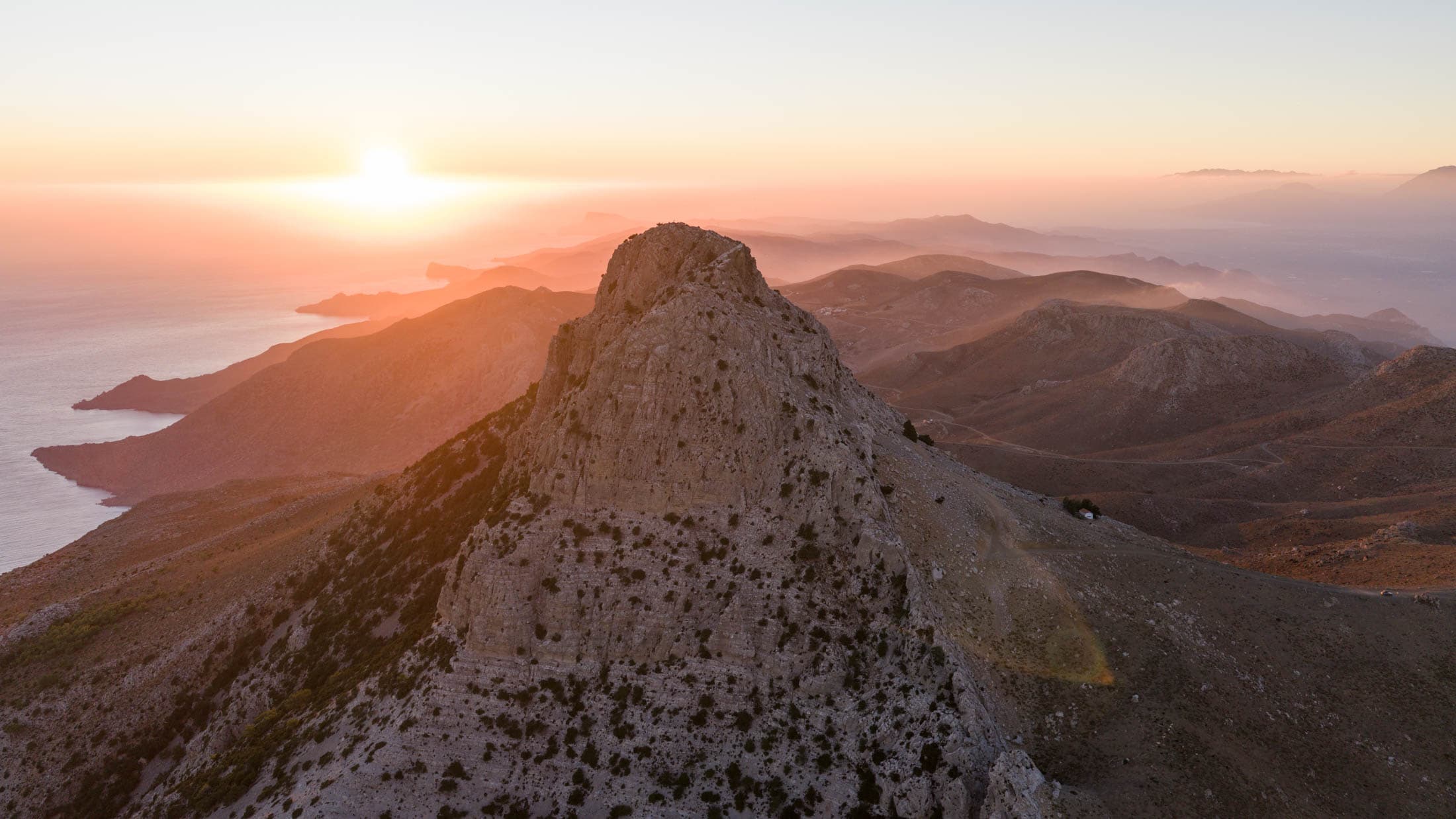
Dominating the heart of Naxos, Mount Zas rises as the highest peak in the Cyclades, reaching a summit of 1,004 metres. Legend claims a cave once sheltered young Zeus during his childhood, shielded by nature's deities and the island's nymphs, from where he drew divine power. Indeed, the name Zas simply means "the god who lives".
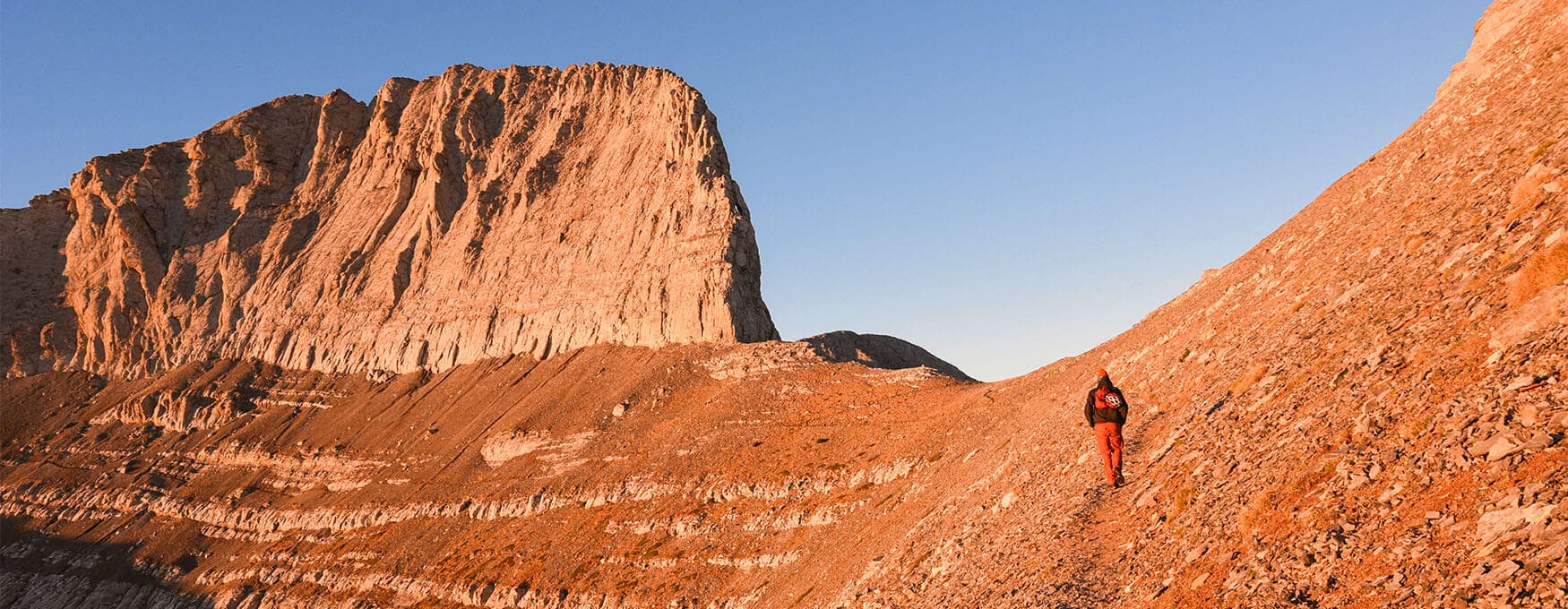
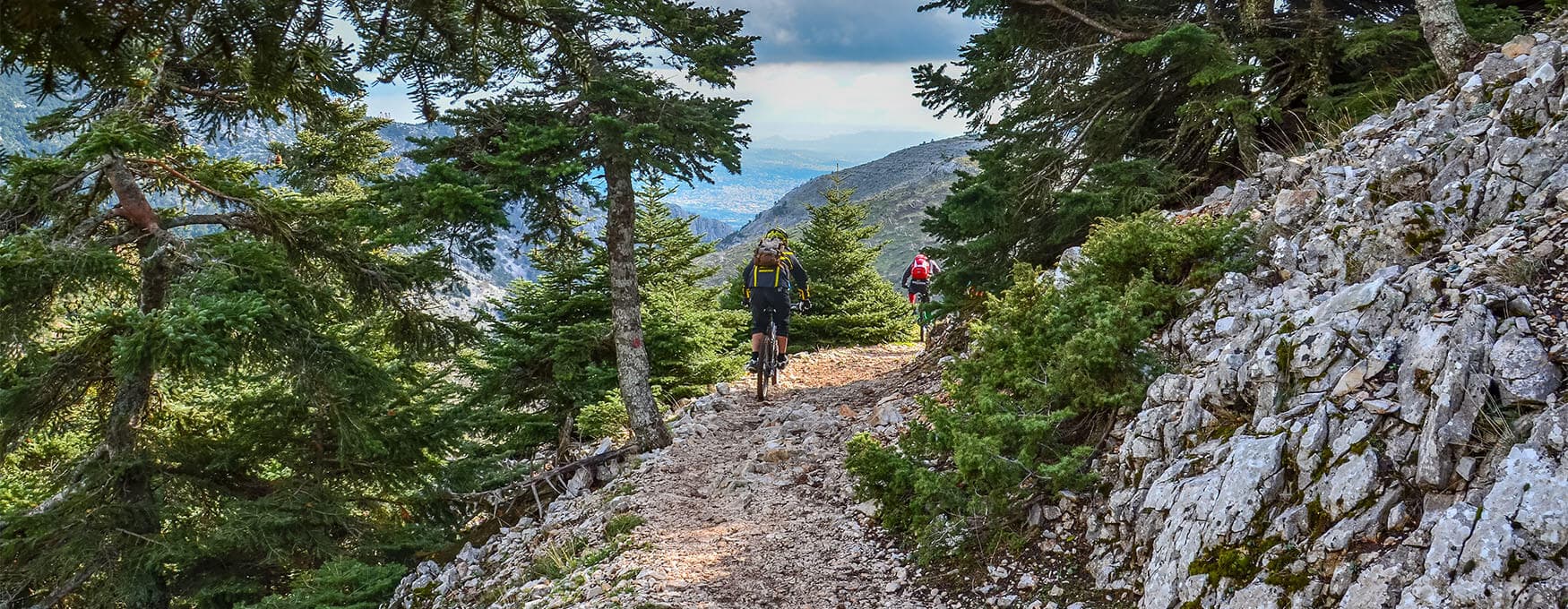
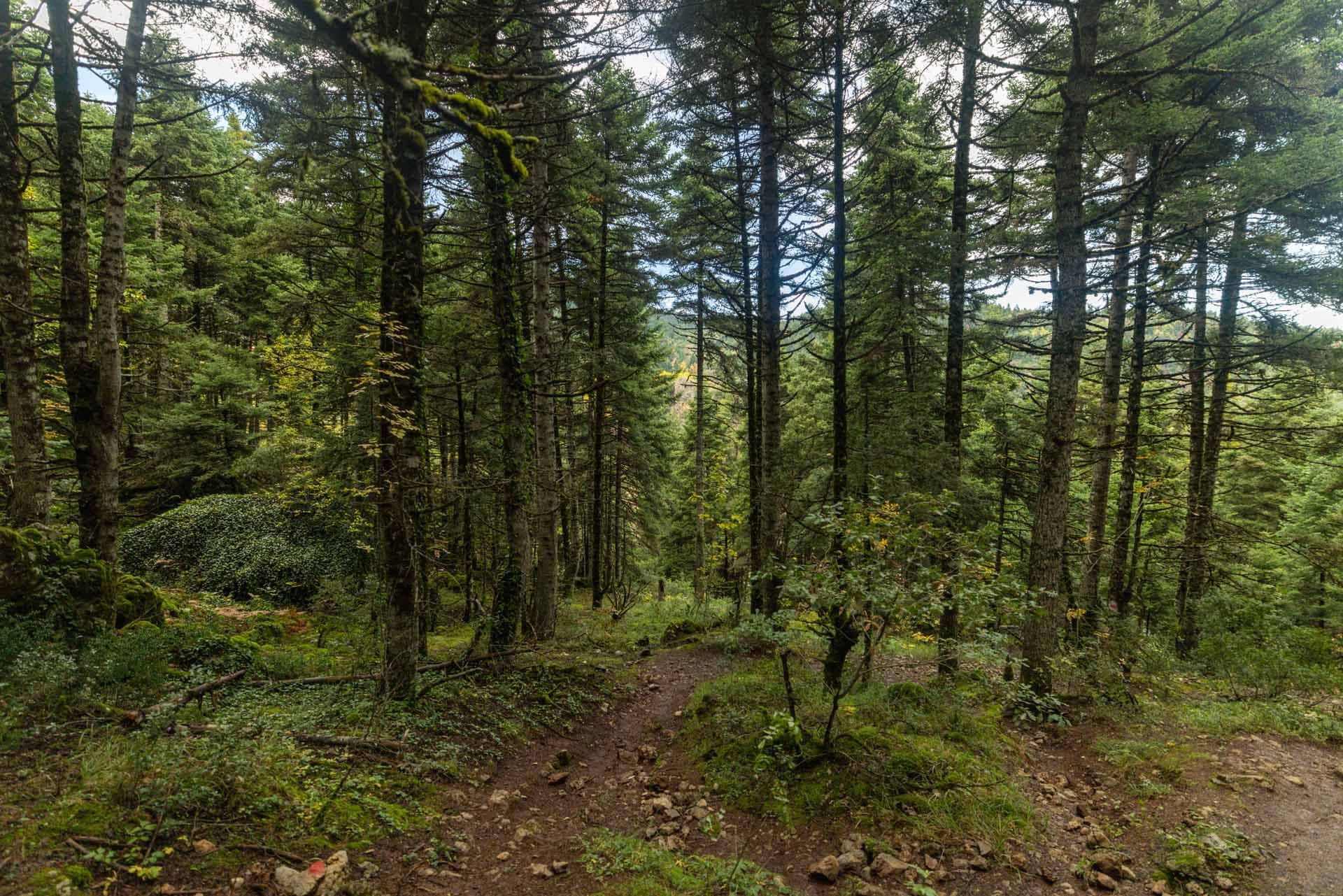
The ascent to the cave, winding through wild thyme, scrubland, and stunted oaks, is one of the most enchanting hiking trails on Naxos. Following the ancient path beginning near the village of Filoti, after approximately one hour, you will arrive at the Cave of Zeus, on the western slope of the mountain, at an elevation of 628m.
The entrance is striking, measuring 10 metres wide and 2.5 metres high. Inside, the cavern extends to a depth of 115 metres, spanning over 4,000 square metres, with stalactites that glitter in torchlight. Near the entrance stands the tiny chapel of Zoodochos Pigi (the Life-Giving Spring), built during the Ottoman era — a humble continuation of a primal tradition of worship.
From the Final Neolithic period (5th–4th millennium BC) through to the Roman era, the cave served as both a refuge and a place of worship. Within its layers, archaeologists discovered obsidian tools from Milos, ceramic vessels, barley and lentil seeds, alongside copper implements and a delicate gold sheet, representing some of the earliest evidence of metallurgy in the Aegean.
While the cave has not been developed for mass tourism, the area remains open to experienced hikers and nature lovers seeking the island’s more mystical side. You can also visit the Spring of Zas just above the cave where, according to legend, Zeus first quenched his thirst. Opt for morning visits to avoid the heat and ensure you have a torch for the cave's interior.
The ascent to the cave, winding through wild thyme, scrubland, and stunted oaks, is one of the most enchanting hiking trails on Naxos. Following the ancient path beginning near the village of Filoti, after approximately one hour, you will arrive at the Cave of Zeus, on the western slope of the mountain, at an elevation of 628m.
The entrance is striking, measuring 10 metres wide and 2.5 metres high. Inside, the cavern extends to a depth of 115 metres, spanning over 4,000 square metres, with stalactites that glitter in torchlight. Near the entrance stands the tiny chapel of Zoodochos Pigi (the Life-Giving Spring), built during the Ottoman era — a humble continuation of a primal tradition of worship.
From the Final Neolithic period (5th–4th millennium BC) through to the Roman era, the cave served as both a refuge and a place of worship. Within its layers, archaeologists discovered obsidian tools from Milos, ceramic vessels, barley and lentil seeds, alongside copper implements and a delicate gold sheet, representing some of the earliest evidence of metallurgy in the Aegean.
While the cave has not been developed for mass tourism, the area remains open to experienced hikers and nature lovers seeking the island’s more mystical side. You can also visit the Spring of Zas just above the cave where, according to legend, Zeus first quenched his thirst. Opt for morning visits to avoid the heat and ensure you have a torch for the cave's interior.